Author: donald barnat

Traffic Officers


Oh Yes, I Warned You About 2018
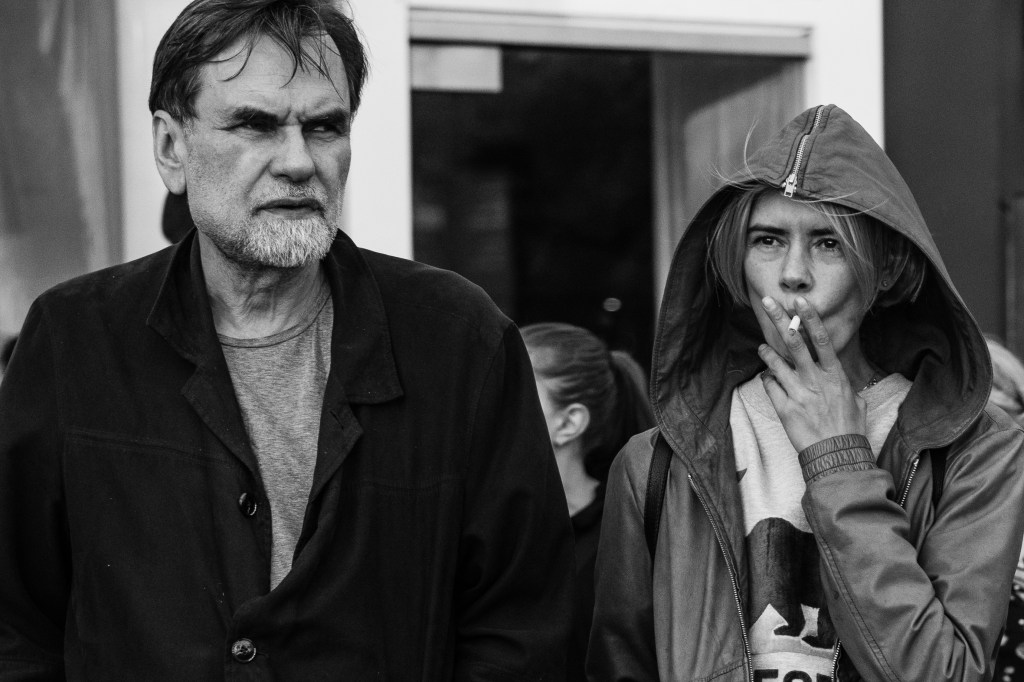
Lighter Than Air

Languid and Bittersweet

The Transformative Nature of the Photographs of Diane Arbus – The New York Times

“A woman with her baby monkey, N.J. 1971.” The Estate of Diane Arbus
The NY Times’ James Estrin has gone and done it now. He has made up for his (in my mind) less than kind assessment of Diane Arbus’s work with a piece today that gives the proper perspective on this truly amazing 20th century photographer.
But some of the thoughts expressed in this article really hit home for me. In many ways I have felt locked up in a world of photography as it is viewed and presented today, by voices that frown upon unflinching images of America and the conditions of life here. Images that are taken, and not made, (more on that in a second) and clearly without permission. So I’m going to be presenting some of that on this photoblog in the very near future.
More often than not, Arbus had permission from her subjects. But, as Joan Didion once alluded to about herself and the subjects of her writing as she encountered them, we can be pretty sure the subjects of both of these unflinching documentarians had no idea how graphic the end result would turn out to be. In the case of Arbus, it has been the source of great criticism of her work. For me, however, I believe you can’t argue with what we are left with in terms of the impact and resonance of great photography or great writing. Anyway.
So, this paragraph that I quote below. Wow. I wrote a brief thought here about four years ago on the whole ‘make-or-take’ question in photography. I have SO wanted to expound on that theme in greater detail and with a little more of a critical voice. So to be clear, I don’t ‘make’ images, in the Ansel Adams or National Geographic way of thinking. I don’t plan and calculate or place myself in carefully chosen positions waiting for all the perfect elements to fall into place.
So I find now that, at least in the words of Neil Selkirk, the only photographer to have printed her work since her death, Arbus and I have this one thing in common. I am trying to show the world what I see and where I’ve been, and I don’t give a damn and never have about ‘making’ images.
“The whole thing was about her wanting you to see, to share her experience of the moment and the significance of what she had witnessed, and that was a just completely different approach from any other photographer I’d ever been aware of,” Mr. Selkirk said. “They’re trying to make a picture. She couldn’t give a damn about that as the motivating idea. It was to present a document of something she had experienced.”
Two From Olympic Boulevard
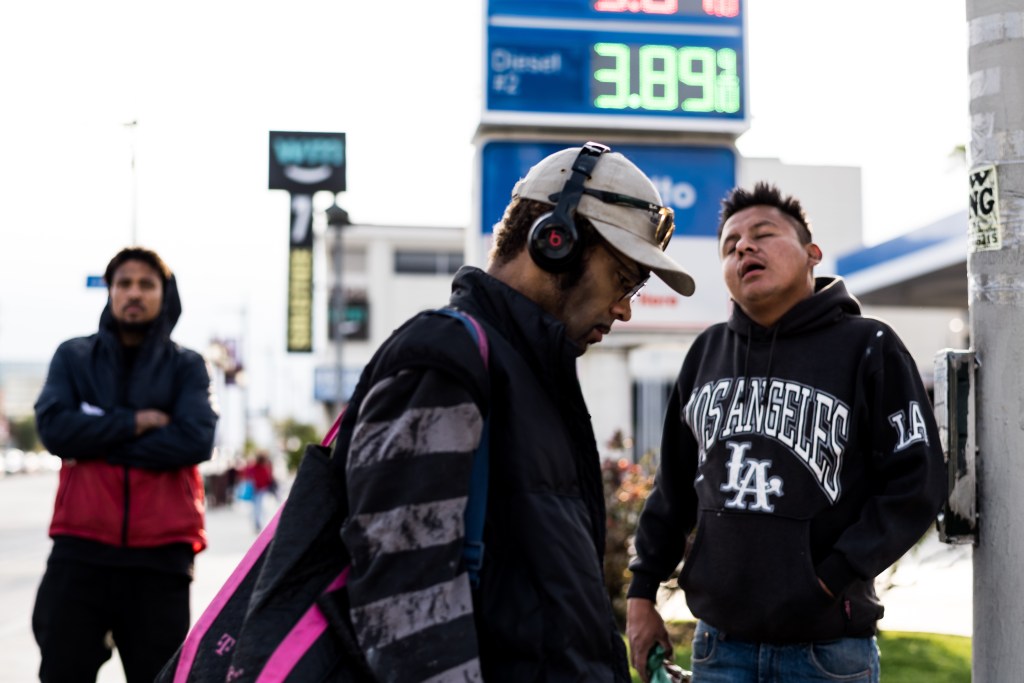

”OH DAD, COULD YOU PLEASE STOP BRAGGING ABOUT YOUR AFFAIR WITH LIBERACE?”

Ha ha ha! That’s from David Letterman’s writers, by the way. Runner up was, “Hey Dad, thanks for teaching me to smoke.”
Just my way of saying, Happy Father’s Day!!!
The AF-S NIKKOR 58mm f/1.4G Review: A Look Inside My Photographic Heart
 Touching the great indoors. Nikon D750, AF-S NIKKOR 58mm f/1.4G, f/2.0 1/400 sec
Hello and welcome to a rare thing around here on my photoblog, the product review. I’m going to give my takeaway on the lens Nikon created as an update of an old legend from the manual focus days, the 58mm f1.2 Noct-Nikkor. The newer lens, released in late 2013 (Yes, I’m late) is called the AF-S NIKKOR 58mm f/1.4G, and no, if you might at some point find yourself wondering, Nikon does not know I exist. I promise you this will be an unusual review, to say the least. But I never say the least if I can, as anyone reading this will quickly realize. So let me explain some things right off the top that might save some of you a lot of time and annoying reading.
What you see below, the thousands of words? They have been written for one purpose only and that is to qualify the opinion given here. I will be the first to admit that my thinking is based on somewhat unusual factors and processes. But in order to appreciate, respect, or even disregard my opinion, such as it is, you would have to know something about the person giving it, what makes that person tick photographically and why he or she (he, as of this writing) has come to the conclusions he has come to. Thus everything that follows.
Let me further save you some time if you’re inclined to cut to the point. I didn’t take all this effort and put my keyboard through all the wear and tear I have because I merely like this lens. And I would never waste my time writing about a lens I had a negative opinion of. The reason I’m writing this review is because the AF-S NIKKOR 58mm f/1.4G has changed my photographic life and that’s the truth. I have never been happier with the results from a lens and, combined with the D750 I’m shooting it on, I’ve never been as happy with a camera and lens combination as I am right now.
Two Views On A Suit Worthy Of Conor McGregor Himself

One word, so many meanings. Nikon D7500, AF-S NIKKOR 58mm f/1.4G, f/3.2 1/320 sec

Words on Glass. Give it a second. Nikon D7500, AF-S NIKKOR 58mm f/1.4G, f/3.2 1/250 sec
But happiness doesn’t begin to describe how I really feel about this lens and the images I’m able to make with it. There is a mystery inside of me now, once again, that this lens is helping to explore. There is the genuine awe and a constant element of surprise when I look at the images I get from a day out shooting. But more than all of that, there are the affirmations to my own personal photographic aesthetic that helps to create a pure joy that shooting this lens provides me. For me, this lens has brought the magic back that I first felt many decades ago thinking and experiencing photography in the earlier days of my life.
Is that all a little over the top? It might sound that way to some, but I promise you, to me, none of that represents an over-the-top assessment. Not after all the years and the money I’ve spent searching for exactly what I have now. I’m in a new world with this lens and it’s the first time I’ve ever been here. I’m producing with this lens what I dream of from the time I pull out my charge card to pay for camera gear to when I put the viewfinder to my eye to capture a frame to when I pull the memory card out of the camera.

Flare of beauty. Nikon D750, AF-S NIKKOR 58mm f/1.4G, f/2.0 1/2000 sec
Will everyone reading this and looking at the images here in this review and in the other many posts here featuring shots from this lens see the wonderful qualities that I see in the photos? I’m resigned to the fact that this might not happen for many people. First, I’m now mostly a street photographer only and I’ve used this lens mostly for grab-as-you-can street photography. If you’re looking for professional use results from this lens in a review, look here. That guy is the real deal. I’m a different kind of photographer.
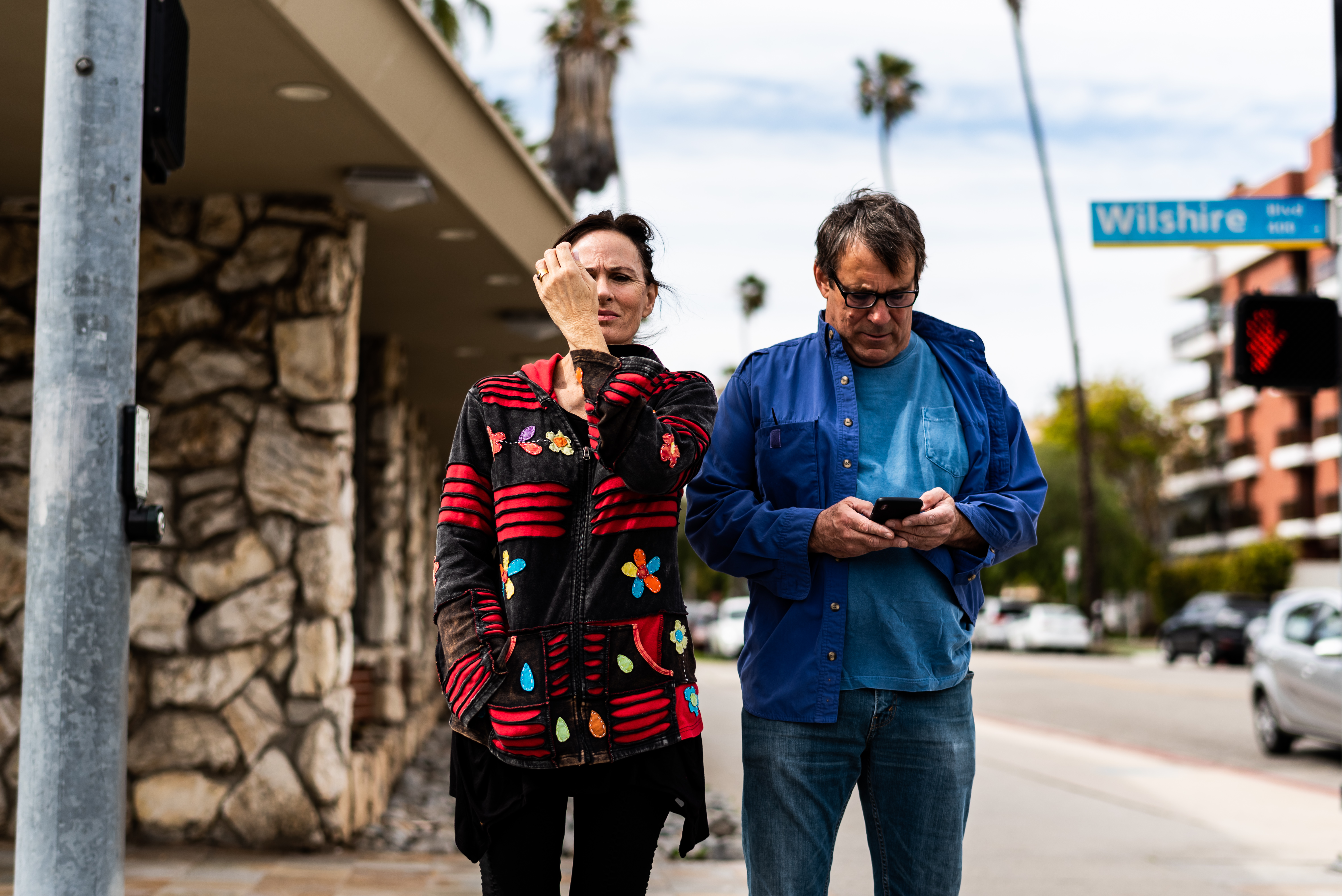 Nikon D750, AF-S NIKKOR 58mm f/1.4G, f/2.5 1/2000 sec (right click and open in new tab for pixel peeping euphoria)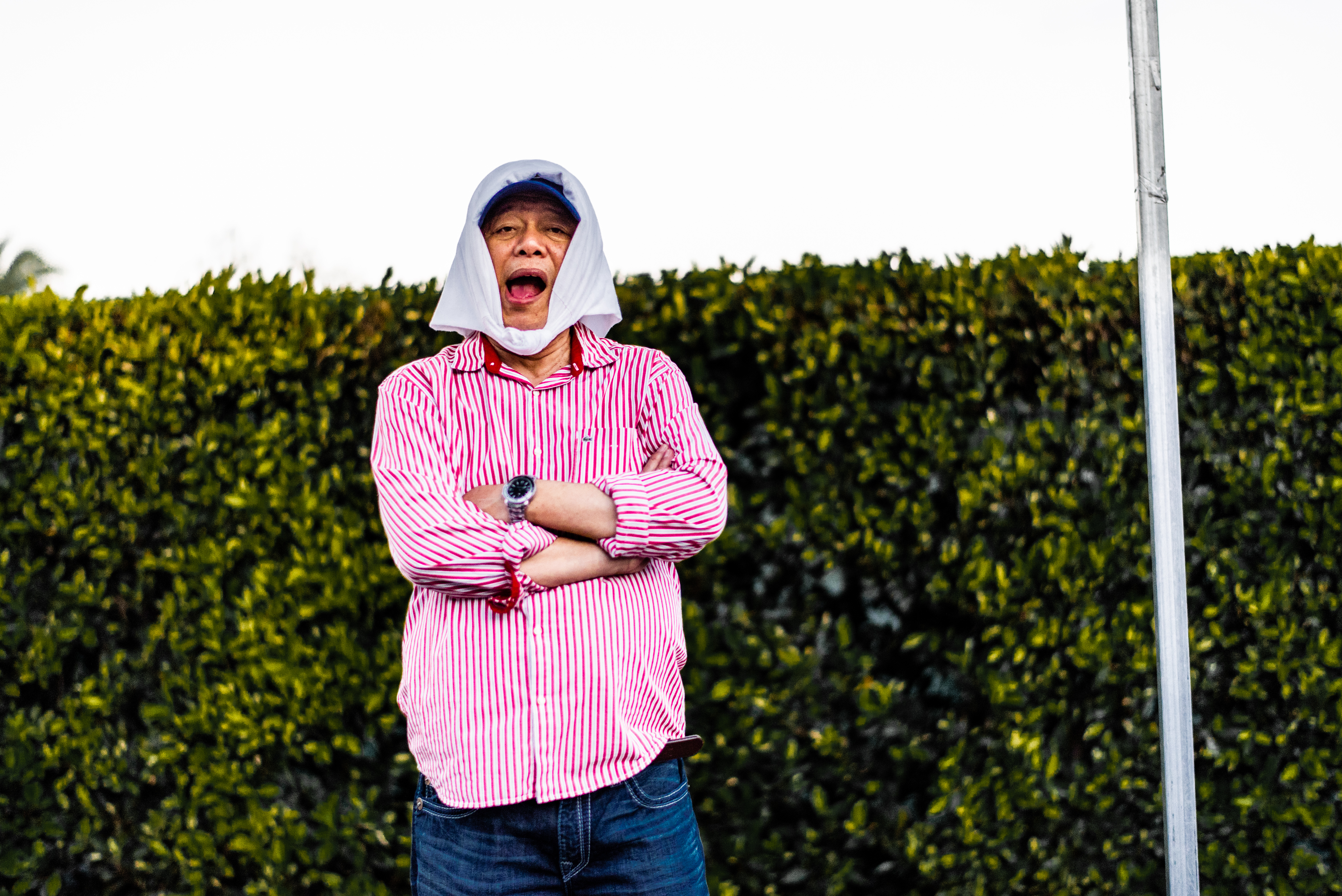
Nikon D750, AF-S NIKKOR 58mm f/1.4G, f/1.4 1/1500 sec
I’m also a walking rejection of the credentialed professionalization of creative endeavors like photography which are now almost entirely the fiefdom of those with advanced fine-arts degrees from a short list of select schools. But then again those are also the kinds of photographers who I would think most likely to appreciate this Nikon 58. If you’re a nuts and bolts wedding or high school seniors shooter this lens might have some characteristics that may be off-putting to you. I can only make a recommendation around the attributes that matter to me and my vision of what matters in photography.
So, if you’re wondering what the verdict here is, wonder no more. This is my favorite lens ever. Breaking news: Apparently, it has flaws. But you’ll have to read about those flaws somewhere else. At first I was obsessively concerned with this new(er) 58’s flaws. Now I’m no longer interested in them at all and I won’t be giving any of that the time of day in this review. If you haven’t already read it, I think the review posted and conclusions drawn at DPReview perfectly describe my psuedo-technical impressions of the AF-S NIKKOR 58mm f/1.4G.
Except for this.
The truth is, things that we think of as flaws can have unpredictably wondrous effects on the images a lens produces. Quirk, as anyone who is exposed to fine art photography knows, is never out of style. Every modern photographer at this point should know that correcting for every last possible imperfection carries with it the risk of producing a clinically bland camera lens. Perfection is sometimes necessary but most photographers would probably take magic over flawless perfection. This is a path of understanding I’ve been on for a long time. Look at the photography you see on the New York Times that accompanies articles on the arts or food or documentary subject matter. What I refer to as ‘character photography’ is now the most well-represented look in modern photo-journalism as it it practiced at the highest levels.
Nothing screams ‘quirk’ louder than a woman with hair blown in her face and a nice minty green hue adjustment.

So let’s start somewhere right around–but not quite–there. But first, how about an entire gallery of images shot wide-open? Here’s one to whet your appetite. (Provided you’re a teenage girl.)
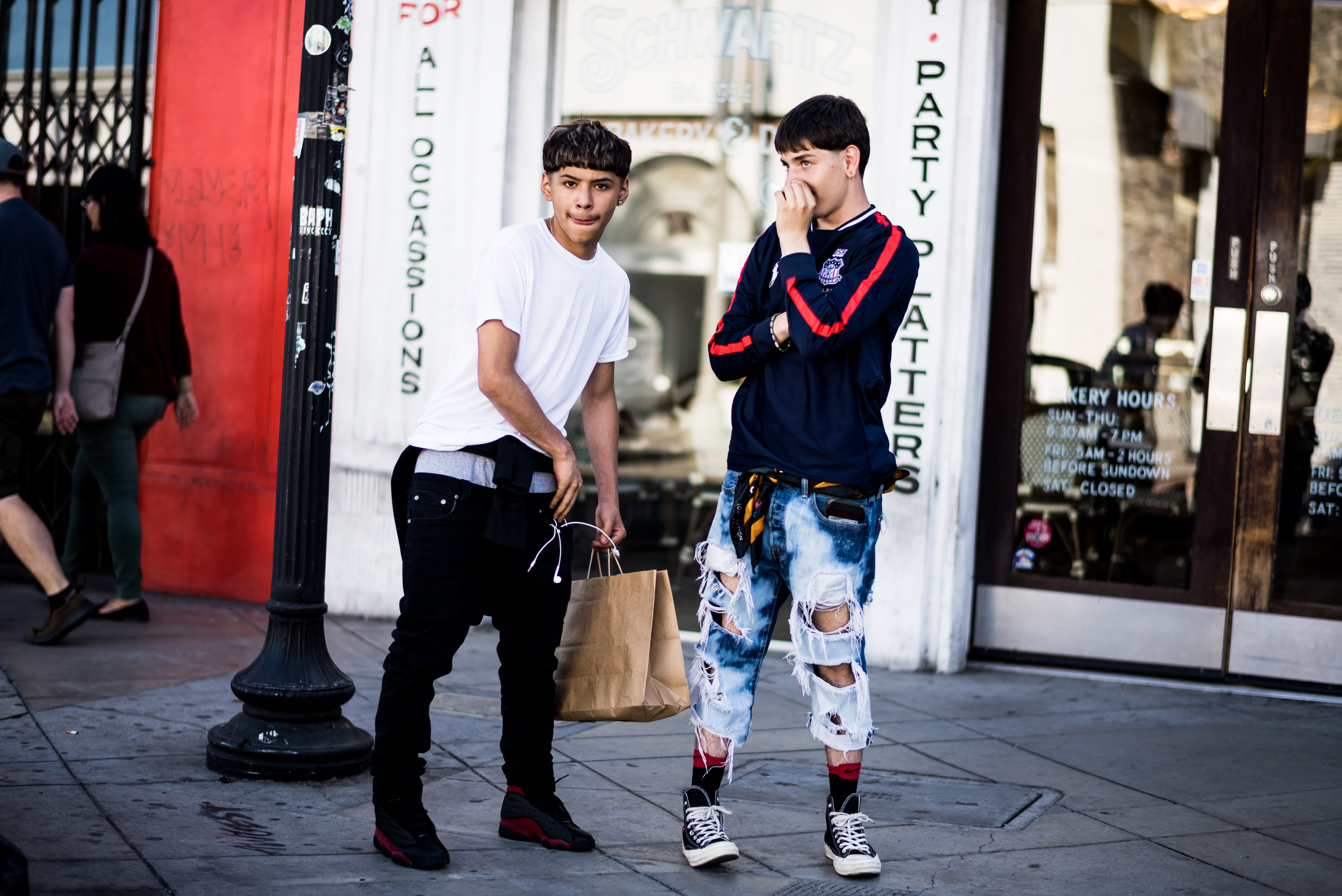 (click and click again for a full res version)
I want to say, one of these images, which I won’t identify, was shot the morning I had intended to run this lens over to UPS and send it back. I had the return authorization. Then I saw this very simple shot and it finally registered with me. I saw it. And I’ve never looked at the images from this lens the same way after that. I would be opening myself up to charges of lunacy if I revealed to the world what image in this gallery it was that so turned me around about this lens. But it’s in here somewhere. There are links on the bottom left of each image in the gallery that lead to a full-res look see.


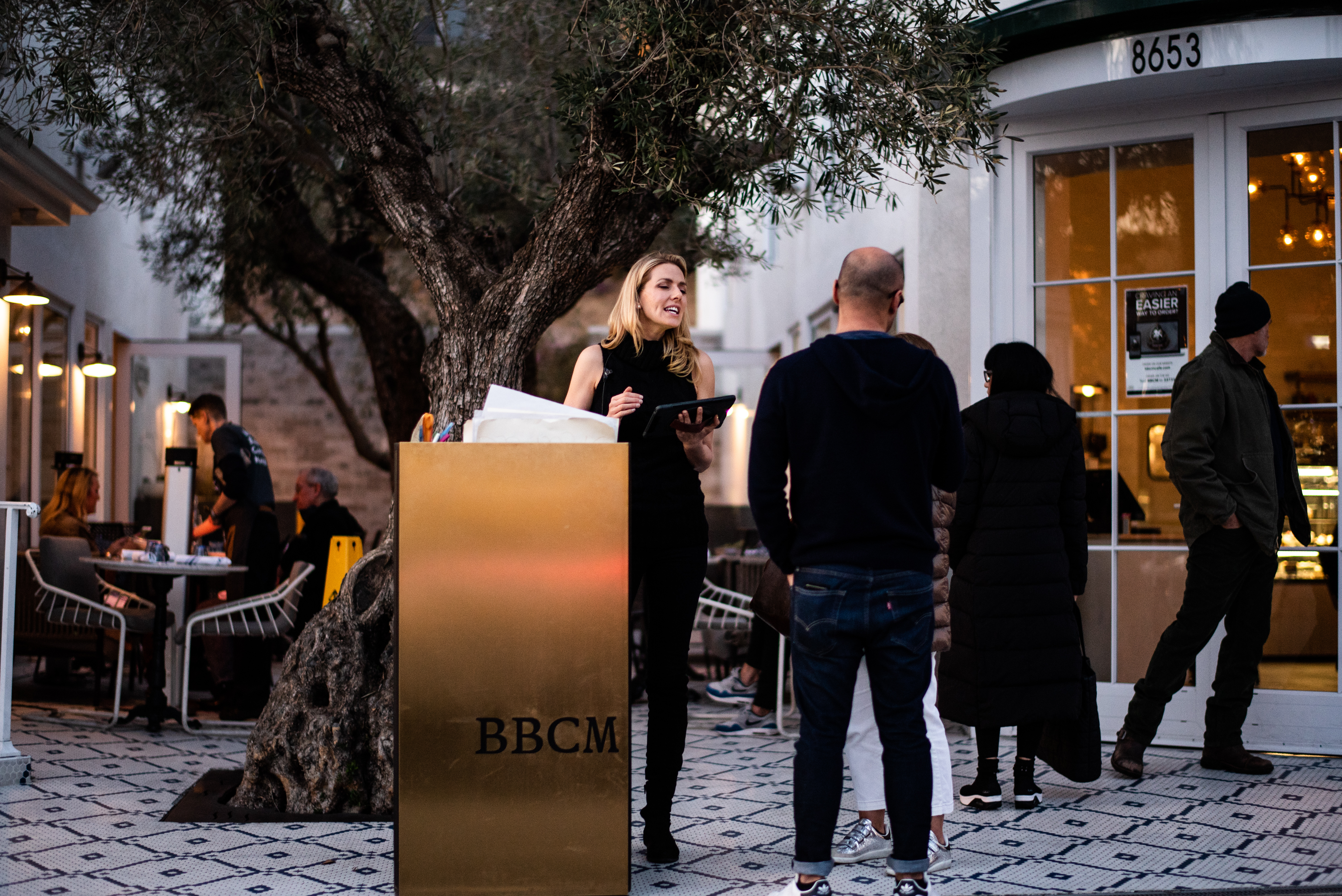
What Photography Means To Me
The famous quote by Garry Winogrand goes something like this. I photograph in order to see what something will look like photographed. This always sounded to me like just another attempt by a photo-artist to apply the required art-speak that every photographer must have ready to deploy in discussing his work if he ever wants to be taken seriously by the fine arts crowd.
It is not. It’s a literal statement by a photographer who, in my opinion, was not always the most articulate spokesman for his own work. But if you remove Winogrand himself from the thought and replace him with all of us who now peek at our LCD’s to see how the shot we just took looks, it’s really a statement about lenses and film and now digital gear of all varieties and what they all impart to an image that is first seen by the naked eye, then most often (but not always) through the viewfinder of a camera, and then, finally captured when the reflected light is exposed to our camera sensors, or, back in Winogrand’s day, to the emulsion on a patch of film. All of those things change what we first saw with the naked eye into a visual memorialization that is made to look different because of the choices and characteristics of the lens being used, the camera system, the type of film loaded into the camera, or the myriad digital camera settings, and whatever other magic happens in between all of that.
Another timely gem from Winogrand:
“The photograph should be more interesting or more beautiful than what was photographed.”
Wait. You mean, like this?


Come on. You have to admit, this freeway on ramp is quite fetching.


You see where I’m going with this. There’s a big difference between reality and a photographic image. And I don’t think we’d all be that interested in photography if there wasn’t. When it comes to the impact of glass on that difference the results vary wildly from one lens to another in the context of the thousands of lenses that have been manufactured in the last half century or more. I can’t speak for everyone, but I think it is a natural impulse at this point to shoot a scene or a subject in order to see what that scene or subject looks like after the reflected light has passed through our glass, been recorded to our sensor, with our settings, and then put through each of our unique chosen post processes.
And I know I’m not alone in saying at the end of the day I’ve been both surprised and disappointed a thousand times over at the results I achieved.
f/2.8 is stunning. (right click and open in a new tab to pixel peep)
 f/2.8, 1/1250
When I first became aware of pictures in the 1960s it was largely through magazines like LIFE and LOOK, but also the images in encyclopedias and my older siblings’ discarded history and sociology text books. I’ve come to understand, over time, that the pictures I saw in those books and magazines, especially the iconic black and white film images taken by the legends of 20th century photography, were so often made with Leica cameras and lenses.
Did someone say B&W?


As I moved into my second decade of photographic awareness, the 1970s, the images that I was seeing and being influenced by changed. Now it was about manipulative magazine advertisements which featured flashy, witty, or sexy color photography that sought to influence the buying public by relying heavily on pictures to infect consumers with that germ of longing for objects or places that were available but only for the right price. Like this guy’s Porsche. 😉
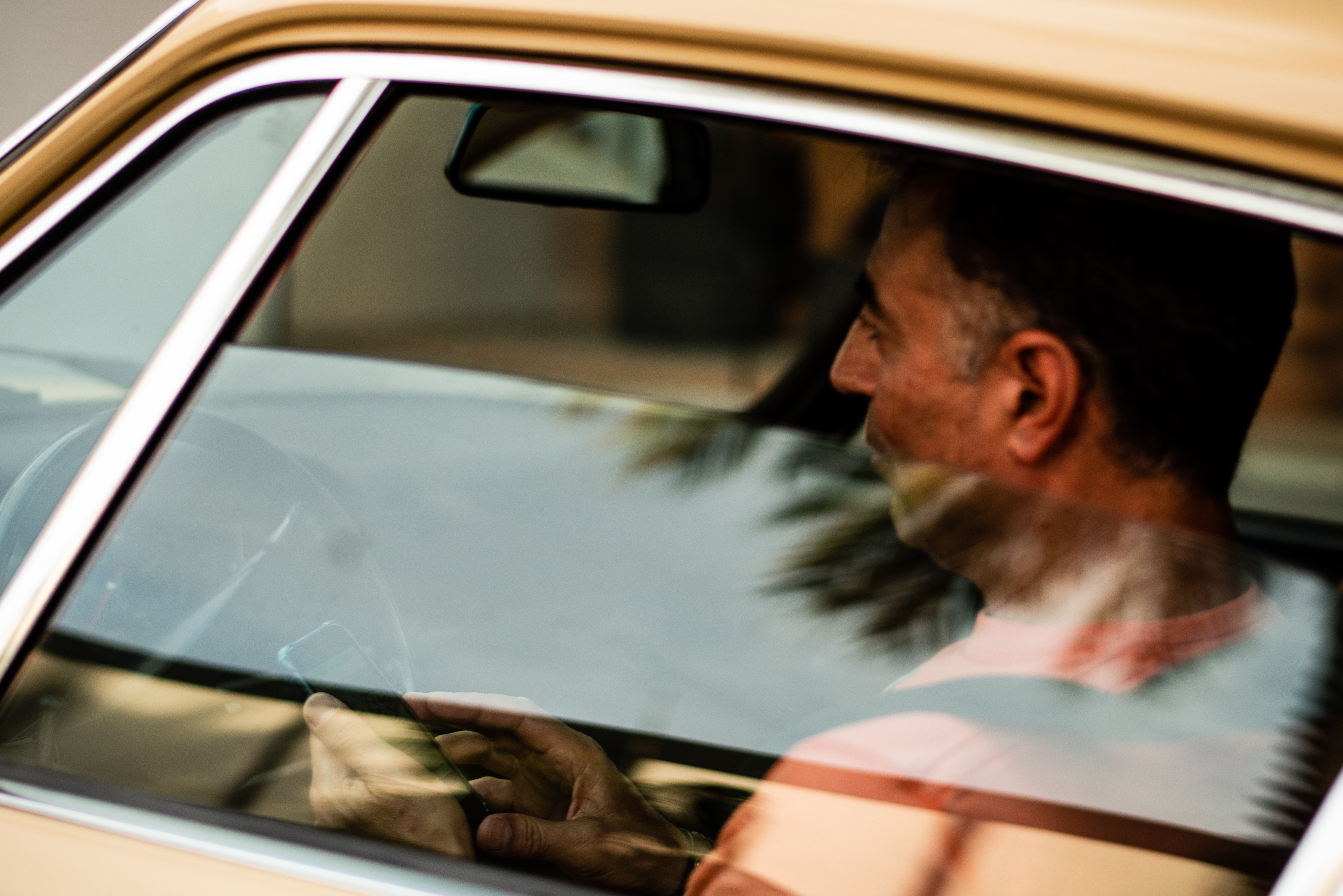
f/2.4, 1/1000
This era also marked the advent of lifestyle photography as that trend grew more popular through countless magazine photo features. Now it became these seemingly vernacular photos of attractive people drinking, dining, lounging around pools, or frolicking about the globe that were writing themselves into my head. What images were taken with what camera systems is something that I can’t know at this point. But it was during the 70s that Japanese SLRs became popular with professional photographers. So without question, the photography we were seeing back then was being increasingly shot with Japanese cameras and lenses made by companies like Nikon, Canon, Olympus, and Minolta.
By the photographic standards of today, a lot of the lenses from that era wouldn’t hold up. But from all of these name brands there were many gems produced that photographers lived with and swore by. These lenses created a look. It was not the Leica look. It was a Japanese look. But it wasn’t just the glass that contributed to that new look. It’s important to remember that color film was being changed as well. New and faster films, color matched for different lighting situations, were now widely available. And so the photographic look of the era as we saw it in magazines of the day was largely based on an interaction between the best Japanese glass with new and exciting color films.
What I’m trying to do here is paint a picture of my own and that is a description of what I believe created my own particular aesthetic wants and desires when it comes to photography. Everyone is different, that’s true. But it doesn’t mean there aren’t great similarities shared between wide groups of people. We all might watch a cool commercial and there would be a consensus that it was indeed cool. Likewise, in photography, it seems that many of us have some shared sensibilities when it comes to what we like to see and what characteristics in the images that certain optics produce we all aspire to. That explains the bokeh craze of the last decade or more. Not everyone is on board. That’s important to point out. But when you call people’s attention to a specific something, I believe there does seem to be a shared agreement that this is good, that is bad, etc.
f/2 is a very good thing.
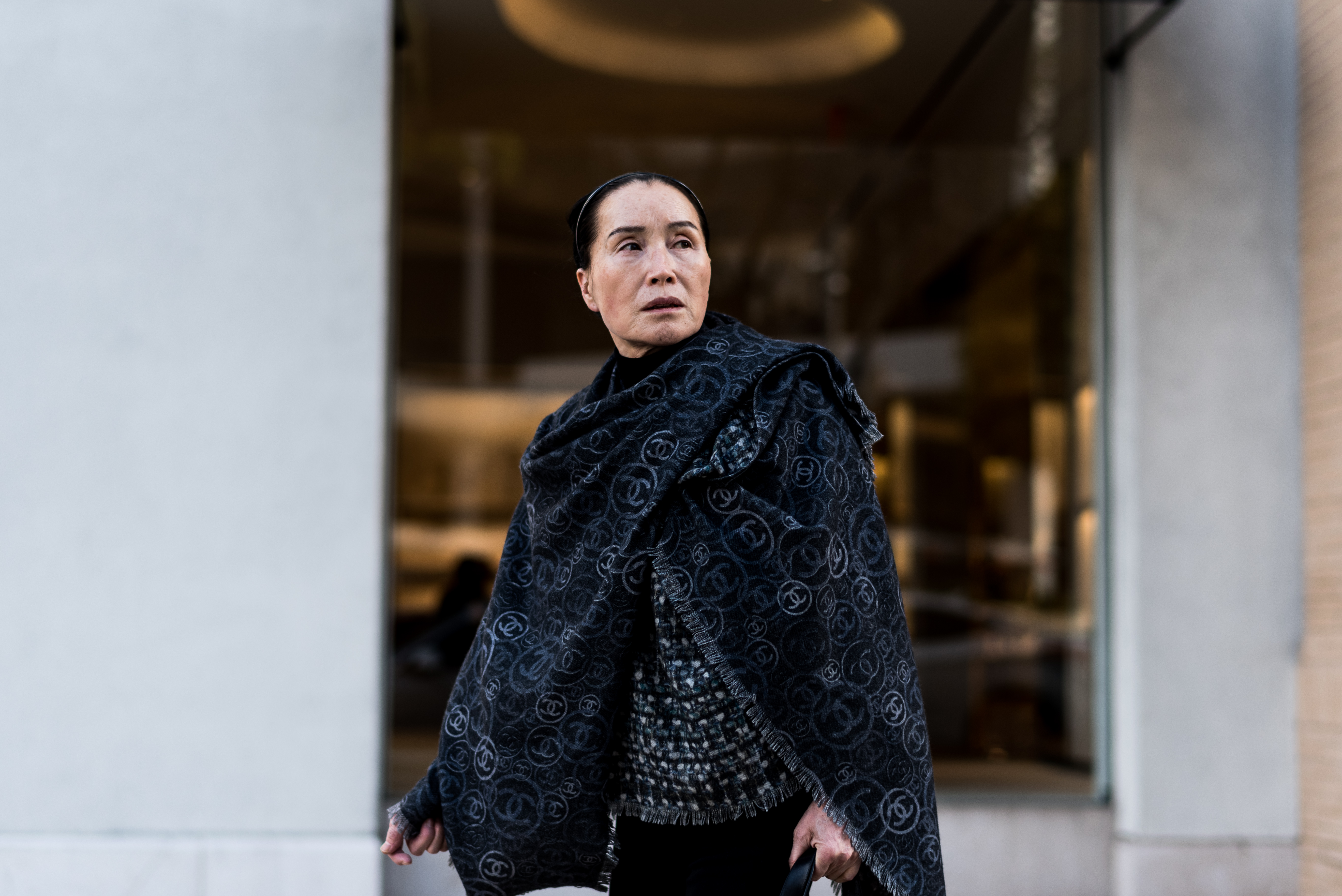

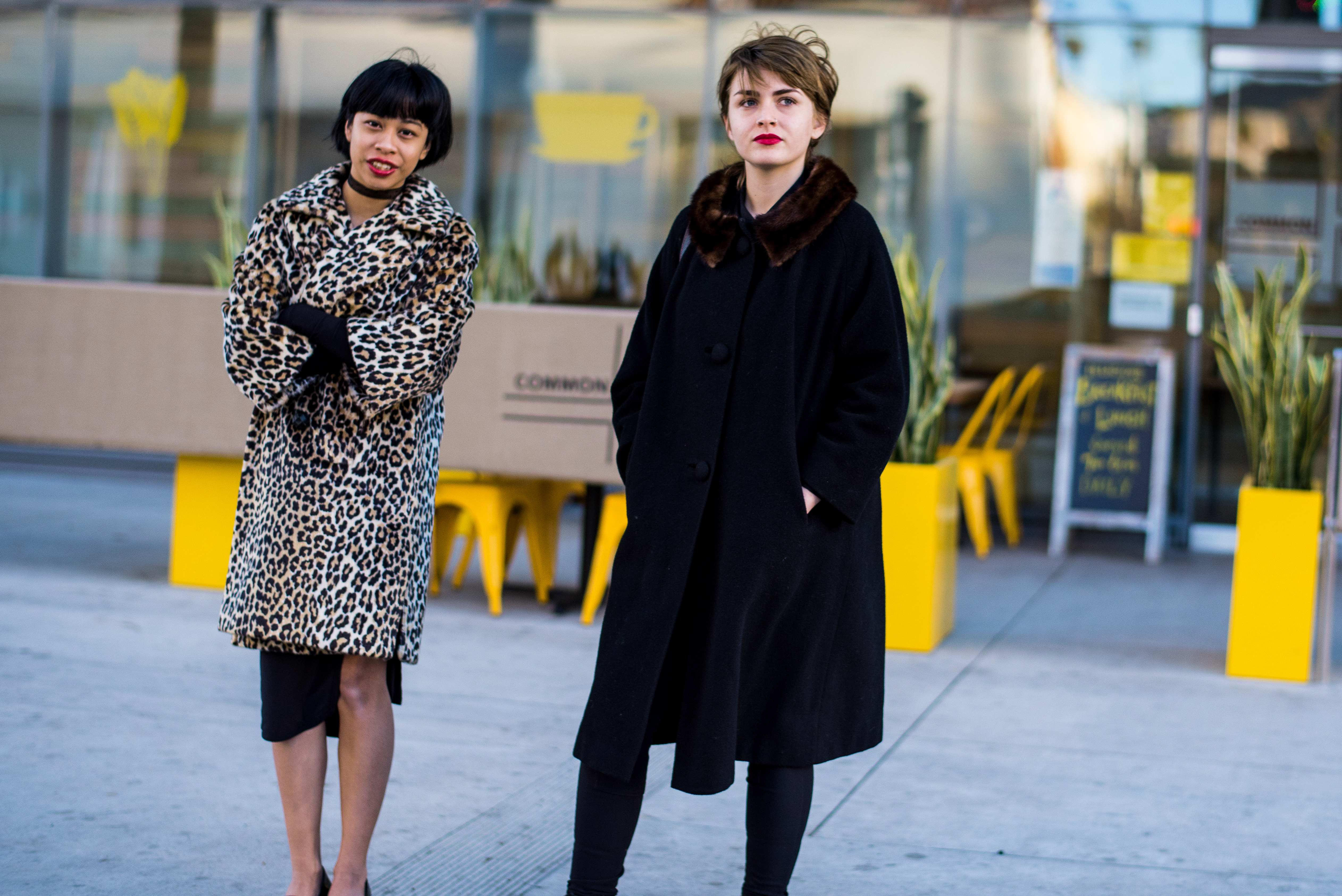
So fast forward to 2004, when I got my first DSLR, the really marvelous Nikon D70. I got it with the kit lens, I think it was something like an 18-85mm f4-5.6. And despite being in love with the camera and the newfound ability to take countless images without having to pay for film or developing, I saw absolutely nothing that remotely reminded me of the kind of images I grew up loving or of why I wanted to make photographic images of my own.
Thus began a journey. The journey. I’d spend hours upon months on a website called pBase, looking at the images taken with any number of older Nikon lenses. I’m sure so many photographers can relate. We called it lens lust. But I think it was coming from something much deeper. I think we were all chasing something. I know I was. I was chasing the look of photography as I’d known and loved it growing up and photography as it had attracted me to making pictures with a camera.
I can’t tell you how many Nikon lenses I owned. It’s unknowable, at this point. But I might remember the cameras. After the D70, I had a pair of D80s, a D2Hs, a D200, a D3, and a D700. Sensors evolved. Software evolved. Auto focus… well… they TOLD us it was evolving, but whatever on that. 😉 (We’re there now, Nikon. All is forgiven.)
But as I got out of photography that required pro-zooms and flash units, my frustrations with auto-focus and a life-long desire to shoot Leica gear won out and I sold my Nikon equipment and started down the expensive but incredibly rewarding road of being a Leica shooter. I started with the M9 and a 35mm f2.5 Summarit, but I quickly went through a lot of Leica lenses, as well as a lot of money, in short order. I grabbed a mint M7 and a well-worn M6. As far as lenses go, let me say this. If I knew then, what I know now, I would have never moved much beyond that little 35mm Summarit. It’s a great lens with a perfect balance of near perfection and oodles of character and Leica glow and it produced what are still some of my favorite shots.
The holy grail Leica lens, for me, was the one that this website is named after. The Leica 50mm f1.4 Summilux ASPH. It wasn’t an easy lens to get your hands on not so long ago as I’m sure many will remember. I recall telling my wife the day I got it something like this: If I am ever lazy and not shooting, even for a day, remind me to get out there on the street and take pictures, because every picture shot with this lens is that amazing.
So first let me say that I still love my Leica 50mm Summilux. Color and contrast are amazing. The ability to photograph at f1.4 and achieve stunningly sharp results was a revelation and oh so useful. And, very often, the combination of those things all came together to produce magic. If you have the subject, Leica is the equipment for you. Anything compelling is rendered in a way that adds a distinction to an image that isn’t really available with most any other family of lenses. I say ‘family’ of lenses because I don’t think the AF-S NIKKOR 58mm f/1.4G I’m reviewing here takes a backseat to any lens when it comes to adding that certain distinction to images. Bravo, Nikon.
Now if you’re starting to get the impression that this review is less about the lens being reviewed and more about me, you’re right. And that’s kind of the point. And it’s an important point. Choosing this Nikon 58mm lens is really about understanding the photographer who would make that choice and what might lead that person to coming to his or her choice. What do photographers want to see when they photograph something in order to see what it looks like photographed?
What are my desires from the making of an image? That’s what me owning this lens is really all about.

So with all that blurred background now, I would hope, established, let’s start our review. I’ll keep it short. 😉
When I first mounted the lens that’s the subject of this post, the 58mm f1.4 Nikkor G, after seven or so years of shooting Leica lenses, I decided almost immediately that it was going right back on the next UPS plane headed east. I’d read, and disregarded, as suggested by the review writers, the stories of the lens’s now infamous softness wide-open. I got caught up in the glowing claims that the remake of the legendary Noct-Nikkor had a magic to it. But what I saw was something familiar and depressing. An almost veiled fuzziness wide-open. Something dull about the colors. Chromatic aberration, which is pretty much the cold sores of photography, was also apparent. So, yeah, I was disappointed. Now I’m thinking I might have been delusional.
Because I can’t really explain much of that now that this lens has come to mean what it does to me and my photography and my life. Color is just off-the-charts. One of the more amazing things about the 58mm f/1.4 (and its 35mm f/1.4 G sibling) is that as you stop it down from the lush loveliness of bokeh-licious wide apertures, the bokeh REMAINS bokeh-licious. Sharpness is fantastic but… there’s something… it’s the sum total of the unique things about how this lens renders scenes that creates the real magic. It’s like, imagine you have a spouse (wait a minute, that didn’t come out right) and your wife or husband is sharp, in all manners of speaking. Beautiful to look at, and smart. Sharp. But that’s it. Then imagine a partner with those same qualities, but there’s a softness to this person that isn’t there with the other. A charm and gentleness to the voice and outlook. I don’t want to get weird but I’m striving for some kind of analogy that explains how a lens can have a way of rendering a photograph without the harsh edges and clinical perfection but still be as sharp as one could ever want or need a photographic optic to be. For me, that IS the defining quality of the AF-S NIKKOR 58mm f/1.4G.
One factor that led me to the ridiculously premature jumped-to conclusion this lens wasn’t a keeper was its performance on a DX sensor camera. I bought it with the intention of using it on a new Nikon D7500, which I purchased immediately after receiving the 58 1.4. DPReview warns that DX shooters might have some real issues with this lens. I wanted a gorgeous 85mm equivalent combo and so I thought these two would make a great pair. They do and they don’t. But I’m not here to talk about what this lens doesn’t do well on a camera I no longer intend to shoot it with. My next purchase will be another D750 and that will give me two incredible camera/lens combos with the NIKKOR 35mm f/1.4 G and this 58. And hey, there are actually very many shots here taken with this lens mounted on the D7500 and they’re in this review because I’m very happy with them. Let’s take a look at a few now

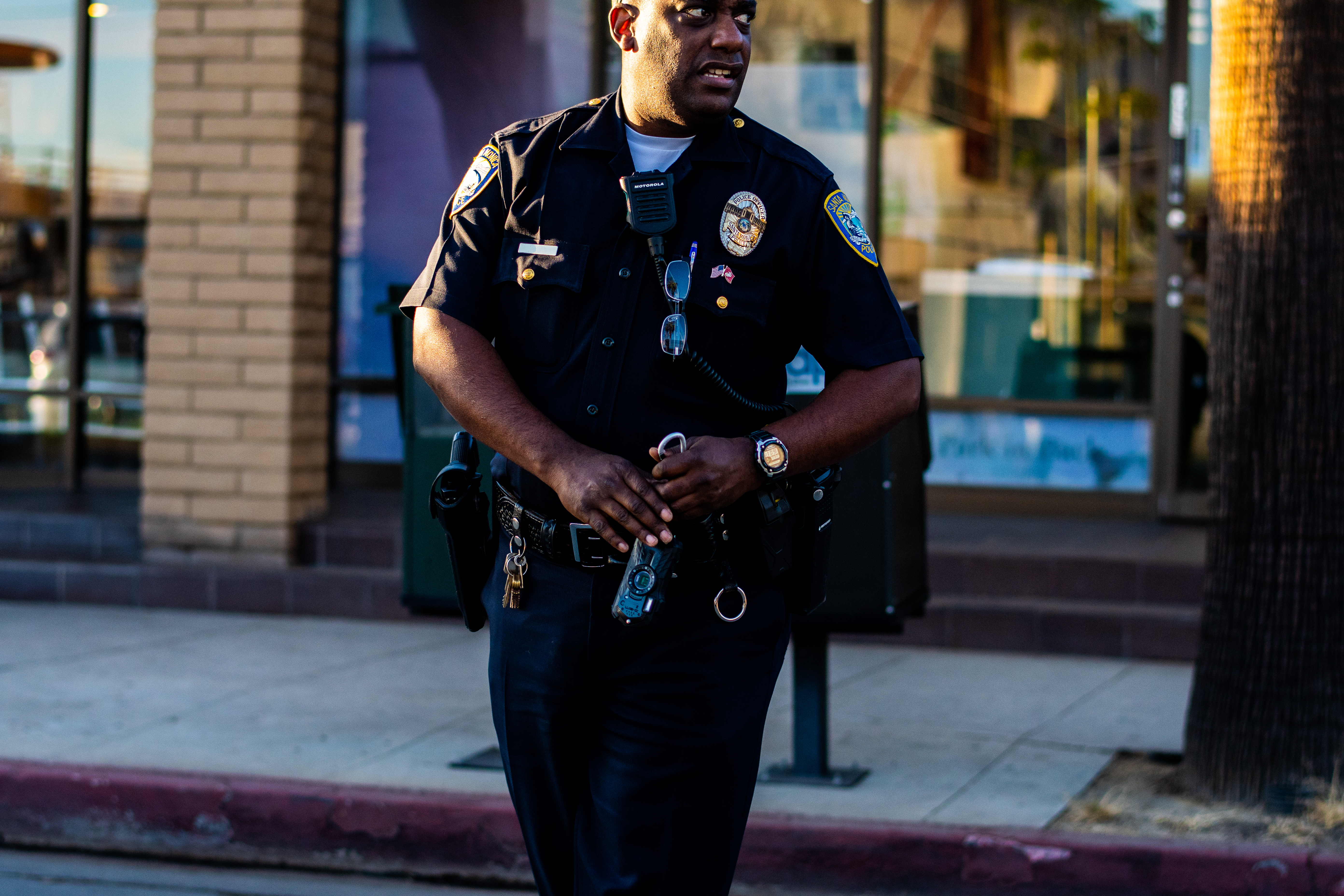
And one more. I won’t say much about this image below except that it, too, was another watershed photograph in my appreciation for this lens. Sometimes it’s the simplest-nothing burger shot that reveals qualities we haven’t seen yet. This was one of those for me.
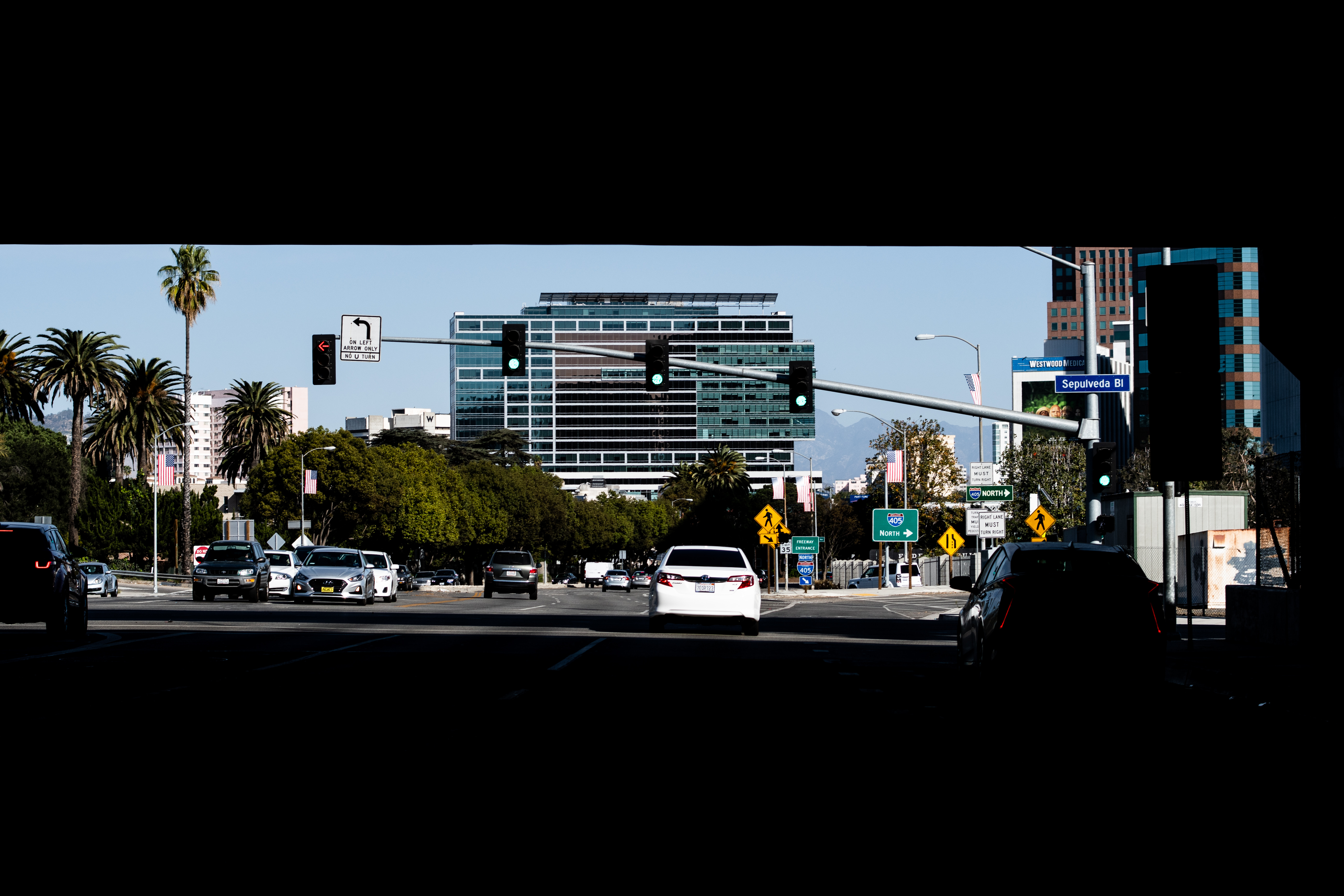 Nikon D7500, AF-S NIKKOR 58mm f/1.4G, f/5.6 1/1000 sec
Back to the point, please.
What I really wanted to talk about and showcase in this review is images that I took with this lens on the full-frame Nikon D750. It’s my favorite camera ever. I dreamed forever of a F6 size digital Nikon that was as pro as I could ever need or want a camera to be. The D750 exceeds my wildest dreams. Anyway. The only explanations I have for my initial impressions with this lens is that a) I had the flu during the first two months with it, b) I was coming from years of shooting Leica 50mm lenses and in comparison I was reacting to things not looking quite right and c) I had the flu during the first two months with this lens. (I know I mentioned the flu twice. At my age, the flu takes you out of yourself and it takes quite a while to get back to feeling like your normal self. Anyway.)
As many reading this might know, there was an extended holiday period for returning unwanted items at B&H. I called with just days to spare and got my return authorization for this Nikon 58. Then I decided to take it out one more time, and to take another hard look at the images I’d already shot with it. I won’t say I had an epiphany, it was more like an awakening. It swept over me. I’m not kidding. The images looked different to me and I wanted exactly what I saw in those images.
Over time, those feelings have only grown stronger until I’m now at a point where I don’t want to shoot with anything else. Ever. At least not out in the streets of LA. I have a Nikon 35 f1.4 G that I use for paid gigs. It’s professional perfection in an autofocus lens. I might be dating myself, but these two lenses, the 58 1.4 and 35 f1.4 Nikkors, are the Magic and Michael of autofocus lenses as far as I’m concerned. I’ll use Michael when I absolutely must get a win. But Magic is the one that dazzles my imagination.
A Gallery of f/2 Images


One reason mitigating any frustrations I might have with autofocus is the fact that, with this lens, as with film, subjects being not perfectly in focus doesn’t necessarily render an image unusable, let alone unlovely. On the contrary, some of my favorite images with this lens are ones in which the focus didn’t quite nail the subject. Magic happens regardless.

Anyway, I don’t have much else to say. I’m now shooting the kit of my dreams. And I mean that literally and in every other way imaginable. Lifelong dreams. Dreams of a small but very pro Nikon body like my first SLRs in the late 1970s.
And the heretofore unrealized dreams of shooting a lens that is magic. The AF-S NIKKOR 58mm f/1.4G is a lens that produces something that my eye sees as magical. It surprises me every time I take it out and shoot with it. I photograph things to see what they look like photographed with this lens. The things I photograph with this lens are more interesting and beautiful in those photographs than they actually appeared to me in person. I don’t know what else I could ask for in a piece of photographic equipment than all of that and so, for me, this lens represents many dreams coming true.
I’m going to leave you now with three images that sort of sum up why I do street photography at all and why I need all the help I can get from great camera gear with wide apertures and fast autofocus and all the rest. They are less than perfect images in a strictly technical sense. Not perfectly in focus. Light is challenging at that time of day and facing west so there’s some motion blur. But they capture real life as it is happening in this incredibly alive city at the times I was fortunate enough to pass by it.

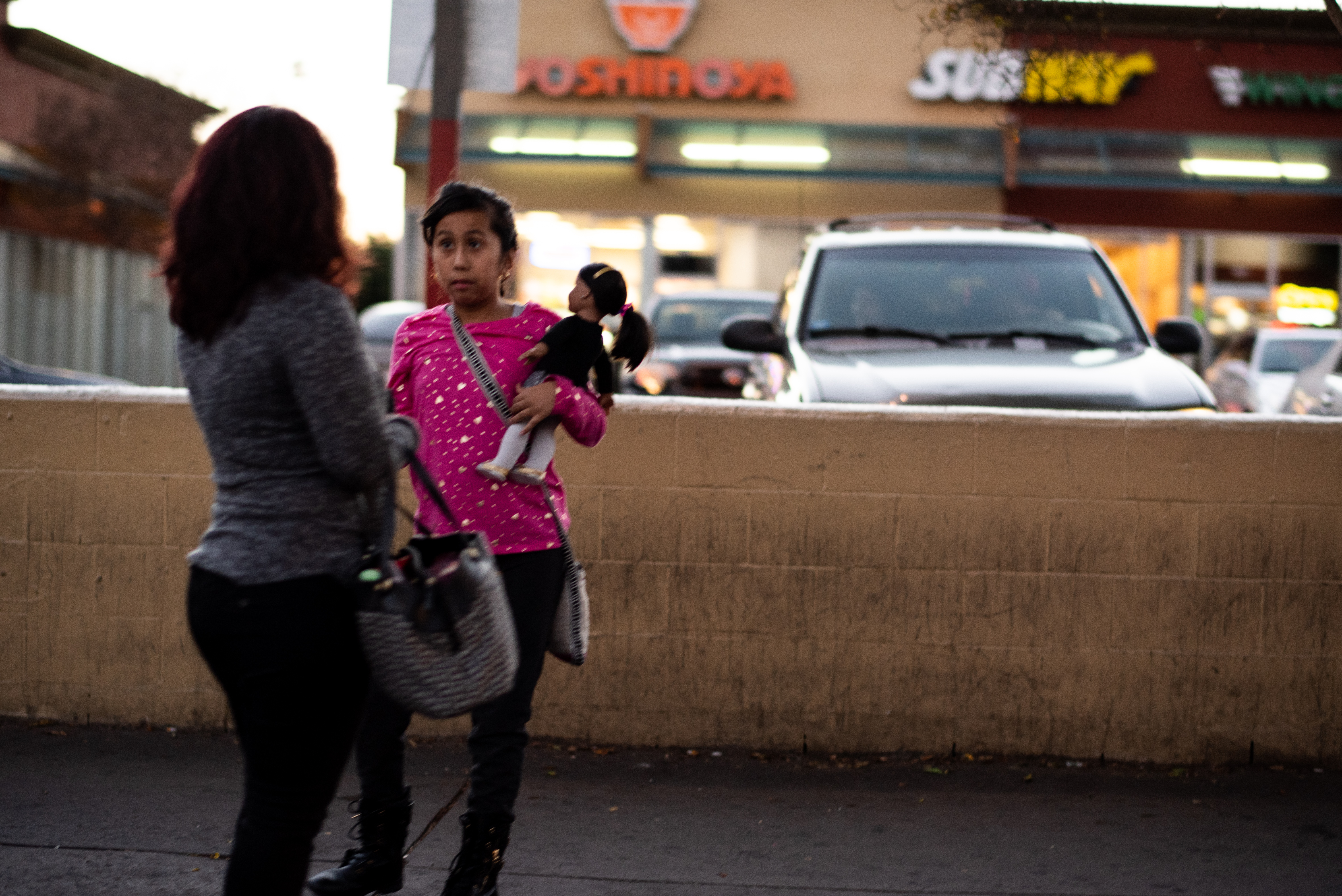
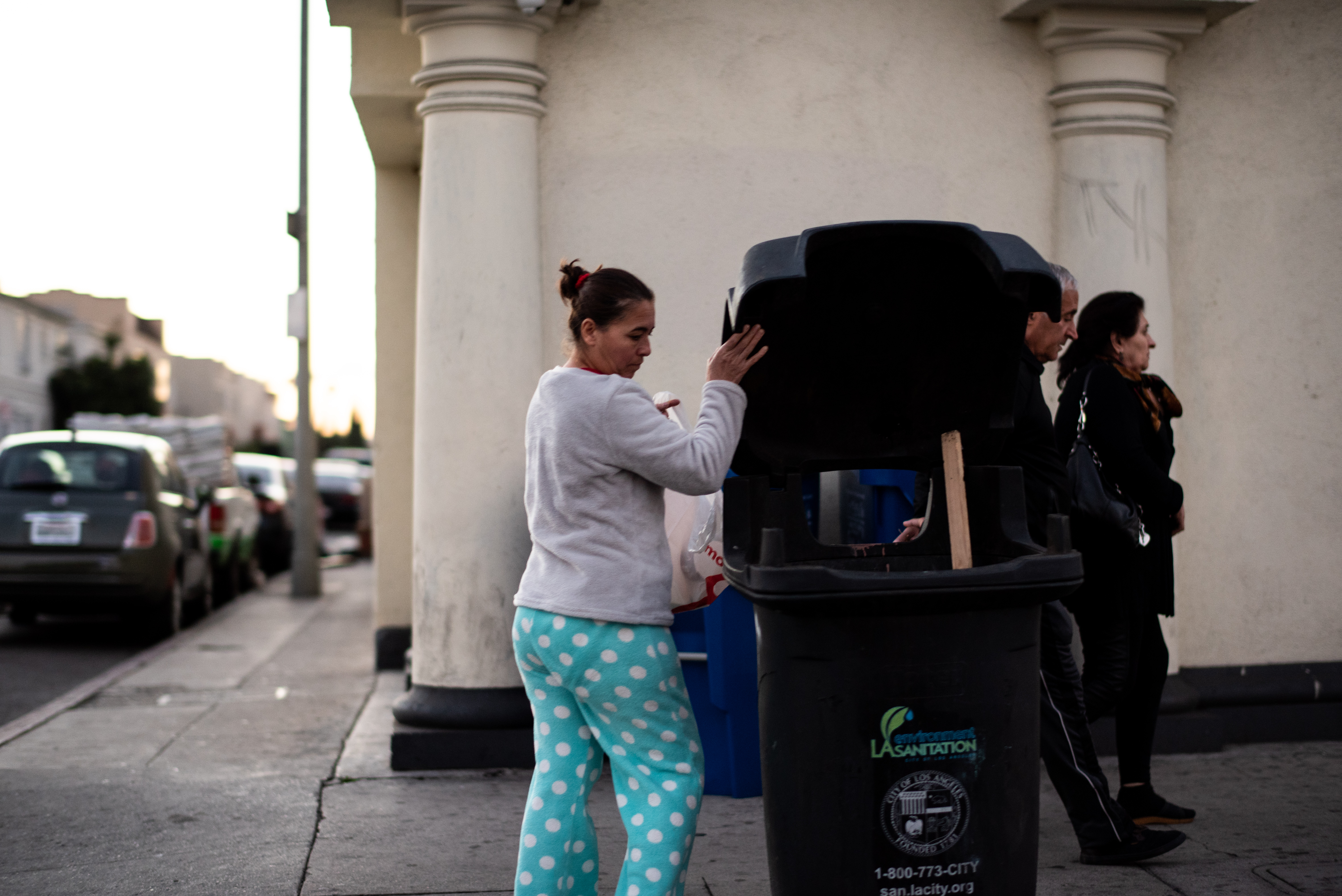
Hope you enjoyed or otherwise got something of value out of this review. Have a great life shooting images that make you happy!
Thank you,
donald barnat
Memorial Day… Again?
This is a repost of the very first real blog entry (after Hello World!) on this website back in 2012. I was in a very bad place at that time. My best friend was dying. I was not good with that. I was in one of those places where a person has no patience for the simpering superficial bullshit people tell each other mostly to make themselves feel better about themselves.
And although I feel strongly (always) about the message of this post, I didn’t repost it the last few Memorial Days. I was probably in a better mood. This year though, with Memorial Day coming so closely on the heels of more gut wrenching domestic tragedies, and given everything else I see on the streets and read in the newspaper, I’m once again in a dark and unforgiving mood about my country. So fuck it.
Robert Frank’s ‘The Americans’ exposed much of the truth about America. We might have looked at that work and been properly shamed and sought to make a course correction. But we didn’t do that. Anyway. Enjoy this holiday. Don’t thank our troops. Remember instead the dead ones, and their wives, and their children, and their mothers, and their fathers. And forgive me for encroaching into sanctimonious behavior with a self-righteous attitude. I have no room to talk. It’s taken me over half a century to finally wake up.
Memorial Day
Cookouts. Barbecue. Hot dogs and hamburgers. Beer. Friends and family. Unofficial start of summer. Hell yeah! That’s what Memorial Day is all about. Right? Oh, and, of course, the Memorial Day mattress sale at Macy’s.
Then there’s those people who try to remind you of the more sober aspects of the holiday. Sanctimoniously thanking ‘our’ soldiers. Does that really stick with you or are they just as annoying as the people at Christmas telling us all to remember the spirit of Christmas and that Christ ‘our’ savior was born on Christmas Day?
So they had this event down at a new memorial in Irvine for service men and women who died in Iraq and Afghanistan. I saw it on the 11 o’clock news. The Northwood Gratitude and Honor Memorial looks really nice and is said to be the first of its kind in the country honoring those who have fallen in the wars on terrorism we’ve been fighting for the last eleven or so years.
But they’ve got this open mic thing going. And the wives and mothers of those who were killed in Iraq and Afghanistan come up to the mic and, if you didn’t see it, I’m telling you these women are just fucking raw. All are emotional but more than a few can barely get their words out; they’re just dying up there.
Blubbering women. Most of them young enough to be my daughter, if I’d had one. Talking about what they feel on Memorial Day.
While these women are stepping up to the mic, one at a time, to tell you the names of their husbands and sons and what happened to them – as best as they can between the sniveling and gasping and choked-off words – all over this country, millions of Americans are getting drunk, washing down burgers with Bud Lite, laughing the day away talking easily about everything that careless partying Americans talk about on a summer holiday together. Most Americans are having a good time, a welcome day off from work, celebrating the start of summer and vacation time – which is and always has been the real point of Memorial Day in our culture.
A really young woman steps up to the mic in Irvine. Her two hands are in a wrestling match with each other as she speaks.
“My name is Brooke Singer and my husband was killed in January.”
Brooke looks to be about 22. She’s wearing a pretty black dress with nickle-sized white polka dots and spaghetti straps that cut into the soft skin of her shoulders. She seems to have more to say but after that one solitary sentence she puts the back of her right hand to her face and unsuccessfully tries to stifle a sob. That hand has a mind of its own and, almost to conceal the degree to which it is shaking, Brooke drops it momentarily but then quickly raises it back again to cover her mouth, which is contorted in a way she’d obviously rather the entire world doesn’t see.
A girl who looks like she could be Brooke’s younger sister stands helplessly to her left. A woman who must be her mother puts her arm on Brooke’s back and whispers something into her ear.
If you need to be told at this point that Memorial Day isn’t about cookouts and really good shopping then I don’t know what to say to you except that you’re not alone. Not in my America.
But if you still think it’s about thanking ‘our’ soldiers and telling them how much we love them and appreciate what they’re doing for us then you really need to either wake up or grow up or maybe just look up the word ‘memorial’ in a dictionary.
If this country can ever find its soul again it will be on some hopefully not-too-distant Memorial Day. One day when enough Americans are finally able to look squarely and, maybe more than anything else, responsibly, at young women who can barely breathe as they muster the courage to stand in front of a microphone in a public square and somehow manage to choke out the names of their dead husbands.
db
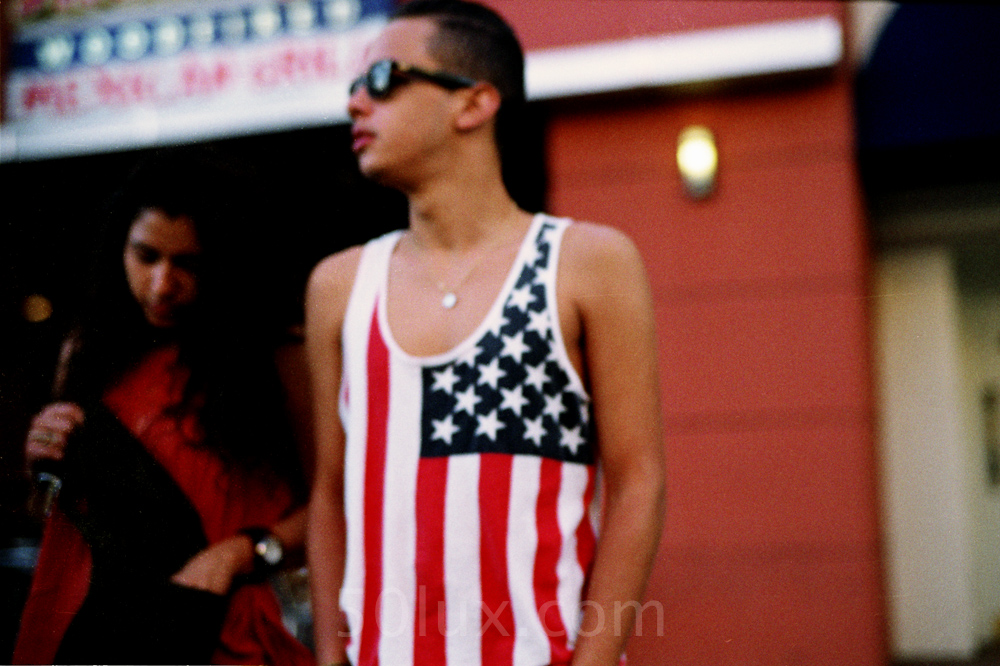
Film images made with a Leica M7 and 50mm 2.0 Leica Summicron lens.
Down on Broadway
Malibu Minimalism

Color Panels

Walk Them Golden Stairs

Untitled Sunset Boulevard 4/29/18

Rainbow Coalition

Arteria



Abbas: 1944 – 2018 • Magnum Photos
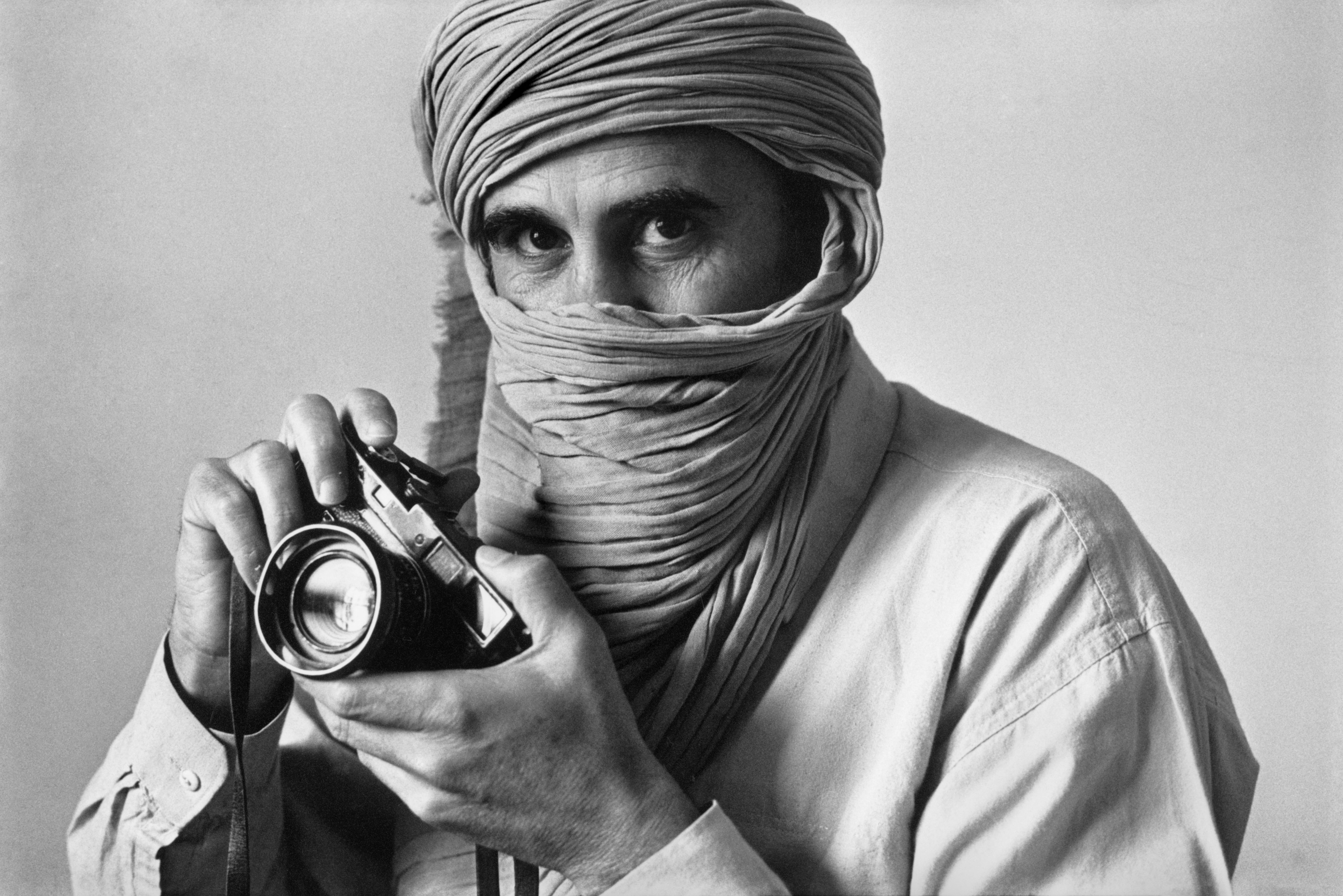
Profoundly saddened to learn today of the passing of a huge influence and inspiration. Abbas.
Photography has done many great things for me. One thing, however, sort of stands above the others. It has let me know that I’m not alone in what I thought were my own peculiarities. In Return to Mexico, Abbas writes extensively of his experience and relates how much his time in Mexico, and his creative mood, is infected with the spirit of the great early photographer and Mexican Revolution era dissident Tina Modotti. He writes of her as if she is alive and one gets the feeling that she is all around him.
I’m not a believer, I don’t believe in the metaphysical world at all. But I believe in the creative imagination being taken over by muses and whims and things that move in the soft breezes that drag a dry leaf across the gravestone of a long dead creative fixation. Oh I believe in those things. But without encountering artists like Abbas who were generous enough to open up their thinking and show that being given to allowing oneself to entertain these zephyr-like inspirations was a normal aspect of the creative process, I might have thought I was just a little more nuts than I really am.
But then there’s the images. I don’t want to infringe on Magnum’s property but please, seek out the work of Abbas. He is a one of my favorites. I had already started making a series of my favorite photographers. The first that I’ve already finished that I’ll post here is on Ben Shahn. But Abbas was going to be the second. And now he’s passed. This is very sad news to me. And he died far too young.
Abbas was a compositional genius. His photos were modern, somewhat surreal, but he was an antidote to the overcooked surrealism that is so common today. Take away surrealist elements and National Geographic photography is very often something that looks like it was influenced by Abbas. But it is so derivative as to be banal in comparison. And National Geographic photography is great photography. That is where Abbas was as a photographer. Of his generation, Josef Koudelka was probably the last true ‘peer’ Abbas had and Koudelka died a number of years ago.
“He was a pillar of Magnum, a godfather for a generation of younger photojournalists. An Iranian transplanted to Paris, he was a citizen of the world he relentlessly documented; its wars, its disasters, its revolutions and upheavals, and its beliefs – all his life. It is with immense sadness that we lose him. May the gods and angels of all the world’s major religions he photographed so passionately be there for him.”
Why Did Garry Winogrand Photograph That – The New York Times

Thirty-four years after his death, Garry Winogrand’s photographs continue to charm, befuddle and amaze viewers. A new book, “The Street Philosophy of Garry Winogrand,” takes 100 photos and pairs each with an essay by Geoff Dyer. The experience was daunting, especially sifting through the stream of images shot in his prolific final years. But it was also quite the revelation. Jordan Teicher spoke with Mr. Dyer about the book, which was published by the University of Texas Press.
Hollywood 2018

Postcard From the Edge

Scolding Orange
Street Cred
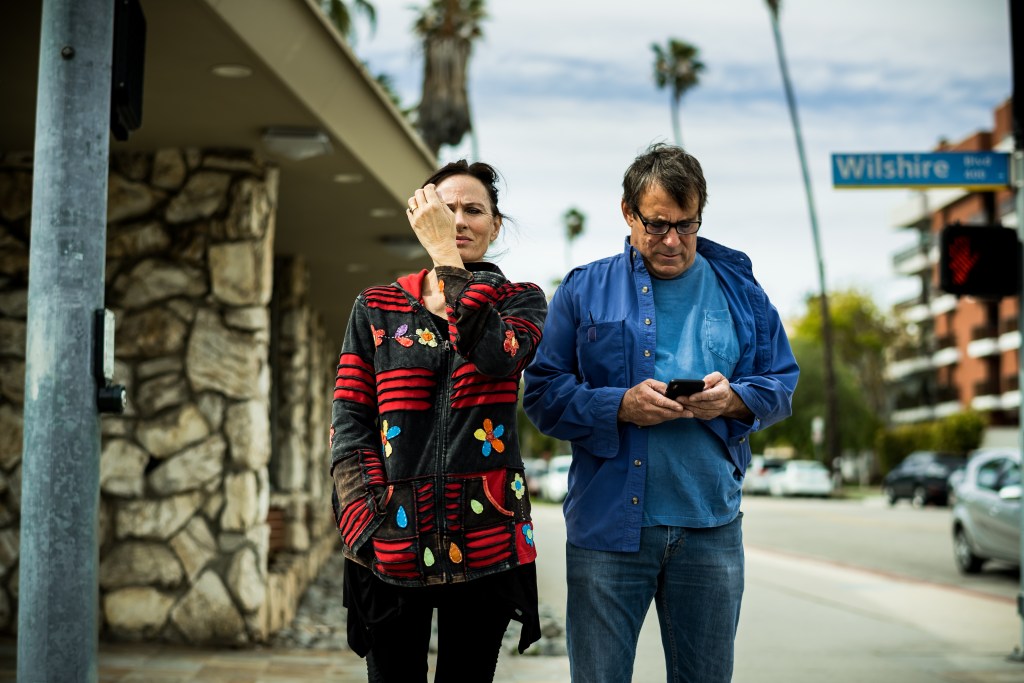
Feeling Rather Small Today
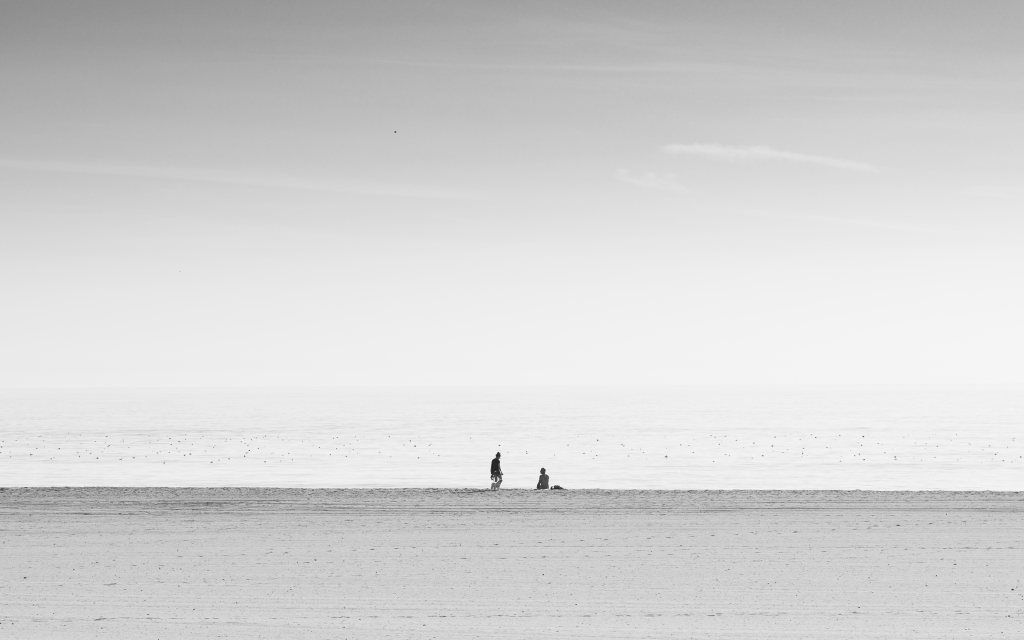
Late March Mosaic


Sugar High

Any Given Sunday
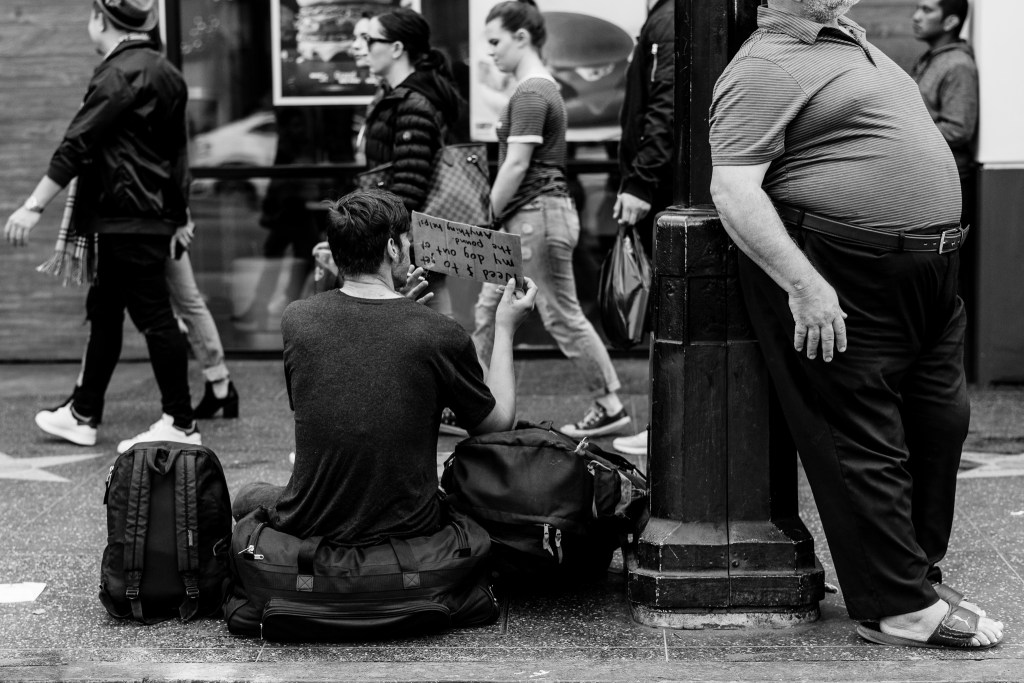
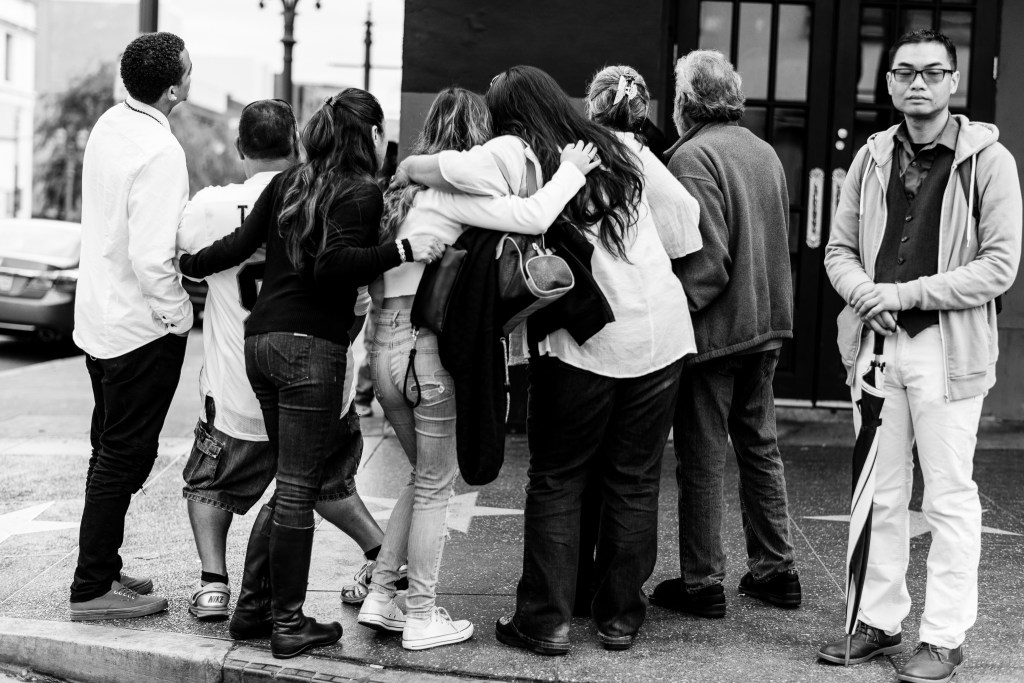

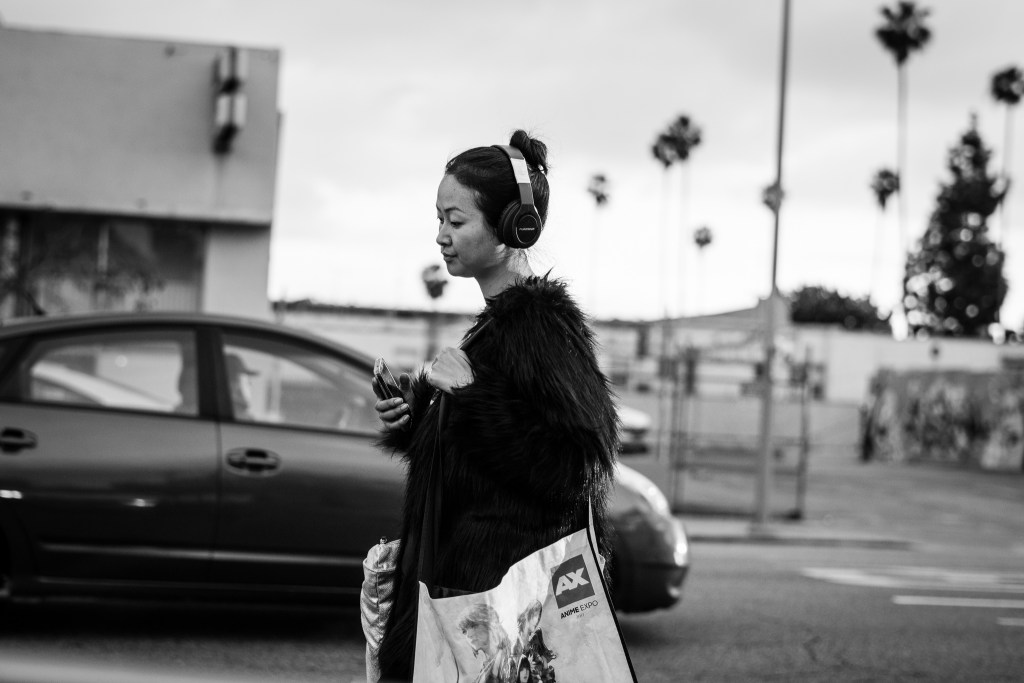
Now Serving Awesome


Bus Driver

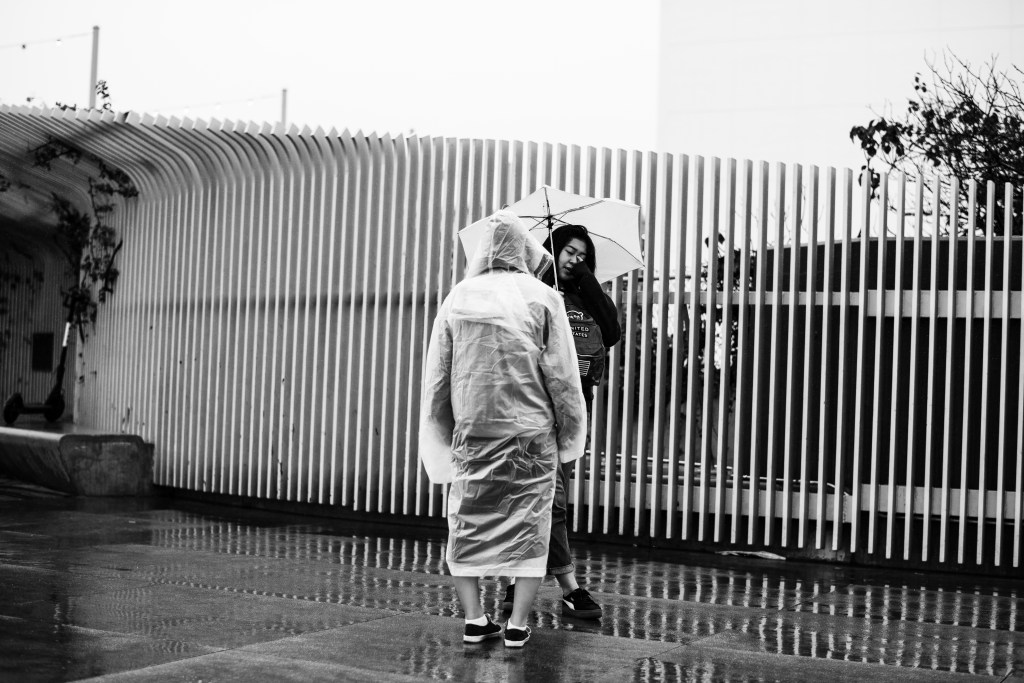
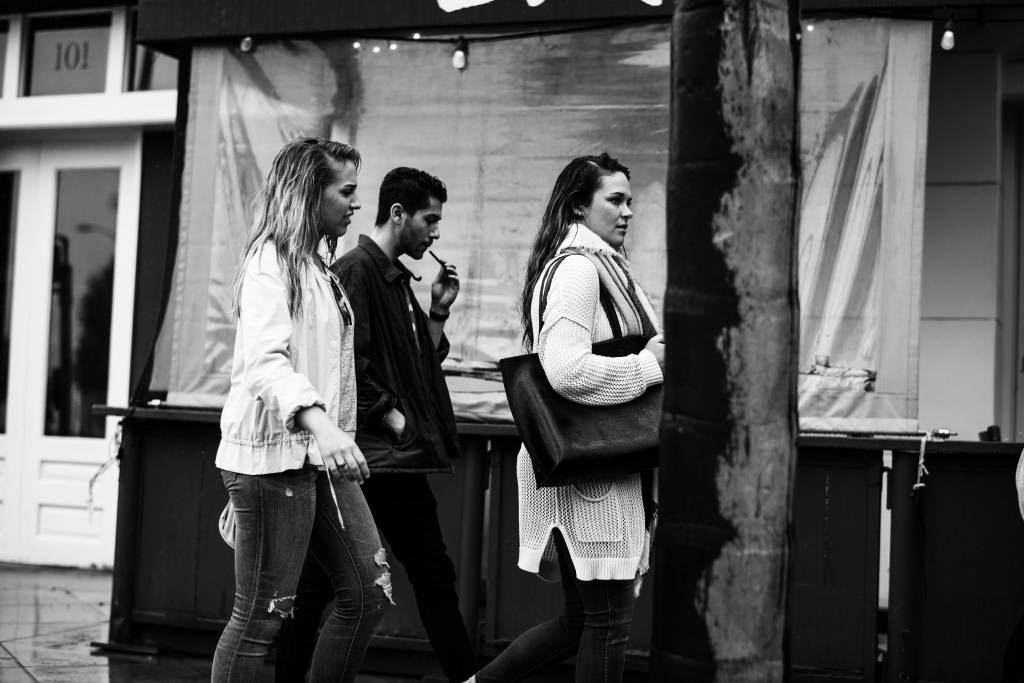
Santa Monica in the Rain


Times Feature on 15 Women Who Received No Obituary Includes One That is Inexcusable
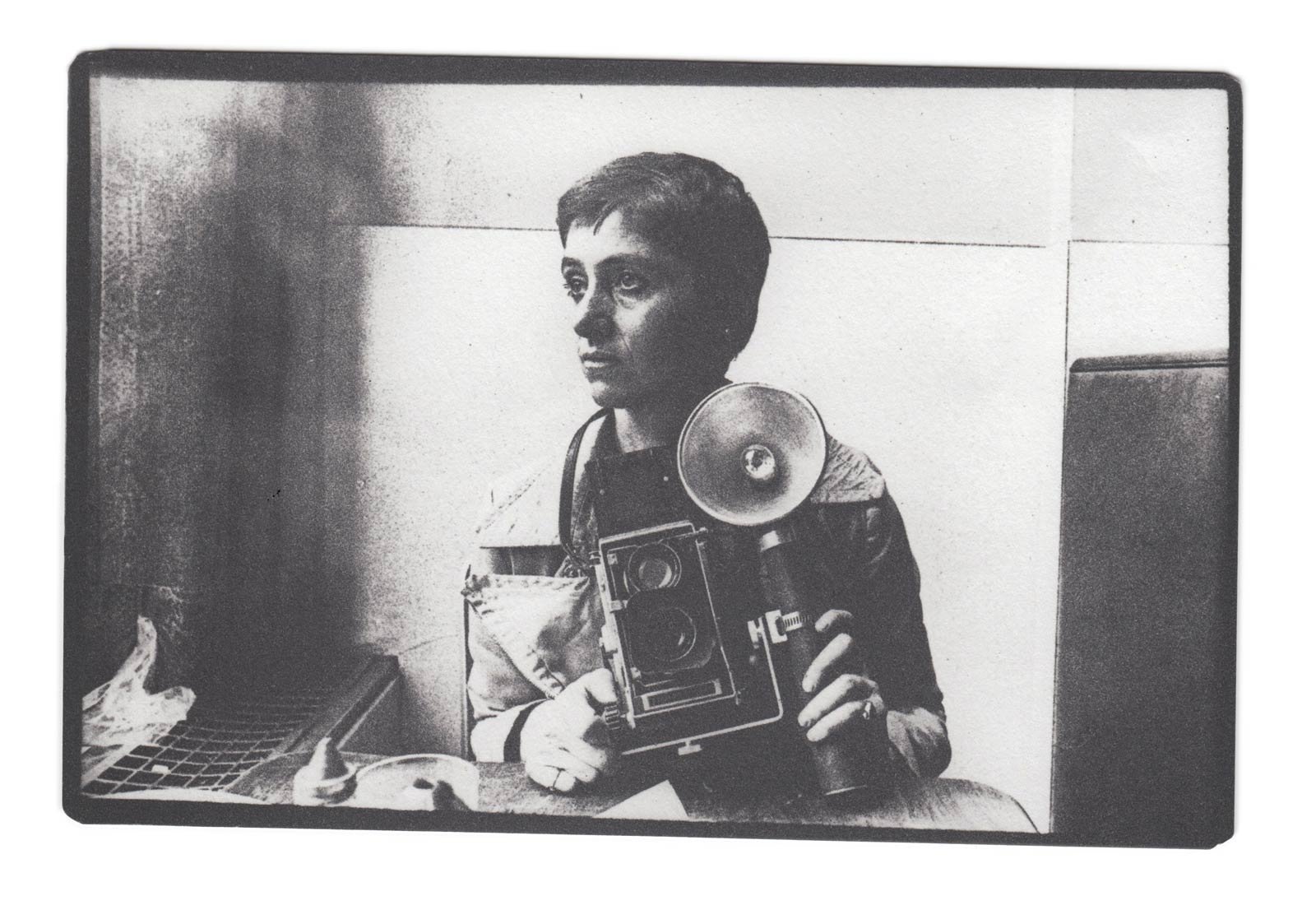 Someone posted this to a message board I frequent yesterday morning. I clicked on the thread and saw the names and thought, Bronte, etc, whatever. Ancient history. Sylvia Plath surprised me. But then I forgot about it all and went about doing other things. Later I opened the NYTimes app on my iPhone and the first thing I saw, because the Times is pushing this feature out there, was the image above of a woman with a camera. The face was instantly familiar but I literally could not believe my eyes.
Why is Diane Arbus’s picture attached to this feature?
So instantly, far from being appreciative of the long overdue recognition of this amazing iconic photographer, just seeing her there included and knowing per passing wasn’t noted at the time in the newspaper of record set off a rush of anger in me. Arbus is like a pillar of my photographic world.
The emotion I felt and still feel at seeing that Diane Arbus didn’t warrant an obituary in the New York Times comes from a place of meaning because I understand who she was during her life. I don’t think the reason she didn’t get an obit was about her being a woman. I think it was about her work. And also about her personal affect. And I think the writer they chose for this overdue obituary and the piece he produced says everything about why she didn’t receive an obituary decades ago.
Arbus had been championed by John Szarkowski and had already had an exhibition at MOMA. She was famous. But she was difficult and she’d pissed off a lot of people with both her work and her temperament. Many people poisoned her reputation and I think all of that impacted whether or not she would have warranted, in the eyes of the people who make these decisions, an obituary in her own city’s newspaper of record.
It’s one thing to pull up people from the ancient past. It’s a whole different animal when you admit to something from the modern era that is as glaring as this. And then blame it all on a bias against women. I’m just not having it. Read the piece. At this point, is it really necessary to include all of the scathing criticisms of her work and her life? You can literally see why the Times chose not to give Diane Arbus an obituary when she died. I’m not going to say that isn’t great writing. It’s great writing. But everything you need to know is inherent in this piece published today.
“After decades of intense examination of her work and life, perhaps there is room to understand Arbus as a woman driven by artistic vision as well as personal compulsion, and her photographs as documents of empathy as well as exploitation.”
Perhaps. As well as exploitation. Do you see what I’m saying? Agendas are everything in our world.
Just to be clear, Diane Arbus does not deserve this paragraph above in 2018. She is a giant of 20th century photography.
I think I’m taking this personally for a couple of reasons. One I won’t get into. But the other is that I’m a photographer who fully expects to be ignored until long after I’m gone if not forever. Because I’m producing a controversial and unconventional (in the art world) form of photography that many would see as exploitative. Nothing on the level of an Arbus in any respect I will be the first to tell you. But to see this type of snobbery still shaping the perspective and assessment of the work of Diane Arbus? It’s soul crushing.
Someone tweeted this series of long overdue obituaries and added the following:
Read these beautiful tributes to extraordinary women who were overlooked by the New York Times.
I would ask anyone to read James Estrin’s piece on Diane Arbus and ask yourself if it is a beautiful tribute to an extraordinary woman. In the case of Diane Arbus, a better and more honest approach the Times could have taken was just to admit the underlying yet obvious hostility that existed towards her work back in the years of her life. Admit it all now.
In the early 1070s, clearly in the modern era, when we should have known better, and because we were listening to voices who had nothing but contempt for someone who would go on to be regarded as a giant of 20th century photography, we decided not to provide an obituary to our readers to note the passing of Diane Arbus.
But if you read this correction of the record, you’ll find that you’re still hearing from one of those scornful voices. Very disappointing but not unexpected. Snobbery and probably no small measure of jealousy are still shaping our world. Shame on the New York Times.
Faux Fur Fly

And the Oscar Goes to Hollywood

Beverly Hills on the Eve of the Oscars


Ready For Our Close Up in Hollywood


Things Go Better

Contrast Anxiety
Eloquent Sunlight

That Montana Thing – Title Explained!

So yes, I can pop off some fairly bizarre sounding post titles, especially in the middle of the night, when I put together most of my posts here on 50lux.com. So let me explain this last one. I'd been in LA for many years. Many. Probably a dozen. And I was working somewhere and a co-worker and I were having an interaction about some product we routinely received from a local vendor. There was some kind of problem. And I asked her what was going on and she gave me a brief explanation that sort of made sense,.andAnd then she summed it all up by saying, "It's that whole Montana thing." Which made absolutely no sense to me. I mean. I'm pretty good at basic geography. Well, maybe not that good. But I kind of knew nevertheless that Montana was still a long way off. But, at least at that point in my life here in LA, I was still in the necessary mode of not easily giving up the fact that I was basically a hick from the foothills of Appalachia. So I just just knowingly nodded and said, "Oh." <em>That whole Montana thing.</em> So after being here for like a dozen years, I thought I knew Santa Monica fairly well. Geographically speaking. It's pretty much defined by two long east-west boulevards, Wilshire, which is essentially the main street of Los Angeles, and Santa Monica, duh, both of which run from downtown LA all the way to the ocean. But, there was something I had missed. Montana Avenue. It runs parallel to Wilshire and Santa Monica Boulevards, but about eight or so blocks north. Really off the beaten path. You could live here for, like a dozen years or more and not know about the place. And it is a place. Montana is pretty much a perfect replica of an American small town Main Street, only one in a really nice, tres chic, foo-foo, small town. You know. That whole Montana thing. Movie stars, industry executives' wives' vanity boutique clothing stores, sidewalk cafes, etc. None of this is peculiar at all in LA, mind you. A big secret about this place is that there are endless streets here in Los Angeles that look and act very much like the classic American small town Main Street with tailors, luggage stores, men's shops, shoe stores, hardware stores, etc. So while a good part of the rest of America has lost all of that to Walmarts and dollar stores, LA is the place to go if you want to live that life we all used to enjoy around the rest of the country. But Montana is nevertheless very special. Probably the most exclusive words that can be applied to a residential address in the state of California are, <em>North of Montana. </em>It's a special place and just being there means that, you, too, are living a special life. Even if you're just driving through. But for me, discovering the very existence of this place, and that its very existence had completely eluded me for so long, was a real moment of self-discovery. Okay, maybe not that big of deal. But it is because of my own cluelessness that a place that so significantly on the cultural radar here had been so completely off my own radar for so long... well, that part of it, that gap in my knowledge of this place, is why that statement by my co-worker stuck in my head. So there it is. Oh. The <em>again</em> part. That's because I don't think this is the first time I've used this for a title. 😉
Trump Said What?

Crossing Pico

Sunset, Not the Boulevard

Barefoot Against the Blue

Don’t Explain
Run With Joy Not Fear

Great News from the Los Angeles Center of Photography!

Speak No Evil, etc., etc.


Boulevard




 50'Lux