First, the ‘Lux is back in my life, baby!
Let me tell you, it’s been very weird the last many years to have a website named for a lens that I no longer own. But those days are over. Sort of. You see, the latest ‘Lux isn’t a repurchase of the site’s namesake 50mm f1.4 Summilux. This ‘Lux is the 2022 release of the updated 35mm Summilux FLE v2 and we’re not going to change the name of this place over 15 silly millimeters.
No, the title of this piece is not a misspelled soap opera. It is, however, kind of my own personal photographic soap opera. But what you’re about to read here is also a master class in using a Leica M camera with fast glass. I promise you. Do not doubt me.
Is it intended to be a master class for you the reader? No, I’m not that arrogant. But please partake freely nevertheless. It’s really meant to be a master class for yours truly. I have to write this all down now so that I never forget it. Ever. Again. Because I did forget it. I forgot everything I once knew about how to really use a Leica M.
That occurred even though I’ve been using my M10 pretty much all the time the last few years. But I’m shooting street photography in daylight. I’m shooting with f2 lenses which are almost invariably stopped down to f5.6 on up. Or down. Whatever. Numbers go up, size of the hole goes down. That’s photography.
Also, for the first time in my photographic life, I’ve taken to using Auto-ISO on both my Leica and Nikon cameras. Finally, at long last, that feature actually works for me. I shoot most often from a moving car. So I need fast shutter speeds. I can’t always focus at 35 MPH. So I also need small apertures. I think you get the picture. This is not Leica Summilux f1.4 shooting. And, while I wouldn’t call it brainwashing, shooting like this does have the tendency to condition someone to look at the process of camera settings as they relate to exposure in a certain light.
It’s also not indoor low-light event photography, something I used to do quite a bit of. Not so much with Leica gear but, for my personal use, which included a lot of low light wide-open shooting, I pretty much shot only Leica for well over a decade. Even before I got my first digital Leica, the M9, in 2010, I’d been shooting film for a couple of years on a sugar sweet M7 and then later pairing that with an M6.
I was lucky to be able to afford those Leica cameras, even used. But I couldn’t also afford actual Leica lenses, so I shot with a Zeiss 50 f1.5 Sonnar and a 40mm Voigtlander Nokton f1.4.
When I got my M9, however, I wanted to shoot it with Leica glass so I picked up the tiny and quite remarkable 35mm Summarit 2.5. So I was set. Loaded for bear or whatever else. I could now shoot my Leica all day long, play games, experiment, it was amazing.
Just one week after picking up my new Leica digital kit I had to fly off to Chicago for a BIG TIME event, which included a pre-dinner the night before. But here’s the thing, I’d already been shooting Leica film bodies for a few years. I’d read and learned so many things. So I had this old archaic film mentality about exposure. I wouldn’t call it brainwashing but…
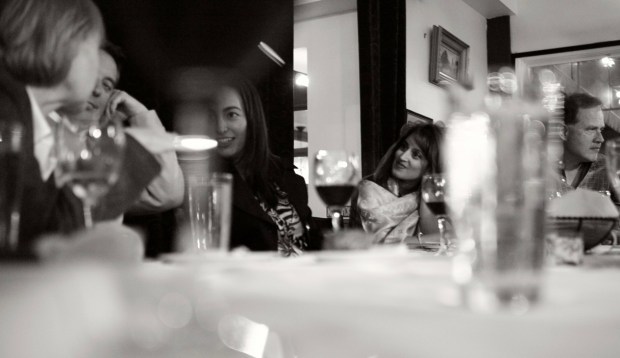
I was ready. I already knew the M9 wasn’t great over 800 ISO. The widest aperture of that generation of the Summarit family of lenses was f2.5. Do the math. No matter where I was, I was going to need to shoot at very slow shutter speeds. I think I shot the entire weekend at 1/30th all the way down to a quarter of a second.

The pictures I produced that weekend in Chicago were what I’d fantasized about making as I built my photographic dreams up from a young age. I’ve always said my photographic aesthetic is Cincinnati newspaper photographer. And these were mostly old-school photojournalism style shots with some occasional digital razzle-dazzle thrown in. I’d owned the digital Leica and lens for one week and yet I’d never done anything better, and, to this day, I’ve never been more satisfied than I was with the images I came away with from that trip.

Whatever I was thinking that weekend in 2010, however, whatever photographic strategy I was applying to the challenges of the events and the lighting and the various focusing distances and issues like camera shake, it was all lost from my mind a long time ago. My photographic instincts had been completely rewired many times over.
For God’s sake, I’d even taken to shooting Auto-ISO. Need I say more?
Then came the new 35mm Summilux. Just a few days ago, but 15 years later. And, for the first time in like, forever, an event. And so, as you might’ve imagined, disaster surely followed. I pushed my ISOs into the stratosphere. I shot at 1/125th of a second. My mind had been rewired. Okay. Gloves are off. I had been brainwashed!
The lens itself is incredible. This is actually my second 35 FLE. I got my first in 2010, even before I was able to get my hands on the 50mm Summilux this website is named after. Same optical formula as the first FLE but maybe newer coatings push out wide open sharpness to the very edges. But the close focusing capabilities, on a 35mm lens? GTF out of town, people. Just go. Leave, right now.
This 35 is a lifestyles photographer’s dream.
But I didn’t know what I was doing. I didn’t have a clue. And when I got home I felt sick looking at my images. I’m not a professional photographer and I haven’t pretended to be one in years. But this event was personal. And stressful. There was a pro photographer working the room there and no one was even taking cell phone images. The atmosphere was elegantly reserved. Even if it is the same ballroom where they host the always wild and wooly Golden Globes Awards telecast. So pulling out even my tiny M kit was awkward at best and I only managed to grab a handful of frames.
But enough of all that. Let the master class begin.
The Master Class Begins
In order to really know how to best use Leica M cameras, and fast lenses, you have to go back to the principles of the design of the M camera system and the minds that conceived of and continued to build on that design. Seriously.
But first this…
We all know the exposure rule on focal lengths and shutter speeds. To avoid camera shake, it is best to shoot at shutter speeds no slower than the focal length number of your lens. So if you’re shooting a 35mm lens, for example, you wouldn’t want to shoot at a shutter speed below 1/35 of a second.
But Leica is Leica for a reason. Many reasons. “M” bodies are flat and sit flush against the shooter’s face. The lenses are small. The center of gravity of the entire kit is mostly stabilized just by the act of bringing the camera up to your eye and holding it steady.
So that old shutter speed vs. focal length rule. Forget it! That’s right. THROW IT OUT THE WINDOW. You can, for example, hand hold a Leica M body at half or less than half of your 35mm focal length and get incredible, even reliable, results!
And I’ll add this. We’re always trying to replicate the looks of the film photography of yore. Right? Of course we are. Almost everyone uses filters on their cell phone pictures at one time or another to try to emulate the look of vintage photographs.
So here is a stealth vintage photography pro-tip courtesy of the old pros. Slow shutter speeds. Creates an entirely different look than shots snapped at mere hundredths of a second. Who knew? And remember, this is actually how so many of those beloved vintage and historic shots were taken. So do the same thing the 20th century greats of photography did in order to take one giant step towards achieving similar results. Duh-UH!
So let’s talk about the red dot. Not the one on the lenses. The one inside the viewfinder. You know what it’s there for, I’m not going to tell you. But think about what the minds who put it there were thinking when they came up with this idea. Think of what they created. A solid red dot tells us that, in theory, our camera settings have delivered to us a proper exposure. There are chevrons (arrows) that may appear pointing our index finger that is resting (hopefully) on the shutter speed dial in the exact direction we might want to move that dial in order to make that red dot solid if it isn’t a spot-on proper exposure.
But unless we are just simply and dumbly shooting an object (which is often the case) we might not (even infrequently not) want a spot-on proper exposure. In some cameras, we might use exposure compensation to achieve something more or less than what the camera’s light sensor might consider to be a proper exposure.
But not us and not with a Leica M. Because we have the red dot and the chevrons. Never forget that, my people. Never. Ever. (Pounds fist against forehead.)
Think about what these 20th century Leica geniuses created with their M camera system. They gave us more than we know.
Why, for instance, might the chevrons be even more important than the red dot? Well, how about this? What about when we’re not dumbly photographing mere objects? What if we’re photographing light? Which is, you know, what we’re actually doing anyway no matter what we think we’re doing. (I’m not going to go into the whole light thing as it applies to photography, but it IS a thing and it is a thing for a reason.)
So what are the photographs that catch your eye and make you sigh with appreciation, even if only for a moment? What is the most charming aspect of any image? Is it the subject? Yes, it can be. But I’m going to tell you that that is rarely the case for me. I may be incredibly interested in the subject of a photograph. Or the scene or the decisive moment. But what makes me truly stop in my tracks when I look at an image is always the light.
Natural light is king, especially as it is bouncing around indoors. Pictures of nothing important. Back lit objects. Reflections on a shiny floor. Doesn’t matter. We love the light.
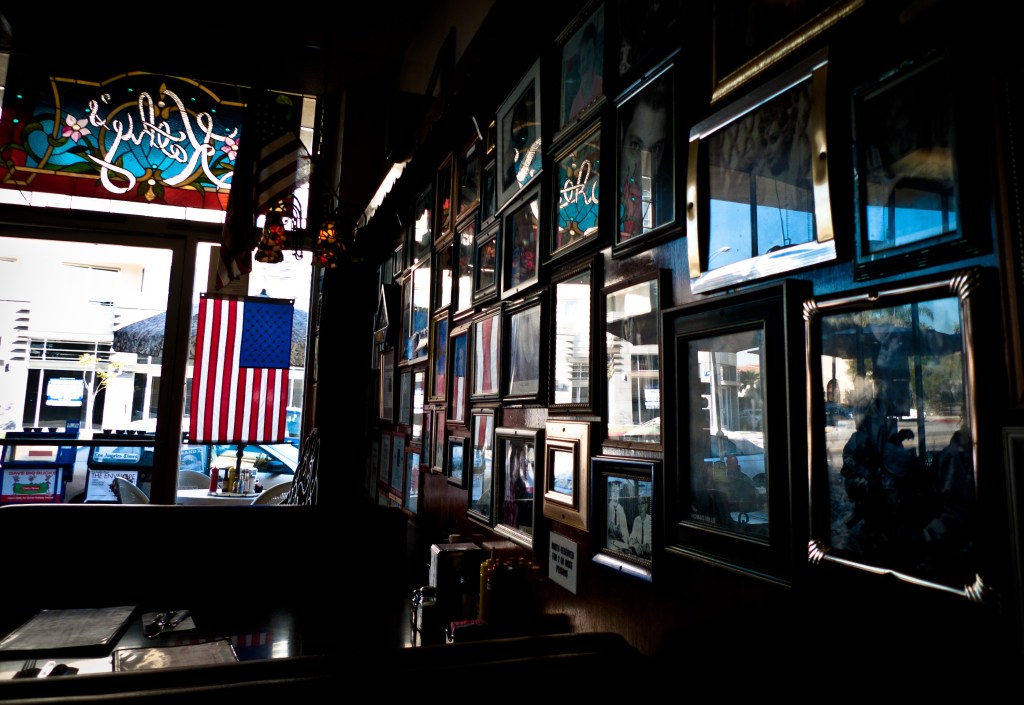
Dimly lit rooms with artificial lighting also offer many opportunities to make available light the charming star of your photography.

And it’s not something you have to work all that hard to achieve. You just have to fully appreciate that the artificial light that is available to you, even dull uninteresting light that you might otherwise scoff at, IS nevertheless light, and that you simply need to adjust your exposure settings, as well as your mind, to take full advantage of that light.
Not by boosting your ISO.
But by slowing down your shutter speed.
So here is the process…
Okay, so maybe it isn’t THE process. Maybe it’s just my suggested process. Maybe I’m just talking to myself to try to make sure I never again forget the things I once knew.
So you walk into a room. Or an event. You think like you’re living in the pre-digital days of film. Always. You look at the available light and you make a judgement on ISO. Again, think as if you’re deciding what film speed to purchase and put in your camera. Whatever decision you make, my advice is that it should be 1000 ISO or under. In the rarest of cases, you might push it to 1600. But just for a few shots.
Yes, I’m fully aware of how good cameras have gotten at handling high ISOs here in 2025. I’m telling you to put all of that out of your mind. It is poison. If you’re shooting a Leica M with a Summilux lens you freaking idiot (talking to myself now) you are living in truly rarified photographic air with a different set of rules entirely.
So you’re in your room, large or small, and you’ve looked at the light and ball-parked an ISO under 1000. (Hey, if it’s a sunny day outside and you have good sized windows you might be fine shooting at 400 or even 200 ISO. You will get GORGEOUS images.) You open your lens to its maximum aperture. Turn on your camera and look into the viewfinder. Look at the red dot and look at the chevrons as you scan the room.
The only exposure adjustments you make at this point is with the shutter speed dial. Focus on something near the middle of the room. Take some shots. Adjust according to the chevrons and then against what the chevrons are telling you. Look at the images. Look at the light near the windows. Is it pretty? Or is it too much? Or is it too dark? Settle on a shutter speed that looks best to you and leave it there. For a moment.
Then take more pictures of other things around the room. Notice you may have to slow the shutter speed down even more for objects further away from the window. Hold the camera steady against your face and keep in mind always that you don’t have to worry about shooting a Leica body with a 35mm lens at single-digit shutter speeds. JUST DO IT!
Get used to this process. Try to hard wire all of this into your brain as option numero uno when shooting fast Leica glass in available light. Make it second nature. Set an ISO for the environment you’re shooting in. Open the lens up all the way. Go as slow as you need to with the shutter. Rinse and repeat for as long as you shoot Leica.
I’m not trying to be a snob here. But this is a piece about how best to shoot a Leica M body with ultra-fast glass. If we can apply any of this to other camera systems–as I’m sure we can–then go for it. Please. A lot of this is just a basic old-school photography approach (my own) from before we had the capability to change ISOs at will or check our results on an LCD screen.
So I ask you to think about what Leica has given us, even here well into the 21st century.
They’ve given us an amazingly exquisite playground that exists in our minds, in our eyes, and in our hands.
The most beguiling thing in any photograph is the light. Always. Light is the magical mystery of the universe. Man did not create light. Could not have invented it. Leica M cameras, like no other photographic product ever created, give us the opportunity to explore that universe and to play with the magical mysteriousness of light.
If you don’t know that, I promise you will learn how true it is by simply following the process I’ve suggested in this piece. See the light, play with it, and photograph it.
And, please. Never forget how to do that.
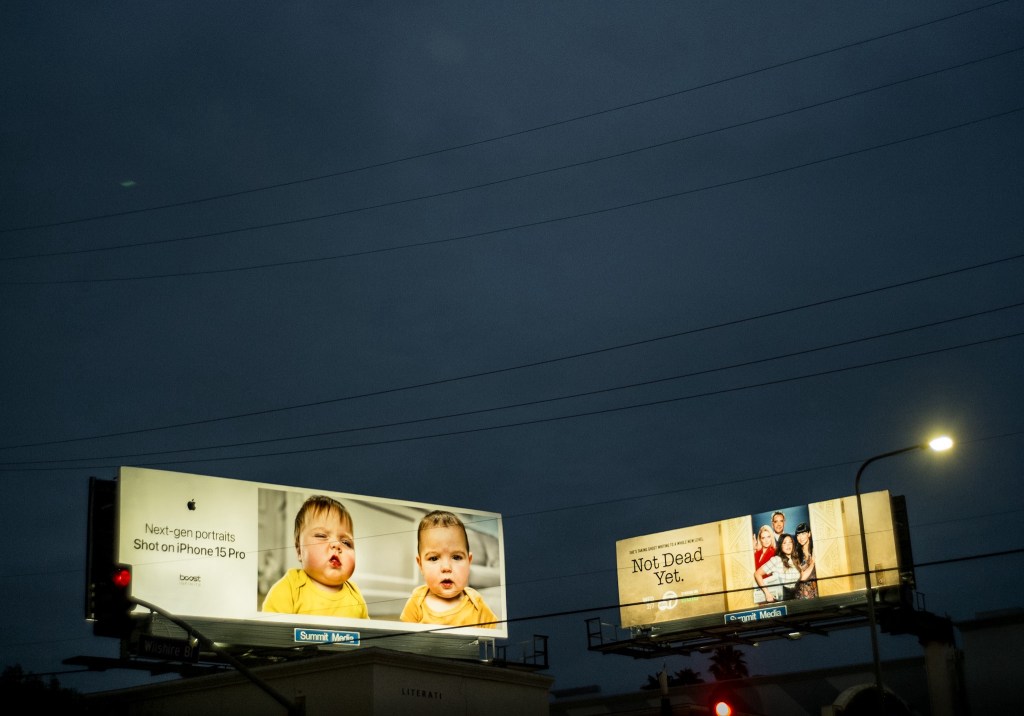
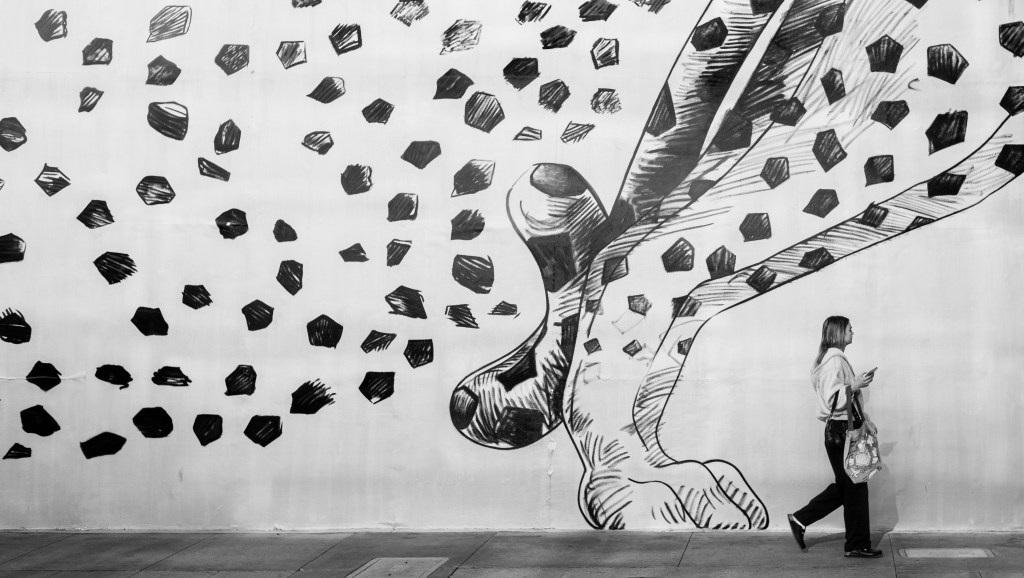
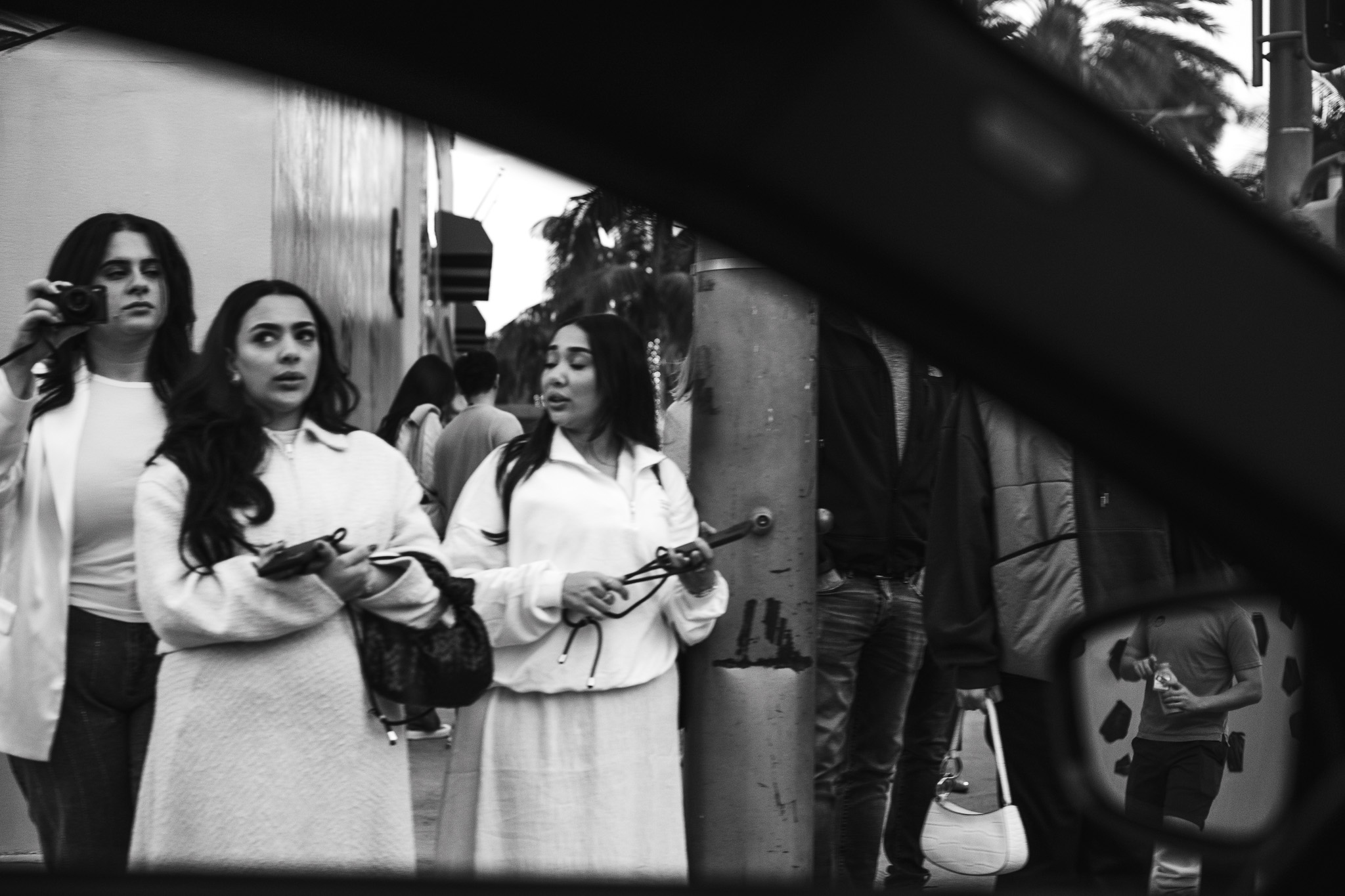
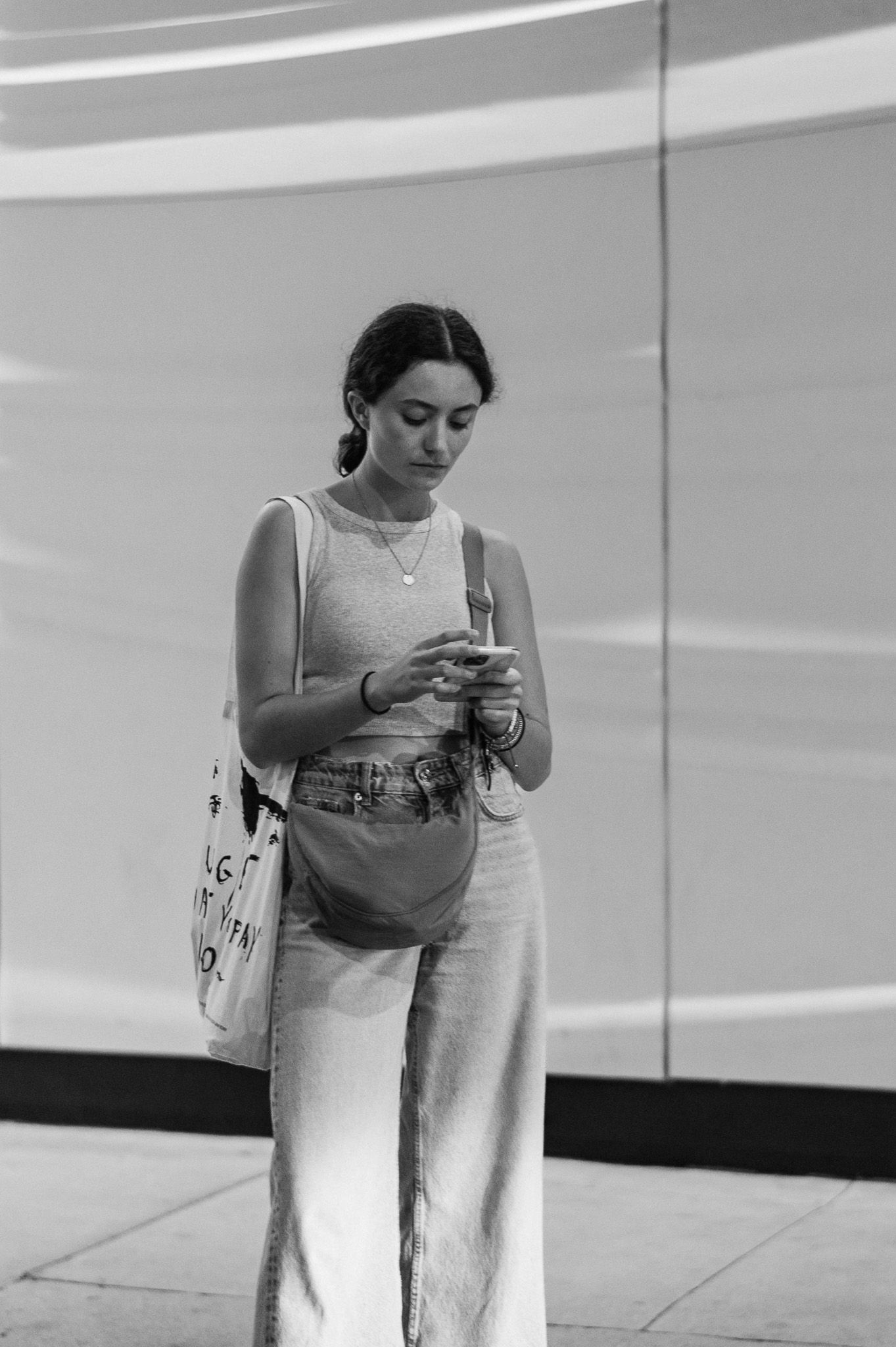
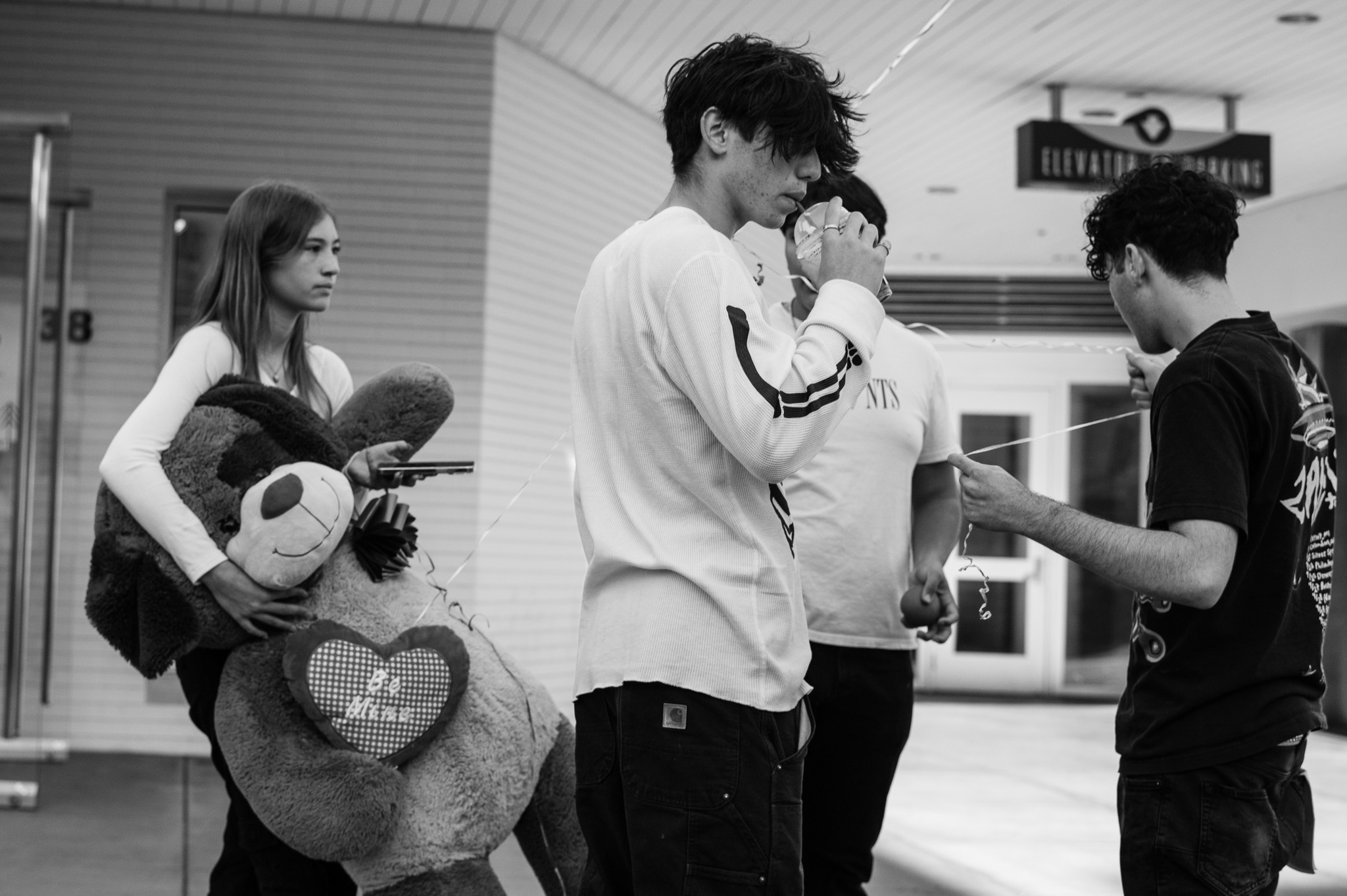
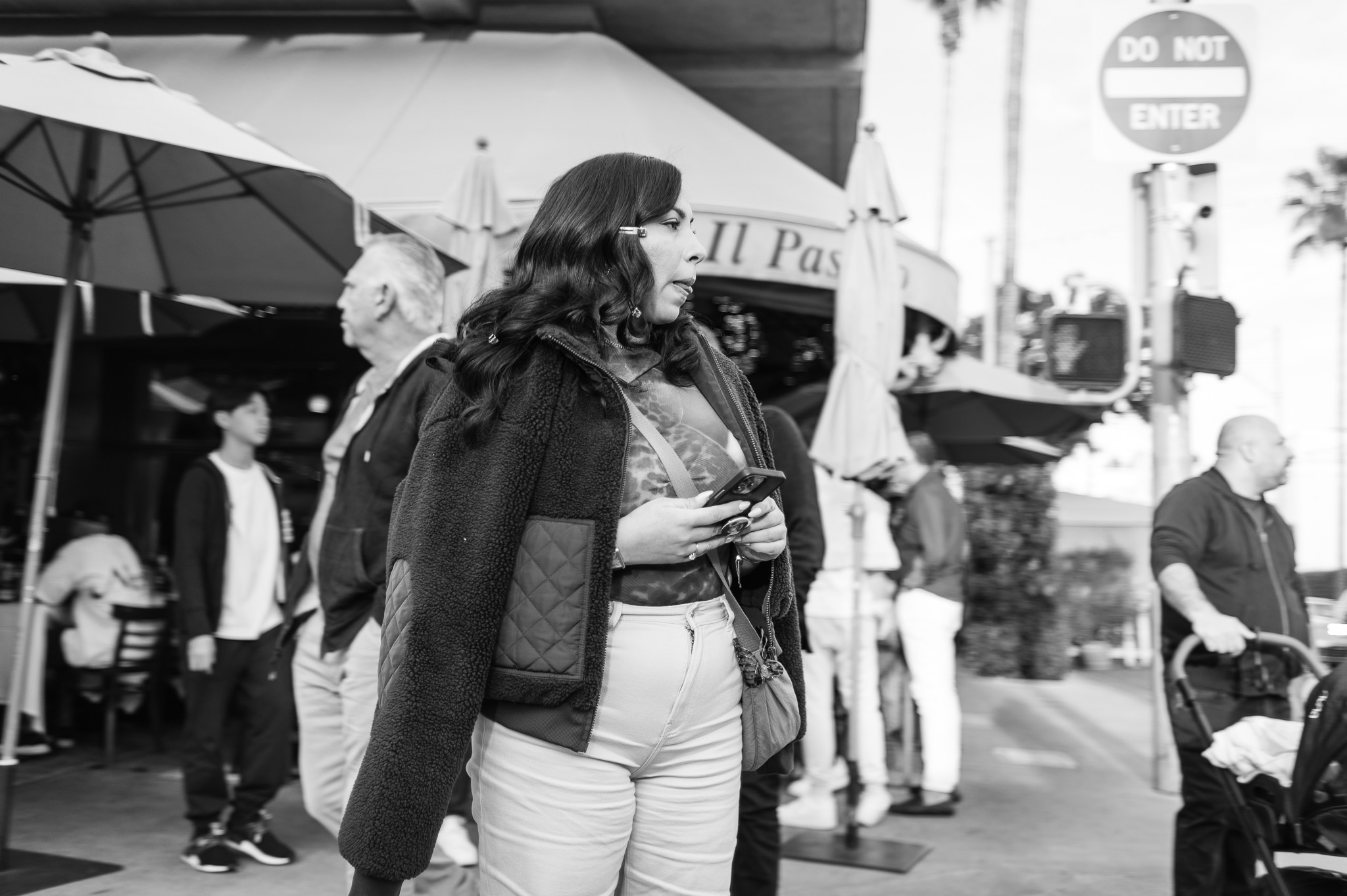
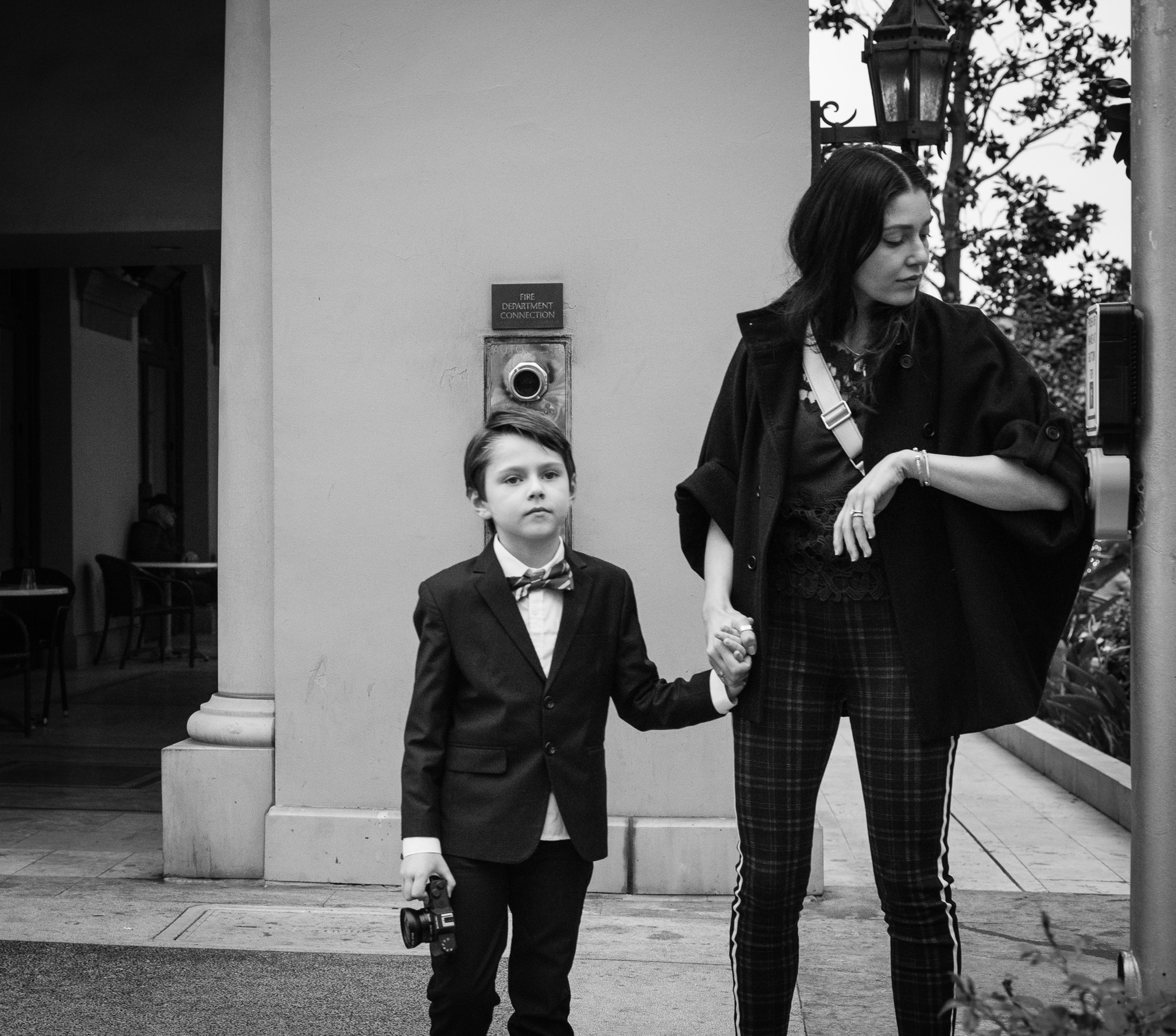
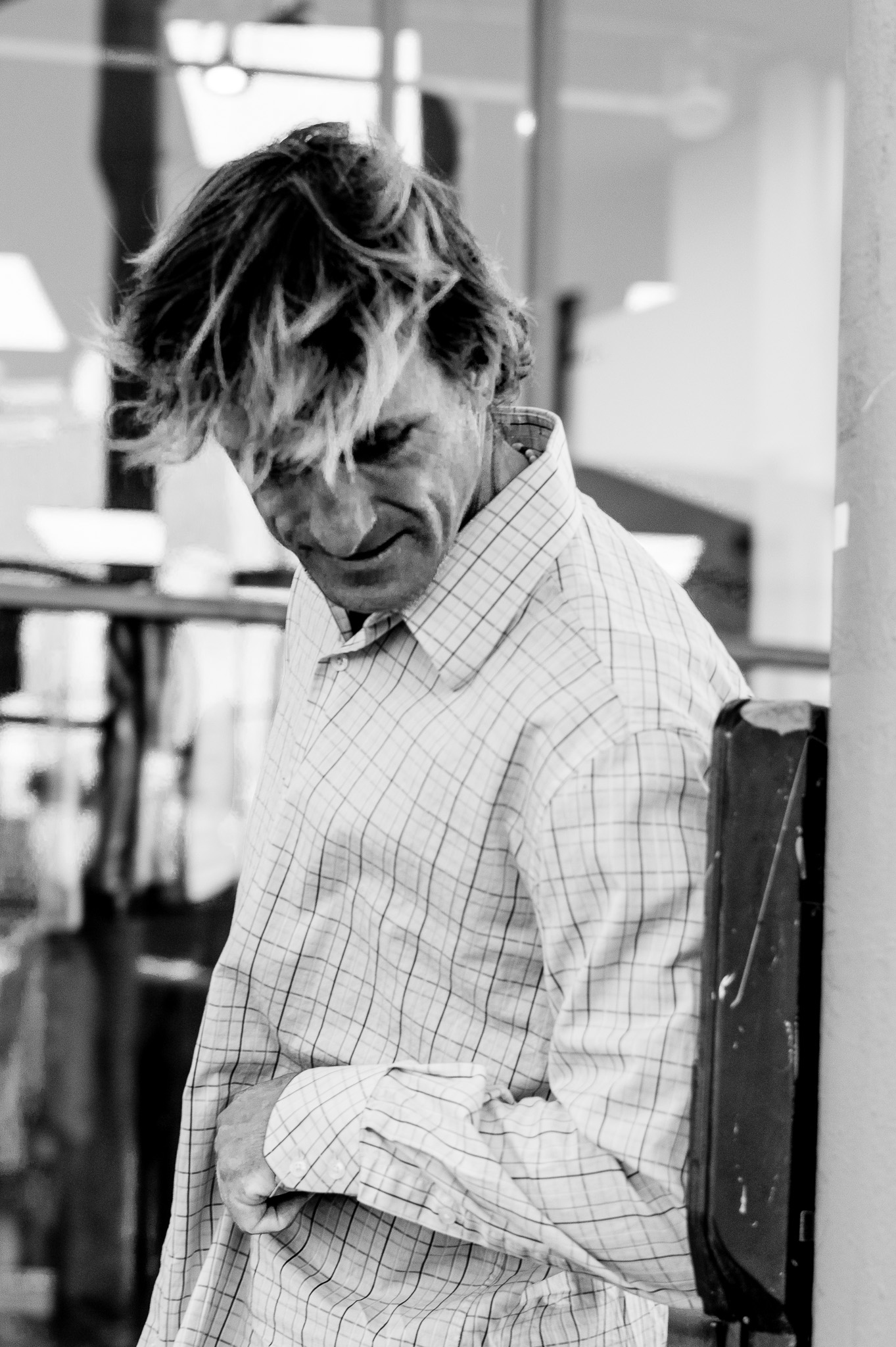
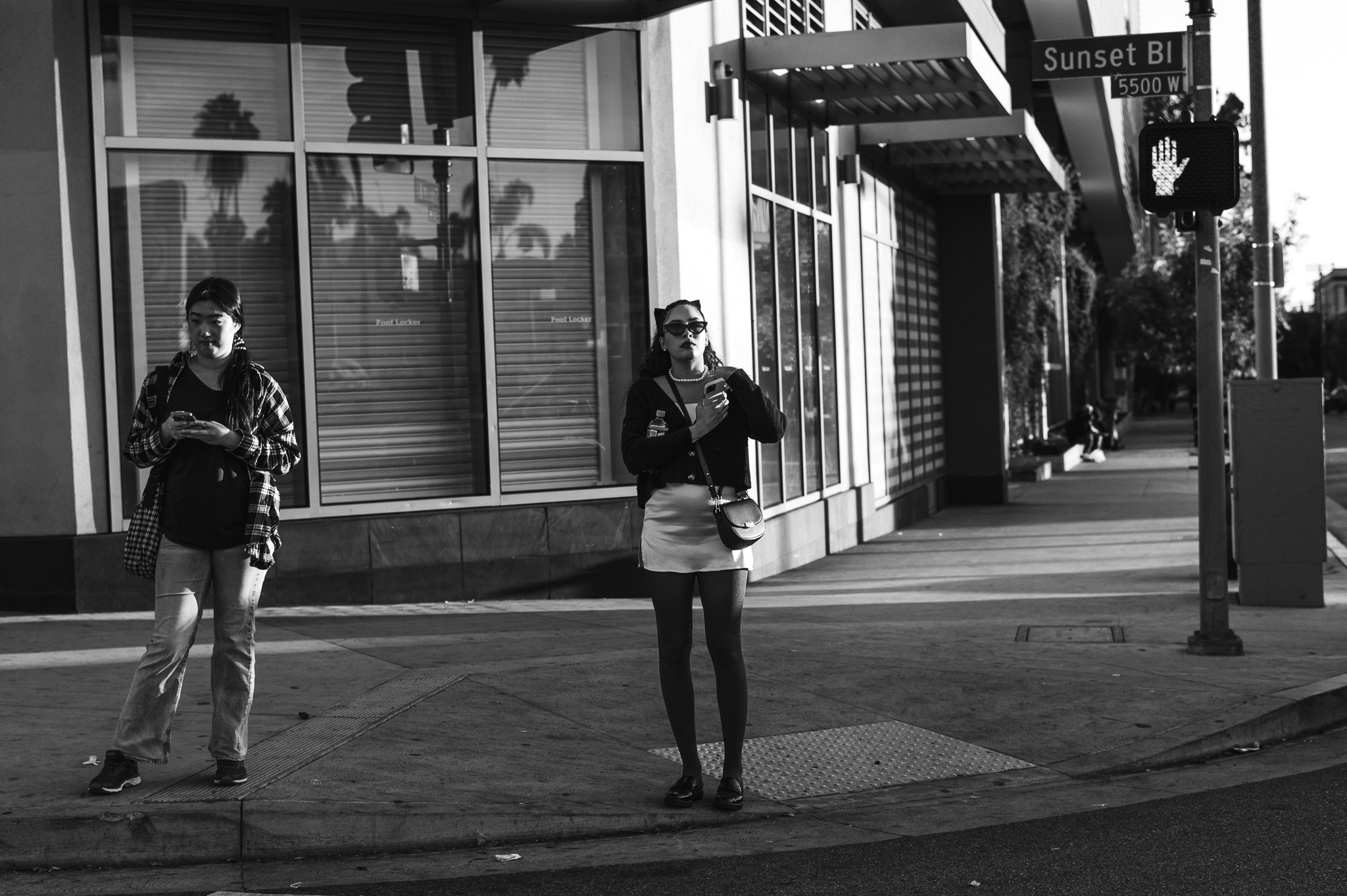
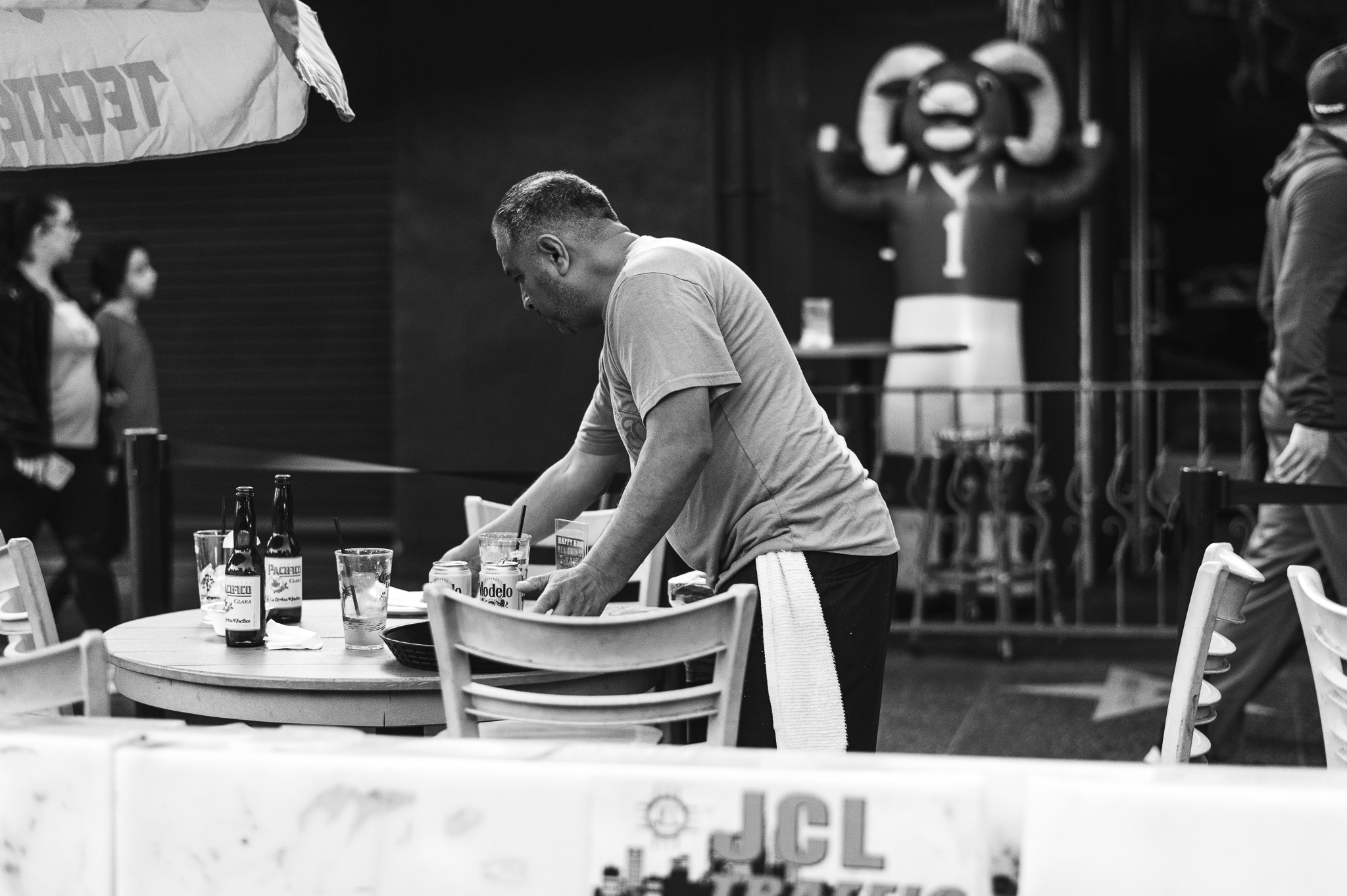
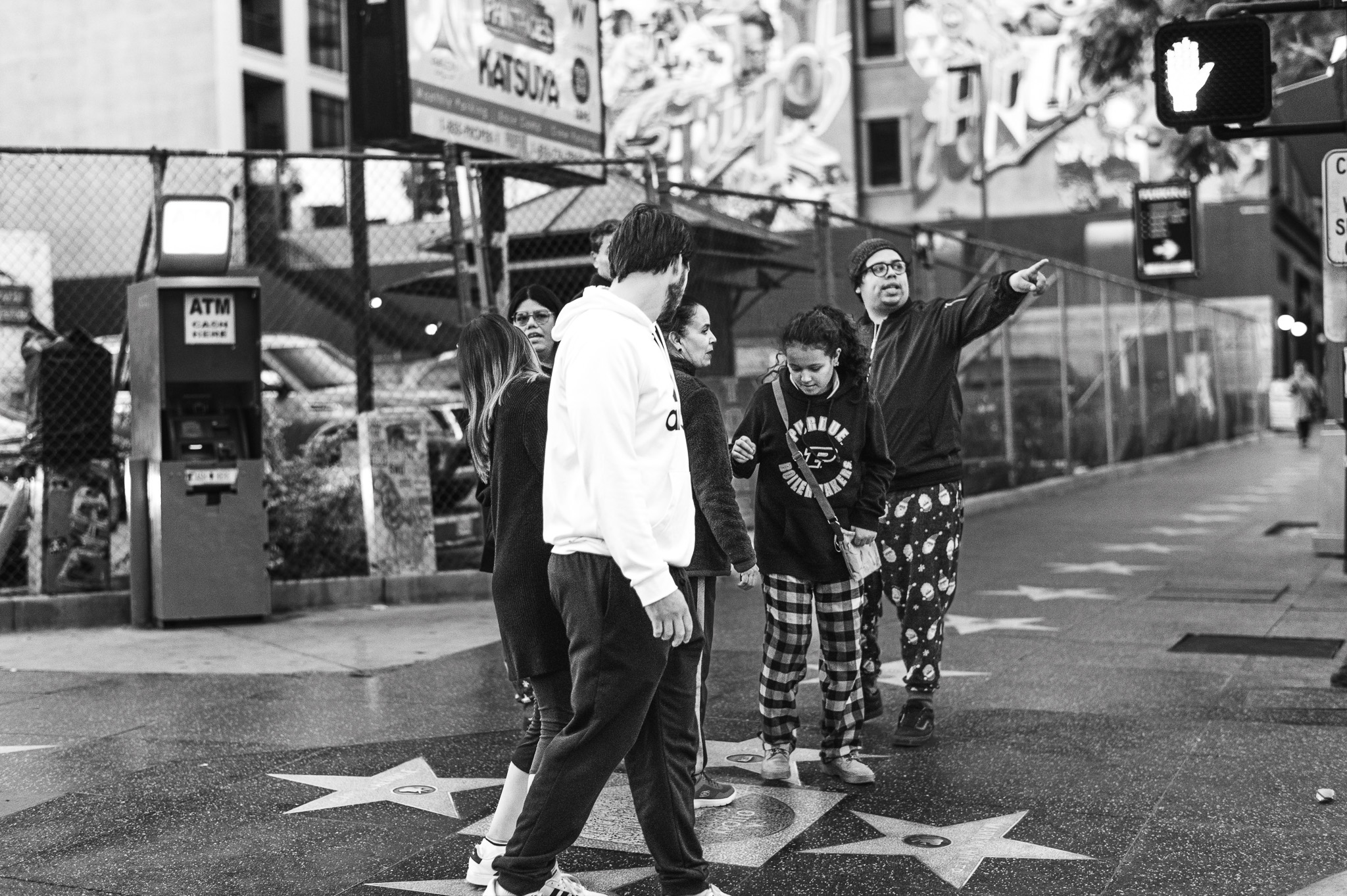
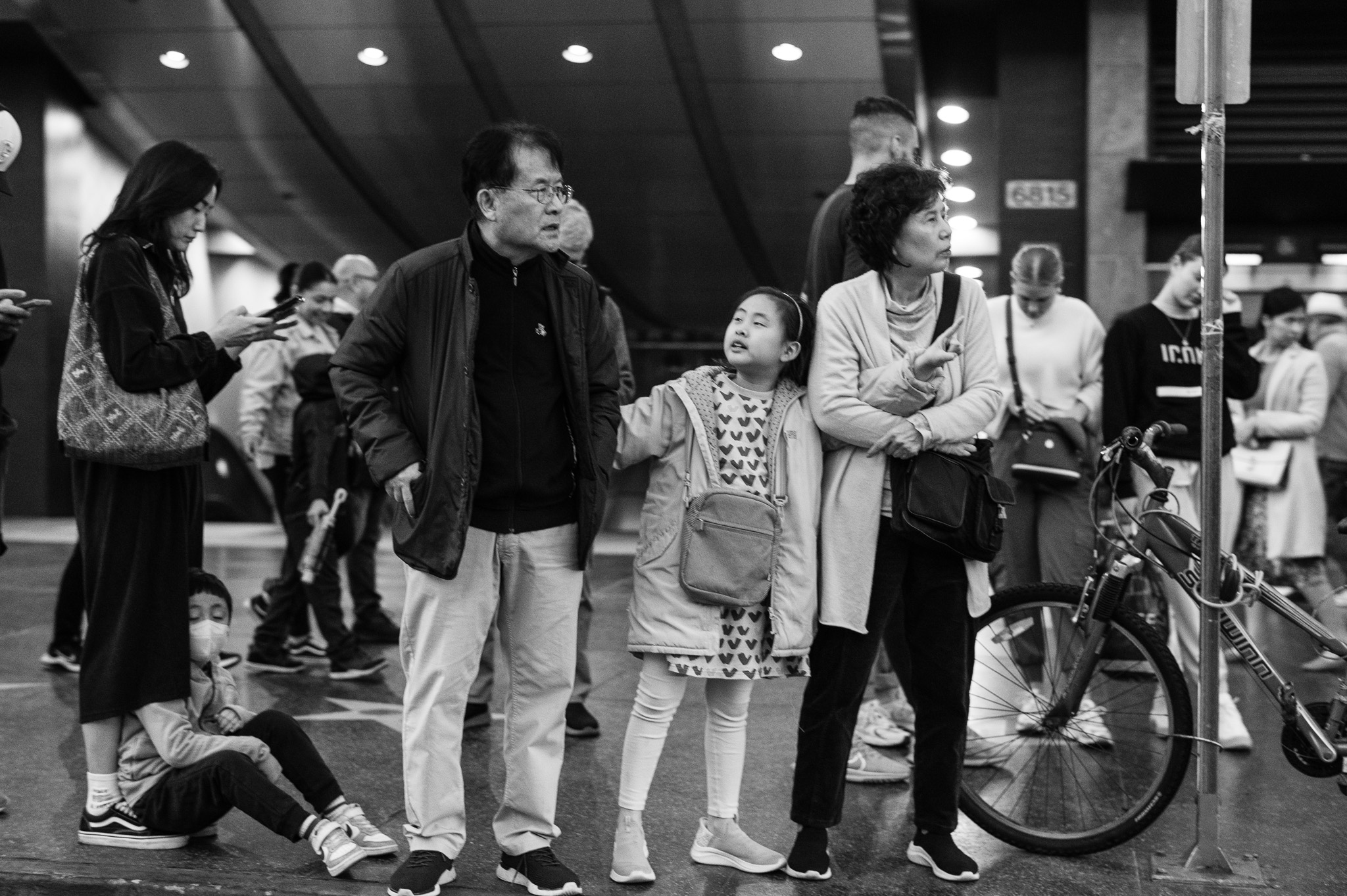
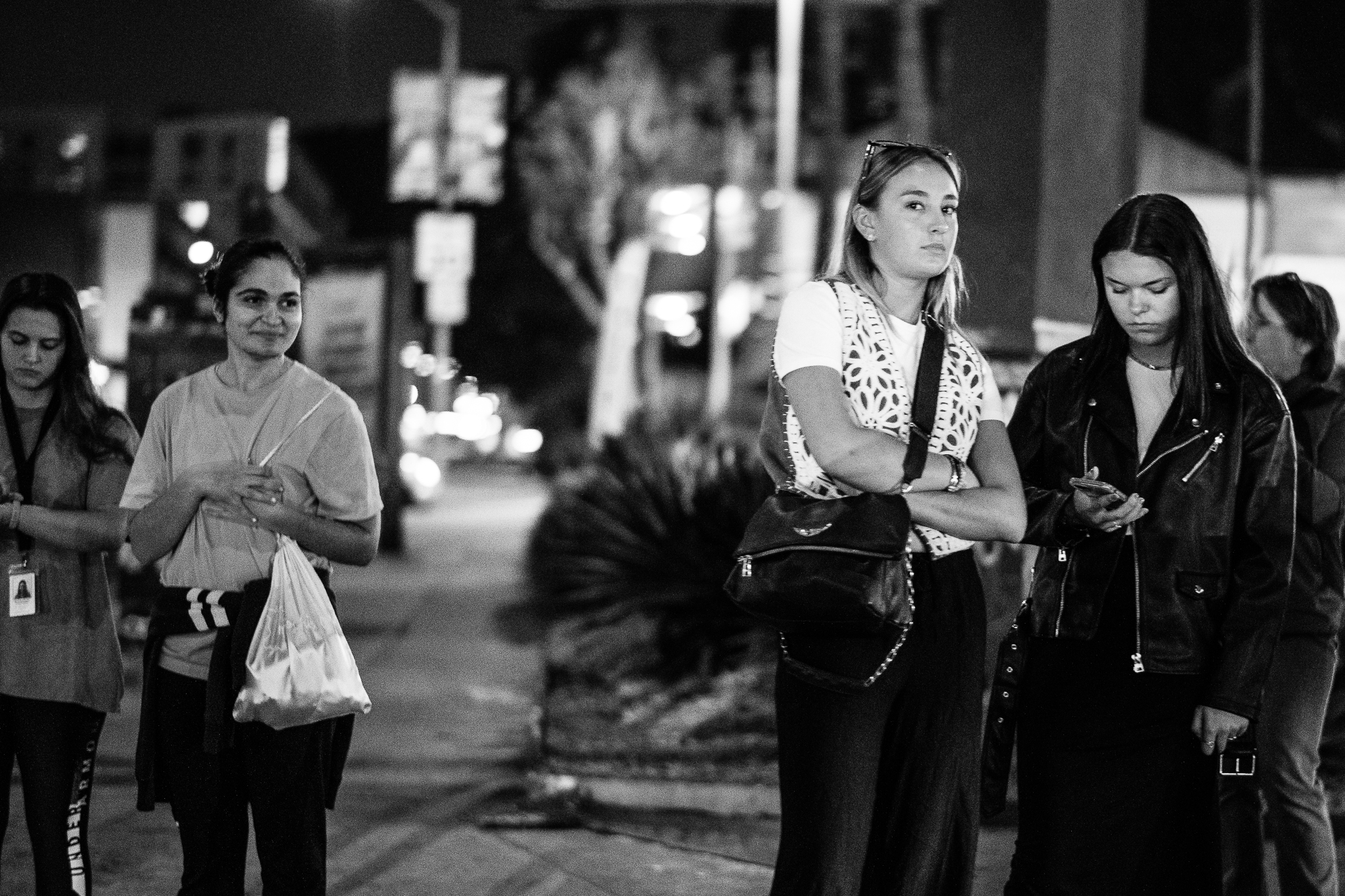
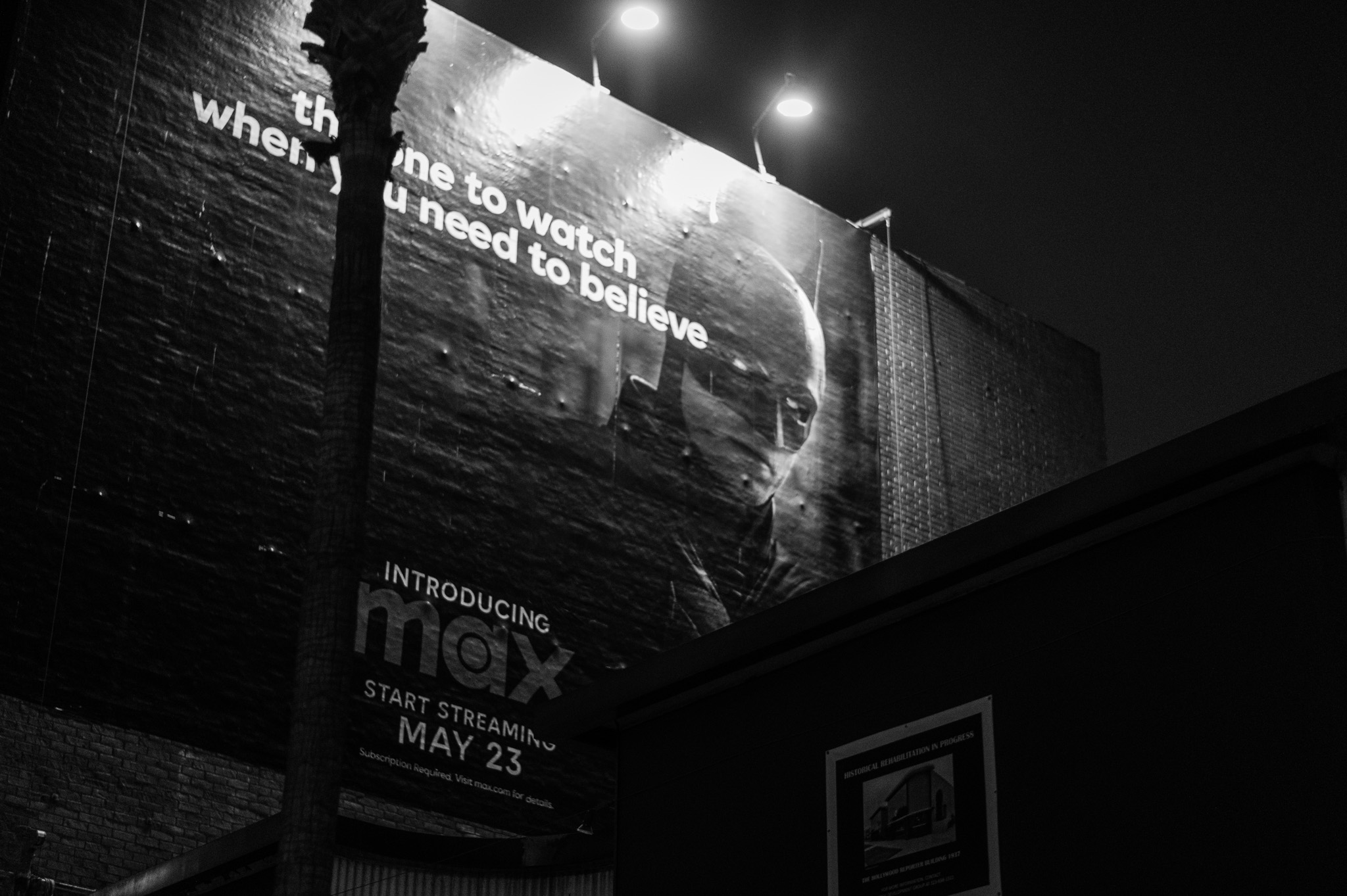
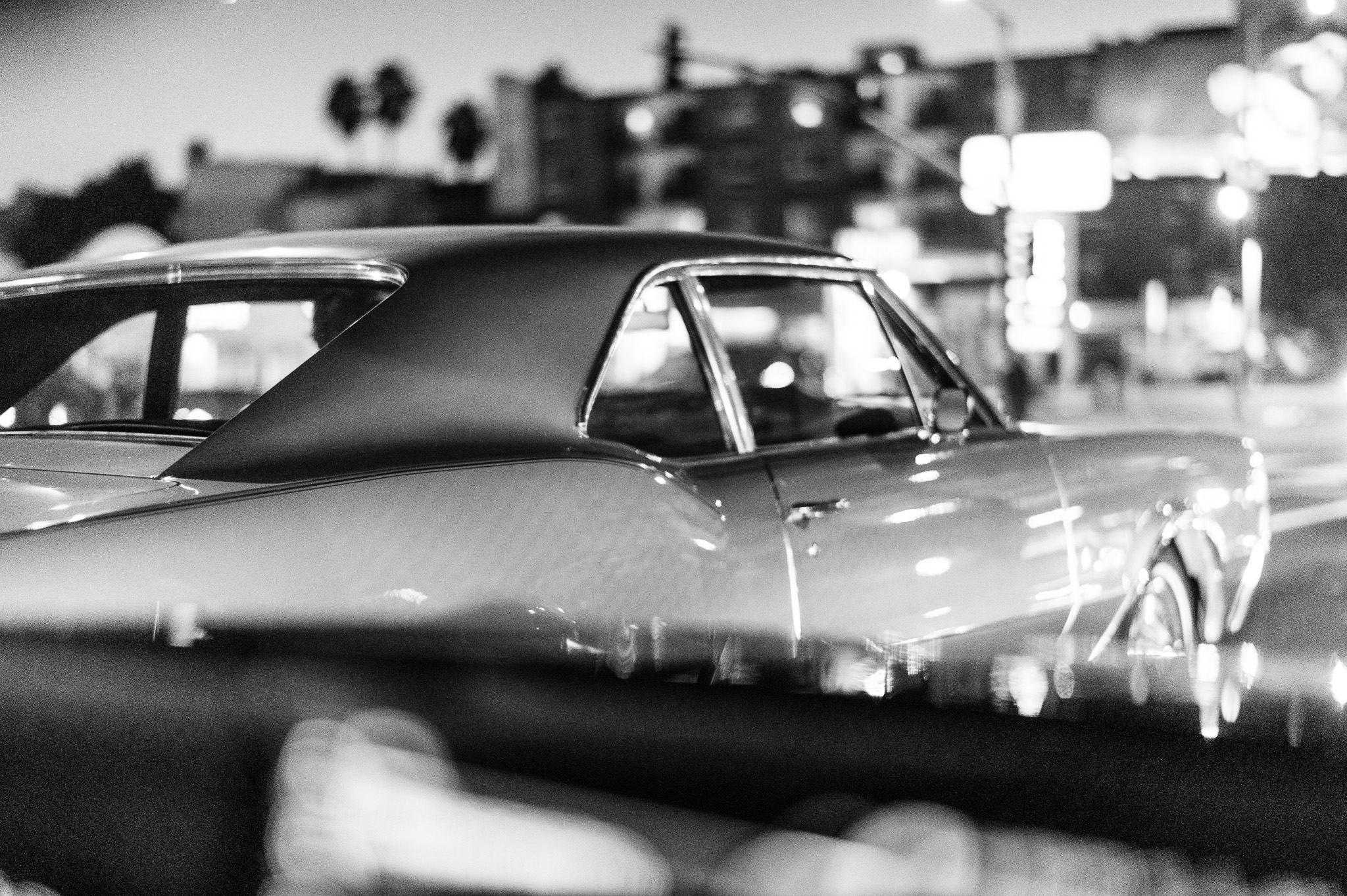
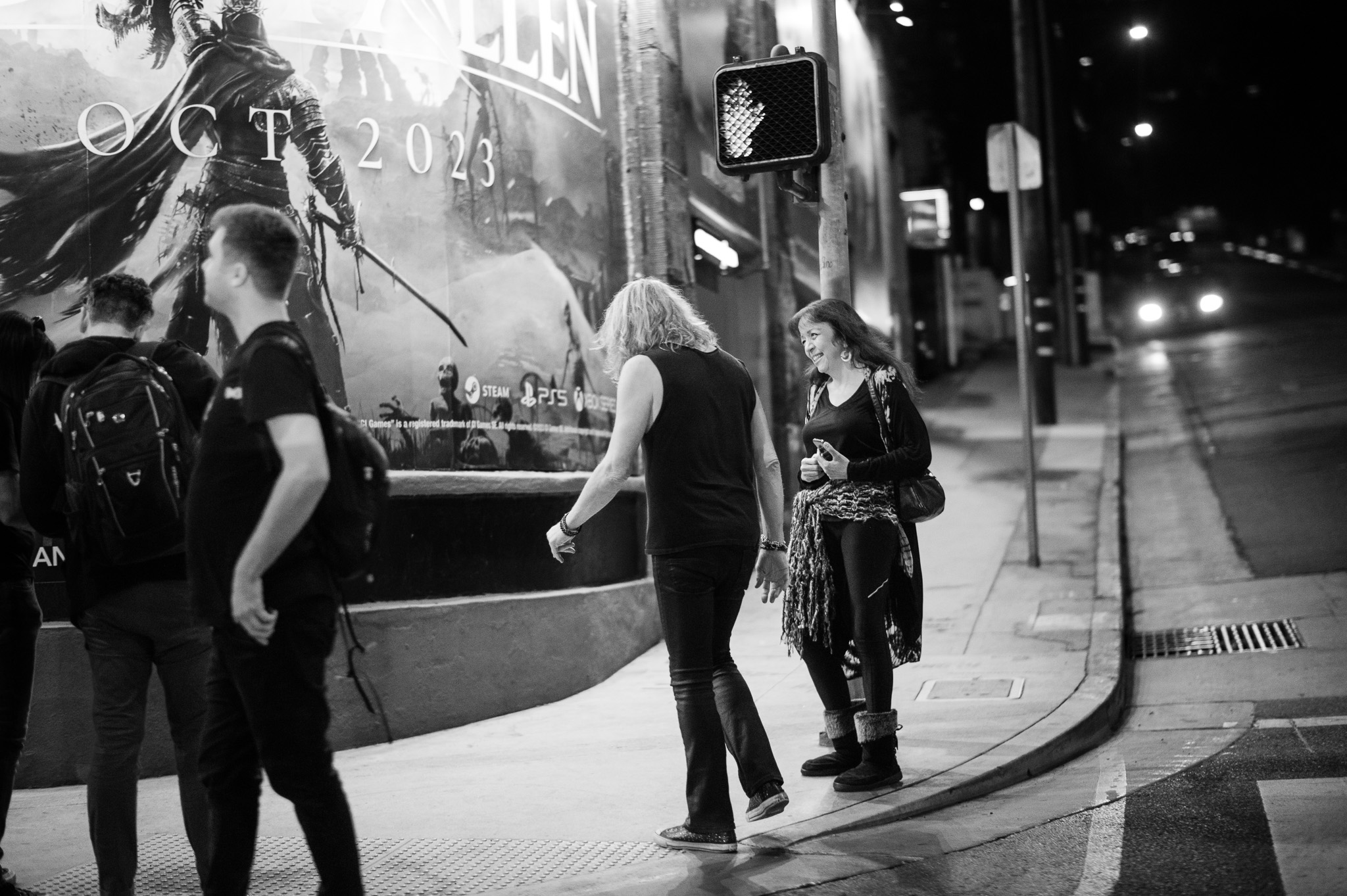
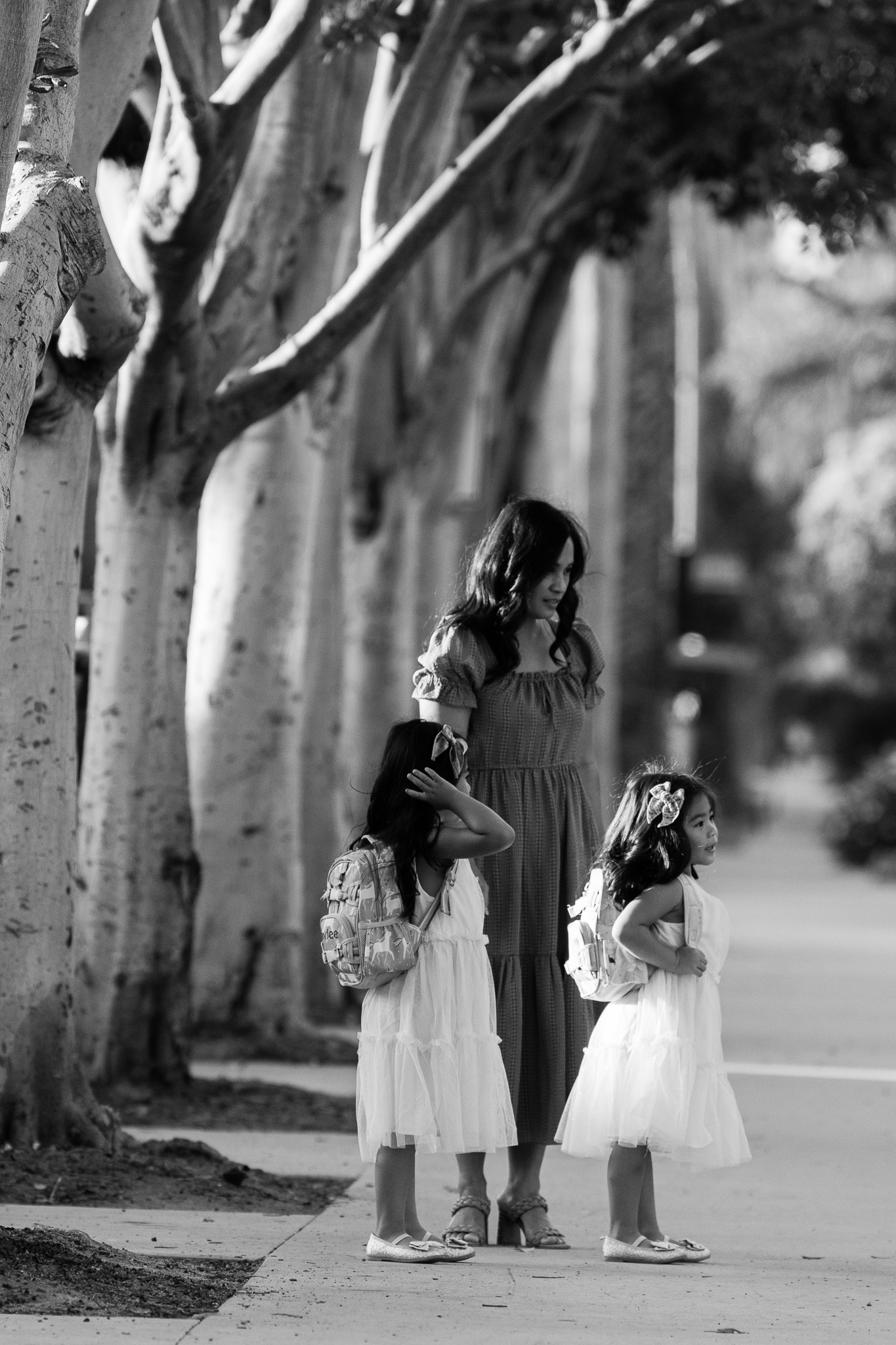
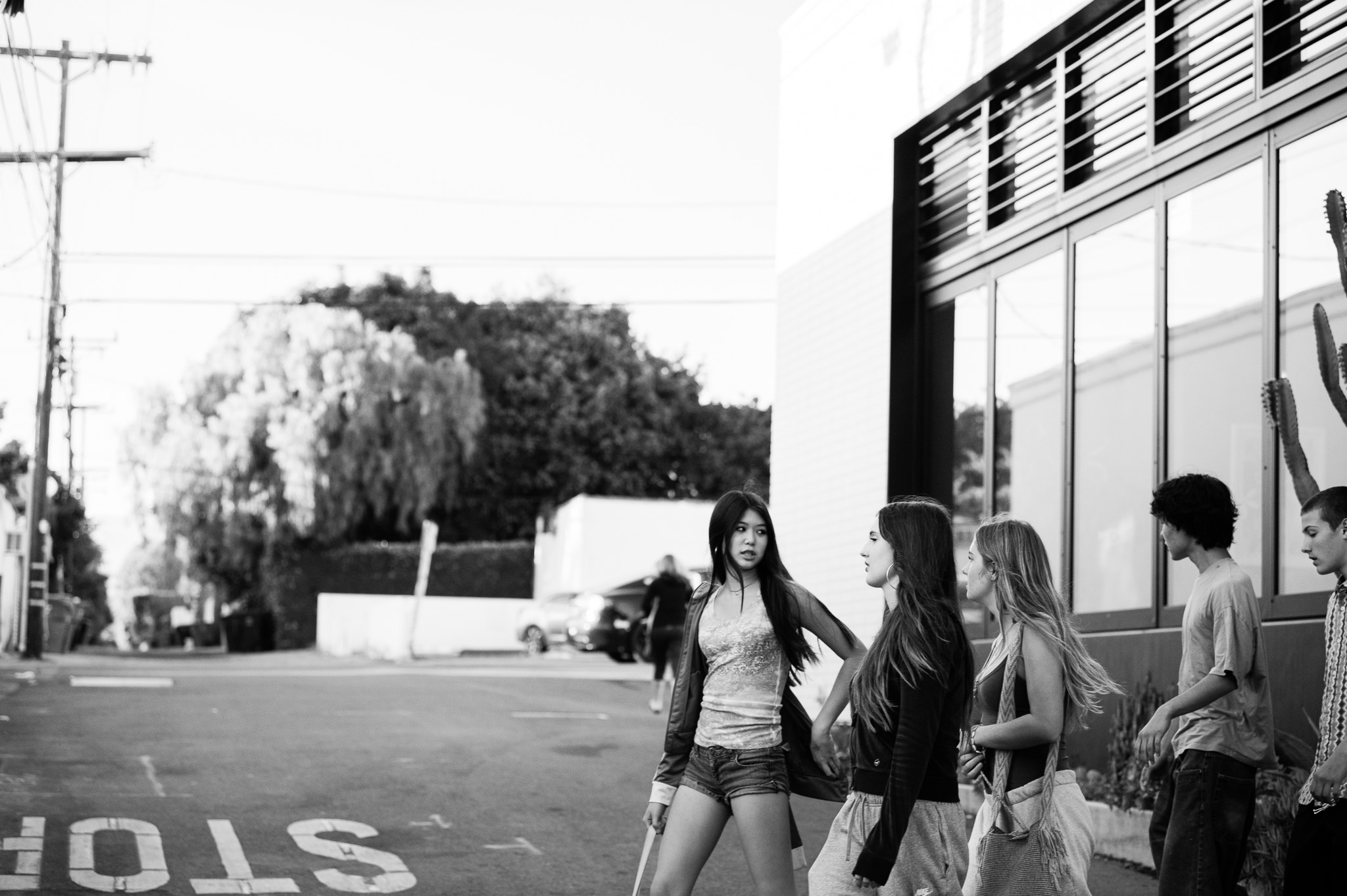
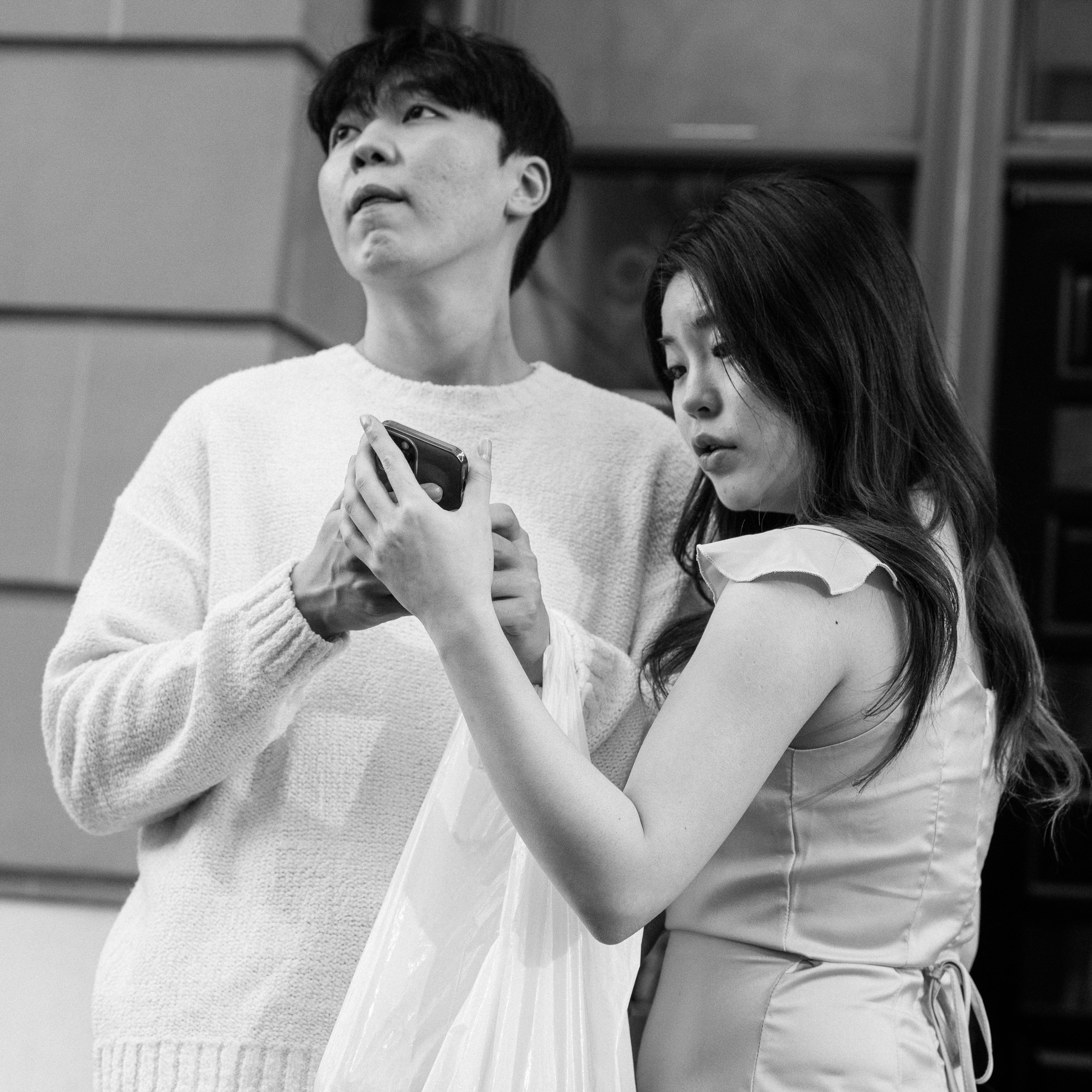
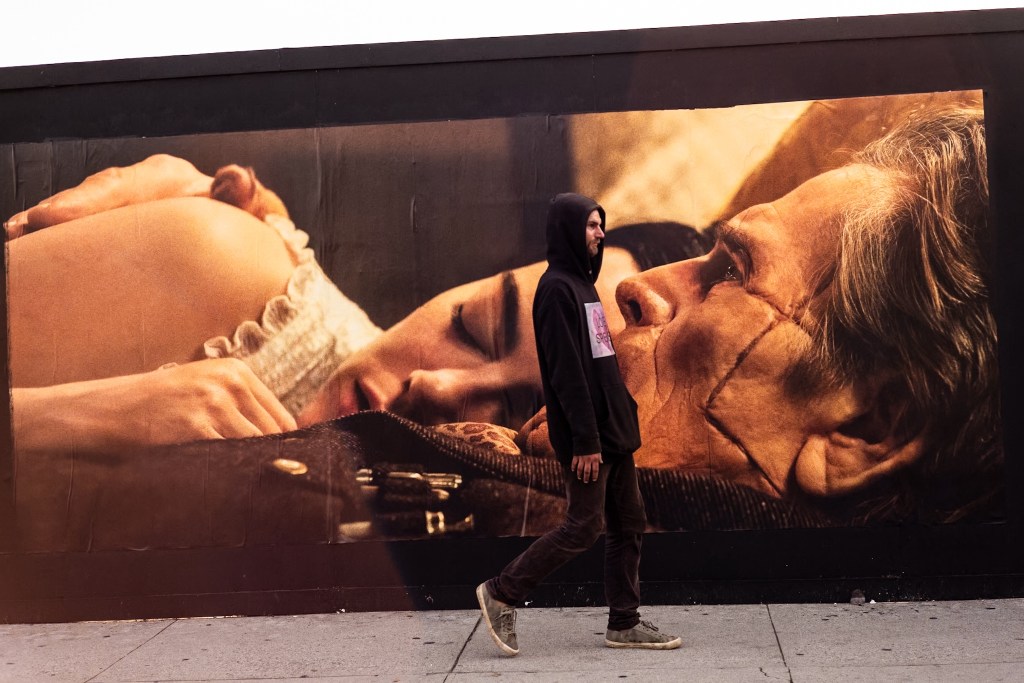
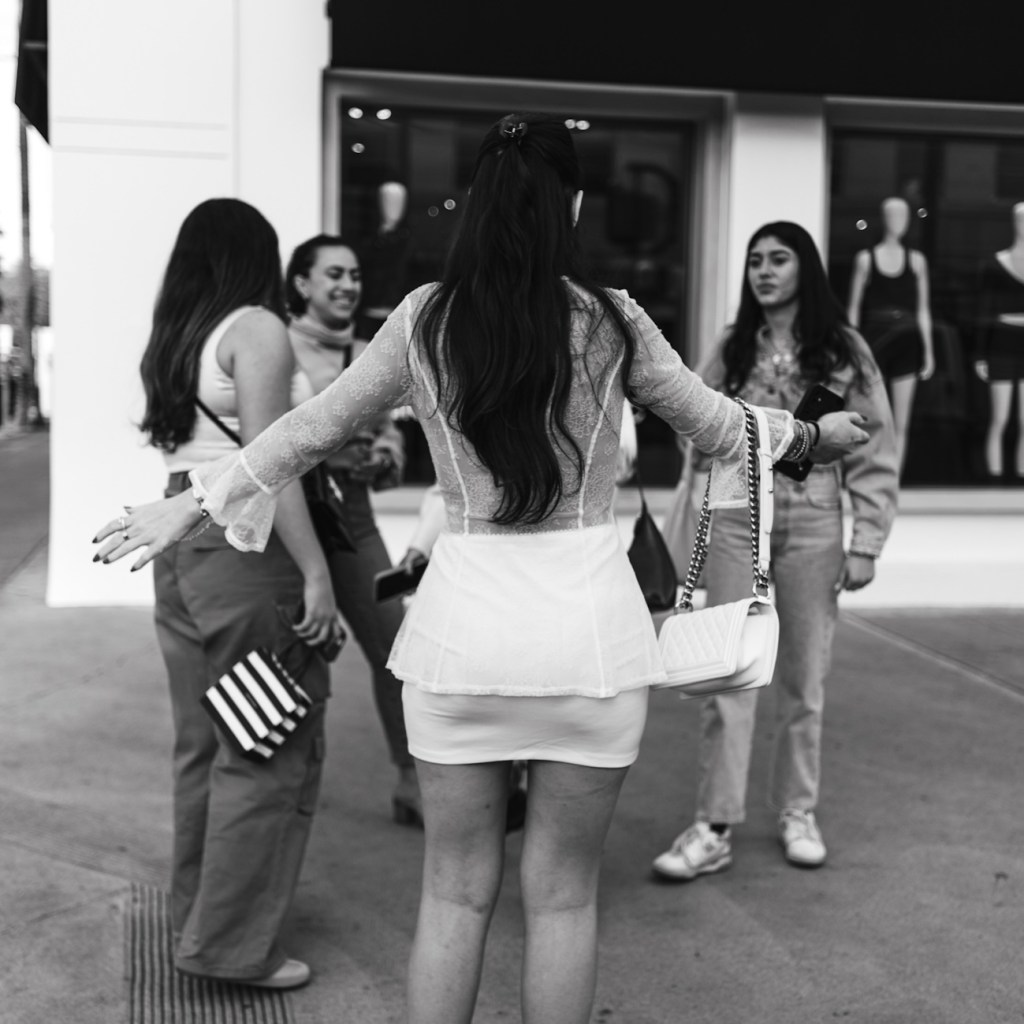
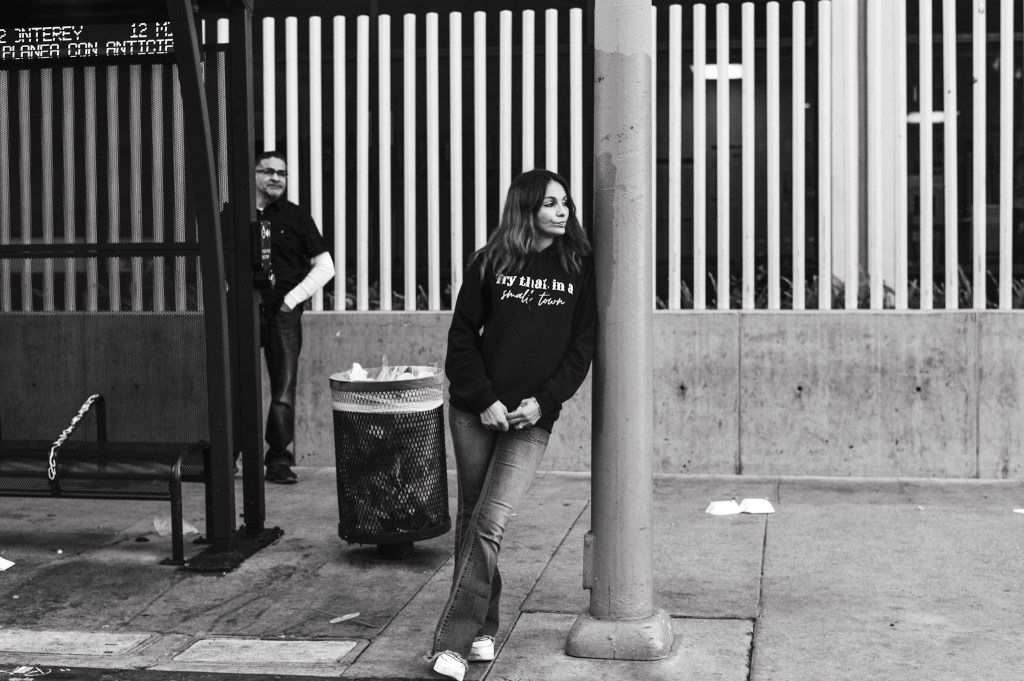
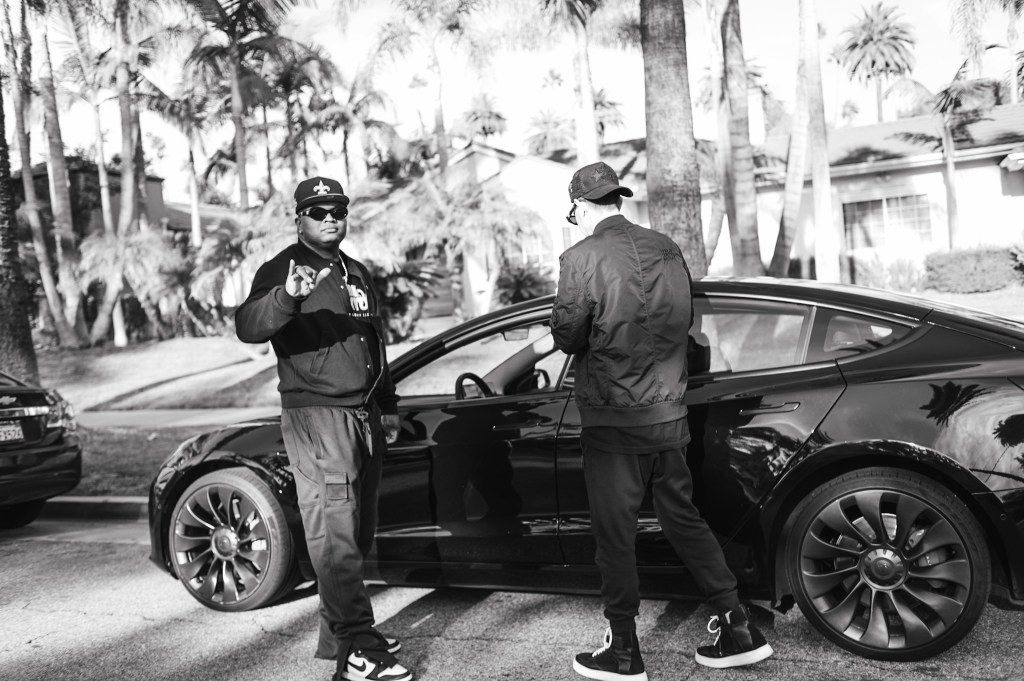
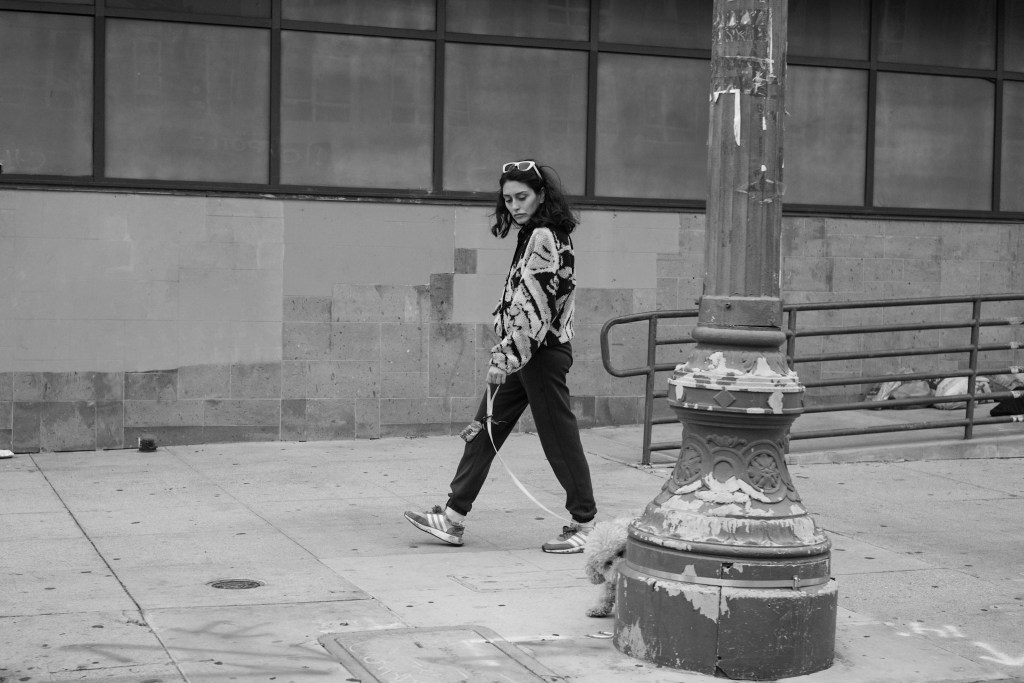
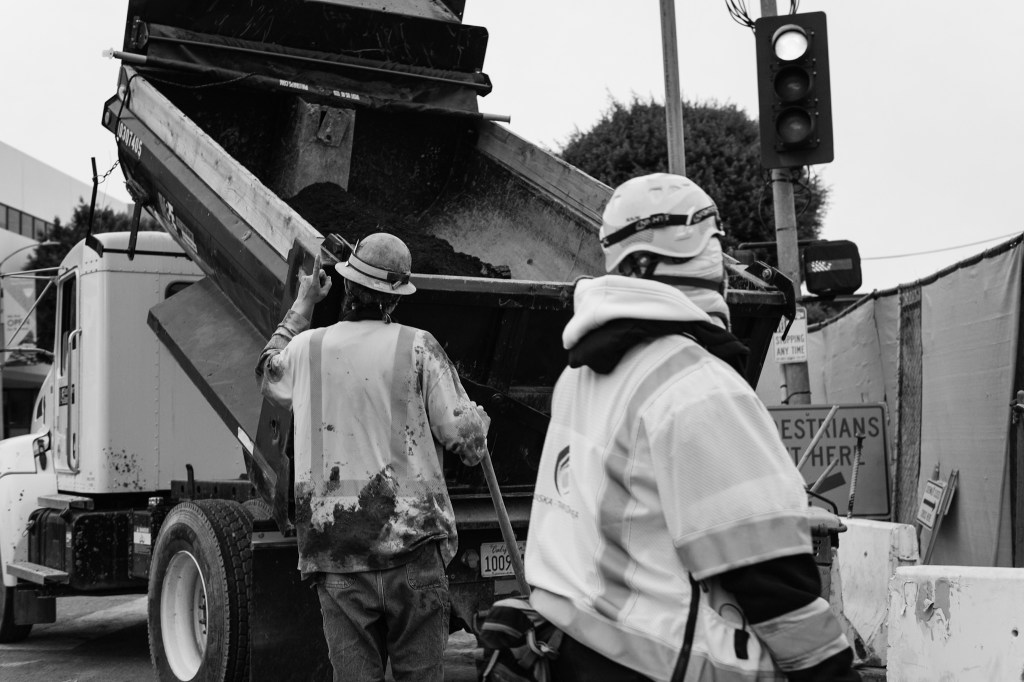
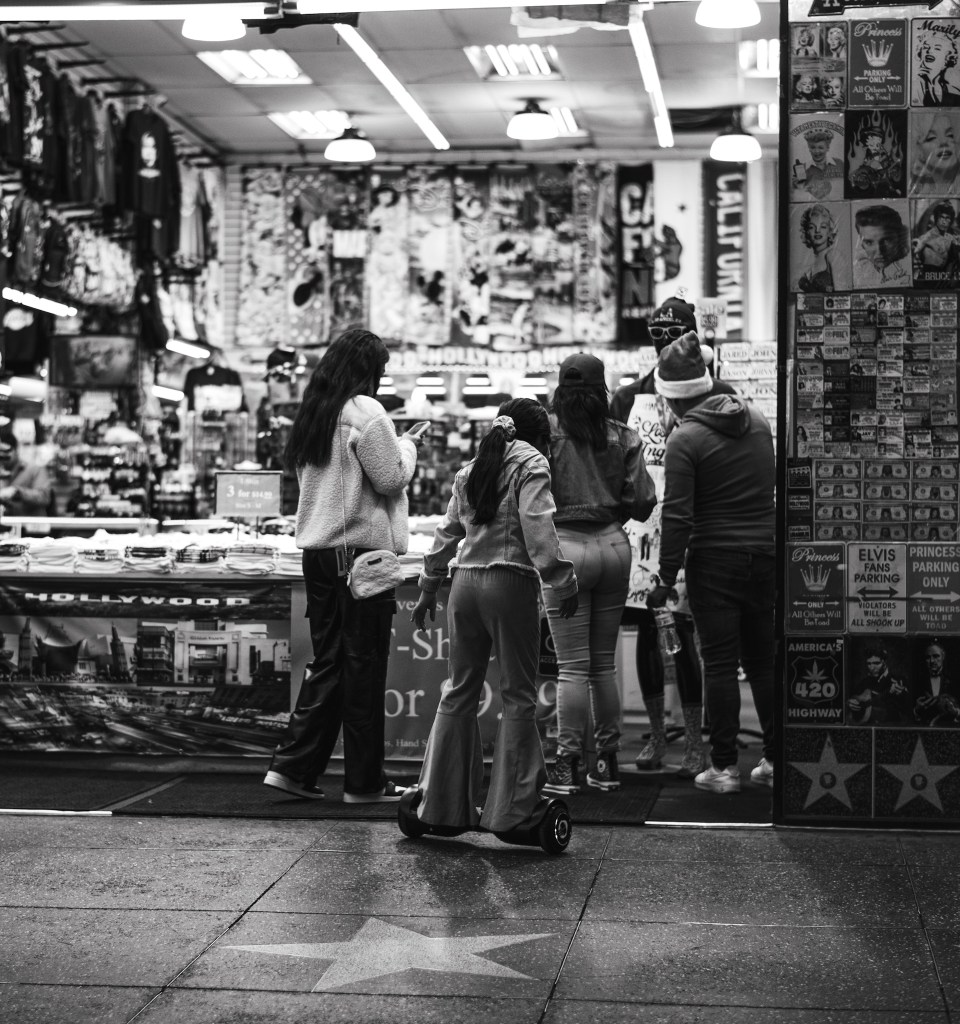
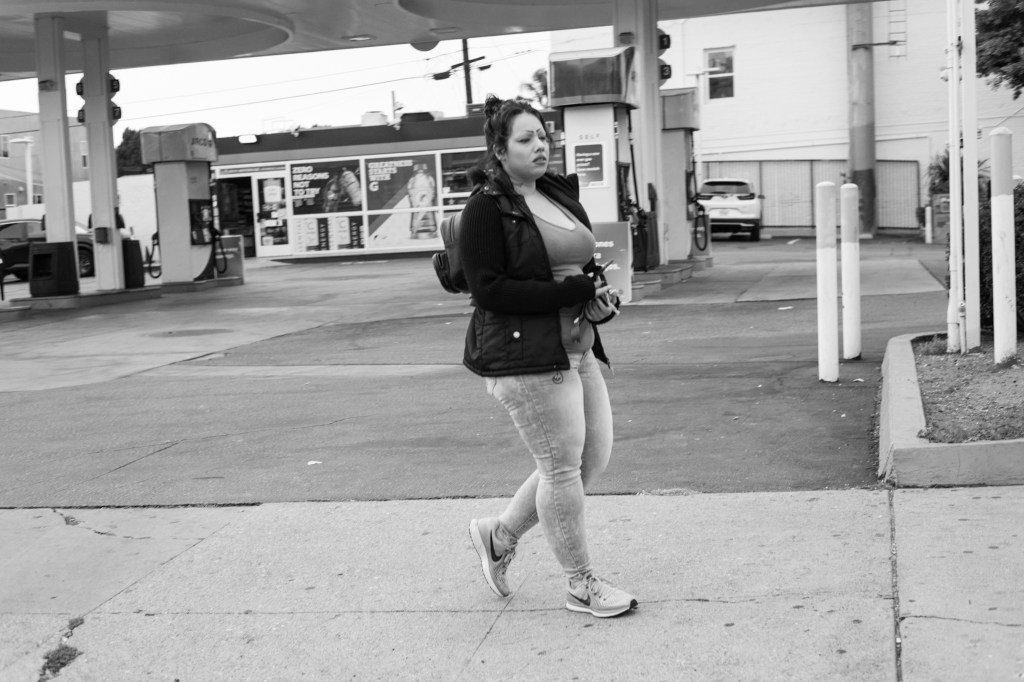
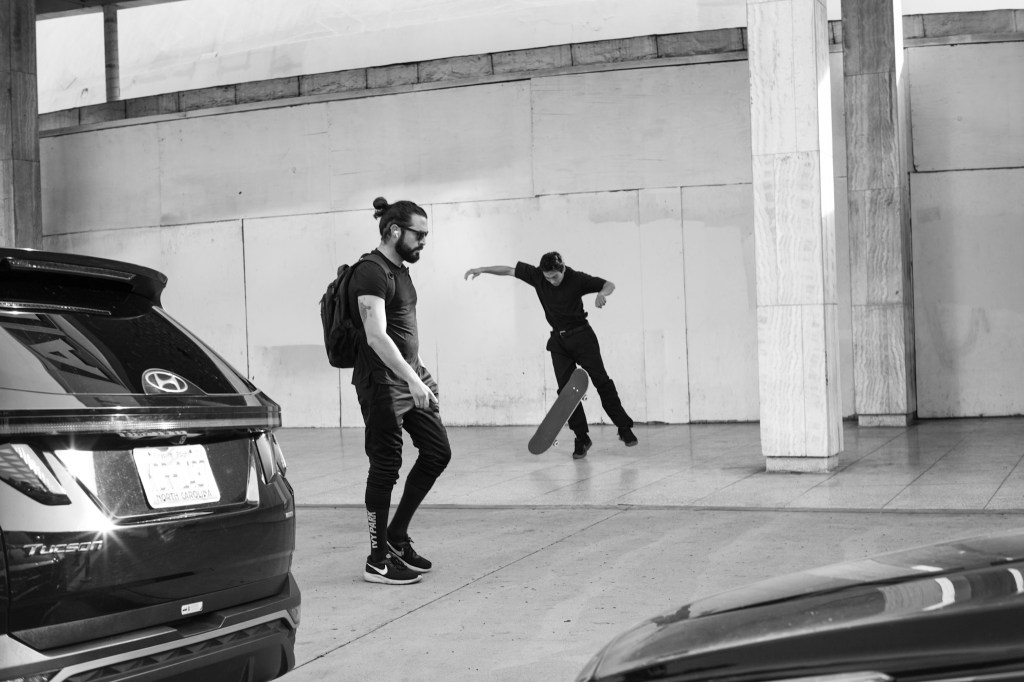
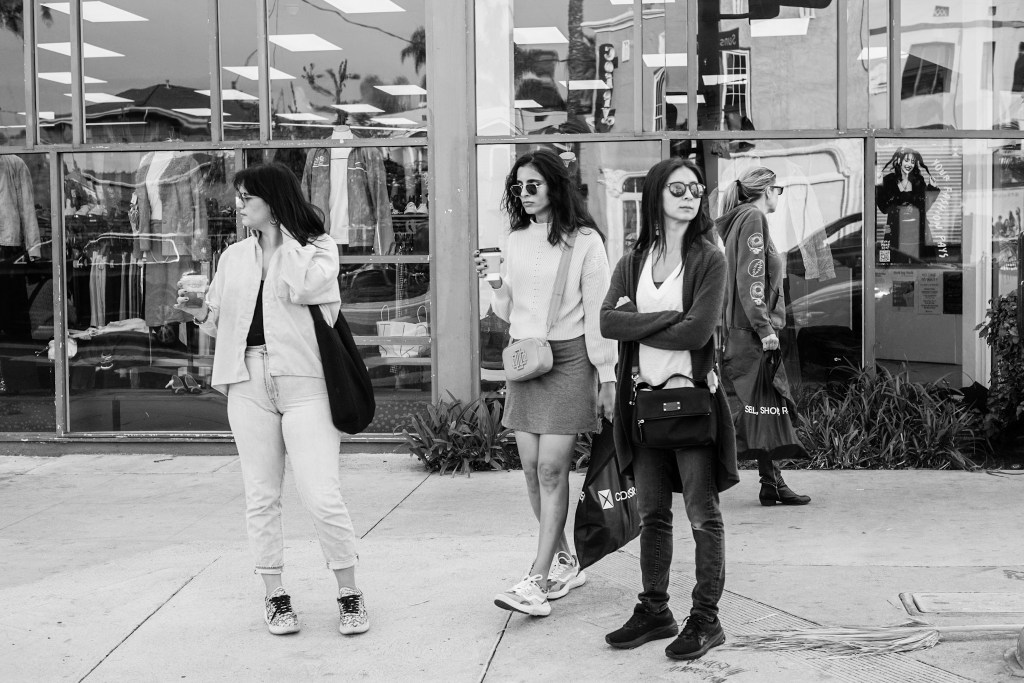
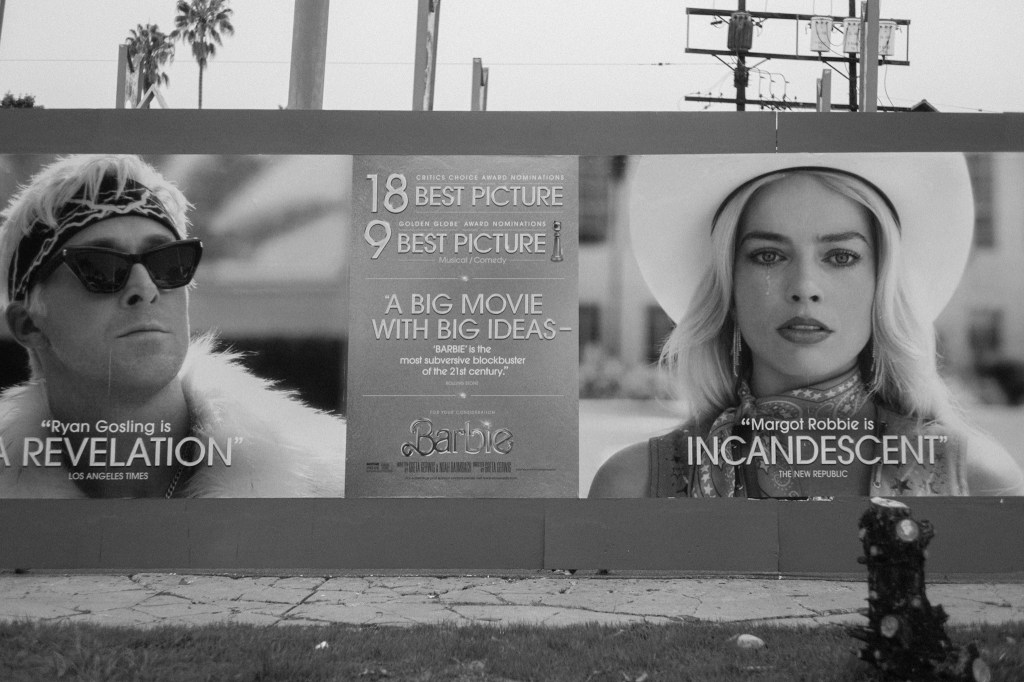
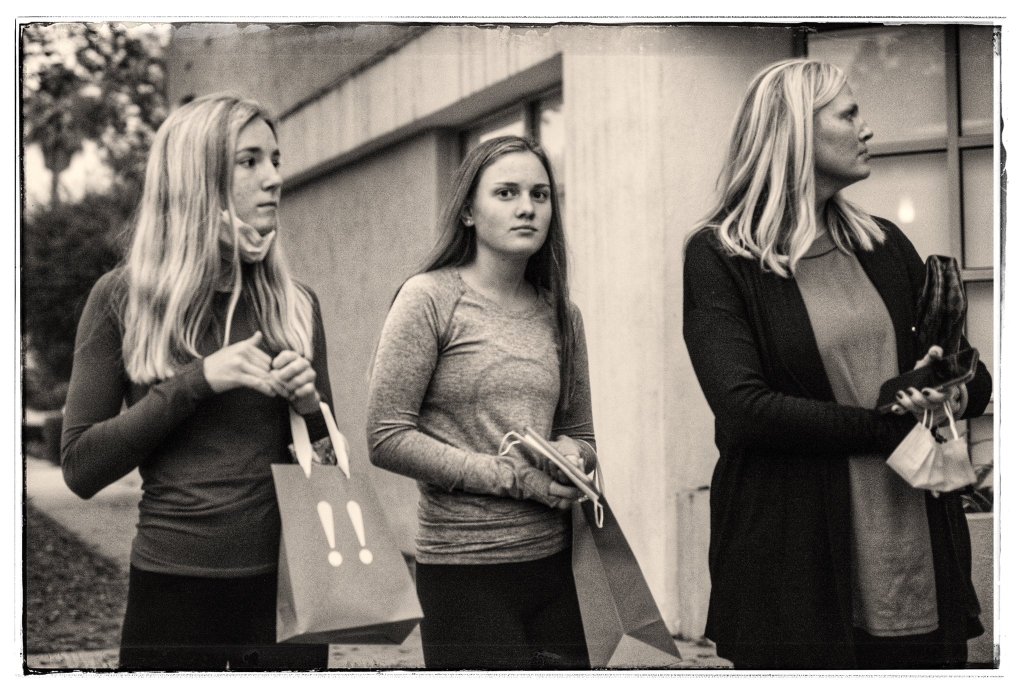
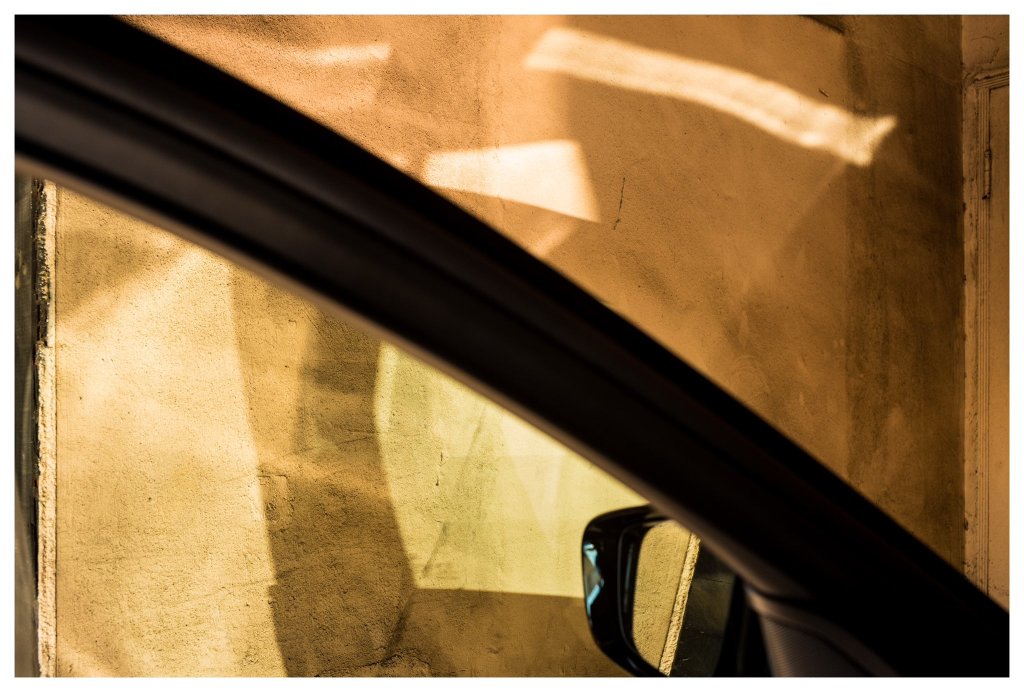
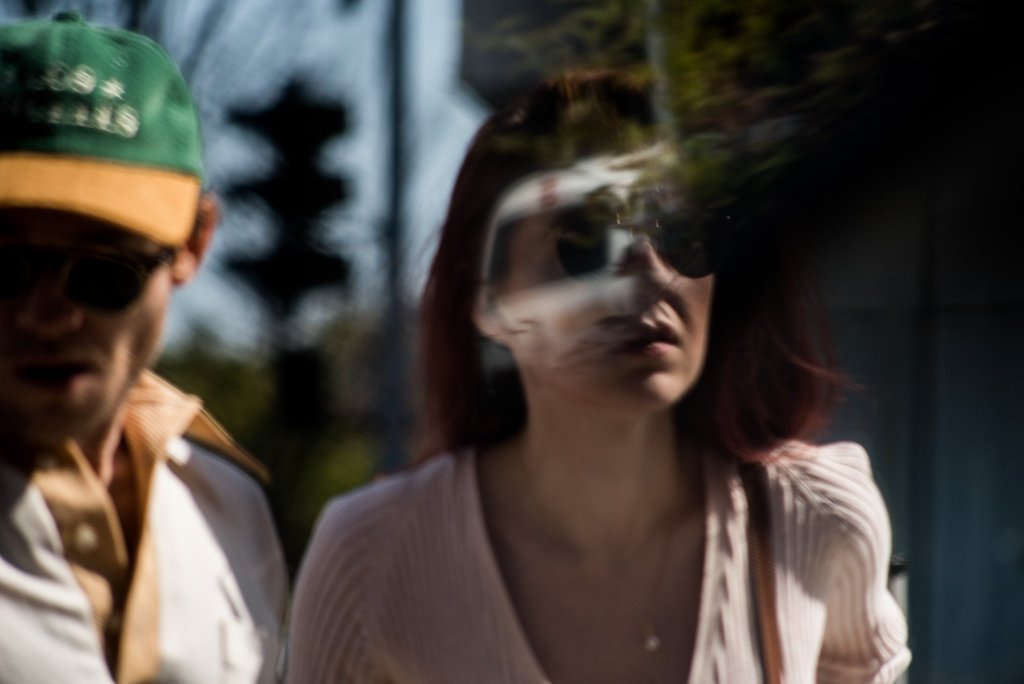
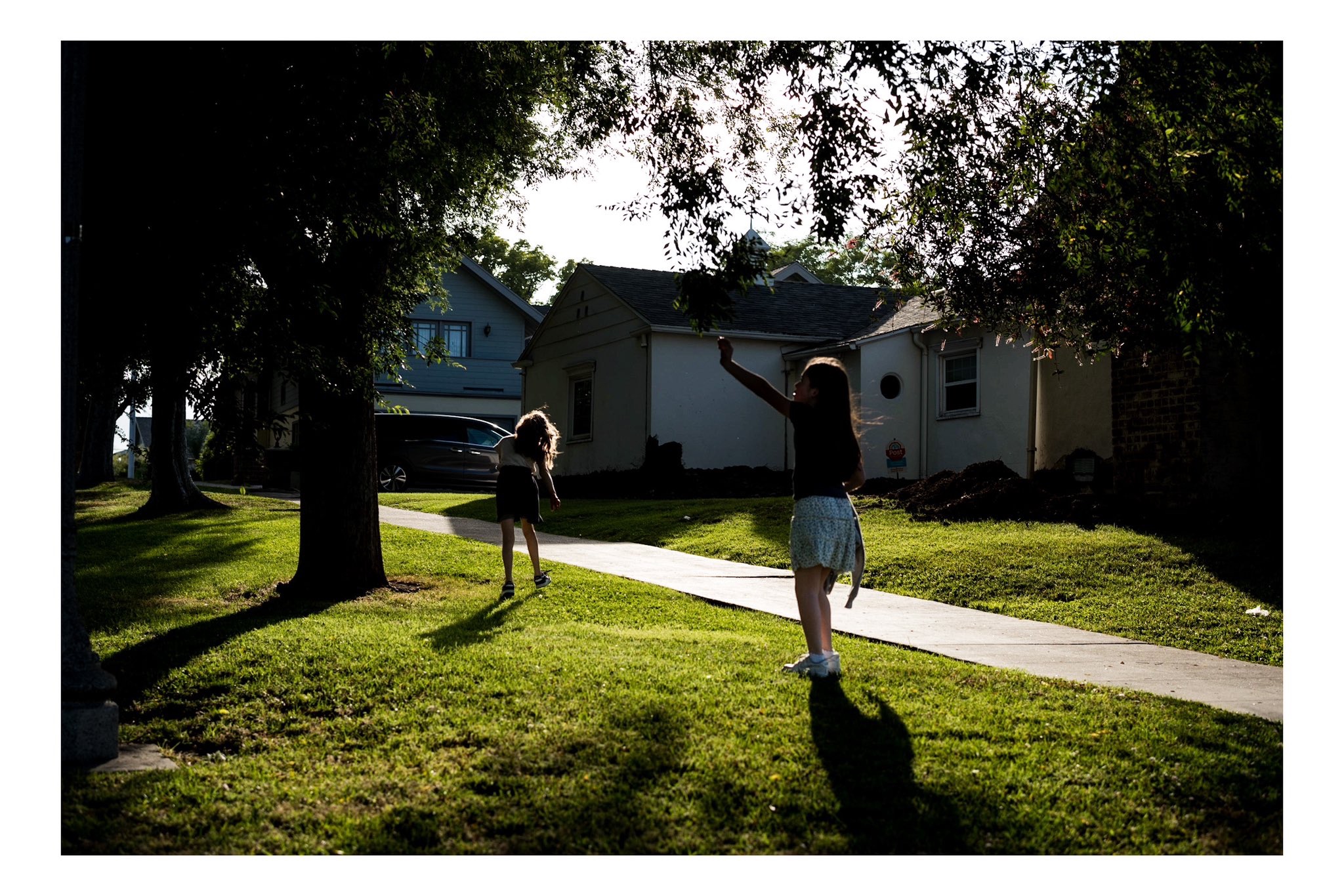
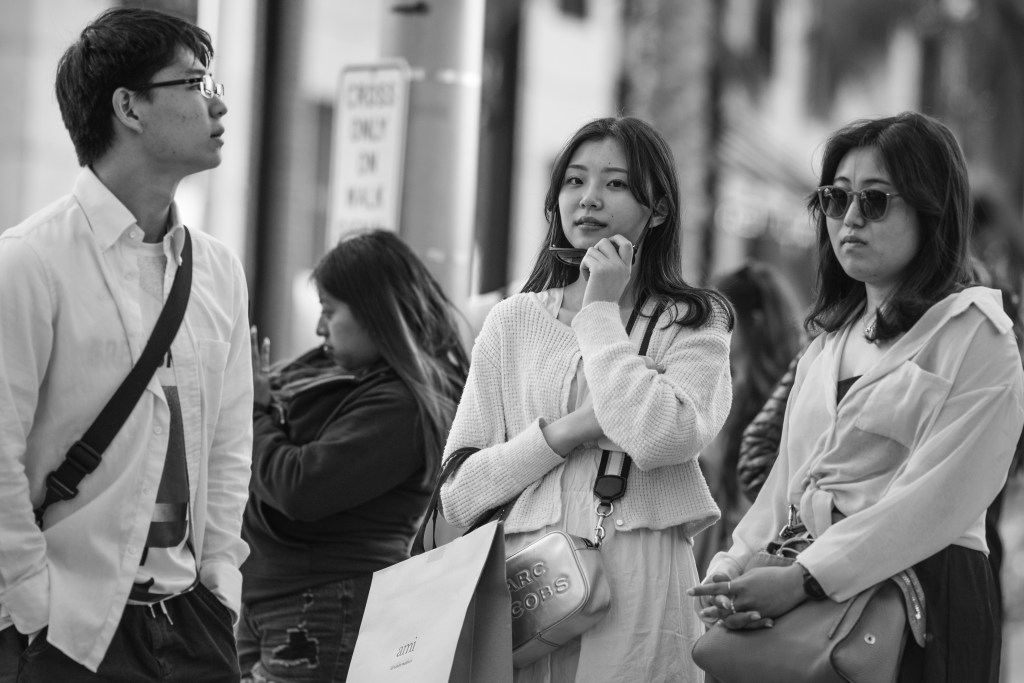
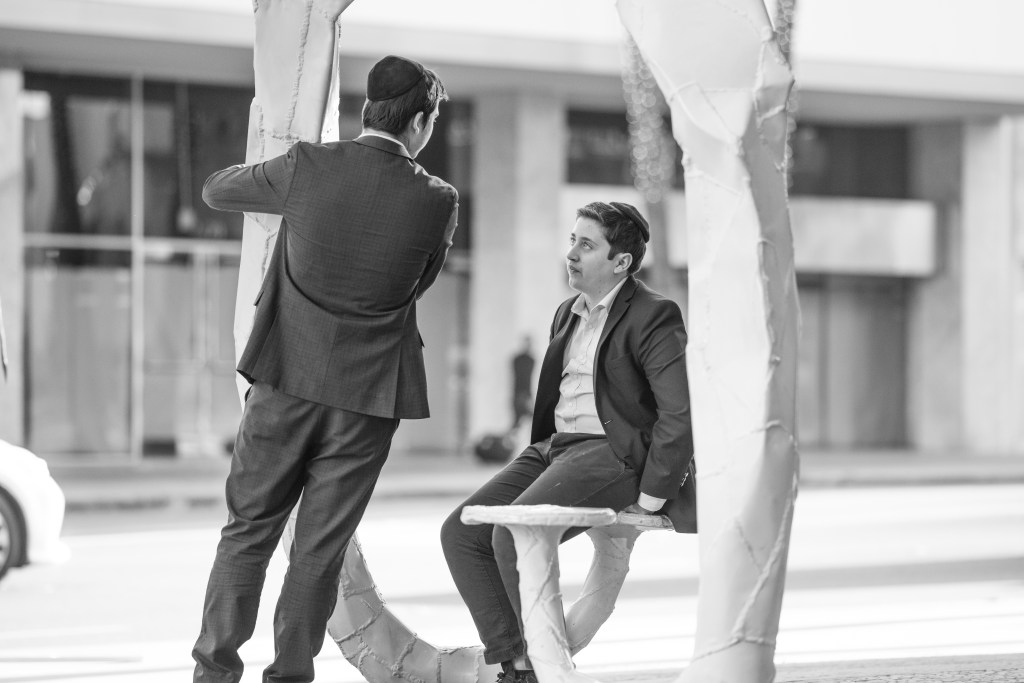
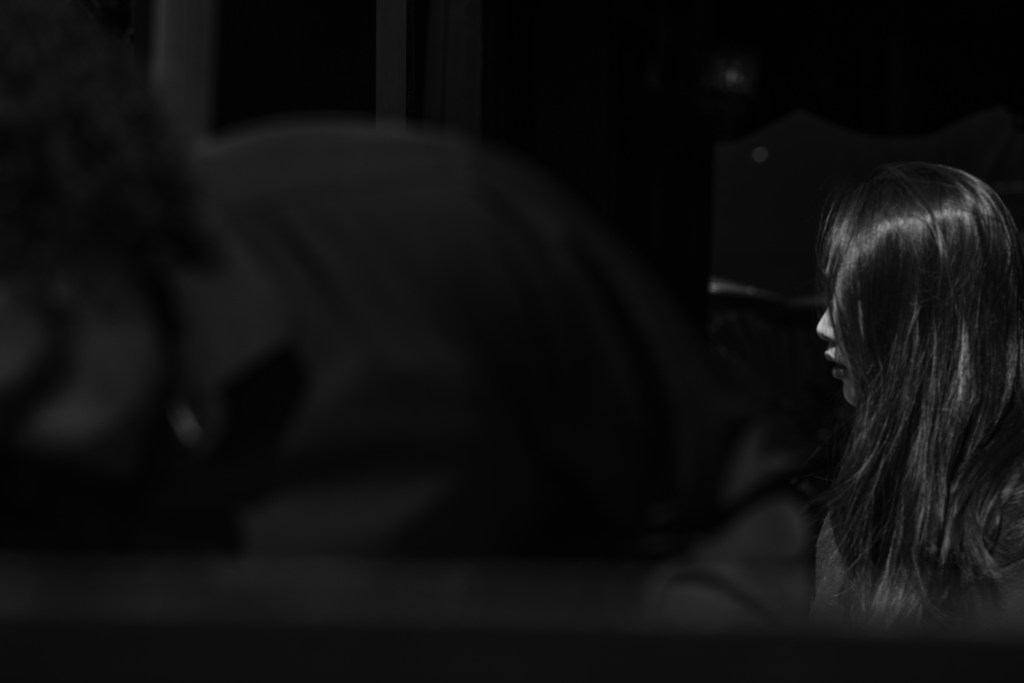
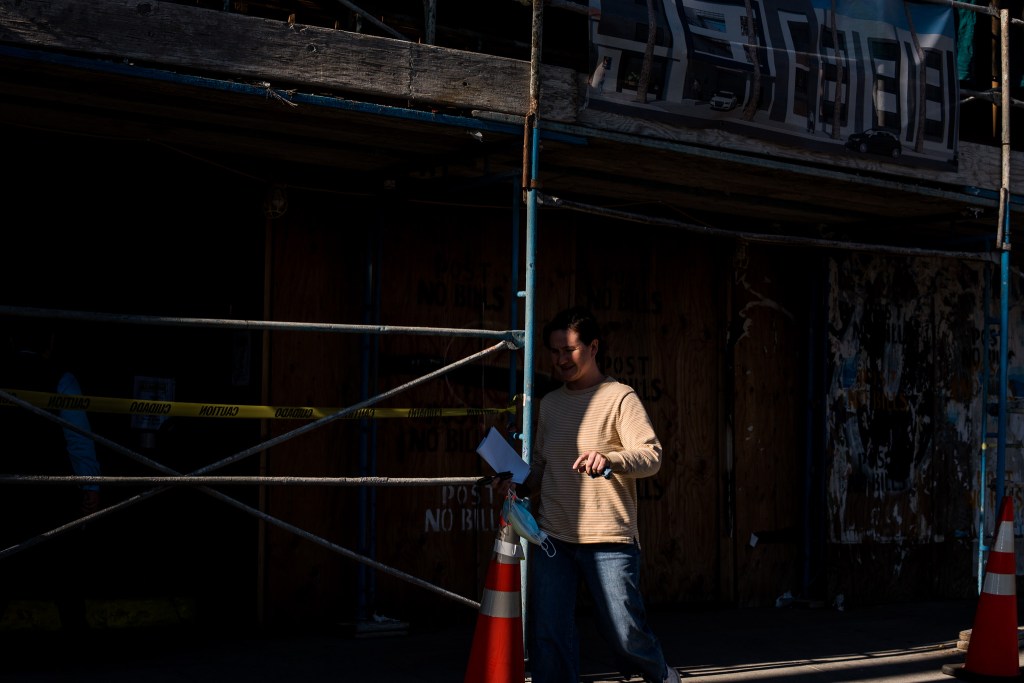
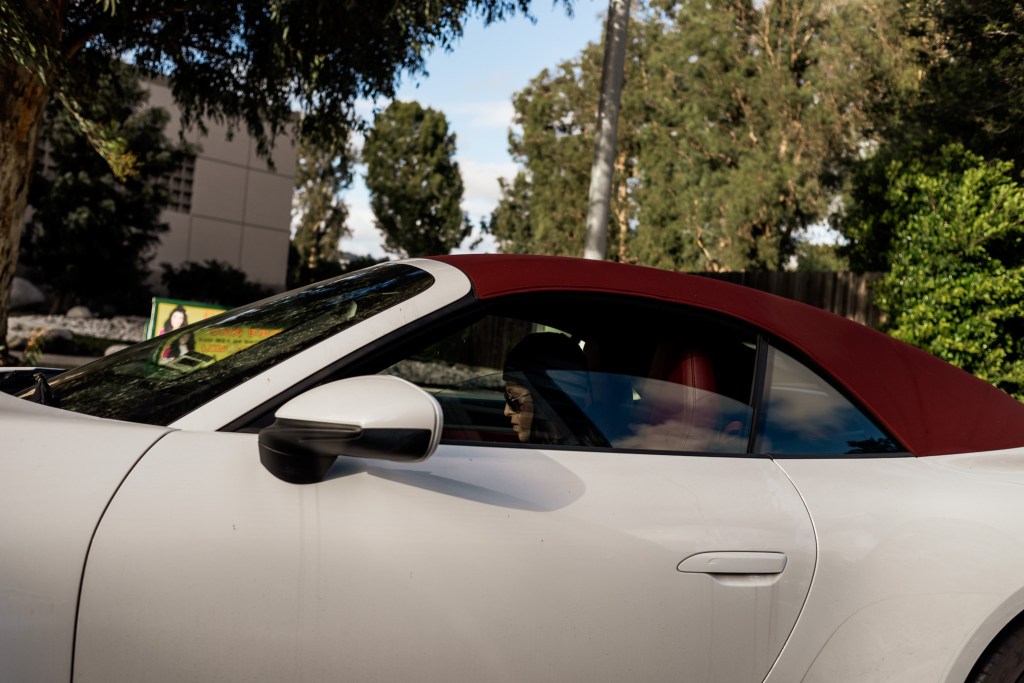
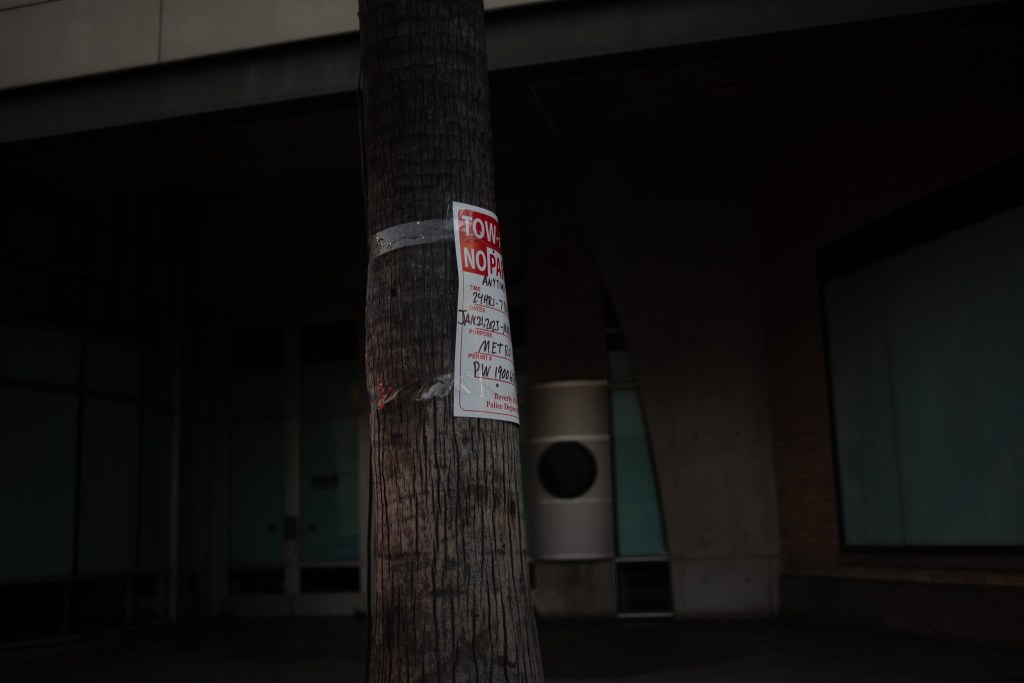
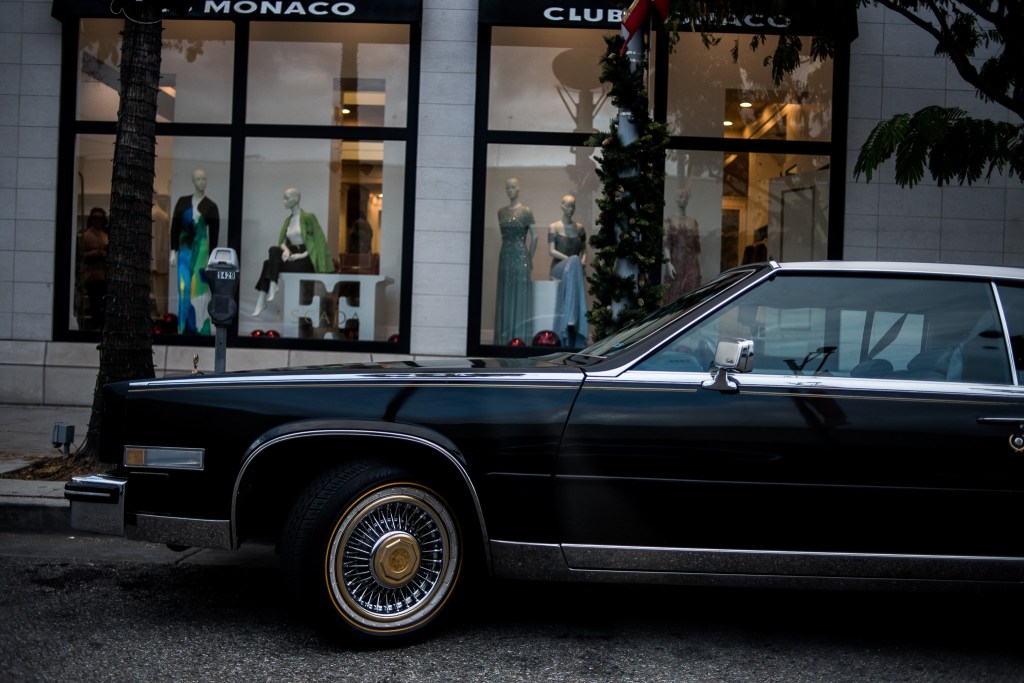
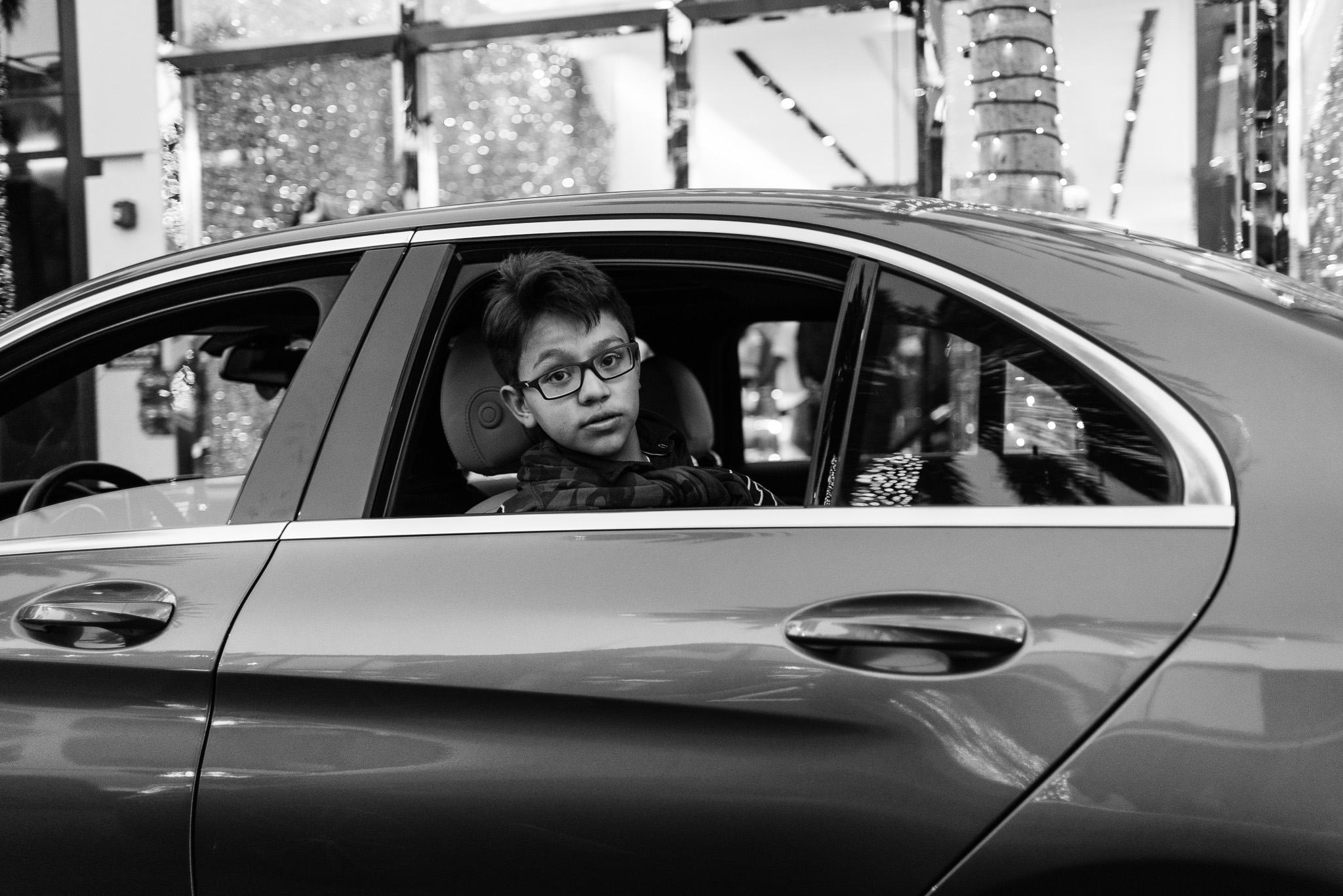
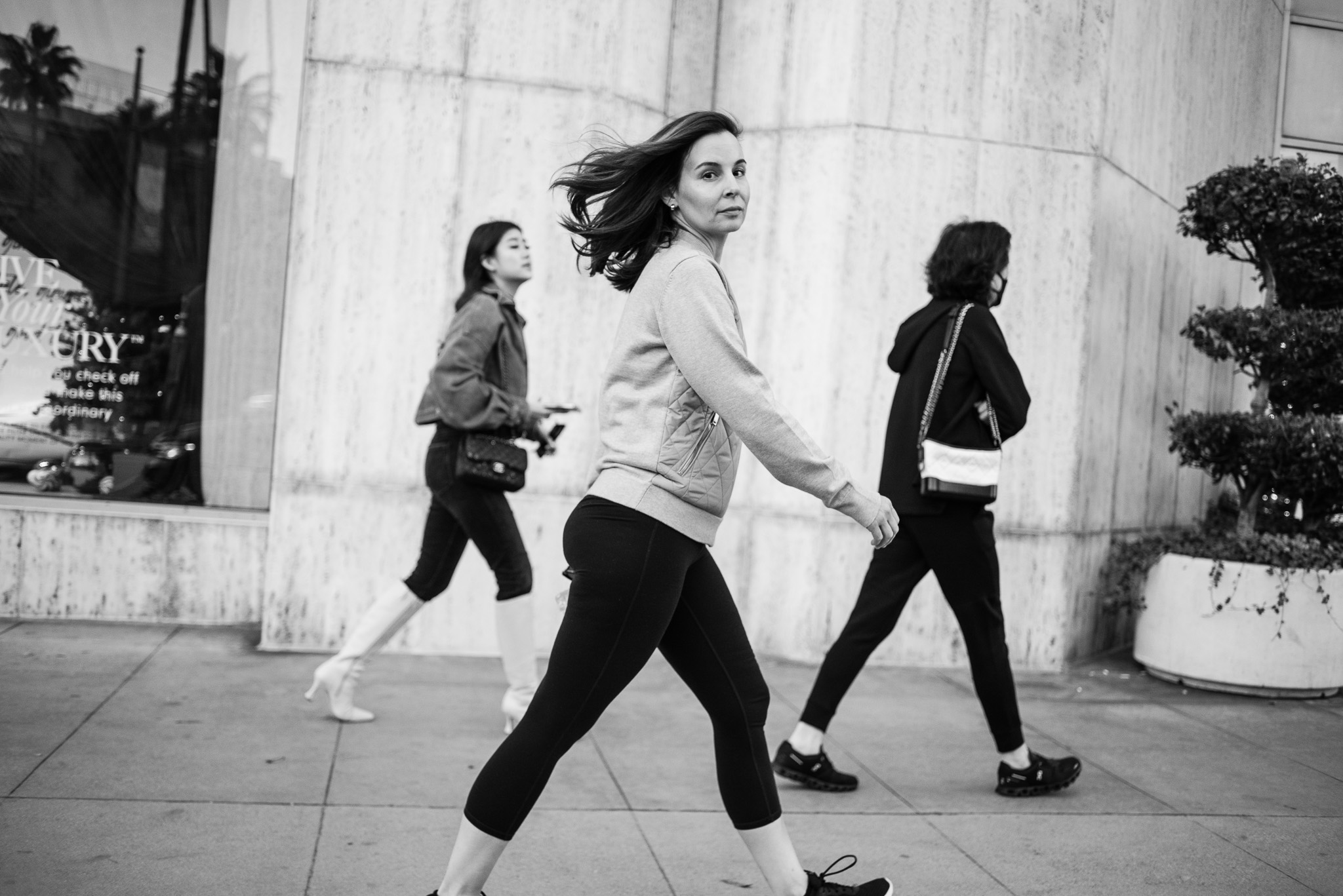
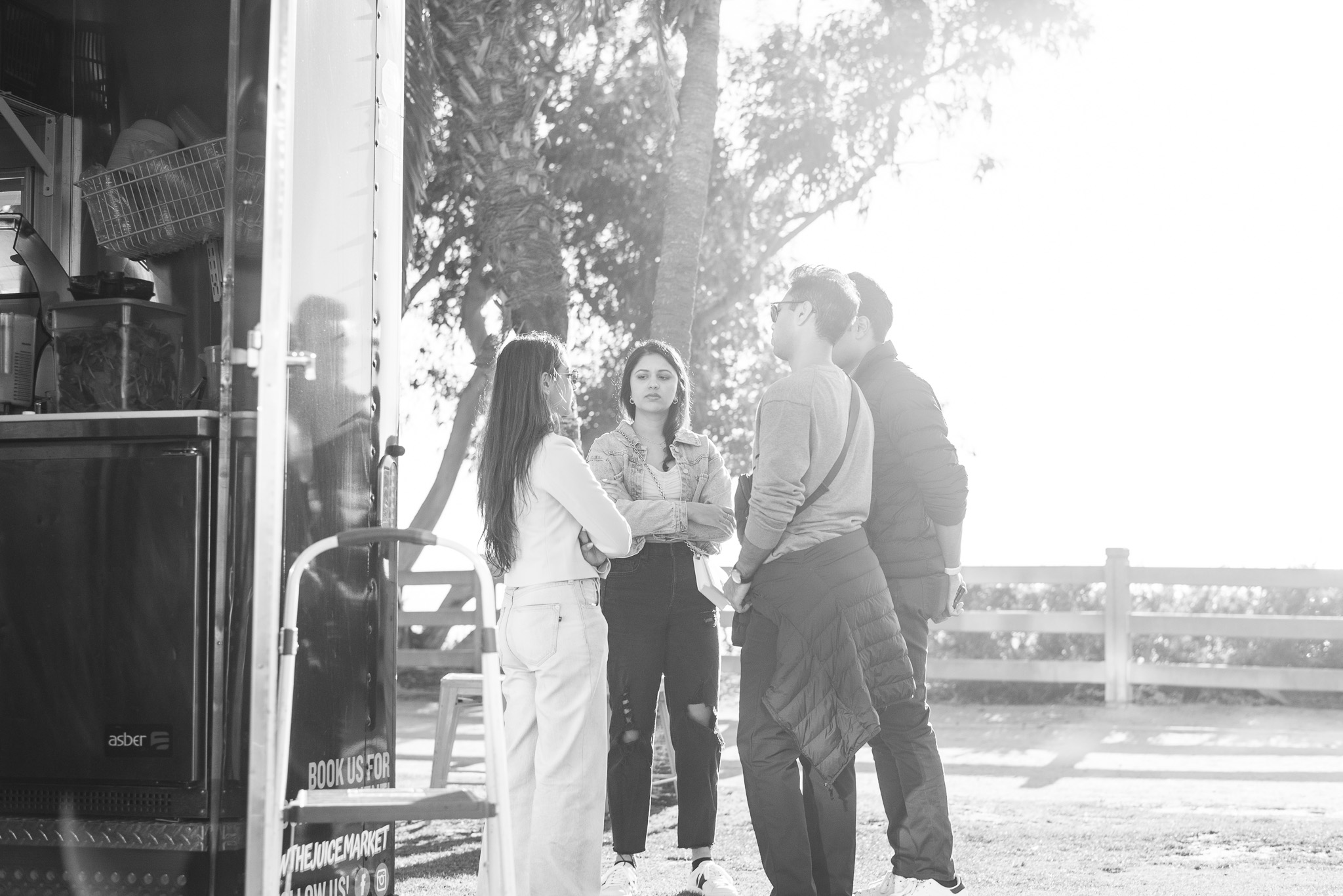
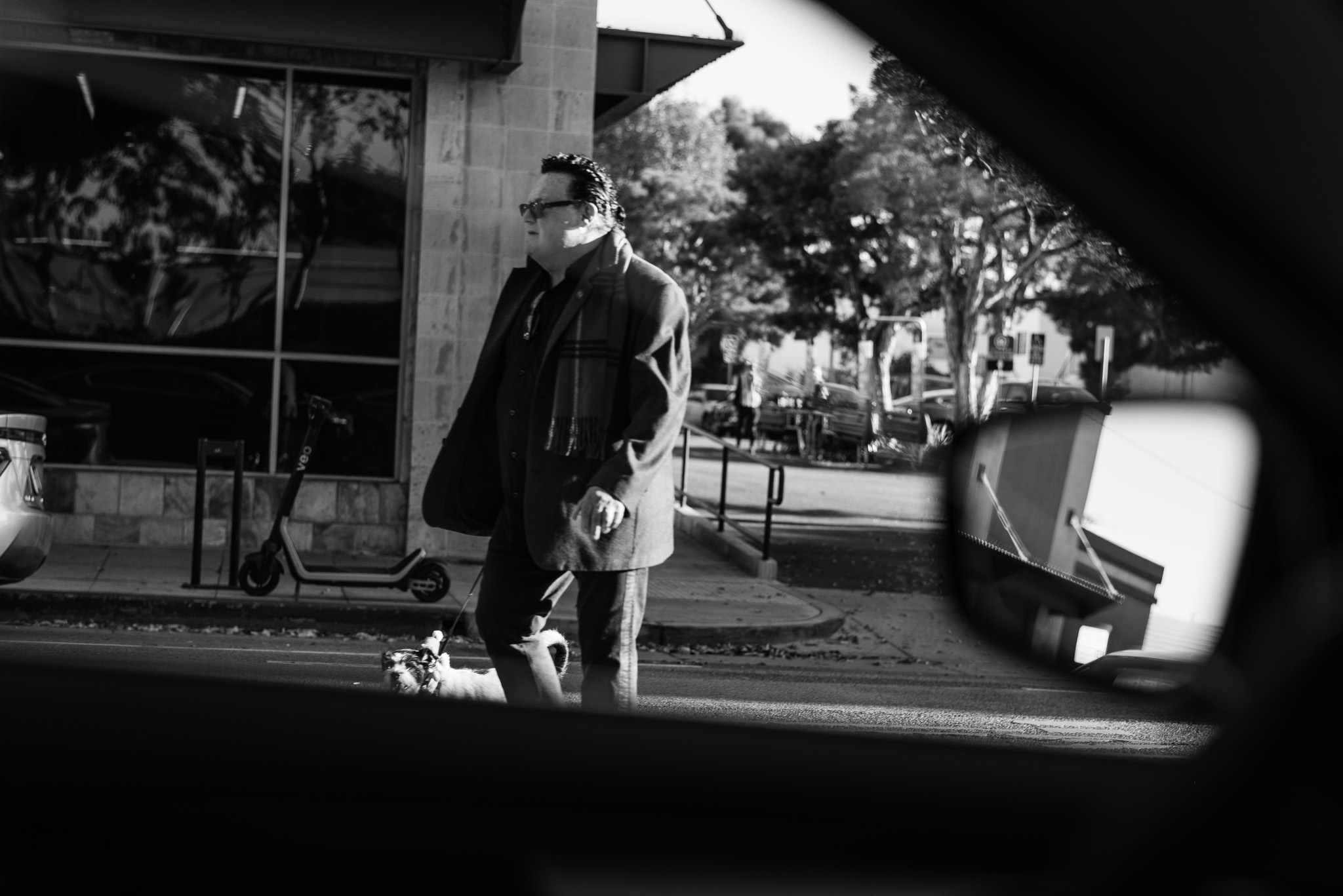
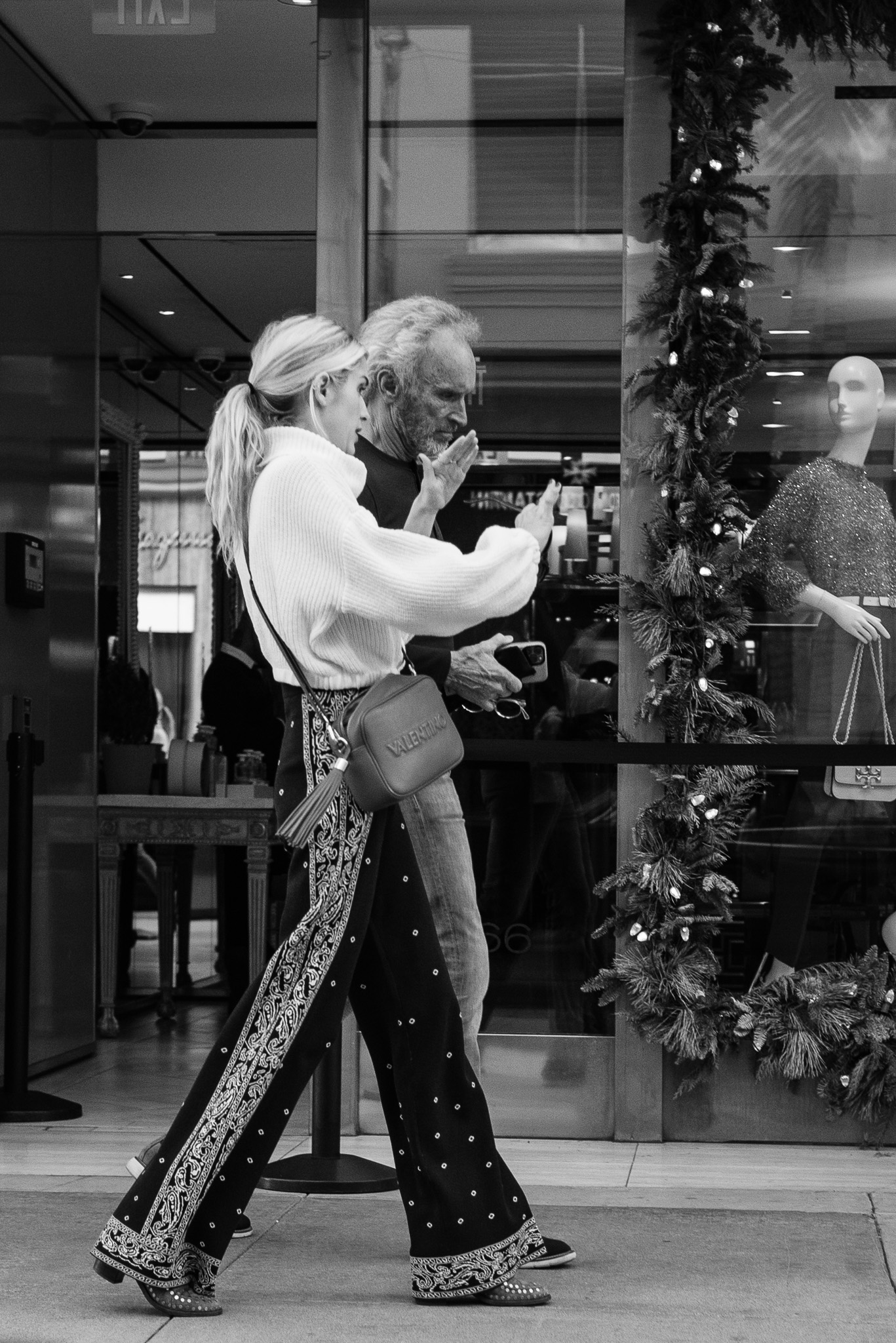
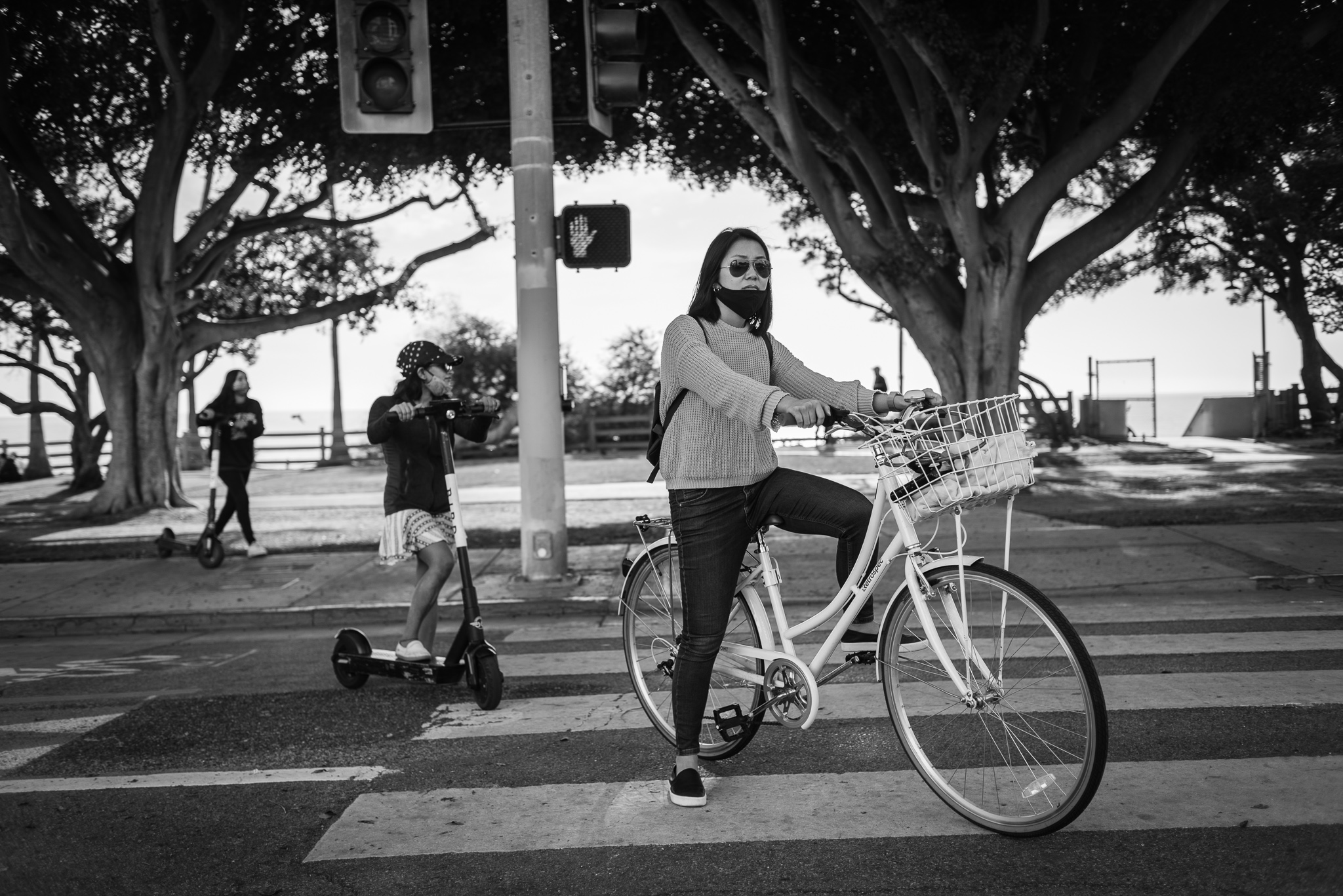
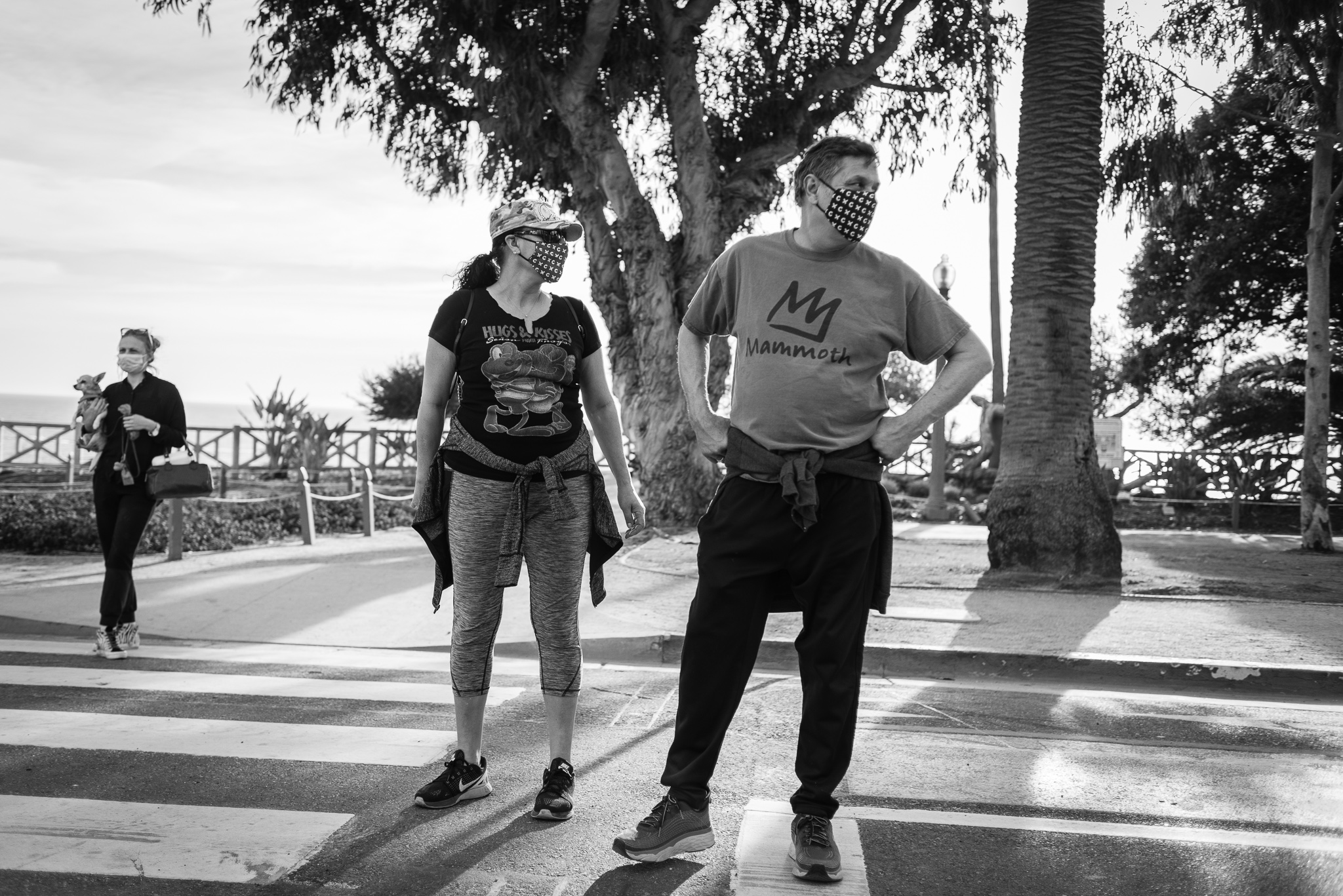
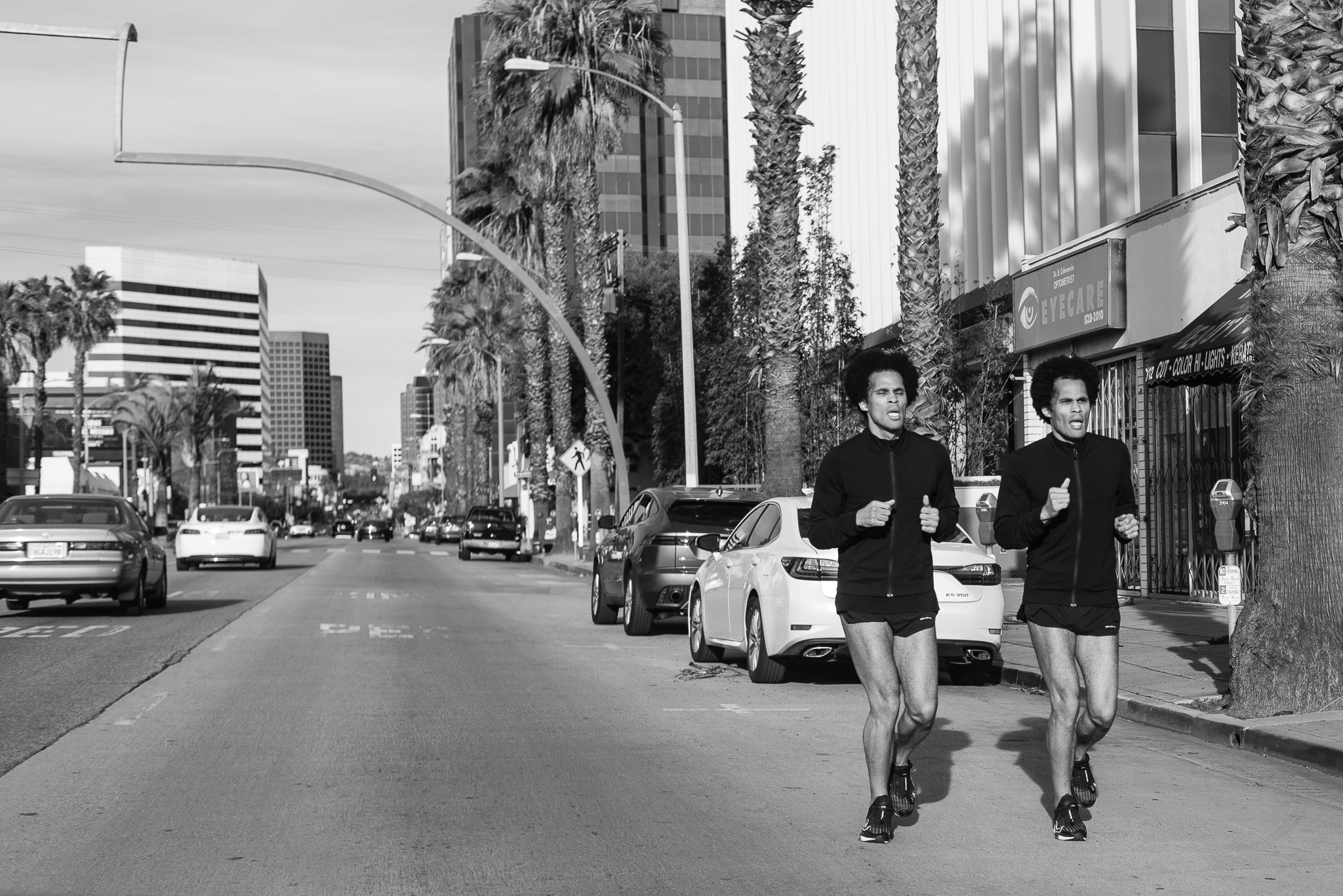
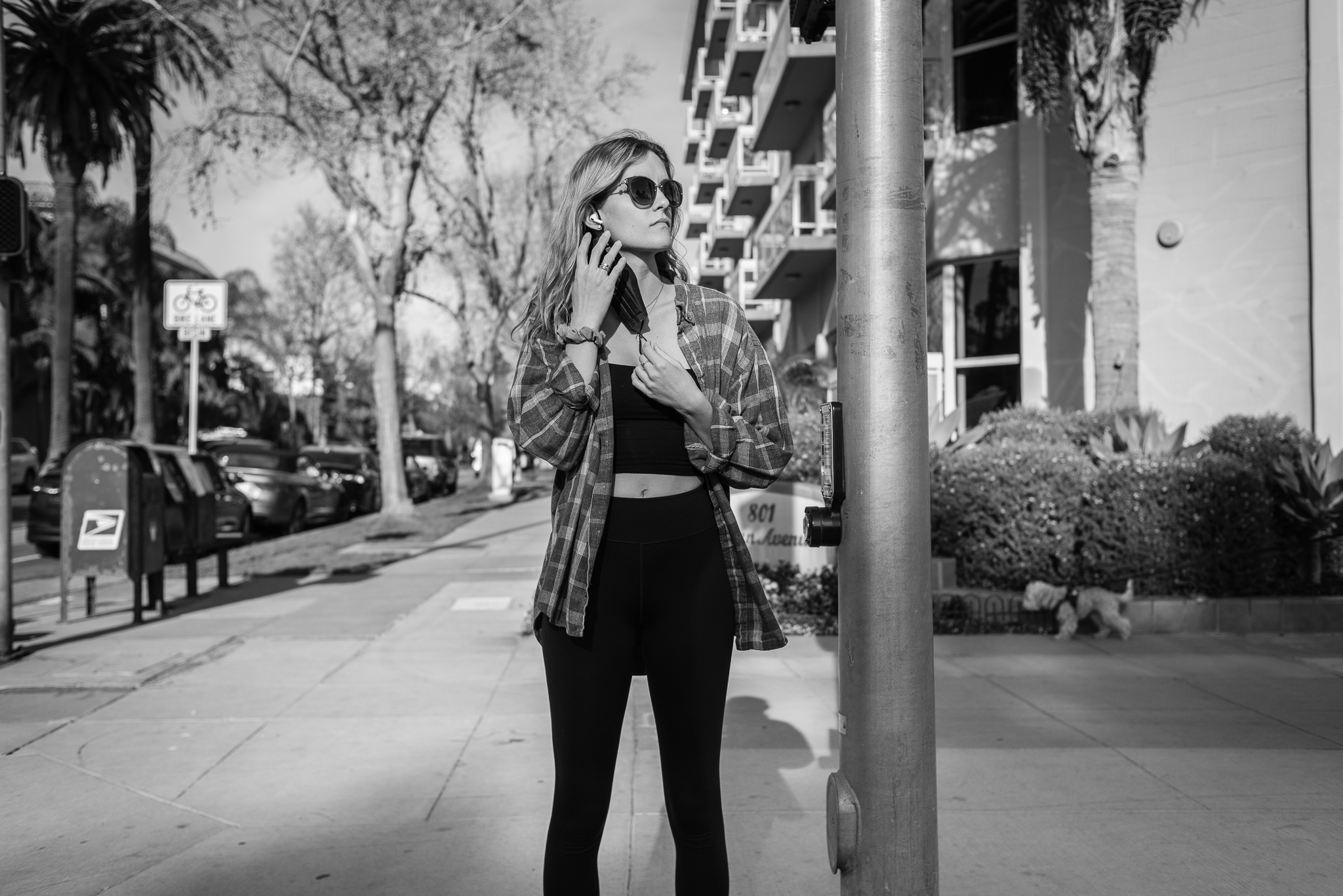
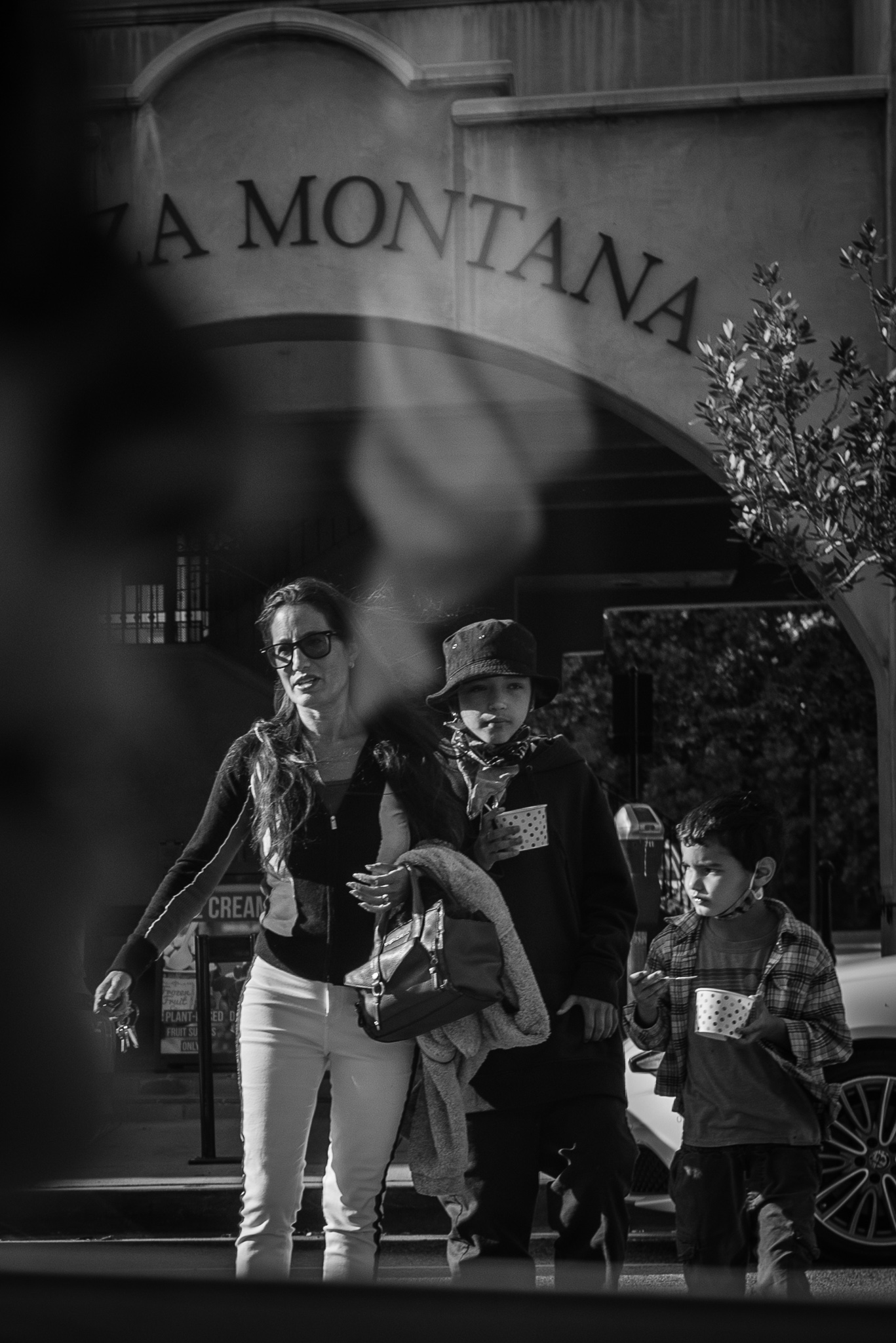
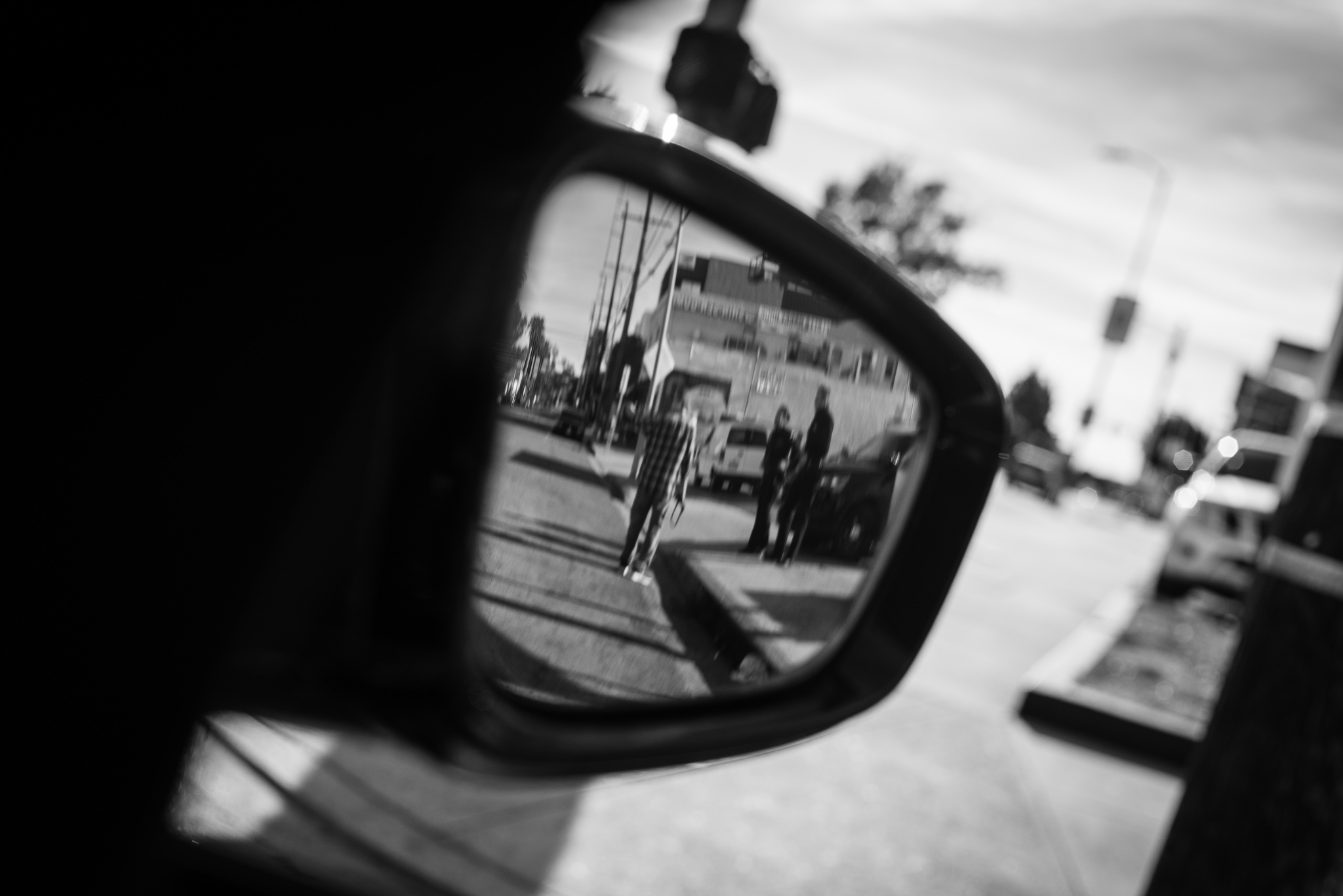
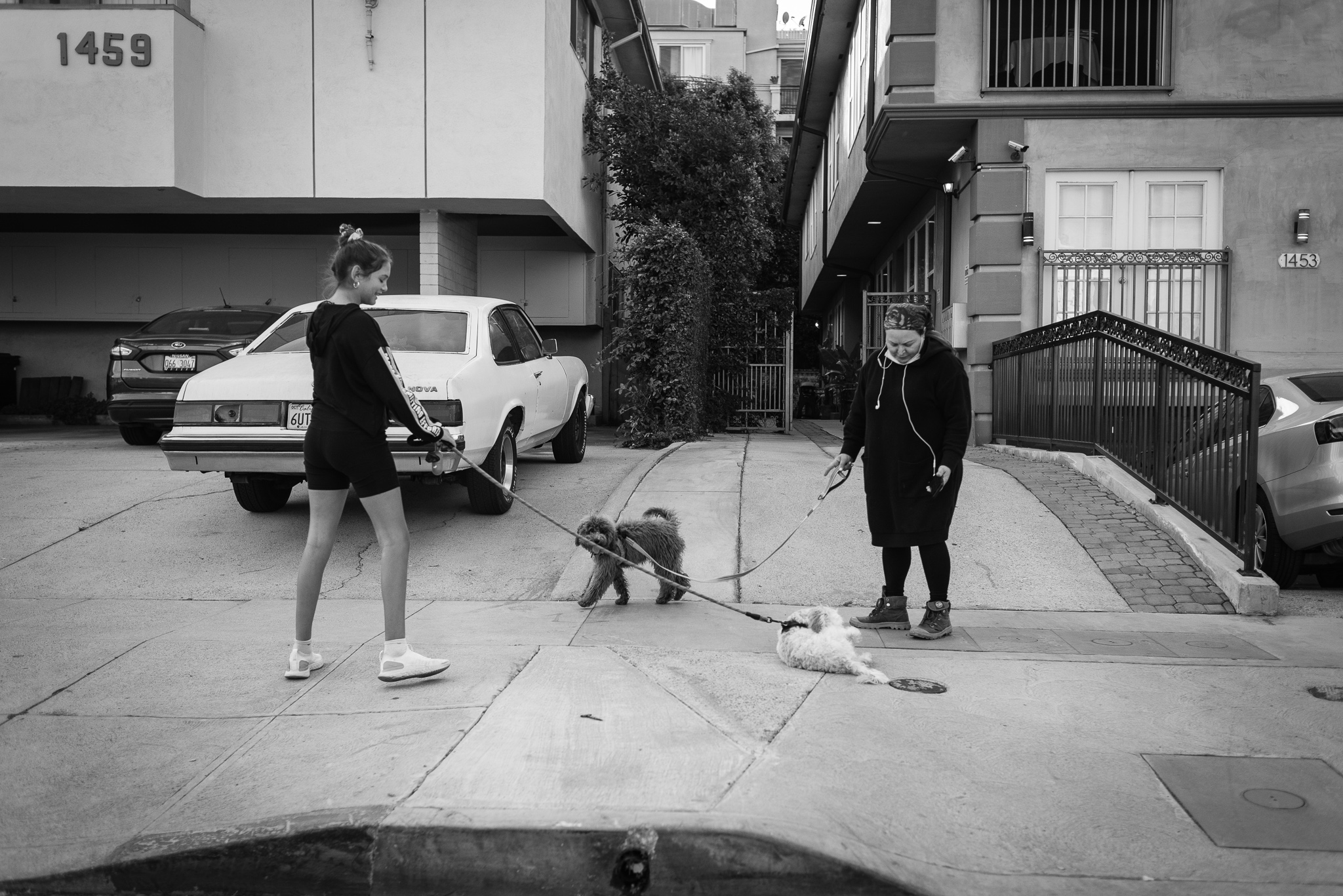
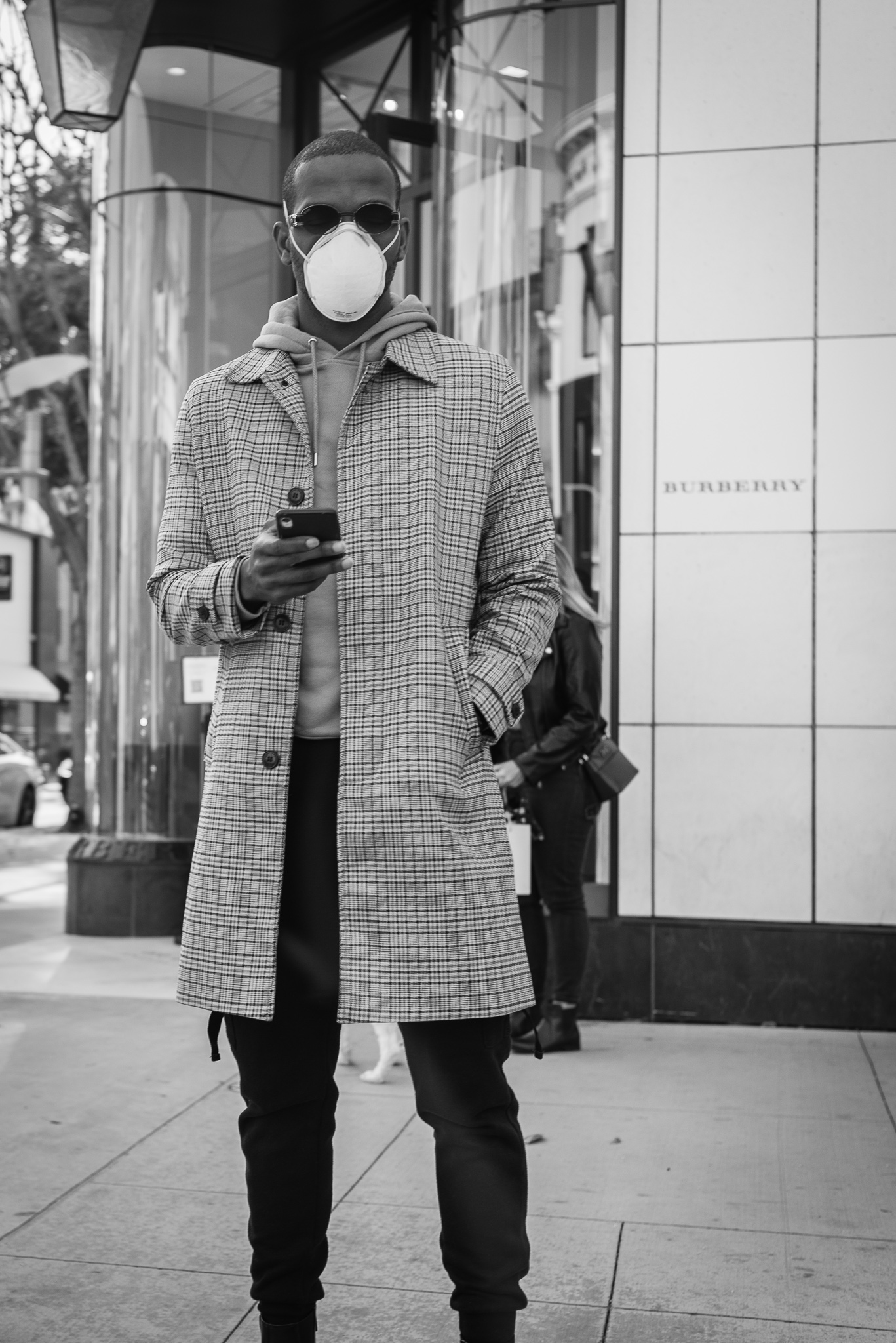
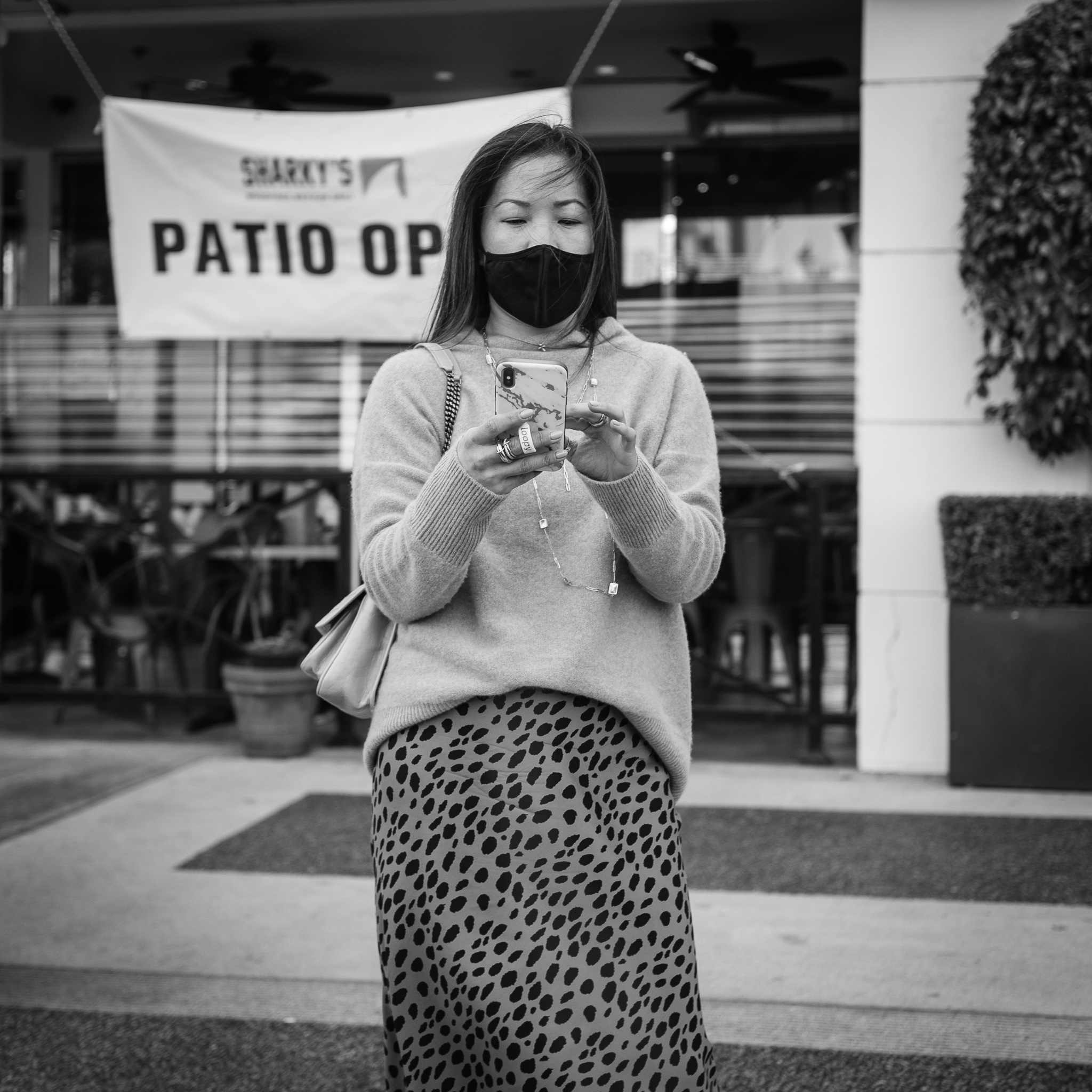
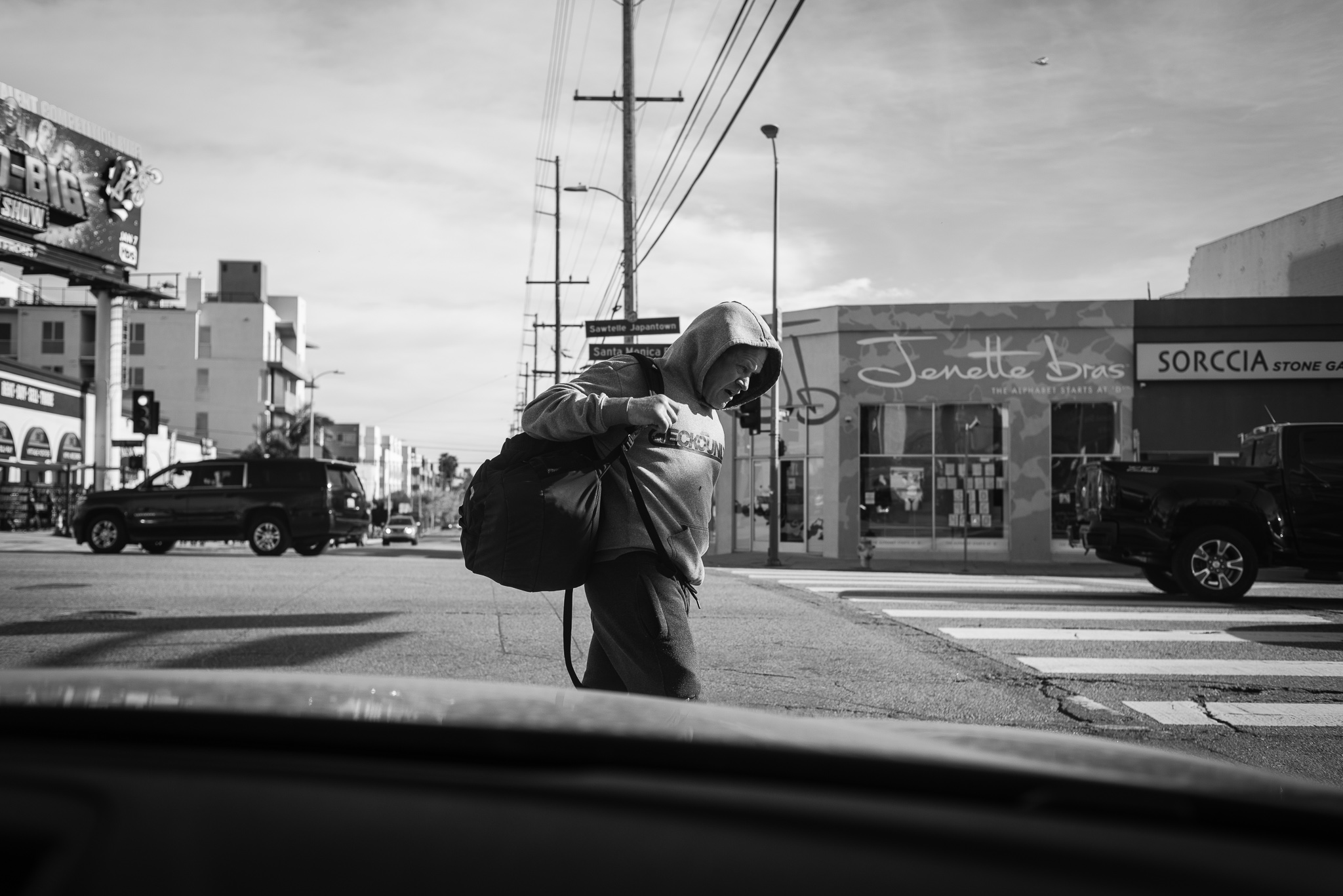
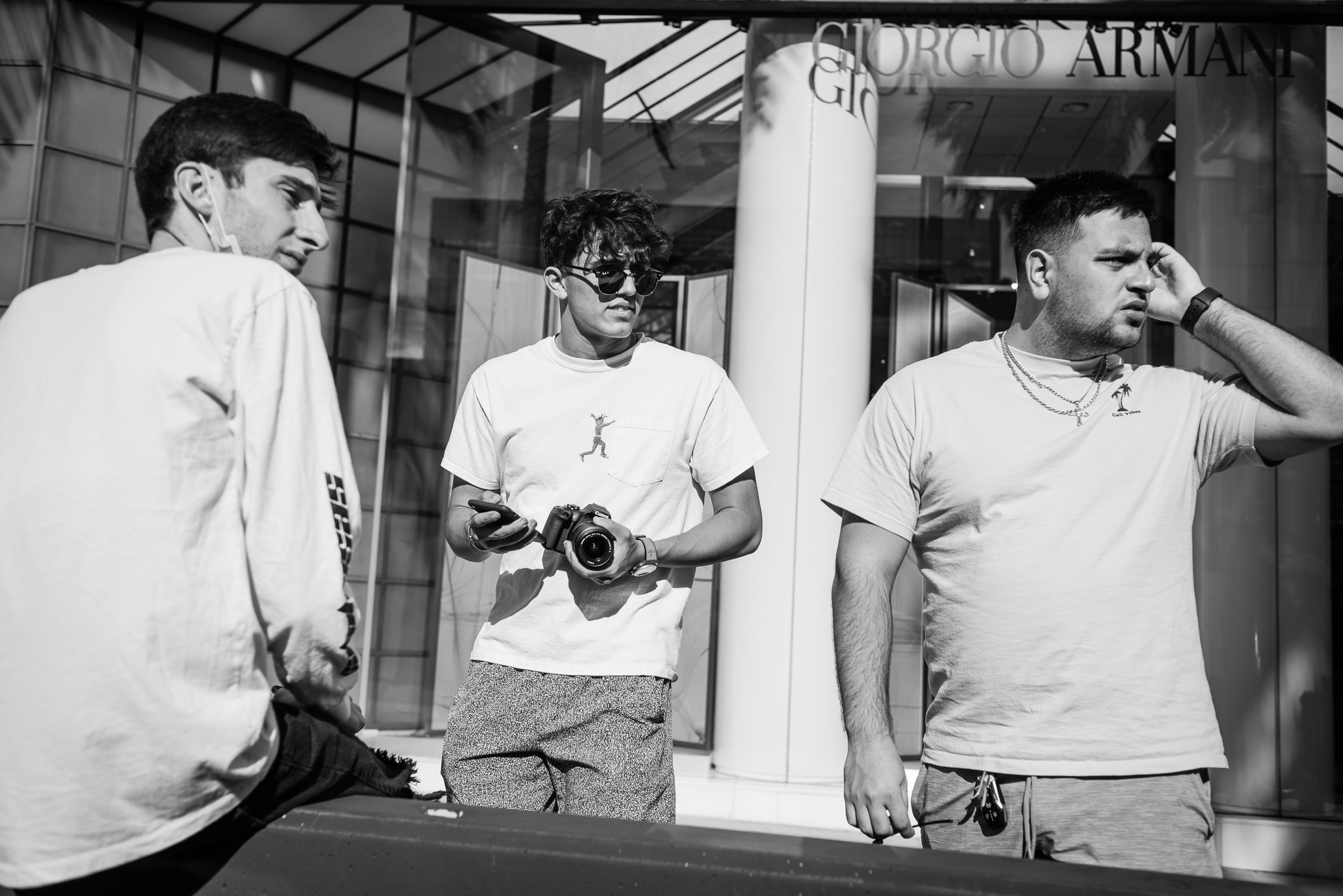
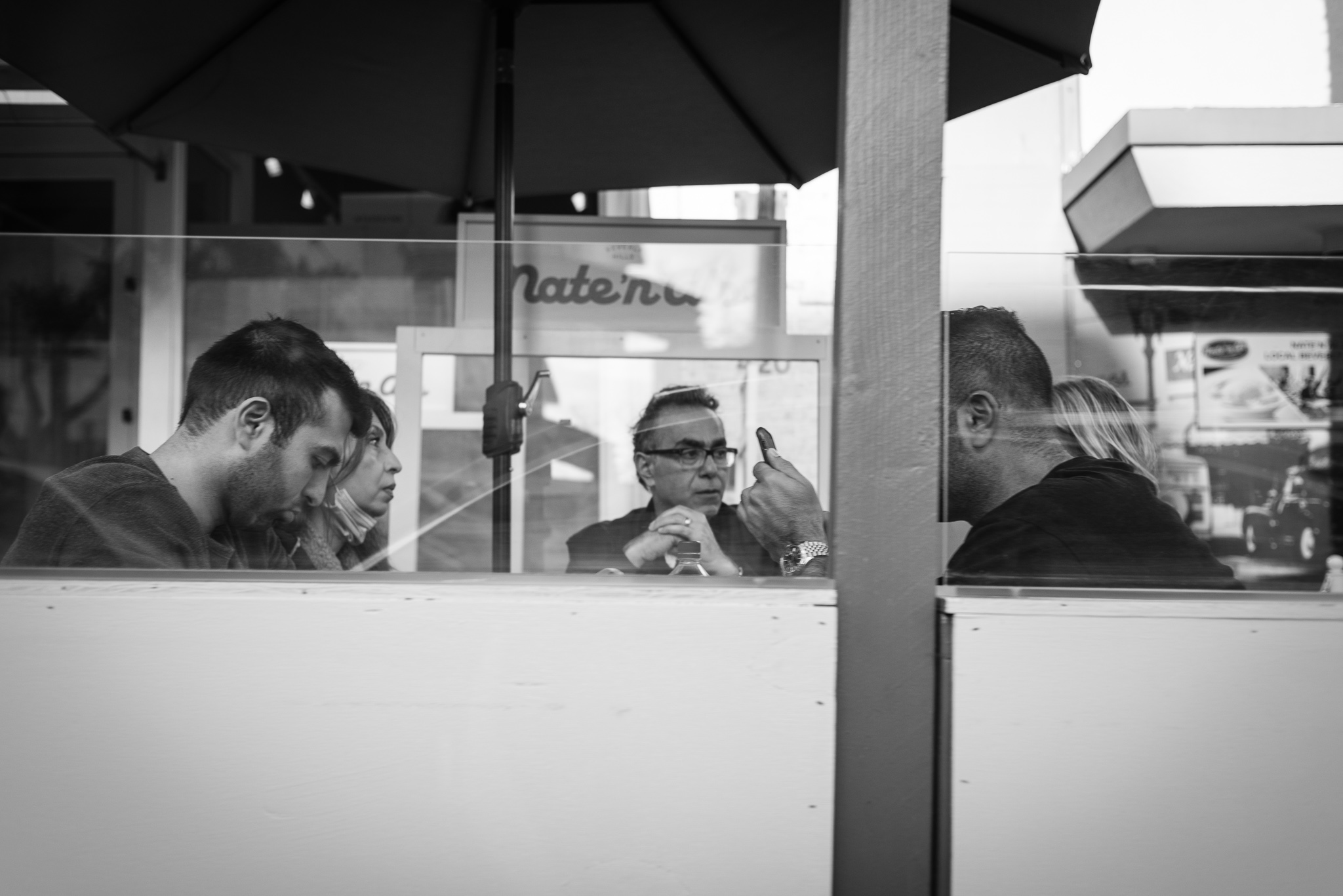
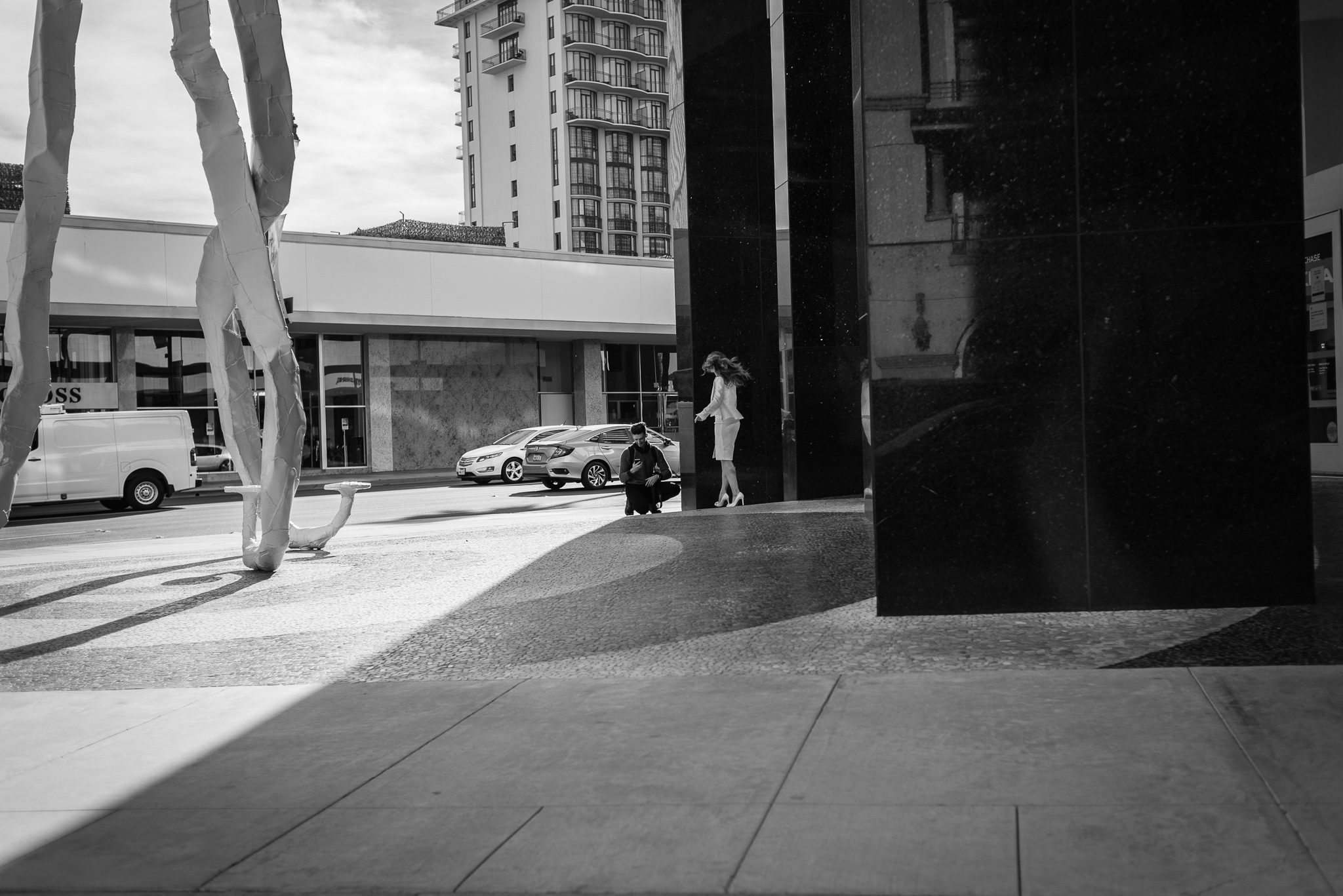
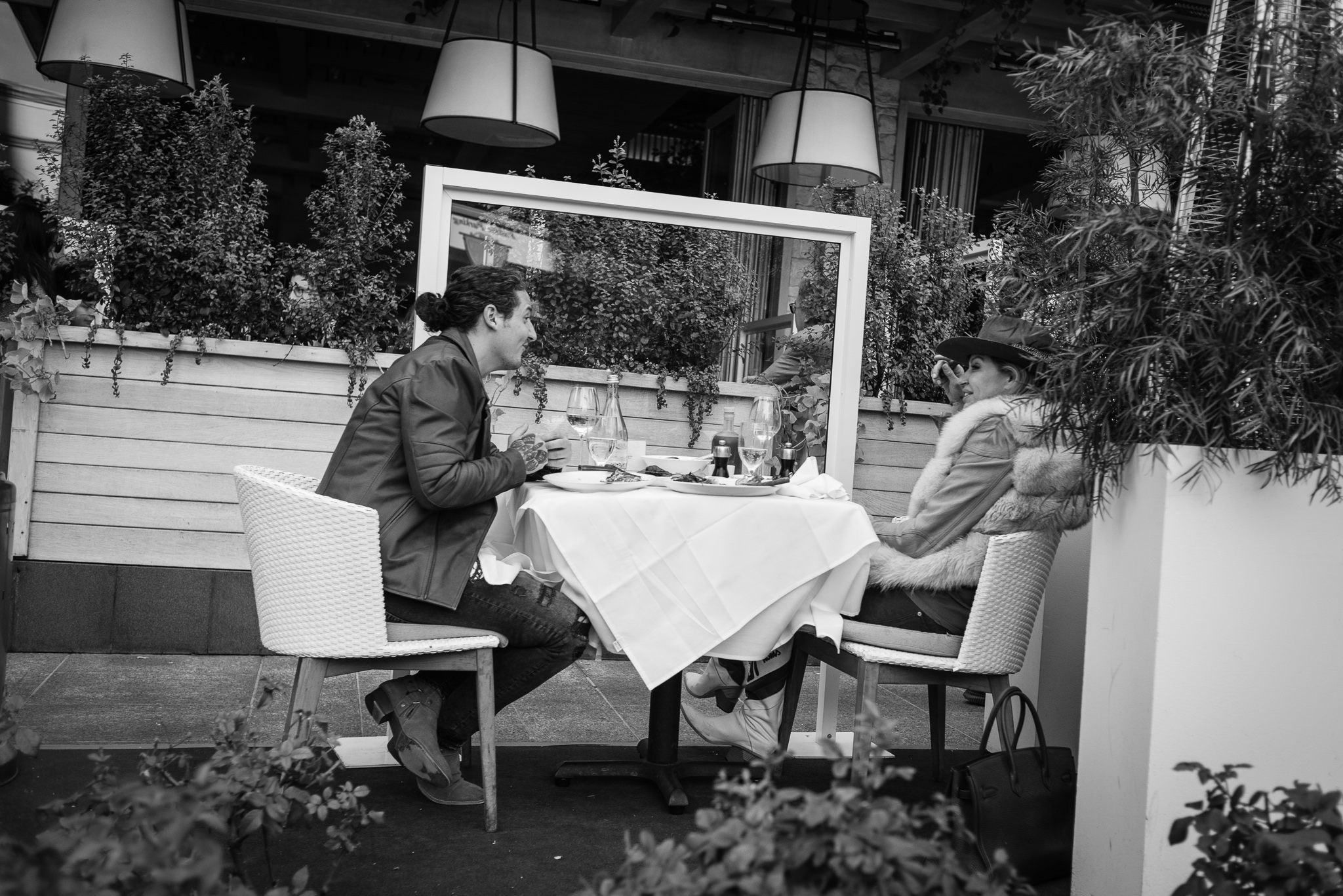
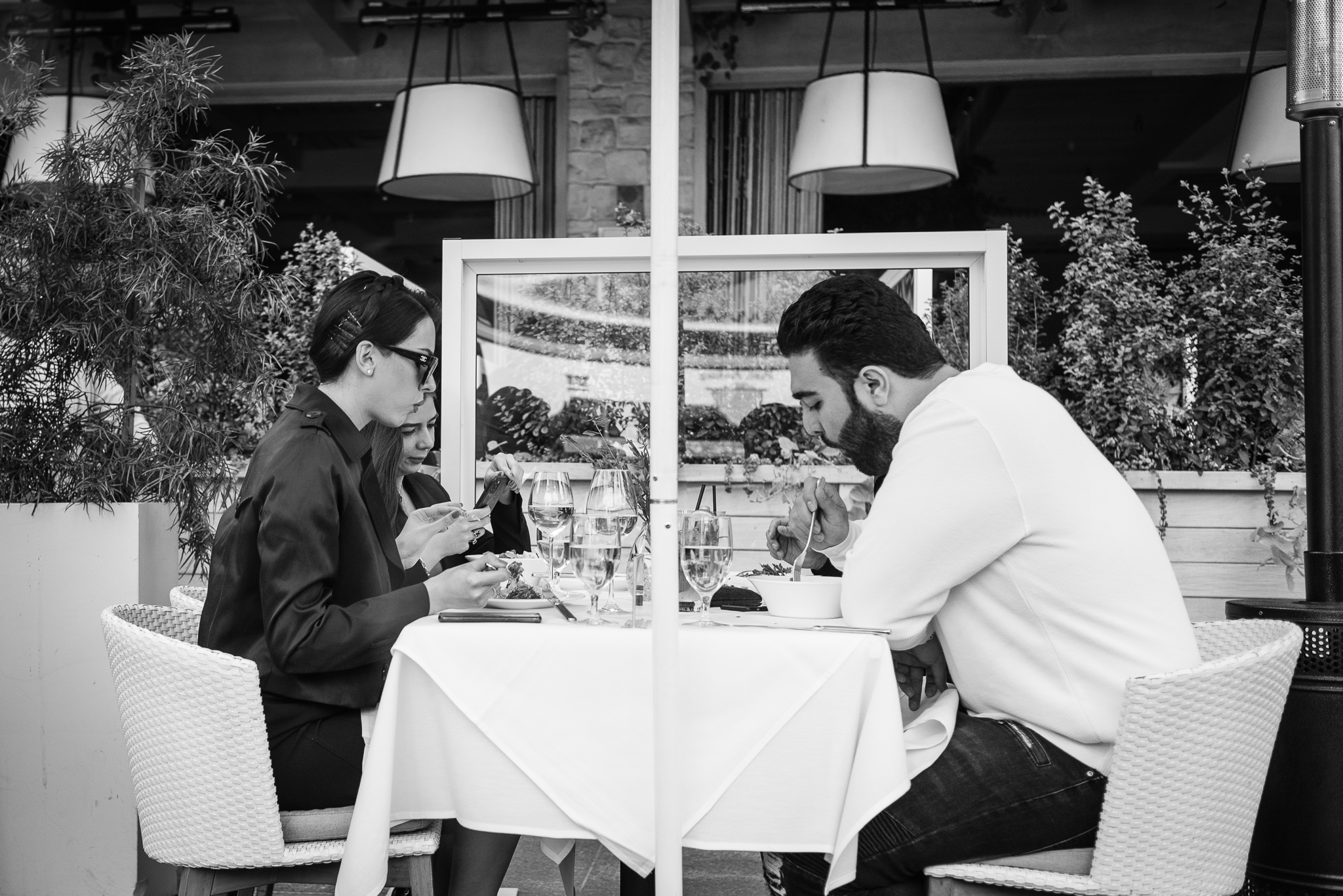
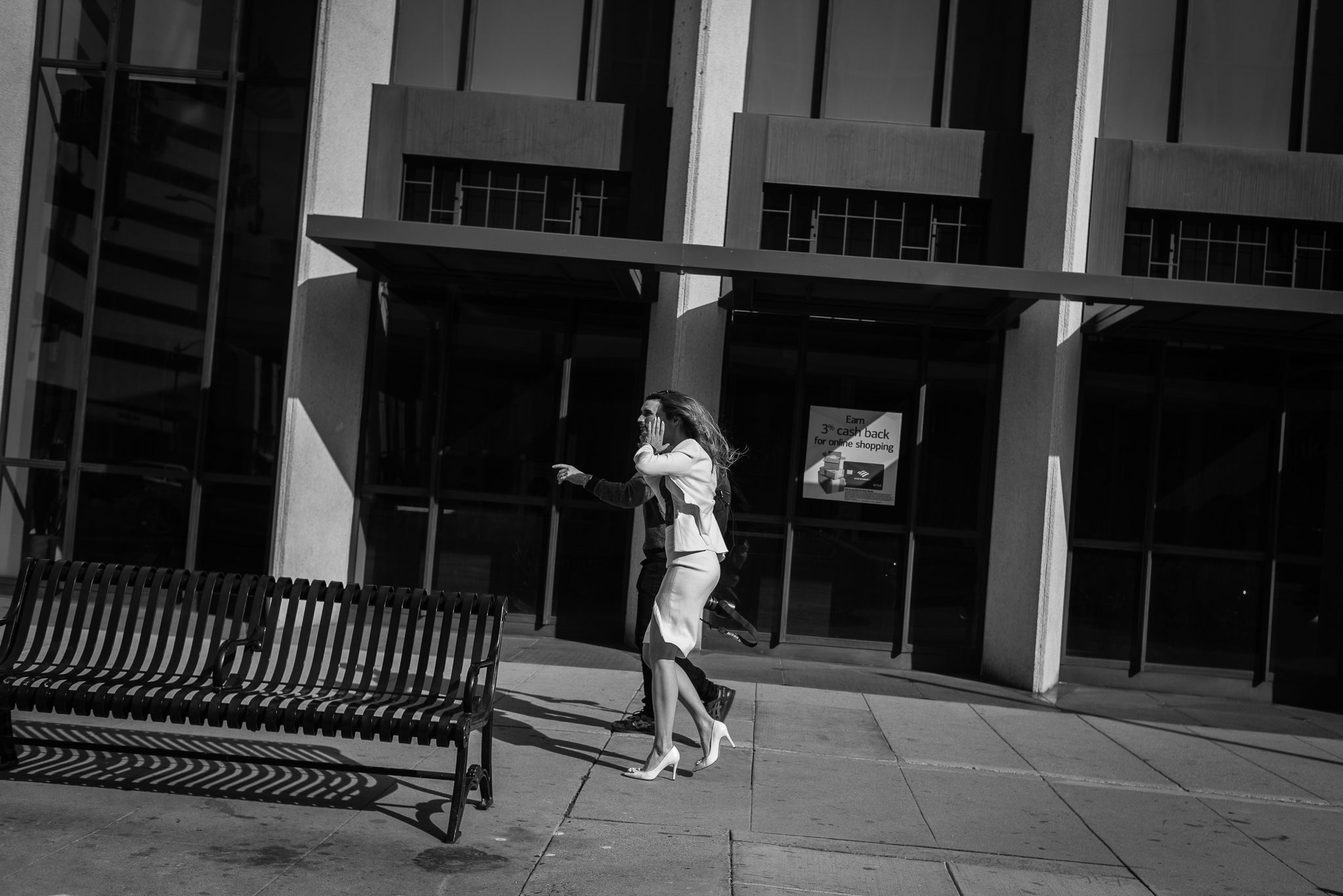
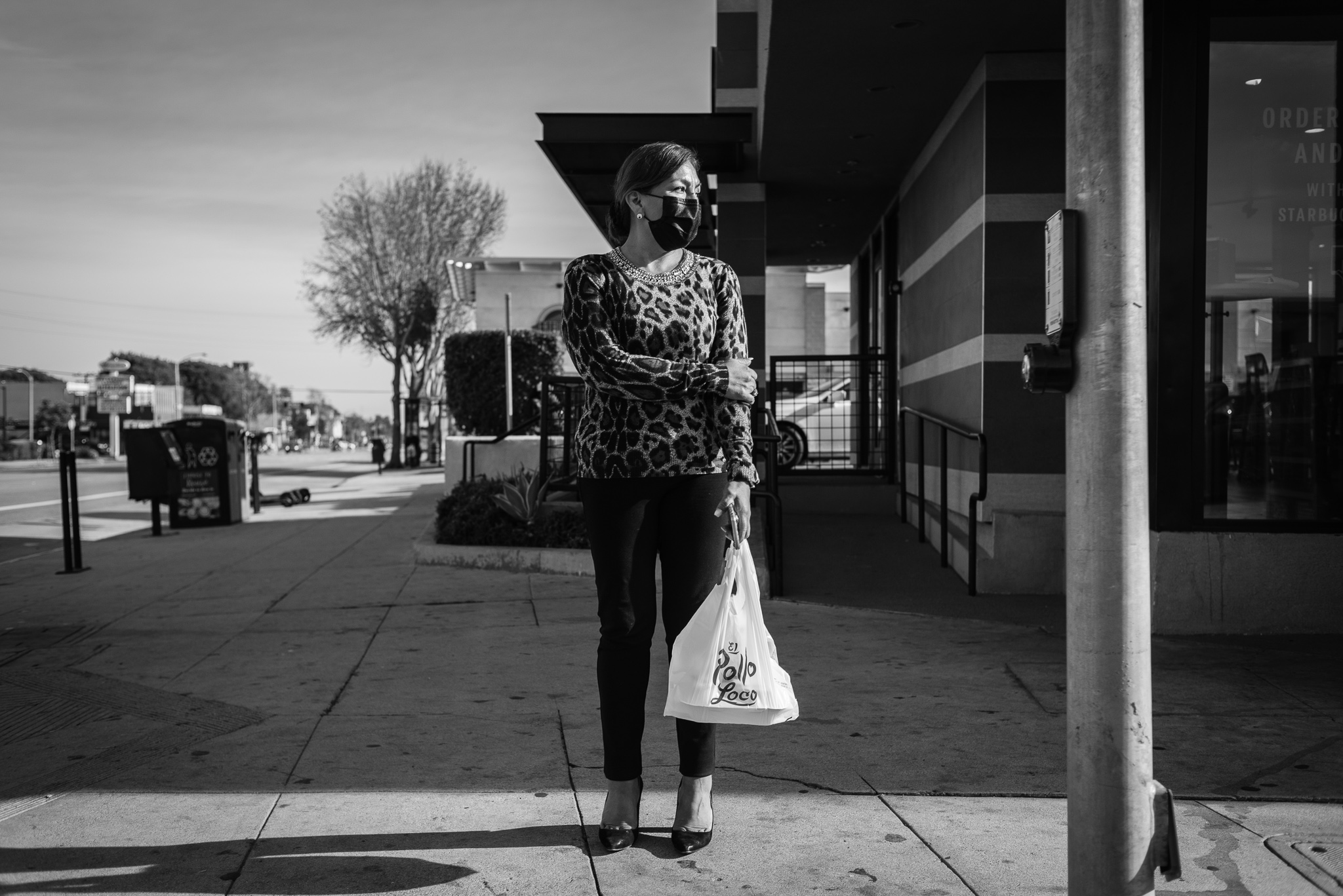
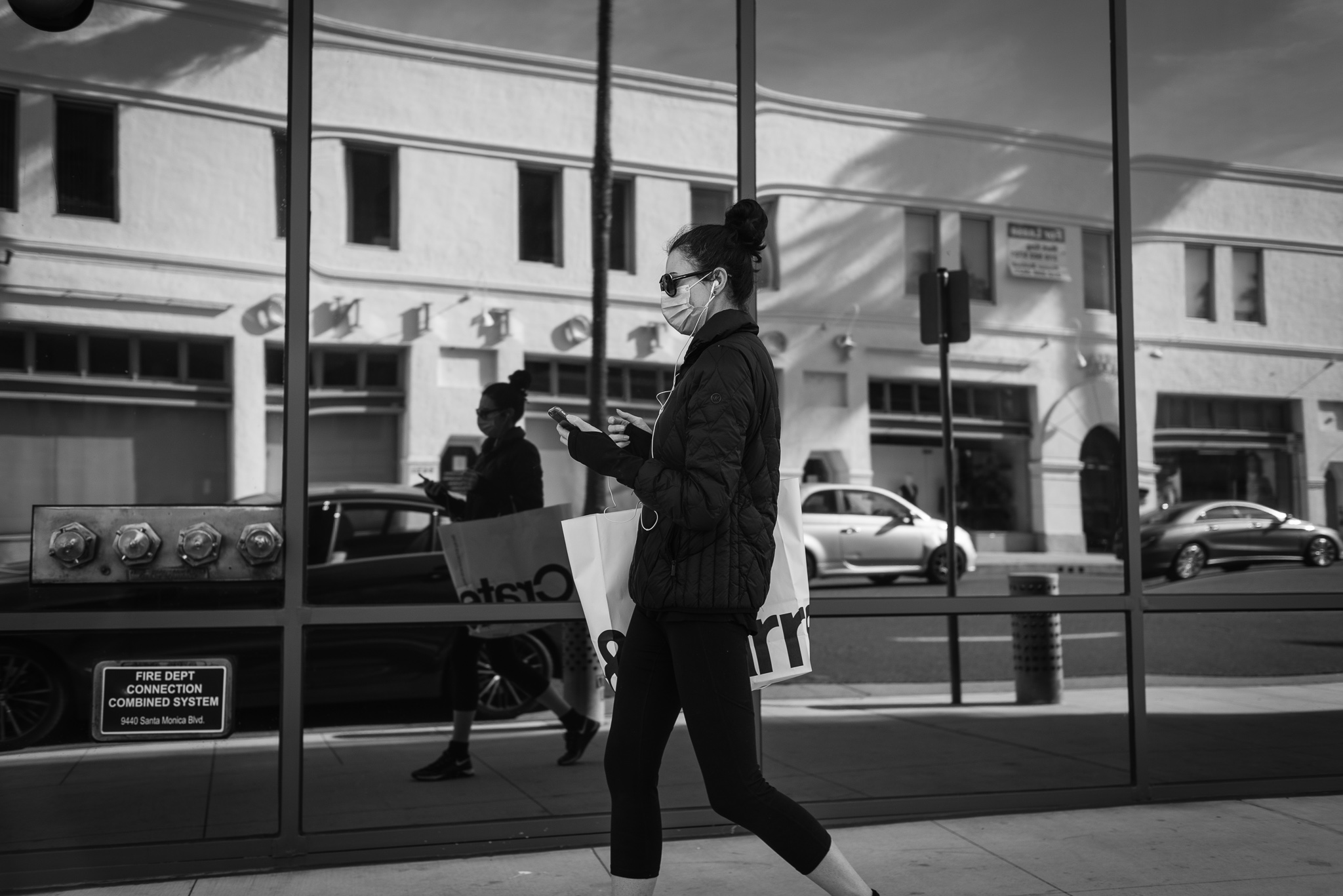
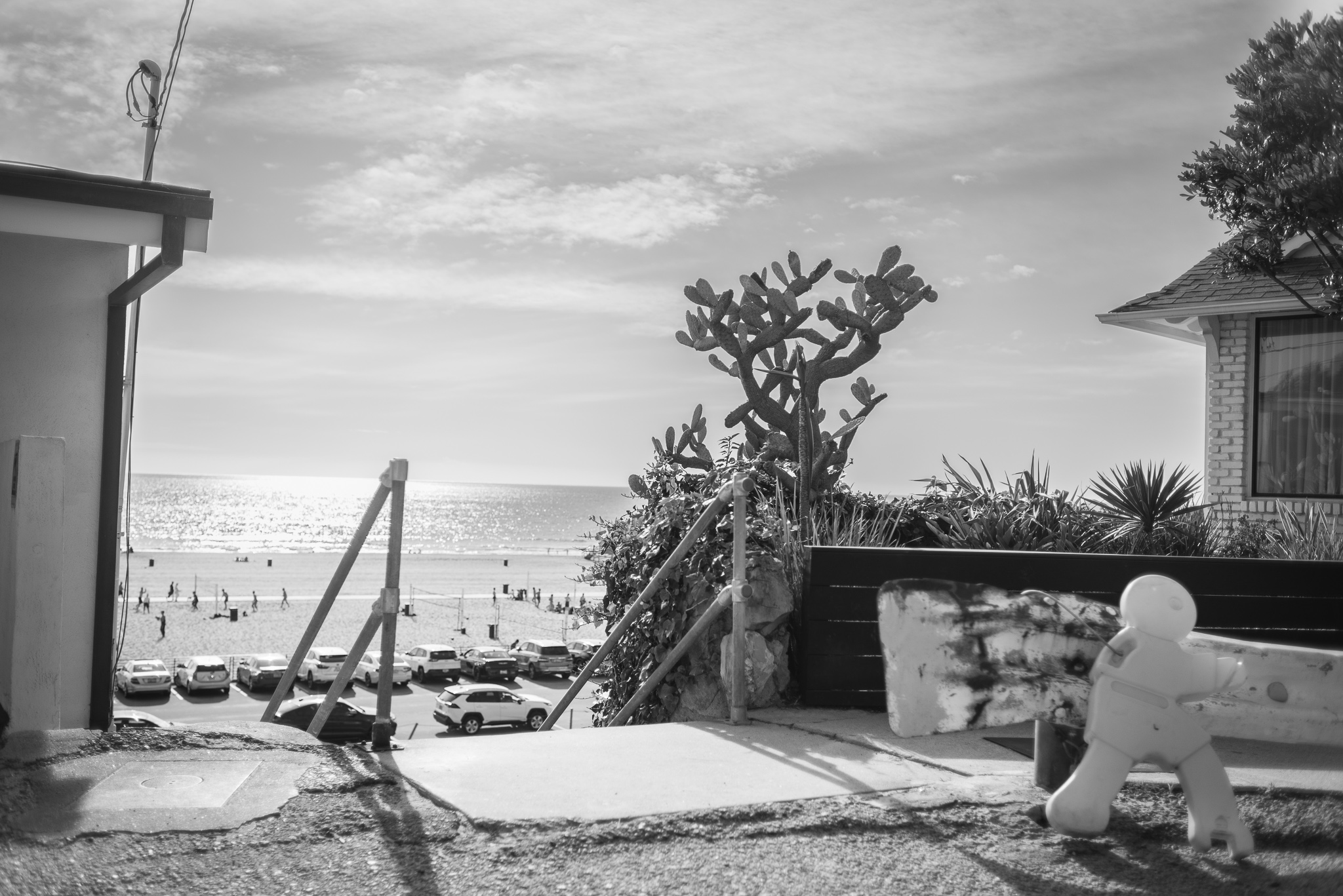
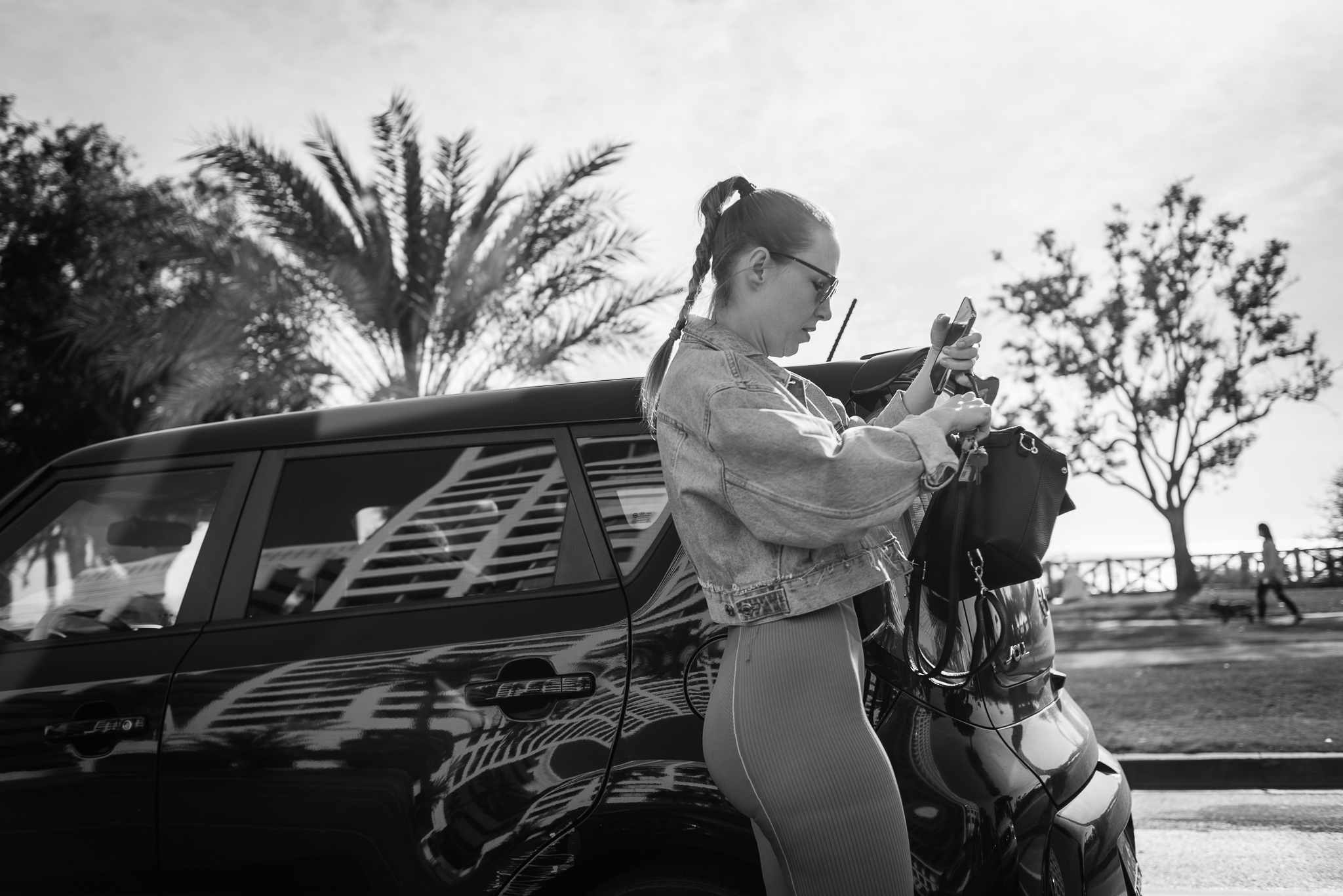
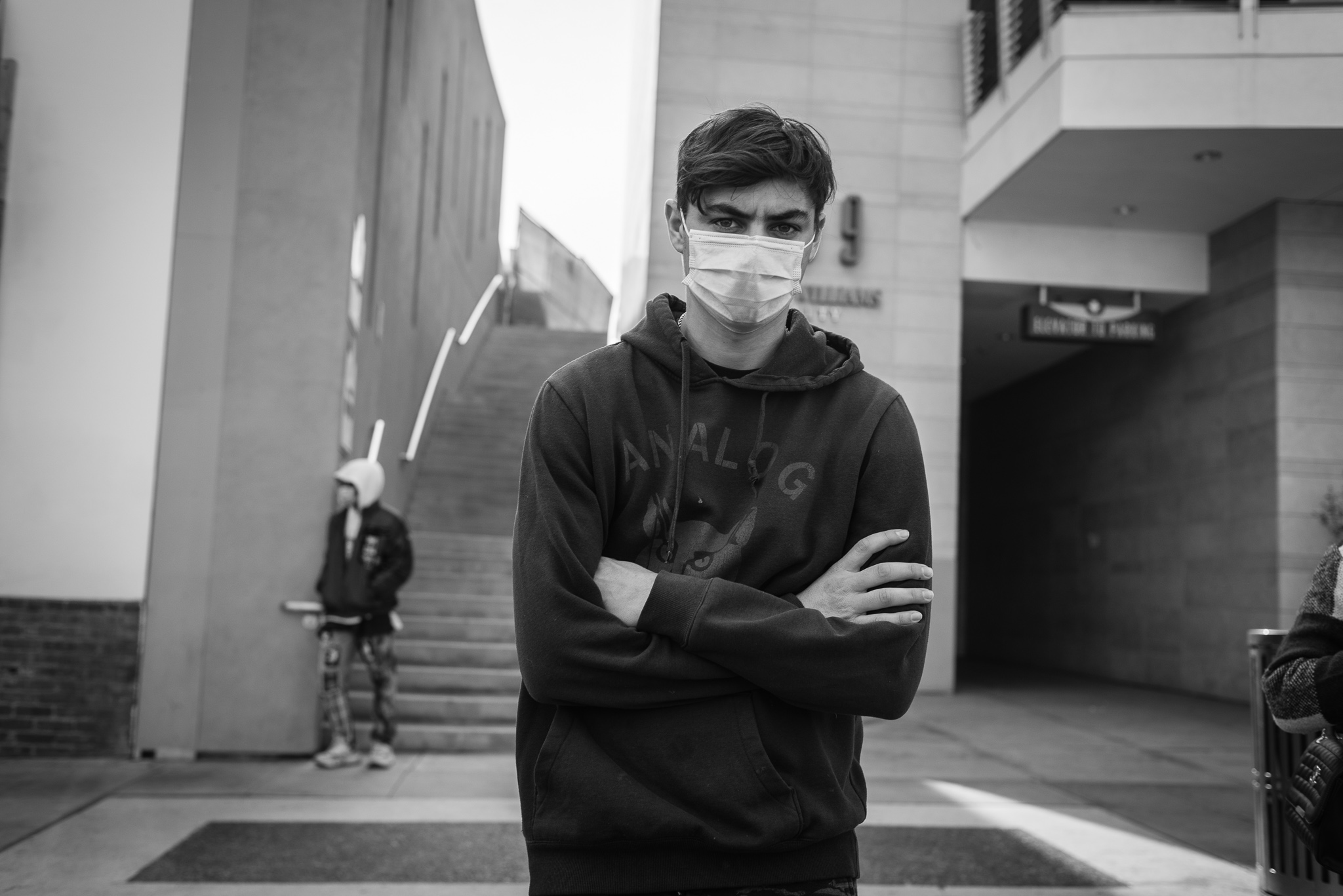
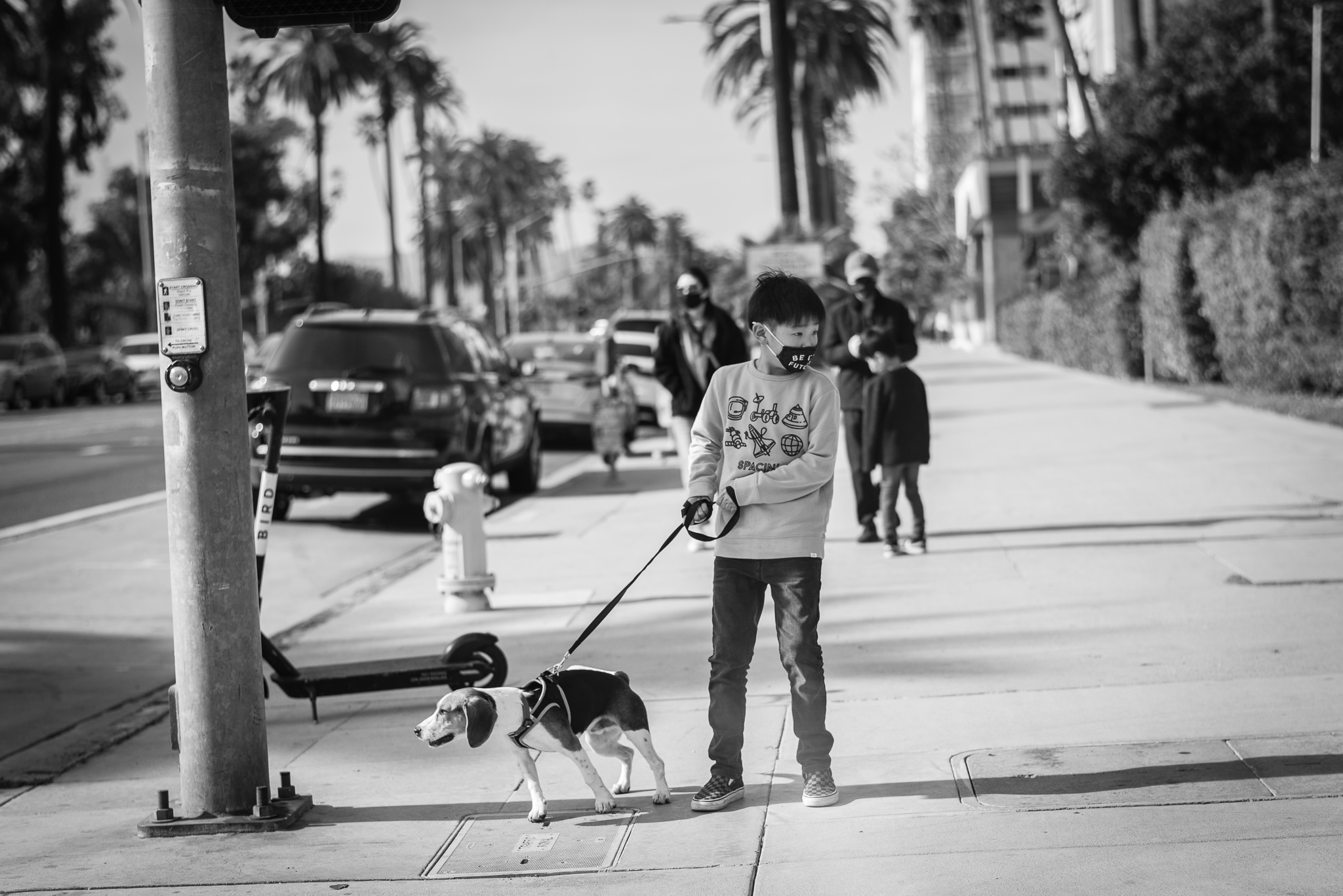
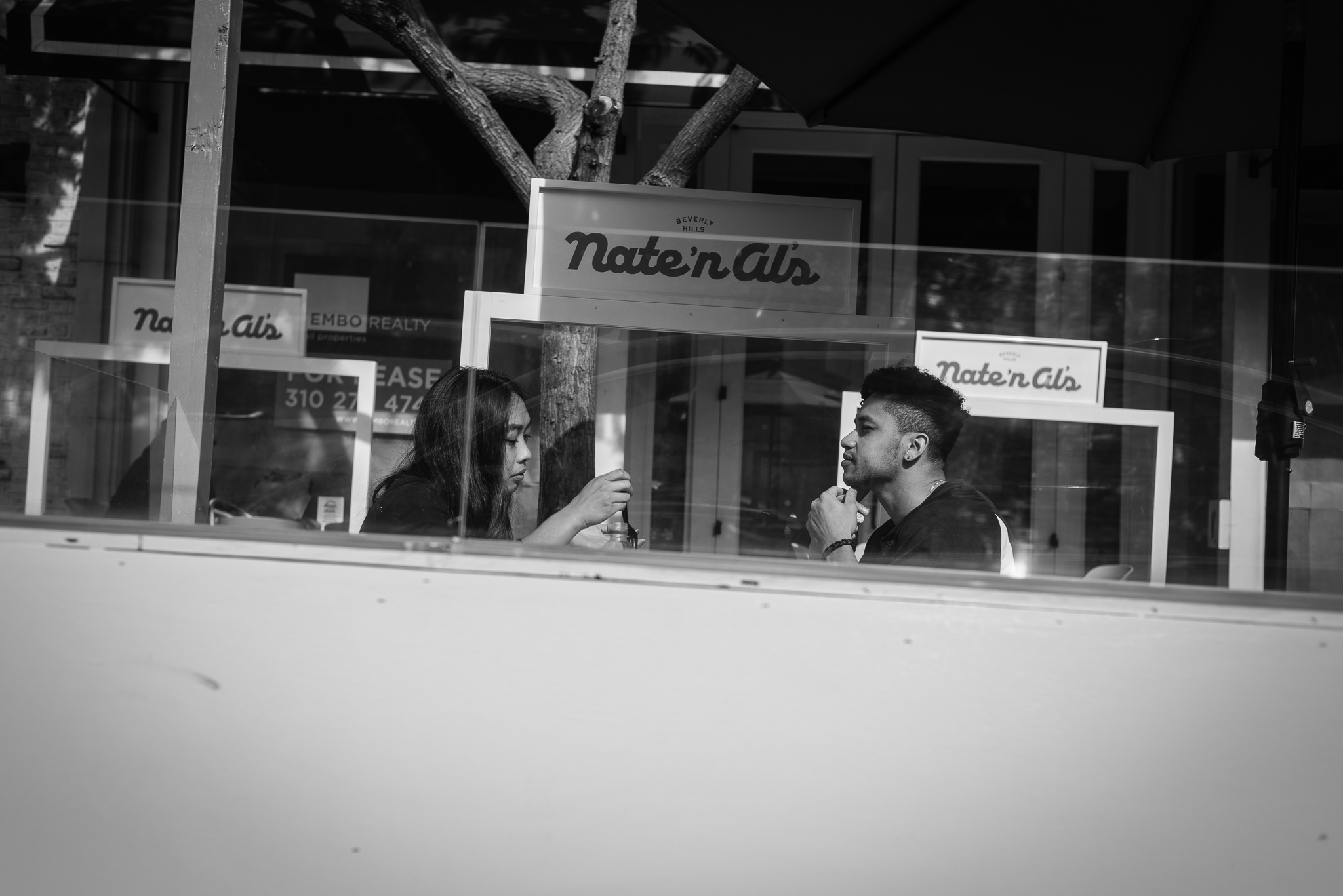
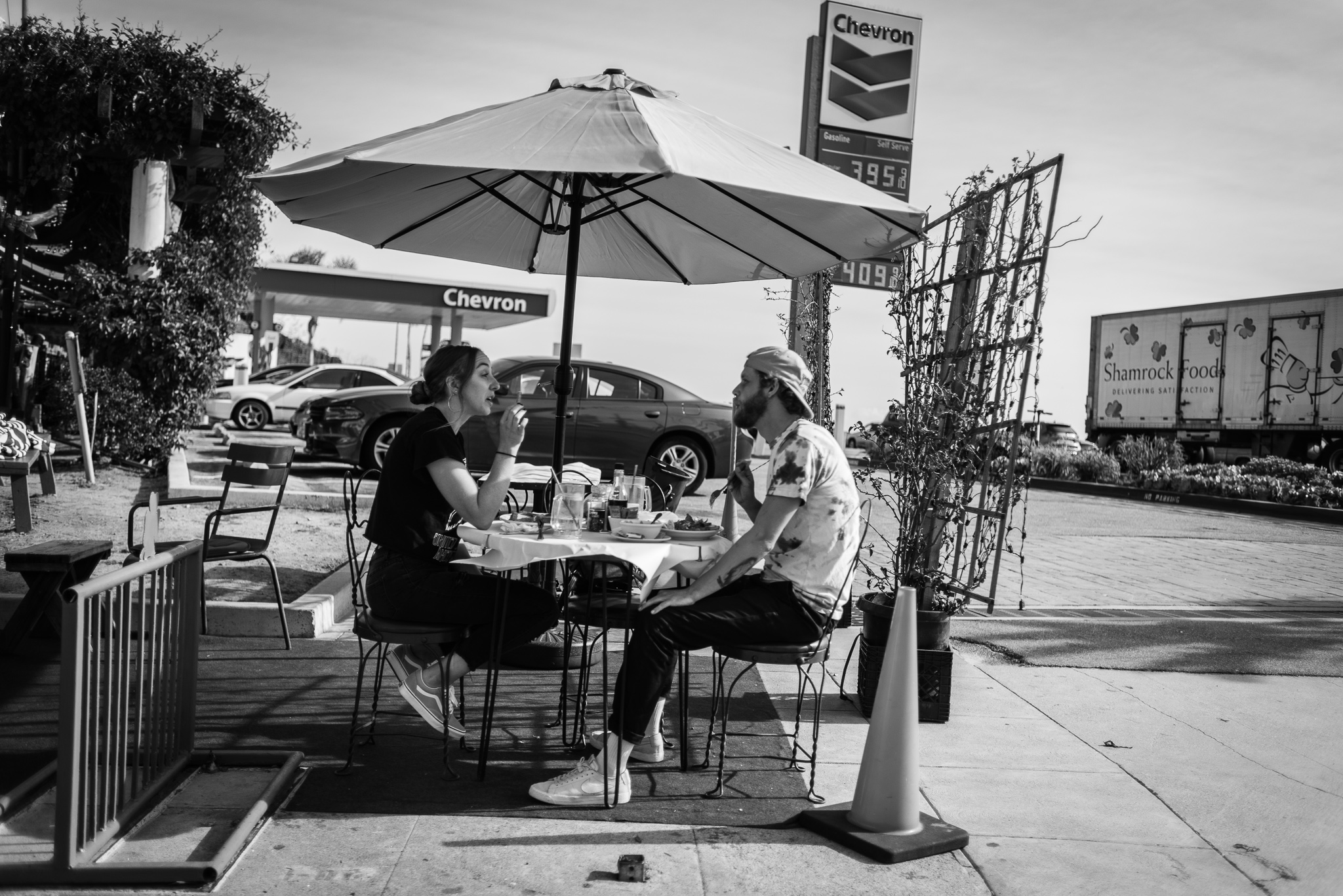
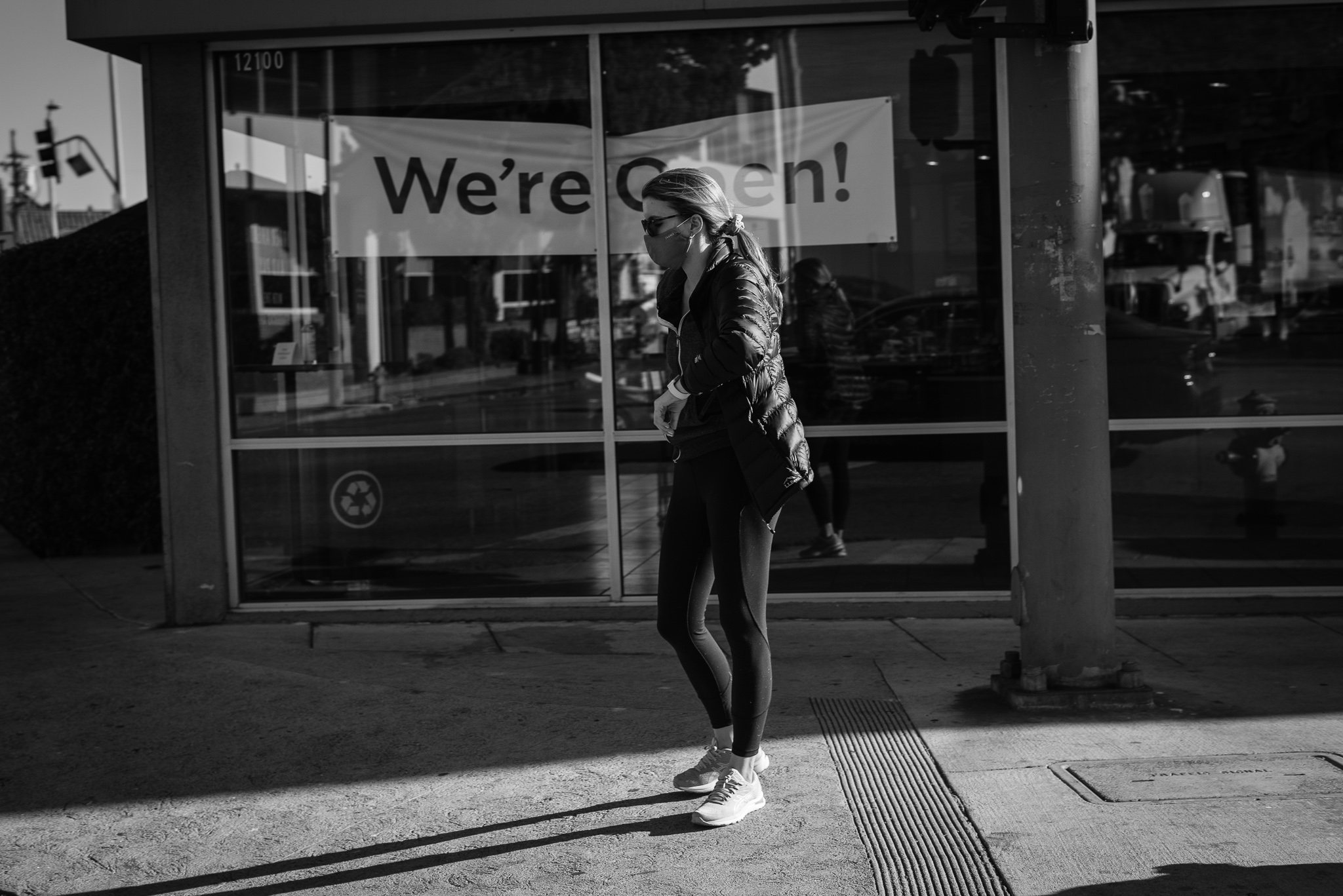
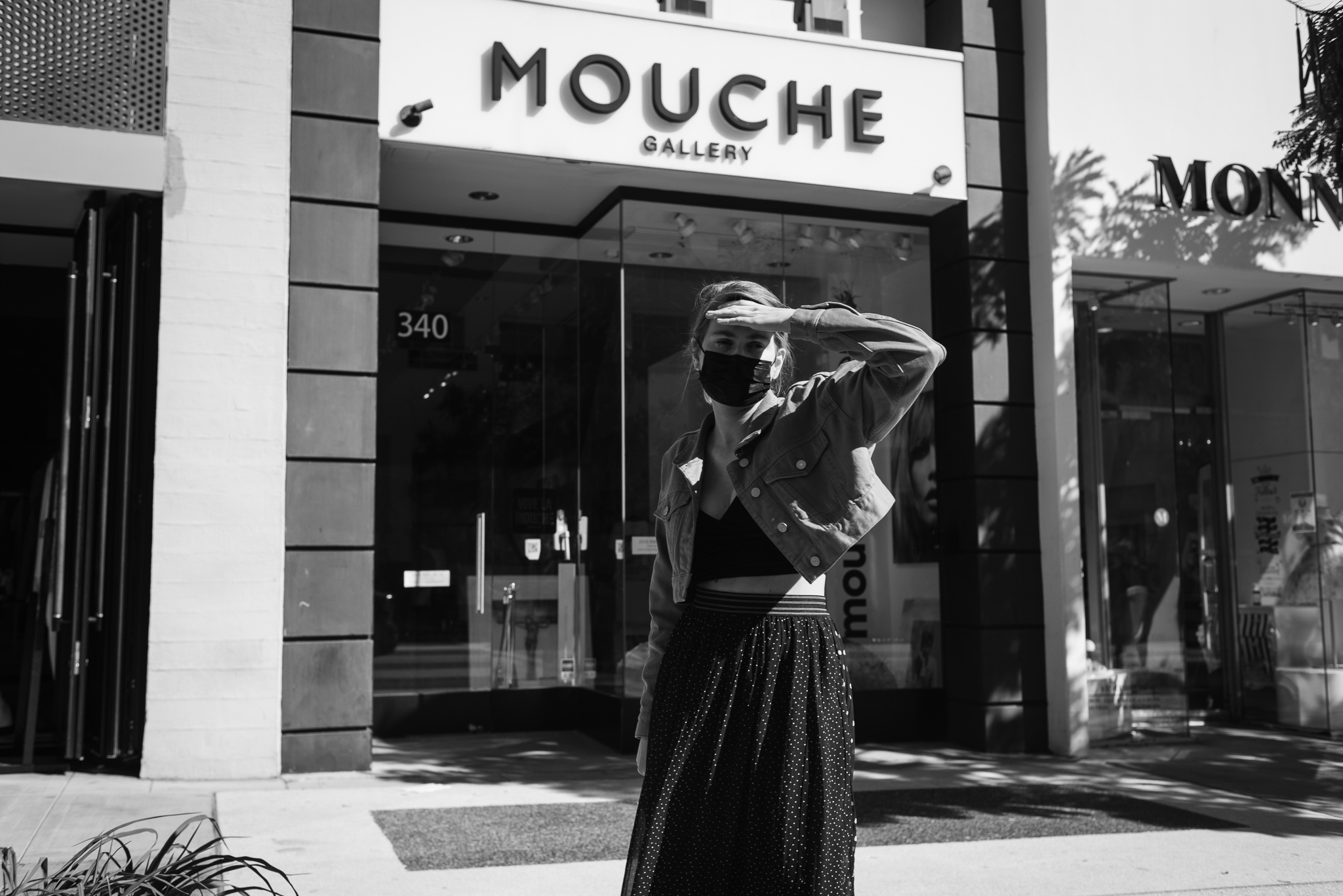
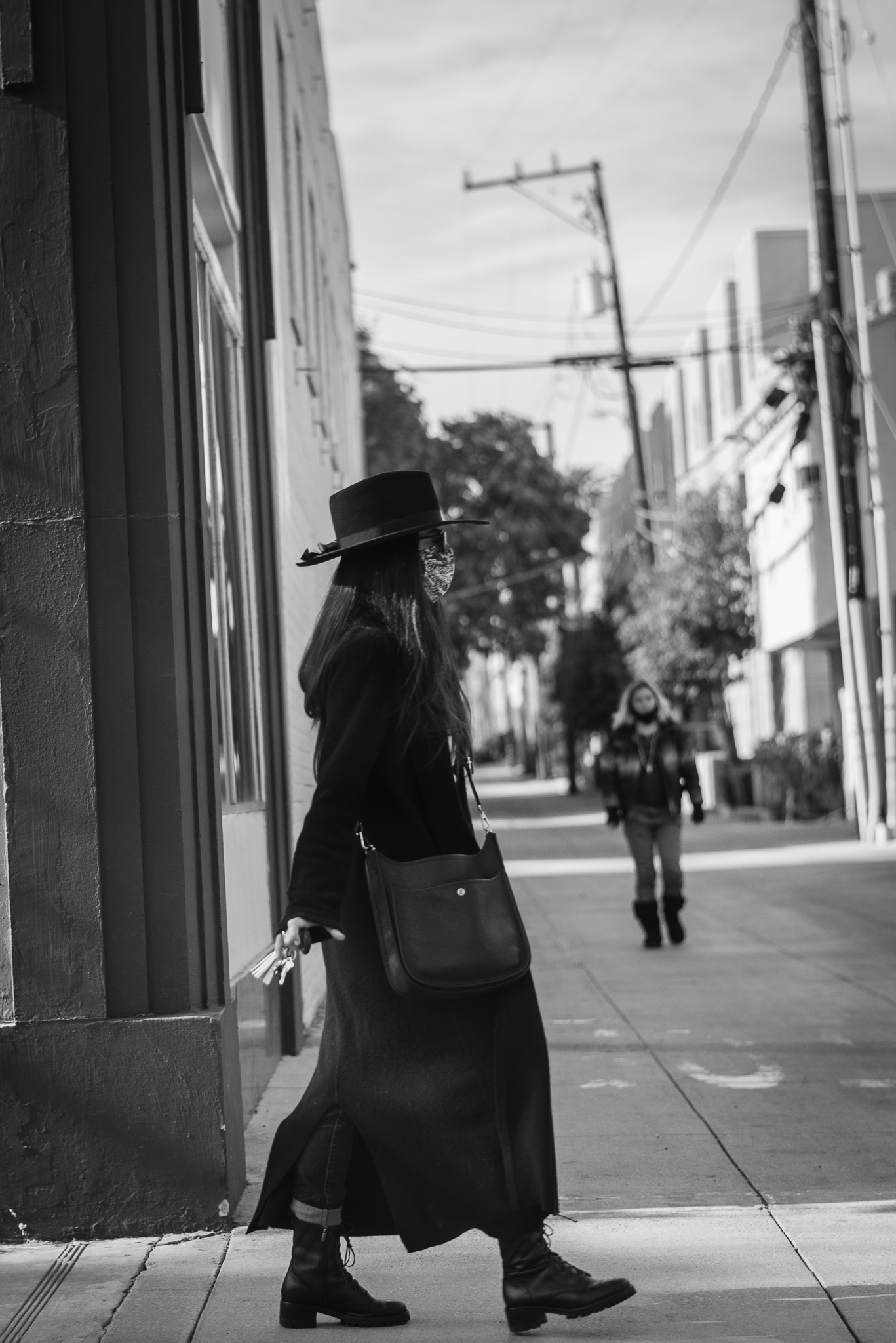
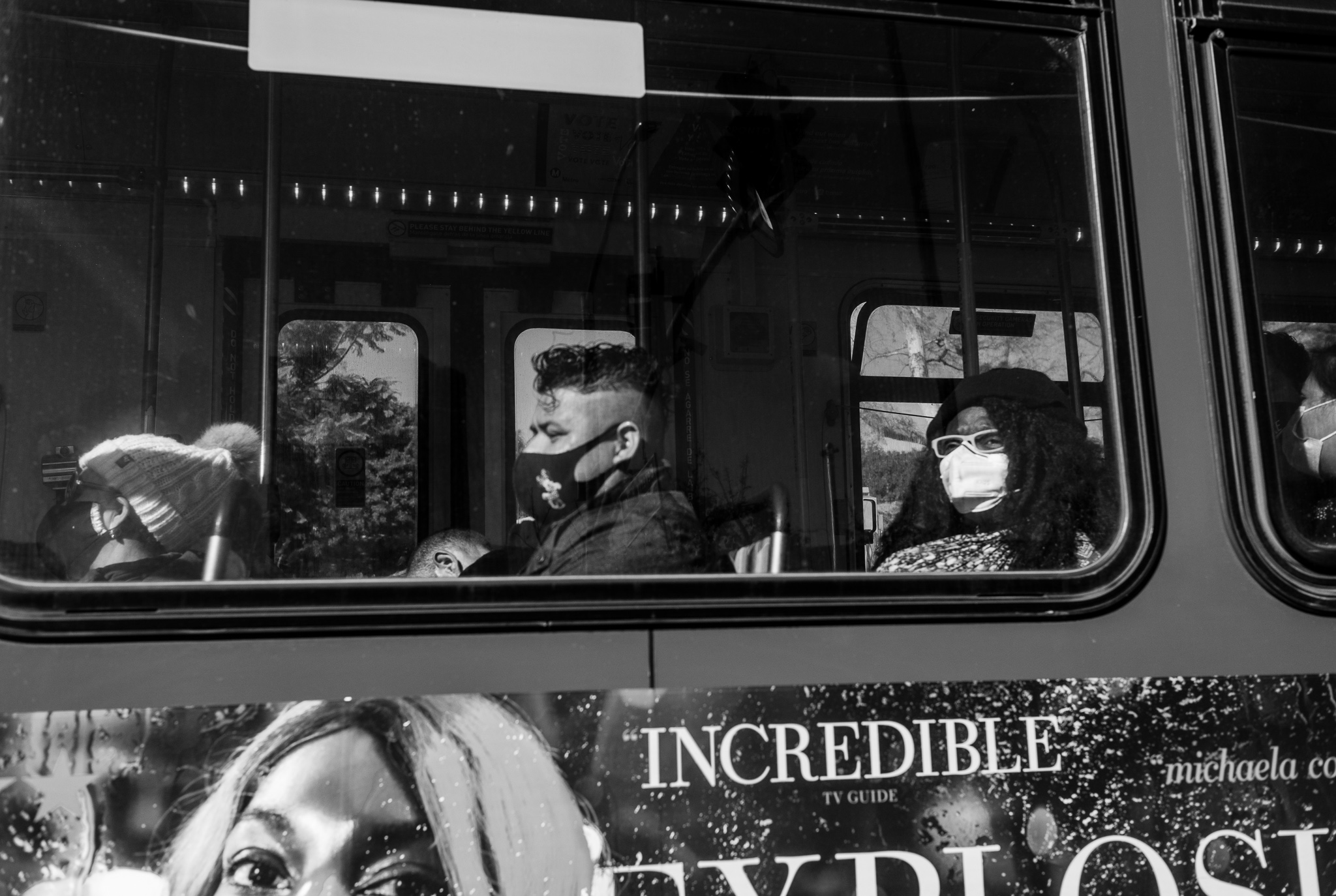
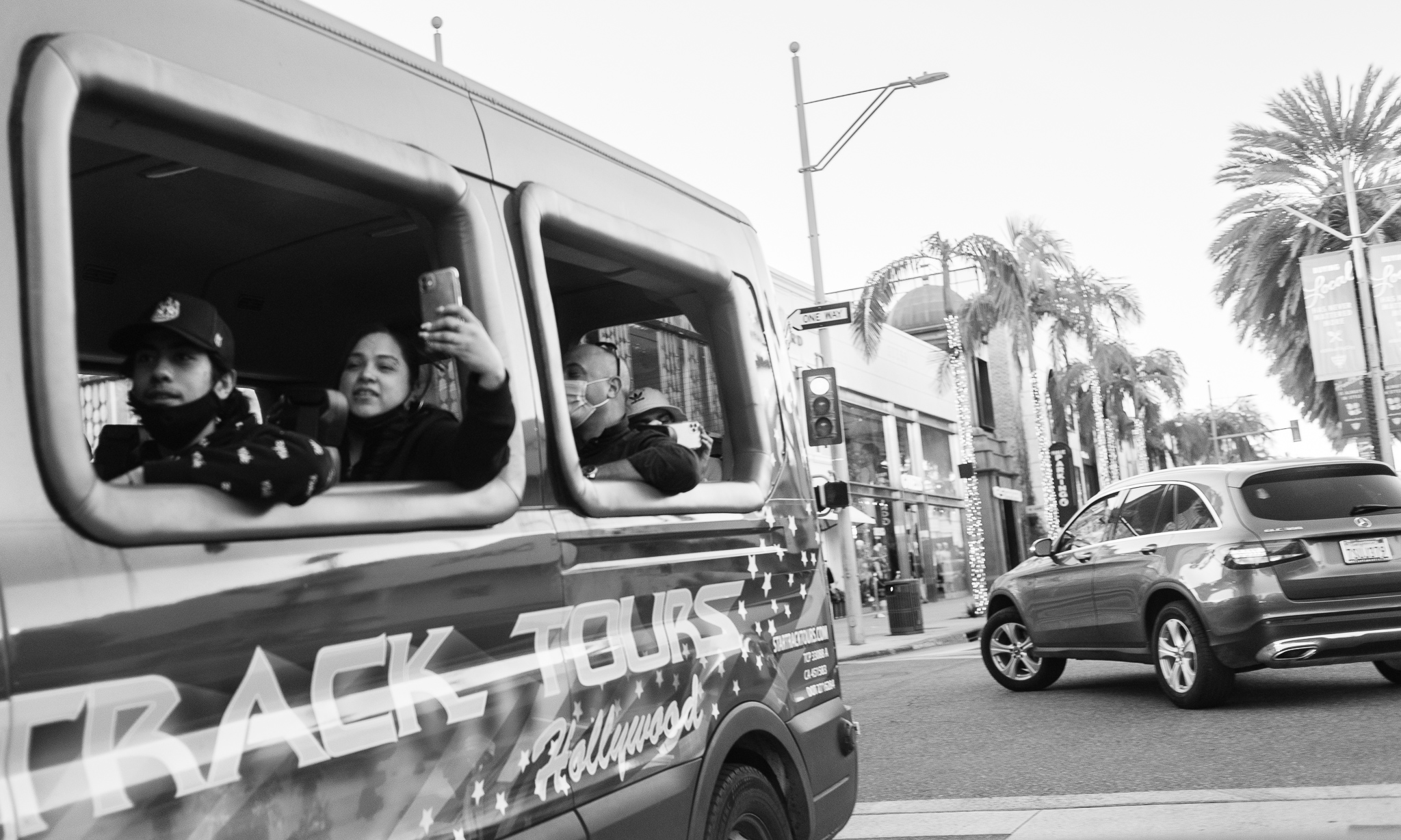
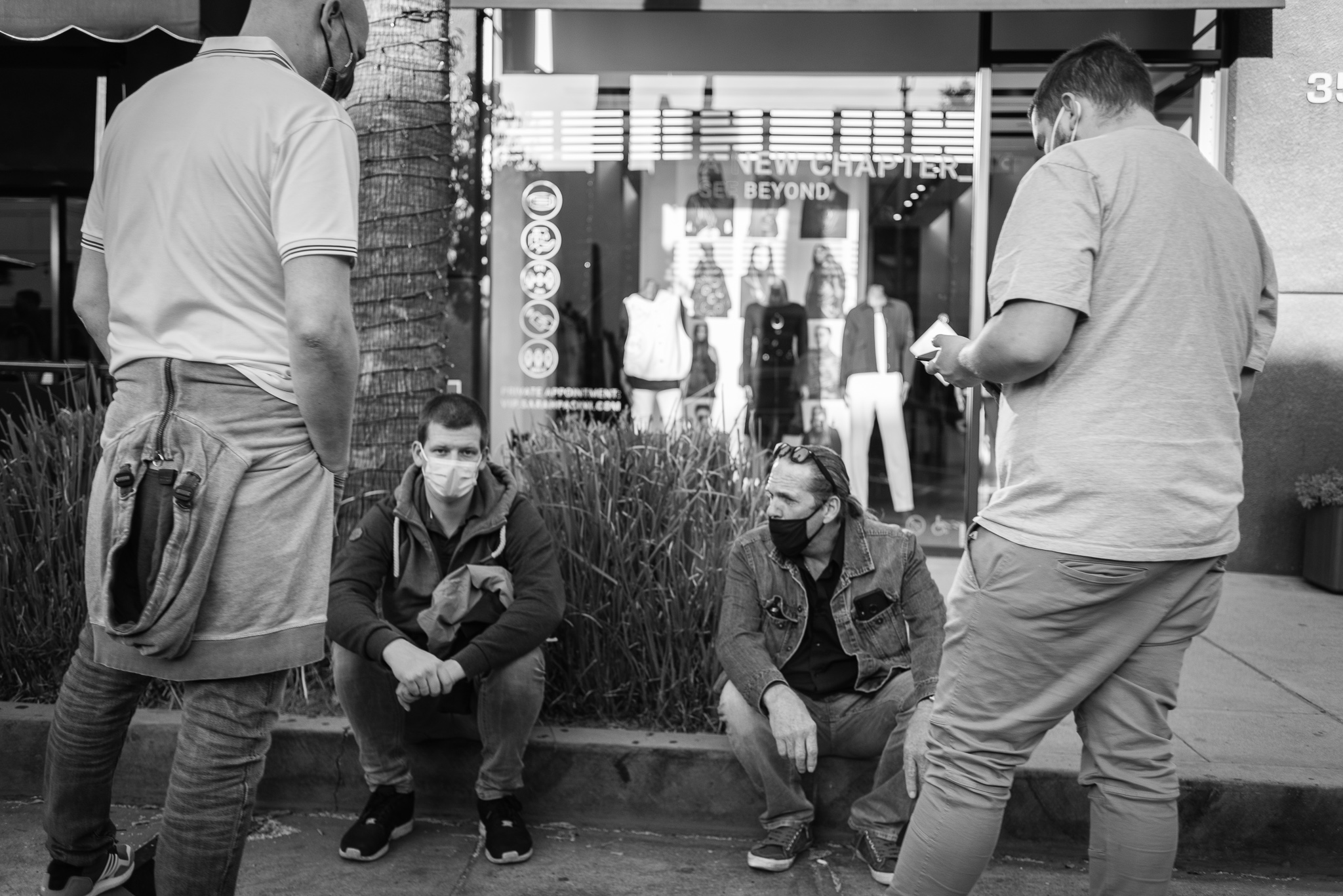
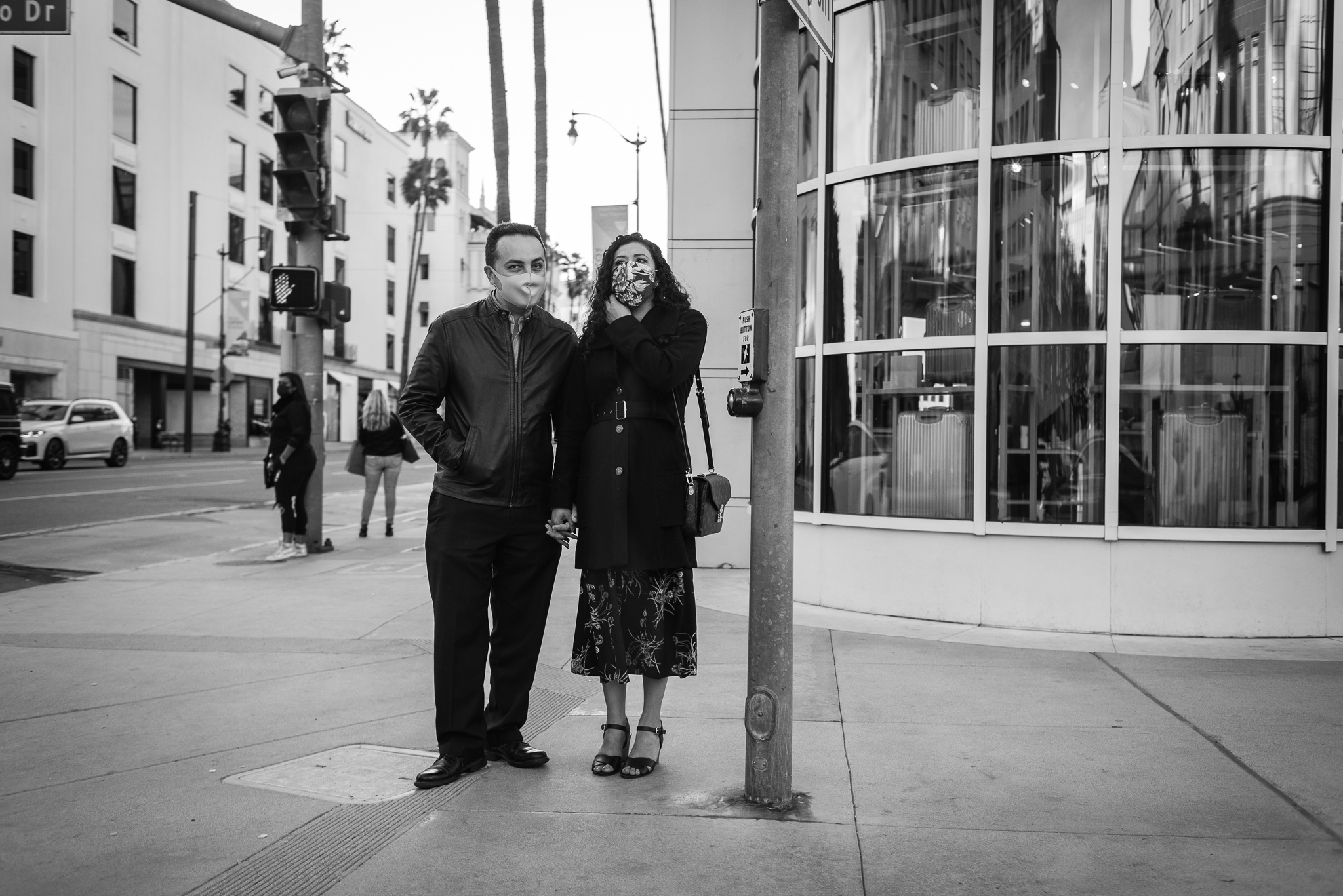
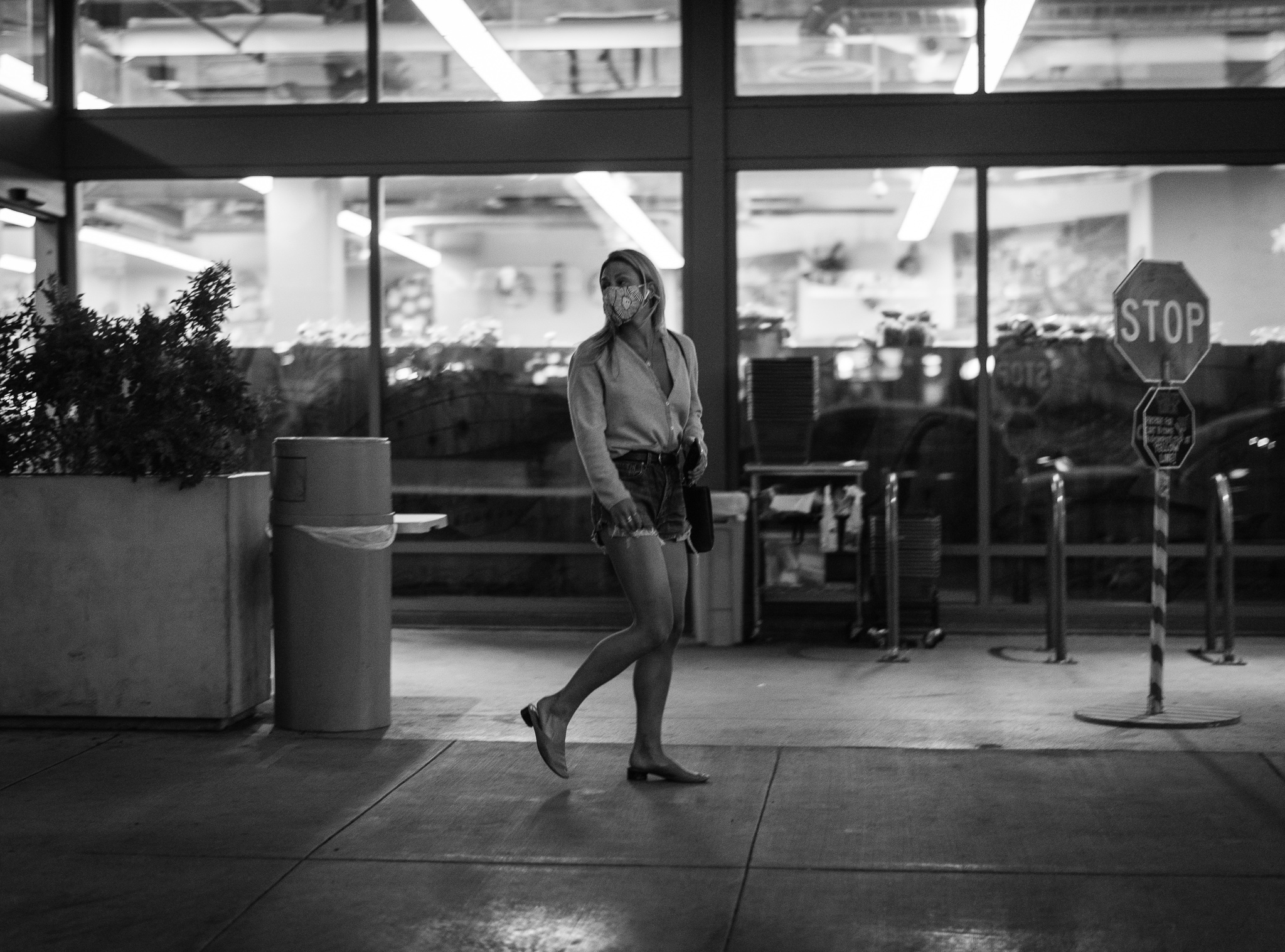
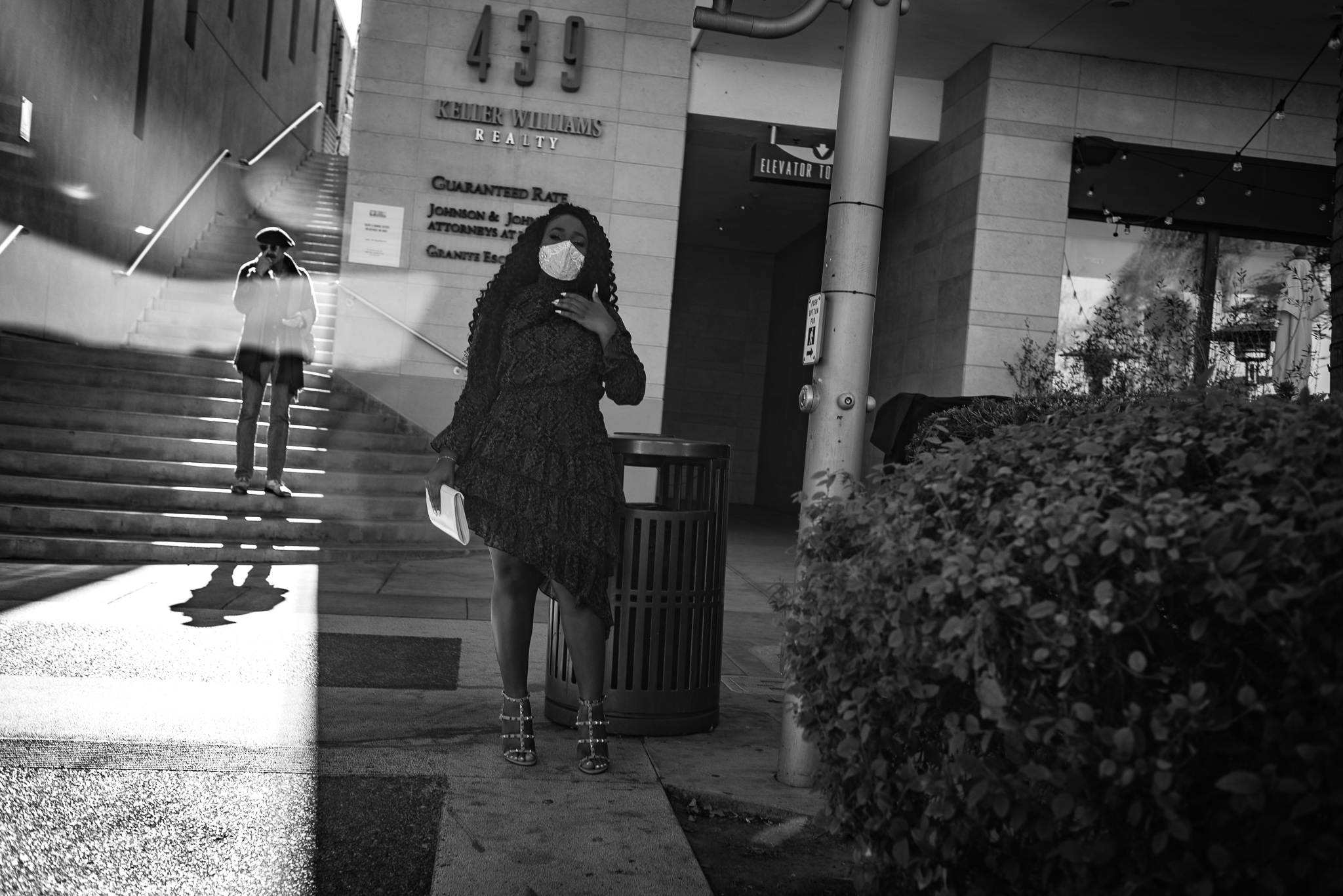
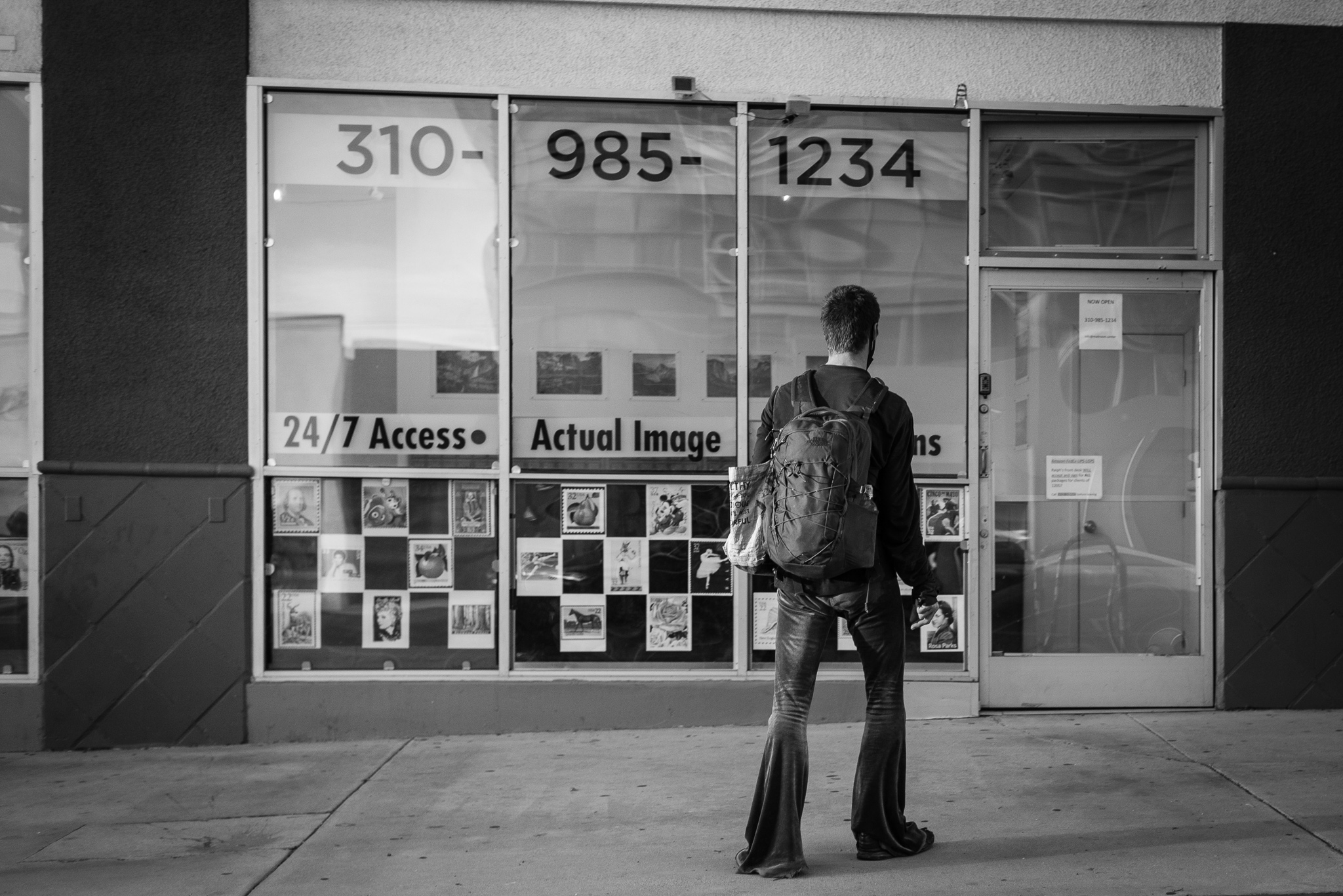
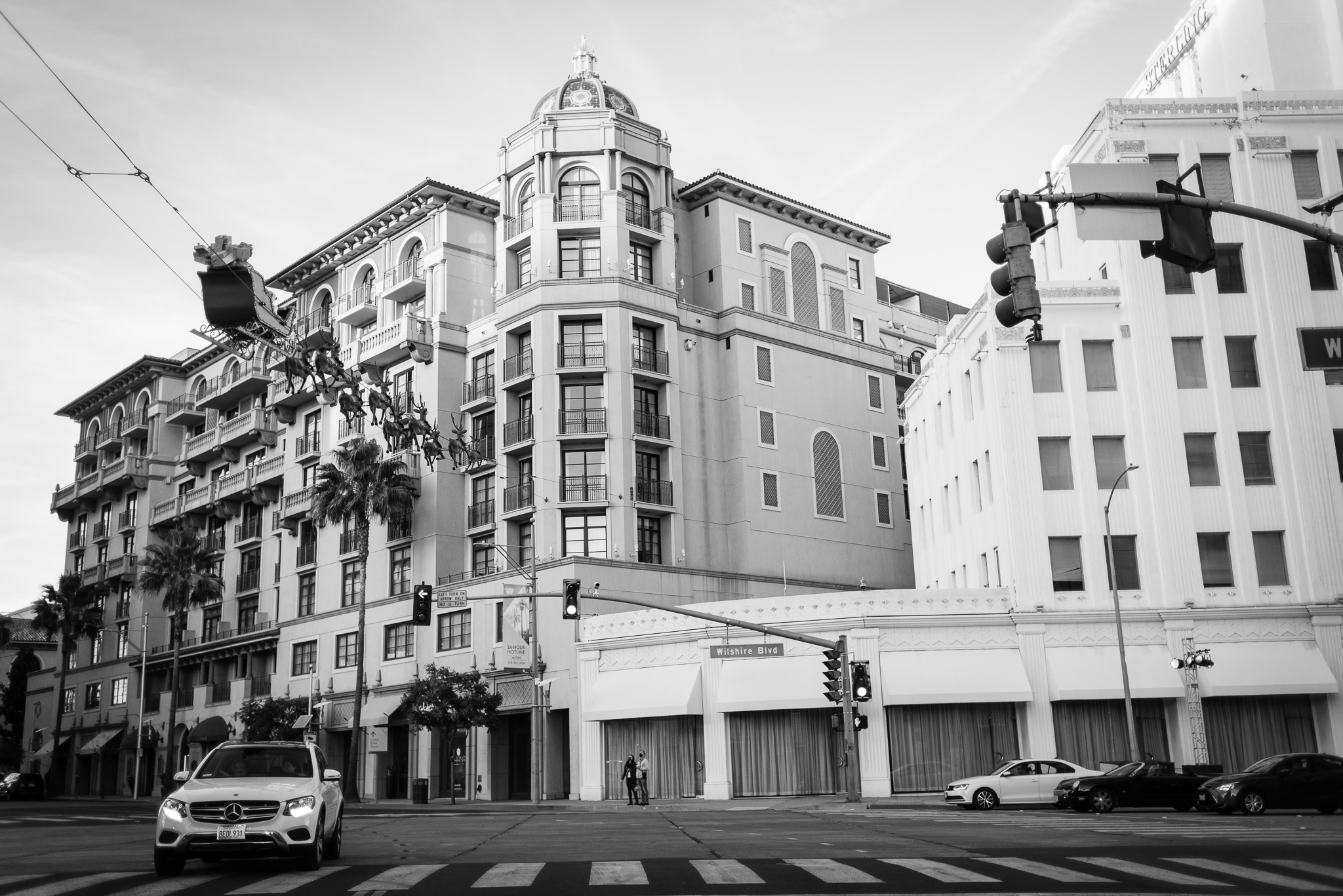
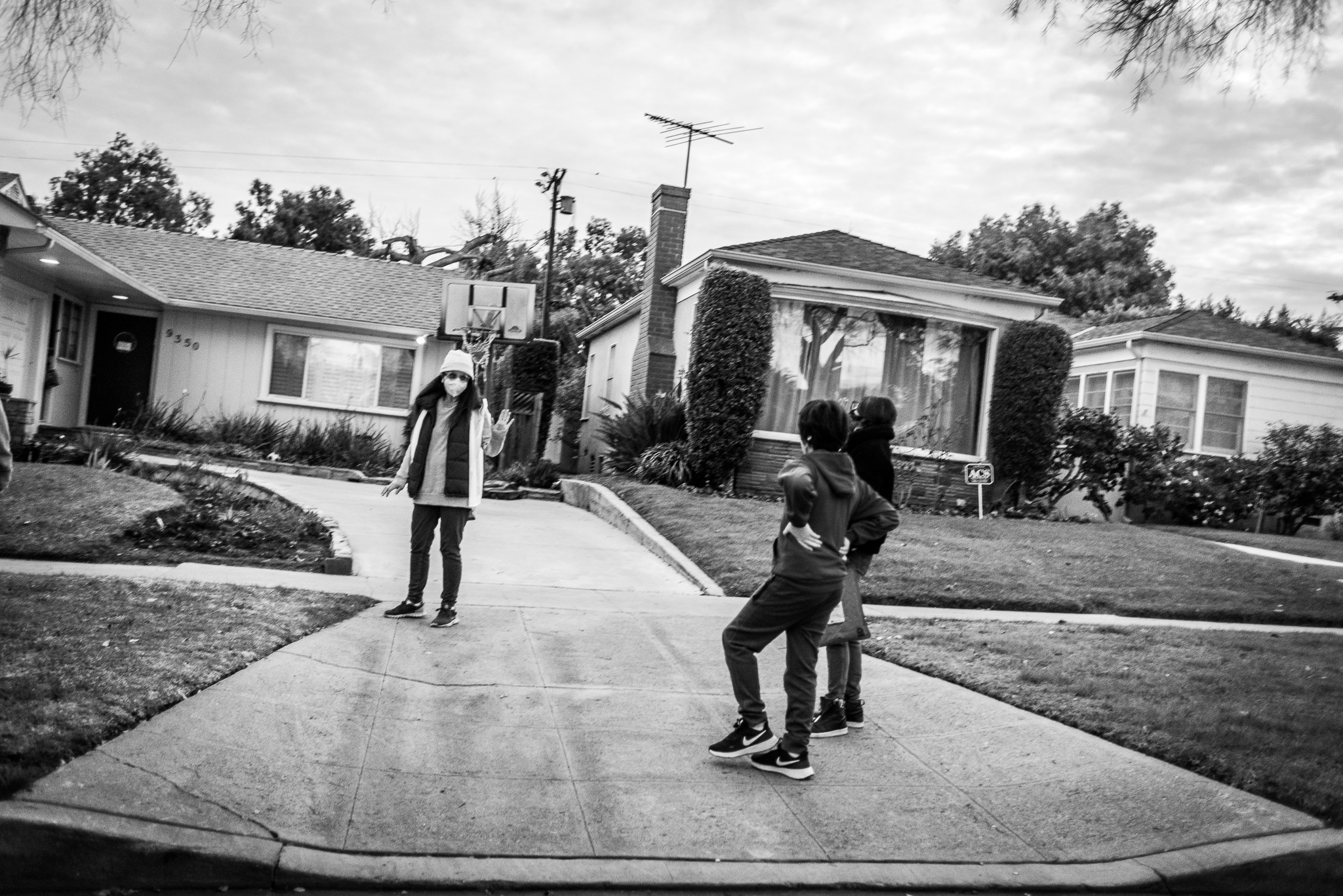
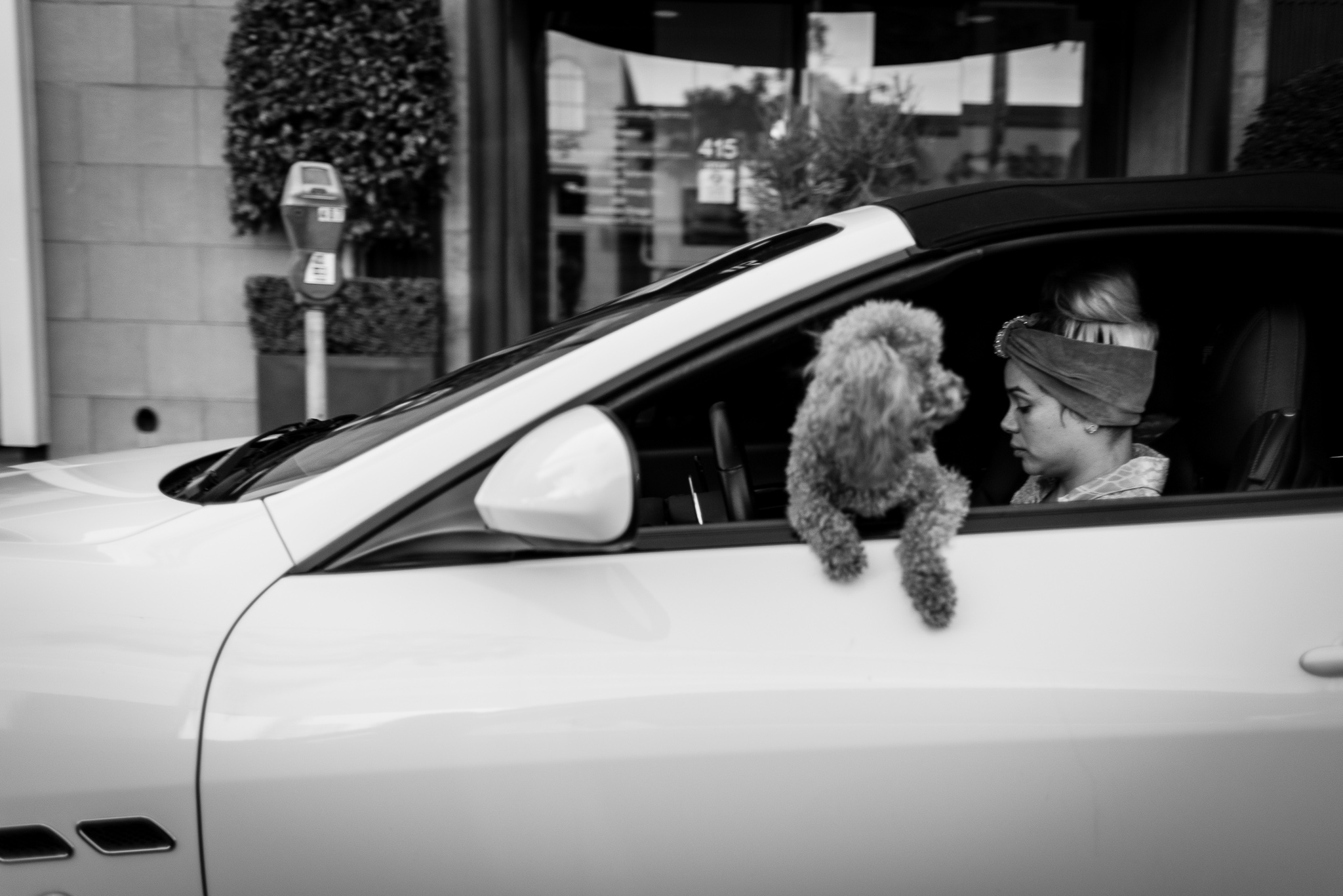
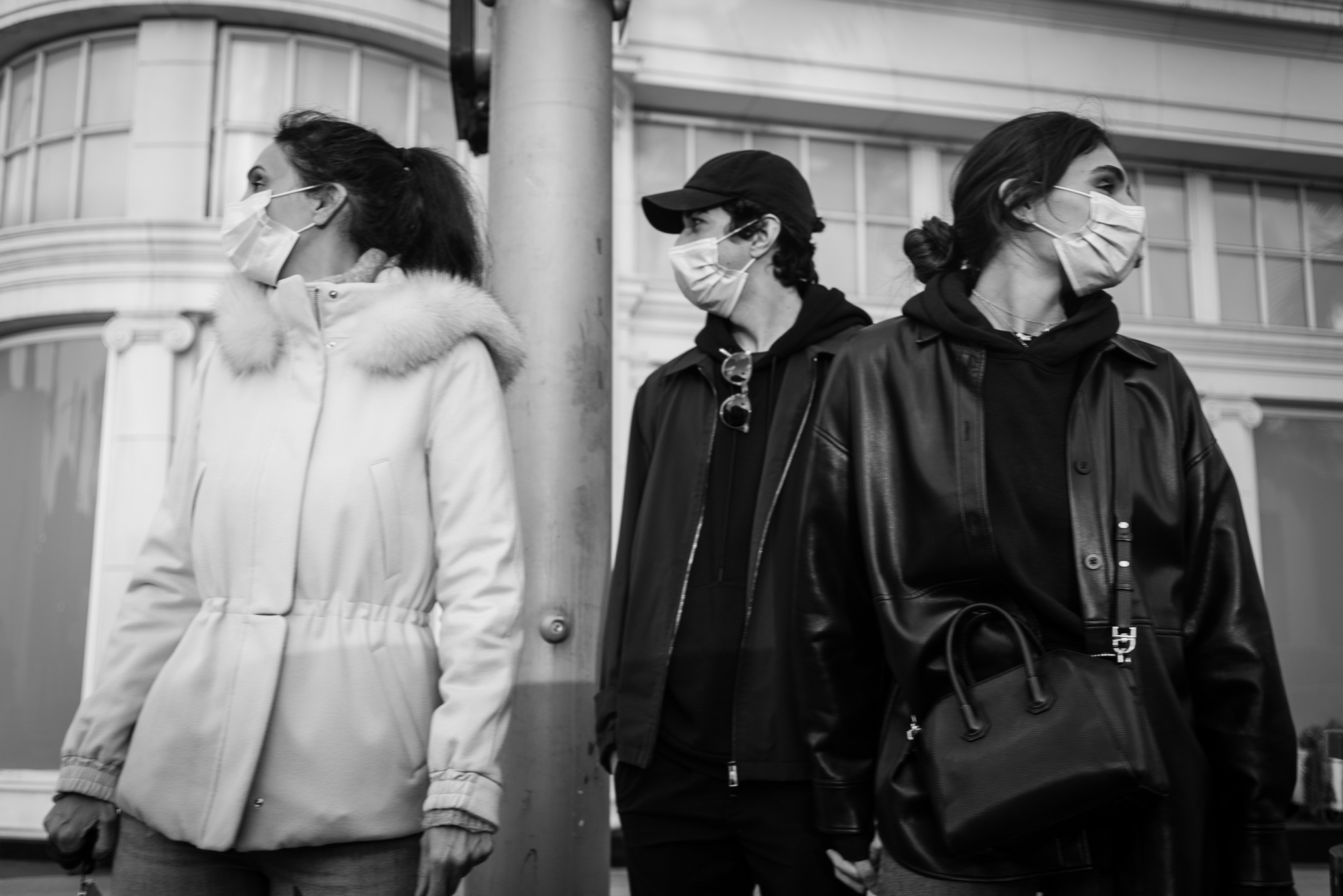
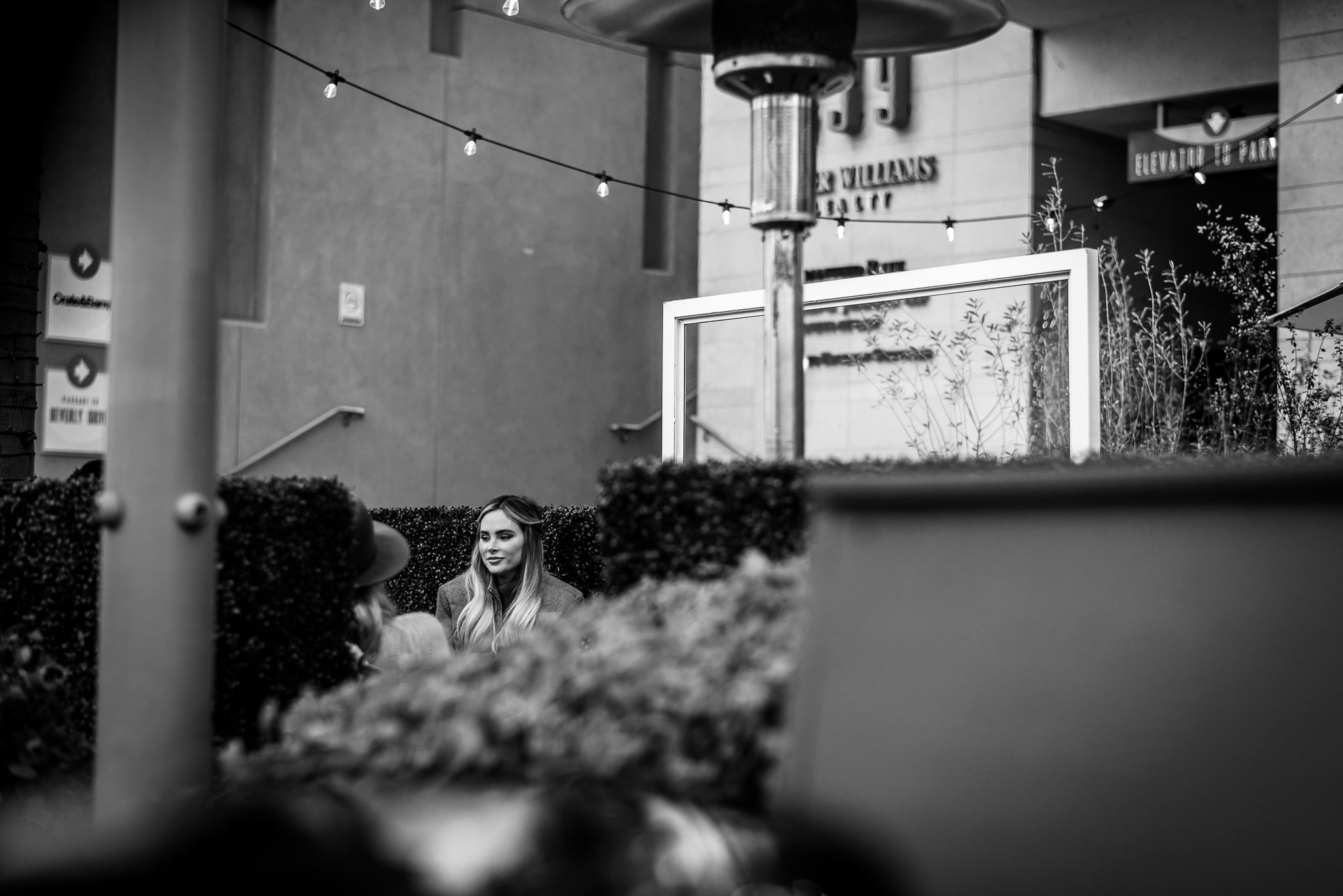
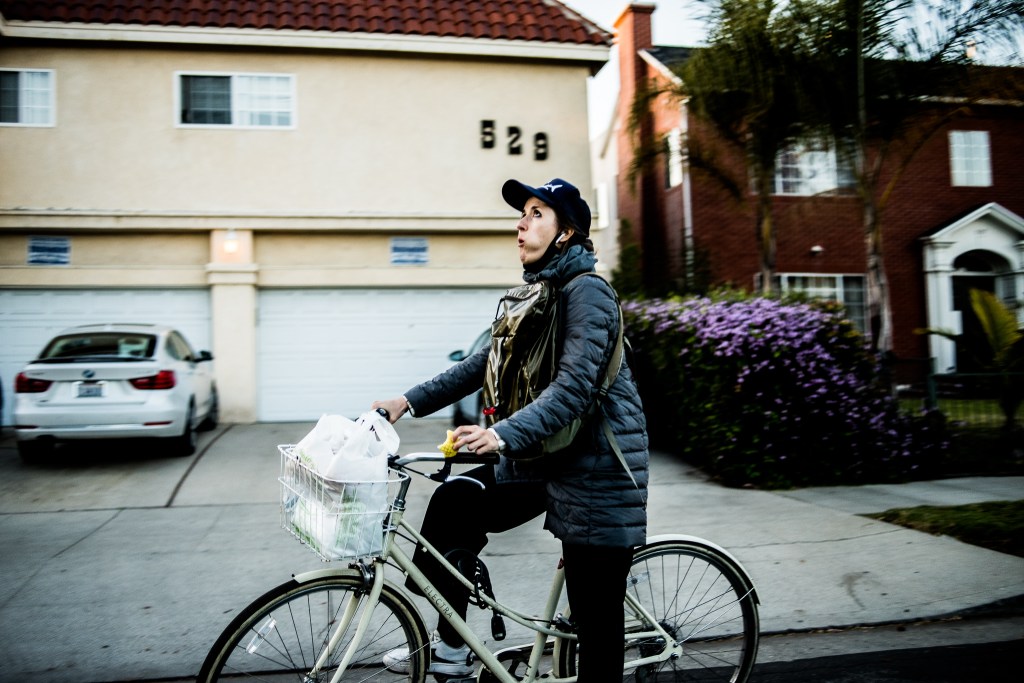
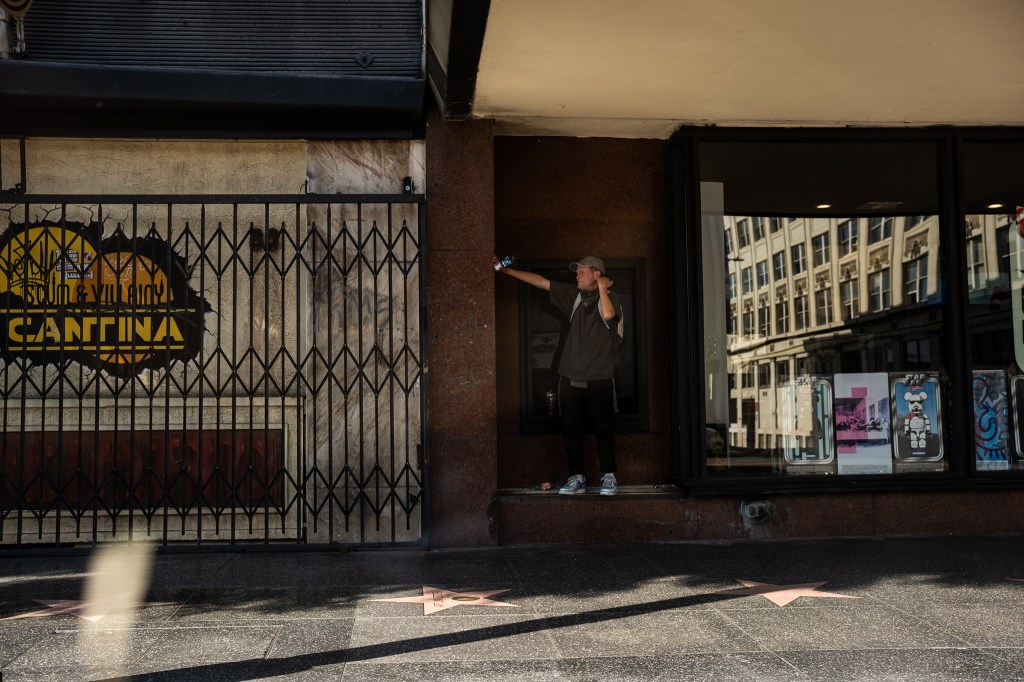
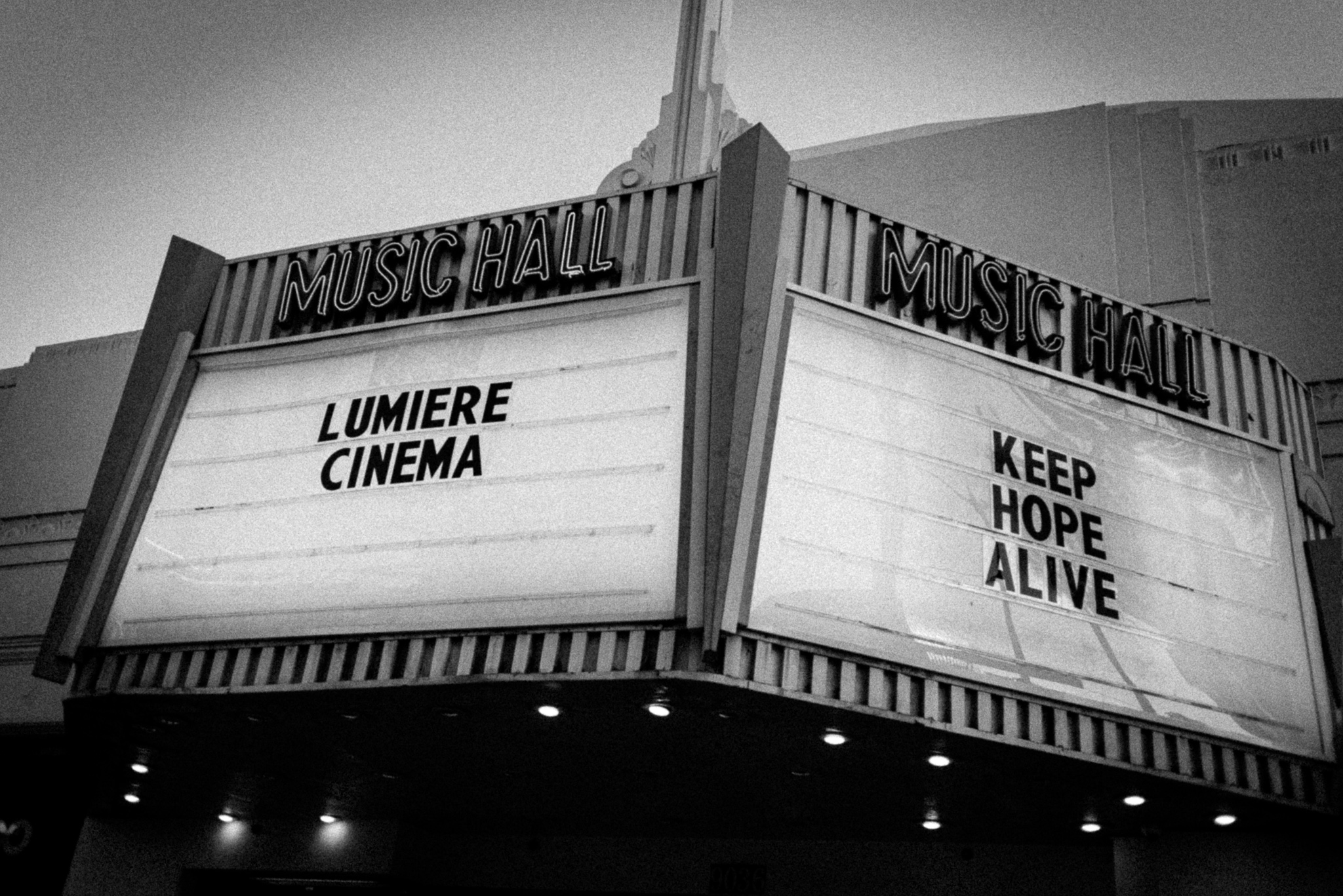
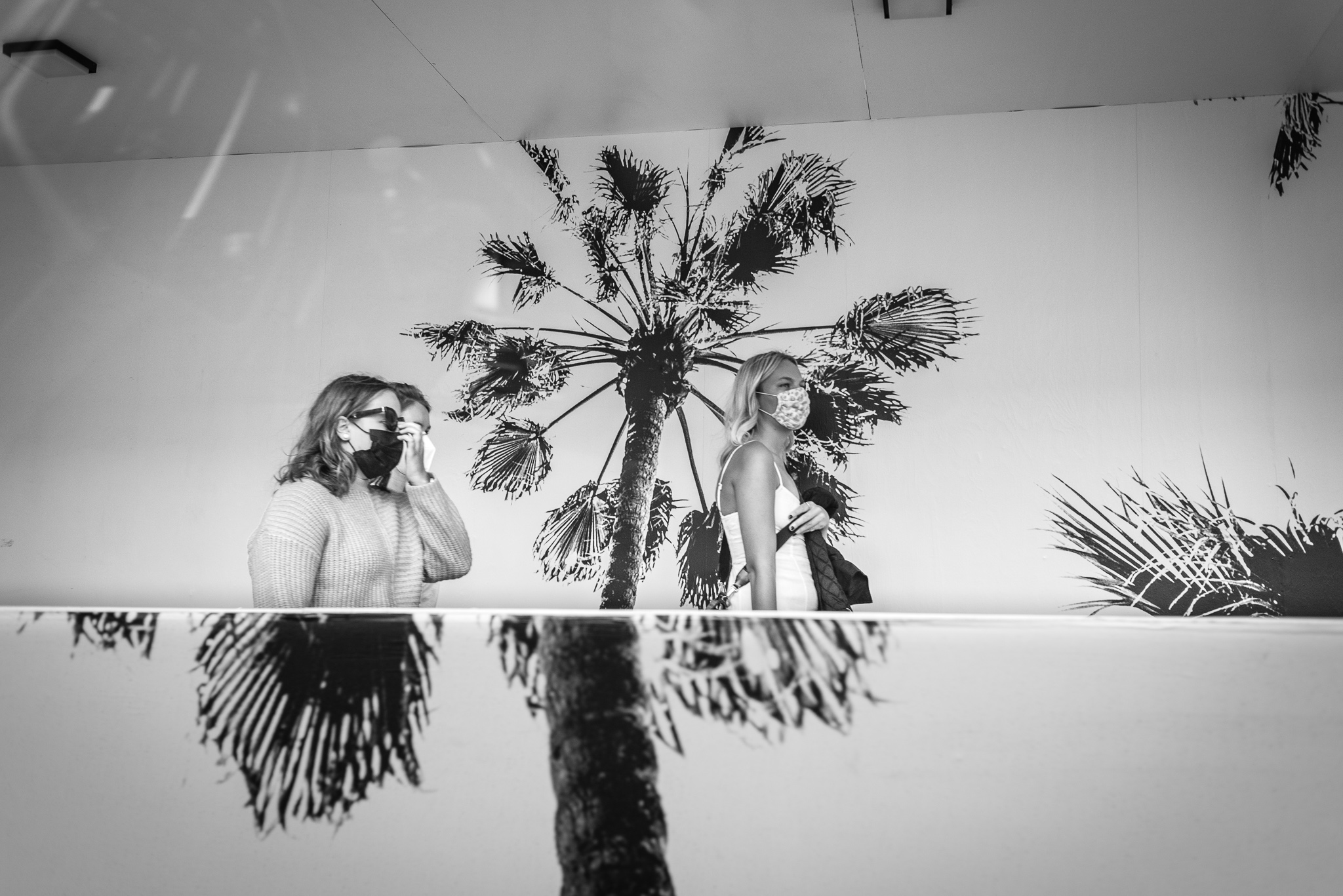
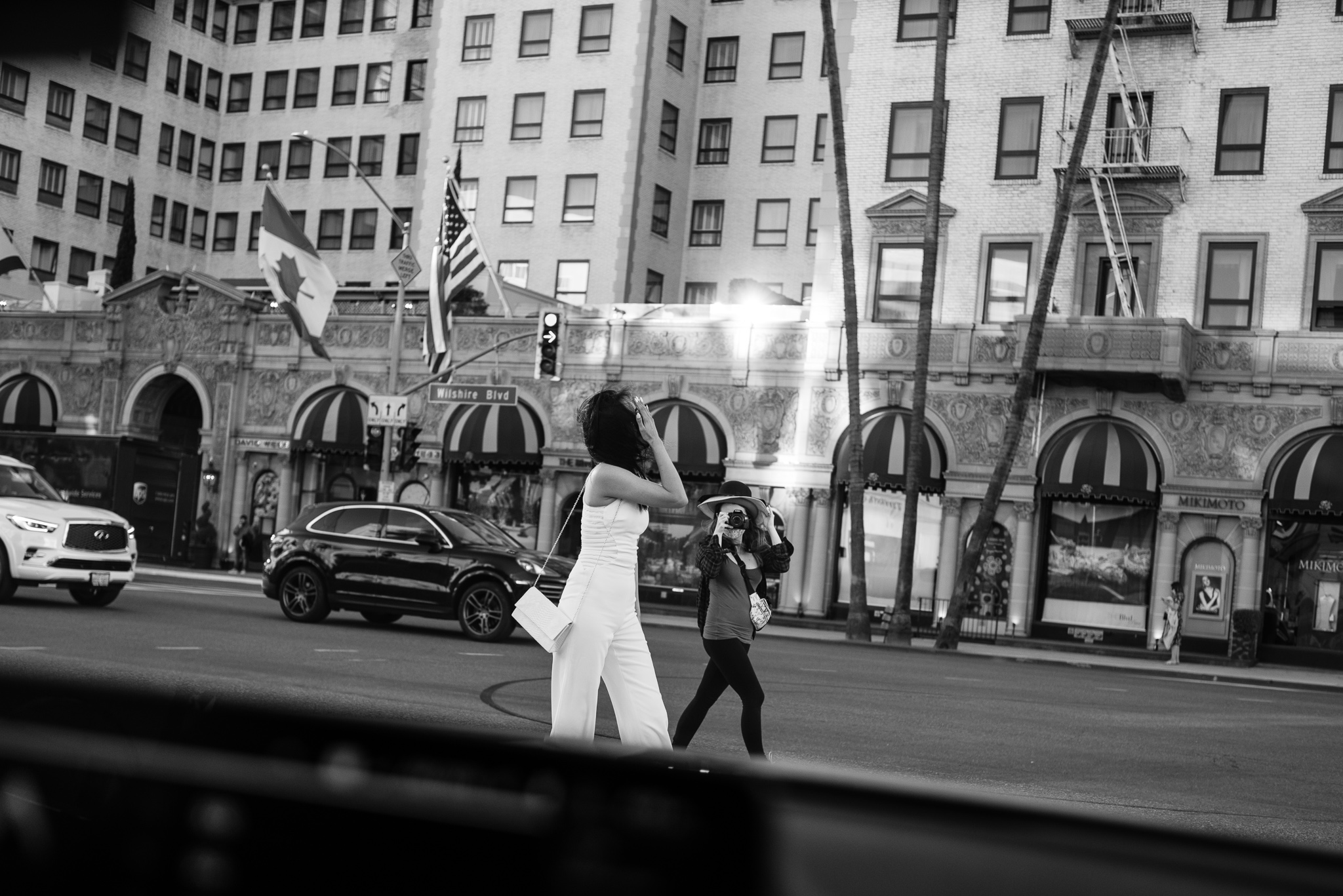
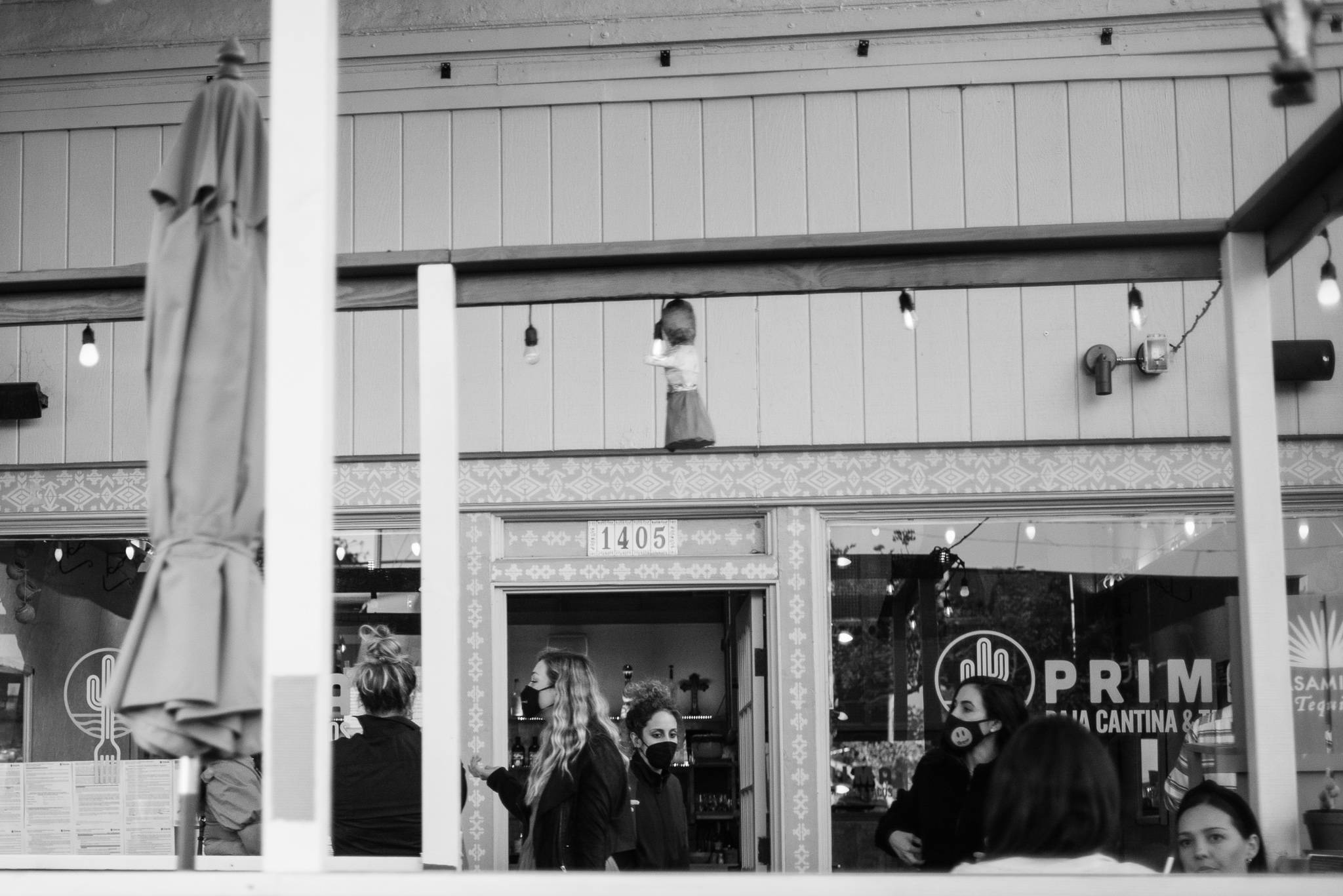
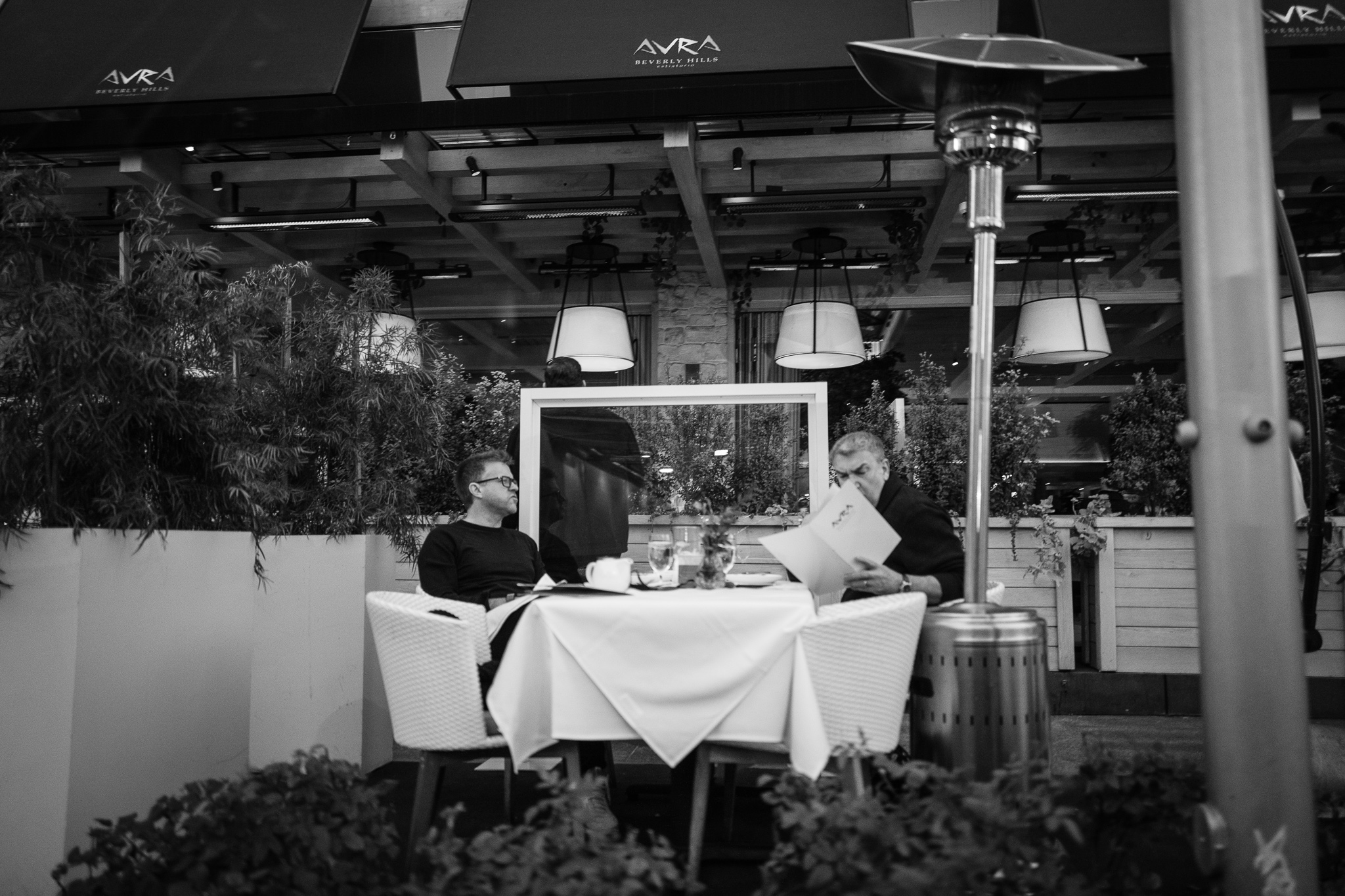
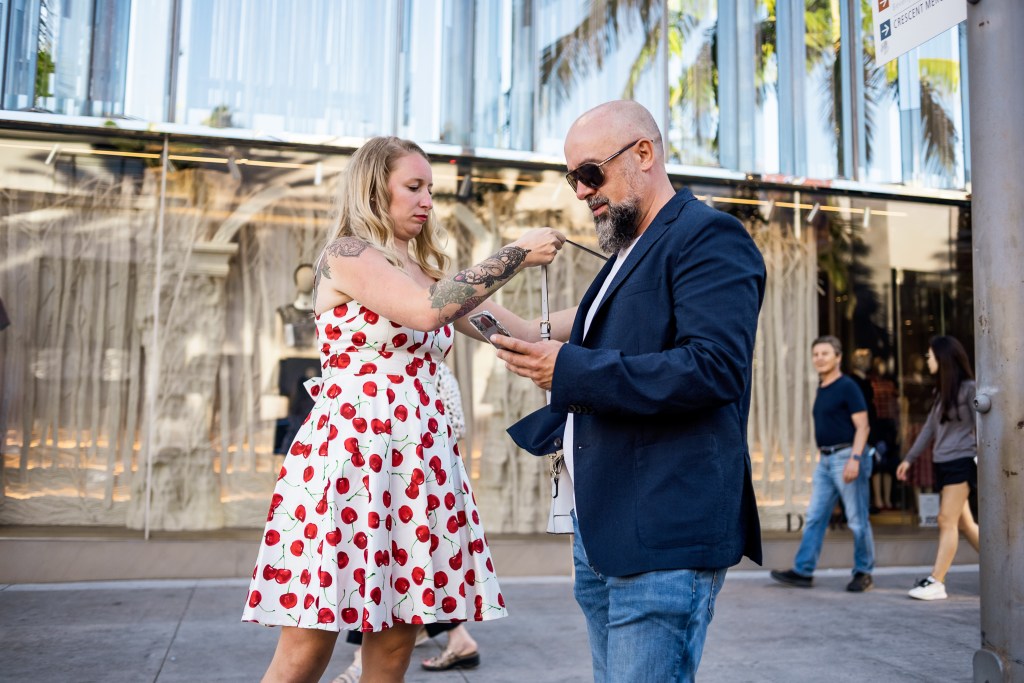
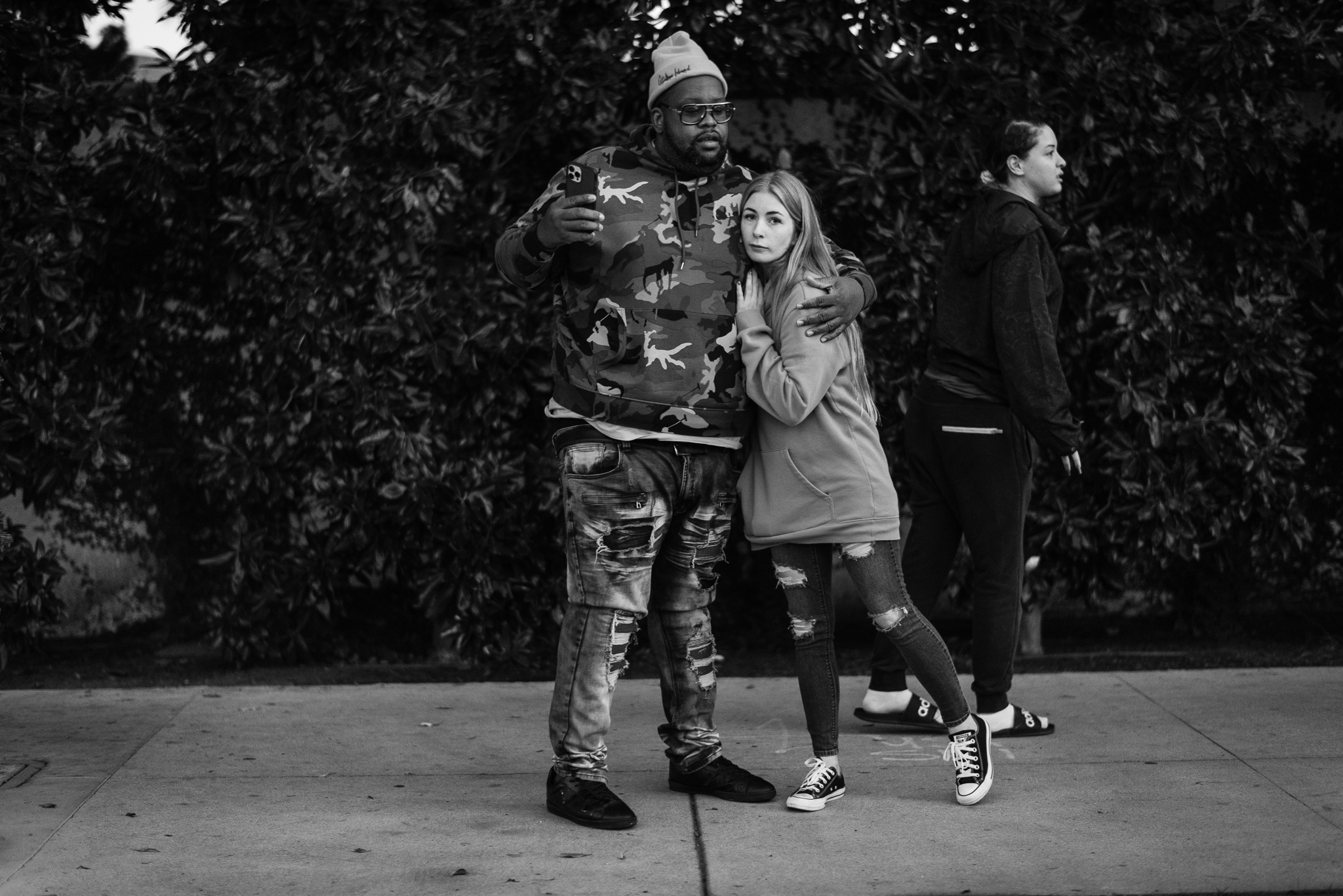
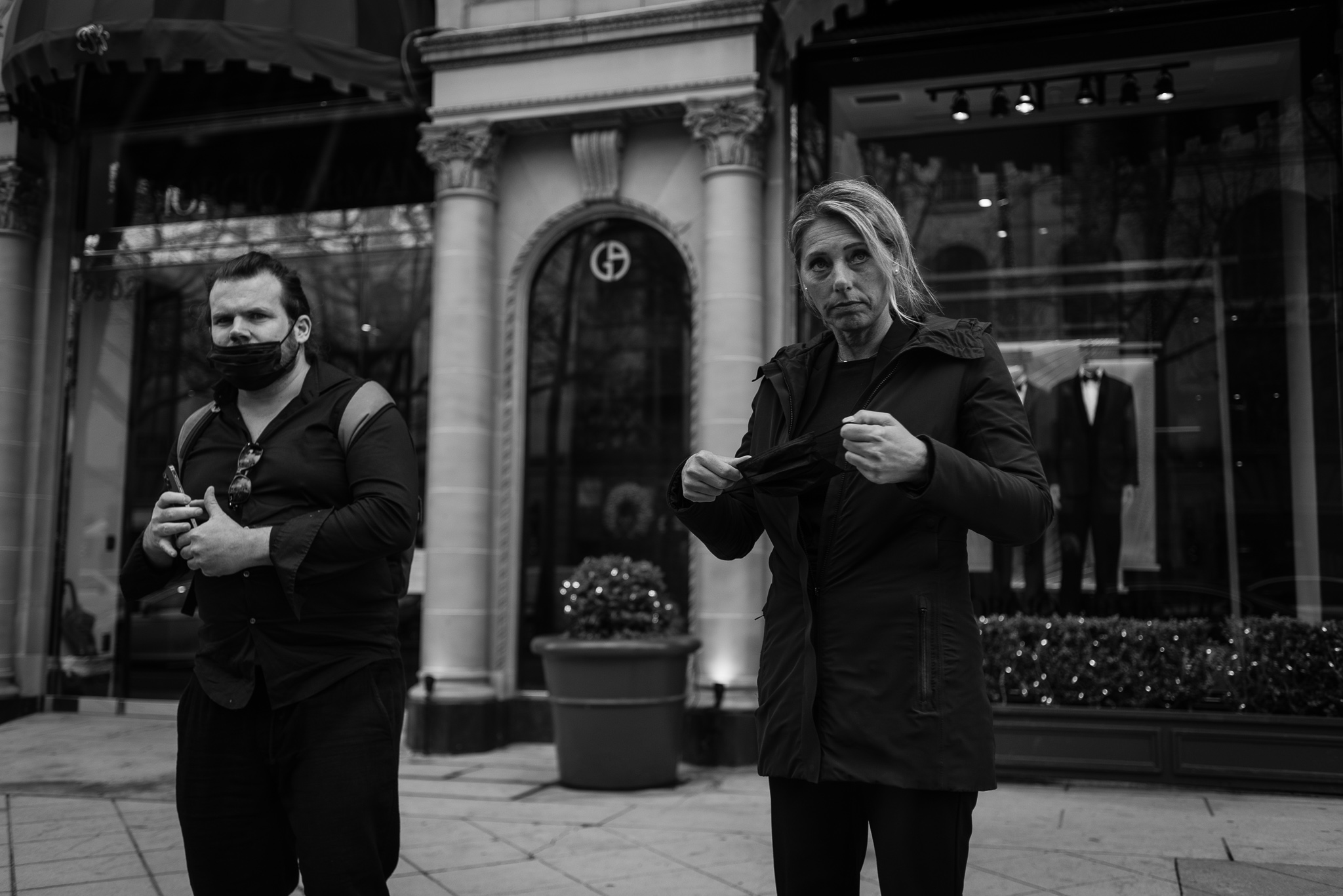
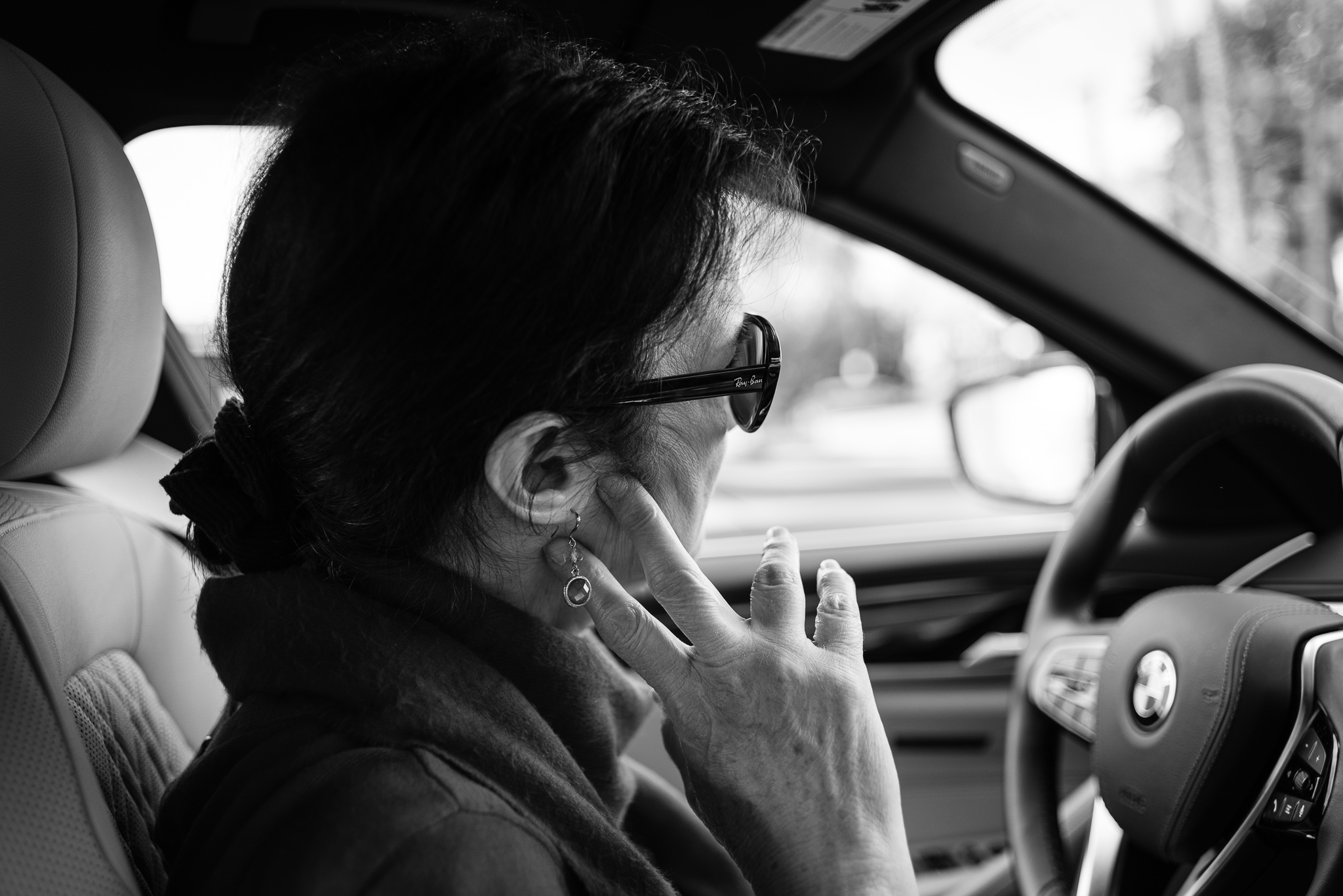
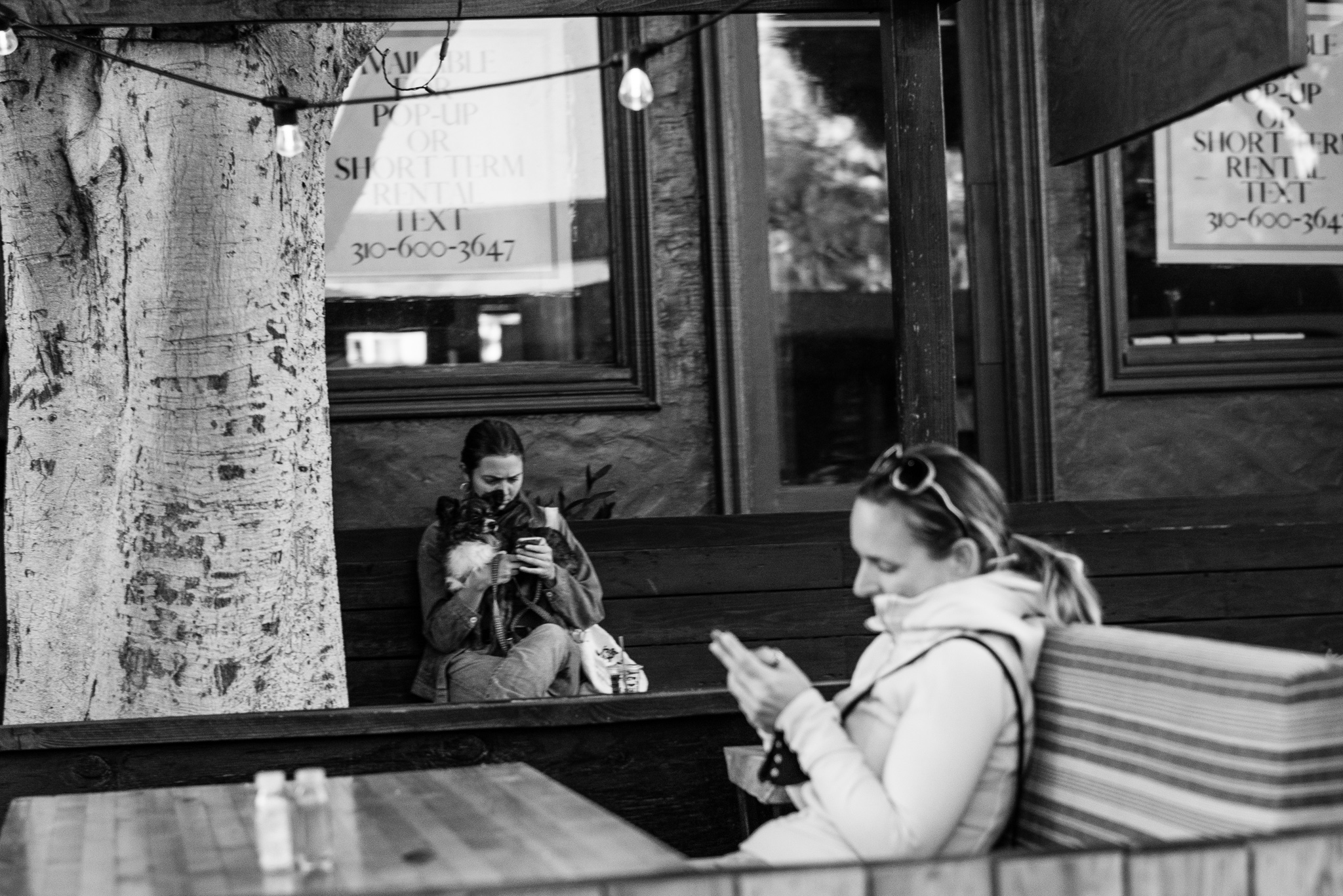
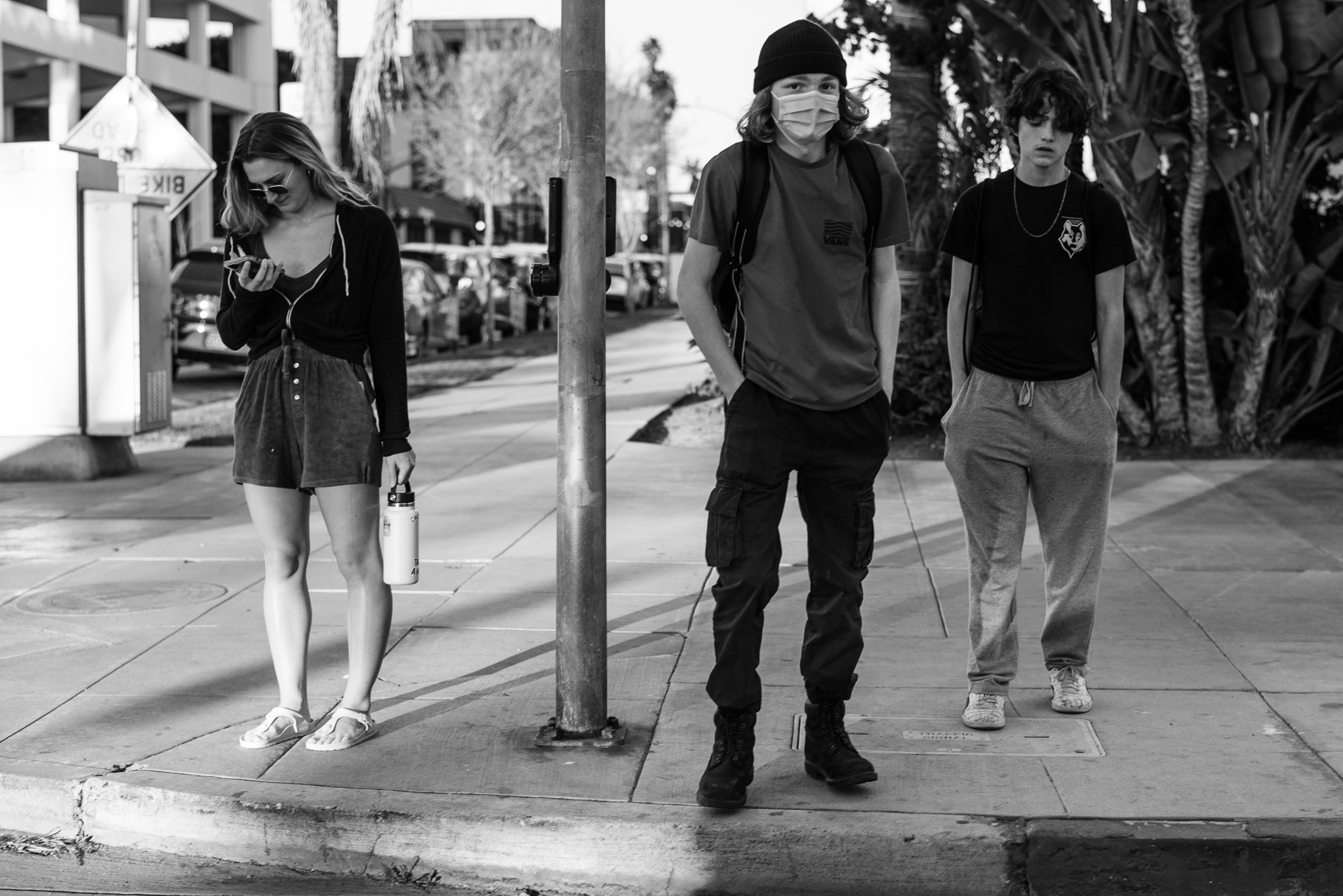
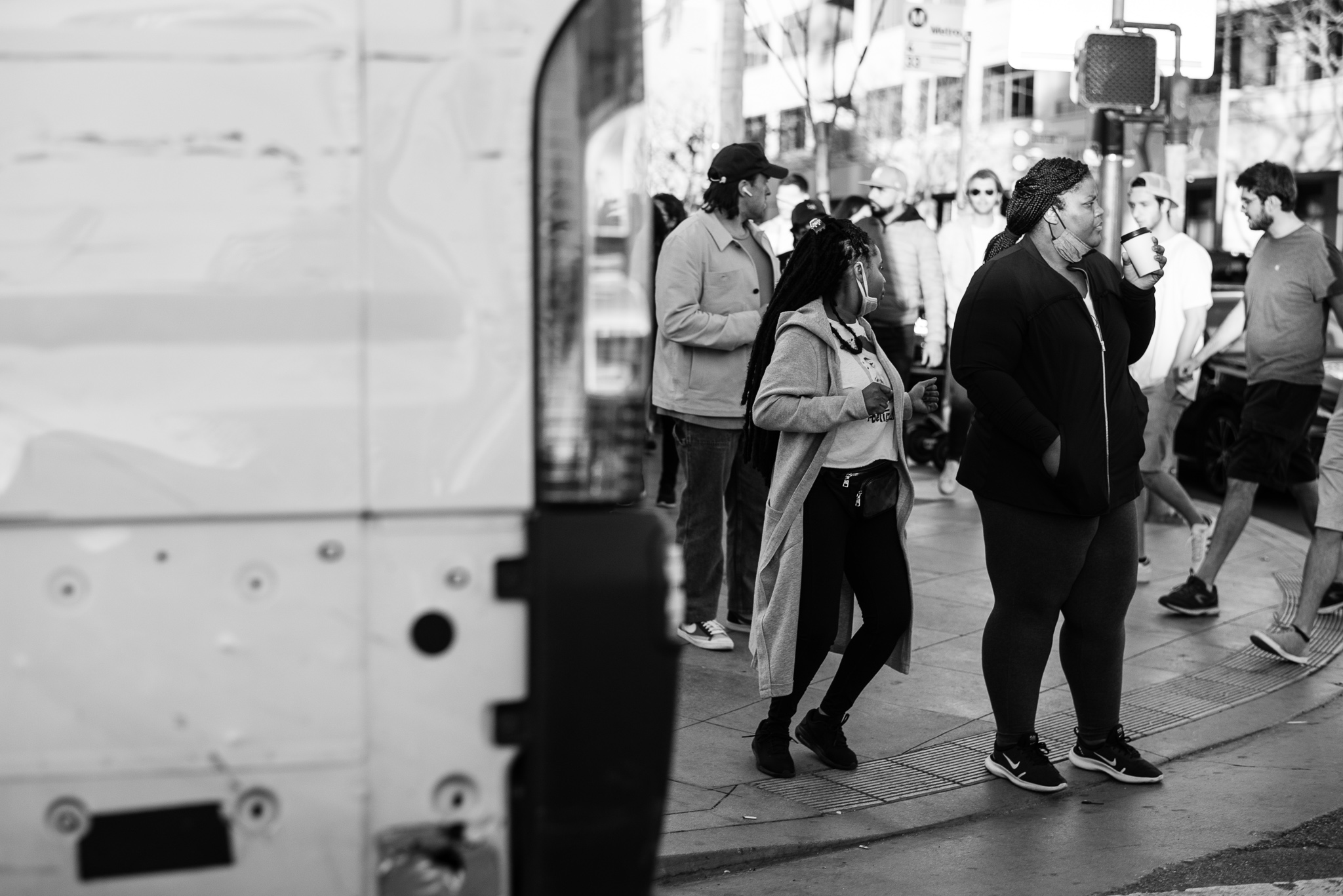
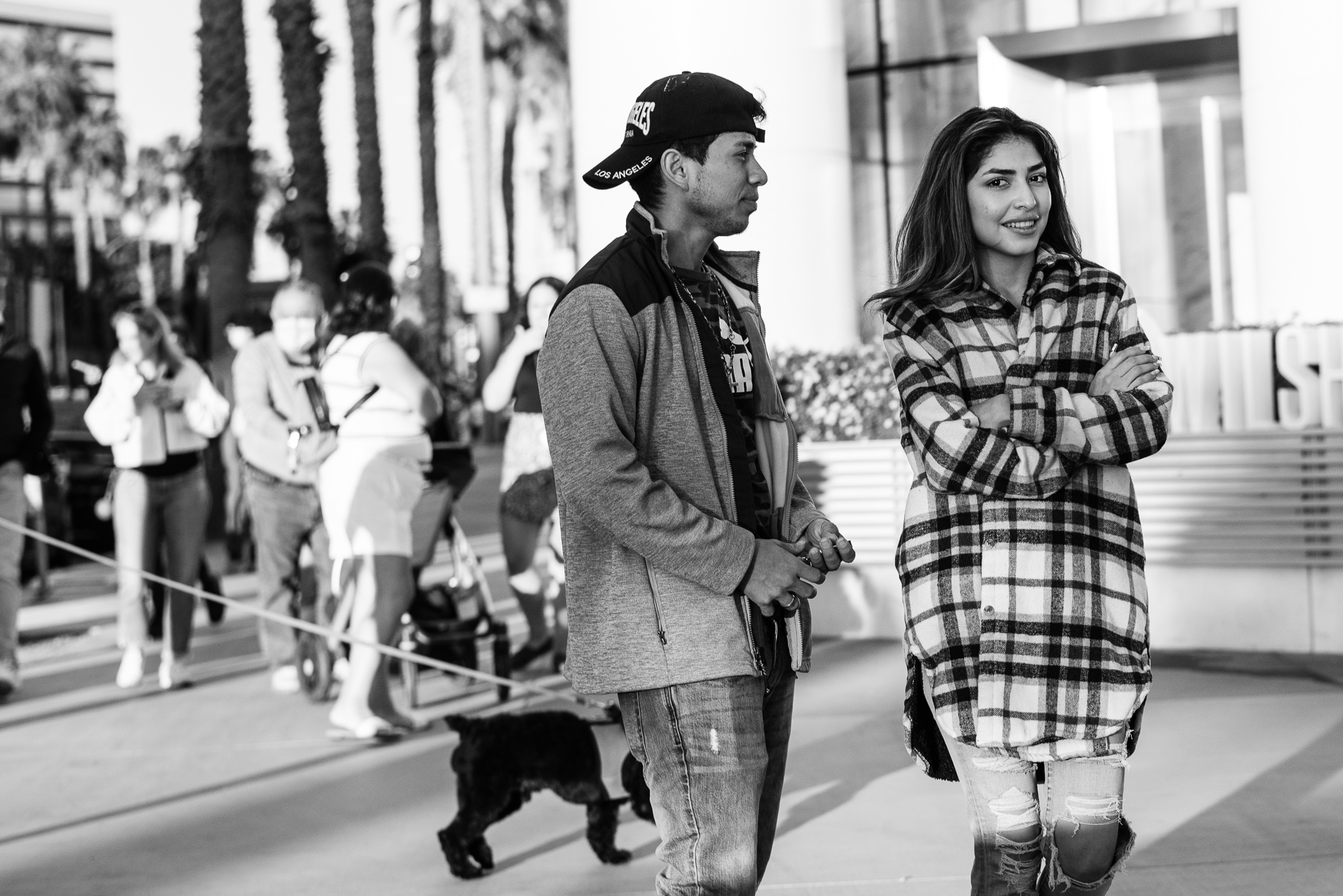
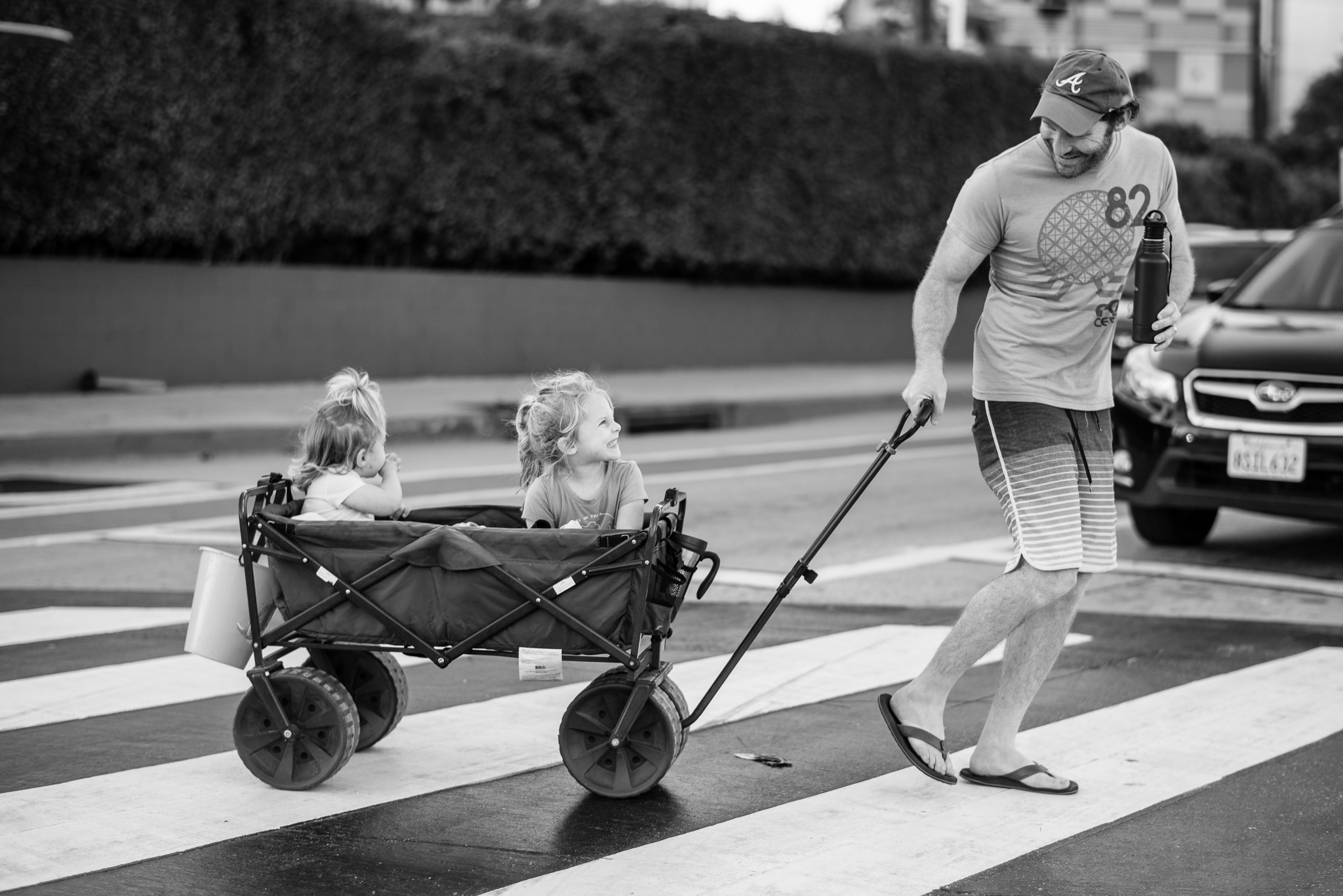
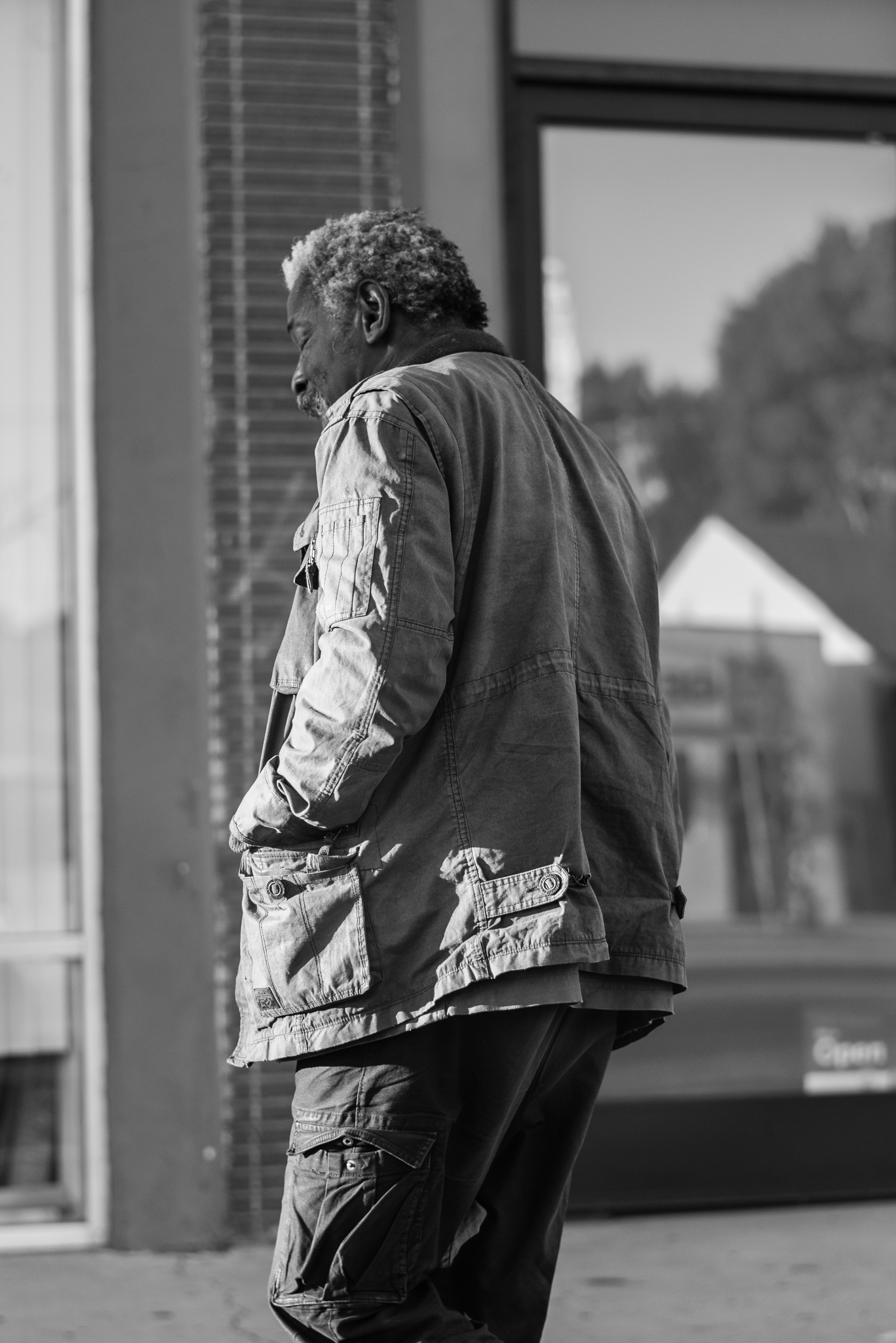
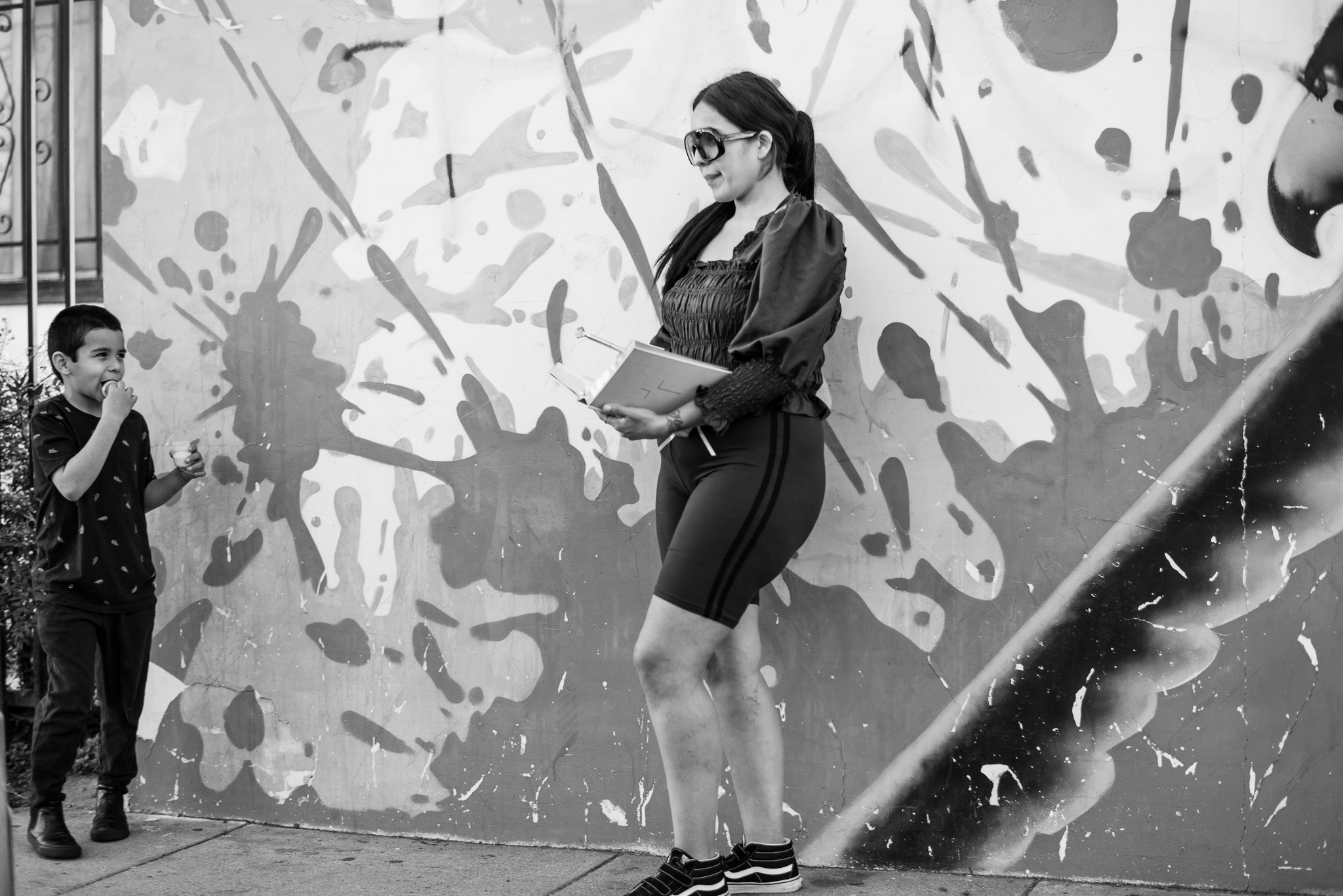
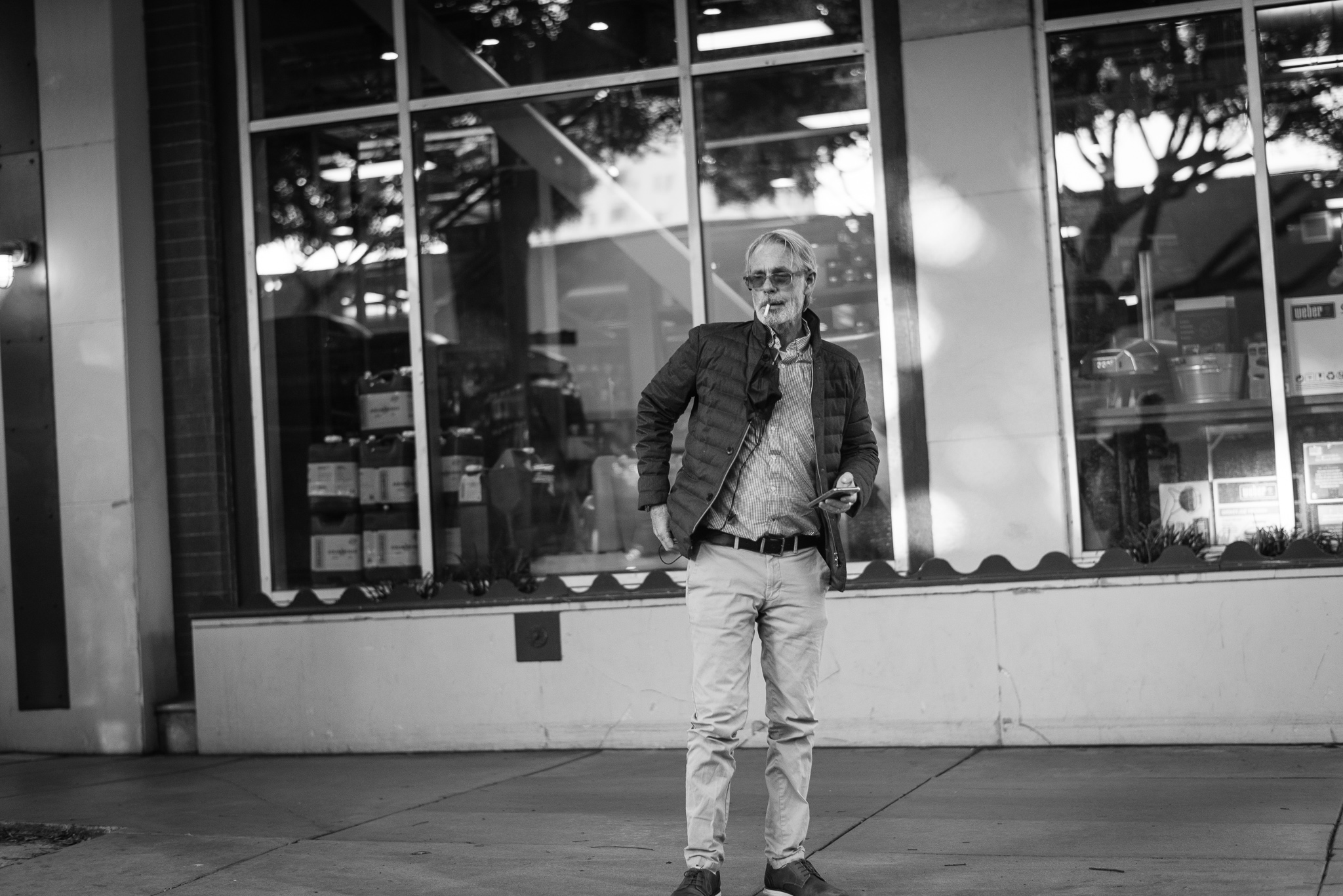
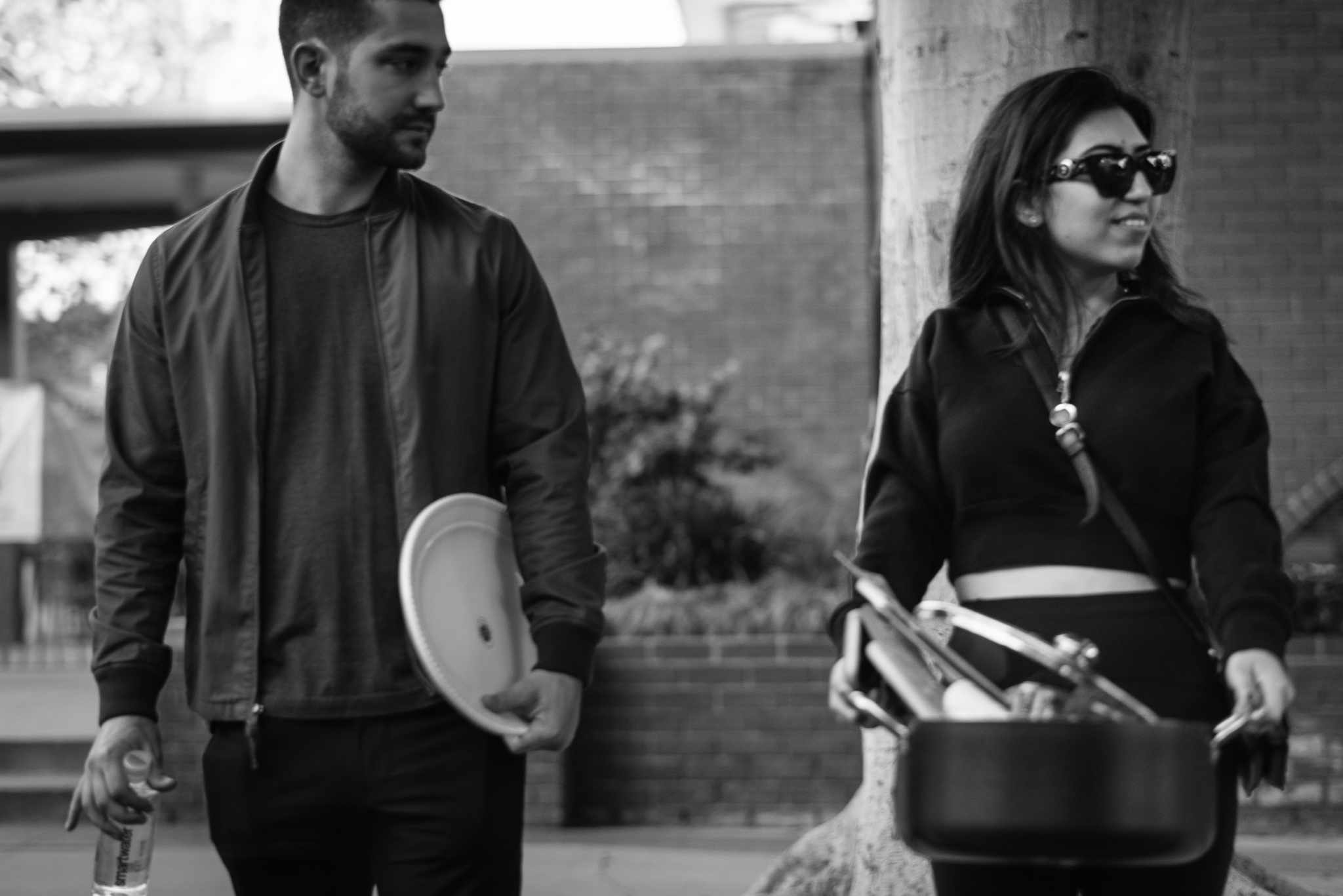
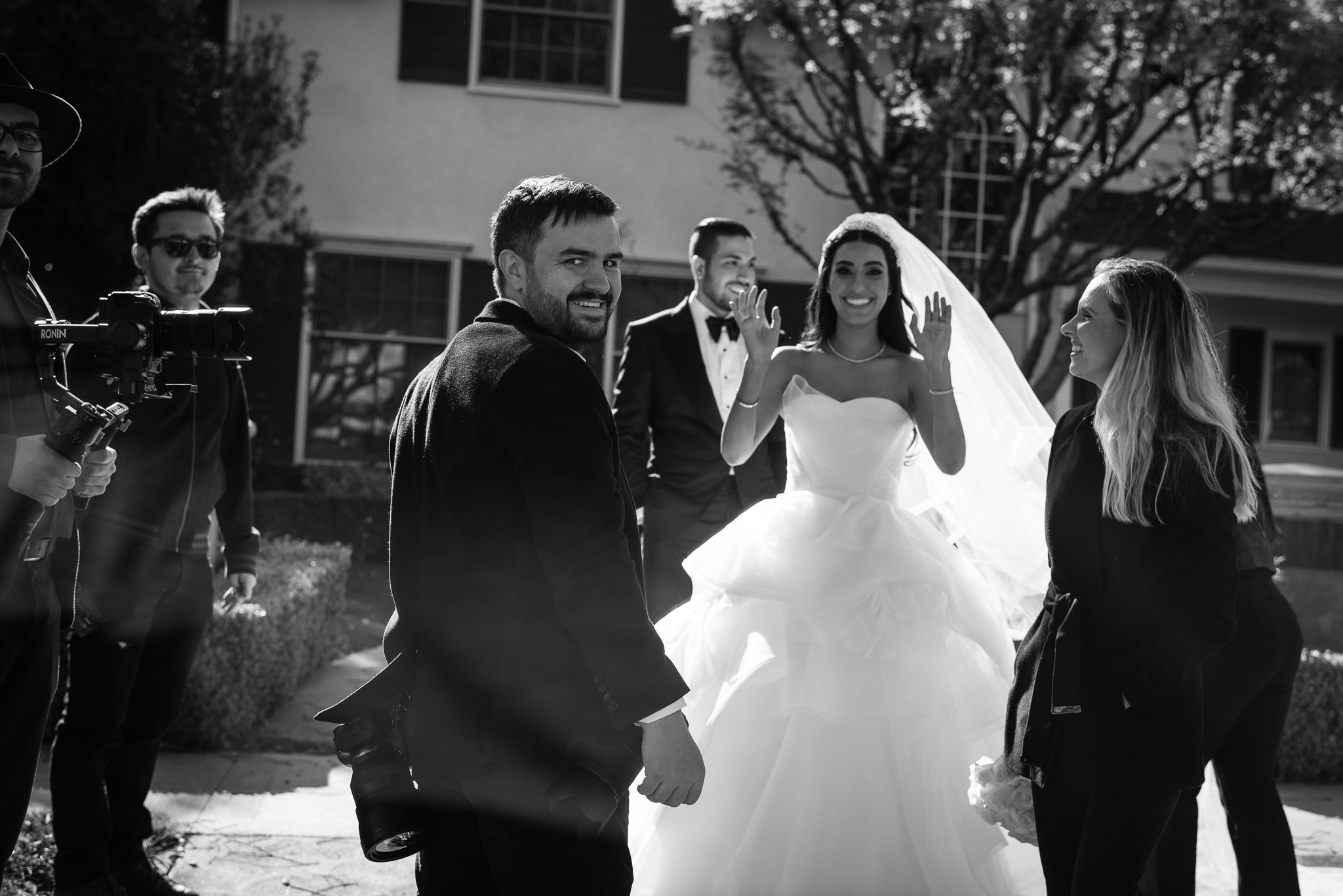
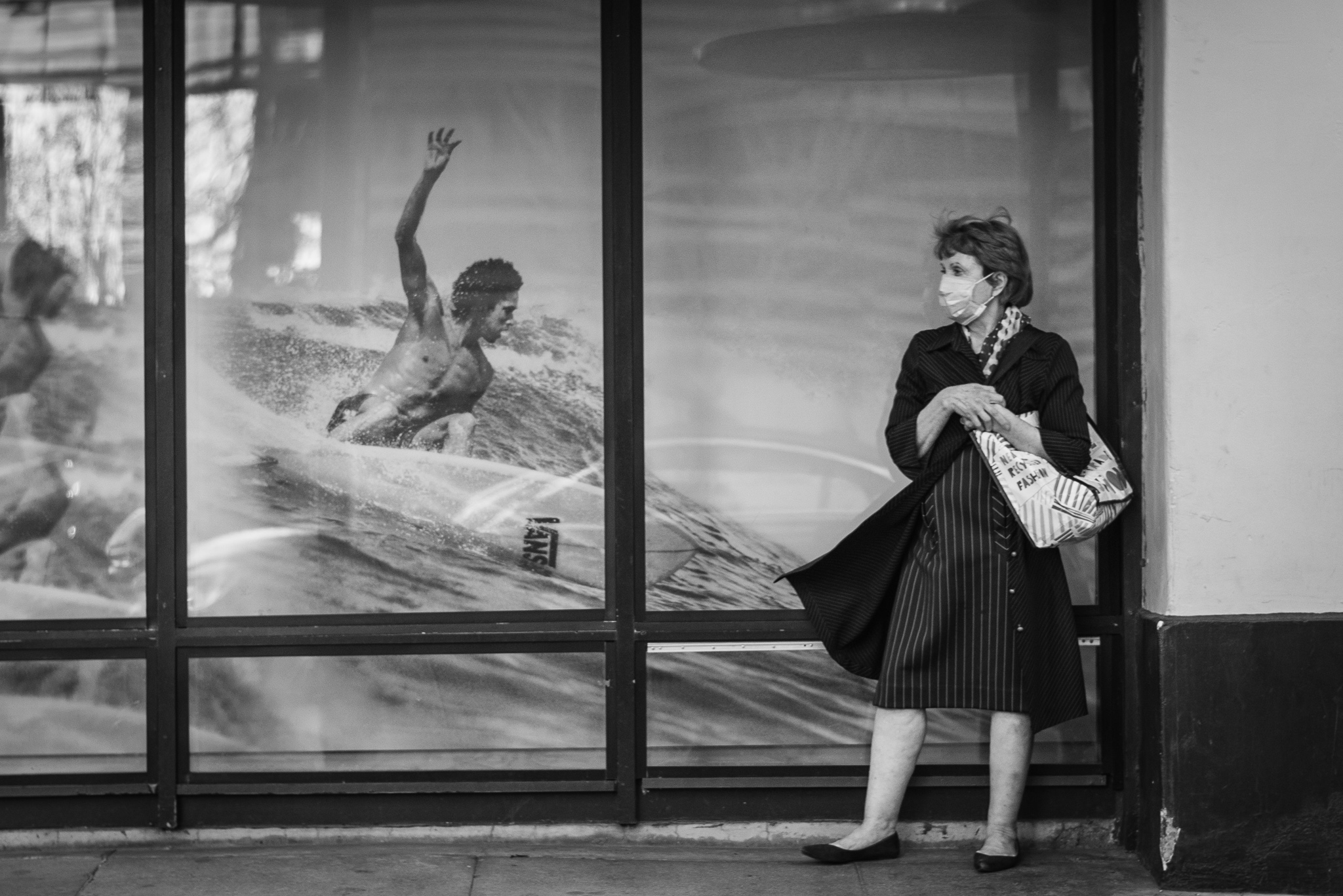
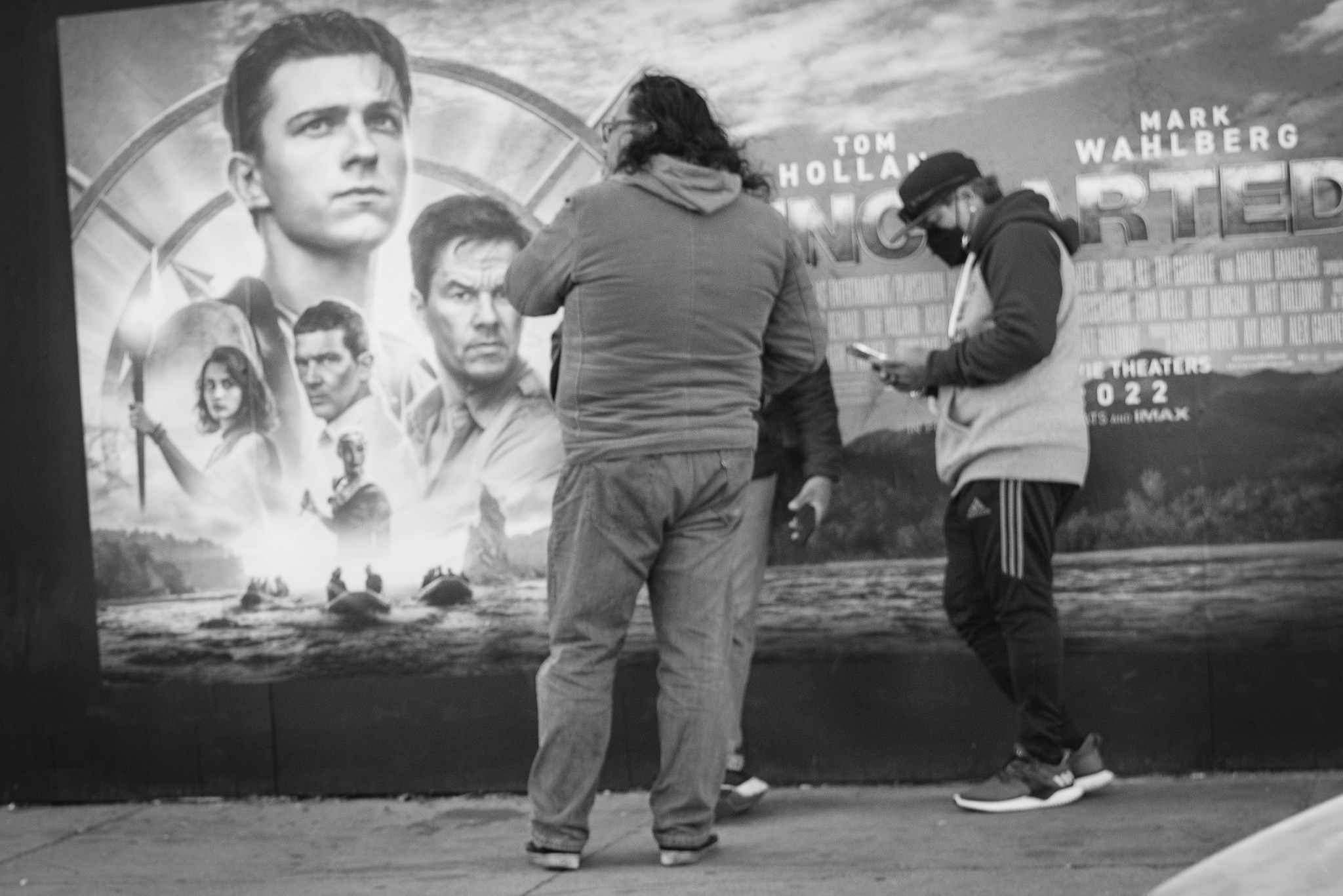
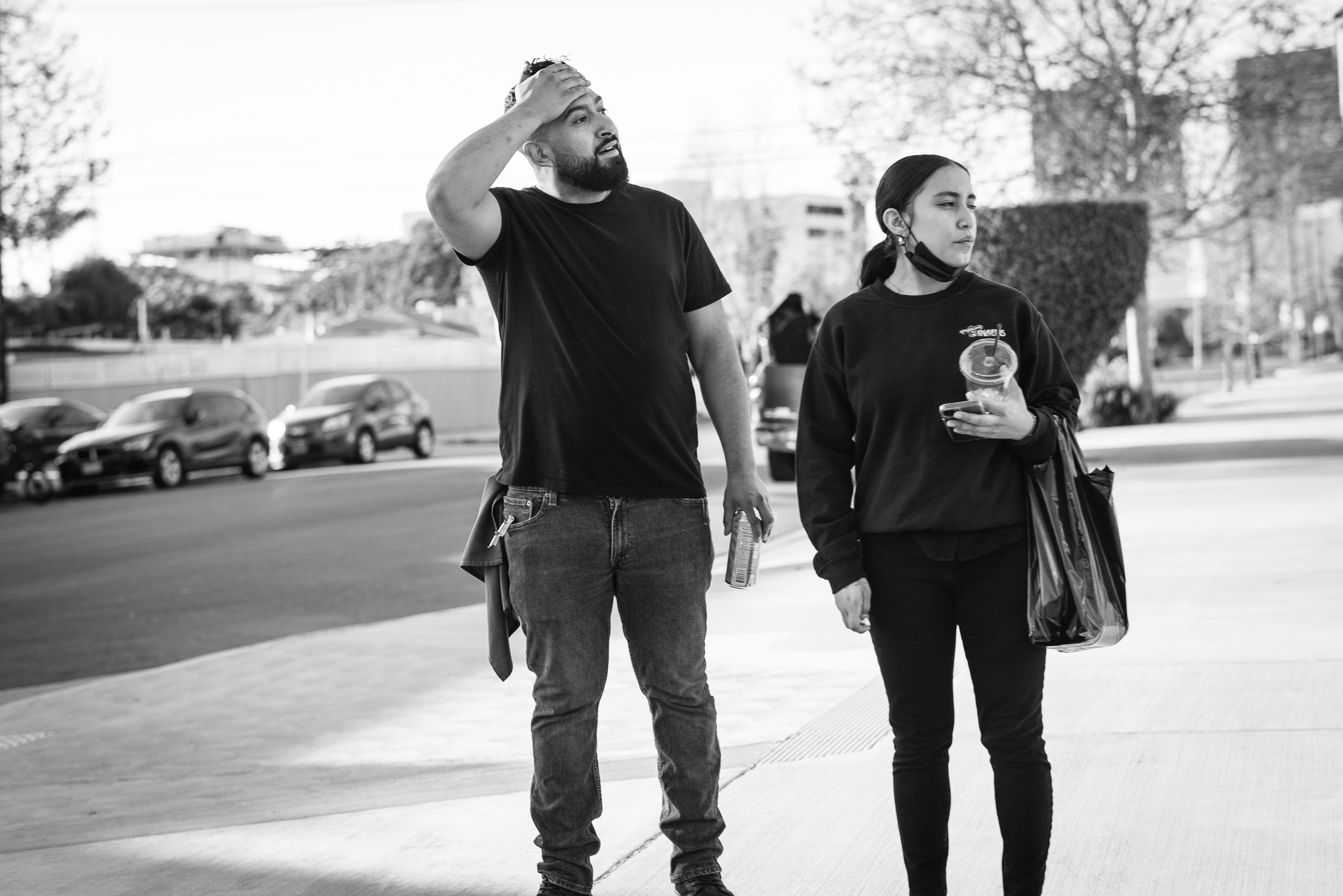
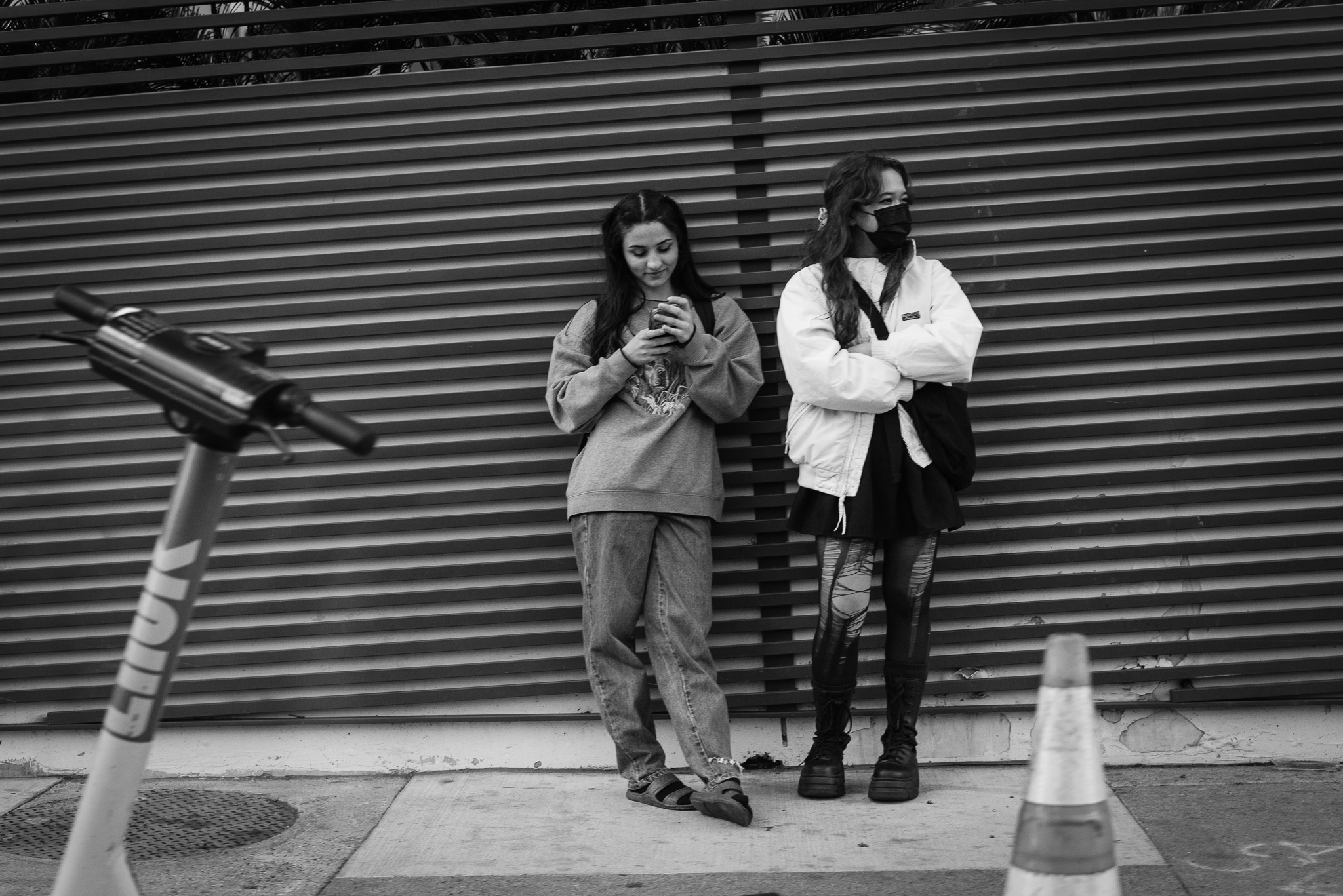
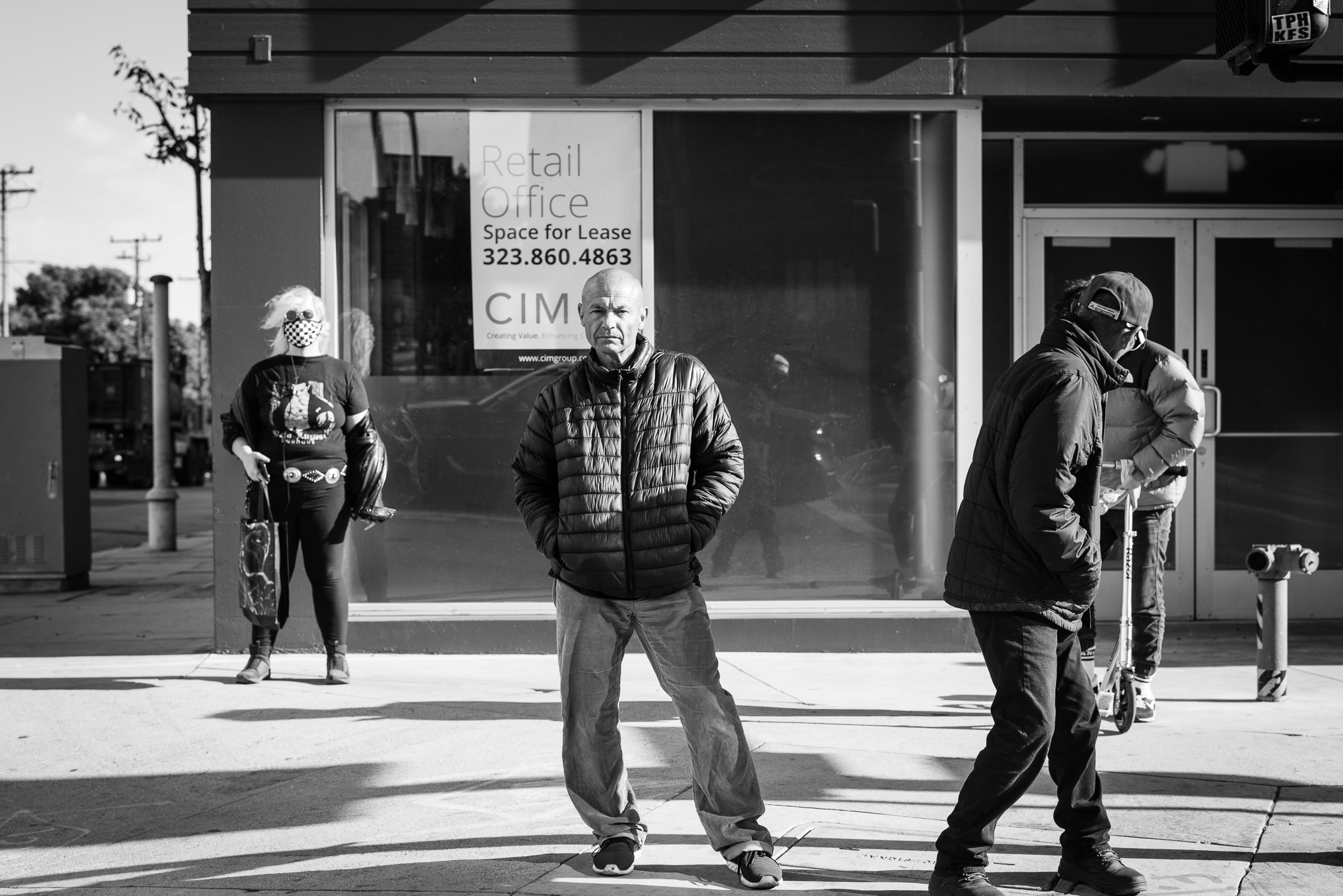
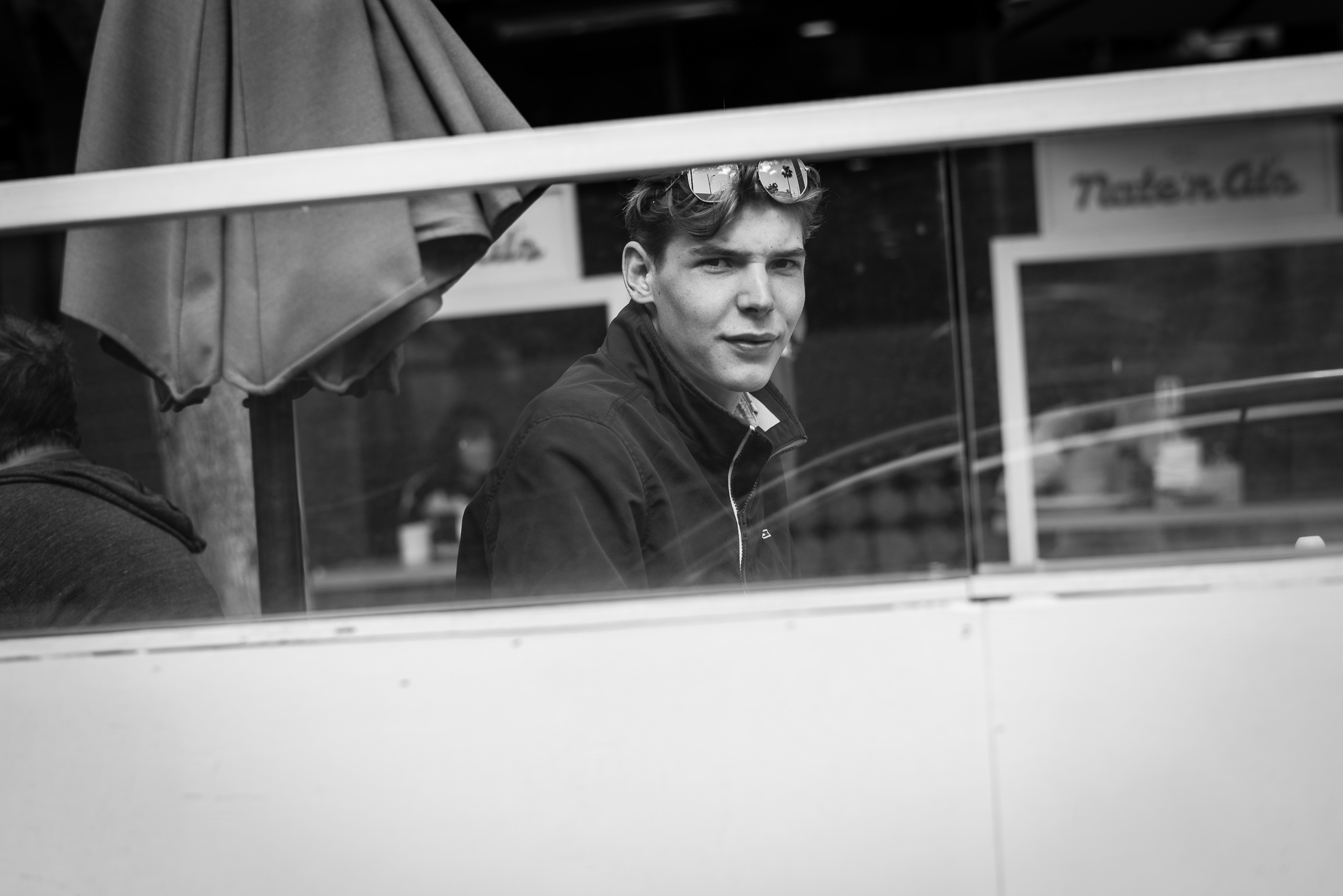
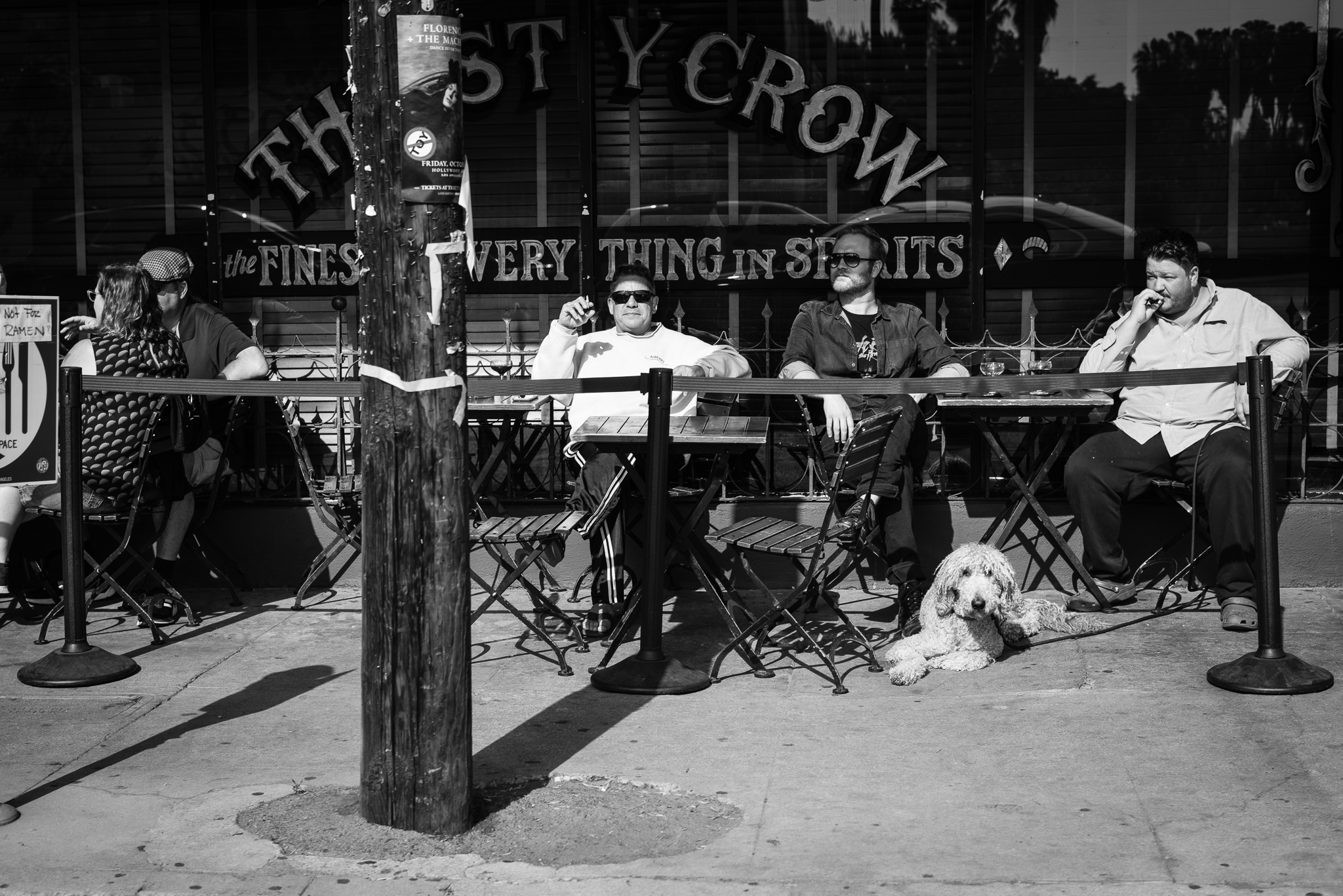
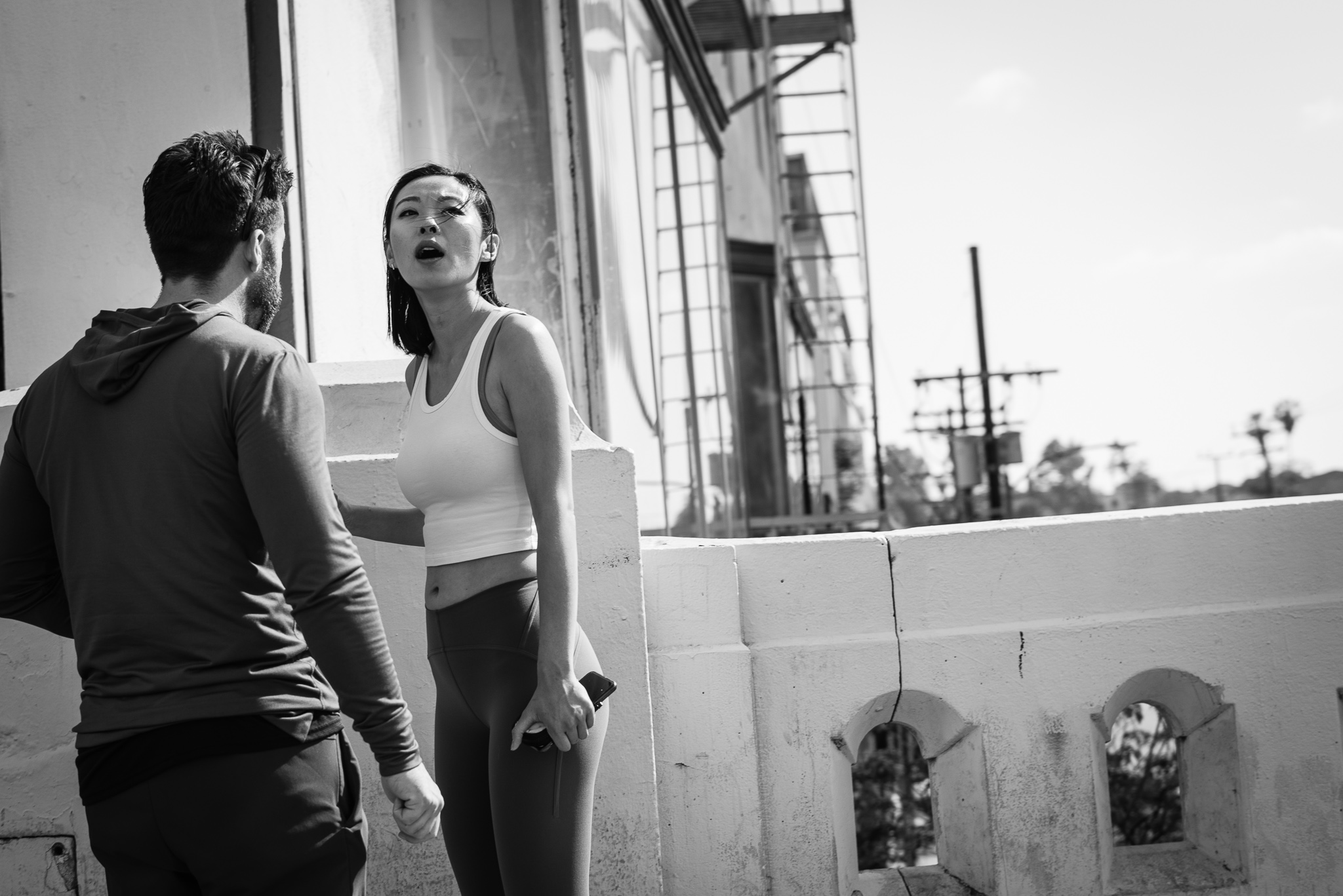
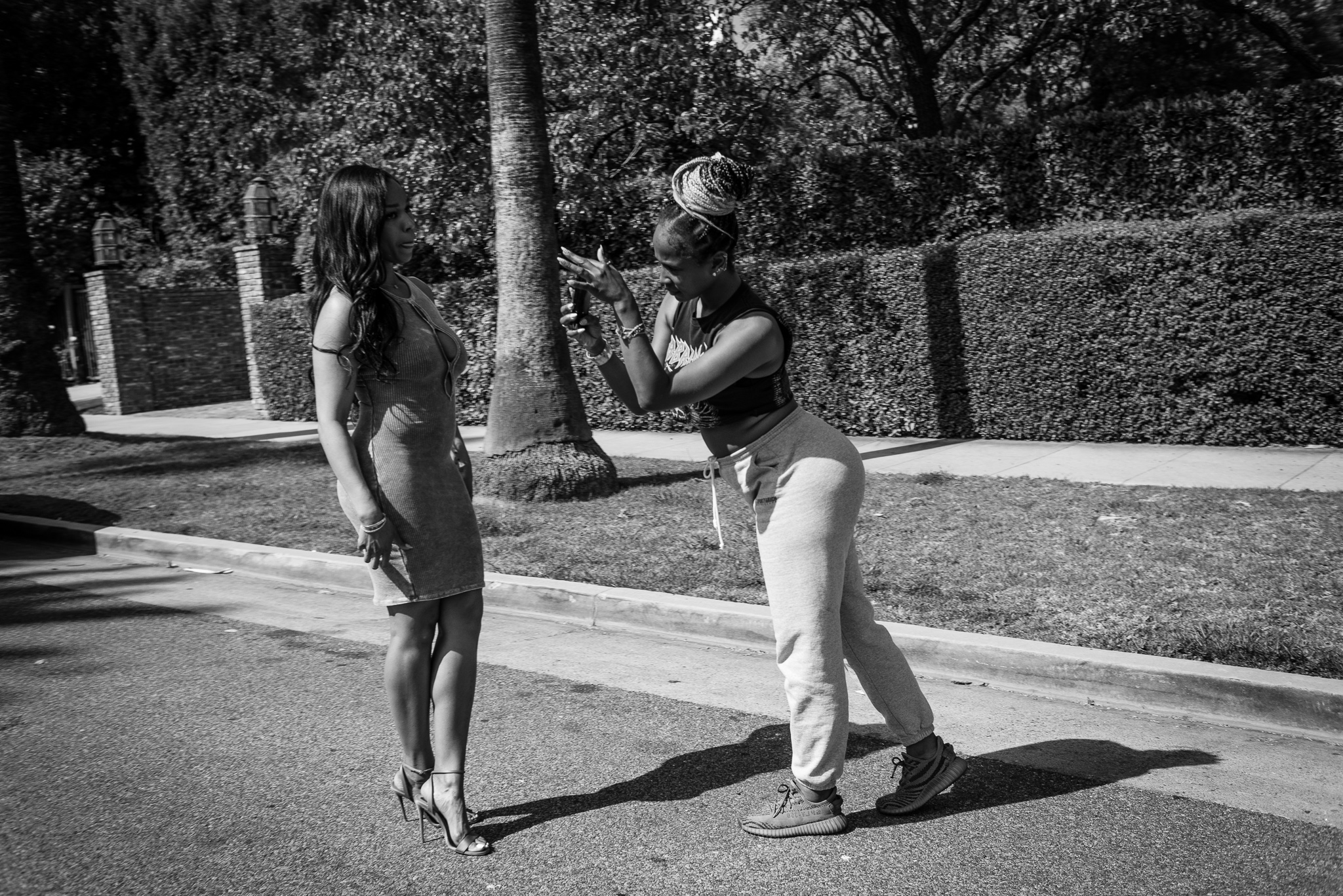
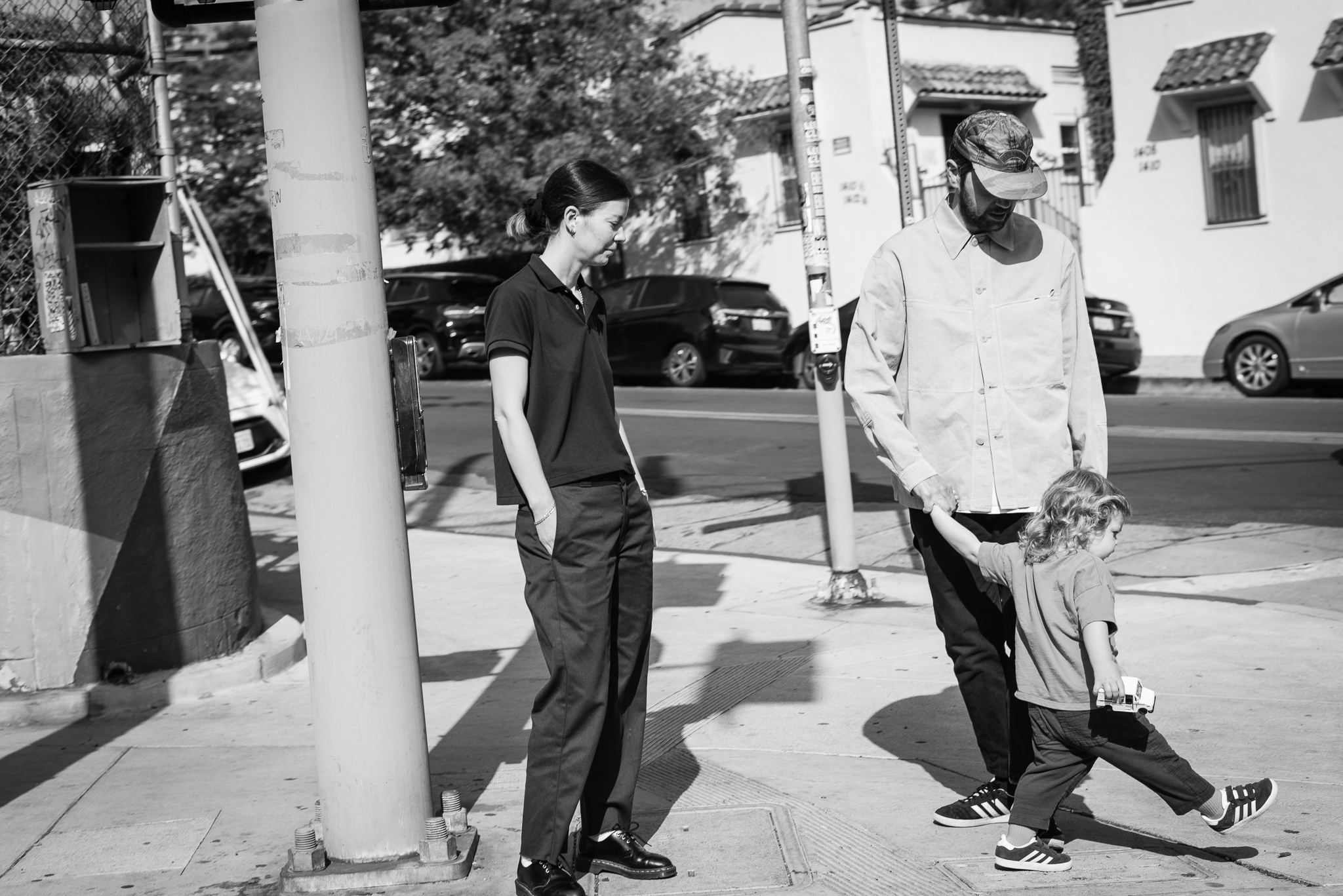
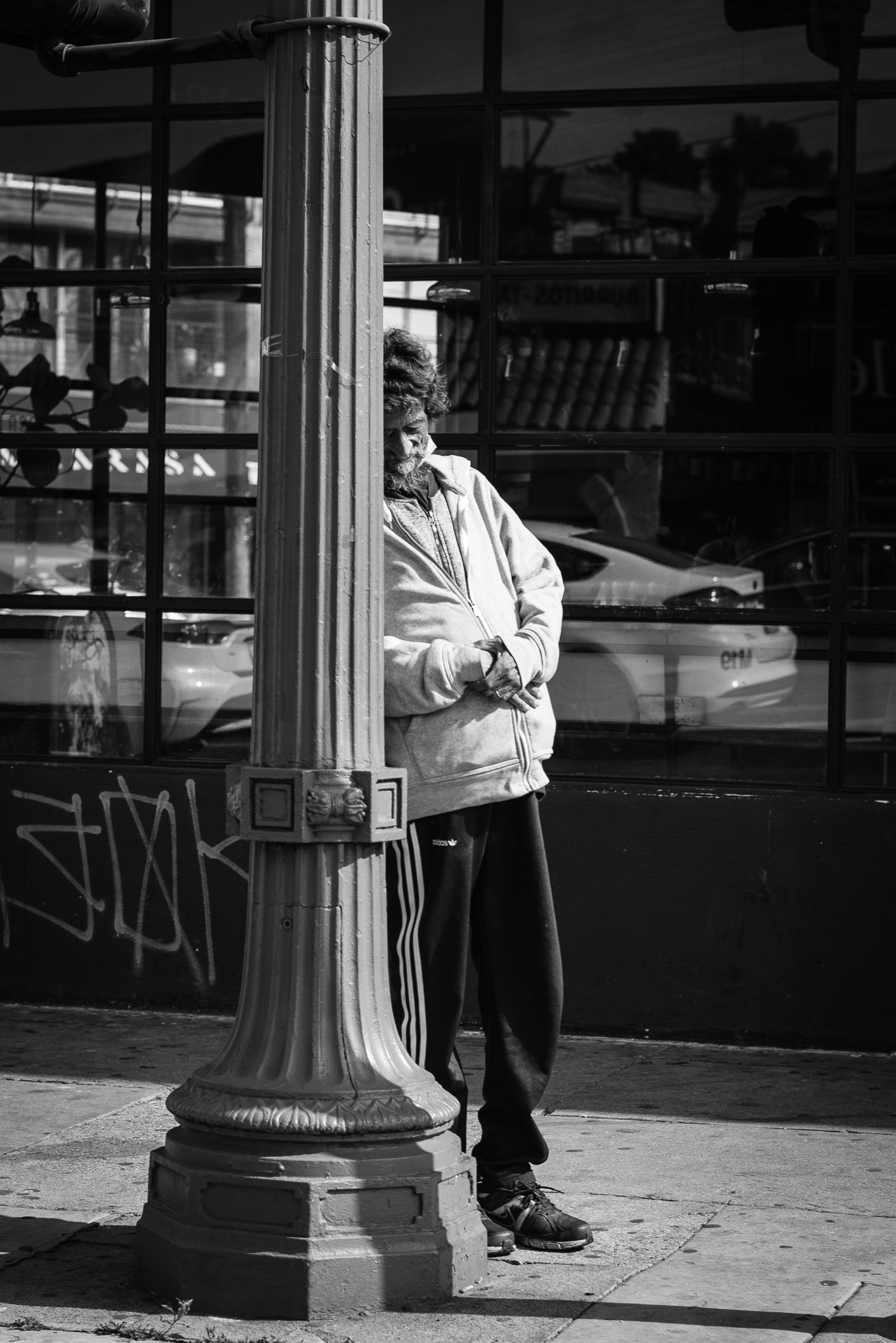
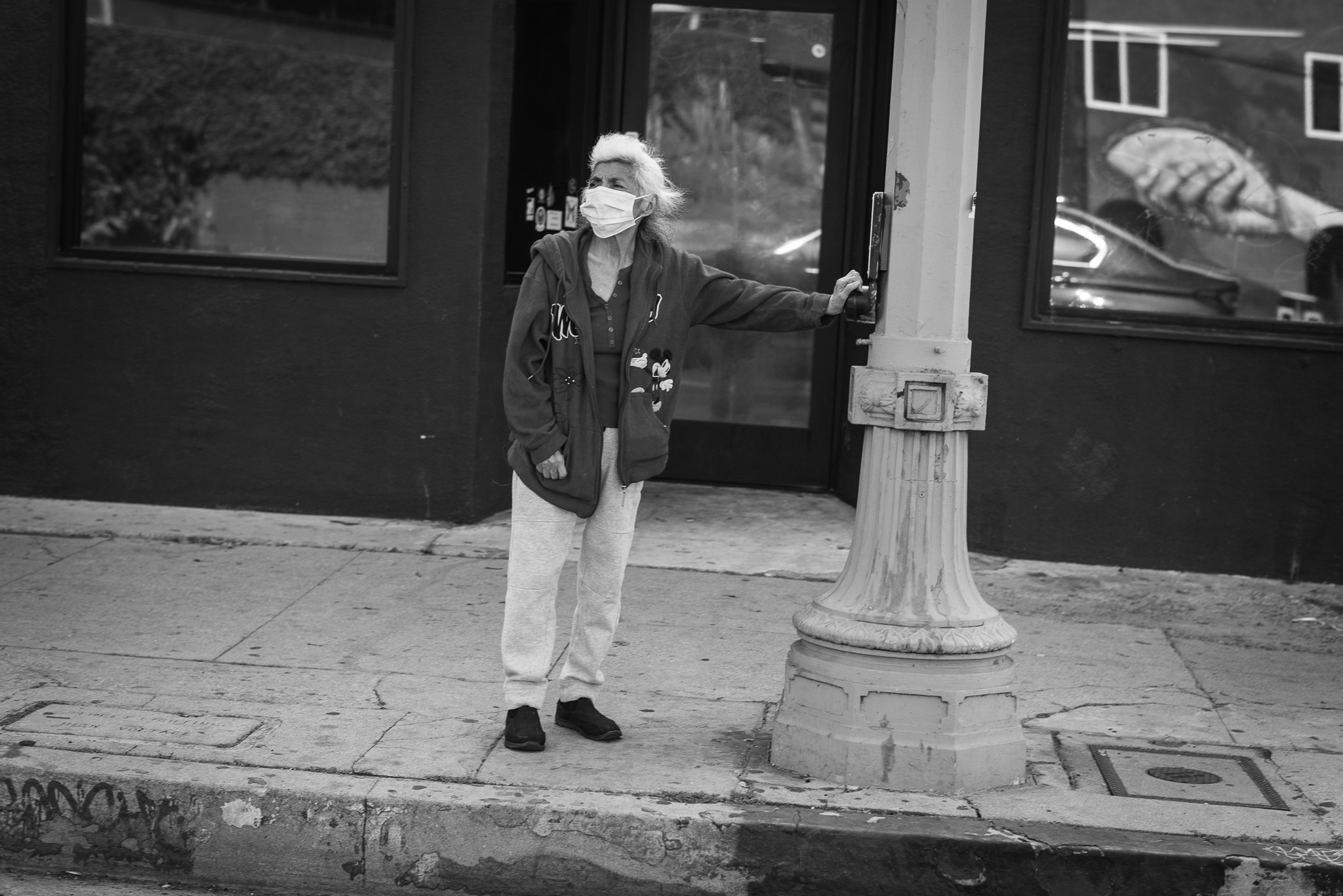
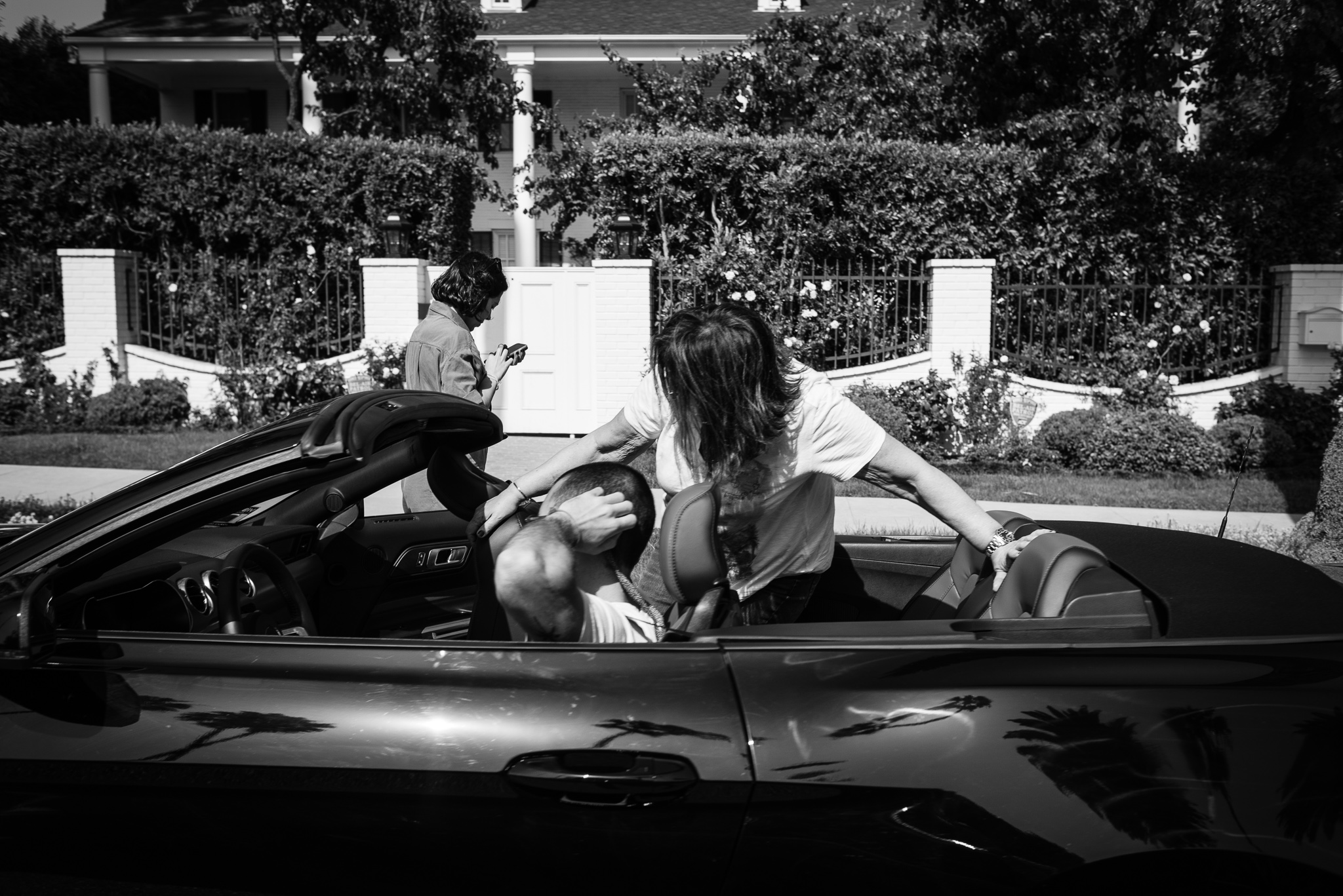
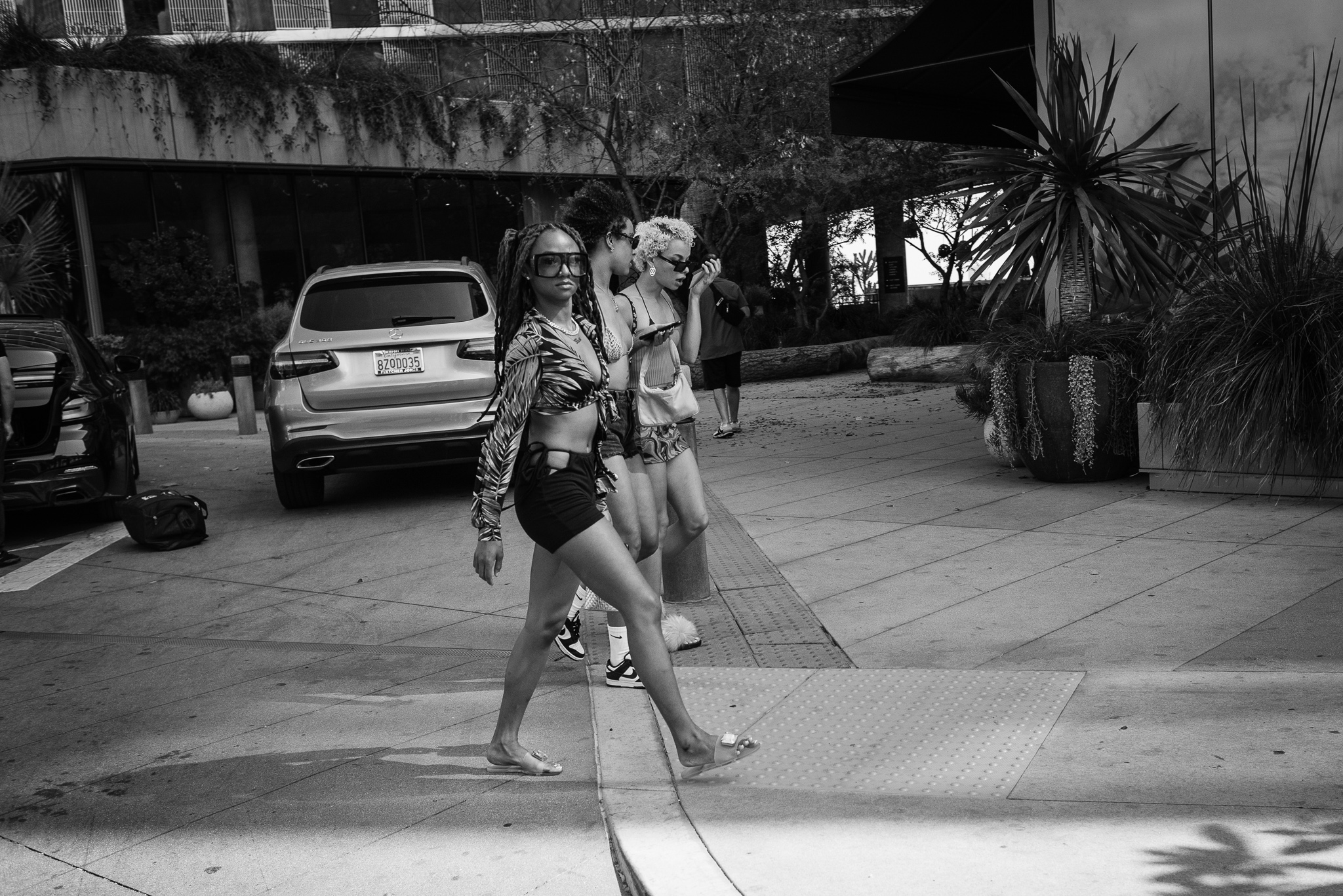
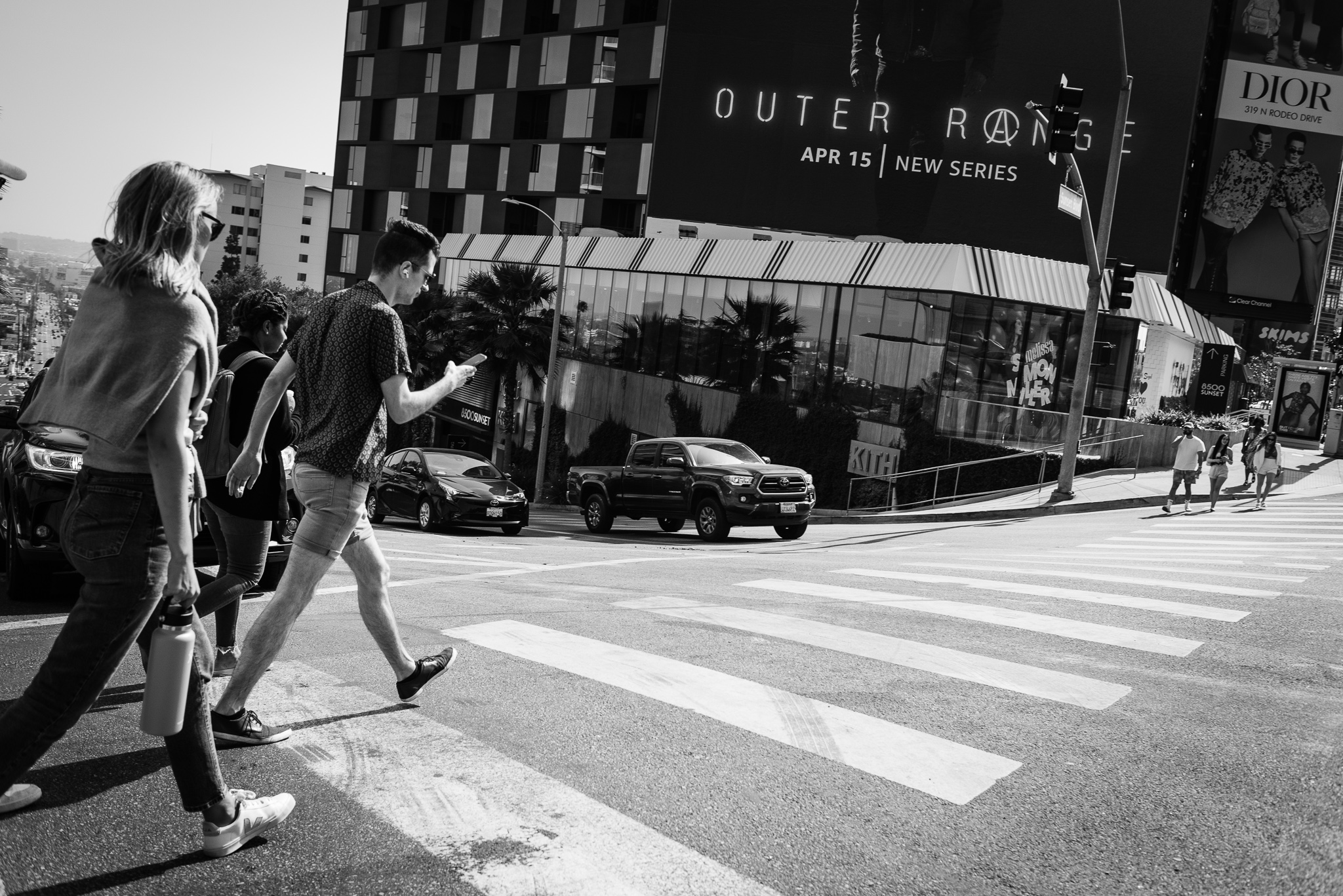
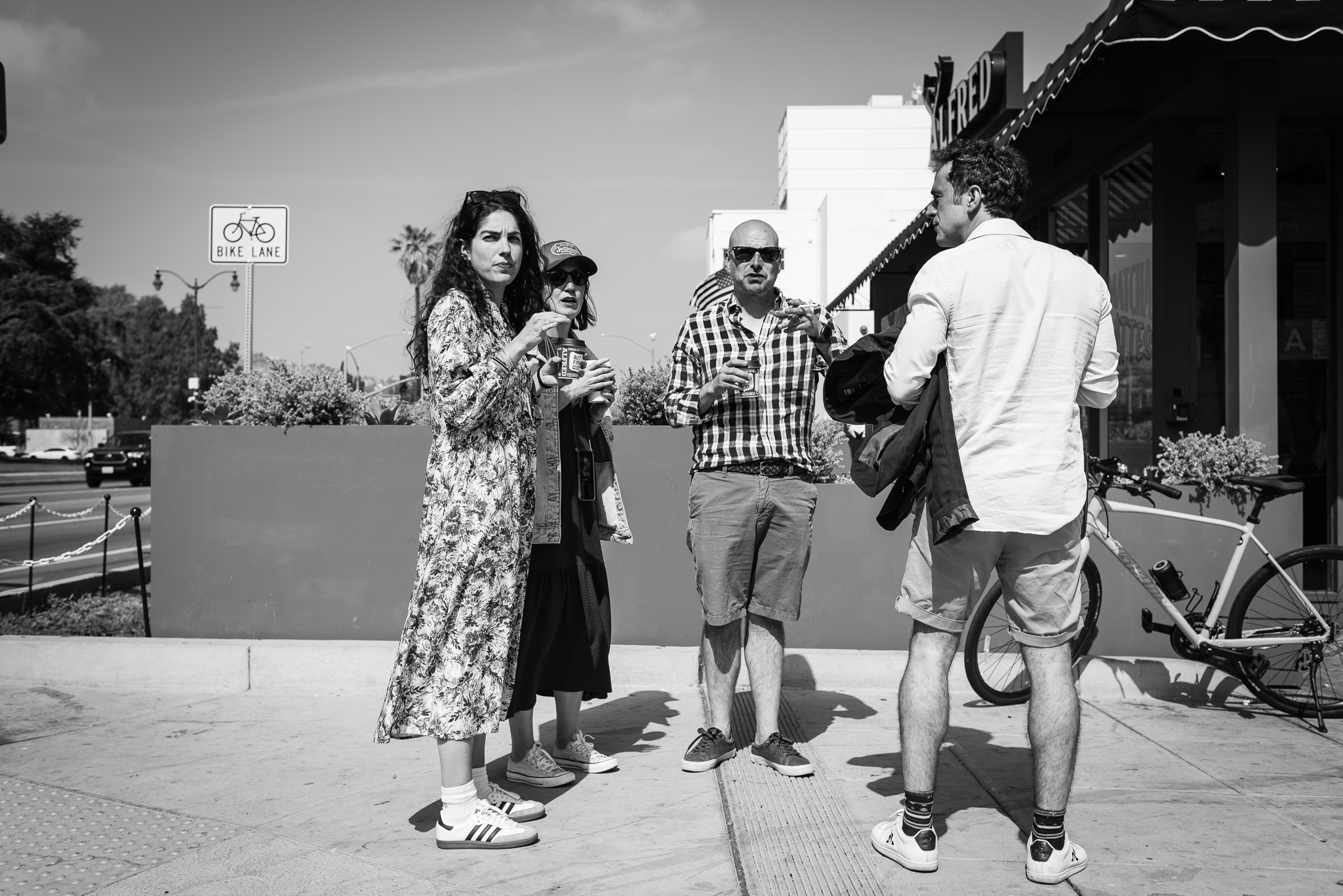
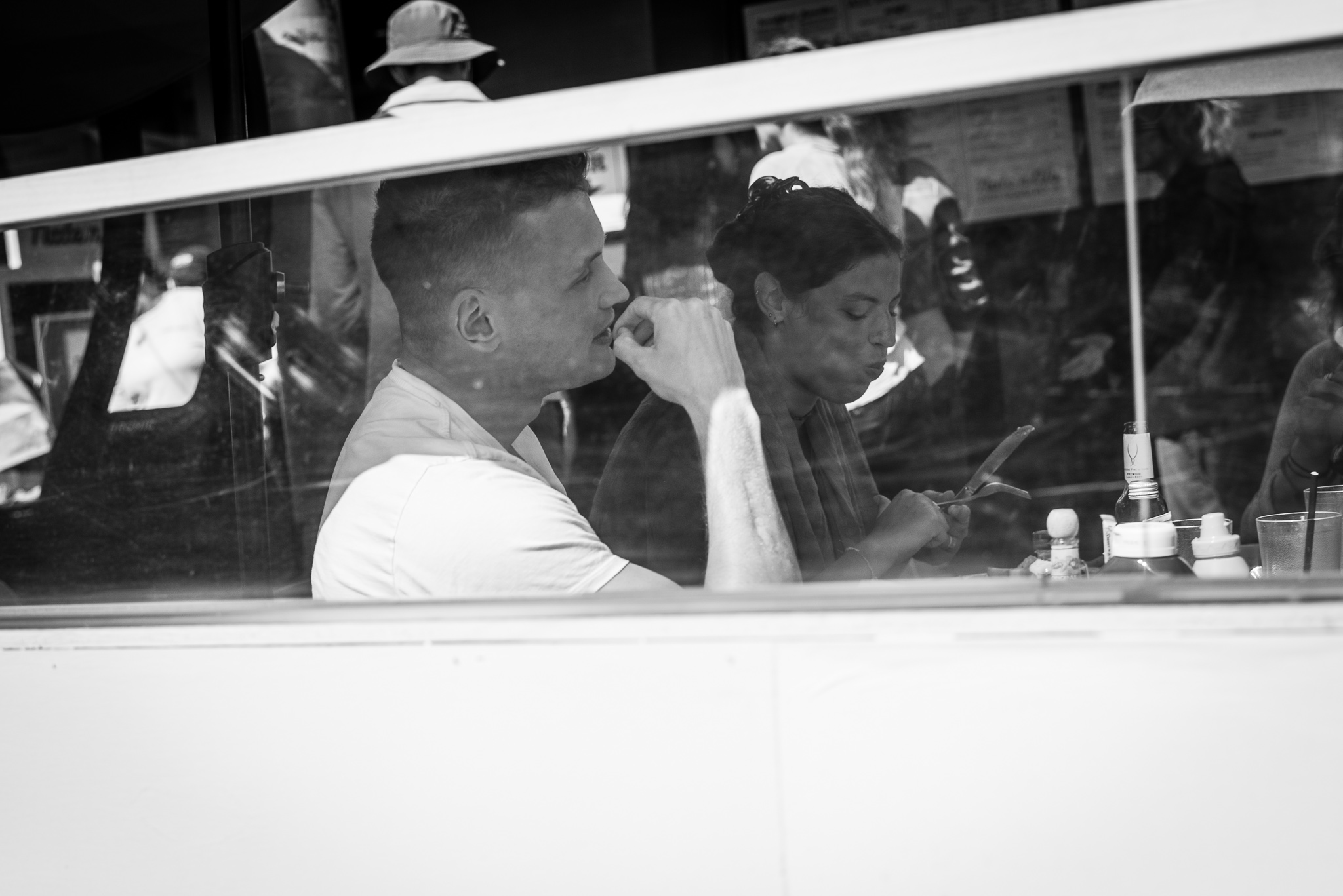
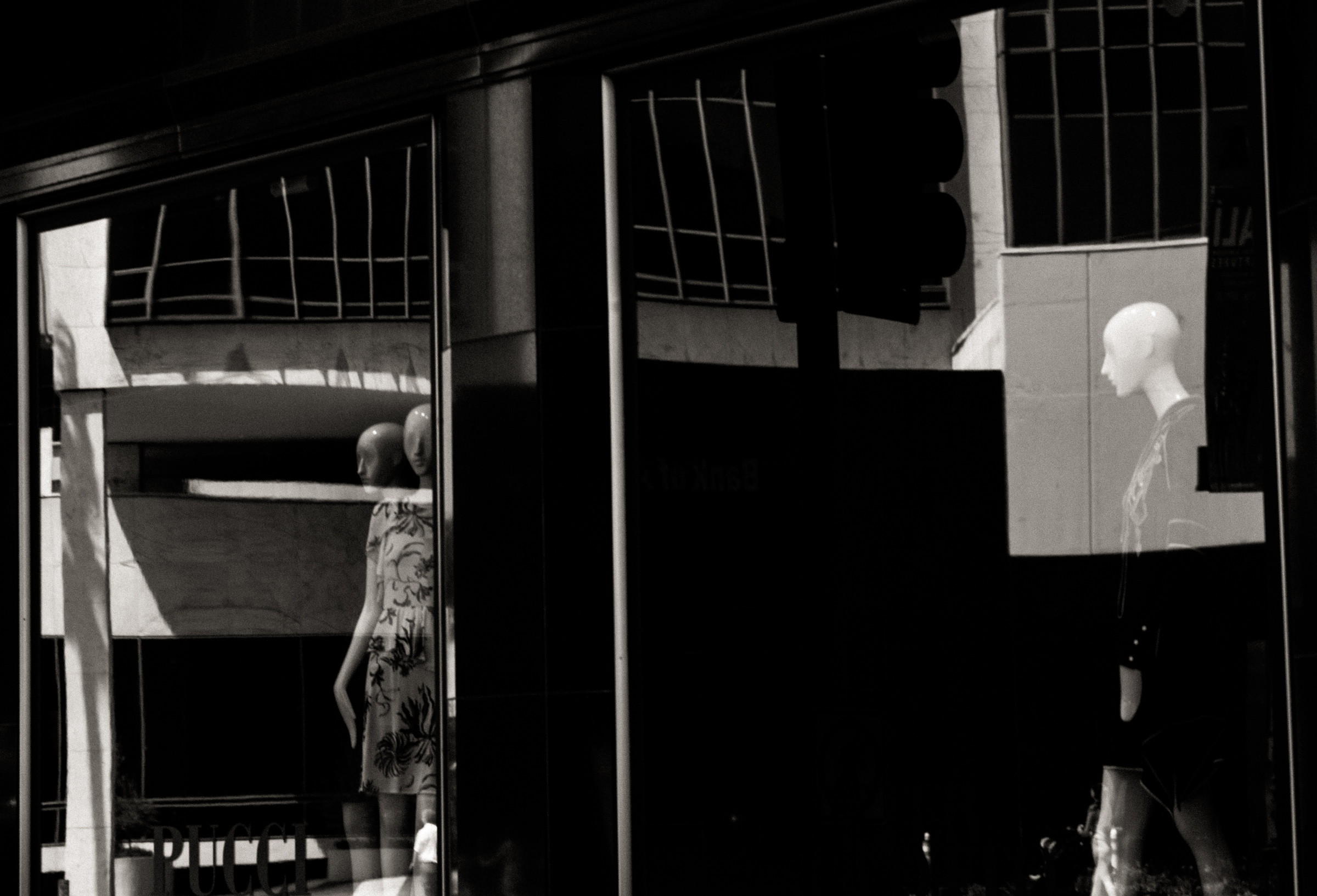
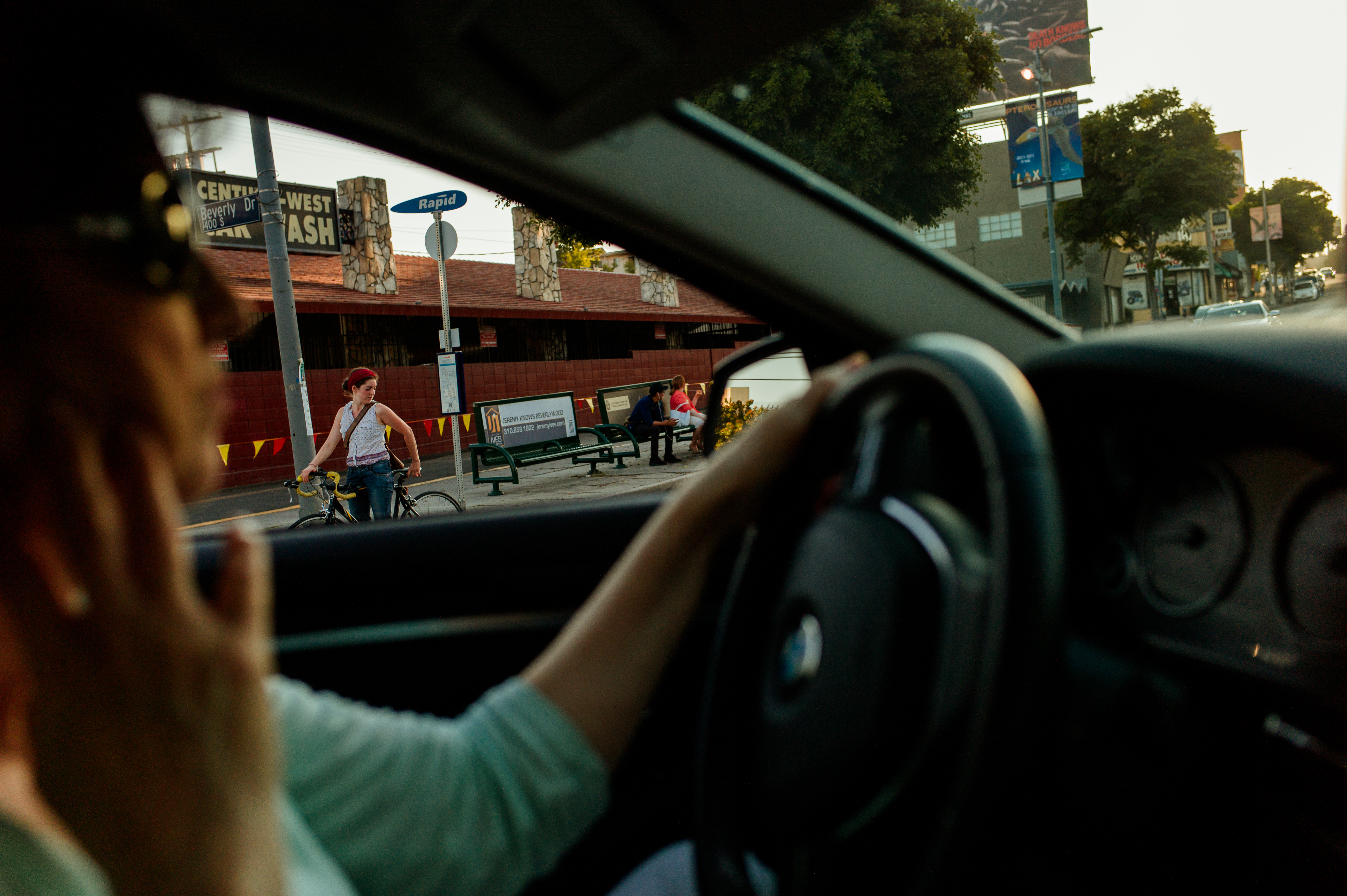
I’ve only had the new 35 FLE for three days so all the images below were taken with the first (2010) version.
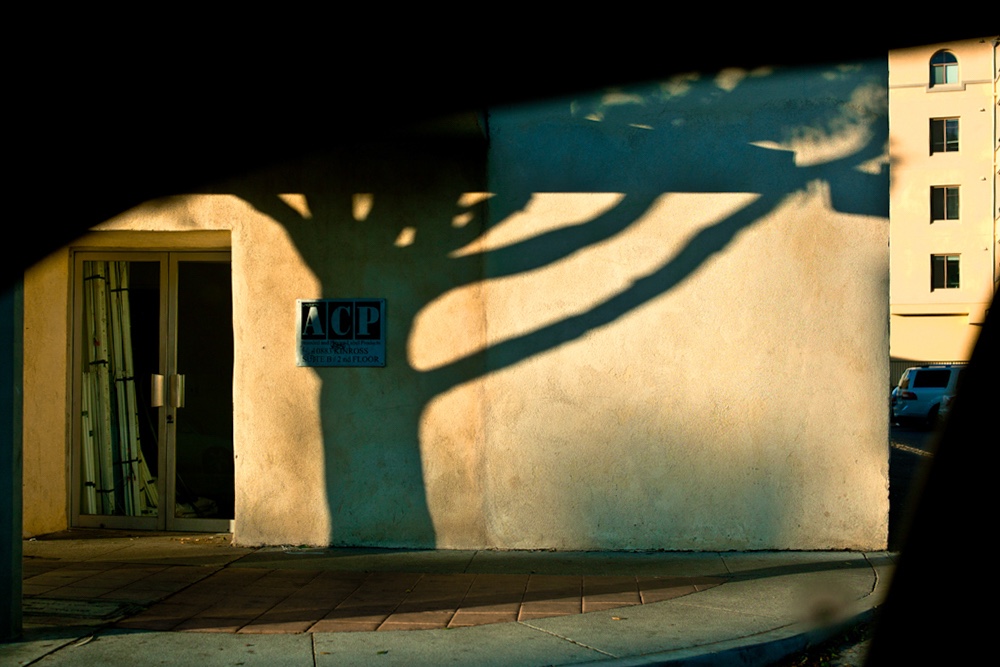


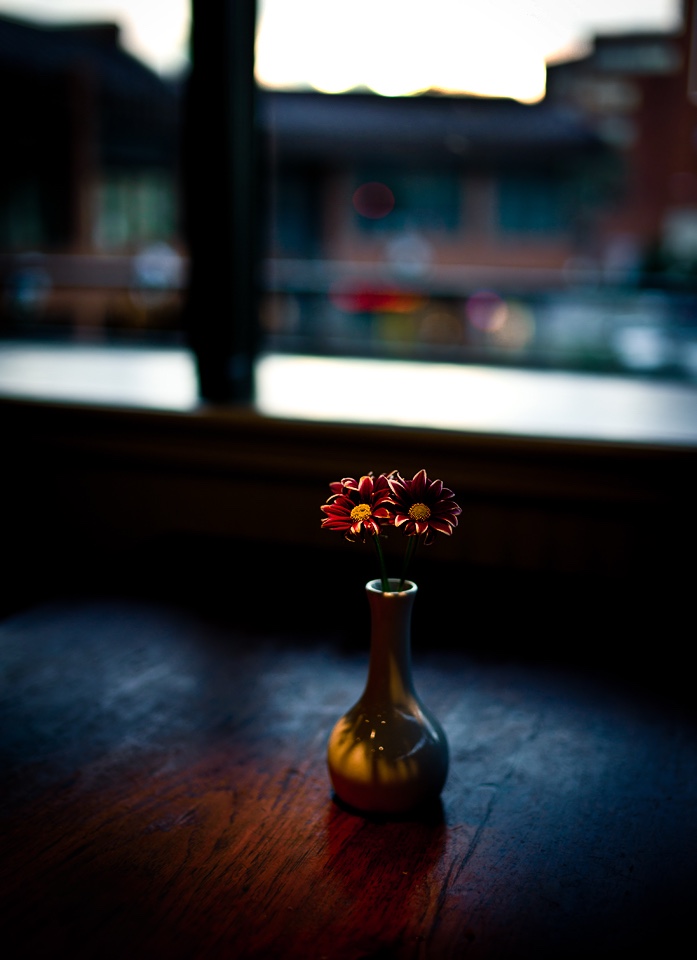
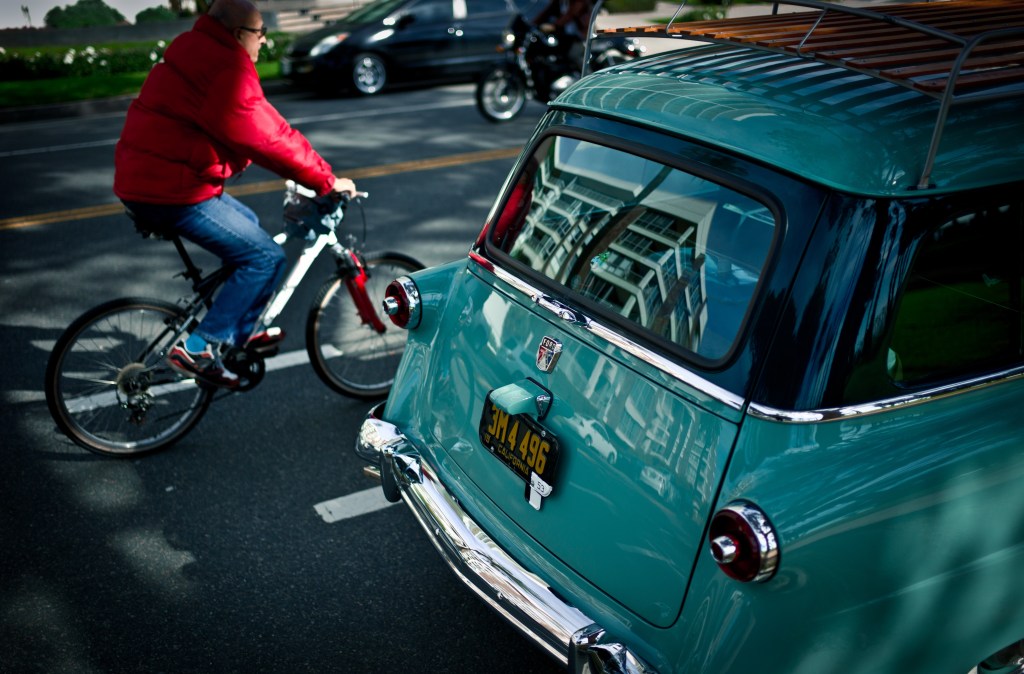
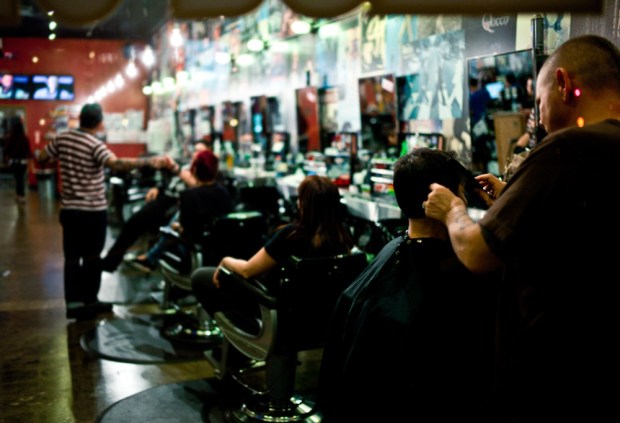
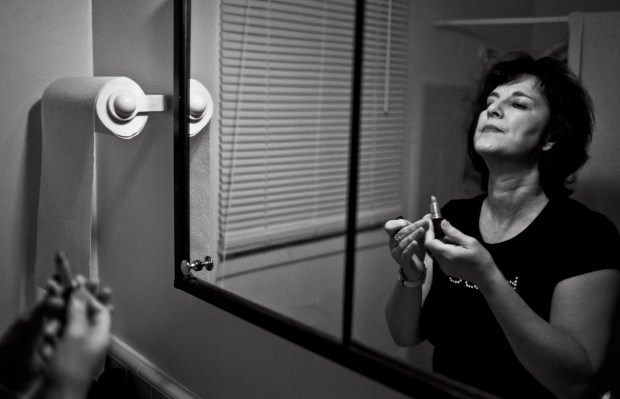

P.S. I officially no longer know how to use WordPress to post images. I don’t have any idea why my shots here appear to be so soft. They’re not soft and they’re certainly hi-res enough for this website. Let me add to the voices who have bemoaned the many changes to the user interface here. I think this has severely impacted my desire to post on 50lux.com.




















































































































 50'Lux