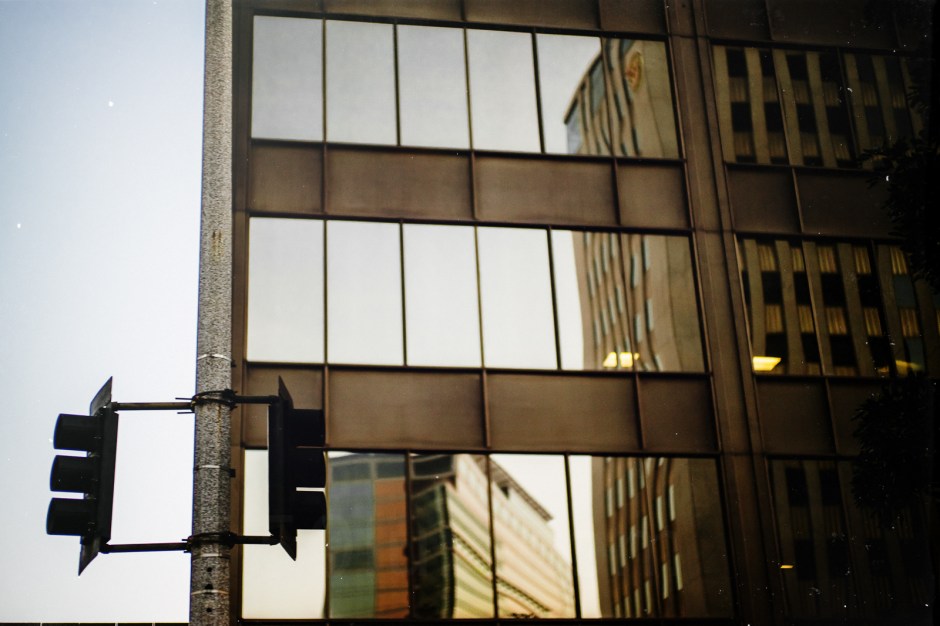
Westwood, Warped
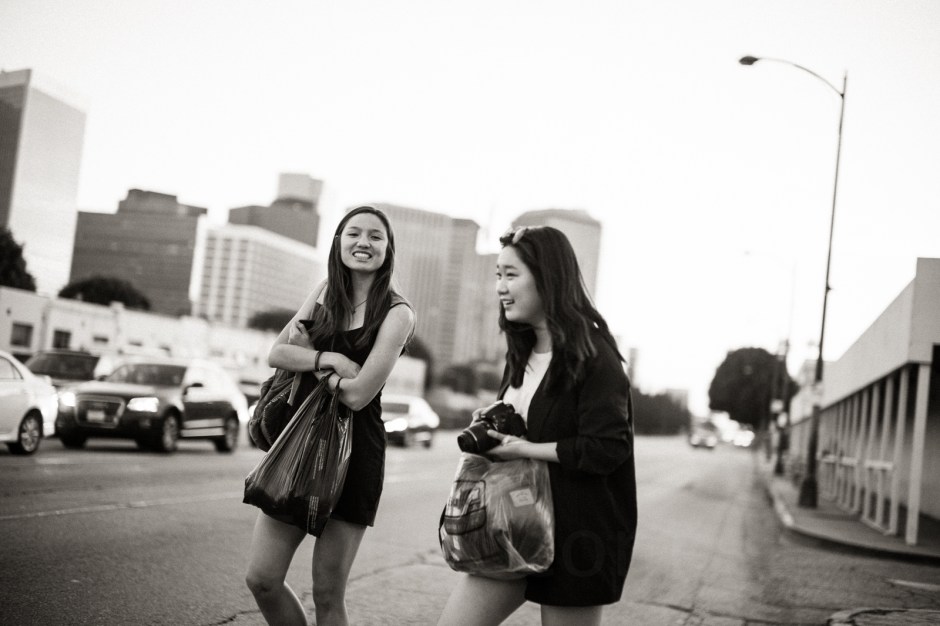


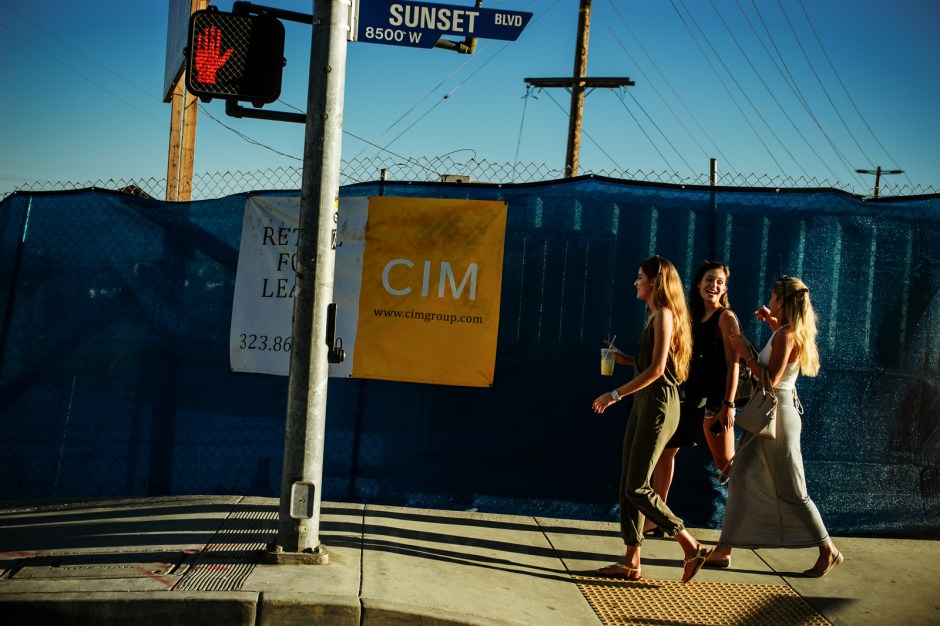
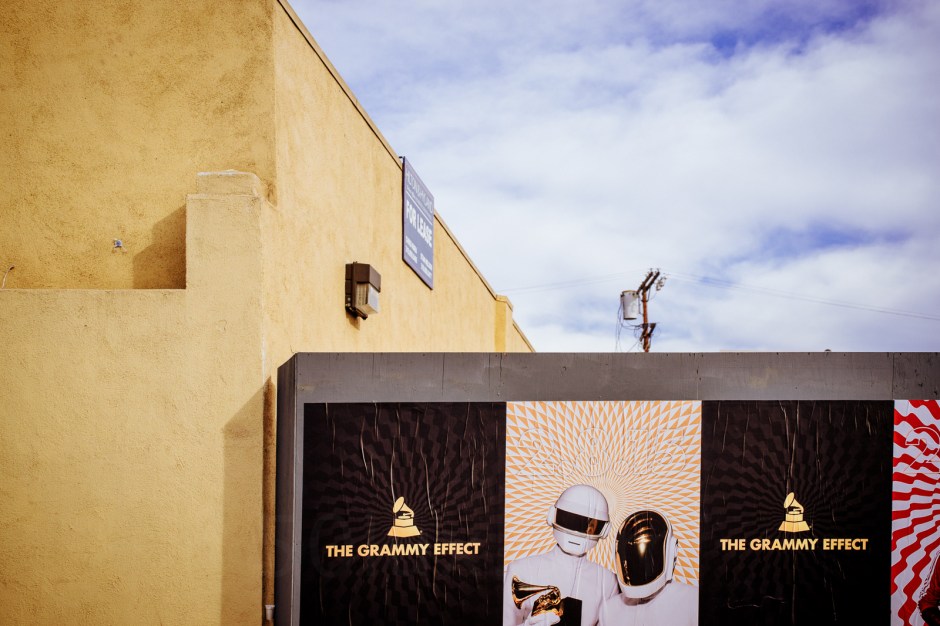
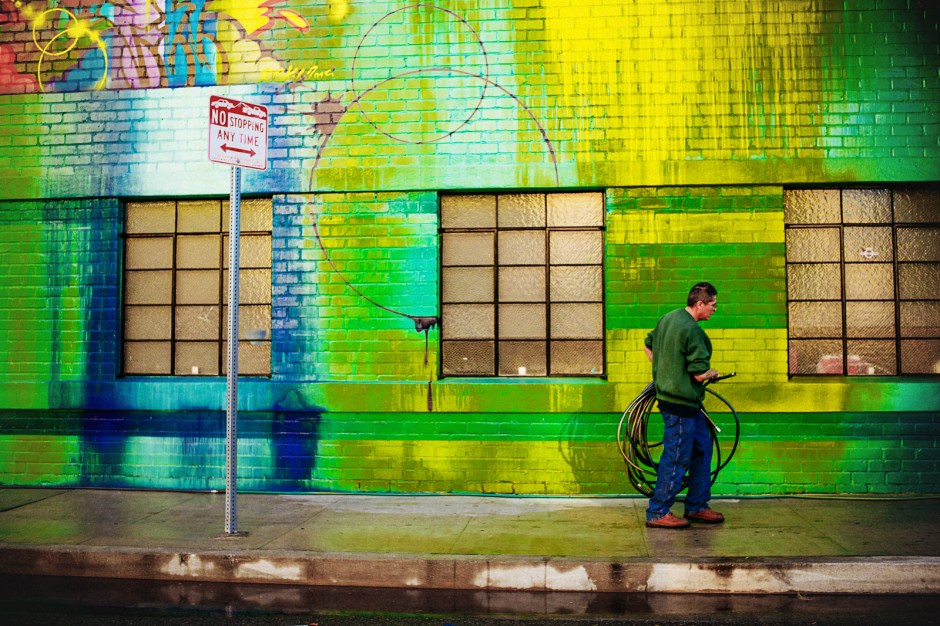
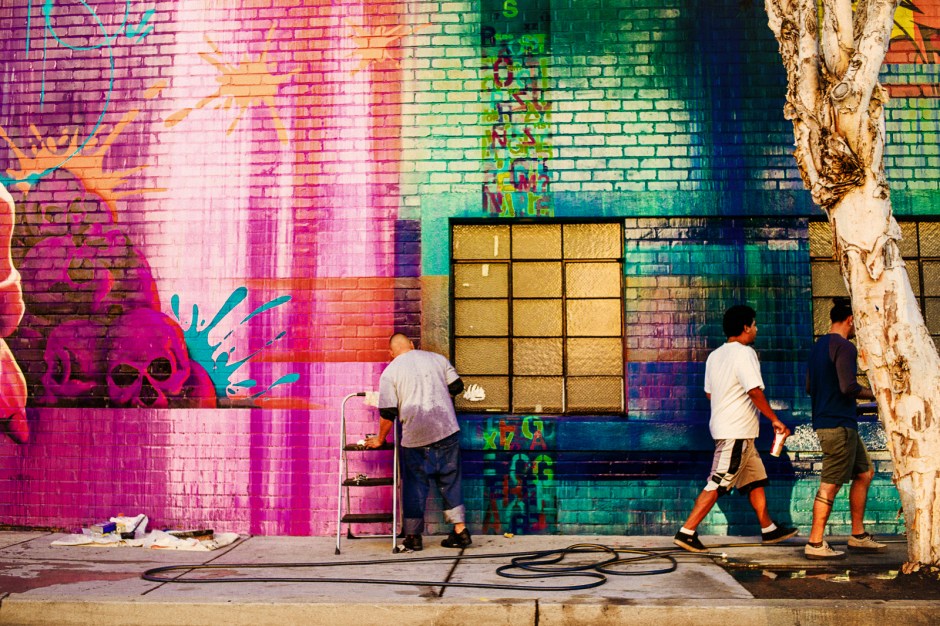
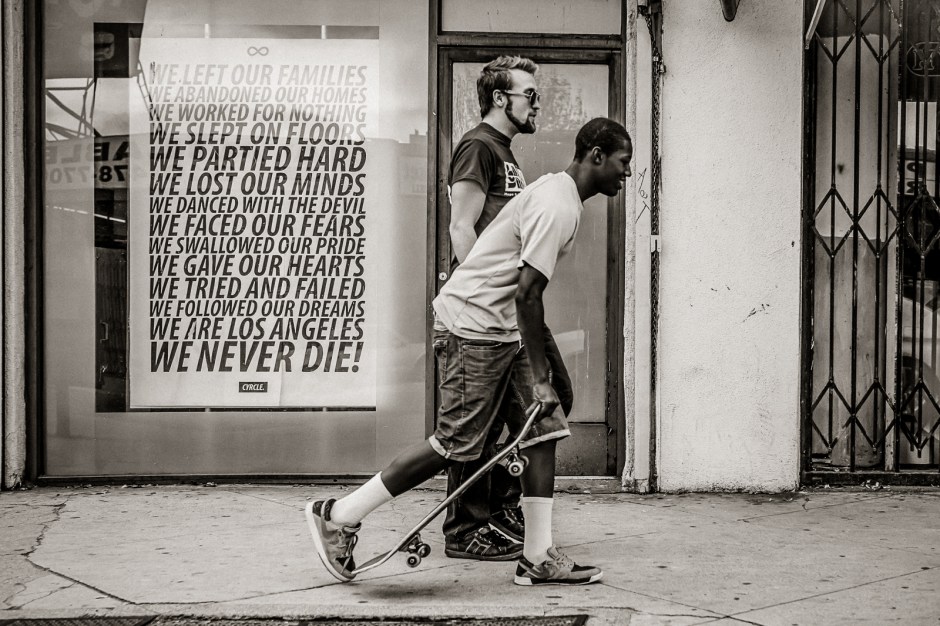
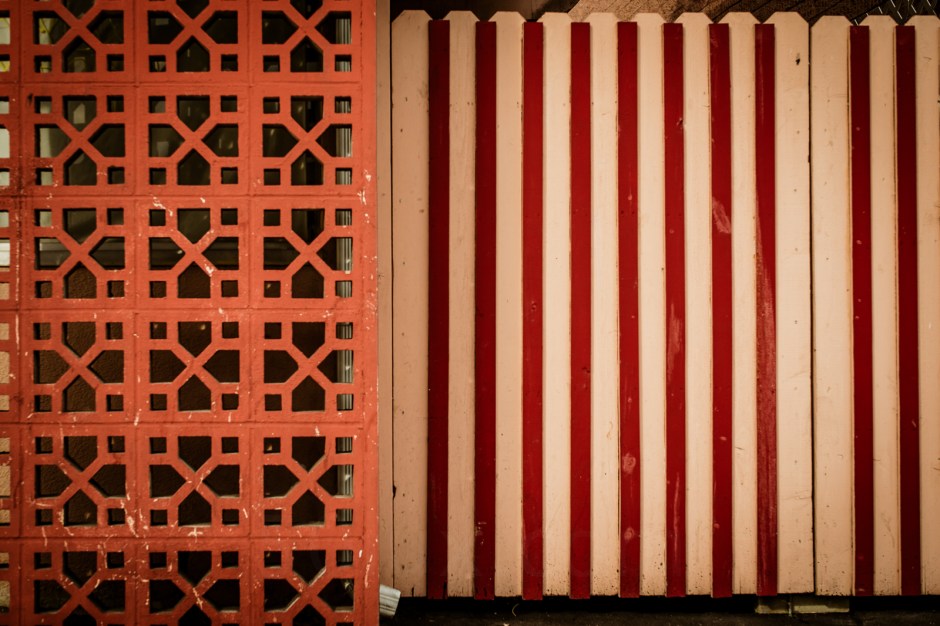
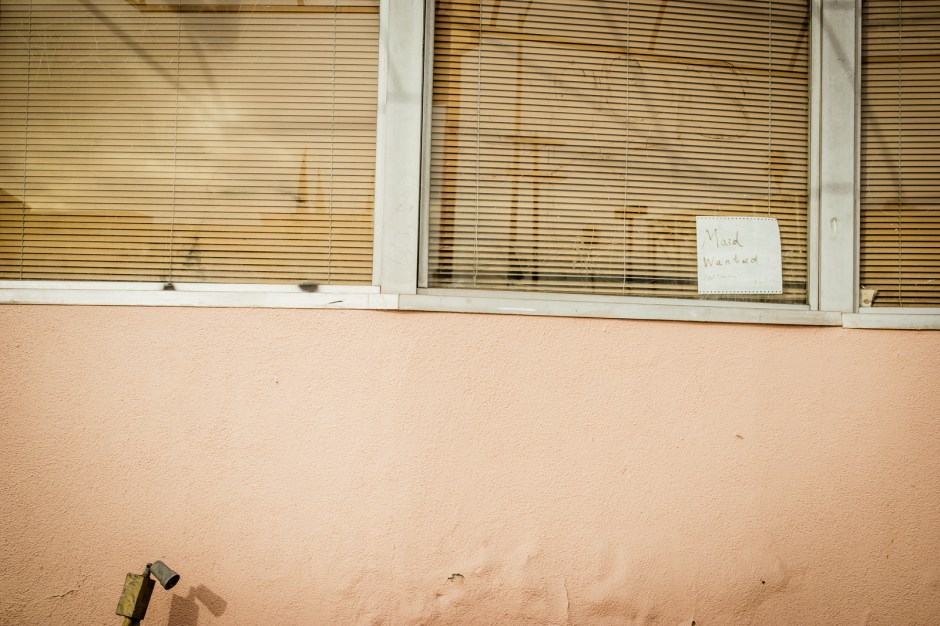


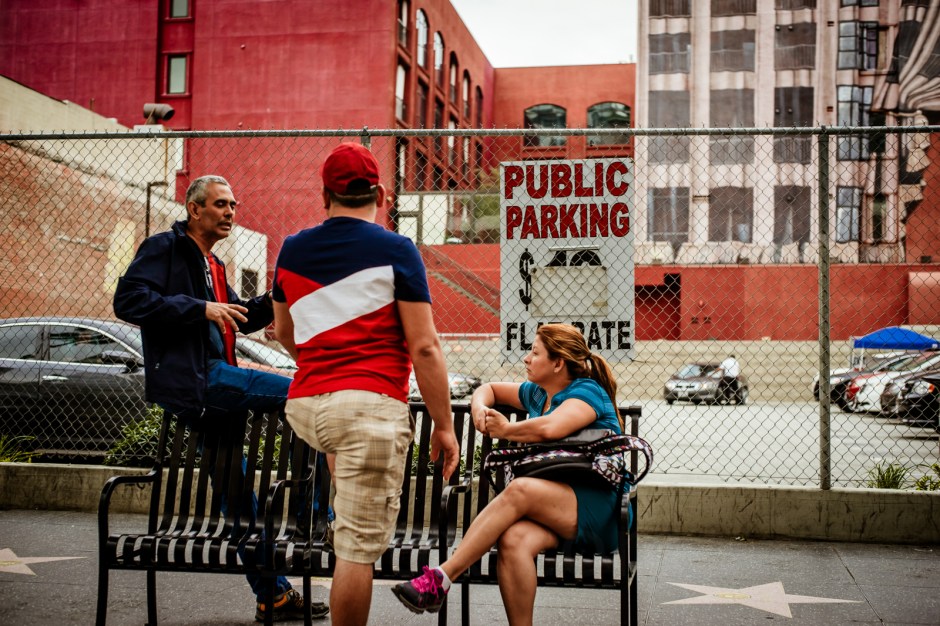
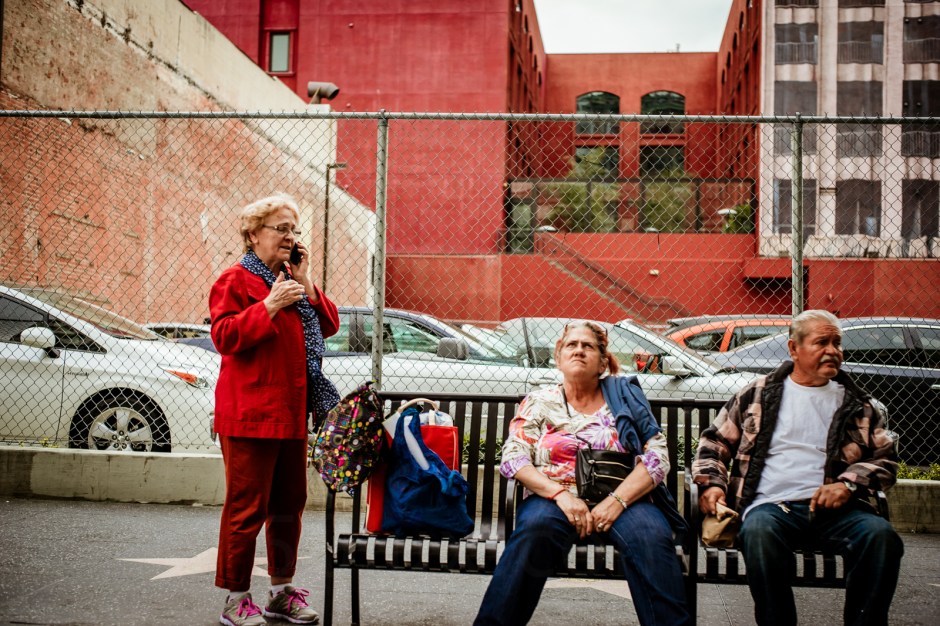


This page is just a teaser! Please check back here in the very near future to go to the actual Purchase Prints page where images I have selected will be available to be purchased as prints. I will be adding many more images to these in time and if there are any that you have seen that you would like to purchase a print of please feel free to contact me regarding those.
Thank you so much for your interest and support if you have any questions at all contact me here.
Donald Barnat






donald barnat / 50lux.com all rights reserved
Via AMERICAN SUBURB X:
“Her most memorable work documents the lives of the dispossessed; those deprived by birth of the rights and amenities most of us take for granted, touch her. When that happens she virtually moves in with her subject. She spend 36 days in a maximum security section of the Oregon State Hospital, living with the mentally ill, for her 1979 book, Ward 81. And she spent three months with prostitutes in Bombay for her 1981 book, Falkland Road.”
via INTERVIEW: “Street Shooter – An Interview with Mary Ellen Mark” (1987) | AMERICAN SUBURB X.


From LENS at The New York Times:
“One of the most consequential images in Robert Frank’s “The Americans” is a raw, cinematic photograph of a black couple in San Francisco in 1956. Approaching them from behind as the pair relaxed on a grassy hill overlooking the city, Mr. Frank disrupted their solitude. Startled, they turned to acknowledge him. The woman was annoyed. The man crouched protectively. As his eyes locked on the photographer, his expression hardened into a scowl. The couple seemed determined to protect themselves and their dignity.
On one level, as Mr. Frank himself has said, the photo demonstrates the ease with which the camera can invade the privacy of others, portraying “how it feels to be a photographer and suddenly be confronted with that look of, ‘You bastard, what are you doing!’ ” But the photograph is also racially fraught. Rather than a neutral observer, Mr. Frank looms over them, an active, unseen participant — a surrogate for the intimidating whiteness that shadowed the lives of black Americans, no matter how liberal their environment.”

From LENS on The New York Times:
“The cover image for the U.S. edition of “The Americans,” Robert Frank’s epochal book, spoke volumes about the state of the nation in the mid-1950s. The tightly-cropped photo shows passengers in the widows of a New Orleans trolley assuming their place in the social order of the Jim Crow South — progressing from a black woman in the rear to white children and adults up front.
The contact sheet that contained the image showed that Mr. Frank had photographed the city from multiple perspectives, but he ultimately selected the frame that most dramatically and symbolically captured New Orleans’ racial hierarchy. Learning this photo’s backstory would be impossible without the ability to view Mr. Frank’s contact sheet.
Now, such important archival material, typically reserved for scholars and curators, is just a click away. Launched by the National Gallery of Art in time for photographer’s 90th birthday in November, the Robert Frank Collection Guide is an extraordinary resource for the general public and researchers alike.”


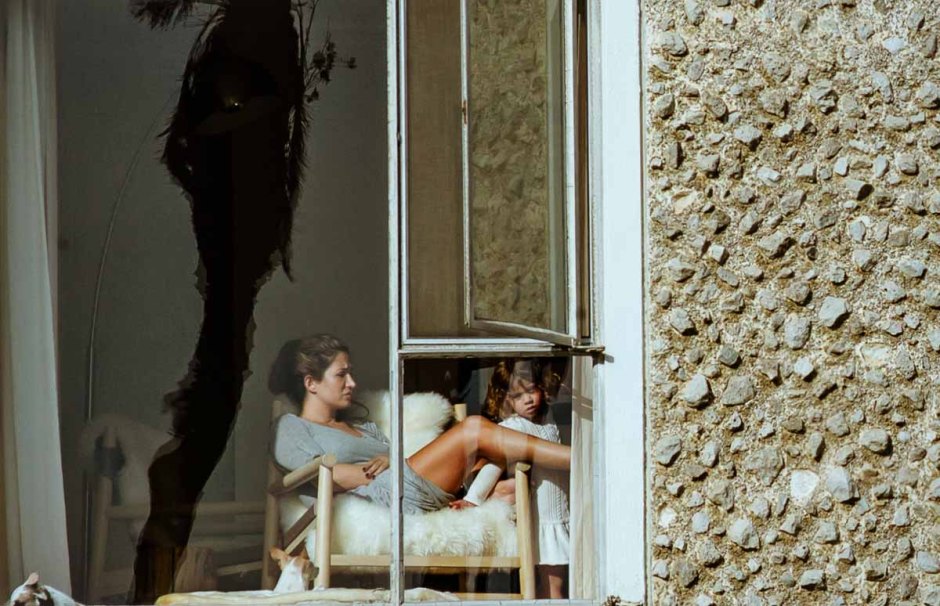 Here are the winners (link below) of a spot in the LACP’s 2015 Street Shooting Exhibition. Please find among the work of all of these wonderful photographers my four images. I can’t thank enough the LACP, Julia Dean, and guest judges Sam Abell from National Geographic and Stephen McLaren, author of Street Photography Now. But thank you again to all of them. I will put one of my winning shots here, entitled Sunday Was Soft and Warm. And it really really was.
Street Shooting Exhibition 2015 Winners | Los Angeles Center of Photography.


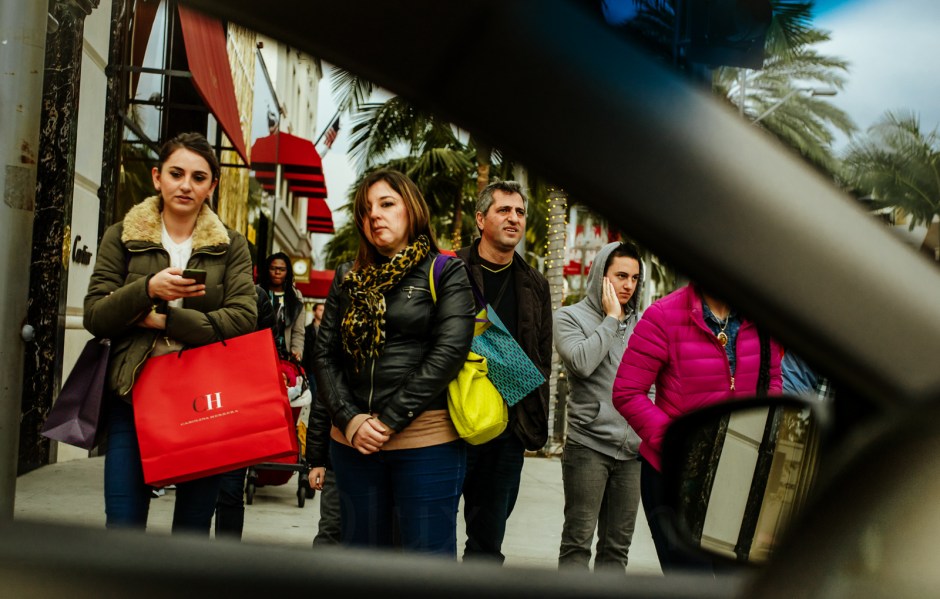


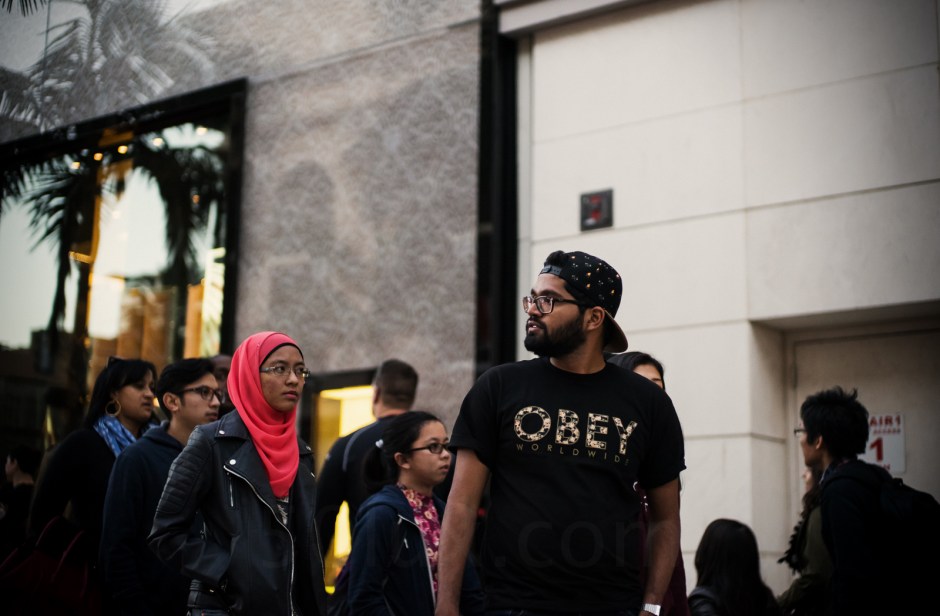
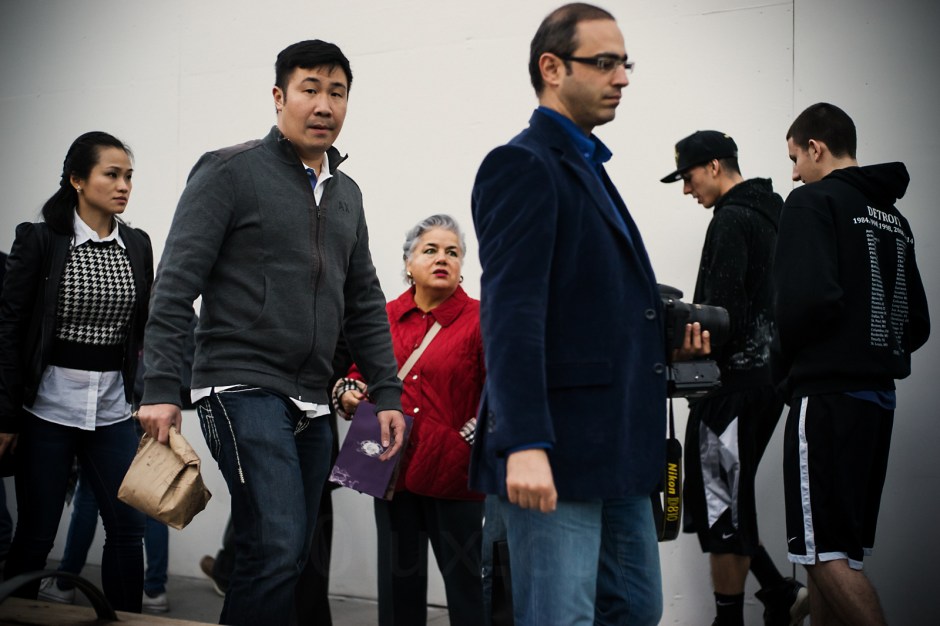
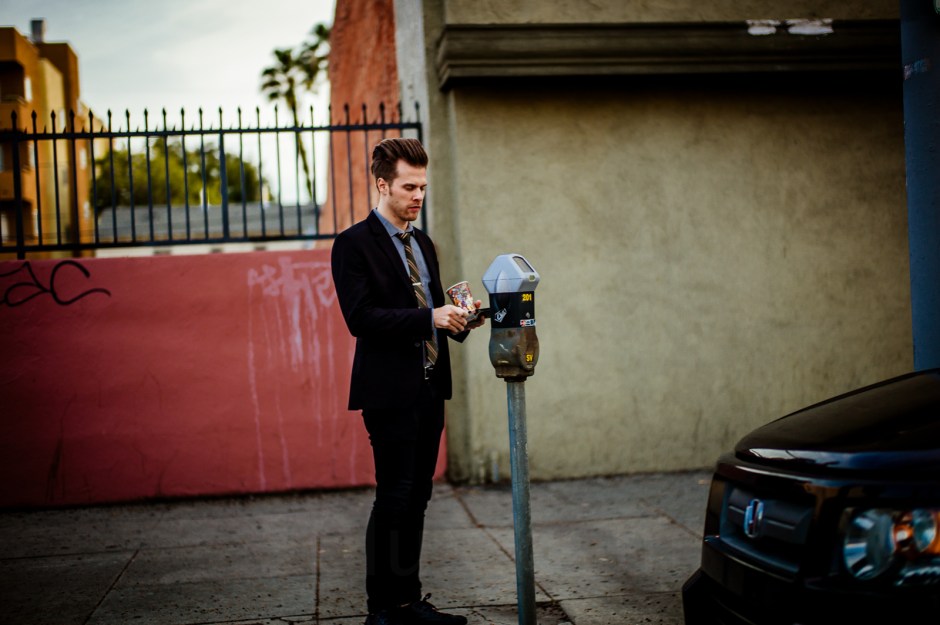
The picture above was not taken by Josef Koudelka, of course. It’s just one of mine. Sorry. But it reminds me of something like what I feel when I look at the amazing work of this possibly greatest living 20th century icon of photography. So I thought it appropriate to use it here to note the exhibition at the Getty in Los Angeles of Koudelka’s work that runs till mid-March of next year. I will be there staring with my mouth open I’m sure.
Josef Koudelka: Nationality Doubtful
November 11, 2014–March 22, 2015, GETTY CENTER — An aeronautical engineer by training, Josef Koudelka (Czech, naturalized French, born 1938) became intensely committed to photography by the mid-1960s and quickly emerged as one of the most influential, iconoclastic photographers of his generation. This exhibition—the first U.S. retrospective devoted to Koudelka since 1988—traces his legendary career with more than 140 works produced over five decades. It marks the first time that the work of one contemporary photographer will fill the Center for Photographs at the Getty.
via Josef Koudelka: Nationality Doubtful | The Getty Museum.


I took this picture in Beverly Hills, CA two weekends ago, while protests were breaking out around the United States over the issue of the disproportionate use of excessive force by police departments against African Americans. I don’t know what the quite apparently homeless woman had done but she was in obvious distress at this moment and loudly vocalizing her displeasure with the actions being taken against her.
I have nothing else to say, really, about this conveniently relevant photo that fell into my lap because I happened to be in the right place at the right time. Well, other than the fact that my heart goes out to the woman, and also to the cop.
Back before there was such a thing as a blog, when Macromedia Dreamweaver was the coolest thing on the planet, I used it to make and publish a handful of websites. One of them was an anonymous rant against the police. I made it to publicize and characterize for the world-wide-web the never ending cycle of unjustified police shootings here in Southern California.
I had on it the story of the black girl sleeping in her car in the rain at night who police shot while she was unconscious and possibly even overcome by carbon monoxide by her car’s running engine. There was the story of the unstable 130 lb 16-year-old whose family called 911 because they were worried about his erratic behavior and who, when surrounded by police, was whirling in a circle keeping the cops at bay with a broom stick. He was shot 9 times. There was the infamous story of the homeless 90 lb woman in her 60s who was shot for pulling out a screwdriver when stopped by police for having a shopping cart back when the police were instructed to arrest homeless people for shopping cart theft.
Let me repeat. I made a website about a dozen years ago (or more) to publicize questionable killings of black and hispanic people in California. That’s ALL the website was about. The police shooting and killing blacks and hispanics.
Details are very very important. Details are why a progressive leftist person who started a website decrying police violence, along with millions of others, find themselves unable to get behind a protest movement based on an incident that doesn’t have the right set of circumstances and facts to build the kind of systemic change that is needed upon.
That is Ferguson, in my eyes.
The Staten Island tragedy, however, and the I Can’t Breath movement and protests that have been growing out of it, represent, in my opinion, a truly valid protest movement that was born by a clearly indefensible example of unreasonable force by the police resulting in the death of a citizen.
I am deeply disturbed by the death at the hands of the police of Eric Garner in New York.
More power to this movement and to these protests.
I’m putting what I’m about to say out there because I don’t see it on protest signs, I don’t hear it coming from the talking heads on television and I certainly don’t envision the police opening up on this point. So here it is.
Policies and Procedures
Police policies and procedures are largely written by the police with a big assist from police unions. They are the instructions the police write for themselves as to how they are to go about every aspect of their jobs.
In all the years that these shooting have been happening in Southern California, through multiple federal investigations and consent decrees imposed on multiple law enforcement agencies… the one thing that has remained almost untouchable by civilian oversight or the government is police policies and procedures. They’ve changed very little. The police continue to get away with discharging their service weapons into human beings who did not need to be shot to death.
If you want to fight the police the way to do it is find a way to impose civilian oversight over the re-writing of THEIR OWN POLICIES AND PROCEDURES.
Policies and procedures. It’s all right there in those two words. The police write their own. As long as the police make the rules for their encounters with the public, of how and when to use force, they are are going to continue to escalate situations, in the tragic case of Eric Garner, INTRODUCE violence, in that case, DEADLY violence, over minor non-violent and even, I believe, non-criminal violations.
Who gets this? Southern Californian activists. This region of the country is Ground Zero for questionable police shootings of unarmed, mostly (but not always) minority, citizens.
So it would be fitting that right now, as I write this, at this very hour, the LA County Board of Supervisors, with protestors raging outside, is taking up the issue of a civilian oversight board for the LA County Sheriff’s Department.
This was voted down last year but with two new members on the board supporting it there is hope that it may pass this time. It’s important that there is civilian oversight and that it not be simply the brand that rubber stamps whatever the police departments decide.
“We are encouraged that this new board is moving forward and has the political will to shift the course where the previous board fell short.” – Jaz Wade “Dignity & Power Now”
I’m not so encouraged, honestly, or nearly as optimistic as Ms. Wade but I am hopeful. If you’re in LA please keep an eye on the news as this story is being covered by all the local television channels.






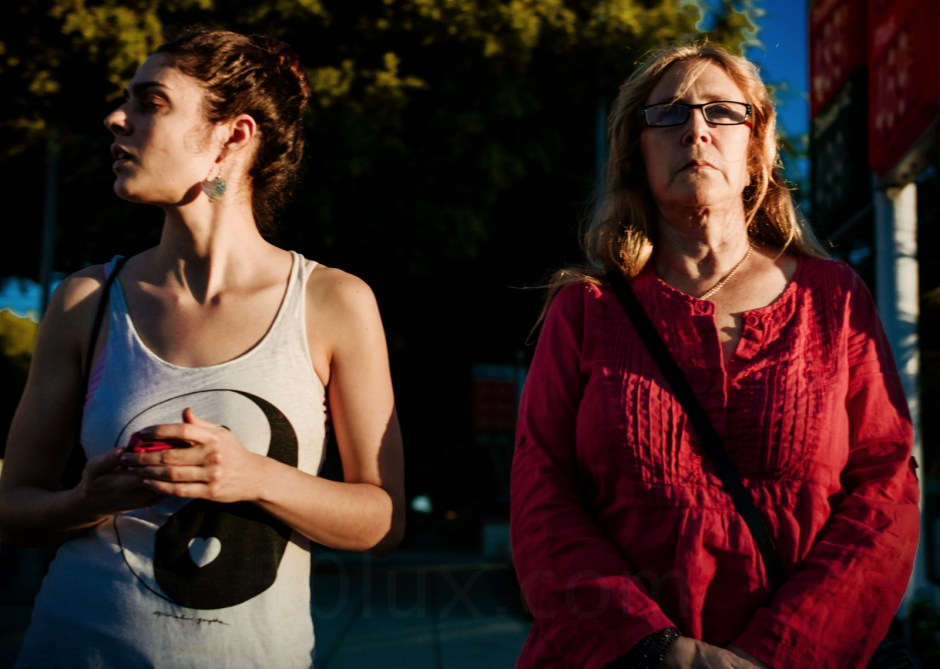


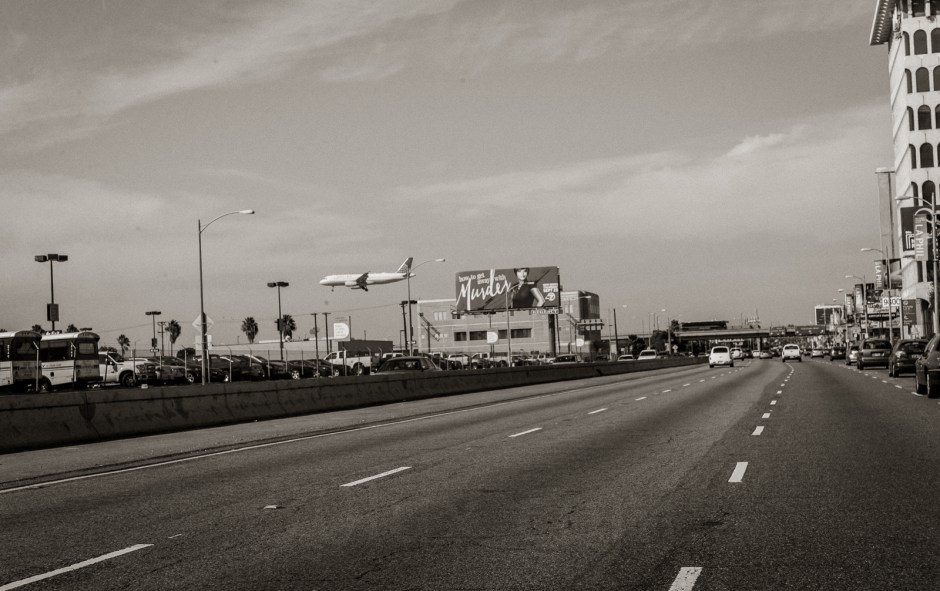
The New York Review of Books –
Garry Winogrand was one of the last great street photojournalists. He was like a walking camera: by the time he died he had taken nearly a million photographs. In the sheer volume of pictures he took, he really pushed photography to the limit. Videos and movies have taken over today, and he’s very close to that world where you shoot nonstop—he used his camera like a Kalashnikov.
via Garry Winogrand’s Lonely America | The Gallery | The New York Review of Books.
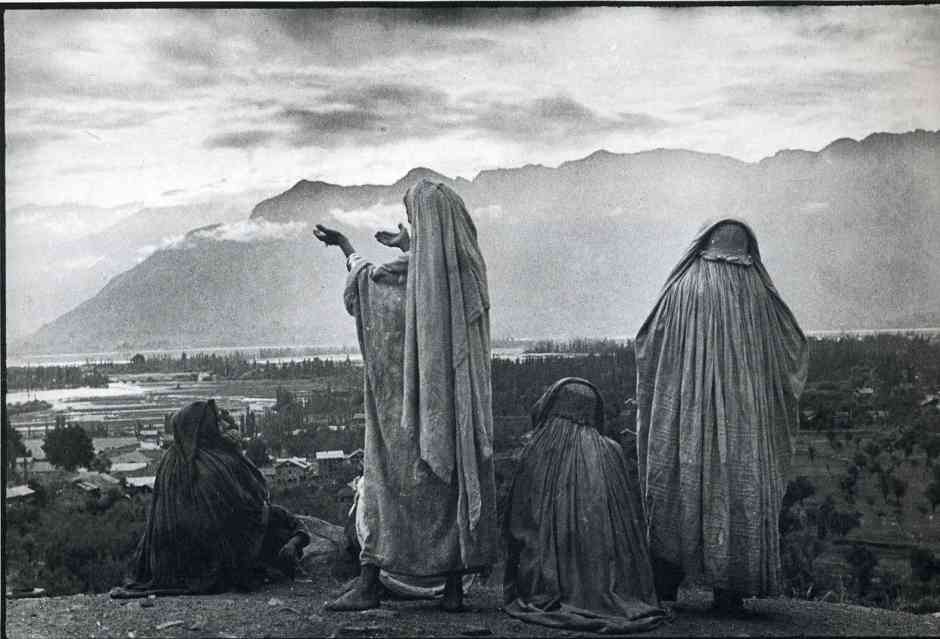
From LightBox –
For new generations of photographers and artists who have missed out on experiencing many of the world’s important books first hand, it cannot be stressed enough how important this new edition of The Decisive Moment is for a contemporary audience.
“Robert Frank’s The Americans and Cartier-Bresson’s The Decisive Moment were published within a few years of each other in the 1950s and both books have since become the blueprint for the modern photography book,” Steidl says.
Its value as an out-of-print collectable has risen over the past few decades resulting in keeping this masterpiece out of the hands of many younger photographers. Finally, after 62 years, it is again seeing the light of day this December with a gorgeous facsimile from the German publishing house Steidl.

 50'Lux