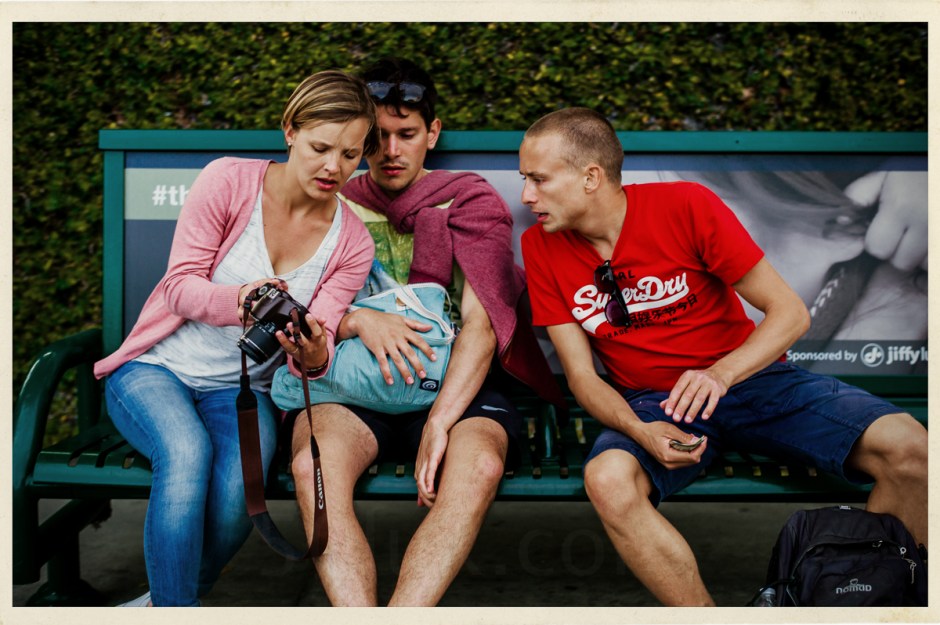
Photo Sharing
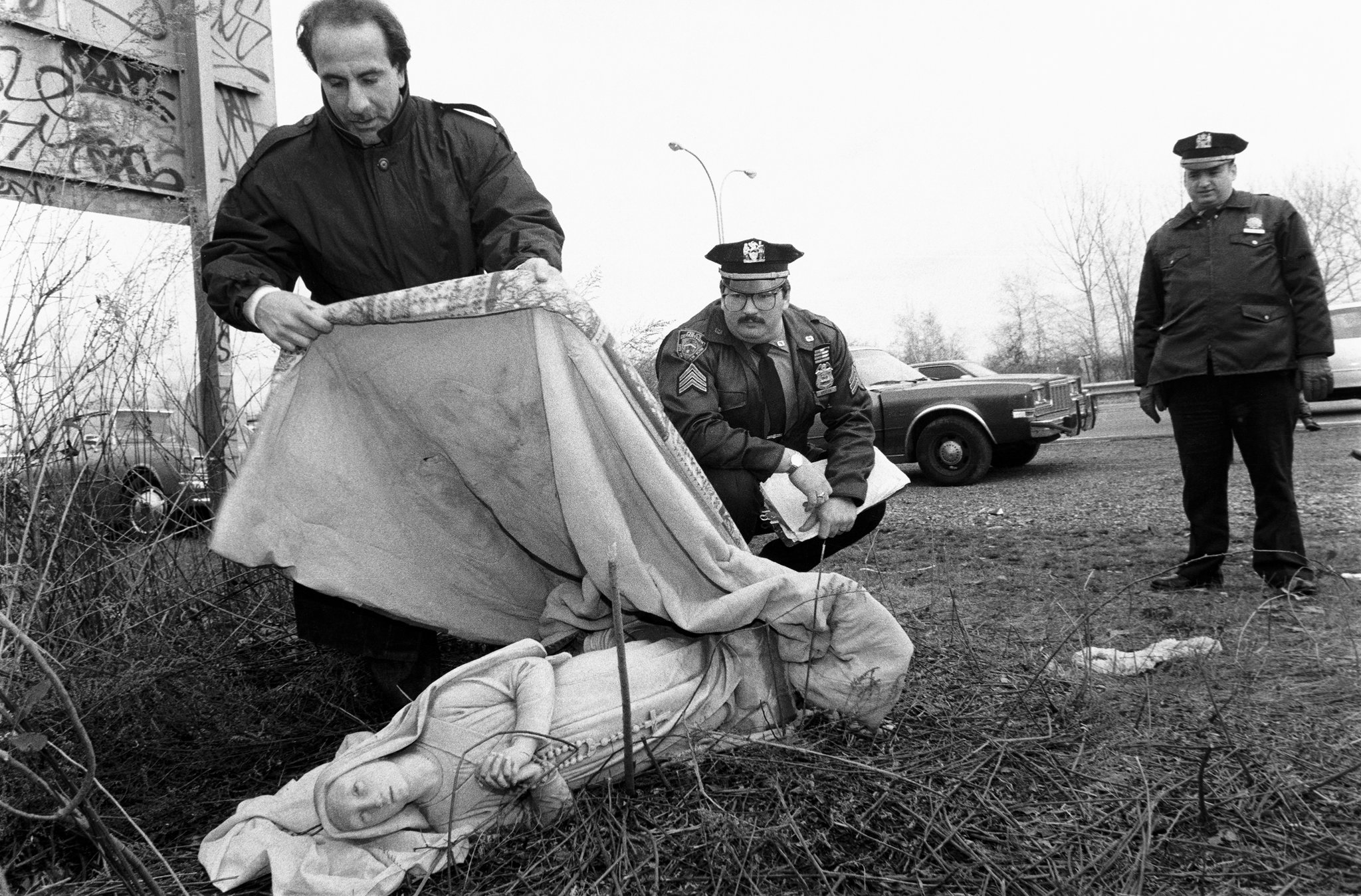
Stolen from a Brooklyn church on Christmas, St. Bernadette was found dumped near the Belt Parkway. 1992. Andrew Savulich
VIA LENS at the NYTimes:
Among the denizens of the pre-Disney Times Square was a casually dressed man with unruly white hair sitting in a beat-up Dodge Valiant outside a Howard Johnson’s restaurant. He spent his time listening to a police scanner, which emitted a steady, scratchy stream of reports of gang shootings, car accidents or suicide jumpers.
Ah, Fun City, 1980s edition.
There was so much crime in New York back then that the white-haired man, Andrew Savulich, had his pick of numerous scenes of mayhem he could photograph. It was a more dangerous time to be a New Yorker, but a good time to be a spot news photographer. He often got to crime scenes ahead of the pack, although his photos were a little too strange and quirky for the tabloids. On the rare occasion he sold crime scene photos for $50 or $75 each to newspapers and wire services, editors usually cropped them into more conventional images.
So, on slow evenings Mr. Savulich would leave his car and prowl through Times Square and photograph strange moments that unfolded right in front of him.
“In the ’80s it was still lusciously seedy and wild,” he said. “It was a great place for street photography.”


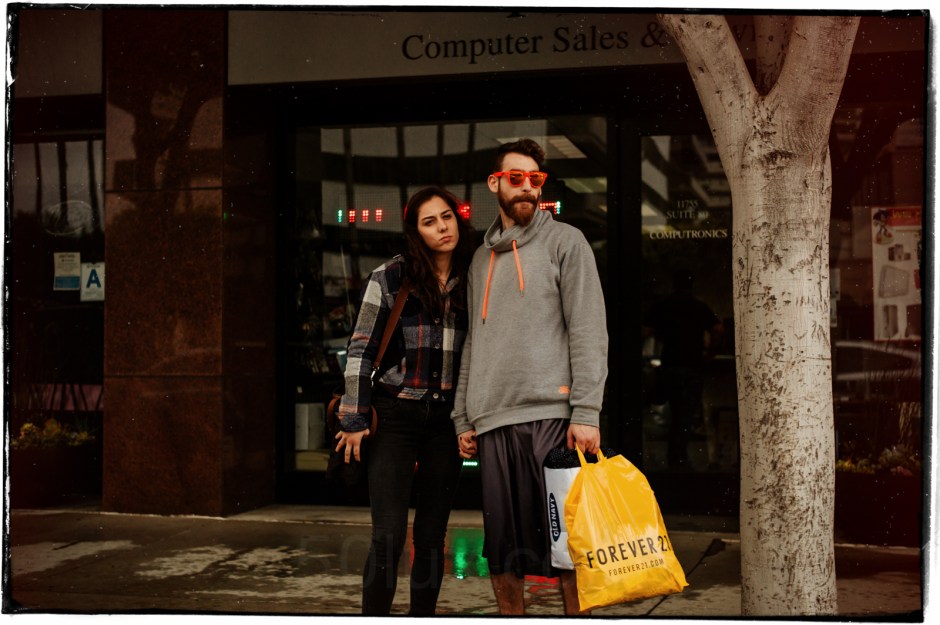
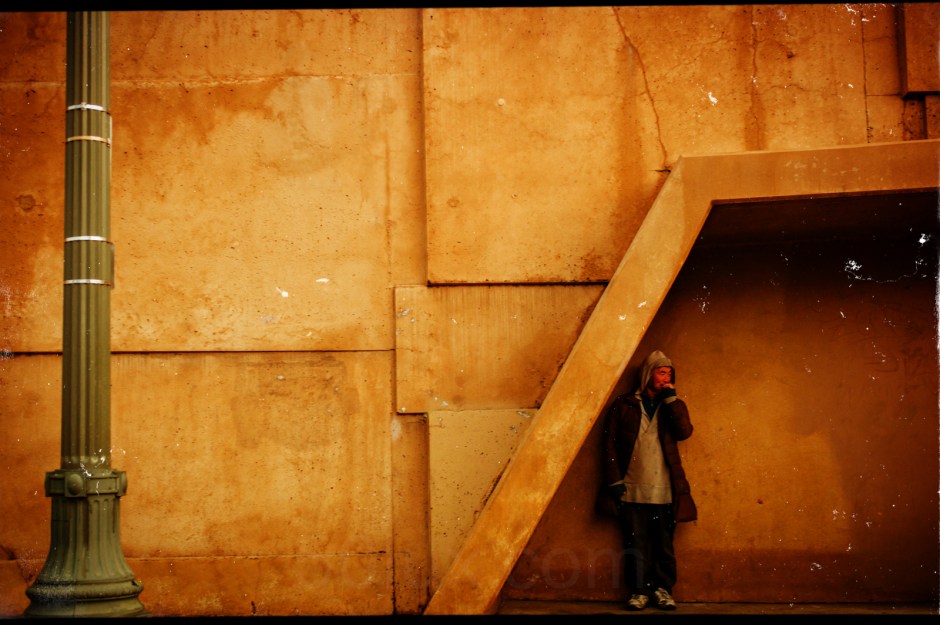
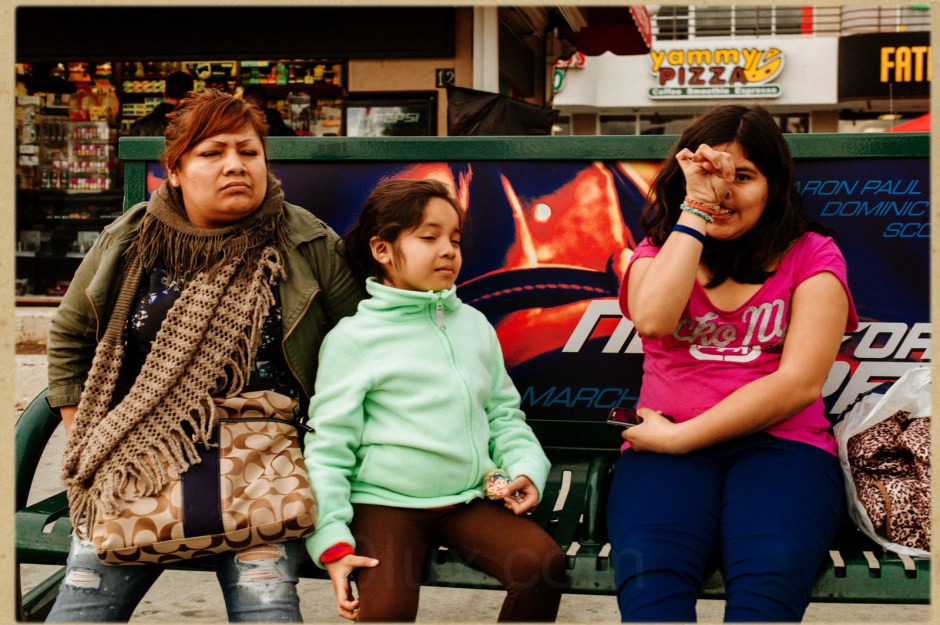
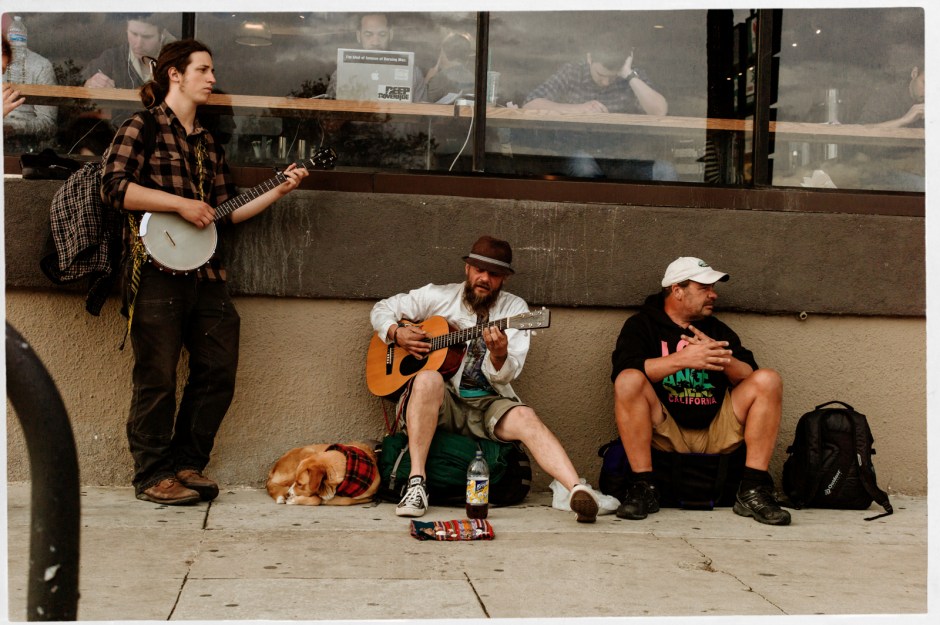
One day last year. At least I think so. I’m loving the ‘mosaic tile’ gallery option on WordPress. It only took me years to notice it. So I might go back to some of my older posts with lots of images and put them together in this new (ahem) and exciting way. 😉


donald barnat 50lux.com
VIA THE BBC:
Film photography was supposed to have been killed off by the digital era – but a committed band of enthusiasts refuse to abandon the traditional camera. Stephen Dowling finds out why for some, film never went out of fashion.
Photographer Patrick Joust spends a great deal of time on the streets of his native Baltimore, drawn to capture both the city’s residents during the day and the lamp-lit solitude at night. He does all of this on film.
“It’s the medium that works best for the kind of work I want to do,” says Joust, who often lugs three cameras around the streets, loaded with different kinds of film.
“These old cameras can disarm people and can be the starting point for some great portraits. There’s something more friendly about film cameras, even quaint, and I try and make that work for me.”
via The photographers who refuse to abandon traditional film cameras – BBC News.


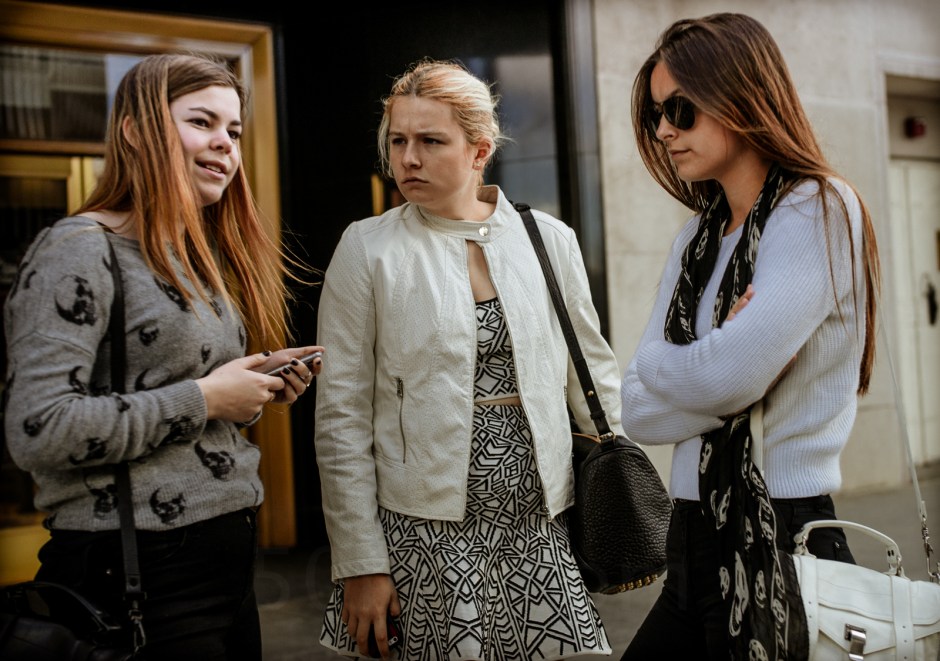
I used to shoot for an online sports publication and my boss, SportsPage Mike, had one rule for the photogs: bring back shitloads of pictures. This inevitably led to both disaster and triumph. Team media days, which aren’t (or weren’t) really about roving photogs capturing the day, could be especially difficult. None of that on this media day. Los Angeles Sparks 2008. I hope these world class athletes don’t mind me saying that they were also, on this day, a solid team of beautiful women. Wow! I say DAMN!


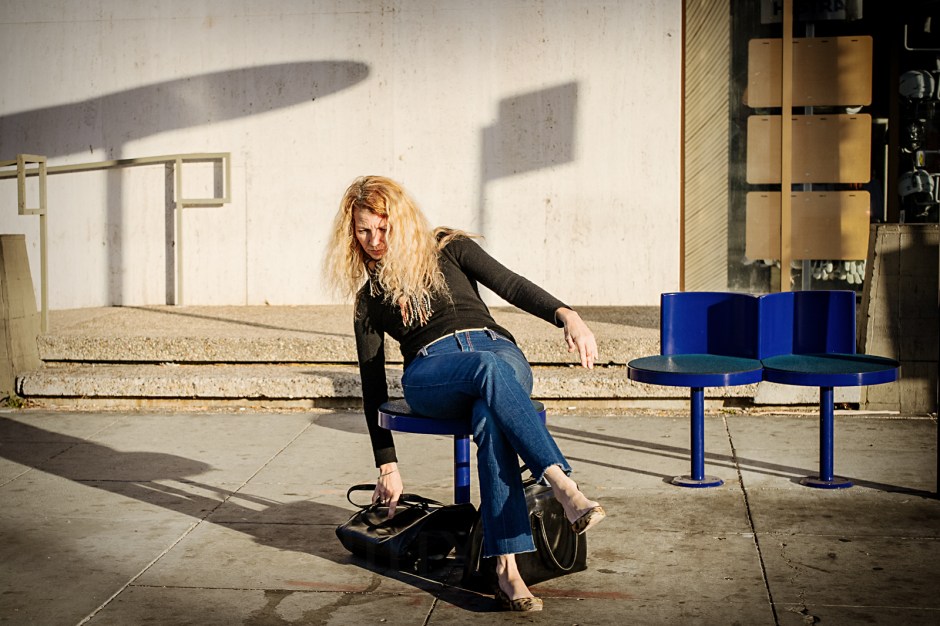


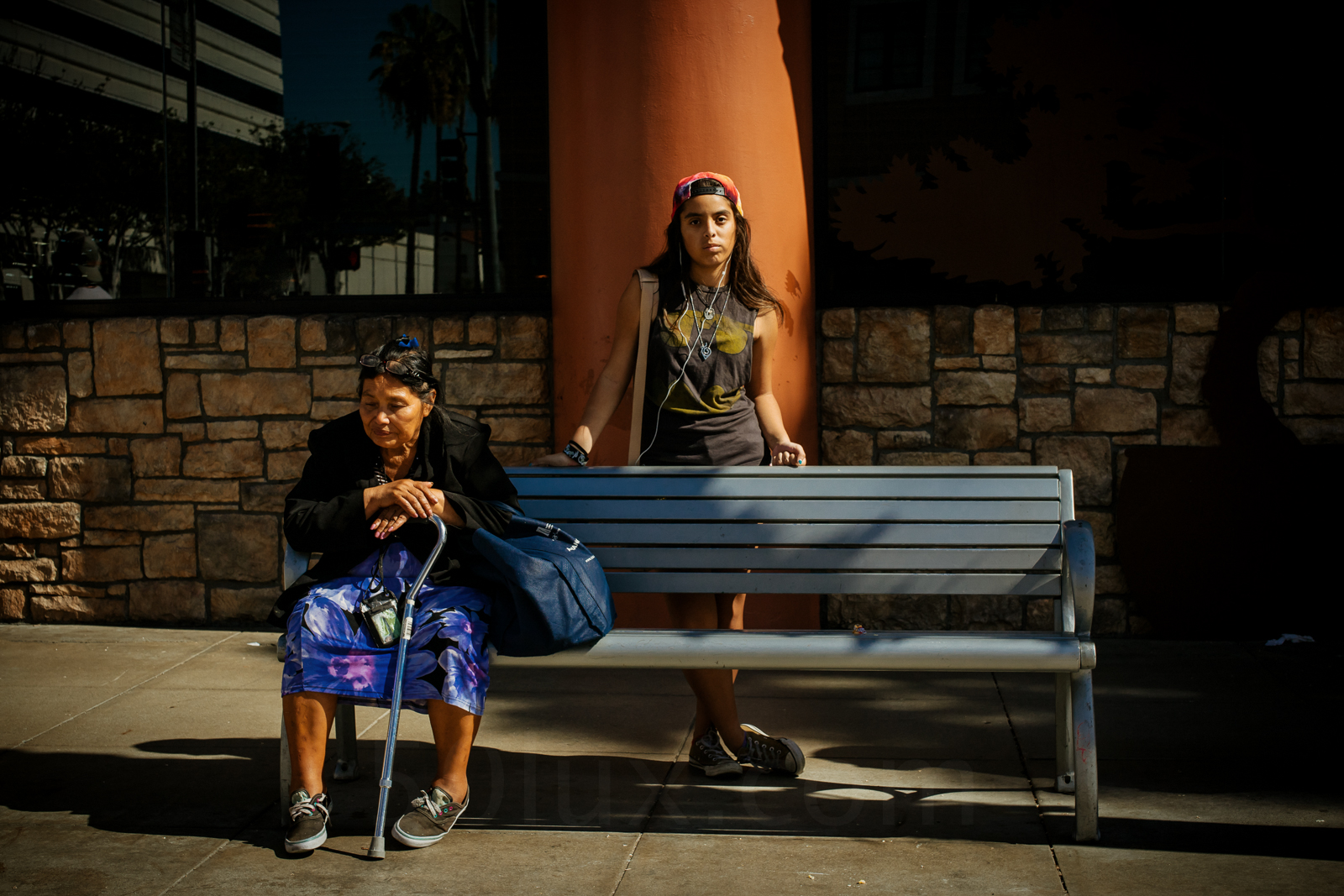


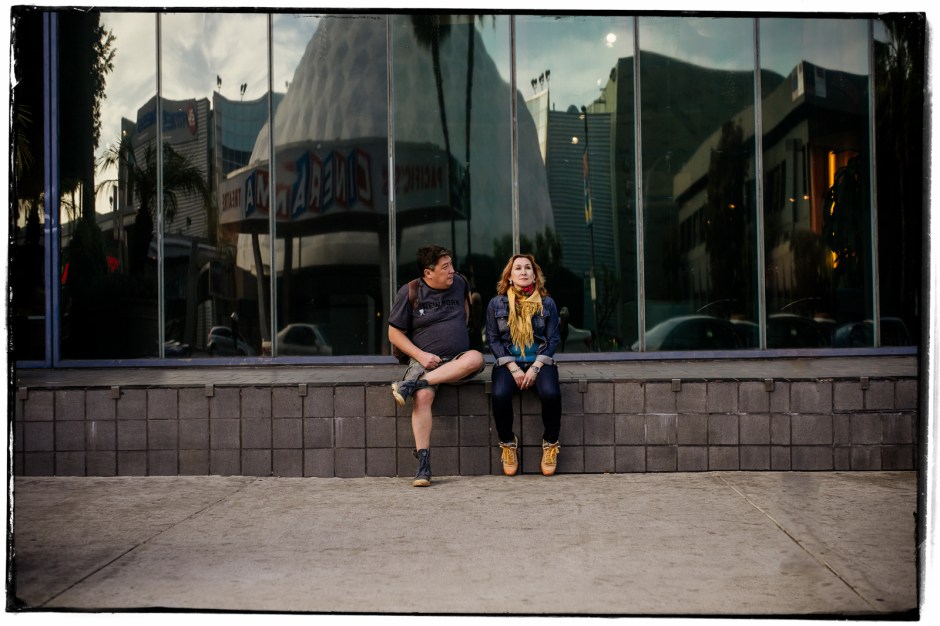
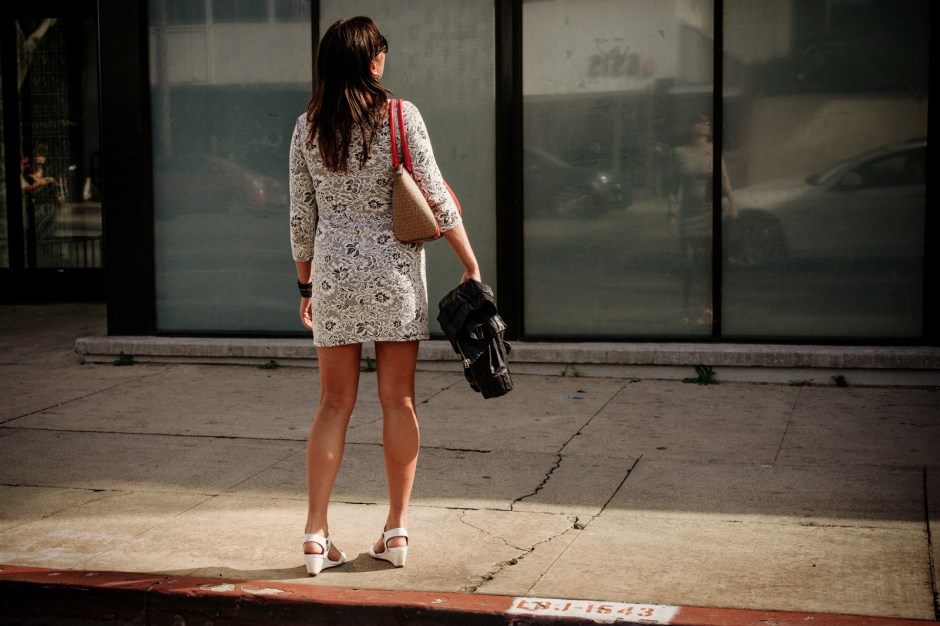


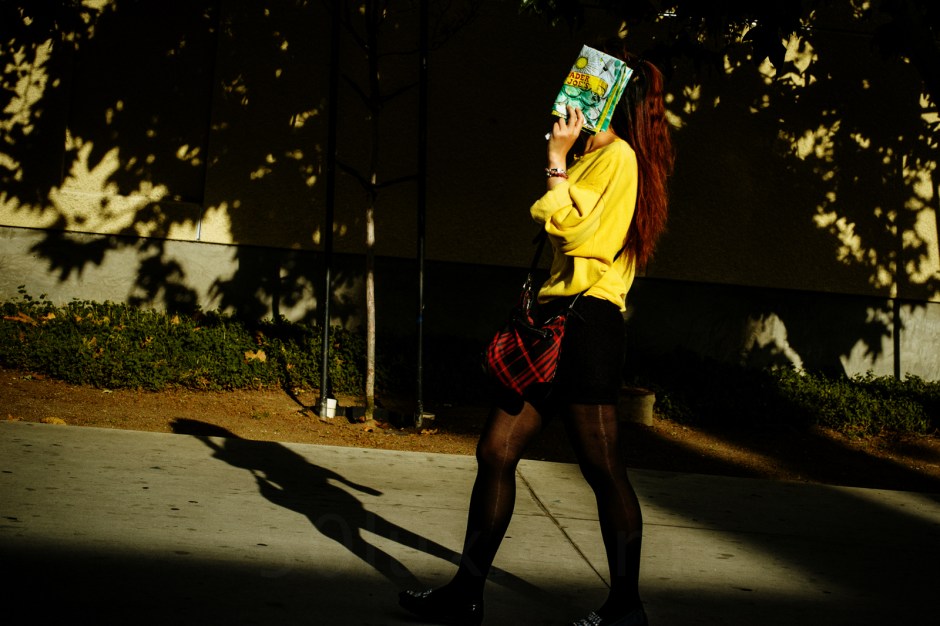

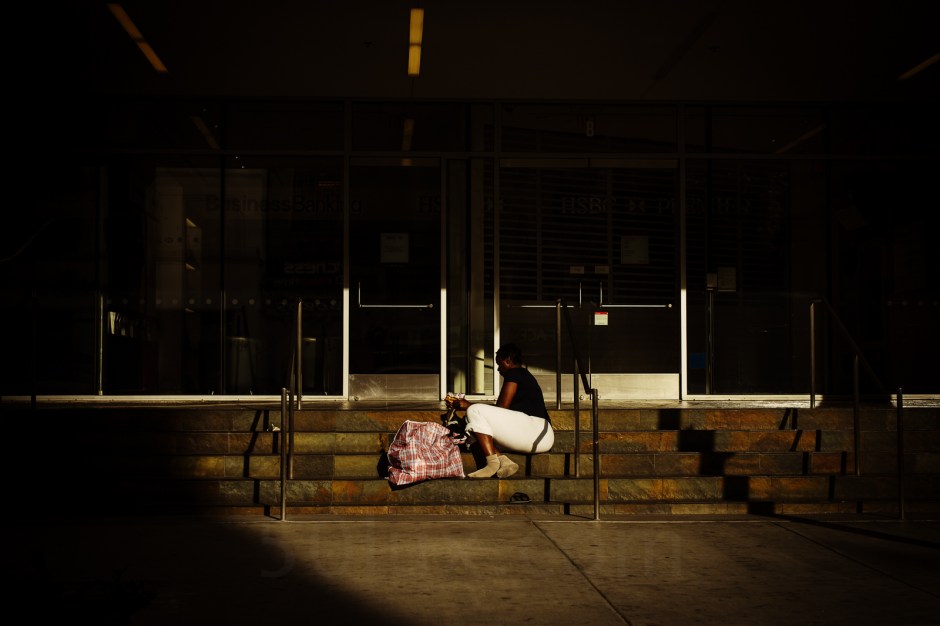
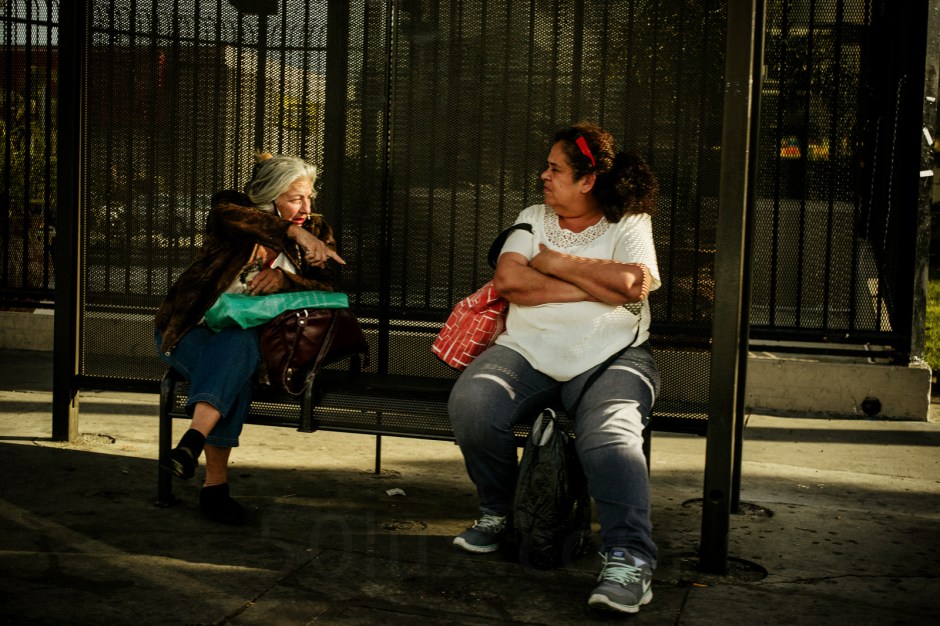
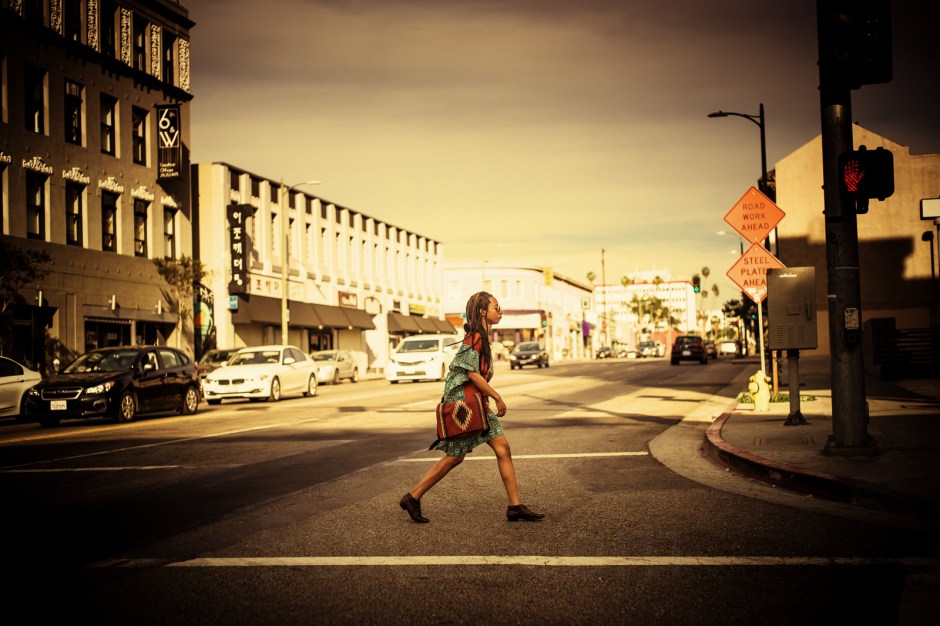
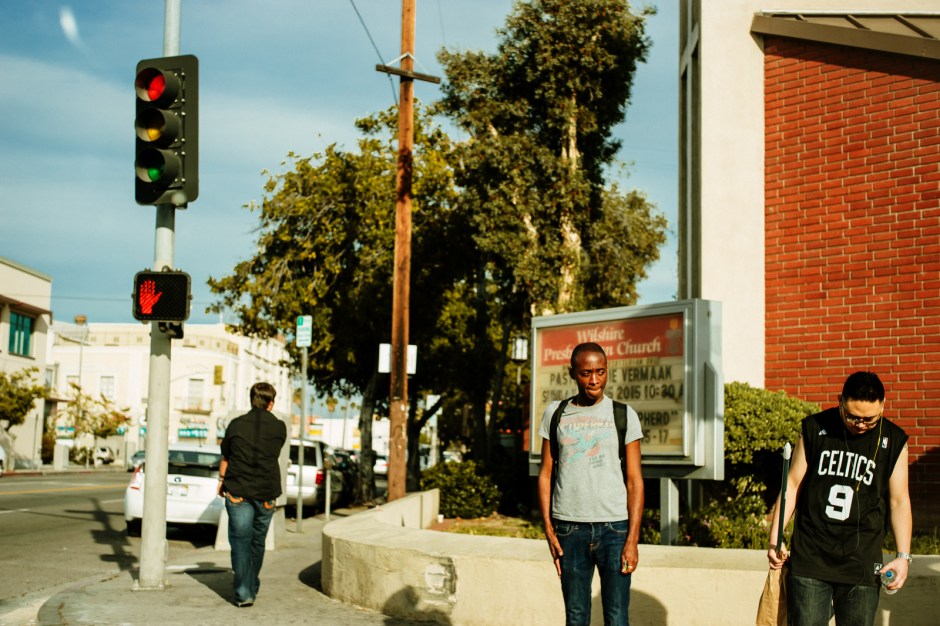
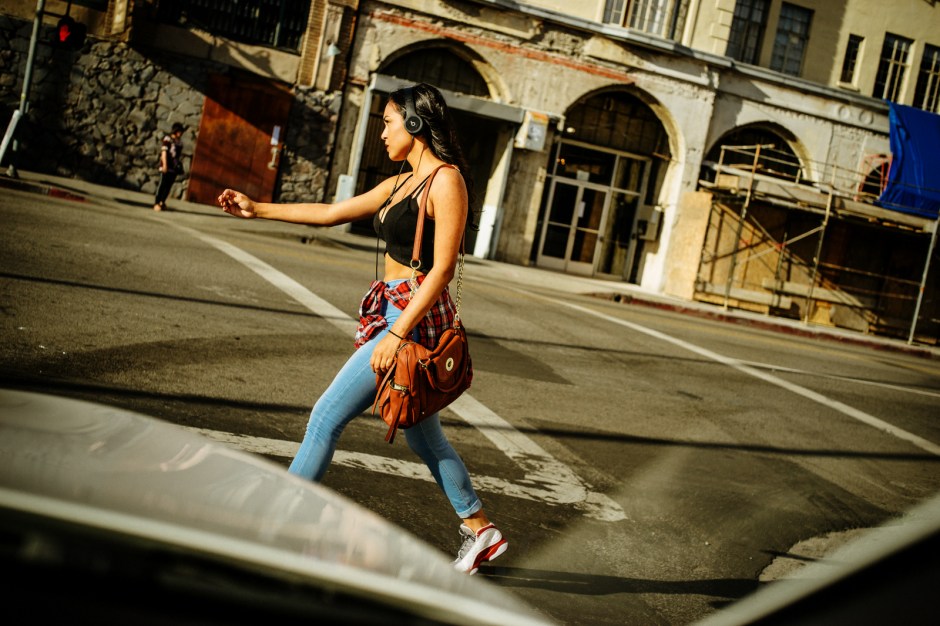


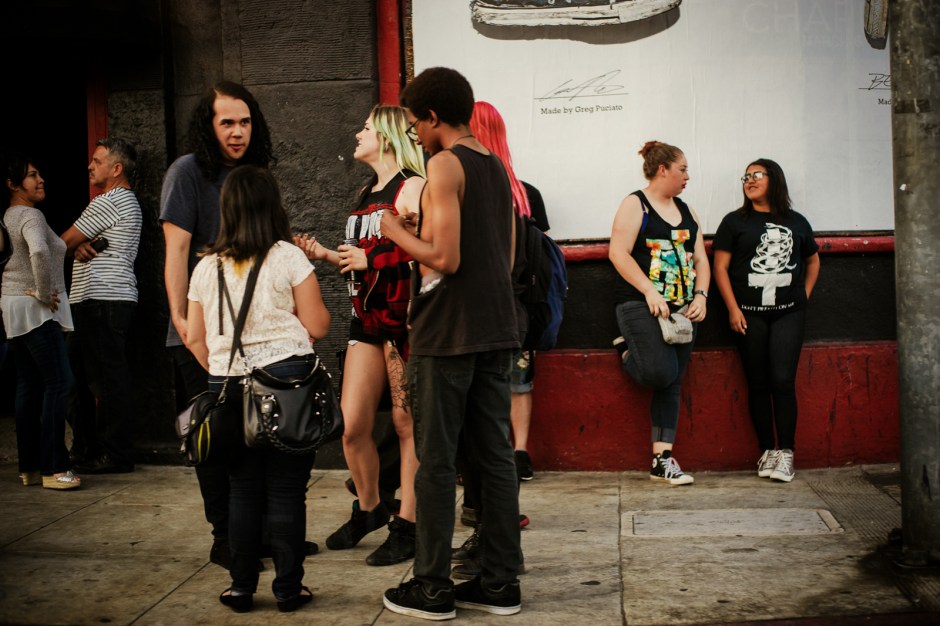

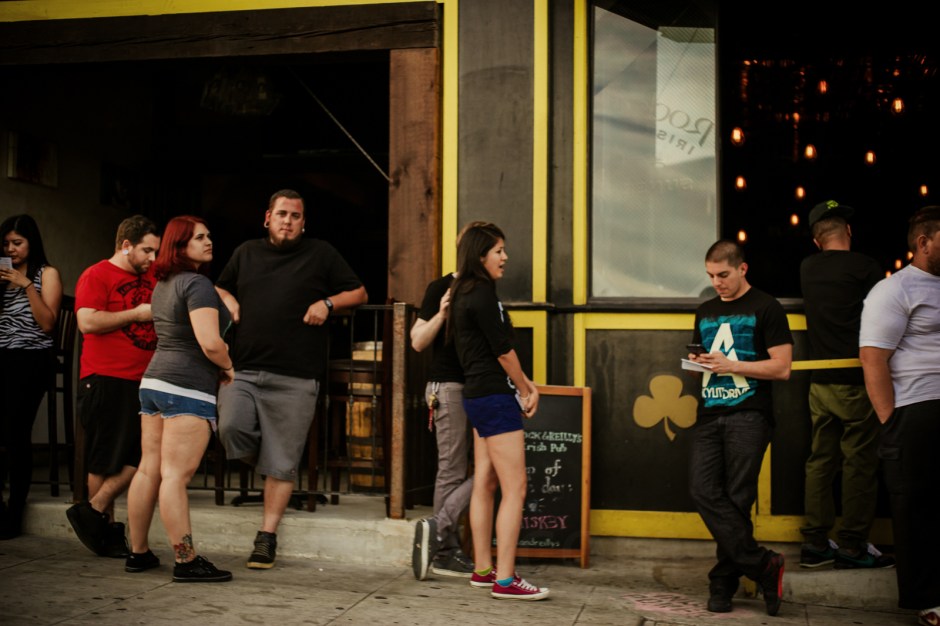
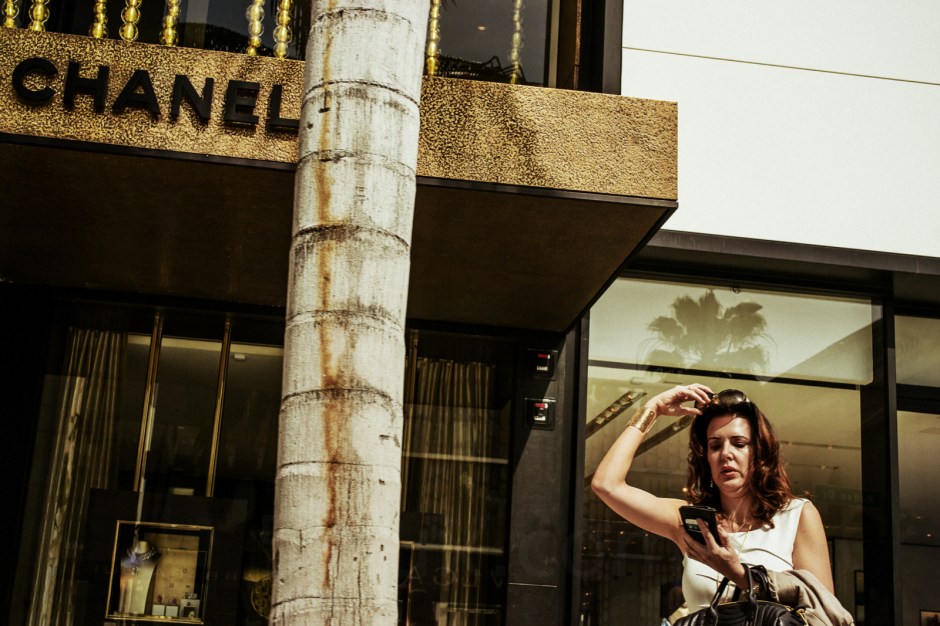


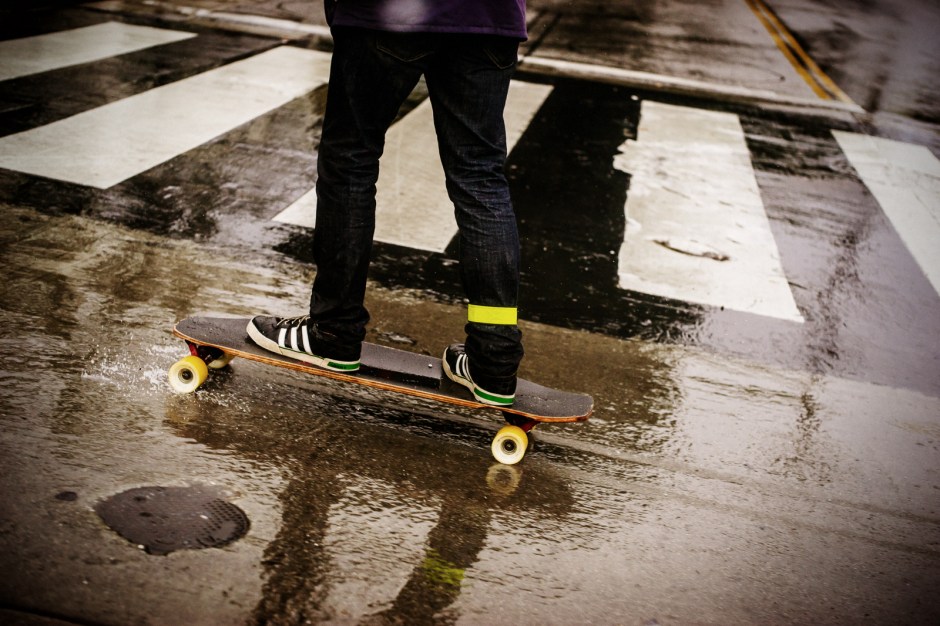




Via NYTimes LENS –
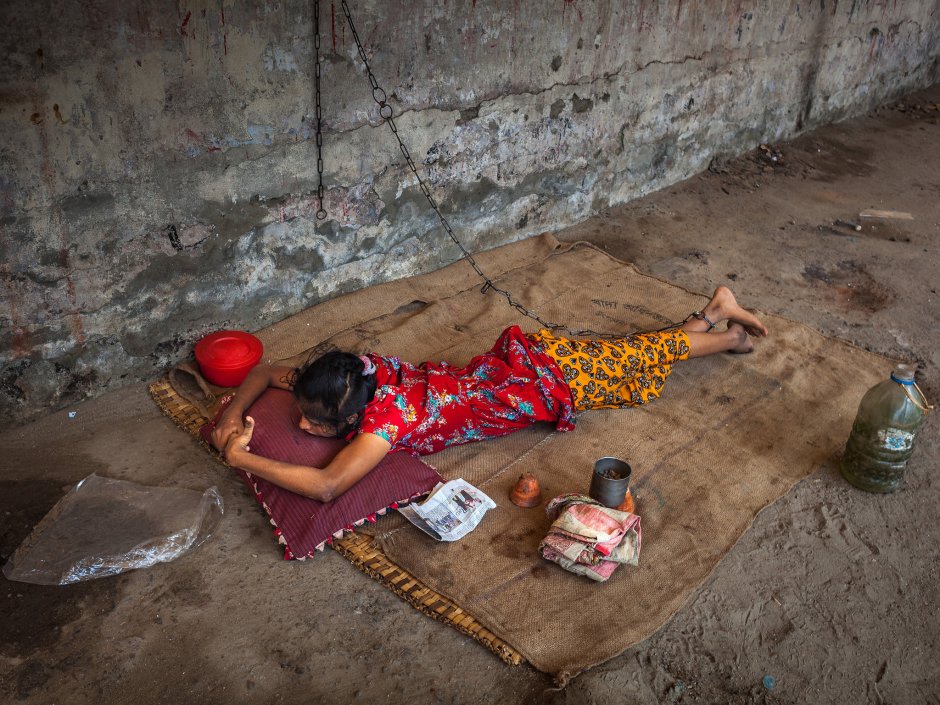
Scenes of poverty are inescapable in a country like Bangladesh, where Western media and charities use them to generate outrage, sympathy and — sometimes — donations.
That bothered Shehab Uddin, a former newspaper photographer in Bangladesh who knew there was more to the story than downtrodden people victimized by poverty, not to mention photojournalists.
“When photographers visit a country like Bangladesh we don’t bother to ask permission from the people we want to photograph,” Mr. Uddin said. “We have the power, with thousands of dollars of gear, nice clothes and a good education, and we think we have every right to photograph.”
Mr. Uddin not only asked permission to photograph poor people. He also moved in with several families and later had them help select the images that he would exhibit in their neighborhoods.
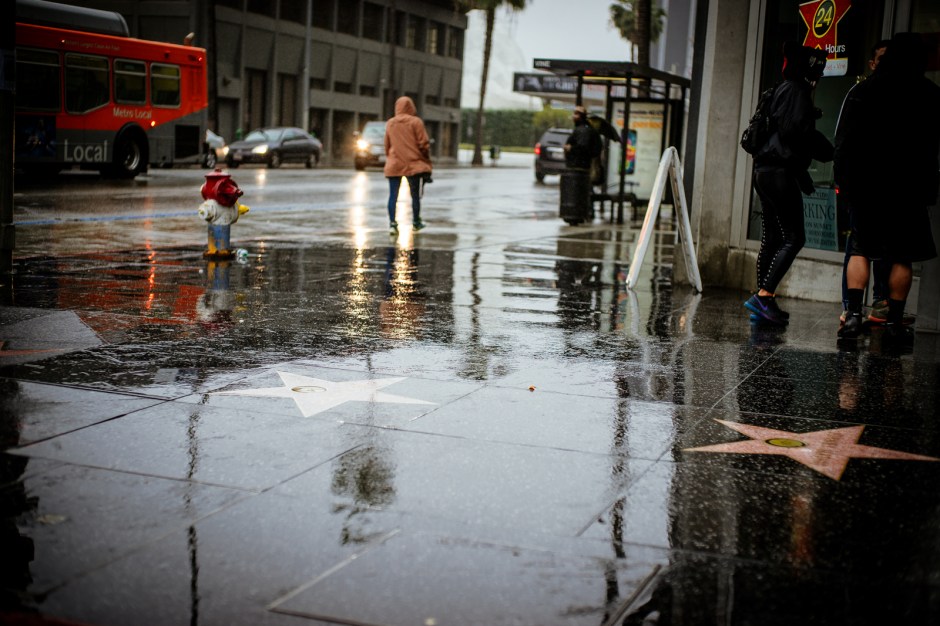


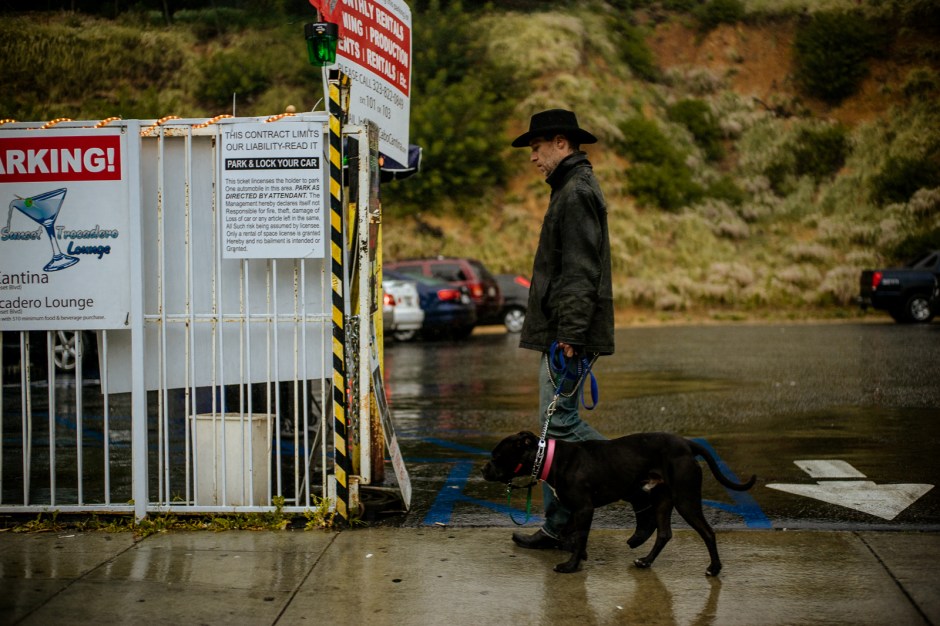
Reposting this from last year… will have this year’s shots up soon.






 50'Lux