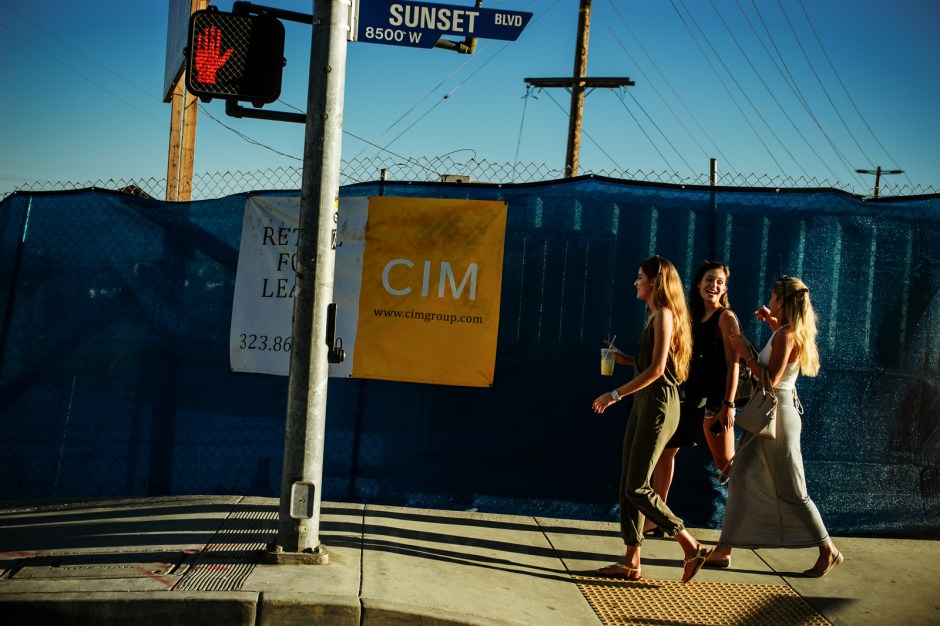
Sunset Boulevard Smiles
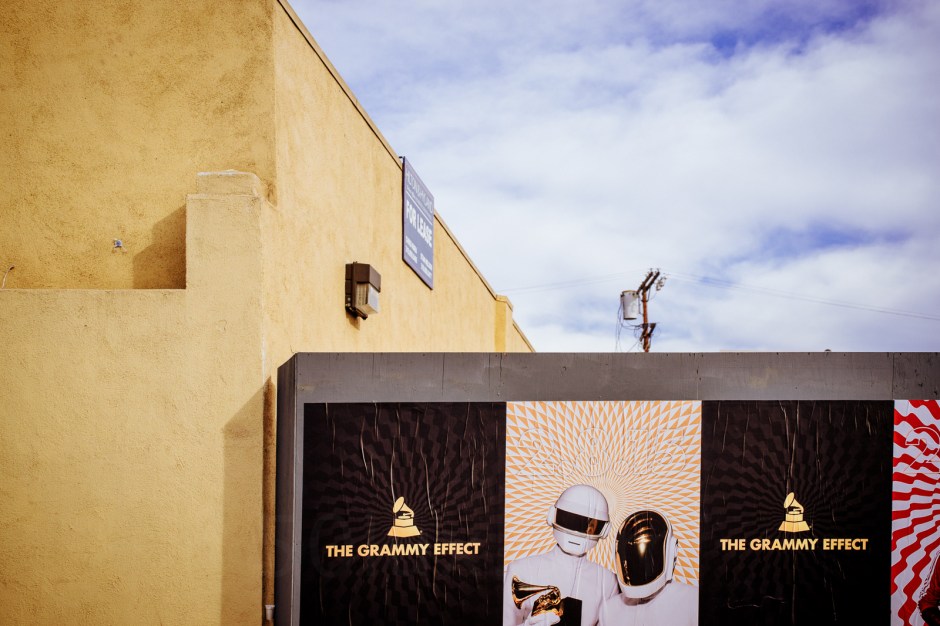
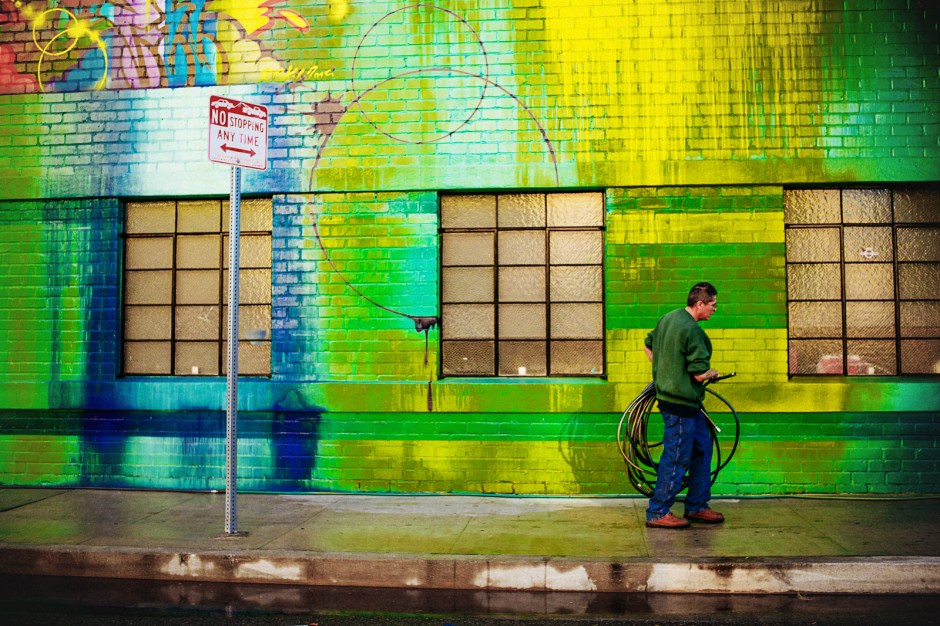
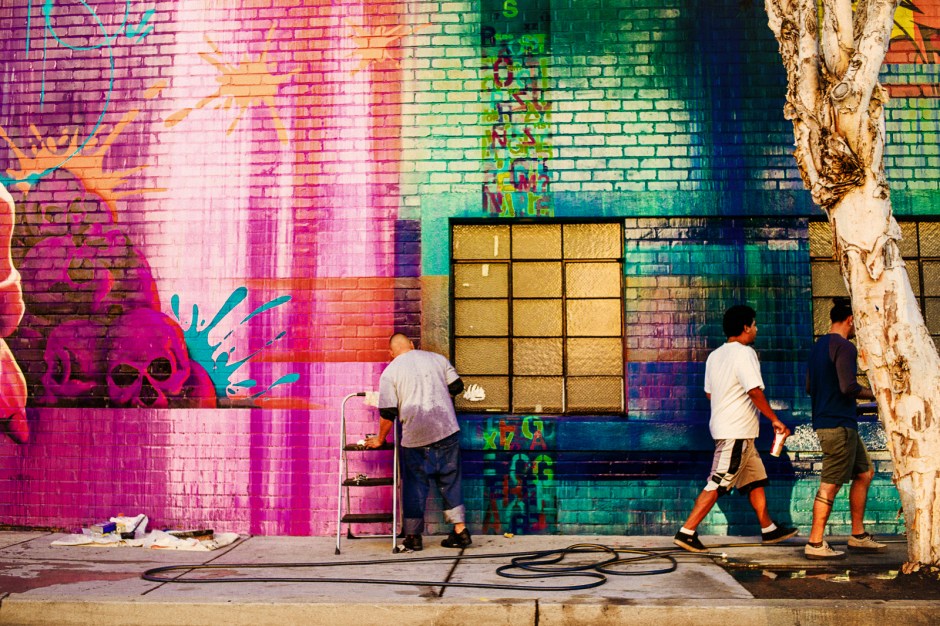
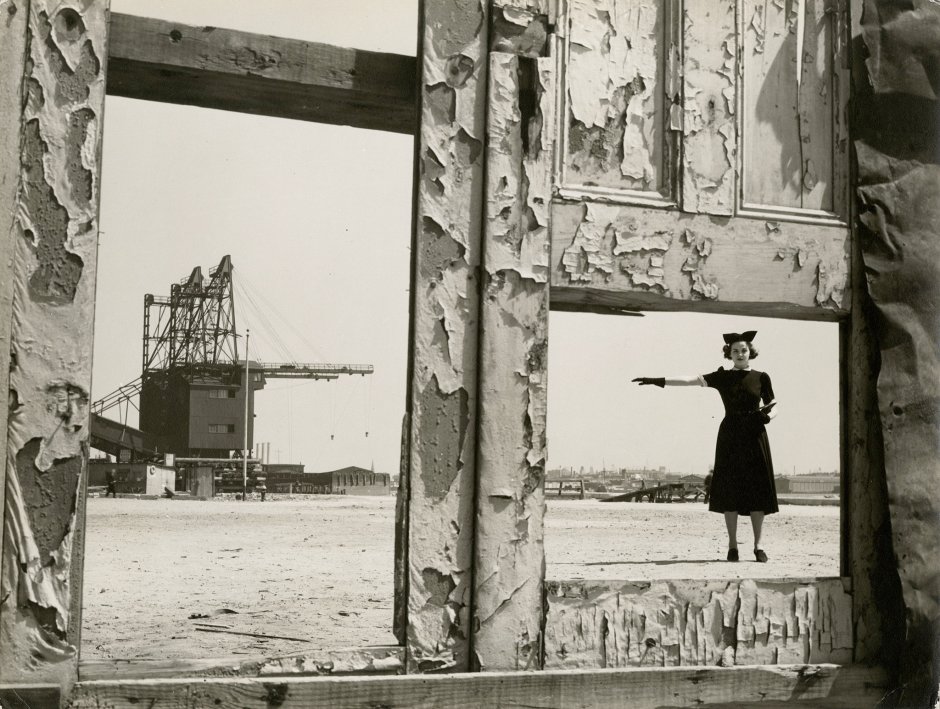
The quiet stillness of Eliot Elisofon’s pictures of New York can be deceiving. Mr. Elisofon, who died in 1973 at age 61, was neither quiet nor still. An early member of the Photo League and a staff photographer for Life magazine from 1940 to 1964, he called himself the “world’s greatest photographer” and hired a publicist to spread the word.
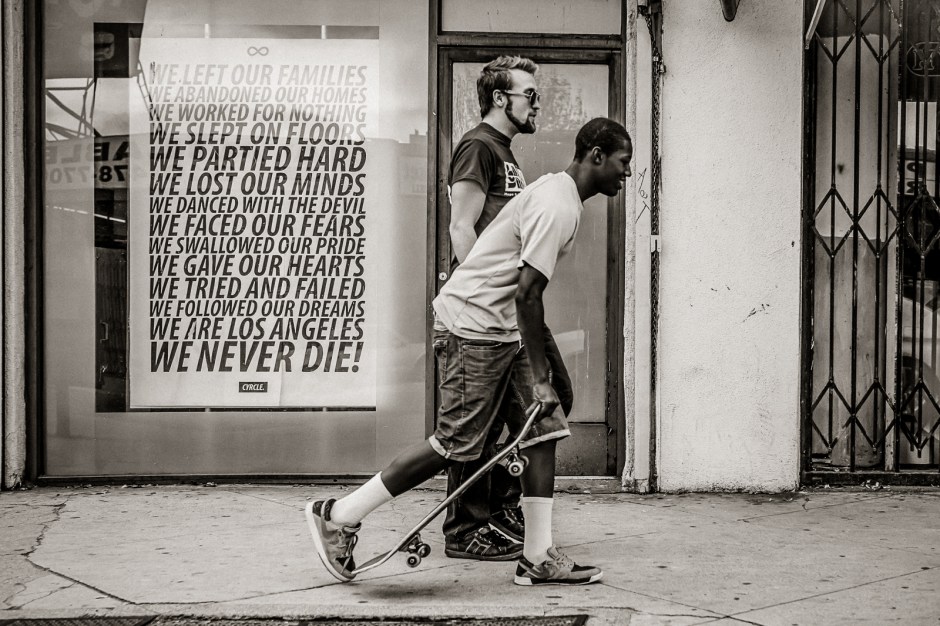
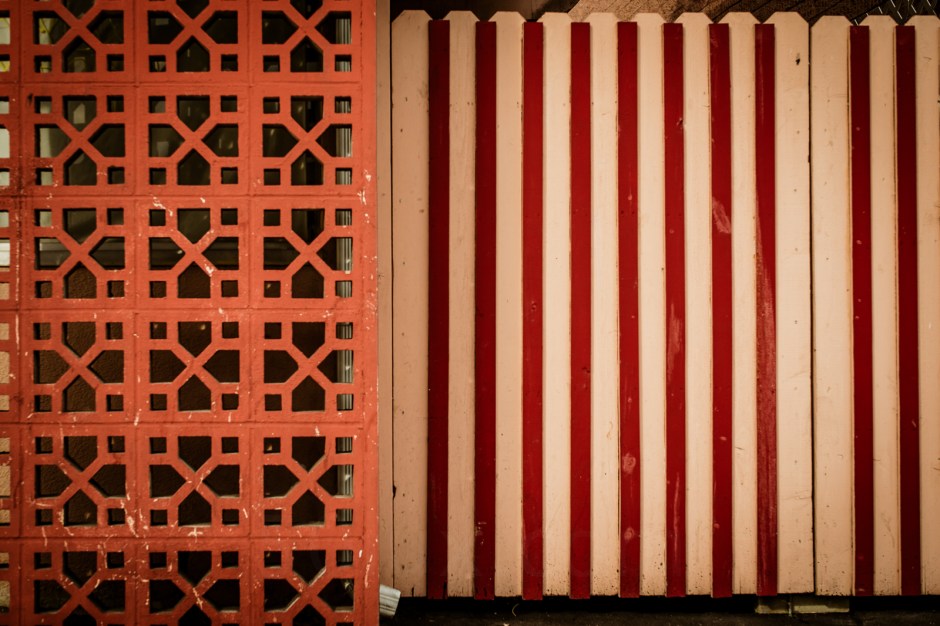
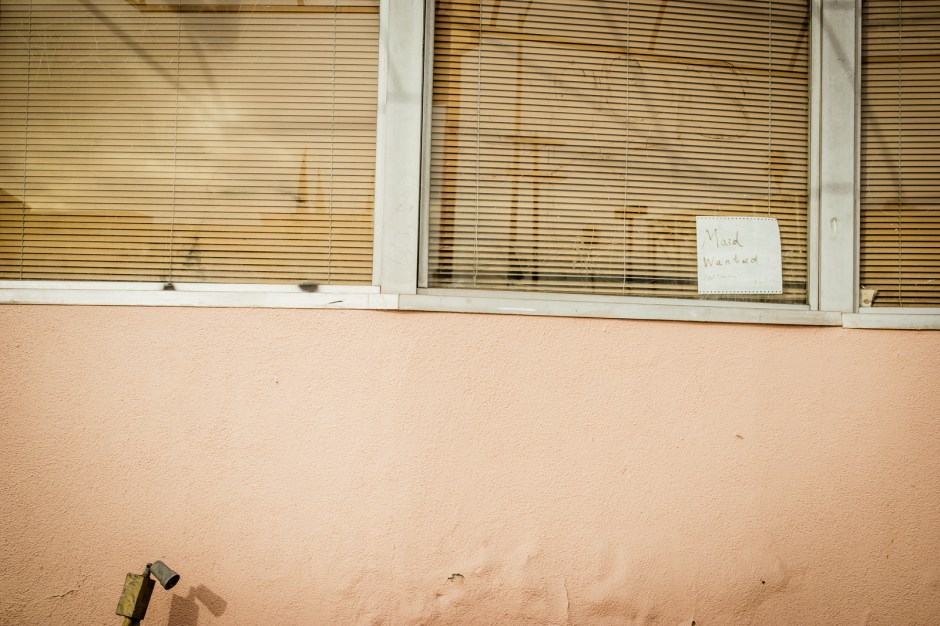


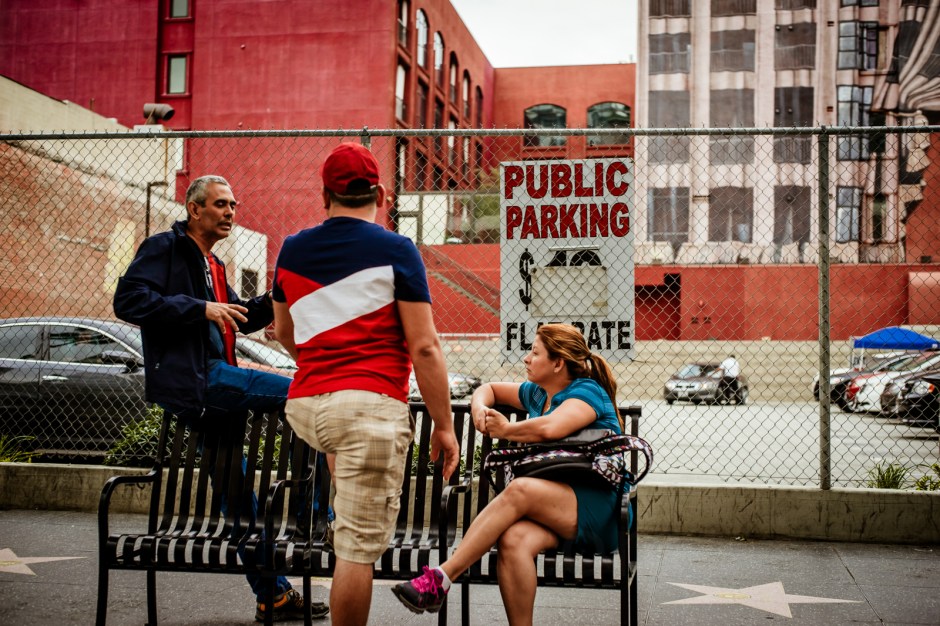
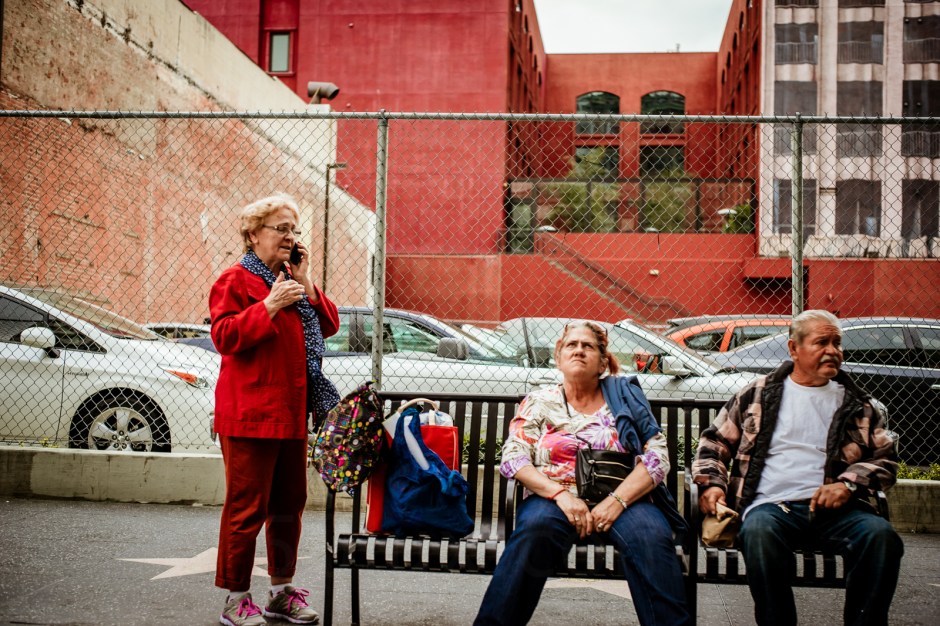


 As I write this the rain is falling on the roof of my building in cold jealous sheets. 😉 Damn you, rain! Be gone! We photographic artists must be allowed to co-mingle and congratulate ourselves over wine and cheese that we did not pay for!
Okay. (Let’s hope that works.) No rain can dampen the excitement and warm feelings today holds, not just for me, but for the 28 other street photographers who will be honored at the Los Angeles Center of Photography’s first Annual Street Shooting Exhibition in Hollywood.
I don’t really discuss street photography much here on 50lux.com. As I’ve said in an earlier post from last year, I prefer to let my images do the talking for me. It is a sentiment that has been shared by so many photographers throughout the history of the medium. Let the work speak for itself, the images for themselves.
Not always a workable position to take there, it is increasingly less so in the world of contemporary art photography and galleries and clients etc., which all demand that any visual artist know exactly what the purpose is in their work and that they possess and own the very reasons their art exists. It doesn’t seem like too much to ask.
In my case, I don’t even have the excuse that I’m not good (enough) with words or that I don’t have anything to say about what I’m doing. I’m good (enough) with words to say what I’m thinking and I have actual thoughts on photography and, maybe especially, the street photography that accounts for the majority of my own creative efforts over the last 15 years.
So I’m going to take this opportunity, on the occasion when what I’ve been doing for so long is being recognized, when the undertaking itself is being recognized, to say a few things about the work of street photography.
First I have to say that upon perusing the fine selections for the LACP showing online I’m reminded that, thankfully, whatever positions or thoughts I hold in regard to street photography aren’t instantly transferable to the work of others. Photography itself and street photography in particular means something different to everyone who picks up the camera.
I think when I started to make street photography a form of creative expression I did it because I wanted to capture and preserve and make permanent my own life in the form of what I was seeing in my world. I saw it my way. I don’t believe there is a higher power simultaneously seeing and recording and preserving my perspective… or any perspective at all.
Moments, like life itself, were fleeting, but even moreso. There is no guarantee of permanence of human life or even the planet we live on. I had a desperation to grab the ordinary because I saw it, and still do, as being so extraordinary. Everything I see and photograph is, to my mind, the most singularly pointed definition of unique.
Selecting scenes and frames from what I see happening in front of me is a far more subconscious process. I am looking for specific things and then something inside of me is also more instinctively looking as well. Sometimes the things that are most integral to my images are not physical image elements. At best, meaning when I think an image of mine is most successful, the things that I have photographed are not physically apparent.
More than anything, I’m trying to photograph humanity and the human interplay between the living beings and this imposing city. The grace, lack of grace, responses to life, its pressures and pleasures, the human reactions to the environment that we have created for ourselves.
In street-photographing Los Angeles, I am attempting to make subtle, psychological images of humanity as I find them and see them against the backdrop of one of the more chaotic and overdeveloped places on Earth.
I hope that touches on the more general aspects of my street photography in a way that people can relate to when looking at my images. I thank everyone who comes to 50lux.com and who has supported me and my photography over the years.
I want to once again thank Julia Dean and the Los Angeles Center of Photography. Thank you for everything that you do, LACP!
Donald Barnat
Los Angeles
The Los Angeles Center of Photography proudly presents our First Annual Street Shooting Exhibition that celebrates street photography in Los Angeles and around the world. The exhibition showcases 29 photographers and 39 photographs. The works were carefully selected among 120 photographers and 767 images. The selection process was juried by Sam Abell, Julia Dean and Stephen McLaren.
via First Annual Street Shooting Exhibition – Jan 30 | Los Angeles Center of Photography.
This page is just a teaser! Please check back here in the very near future to go to the actual Purchase Prints page where images I have selected will be available to be purchased as prints. I will be adding many more images to these in time and if there are any that you have seen that you would like to purchase a print of please feel free to contact me regarding those.
Thank you so much for your interest and support if you have any questions at all contact me here.
Donald Barnat


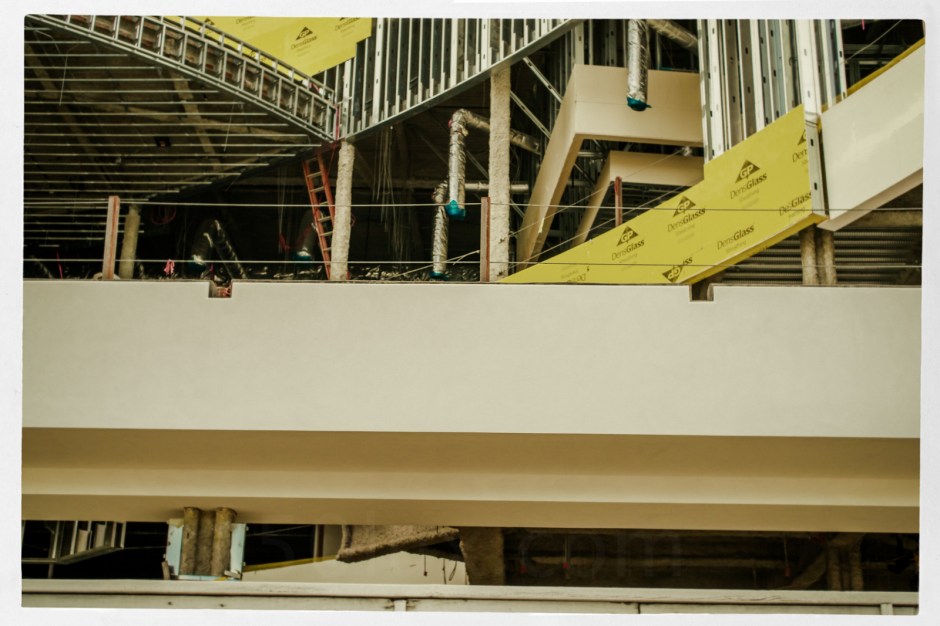


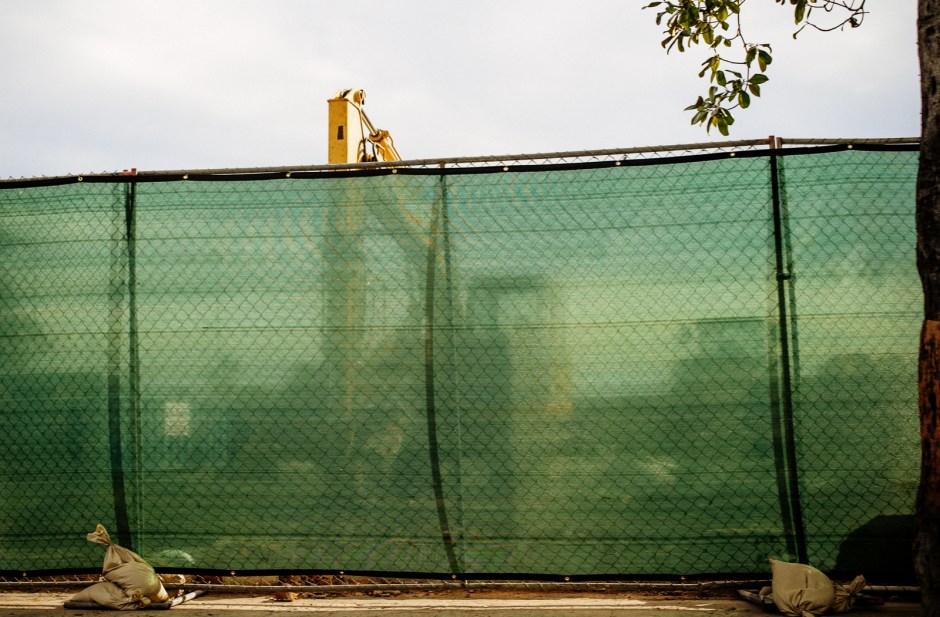


donald barnat / 50lux.com all rights reserved
Via AMERICAN SUBURB X:
“Her most memorable work documents the lives of the dispossessed; those deprived by birth of the rights and amenities most of us take for granted, touch her. When that happens she virtually moves in with her subject. She spend 36 days in a maximum security section of the Oregon State Hospital, living with the mentally ill, for her 1979 book, Ward 81. And she spent three months with prostitutes in Bombay for her 1981 book, Falkland Road.”
via INTERVIEW: “Street Shooter – An Interview with Mary Ellen Mark” (1987) | AMERICAN SUBURB X.
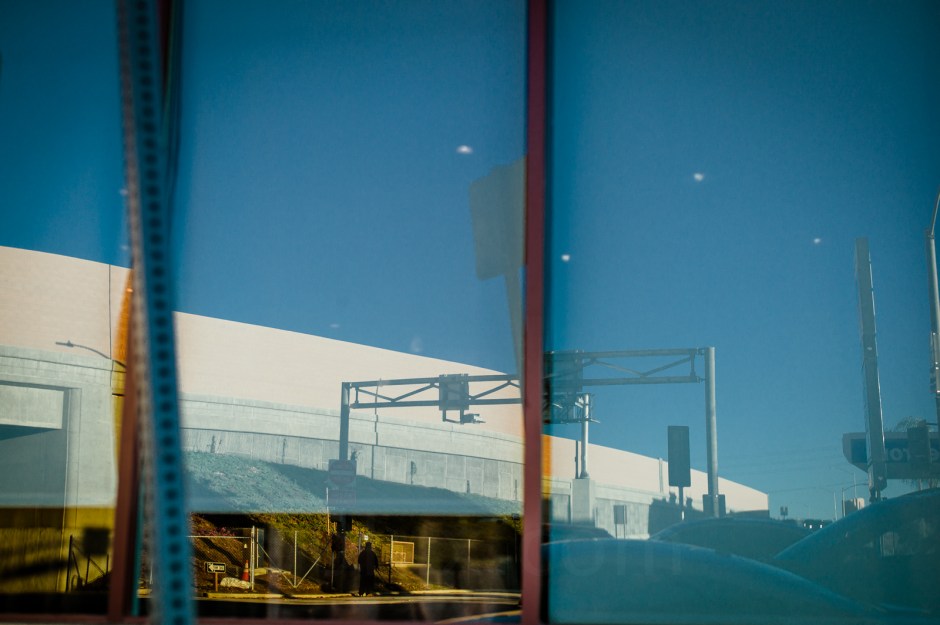

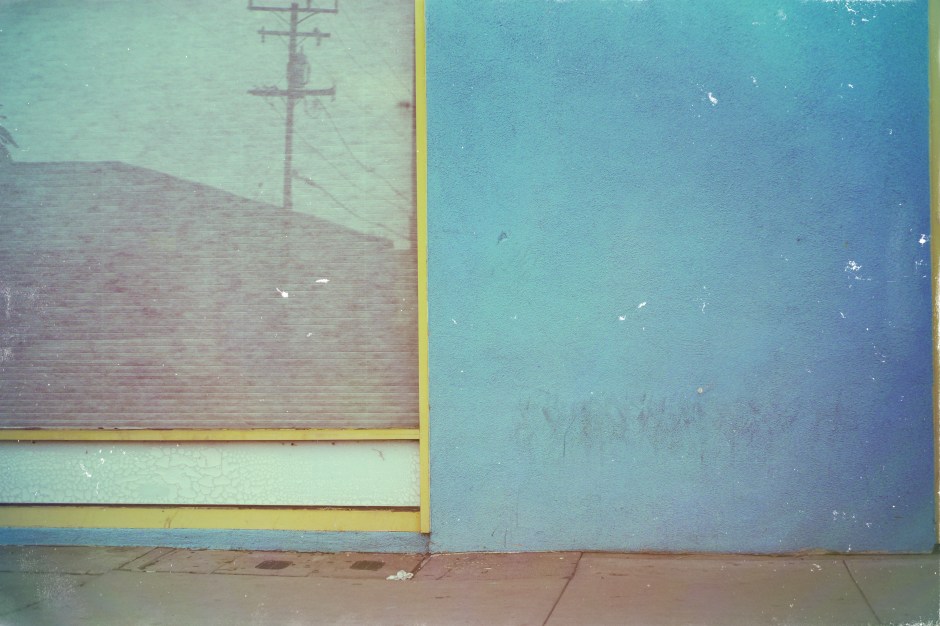


From LENS at The New York Times:
“One of the most consequential images in Robert Frank’s “The Americans” is a raw, cinematic photograph of a black couple in San Francisco in 1956. Approaching them from behind as the pair relaxed on a grassy hill overlooking the city, Mr. Frank disrupted their solitude. Startled, they turned to acknowledge him. The woman was annoyed. The man crouched protectively. As his eyes locked on the photographer, his expression hardened into a scowl. The couple seemed determined to protect themselves and their dignity.
On one level, as Mr. Frank himself has said, the photo demonstrates the ease with which the camera can invade the privacy of others, portraying “how it feels to be a photographer and suddenly be confronted with that look of, ‘You bastard, what are you doing!’ ” But the photograph is also racially fraught. Rather than a neutral observer, Mr. Frank looms over them, an active, unseen participant — a surrogate for the intimidating whiteness that shadowed the lives of black Americans, no matter how liberal their environment.”

From LENS on The New York Times:
“The cover image for the U.S. edition of “The Americans,” Robert Frank’s epochal book, spoke volumes about the state of the nation in the mid-1950s. The tightly-cropped photo shows passengers in the widows of a New Orleans trolley assuming their place in the social order of the Jim Crow South — progressing from a black woman in the rear to white children and adults up front.
The contact sheet that contained the image showed that Mr. Frank had photographed the city from multiple perspectives, but he ultimately selected the frame that most dramatically and symbolically captured New Orleans’ racial hierarchy. Learning this photo’s backstory would be impossible without the ability to view Mr. Frank’s contact sheet.
Now, such important archival material, typically reserved for scholars and curators, is just a click away. Launched by the National Gallery of Art in time for photographer’s 90th birthday in November, the Robert Frank Collection Guide is an extraordinary resource for the general public and researchers alike.”


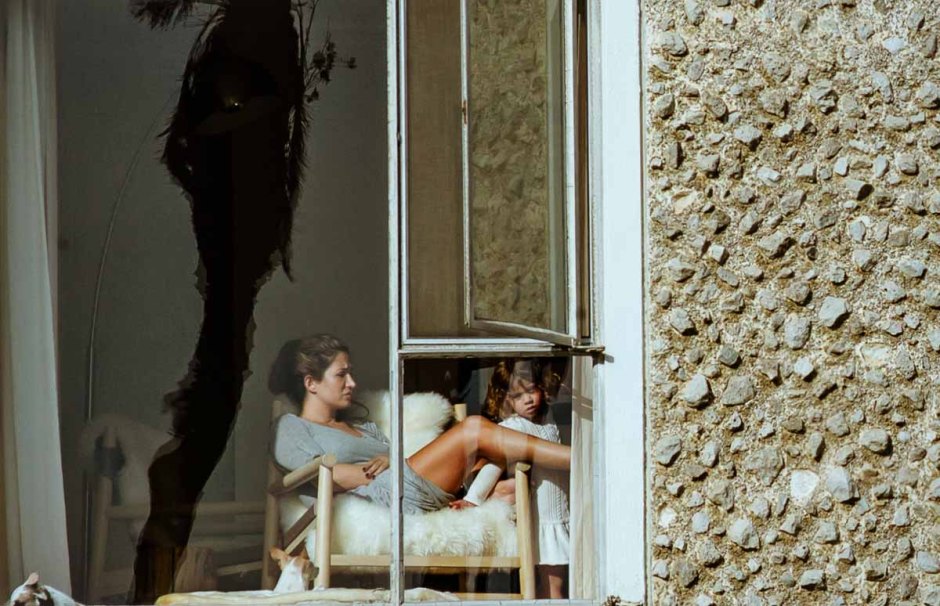 Here are the winners (link below) of a spot in the LACP’s 2015 Street Shooting Exhibition. Please find among the work of all of these wonderful photographers my four images. I can’t thank enough the LACP, Julia Dean, and guest judges Sam Abell from National Geographic and Stephen McLaren, author of Street Photography Now. But thank you again to all of them. I will put one of my winning shots here, entitled Sunday Was Soft and Warm. And it really really was.
Street Shooting Exhibition 2015 Winners | Los Angeles Center of Photography.
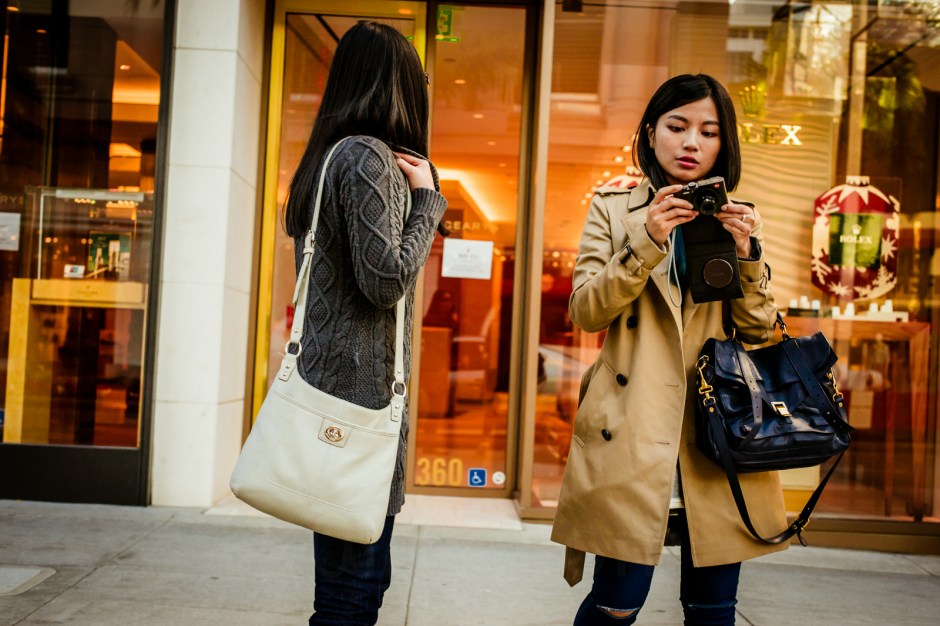 I’m linking today to what’s called a long read. But this one isn’t just for photographers. Everyone should read this. America should read this. American businesses should read this. This is the way it’s done. This is the way we are supposed to do things here in America.
Gibson. Fender. Cadillac. Are you listening? I think some of you may be starting to.
I just bought a guitar amplifier from a boutique maker named Michael Swart. It’s the Swart Space Tone Tremelo model. I’ve heard, but don’t hold my words to be legally binding, that Michael Swart will fix any of his amplifiers that come back to him, no matter if they’ve been resold. Is this perfectly true in all cases? I don’t know. But the story is out there because this is what people who have experience with him are saying. He doesn’t give a fuck who owns the amp now! It’s got his name on it, it’s broke, it’s in front of him, he’s fixing it.
Booyah! (R.I.P. Stuart Scott) That’s the way it’s supposed to be.
Leica. Leica is the mother of all boutique brands. That Leica would react to a situation like this — with the expense of the items involved — is breathtaking. Booyah on you, Leica! This is the kind of story that makes me proud to be a human being. Proud that we all evolved from the primordial soup together. It doesn’t happen all that often but here it is.
How I lost my Leica equipment and what happened next – Witold Riedel
The following story has some parts that might feel a bit strange to some, and yet will feel completely familiar to others. I guess that’s how stories go. When reading it, some will dislike me for some of the facts, while others will be able to relate and feel that what happened was not exactly easy. The story is true. And it has something to do with my cameras; with my M Leicas.
via Witold Riedel › Notes › How I lost my Leica equipment and what happened next..


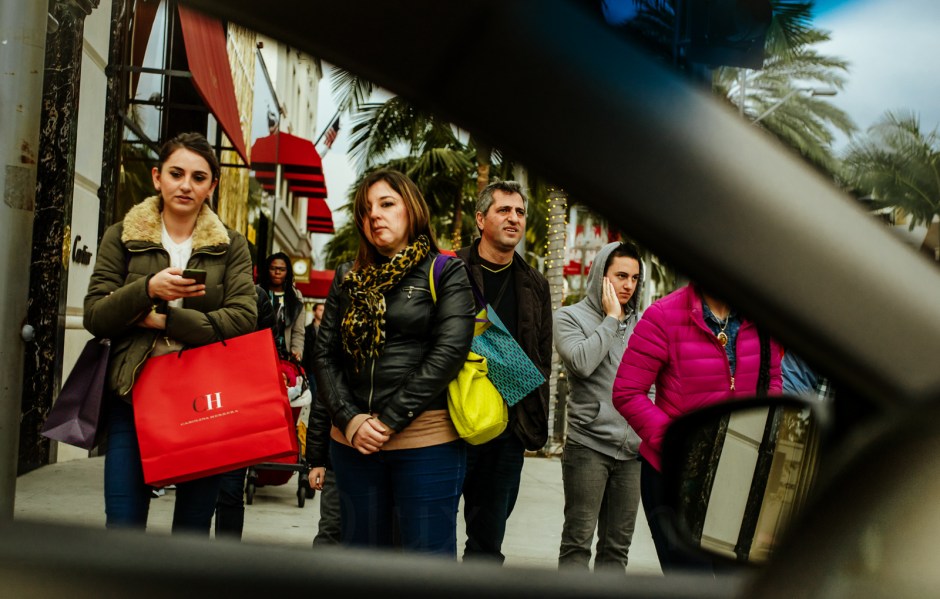


2014 was a great year for me, finally, and I couldn’t hope for anything other than more of the same in 2015. So here’s a New Year’s toast (sparkling apple juice) to photographic and artistic success and fulfillment for all of us. 😉


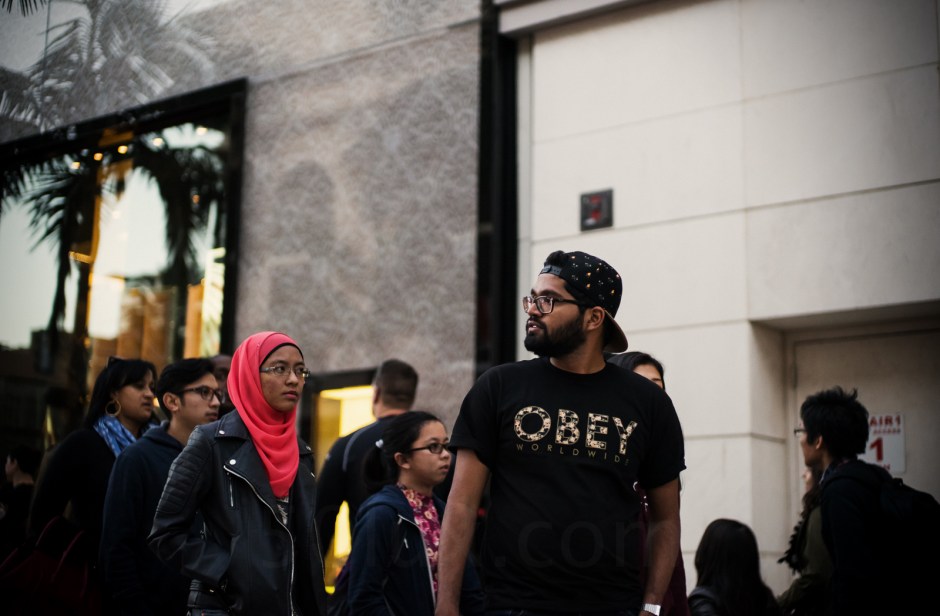
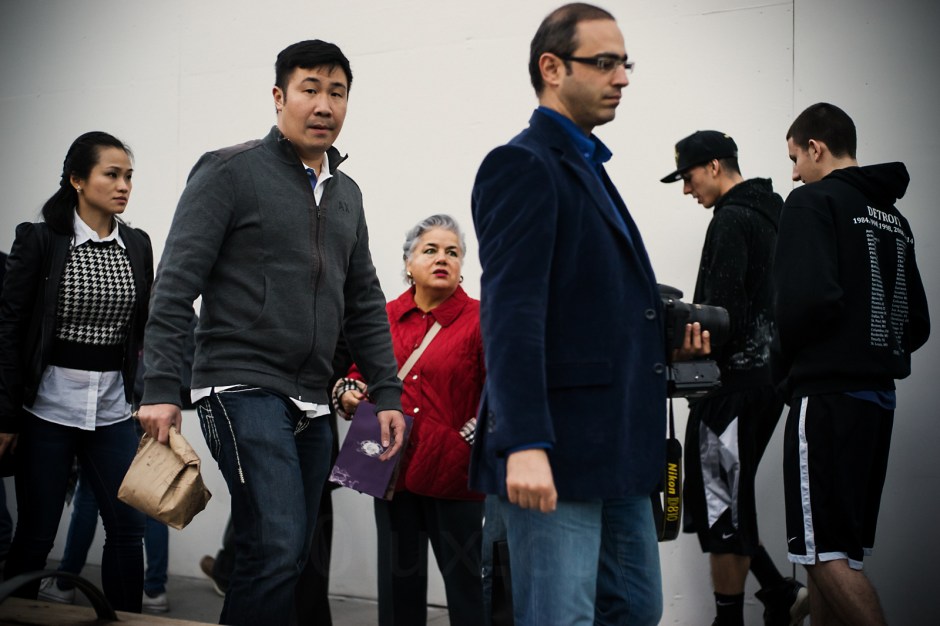
The picture above was not taken by Josef Koudelka, of course. It’s just one of mine. Sorry. But it reminds me of something like what I feel when I look at the amazing work of this possibly greatest living 20th century icon of photography. So I thought it appropriate to use it here to note the exhibition at the Getty in Los Angeles of Koudelka’s work that runs till mid-March of next year. I will be there staring with my mouth open I’m sure.
Josef Koudelka: Nationality Doubtful
November 11, 2014–March 22, 2015, GETTY CENTER — An aeronautical engineer by training, Josef Koudelka (Czech, naturalized French, born 1938) became intensely committed to photography by the mid-1960s and quickly emerged as one of the most influential, iconoclastic photographers of his generation. This exhibition—the first U.S. retrospective devoted to Koudelka since 1988—traces his legendary career with more than 140 works produced over five decades. It marks the first time that the work of one contemporary photographer will fill the Center for Photographs at the Getty.
via Josef Koudelka: Nationality Doubtful | The Getty Museum.









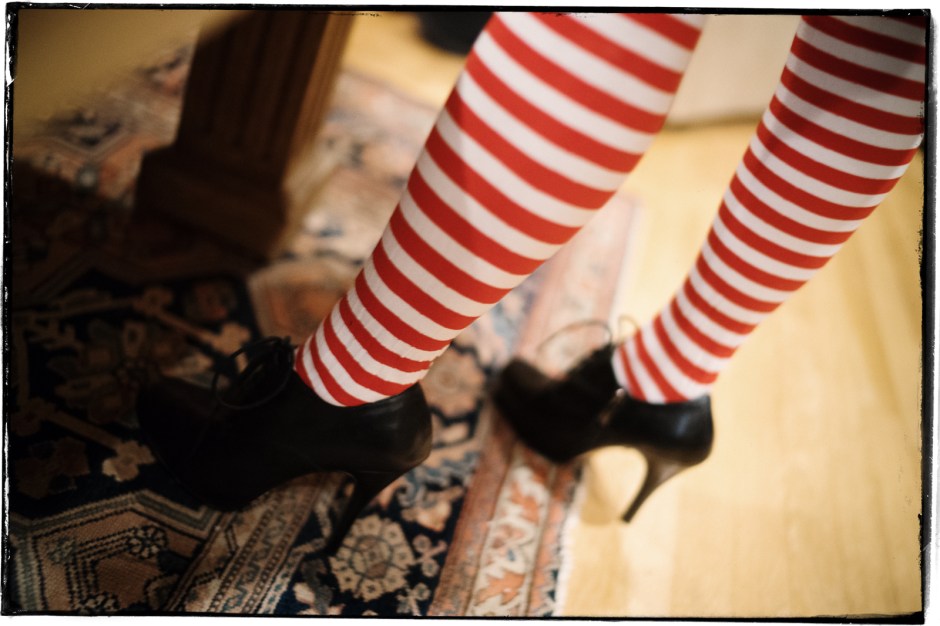


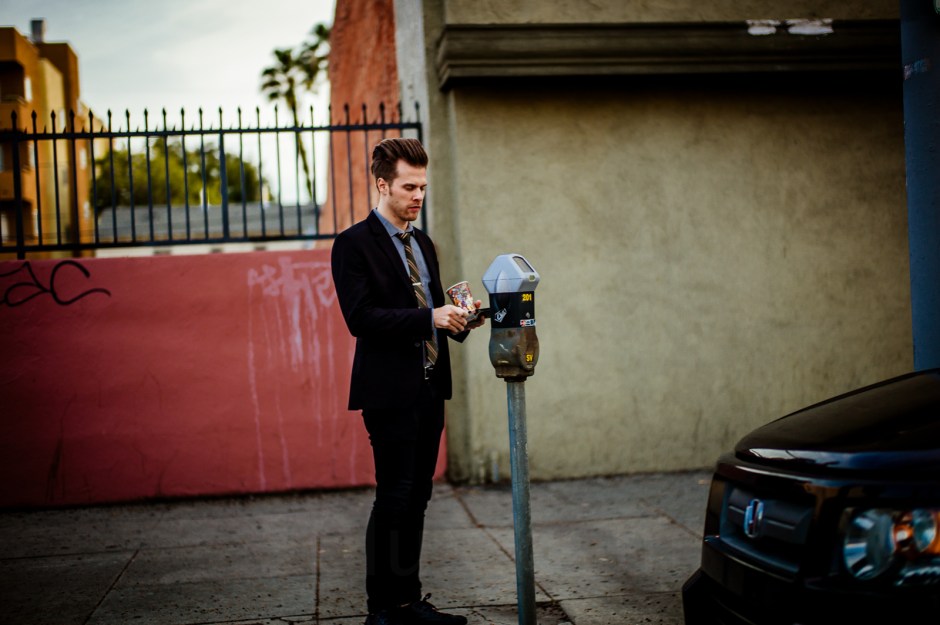


I’m not usually speechless or at a loss at how to respond to something. But I am through the looking glass right now. I’ve known about this for three days but I haven’t even been able to post the news here on 50lux.com because I’m so blown away.
The LACP, which selected one of my images, Gestalt Moment, for their first member’s exhibition earlier this year, asked for submissions for an upcoming street shooting exhibition early in 2015 which will be both in their gallery and also online.
I submitted 10 images. The response from street shooters in the LA area was great. 129 photographers submitted almost 800 images. The judges were serious. National Geographic’s much esteemed Sam Abell. Stephen McLaren, whose book, Street Photography Now has been on my bookshelf for years.
As far as I can tell, I’m one of only three photographers to have four images selected!
I don’t know what else to say. I would have been GREATLY honored to have one image selected and featured either in the online gallery and over the moon to have one once again on the wall of the LACP exhibition. But I will have TWO on the wall and an additional two different images in LACP’s online gallery for a total of four online.
I just want to thank Julia Dean, and the judges, and EVERYONE associated with the LACP for being what they are and creating their presence in Los Angeles photography and giving photographers here the platform and recognition as they have so deftly and gracefully done. Thank you, thank you, thank you!
Since these four images will be featured on LACP’s own online gallery, and they have bestowed upon me this great honor, I don’t want to steal their thunder or take away even one web click from them by posting the images here.
I also won’t even post any of the six shots that weren’t selected as that too seems a bit of a weird thing to do at this time. I will at some point but certainly not now.
The shots have all been featured here in the last year. Three of the images were taken with Nikon cameras and one with the Leica M. I think. Don’t hold me to that. I’m so blown away I barely know my own name right now.
Thank you also to everyone who visits this site and has encouraged me and my photography. You have bolstered the notion in my head that I have something to say photographically and that has kept me going these past years and I thank you all so much for that.
And I want to also thank Leica for the inspiration. Always. Even before I shot Leica. Switching to Leica gear was a complete rebirth for my photography. I could not have gone on another year shooting big autofocus DSLRs. I certainly wouldn’t have been inspired to start this blog without Leica and without this blog… anyway.
I’m thanking everyone today!
Donald Barnat

I took this picture in Beverly Hills, CA two weekends ago, while protests were breaking out around the United States over the issue of the disproportionate use of excessive force by police departments against African Americans. I don’t know what the quite apparently homeless woman had done but she was in obvious distress at this moment and loudly vocalizing her displeasure with the actions being taken against her.
I have nothing else to say, really, about this conveniently relevant photo that fell into my lap because I happened to be in the right place at the right time. Well, other than the fact that my heart goes out to the woman, and also to the cop.
Back before there was such a thing as a blog, when Macromedia Dreamweaver was the coolest thing on the planet, I used it to make and publish a handful of websites. One of them was an anonymous rant against the police. I made it to publicize and characterize for the world-wide-web the never ending cycle of unjustified police shootings here in Southern California.
I had on it the story of the black girl sleeping in her car in the rain at night who police shot while she was unconscious and possibly even overcome by carbon monoxide by her car’s running engine. There was the story of the unstable 130 lb 16-year-old whose family called 911 because they were worried about his erratic behavior and who, when surrounded by police, was whirling in a circle keeping the cops at bay with a broom stick. He was shot 9 times. There was the infamous story of the homeless 90 lb woman in her 60s who was shot for pulling out a screwdriver when stopped by police for having a shopping cart back when the police were instructed to arrest homeless people for shopping cart theft.
Let me repeat. I made a website about a dozen years ago (or more) to publicize questionable killings of black and hispanic people in California. That’s ALL the website was about. The police shooting and killing blacks and hispanics.
Details are very very important. Details are why a progressive leftist person who started a website decrying police violence, along with millions of others, find themselves unable to get behind a protest movement based on an incident that doesn’t have the right set of circumstances and facts to build the kind of systemic change that is needed upon.
That is Ferguson, in my eyes.
The Staten Island tragedy, however, and the I Can’t Breath movement and protests that have been growing out of it, represent, in my opinion, a truly valid protest movement that was born by a clearly indefensible example of unreasonable force by the police resulting in the death of a citizen.
I am deeply disturbed by the death at the hands of the police of Eric Garner in New York.
More power to this movement and to these protests.
I’m putting what I’m about to say out there because I don’t see it on protest signs, I don’t hear it coming from the talking heads on television and I certainly don’t envision the police opening up on this point. So here it is.
Policies and Procedures
Police policies and procedures are largely written by the police with a big assist from police unions. They are the instructions the police write for themselves as to how they are to go about every aspect of their jobs.
In all the years that these shooting have been happening in Southern California, through multiple federal investigations and consent decrees imposed on multiple law enforcement agencies… the one thing that has remained almost untouchable by civilian oversight or the government is police policies and procedures. They’ve changed very little. The police continue to get away with discharging their service weapons into human beings who did not need to be shot to death.
If you want to fight the police the way to do it is find a way to impose civilian oversight over the re-writing of THEIR OWN POLICIES AND PROCEDURES.
Policies and procedures. It’s all right there in those two words. The police write their own. As long as the police make the rules for their encounters with the public, of how and when to use force, they are are going to continue to escalate situations, in the tragic case of Eric Garner, INTRODUCE violence, in that case, DEADLY violence, over minor non-violent and even, I believe, non-criminal violations.
Who gets this? Southern Californian activists. This region of the country is Ground Zero for questionable police shootings of unarmed, mostly (but not always) minority, citizens.
So it would be fitting that right now, as I write this, at this very hour, the LA County Board of Supervisors, with protestors raging outside, is taking up the issue of a civilian oversight board for the LA County Sheriff’s Department.
This was voted down last year but with two new members on the board supporting it there is hope that it may pass this time. It’s important that there is civilian oversight and that it not be simply the brand that rubber stamps whatever the police departments decide.
“We are encouraged that this new board is moving forward and has the political will to shift the course where the previous board fell short.” – Jaz Wade “Dignity & Power Now”
I’m not so encouraged, honestly, or nearly as optimistic as Ms. Wade but I am hopeful. If you’re in LA please keep an eye on the news as this story is being covered by all the local television channels.

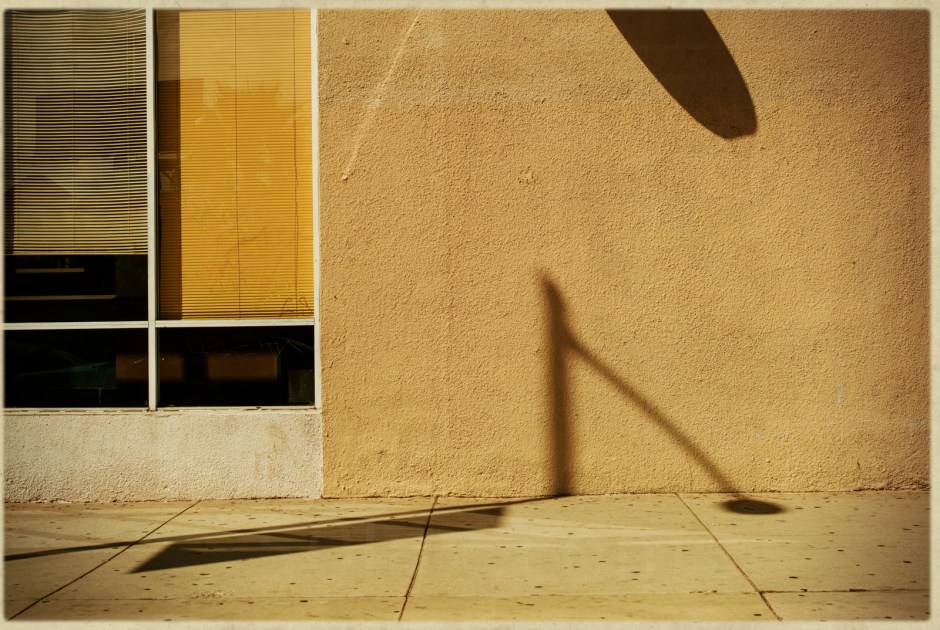
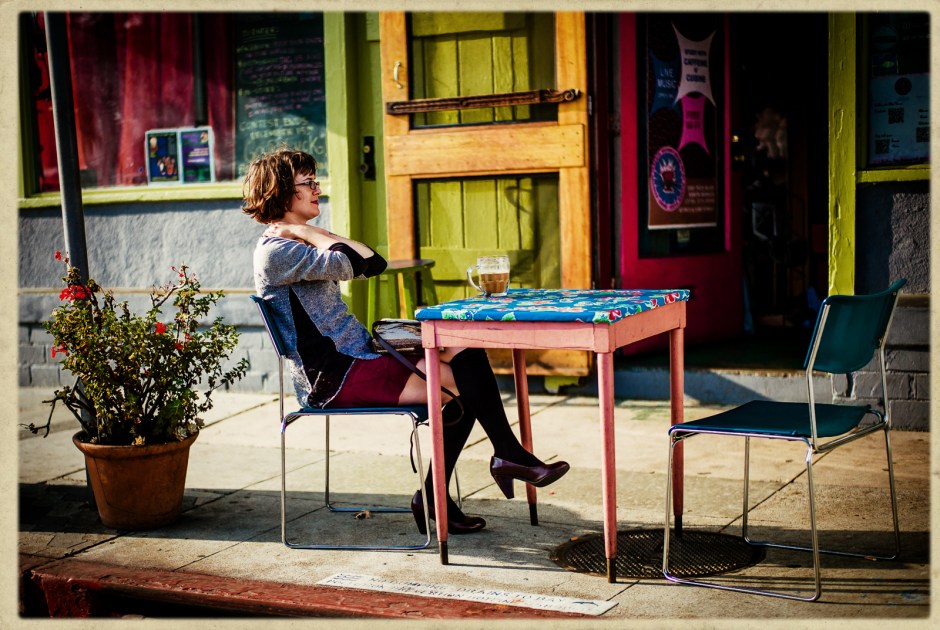


The world I grew up in. Second from the left is my mom, who was a two-time president of the local Ladies Auxiliary of the VFW. Third from the left is my father, who was a two-time commander of the same local VFW post in our town. These are all the founding officers of the post in Aliquippa, PA. This image was published in the Beaver County Times. My godfather Walt is to the far left. I believe this shot was taken in 1959. Anyway. We do a lot of things wrong in this country. I think we have to, and especially in this era of apparently never-ending wars, begin doing veterans right. And the horror stories that evidence the failures have to stop and be replaced by a system that represents the best that human beings on this planet can do for each other. If we can’t fix that we’re never going to fix anything and the whole country is a sham.
 50'Lux