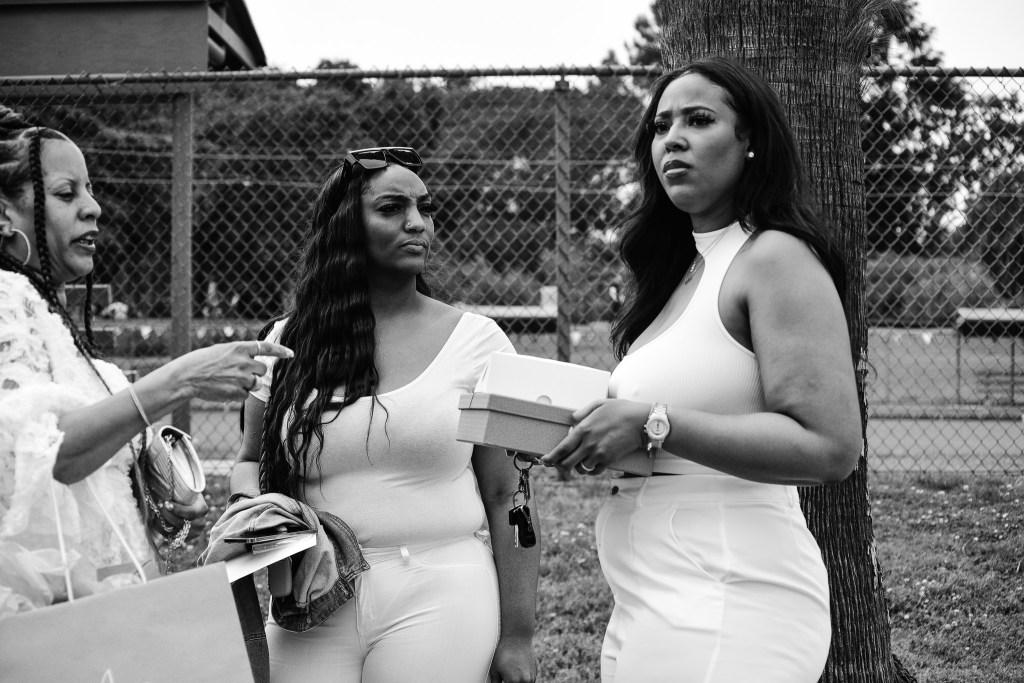
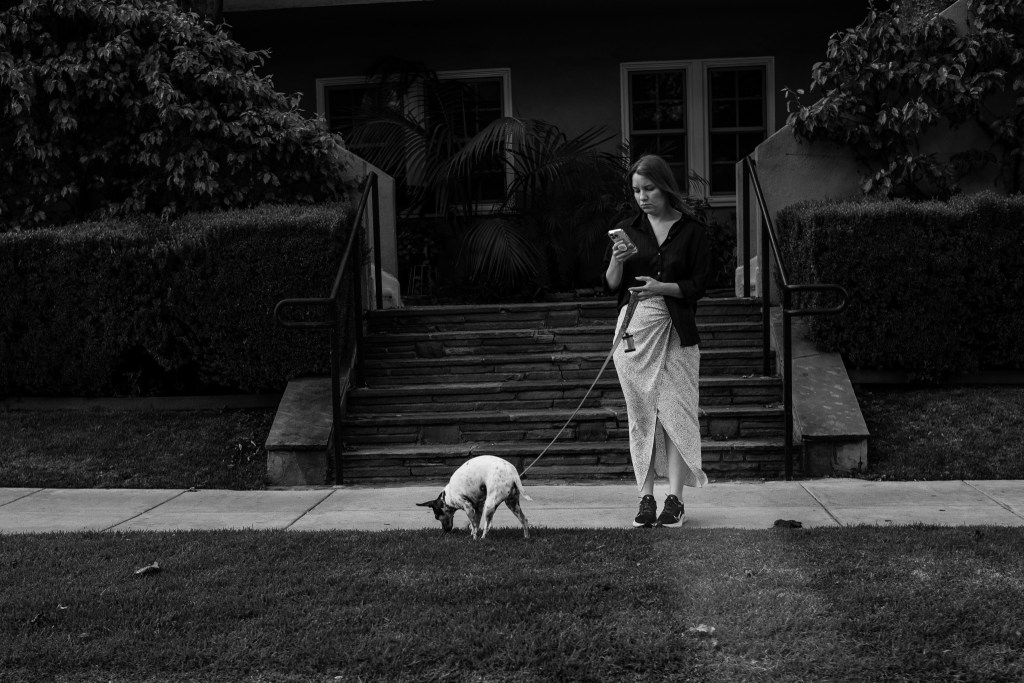
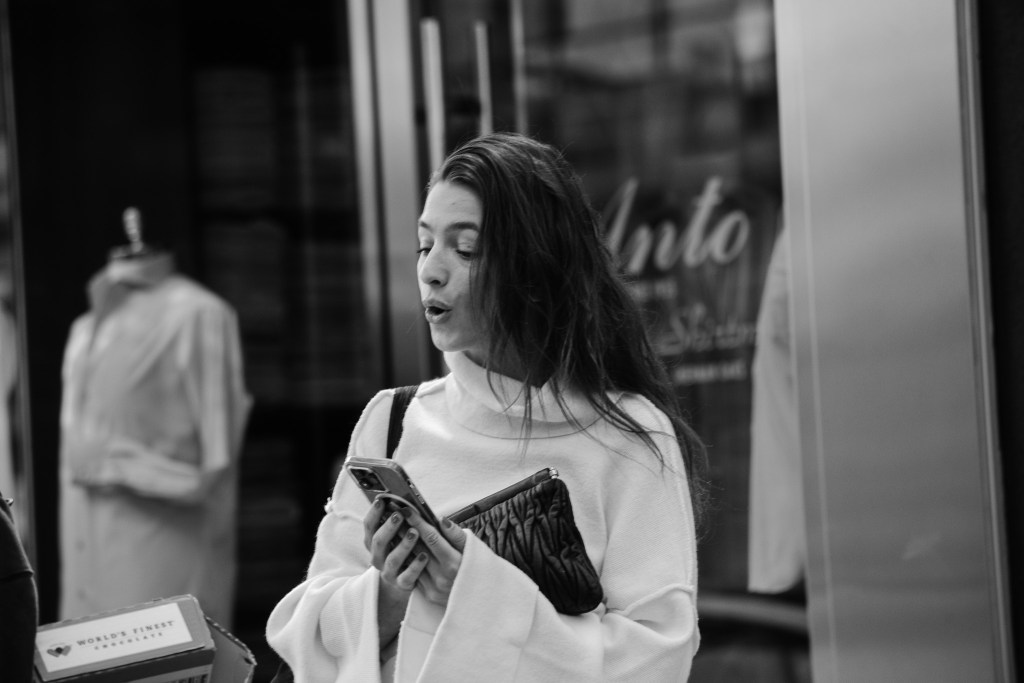
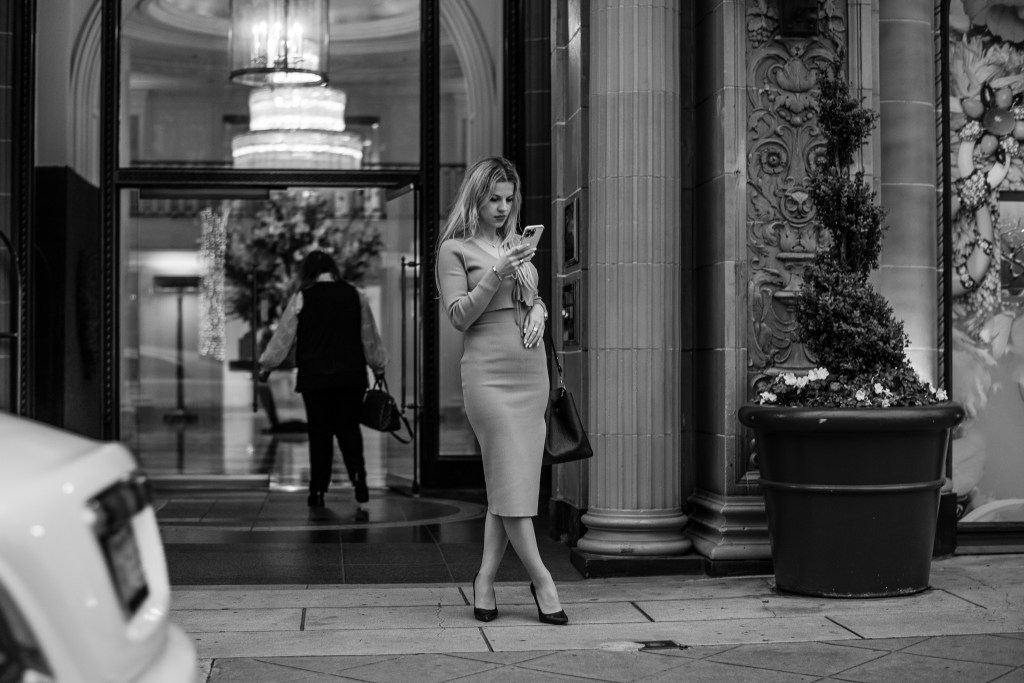
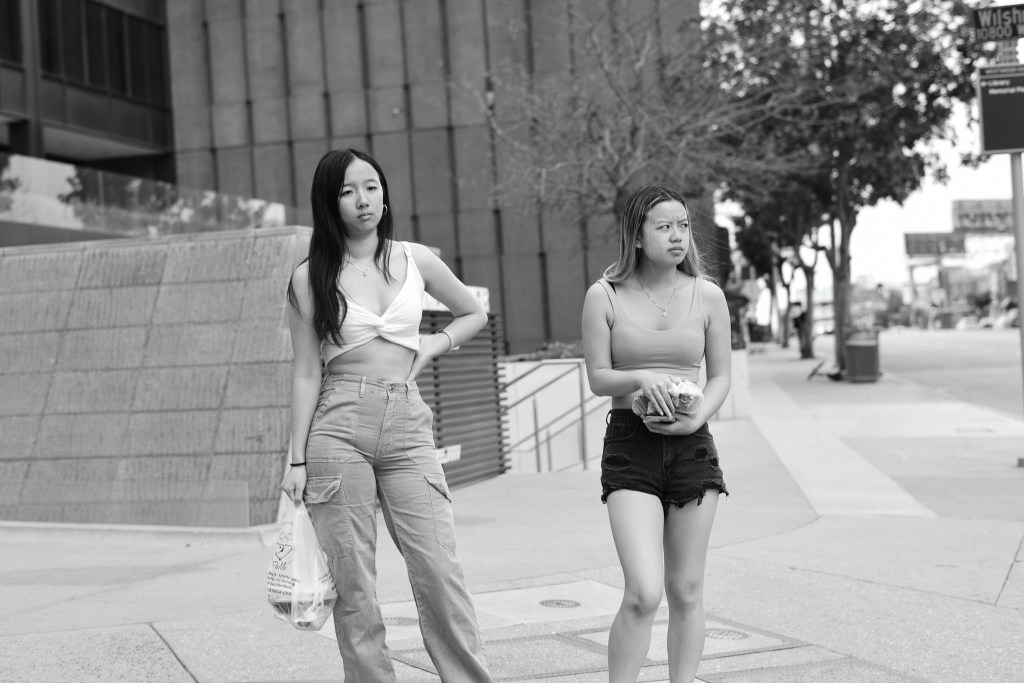
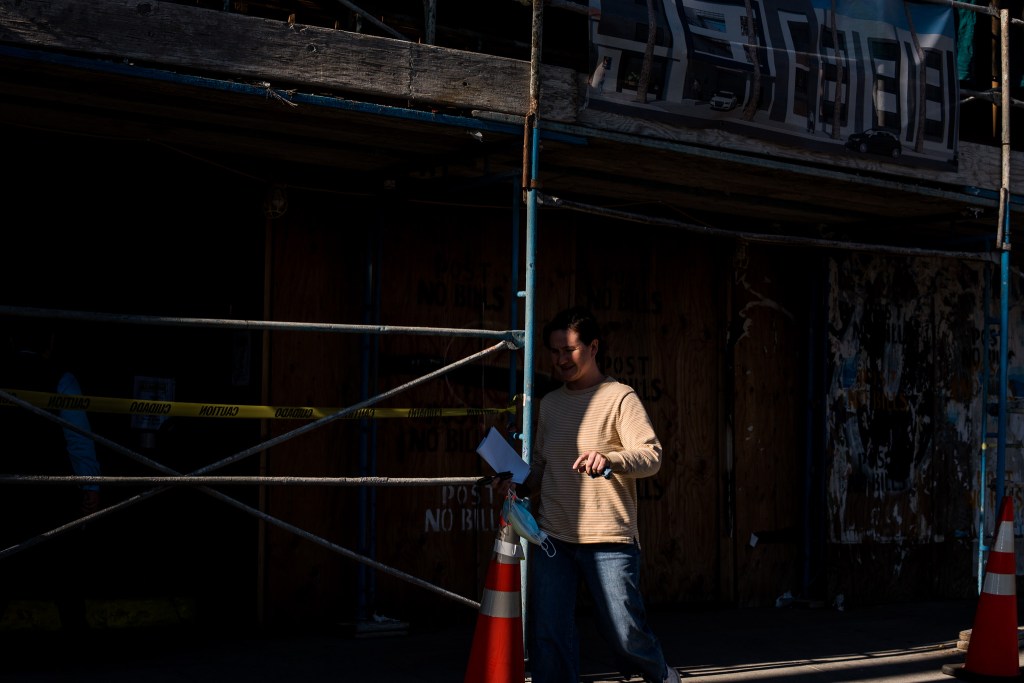
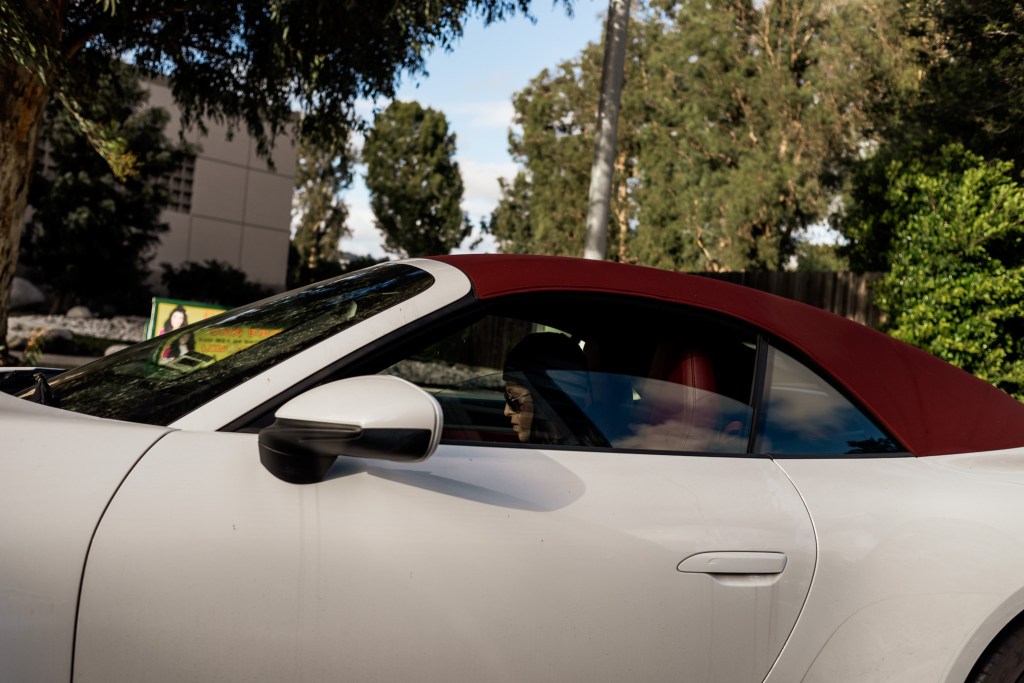
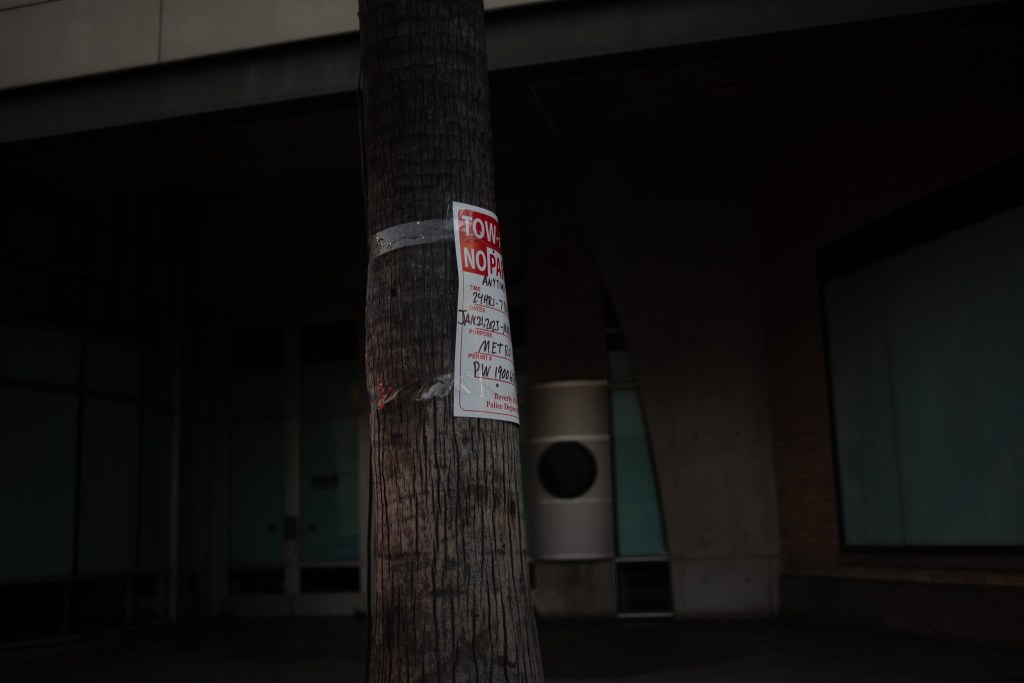
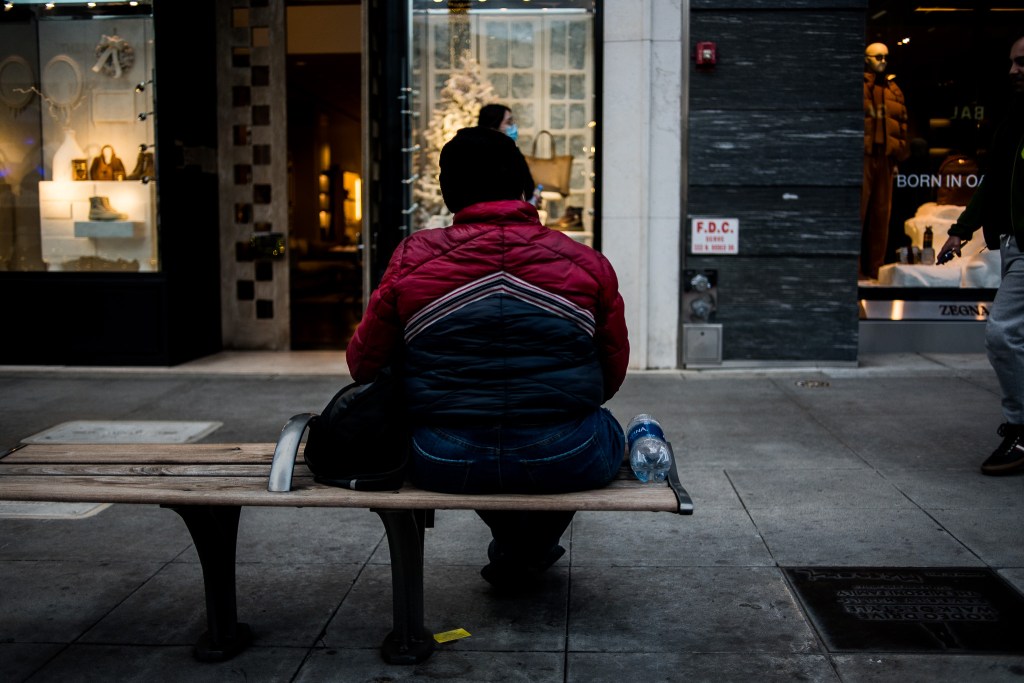
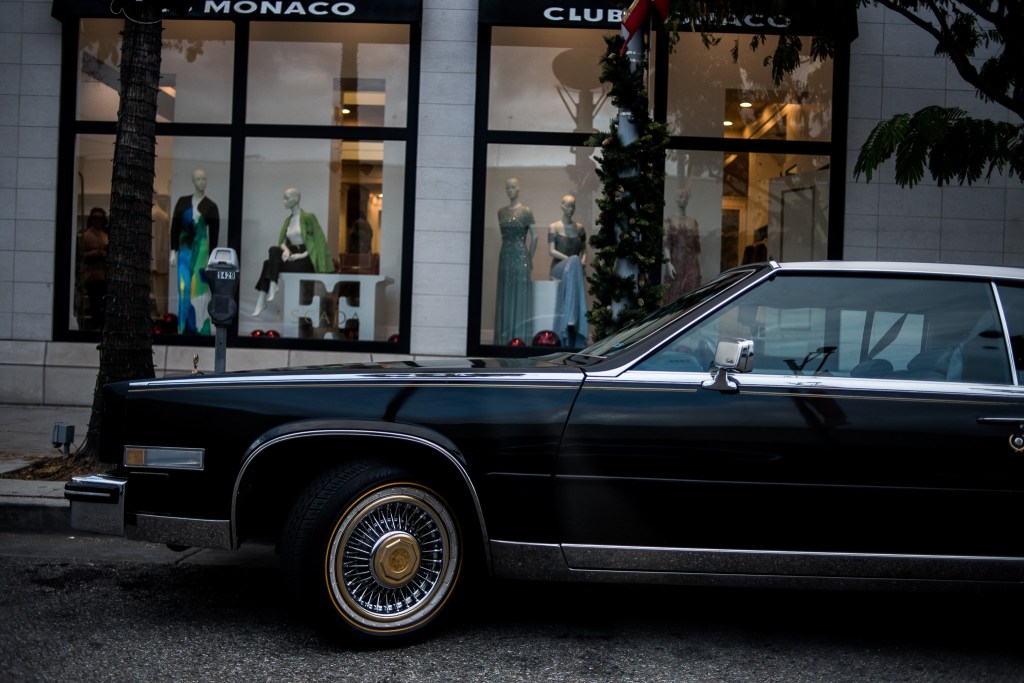
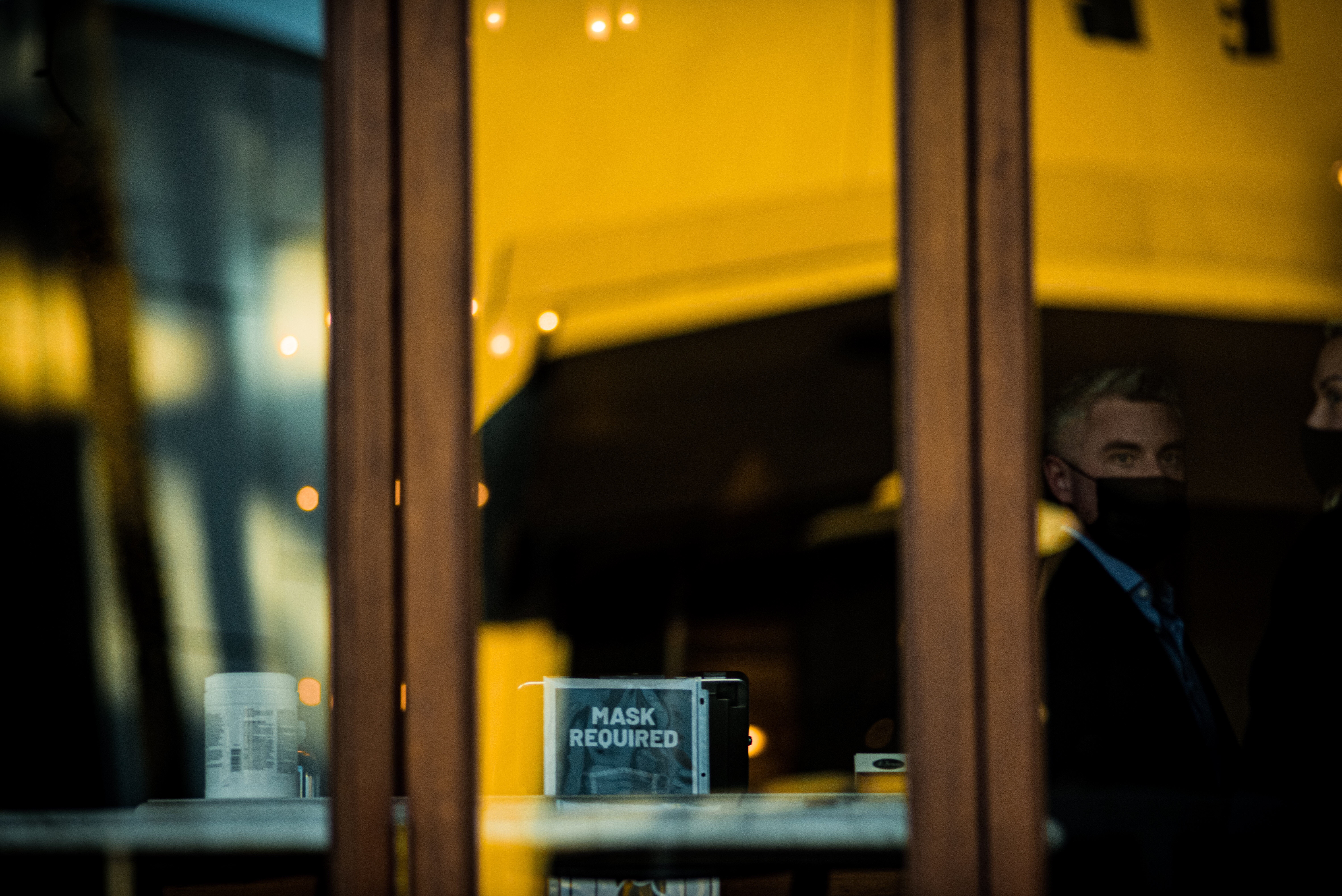
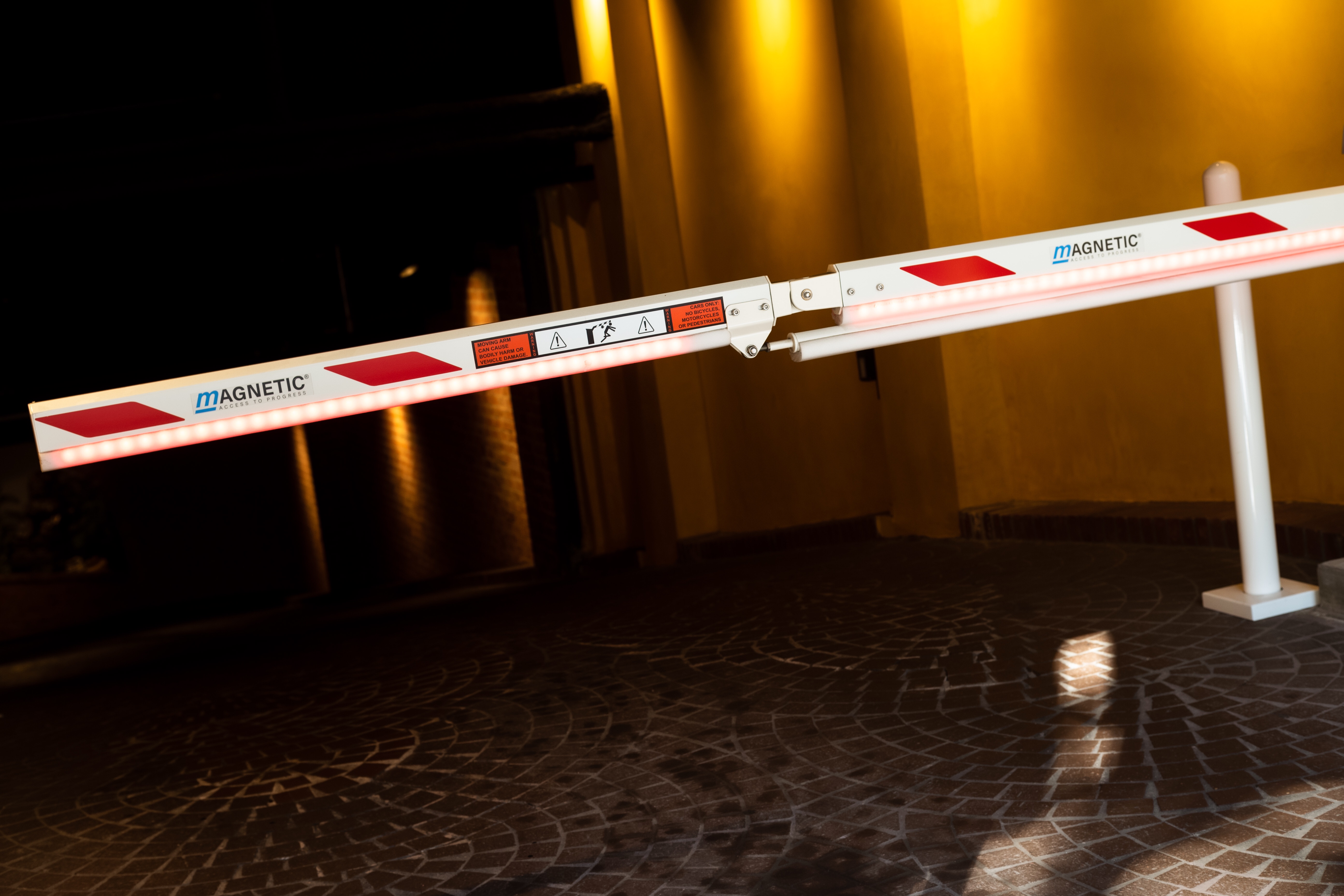


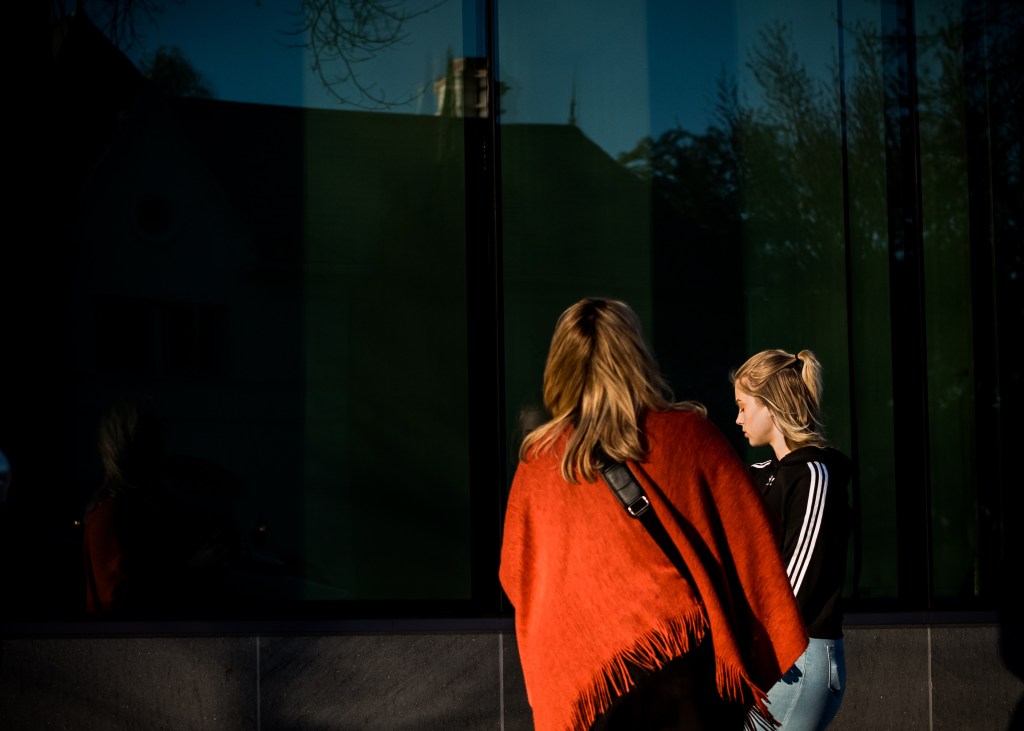


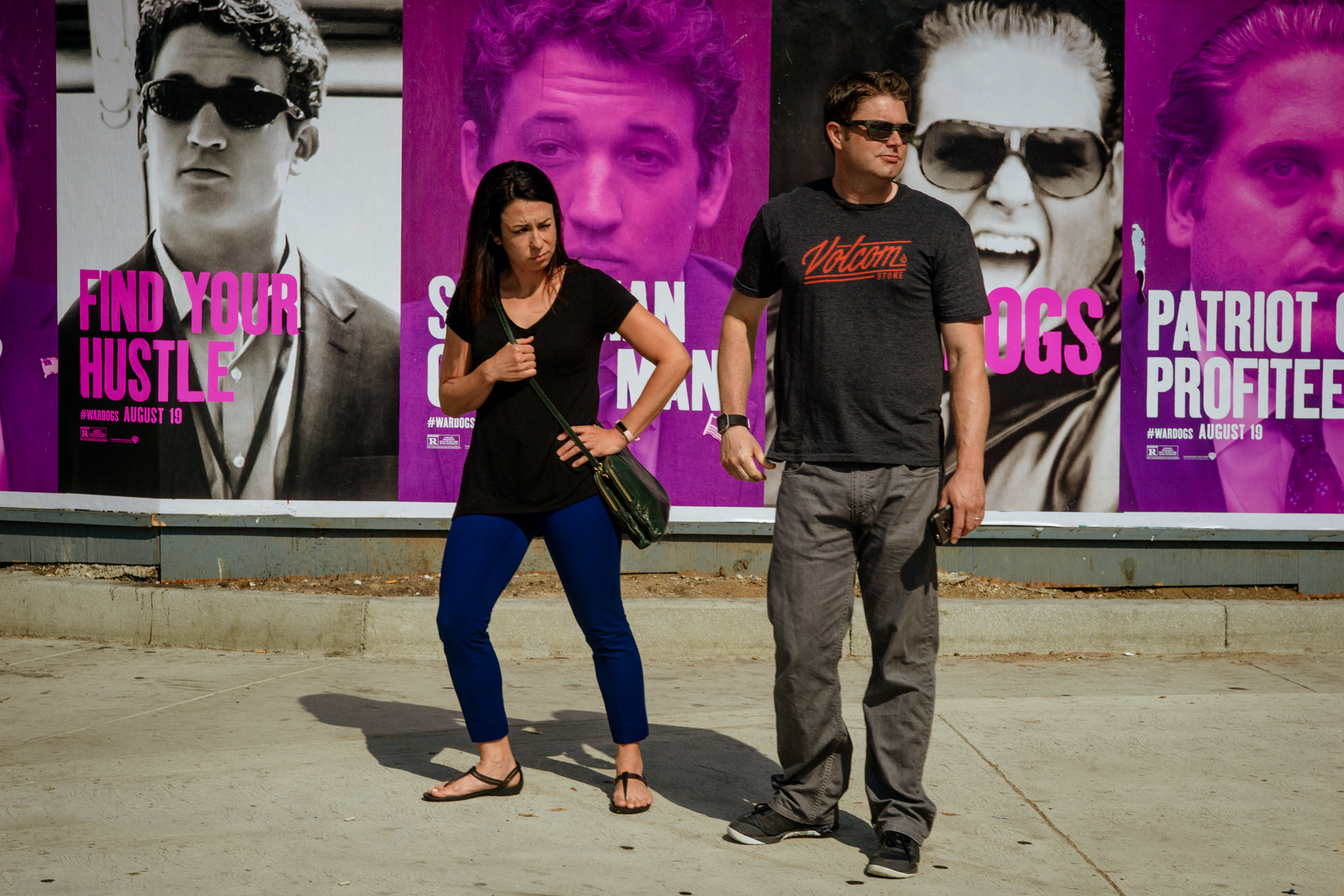

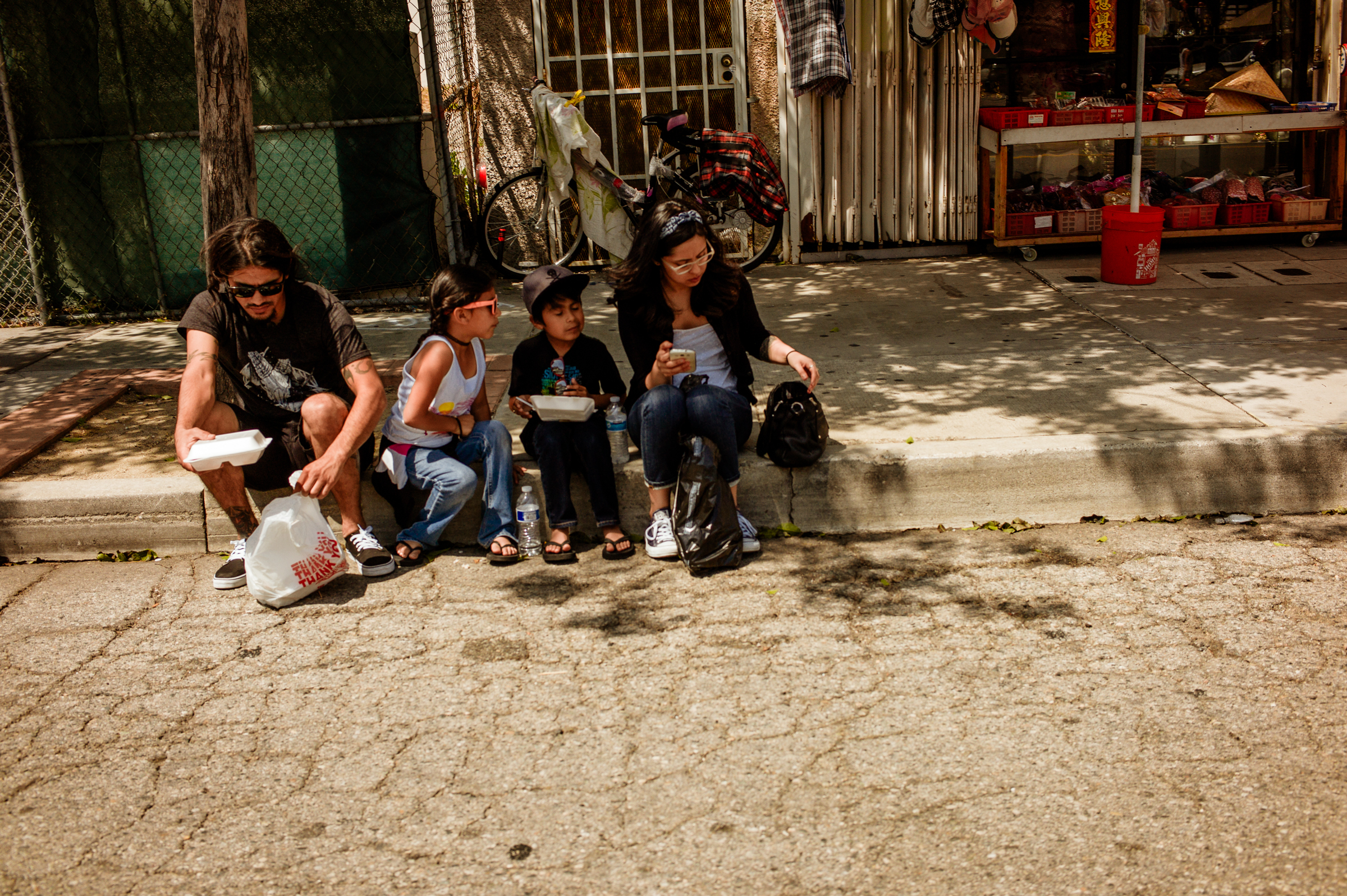


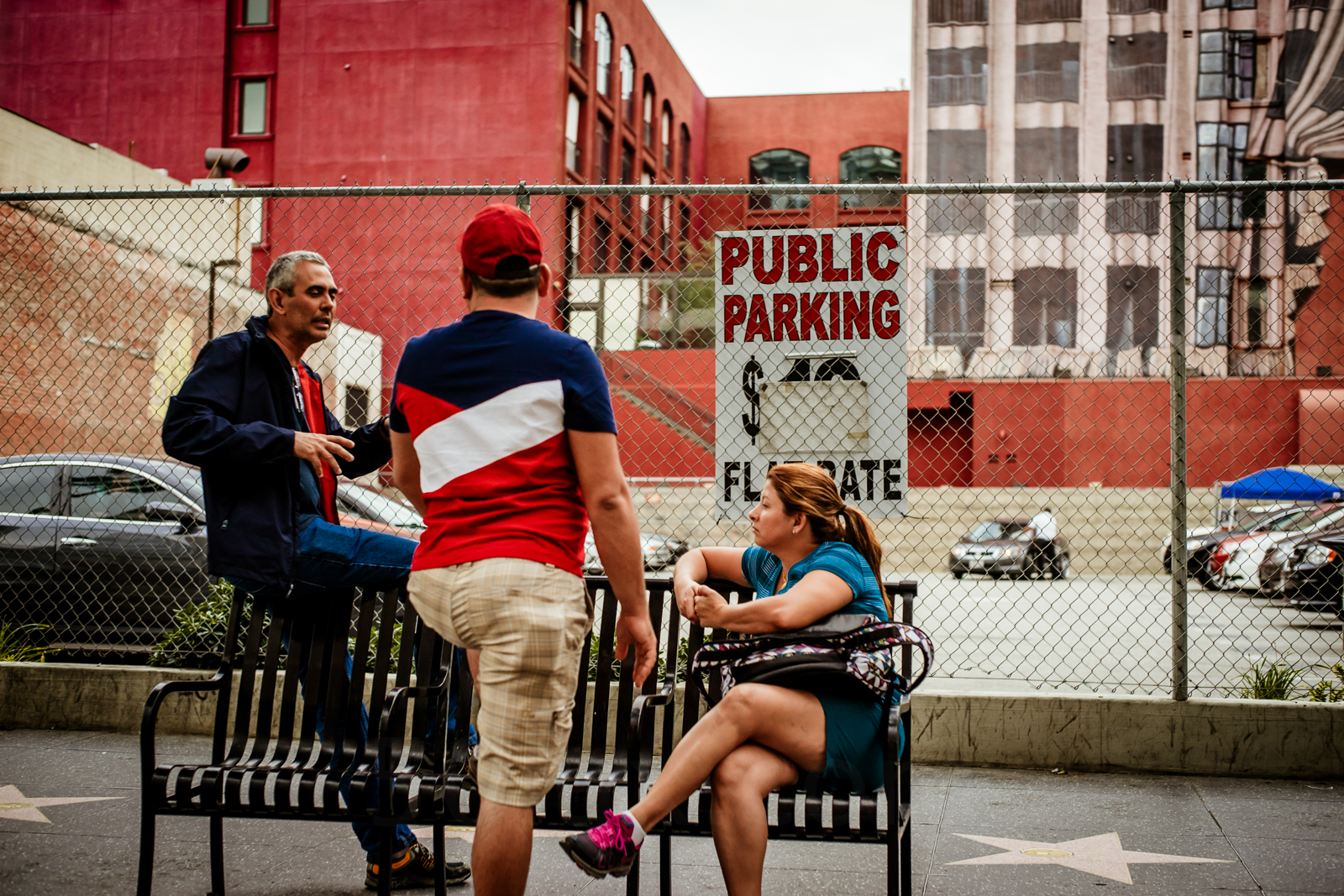
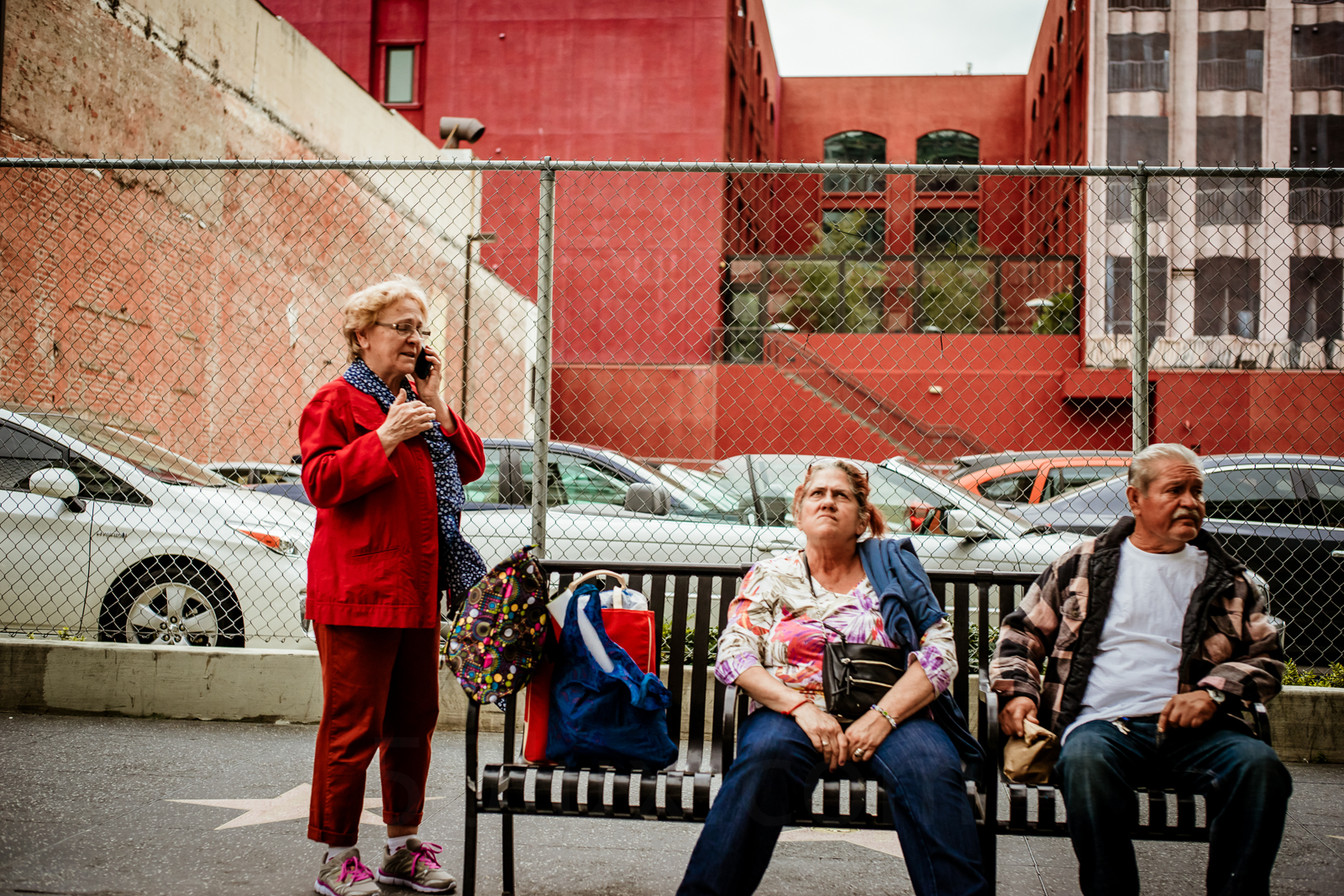
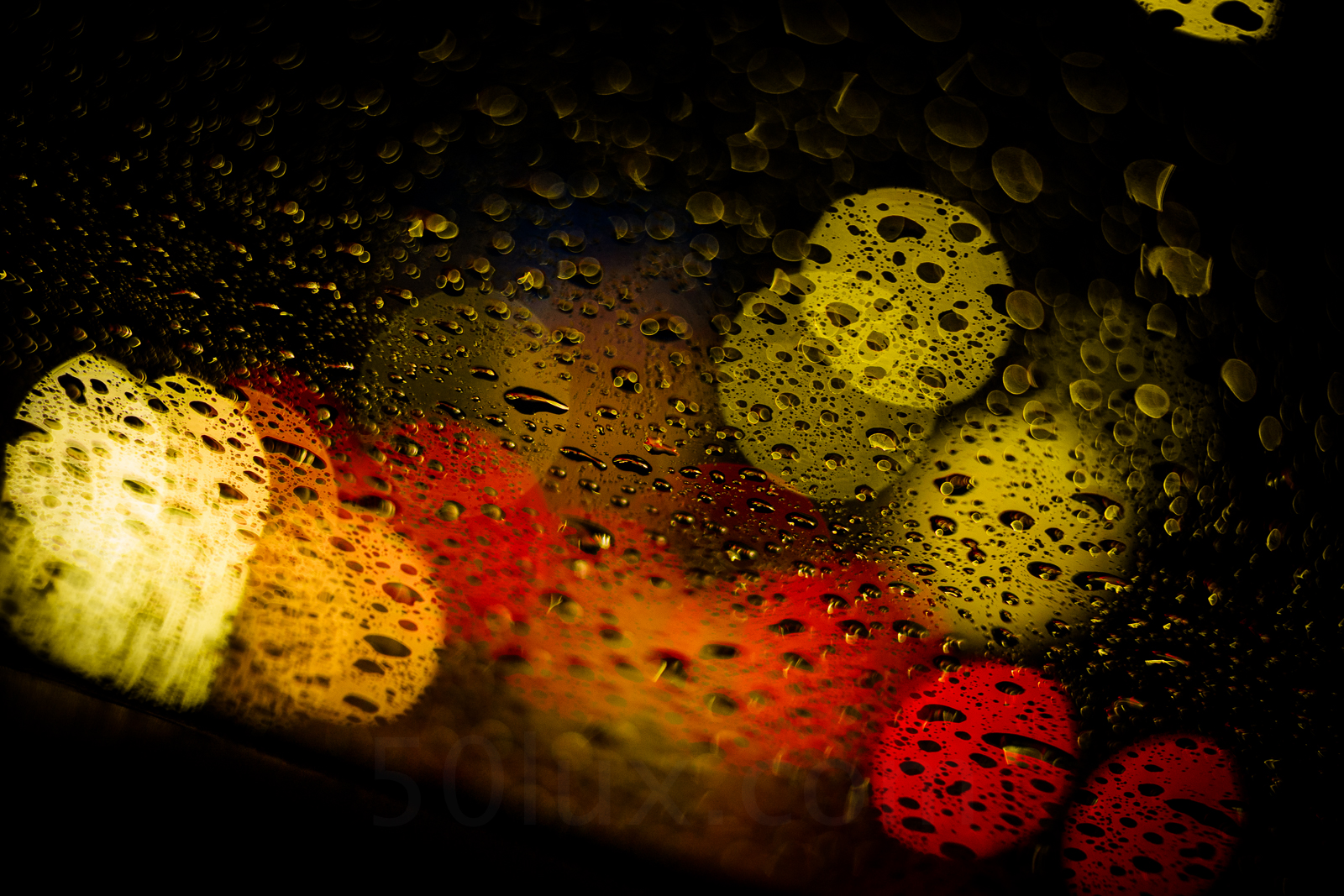
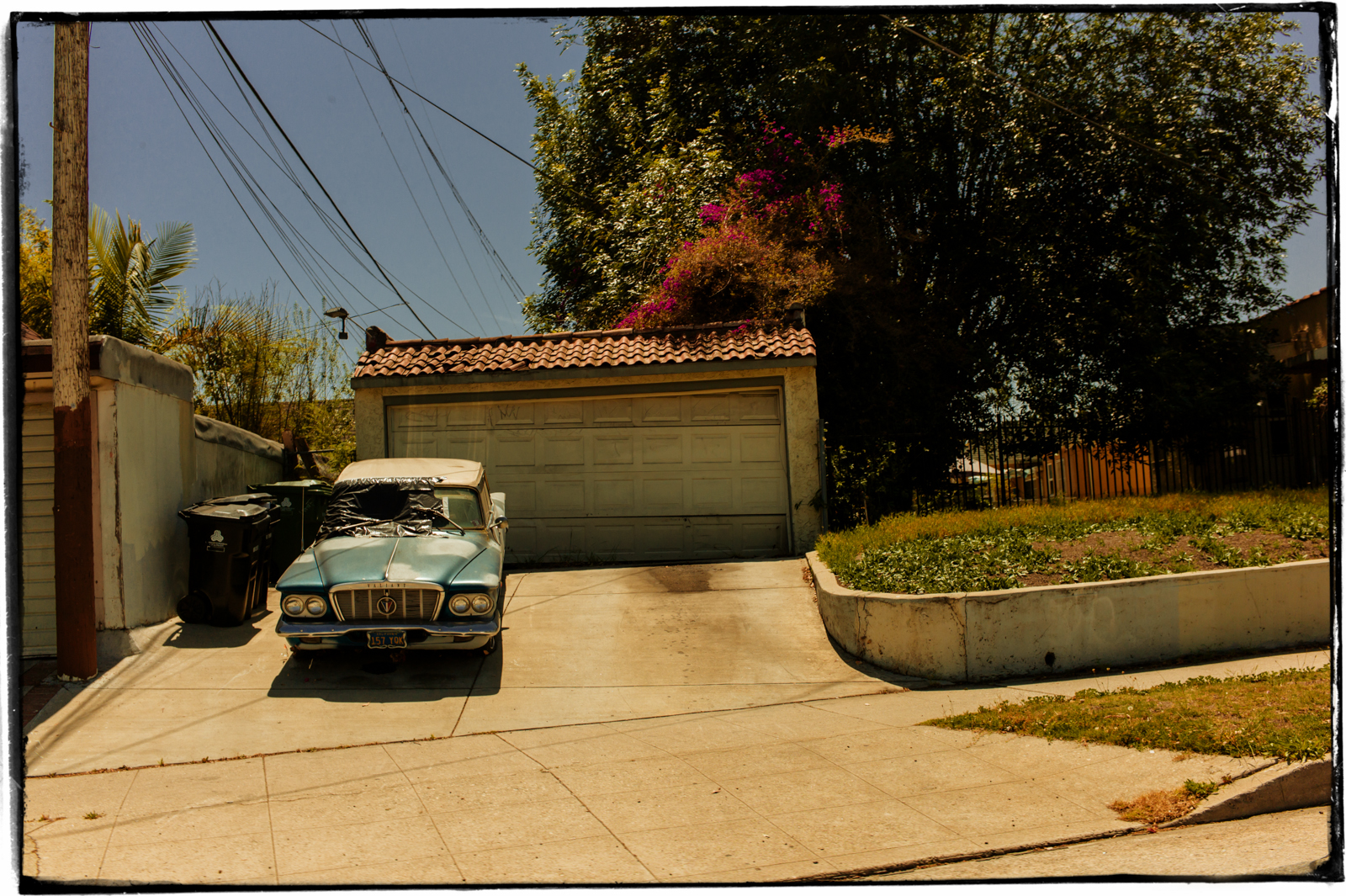
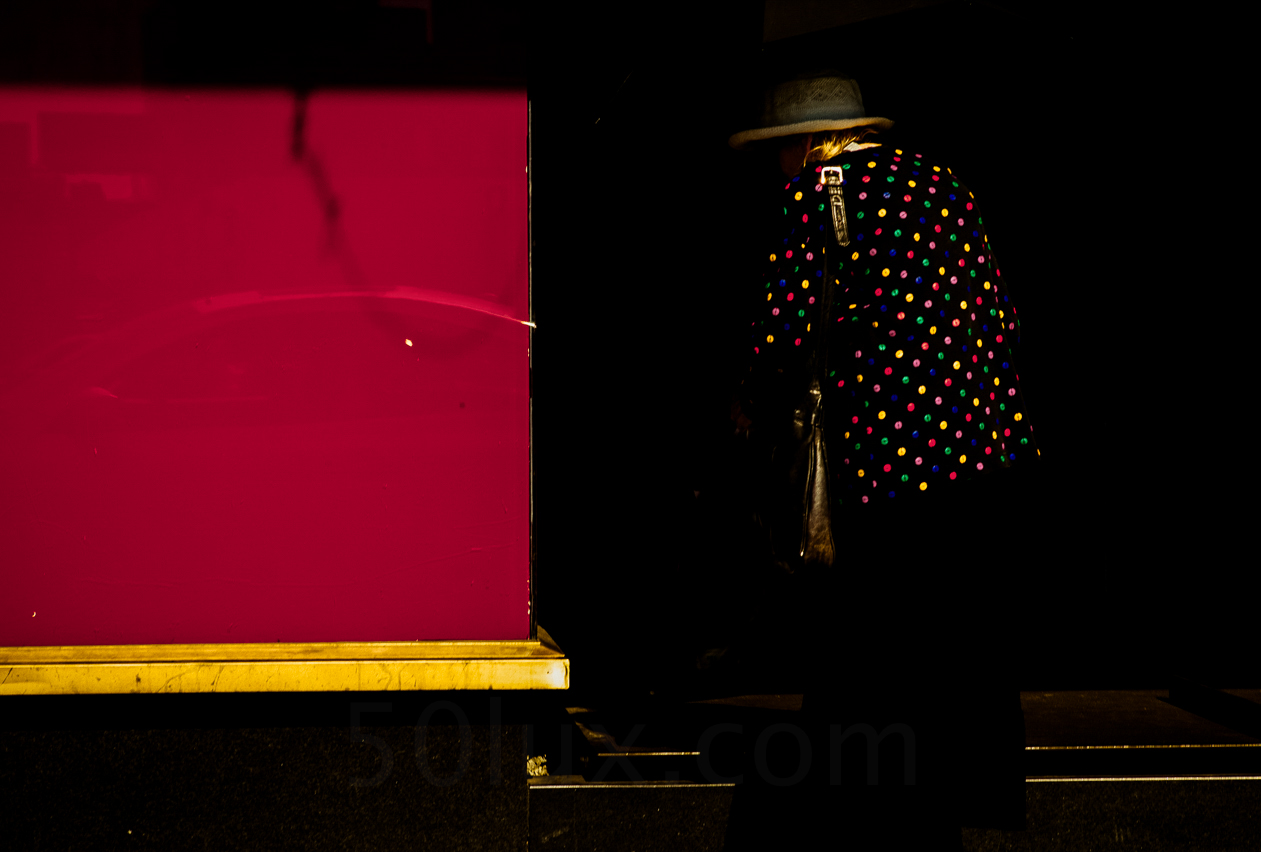
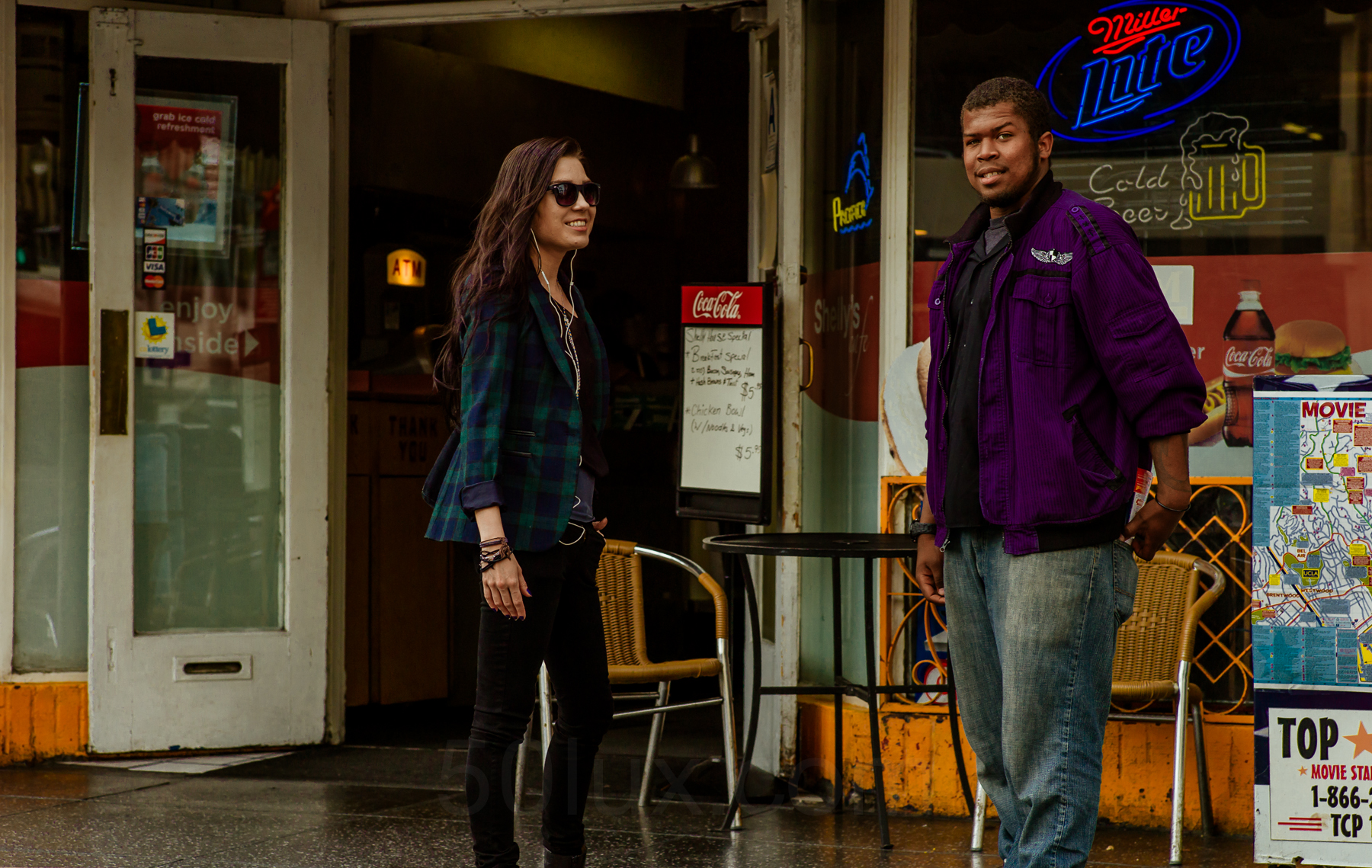
I shot an M7 with tons of drug store film for two years, scanned the negatives with a Plustek scanner. I think that impacts or influences my choices in post processing. Images like this look a lot like some of my film scans in similar light. Colors are maybe a little punchier. They don’t, at all, look like or remotely even remind me of the color results I got from my M9.
You’d have to ask the manufacturer of the camera as to why that might be. 😉
There seems to be so much mystery surrounding this subject in terms of clear and exact information from Leica. But that’s okay. I don’t care. For the most part, I remain very happy with the color results I get from my M-E. Every once in a while I seem to run up against a dead end where I can’t seem to shake the weird color casts, but that’s actually rather a rare occurrence. Happy times!


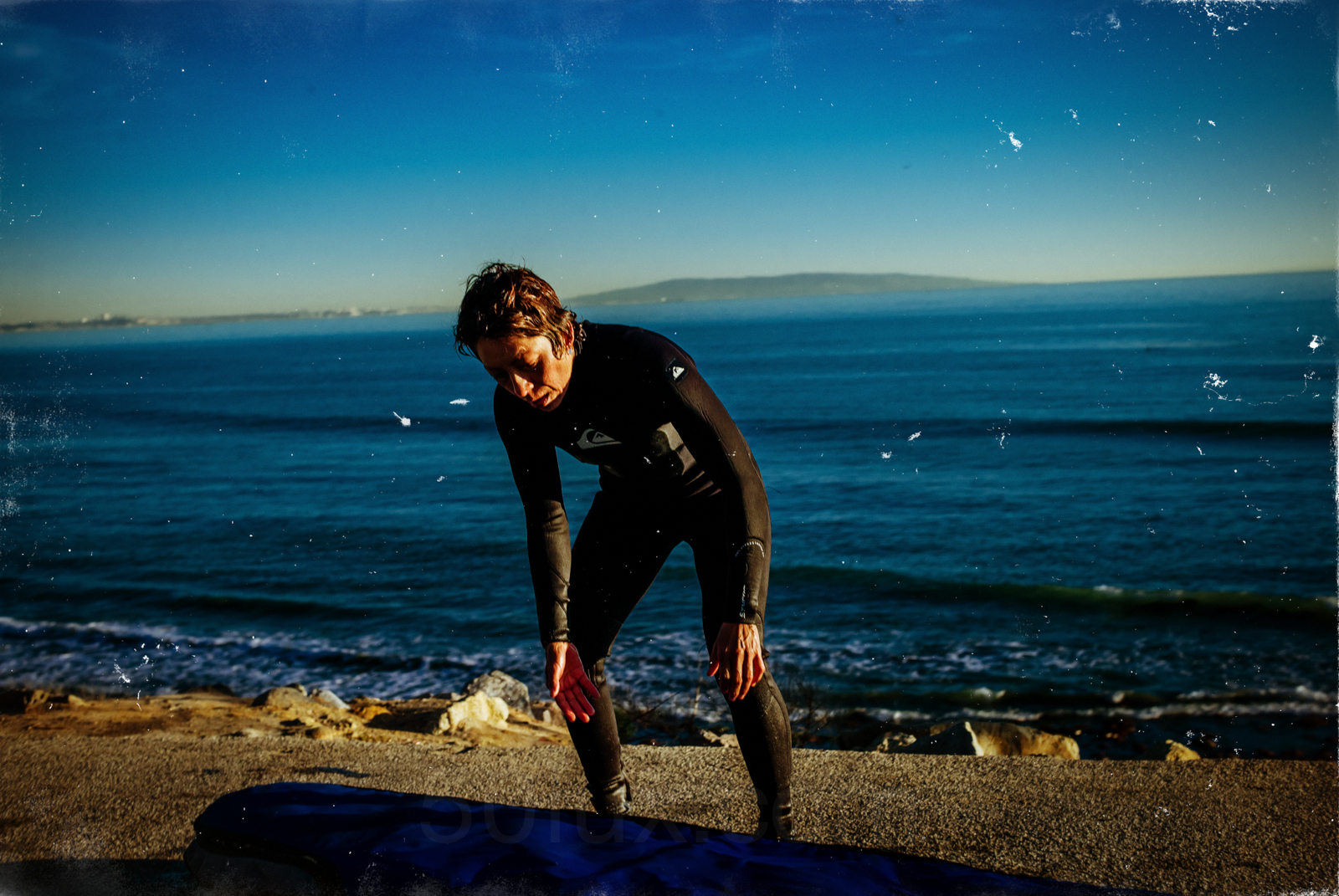
Click on image for larger version.

I’m linking today to an essay on William Eggelston called The Tender-Cruel Camera written by Thomas Weski. Here’s an excerpt.
The choice of subject matter seemed to some critics to be totally indiscriminate, as though William Eggleston has applied no criteria at all. ‘Eggleston’s photographs often seem to have been taken not by a photographer but by a motorized camera swinging around the photographer’s head on a string. Whatever happens to be in front of the lens when the shutter was tripped got photographed. Whatever was not, did not.’ But even this negatively meant criticism reveals a further important aspect of Eggleston’s work, namely his democratic approach to the subject matter. Eggleston speaks again and again of the ‘democratic camera’ which considers every object worthy of depiction. Naturally, this seemingly impersonal way of seeing things makes no distinction between ‘beautiful’ and ‘ugly’. In other words, William Eggleston does not operate with the usual visual hierarchies, but rather accepts those motifs which illustrate his concept correctly.
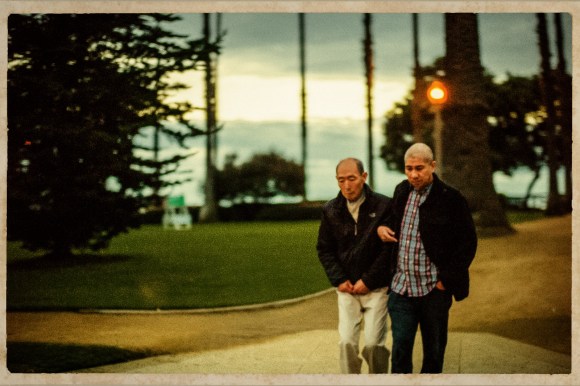
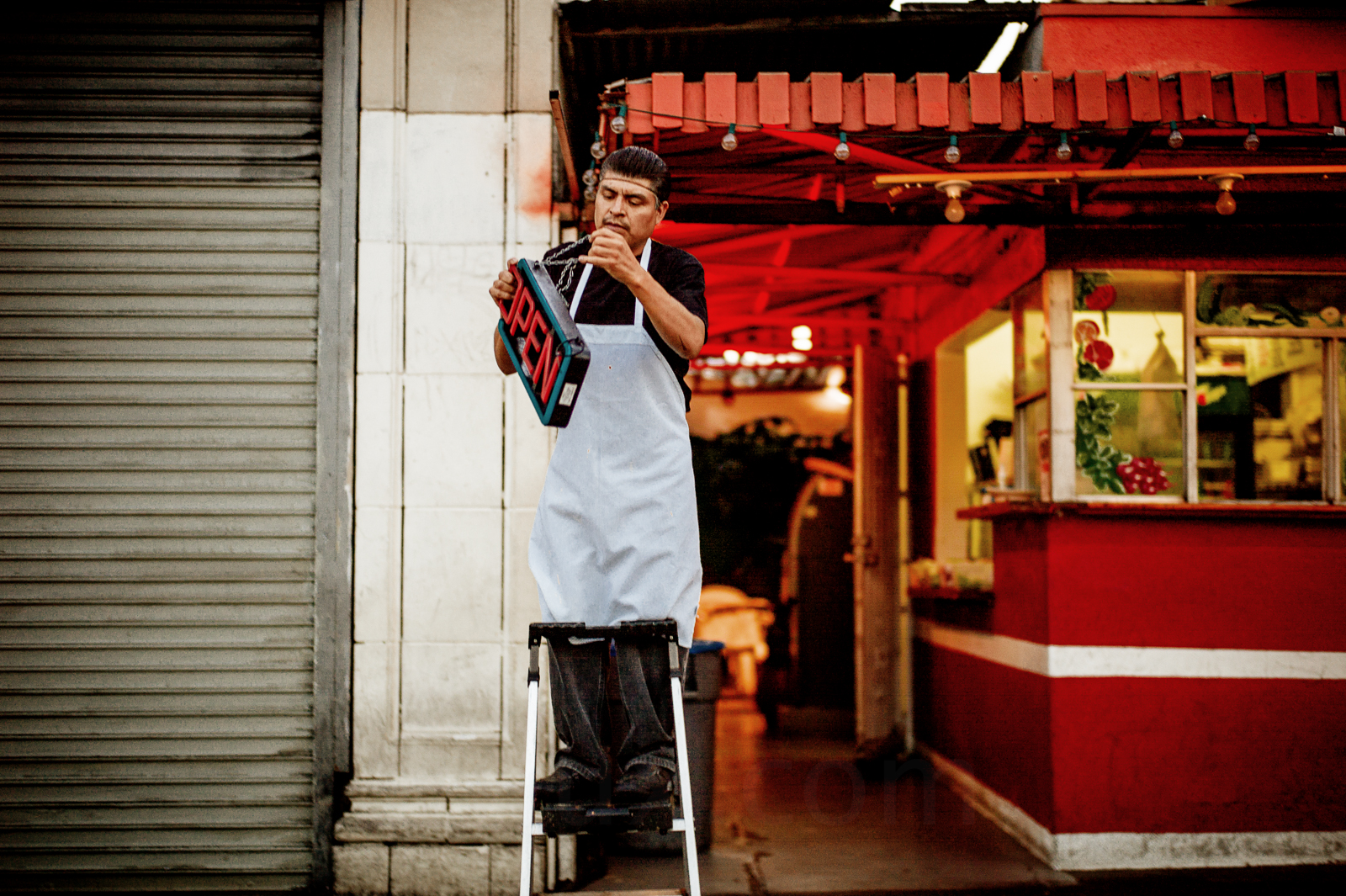

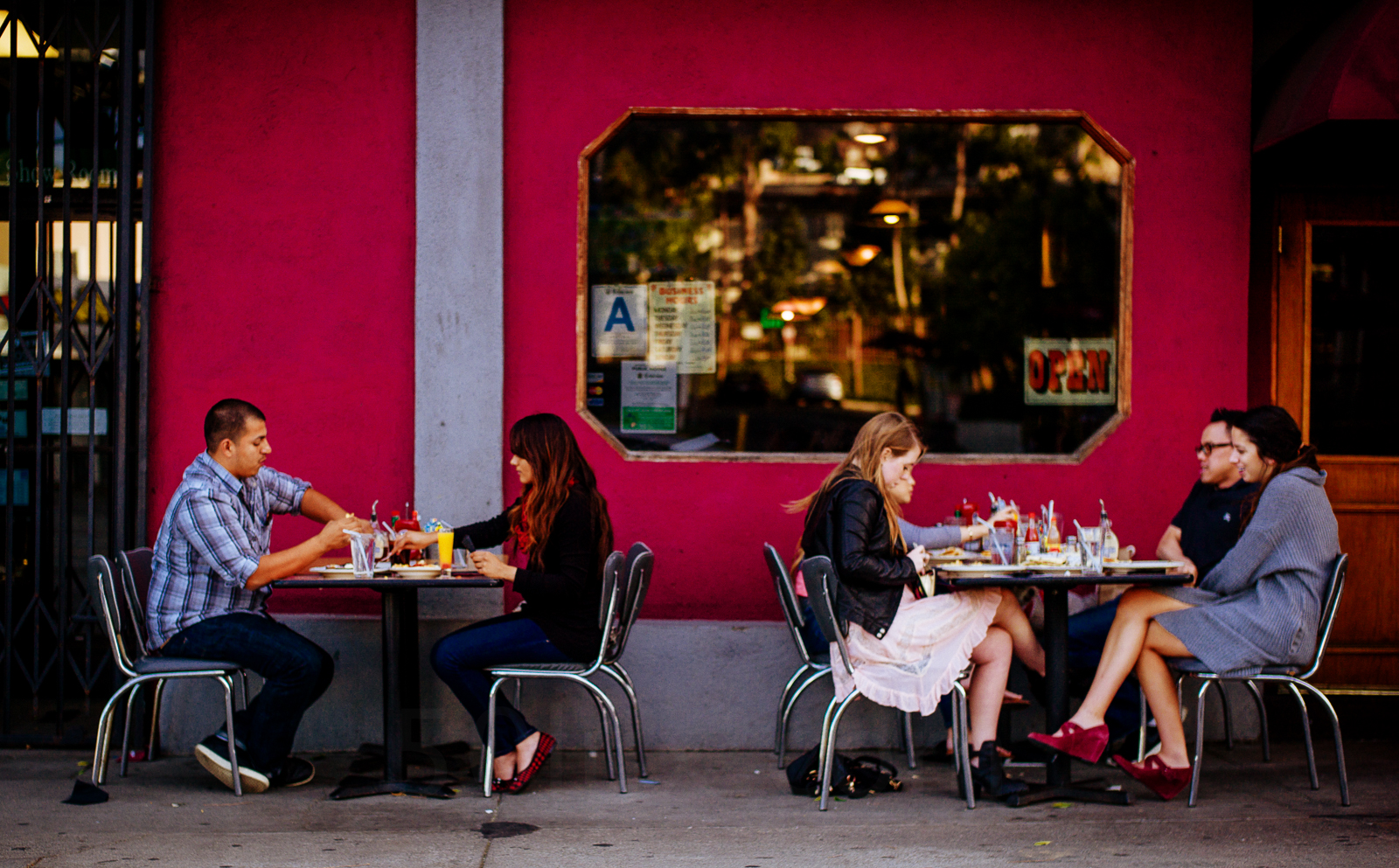
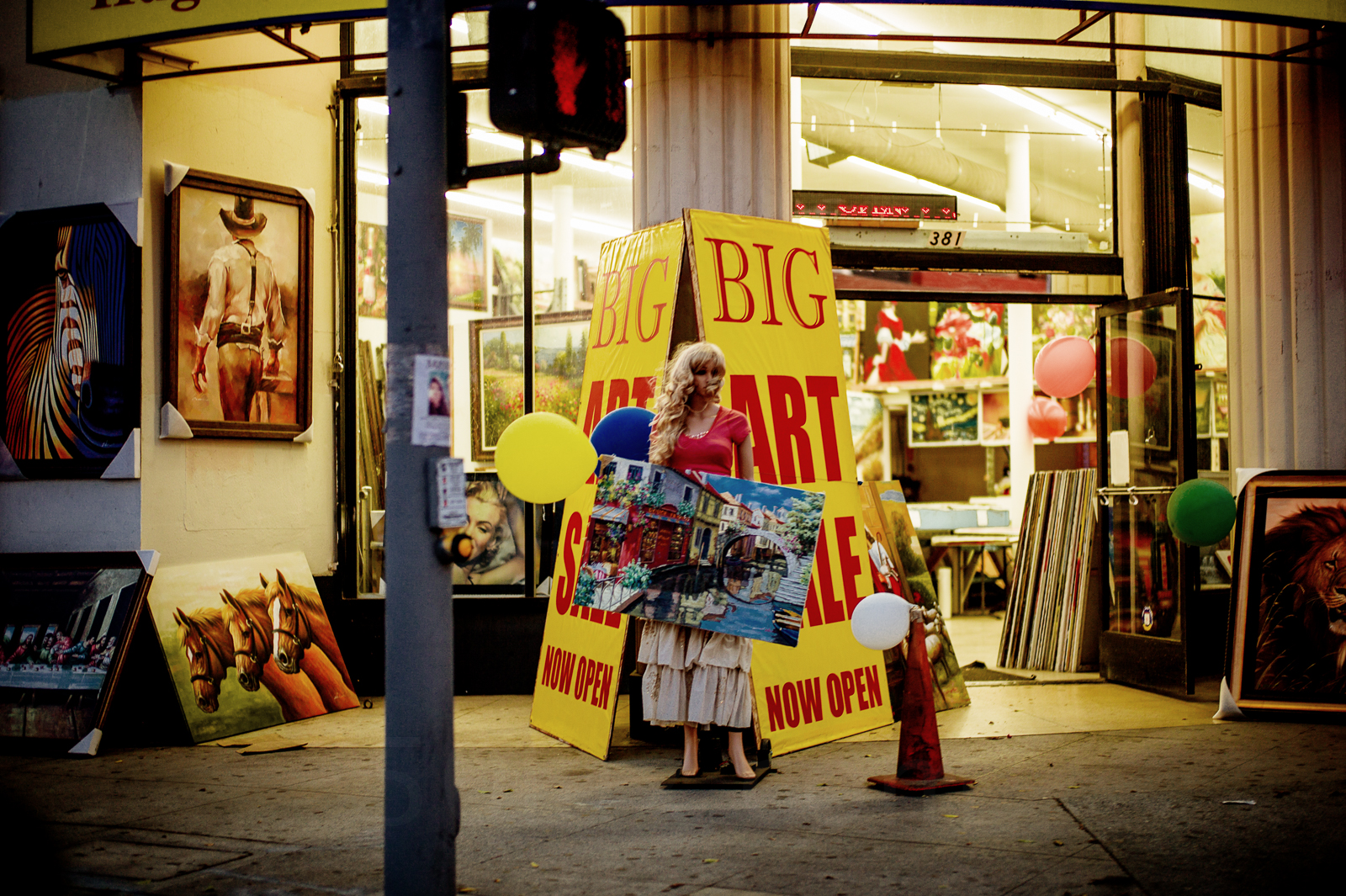


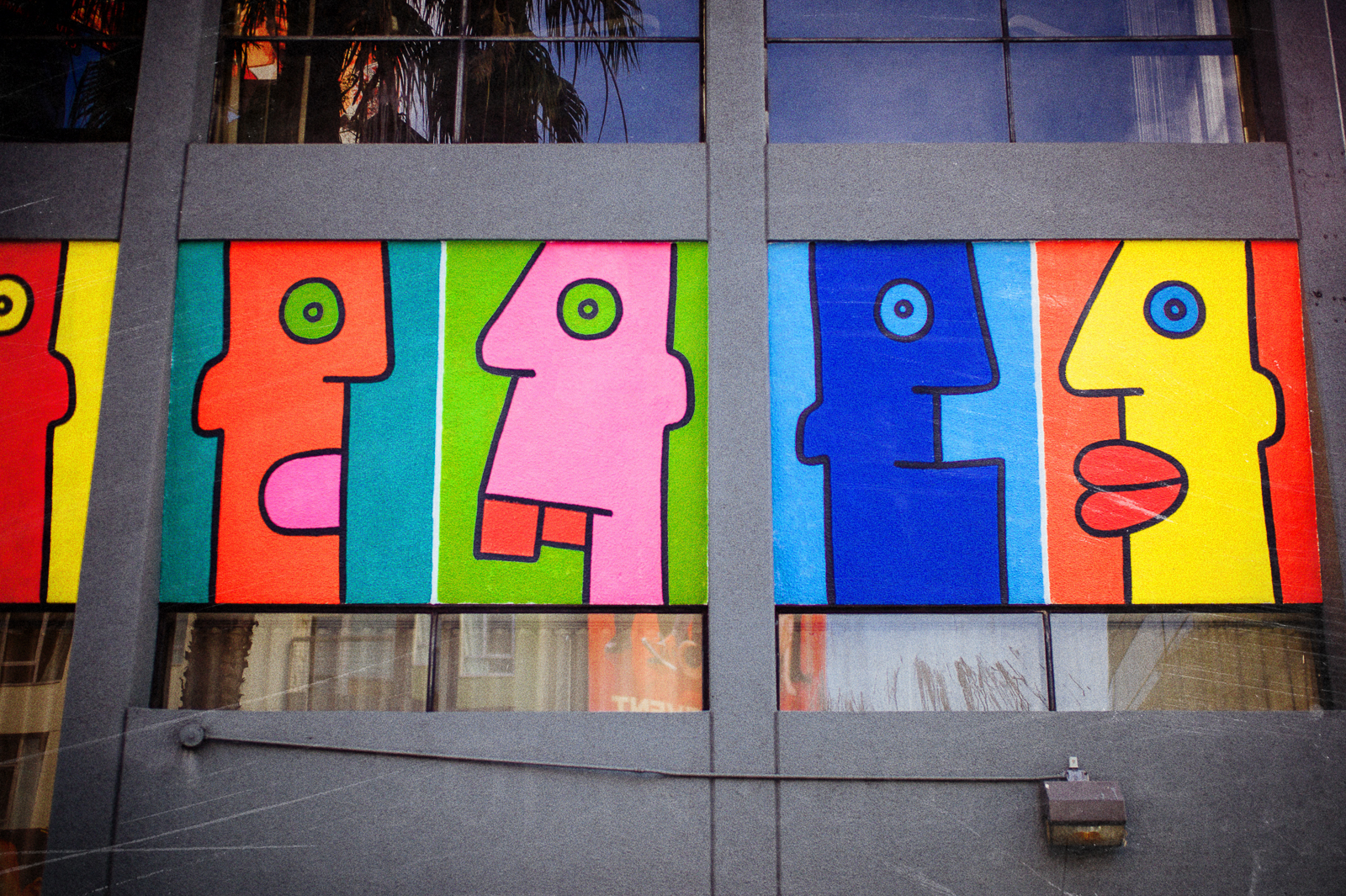
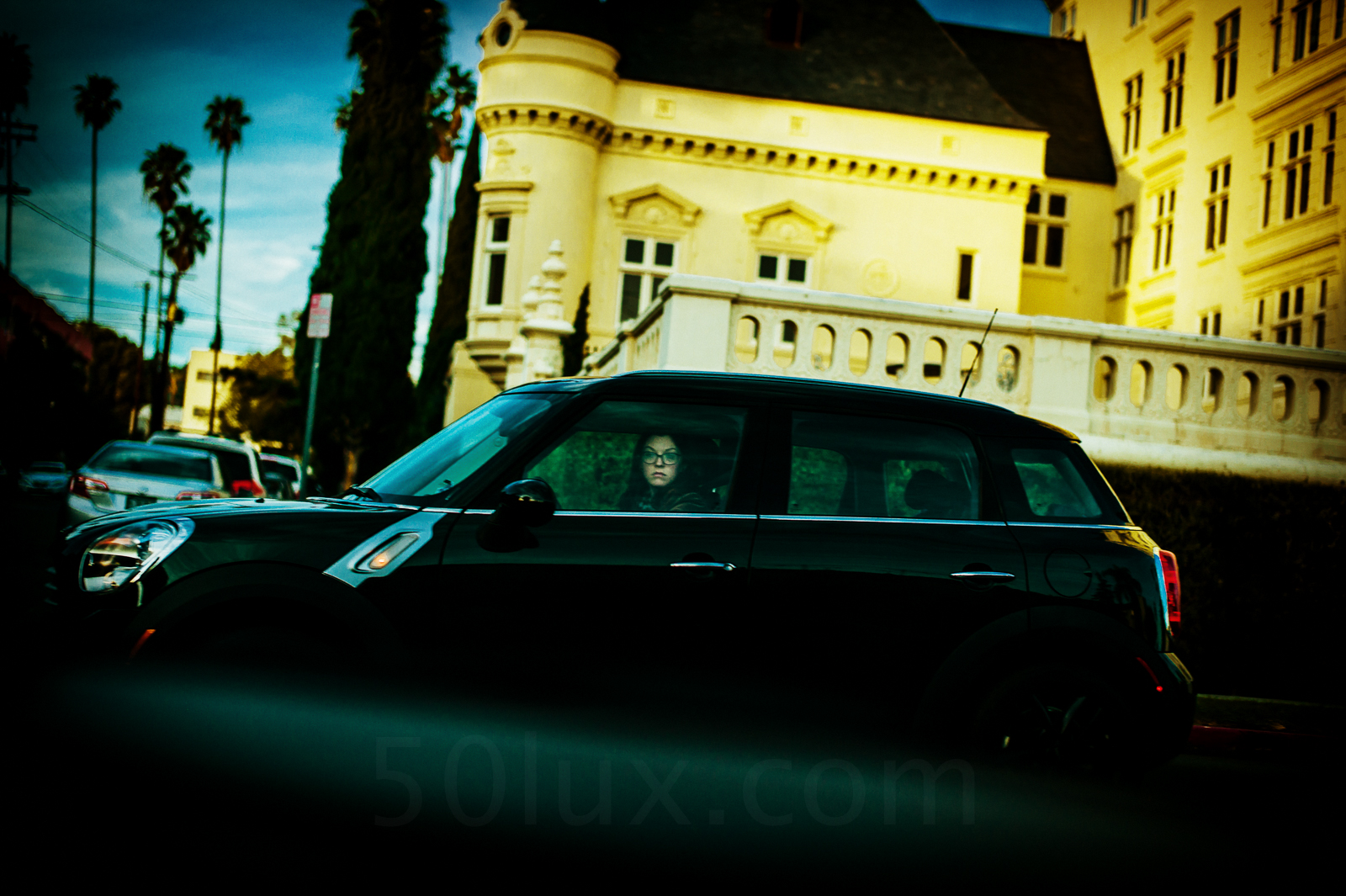
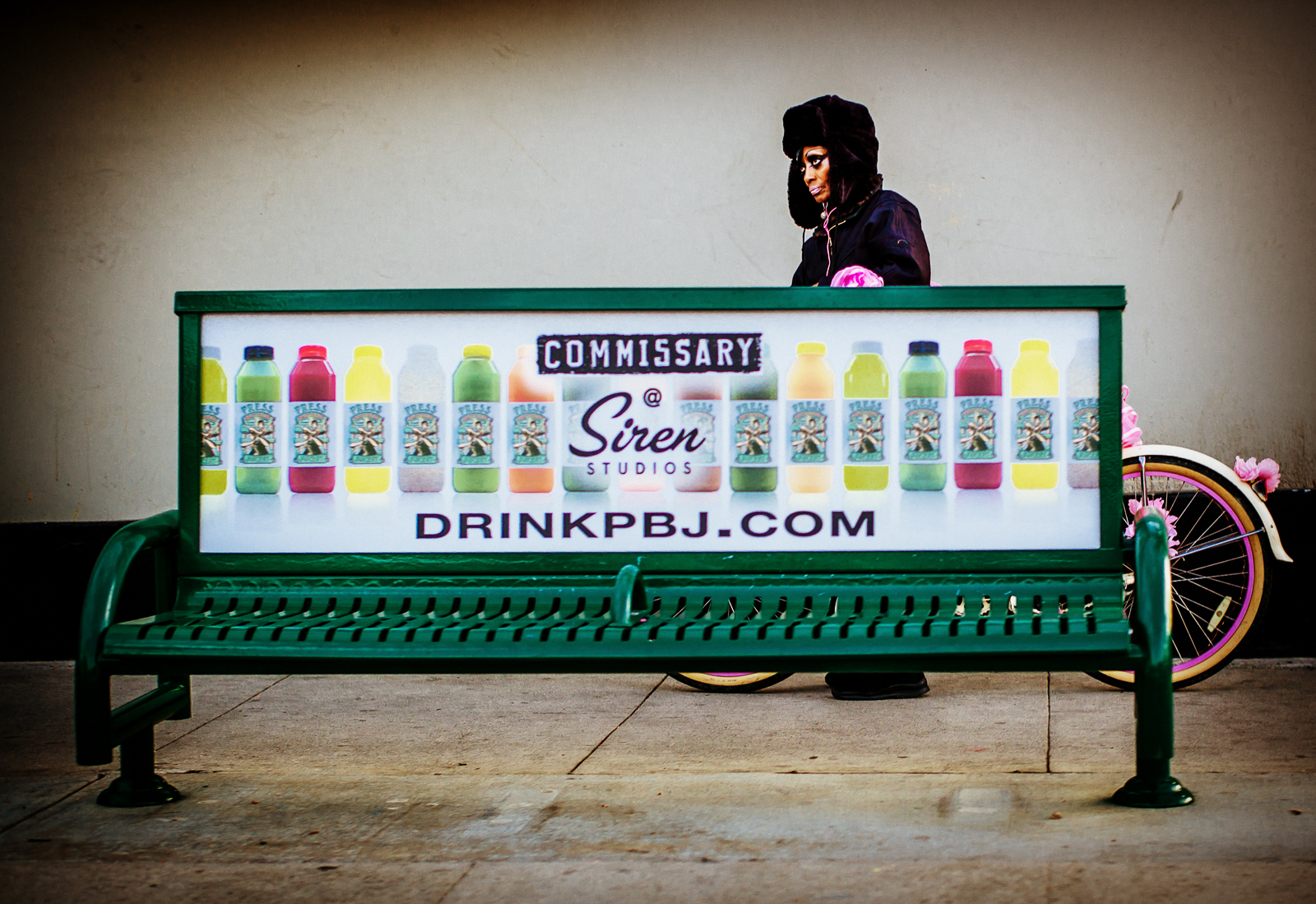

Here is a link to the great website American Suburb X and a group of street photos by newly discovered street photography master Helen Levitt. The difference between these pictures and the vast majority of her other previously shown work is that these images are in amazing color.
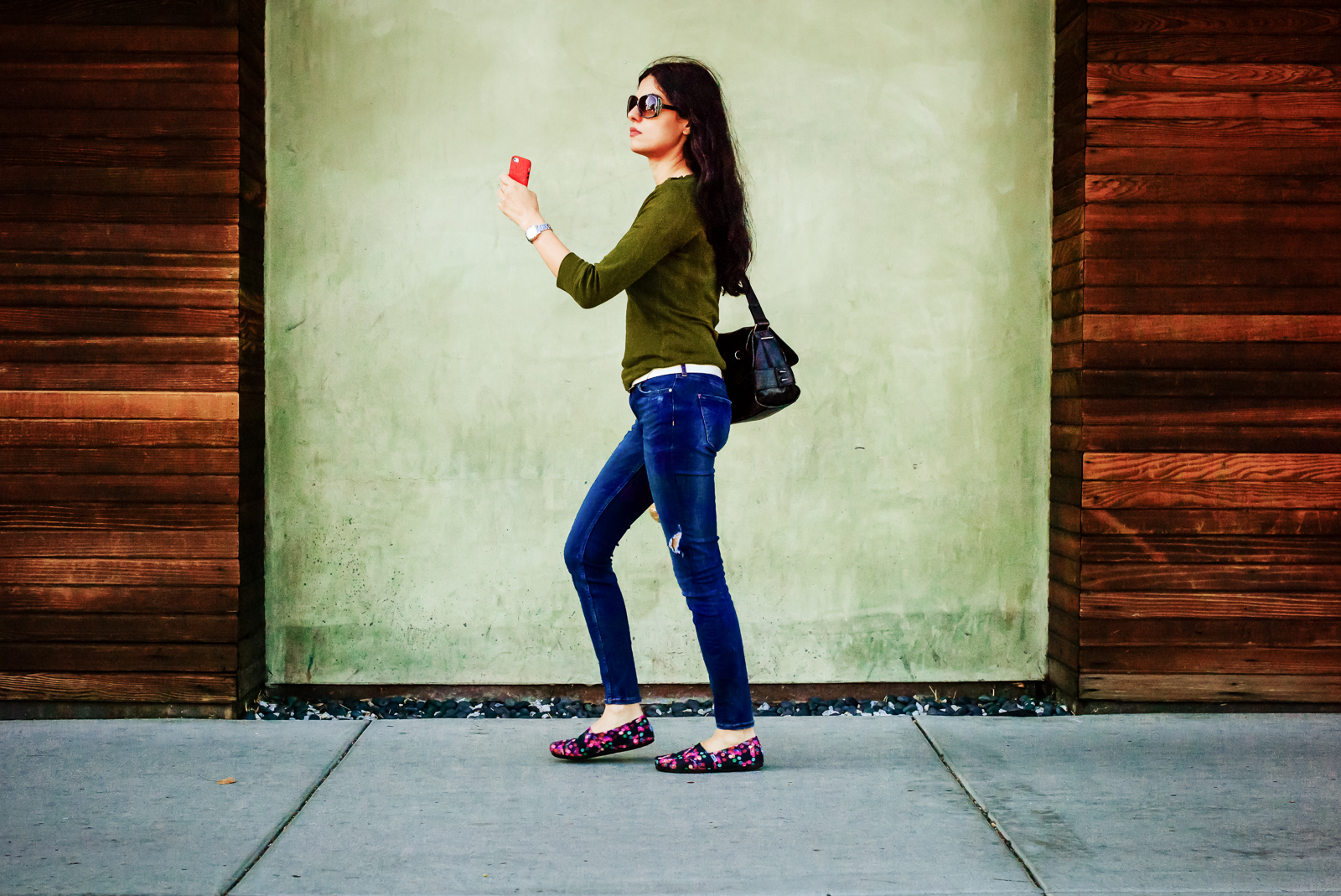
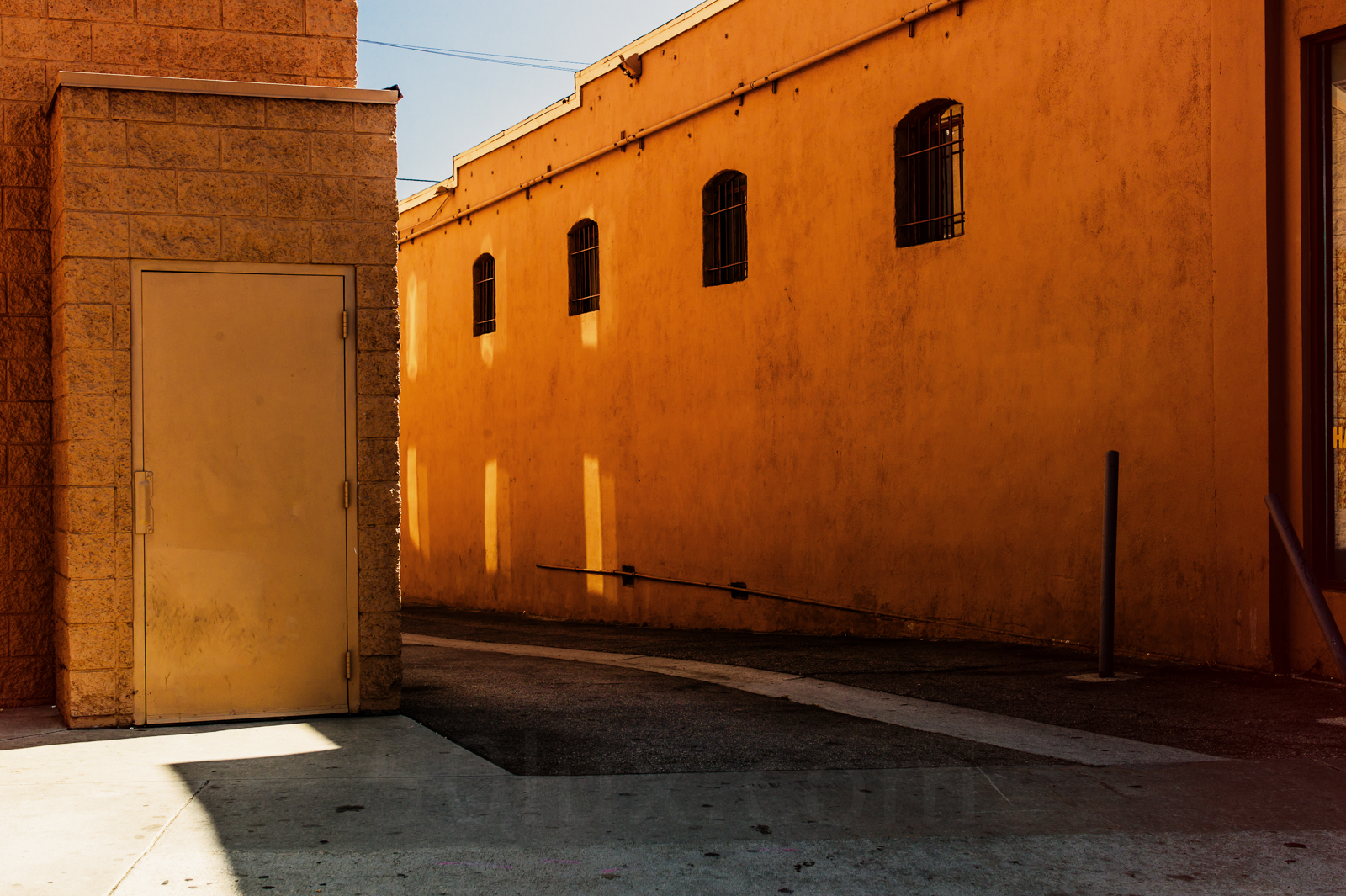
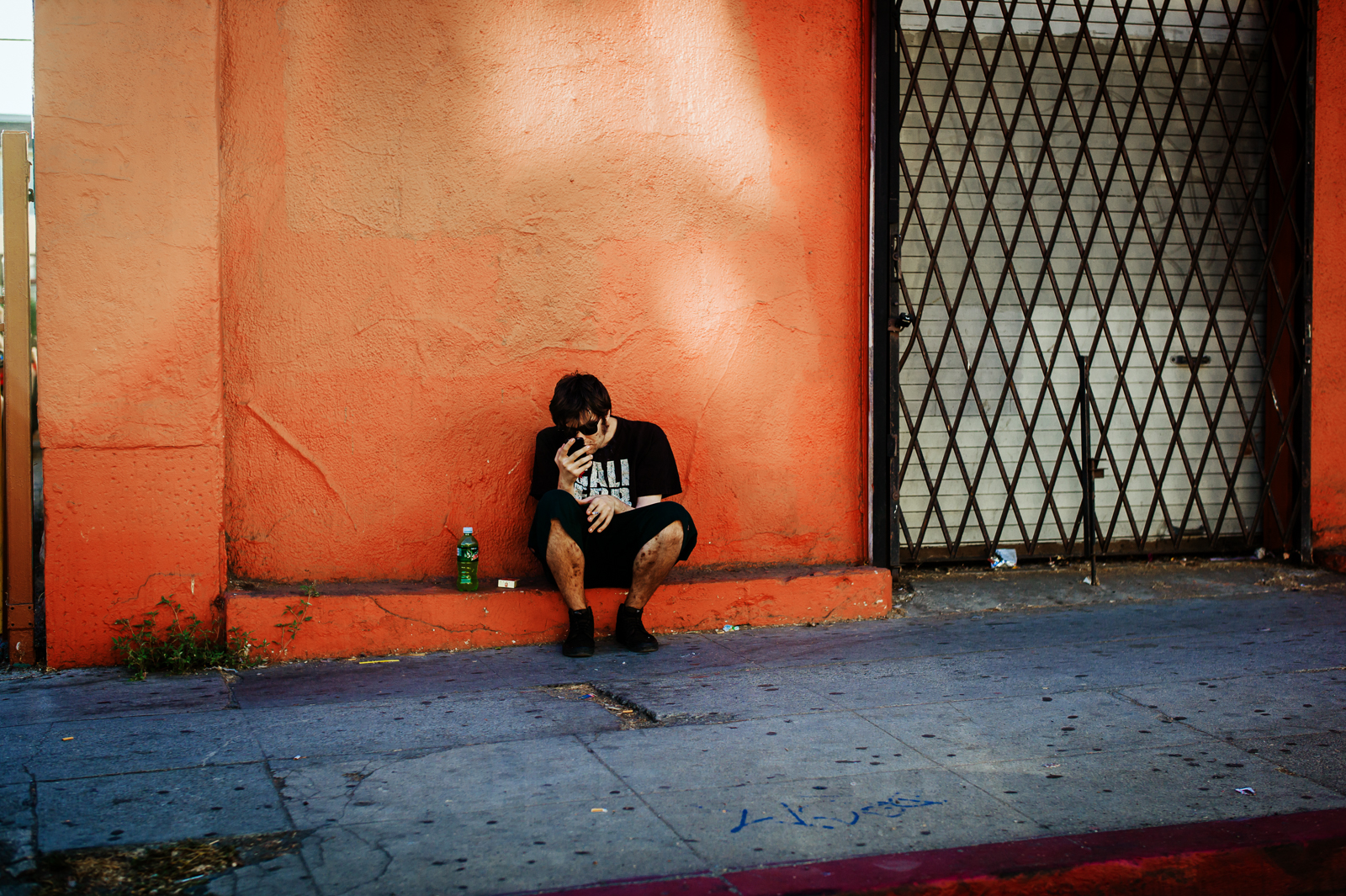
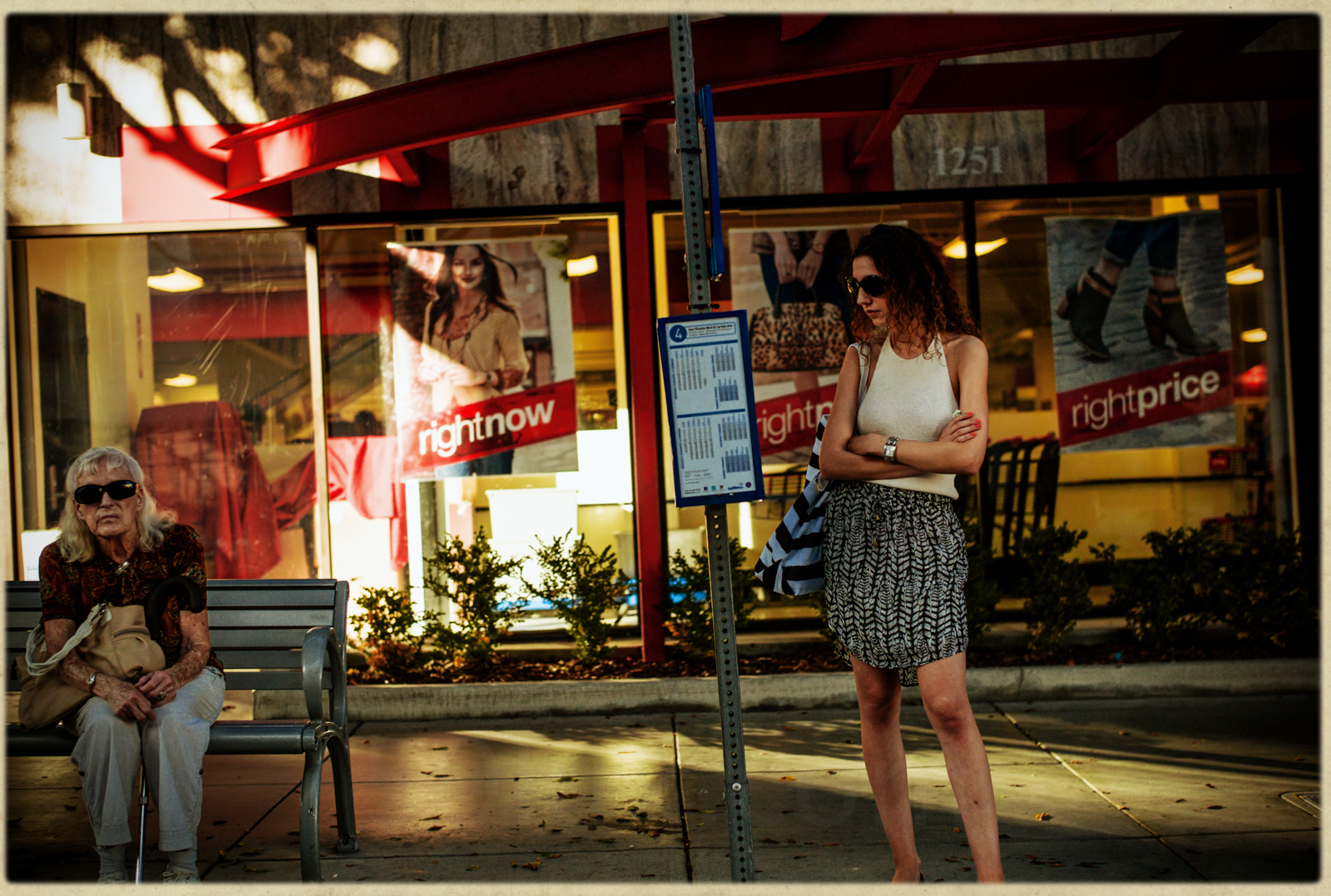
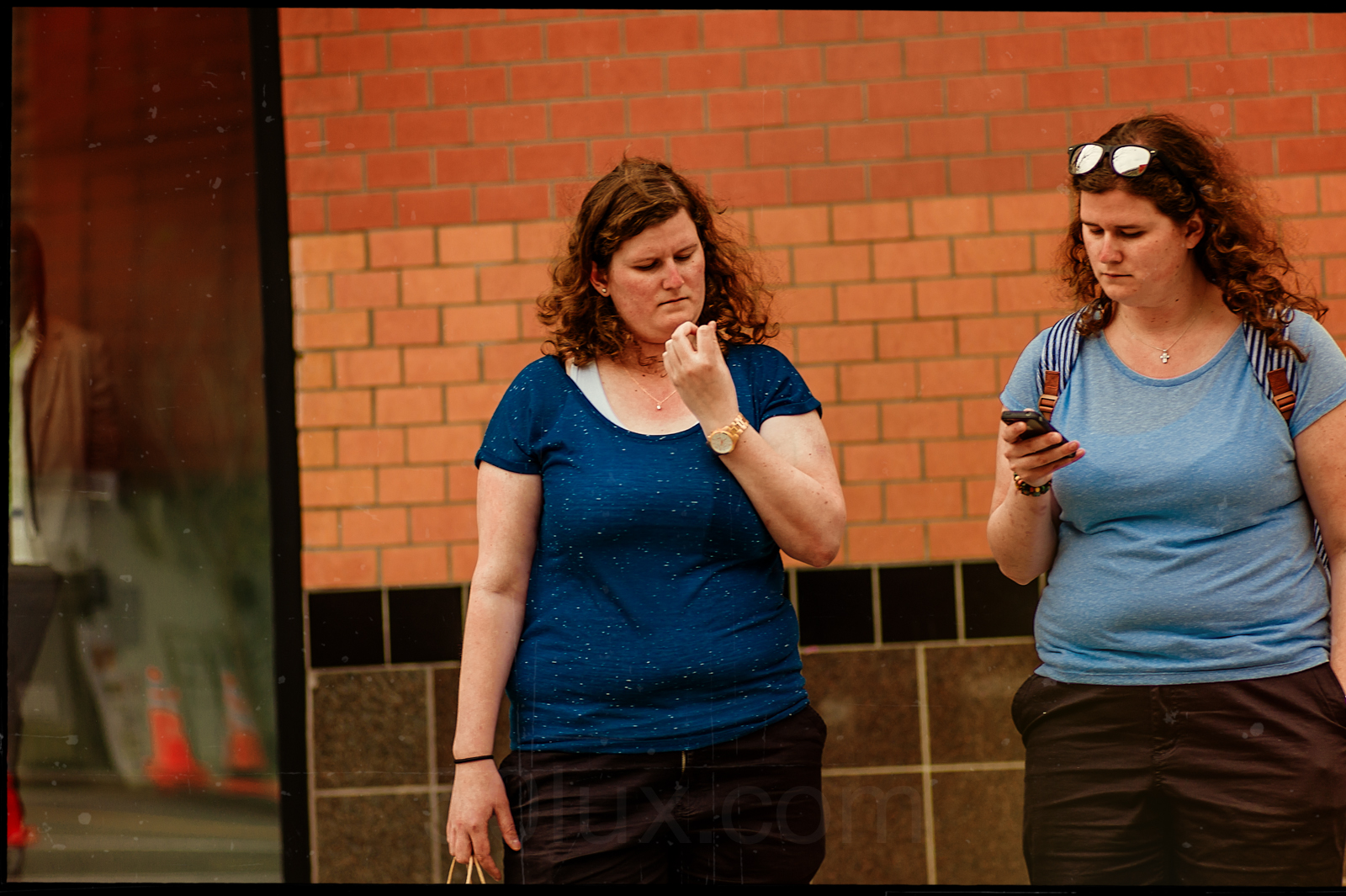
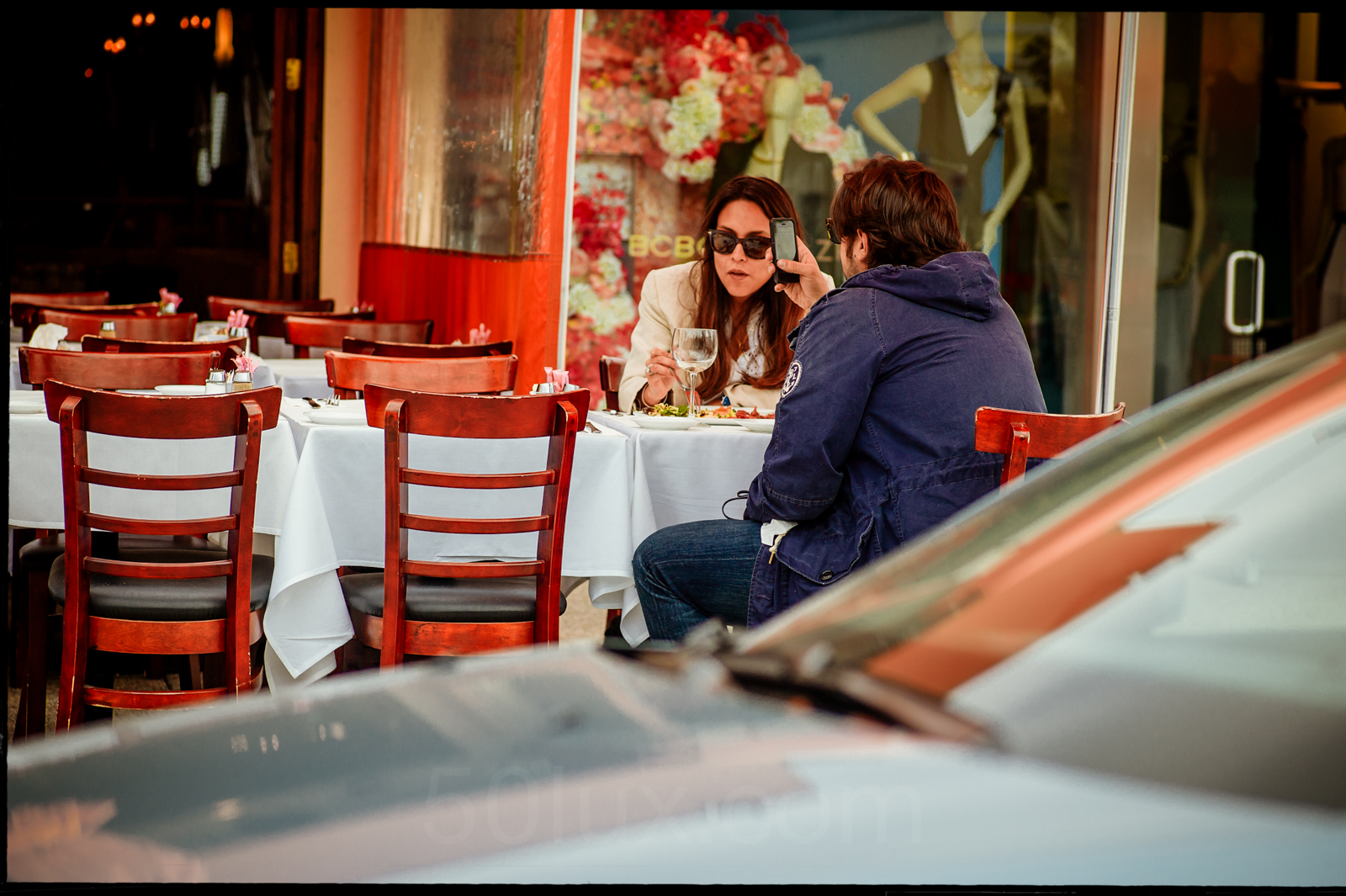
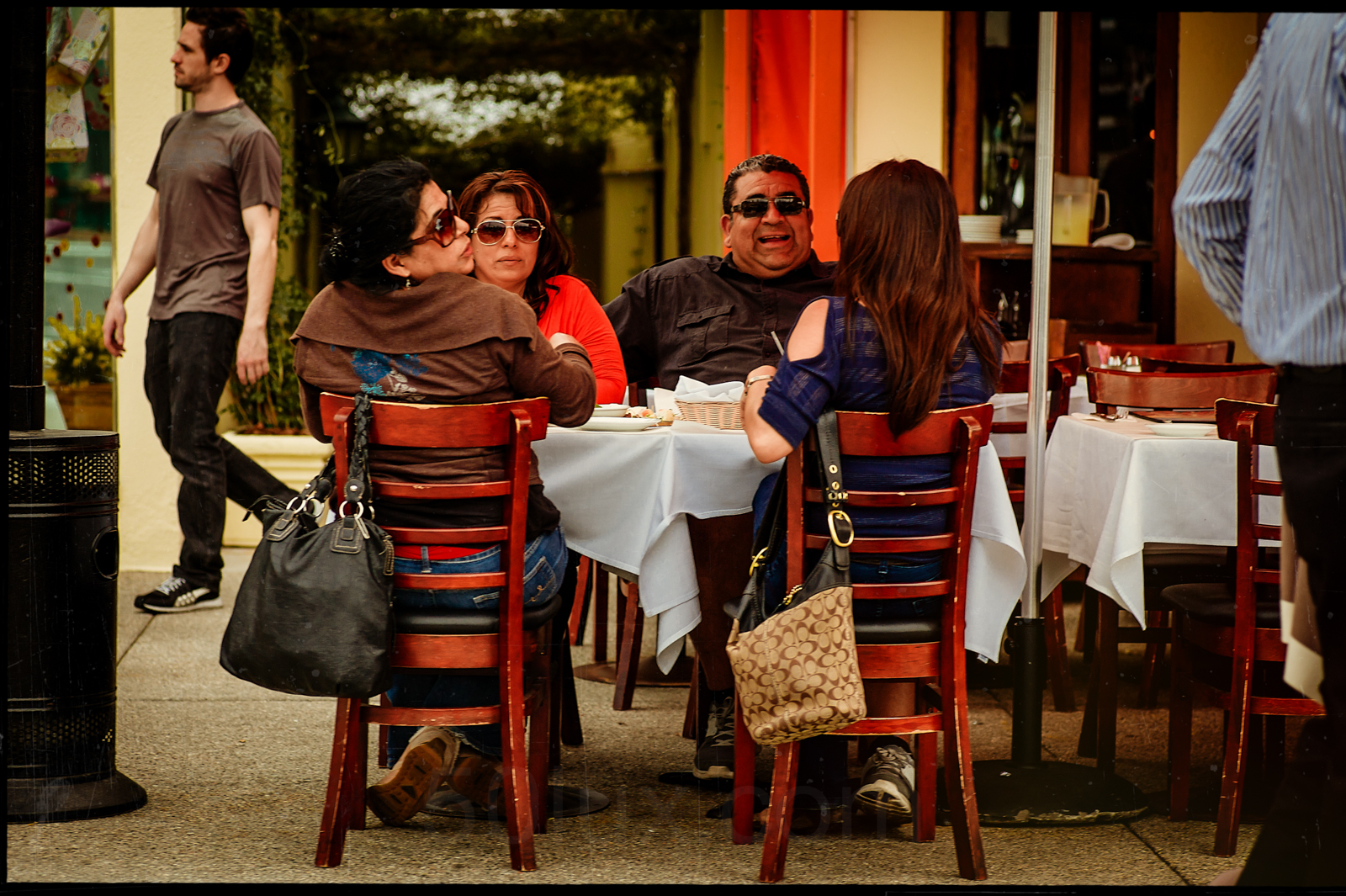
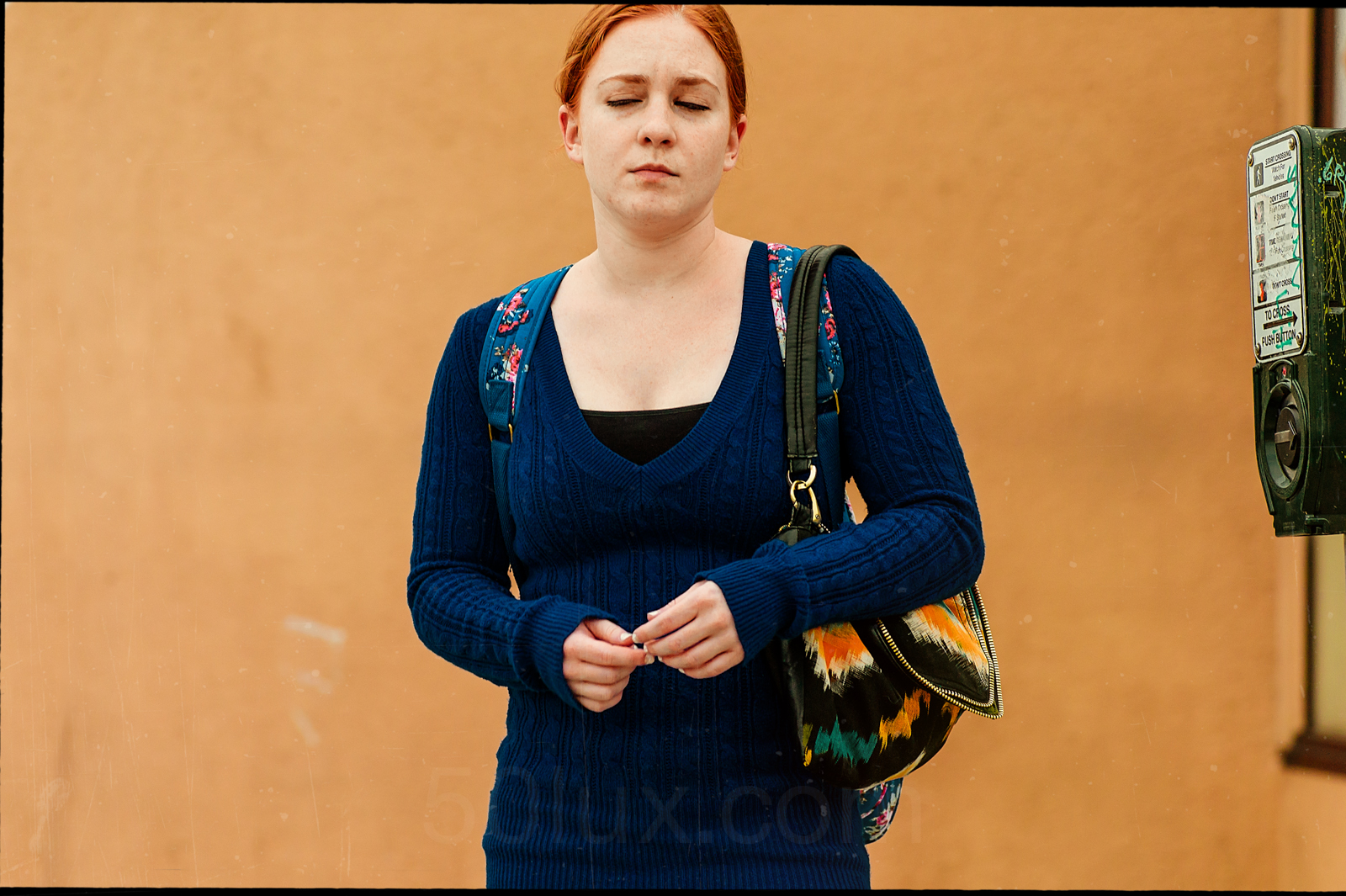
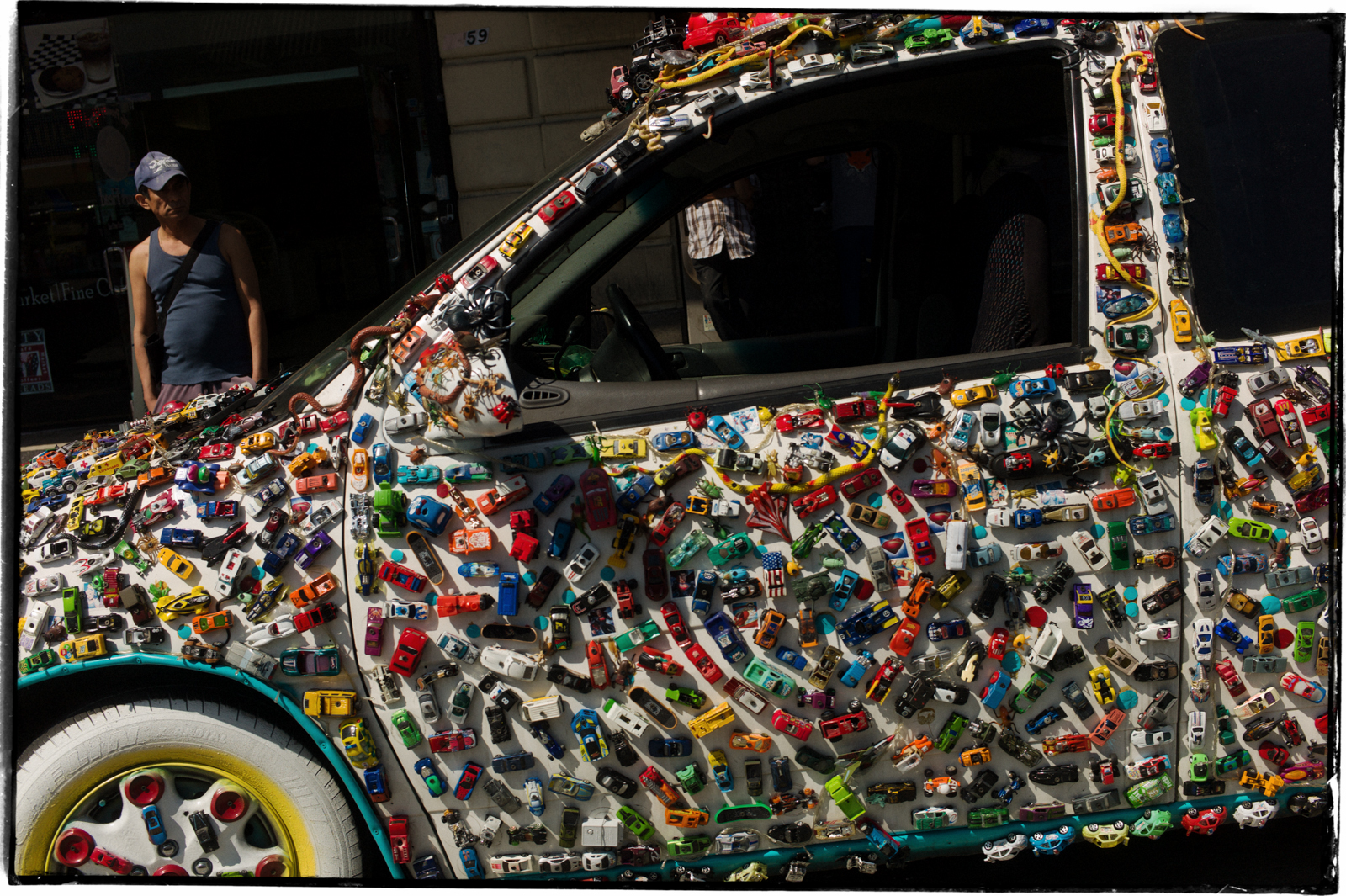
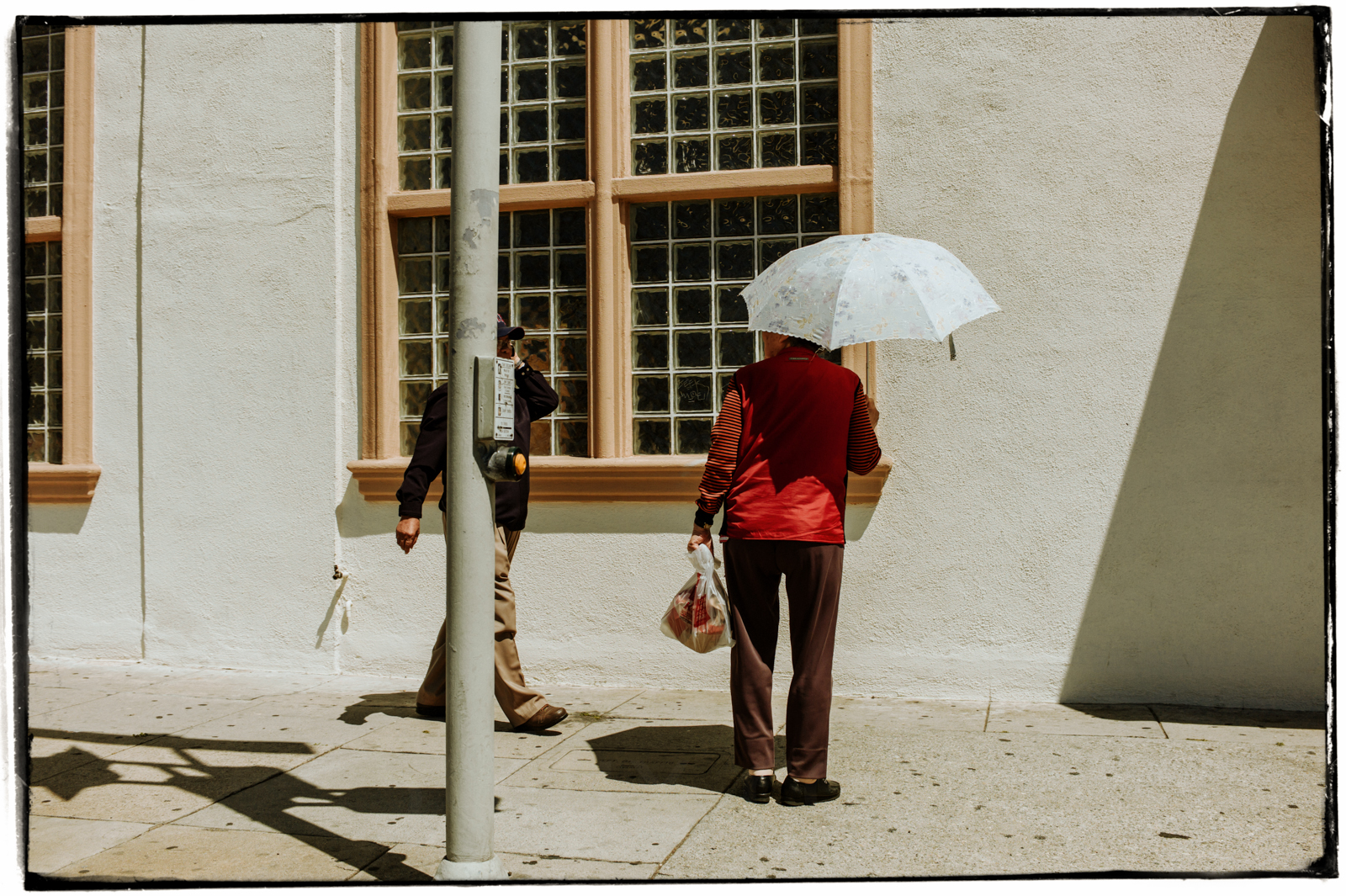
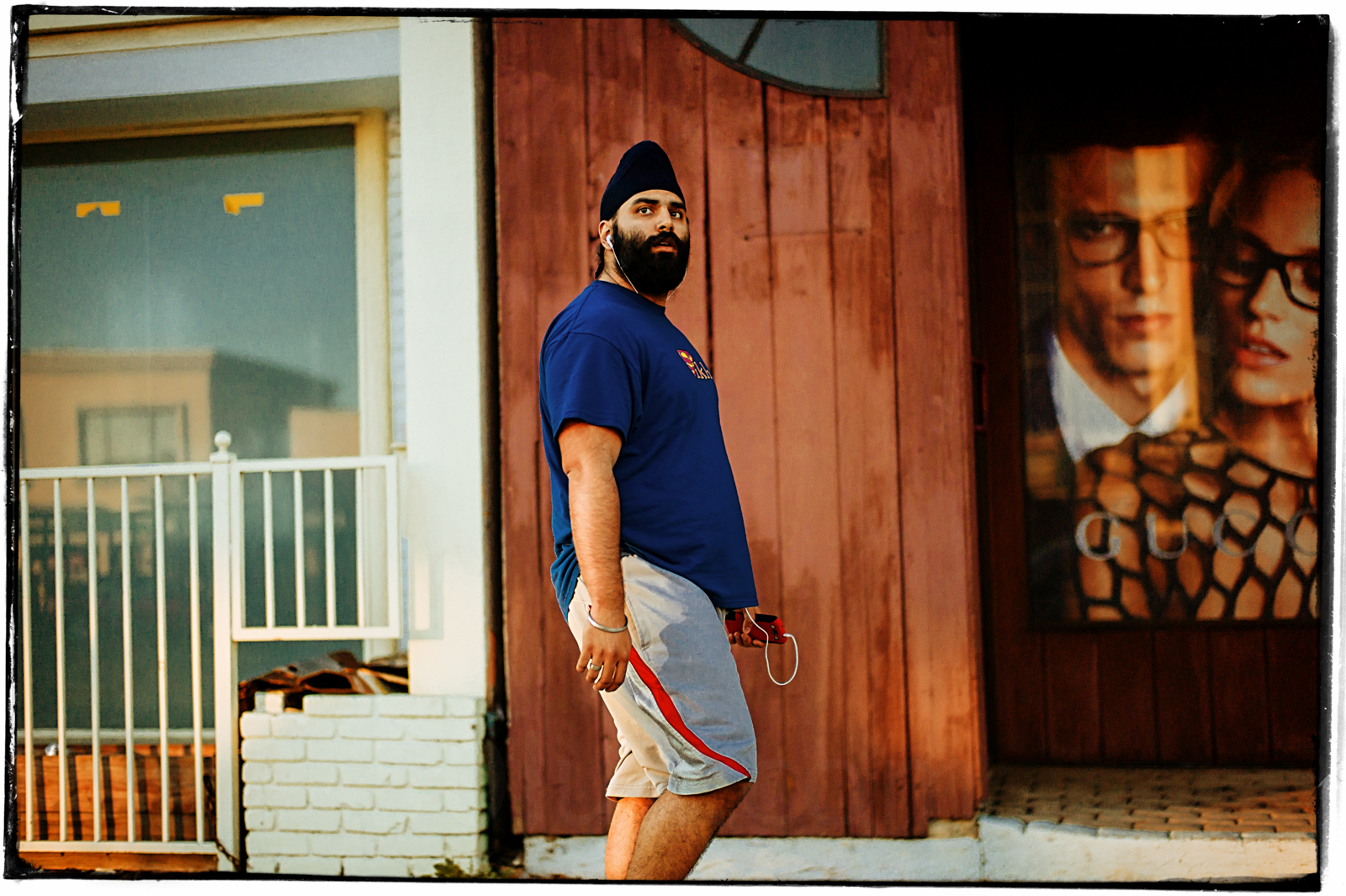
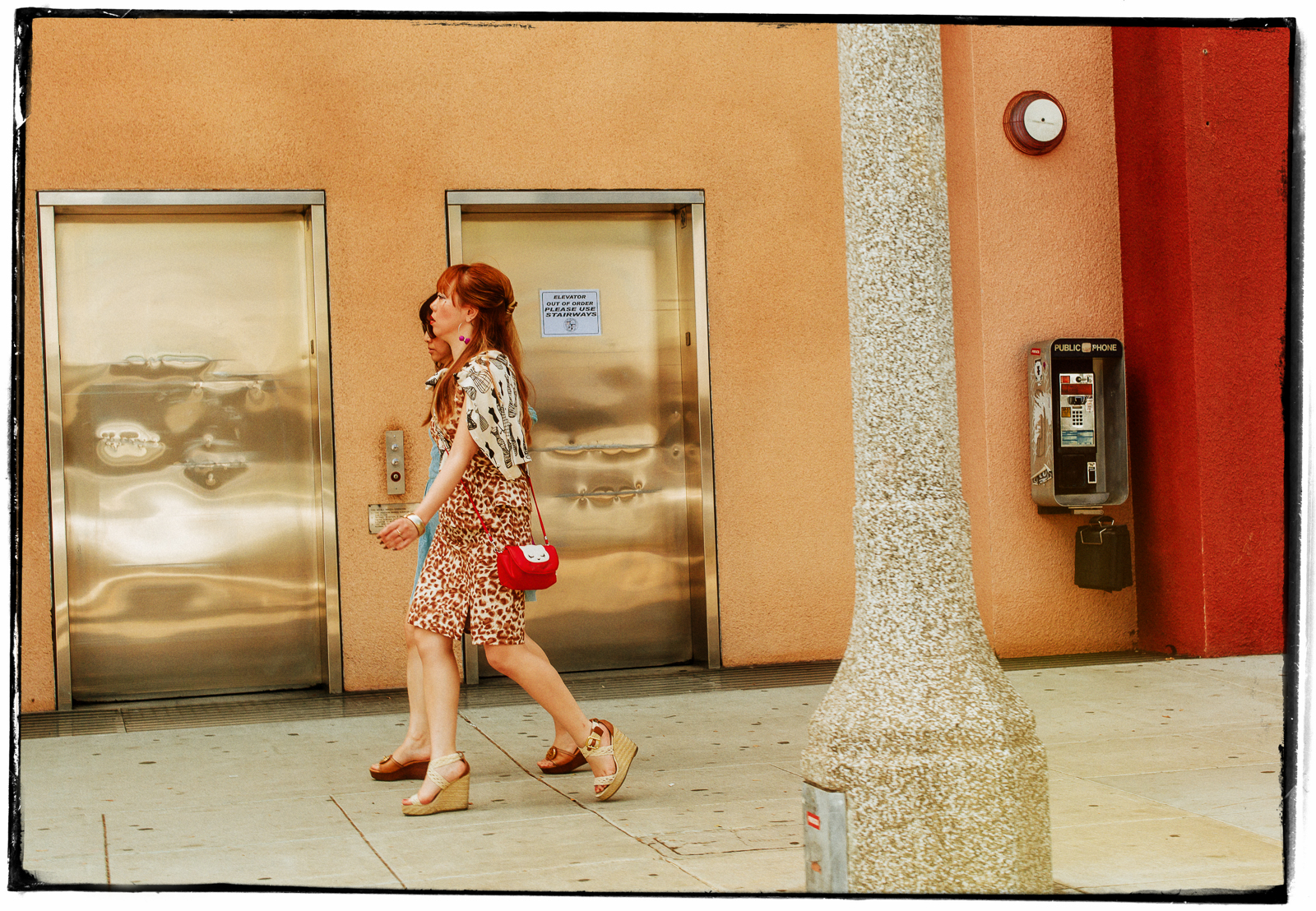
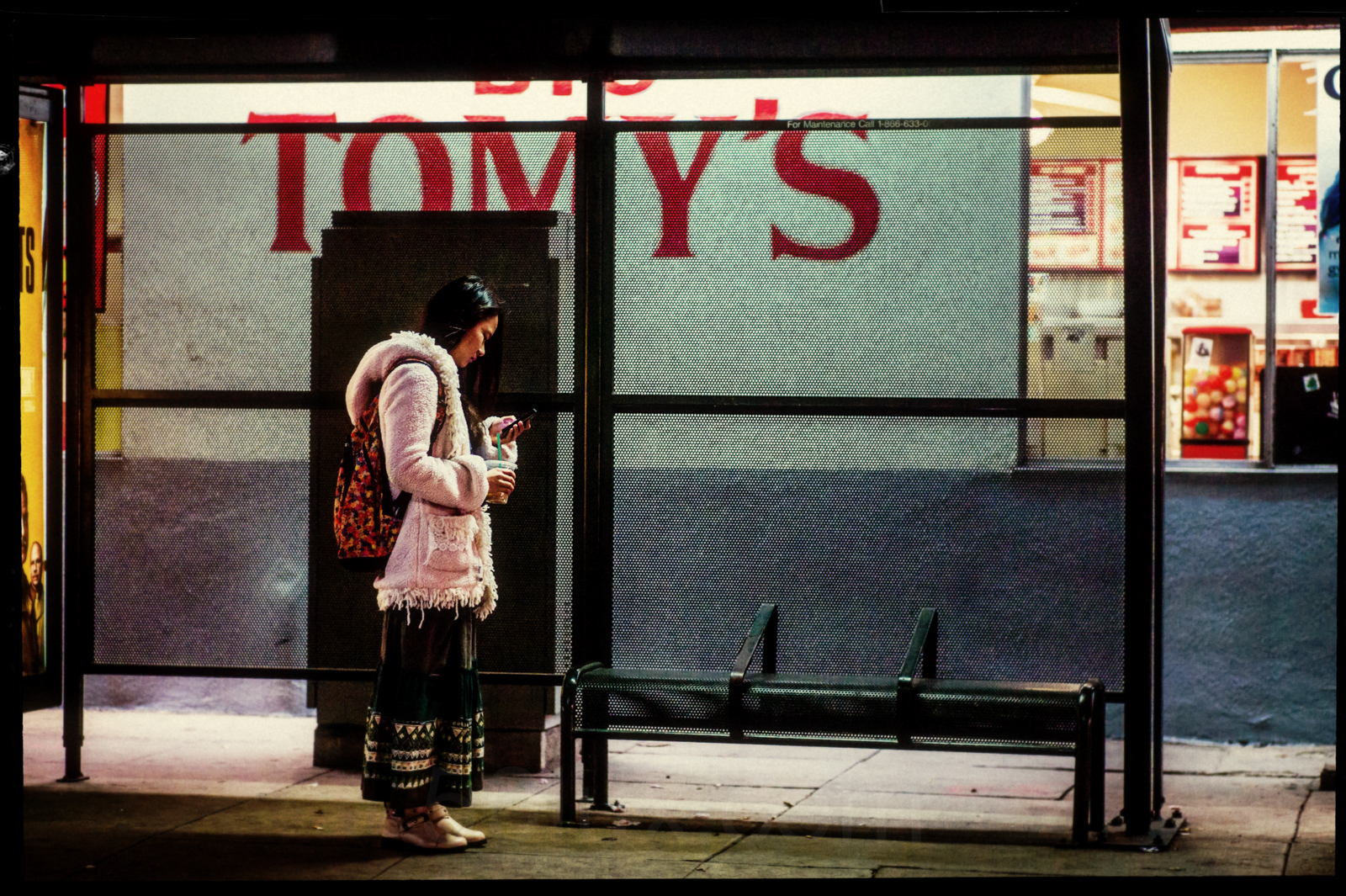
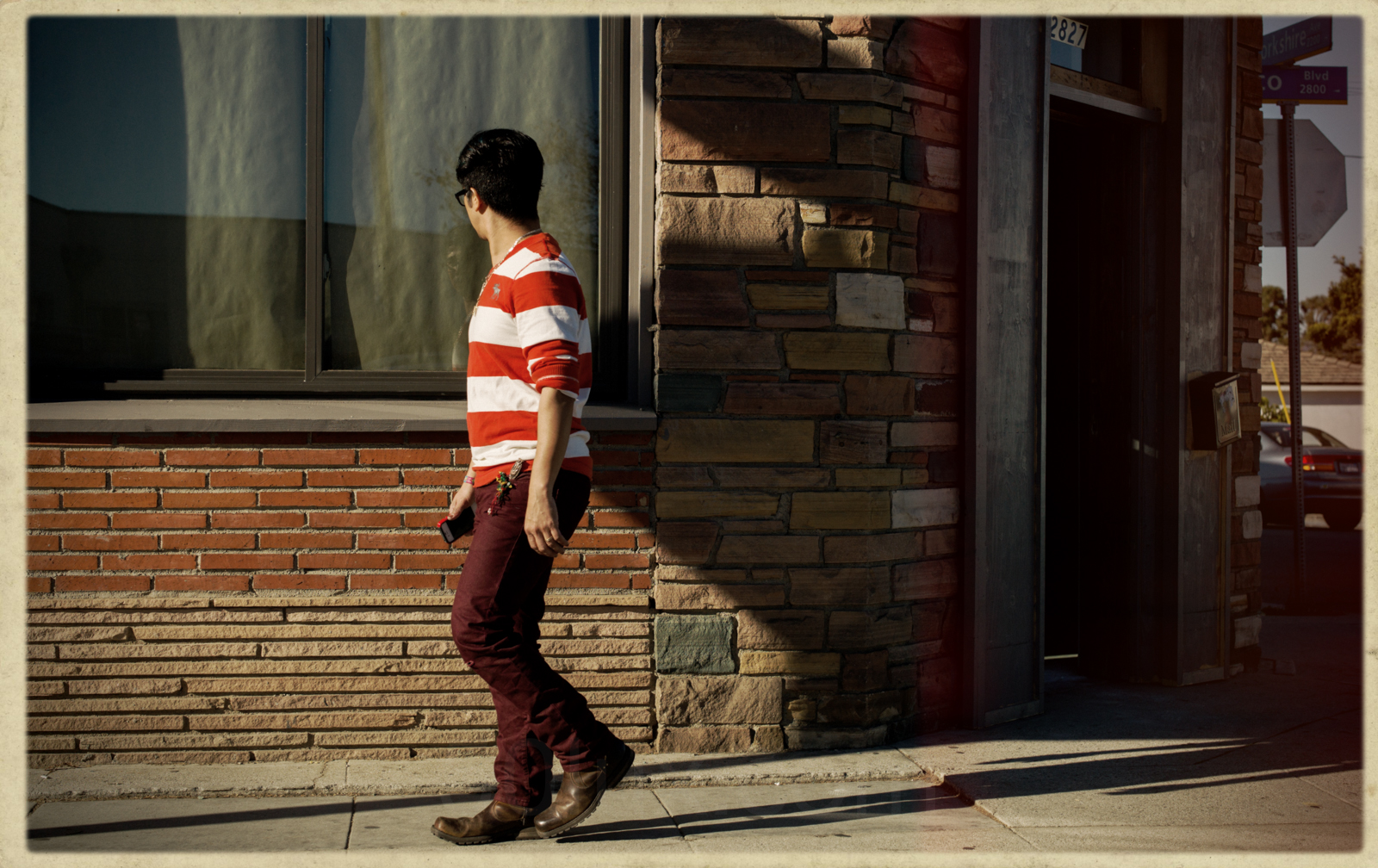
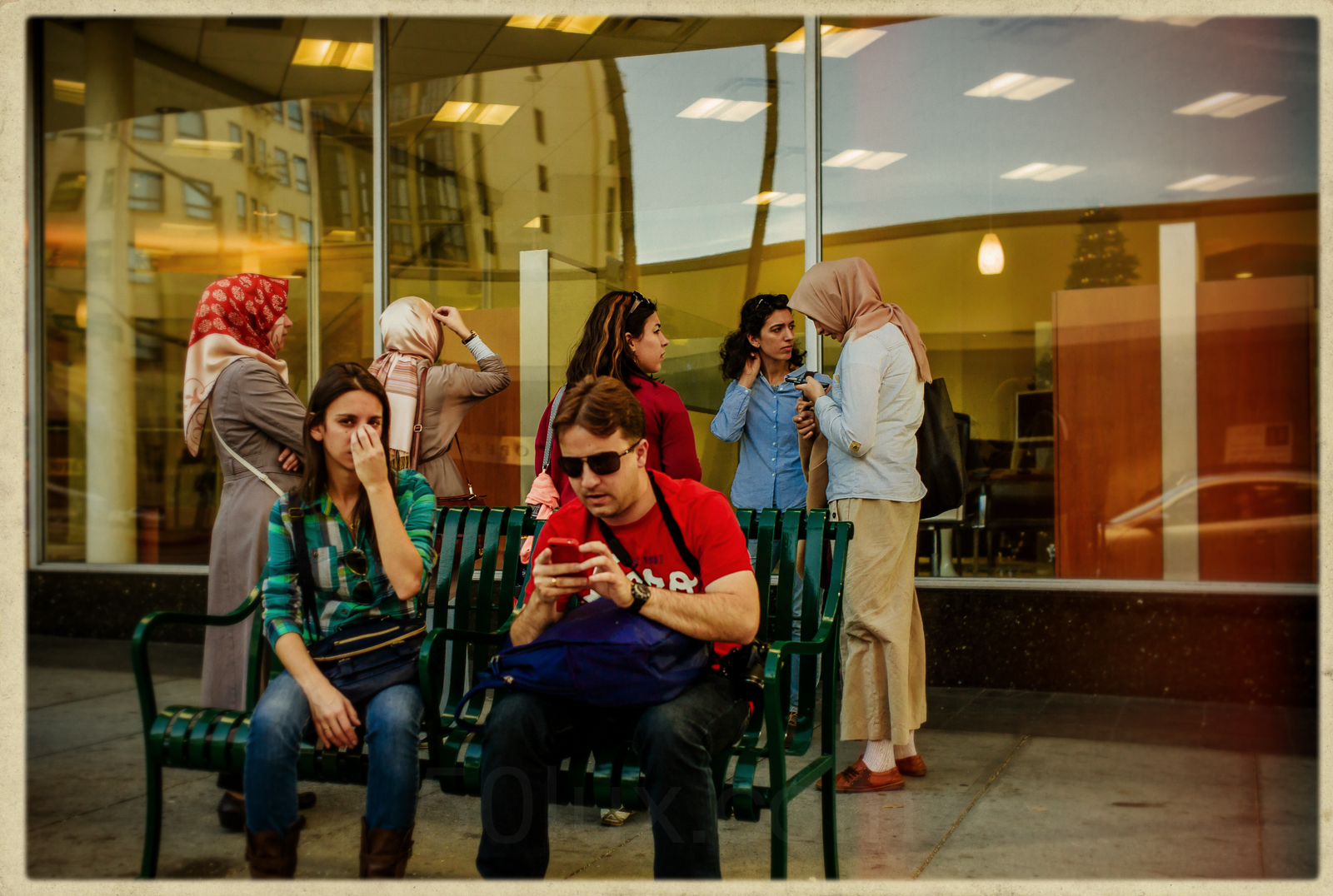
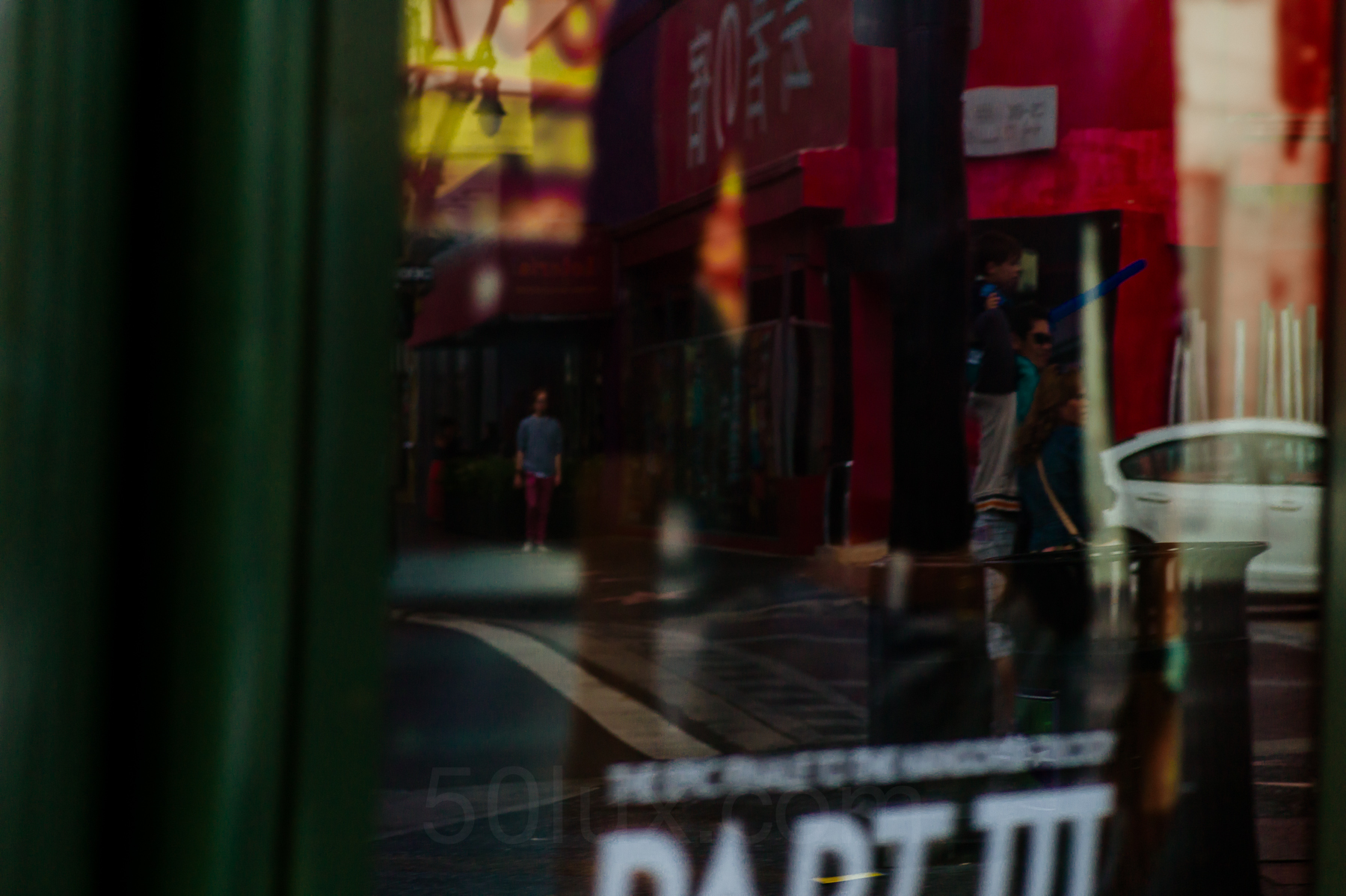
Seeing those images this morning inspired me to share some of my recent shots. You know, I’ve always thought of myself as a black and white street photographer. But I rarely shoot black and white street photography. I really have done very little in B&W over the last ten years. I think I have to come to terms with the fact that I’m a street photographer who works primarily in color.
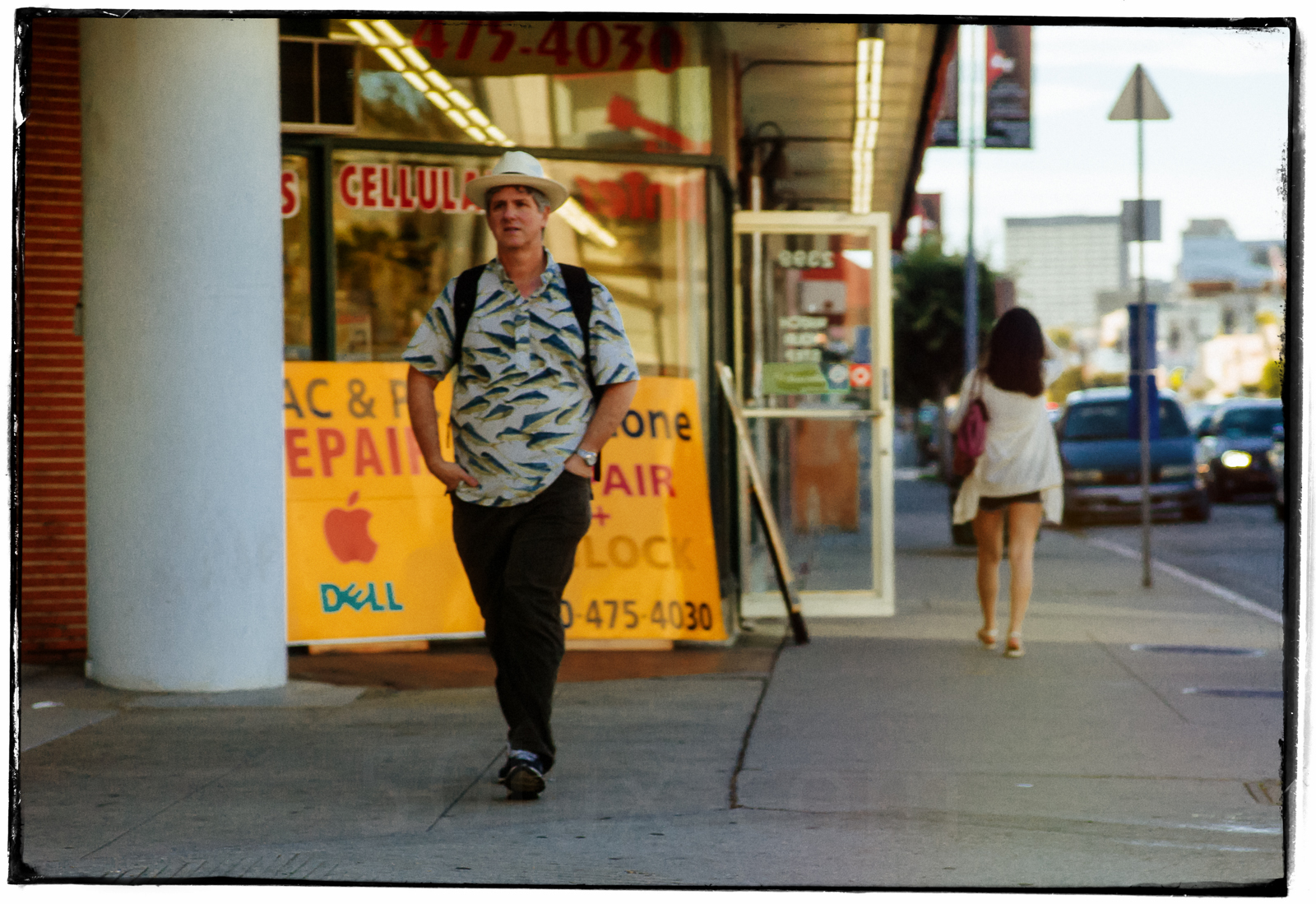
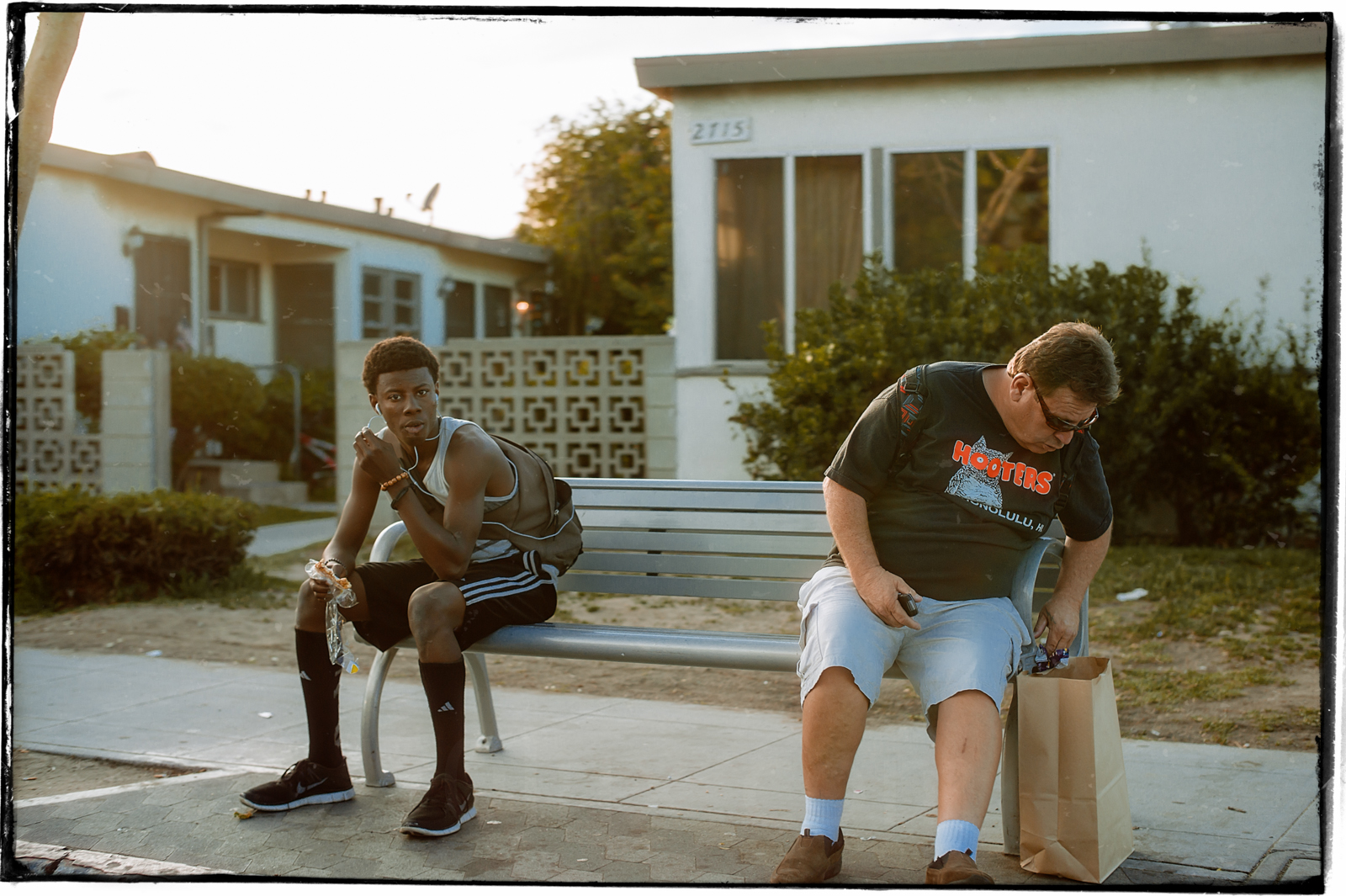
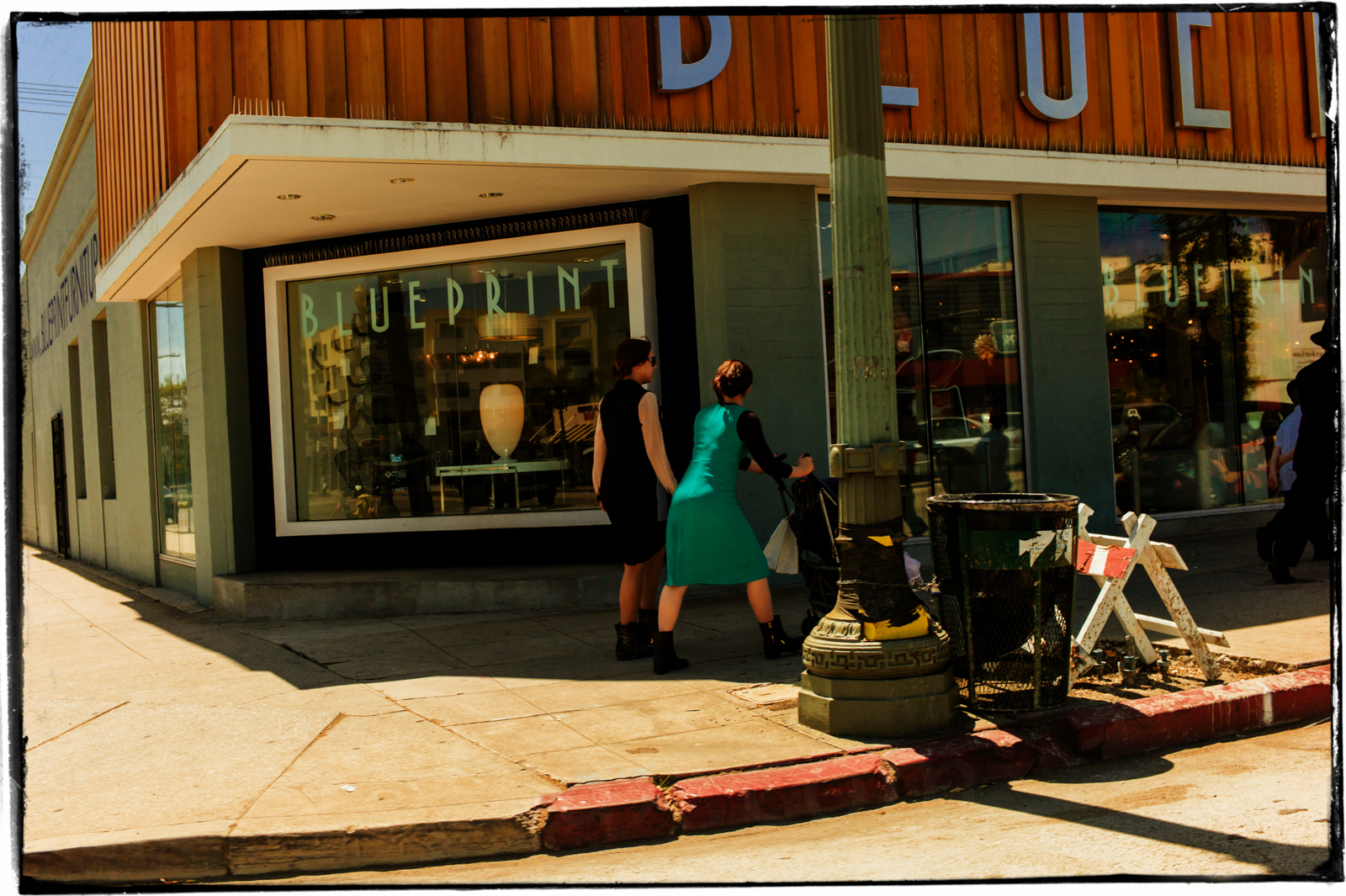
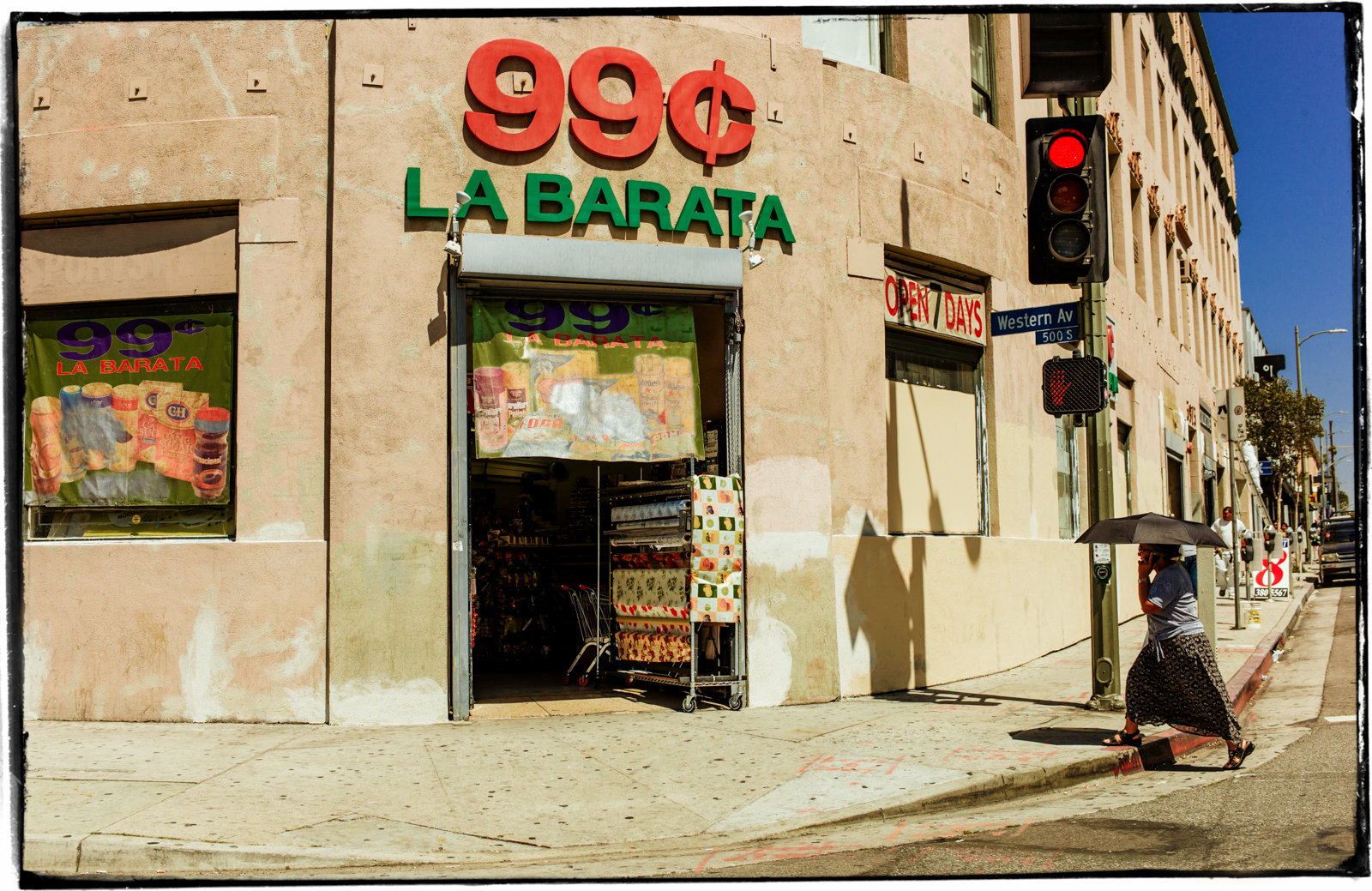
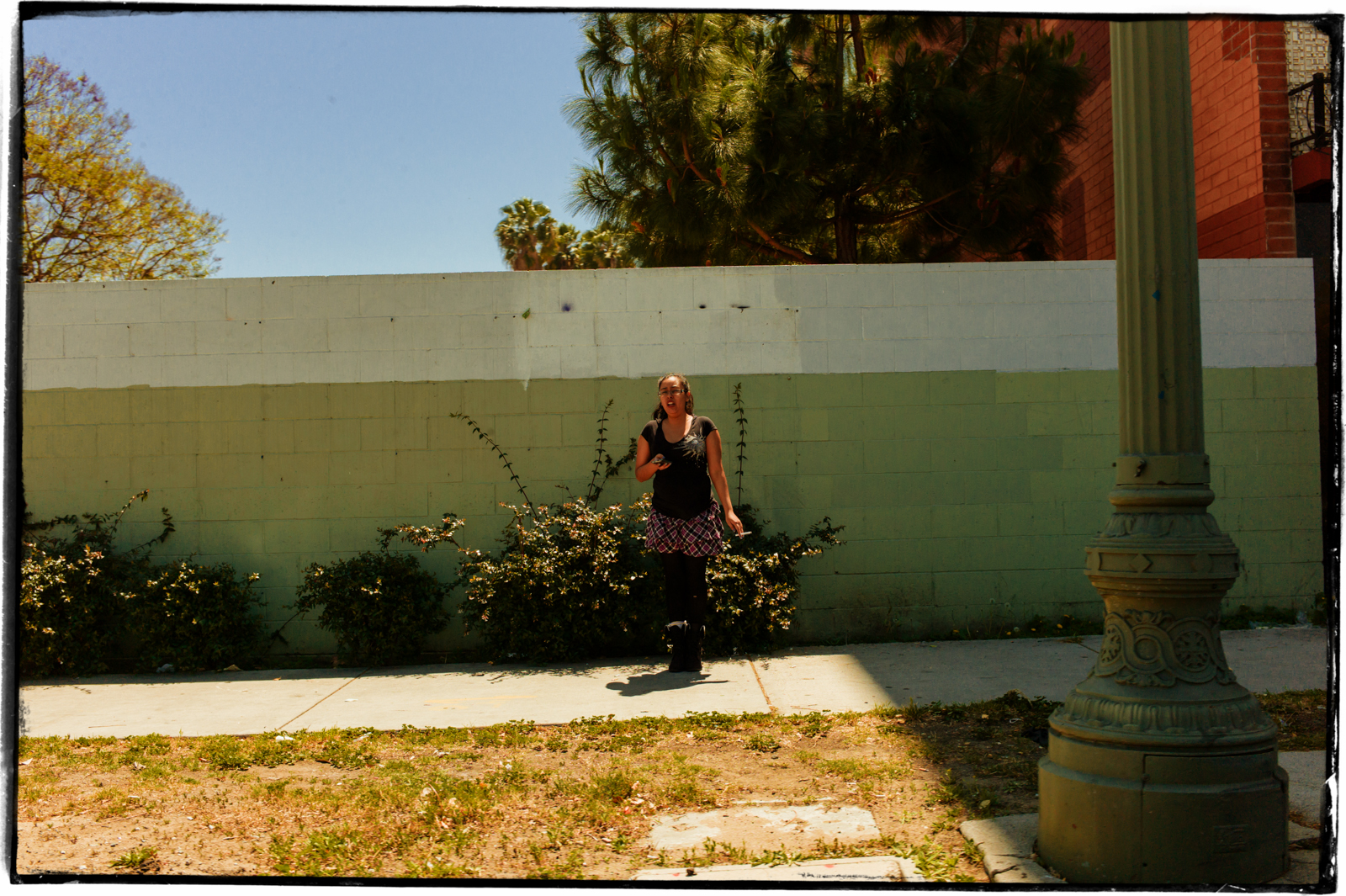
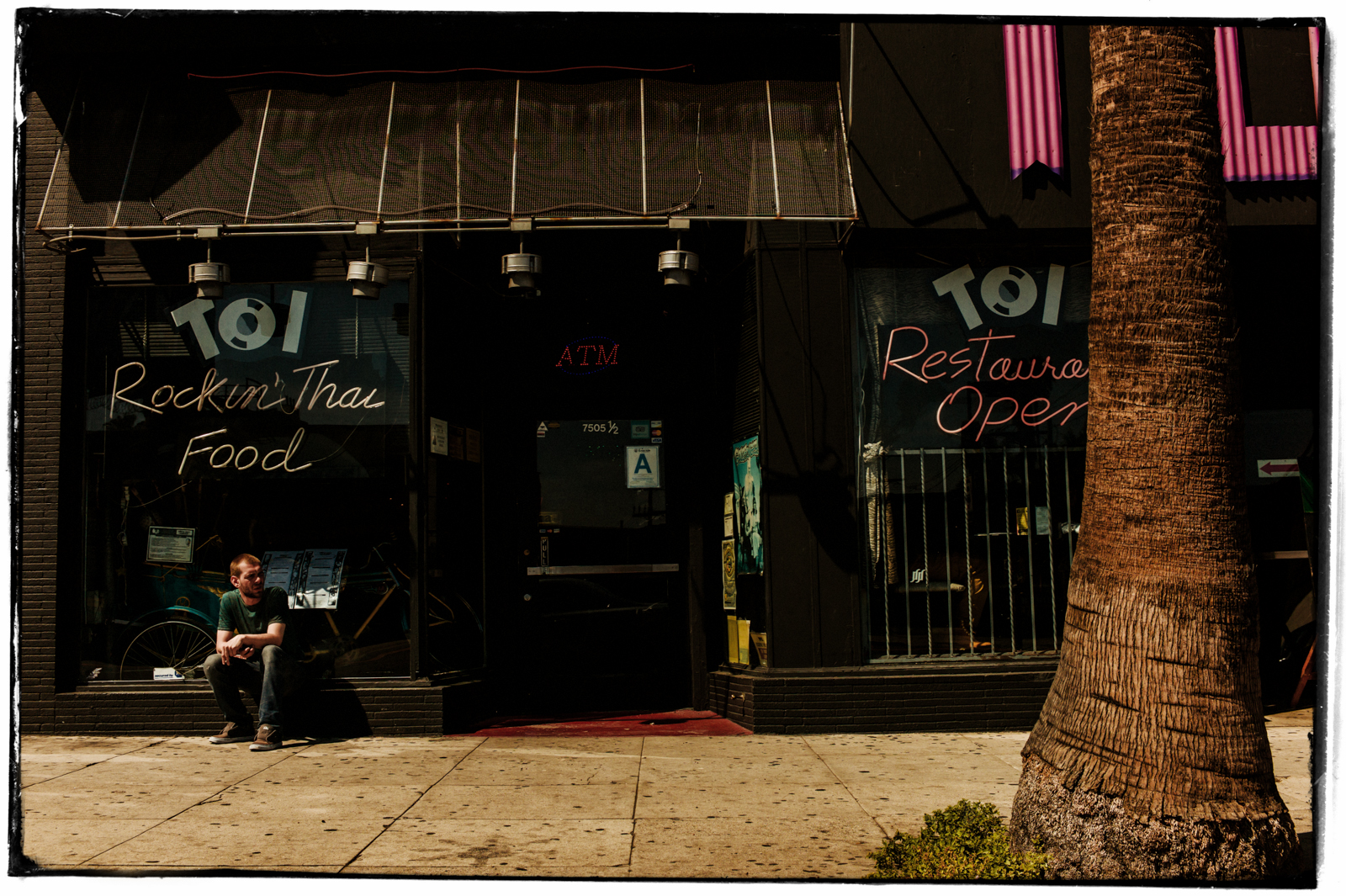
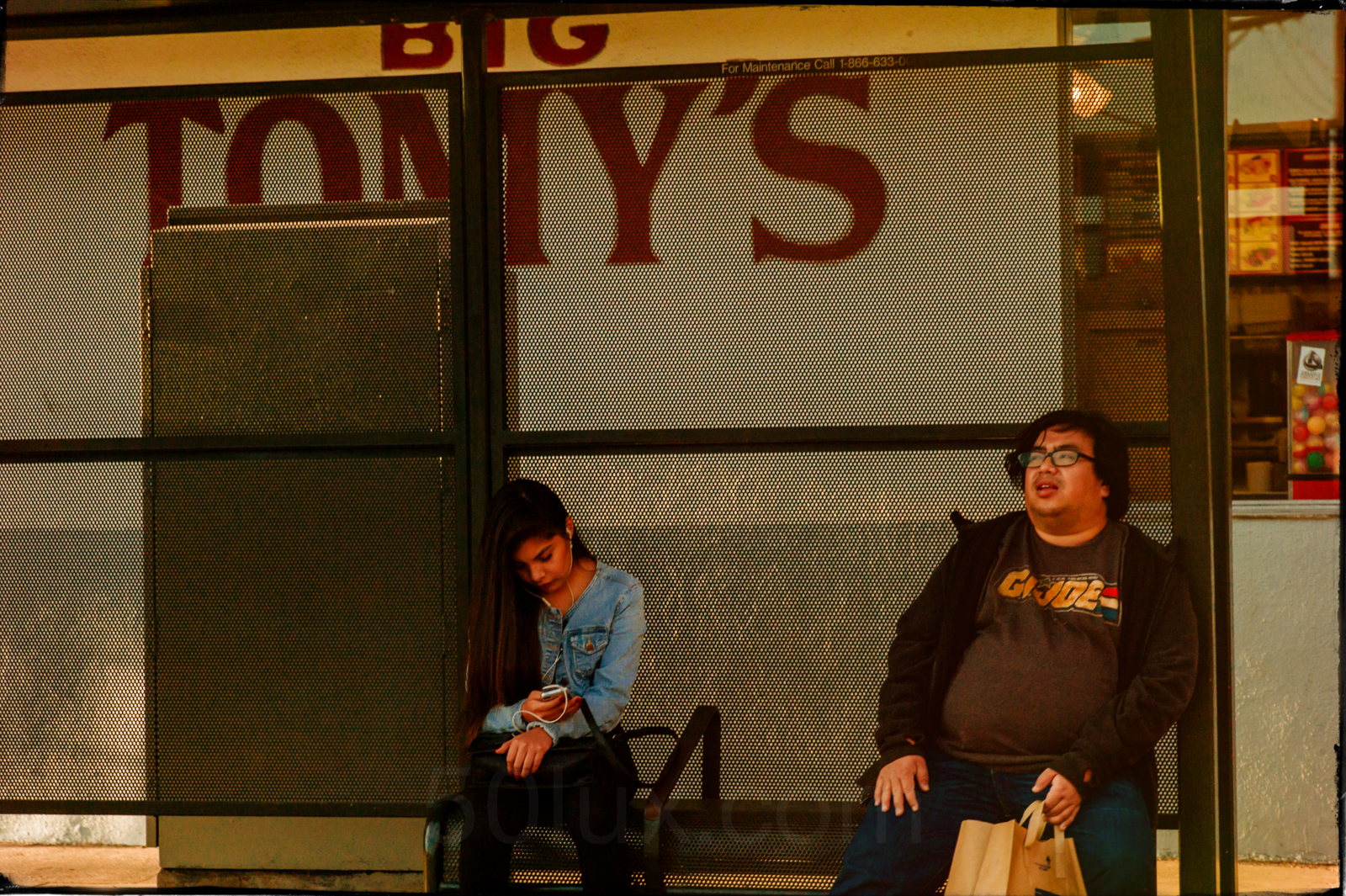
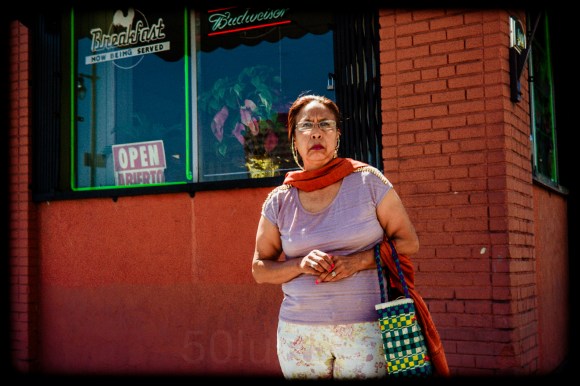
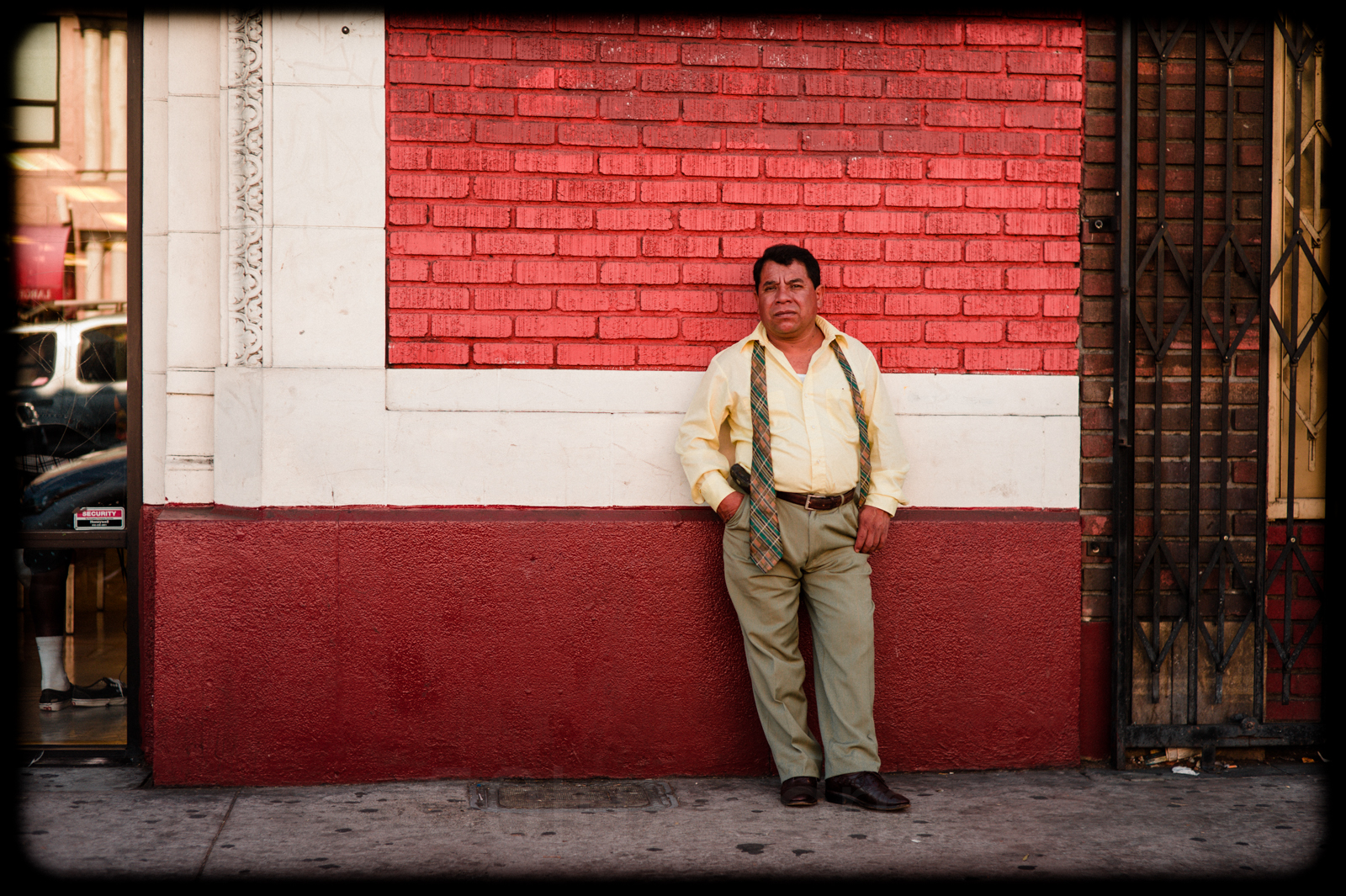
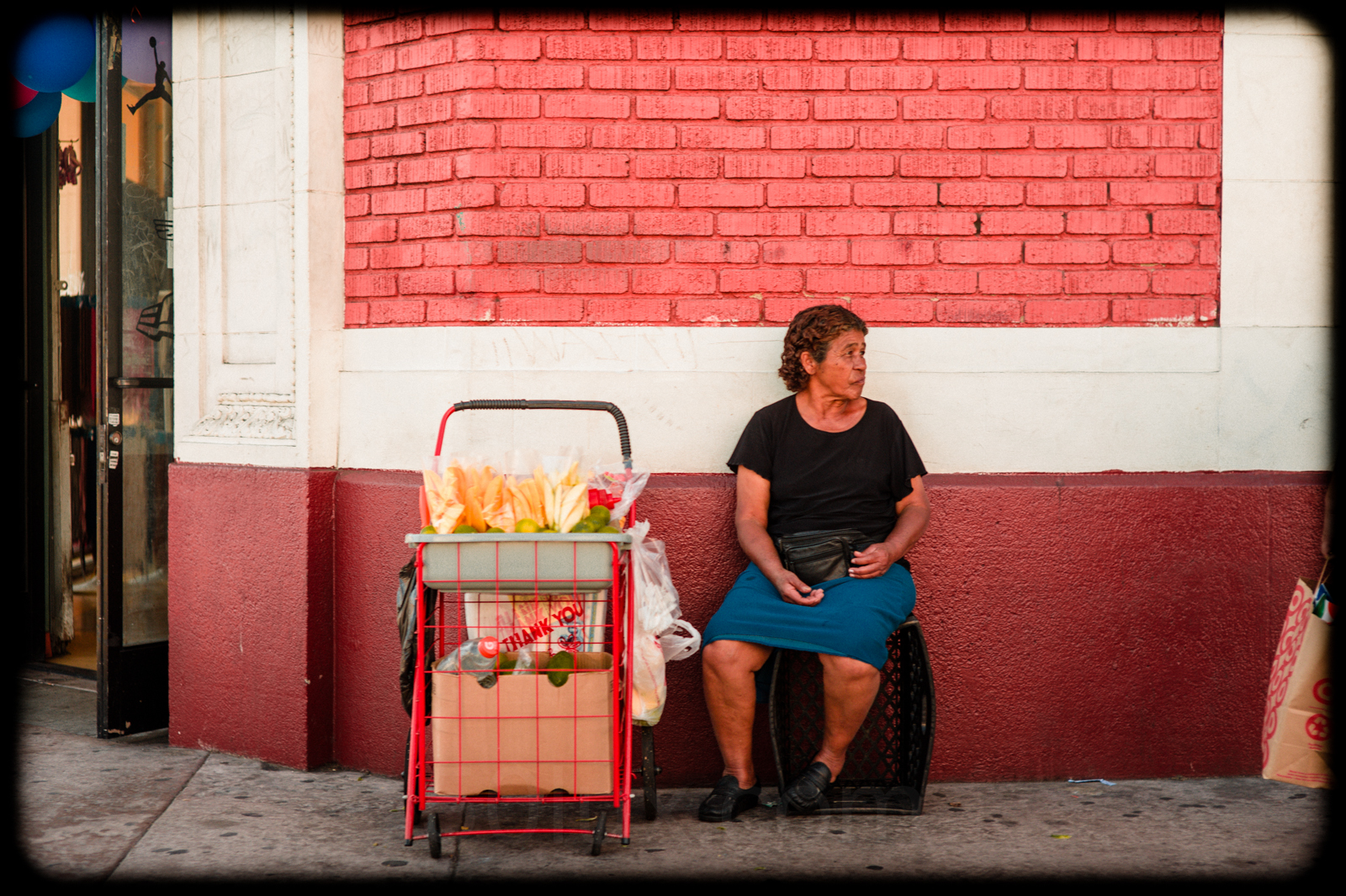
Color is the only way to capture the parts of Los Angeles I continue to want to shoot most. Hope these images from my Leica M-E capture both the timeless grit and the gripping palate of colors of life in LA in 2013.


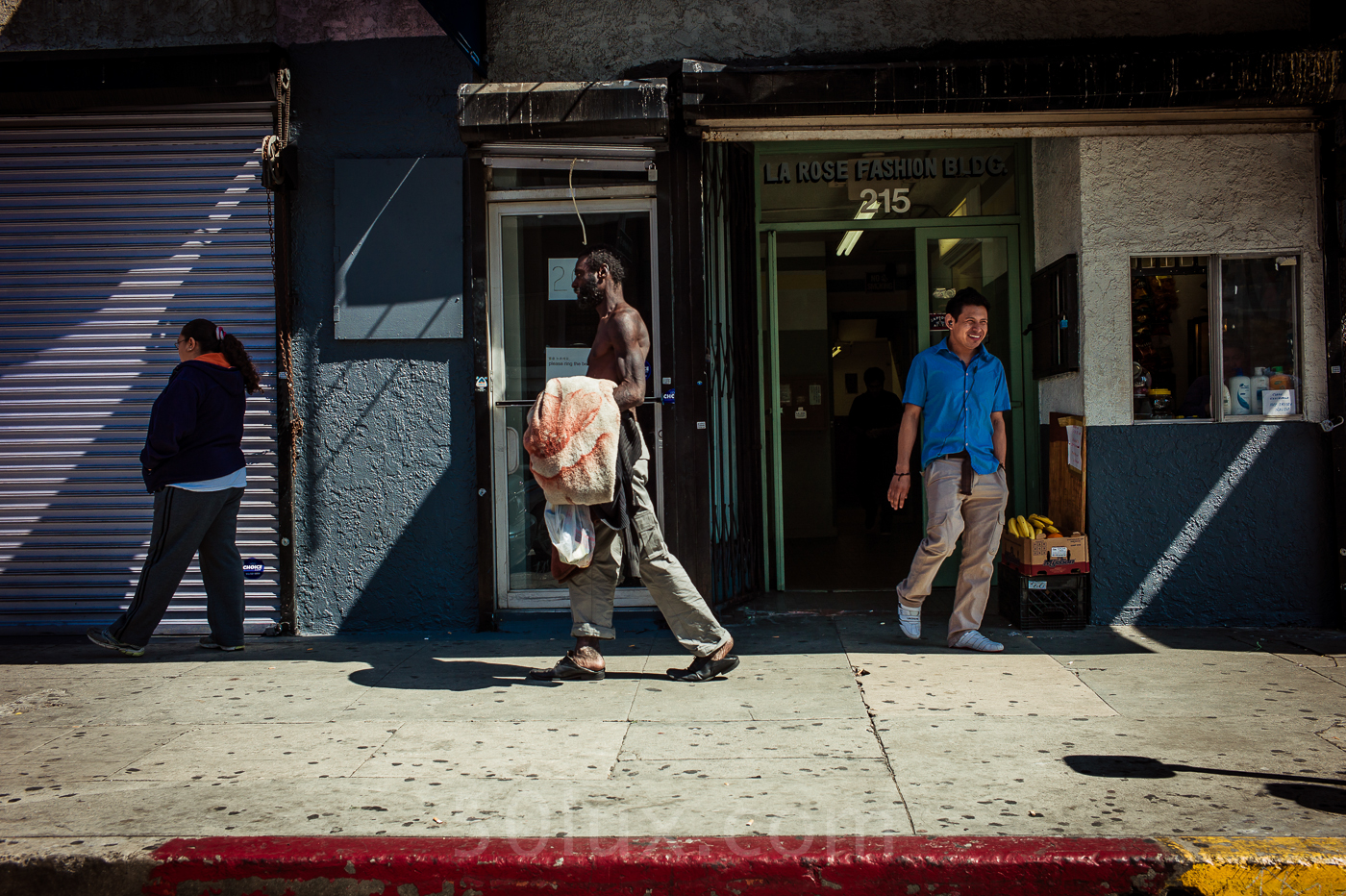


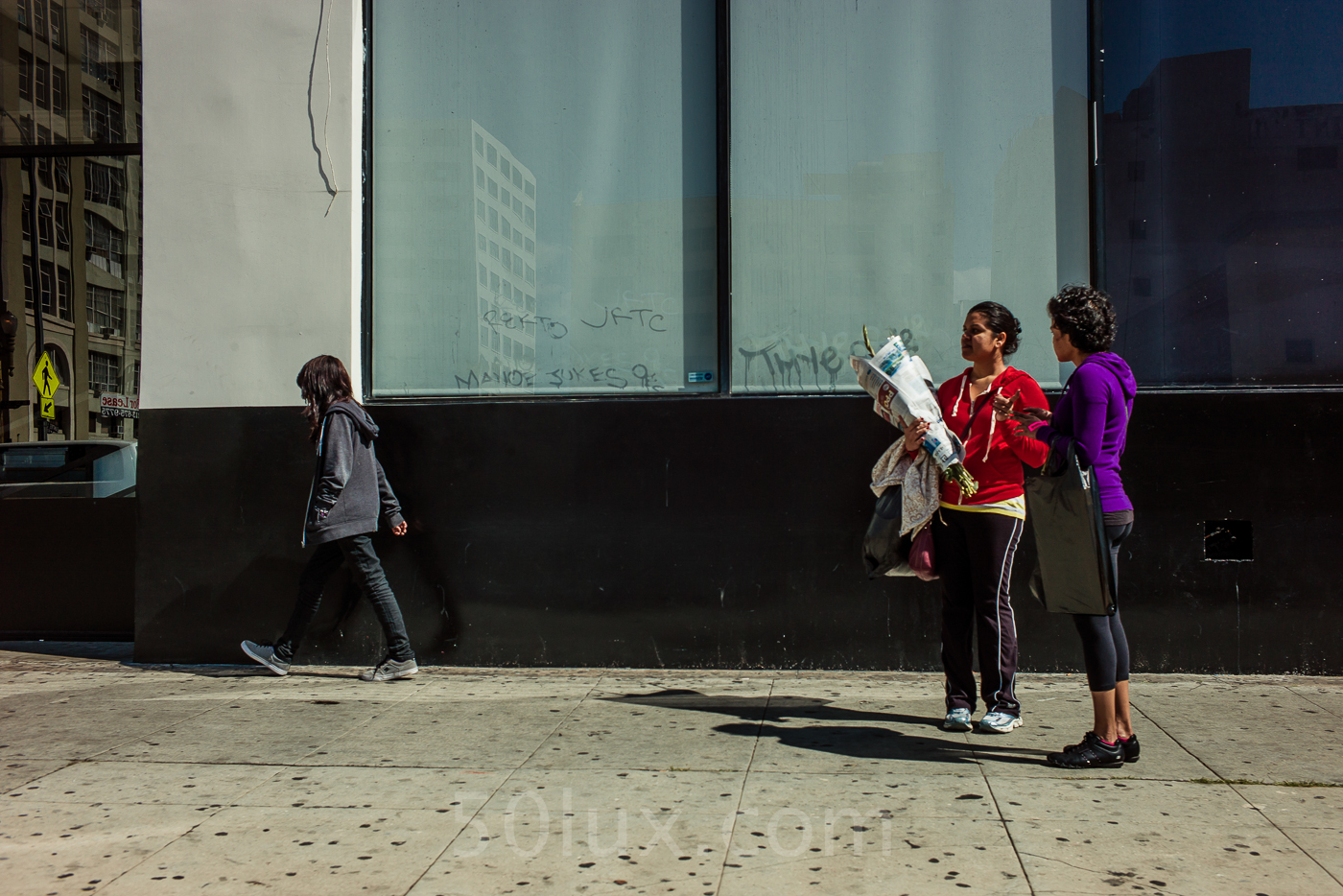

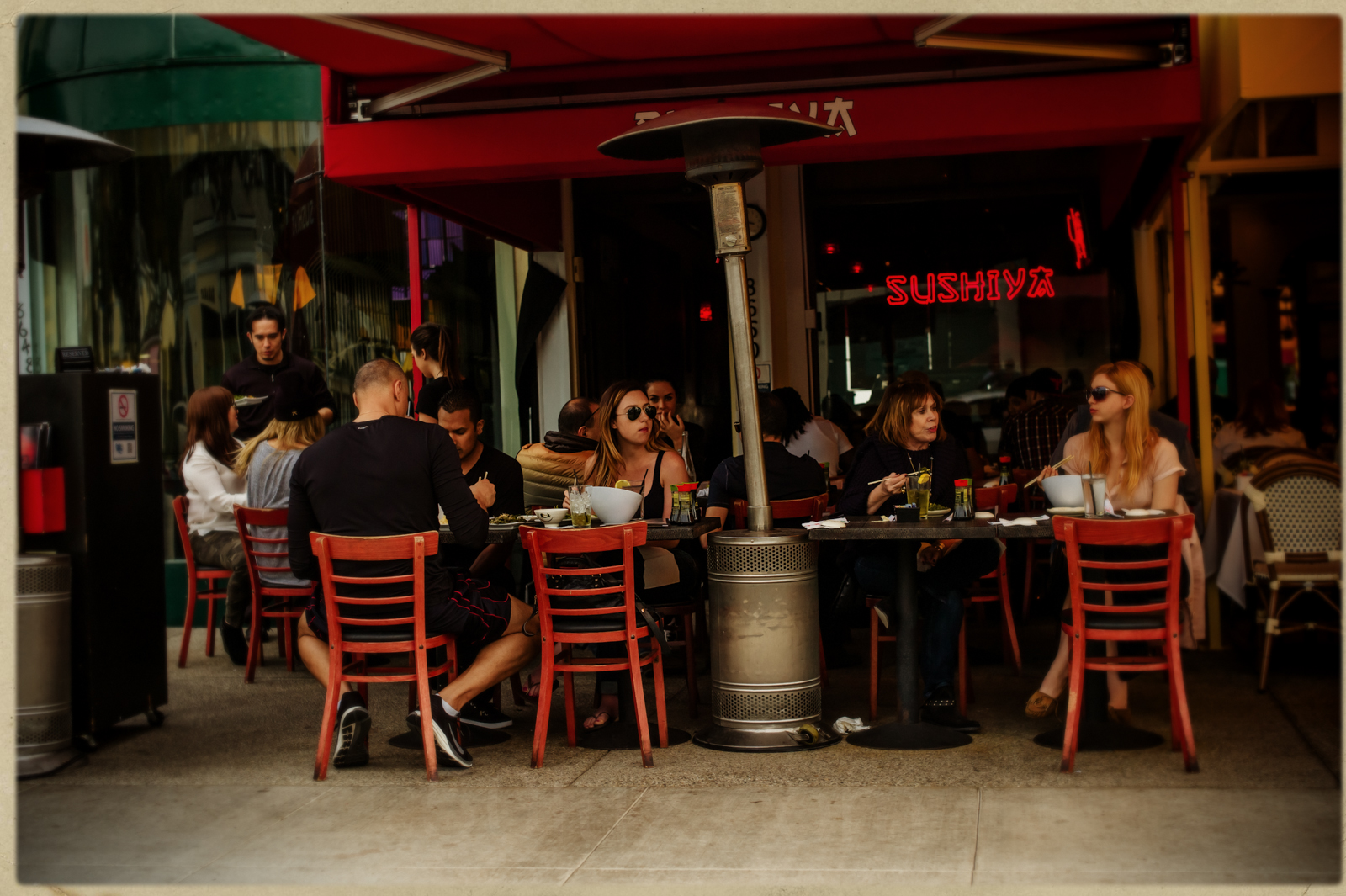
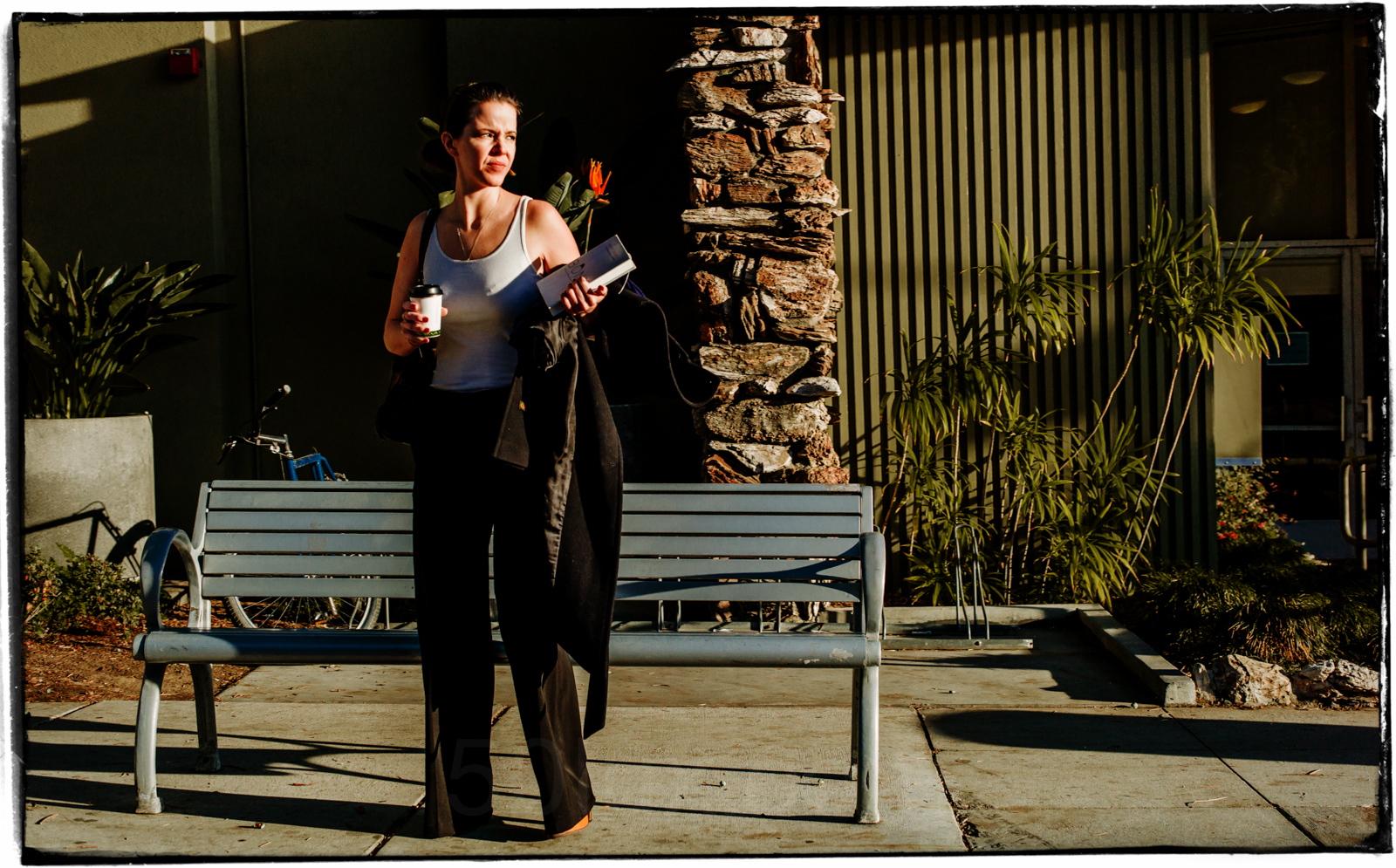


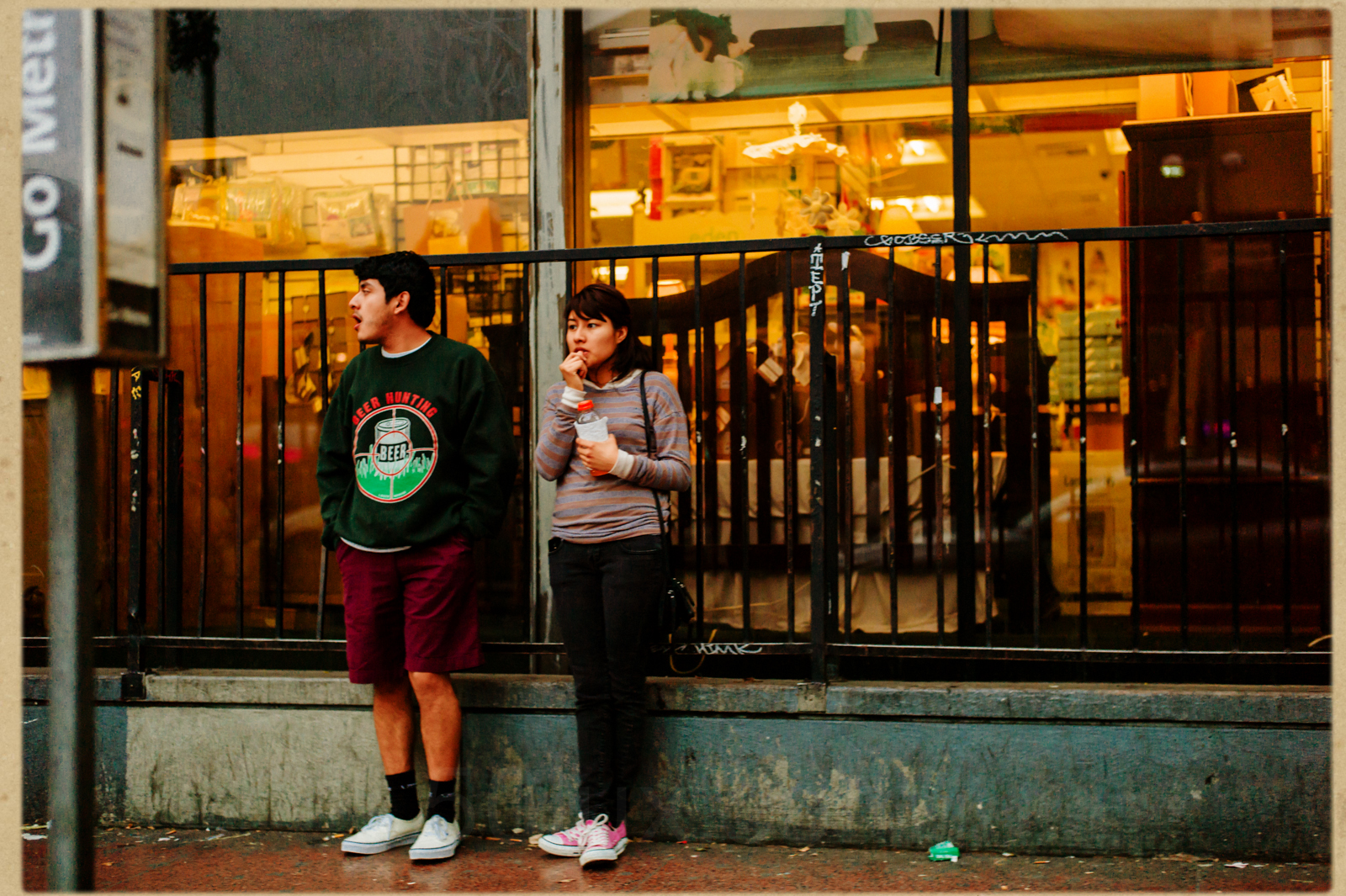

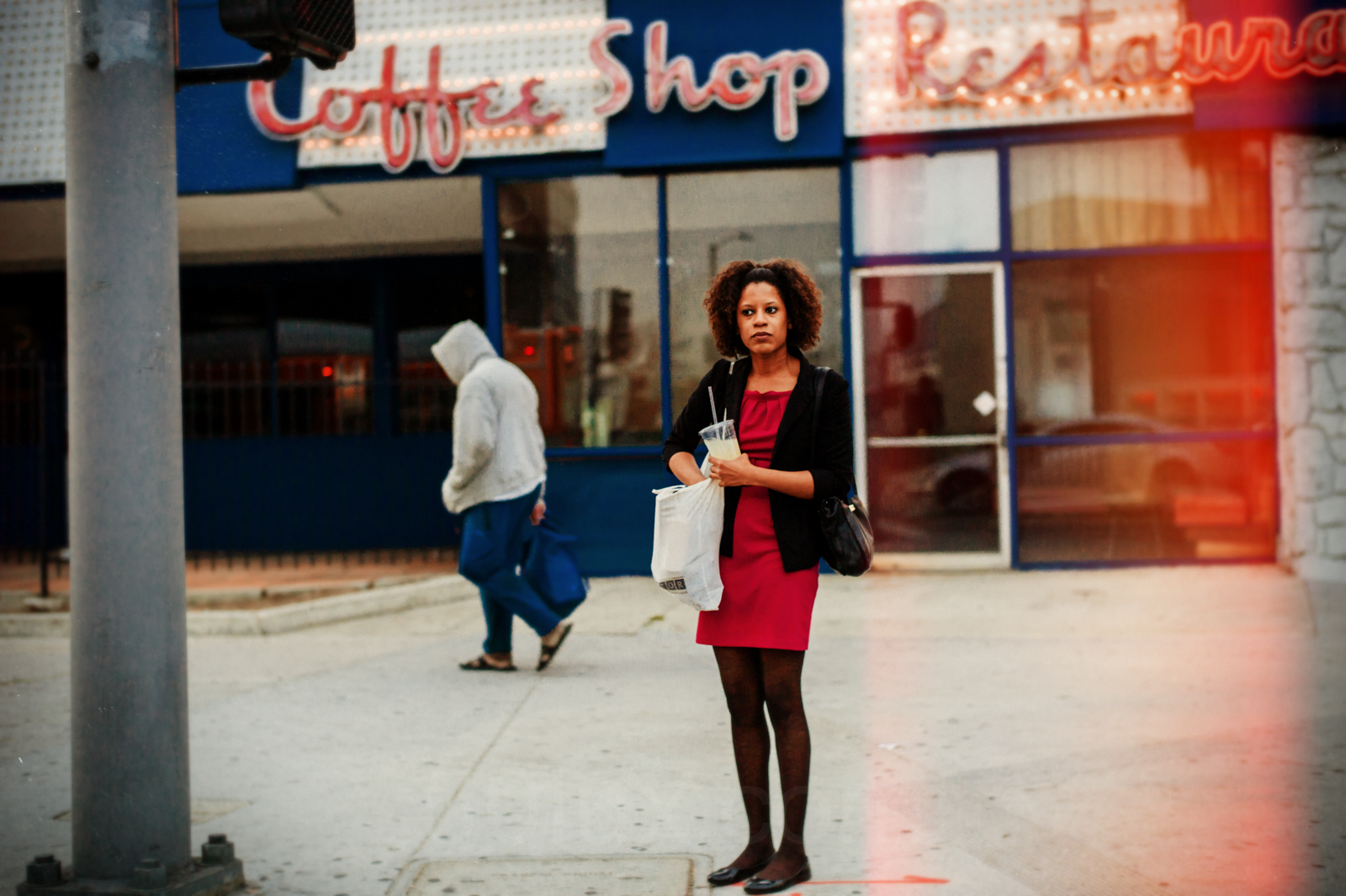


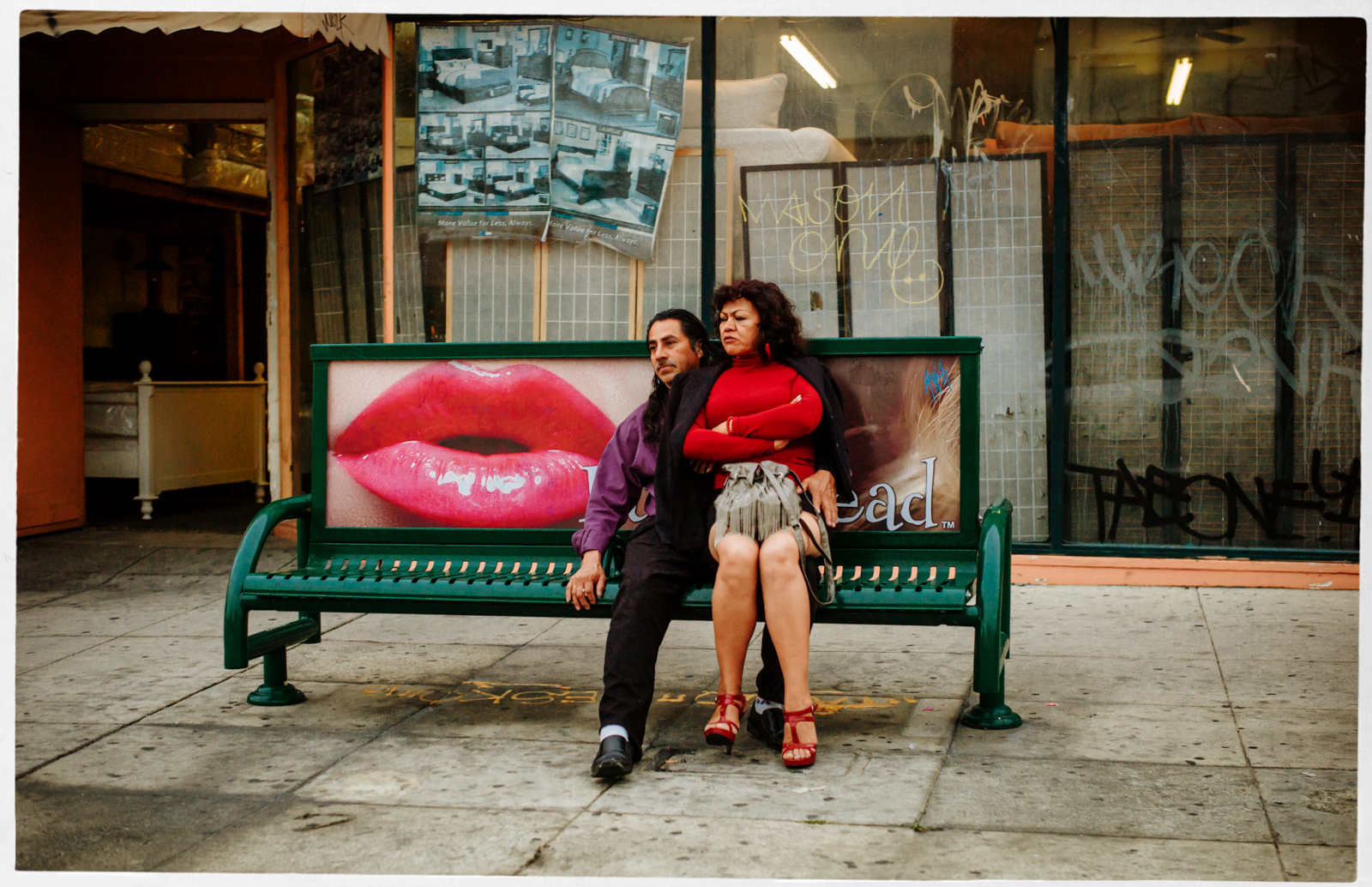
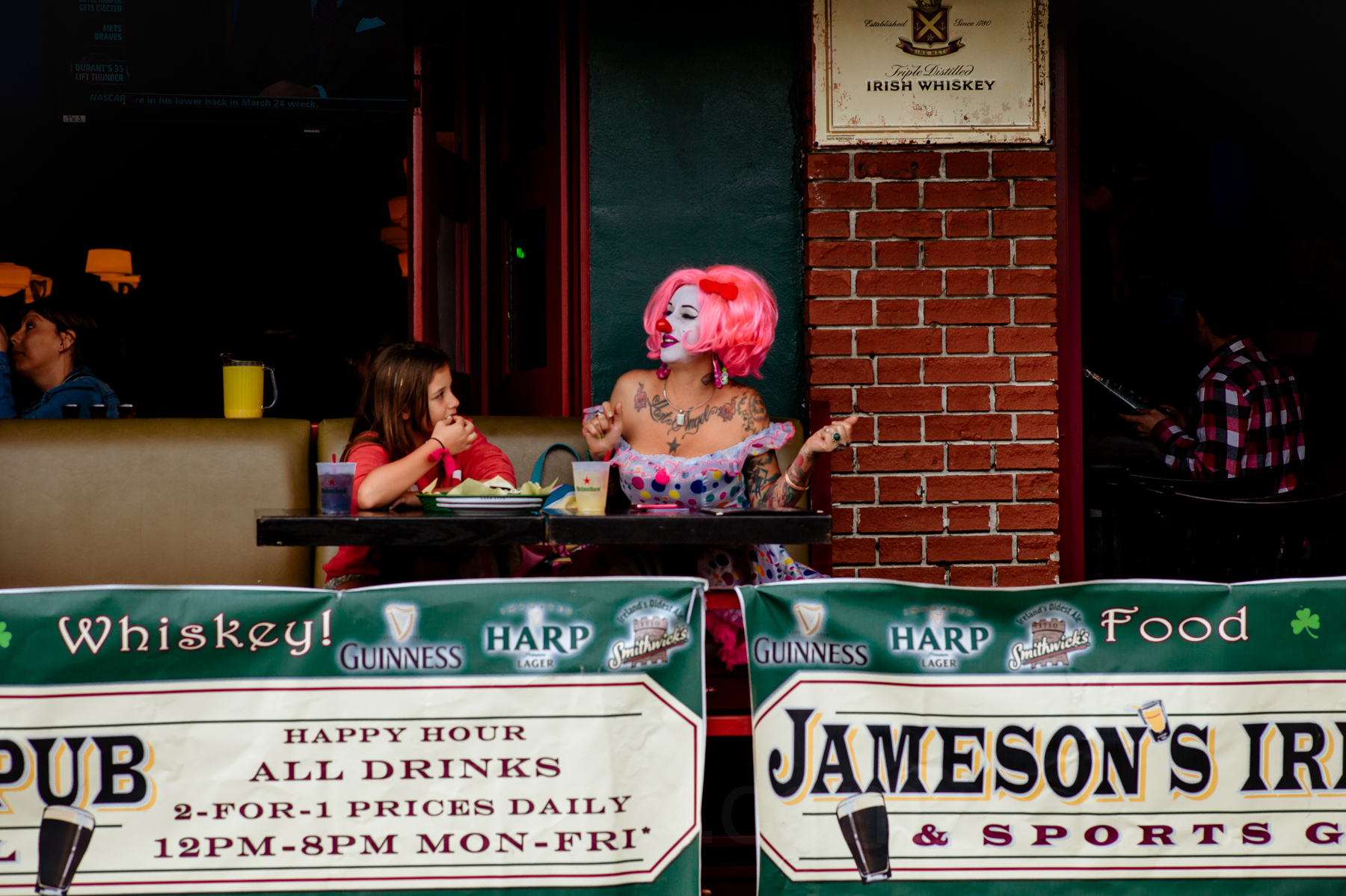
The Anti-Norman Rockwell in me strikes again.
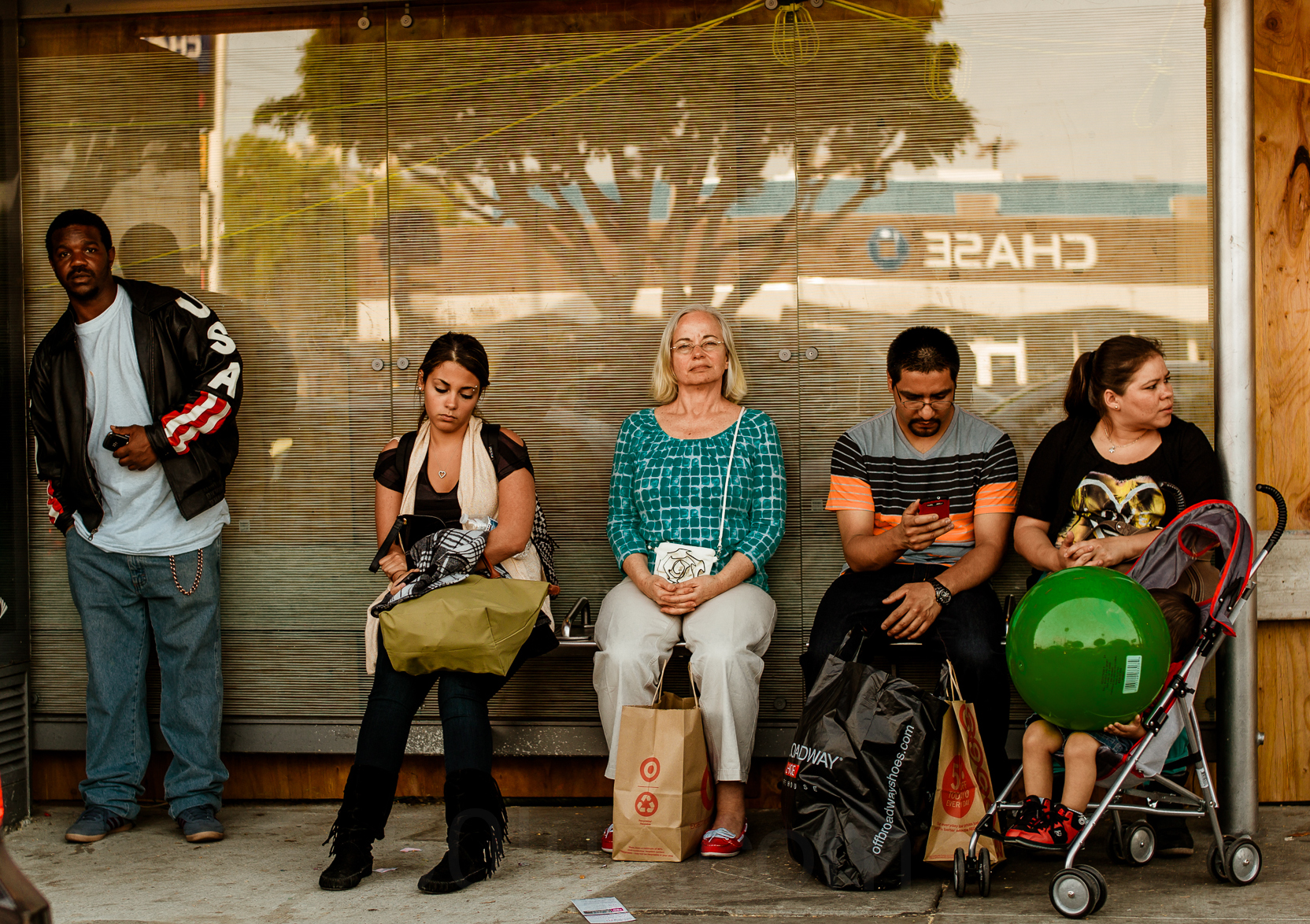
Not even a Ken. But I can’t deny the influence. (of Norman!) And I’d be happy if at least one person out there thought of me as the anti-Norman Rockwell. Just do it.

2014 was a great year for me, finally, and I couldn’t hope for anything other than more of the same in 2015. So here’s a New Year’s toast (sparkling apple juice) to photographic and artistic success and fulfillment for all of us. 😉












 50'Lux
