

Strip Mall Corner: Sepulveda and Pico Blvds, Los Angeles, CA













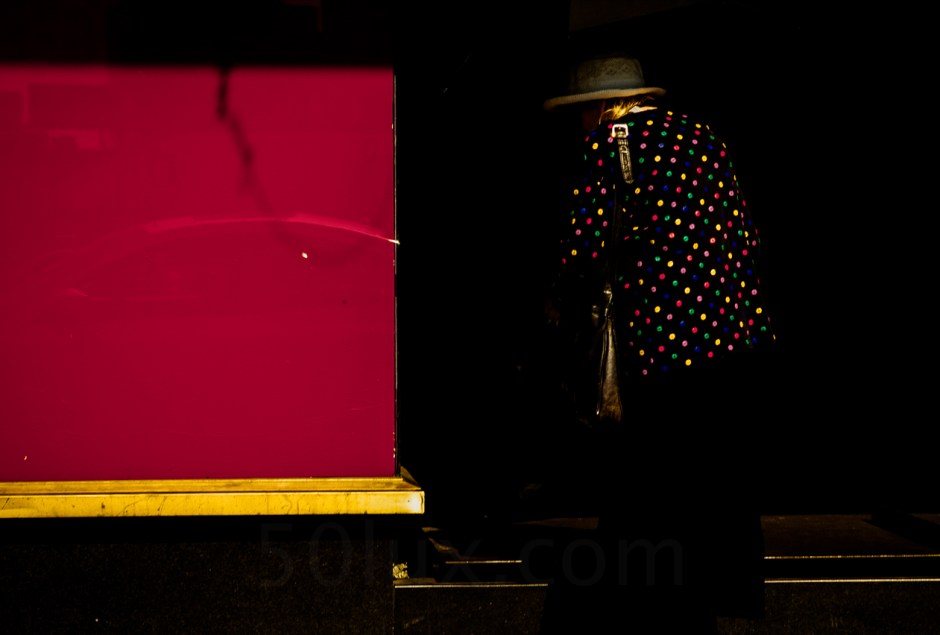
Very excited to learn that the above image, Gestalt Moment, won a spot in the Los Angeles Center for Photography’s first Juried Member’s Exhibition that will run from July 11 – August 12. Over 800 images were submitted and 50 were selected.
I set out to do a number of things in terms of street photography when I embark into the city to make my images. I don’t go out with a single project in mind but after so many years of shooting in Los Angeles I know there are a number of things on the spectrum of possibilities that I can hope to find and document.
This image actually represents a number of those things. First and foremost I think what my photography is about is that it’s psychological. That’s certainly a matter of perception and right or wrong, true or false, I attempt to make images of that which I perceive to be happening in the lives or minds of my subjects. There are certain psychological states which I look for that would be reflected in things like facial expressions or body language and gestures.
This is, of course, extremely subjective. Can I tell what people are thinking by the look on their face? No? Maybe? Sometimes? Does a photograph lie? Of course photographs can be misleading and can seem to show something entirely different from the reality of any situation.
Personally, I’ve never cared too much about the answers to those kinds of questions in relation to my street photography. It is not reportage or photojournalism. I think some of the images selected by Robert Frank for The Americans are possibly very misleading moments. But they advance his narrative and that’s what matters more than the notion that he took a specific image when the moment and time and place were all so oppressively pregnant with the exact point he was attempting to make with his book about America.
Detachment is a theme and a human condition I attempt to capture when I’m shooting street photography. Social detachment. Emotional detachment. Temporary detachment. Literal, metaphorical. I’m open to whatever I can find. Detachment was the unifying theme of the six images I sent in to be considered for the exhibition at the LACP.
Alone, elderly, downward aspect to her gaze, body language that’s slouching away from the world, literally disappearing into a darkened doorway, there’s enough evidence of social and emotional detachment here that I would hope I don’t have to discuss that element in this post or it would end up being 10k words.
Another thing I hope to do, and rarely accomplish, is to tell my little real or imagined social and psychological stories without actually showing someone’s face or revealing their identity. Two of the images I sent in accomplished that and this was one of those.
That’s for both artistic and just very practical reasons but to some extent there are ethical considerations as well. It’s not an easy thing to do by any means. But I can almost feel the exhibition juror looking over street photographs by me or any number of other photographers and (with a sigh of relief) being inclined to choose images that don’t reveal the identity of any human beings. It’s like an ‘ah’ moment. Yes! Thank you! These aren’t legal concerns, maybe, but any number of lesser worries are avoided. So there’s that.
Then there are, it is hoped, things that you cannot plan for or take any credit for whatsoever. The gestalt aspects of this photograph represent nothing less than a once-in-a-lifetime occurrence.
To be the photographer who goes into the world seeking out something like this, spending his or her hours searching for opportunities that would, when photographed, represent examples of gestalt? God, I think I’d rather sell my cameras and start a disco band. That’s just not who I am as a photographer.
To those who might not know of gestalt theory or perception. As simply as I can state it, it is a combination of elements, dots, shadows, lines, that taken by the MIND in total, form or represent something other than those elements, dots, shadows, lines, etc.
In this image, you only see this woman’s hat and hair really. A purse strap. It is really the red, yellow, and blue polka-dots on her jacket, and the blocking of light by her legs which tells you her shape, her posture, etc. Those elements allow your mind to ‘see’ the human form of the woman.
That those elements, captured at this moment, reveal her body language, a gestalt perception that to me forms in the mind an expression of her detachment, one of the many things I seek to photograph with my cameras and lenses, is simply off the charts good fortune.
As part of the process of participating in this exhibition and having an image featured I’ve been asked to set a price for this photograph. I think it’s worth $1M. But I don’t want to sell myself short so I’m thinking of asking five. 😉
Thanks for looking!
db






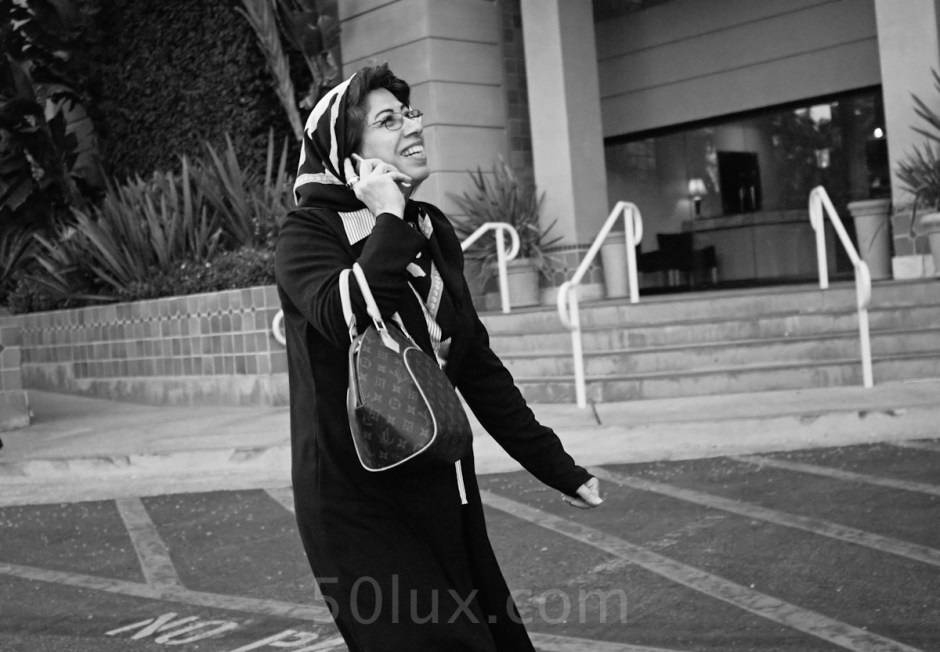

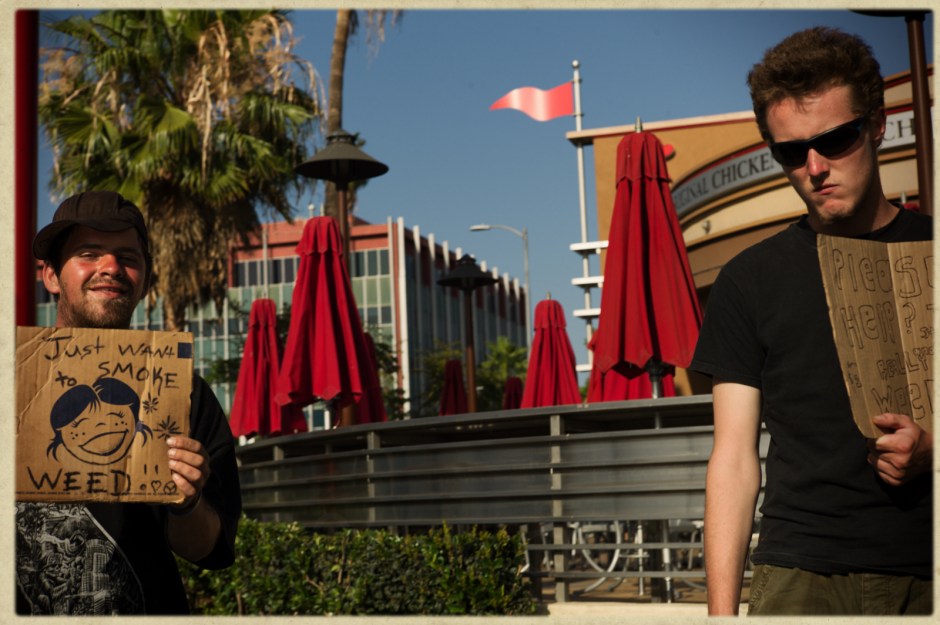
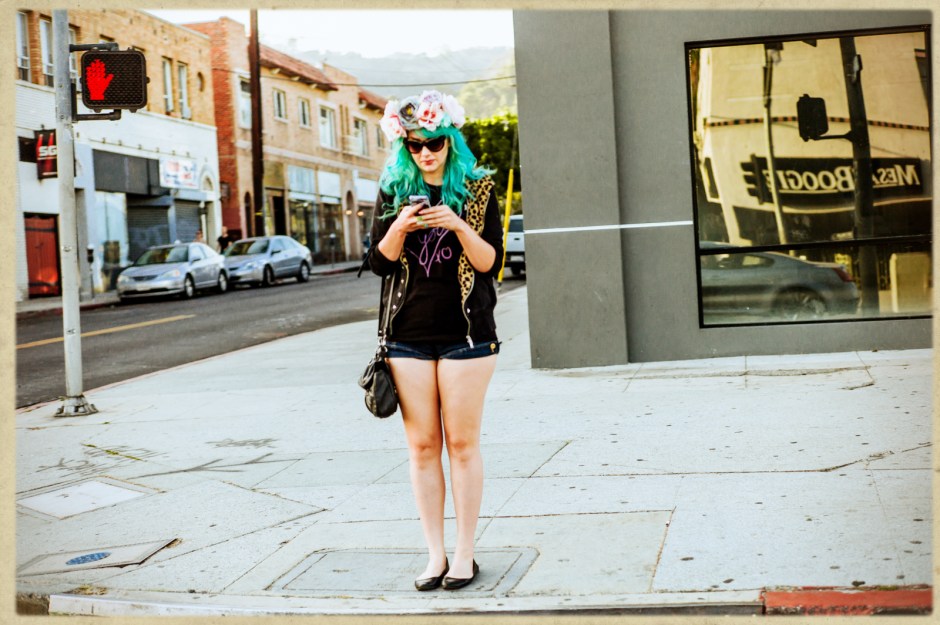

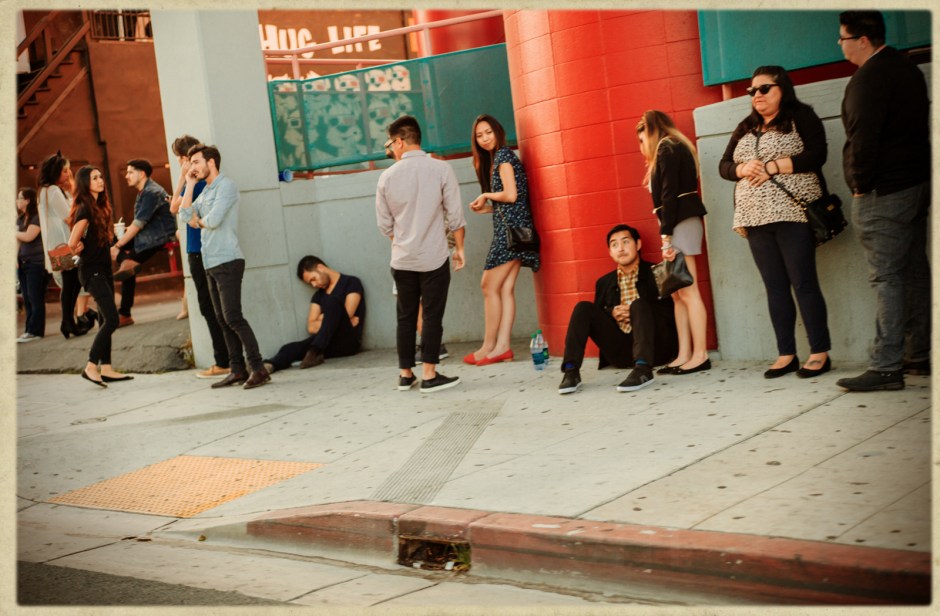










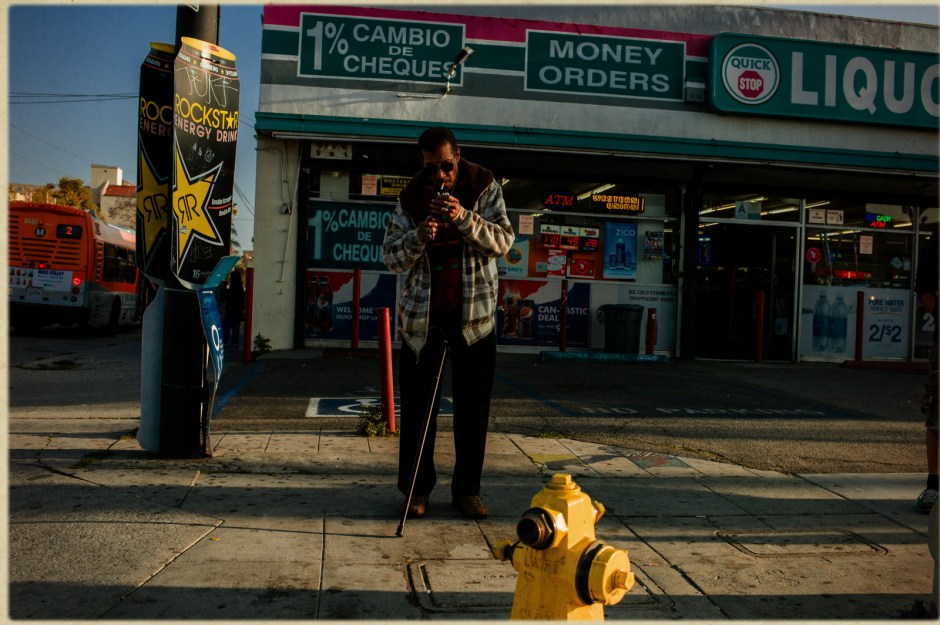

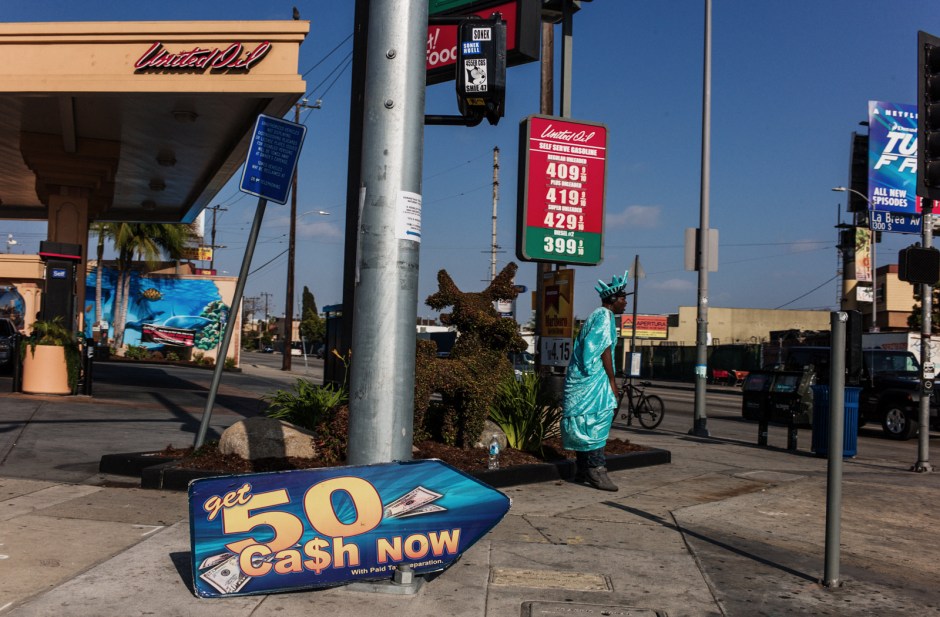
 That title suggests a lot, I know. These are amazing times online. There are at any point, almost surely simultaneous, multiple battles occurring in larger cultural wars over things like racial and sexual politics. The recent Stephen Colbert – Suey Park skirmish was fascinating, the back and forth analysis provided me, at least, with an education in the current taxonomy of racial and gender politics at least framed by a small subset of the larger culture.
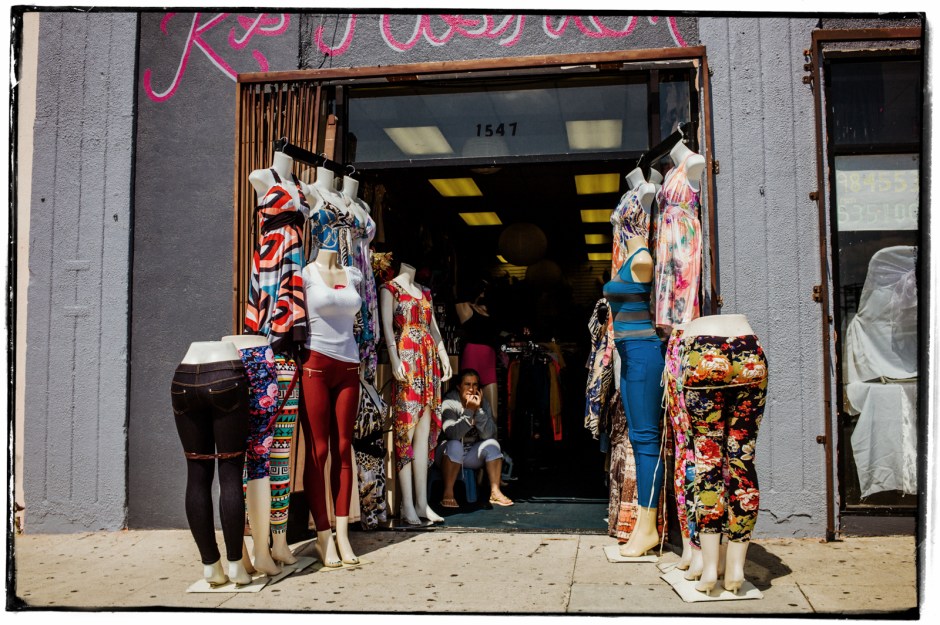
Anyway, so it now falls on photography to fire our interest and further the fine-tuning of all of our racial and political sensibilities. Here specifically, in the article I’m linking to, the analysis turns towards two different presentations of the same photographs taken (obviously) by the same photographer and how those presentations differ and cross many lines. Some that are probably okay to cross and some that are, increasingly, not.

None of us really want to offend with our photographs or our presentation of them, or to have our work frowned upon by those who are more in-tuned, sometimes by way of professional experience and sometimes by way of their own personal experiences, to the myriad and shifting protocols surrounding photography that involves the lives of people who are not us. Whoever we may be.

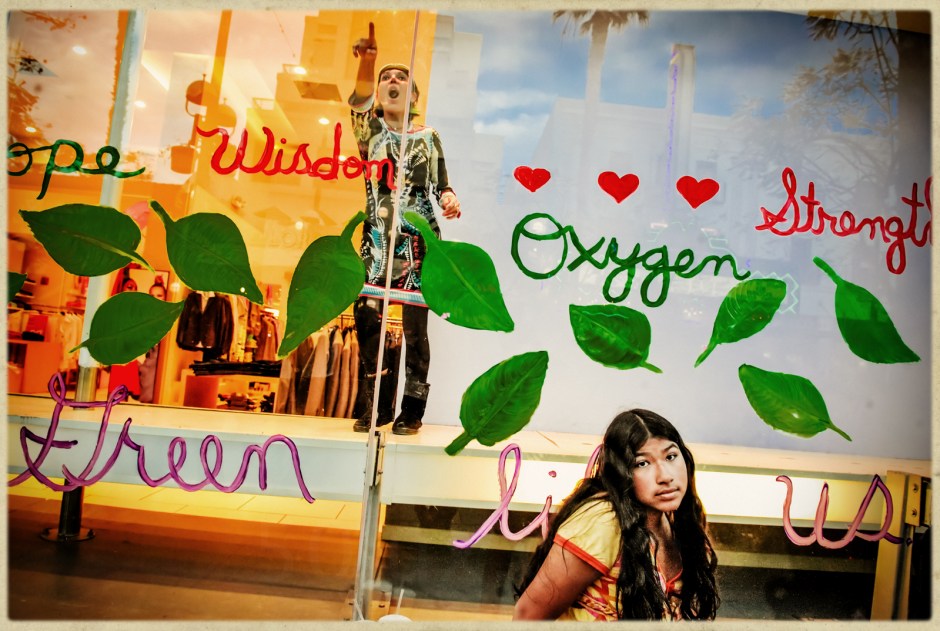
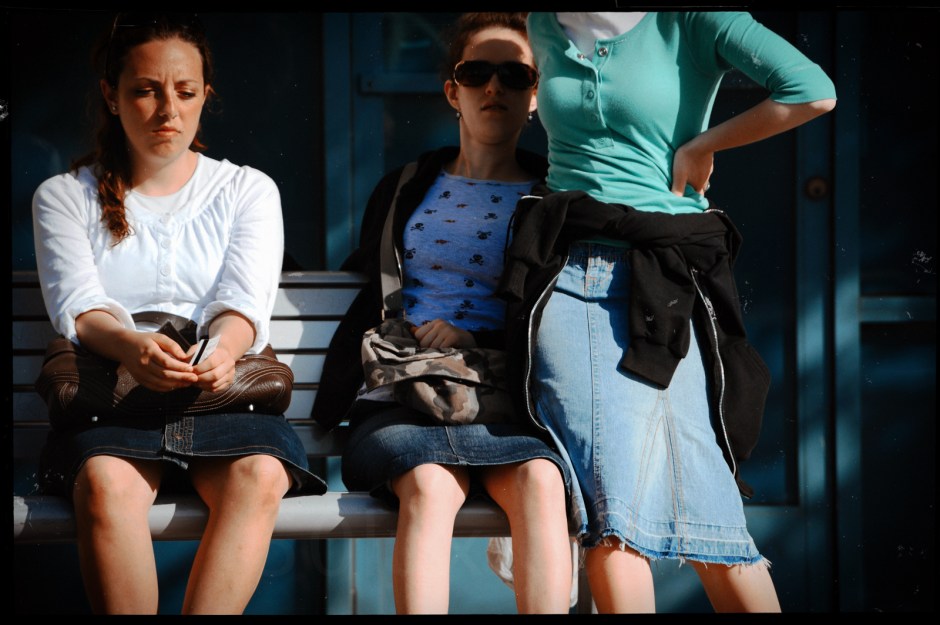
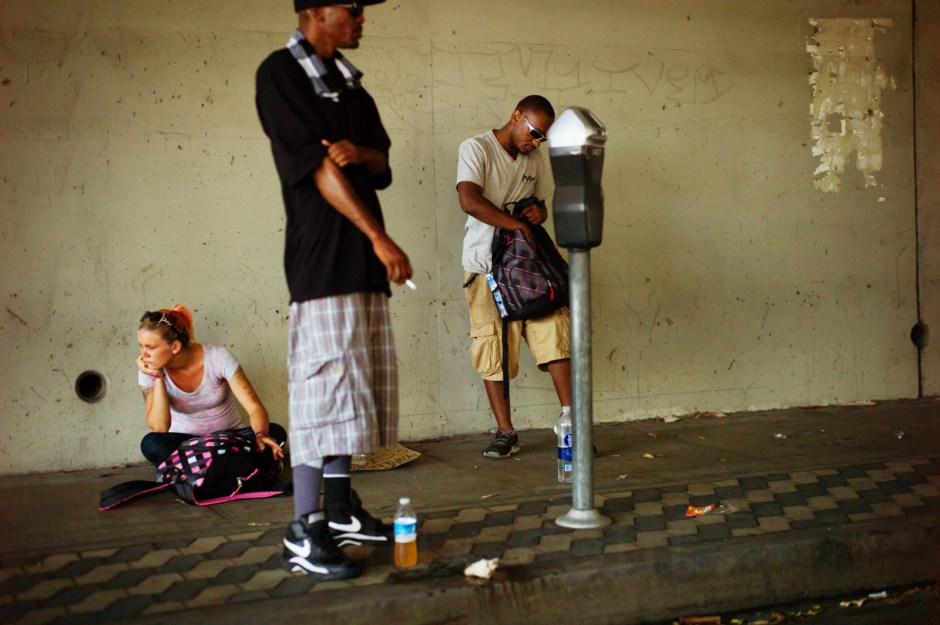
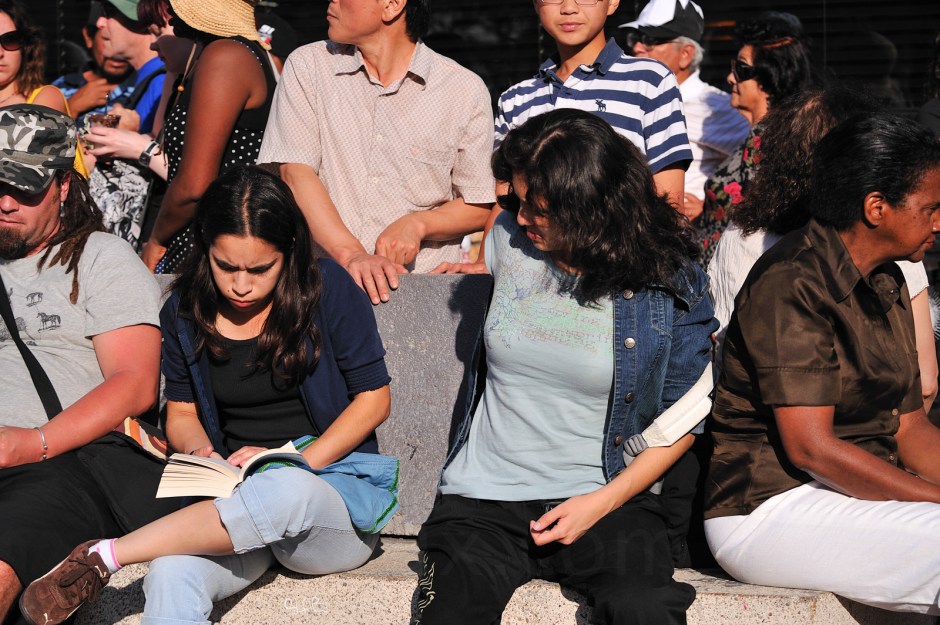
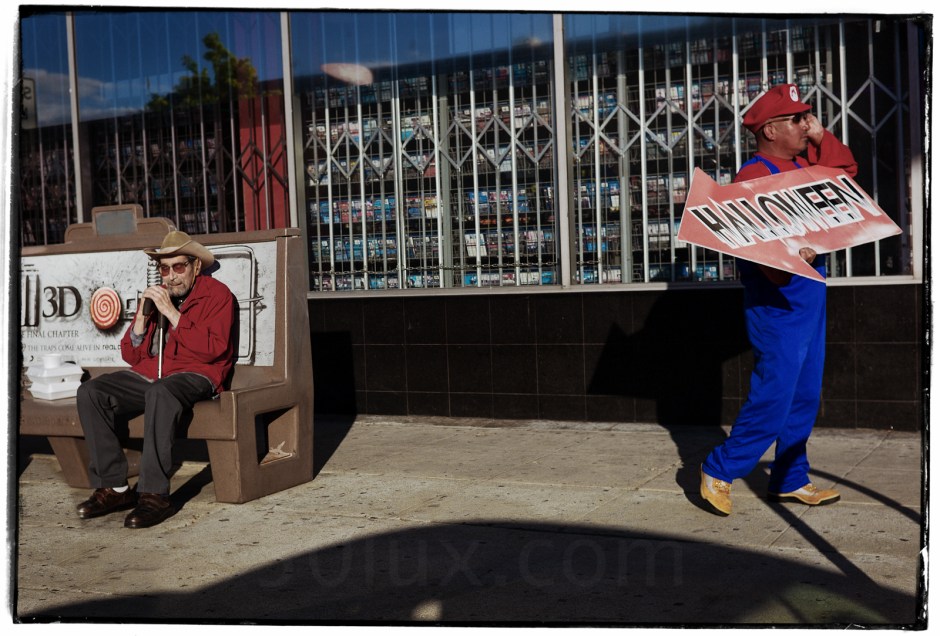
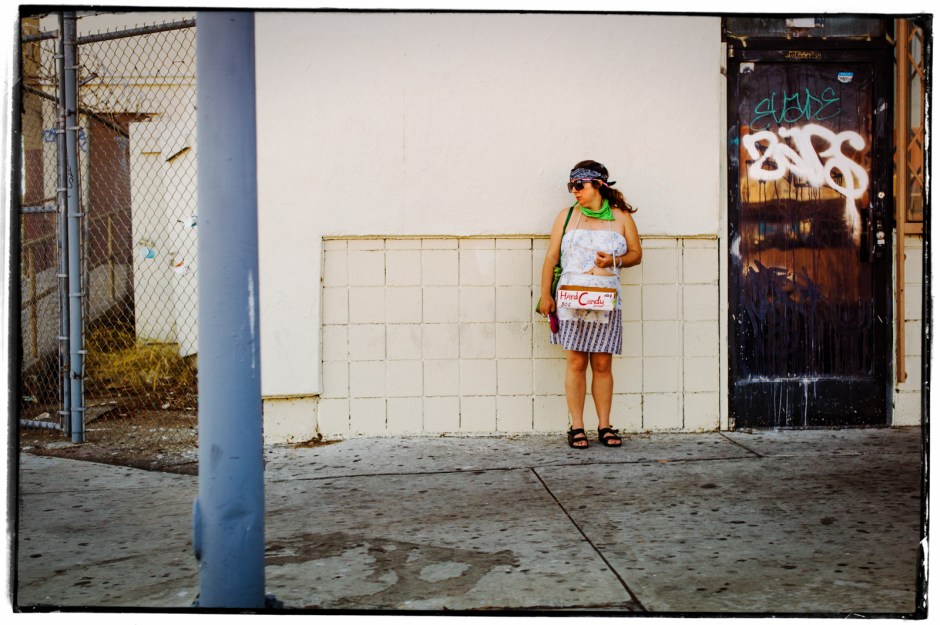
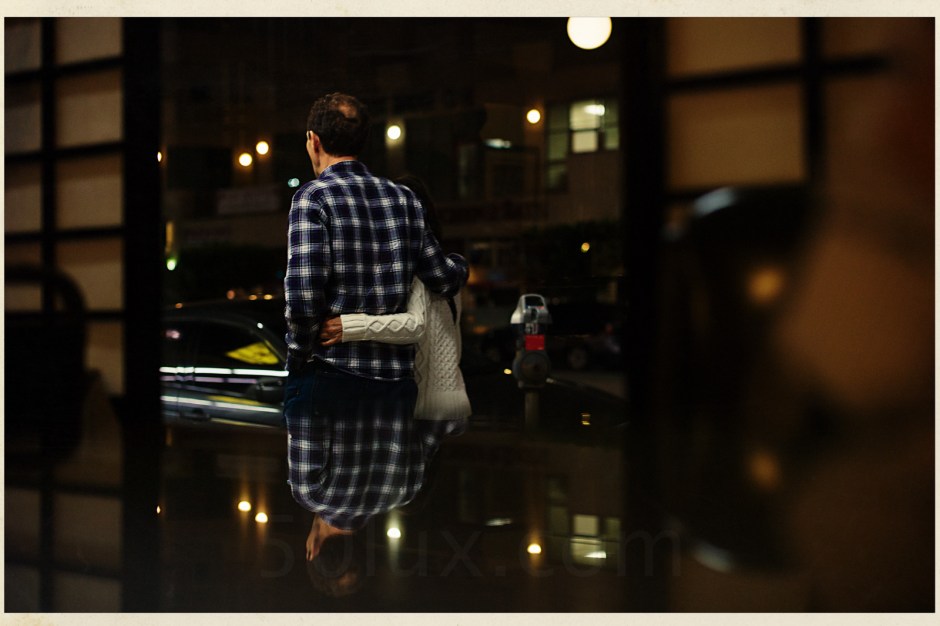
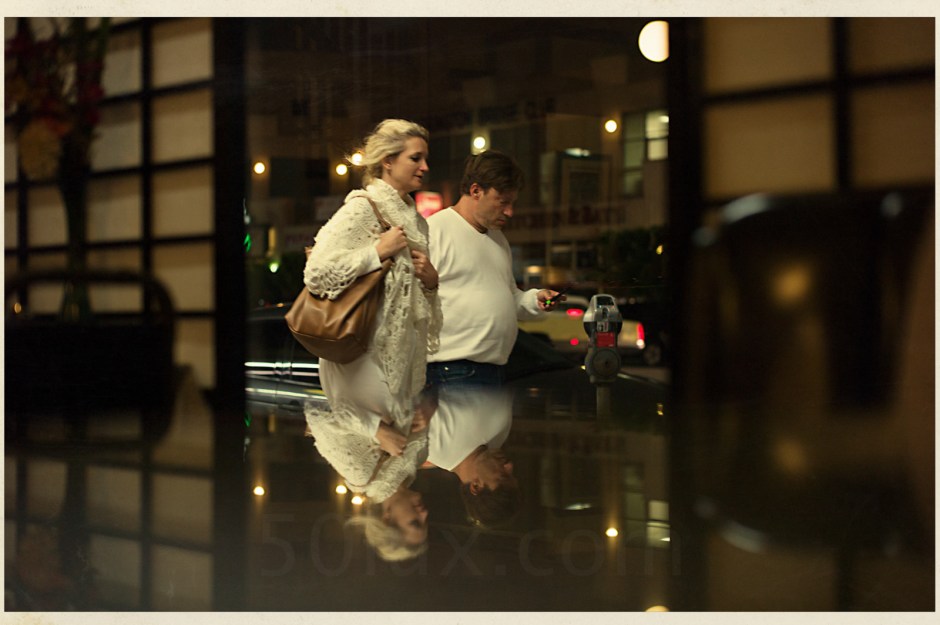
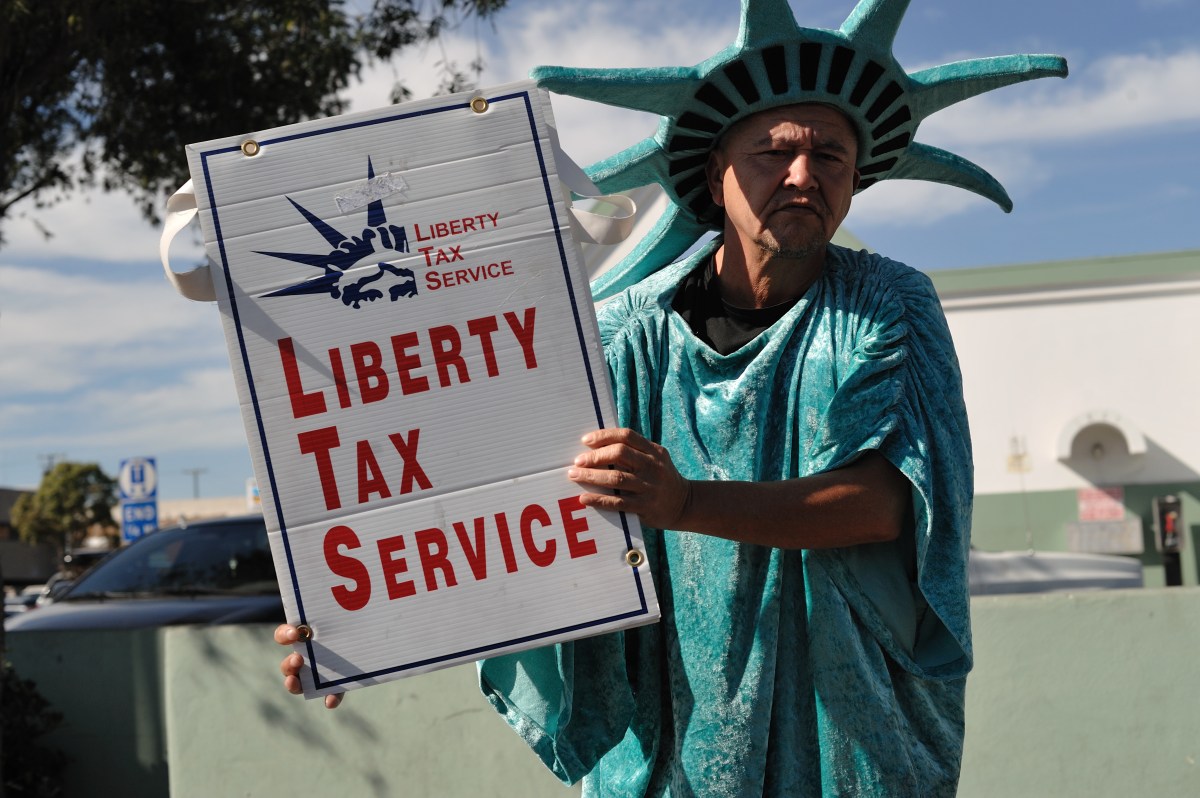
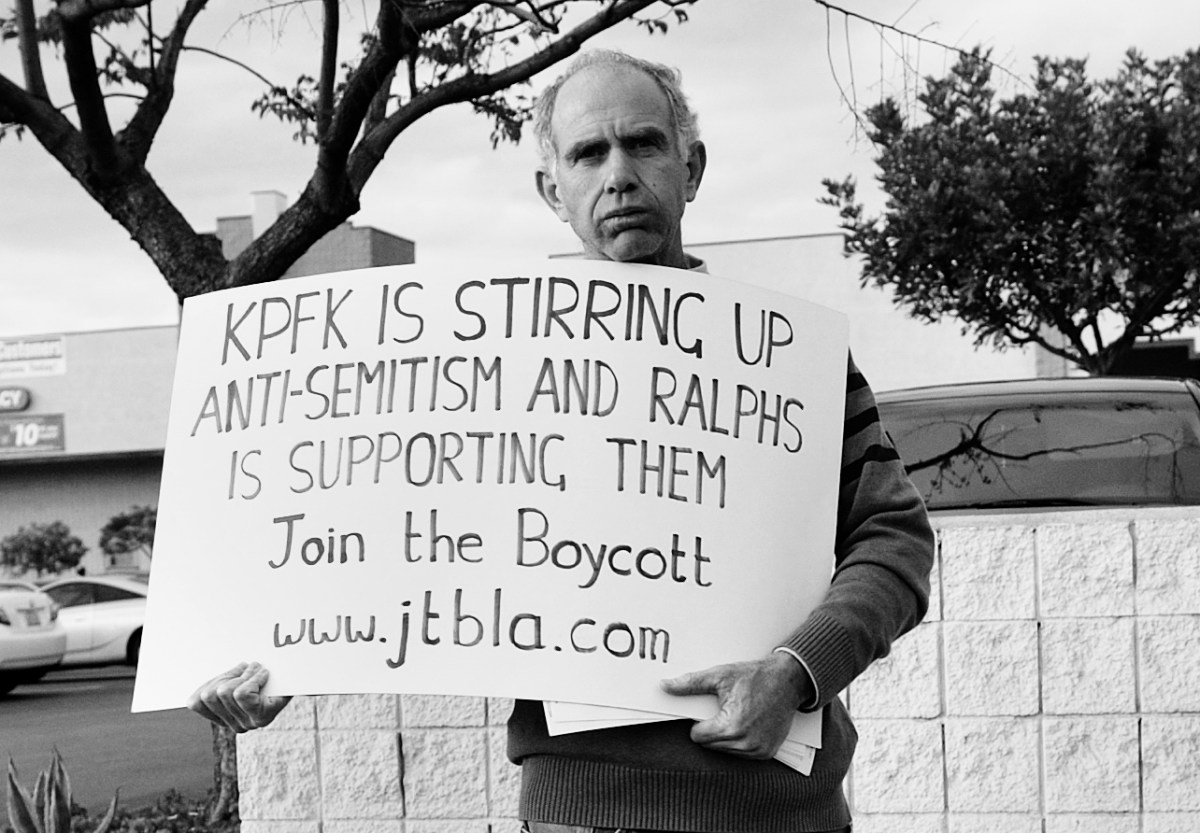
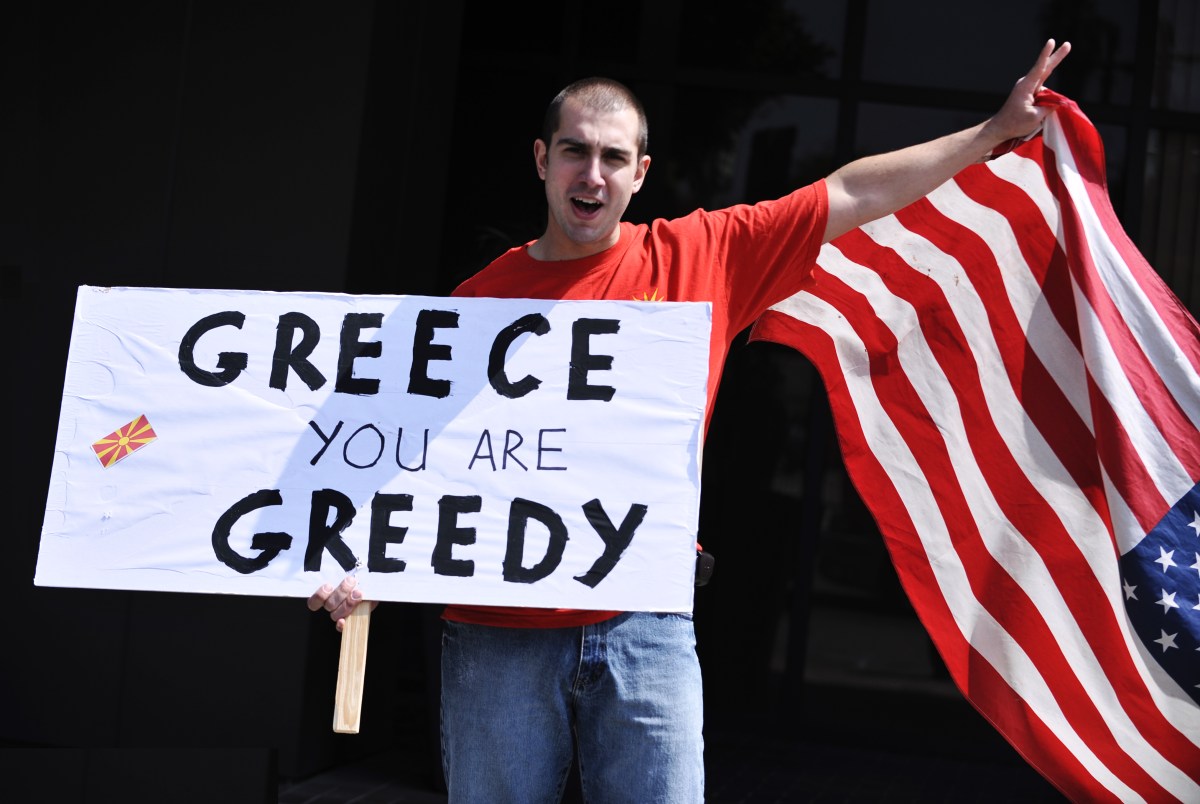
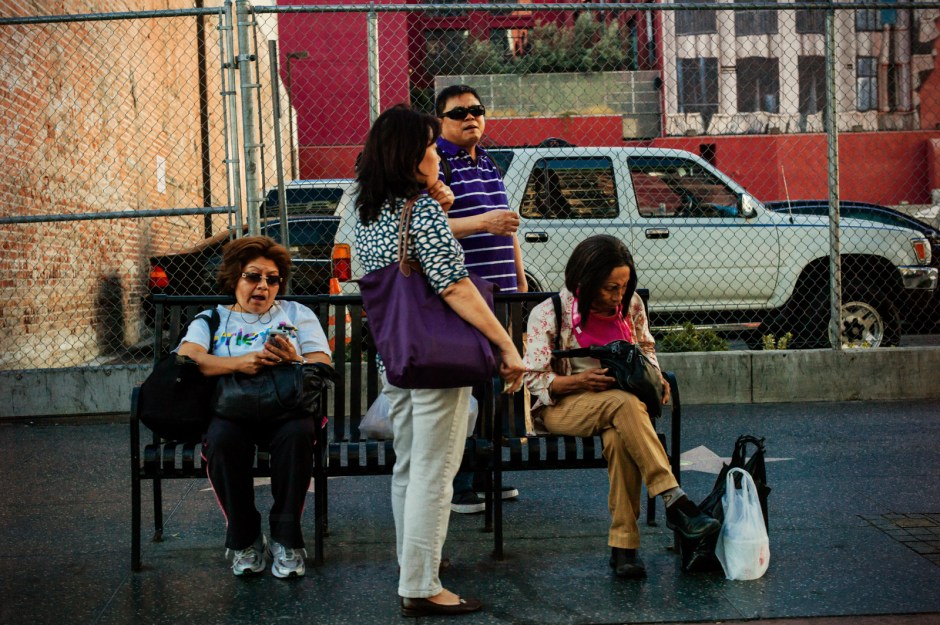
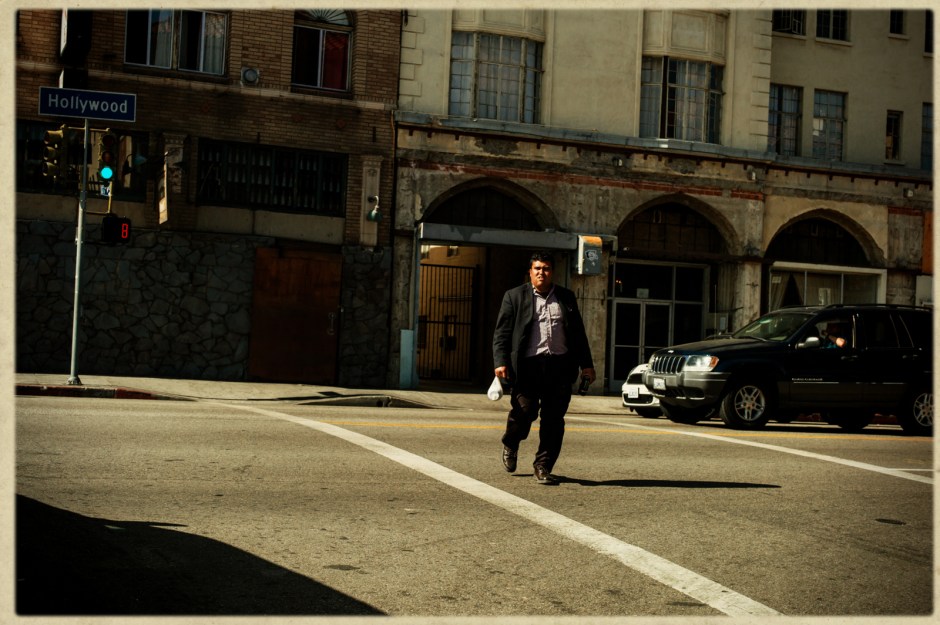
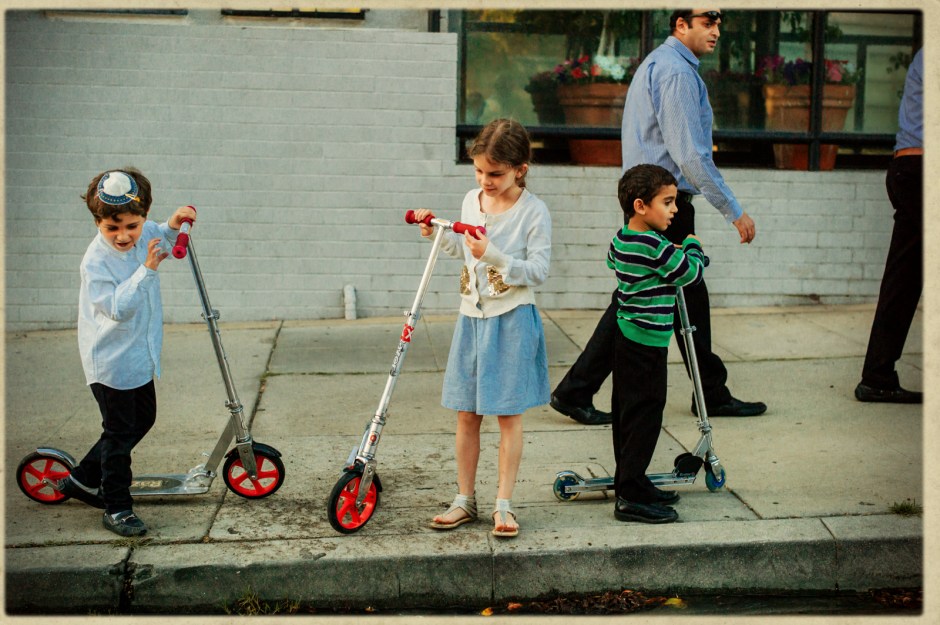
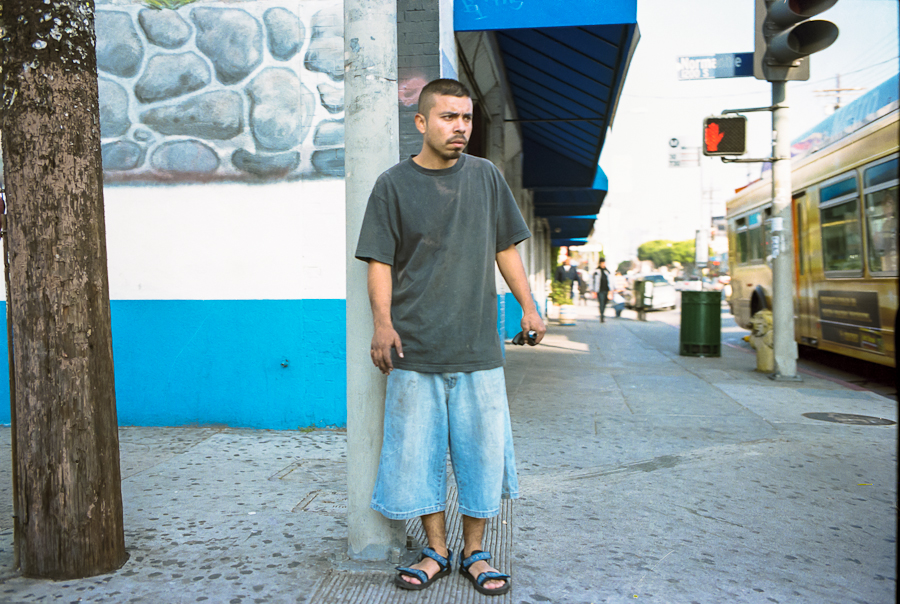
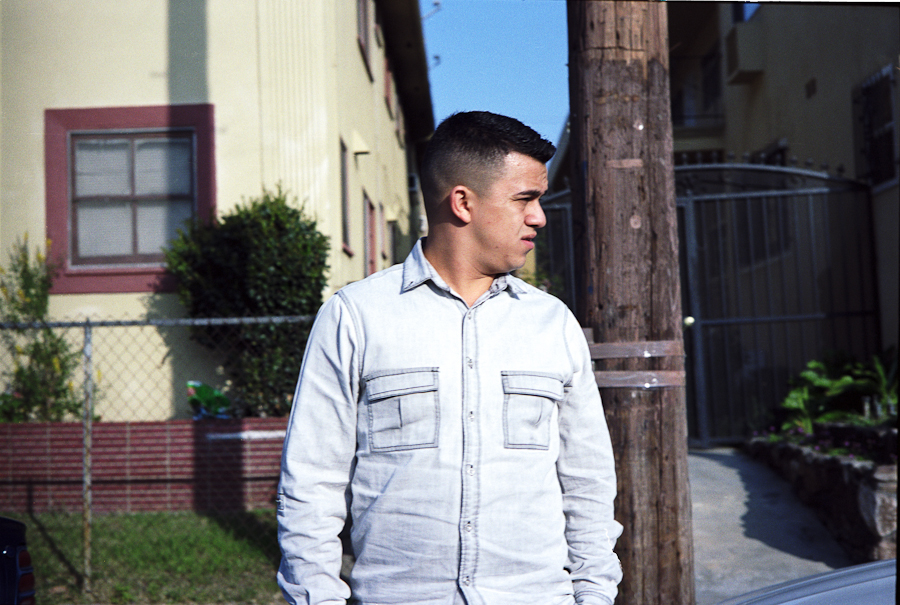
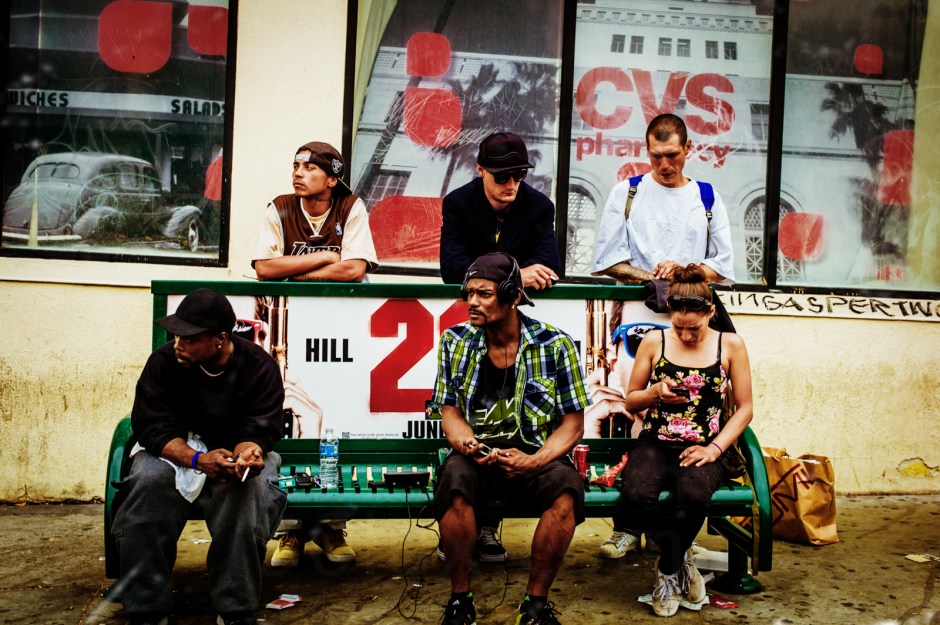
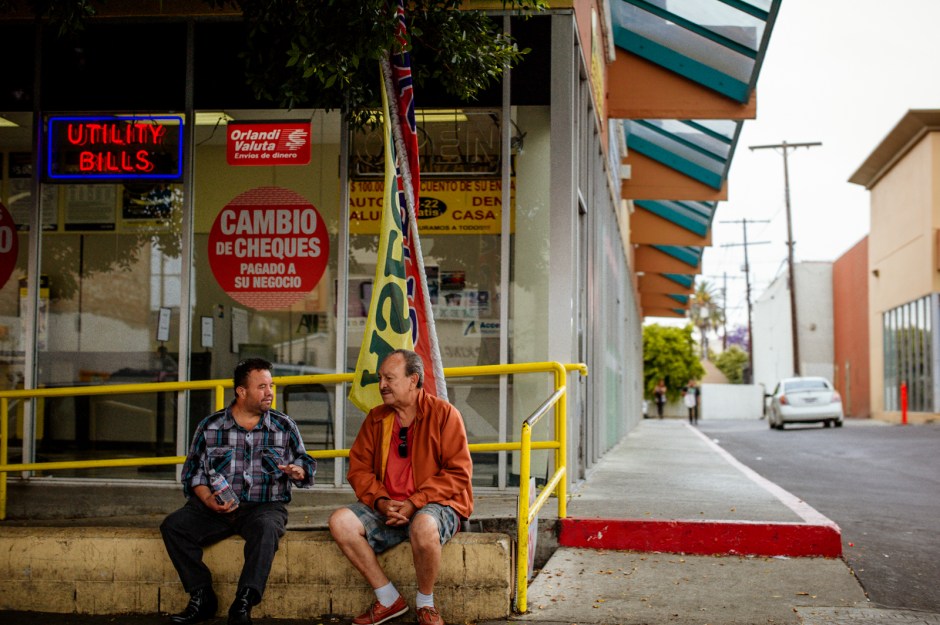
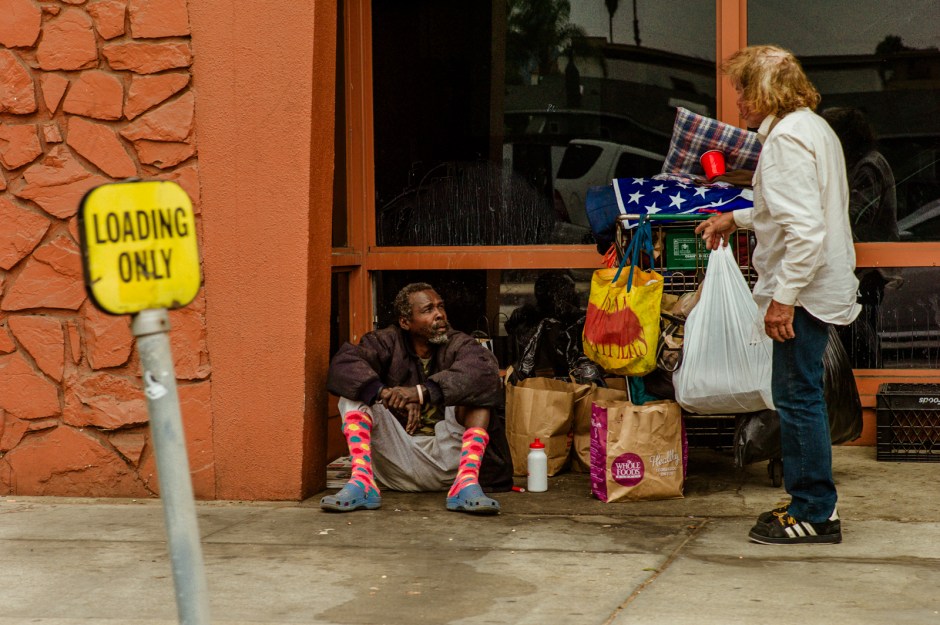
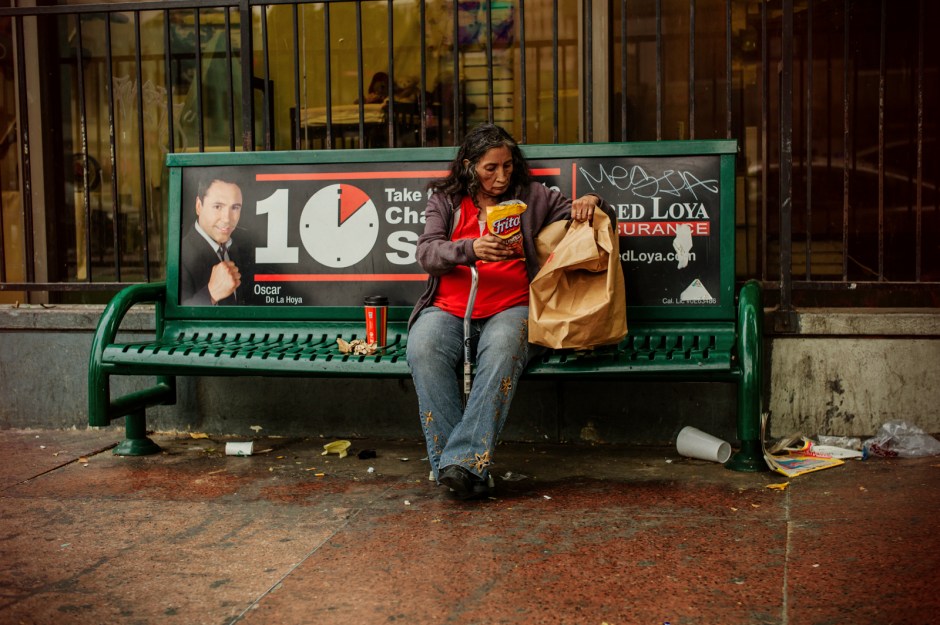
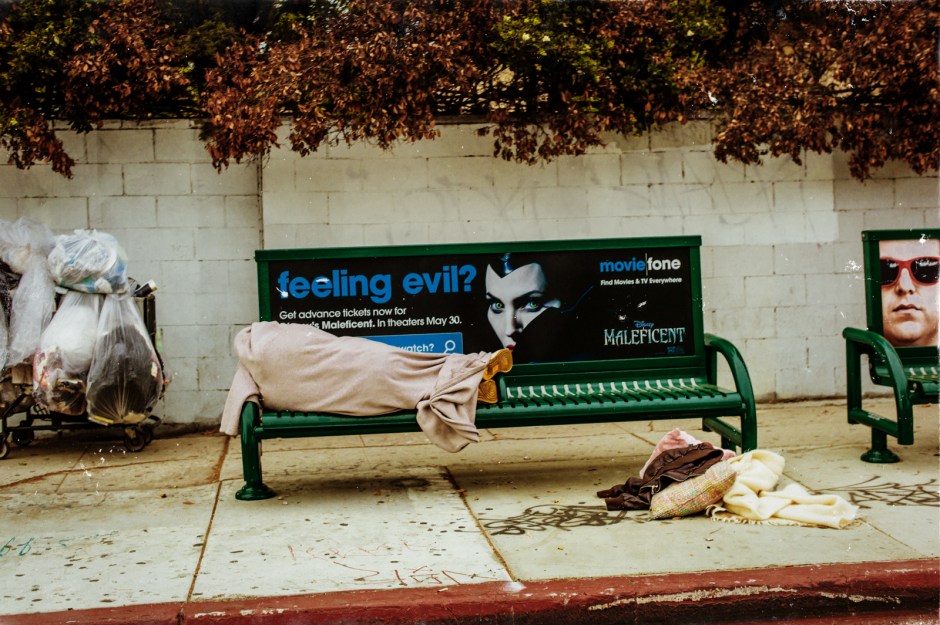
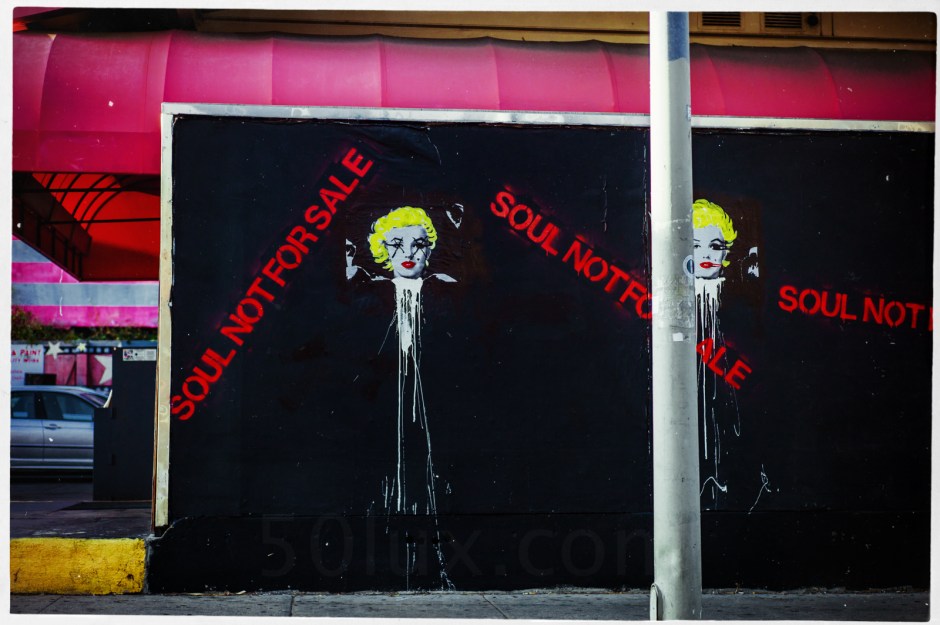
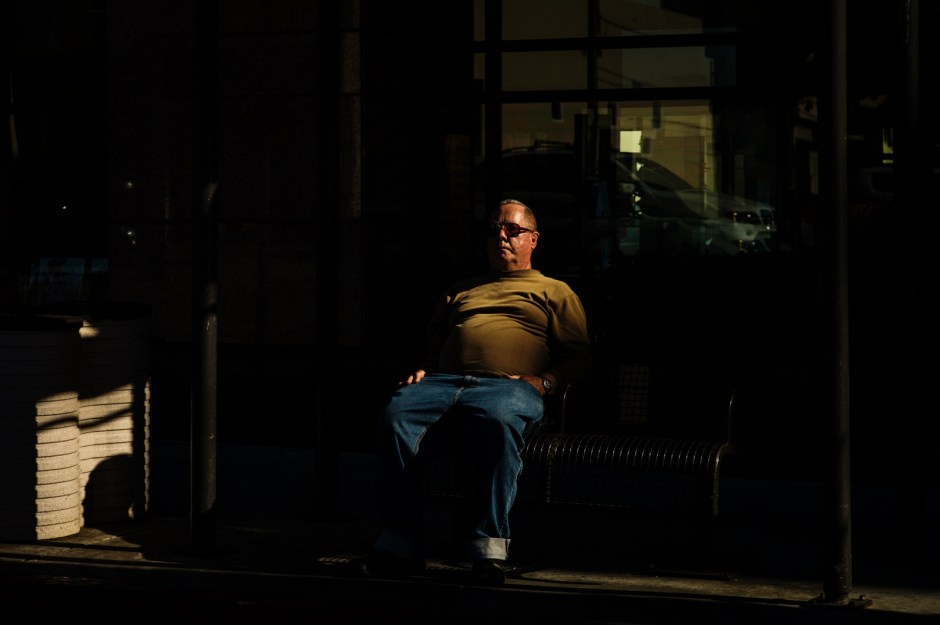
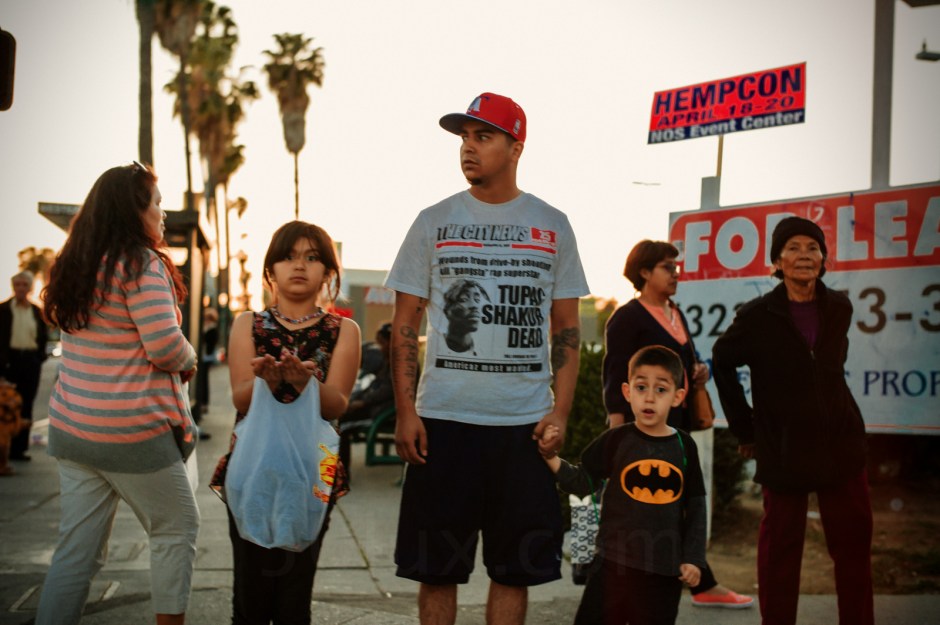
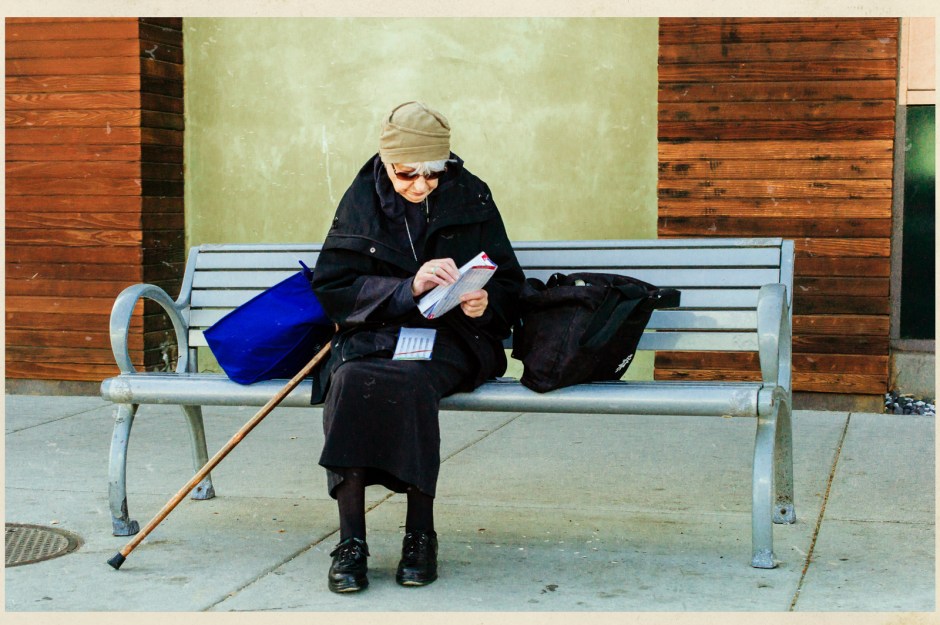
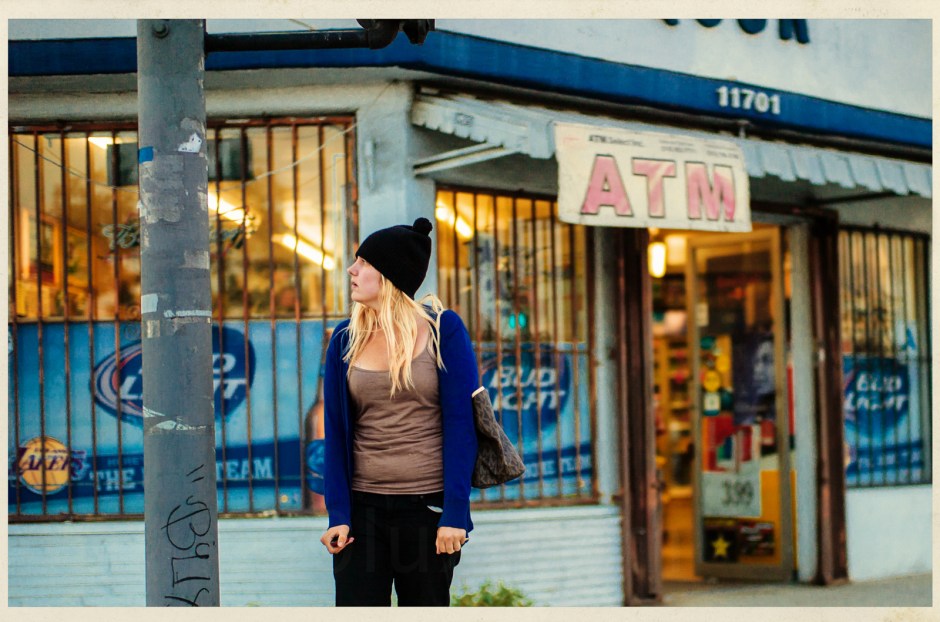
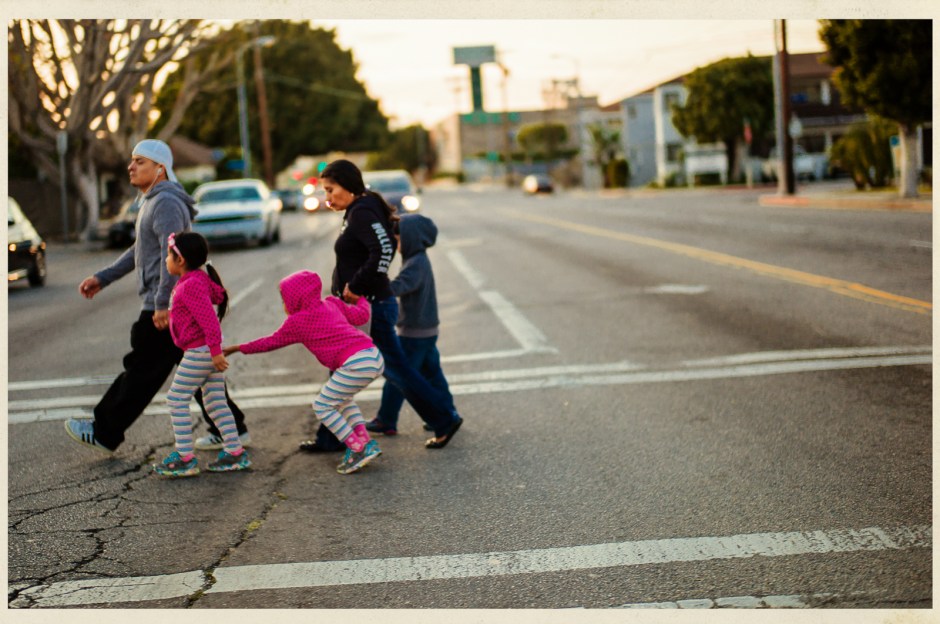
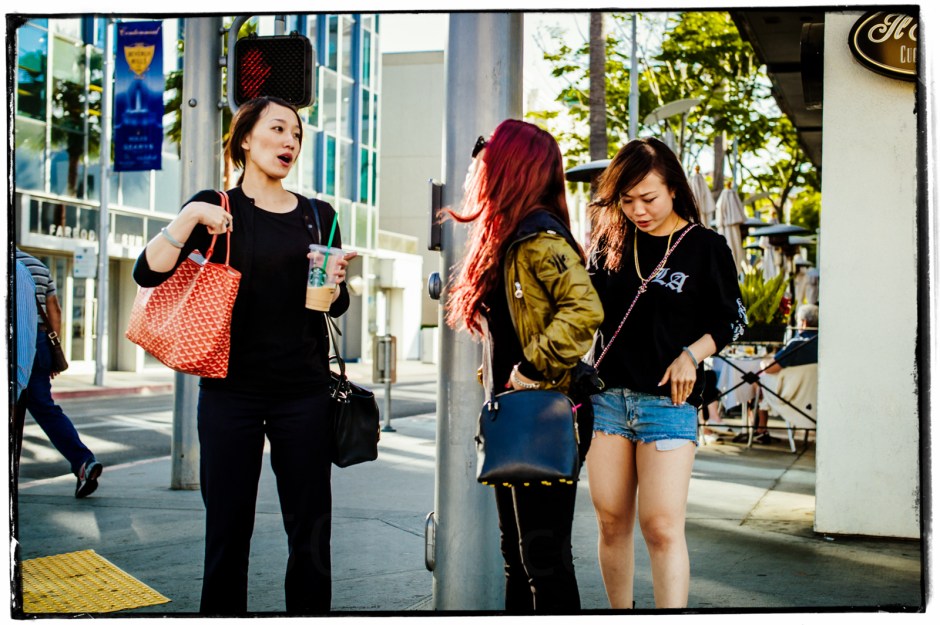
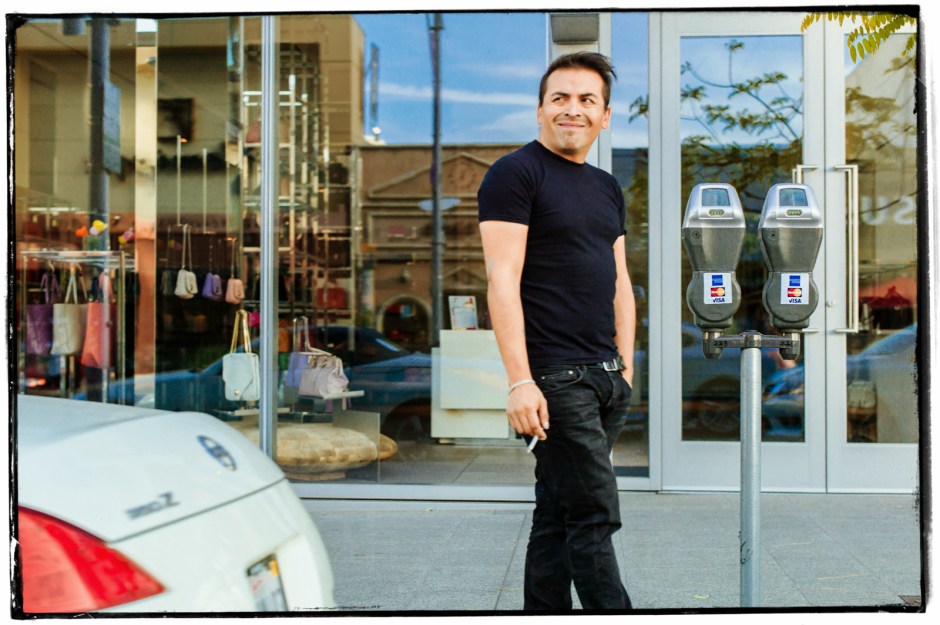
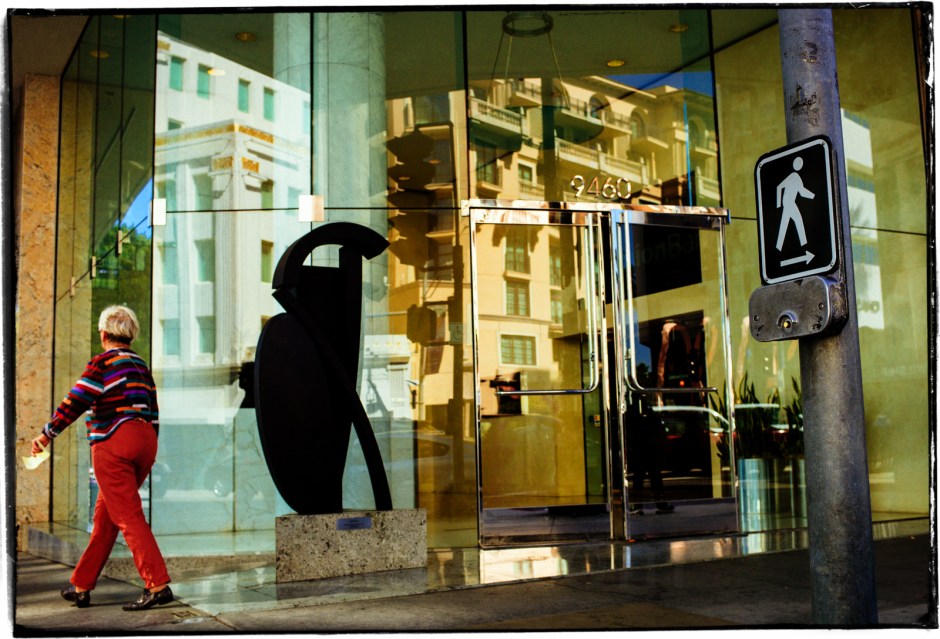
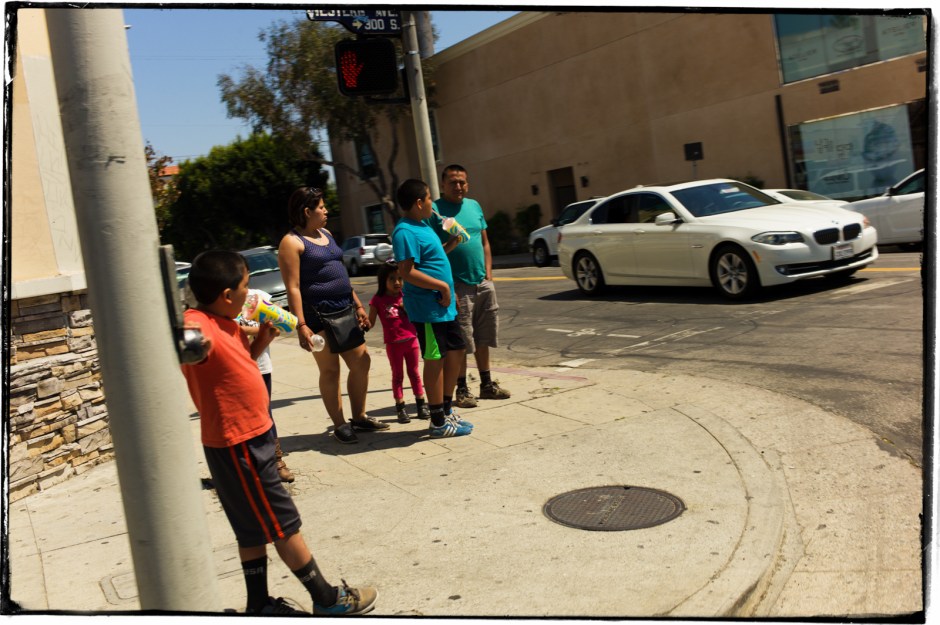
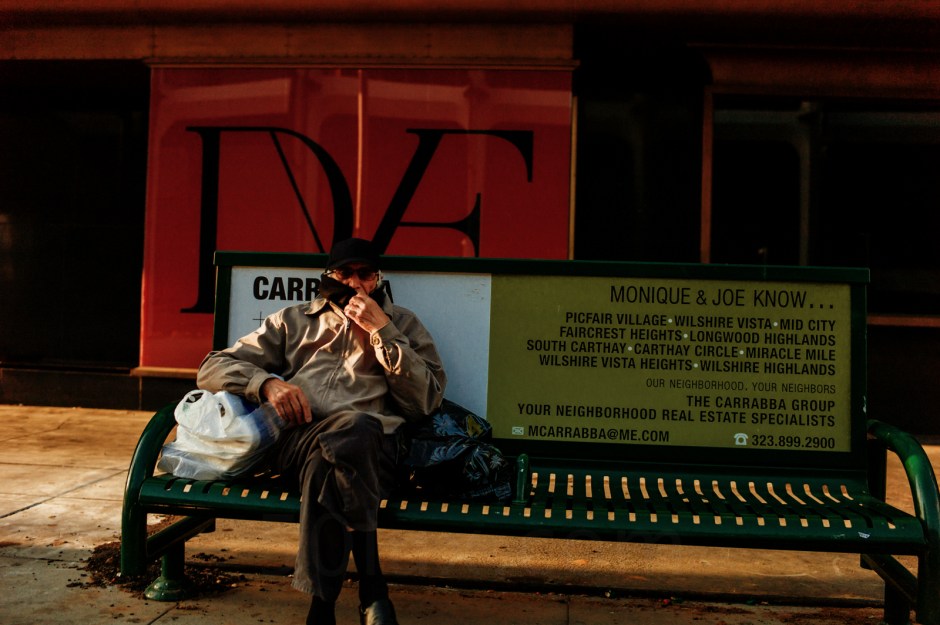
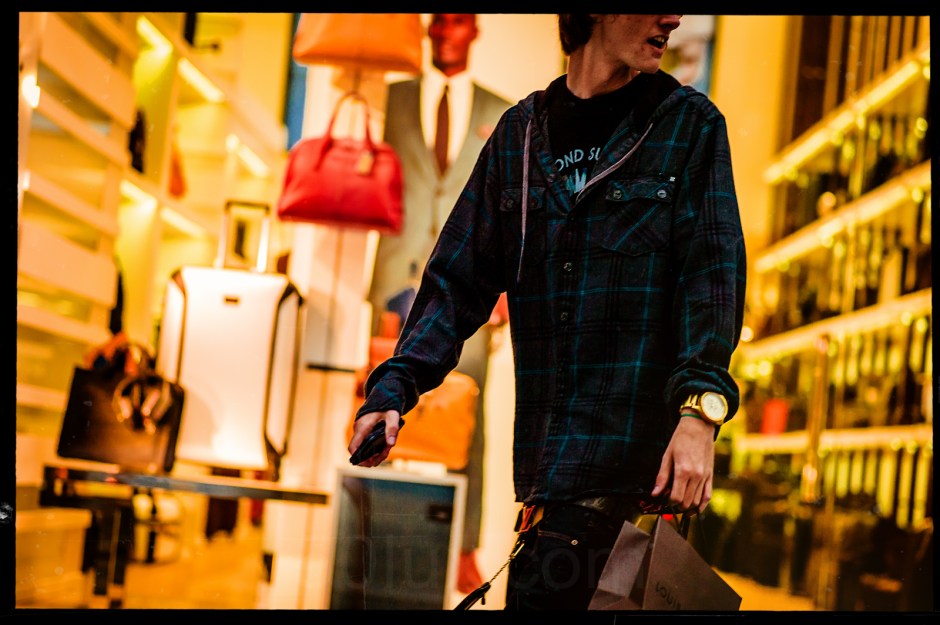
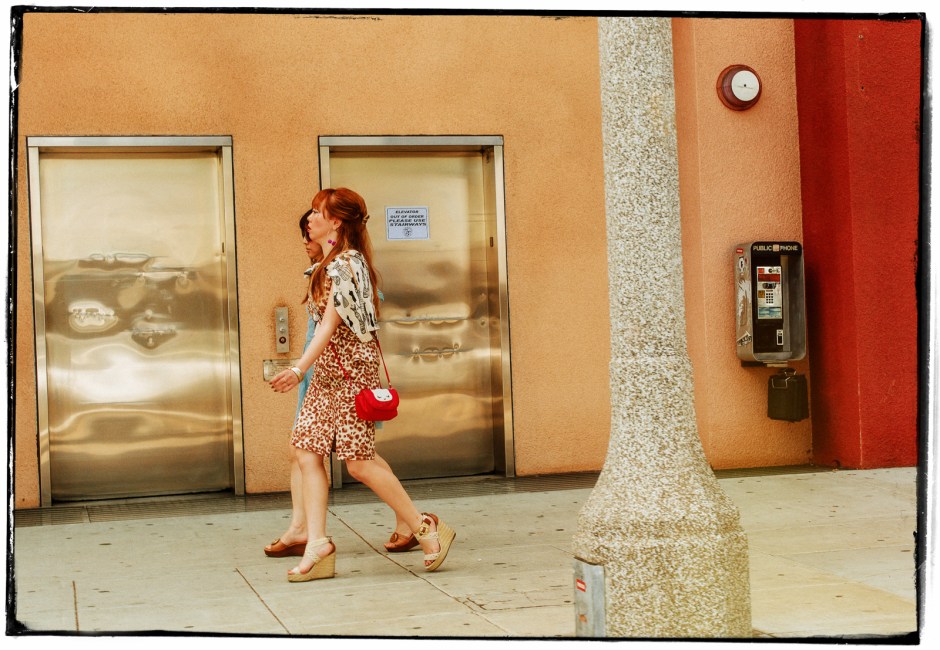
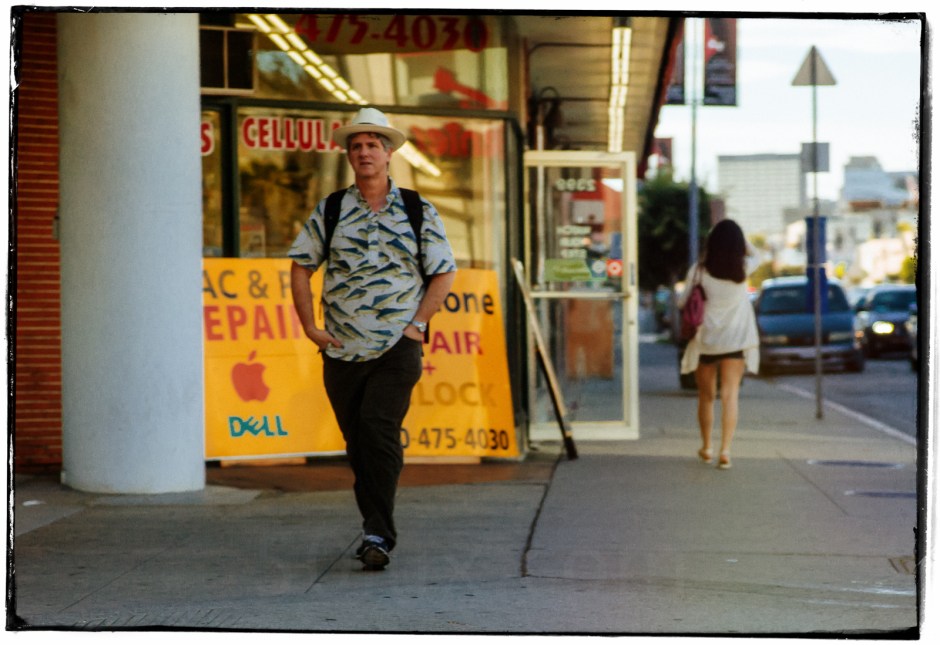
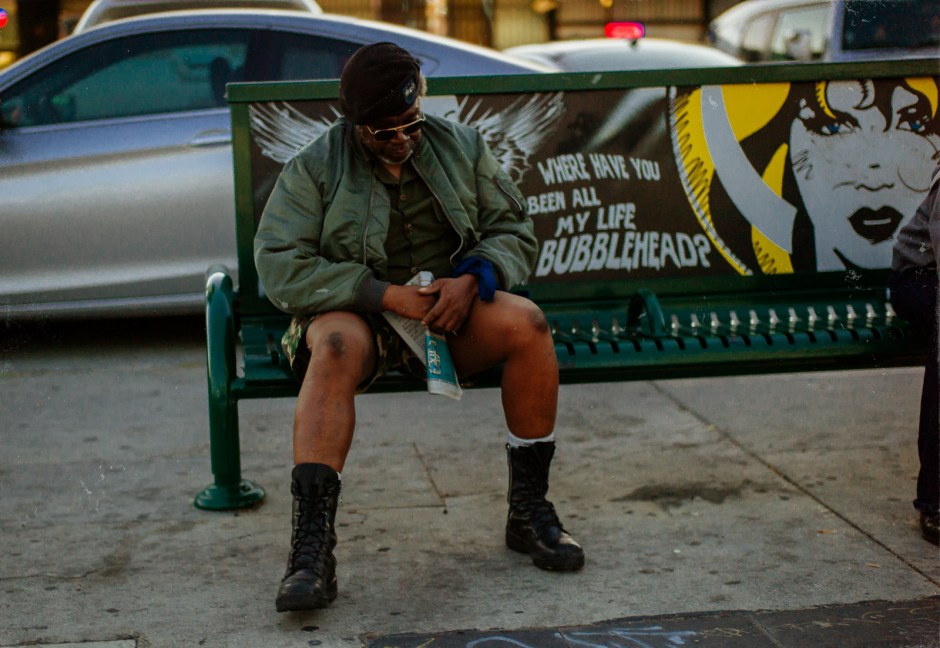
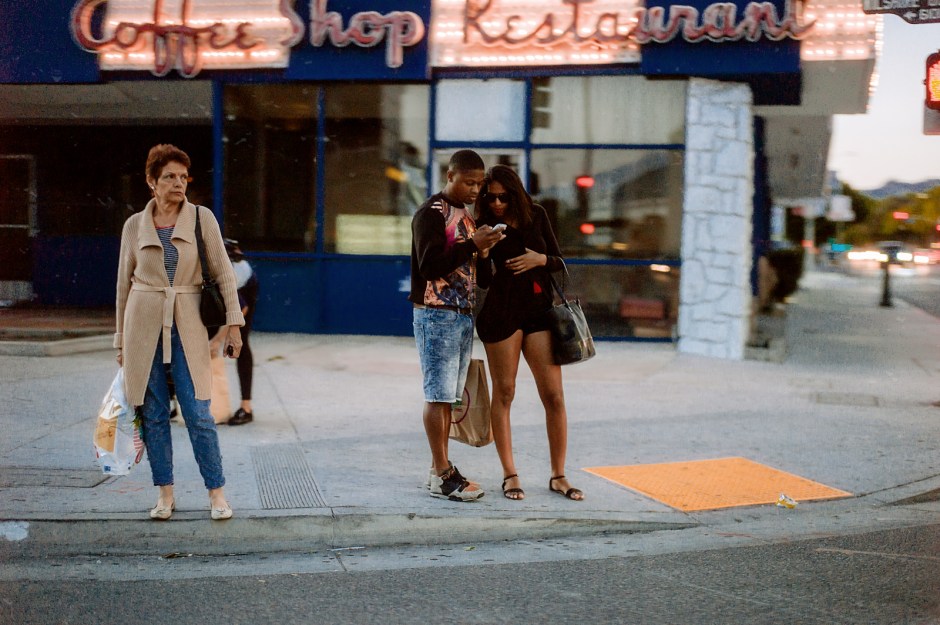
Okay that was tricky. I have included a bunch of MY recent images that I do (or do NOT) think work well with this subject matter. (I refuse to say. ;-)) But I repeat, these are NOT the images referred to in the articles. These are my own images, taken yesterday in downtown Los Angeles. By me.

I would love to hear what others here have to say about all of this. Please feel free to jump in. I think one place to start, maybe most obviously, is what is the responsibility of photographers to click the shutter, or not, when seeing realities that also represent stereotypes in his or her viewfinder. That would be a starting point for one discussion, actually. The blurred line betweens art and documentary photography, presentation and commentary, etc., all are other fascinating angles as well. Anyway.

Here is a quote that describes what the writer of this piece does in the linked article. It’s a great idea. The result itself might elicit a more mixed response from readers.
Below, I step through the images that Politico ran, juxtaposing the caption of the photo from Raab’s site with the Politico caption with a brief comment on how that copy effects the meaning of the picture.
via Art Photography vs. News Photography: Politico, Race and the “Other Washington” — BagNews.






 50'Lux