donald barnat

Sheri’s Wedding

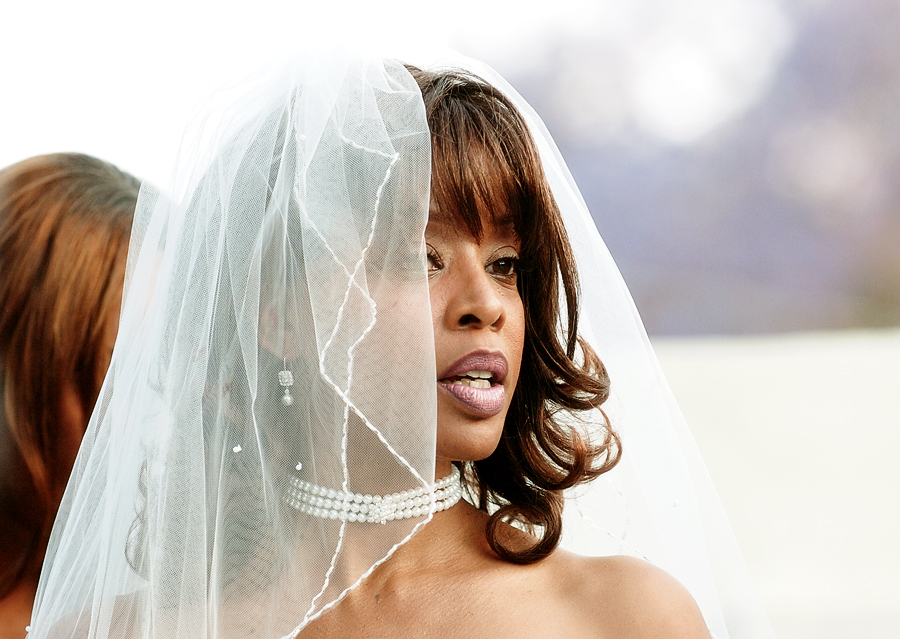
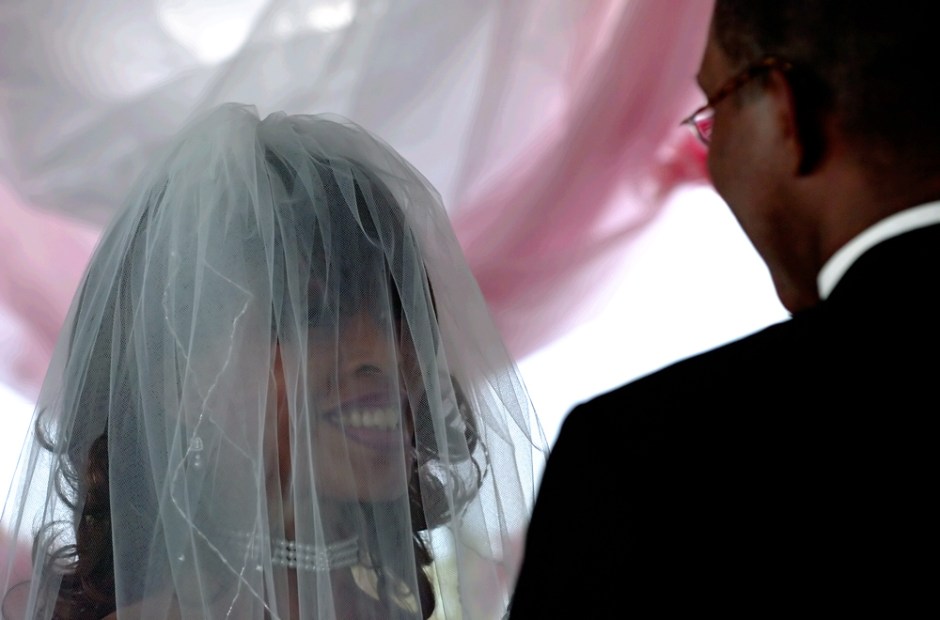
Just remembering one of the happiest days of my adult life. The wedding of my best friend Sheri just five years ago. I’m not a wedding photographer but she didn’t trust the one she hired so she told me to be sure to bring my gear.

Good thing, he was a hack. She loved my shots and everybody was happy. All pictures were taken with a Nikon D3 and either a 70-200 2.8 Nikkor VR or the 24-70 2.8 Nikkor. Would give anything to go back to that day.

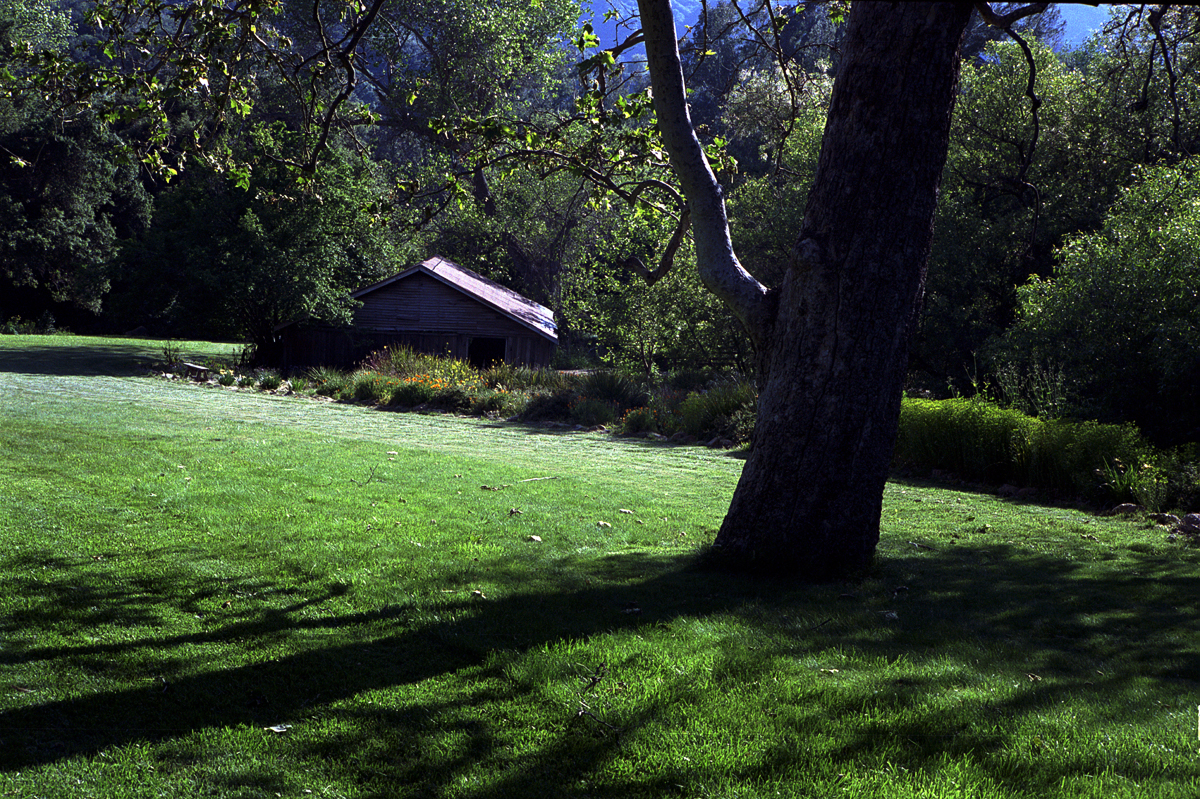
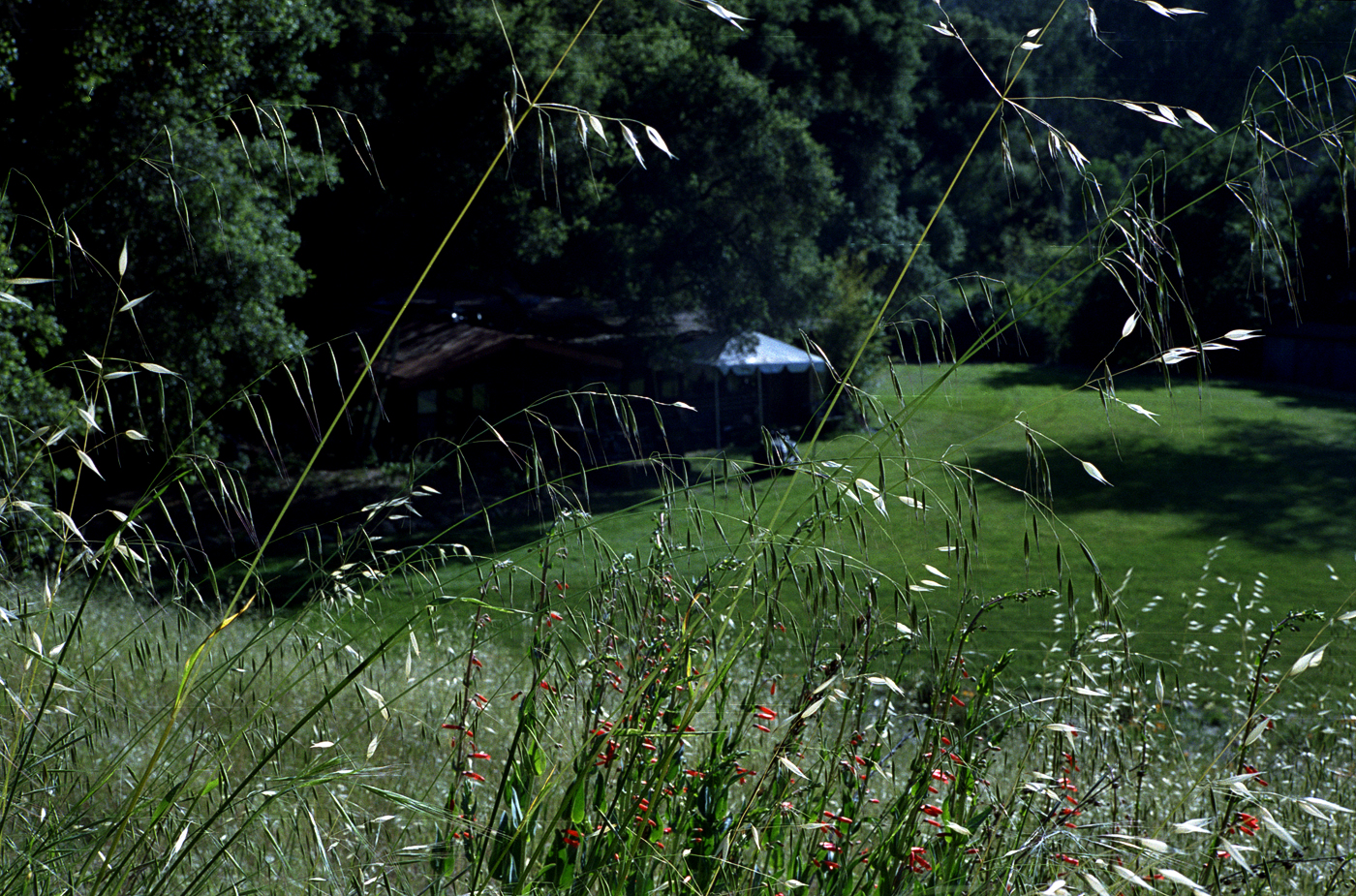
The First Roll of Film Put Through My Leica M7

Back in mid-2010 and it was Ektar 100 and I didn’t know what the heck I was doing with a Leica rangefinder. The setting was beautiful and I hope that comes through in these humble offerings. But it was contrasty and I knew Ektar is kind of contrasty and that my 50mm 2.0 Summicron is contrasty and this is the first roll of film I’d shot in almost two decades. I had very little confidence that I was getting anything but blown highlights and shadow with detail. It wasn’t that bad, however. I should have been concentrating a little more on composition and using the attributes of the lens. Oh well. I still like them.

I’m Dreaming of Another Time of Year

Summer has finally arrived in Los Angeles this week. We didn’t even have our portable air conditioners in the windows until July 19th and have barely had to use them since then. We’ve been very very lucky while the rest of the country has sweltered in record breaking heat.

At night, every night this summer, the temps drop to the very low 60s. Run a fan out of the kitchen window and by morning you’re pulling three blankets up over your head.

But now, LA is slowly beginning its annual and inevitable imitation of the surface of Venus. Toxic gases replace the sea breezes and the blistering sun scorches everything it touches.

But I’m thinking of that drive I love to make across the desert to Las Vegas. The Cajon Pass. The chill wind blasting over the landscape.

The top photo is at the far reaches of one of our drives, near Zion National Park in Utah. It was absolutely freezing as the sun set that Saturday night in between Christmas and New Year’s Day. You can see the snow clinging to the faces of the cliffs in the distance.

The bottom images was taken out of the car window near the aforementioned Cajon Pass on the same trip. Snow on mountain tops. Wish I could roll down a window and breathe in some of that cold clean air right now.

How About Something Non-Controversial for a Change?

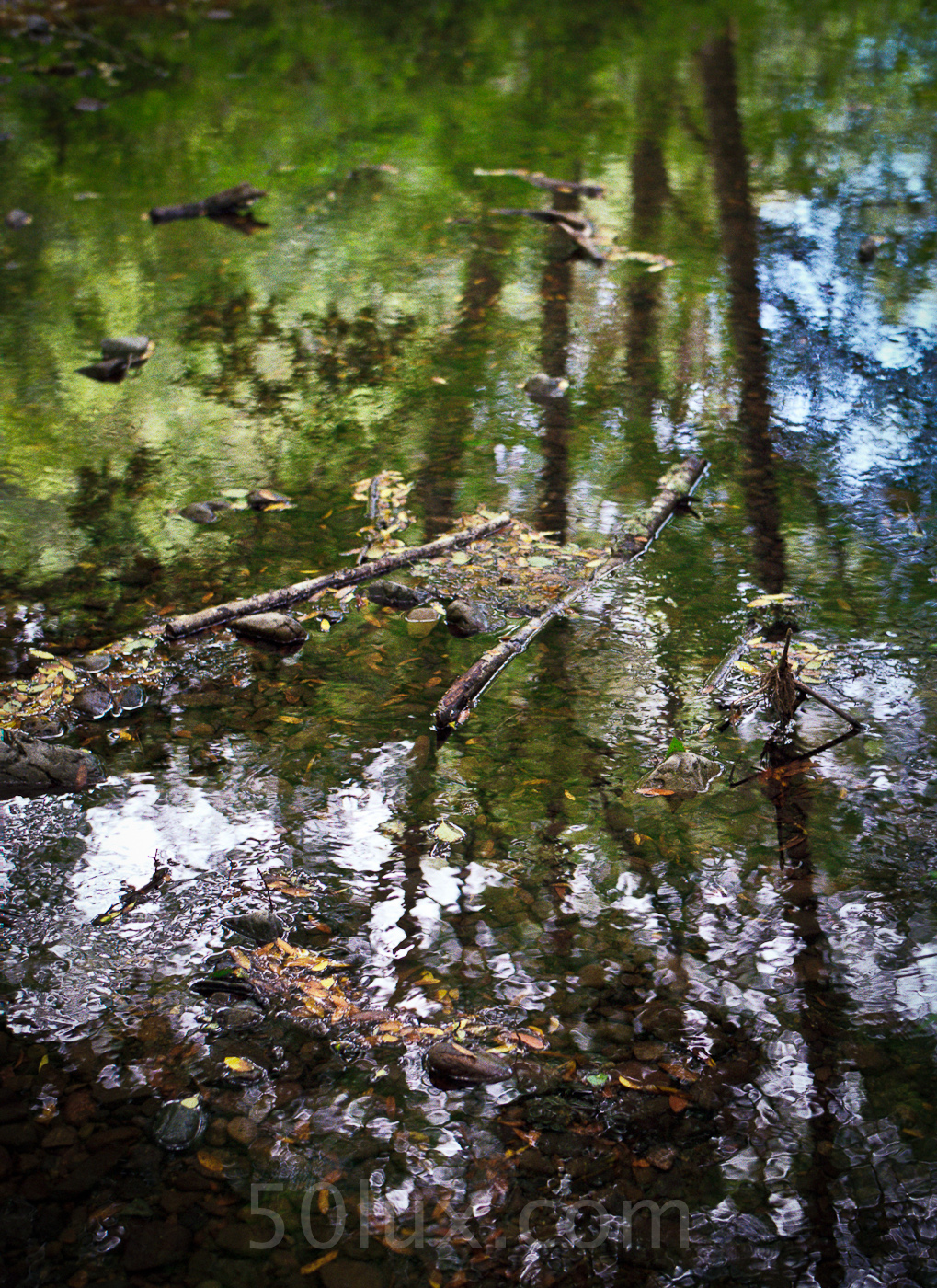
Two shots of light coming through the trees reflecting off the creek that runs through the Muir Woods National Monument in the San Francisco Bay area. Leica M7 with the 50mm Summilux 1.4 ASPH and Walgreens 200 film.

The obligatory daily greenish quirky LA street character shot…

The Road to Somewhere Else

“I think it pisses God off when you walk by the color purple in a field and don’t notice it.” – ‘Shug’ Avery in The Color Purple by Alice Walker
(Originally published on stevehuffphoto.com – July 2011. Feels appropriate for another blistering July.)

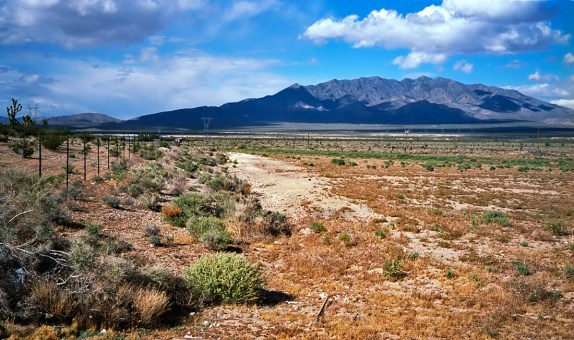
I-15, the highway to and from Las Vegas, is traveled by an endless caravan of Southern Californians every year, alternately speeding and crawling their way to Sin City to pass the hours into weekends throwing money away in smoky casinos. With the disposable income gone and the pool parties over, the line of cars moving back through the desert to Los Angeles is most impressive in the sheer single-minded execution of its purpose. Eyes fixed (we can only hope) on the road ahead, it’s pretty clear that everyone just wants to get home.

The setting of this perpetual movement of cars and people is what calls to mind The Color Purple thought quoted above. More on that setting in a second.

But first, does God really get pissed off when we pass by the color purple without noticing? For an athe-nostic like me, the question would go more like this: if nature has created something spectacular to behold, what does it say about us if we routinely pass by it all with our eyes squarely focused on the road ahead, our perspectives blinkered by our desire to simply get someplace else?

Whether it’s an angry God watching down on us or the collective guilt of too few of us, given the sheer magnitude of both the transgression and the number of souls involved, the 270-mile drive between Las Vegas and Los Angeles — through the Cajon pass and over the Mojave Desert — would surely amount to something of a worst-case-scenario for someone as thoughtful about such things as the fictional Suge Avery.

The vast empty expanse of the high desert alone has a visual silence that borders on the metaphysical. One turn of the head and the eye takes in endless vistas completely absent the presence of humans. Appropriately miniscule in scale, the only people to be found are contained in the narrow band of highway snaking through the midst of a truly timeless landscape.

Drivers blow through the desert as fast as they can. Except for a few small towns, there’s only a smattering of rest areas along the way and the occasional supersized gas stations. With nothing really for hundreds of miles but great scenery, it would be difficult for anyone inclined to deviate from the beeline of automobiles to actually do so.

We take the drive ourselves just about every year, always in the winter or late spring. There’s usually weather off in the distance and sometimes we run right into it. We stop occasionally at one of the rest areas for 10 minutes or so, in a hurry, like everyone else. There’s a wind that seems to live at those huge gas stations that can’t in good conscience be called a breeze and, while the cold smack of it after two hours on the road is exhilarating, it always feels really good to get back in the car.
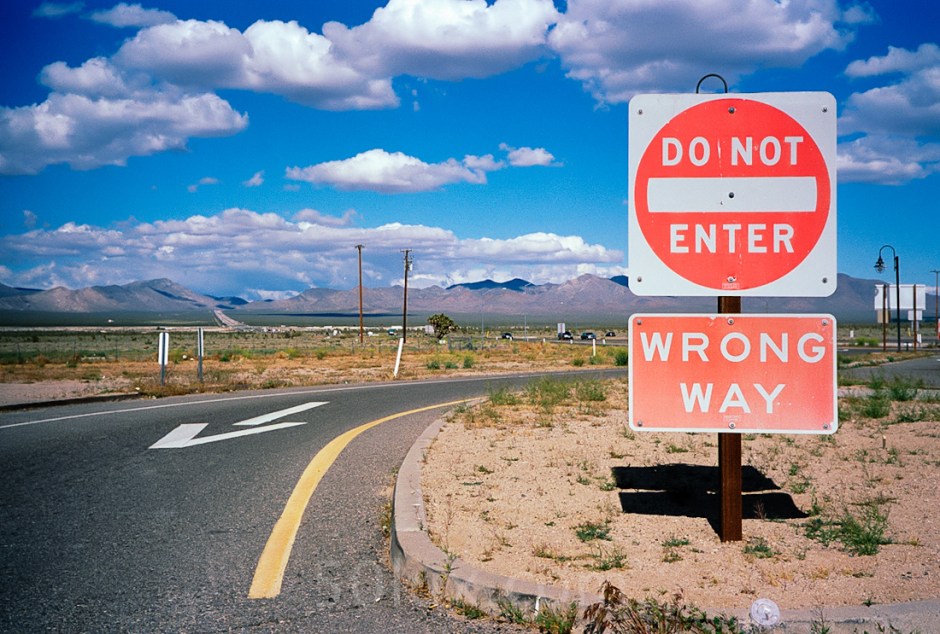
There were the familiar clouds, rain, even thunder, and snow on the ground in the mountain passes, but this time driving through the higher altitudes there was the disorienting sight of even more ominous looking clouds lying in the valleys far below the highway. There was sunshine, maybe mostly sunshine and, of course, the wind. Not surprisingly the air smells like desert and I guess to recall the old vent windows in cars from my childhood, I like to open my driver’s side glass just a crack to hear the whistle of the wind as I drive.

Maybe it’s too much of the things we did back in the seventies, but my imagination plays in the flat desert and hills there in the wide panorama shot. I’d like to hire a helicopter and tell the pilot to set down in the hills underneath the clouds in the left part of the image, get out, take pictures for a while, breathing in the desert, then point to a sun-drenched valley in the distance and say, “Okay, let’s go over there.”

I’m not a natural scenery shooter and I think the snapshots presented here will attest to that. I hesitate to add that the Leica M system of cameras is said not to be well-suited for landscape photography. The hesitation is because the M7 was more than adequate given my capabilities.

I hope these shots from the California high desert find you in a place and time where you can take notice of its incredible beauty. With most of the country sweltering in a mid-July heat wave it would be wonderful if this article even briefly transports some of you to the brisk springtime captured in the photographs here. If you try, you just might hear the wind whistling at my car window and imagine for a moment the cold desert air in your face.

Remember, God may be watching. Personally, I don’t think so, but I’ve been wrong before and these shots and this piece amount to my own personal penance just in case.

All the images taken with a Leica M7, Voigtlander Nokton Classic 40mm 1.4, and Kodak Portra 160 VC.

db

Peace, please…

Sometimes the message gets lost in the flow and crush of humanity. Click on the image for a larger version.

Fujifilm X100: The Only Digital Camera I Own


A life-long dedicated Nikon man, I bought my first Nikon digital camera back in the very late 90s. That was the very cool indeed and twisty Coolpix 950.

When the D70 hit the camera world like a cyclone in 2004, I got my first Nikon DSLR, along with a gazillion other people. From there I got a D2Hs to shoot sports. Not my favorite camera in the world, I replaced it with a pair of D80s. The D80, with its D2x-lite sensor, was and still is one of my favorite cameras ever.

But once you get used to a pro body in your hand, you can never really be happy with a consumer-grade camera again especially when you’re using your gear in pro-settings and putting it all through the wear and tear of celebrity rope lines or basketball baselines.

So when the D3 came into existence, the first full-frame digital Nikon, I got one of those. Soon I backed it up with a D200 and then I added the D3’s little brother, the D700.

Wow. I’m losing track. That’s a lot of cameras. I know some of you have me beat by a mile, too. You know who you are. 😉

I threw in a Lumix LX3, a kicky little gem that set the standard for point and shoot cameras for more years than it should have.

Then…  I bought a Leica M9. The first full frame Leica M camera was mine. I shot the M9 for a solid year. 24k shutter trips. It was a love/hate relationship. ‘Nuff said.

They’re now all gone. Every one of them.

The only digital camera I currently own is the Fuji X100. And I love it.

Here is what I love about it. It is the only small sensor point and shoot camera that I know of that allows for actually narrow depth of field / wide aperture shooting with good bokeh and out of focus areas.

This really hasn’t been something doable much on point and shoot cameras do to the inherent small size of the sensors.

But the Fuji X100 does something else with that capability that’s even more remarkable.

I allows you to SEE that narrow depth of field and out of focus look, exactly what you’re getting, on the LCD before you shoot.

And we’re not talking about the barely usable Nikon version of Live View. This is a standard point and shoot LCD, but with the added joy of showing you, instead of you having to imagine, what your narrow depth of field image is going to look like.

Can you imagine what this feature would be like on a Leica M, working with THAT glass?

It’s a wonderful advancement. I know some other camera systems now provide it but this is the first that I’ve owned and it has to be one of the smallest cameras that gives you this capability. But this isn’t a blog that is even remotely about keeping up with the latest gear. I’m happily out of the loop on much of the latest gear and what it all does.

Do I shoot the X100 a lot? No. I wouldn’t say I do. The reason I don’t is because I’m in love with shooting film and I shoot my Leica M7 a lot. But this camera is a keeper for a guy like me.

I even use it at the Staples Center in Los Angeles to grab shots for my sports coverage articles. Yes, you can even manage a couple of passable sports action shots with this camera.

2500 ISO, f4, 1/250 sec

High ISO capability is better, in some ways, than the D3/D700 sensor. I think the x100 files retain good color integrity further up in the ISO range than those two Nikon pro cameras do.

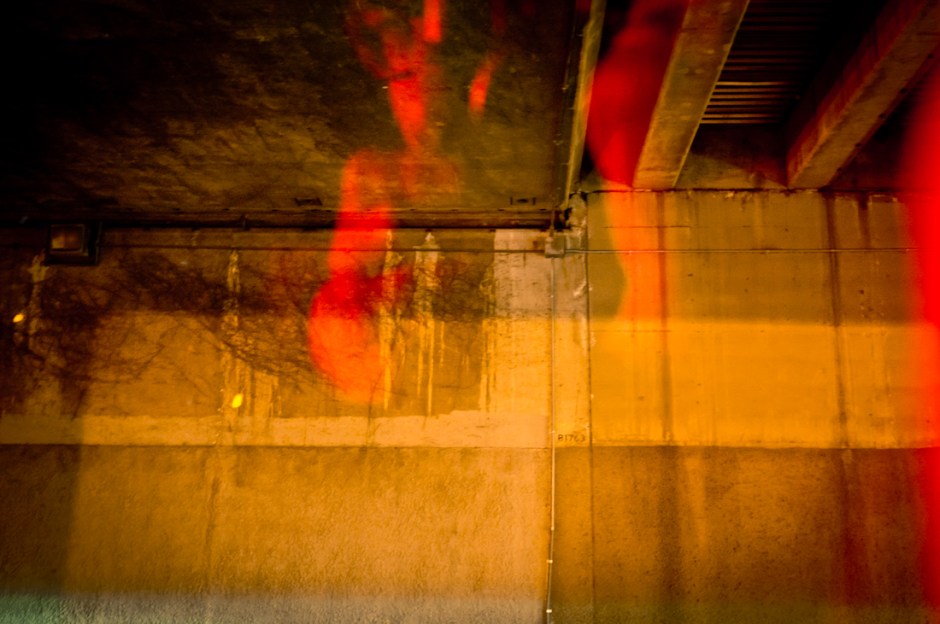
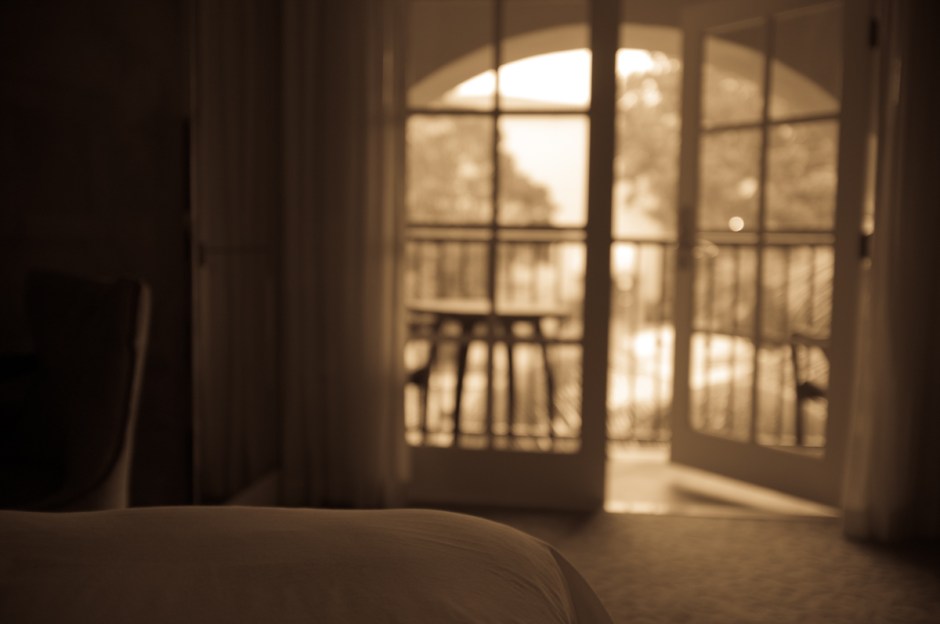
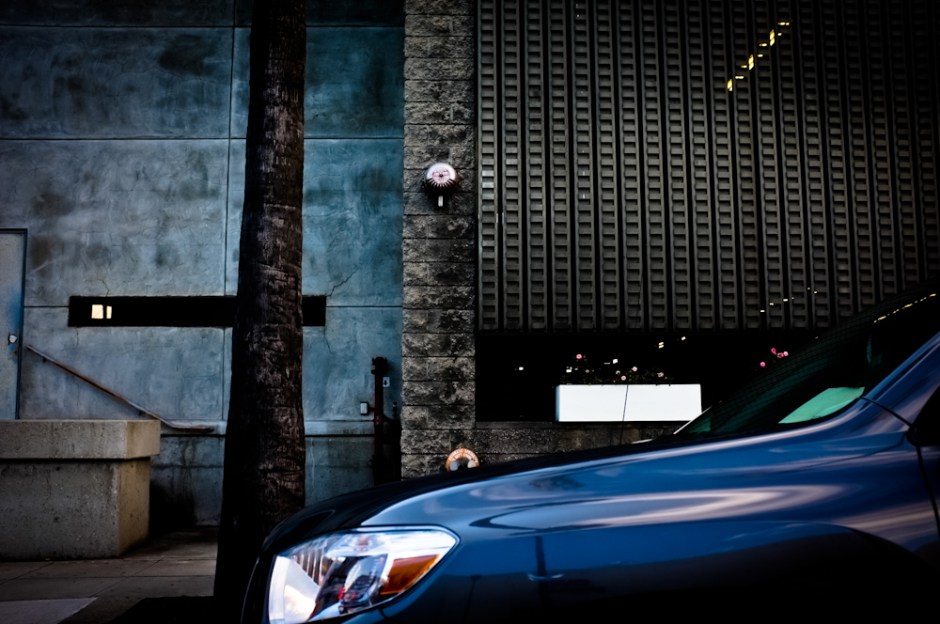
Anyway. From the outset I found the X100 to be a fantastic addition to my own personal photography. Mostly all of the images here in this post were taken last November, the first month I got my hands on the Fuji. Hope you enjoy them. They’re a little ‘creative.’ (insert wink here)

Fashion’s Night Out Beverly Hills 2011: T-MAX P3200

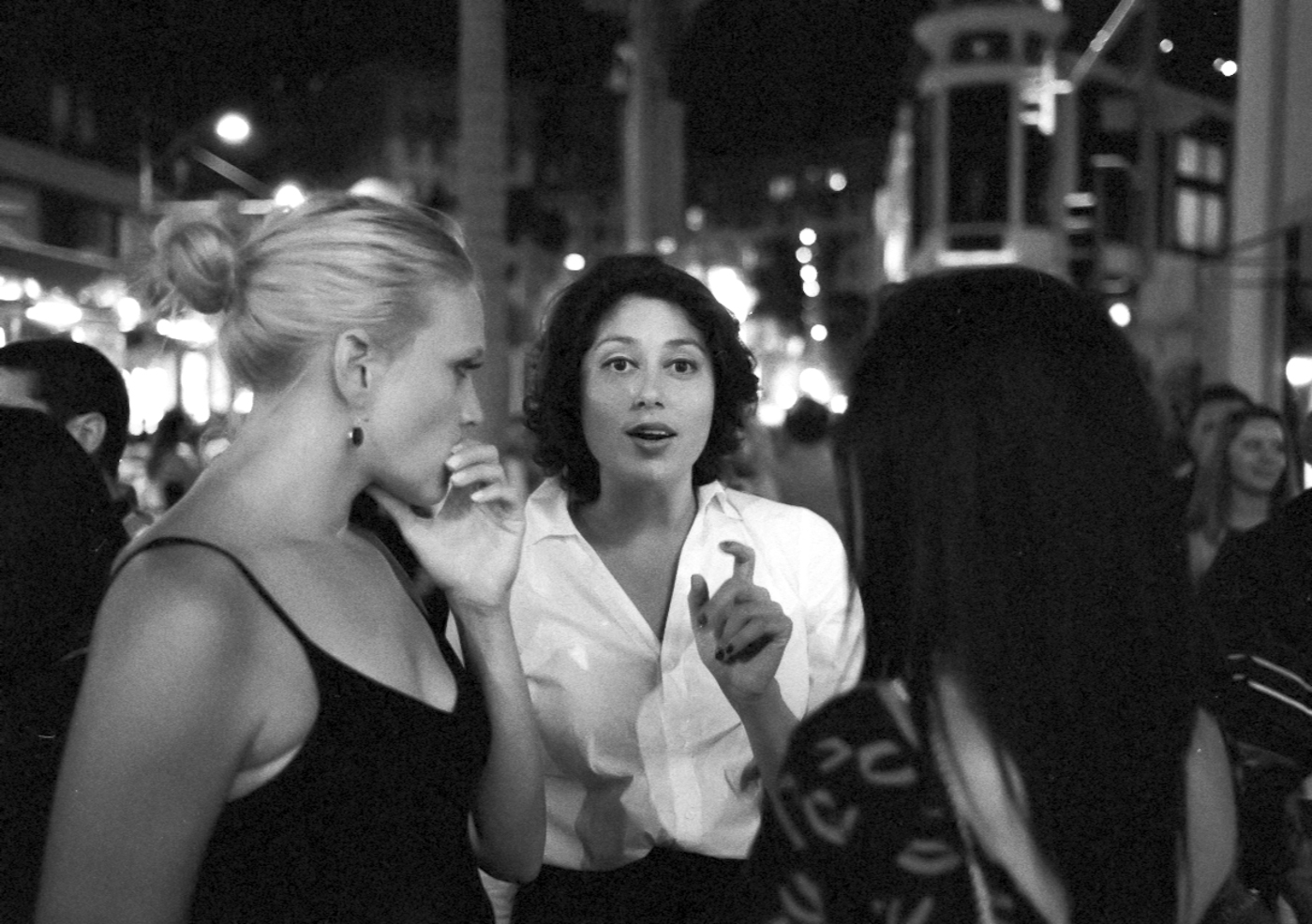
Leica M7, Zeiss 50 Sonnar 1.5, T-MAX P3200 (click for larger version)

Nothing much to say here. Just a slideshow from a couple of rolls of this very fast and grainy film. I liked it. I just didn’t really have the easiest time scanning it. Actually shooting it was also something to get used to as well. Would have to get used to it and think about shooting it much differently than I did.

Details: Sheri’s Apartment

When Sheri moved back from Maryland she had an apartment she didn’t like for a year. Then she got to work finding a place back up closer to where she used to live. Finally found the neatest little one bedroom in Beverly Hills. Built probably back in the 1930s, the owner was meticulous in keeping up the details of the place. Sheri was always finding things to perfectly accent her environment. When she first moved in she told me to bring a camera over to take some pictures.

All shots taken with a Nikon D3 and a 85mm 1.4 Nikkor D.

Sheri’s details…, a slideshow on Flickr.