

Red and Green


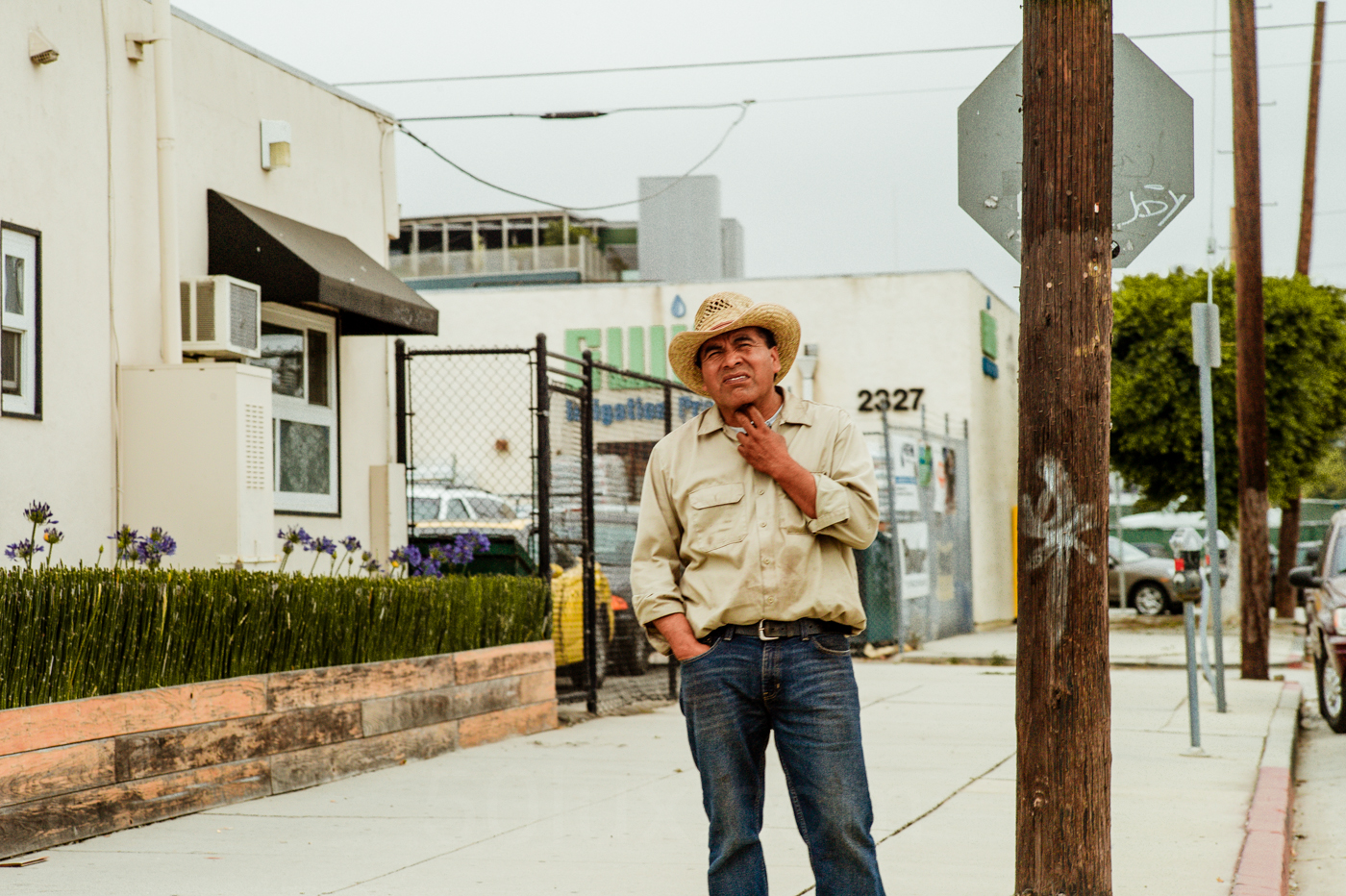
Two weeks ago today we started out down Pico Blvd., oblivious, enjoying our afternoon taking pictures. President Obama was in town and in the Santa Monica area so all the helicopters made perfect sense. So did the police barricades far down Pico near Santa Monica College. People milled about as if the President were likely to come right past them.
Well, that’s what we thought anyway. Had I known that there was a shooting rampage near the campus resulting in multiple fatalities, a sadly common occurrence in the United States at this particular time, I would have come away with an entirely different set of images, I think. But incredibly, even after seeing up close the disruption caused by the actions of a madman, we went about our day continuing to believe that, once again, the president had caused a major interruption to the already crowded Westside.
It was only much later in the afternoon that we found out what had really happened. So here are some random shots from that afternoon. Some capture the tense scenes around SMC, some reflect the degree to which we were completely unaware that this was unlike every other day in LA.
As so often is the case, in retrospect things look much different.

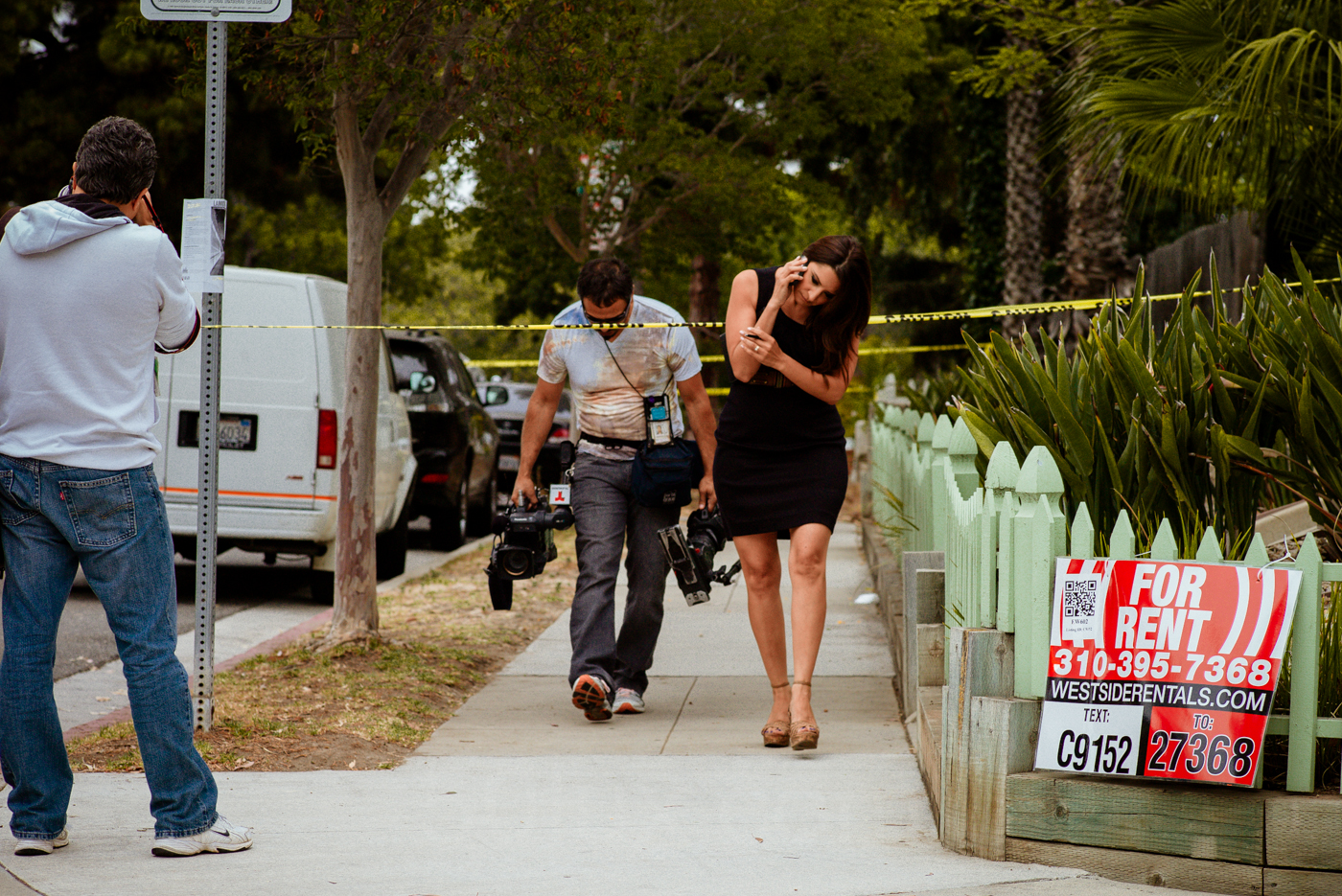






I know it’s Polish model Joanna Krupa. But I don’t understand the photography aspect. Can’t be paparazzi, they’re too geared up and professional and paparazzi would have NO interest in whatever her name is. Can’t be a photo shoot. Photo shoots uh.. usually involve ONE photographer. Why would there be so many photographers fighting for a shot? Of Joanna Krupa. I just don’t get this. Someone enlighten me please. The only thing I can think of is that she’s got a really good publicist and it was a slow day in pseudo-celebrity land.
Okay, I officially don’t like the reblogging button here on WordPress. So I’m rePOSTING this post from last summer.

Throwing a bunch of pics up that have been given the Instagram process. Even though none of them were taken with my iPhone.
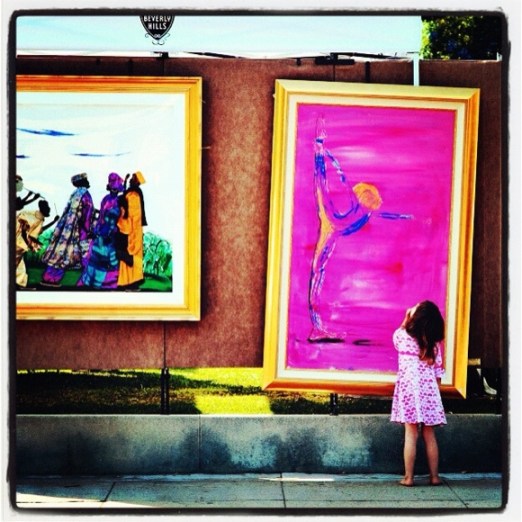


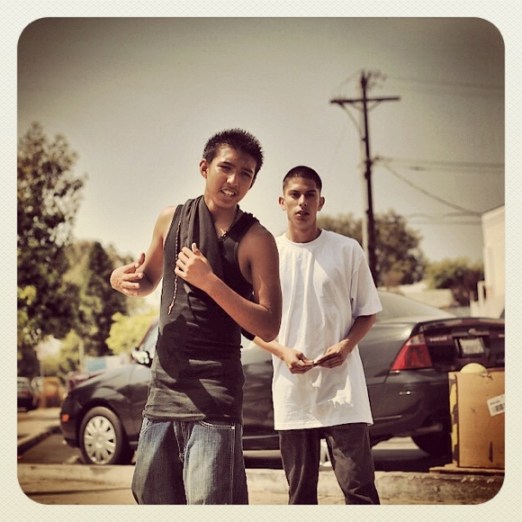
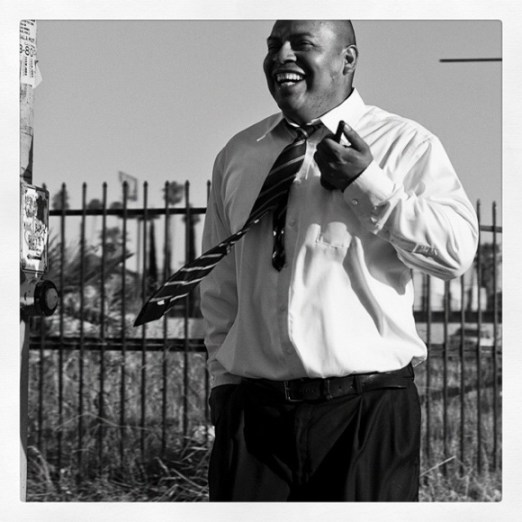


 Someone just paid that much for Barnett Newman’s “Onement VI”, a painting which consists of two vibrant blue rectangles neatly divided by a single, light blue line, an arrangement that Sotheby’s called “a portal to the sublime.”
Won’t someone please kindly pay Barnat Donald a million or so for this fine image taken late last year entitled “Is This Leica a Righteous Bitch to Focus Already? #10465”
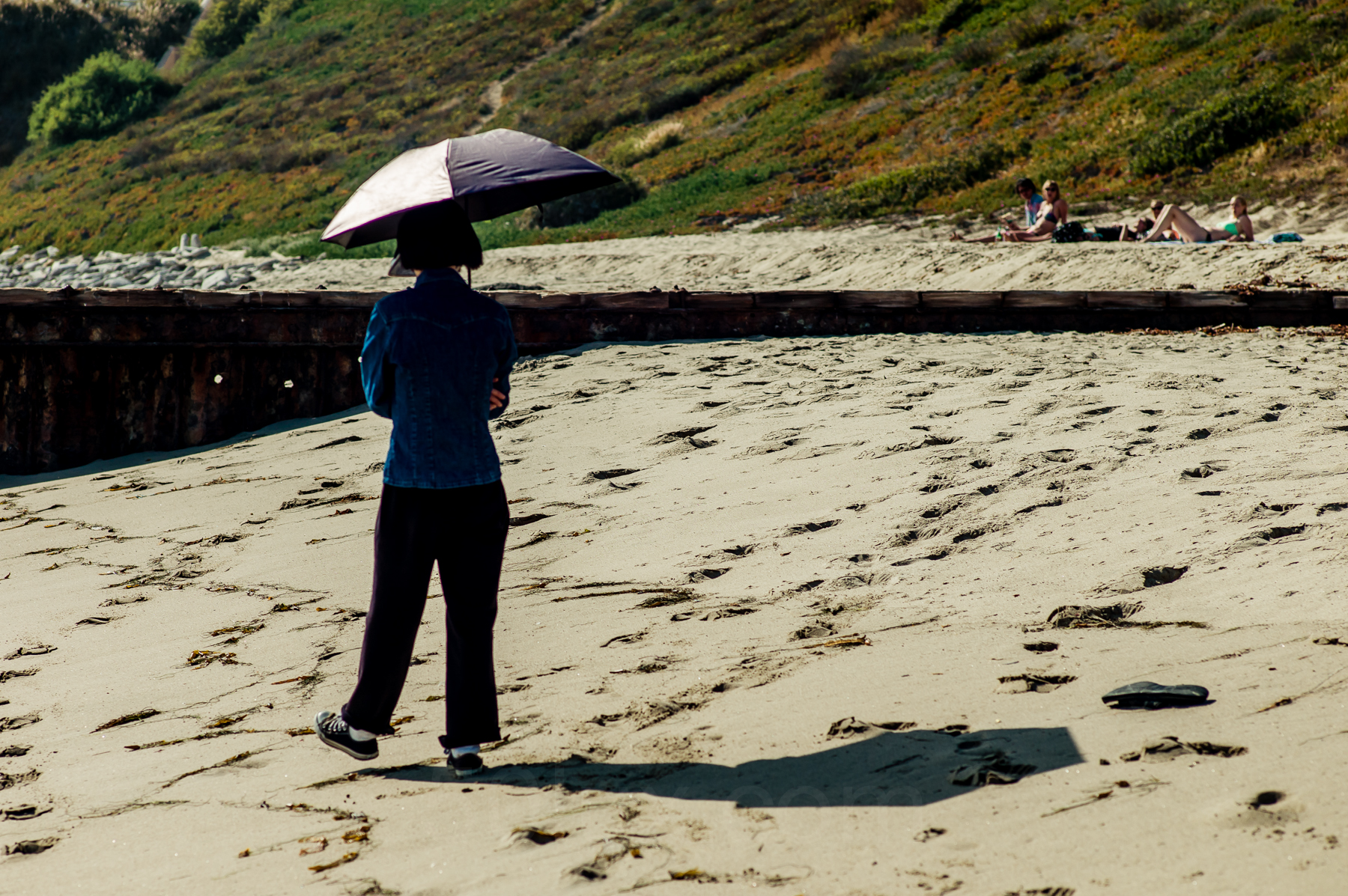
 Okay, that first one is just to give you the general idea. Here’s the kicker.



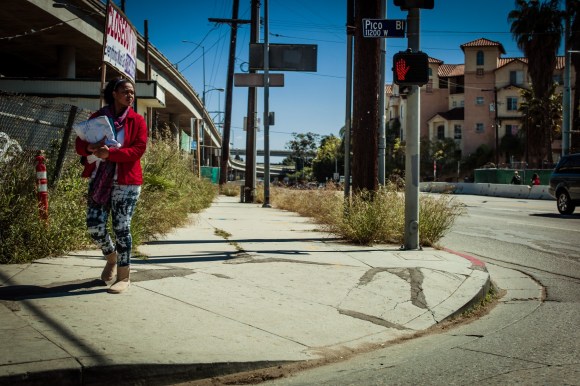
 Men can say something is ‘orgasmic’ can’t we? If not then disregard the use of that word by me. 😉
Point is, it’s almost like that. What specifically am I talking about? What’s so special about shooting Leica that is different than other cameras or systems? MANY things, but I’m thinking of one in particular.
The other night we jumped up into Beverly Hills for a couple of margaritas at Chipotle on Beverly Drive. I brought the M-E and the 50mm 1.4 Summilux ASPH. Many great opportunities for low light shots along the street up there but, unfortunately, after two or three of those Chipotle margaritas I’m just lucky to be walking upright.
So I’m shooting some store windows etc. and the young lady I’ve spent my life with points to a window and says something effusively positive. But what’s behind the window is unlit and there’s a large store front awning shading the glass itself from any visible ambient light from the surrounding stores or street. So I go into the photographer’s speech about, well, honey, you don’t understand, there’s NO light here. It’s a nice display but your eyes had to practically adjust to even see it.
We photographers look for LIGHT, silly non-photographer. Etc.
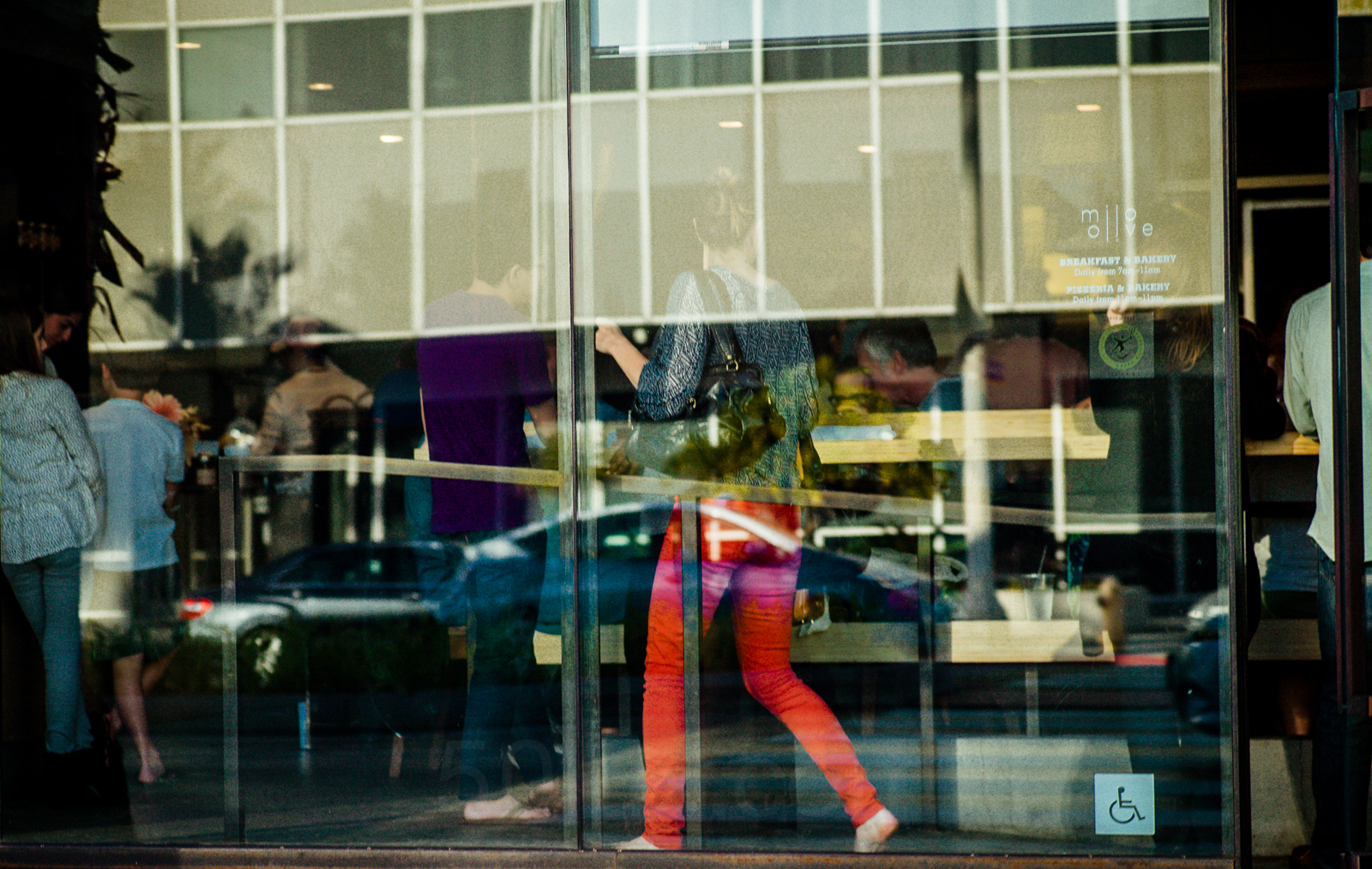
Then I thought, well, of course, we can SEE it. So there must be some light illuminating it. So I have my camera on 800 ISO and I don’t even open the 50 ‘Lux all the way. It’s at f2. I stand very still, press the camera against my cheek. Dial the shutter till I get a solid dot. And then I watch something in my image as the shutter is open to make SURE I don’t move. That is the Leica Death Stare. Master it. Lock on an object and YOU WILL KNOW if you’ve moved and have to retake the picture.
Honestly, this has become one of the most fun things I do with my Leica cameras. I LOVE shooting at disgustingly slow shutter speeds. I’m not happy if I’m not doing it. It’s orgasmic.
The old photographic rule of choosing a shutter speed that’s faster than the focal length of your lens in order to eliminate camera shake? If you shoot Leica, you should know that, OF COURSE, this rule does NOT apply to you.
Not to be a jerk, but you SPENT that whatever thousands of dollars you spent to shoot this gear. And you’ve all too often heard people say… What’s the difference? What’s the point? It’s the photographer, not the camera!
Well this is a difference. A huge difference. And one of just many. I shot Nikon pro gear for most of the last ten years. A heavy D2Hs and D3 and D700. Massive lenses that jut out 6 inches from the body of the camera, and more. I wasn’t comfortable shooting less than 1/250 of the second! You’d BETTER adhere to photographic rules and guidelines like the one stated above. And then, hold your breath!
But with a Leica M-anything? Just never mind all that. It’s not your concern at all. If it is, you’re doing something wrong. The flatness of the M bodies and the slim center of gravity allow you to hold the camera firm against your cheek and there’s NO long heavy lens to teeter the center of gravity and blur your photograph.
And, as a result, you can practically make your own light. Yes, the light is bad. No, I don’t really care. There IS light, that is the only relevant point to a Leica shooter. We just have to operate in a different universe of expectations about how much is there and what we have to do with our camera to capture the light that is there. And these cameras do that like no other cameras on Earth.
The above shot was taken with a 50mm lens in almost no visible light at all. The shutter speed was 1/8th of a second. And I was drunk.

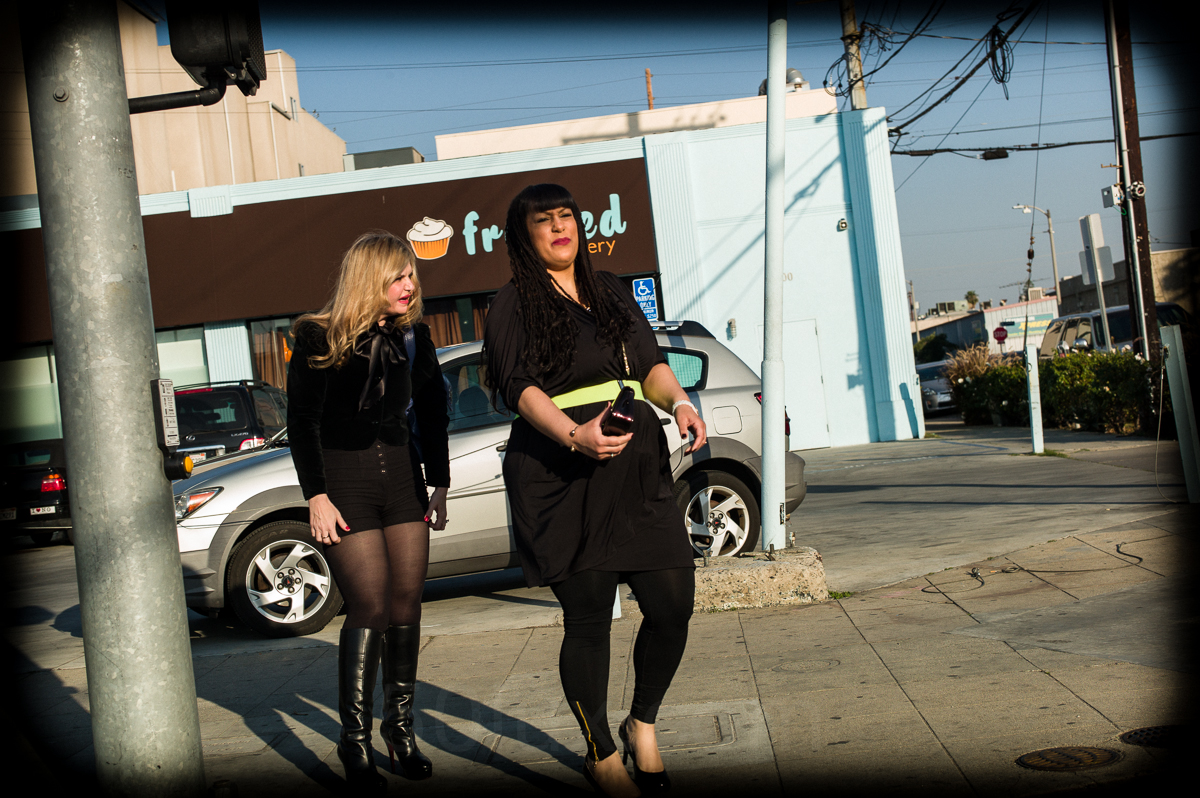

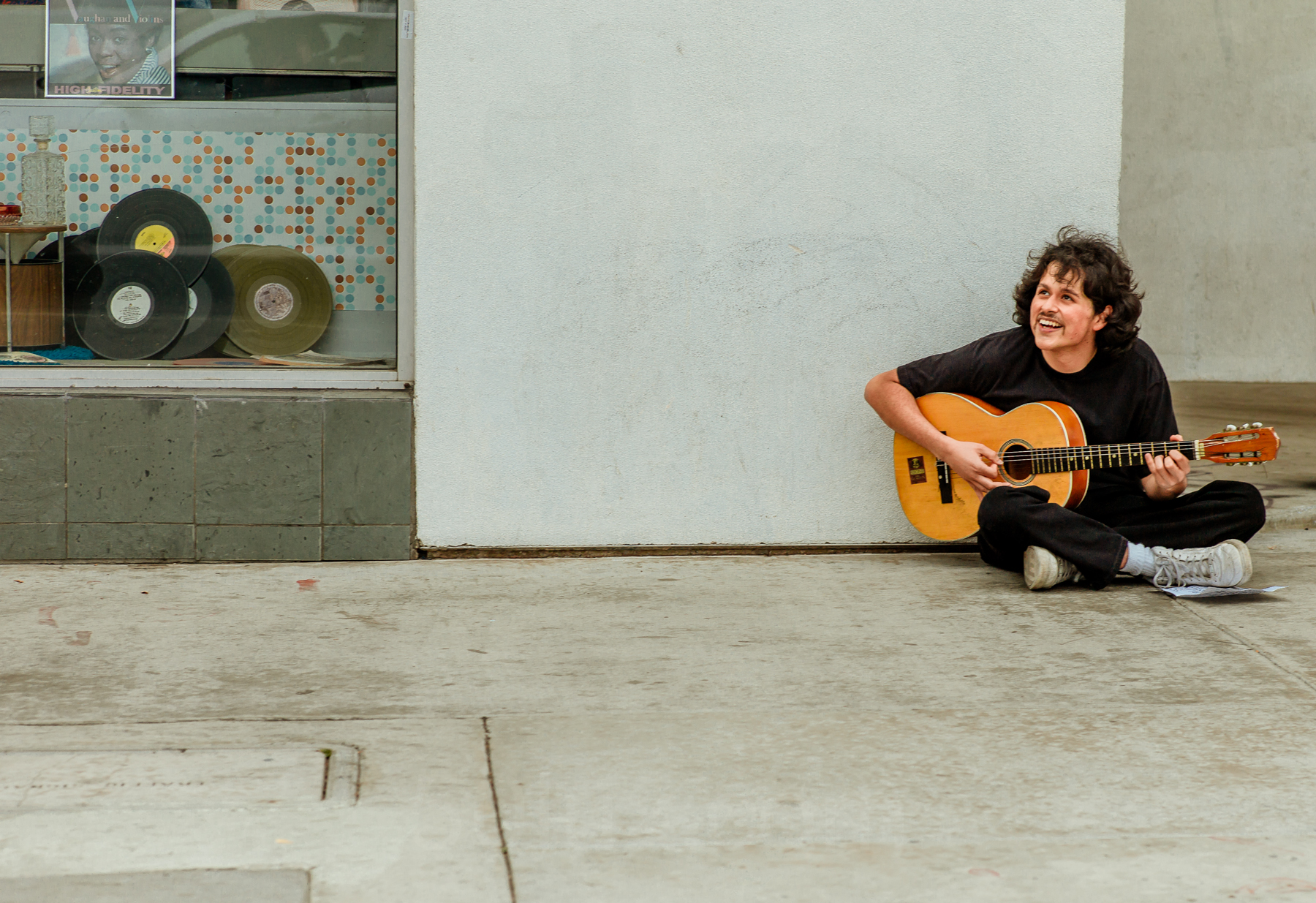


Los Angeles area Leica rep and protege react to news of Leica AG being sold to Burbank, California based The Disney Company. NYSE: DIS
http://www.l-camera-forum.com/leica-news/2013/04/leica-camera-sold-us-company/

Seemed an appropriate moment to post this recent shot. And I suppose the corner of Hollywood and Highland is as good a place as any to reenact an iconic biblical moment. But hey, that guy is wearing some pretty comfortable looking shoes. That’s cheating.
I am a confirmed heathen, but to all who celebrate, Happy Easter and Happy Passover.
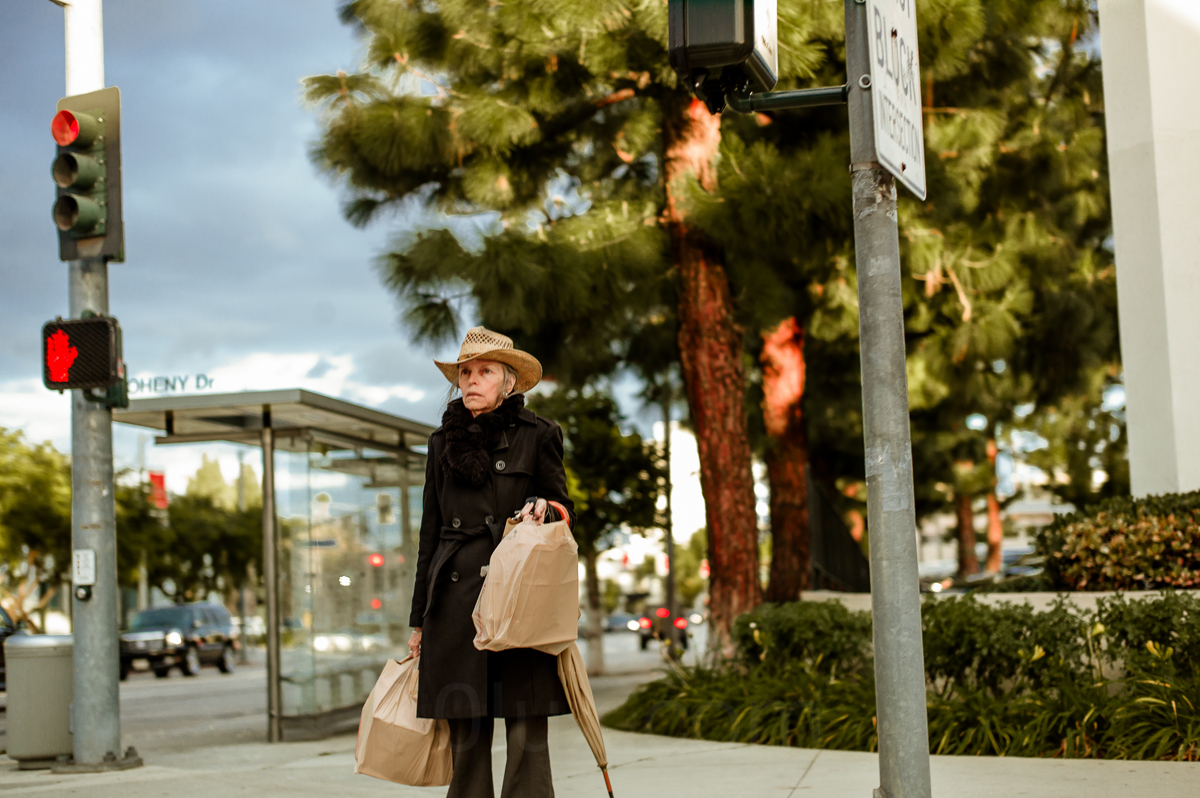
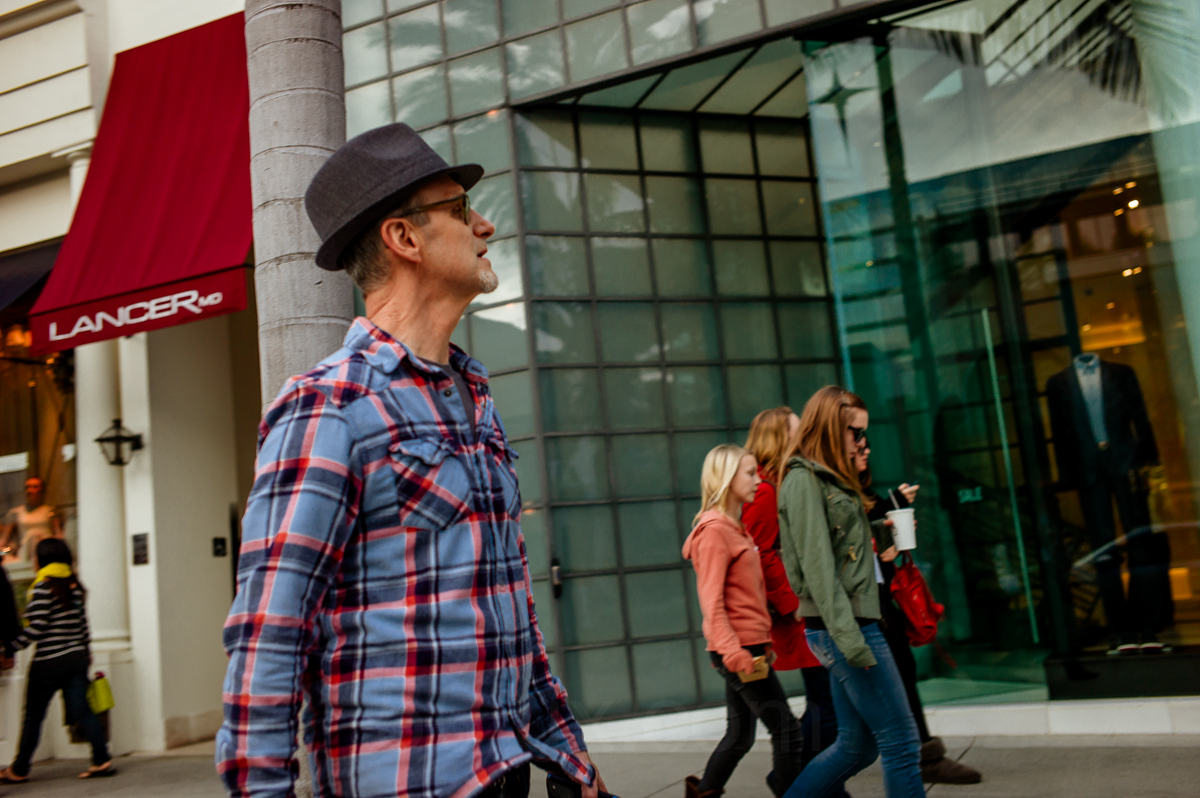
After two years of shooting and scanning film, what I wanted in terms of skin tones and the general color look from my new M-E was something much different than what I settled for when I owned an M9 three years earlier. By living with the results of scanning analog film I came to accept that color would rarely if ever match the accuracy attainable with modern professional digital systems by Canon and Nikon.
Maybe if I’d had the processing and scanning done at a professional lab, and paid through the nose for some premium service, I would have seen markedly better results. But I opted for the much less expensive, and more satisfying, route of scanning myself.
So when I decided to go back to shooting Leica digital my desires and expectations for color and tonality had been changed. But also my aesthetic for the end result of the act of photographing something itself had changed.
I now looked at final images that I put online or show to people as the product of a process of ME applying those tastes and desires to all of my shots as opposed to just going with either the look of the RAW file, or, worse, going with the crowd and ending up with an image look that was consistent with what other M9/M-E shooters were choosing for their work.
The color that I go for now, what I’m shooting for in my post processing, comes as a result of dealing with film scans for two years. It may not be the same technology and the end result may look nothing like film scans to me or to anyone else. But what I want now from my images is informed largely from the experience of shooting and scanning film.
Bottom line. There are no rules. The camera produces a RAW image file. We owe no loyalty or fidelity to the look of the RAW file or to what other M9/M-E shooters are doing with their images. The color in these pictures pleases me. That’s a heck of a statement as far as I’m concerned because that has not always been an easy place for me to get to with this gear. I’m happy to be getting there with some frequency this time around.
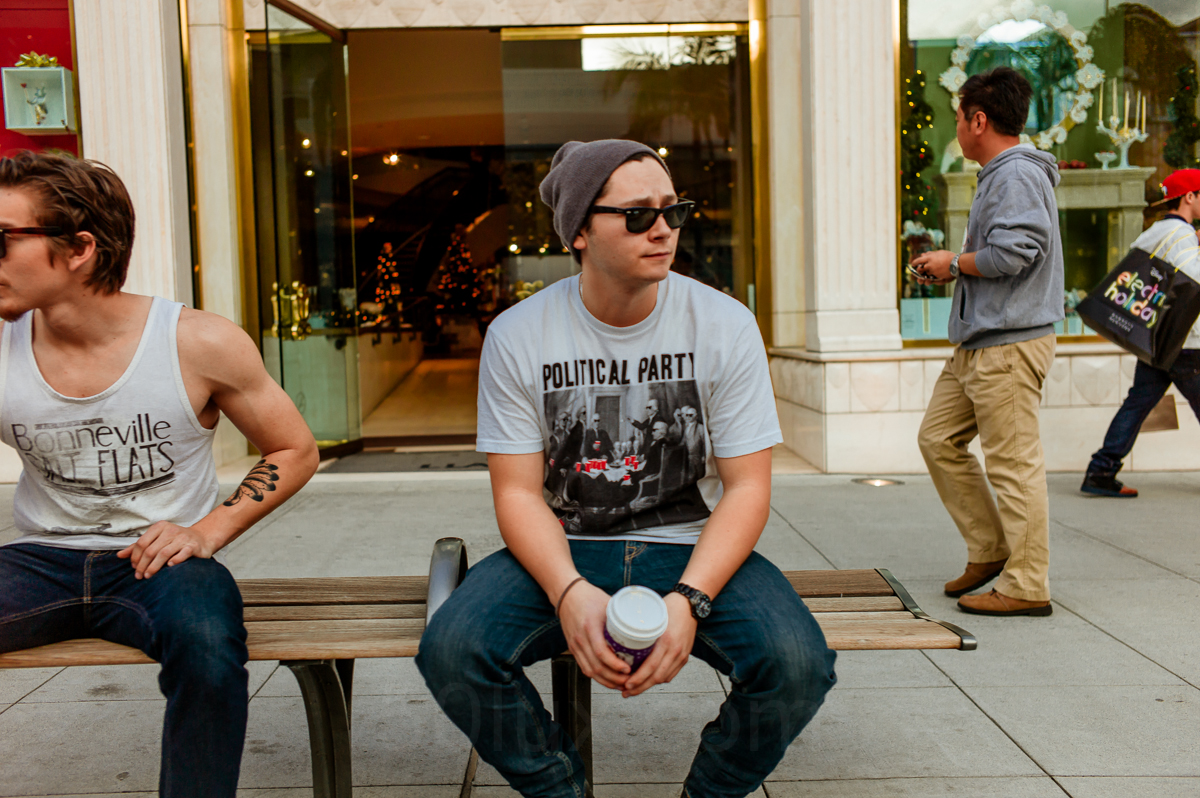
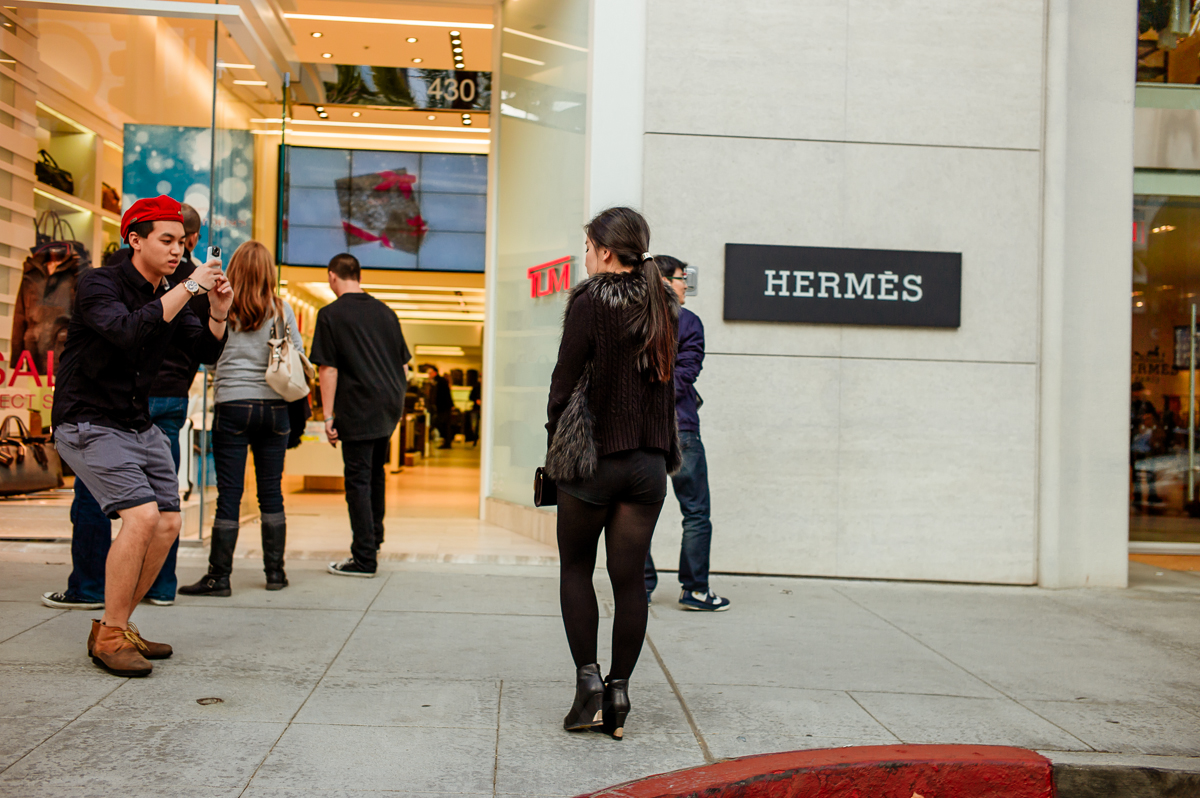

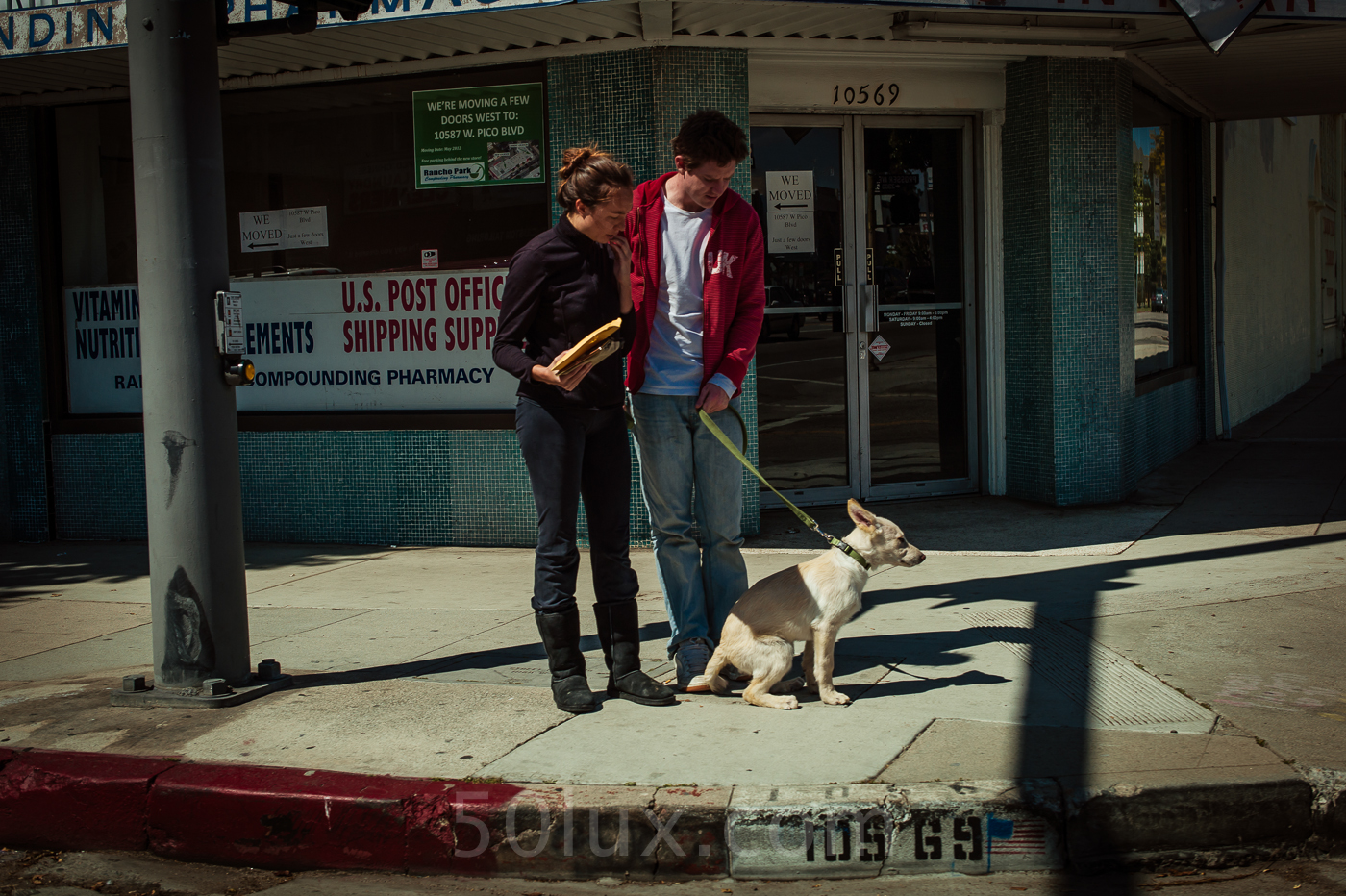
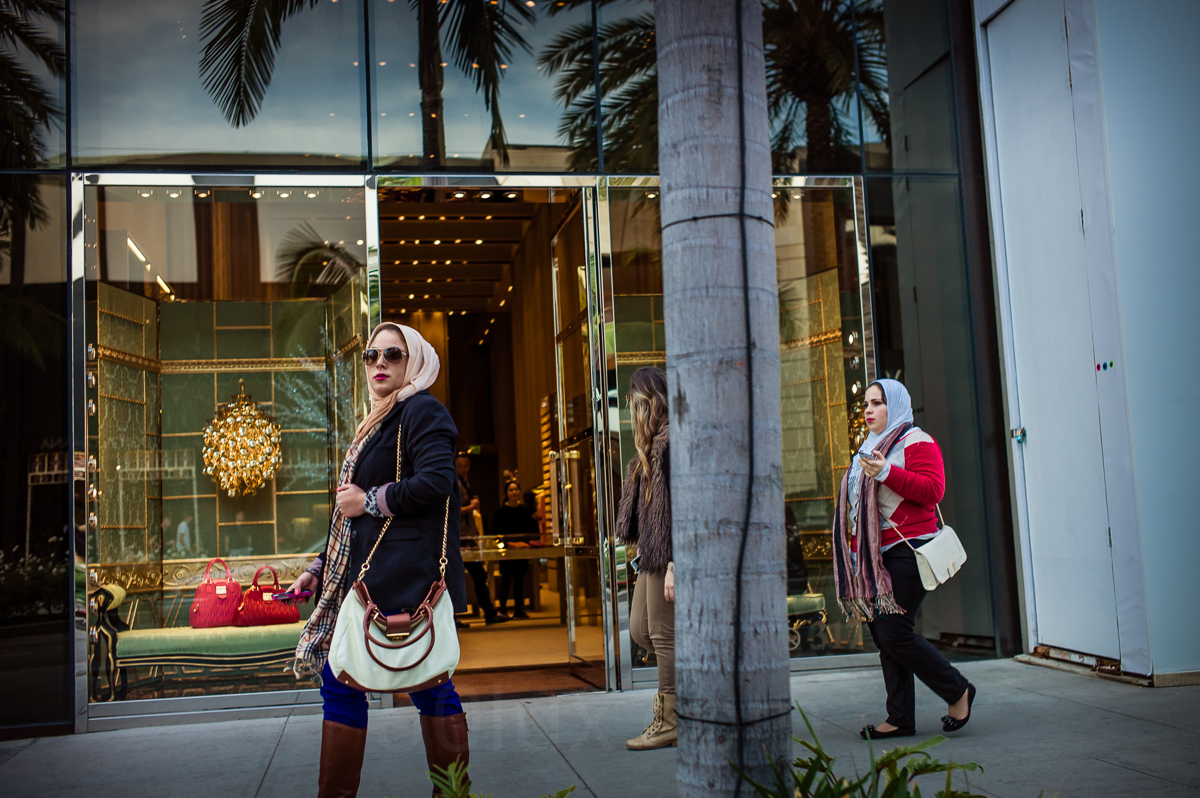
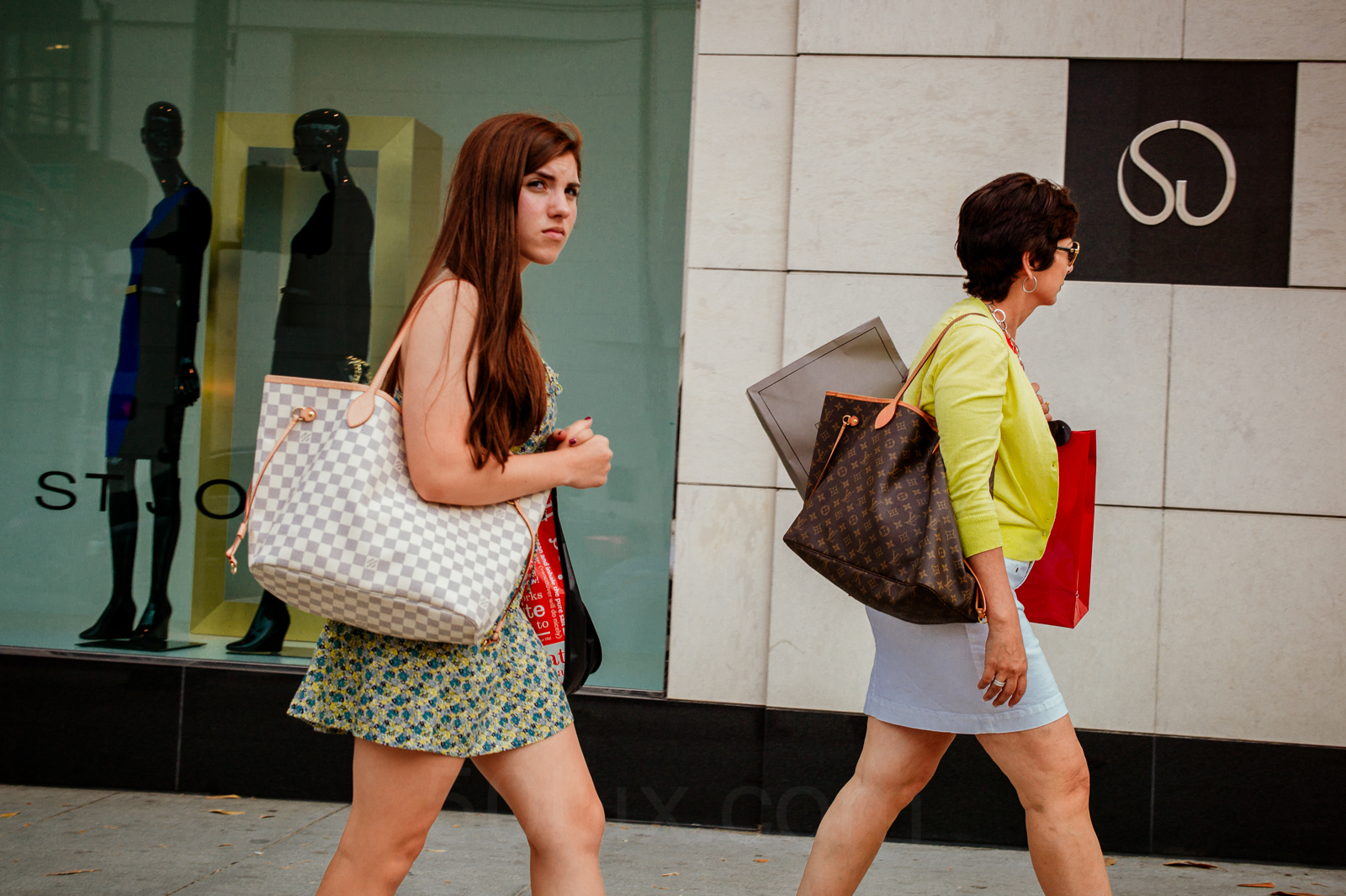
Los Angeles is one of those places on this Earth where one can observe the extent to which the disparity between the haves and the have-nots has become a gulf of historic proportions.
Just this week there’s the story of how prospective middle class home buyers, teachers, managers, in the Inland Empire of Southern California, are attempting to purchase homes while prices are at historic lows. But the properties are being quickly bought up by cash buyers. Not local individuals, but far-off investment firms ranging from places like Wall St. to beyond including China and the Middle East.
People who live, shop, work and pay taxes in cities like Riverside and San Bernardino, and certainly soon to be Los Angeles and everywhere else in California, can’t take advantage of these never-seen-before prices for homes because people from far far away will capitalize financially at this advantageous time.
The plan, as has been reported in the Los Angeles Times and elsewhere, is to create a super-industry of residential rentals, owned and managed by the wealthy firms on Wall St. and elsewhere who can easily buy up these properties with cash. That’s right. They will then RENT these homes to the very area residents who were willing and able to buy those same properties at the prices they were sold at and, in many cases, even more as these locals have learned that they must often overbid by tens of thousands of dollars to even have a chance of winning the prize of their dream home.
Permanent far off landlords will take the place of the American dream of owning one’s own home. Someone will get rich on those locals instead of them being able to claim homes and property they were more than willing to buy and own.
Meanwhile in places like Beverly Hills and Santa Monica and I’m sure in the better parts of Manhattan and Boston and the northeast one can easily see up close how extremely well some people in this world are doing financially. What it really means to have the stock market hovering near record highs while unemployment and other economic indicators measure what continues to be an ongoing economic ditch for much of the country and the world.
I think we all better start getting used to it. Or get used to the idea that we’re going to have to do something about it at some point. Because the wealthy of this world are pulling together, across national or ethnic lines, their wealth binding them as an unstoppable force, while the proverbial and literal 99% of the rest of the world, maybe more, are relegated to being spectators watching how the top 1-percent live their lives.

Two years of shooting film with my M7 and then an M6, limited but unconcerned by the usually 200-400 ISO range of the film loaded in my cameras, I think I learned to stop whining about high ISO performance and noise and learn to do the things necessary to take pictures after the sun goes down.
Yes, sometimes I would shoot some really wonderful and cheap Kodak 800 speed film I’d picked up. But the process and discipline of making what in the digital sense are low ISOs work, holding the camera very still, tight against the face, learning to love shooting at 1/8th of a second instead of needing 1/250th… these are the changes that have enabled me to feel free and easy shooting with a camera that most photographers today consider to be lagging in the ISO and image noise performance area.
A while ago someone surmised that with the high ISO capability of modern digital cameras, we don’t really need the superfast 2.0 and 1.4 lenses that Leica happens to specialize in making and selling for thousands of dollars. Who needs any of that when your camera will produce clean usable images at 12k ISO?
Well, that kind of thinking and that kind of equipment will certainly give your photography a certain look, along with the capability afforded in the high ISO performance. And for professionals, at this point, there really isn’t any substitute for great high ISO performance.
But I would counter that the opposite of the idea of chucking super fast and expensive glass is equally as true for photographers wishing to use their cameras to create unique work that differentiates itself from most modern digital photography by its emphasis on photographing light where it exists and an adherence to the old ways like simply holding a camera as still as is humanly possible.
But as evidenced here and in a lot of images to follow, there’s also other ways to get around the problem of shooting low ISO film or digital camera sensors we can’t push much beyond 800 ISO and that is to photograph lights themselves or things that are well lit.
The images here aren’t intended to be a demonstration of any one technique for shooting in low light. They’re intended to be a demonstration of boldness and an attitude of let’s get over blaming equipment for what it doesn’t do and instead praise the almighty dollar that we can afford a cell phone or a Diana or a Pentax or a Leica film or digital camera and just get out and make the pictures your gear allows you to make.


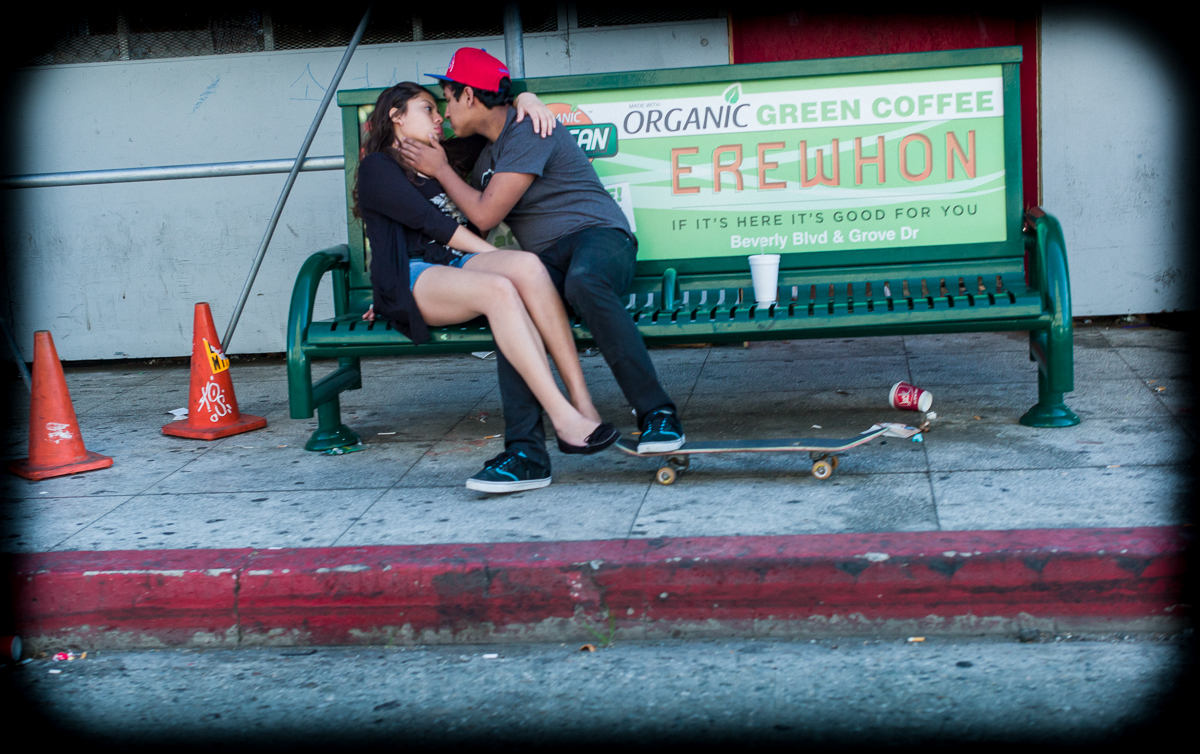
The other on the banana peel of love.

What I’m into now is this Lomo filter that puts a slide frame-looking vignette around the image. I’m overusing it at this stage but that’s okay.



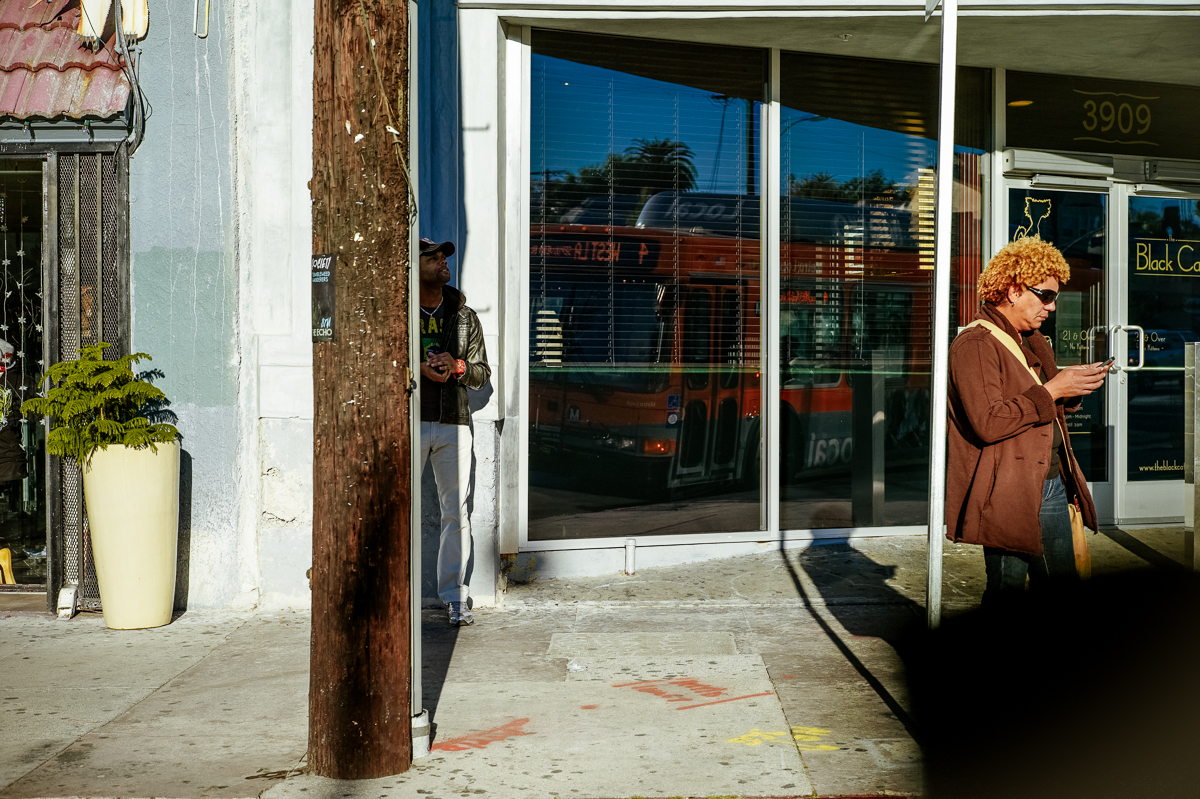


The Westlake District of Los Angeles is purported to be the most densely populated area in the United States. It doesn’t seem that’s possible. But Wikipedia says this.
Westlake is one of the most densely populated neighborhoods in Los Angeles, with a population density of 38,212 persons/mile²
Situated right to the east of MacArthur Park (yes, THAT MacArthur Park), it’s just another amazing slice of the life of Los Angeles. Click on the first picture for a semi-slide show of all four of the images.
Today, it is the digital Leica M-E that embodies the philosophy of the M-System in its purest form. – Leica Camera AG
HEY EVERYONE! DON’T FORGET TO FOLLOW ME ON TWITTER…
From the get go I should point out that this is as much a love story as it is a review of a piece of photographic equipment.
Yes, I love the Leica M-E. But this is the love of someone who owned a Leica M9 for over a year and who put 24k shutter clicks on that first full-frame Leica digital rangefinder. I did not like my M9. I don’t like YOUR M9. (I’m kidding, I don’t know your M9)
Almost from the moment I first held my M9 something seemed to be not quite right. I’d been shooting an unused silver M7 for about four months, a camera that Ken Rockwell likens to a gun. I know exactly what he meant by that. The camera feels like a .45 caliber military side arm. Heavier than you would expect and more solid than you’d think possible for something made to simply take pictures.
The M9 did not have that feel. Mine didn’t anyway. The material used to cover the camera felt rough and uncomfortable to my hand. The camera had smear marks which showed constantly on the black metal top and bottom plates. From the start I was disappointed in the build quality of the camera.
Now I know these are just impressions. But those were my impressions of the camera. It never really felt comfortable in my hand or solid and impervious to anything other than gentle treatment.

I also had issues with the color and working with the files out of the camera. Overall, my experience with the M9 was a downer and I sold mine a little over a year after buying it.
Then I shot film for almost two years. I shot my M7 and then also added a black M6. I shot and scanned probably a hundred or more rolls of color film. I learned a lot about shooting Leica by shooting within the limitations of a chosen film speed for the entire roll. I also learned a lot of discipline given the fact that 24 or 36 frames is all you get per roll and also given that you can not see what the result is of the frame you just shot.
But you might be thinking, if you didn’t like the M9 and you have two film Ms to shoot, why did you jump back into an M-E which is merely, in the opinions of so many, just a ‘cheaper’ version of an M9?
There are a couple of reasons. One I grew very tired of the process of having to drive somewhere, the dropping off for developing, then waiting, and then scanning the negatives. Having to do all of that just to see what kind of images I’d shot. I also got very tired of not being able to experiment freely with my great Leica lenses as one can only truly do with a digital camera.
But I also recalled some types of things that the M9 did really well photographically. Black & white, for one, and if I only used this camera for shooting black & white, and I loved my results, well, uh, jeez, aren’t there people out there who have made that exact choice by purchasing and shooting the Leica Monocrom?
There were more reasons. I thought that another M9, but this time much less expensive, but new and with a new warranty, wasn’t a bad thing to have as a second camera to go with the truly new M that I and so many others have on order.

So I took the leap. Very nervously and apprehensively. Unsure of myself or my purchase. It’s still a very expensive camera. I’d heard the M-E was ugly, made of cheaper materials, gutted of at least a couple of rarely used features in order to save production costs. I heard that it was also viewed as the entry level Leica M.
And then, I really didn’t hear much else. No one that I’ve seen has even taken the time to write a review on this camera. Why bother? It’s just an M9 stripped and cheapened for ‘entry level’ users anxious to make their move into shooting Leica digital rangefinders.
At BelAir Camera, where I buy my gear if I’m not buying online, the guys were talking about what a great camera the M-E is. Our relationship isn’t one wherein they are inclined to try to hard sell me on anything and they all knew how much I really didn’t care for my M9. My buddy Rika would go on about the anthracite finish. I wasn’t expecting, however, that I’d have any different sort of impression or experience in buying and owning and shooting an M-E than I’d had in buying and owning and shooting an M9.
Well, my goodness, was I surprised. From the moment I took the M-E out of the box and mounted my 50 1.4 Summilux on it, and held the camera in my hands, I began to immediately bond to this mechanical object. The fit and the finish are unlike anything that I’ve ever owned. Ever. It is the most flawless and solid piece of digital equipment I’ve ever seen or held in my hand. That alone was a huge surprise for me.
Where do I even begin? How about the anthracite-paint finish. I have to confess that I’m notoriously bad about wiping down my gear when I’m done using it. It just doesn’t happen unless I’m doing a job and my hands have been sweating, both of which are rare things these days. While my M9 showed everything, the M-E shows absolutely nothing, even after weeks and weeks of use. It’s as if this paint has properties that resist the accumulation of the oils from your hand.
But one of most important changes that improves the M-E over the M9 is that the body covering is now *LEATHER. Soft luxurious LEATHER. The camera is a pleasure to hold and to grip with one hand. It is never hard feeling on your fingers. The camera feels incredible compared to the much rougher feel of the M9.
(*correction. the body covering on the M-E is synthetic leather. it feels soft and fantastic, but oops on me, it’s not real leather. maybe there’s a language mishap to blame, but Leica shouldn’t refer to the body of the M-E as having a leather covering as they do “its leather trim offers superior grip” on their product description page. It’s only when you read the specs page where they mention that the leather is synthetic. Not so good on them.)
The application of the leather on the body of the camera is so perfectly accomplished that looking at the camera itself makes you wonder how it isn’t selling for MORE than the M9, as opposed to much less.
I said on dpreview in a thread on the Leica forum a few weeks ago to someone that they should buy an M-E, that it was a better camera than the M9. That statement was met with just a little bit of questioning of how such a thing could be. How could it be better than the M9 when it is essentially an M9 with some slight changes in the finish and covering and two rarely used features removed?
My question is how could it NOT be better? Just think about what I’m saying. It is an M9, right? The camera that so many people are crazy about. But it’s missing two holes from the body that give moisture two places to enter into the camera. Those two missing features are things that you can feel with your hand as you hold the M9 and believe me, they are things that your hand enjoys NOT feeling on the body of the M-E.
Leica says on their product page for the M-E.
The top and base plates are discreetly and unobtrusively finished in anthracite-grey paint. The design of its body expresses clarity, and its leather trim offers superior grip. The mechanical yet almost inaudible sound signature of its shutter release remains as a reminder that this M too is a masterpiece of unparalleled craftsmanship.
Look, if you’re someone inclined to dismiss this as just some corporate marketing bullshit, then we’re both probably wasting our time in this review. But this will be your mistake. And you won’t be able to say that you weren’t warned or at the very least that no one came forward with a user review to give their impressions or feelings about the Leica M-E.
But the truth is that Leica did not strip some expensive features off of their flagship M9 in order to produce an entry level M made up of either less or lesser body components. That’s snobbery talking and it’s not at all a reflection of what Leica could or would do. The M-E is a refined M9. That is the news I’m delivering to you now in this reveiw. It IS a masterpiece of unparalleled craftsmanship and it WILL be classic camera for years to come.
I have bonded with this camera and love it more than any thing I’ve ever owned. I can not express to you how different those feelings are for me than how I felt about the M9 that I ultimately could not wait to get rid of. I am sure that over the years of manufacturing that camera some refinements were made in the quality control or subtle changes that maybe account for how happy people have been with a camera that so displeased me.
Maybe that is what is reflected in the M-E that enables me to agree with the Leica product blurb that calls the camera a masterpiece of unparalleled craftsmanship. I honestly don’t know the answer to what my issues were in comparison to the satisfaction of others. But this camera is, by all accounts, simply an M9 that’s missing two unsealed openings in the body that make the earlier camera that much more vulnerable to moisture or the elements, and the M-E’s anthracite paint and sublime leather grip make it an unparalleled pleasure to hold and shoot with.
So much so that I now find myself dreaming of a second M-E far more than I’m dreaming of the new ‘M’ that I have on order.
Click for larger resolution image
That’s about all I have to say. Except I’ll add this for anyone who thinks I might be just another Leica fan-boy or merely sucking up to Leica.
I’ve been on record in the past as being very critical of the Leica M9 and especially the color issues that were ultimately something I just couldn’t live with any more. And I mean, I have been brutal. I despised not only the color I got from the M9 but also the color most everyone else was getting. A visit to the M9 Master Shots on LFI is still like a trip to the dark side of a year of bad memories for me. Sorry, Leica.
I still and always will hate the look of the M9 images as produced by a majority of M9 shooters. I don’t like what people are doing with their images, but I believe I’ve come to understand that it’s not the camera’s fault entirely and the hint that I might be right about that comes from something that Monocrom users often say about the files that camera produces. You have to REALLY work with them to get good results.
That applies, I contend, equally so to the DNG color files that come out of an M9 or an M-E. Anyway, I’ll have a lot more to say about all that in the coming weeks and months.
And that brings me to what will be the next part of the discussion about the M-E and that is what I’ve done to make myself as happy with the camera’s images and color as I am with the body itself. And I AM happy with the color I’m achieving at the end of my processes. I don’t know that I can replicate a process, however, or that I plan on outlining exactly what I do because that would be impossible. It varies so much for every lighting condition.
Anyway, thanks for reading. If you are a person who frequented this blog in the past, thank you for coming back and for your patience and for, I hope, excusing my long absence. If you read the blog from the early days you know that last year was a very difficult one for me. It’s taken a long time to feel like posting about photography and Leica equipment again.

Bottom line, thank you, Leica, and bravo. You’ve outdone yourself with the M-E. Unfortunately very few people in the Leica community seem to have any idea of how true that is. I sincerely hope that this review begins the process of changing that fact and awakening the deserved recognition for this amazing camera.
Thank you,
donald barnat


 50'Lux