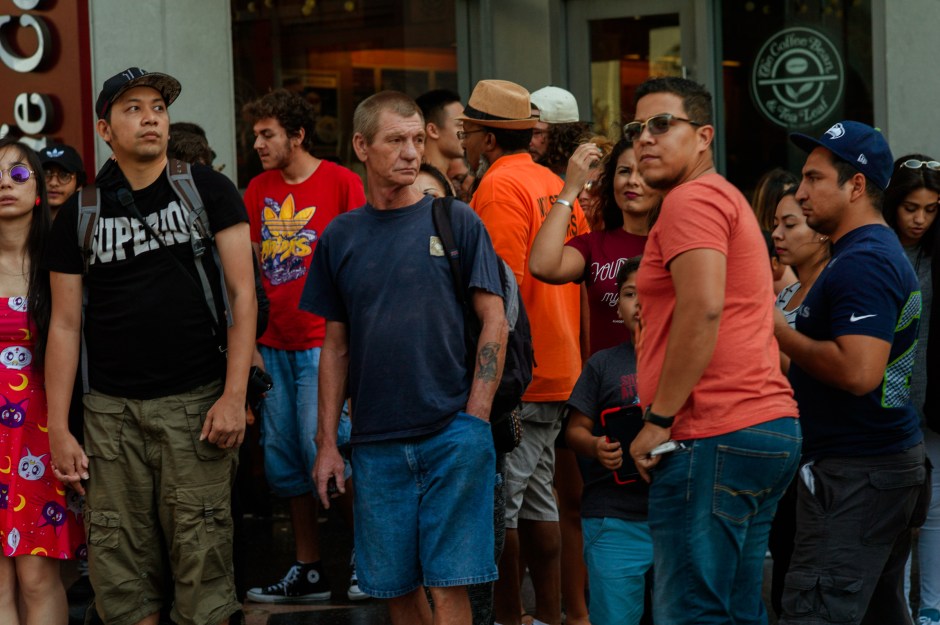

Hollywood Boulevard Crushed


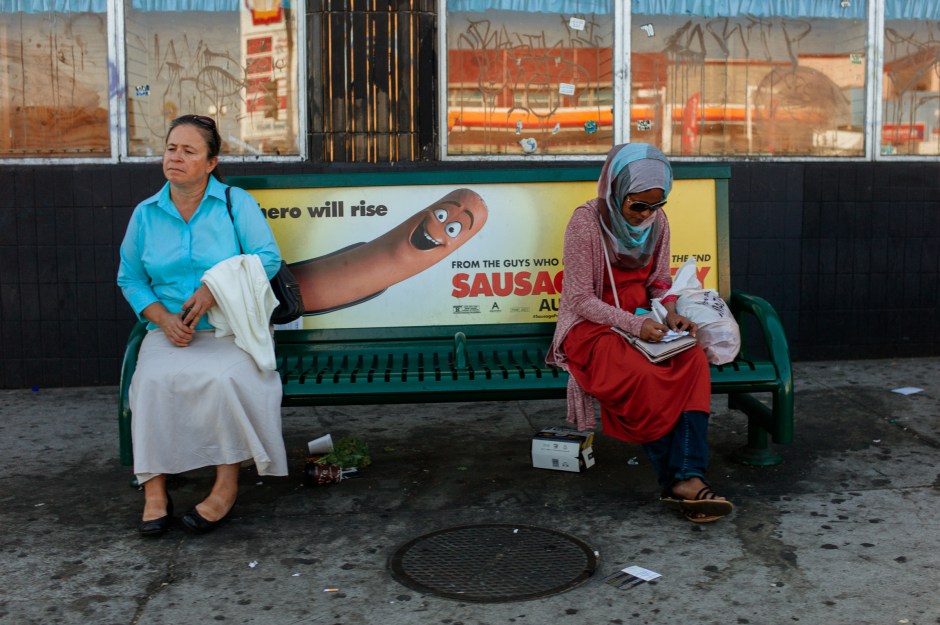
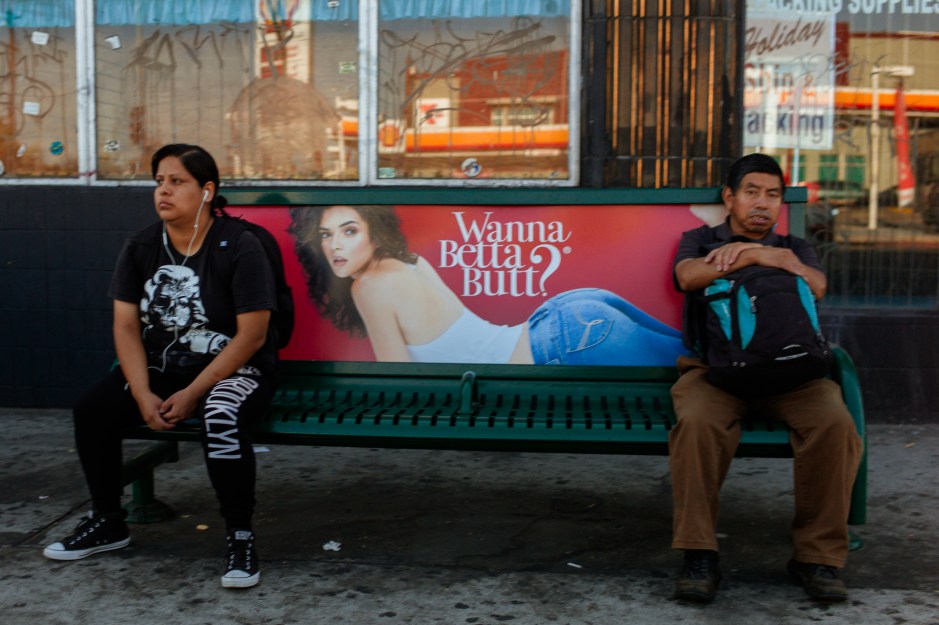




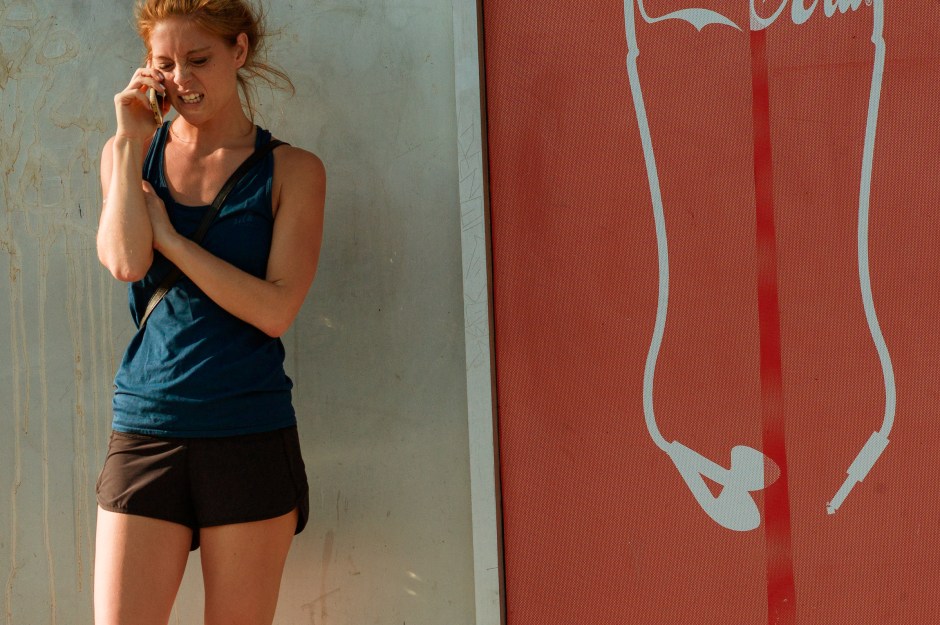

Very interesting article on the current realities of racial segregation in housing choices in the New York Times. Don’t miss the 1000+ comments either.
Affluent and Black: And Still Trapped by Segregation
MILWAUKEE — Their daughter was sick and they needed family around to help care for her, so JoAnne and Maanaan Sabir took an unexpected detour.
They had spent years blowing past mileposts: earning advanced degrees and six-figure incomes, buying a 2,500-square-foot Victorian with hardwood floors. Yet here they were, both 37, moving to a corner of town pocked by empty lots, cramming into an apartment above Ms. Sabir’s mother, in the very duplex that Ms. Sabir’s grandparents had bought six decades earlier.
Their new dwelling was in a part of the Lindsay Heights neighborhood where more than one in three families lives in poverty; gunshots were too often a part of the nighttime soundtrack. They planned to leave once their daughter, Ameera, was healthy.
But then, reminding them of why they feel at home in communities like this one, their new neighbors started frequently checking on Ameera: Is she doing O.K.? And on their son, Taj: When’s his next basketball game? Mr. Sabir’s car stalled in the middle of the street one night, and it was the young men too often stereotyped as suspicious who helped him push it home. So many welcoming black faces like their own, they thought.
“It felt like that’s where we should be,” Ms. Sabir said.



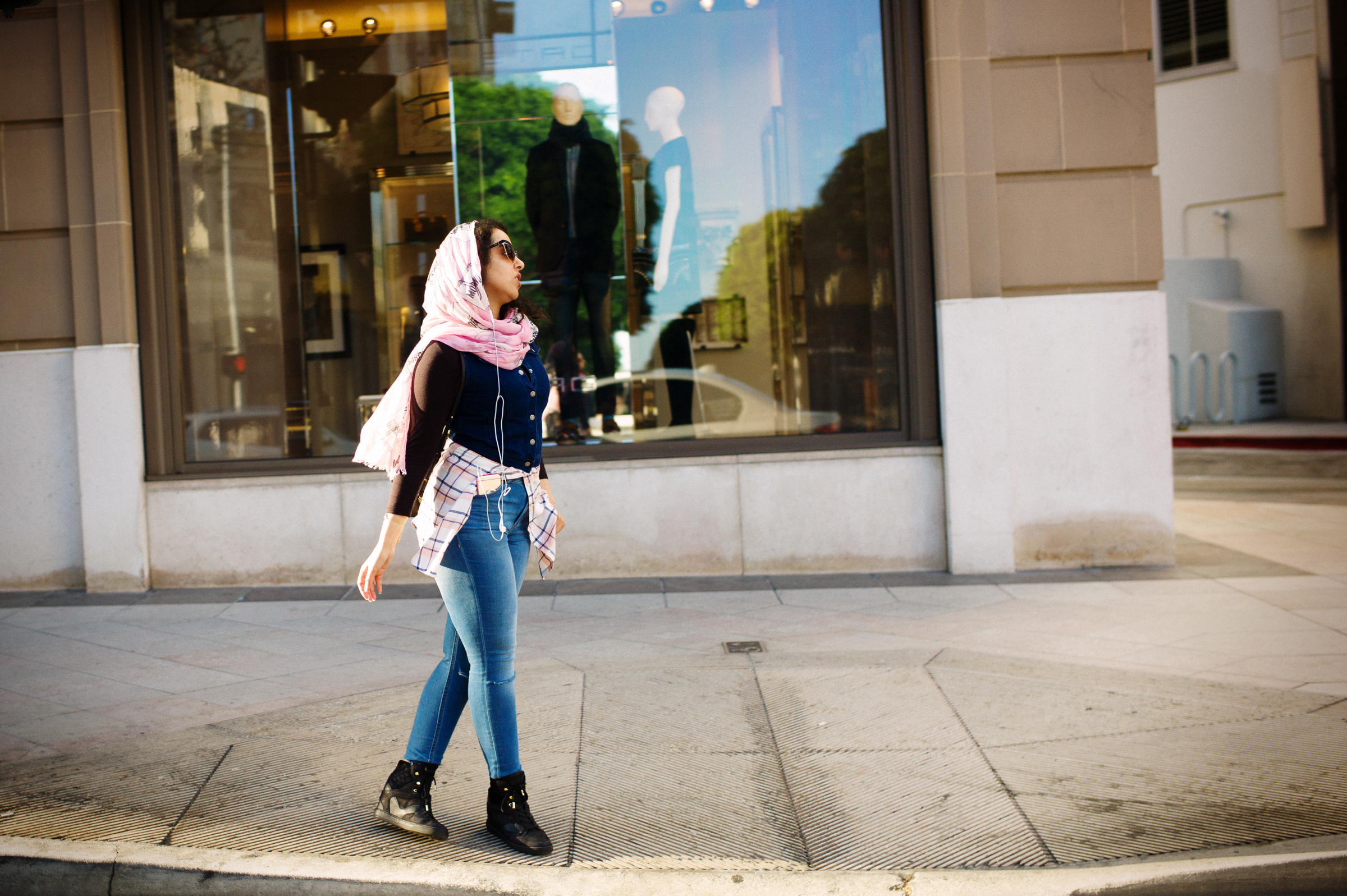
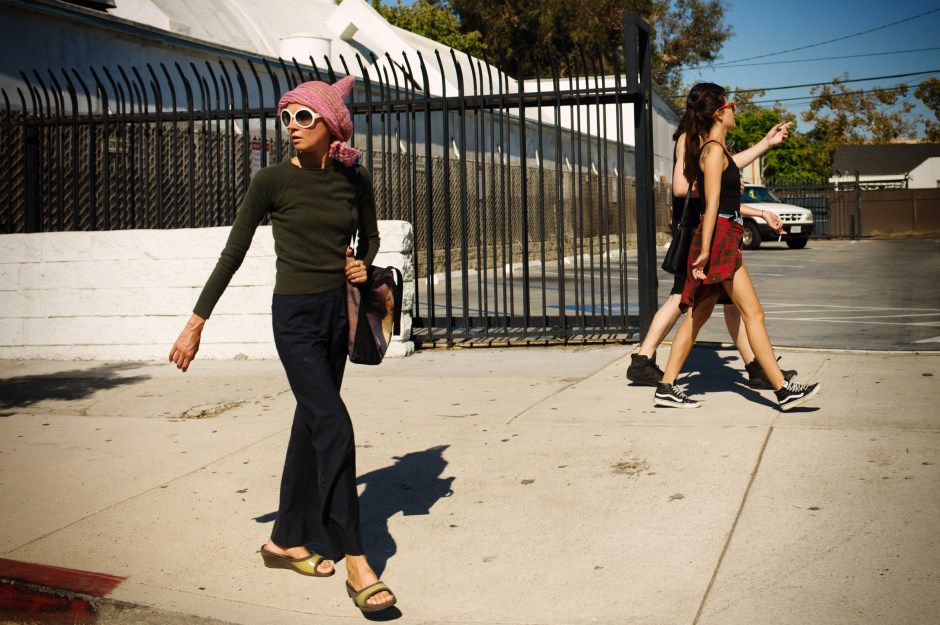


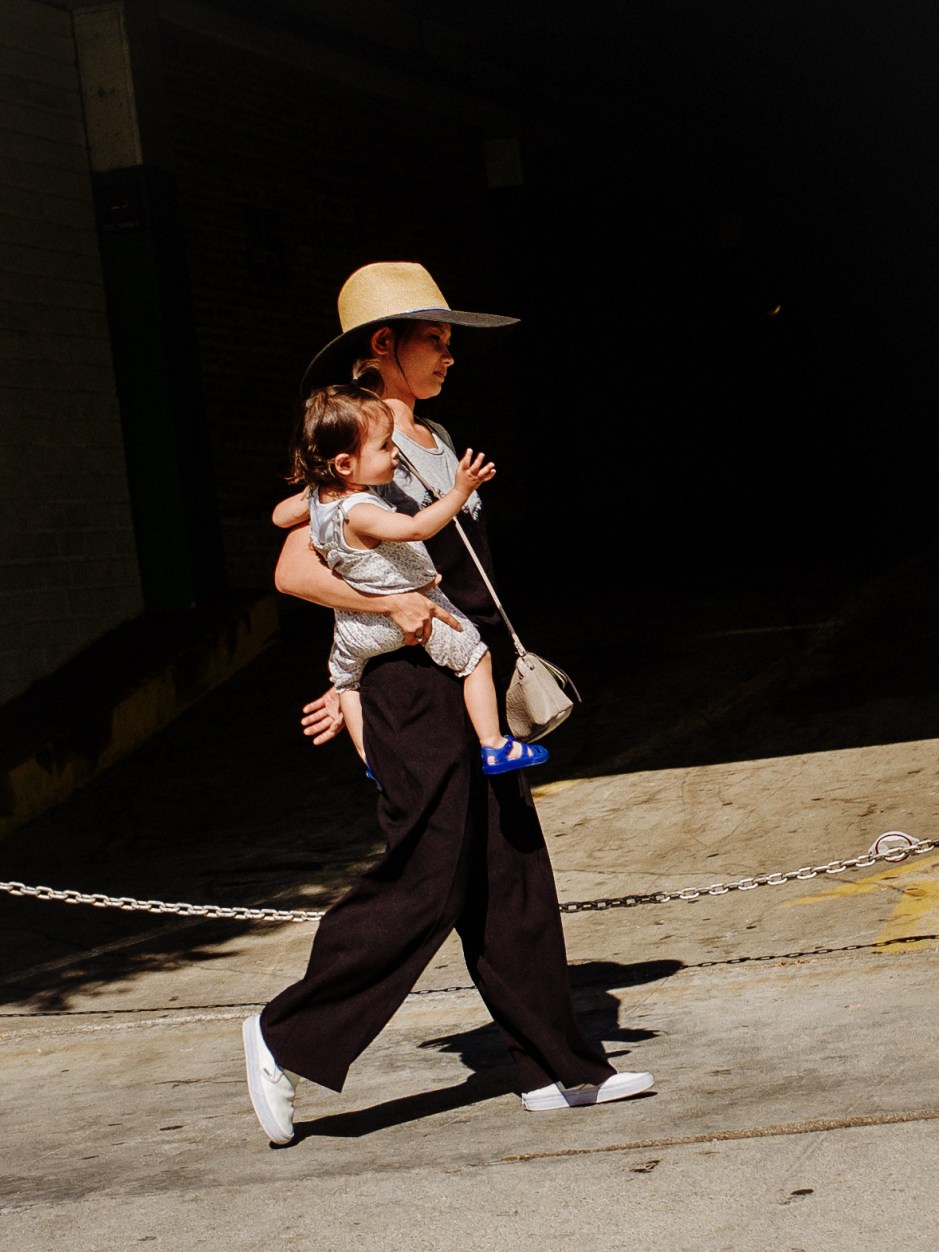
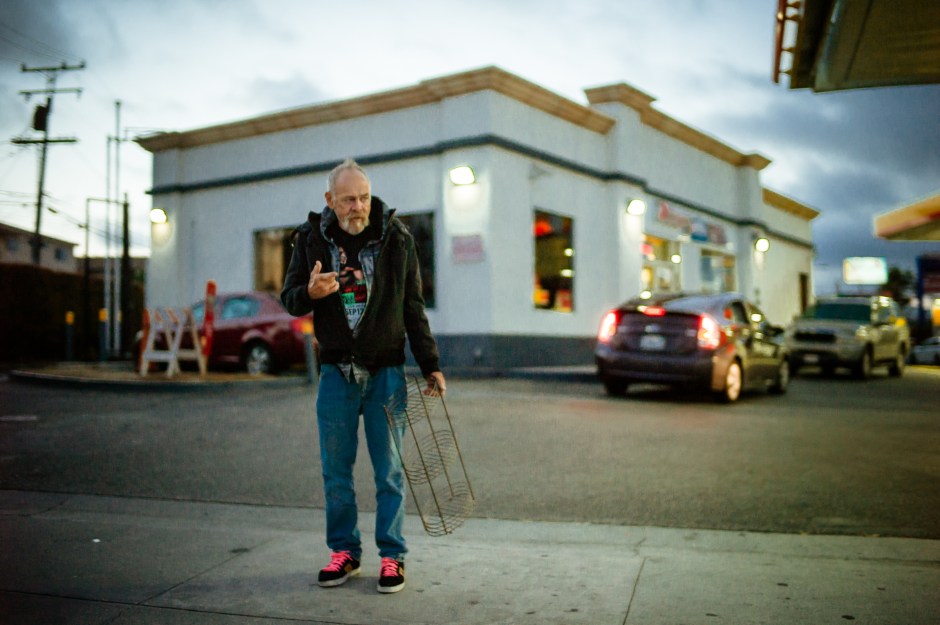










 “Diane Arbus: In the Beginning” shows, among other things, that Arbus settled early on many of her major themes.
“Street photography was the advanced mode of the day, and practitioners like Lee Friedlander, William Klein, Helen Levitt and Garry Winogrand all claimed New York City as their turf. So did Lisette Model, a Viennese émigré with whom Arbus studied briefly. Ms. Model didn’t give her student much formal advice. Instead, she urged her to ease away from the stance of objectivity then considered requisite for serious photography and instead establish emotional relationships with her subjects, and see where that would take her. For Arbus, the advice was heaven-sent. It gave her permission to be the artist she was ready to be.”
“Diane Arbus: In the Beginning” runs through Nov. 27 at the Met Breuer, 945 Madison Avenue, at 75th Street; 212-731-1675; metmuseum.org.
Source: Previously Unseen Arbus, Unearthed Years After Her Death – The New York Times


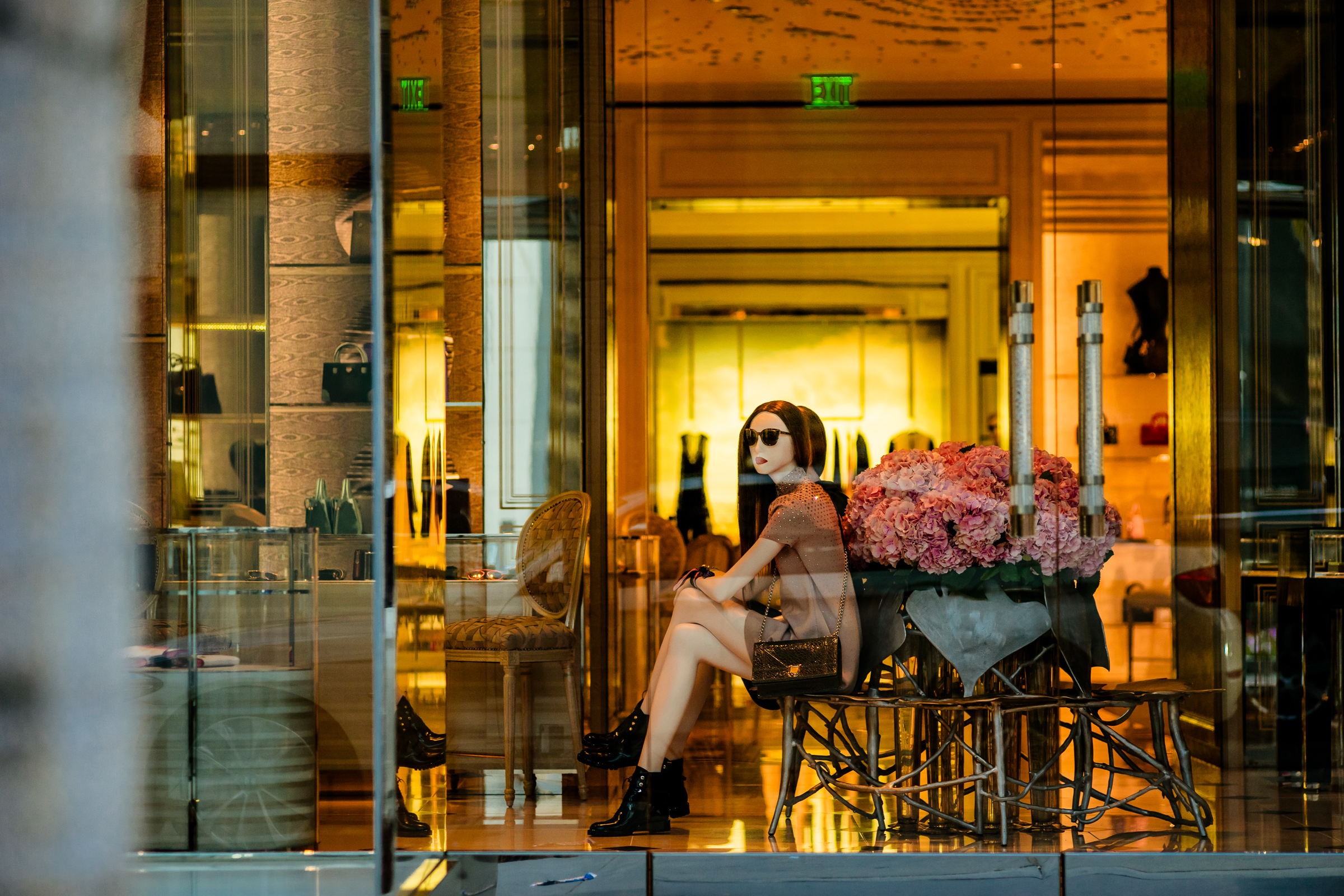
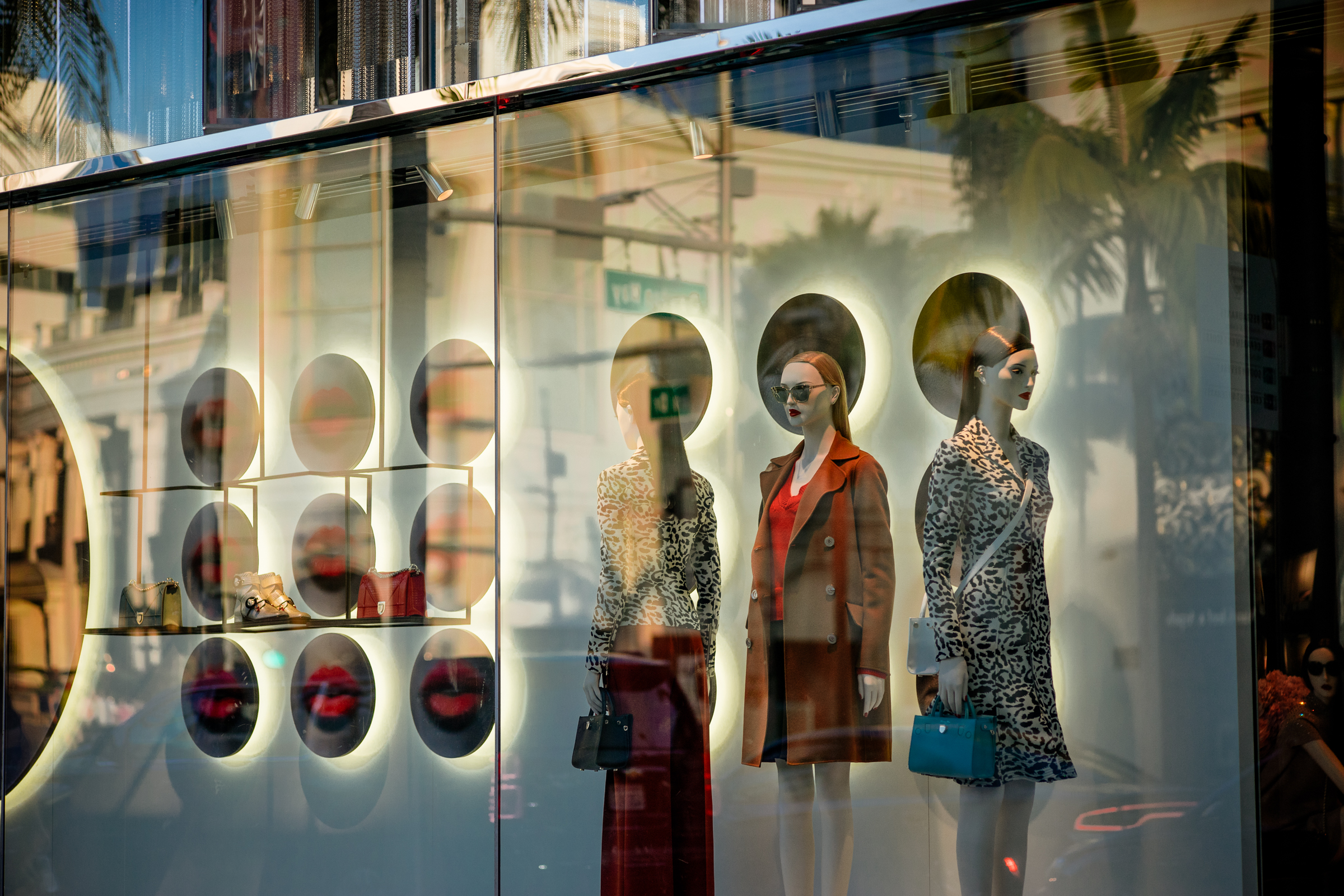
That’s Rodeo (ro-DAY-oh) as in Beverly Hills. 😉

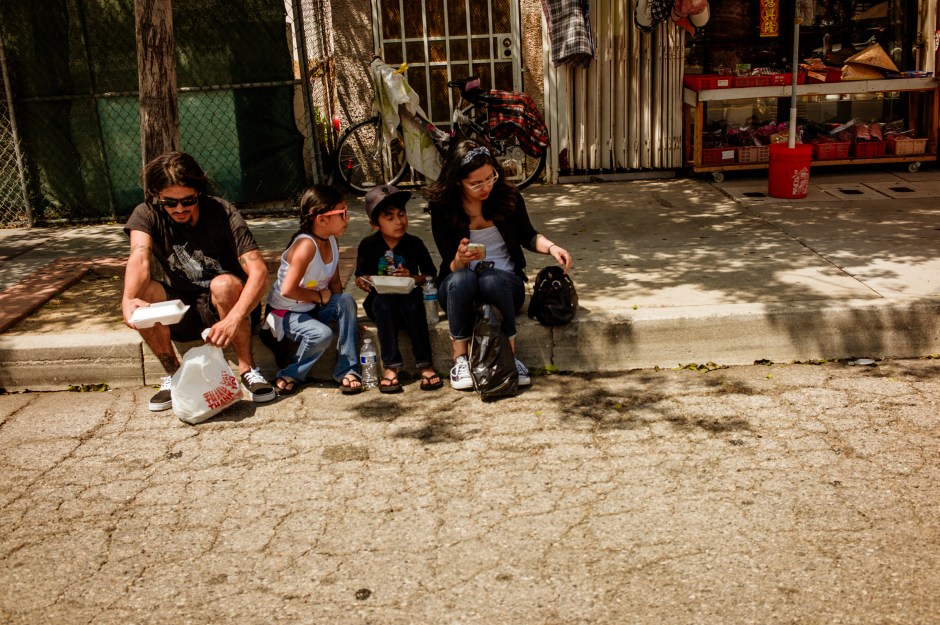

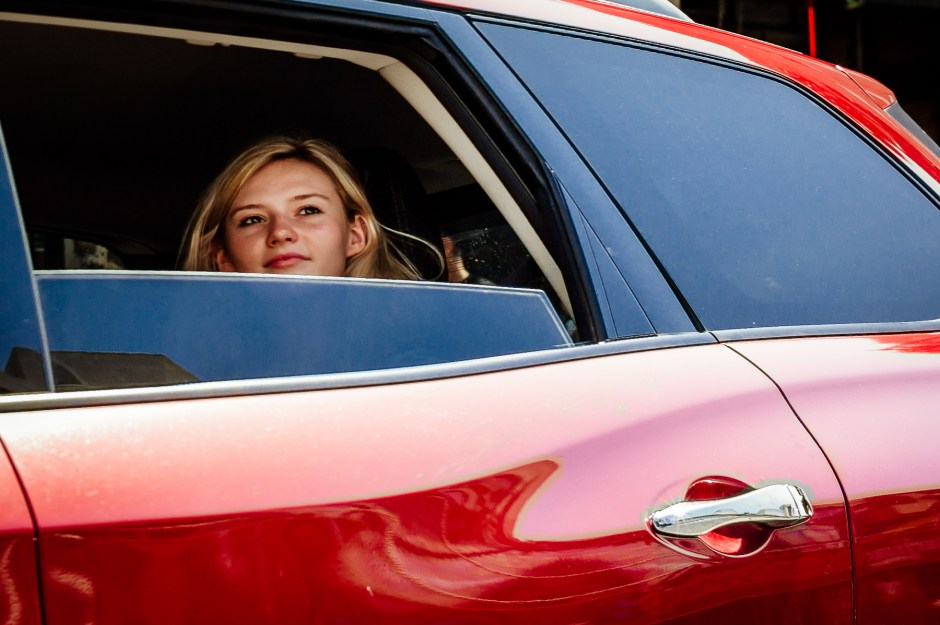


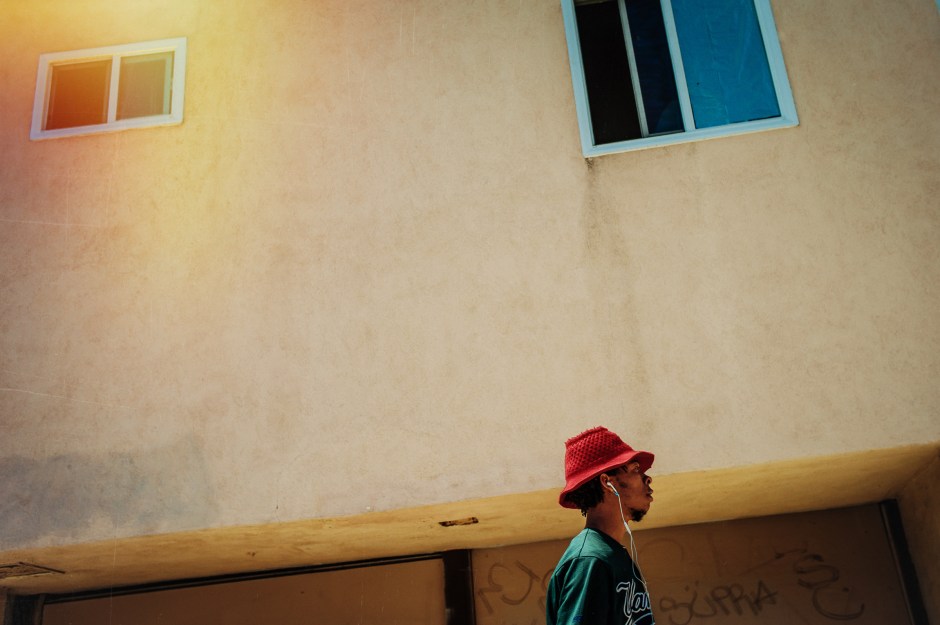
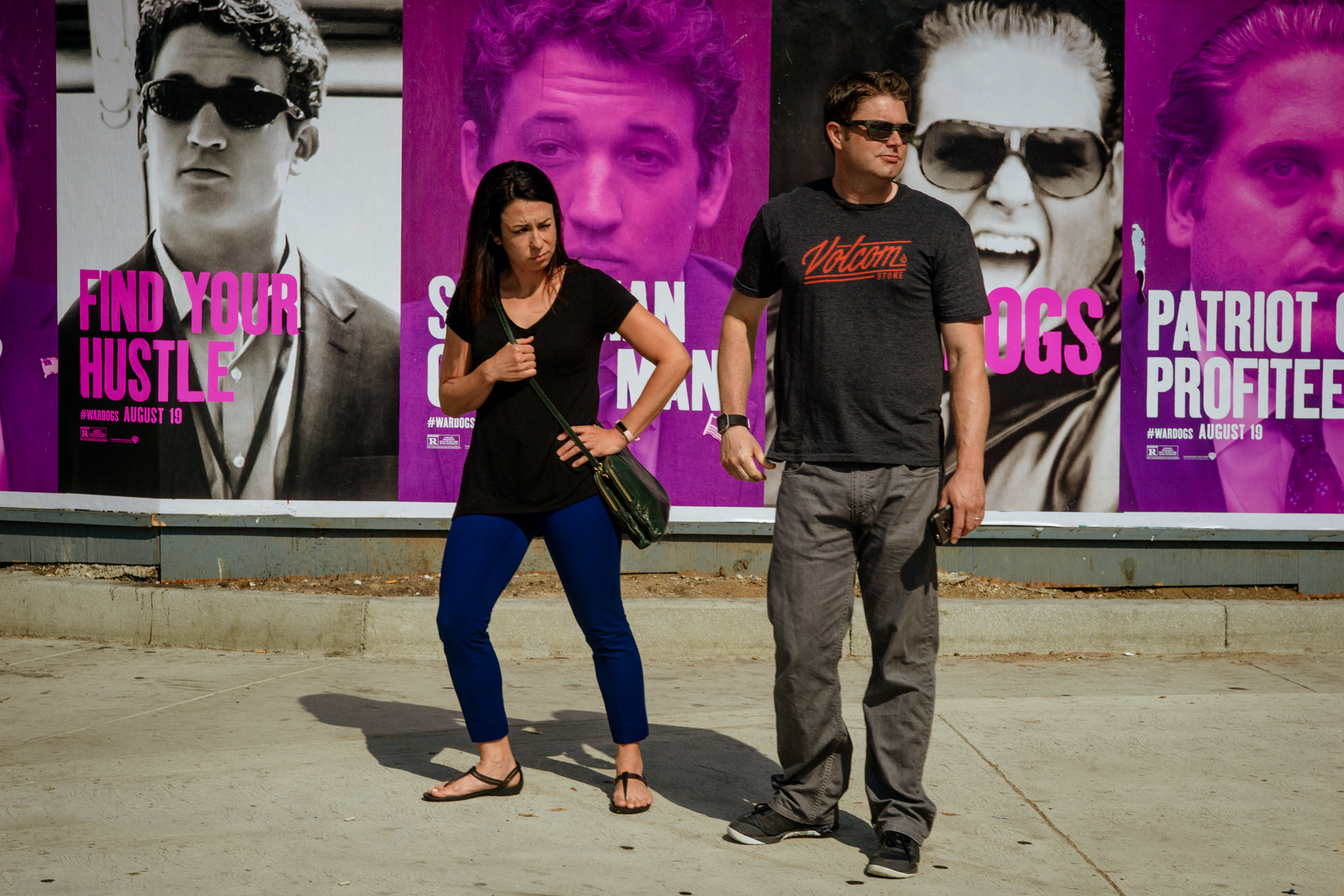
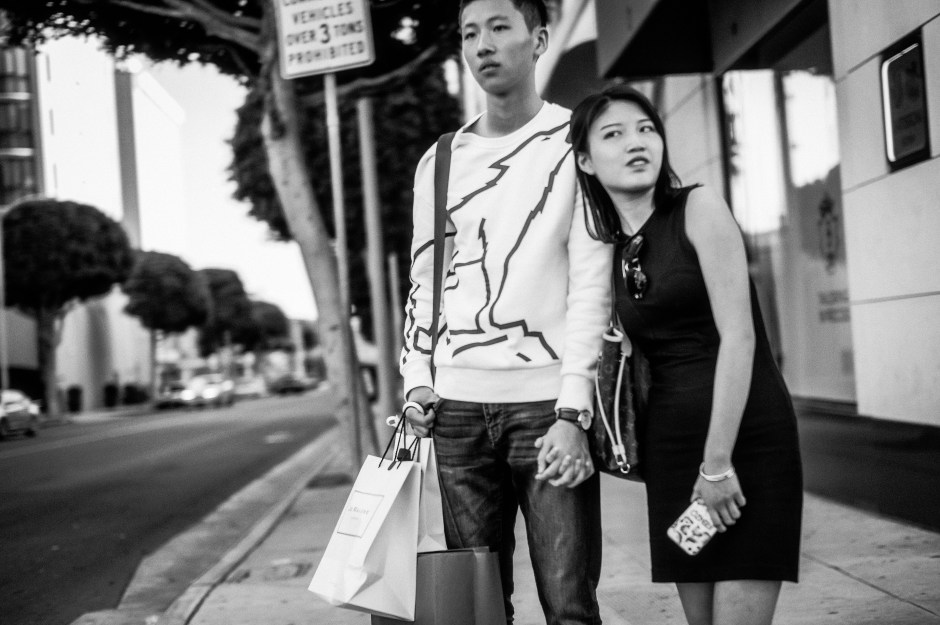
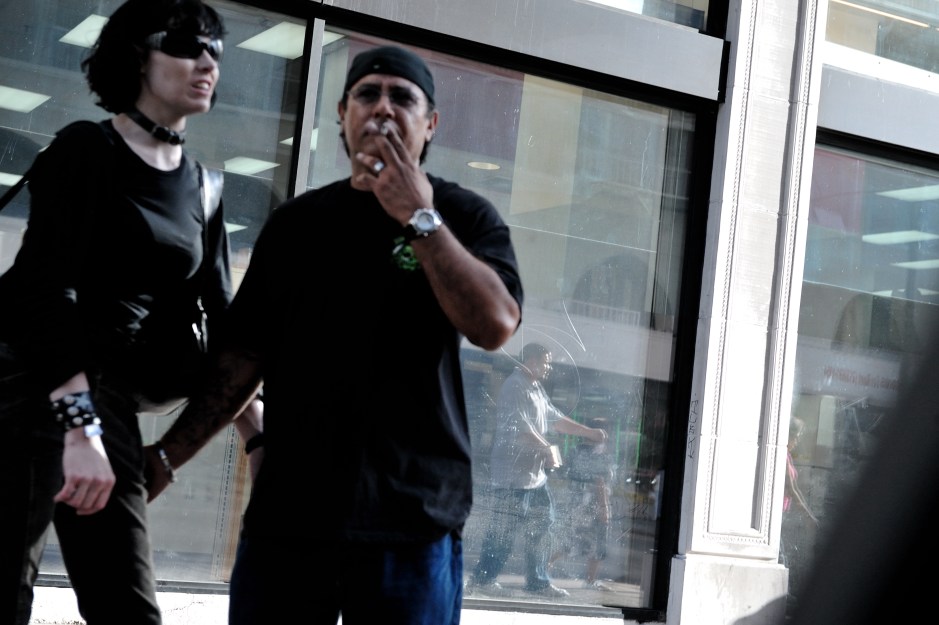
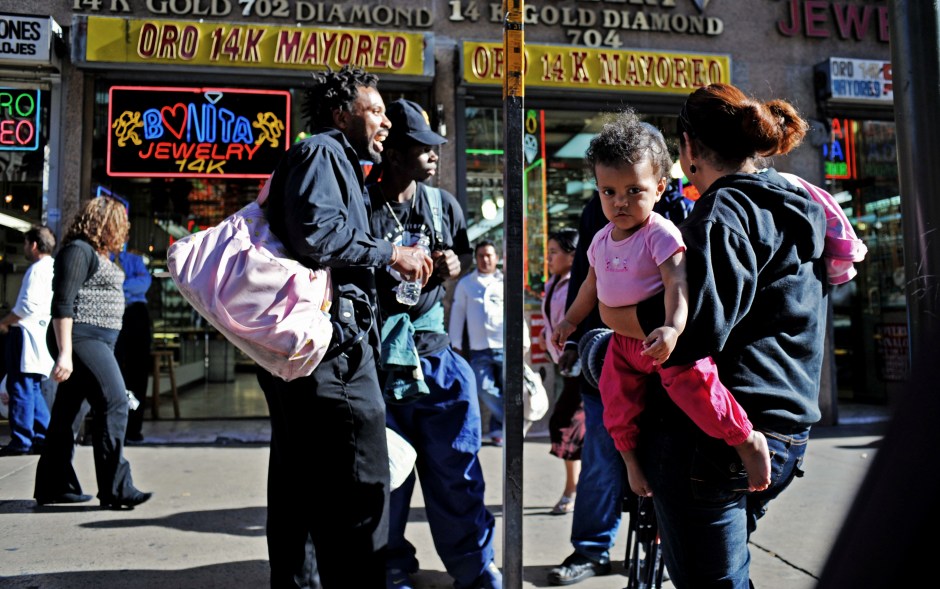
More old Nikon street photography. Not as old as most of the stuff from last week. These were from the Nikon DSLR days. D70, D2Hs, my favorite, the almost disposable (I had two) D80, the mighty D3, and the D700. Oh, and in there somewhere was a D200. 😉

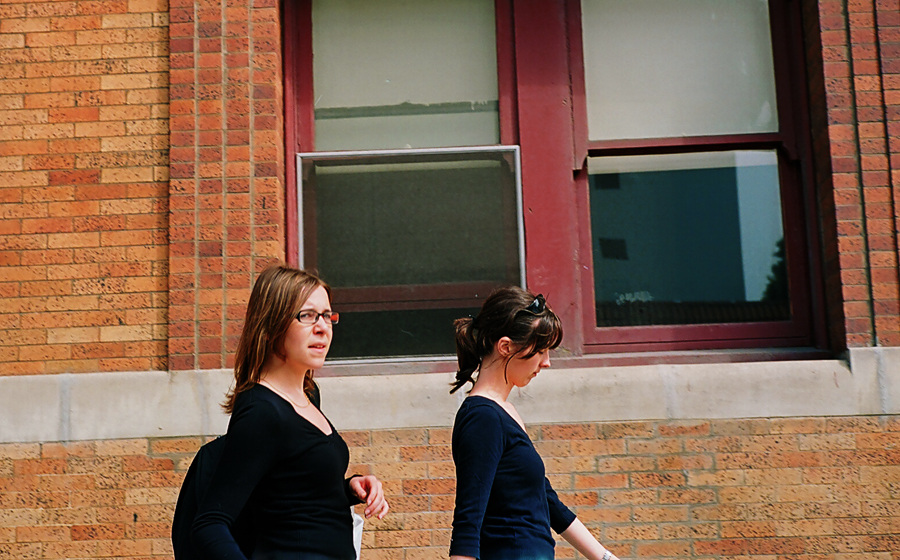
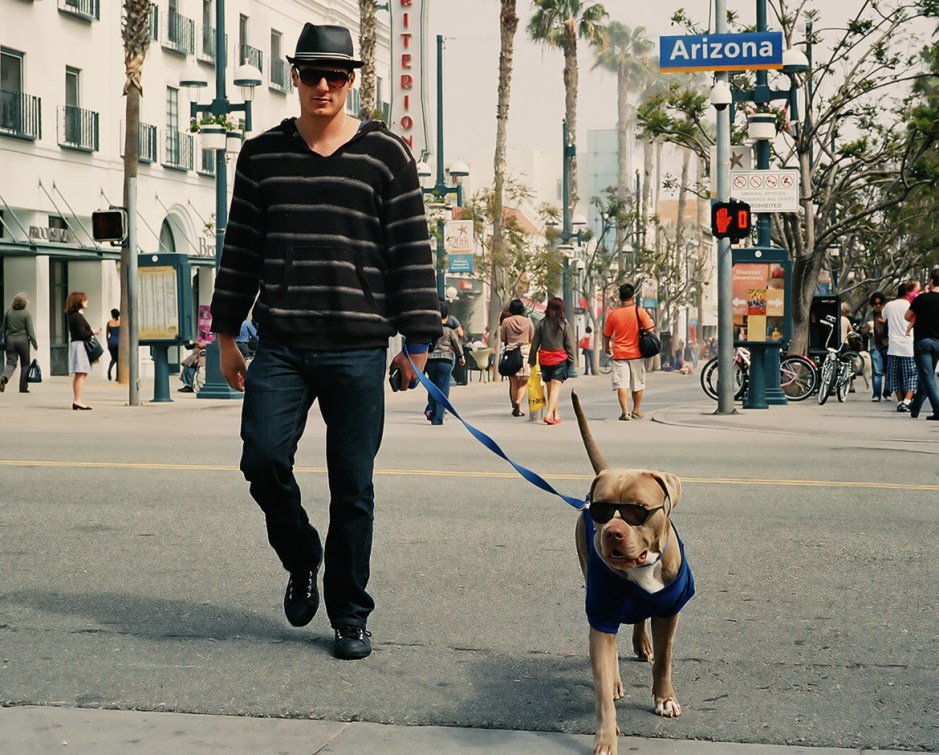
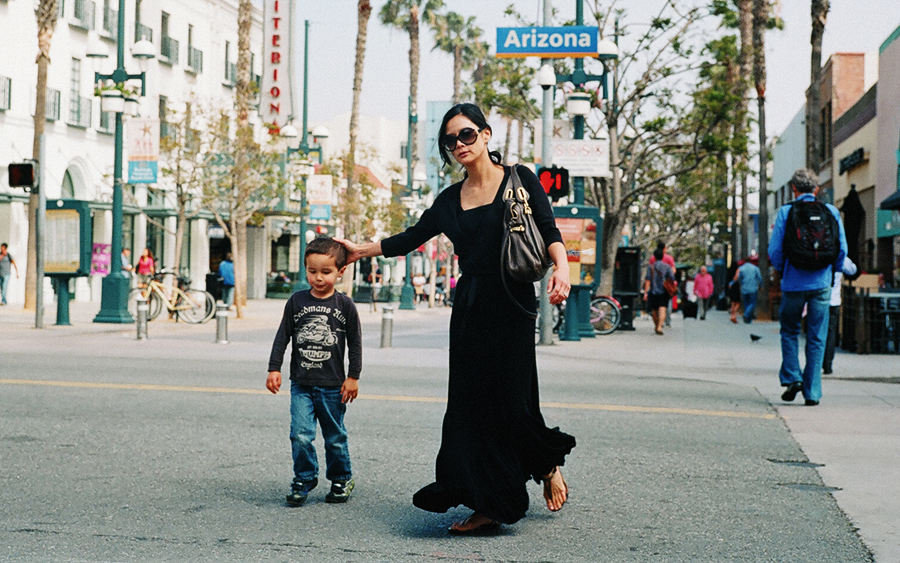
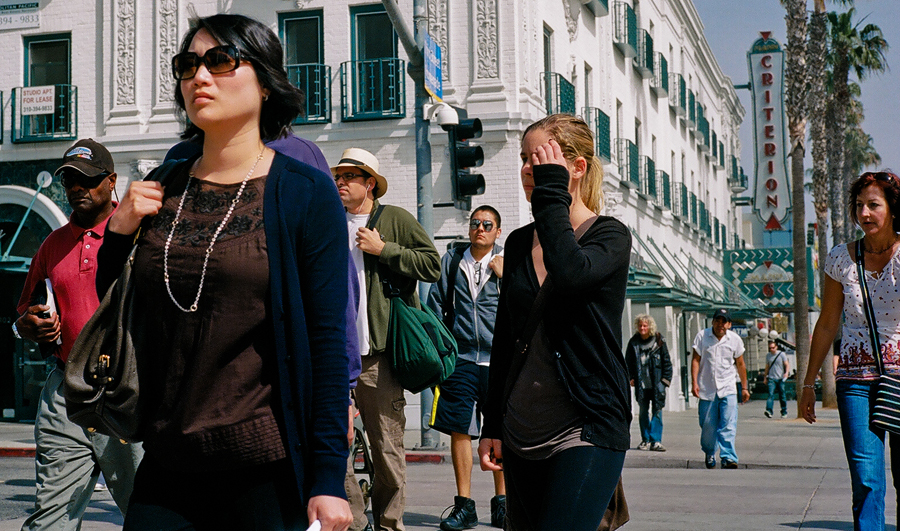


Yes it just keeps on going. I THINK all or most of these were taken, as were the rest in this week’s blast from the past, with the Nikon Coolpix 950. Trusty little devil. Between 2000 and 2004. Which is mighty trusty indeed for a first generation digital camera. Solid.


I grew up in Aliquippa, Pennsylvania. Aliquippa was the home of a giant steel mill; at one time it was the largest in the world. The entire monstrosity was near 11 miles long and employed close to 15k workers.
The town was like something out of a rust-belt boom-town dream. Or was it a nightmare? Aliquippa was in the Guiness Book of World Records for having the most bars per square mile. A recent article in our local newspaper put it this way. “Aliquippa was a dirty little town of 30,000 with more bars, bordellos and gambling rooms than most would care to admit. In 1918, a state Supreme Court justice offered the following assessment of Aliquippa:
It is said that the region is largely peopled by uneducated foreigners, who invariably carry concealed deadly weapons; that murders are common; and that when a quarrel ensues, the question as to who shall be the murdered and who is murdered is, largely, if not wholly, determined by the ability to draw such a weapon quickly.”
When I moved to Los Angeles I understood that this place certainly had its share of dangerous areas and situations. It was the 1980s and there was a crack epidemic and gang violence was a scourge in LA. So I resolved immediately to stay on the Westside and far from the bad areas of town. And I held onto that resolve for the first ten or so years that I lived here. But, you know, being a person from the place where I come from, the street has its attractions to me and after playing it safe for so long I longed for something that seemed more like home. Sounds weird to me now even to type that.
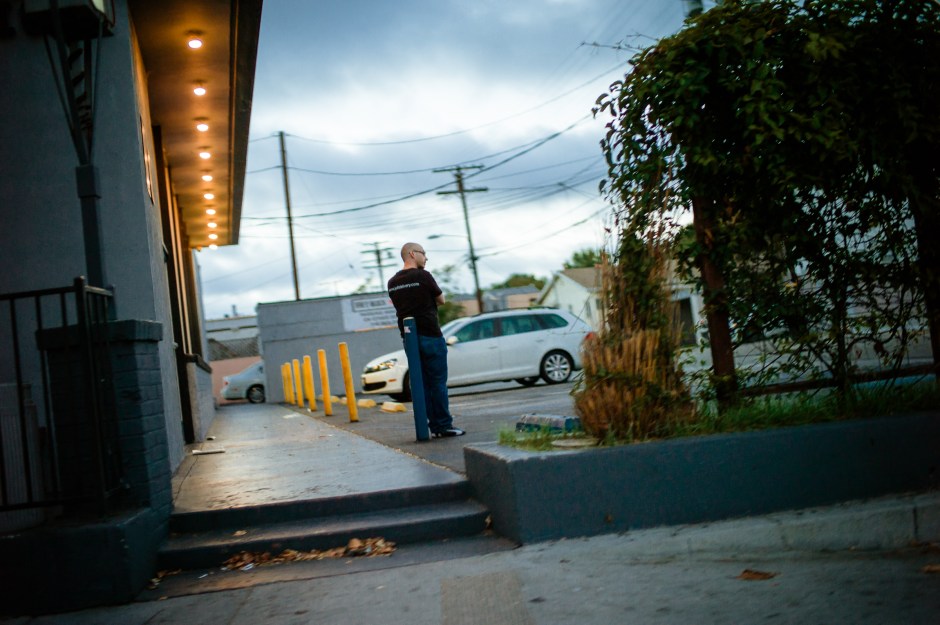
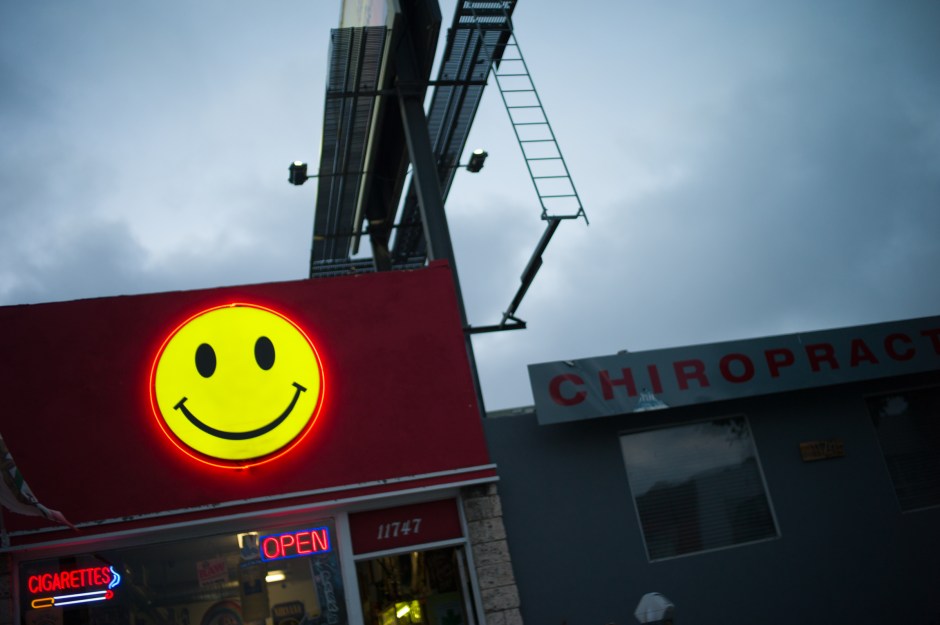
So I become somewhat familiar with some of the more interesting parts of LA. And at night. So when digital cameras finally became available with their convenience and the ability to experiment, check your results in real-time, and move quickly on, I had the greatest idea. Go out and shoot the bad parts of town with my digital camera. lol.
Well, ISO capabilities back then weren’t at all like what we have today on our digital cameras. And I didn’t actually, it turns out, have a death wish. 😉 So this project wasn’t something I devoted many evenings to. But it was an interesting time in LA. I think the LAPD had street crime on its heels at that moment. Or was it the exact opposite? I remember both periods quickly followed each other. Different police chiefs and different approaches. Anyway.
I had some tricks. I would go out on really REALLY cold nights. Nights that cold are really uncommon in LA so when the chill hits here, the streets can be very deserted. Anyway. Hope these images capture the imagination that I was gripped with when I took them. I would be the first to admit there’s probably not a single really strong image in the whole bunch. But they do capture something of the atmosphere of the city back then. The darkness and strangeness I was after more than anything else.


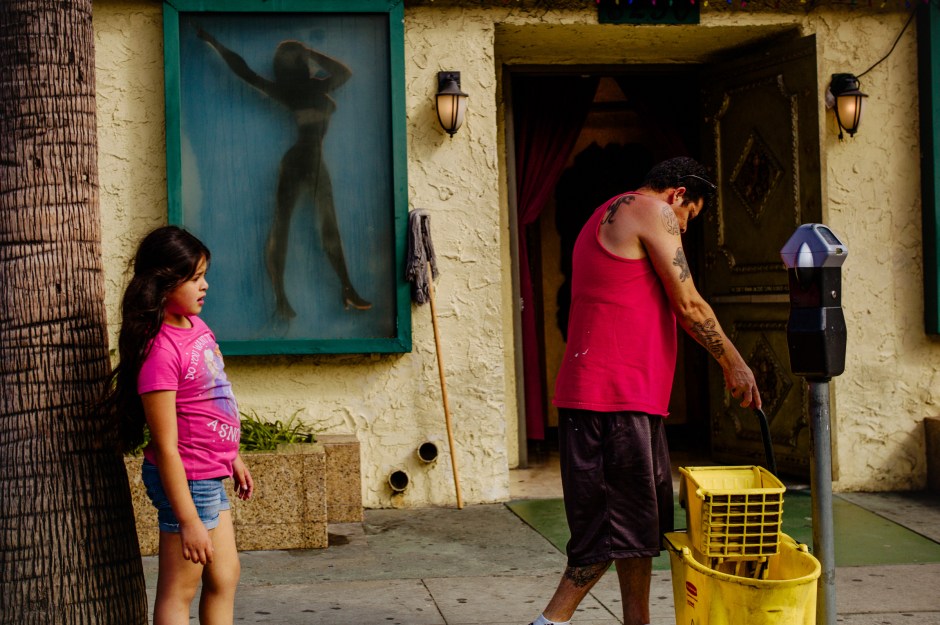
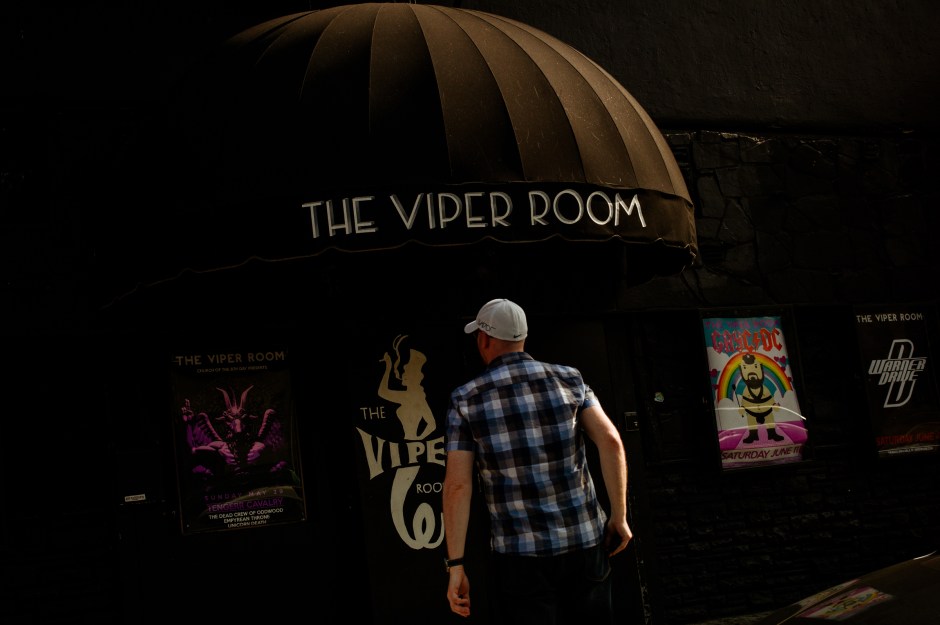
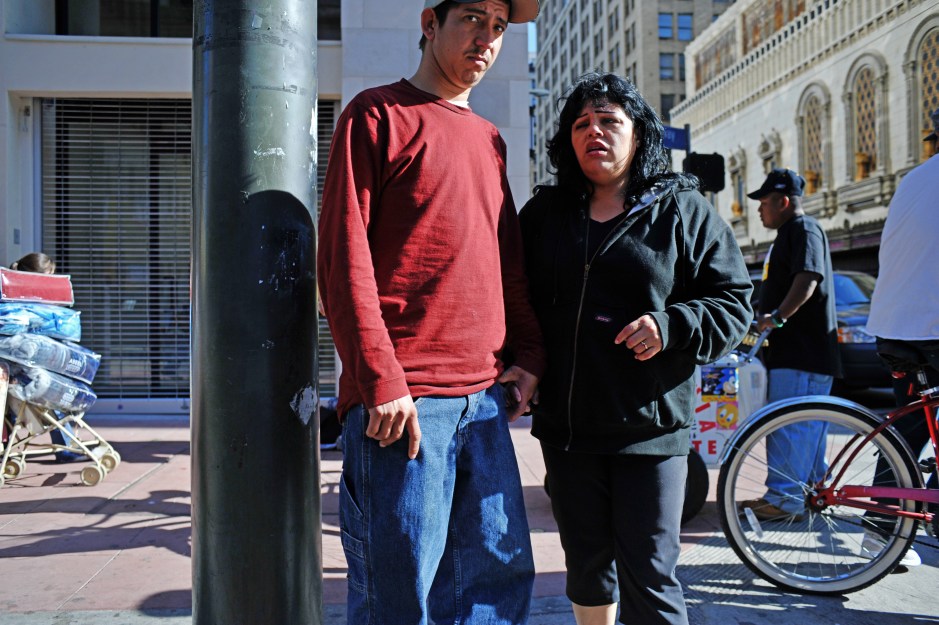
More from the Nikon Coolpix 950. Probably from around 2000 to 2004. I’m like Vivian Maier Lite. Less calories. Less filling. Etc. Please enjoy responsibly.


Again, these images were taken with one of the first great digital cameras, the Nikon Coolpix 950. Probably from around 2000 to 2004. I had so much fun with this camera that twisted the part with the viewfinder from the side with the lens. Twisty little sucker. Like having a viewfinder camera and I don’t know why I remember it being ‘live view.’ Maybe I’m misremembering. Anyway. Yet even more images to come tomorrow.


All of these images predate even my first DSLR, the Nikon D70. These were, believe it or not, taken with one of the first great digital cameras, the Nikon Coolpix 950. Probably from around 2000 to 2004. Yes, I’ve been doing this a long time. More to come.





 50'Lux