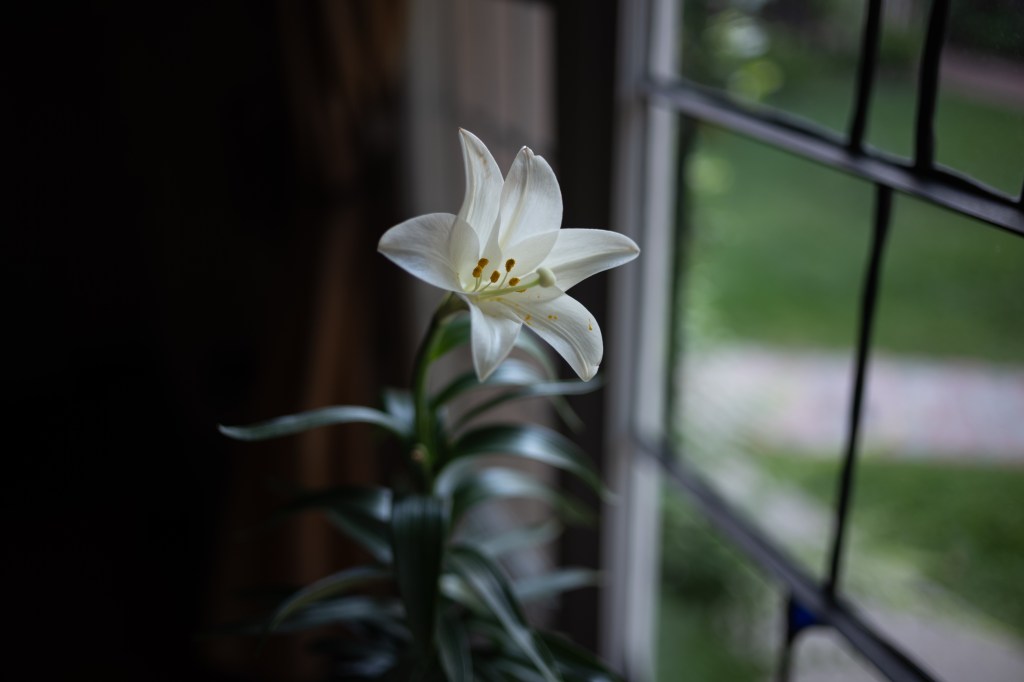
Leica

The Beguiling Light

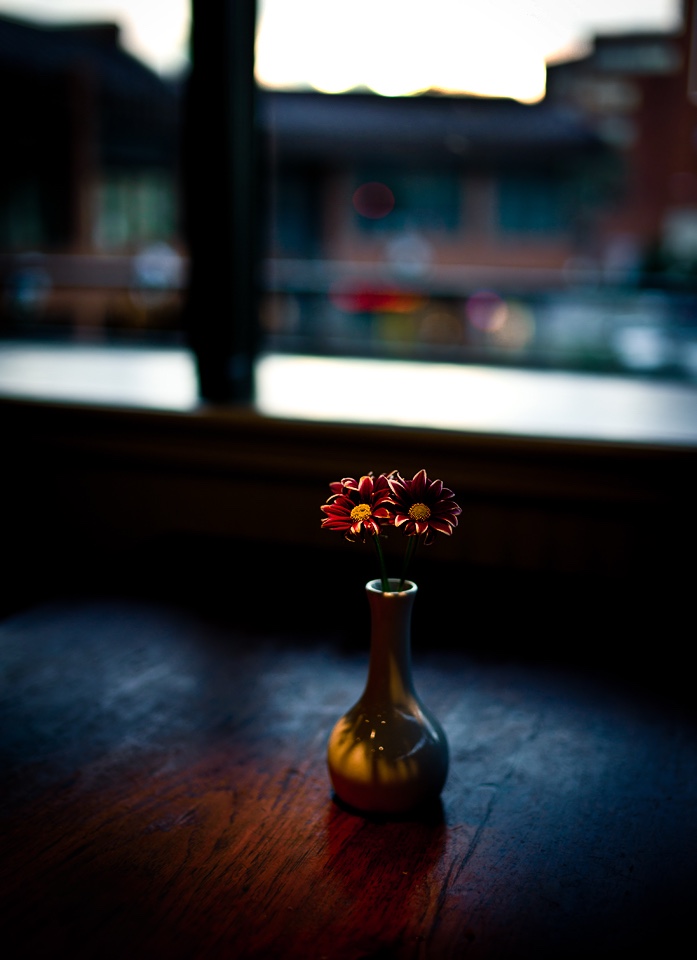
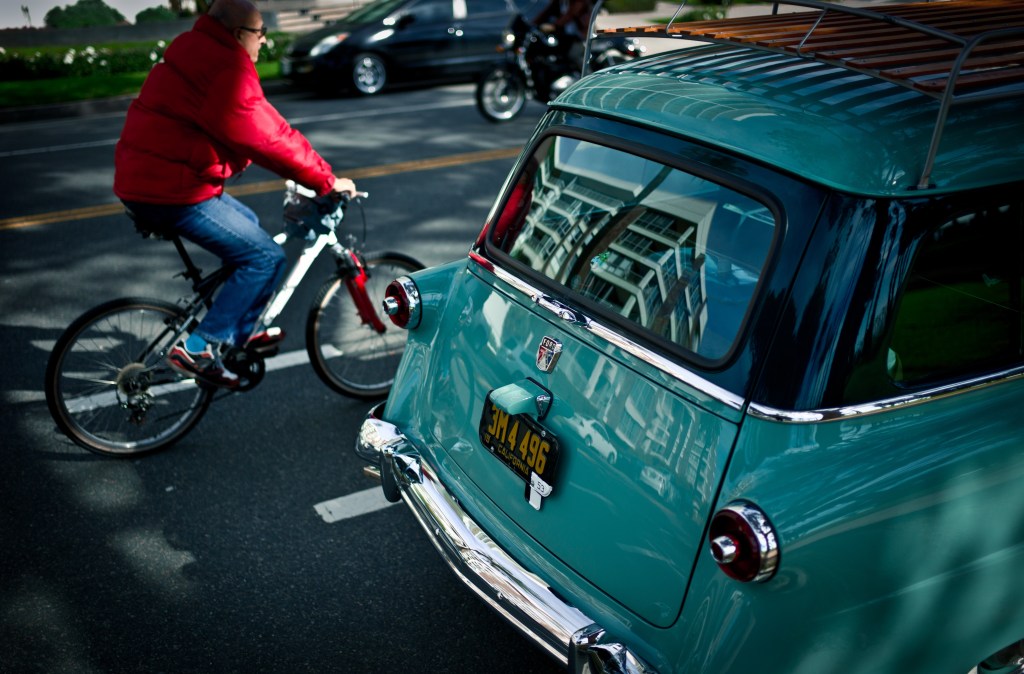
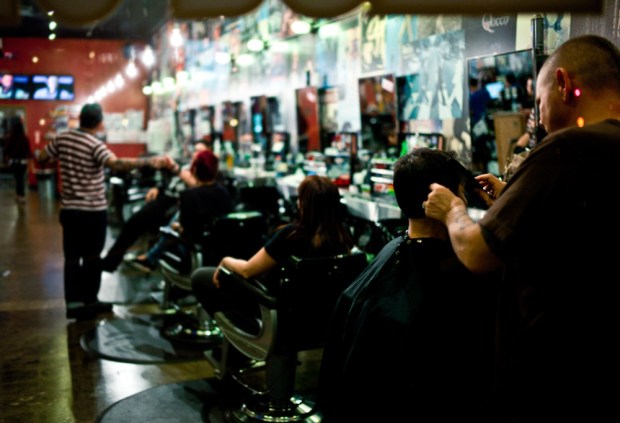
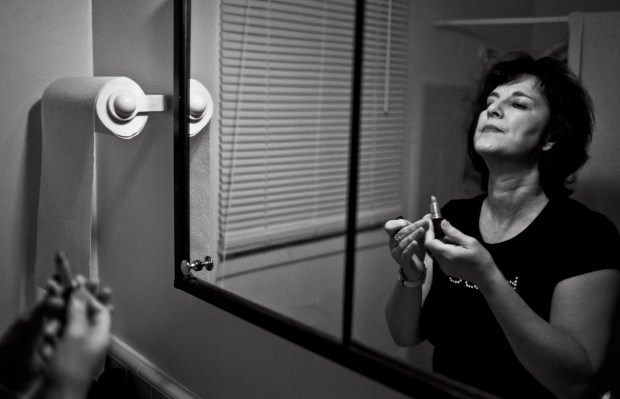
Leica 35mm f1.4 Summilux FLE v2

First, the ‘Lux is back in my life, baby!

Let me tell you, it’s been very weird the last many years to have a website named for a lens that I no longer own. But those days are over. Sort of. You see, the latest ‘Lux isn’t a repurchase of the site’s namesake 50mm f1.4 Summilux. This ‘Lux is the 2022 release of the updated 35mm Summilux FLE v2 and we’re not going to change the name of this place over 15 silly millimeters.

No, the title of this piece is not a misspelled soap opera. It is, however, kind of my own personal photographic soap opera. But what you’re about to read here is also a master class in using a Leica M camera with fast glass. I promise you. Do not doubt me. 

Is it intended to be a master class for you the reader? No, I’m not that arrogant. But please partake freely nevertheless. It’s really meant to be a master class for yours truly. I have to write this all down now so that I never forget it. Ever. Again. Because I did forget it. I forgot everything I once knew about how to really use a Leica M. 

That occurred even though I’ve been using my M10 pretty much all the time the last few years. But I’m shooting street photography in daylight. I’m shooting with f2 lenses which are almost invariably stopped down to f5.6 on up. Or down. Whatever. Numbers go up, size of the hole goes down. That’s photography. 

Also, for the first time in my photographic life, I’ve taken to using Auto-ISO on both my Leica and Nikon cameras. Finally, at long last, that feature actually works for me. I shoot most often from a moving car. So I need fast shutter speeds. I can’t always focus at 35 MPH. So I also need small apertures. I think you get the picture. This is not Leica Summilux f1.4 shooting. And, while I wouldn’t call it brainwashing, shooting like this does have the tendency to condition someone to look at the process of camera settings as they relate to exposure in a certain light. 

It’s also not indoor low-light event photography, something I used to do quite a bit of. Not so much with Leica gear but, for my personal use, which included a lot of low light wide-open shooting, I pretty much shot only Leica for well over a decade. Even before I got my first digital Leica, the M9, in 2010, I’d been shooting film for a couple of years on a sugar sweet M7 and then later pairing that with an M6. 

I was lucky to be able to afford those Leica cameras, even used. But I couldn’t also afford actual Leica lenses, so I shot with a Zeiss 50 f1.5 Sonnar and a 40mm Voigtlander Nokton f1.4. 

When I got my M9, however, I wanted to shoot it with Leica glass so I picked up the tiny and quite remarkable 35mm Summarit 2.5. So I was set. Loaded for bear or whatever else. I could now shoot my Leica all day long, play games, experiment, it was amazing.

Just one week after picking up my new Leica digital kit I had to fly off to Chicago for a BIG TIME event, which included a pre-dinner the night before. But here’s the thing, I’d already been shooting Leica film bodies for a few years. I’d read and learned so many things. So I had this old archaic film mentality about exposure. I wouldn’t call it brainwashing but… 
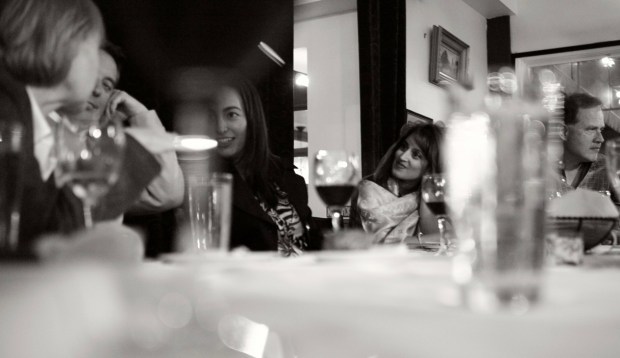
Leica 35mm f2.5 Summarit

I was ready. I already knew the M9 wasn’t great over 800 ISO. The widest aperture of that generation of the Summarit family of lenses was f2.5. Do the math. No matter where I was, I was going to need to shoot at very slow shutter speeds. I think I shot the entire weekend at 1/30th all the way down to a quarter of a second. 
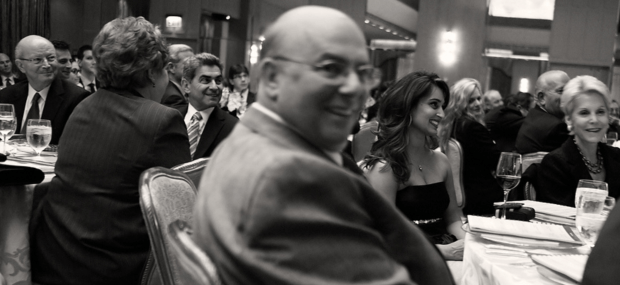
Leica 35mm f2.5 Summarit

The pictures I produced that weekend in Chicago were what I’d fantasized about making as I built my photographic dreams up from a young age. I’ve always said my photographic aesthetic is Cincinnati newspaper photographer. And these were mostly old-school photojournalism style shots with some occasional digital razzle-dazzle thrown in. I’d owned the digital Leica and lens for one week and yet I’d never done anything better, and, to this day, I’ve never been more satisfied than I was with the images I came away with from that trip. 
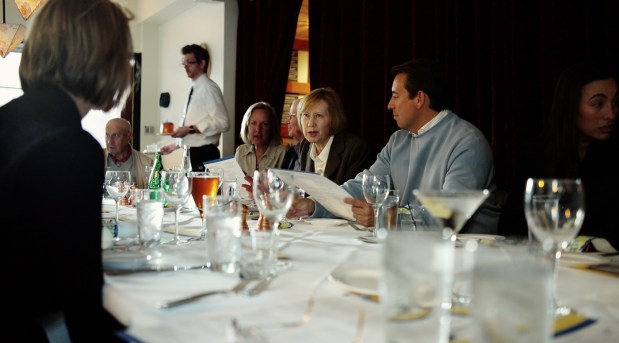
Leica 35mm f2.5 Summarit

Whatever I was thinking that weekend in 2010, however, whatever photographic strategy I was applying to the challenges of the events and the lighting and the various focusing distances and issues like camera shake, it was all lost from my mind a long time ago. My photographic instincts had been completely rewired many times over. 

For God’s sake, I’d even taken to shooting Auto-ISO. Need I say more?

Then came the new 35mm Summilux. Just a few days ago, but 15 years later. And, for the first time in like, forever, an event. And so, as you might’ve imagined, disaster surely followed. I pushed my ISOs into the stratosphere. I shot at 1/125th of a second. My mind had been rewired. Okay. Gloves are off. I had been brainwashed! 

The lens itself is incredible. This is actually my second 35 FLE. I got my first in 2010, even before I was able to get my hands on the 50mm Summilux this website is named after. Same optical formula as the first FLE but maybe newer coatings push out wide open sharpness to the very edges. But the close focusing capabilities, on a 35mm lens? GTF out of town, people. Just go. Leave, right now. 

This 35 is a lifestyles photographer’s dream. 
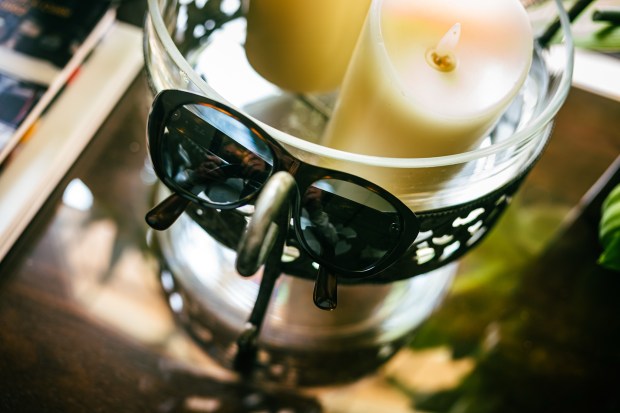
Leica 35mm f1.4 Summilux FLE v.2

But I didn’t know what I was doing. I didn’t have a clue. And when I got home I felt sick looking at my images. I’m not a professional photographer and I haven’t pretended to be one in years. But this event was personal. And stressful. There was a pro photographer working the room there and no one was even taking cell phone images. The atmosphere was elegantly reserved. Even if it is the same ballroom where they host the always wild and wooly Golden Globes Awards telecast. So pulling out even my tiny M kit was awkward at best and I only managed to grab a handful of frames. 

But enough of all that. Let the master class begin. 

The Master Class Begins 

In order to really know how to best use Leica M cameras, and fast lenses, you have to go back to the principles of the design of the M camera system and the minds that conceived of and continued to build on that design. Seriously. 

But first this…

We all know the exposure rule on focal lengths and shutter speeds. To avoid camera shake, it is best to shoot at shutter speeds no slower than the focal length number of your lens. So if you’re shooting a 35mm lens, for example, you wouldn’t want to shoot at a shutter speed below 1/35 of a second. 

But Leica is Leica for a reason. Many reasons. “M” bodies are flat and sit flush against the shooter’s face. The lenses are small. The center of gravity of the entire kit is mostly stabilized just by the act of bringing the camera up to your eye and holding it steady. 

So that old shutter speed vs. focal length rule. Forget it! That’s right. THROW IT OUT THE WINDOW. You can, for example, hand hold a Leica M body at half or less than half of your 35mm focal length and get incredible, even reliable, results! 

And I’ll add this. We’re always trying to replicate the looks of the film photography of yore. Right? Of course we are. Almost everyone uses filters on their cell phone pictures at one time or another to try to emulate the look of vintage photographs. 

So here is a stealth vintage photography pro-tip courtesy of the old pros. Slow shutter speeds. Creates an entirely different look than shots snapped at mere hundredths of a second. Who knew? And remember, this is actually how so many of those beloved vintage and historic shots were taken. So do the same thing the 20th century greats of photography did in order to take one giant step towards achieving similar results. Duh-UH! 

So let’s talk about the red dot. Not the one on the lenses. The one inside the viewfinder. You know what it’s there for, I’m not going to tell you. But think about what the minds who put it there were thinking when they came up with this idea. Think of what they created. A solid red dot tells us that, in theory, our camera settings have delivered to us a proper exposure. There are chevrons (arrows) that may appear pointing our index finger that is resting (hopefully) on the shutter speed dial in the exact direction we might want to move that dial in order to make that red dot solid if it isn’t a spot-on proper exposure. 

But unless we are just simply and dumbly shooting an object (which is often the case) we might not (even infrequently not) want a spot-on proper exposure. In some cameras, we might use exposure compensation to achieve something more or less than what the camera’s light sensor might consider to be a proper exposure. 

But not us and not with a Leica M. Because we have the red dot and the chevrons. Never forget that, my people. Never. Ever. (Pounds fist against forehead.) 

Think about what these 20th century Leica geniuses created with their M camera system. They gave us more than we know. 

Why, for instance, might the chevrons be even more important than the red dot? Well, how about this? What about when we’re not dumbly photographing mere objects? What if we’re photographing light? Which is, you know, what we’re actually doing anyway no matter what we think we’re doing. (I’m not going to go into the whole light thing as it applies to photography, but it IS a thing and it is a thing for a reason.) 

So what are the photographs that catch your eye and make you sigh with appreciation, even if only for a moment? What is the most charming aspect of any image? Is it the subject? Yes, it can be. But I’m going to tell you that that is rarely the case for me. I may be incredibly interested in the subject of a photograph. Or the scene or the decisive moment. But what makes me truly stop in my tracks when I look at an image is always the light. 

Natural light is king, especially as it is bouncing around indoors. Pictures of nothing important. Back lit objects. Reflections on a shiny floor. Doesn’t matter. We love the light. 
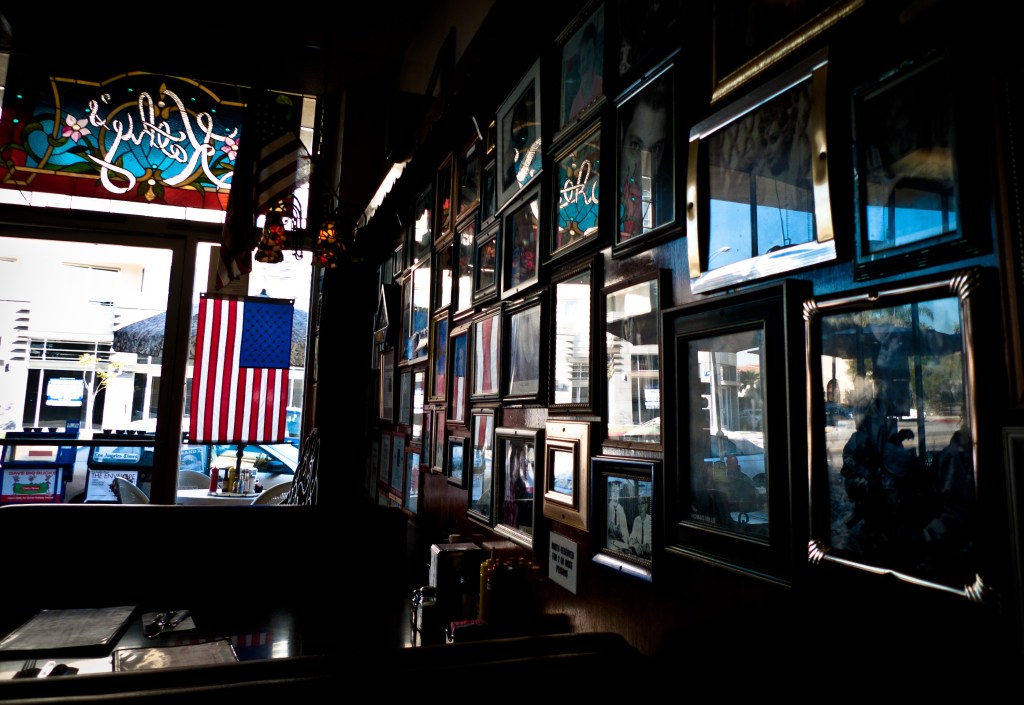
Nick’s Cafe, Pico Blvd (no more)

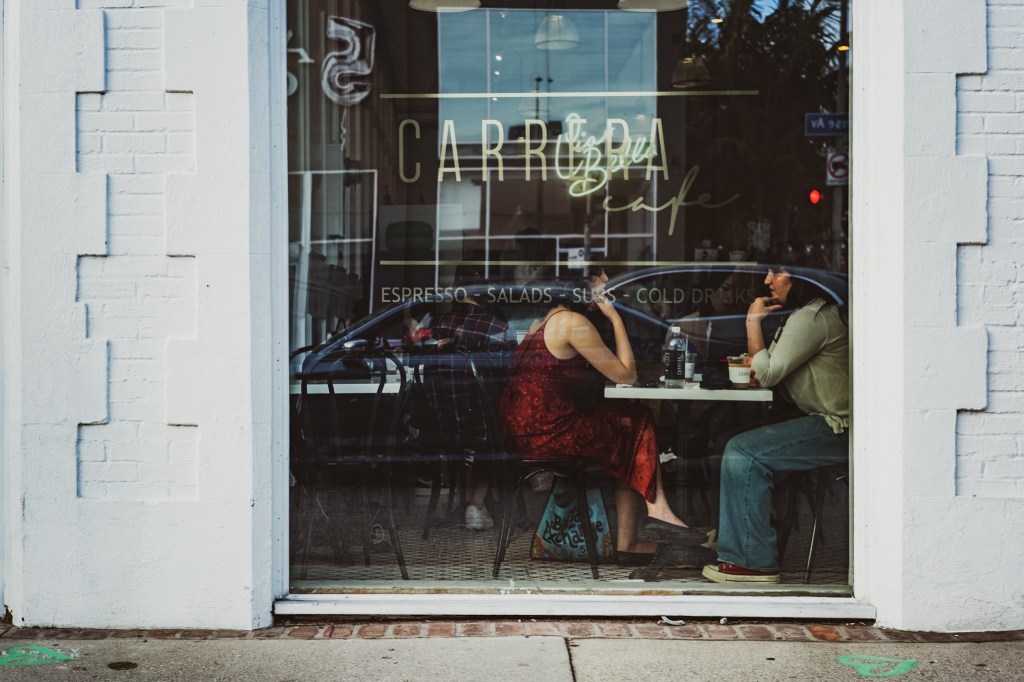
Dimly lit rooms with artificial lighting also offer many opportunities to make available light the charming star of your photography.
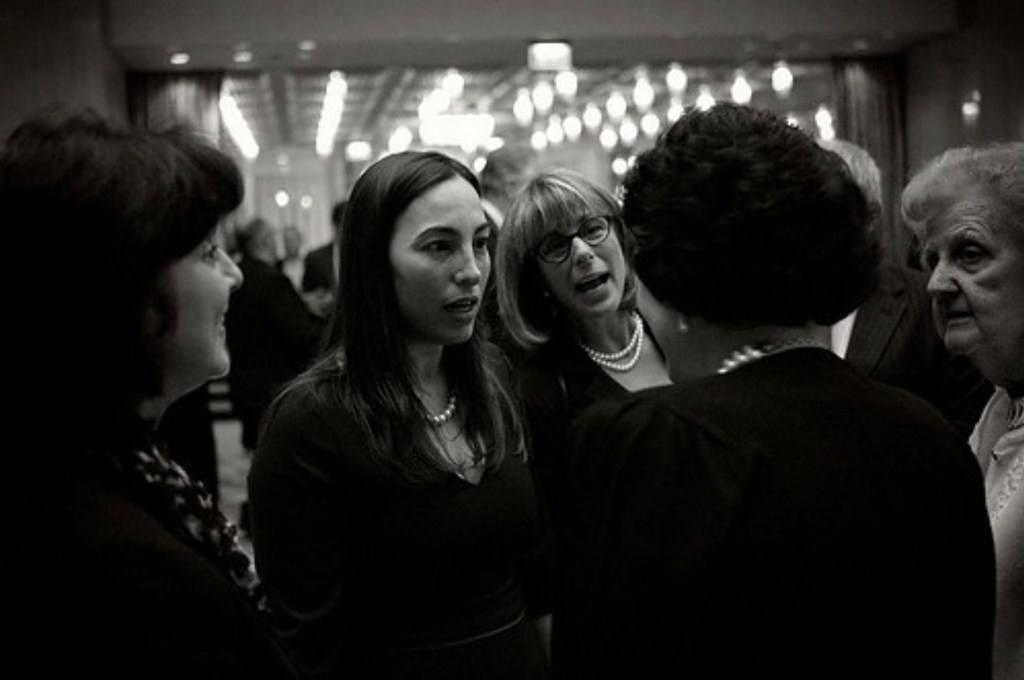
Leica 35mm f2.5 Summarit

And it’s not something you have to work all that hard to achieve. You just have to fully appreciate that the artificial light that is available to you, even dull uninteresting light that you might otherwise scoff at, IS nevertheless light, and that you simply need to adjust your exposure settings, as well as your mind, to take full advantage of that light. 

Not by boosting your ISO. 

But by slowing down your shutter speed. 

So here is the process… 

Okay, so maybe it isn’t THE process. Maybe it’s just my suggested process. Maybe I’m just talking to myself to try to make sure I never again forget the things I once knew. 

So you walk into a room. Or an event. You think like you’re living in the pre-digital days of film. Always. You look at the available light and you make a judgement on ISO. Again, think as if you’re deciding what film speed to purchase and put in your camera. Whatever decision you make, my advice is that it should be 1000 ISO or under. In the rarest of cases, you might push it to 1600. But just for a few shots. 

Yes, I’m fully aware of how good cameras have gotten at handling high ISOs here in 2025. I’m telling you to put all of that out of your mind. It is poison. If you’re shooting a Leica M with a Summilux lens you freaking idiot (talking to myself now) you are living in truly rarified photographic air with a different set of rules entirely. 

So you’re in your room, large or small, and you’ve looked at the light and ball-parked an ISO under 1000. (Hey, if it’s a sunny day outside and you have good sized windows you might be fine shooting at 400 or even 200 ISO. You will get GORGEOUS images.) You open your lens to its maximum aperture. Turn on your camera and look into the viewfinder. Look at the red dot and look at the chevrons as you scan the room. 

The only exposure adjustments you make at this point is with the shutter speed dial. Focus on something near the middle of the room. Take some shots. Adjust according to the chevrons and then against what the chevrons are telling you. Look at the images. Look at the light near the windows. Is it pretty? Or is it too much? Or is it too dark? Settle on a shutter speed that looks best to you and leave it there. For a moment. 

Then take more pictures of other things around the room. Notice you may have to slow the shutter speed down even more for objects further away from the window. Hold the camera steady against your face and keep in mind always that you don’t have to worry about shooting a Leica body with a 35mm lens at single-digit shutter speeds. JUST DO IT!

Get used to this process. Try to hard wire all of this into your brain as option numero uno when shooting fast Leica glass in available light. Make it second nature. Set an ISO for the environment you’re shooting in. Open the lens up all the way. Go as slow as you need to with the shutter. Rinse and repeat for as long as you shoot Leica. 

I’m not trying to be a snob here. But this is a piece about how best to shoot a Leica M body with ultra-fast glass. If we can apply any of this to other camera systems–as I’m sure we can–then go for it. Please. A lot of this is just a basic old-school photography approach (my own) from before we had the capability to change ISOs at will or check our results on an LCD screen. 

So I ask you to think about what Leica has given us, even here well into the 21st century. 

They’ve given us an amazingly exquisite playground that exists in our minds, in our eyes, and in our hands. 

The most beguiling thing in any photograph is the light. Always. Light is the magical mystery of the universe. Man did not create light. Could not have invented it. Leica M cameras, like no other photographic product ever created, give us the opportunity to explore that universe and to play with the magical mysteriousness of light. 

If you don’t know that, I promise you will learn how true it is by simply following the process I’ve suggested in this piece. See the light, play with it, and photograph it. 

And, please. Never forget how to do that. 

I’ve only had the new 35 FLE for three days so all the images below were taken with the first (2010) version.
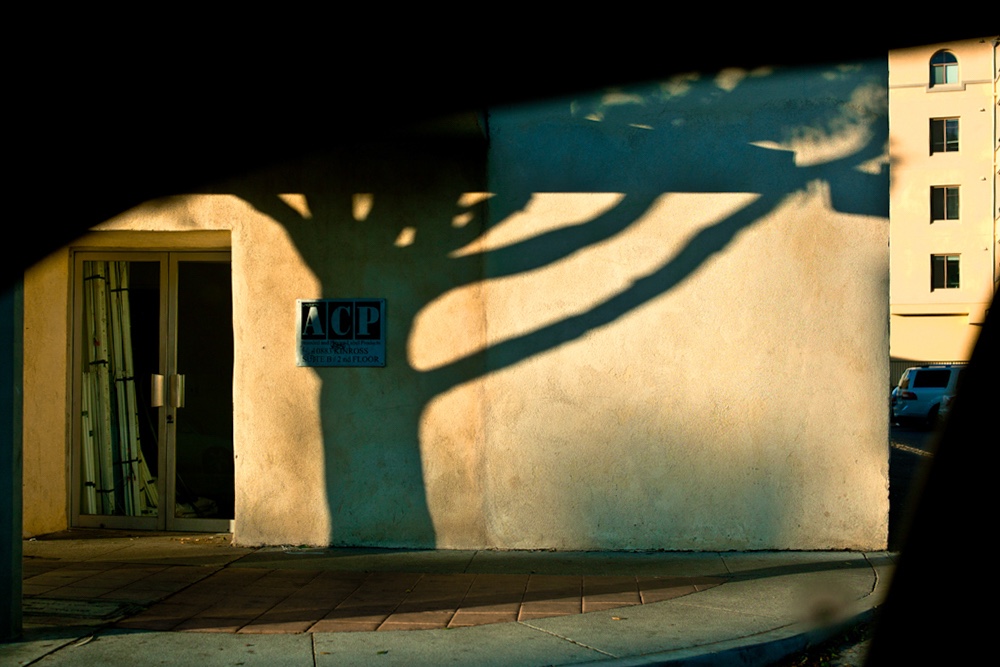
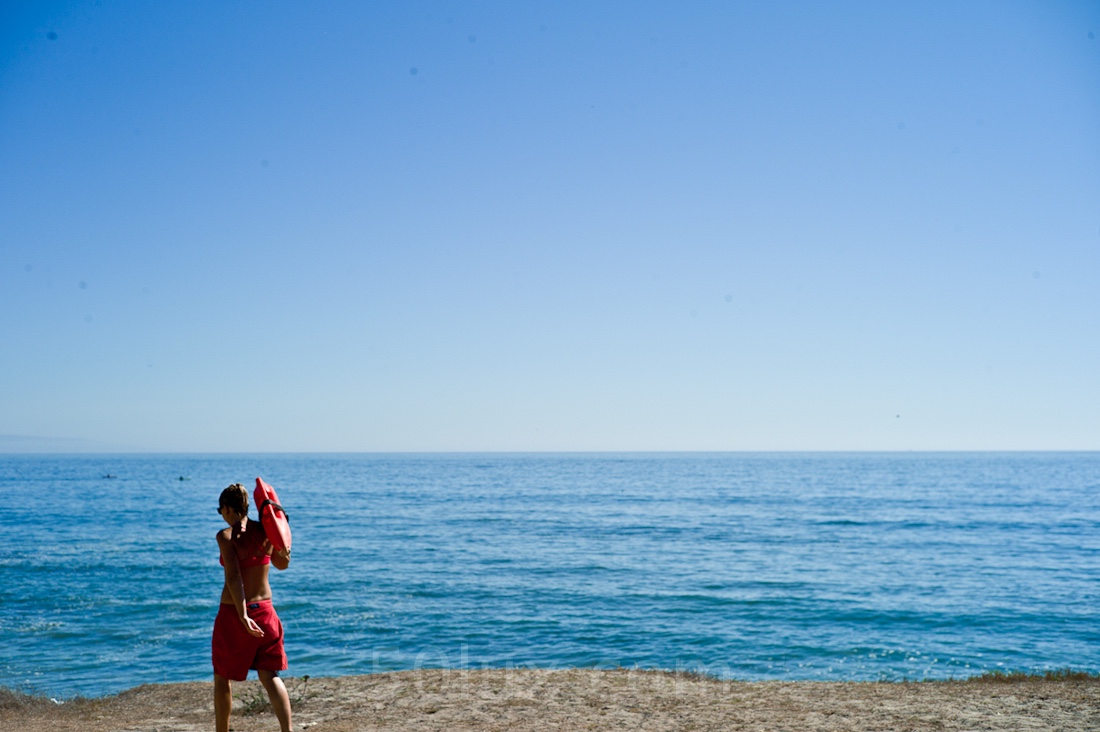
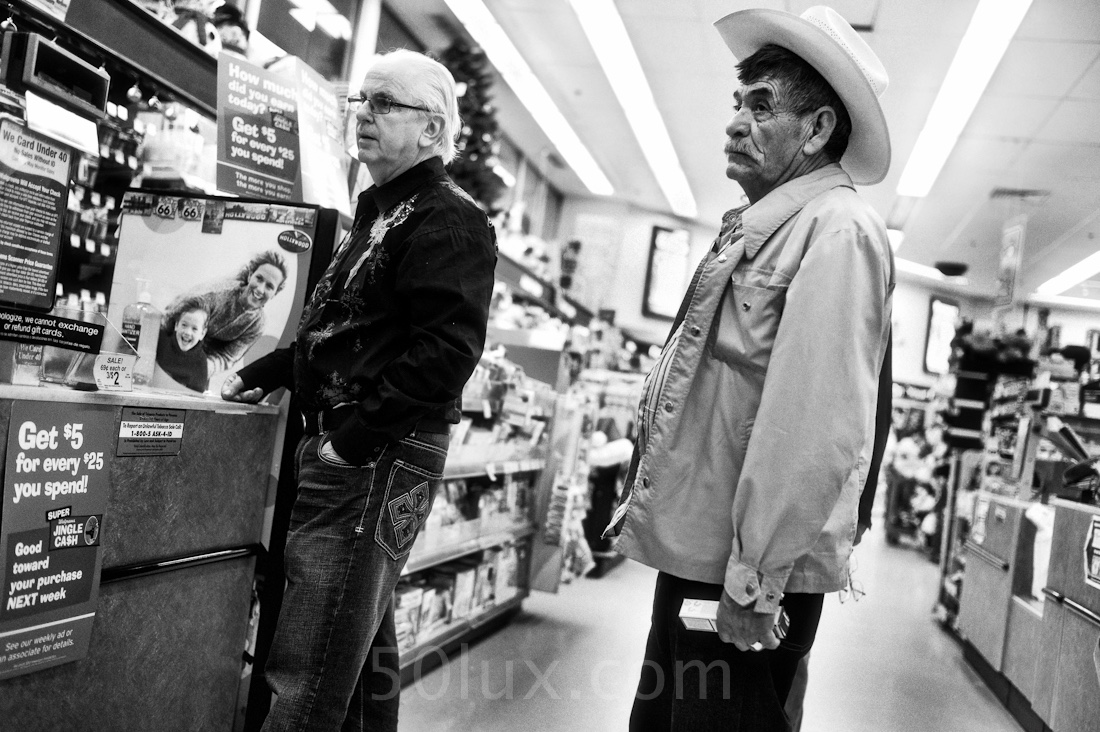
P.S. I officially no longer know how to use WordPress to post images. I don’t have any idea why my shots here appear to be so soft. They’re not soft and they’re certainly hi-res enough for this website. Let me add to the voices who have bemoaned the many changes to the user interface here. I think this has severely impacted my desire to post on 50lux.com.
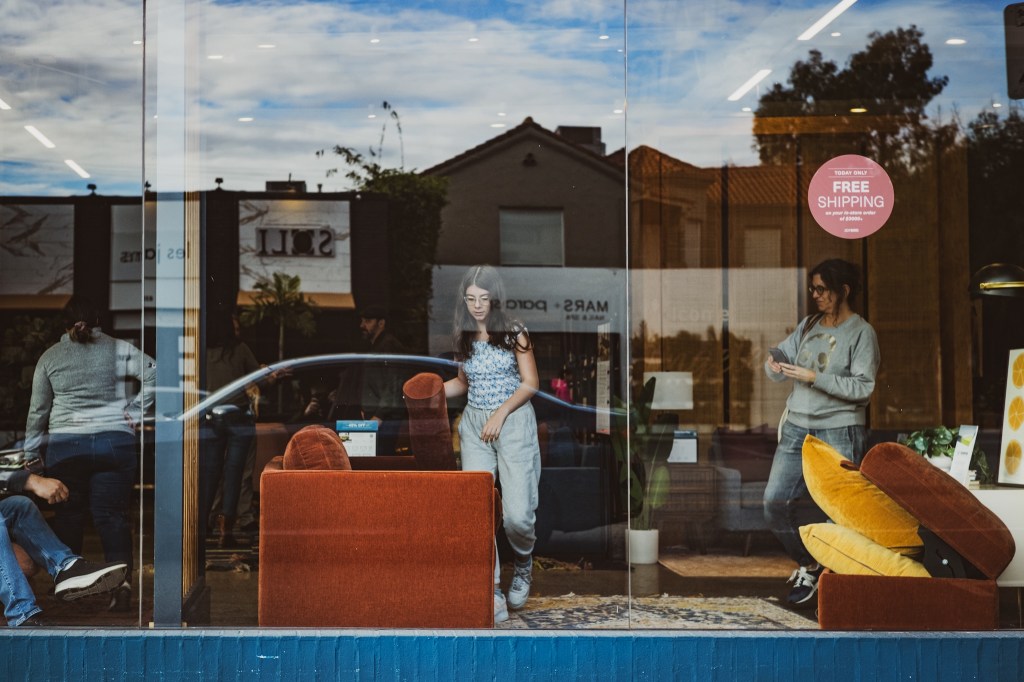
Meeting Julia Dean

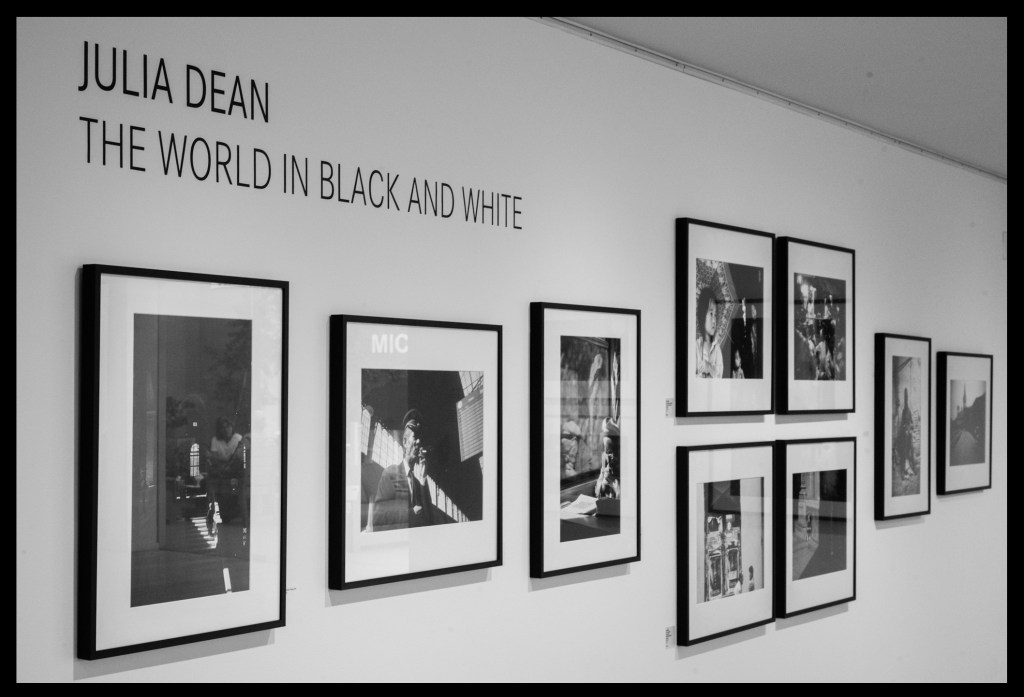
A great pleasure and long overdue moment for me this past Friday was finally meeting the amazing Julia Dean. Julia is quite possibly the most important figure to photography and photographers in Los Angeles ever.

She has a stunning exhibition of her black and white film work (made with a Leica M6) on display at the Leica Gallery in West Hollywood. Be there. The space is beautiful and the people at the Leica Store are wonderful.

Isolation, Minimalism, Voyeurism, Abandonment

No Hill to Die On

Saturday in Black & White

A Contrary Iranian Opinion on Suleimani


The Killing of General Suleimani Has United Iranians in Anger Against the U.S. So says the New York Times here. A comment by Laurie in New Jersey offers another perspective.

I think it is an error to say, as the author of this article does, “Iran is united—in anger at the United States”, and “the nation rallied behind its leaders”. The silent majority of Iran stays silent as they cannot speak out truthfully. I have Iranian family, who tell me that the vast majority of their fellow citizens despise the Islamic government, and are very happy that Suleimani was killed, as they consider him an evil killer of their own people. They cannot say what they really think because they fear arrest, torture, or death.

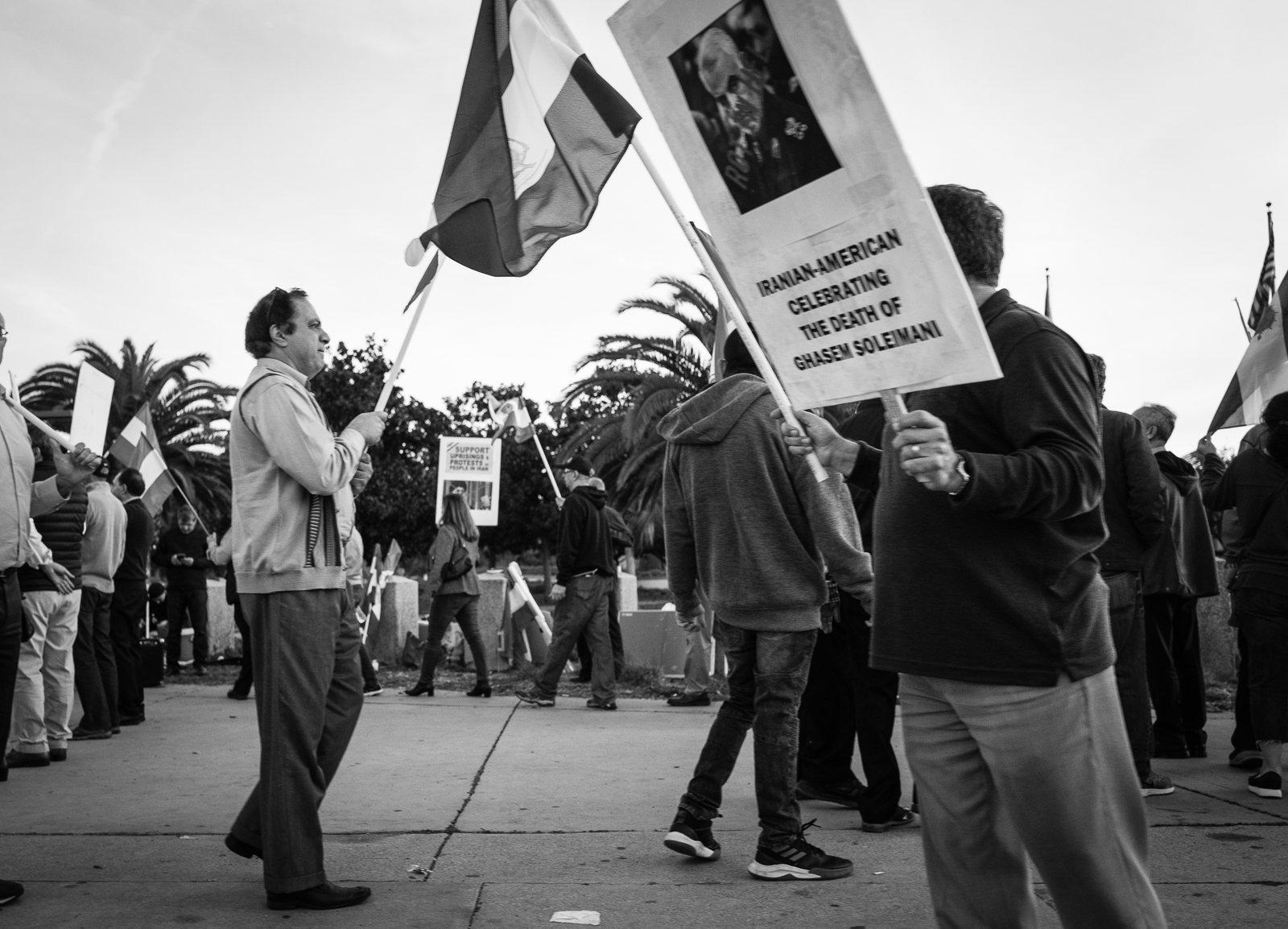
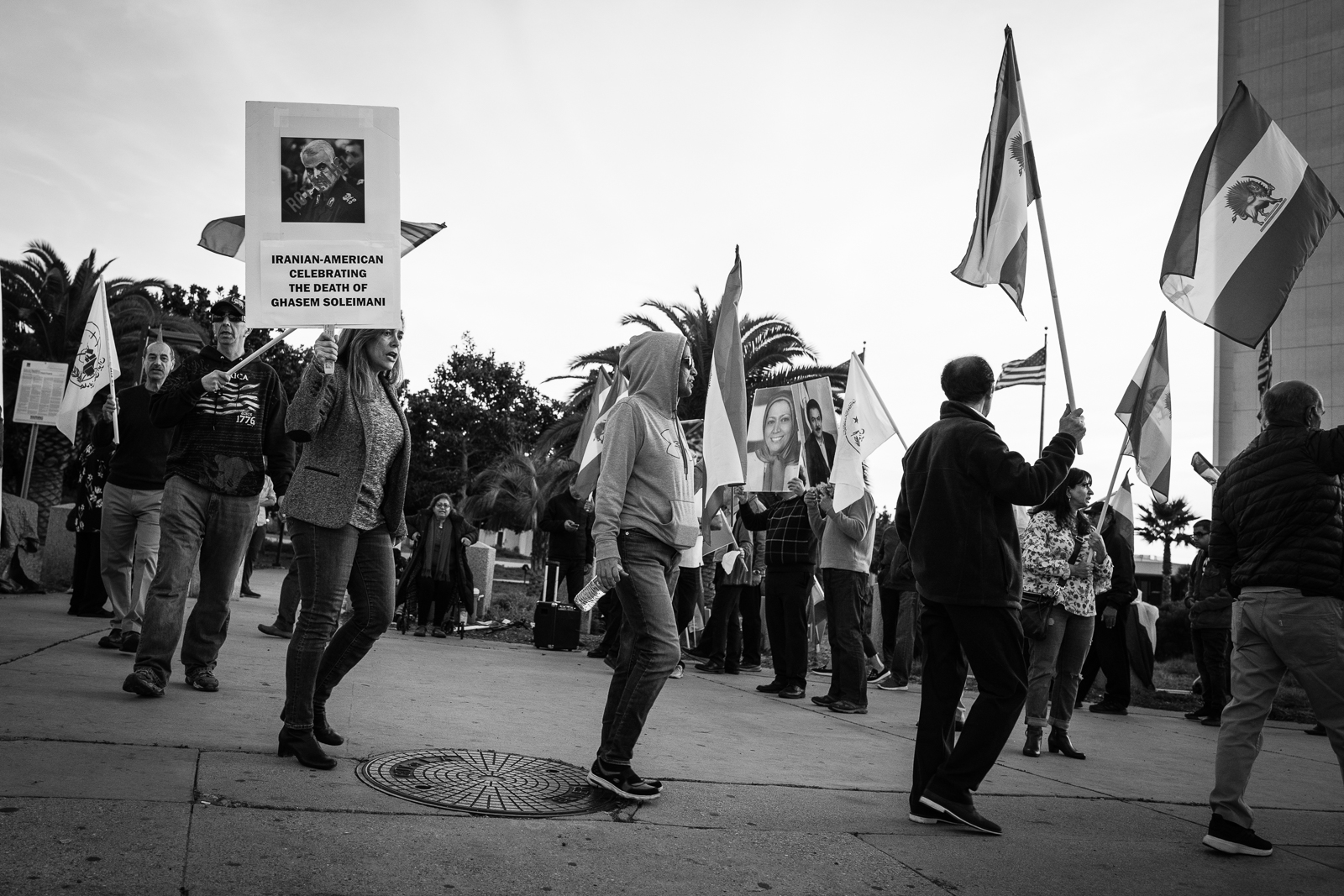
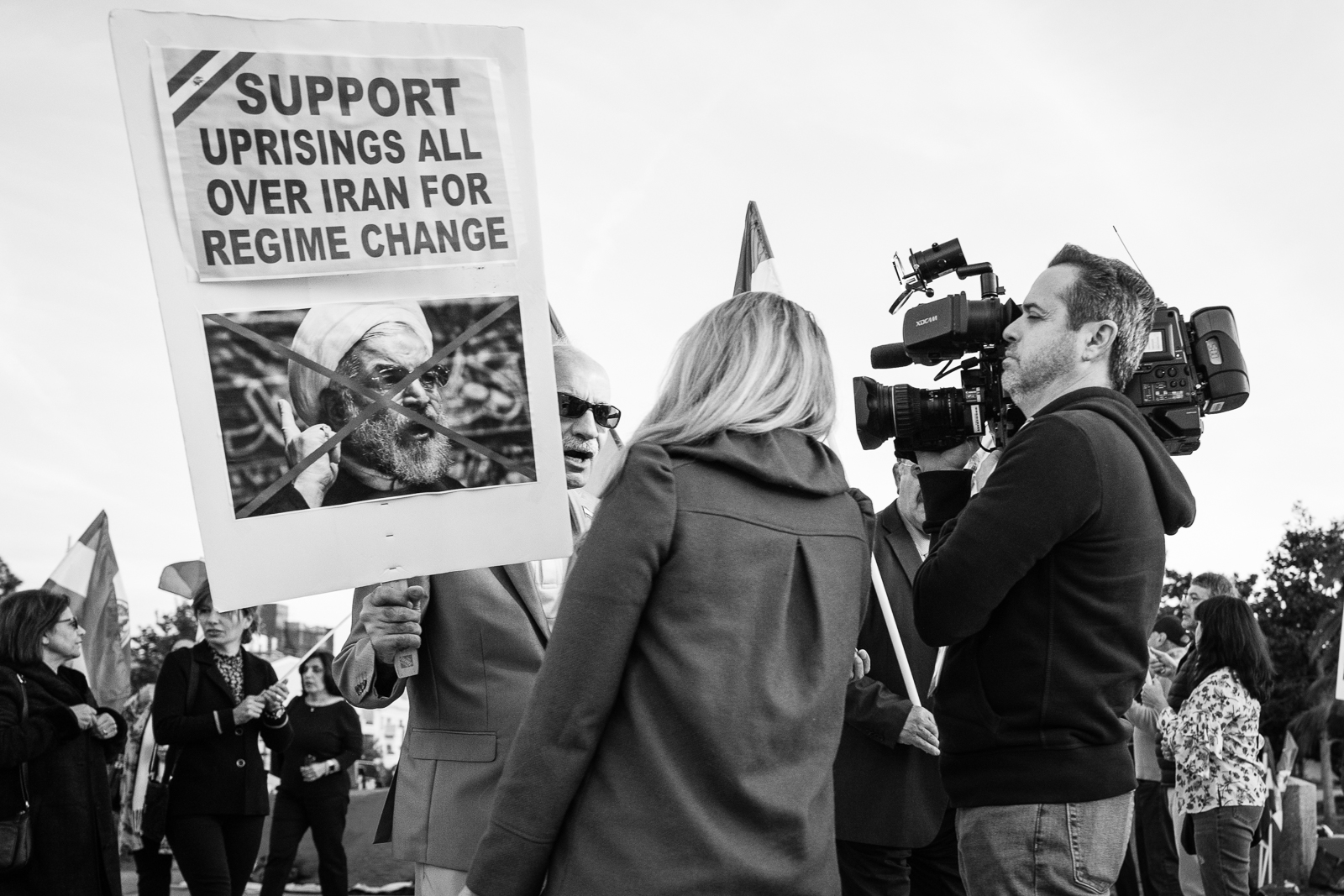
Late this afternoon I drove past the Federal Building in Westwood CA and there was a medium sized group of Iranian Americans who I believe were not united in anger against the U.S. But I’ll leave their protest signs to speak for them.

Memorial Day… Again?

This is a repost of the very first real blog entry (after Hello World!) on this website back in 2012. I was in a very bad place at that time. My best friend was dying. I was not good with that. I was in one of those places where a person has no patience for the simpering superficial bullshit people tell each other mostly to make themselves feel better about themselves.

And although I feel strongly (always) about the message of this post, I didn’t repost it the last few Memorial Days. I was probably in a better mood. This year though, with Memorial Day coming so closely on the heels of more gut wrenching domestic tragedies, and given everything else I see on the streets and read in the newspaper, I’m once again in a dark and unforgiving mood about my country. So fuck it.

Robert Frank’s ‘The Americans’ exposed much of the truth about America. We might have looked at that work and been properly shamed and sought to make a course correction. But we didn’t do that. Anyway. Enjoy this holiday. Don’t thank our troops. Remember instead the dead ones, and their wives, and their children, and their mothers, and their fathers. And forgive me for encroaching into sanctimonious behavior with a self-righteous attitude. I have no room to talk. It’s taken me over half a century to finally wake up.

Memorial Day

Cookouts. Barbecue. Hot dogs and hamburgers. Beer. Friends and family. Unofficial start of summer. Hell yeah! That’s what Memorial Day is all about. Right? Oh, and, of course, the Memorial Day mattress sale at Macy’s.

Then there’s those people who try to remind you of the more sober aspects of the holiday. Sanctimoniously thanking ‘our’ soldiers. Does that really stick with you or are they just as annoying as the people at Christmas telling us all to remember the spirit of Christmas and that Christ ‘our’ savior was born on Christmas Day?

So they had this event down at a new memorial in Irvine for service men and women who died in Iraq and Afghanistan. I saw it on the 11 o’clock news. The Northwood Gratitude and Honor Memorial looks really nice and is said to be the first of its kind in the country honoring those who have fallen in the wars on terrorism we’ve been fighting for the last eleven or so years.

But they’ve got this open mic thing going. And the wives and mothers of those who were killed in Iraq and Afghanistan come up to the mic and, if you didn’t see it, I’m telling you these women are just fucking raw. All are emotional but more than a few can barely get their words out; they’re just dying up there.

Blubbering women. Most of them young enough to be my daughter, if I’d had one. Talking about what they feel on Memorial Day.

While these women are stepping up to the mic, one at a time, to tell you the names of their husbands and sons and what happened to them – as best as they can between the sniveling and gasping and choked-off words – all over this country, millions of Americans are getting drunk, washing down burgers with Bud Lite, laughing the day away talking easily about everything that careless partying Americans talk about on a summer holiday together. Most Americans are having a good time, a welcome day off from work, celebrating the start of summer and vacation time – which is and always has been the real point of Memorial Day in our culture.

A really young woman steps up to the mic in Irvine. Her two hands are in a wrestling match with each other as she speaks.

“My name is Brooke Singer and my husband was killed in January.”

Brooke looks to be about 22. She’s wearing a pretty black dress with nickle-sized white polka dots and spaghetti straps that cut into the soft skin of her shoulders. She seems to have more to say but after that one solitary sentence she puts the back of her right hand to her face and unsuccessfully tries to stifle a sob. That hand has a mind of its own and, almost to conceal the degree to which it is shaking, Brooke drops it momentarily but then quickly raises it back again to cover her mouth, which is contorted in a way she’d obviously rather the entire world doesn’t see.

A girl who looks like she could be Brooke’s younger sister stands helplessly to her left. A woman who must be her mother puts her arm on Brooke’s back and whispers something into her ear.

If you need to be told at this point that Memorial Day isn’t about cookouts and really good shopping then I don’t know what to say to you except that you’re not alone. Not in my America.

But if you still think it’s about thanking ‘our’ soldiers and telling them how much we love them and appreciate what they’re doing for us then you really need to either wake up or grow up or maybe just look up the word ‘memorial’ in a dictionary.

If this country can ever find its soul again it will be on some hopefully not-too-distant Memorial Day. One day when enough Americans are finally able to look squarely and, maybe more than anything else, responsibly, at young women who can barely breathe as they muster the courage to stand in front of a microphone in a public square and somehow manage to choke out the names of their dead husbands.

db

Film images made with a Leica M7 and 50mm 2.0 Leica Summicron lens.

The Democratic Forest: William Eggleston

49273471-cached

“Eggleston was in New York during the last week in October for the opening of a new exhibition of his work at the Zwirner gallery that runs through December 17. All of the nearly 50 images in the show were taken in the ’80s as part of a mammoth series called The Democratic Forest, which in its entirety includes some 12,000 images. But in the Zwirner show, for the first time, many of the images have been reproduced on a giant scale, some of them five feet across. Staring at them on opening night (and it is a measure of how Eggleston is idolized, particularly by the young, that hundreds of people braved a truly filthy rain to attend the opening), I thought, when you make a picture that big, there is no room for error, no place for a photographer to hide. And in this case, no need. You could put these pictures on a billboard, and they would lose none of their integrity.”

Source: William Eggleston: The Father of Modern Color Photography – The Daily Beast

What We’re Talking About When We Talk About Light

Apologies to Raymond Carver. Reposted from the early days of 50lux.com

Leica M9, 35mm f/1.4 SUMMILUX-M ASPH FLE

I think of the best stuff when I’m half asleep. It’s called hypnagogia and I’ve got a bad case of it. I’m not alone, apparently, as a New York Times article pointed out late last year and as Wikipedia establishes as encyclopedic fact.

Many other artists, writers, scientists and inventors — including Beethoven, Richard Wagner, Walter Scott, Salvador Dalí, Thomas Edison, Nikola Tesla and Isaac Newton — have credited hypnagogia and related states with enhancing their creativity.

I’m intending to capture some of these fantastic creative thought processes that trot through my mind when I’m half asleep for the purpose of bringing them back alive and showing them to the world here on 50lux.com. It won’t be easy. Not many things are when you’re half asleep. Nature of the beast. More on all this later. But let’s start off with an example from today.
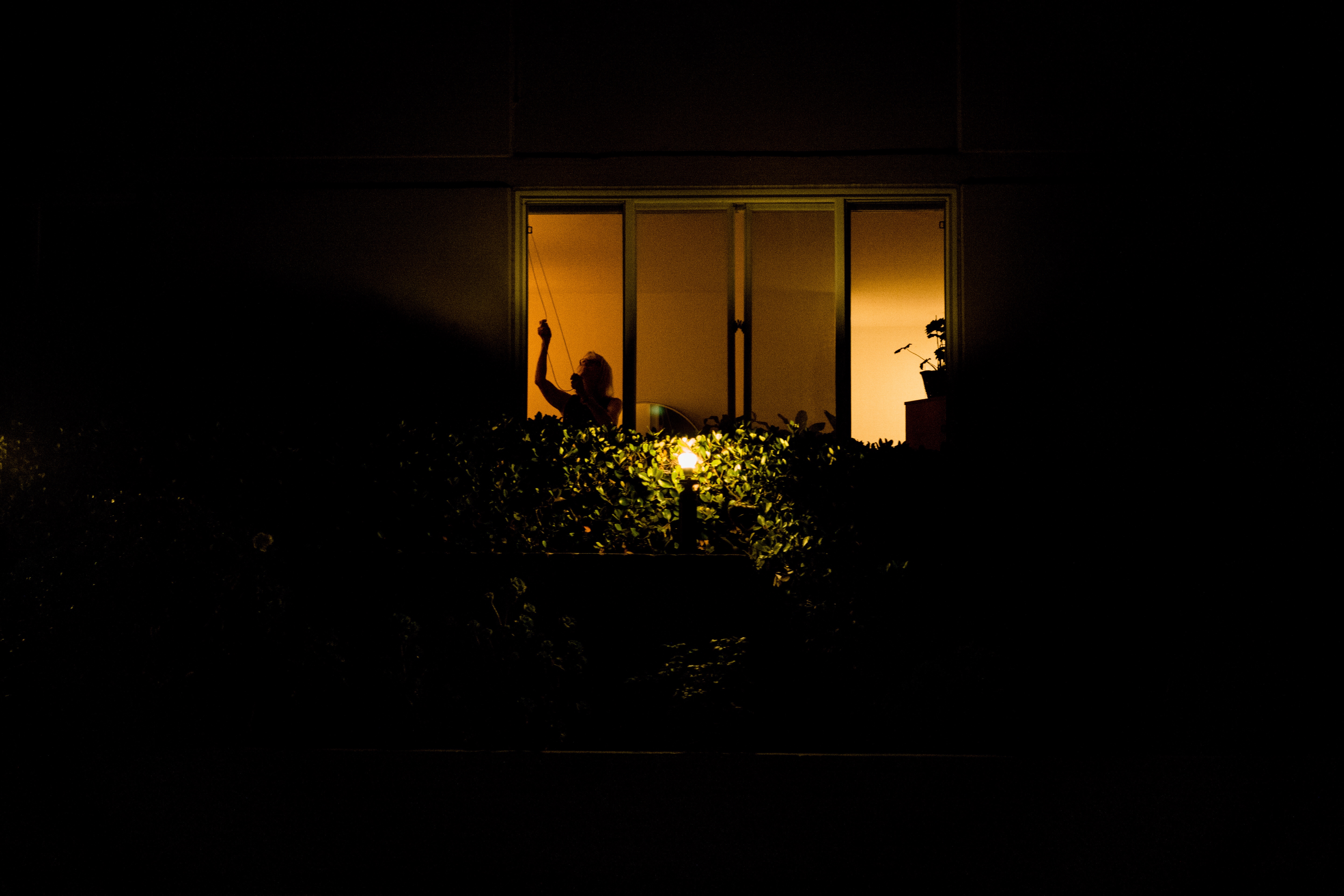
There’s nothing more annoying than some snobby-sounding photographer going on about Light. I chase after the Light. I live for the Light! I’m always out looking for the Light. I’m a Light chasing stalker of the Light.

Light, that fickle temptress, has taken out a restraining order on me!

You know the type. Butterflies and rainbows all around them. They shoot Leica but, of course, they could do just as well, maybe better, with a piece of cardboard and a tiny hole punched in it for a lens.

Never mind too the 14-year old future supermodels that seem to prance through lush meadows all around them, stopping only for the occasional extreme closeup on the sun-speckled perfection surrounding bee-stung lips.

What does any of that matter?, the light snob would say. It’s all about the Light!

Okay, let’s go there. Because as annoying as these people are, they just might be on to something. Pictures might lie, but not that much when it comes to the role of light making a great picture.

First let me say that my goal here, because I want to help myself to be a better photographer, is to learn along with anyone who happens to be reading this blog. So that some day, some glorious sunshiny day, we might all be just as annoying to others as these people are now to us.

It is important to have goals. Let’s get to work on achieving them.

Leica M9, 40mm 1.4 Voigtlander Nokton

Think of the world not as a place made up of things or solid objects to be photographed, but instead as a place where light exists.

You see what I’m talking about when I’m talking about half-asleep thoughts? Thank you and good night, ladies and gentlemen. Let me repeat it.

Think of the world not as a place made up of things or solid objects to be photographed, but instead as a place where light exists.

Because light in an infinite number of variations certainly does exist in this world. It shines down upon, through, wraps around, bounces off, backlights, highlights, dapples, washes over, peeks through, reflects off of, illuminates, obscures, virtually everything in this world and all of that enters into our consciousness, or DOESN’T, which is what we’re trying to correct here, through our eyes and through our lenses onto the plane of film or sensor we’re using to capture it all for posterity.

Light has so many different colors and shapes and effects upon whatever it touches or is near that it’s far beyond the scope of this blog post to even go into any of that. And it’s not important for the ideas that I’m trying to solidify in my own creative mind to try to address any of it at this time.

This post here on 50lux.com is more about what we all can maybe derive or benefit from in the form of an internal tweaking of our perspectives on light as it exists all around us and in our photography.

The important thing to keep in mind about light is that it can be as easily photographed, and as easily sought out as a subject to be photographed as a flower, a snow-capped mountain, a beautiful woman, or anything else that people almost instinctively point their cameras at before hitting the shutter release.

As you probably remember, like me, from reading it somewhere, whenever you take a picture, you really are only photographing reflected light anyway. Why not make a concerted effort on light’s behalf?

So now try it! Go out and, instead of looking to photograph mere things, solid or liquid objects of the Earth, as an ongoing exercise for your photographic eye and mind look past all that stuff and look only for light, wherever and in whatever form that you find it. Take pictures of that light. Make pictures from it.

Leica M9, 50mm f2 Summicron-M

If you’ve ever asked yourself or anyone else what’s the best way to radically change how you see as a photographer, then this is what I would suggest. Stop looking for and at everything around you as subject-objects, and instead allow yourself to look for and see only light.

Forever?, you might be asking. No. And then again, YES! Absolutely. Because we are talking about change here and hopefully permanent change. Some of us are always looking to change or open up our vision as photographers.

For now I suggest maybe working without your camera and going through your day looking past objects and people that you would normally focus your attention on and trying to see only the light and thinking about what you’re seeing wherever you do find light.

One of the first things you will discover is how incredibly easy this all is. You’ll be surprised. The change will be immediate. Your nose, as a photographer, will start to rise up into the uppity upper air involuntarily as you yourself become yet another annoying light snob. Phrases like I seek light wherever I can find it will roll off your tongue with the same highbrow snobbery of Grace Kelly in a 1950s Hitchcock film.

Go for the light and don’t come back empty handed!

Leica M9, 40mm 1.4 Voigtlander Nokton

Urban Portraits

Salvadoreño

L1073981-Edit-Edit

Tho I Walk Through the Valley…

L1073933-Edit-2

Legendary Photographer Mary Ellen Mark Dead at 75

17949015171_29d0da75a3_o-Edit-4

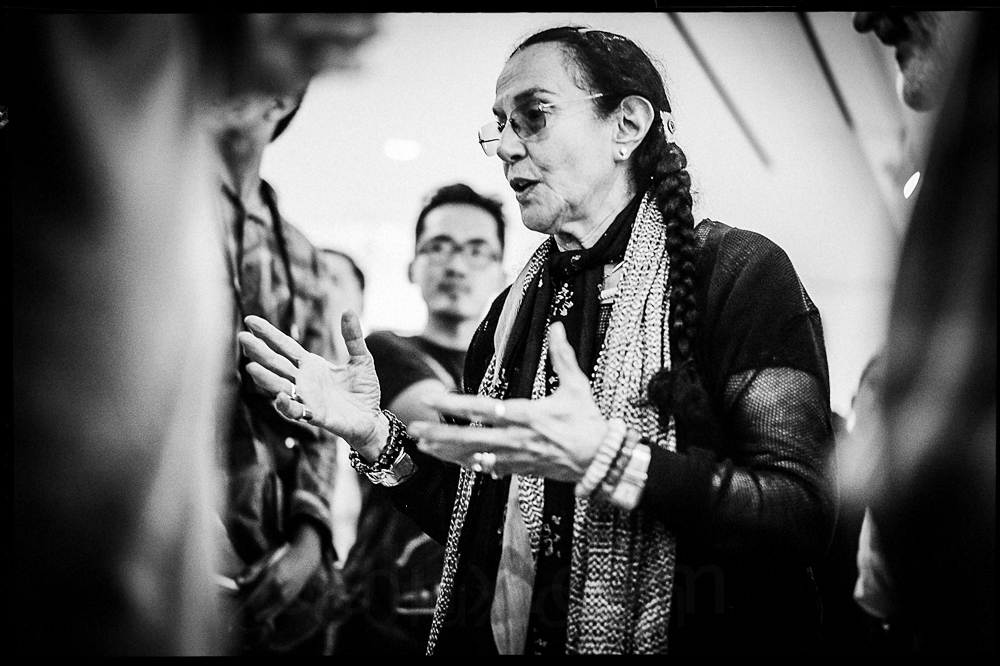
Mary Ellen Mark at the Leica store, Los Angeles, 2013. Photos by Donald Barnat 50lux.com

Sad news VIA Philly.com –

Mary Ellen Mark, a photographer known for her incredible humanist photography, passed away Monday in New York City. A rep confirmed the news Tuesday morning. She was 75.

Mark was born (March 20, 1940) and raised in Elkins Park. She graduated from Cheltenham High School (“I was head cheerleader,” she told the Inquirer’s Stephen Rea in 2008). In 1962, she received a bachelor of fine arts in art history and painting from the University of Pennsylvania, and a master’s in photojournalism in 1964 from Penn’s Annenberg School of Communication. She would return to the local institution to receive honorary doctorates in fine arts in 1992 and 1994.

17325774014_f552df10f4_o

Mark said she got her big break while working for a Penn alumni magazine. On assignment at Rosemont College, she met Pat Carbine, then managing editor of Look, who later took her pitch to photograph London drug clinics.

“From the very first moment I took pictures [on the streets of Philadelphia], I loved it,” Mark told the Inquirer’s Michael Matza in 1988. “The thrill was the idea of just being on a street, turning a corner and looking for something to see. It was just an amazing feeling. … Photography became my obsession. … In a way it’s not so different when I go out to work now. It’s just that now I have years of experience in knowing how to use that little machine in front of me – at least better than I used it then. When it’s good and interesting it’s still that feeling of being on the street and wondering – God, I love this! – what’s going to happen next?”

via Legendary Philadelphia-born photographer Mary Ellen Mark, 75, dies.

17948339515_ba91c886b0_o-Edit-4

Throwback Thursday: Leica 35mm f1.4 Summilux FLE Review in Pictures

Robert Frank, Telling It Like It Was – NYTimes.com


From LENS at The New York Times:

“One of the most consequential images in Robert Frank’s “The Americans” is a raw, cinematic photograph of a black couple in San Francisco in 1956. Approaching them from behind as the pair relaxed on a grassy hill overlooking the city, Mr. Frank disrupted their solitude. Startled, they turned to acknowledge him. The woman was annoyed. The man crouched protectively. As his eyes locked on the photographer, his expression hardened into a scowl. The couple seemed determined to protect themselves and their dignity.

On one level, as Mr. Frank himself has said, the photo demonstrates the ease with which the camera can invade the privacy of others, portraying “how it feels to be a photographer and suddenly be confronted with that look of, ‘You bastard, what are you doing!’ ” But the photograph is also racially fraught. Rather than a neutral observer, Mr. Frank looms over them, an active, unseen participant — a surrogate for the intimidating whiteness that shadowed the lives of black Americans, no matter how liberal their environment.”

via Robert Frank, Telling It Like It Was – NYTimes.com.

Finding Robert Frank, Online – NYTimes.com

From LENS on The New York Times:

“The cover image for the U.S. edition of “The Americans,” Robert Frank’s epochal book, spoke volumes about the state of the nation in the mid-1950s. The tightly-cropped photo shows passengers in the widows of a New Orleans trolley assuming their place in the social order of the Jim Crow South — progressing from a black woman in the rear to white children and adults up front.

The contact sheet that contained the image showed that Mr. Frank had photographed the city from multiple perspectives, but he ultimately selected the frame that most dramatically and symbolically captured New Orleans’ racial hierarchy. Learning this photo’s backstory would be impossible without the ability to view Mr. Frank’s contact sheet.

Now, such important archival material, typically reserved for scholars and curators, is just a click away. Launched by the National Gallery of Art in time for photographer’s 90th birthday in November, the Robert Frank Collection Guide is an extraordinary resource for the general public and researchers alike.”

via Finding Robert Frank, Online – NYTimes.com.
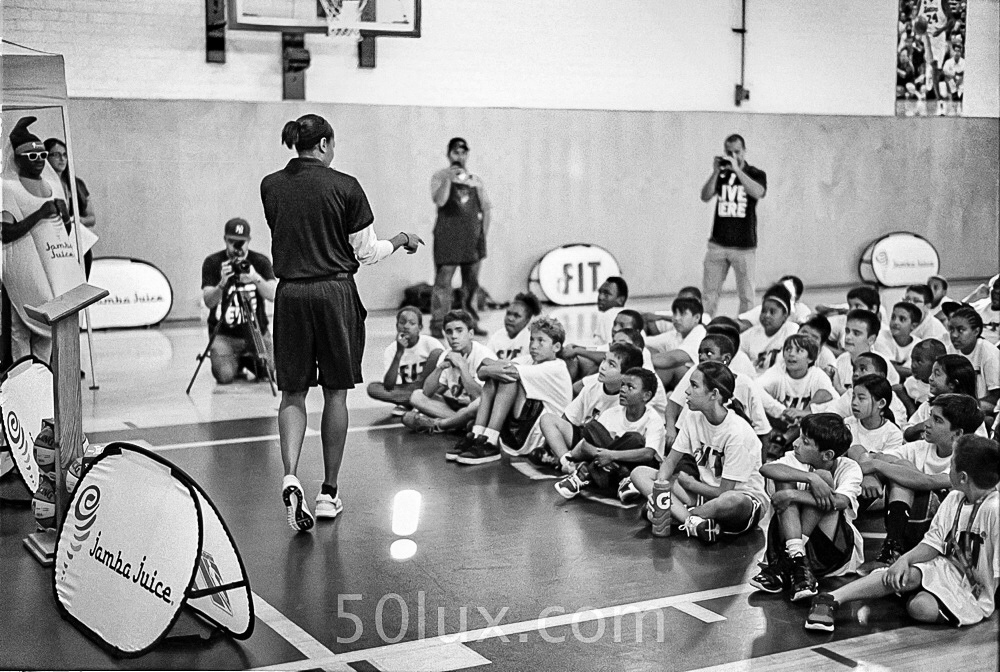
Street Shooting Exhibition 2015 Winners | Los Angeles Center of Photography

Donald_Barnat_02_Sunday-Was-Soft-And-WarmHere are the winners (link below) of a spot in the LACP’s 2015 Street Shooting Exhibition. Please find among the work of all of these wonderful photographers my four images. I can’t thank enough the LACP, Julia Dean, and guest judges Sam Abell from National Geographic and Stephen McLaren, author of Street Photography Now. But thank you again to all of them. I will put one of my winning shots here, entitled Sunday Was Soft and Warm. And it really really was.

Street Shooting Exhibition 2015 Winners | Los Angeles Center of Photography.

The Leica Look

Donald Barnat - 50lux.com I’m linking today to what’s called a long read. But this one isn’t just for photographers. Everyone should read this. America should read this. American businesses should read this. This is the way it’s done. This is the way we are supposed to do things here in America.

Gibson. Fender. Cadillac. Are you listening? I think some of you may be starting to.

I just bought a guitar amplifier from a boutique maker named Michael Swart. It’s the Swart Space Tone Tremelo model. I’ve heard, but don’t hold my words to be legally binding, that Michael Swart will fix any of his amplifiers that come back to him, no matter if they’ve been resold. Is this perfectly true in all cases? I don’t know. But the story is out there because this is what people who have experience with him are saying. He doesn’t give a fuck who owns the amp now! It’s got his name on it, it’s broke, it’s in front of him, he’s fixing it.

Booyah! (R.I.P. Stuart Scott) That’s the way it’s supposed to be.

Leica. Leica is the mother of all boutique brands. That Leica would react to a situation like this — with the expense of the items involved — is breathtaking. Booyah on you, Leica! This is the kind of story that makes me proud to be a human being. Proud that we all evolved from the primordial soup together. It doesn’t happen all that often but here it is.

How I lost my Leica equipment and what happened next – Witold Riedel

The following story has some parts that might feel a bit strange to some, and yet will feel completely familiar to others. I guess that’s how stories go. When reading it, some will dislike me for some of the facts, while others will be able to relate and feel that what happened was not exactly easy. The story is true. And it has something to do with my cameras; with my M Leicas.

via Witold Riedel › Notes › How I lost my Leica equipment and what happened next..

Cartier-Bresson’s “The Decisive Moment” to be republished this December

img834

From LightBox –

For new generations of photographers and artists who have missed out on experiencing many of the world’s important books first hand, it cannot be stressed enough how important this new edition of The Decisive Moment is for a contemporary audience.

“Robert Frank’s The Americans and Cartier-Bresson’s The Decisive Moment were published within a few years of each other in the 1950s and both books have since become the blueprint for the modern photography book,” Steidl says.

Its value as an out-of-print collectable has risen over the past few decades resulting in keeping this masterpiece out of the hands of many younger photographers. Finally, after 62 years, it is again seeing the light of day this December with a gorgeous facsimile from the German publishing house Steidl.

img836

via The Return of The Decisive Moment – LightBox.

Legendary Magnum, Leica Photographer René Burri Died Today

René Burri 1933 - 2014 | Design | Agenda | Phaidon

Via Phaidon:

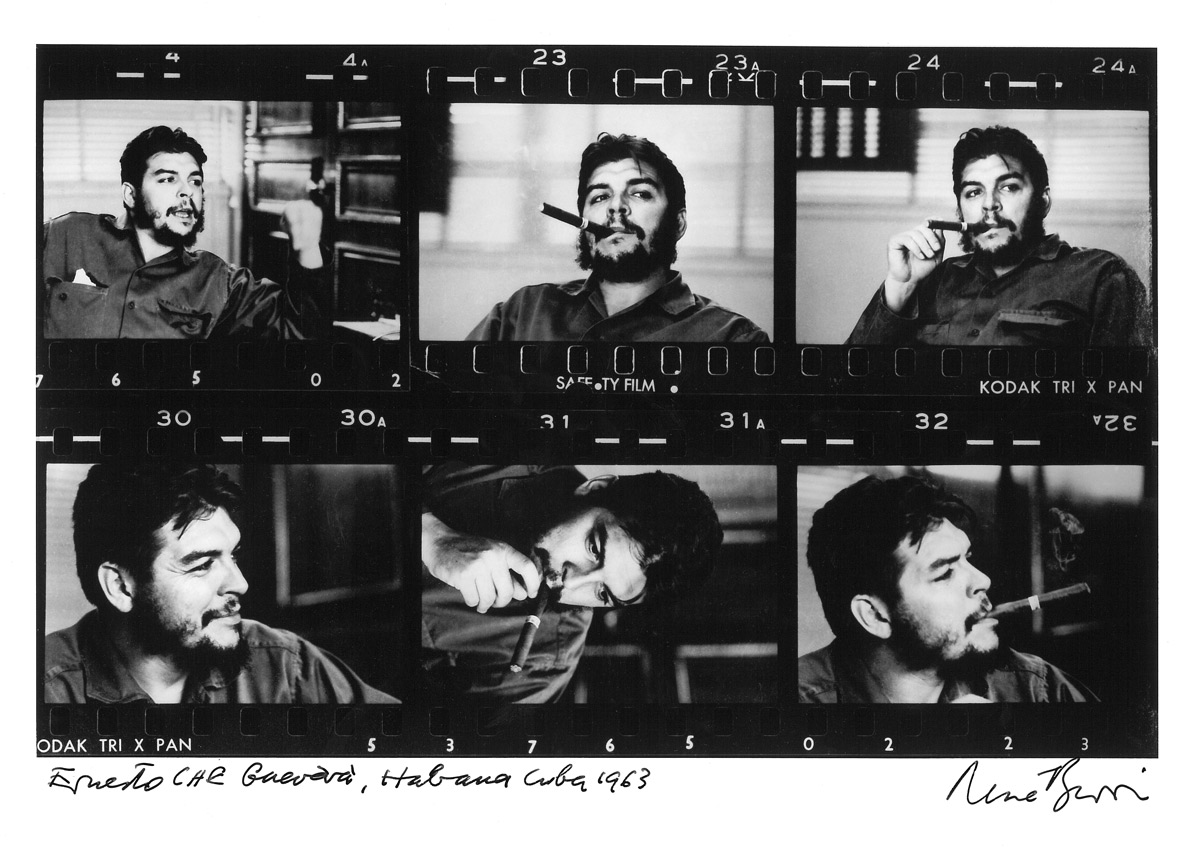
As befits someone who’d photographed everyone from Churchill to Che Guevara, René Burri had a weapons grade arsenal pf wonderful stories and anecdotes, and he told them extremely well. One of our favourites was one he revealed in the garden of his Paris apartment a couple of years ago when we were interviewing him for his memories around the book Impossible Reminiscences. It concerned his mentor, Henri-Cartier Bresson and his habit of looking at negatives upside down. It infuriated all the Magnum photographers but particularly irked the Swiss-born Burri who revealed how, with one of his most famous photographs he managed pulled the wool over the Magnum founder’s expert eye and, as he put it that afternoon, “killed my mentor!”

René Burri 1933 – 2014 | Design | Agenda | Phaidon.

Transitory State

L1063965-Edit-3

Winogrand at the Met: The Genius of His Reviled Late Works

donald barnat / 50lux.com

There’s an anecdote buried deep inside the footnotes of the catalog for the Metropolitan Museum of Art’s Garry Winogrand survey that speaks volumes about the present exhibition. In it, his better known contemporary, Lee Friedlander, watches Winogrand release the shutter of his camera with nearly every passerby encountered on a New York street. Thirty years after Winogrand’s quick dispatch from cancer in 1984, Friedlander’s shocked response to his friend’s incontinence appears more informative than lapidary: “Garry, you’re not photographing, you’re taking the census.”

via Garry Winogrand at the Metropolitan Museum of Art: The Genius of His Reviled Late Works.

donald barnat / 50lux.com

A New Leica M-E is Coming! Happy Dance (and a bit of a confession from me…)

7293585066_01d4bf5440_o-Edit

Some of the images in this post were made with a Leica M7 and Fujifilm 400 and some were made with a Leica M-E. This isn’t a test or a game. They’re just so wonderfully close and that result is so typical of the M-E that I thought I’d sweeten this news with a graphic demonstration of why I’m so happy with the Leica M-E and the news that follows.

Incredibly excited beyond any words today to hear this. Please click on the link at the bottom to the great Leica News & Rumors blog for more info.

But I have to say, one reason I’m so happy to hear this is that I can now really open up about how happy I am with the Leica M-E. And the selfish reason I didn’t do that to the extent that I wanted to is because my understanding is that Leica was discontinuing production of the M-E and that the CCD based Leica would be no more. Thus stock would dwindle and I might not ever get my hands on a new replacement let alone the half dozen I dream of having in rotation when I get back in the game of making money with a camera. I love this camera. I’m incredibly excited to hear that it will live on. As should be every single photographer on this planet.

Because this is a camera. Plain and simple. (Reminds me of the line from Julius Caesar spoken by Marc Antony over the slain leader’s dead body. Something like, “Here lies a Caesar. When comes such another?”) That’s how good of a picture taking image making machine is this Leica CCD camera and now we know when comes such another. Simple. Incredible. Film-like results. Film like ISO performance which, given the glass you can place on the thing, is and always has been plenty adequate. Anyway, as we used to say back in the 80s here in LA, I’m fucking stoked!

If this rumor is correct, this would be a clever move from Leica since many people prefer the specific look of the photos taken with the 18MP CCD sensor.

via Leica rumored to announce a M-E camera replacement | Leica News & Rumors.

7315455700_882b3a4716_o-Edit L1056564-Edit 7315426038_027f8ab125_o-2-Edit L1056569-Edit 7315448856_58307454dc_o-Edit L1056691-Edit 7315439830_81402fdbb8_o-Edit

19 Pages of Famous Leica Photographers and their Cameras – NewOldTime


Leica tra realtà e finzione - Parliamo daltro - NewOldTime

Incredible! Mary Ellen Mark did not just show up at the Leica Gallery in LA lovely but apparently was a lovely person prior to last summer. Who knew? And she actually DID shoot Leica cameras. What a shocker that is. (kidding. well… )

Leica tra realtà e finzione – Parliamo daltro – NewOldTime.

HENRI CARTIER-BRESSON: “Arrogant Purpose” 1947 | AMERICAN SUBURB X

Absolutely one of my favorite places online, American Suburb X. Please click on the link to a great bit of writing from all the way back in 1947 that accompanied an exhibition of Henri Cartier-Bresson’s work at the Whitney.

Excerpt from Review of the Whitney Annual and Exhibitions of Picasso and Henri Cartier-Bresson, The Nation, 5 April 1947

The unusual photographs of the French artist, Henri Cartier-Bresson, also at the Museum of Modern Art, provide an object lesson too – in how photography can assimilate the discoveries of modern painting to itself without sacrificing its own essential virtures. One thing that painting since Manet has emphasized is that a picture has to have a “back”. It cannot simply fade off in depth into nothingness; every square millimeter of picture space, even empty sky, must play a positive role. This, Cartier-Bresson, like his fellow-photographer Walker Evans, has learned preeminently.

via HENRI CARTIER-BRESSON: “Arrogant Purpose” 1947 | AMERICAN SUBURB X.

Pico Boulevard and La Brea Avenue, Los Angeles, California, April 13, 2014

L1051269-Edit

New York Times: Classic Lensman, Using Full Palette

Perhaps the greatest revelation provided by “Capa in Color” is not that Robert Capa, best known as a war photographer, shot in color film. It is that he shot in color frequently, honing his technical facility and trying to get the work published in magazines that began printing color photographs in the late 1930s.

via ‘Capa in Color’ at International Center of Photography – NYTimes.com.
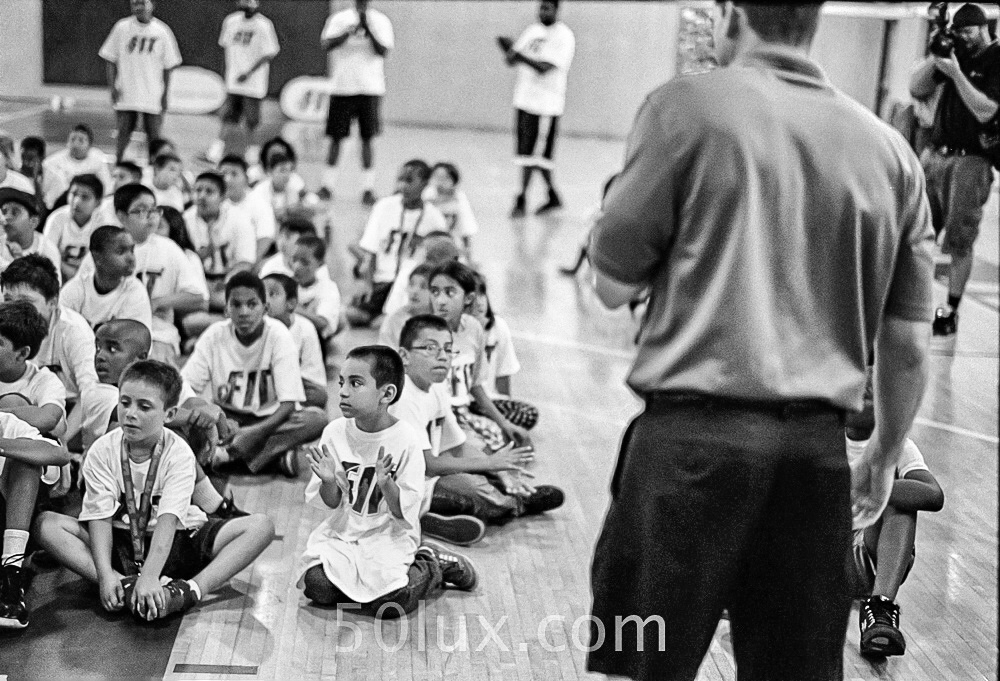
Henri Cartier-Bresson: ‘There Are No Maybes’

hcb_image

Great New York Times feature on HCB. With audio.

In 1971, Sheila Turner-Seed interviewed Henri Cartier-Bresson in his Paris studio for a film-strip series on photographers that she produced, with Cornell Capa, for Scholastic. After her death in 1979 at the age of 42, that interview, along with others she had conducted, sat like a time capsule in the archives of the International Center of Photography in New York.

Why the 50-millimeter lens?

A.

It corresponds to a certain vision and at the same time has enough depth of focus, a thing you don’t have in longer lenses. I worked with a 90. It cuts much of the foreground if you take a landscape, but if people are running at you, there is no depth of focus. The 35 is splendid when needed, but…

Read the rest HERE.

NY Times Article on Garry Winogrand

Metropolitan Opera, 1951

“Mr. Winogrand had no patience for the phony sympathies he thought connected too many photographers to their subjects. In the exhibition catalog, Mr. Rubinfien writes that the most successful pictures, in Mr. Winogrand’s mind, were the ones “that told you that the world was a jumble of fragments, that the truth was more complex than any account could be.”

Garry Winogrand

l-camera-forum breaks news of Leica AG sale to The Disney Company

bw-1000026-5

Los Angeles area Leica rep and protege react to news of Leica AG being sold to Burbank, California based The Disney Company. NYSE: DIS

http://www.l-camera-forum.com/leica-news/2013/04/leica-camera-sold-us-company/

Alvarado Street; Westlake District of Los Angeles

The Westlake District of Los Angeles is purported to be the most densely populated area in the United States. It doesn’t seem that’s possible. But Wikipedia says this.

Westlake is one of the most densely populated neighborhoods in Los Angeles, with a population density of 38,212 persons/mile²

Situated right to the east of MacArthur Park (yes, THAT MacArthur Park), it’s just another amazing slice of the life of Los Angeles. Click on the first picture for a semi-slide show of all four of the images.

Fashion’s Night Out Beverly Hills 2011: T-MAX P3200

Leica M7, Zeiss 50 Sonnar 1.5, T-MAX P3200 (click for larger version)

Nothing much to say here. Just a slideshow from a couple of rolls of this very fast and grainy film. I liked it. I just didn’t really have the easiest time scanning it. Actually shooting it was also something to get used to as well. Would have to get used to it and think about shooting it much differently than I did.

Memorial Day 2012

Cookouts! Barbecue. Hot dogs and hamburgers. Beer. Friends and family. Unofficial start of summer. Hell yeah! That’s what Memorial Day is all about. Oh and, of course, the Memorial Day sale at Macy’s. Right?

Then there’s those people who try to remind you of the more sober aspects of the holiday. Sanctimoniously thanking ‘our’ soldiers. Does that really stick with you or are they just as annoying as the people at Christmas telling us all to remember the spirit of Christmas and that Christ ‘our’ savior was born on Christmas Day?

So they had this event down at a new memorial in Irvine for service men and women who died in Iraq and Afghanistan. I saw it on the 11 o’clock news. The Northwood Gratitude and Honor Memorial looks really nice and is said to be the first of its kind in the country honoring those who have fallen in the wars on terrorism we’ve been fighting for the last eleven or so years.

But they’ve got this open mic thing going. And the wives and mothers of those who were killed in Iraq and Afghanistan come up to the mic and, if you didn’t see it, I’m telling you these women are just fucking raw. All are emotional but more than a few can barely get their words out; they’re just dying up there.

Blubbering women. Most of them young enough to be my daughter, if I’d had one. Talking about what they feel on Memorial Day.

While these women are stepping up to the mic, one at a time, to tell you the names of their husbands and sons and what happened to them – as best as they can between the sniveling and gasping and choked-off words – all over this country, millions of Americans are getting drunk, washing down burgers with Bud Lite, laughing the day away talking easily about everything that careless partying Americans talk about on a summer holiday together. Most Americans are having a good time, a welcome day off from work, celebrating the start of summer and vacation time – which is and always has been the real point of Memorial Day in our culture.

A really young woman steps up to the mic in Irvine. Her two hands are in a wrestling match with each other as she speaks.

“My name is Brooke Singer and my husband was killed in January.”

Brooke looks to be about 22. She’s wearing a pretty black dress with nickle-sized white polka dots and spaghetti straps that cut into the soft skin of her shoulders. She seems to have more to say but after that one sentence she puts the back of her right hand to her face and unsuccessfully tries to stifle a sob. You can see her hand is shaking. She drops it momentarily but then quickly raises it back again to cover her mouth, which is contorted in a way she’d probably rather the entire world doesn’t see. A girl who looks like she could be Brooke’s younger sister stands helplessly to her left. A woman who must be her mother puts her arm on Brooke’s back and whispers something to her.

If you need to be told at this point that Memorial Day isn’t about cookouts and really good shopping then I don’t know what to say to you except that you’re not alone.

But if you still think it’s about thanking ‘our’ soldiers and telling them how much we love them and appreciate what they’re doing for us then you really need to either wake up or grow up or maybe just look up the word ‘memorial’ in a dictionary.

Memorial Day is about looking squarely and responsibly at young women who can barely breathe as they muster the courage to stand before a microphone in a public square and choke out the names of their dead husbands.

db

Film images made with a Leica M7 and 50mm 2.0 Leica Summicron lens.