
State Social House, 7-26-15


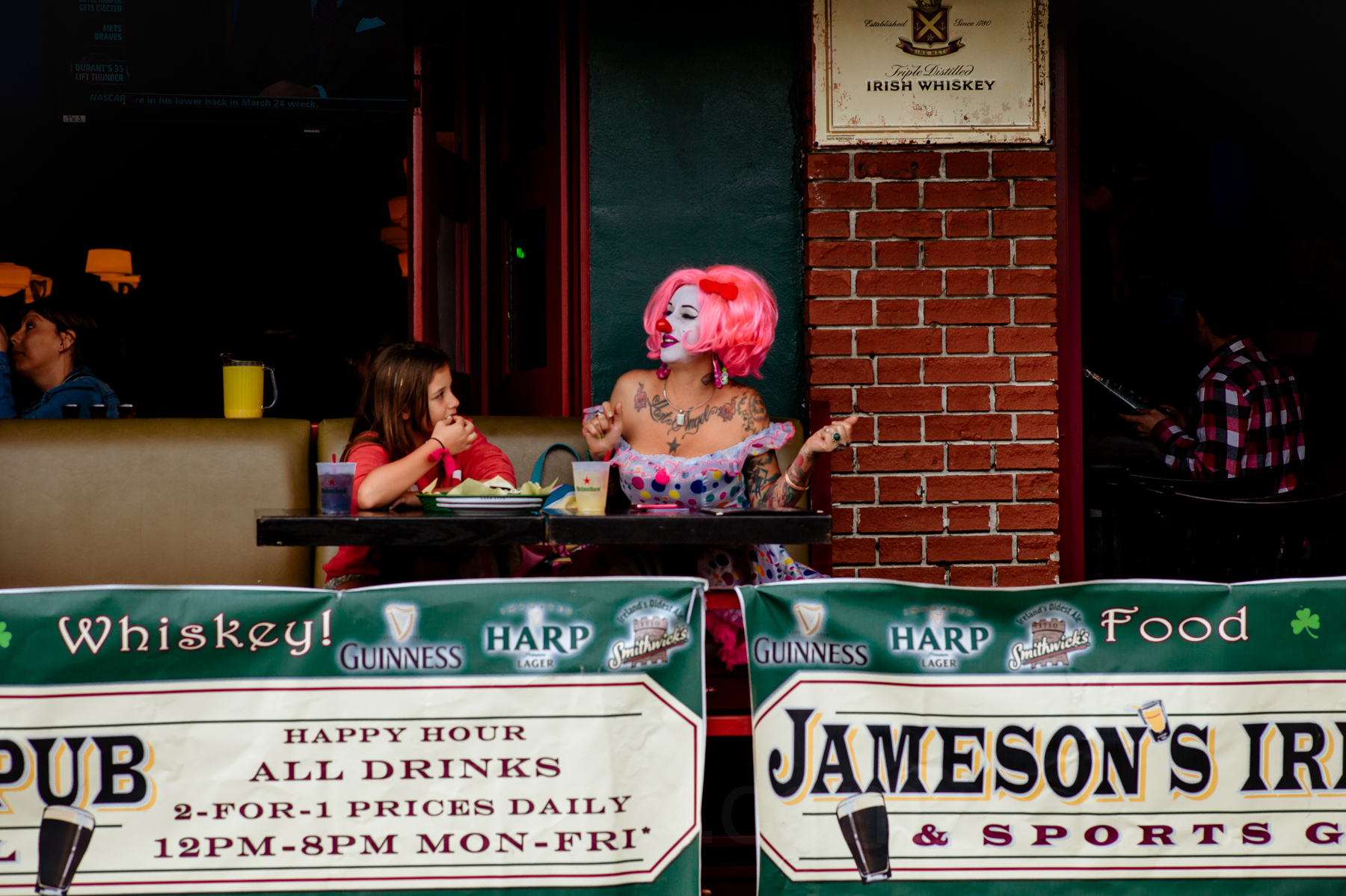
The Anti-Norman Rockwell in me strikes again.
 Photo by Julia Dean
The Los Angeles Center of Photography has applied for a $100,000 grant to help teach LA’s Boys & Girls Clubs photography. To win the grant requires votes from friends of both photography and kids!
More from the LACP:
There are 51 proposals in our category and right now, we’re in 20th place. We must be in the top 10 for a chance to win. (The committee selects the winner from the top 10.) Our proposal outlines a yearlong photography program in LA’s Boys & Girls Clubs. The grant is meant for non-profits with projects that will help create a better LA, now and in the future. VOTING ends on November 3.
PLEASE VOTE!!! It will take only five minutes. Here is how to do it:
1. Go to: http://www.LA2050.org
2. Hit the hot pink tab that reads VOTE IN THE MYLA2050 GRANTS CHALLENGE
3. Choose a Submission Category (Our proposal is under CREATE)
4. Now you have to sign up. Signing up is easy. See the top right corner of the LA2050 home page, where it reads, “Join.”
5. Then find our project (you will see a picture of me in a classroom with the Boys & Girls Club kids) and VOTE for LACP’s proposal!
6. You will then get an email confirming your vote. (This may take up to an hour to get this, so don’t fret.) You have to click on the link in this email to confirm your vote.
More on the proposal from Julia Dean:
About our proposal: I set up the curriculum and began our one-year program at the Variety Boys & Girls Club in Boyle Heights on Jan. 14, 2015. I teach every Wednesday afternoon. We have completed the basic, portraiture and street shooting class so far. The documentary class began last week. The plan is for each boys & girls club to document their own community and exhibit the work at LACP. Our first exhibit — from the Variety Boys & Girls Club — will take place in February 2016. There are 26 clubs in LA County. We hope to implement our program in all of them, once we raise enough money.

All from a moving car, by the way. Not really worrying about ISO numbers or noise. I have to say, I shot with the 50mm 1.5 Sonnar for over a year on my M7. I’m probably more comfortable using it than any other M-mount lens. It’s very instinctive shooting for me. Love the color, sharpness, everything. Hope everyone enjoys the shots.
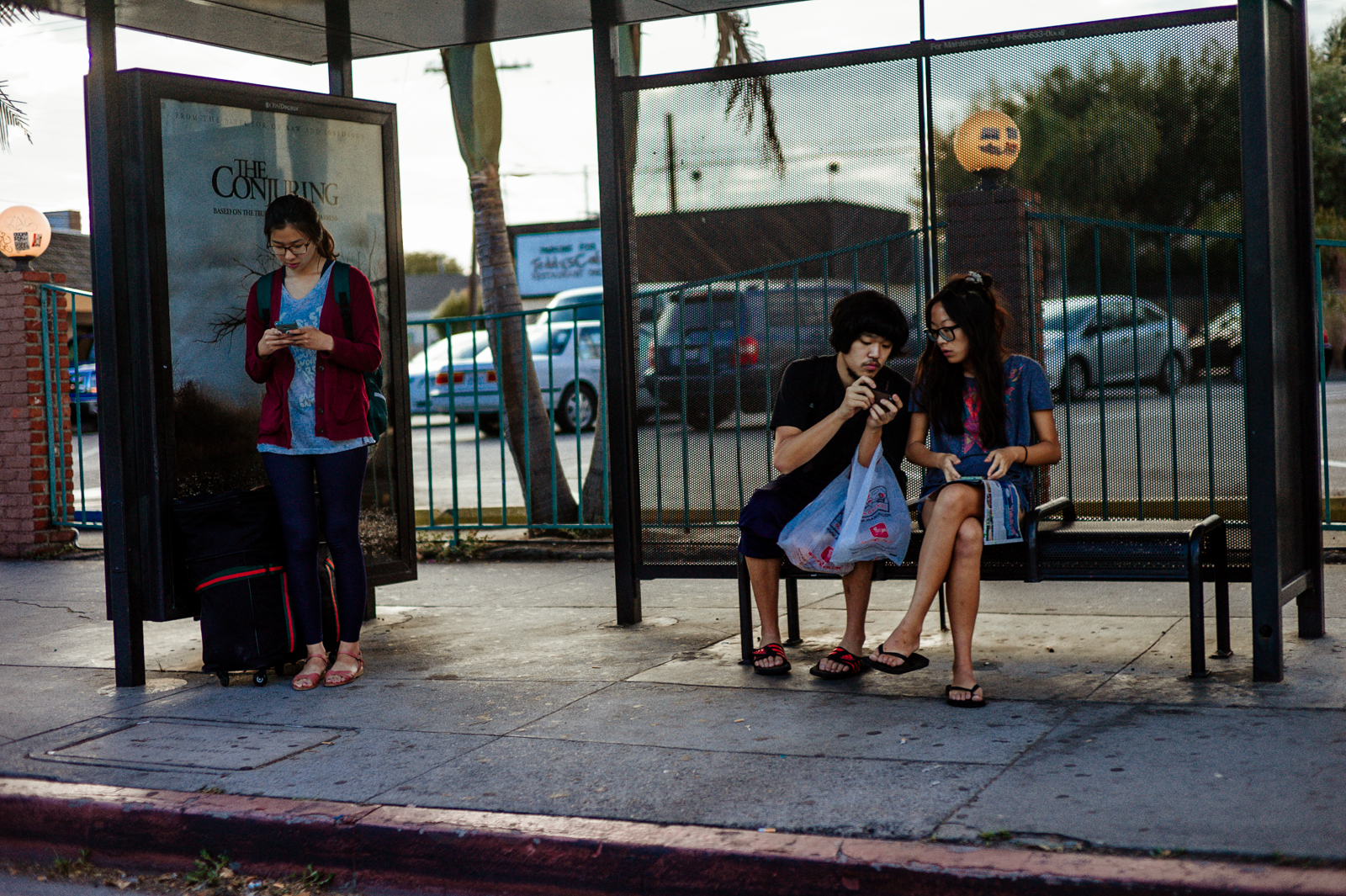
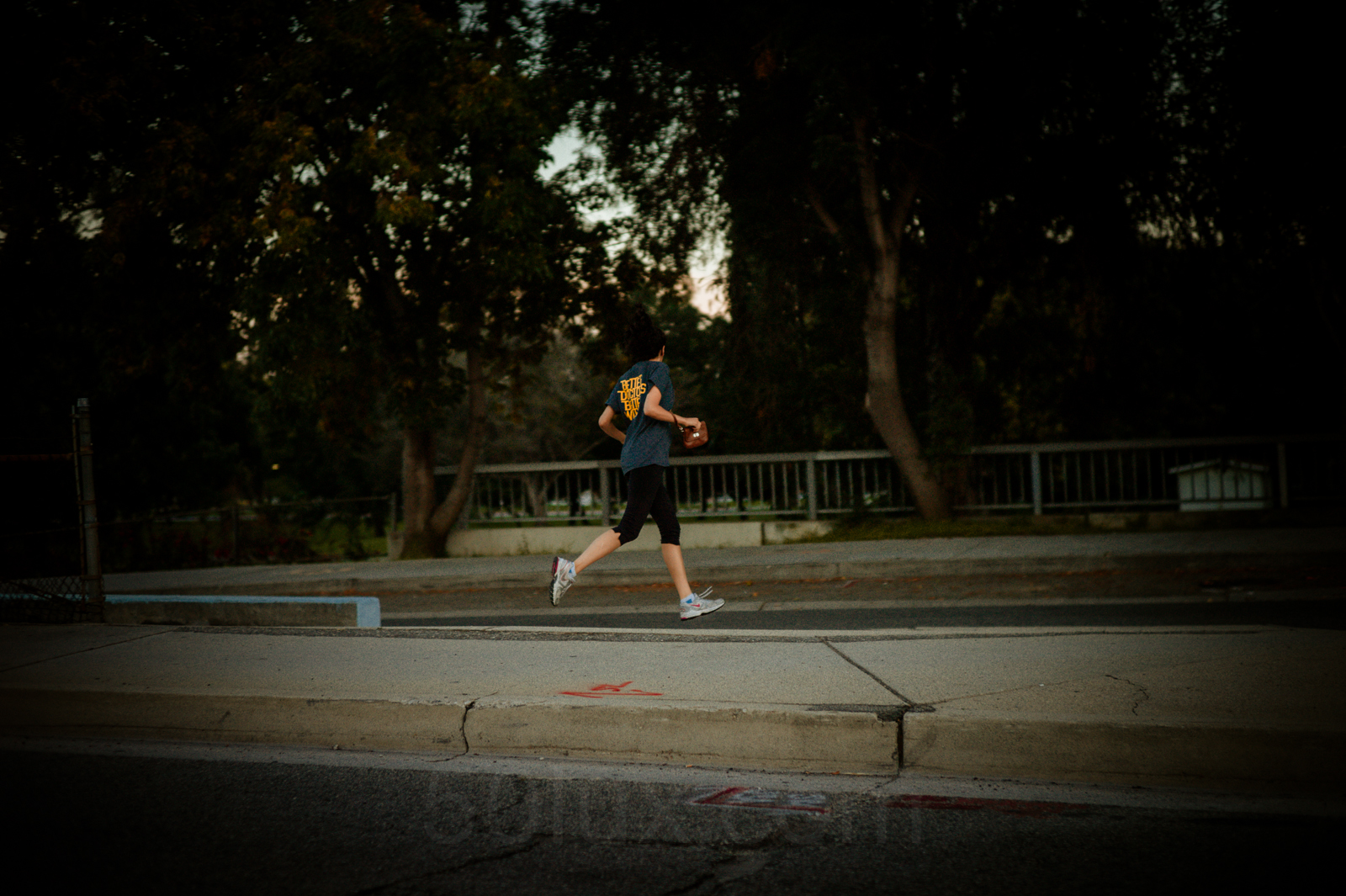
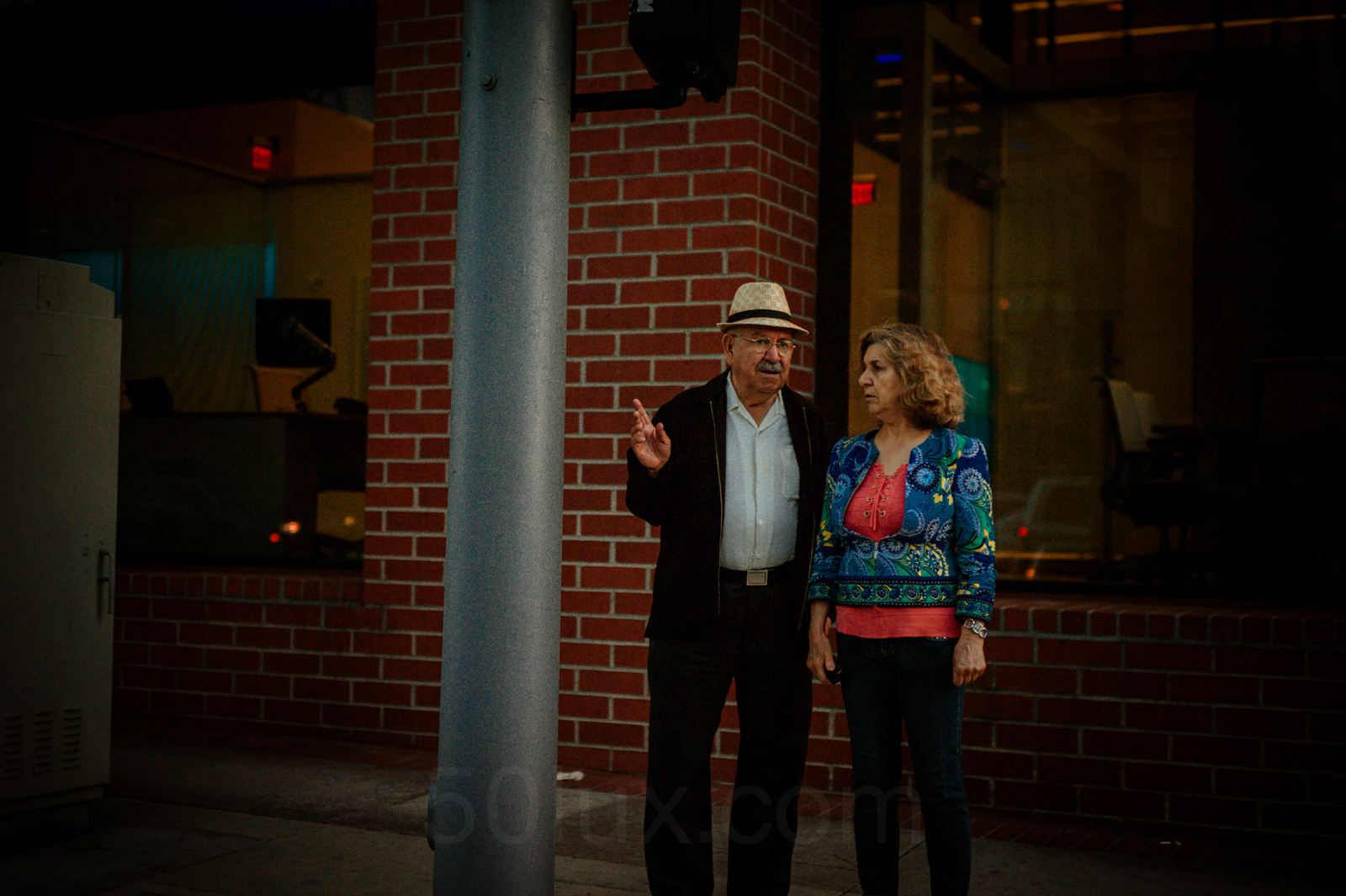

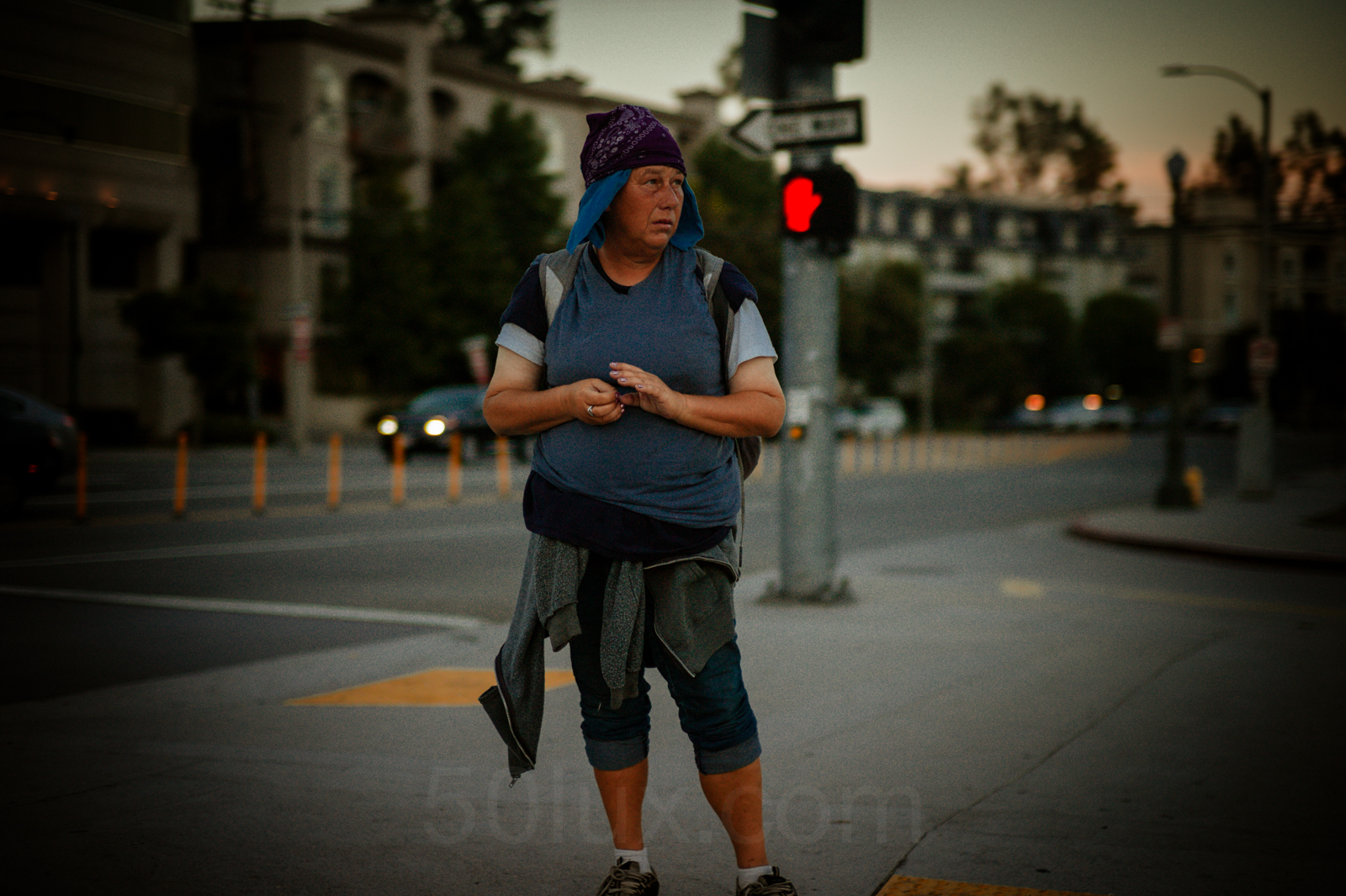


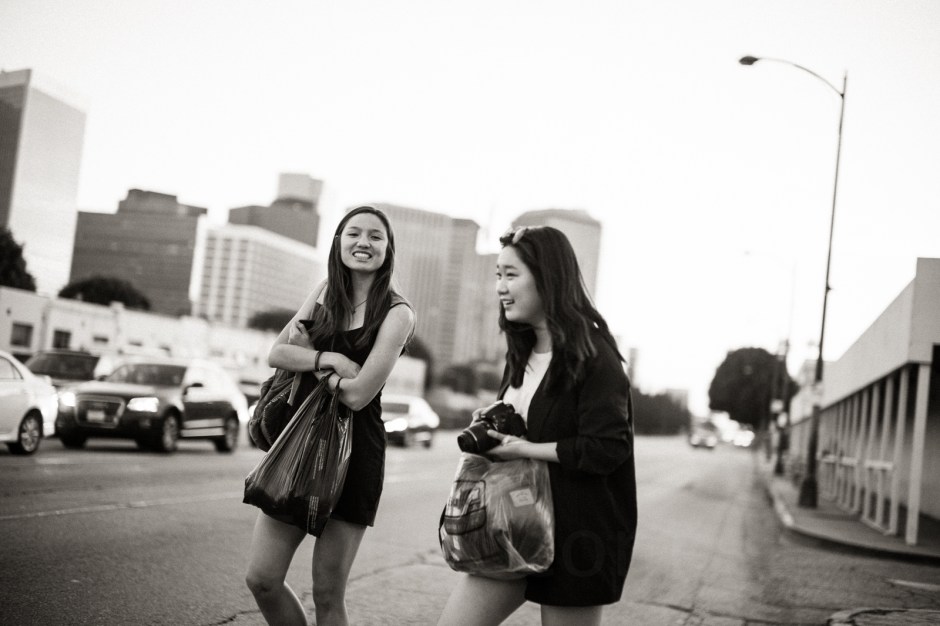
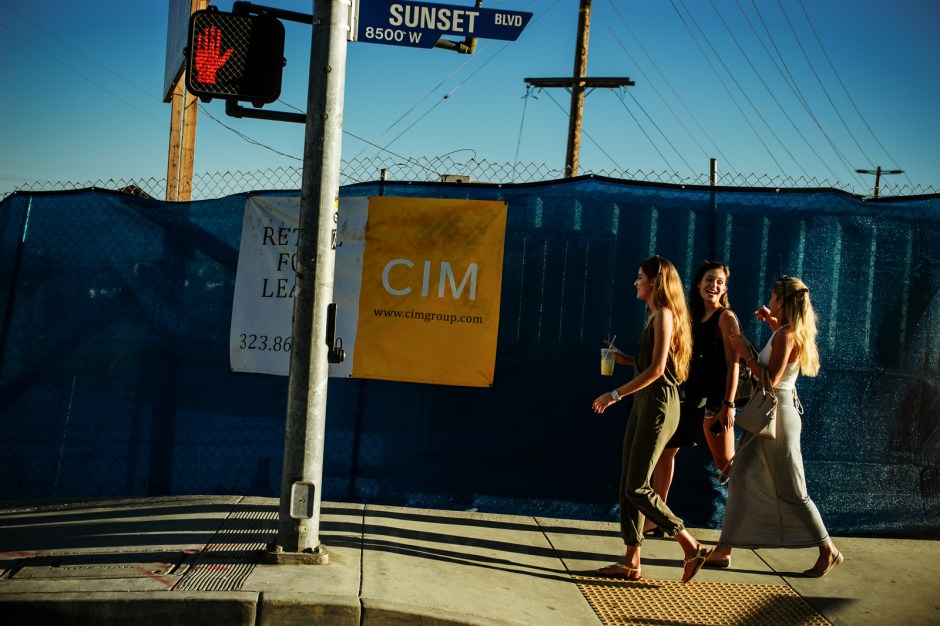
 One of my favorite crazy light spots. The grit and color of real people living real lives. The 50mm Leica Summicron doing what it does and has always done. Nailing reality to a frame of film or to a digital camera sensor. I’ve got nothing else to say.


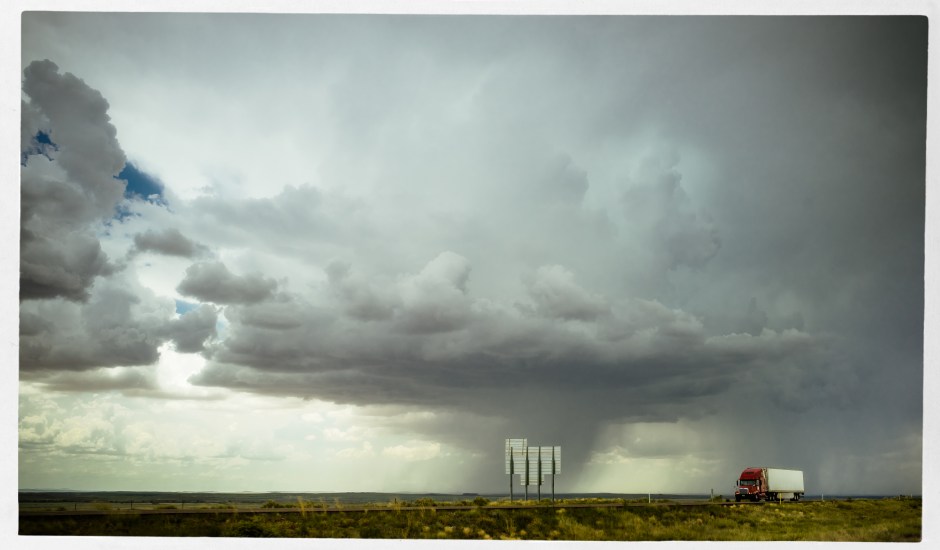


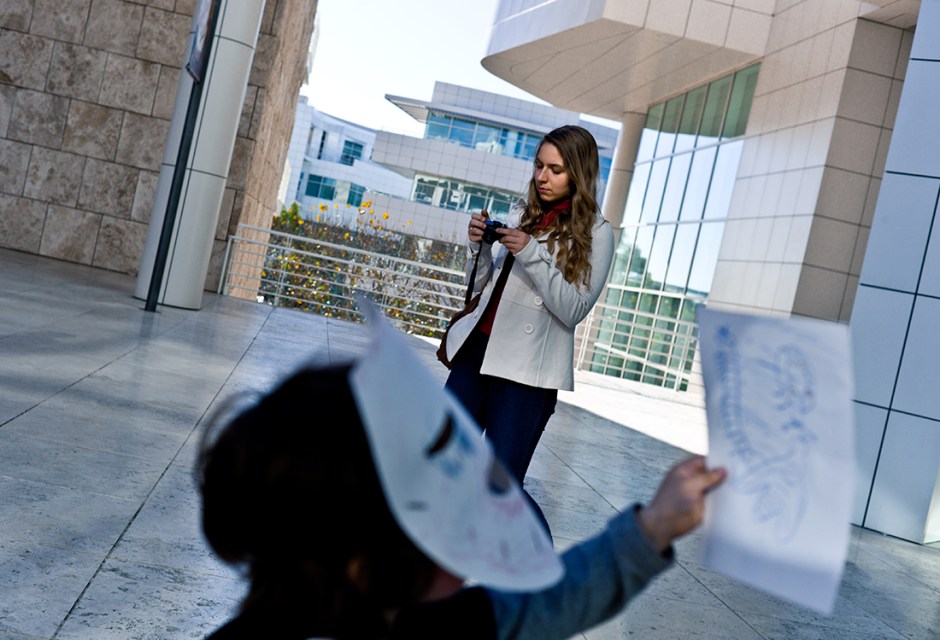
Leica M9, Voigtlander 40mm f1.4 Nokton
THE REBLOGGING CONTINUES UNABATED! This from a few years ago.
Honestly, I’m not sure there’s two opposing camps out there. I think the way it usually goes is some poor unsuspecting chap says he likes to take pictures… and then, invariably, someone wearing a much more expensive watch says he doesn’t take pictures, he makes them.
Ah-HAH!
Then the first guy smiles and shrugs and says yes, of course, and then looks at his feet. The party’s over for him. He doesn’t even know what the other guy is talking about.
Make pictures? What does that even mean? What’s the difference between taking a picture and making one? Are they really two different things? How come I don’t know this?
The reason he might not know it is because there are so many instances in life where others hang onto information as if it’s a proprietary asset. Or, just as likely a theory, as long as I’m casting aspersions, they can’t really explain it themselves even if they wanted to because they themselves don’t know.
Ansel said it. That should be good enough for everyone. Right?
The truth is, making and taking a picture are really two different things. What the annoying snobby person (a recurring character on this blog) may not know is that, believe it or not, both are important approaches to photographing and it’s important to know the difference and to be able to execute on either at your discretion as a fairly decent photographer.
Simply put, you MAKE a picture when your eye selects a subject or scene and you can envision how you want that picture to appear in a photographic image and then you set about the business of positioning yourself and your camera, deciding areas under your control such as the aperture and how it will effect depth of field, for instance, as well as principles of composition or how you might use exposure, the balance of light and shadow, and an almost infinite number of other variables that will allow you to achieve the image that you’re envisioning as an end result.
Almost everything is riding on you. Your desired outcome will come about to your satisfaction only if you can execute and control the many decisions and results that represent your own vision for the image.
It’s an important basic concept to be aware of as a photographer and you can cement the processes involved in making images as opposed to taking them into your mind by repeated practice or application. After you’ve ‘made’ a half dozen great images of things as banal as the folds and polka dots on your shower curtain you’ll understand the concept of making an image as opposed to taking one.
But as you have probably already figured out, this is just one approach or thought process of photography and there certainly are countless instances where great photographers producing iconic images were not and are not engaging in anything approaching such a carefully thought-out creative process in the capturing of their images.
In fact, and apologies to Ansel Adams, I would suggest the vast majority of photography’s most famous, memorable, or iconic images were not made in the sense that they were envisioned, preconceived, thought about, prepared or set up for, or any of the many actions that a creative photographer might go through in an effort to make an image.
This is probably best explained with a picture, which is, the last time I bothered to check, still not really worth a thousand words.
Sao Paulo, Brazil. 2006. Women’s World Championship of Basketball.
Team USA has just lost a game in international competition for the first time in 14 years. Since international amateur athletic bodies that govern things like world championships and the Olympics changed the rules that prohibited professional athletes from participating, allowing for the creation of ‘dream teams’ made up of the best professional players in a given sport, the United States had dominated the world in women’s basketball.
But the scrappy (and photogenic) team from Russia found a way to do what no one believed even possible; literally beat the Americans at their own game.
So a bunch of baseline photographers are under the far basket after the historic loss. Some of us, the Americans I’m guessing, are shocked and more than a little bit angry. We all came a long way to shoot the United States winning a world championship.
We’re all looking around in confusion and as the Russian post-game celebration extends beyond a polite 30 seconds or so, it seemed that most of us had gotten all the shots we needed of this sacrilegious demonstration and we’d gone back to mostly arguing about who screwed the pooch harder, the US players or coaches.
After a while, in any group or pool of photographers covering an event, there’s this group-think that seems to occur. We all know what we’re there to get, and I think some of us can get a little self conscious if we’re the last photographer still grinding away at our shutter’s life expectancy at eight frames per second shooting at essentially the same scene. You don’t really want to be that guy. What is that clown doing? You mean you haven’t gotten one in focus YET?
But then I saw something. Something was added to the scene. Instinctively I raised my Nikon D3 with the 70-200mm f2.8 Nikkor VR mounted and took this shot.
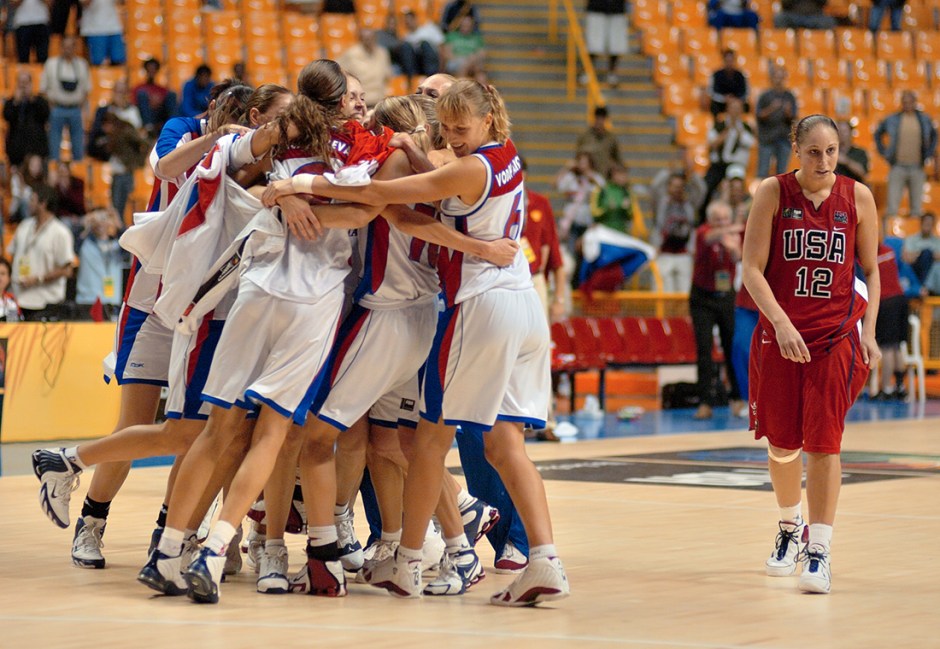
Nikon D3, 70-200mm f2.8 Nikkor VR
I will tell you without question that it is my firm opinion that if women’s basketball and the exploits of our US national team in international ball were a big deal in this country, as big of a deal as say, NBA basketball is in America, then this image would have been an iconic capture.
It’s Diana Taurasi, then and probably now the best women’s player in the world, dejectedly walking by as the ecstatic Russians carry on the celebration of their incredible upset of a team made up of the best professional and amateur women ballers our country could produce. Something that hadn’t happened, as I pointed out earlier, in 14 years.
I know you could argue that I somehow made that image, and that’s fine. My mind recognized the opportunity and blah, blah, blah. Yes, I was prepared to shoot that moment. But we’re all as photographers in a constant state of preparation.
The truth is, I took that shot. And the further truth is, I seek to take shots a lot more than I set out to make shots.
I wrote this article because I think I understand the difference between the two and can explain it. I also wrote it because I’d like to change as a photographer. I can take shots. I’m very good at it and I want to continue taking them whenever the opportunity arises.
But I want to spend a lot more time in the future of my photography making images. This blog entry will be, I hope, a major step forward for me to focus my attention onto an approach to photography that I’ve often neglected.
You don’t really know something, it is said, unless you can explain it to others. And I sincerely hope this piece is as helpful to me as it might be to anyone reading it.
db
P.S Here’s another women’s basketball shot that this time I apparently, in spite of myself, somehow managed to make.
P.P.S. This article was originally published here on 50lux.com June 10th, 2012. I could (and probably should) just reblog these old articles, but they don’t display quite the way I would like them to so I don’t. I guess I don’t quite see the harm in doing it this way.
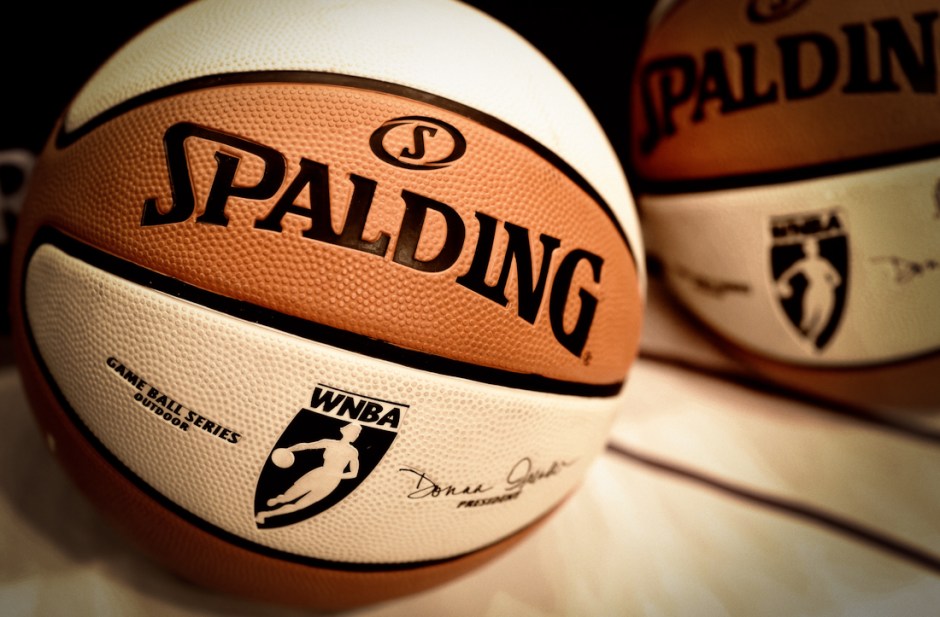
Nikon D3, 24-70mm f2.8 Nikkor

Rodeo Drive, Beverly Hills 2015 – 50lux.com © 2015
VIA americansuburbx.com:
note: americansuburbx.com is really IMO the greatest photography website on the planet. can’t even describe what it has meant to me over the years. fascinated by the ideas presented by in this article and thought i would share them here.
ATEM is something of a cold tome where the images are used as a fleeting embrace or collation of imagery that flickers in and out of the creator’s intent in so much as he does not seem to have one cohesive interest in their distribution. This is very much why the book is a success. It is to use photographs for what they really are, non-representational epitaphs of moments rendered in silver with little meaning when consumed in great amounts by second or third parties. The book is filled with images. It has a DIY aesthetic by design and covertly bargains with the viewer to NOT make a narrative from their collective assembly. This speaks more truth within photography than do a large number of other books currently being published under that age-old headache of “series”.
via Massimilio T. Rezza’s ‘ATEM’: The Art of Images Without Meaning | ASX.


Mary Ellen Mark at the Leica store, Los Angeles, 2013. Photos by Donald Barnat 50lux.com
Sad news VIA Philly.com –
Mary Ellen Mark, a photographer known for her incredible humanist photography, passed away Monday in New York City. A rep confirmed the news Tuesday morning. She was 75.
Mark was born (March 20, 1940) and raised in Elkins Park. She graduated from Cheltenham High School (“I was head cheerleader,” she told the Inquirer’s Stephen Rea in 2008). In 1962, she received a bachelor of fine arts in art history and painting from the University of Pennsylvania, and a master’s in photojournalism in 1964 from Penn’s Annenberg School of Communication. She would return to the local institution to receive honorary doctorates in fine arts in 1992 and 1994.

Mark said she got her big break while working for a Penn alumni magazine. On assignment at Rosemont College, she met Pat Carbine, then managing editor of Look, who later took her pitch to photograph London drug clinics.
“From the very first moment I took pictures [on the streets of Philadelphia], I loved it,” Mark told the Inquirer’s Michael Matza in 1988. “The thrill was the idea of just being on a street, turning a corner and looking for something to see. It was just an amazing feeling. … Photography became my obsession. … In a way it’s not so different when I go out to work now. It’s just that now I have years of experience in knowing how to use that little machine in front of me – at least better than I used it then. When it’s good and interesting it’s still that feeling of being on the street and wondering – God, I love this! – what’s going to happen next?”
via Legendary Philadelphia-born photographer Mary Ellen Mark, 75, dies.


One day last year. At least I think so. I’m loving the ‘mosaic tile’ gallery option on WordPress. It only took me years to notice it. So I might go back to some of my older posts with lots of images and put them together in this new (ahem) and exciting way. 😉


donald barnat 50lux.com
VIA THE BBC:
Film photography was supposed to have been killed off by the digital era – but a committed band of enthusiasts refuse to abandon the traditional camera. Stephen Dowling finds out why for some, film never went out of fashion.
Photographer Patrick Joust spends a great deal of time on the streets of his native Baltimore, drawn to capture both the city’s residents during the day and the lamp-lit solitude at night. He does all of this on film.
“It’s the medium that works best for the kind of work I want to do,” says Joust, who often lugs three cameras around the streets, loaded with different kinds of film.
“These old cameras can disarm people and can be the starting point for some great portraits. There’s something more friendly about film cameras, even quaint, and I try and make that work for me.”
via The photographers who refuse to abandon traditional film cameras – BBC News.


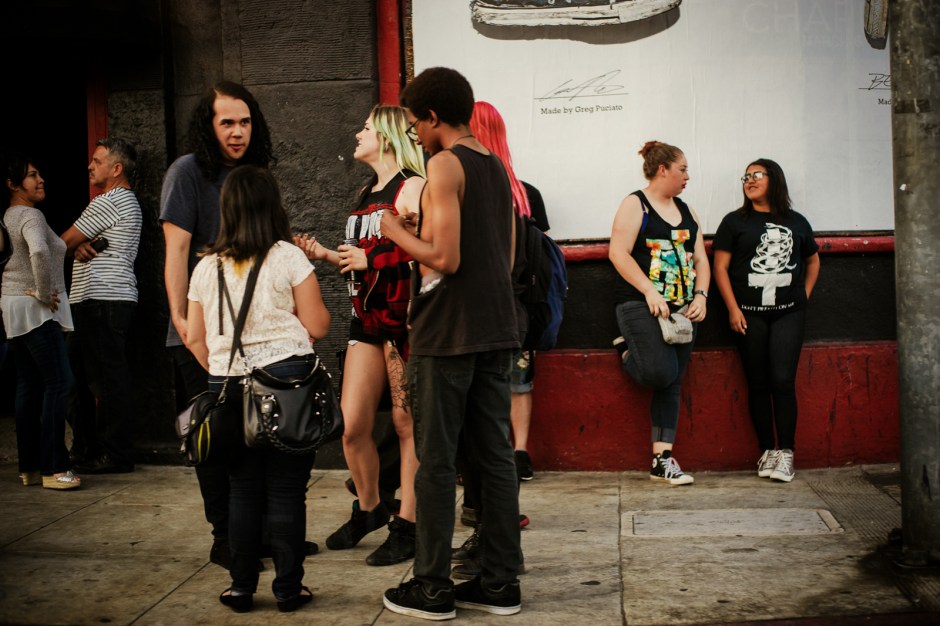

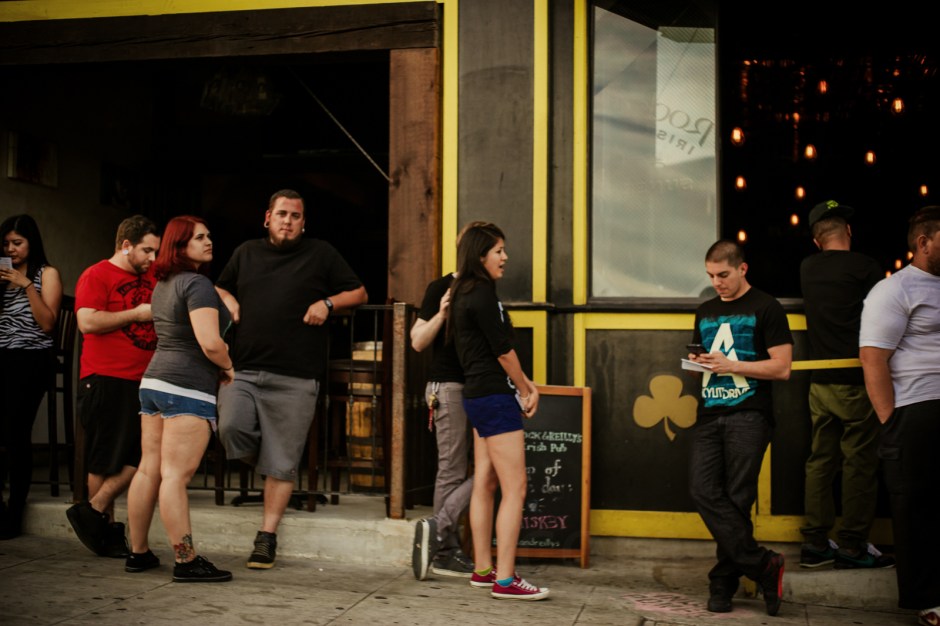

Via NYTimes LENS –
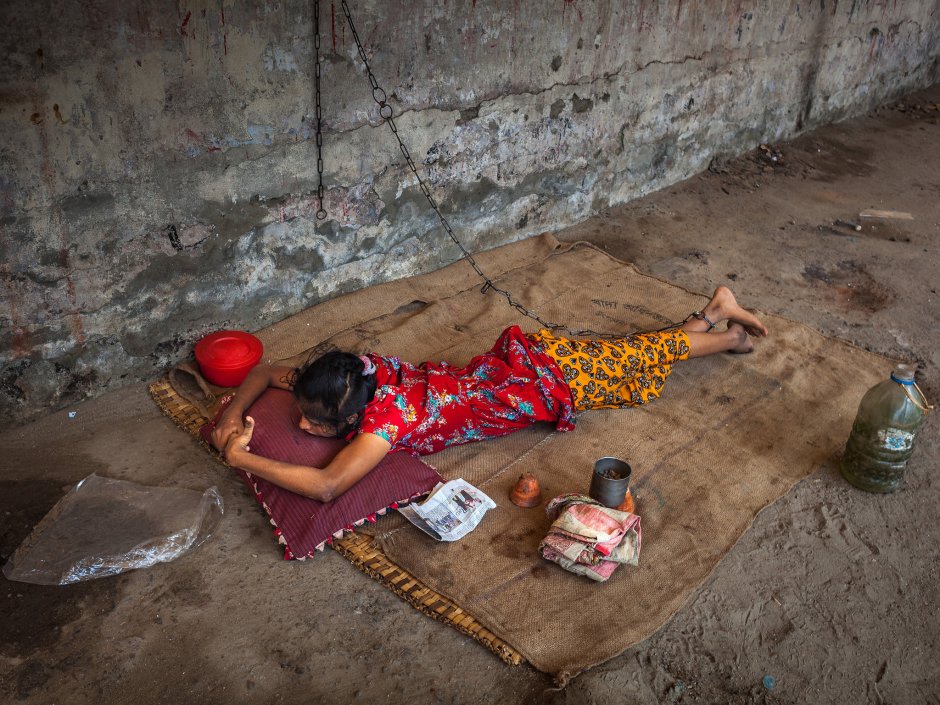
Scenes of poverty are inescapable in a country like Bangladesh, where Western media and charities use them to generate outrage, sympathy and — sometimes — donations.
That bothered Shehab Uddin, a former newspaper photographer in Bangladesh who knew there was more to the story than downtrodden people victimized by poverty, not to mention photojournalists.
“When photographers visit a country like Bangladesh we don’t bother to ask permission from the people we want to photograph,” Mr. Uddin said. “We have the power, with thousands of dollars of gear, nice clothes and a good education, and we think we have every right to photograph.”
Mr. Uddin not only asked permission to photograph poor people. He also moved in with several families and later had them help select the images that he would exhibit in their neighborhoods.

LENS AT NYTIMES: While some professional photographers might grow nervous at the idea of Instagram users taking over a museum, Mr. Kuster said people should embrace it. “There is an amazing movement that’s happening in photography,” he said. “There are so many great and talented people who are finding their voice.”
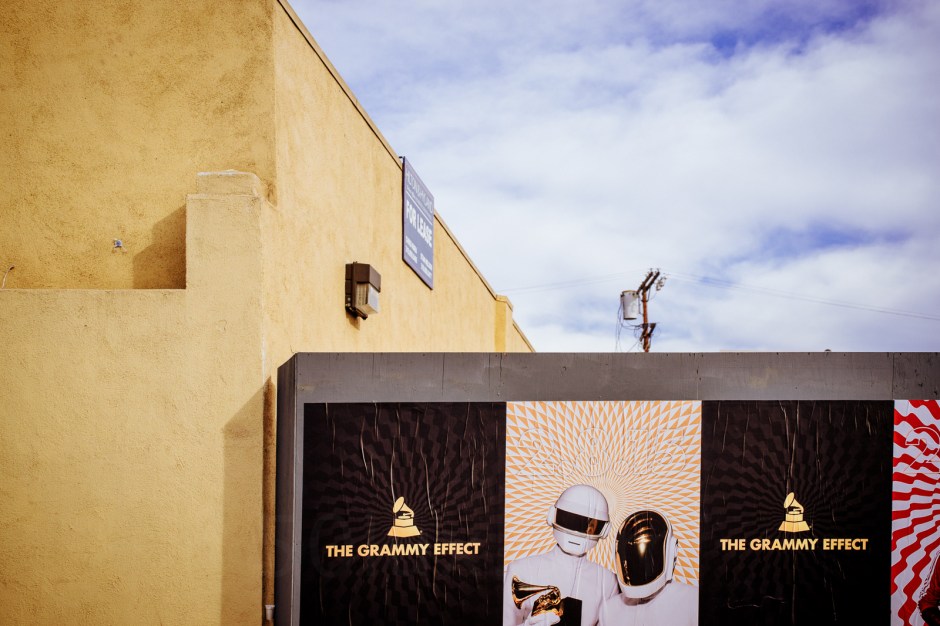
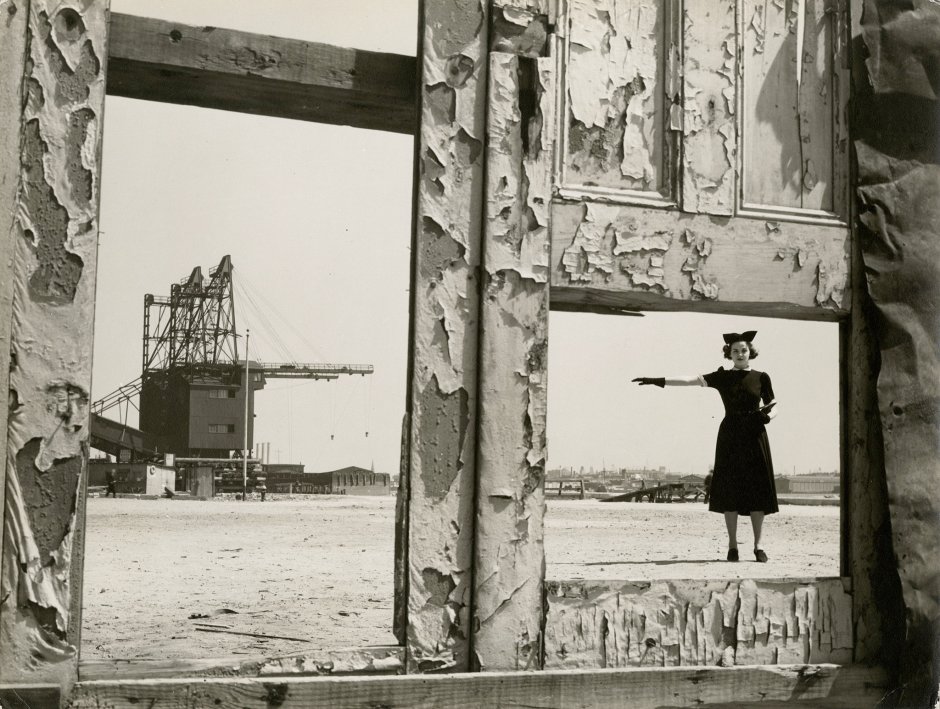
The quiet stillness of Eliot Elisofon’s pictures of New York can be deceiving. Mr. Elisofon, who died in 1973 at age 61, was neither quiet nor still. An early member of the Photo League and a staff photographer for Life magazine from 1940 to 1964, he called himself the “world’s greatest photographer” and hired a publicist to spread the word.


This page is just a teaser! Please check back here in the very near future to go to the actual Purchase Prints page where images I have selected will be available to be purchased as prints. I will be adding many more images to these in time and if there are any that you have seen that you would like to purchase a print of please feel free to contact me regarding those.
Thank you so much for your interest and support if you have any questions at all contact me here.
Donald Barnat


donald barnat / 50lux.com all rights reserved
Via AMERICAN SUBURB X:
“Her most memorable work documents the lives of the dispossessed; those deprived by birth of the rights and amenities most of us take for granted, touch her. When that happens she virtually moves in with her subject. She spend 36 days in a maximum security section of the Oregon State Hospital, living with the mentally ill, for her 1979 book, Ward 81. And she spent three months with prostitutes in Bombay for her 1981 book, Falkland Road.”
via INTERVIEW: “Street Shooter – An Interview with Mary Ellen Mark” (1987) | AMERICAN SUBURB X.

 50'Lux