
Mother’s Touch


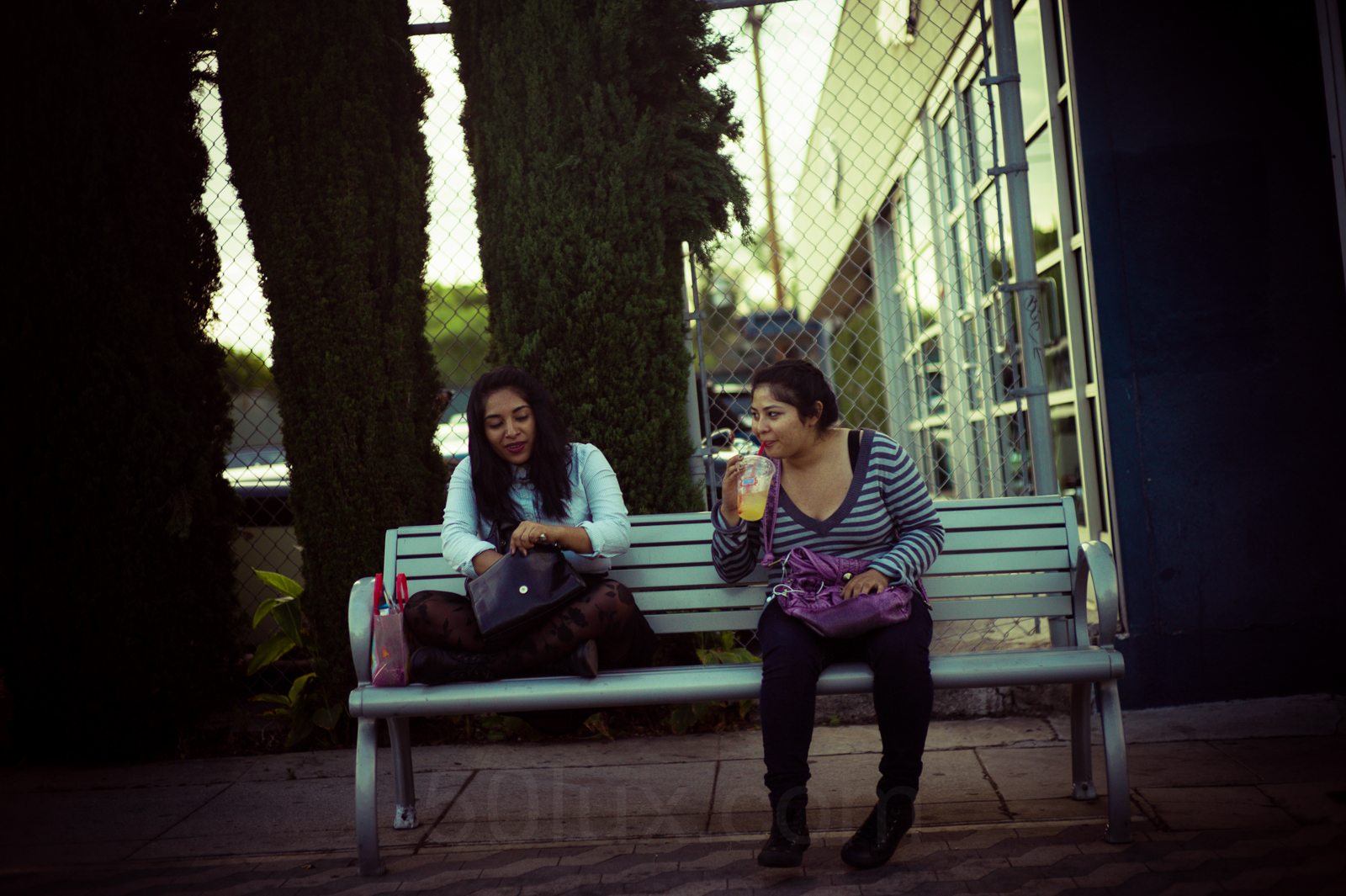
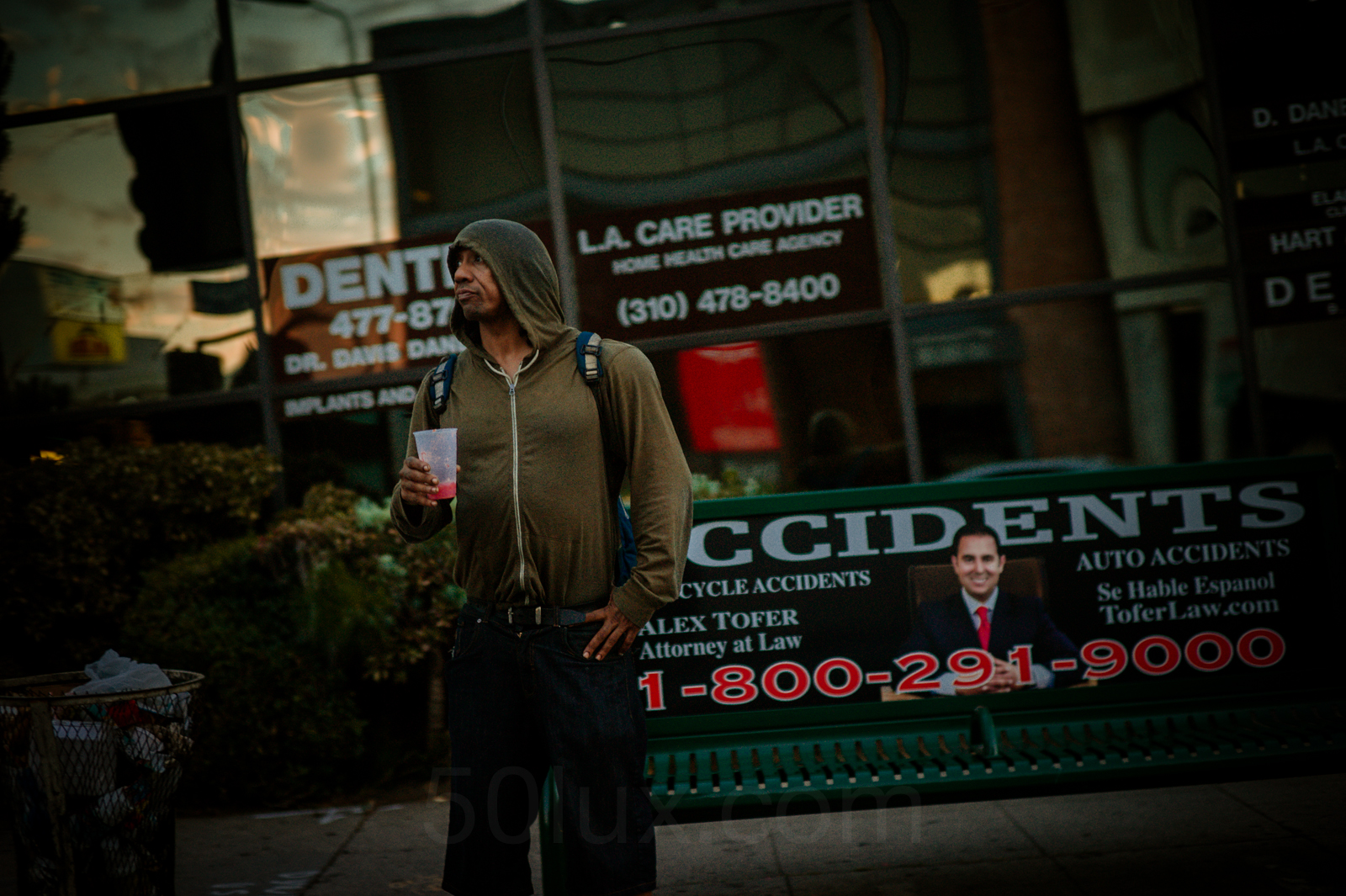

Whenever I remove the $4000 Leica 50mm 1.4 Summilux ASPH lens from my Leica M-E and mount the Leica 50mm 2.0 Summicron, 20 years or so old, made in Canada, that set me back just $475, I’m always blown away.
There often seems to be a color explosion on my M-E’s monitor. The lens is so incredibly capable. So sharp. So perfect. So much color and contrast. If you think you have to spend thousands to shoot the very best Leica glass, you’d be wrong.
The 50 Summicron lacks NOTHING in terms of the sharpness, color, and contrast that you find on the 50 ‘Lux. In some ways, it seems to exceed the ‘Lux.
With the Summiluxes you get a capability provided by the extra stop of light available and the fact that the performance of the lens at that 1.4 aperture is stellar. But that capability and the expense of making that lens does not mean that it’s a better lens than the Summicron. Leica says their 50’Crons are ‘without compromise’, implying what many know, that in order to create a lens that will perform at 1.4 like the Summiluxes perform, there will be some compromises.
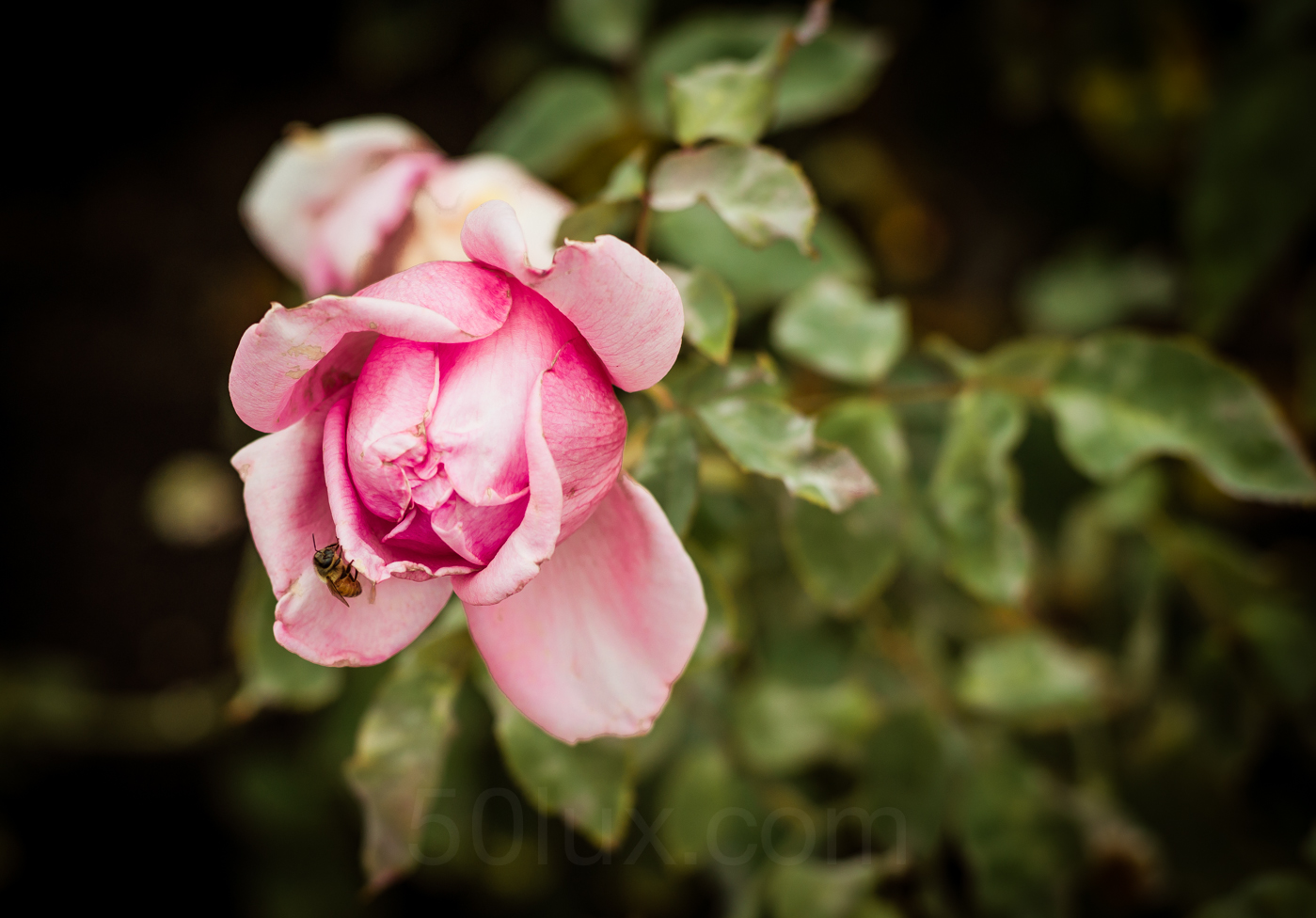
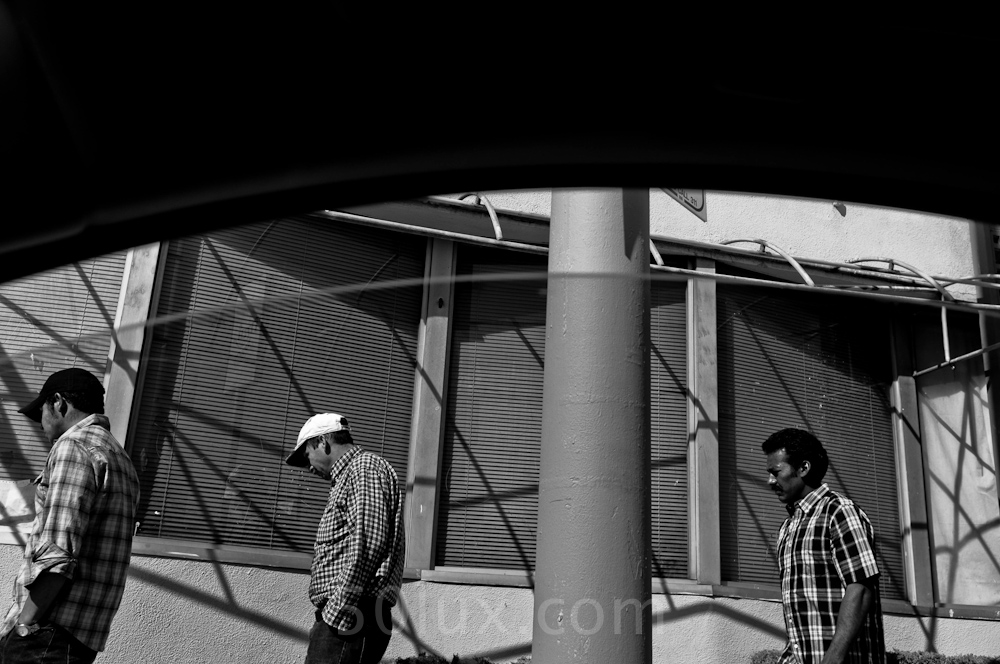
This website is named for the 50’lux, but my heart belongs to my 50’cron. Here in iffy iffy light, all shot at f/2 from a moving car. Huh?
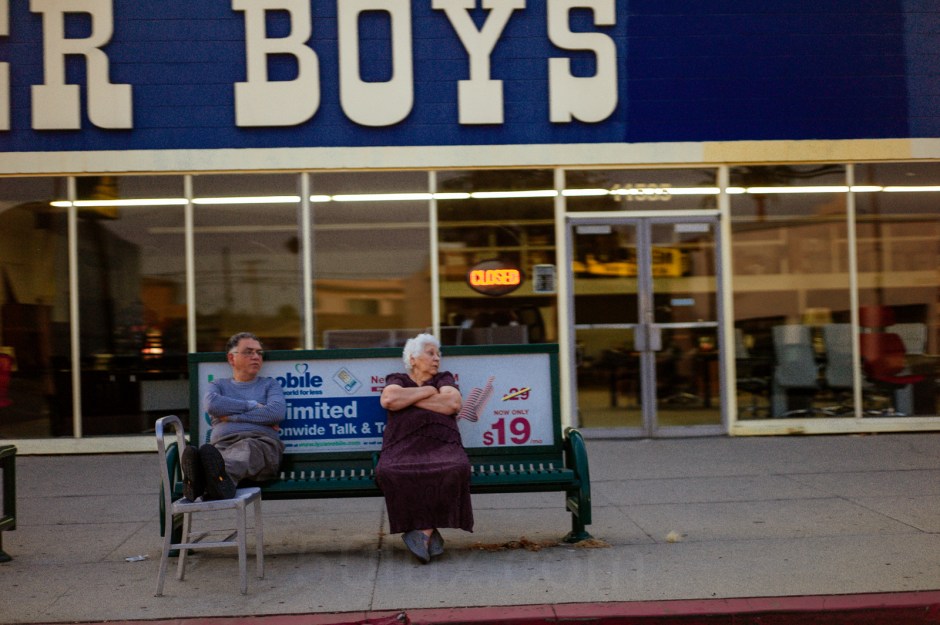

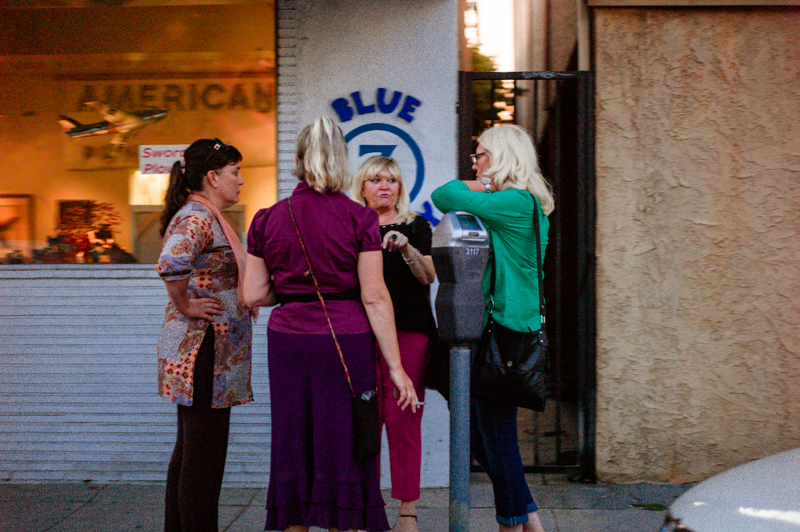
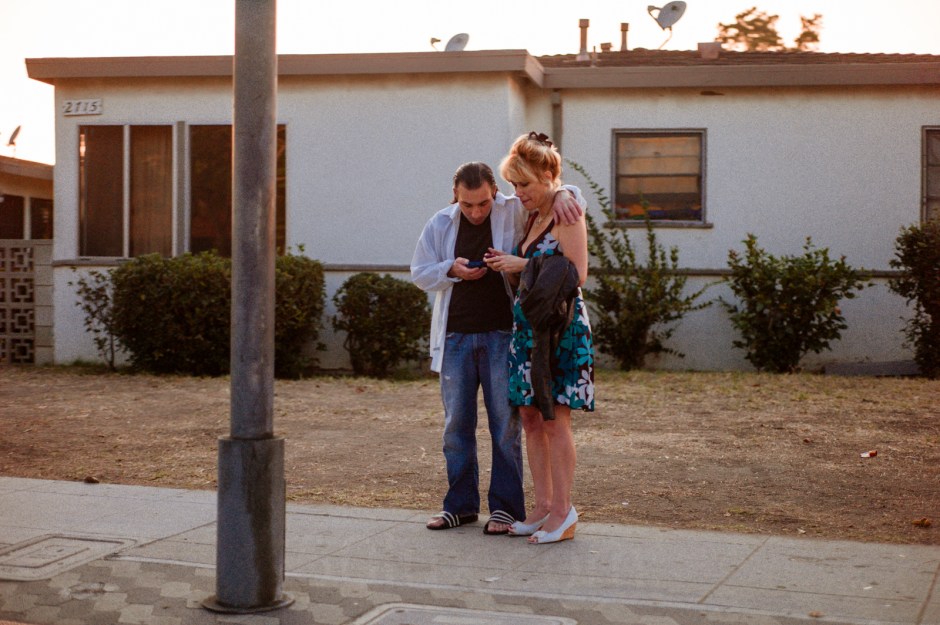
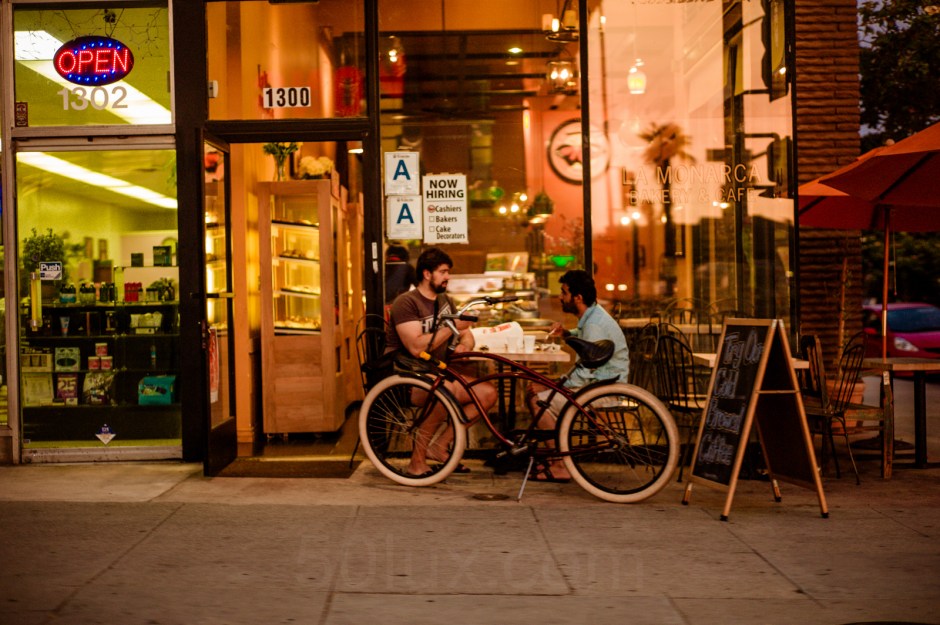


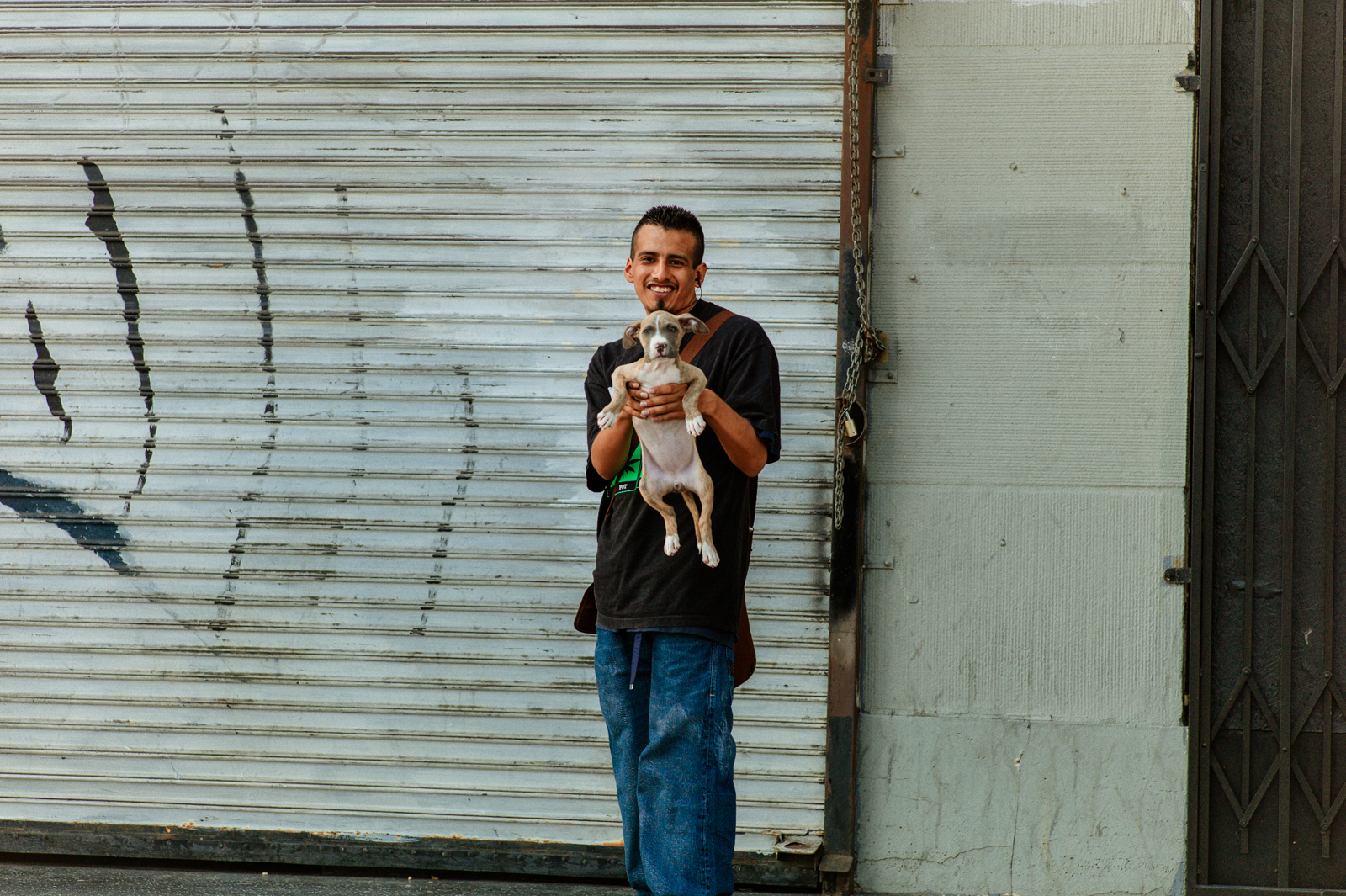


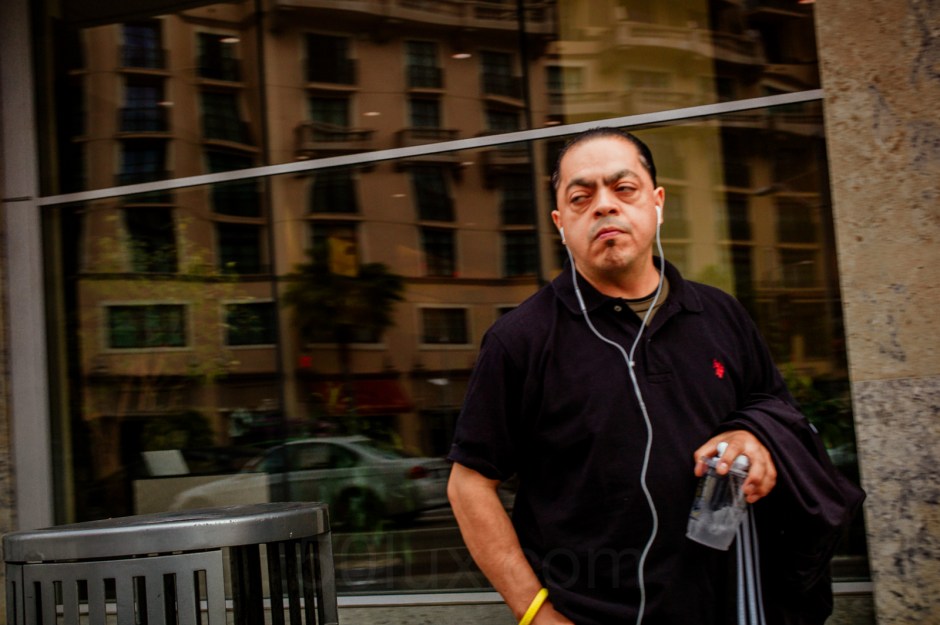

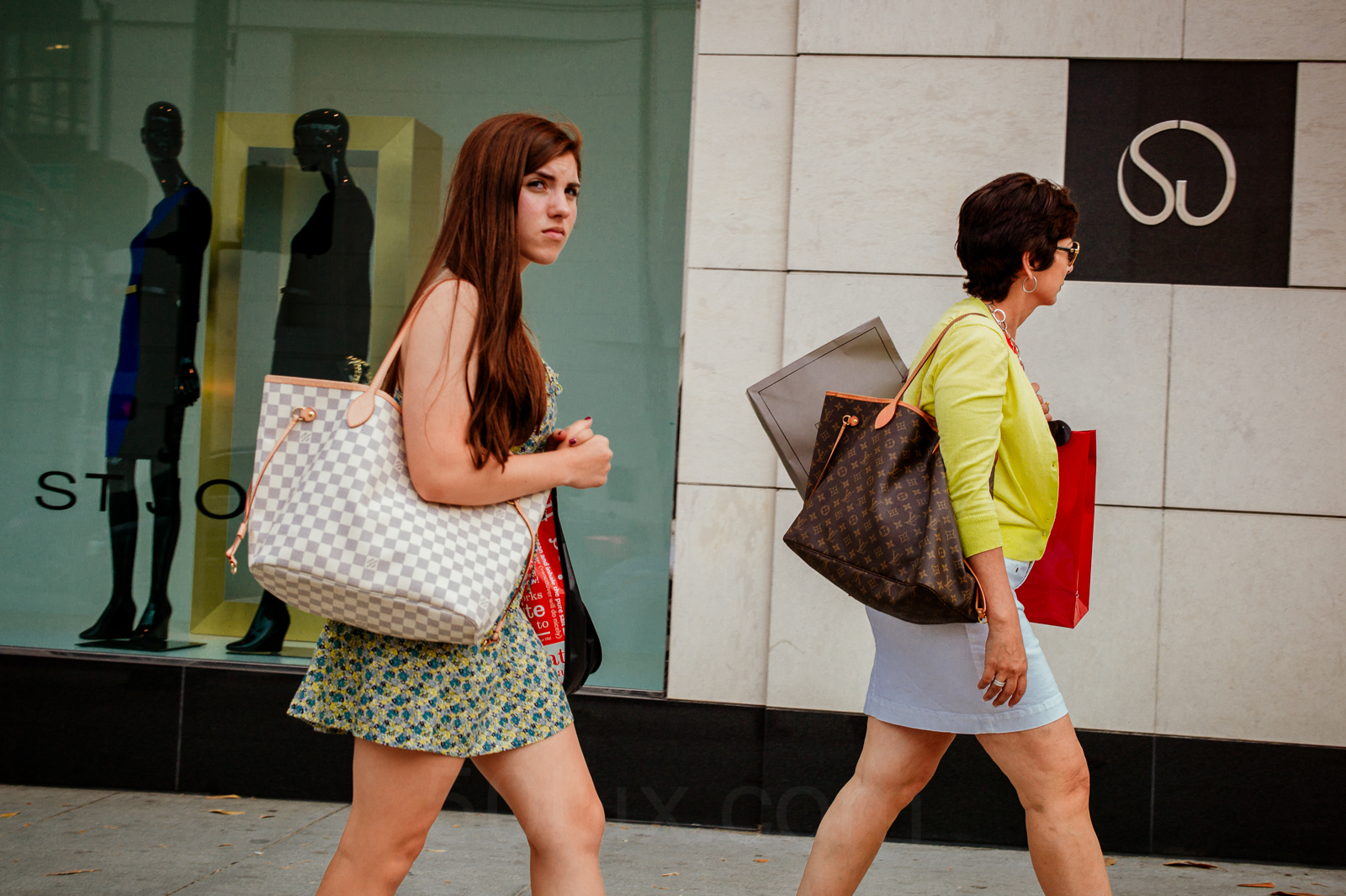

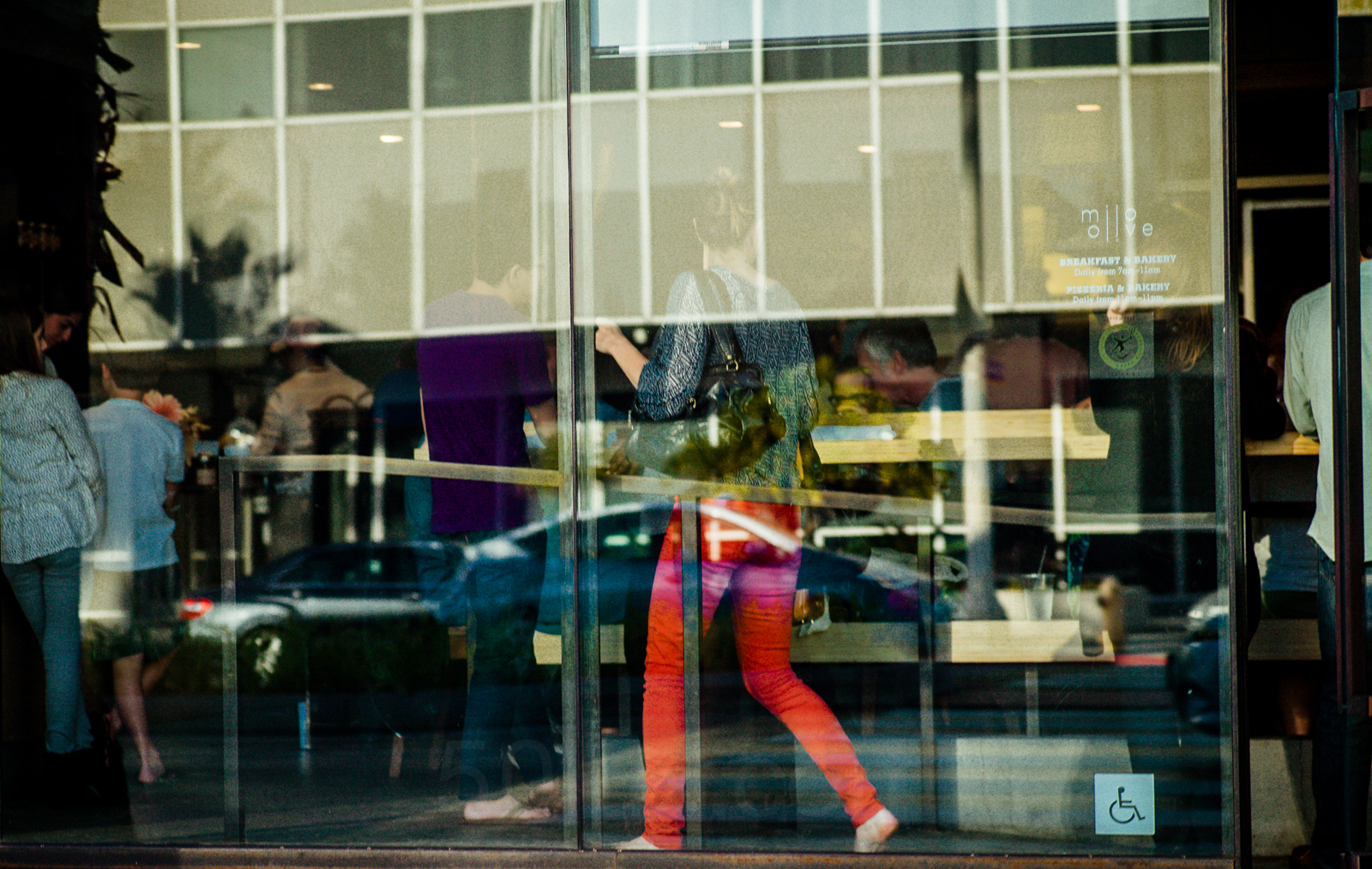
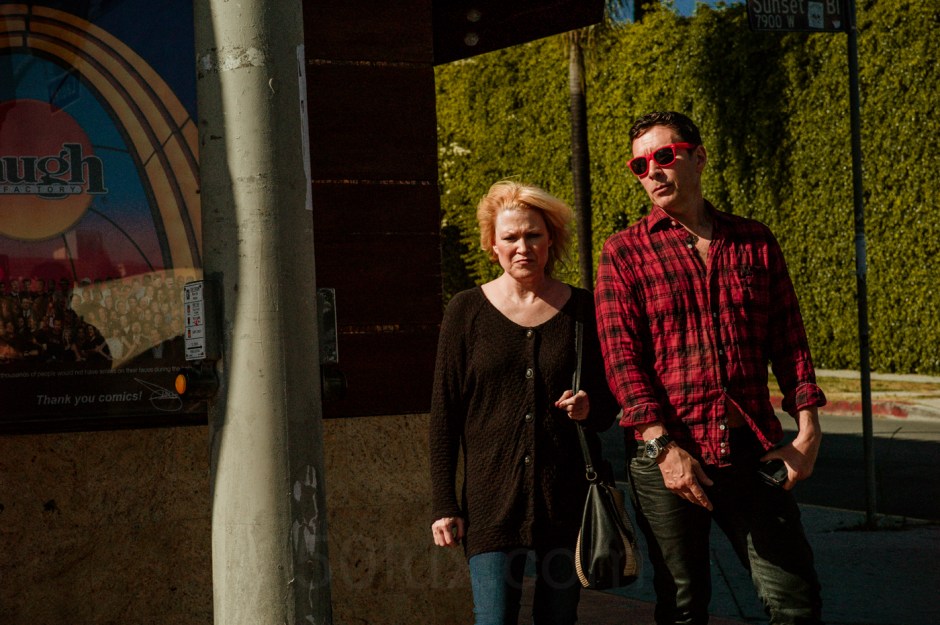


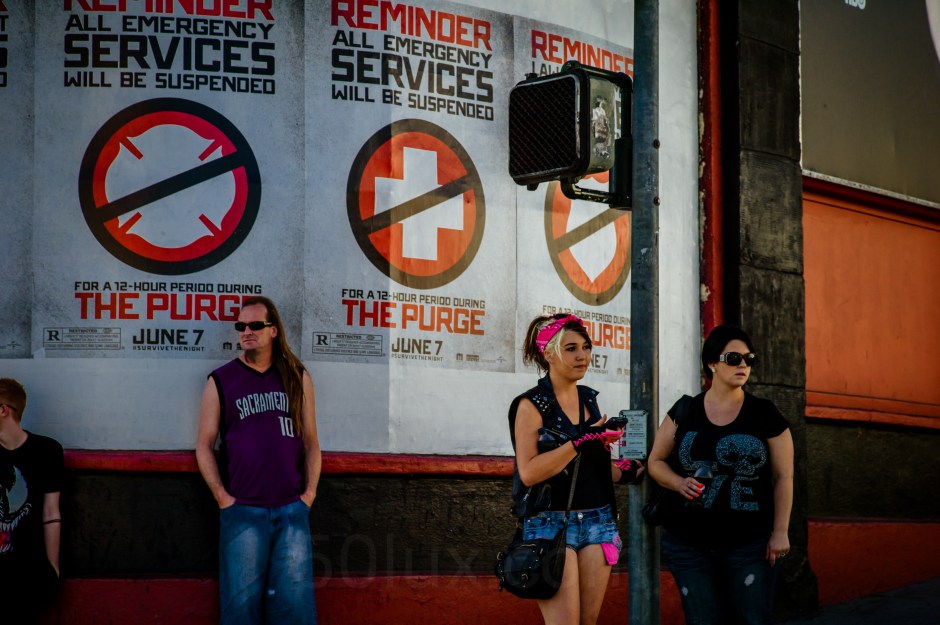
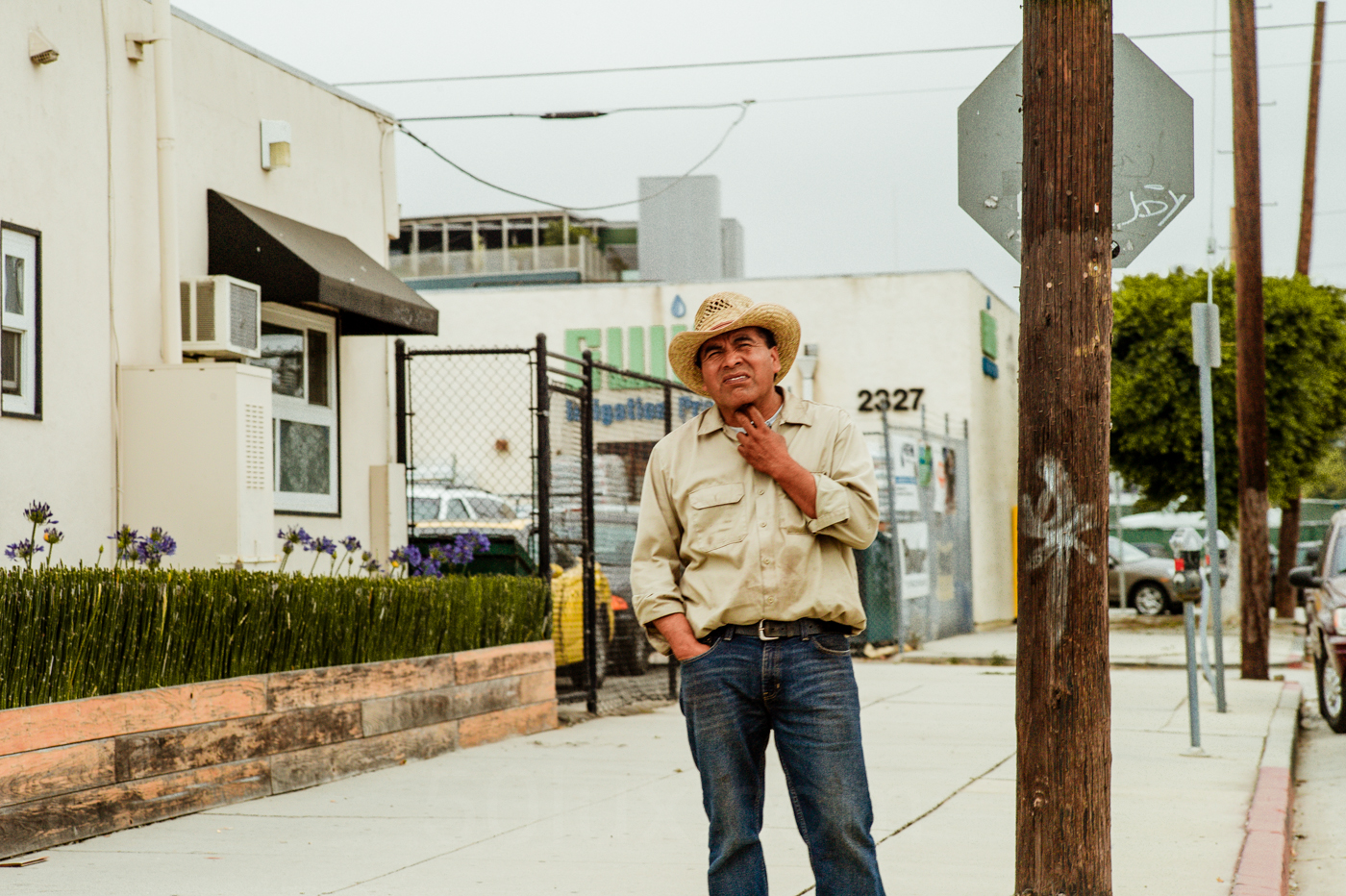
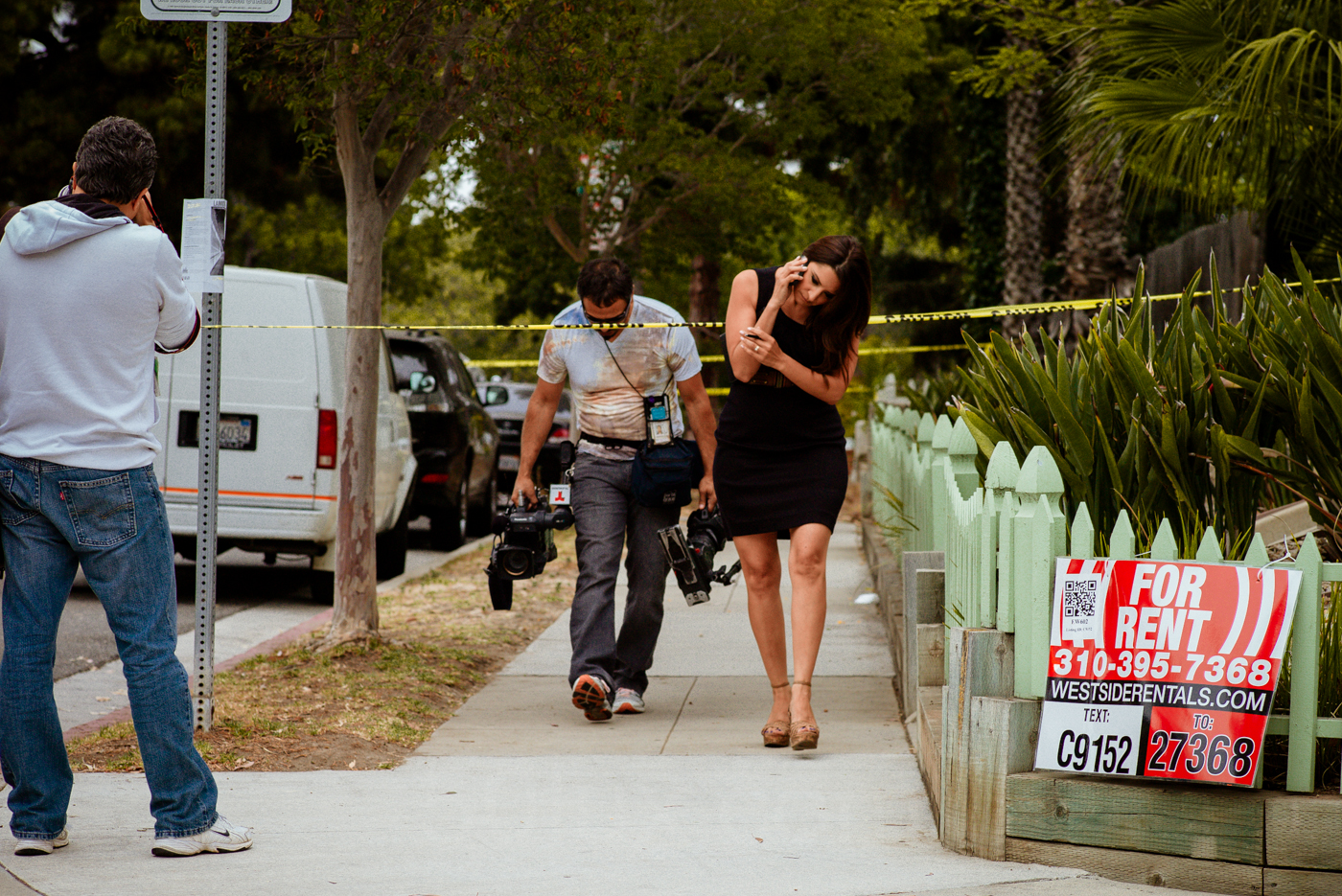
Two weeks ago today we started out down Pico Blvd., oblivious, enjoying our afternoon taking pictures. President Obama was in town and in the Santa Monica area so all the helicopters made perfect sense. So did the police barricades far down Pico near Santa Monica College. People milled about as if the President were likely to come right past them.
Well, that’s what we thought anyway. Had I known that there was a shooting rampage near the campus resulting in multiple fatalities, a sadly common occurrence in the United States at this particular time, I would have come away with an entirely different set of images, I think. But incredibly, even after seeing up close the disruption caused by the actions of a madman, we went about our day continuing to believe that, once again, the president had caused a major interruption to the already crowded Westside.
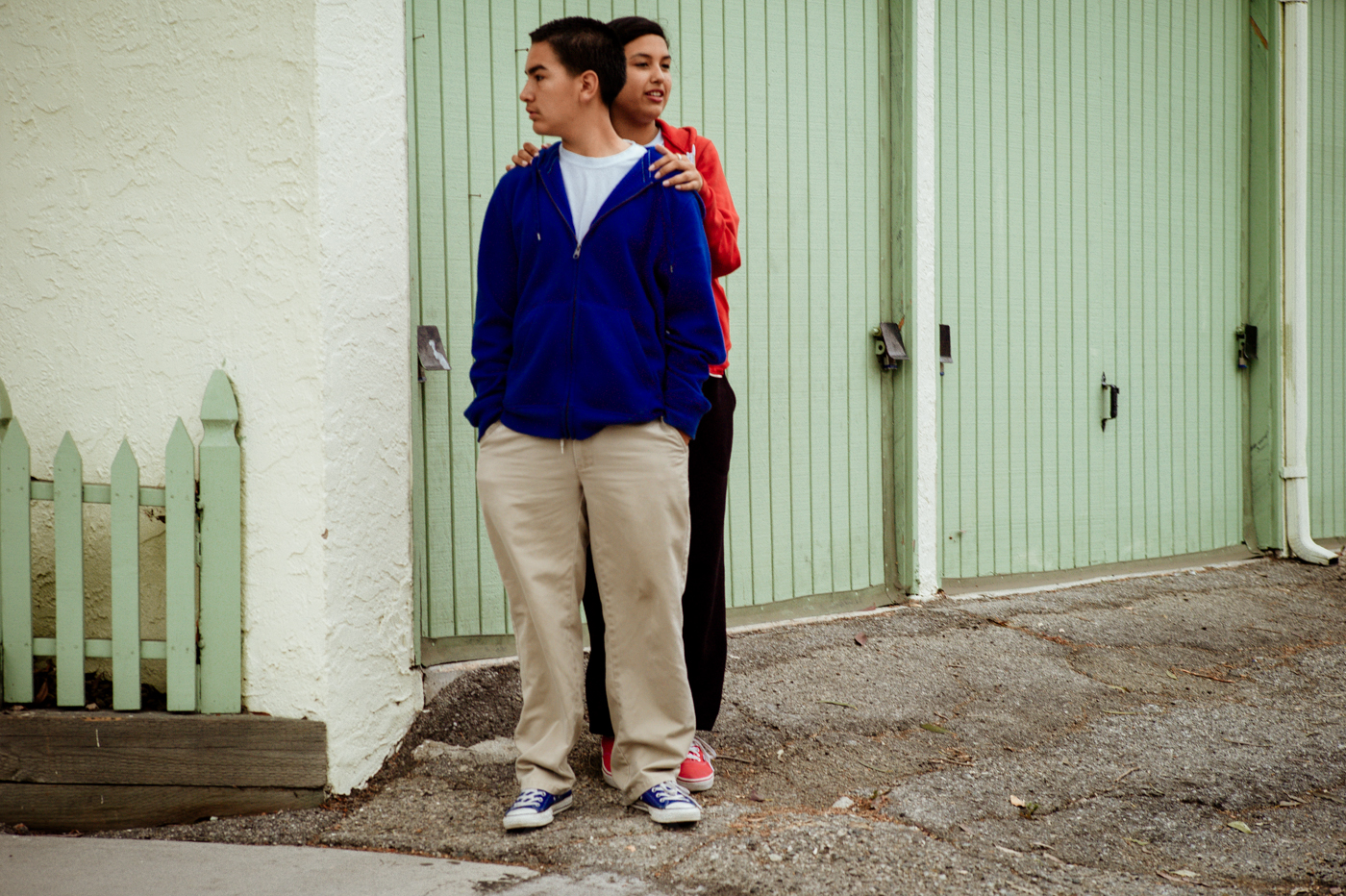
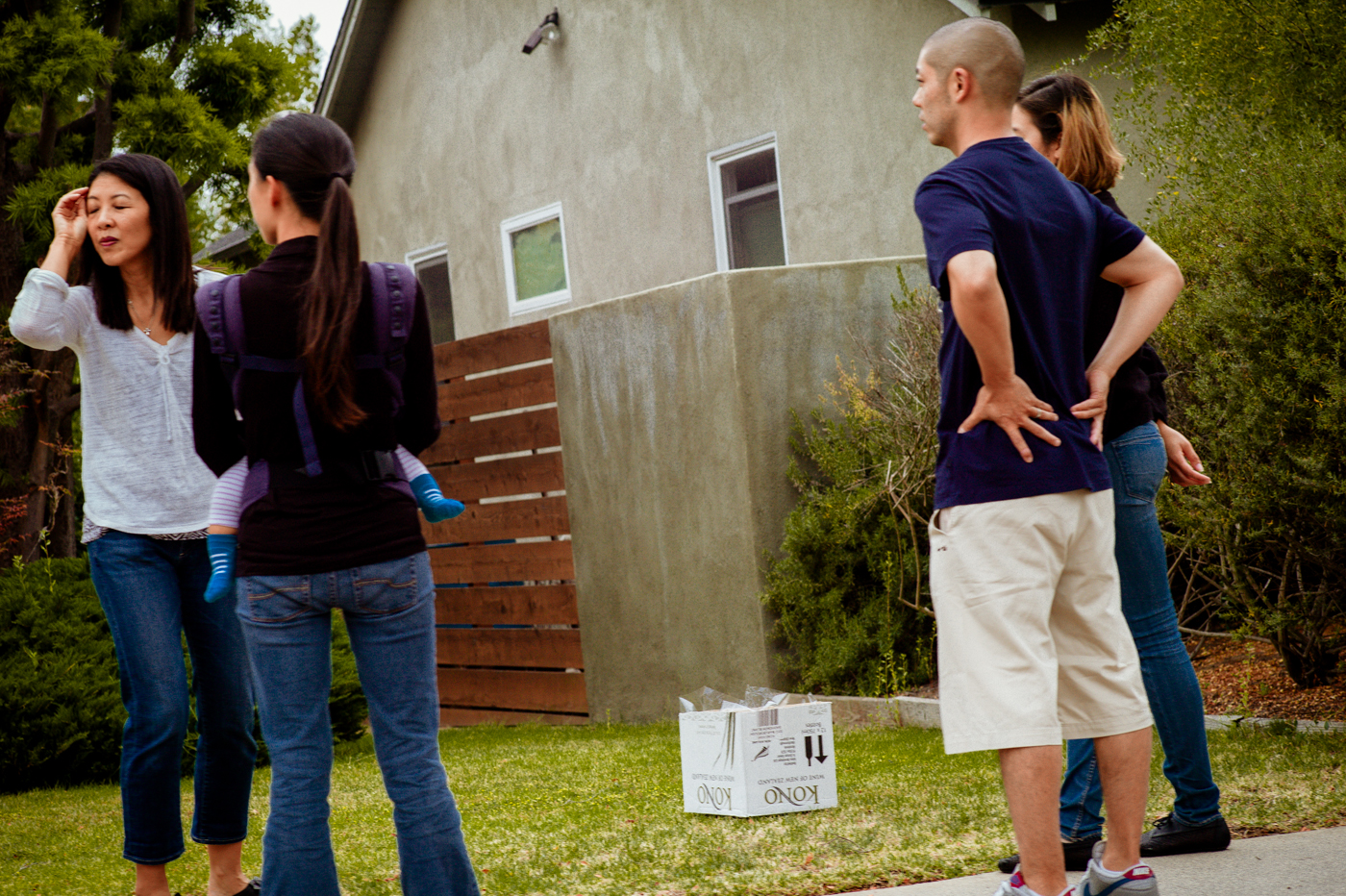
It was only much later in the afternoon that we found out what had really happened. So here are some random shots from that afternoon. Some capture the tense scenes around SMC, some reflect the degree to which we were completely unaware that this was unlike every other day in LA.
As so often is the case, in retrospect things look much different.

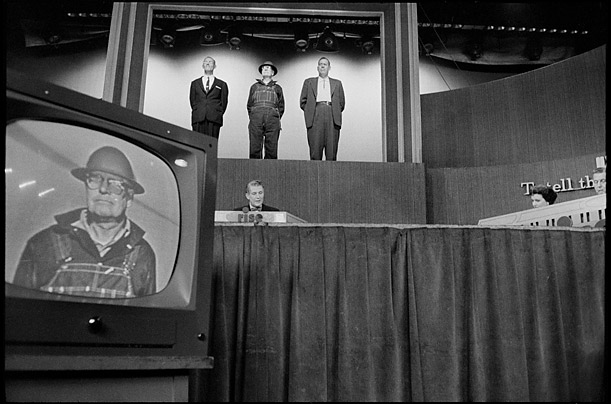
Great New York Times feature on HCB. With audio.
In 1971, Sheila Turner-Seed interviewed Henri Cartier-Bresson in his Paris studio for a film-strip series on photographers that she produced, with Cornell Capa, for Scholastic. After her death in 1979 at the age of 42, that interview, along with others she had conducted, sat like a time capsule in the archives of the International Center of Photography in New York.
Why the 50-millimeter lens?
A.It corresponds to a certain vision and at the same time has enough depth of focus, a thing you don’t have in longer lenses. I worked with a 90. It cuts much of the foreground if you take a landscape, but if people are running at you, there is no depth of focus. The 35 is splendid when needed, but…
Read the rest HERE.
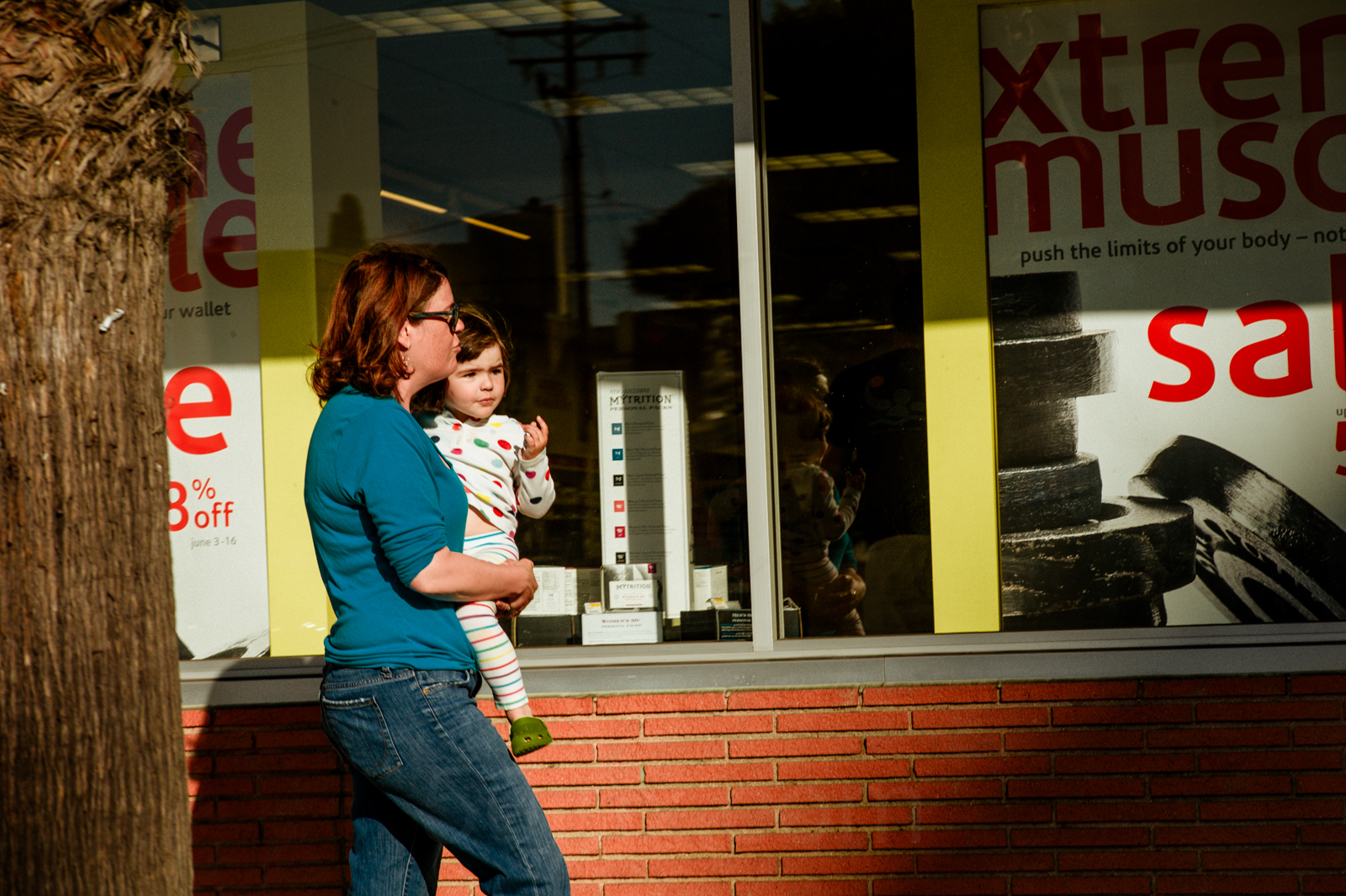

I actually bought, if not the first, then one of the first digicams marketed to the masses, the Casio Something or Other. Thanks to a liberal return policy at the now long gone Good Guys, that camera, which I believe set me back somewhere in the neighborhood of $800, was quickly taken off the charge card. I didn’t even think of buying another digital camera until about five years later. There was a very cool-looking camera from, I believe, either Canon or Olympus. But then there was the camera that won the highest ratings from all the camera reviewers. The Nikon. And I’d always been a Nikon guy.
But this camera was a weird looking thing, with a twisting body type, and it had a decidedly uncool name. Coolpix 950. But I went with the consensus opinion anyway and honestly never looked back. Until now. 😉 In retrospect, it WAS a cool camera. So cool the idea of shooting a ‘Coolpix’ camera again, this time the allegedly fantastic Coolpix A, is an intriguing thought. It would be like coming home for me actually. Stay tuned. As an aside, I love that this blog gives me the opportunity to traipse through my entire photo history, dragging any visitors here along with me. So stay tuned for more of that, too.
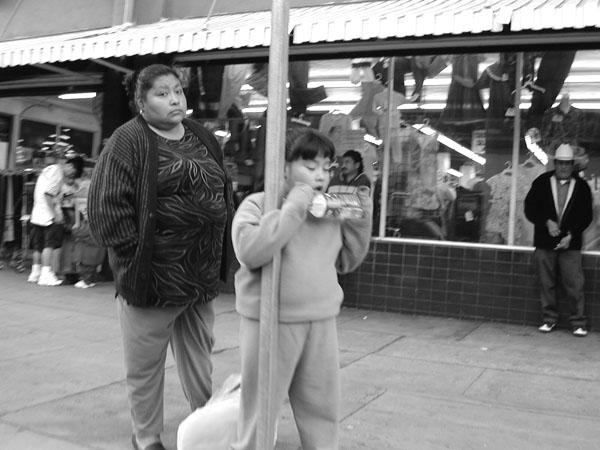
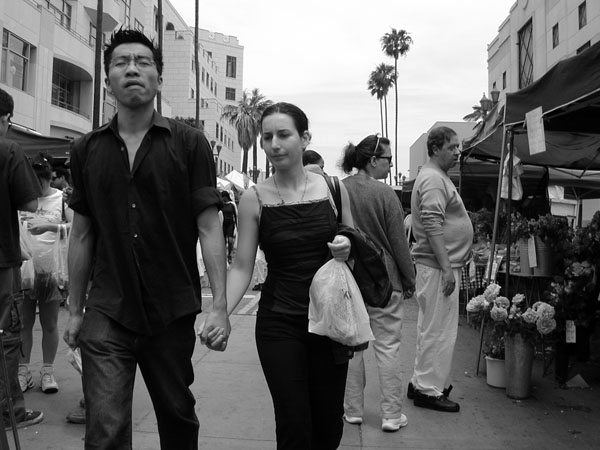
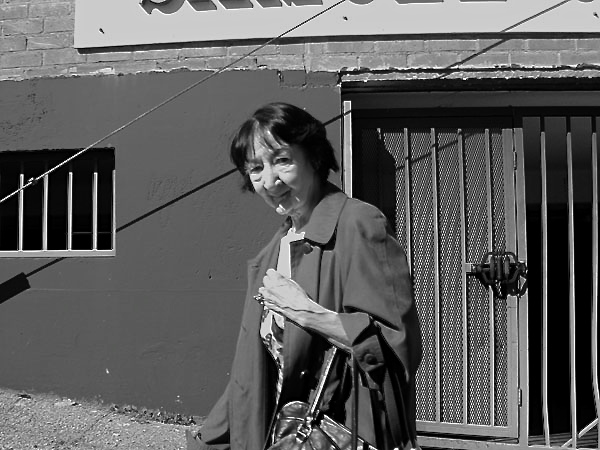
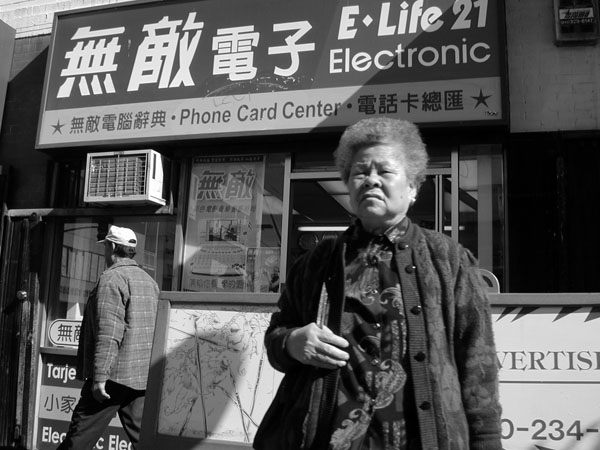
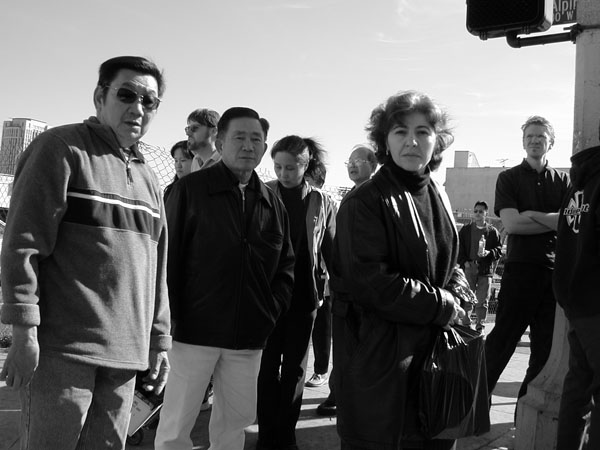
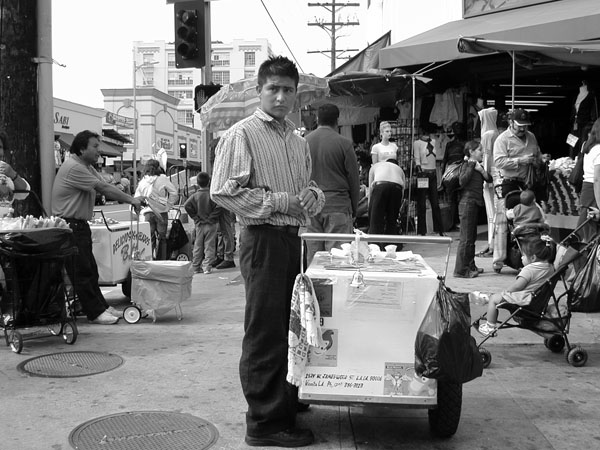
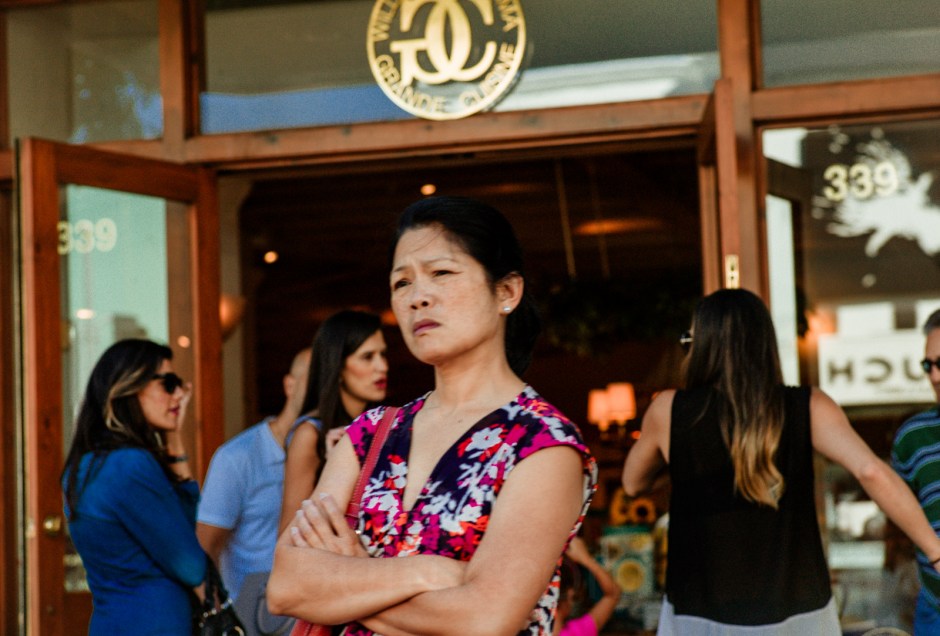
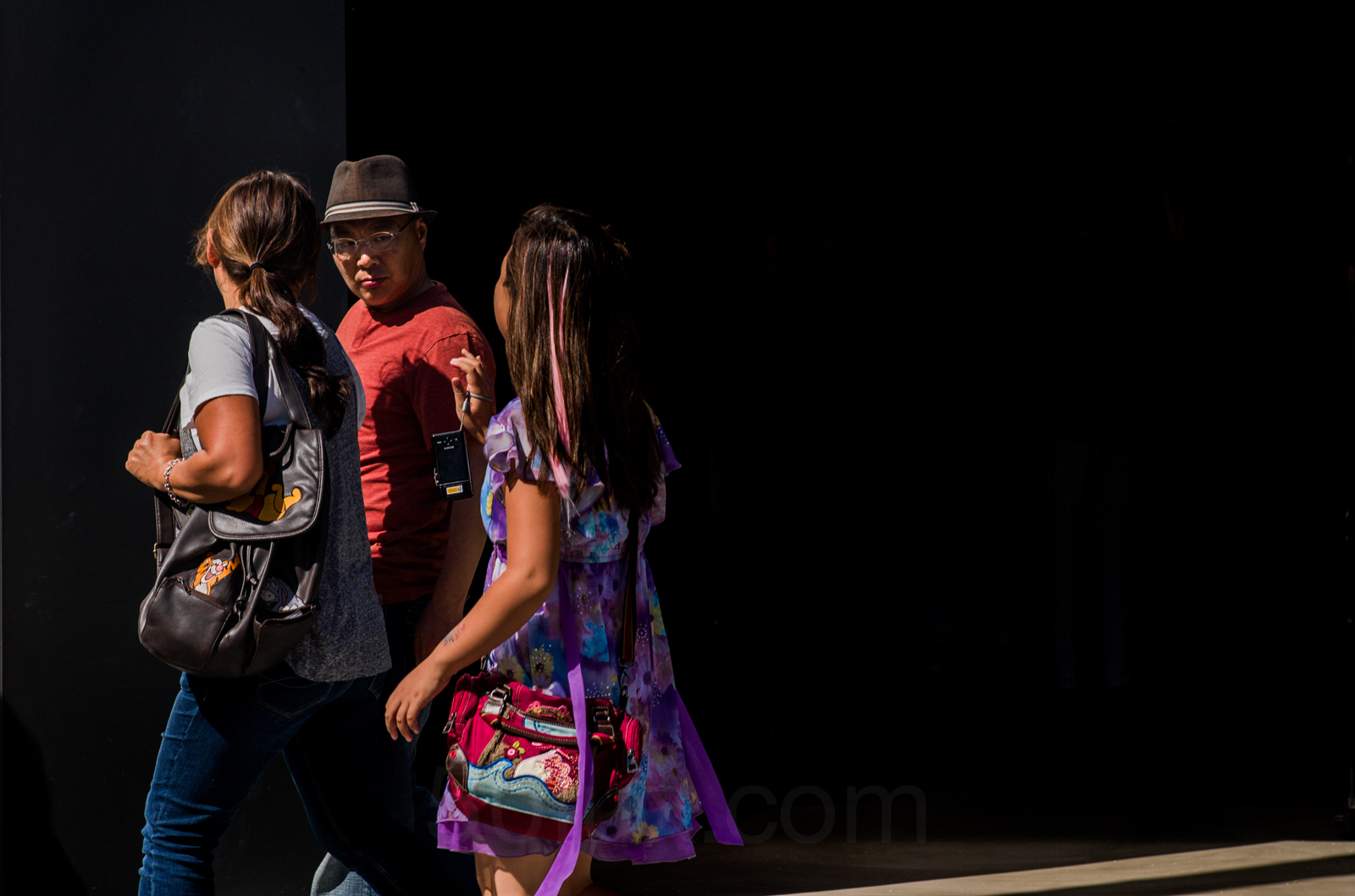
Most if not all of these images would have been taken prior to 2004.
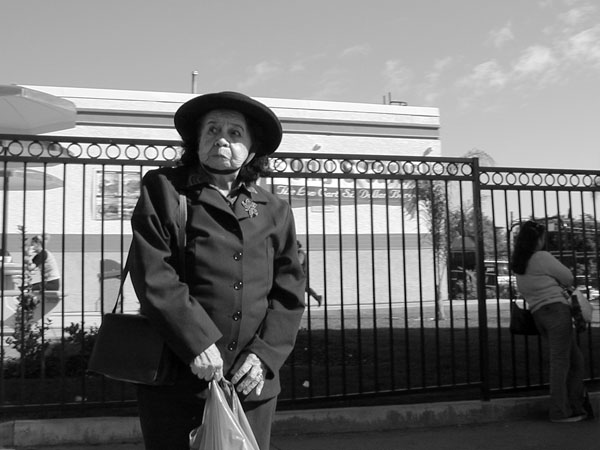








Ha ha ha! That’s from David Letterman’s writers, by the way. Runner up was, “Hey Dad, thanks for teaching me to smoke.”
Just my way of saying, Happy Father’s Day!!!
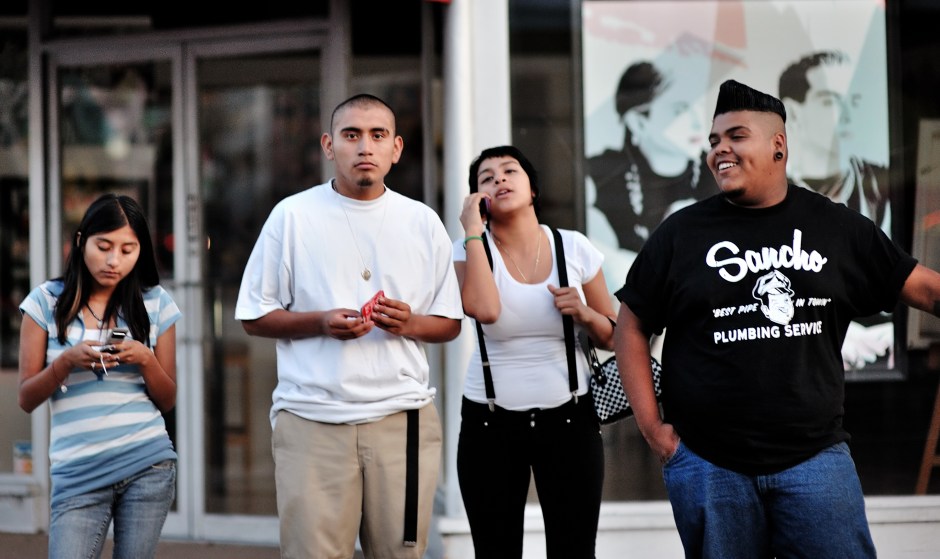

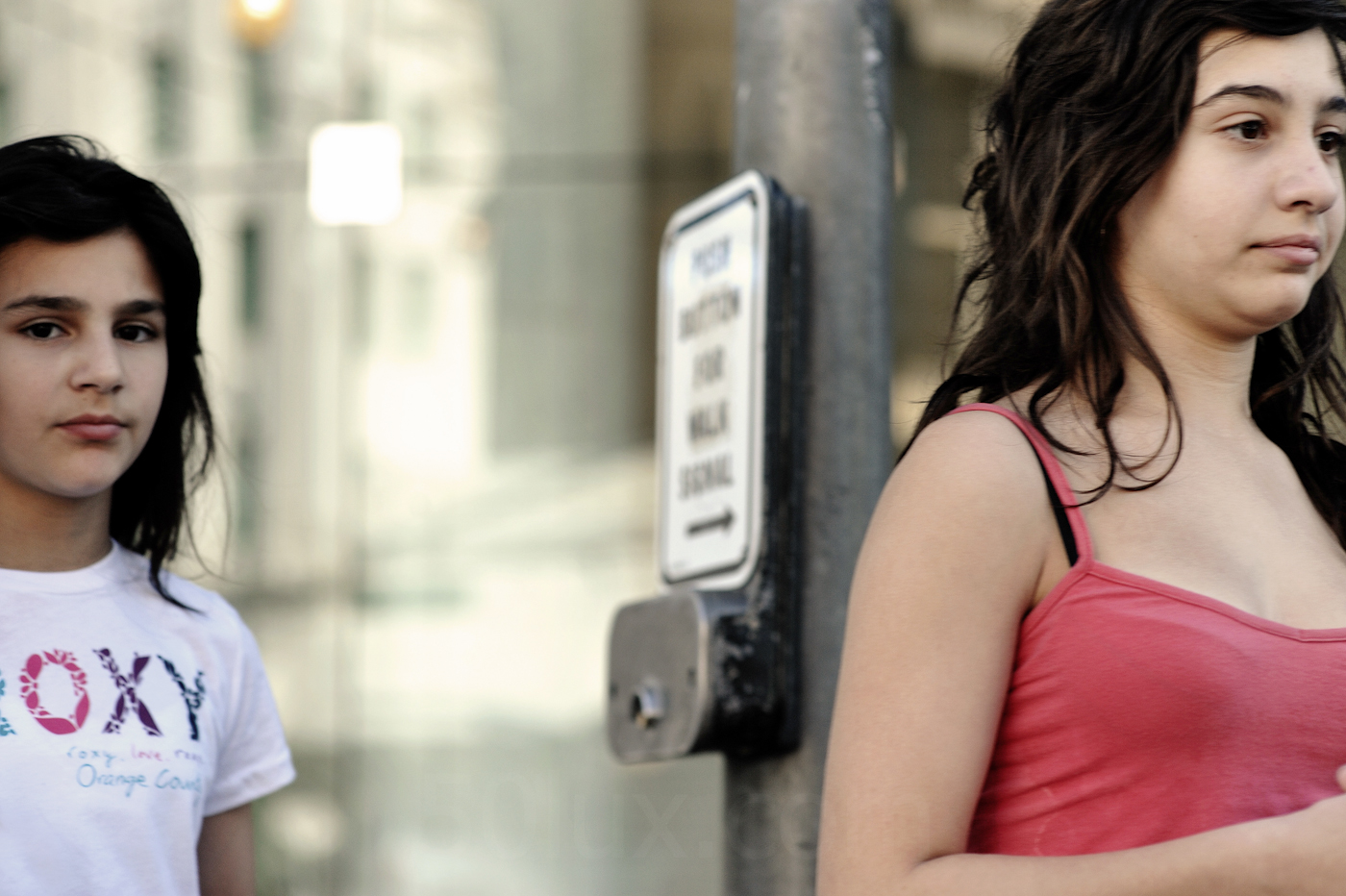 Another old Nikon street shot.
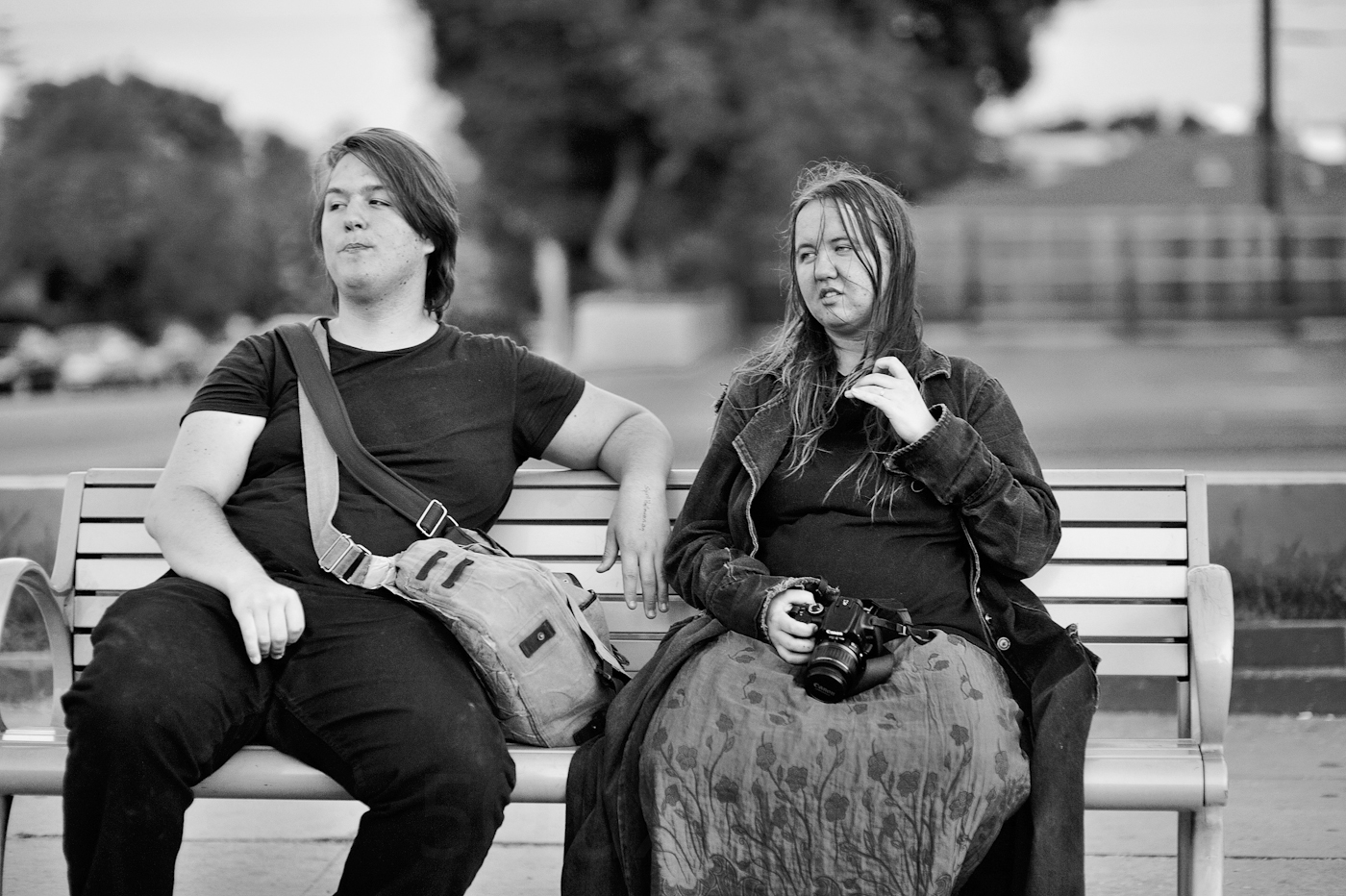
 I took this shot about five years ago and have never really shown it to anyone. I think the reason for that is that I never thought I could adequately explain how amazing it is to me. I guess I’ve felt it needed explaining and I guess I’m finally in the mood now to try.
No part of the West LA area is really that bad. But this is nearly as gritty a corner on the Westside as there is. It’s directly underneath the intersection of the 405 and 10 freeways, which is to say, the junction of the two busiest roadways in the United States of America. There are homeless people camped out under the overpasses and exit ramps. It was fairly late in the evening. The feel there at that hour is probably worse than the reality. Or vice versa. Who really knows?
I travel by that way innumerable times a year. At any hour, but especially late in the evening, the very LAST thing you would expect to find there is three truly lovely sisters, possibly triplets, on bicycles, cooling their jets waiting for the light to change. Trust me, you just don’t see this in LA at that hour. In most of Los Angeles, they kind of roll up the sidewalks. That’s a common complaint of people from New York and elsewhere who have moved to LA from cities with a more active night life.
I’m a man. The car was being driven by my lady of 38 years. We both were like, DID YOU SEE THAT? And then she asks, Did you GET it? I don’t know how I got it. The green light was with us and we never even slowed down going through the intersection. I probably was pre-focused to some degree and the amazing Nikon D3 sang the song. I put the camera to my face, framed the ladies and slammed down the shutter release. It just happened. It’s one of those moments that makes me so happy that I had a camera, not to create some work of art or anything like that, but just to capture the natural beauty I witnessed there at the grimy and otherwise unsightly corner of Sawtelle and Pico Blvds that night.
Alone, a younger man, I would have probably slammed on the brakes and went down the line asking for their hands in marriage. Because these sisters are not afraid of the dark or probably anything else. I thought maybe there was someone filming them, like a reality show or something. Truly gutsy young ladies. And reason #90454 I’m glad I never had children.

I know it’s Polish model Joanna Krupa. But I don’t understand the photography aspect. Can’t be paparazzi, they’re too geared up and professional and paparazzi would have NO interest in whatever her name is. Can’t be a photo shoot. Photo shoots uh.. usually involve ONE photographer. Why would there be so many photographers fighting for a shot? Of Joanna Krupa. I just don’t get this. Someone enlighten me please. The only thing I can think of is that she’s got a really good publicist and it was a slow day in pseudo-celebrity land.
Okay, I officially don’t like the reblogging button here on WordPress. So I’m rePOSTING this post from last summer.

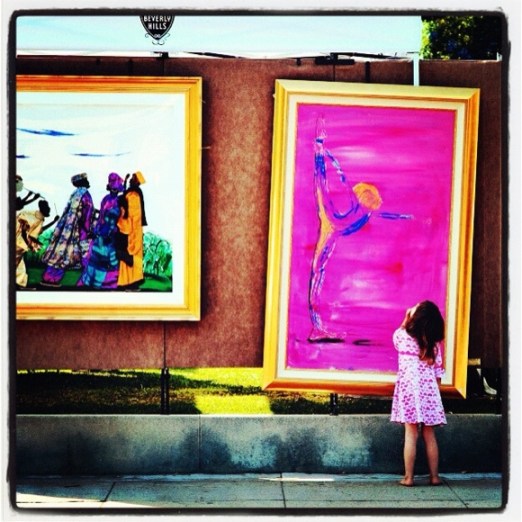
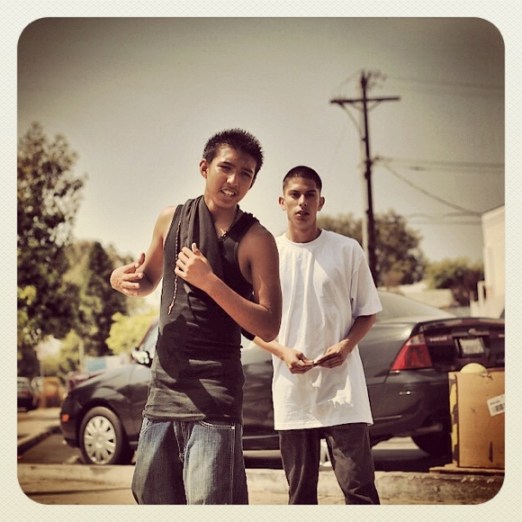
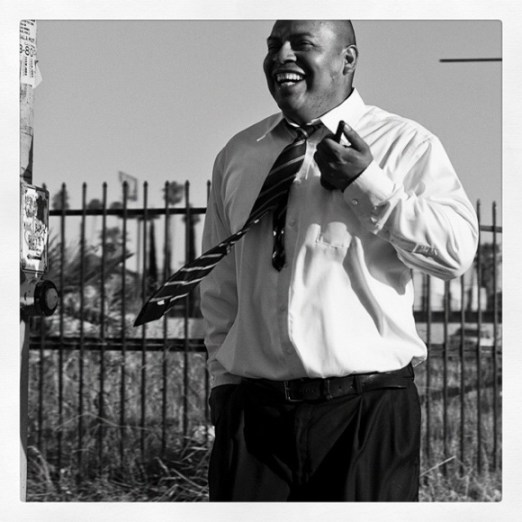
Throwing a bunch of pics up that have been given the Instagram process. Even though none of them were taken with my iPhone.




Metropolitan Opera, 1951
“Mr. Winogrand had no patience for the phony sympathies he thought connected too many photographers to their subjects. In the exhibition catalog, Mr. Rubinfien writes that the most successful pictures, in Mr. Winogrand’s mind, were the ones “that told you that the world was a jumble of fragments, that the truth was more complex than any account could be.”
 Okay, that first one is just to give you the general idea. Here’s the kicker.


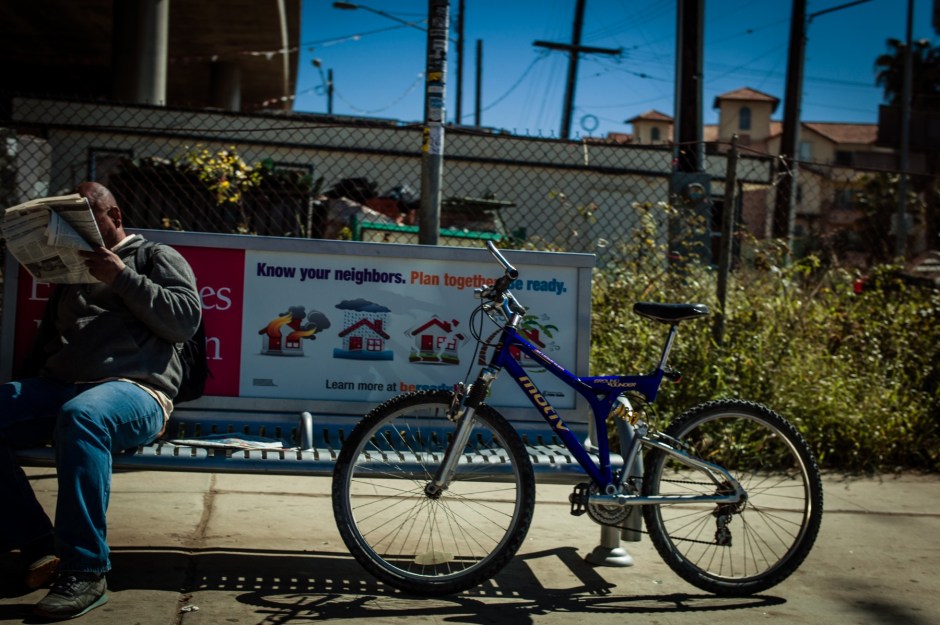
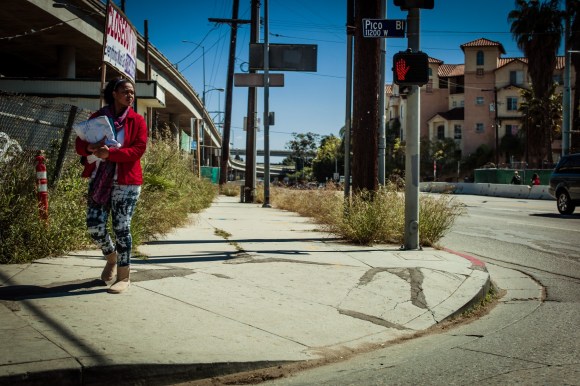

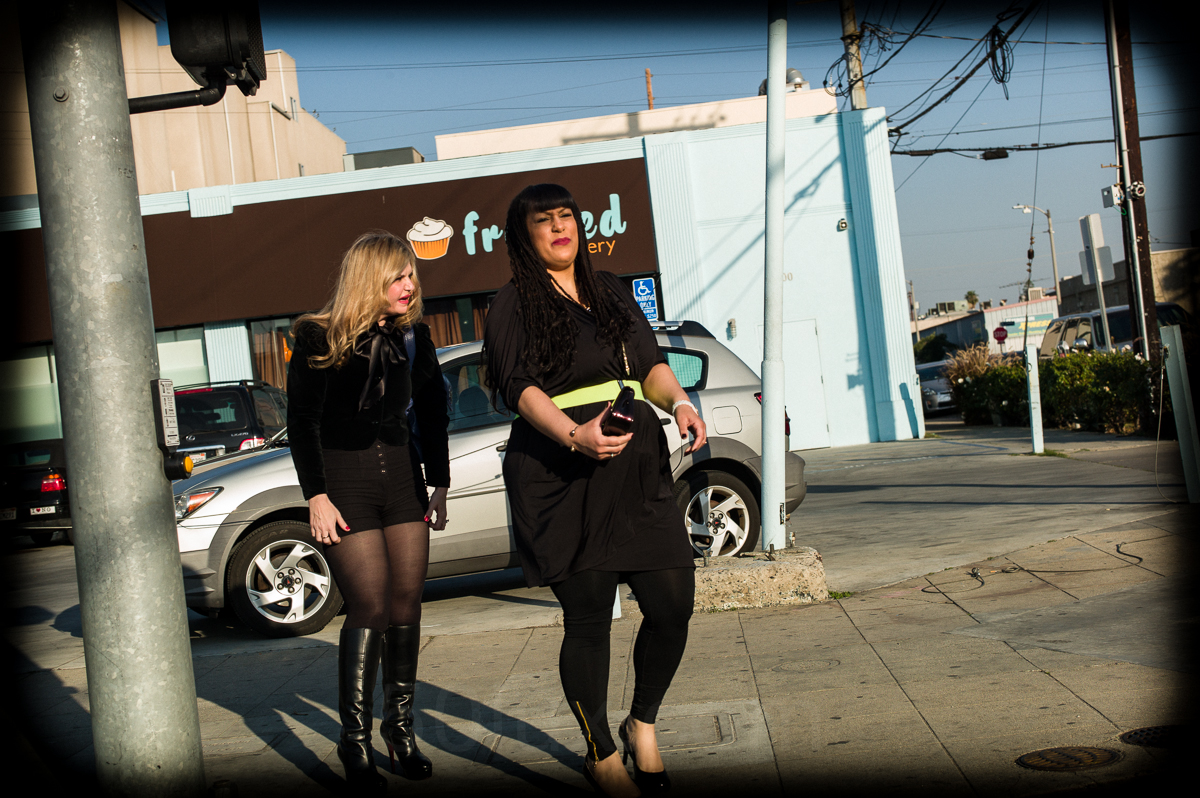

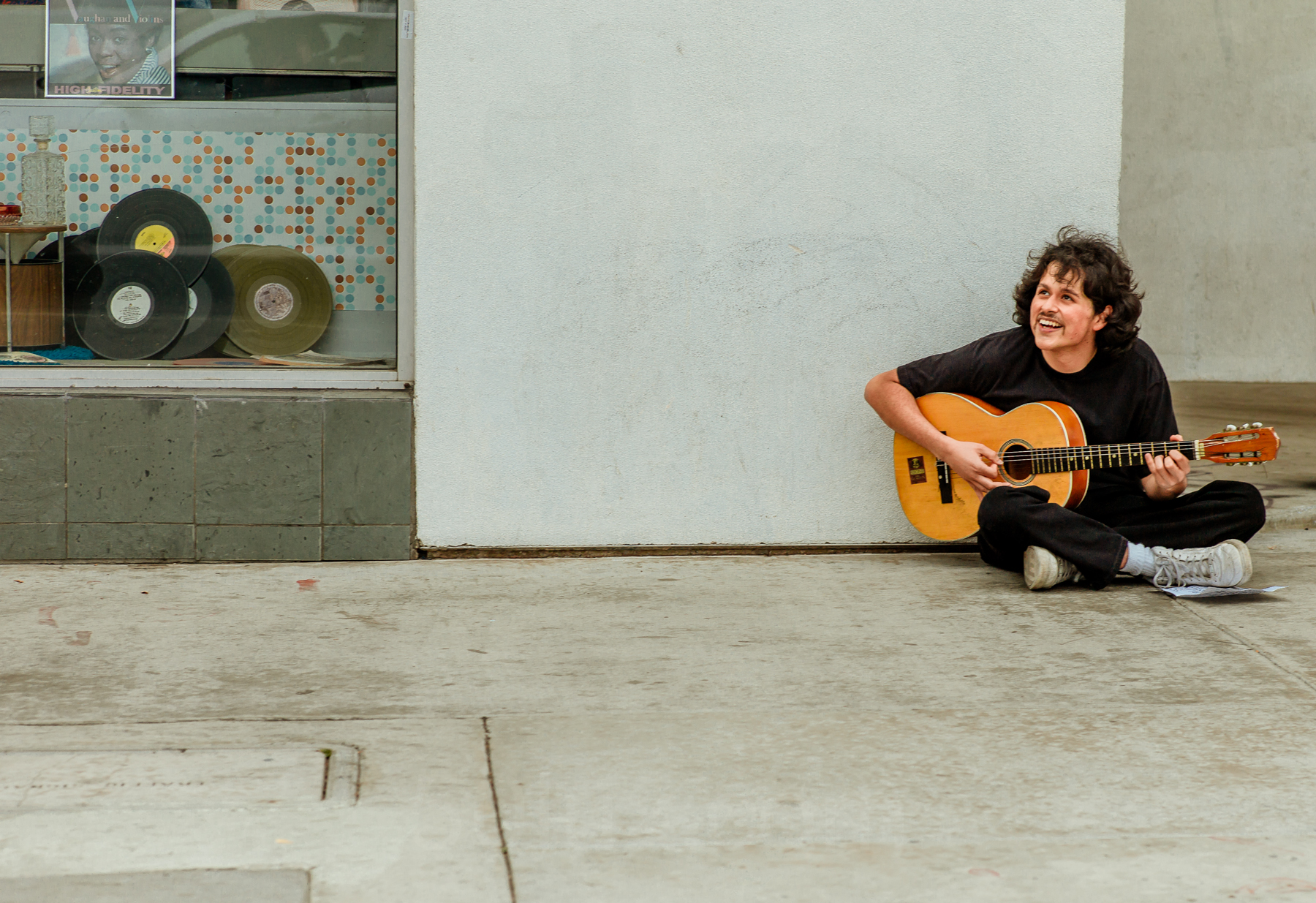


Seemed an appropriate moment to post this recent shot. And I suppose the corner of Hollywood and Highland is as good a place as any to reenact an iconic biblical moment. But hey, that guy is wearing some pretty comfortable looking shoes. That’s cheating.
I am a confirmed heathen, but to all who celebrate, Happy Easter and Happy Passover.
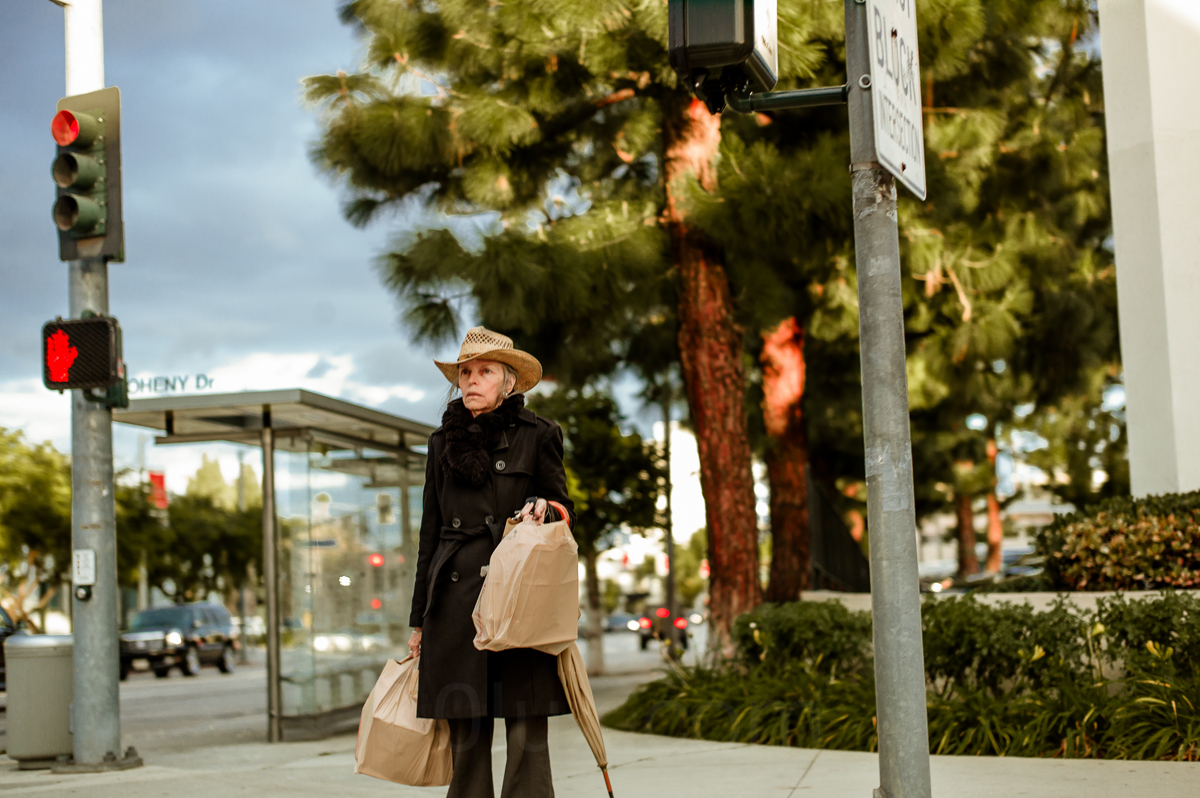
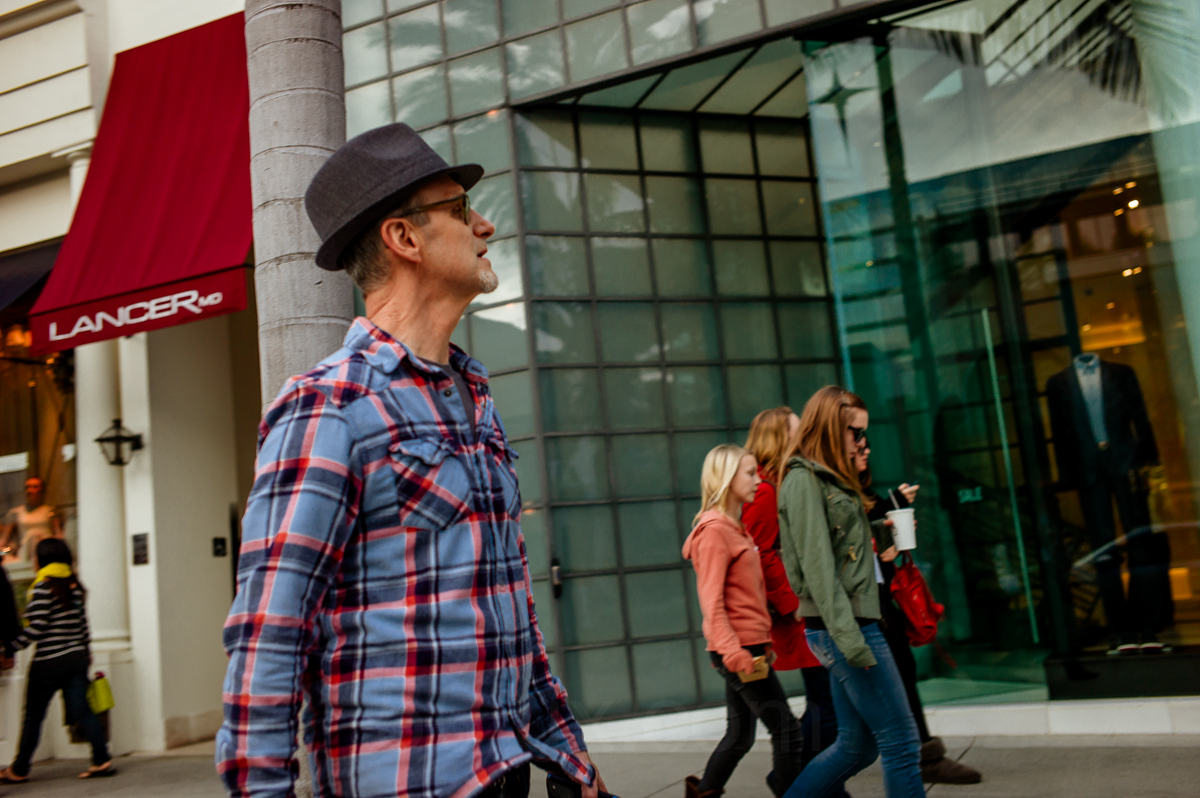
After two years of shooting and scanning film, what I wanted in terms of skin tones and the general color look from my new M-E was something much different than what I settled for when I owned an M9 three years earlier. By living with the results of scanning analog film I came to accept that color would rarely if ever match the accuracy attainable with modern professional digital systems by Canon and Nikon.
Maybe if I’d had the processing and scanning done at a professional lab, and paid through the nose for some premium service, I would have seen markedly better results. But I opted for the much less expensive, and more satisfying, route of scanning myself.
So when I decided to go back to shooting Leica digital my desires and expectations for color and tonality had been changed. But also my aesthetic for the end result of the act of photographing something itself had changed.
I now looked at final images that I put online or show to people as the product of a process of ME applying those tastes and desires to all of my shots as opposed to just going with either the look of the RAW file, or, worse, going with the crowd and ending up with an image look that was consistent with what other M9/M-E shooters were choosing for their work.
The color that I go for now, what I’m shooting for in my post processing, comes as a result of dealing with film scans for two years. It may not be the same technology and the end result may look nothing like film scans to me or to anyone else. But what I want now from my images is informed largely from the experience of shooting and scanning film.
Bottom line. There are no rules. The camera produces a RAW image file. We owe no loyalty or fidelity to the look of the RAW file or to what other M9/M-E shooters are doing with their images. The color in these pictures pleases me. That’s a heck of a statement as far as I’m concerned because that has not always been an easy place for me to get to with this gear. I’m happy to be getting there with some frequency this time around.
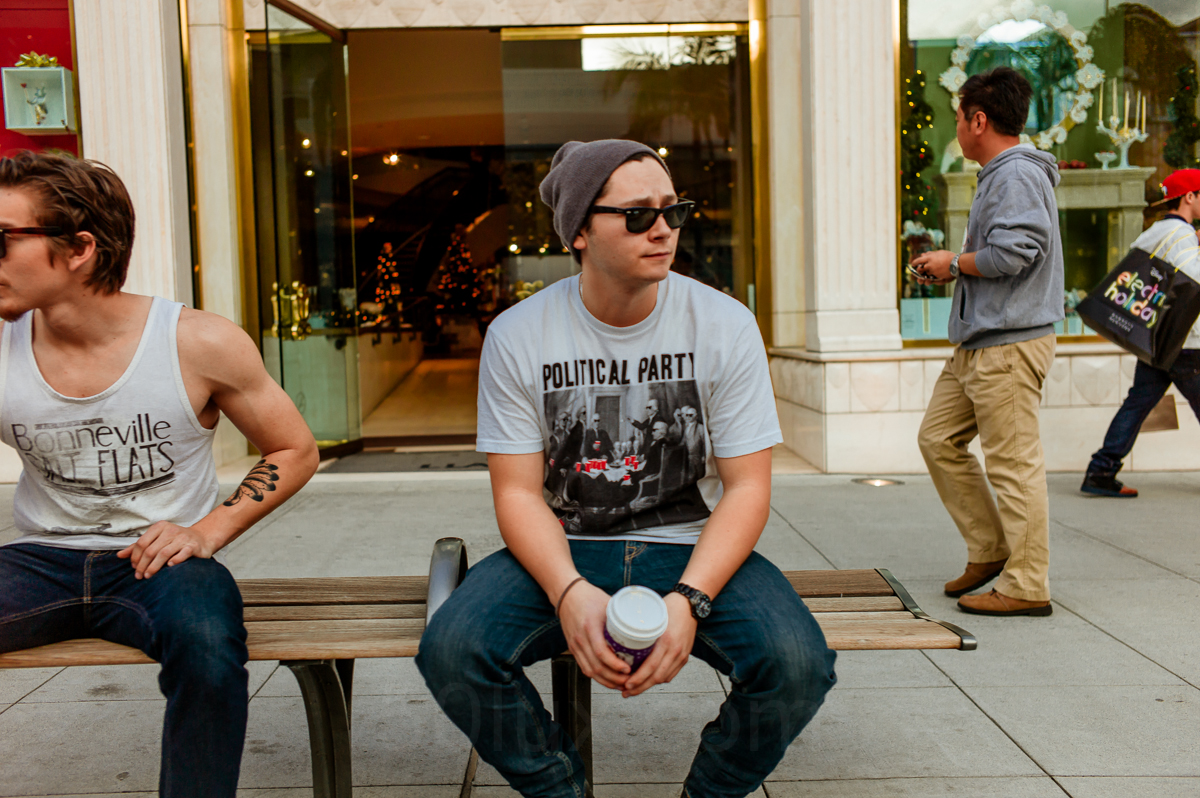
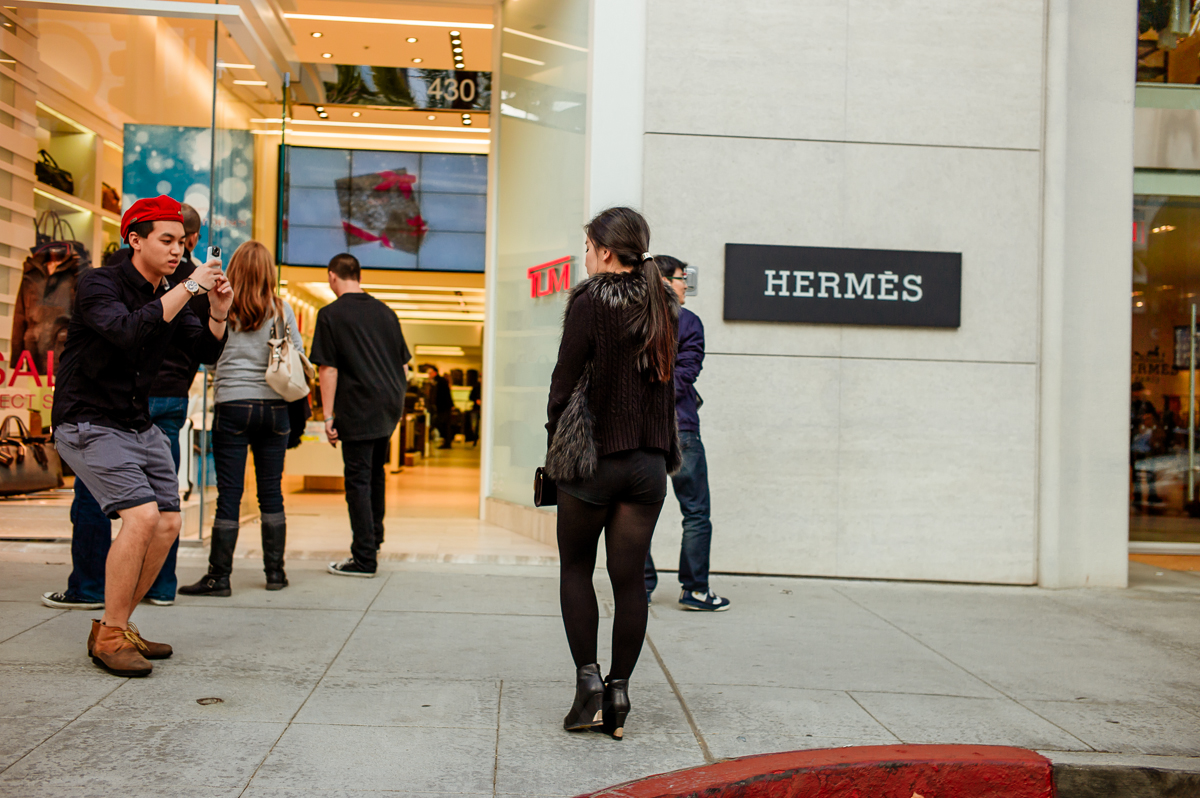

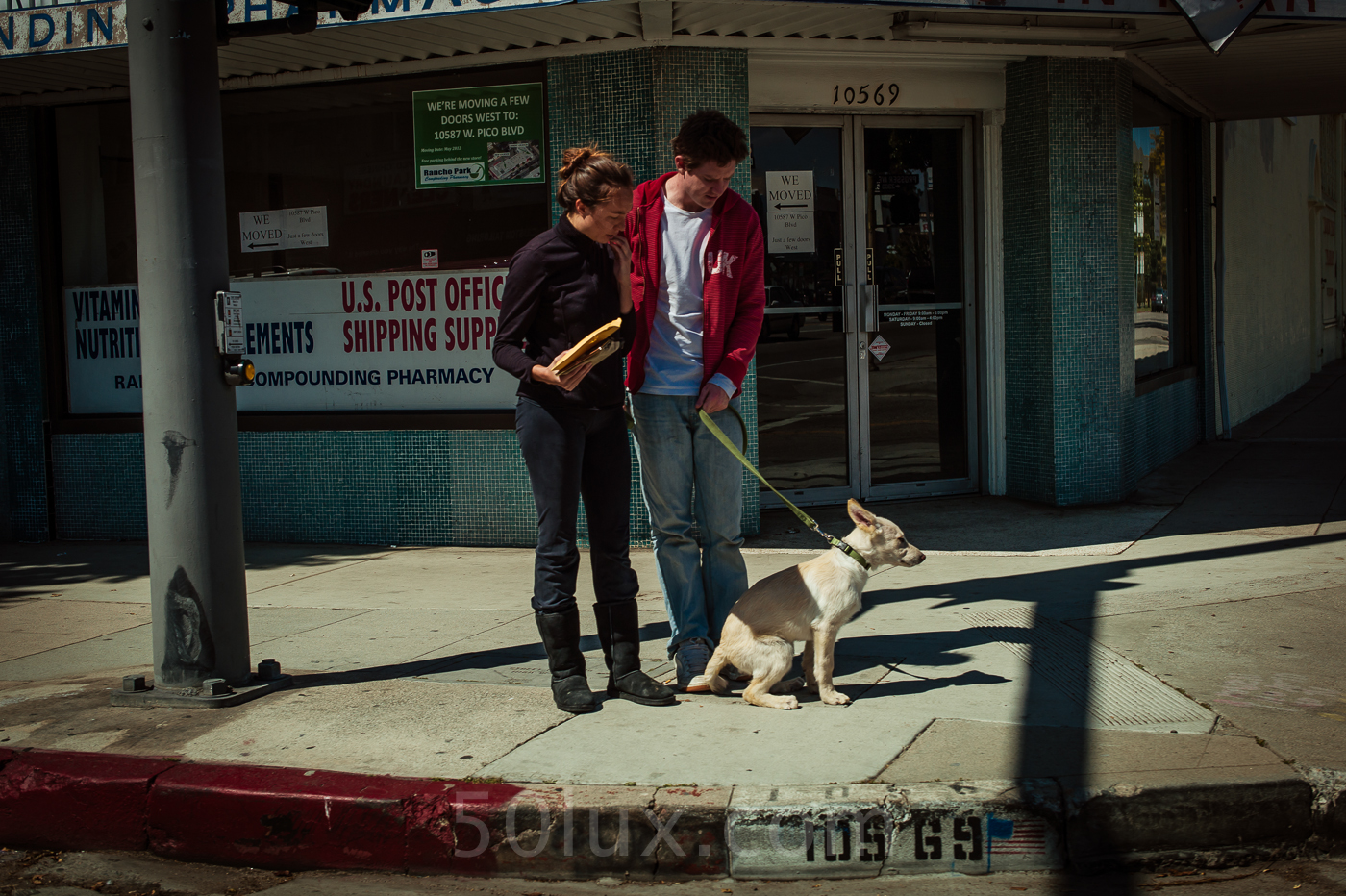
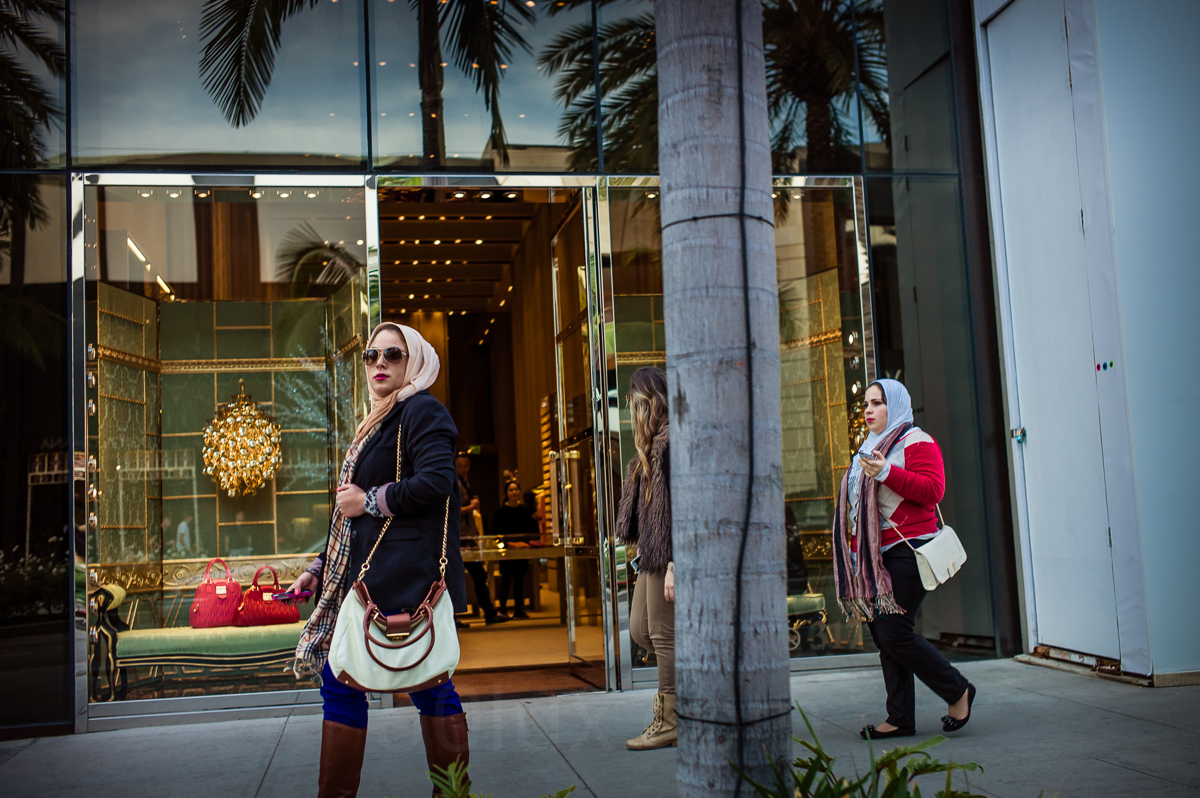
Los Angeles is one of those places on this Earth where one can observe the extent to which the disparity between the haves and the have-nots has become a gulf of historic proportions.
Just this week there’s the story of how prospective middle class home buyers, teachers, managers, in the Inland Empire of Southern California, are attempting to purchase homes while prices are at historic lows. But the properties are being quickly bought up by cash buyers. Not local individuals, but far-off investment firms ranging from places like Wall St. to beyond including China and the Middle East.
People who live, shop, work and pay taxes in cities like Riverside and San Bernardino, and certainly soon to be Los Angeles and everywhere else in California, can’t take advantage of these never-seen-before prices for homes because people from far far away will capitalize financially at this advantageous time.
The plan, as has been reported in the Los Angeles Times and elsewhere, is to create a super-industry of residential rentals, owned and managed by the wealthy firms on Wall St. and elsewhere who can easily buy up these properties with cash. That’s right. They will then RENT these homes to the very area residents who were willing and able to buy those same properties at the prices they were sold at and, in many cases, even more as these locals have learned that they must often overbid by tens of thousands of dollars to even have a chance of winning the prize of their dream home.
Permanent far off landlords will take the place of the American dream of owning one’s own home. Someone will get rich on those locals instead of them being able to claim homes and property they were more than willing to buy and own.
Meanwhile in places like Beverly Hills and Santa Monica and I’m sure in the better parts of Manhattan and Boston and the northeast one can easily see up close how extremely well some people in this world are doing financially. What it really means to have the stock market hovering near record highs while unemployment and other economic indicators measure what continues to be an ongoing economic ditch for much of the country and the world.
I think we all better start getting used to it. Or get used to the idea that we’re going to have to do something about it at some point. Because the wealthy of this world are pulling together, across national or ethnic lines, their wealth binding them as an unstoppable force, while the proverbial and literal 99% of the rest of the world, maybe more, are relegated to being spectators watching how the top 1-percent live their lives.

Two years of shooting film with my M7 and then an M6, limited but unconcerned by the usually 200-400 ISO range of the film loaded in my cameras, I think I learned to stop whining about high ISO performance and noise and learn to do the things necessary to take pictures after the sun goes down.
Yes, sometimes I would shoot some really wonderful and cheap Kodak 800 speed film I’d picked up. But the process and discipline of making what in the digital sense are low ISOs work, holding the camera very still, tight against the face, learning to love shooting at 1/8th of a second instead of needing 1/250th… these are the changes that have enabled me to feel free and easy shooting with a camera that most photographers today consider to be lagging in the ISO and image noise performance area.
A while ago someone surmised that with the high ISO capability of modern digital cameras, we don’t really need the superfast 2.0 and 1.4 lenses that Leica happens to specialize in making and selling for thousands of dollars. Who needs any of that when your camera will produce clean usable images at 12k ISO?
Well, that kind of thinking and that kind of equipment will certainly give your photography a certain look, along with the capability afforded in the high ISO performance. And for professionals, at this point, there really isn’t any substitute for great high ISO performance.
But I would counter that the opposite of the idea of chucking super fast and expensive glass is equally as true for photographers wishing to use their cameras to create unique work that differentiates itself from most modern digital photography by its emphasis on photographing light where it exists and an adherence to the old ways like simply holding a camera as still as is humanly possible.
But as evidenced here and in a lot of images to follow, there’s also other ways to get around the problem of shooting low ISO film or digital camera sensors we can’t push much beyond 800 ISO and that is to photograph lights themselves or things that are well lit.
The images here aren’t intended to be a demonstration of any one technique for shooting in low light. They’re intended to be a demonstration of boldness and an attitude of let’s get over blaming equipment for what it doesn’t do and instead praise the almighty dollar that we can afford a cell phone or a Diana or a Pentax or a Leica film or digital camera and just get out and make the pictures your gear allows you to make.


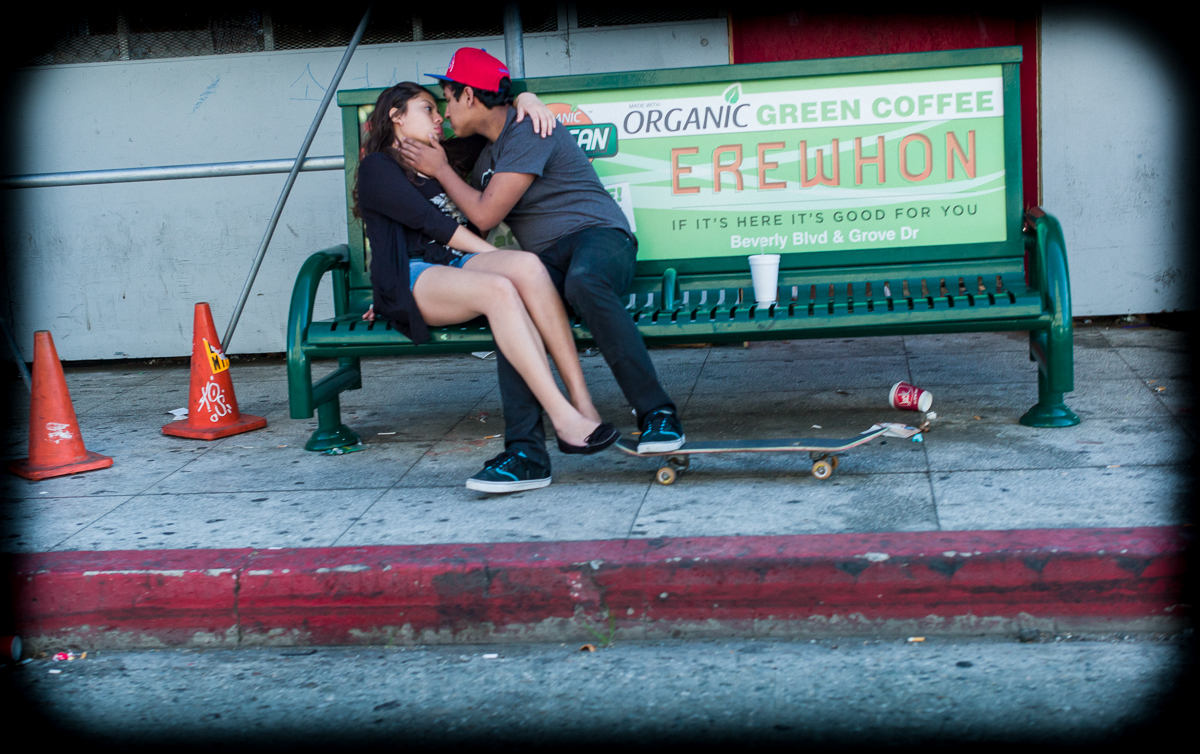
The other on the banana peel of love.

What I’m into now is this Lomo filter that puts a slide frame-looking vignette around the image. I’m overusing it at this stage but that’s okay.
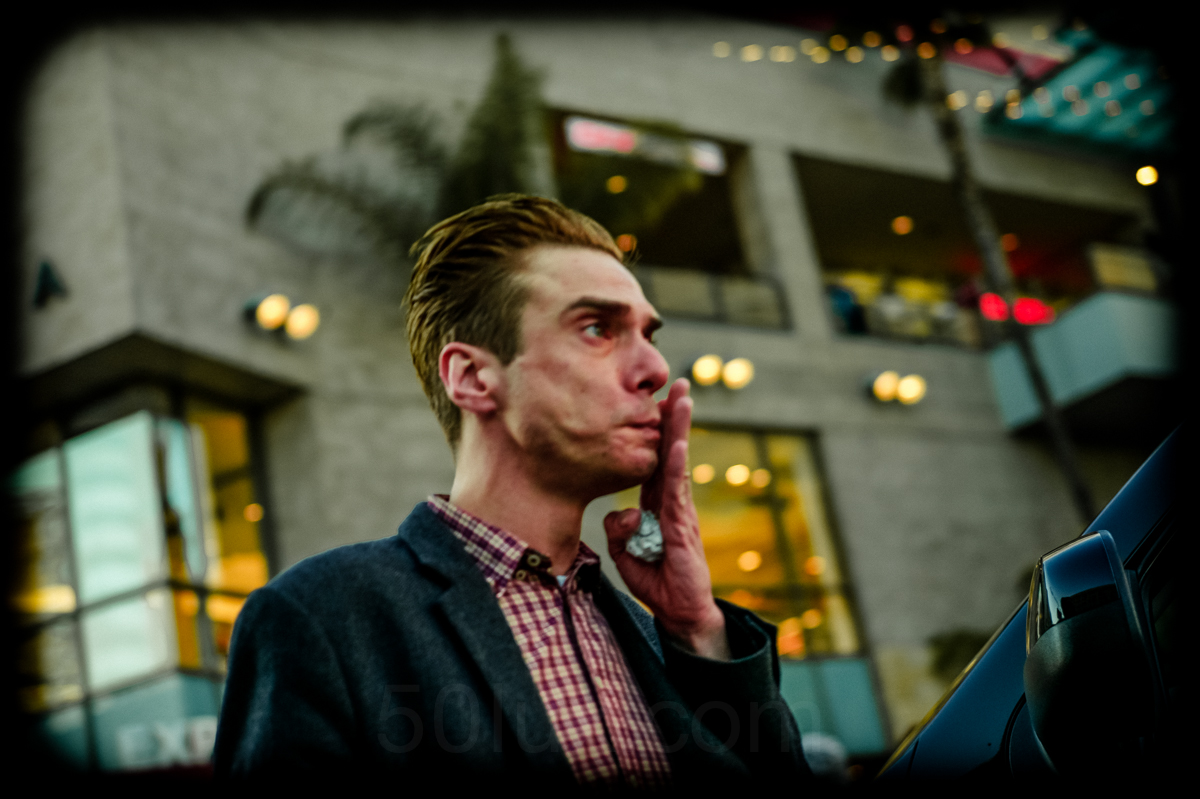


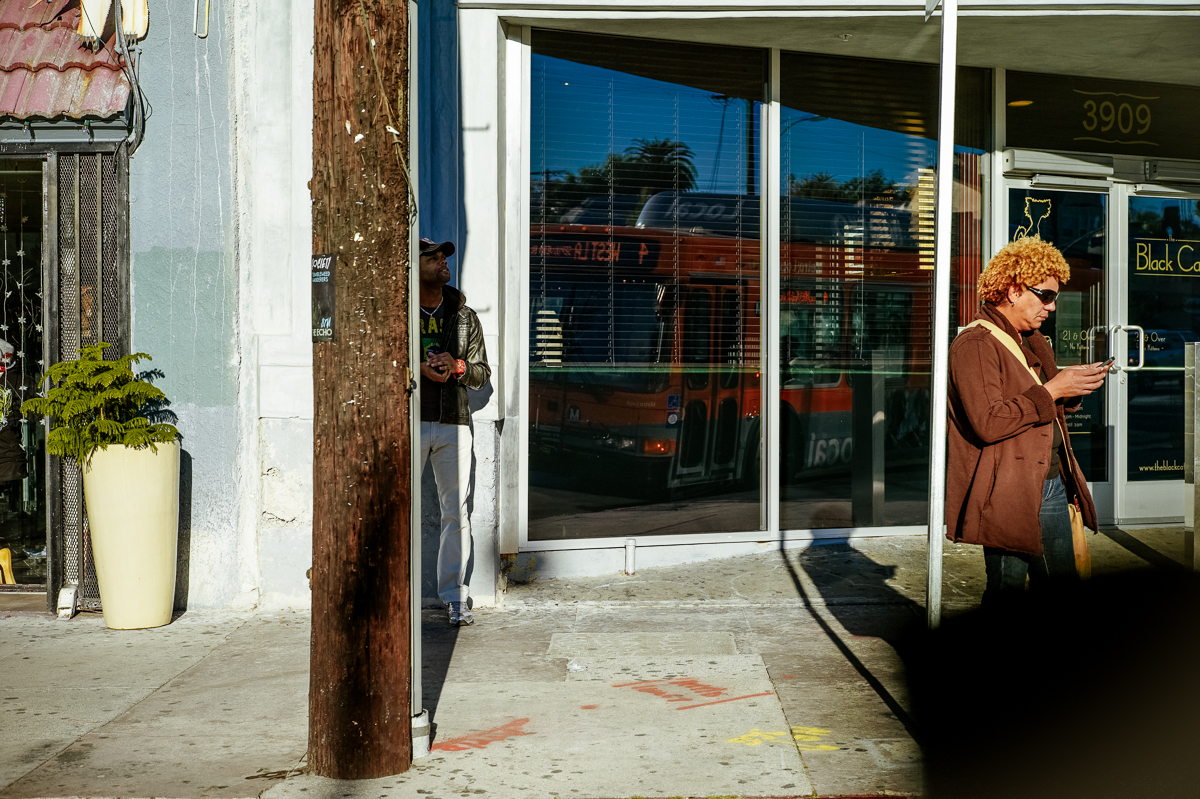


The Westlake District of Los Angeles is purported to be the most densely populated area in the United States. It doesn’t seem that’s possible. But Wikipedia says this.
Westlake is one of the most densely populated neighborhoods in Los Angeles, with a population density of 38,212 persons/mile²
Situated right to the east of MacArthur Park (yes, THAT MacArthur Park), it’s just another amazing slice of the life of Los Angeles. Click on the first picture for a semi-slide show of all four of the images.
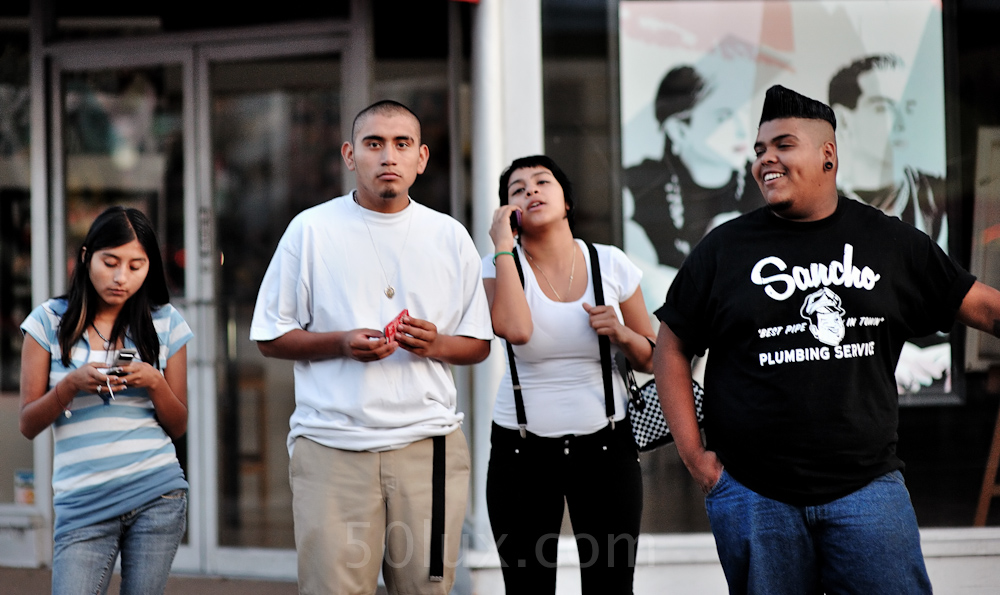
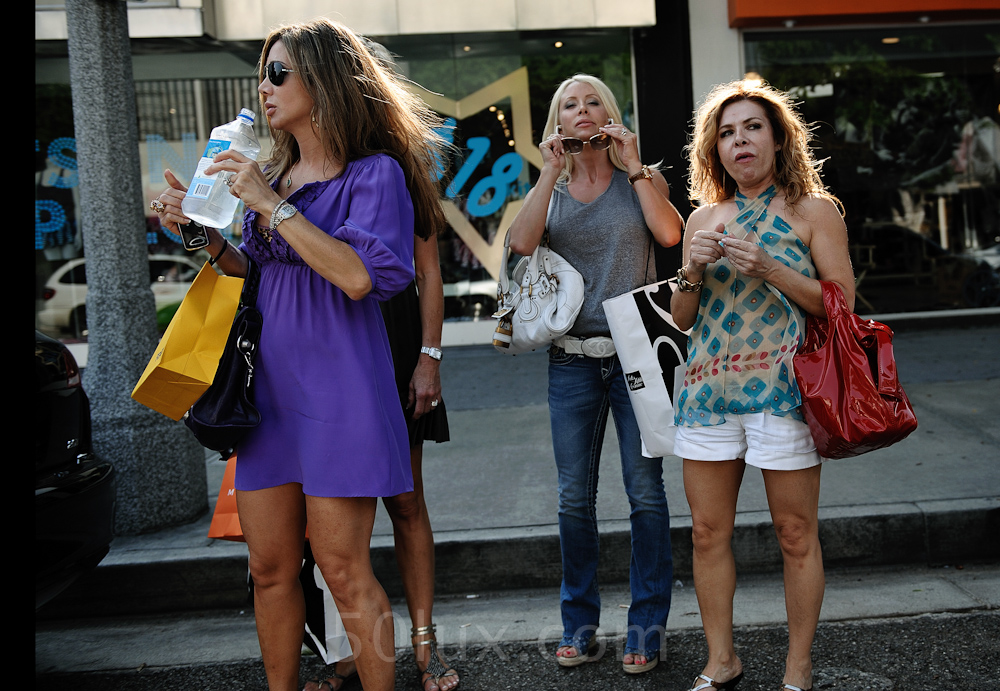


Just a few quick shots from the Fuji x100.



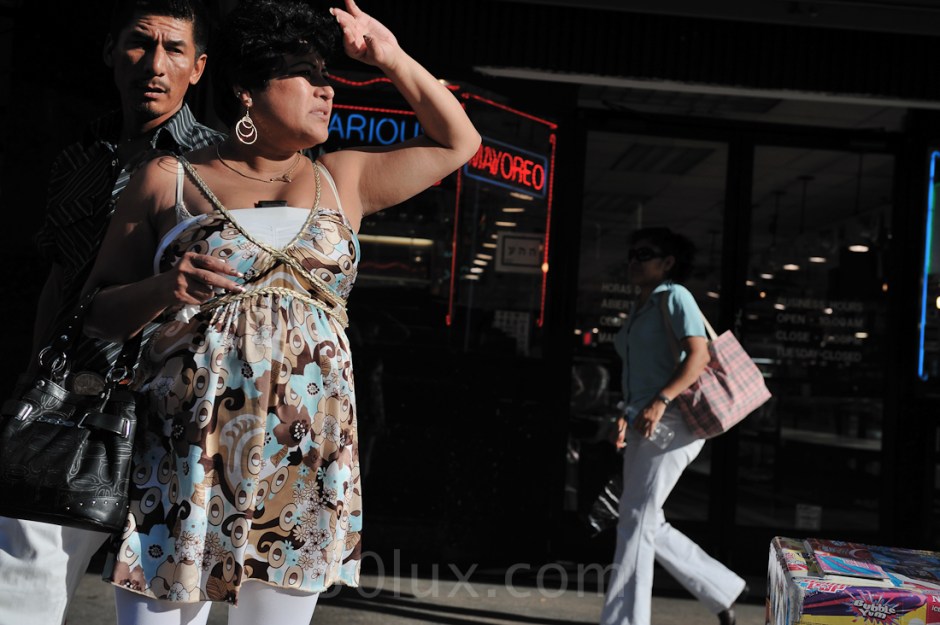
About ten years ago we had some family come out for a week or so. On their last day here we needed to run them down to Union Station in downtown Los Angeles because, adventurers that they are, they were taking a train out of town. Okay.
So to get there, we decided that we’d take them up Broadway, something we did once or twice a month on our way to Chinatown for some Sam Woo’s Barbecue Restaurant, probably the best Chinese I’d ever eaten up till that time.
Anyway, Broadway, is a trip all its own. And this busy hot Saturday was busier and hotter than most days we’d taken the drive. This is a part of L.A. that doesn’t look like L.A. at all. It looks like New York City, but in another era, certainly in another century. It is the home of a historic commercial and theater district.
But the Broadway of old is not the Broadway of today. It is close and very real.
The old giant office buildings and theaters that line the street block out the sun except for the middle part of the day. People line the curb and it almost seems like they could reach into your car. They’re almost exclusively Latino. The merchants blaring Mexican pop music are as loud as the people are close.

Needless to say, we knew this was going to be an experience for our small-town lily white relatives.
So down Broadway we moved at a crawl. The smell of garbage, car fumes, meat cooking. People practically breathing on us as we slowly made our way up the crowded street. The tension in the car was incredible. Fear, even. Oh yes, there was fear.
No one made a sound. When we stopped at a red light, I thought people in the back seat might piss their pants in our nice leased automobile.
Finally, a break in the traffic right at the point where the business end of Broadway, well, ends, and things open up, with City Hall off in the distance to the right.
The explosion of relief coming from the back seat at that moment is something I will never forget but can’t adequately describe. It was as if people had just bungee jumped off the Golden Gate Bridge. It was uproarious. After sounds that aren’t words, I’m sure I heard ‘Oh my God!” and “I’ve never experienced anything like that before in my life!” and some actual squealing.
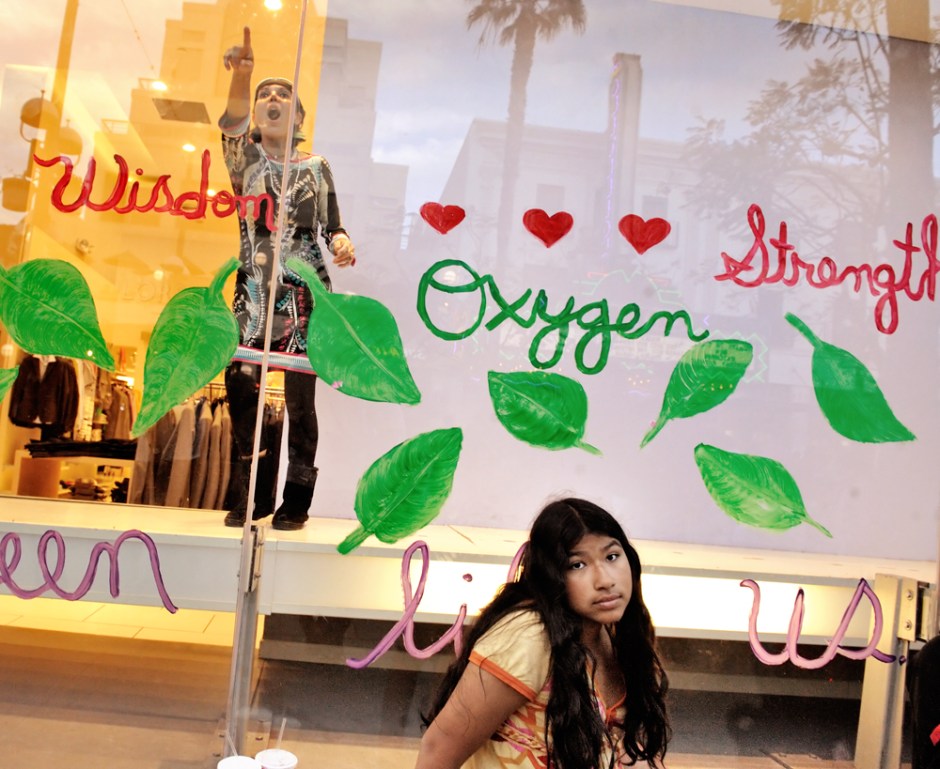
Anyway. lol. Enjoy the pictures.






 50'Lux