Author: donald barnat
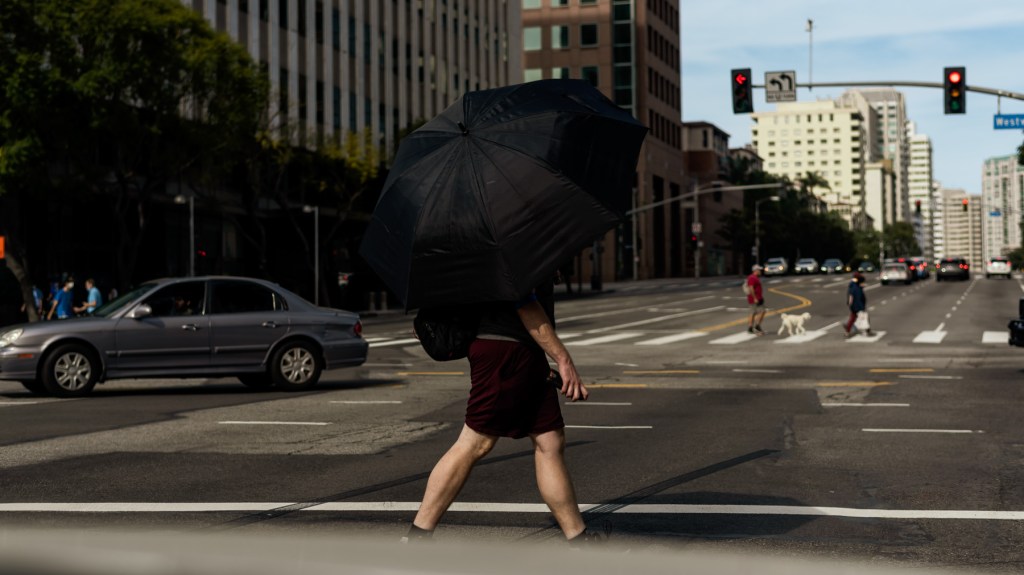


Pandemic Street: Our Actions Today


Doctor My Eyes


Doctor, my eyes
Tell me what is wrong
Was I unwise to leave them open for so long
Tell me what is wrong
Was I unwise to leave them open for so long
‘Cause I have wandered through this world
And as each moment has unfurled
I’ve been waiting to awaken from these dreams
And as each moment has unfurled
I’ve been waiting to awaken from these dreams
People go just where they will
I never noticed them until I got this feeling
That it’s later than it seems
I never noticed them until I got this feeling
That it’s later than it seems
Doctor, my eyes
Tell me what you see
I hear their cries
Just say if it’s too late for me
Tell me what you see
I hear their cries
Just say if it’s too late for me
~Jackson Browne
Outdoor Furniture

Pandemic Street: Arts and Leisure


Pandemic Street: The iPhone Photographs
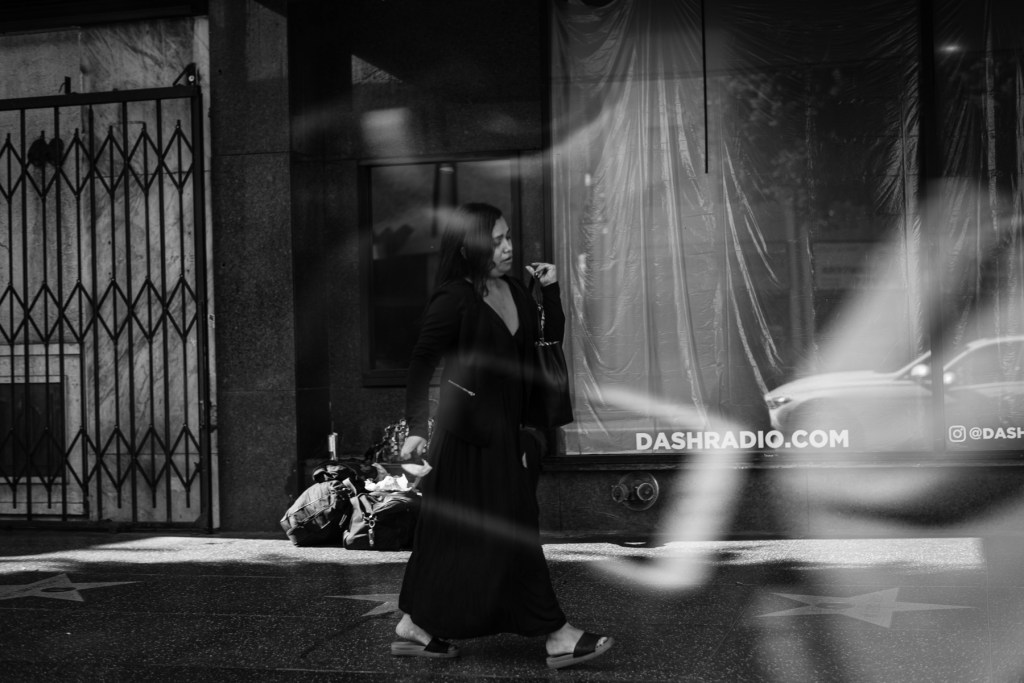
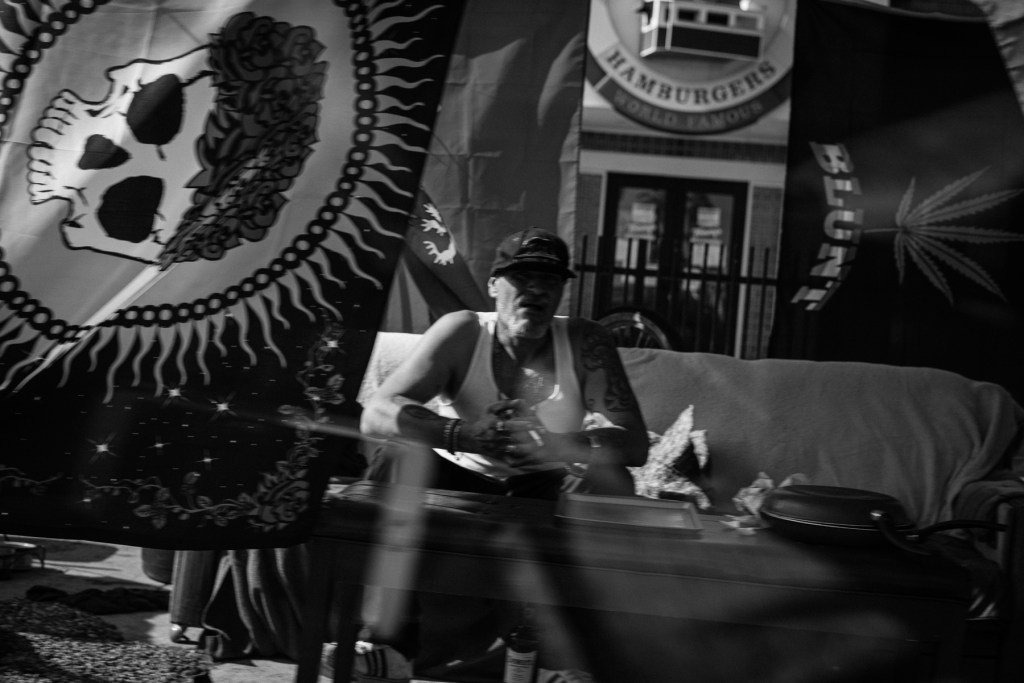
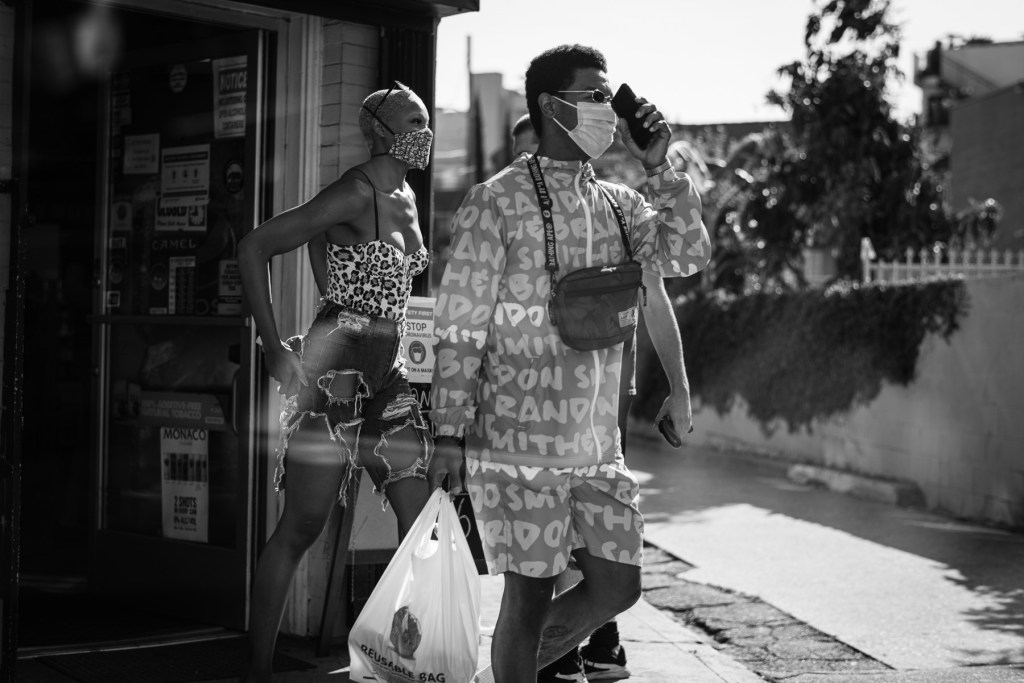

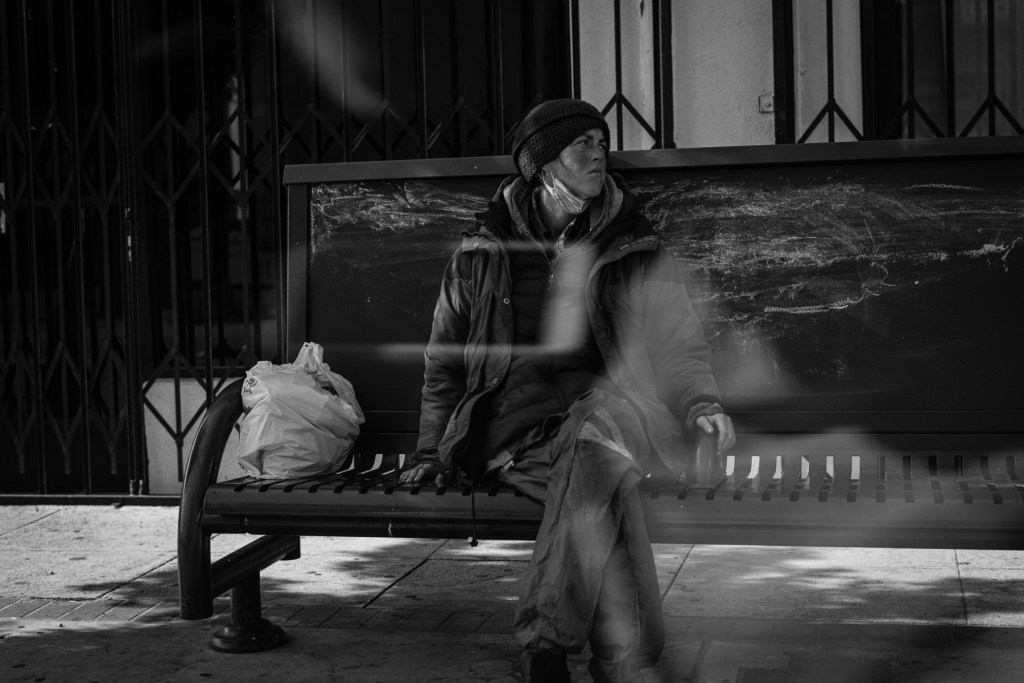
Field of Play

Thanks For Teaching Me to Shoot, Mom.

Something in the Air
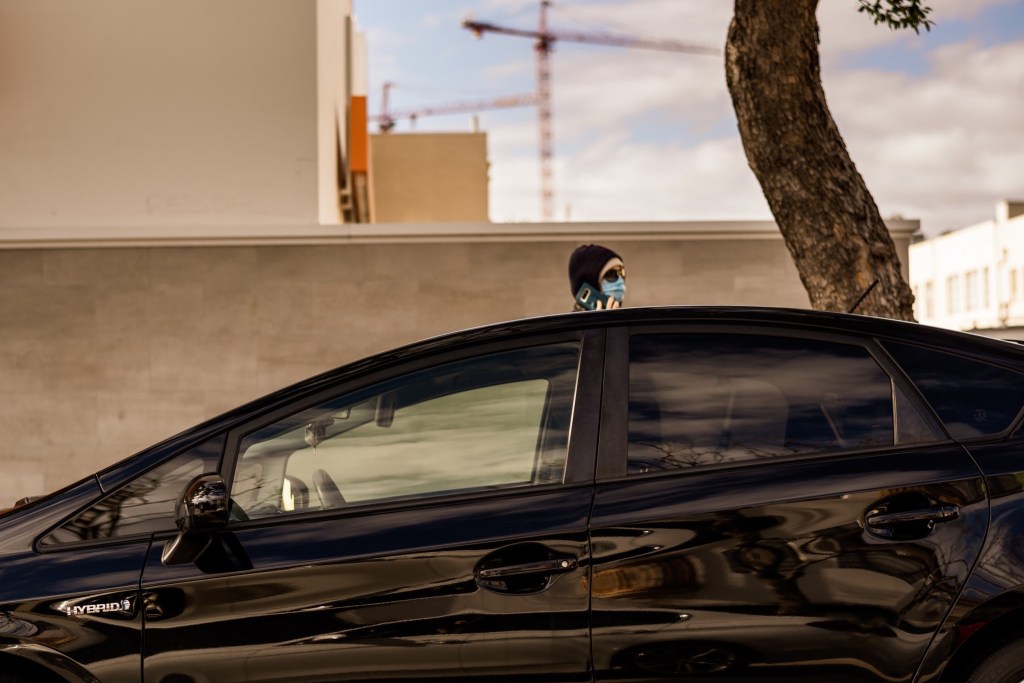
Working From Home



A Contrary Iranian Opinion on Suleimani

The Killing of General Suleimani Has United Iranians in Anger Against the U.S. So says the New York Times here. A comment by Laurie in New Jersey offers another perspective.
I think it is an error to say, as the author of this article does, “Iran is united—in anger at the United States”, and “the nation rallied behind its leaders”. The silent majority of Iran stays silent as they cannot speak out truthfully. I have Iranian family, who tell me that the vast majority of their fellow citizens despise the Islamic government, and are very happy that Suleimani was killed, as they consider him an evil killer of their own people. They cannot say what they really think because they fear arrest, torture, or death.
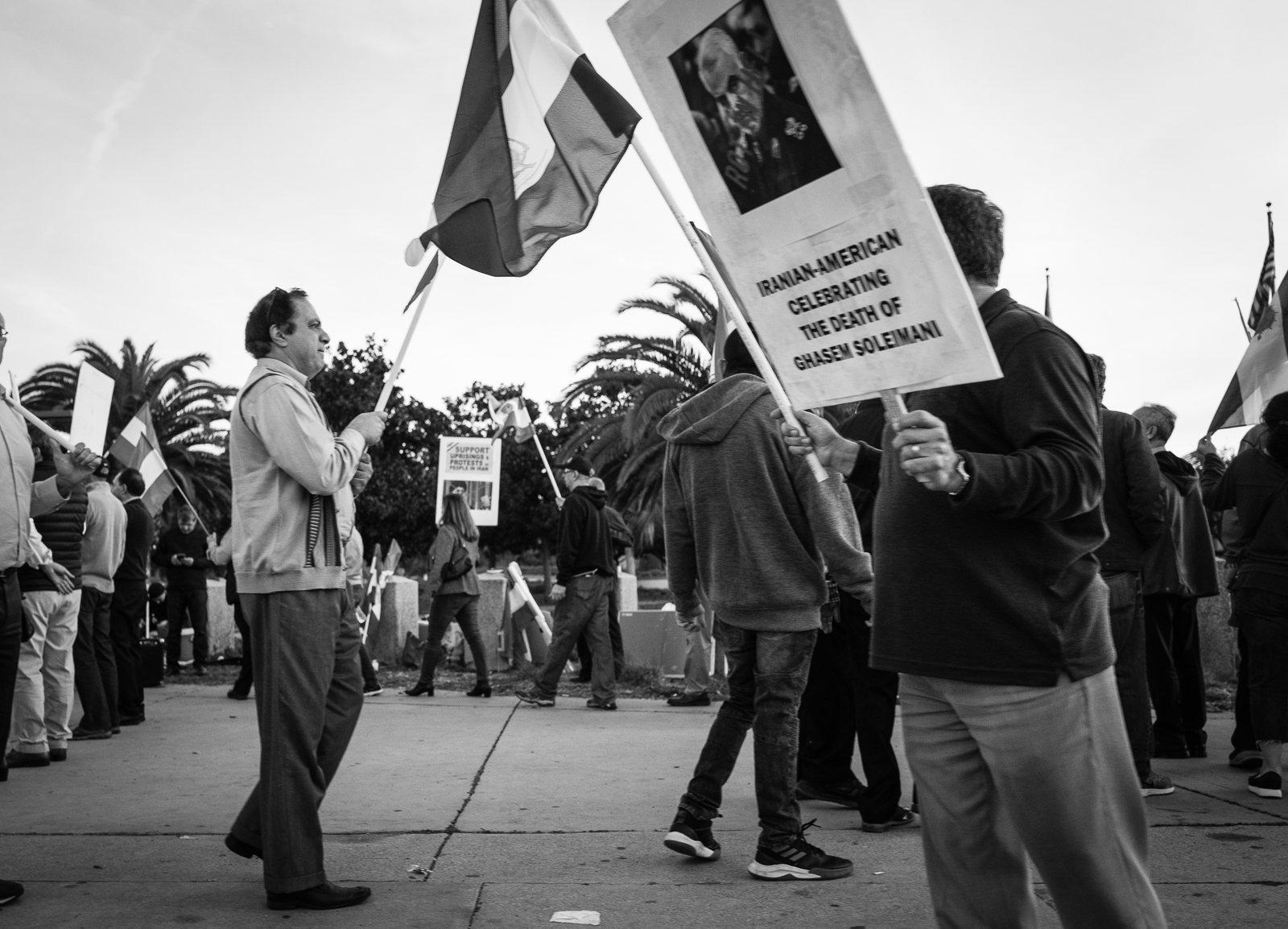
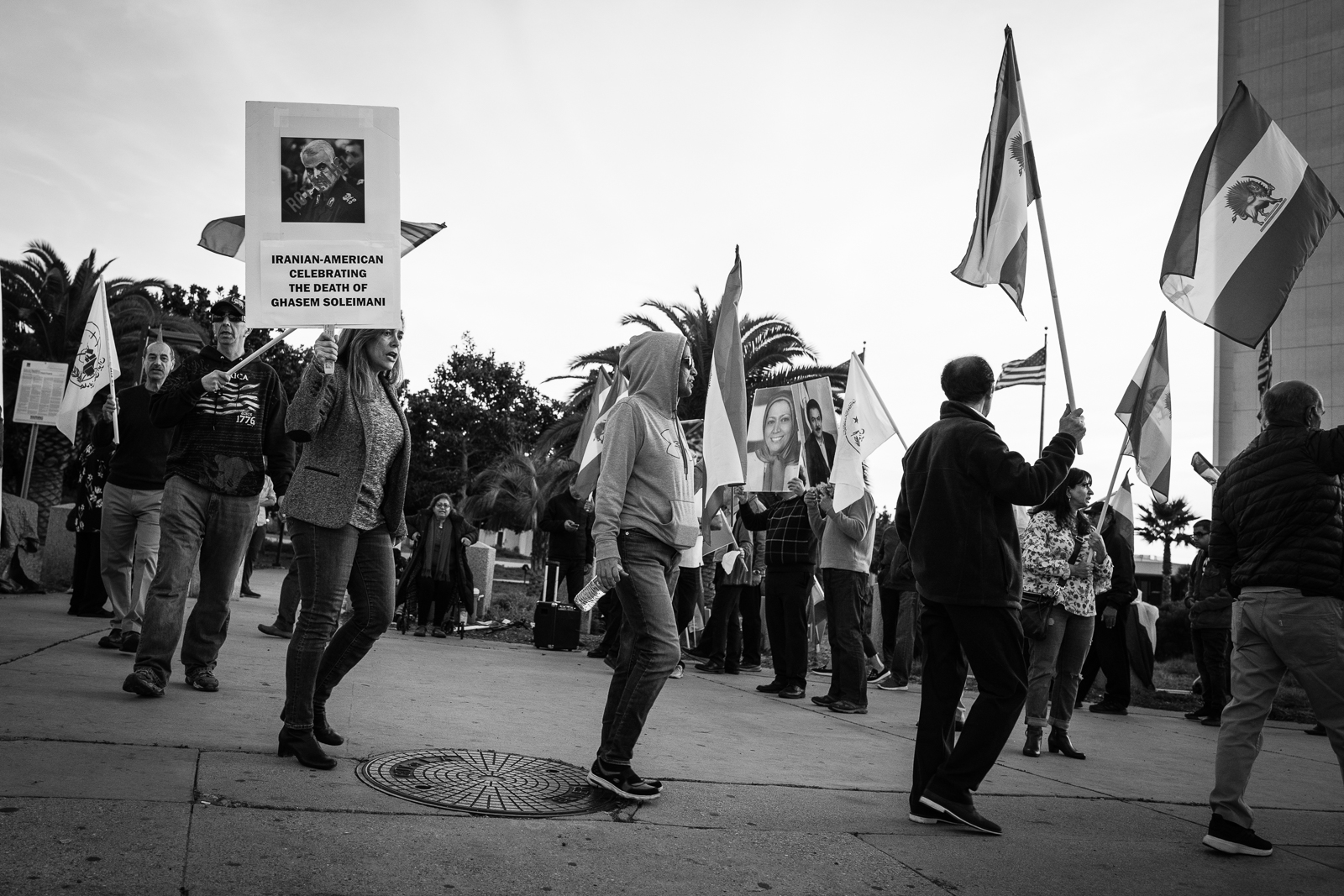
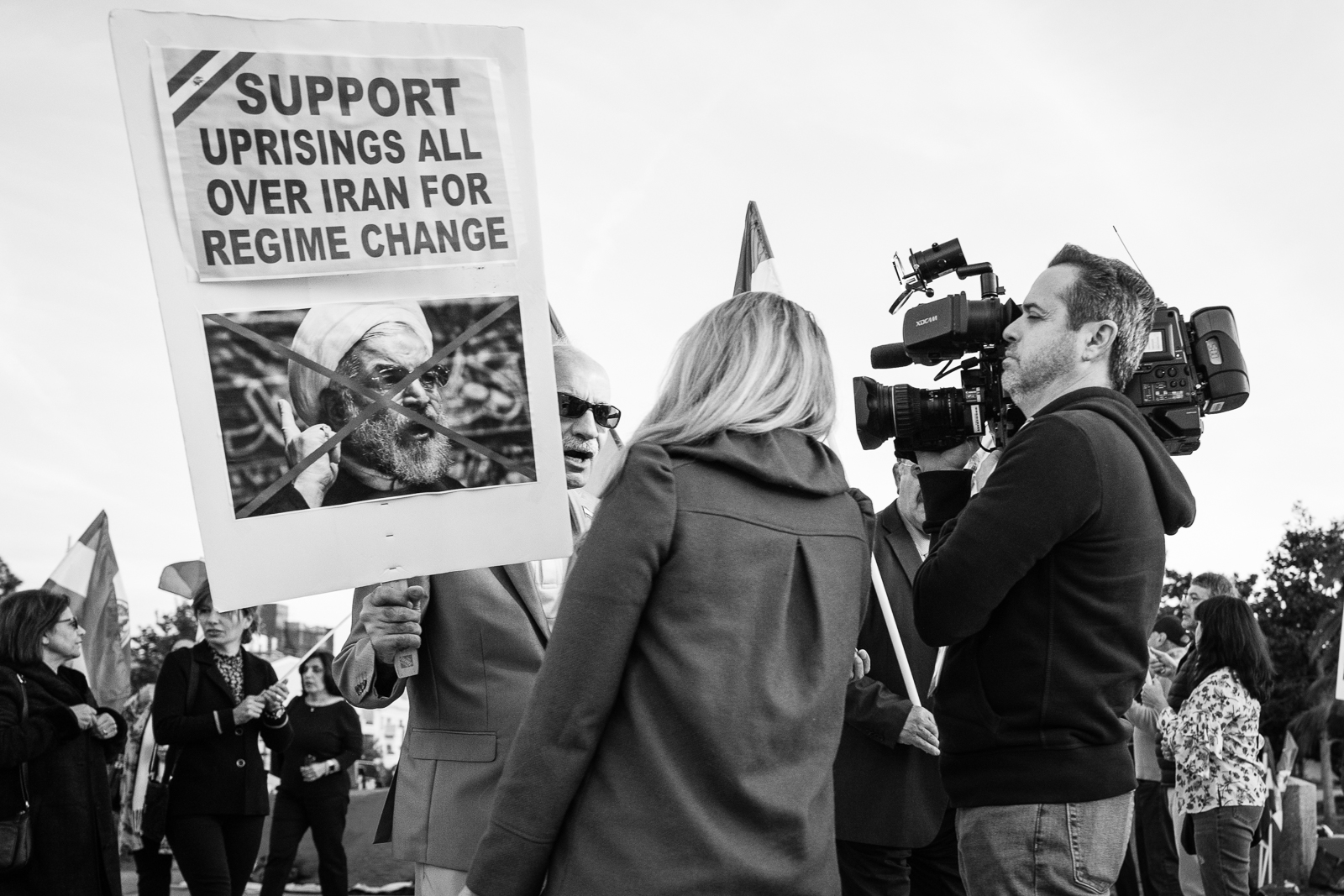
Late this afternoon I drove past the Federal Building in Westwood CA and there was a medium sized group of Iranian Americans who I believe were not united in anger against the U.S. But I’ll leave their protest signs to speak for them.

Home to Leica for the Holidays


Jazz at the Lighthouse Again: Bill Spoke Quintet featuring Gary Herbig

BILL SPOKE


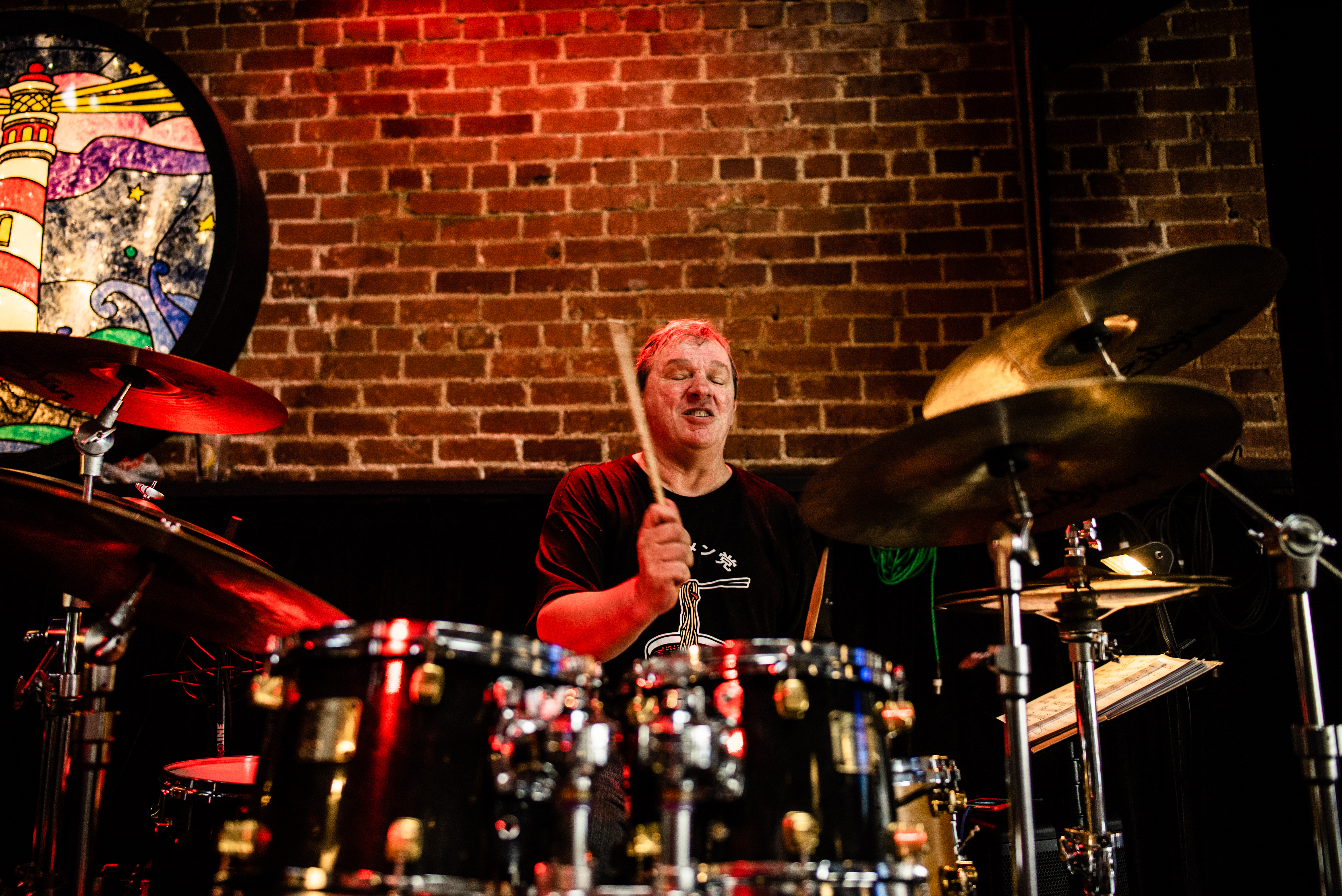
GARY HERBIG


MIKE SAUL
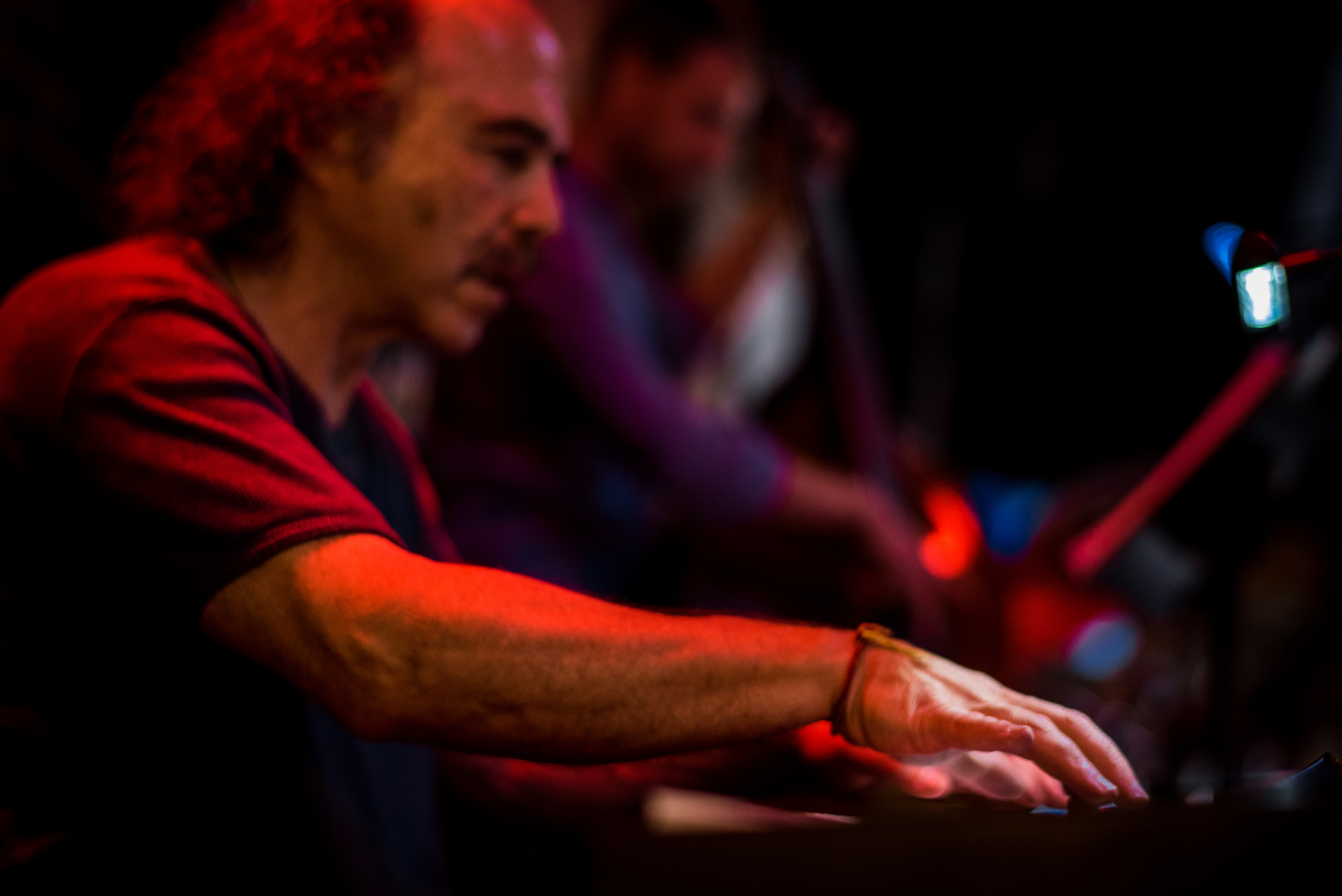


IGOR KOGAN


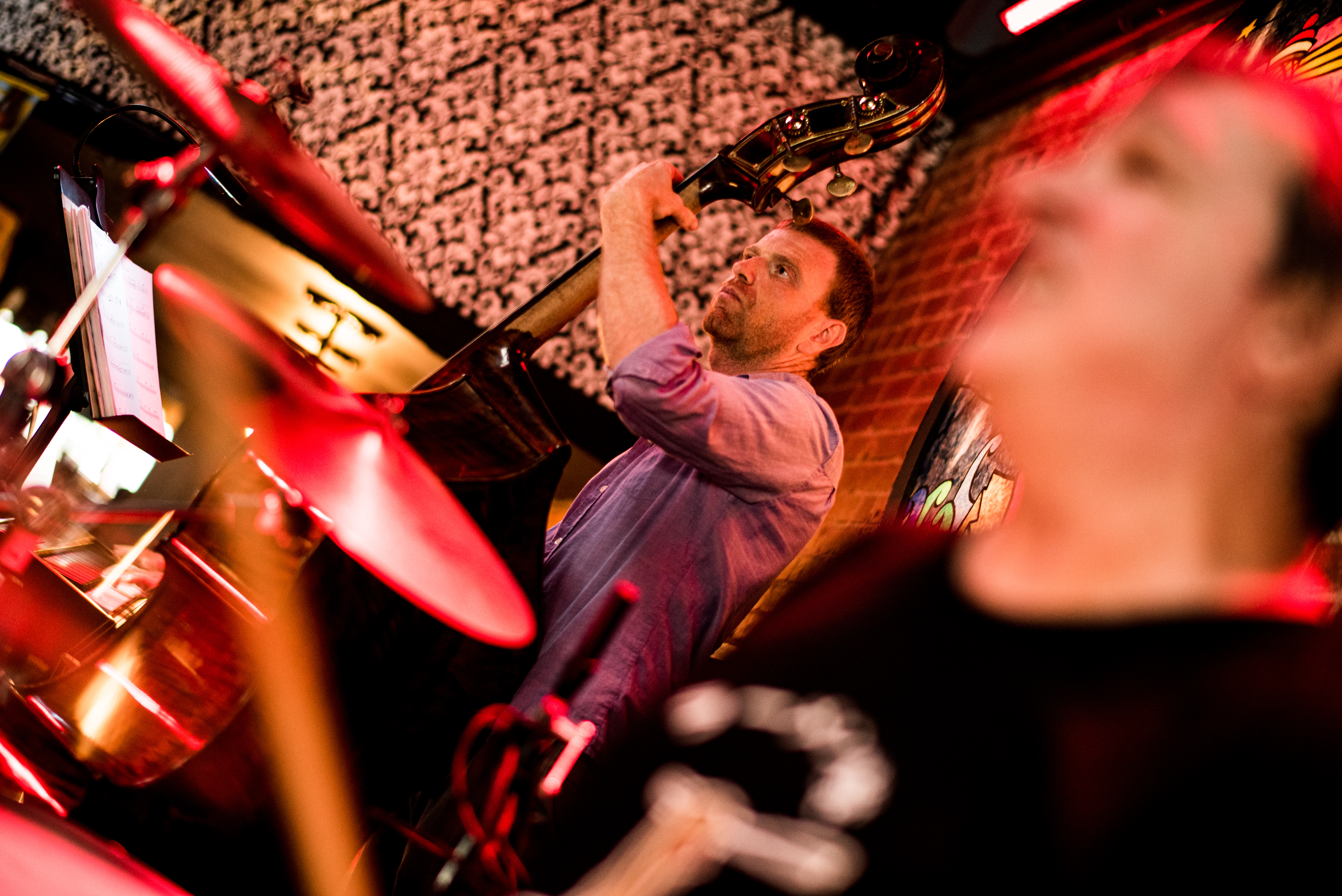
MITCH MANKER


THE QUINTET


Apparence

Bossa Nova Baby

Materfamilias

Two From Western


Protected: For Cousin Sherrell
For Richard Thwaites of England
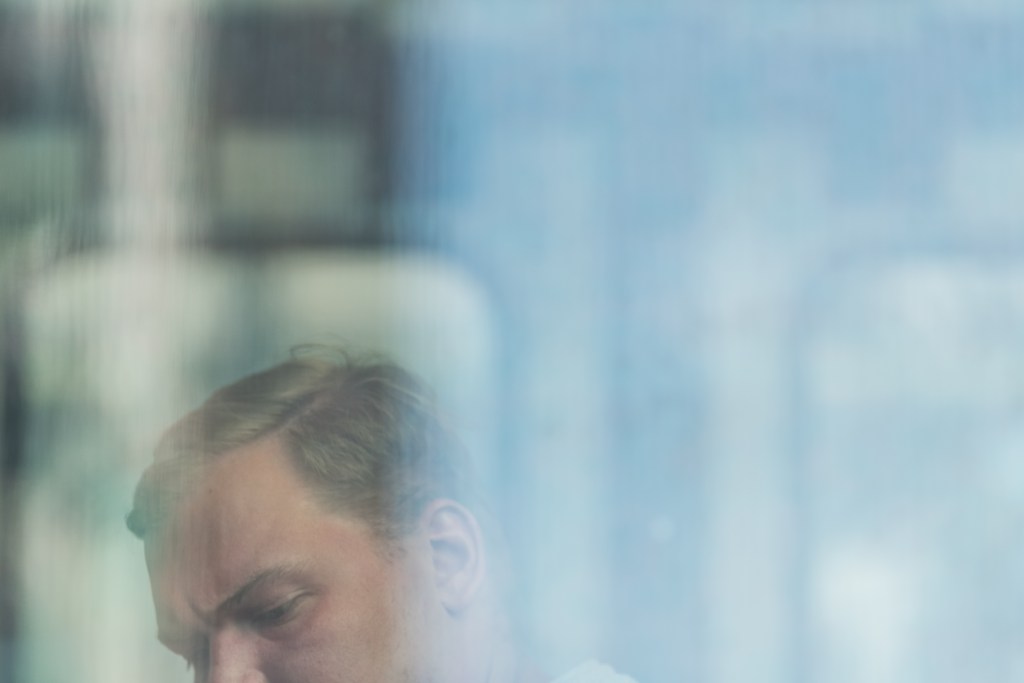
April Rider

Sense of Place
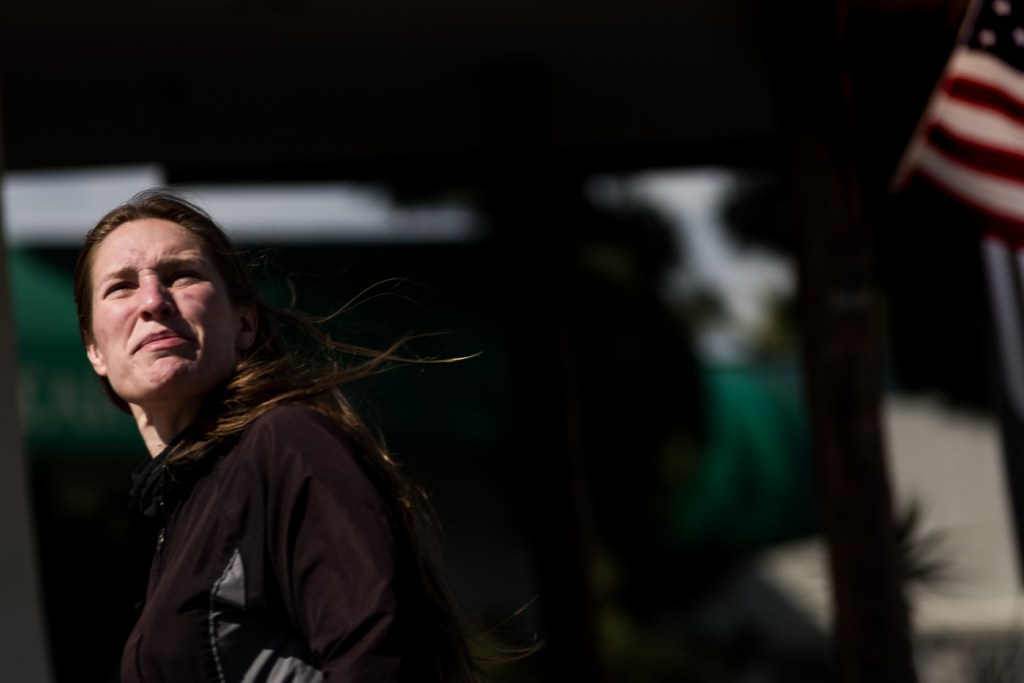
Now Trending
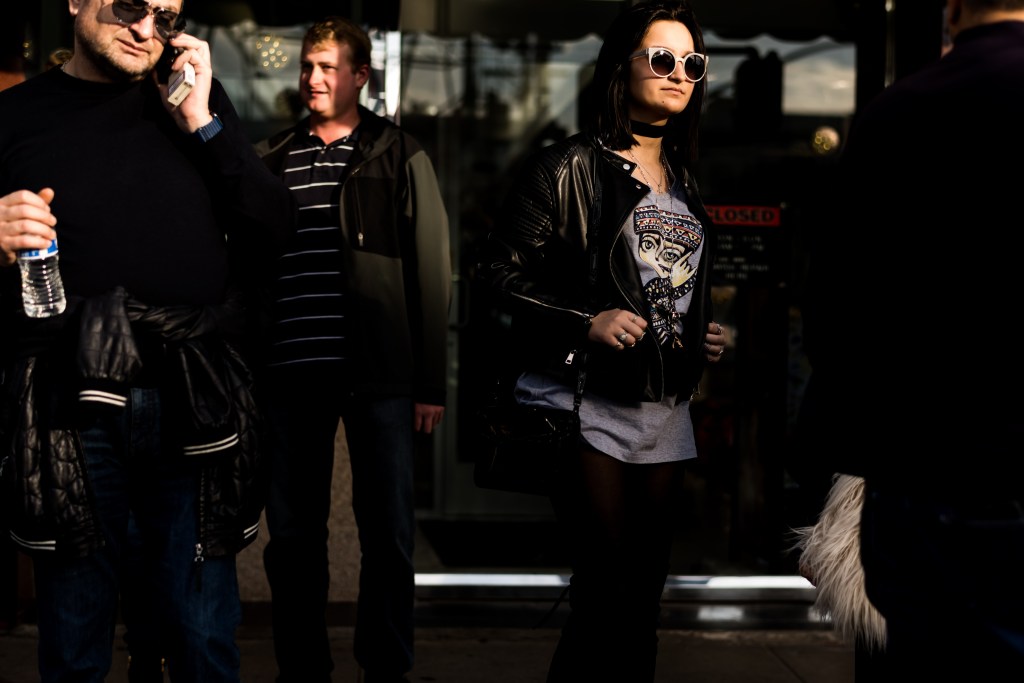
Broadway Woman

Seeing Hopper
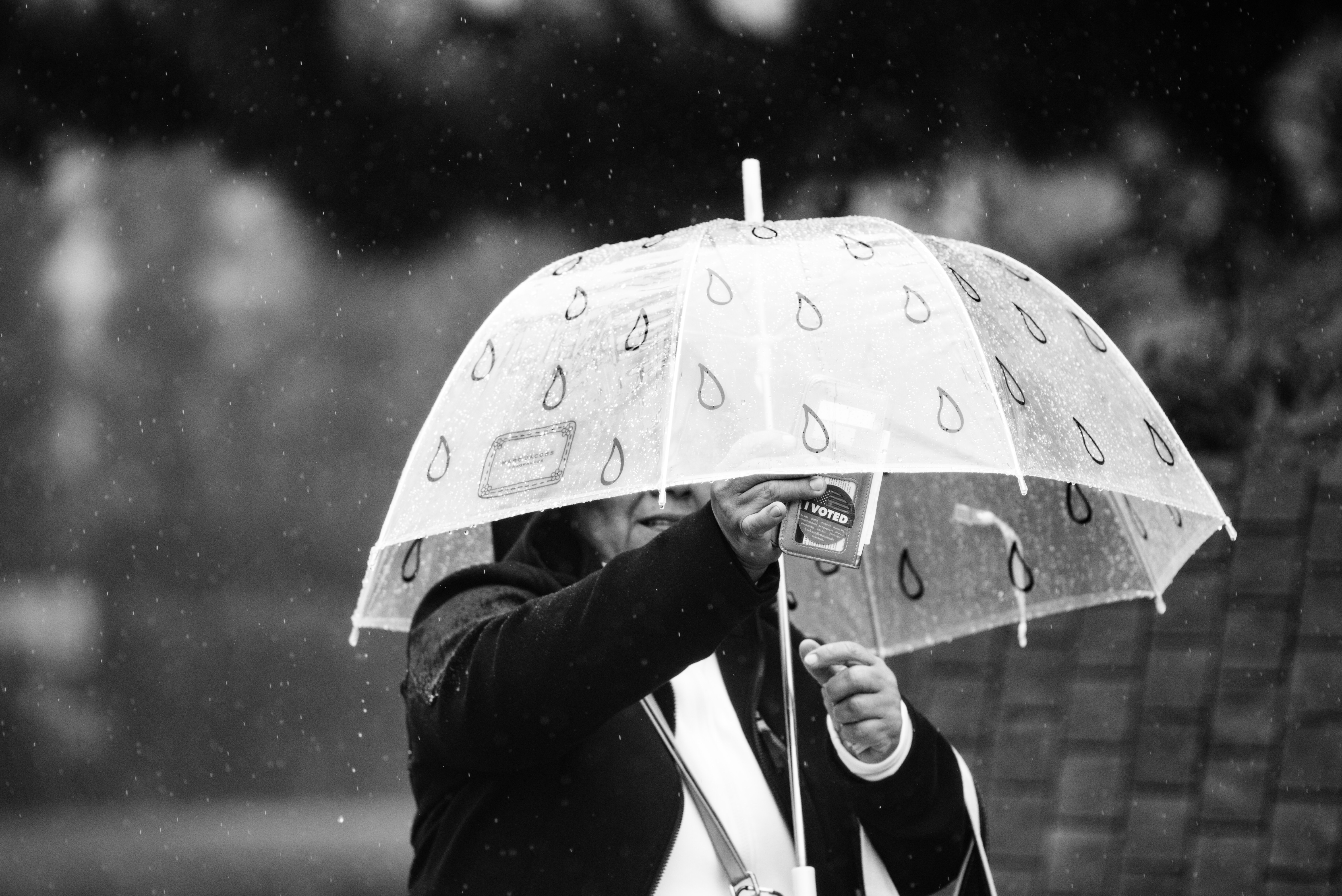
Let It Rain
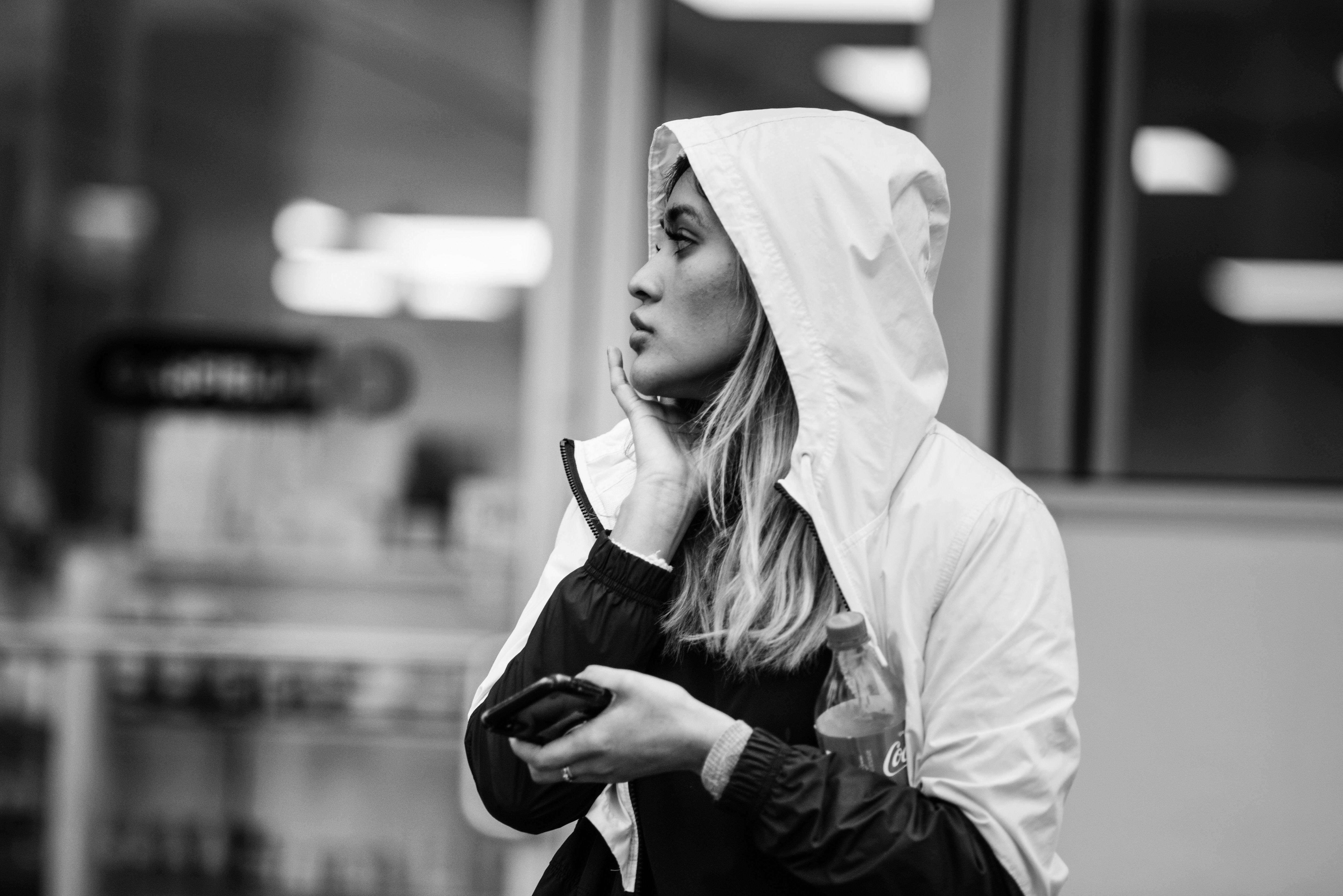


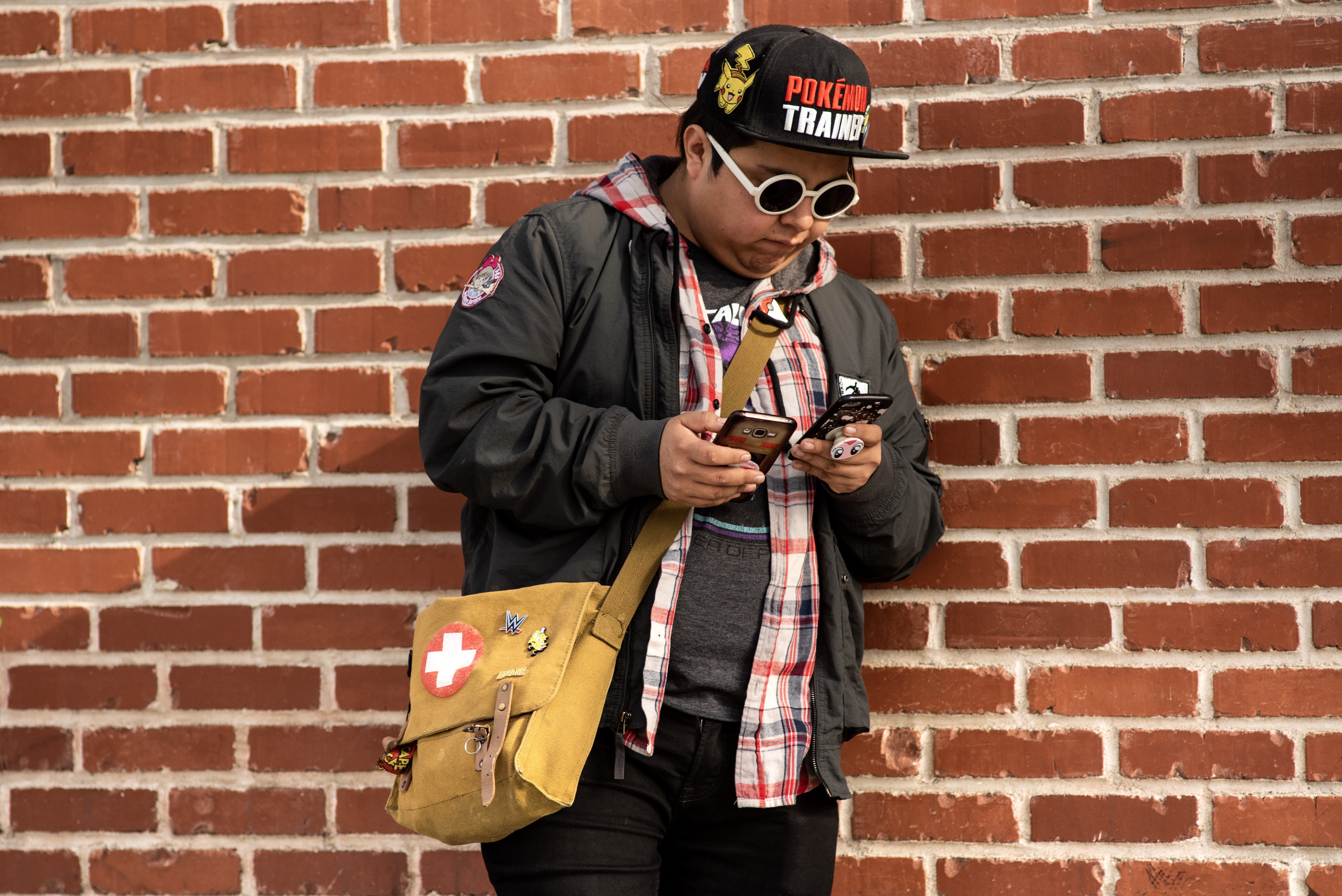
Pokémon Trainer
For Your Consideration: Oscar Sunday 2019 in Hollywood


Pi Light

Tuxedo Junction

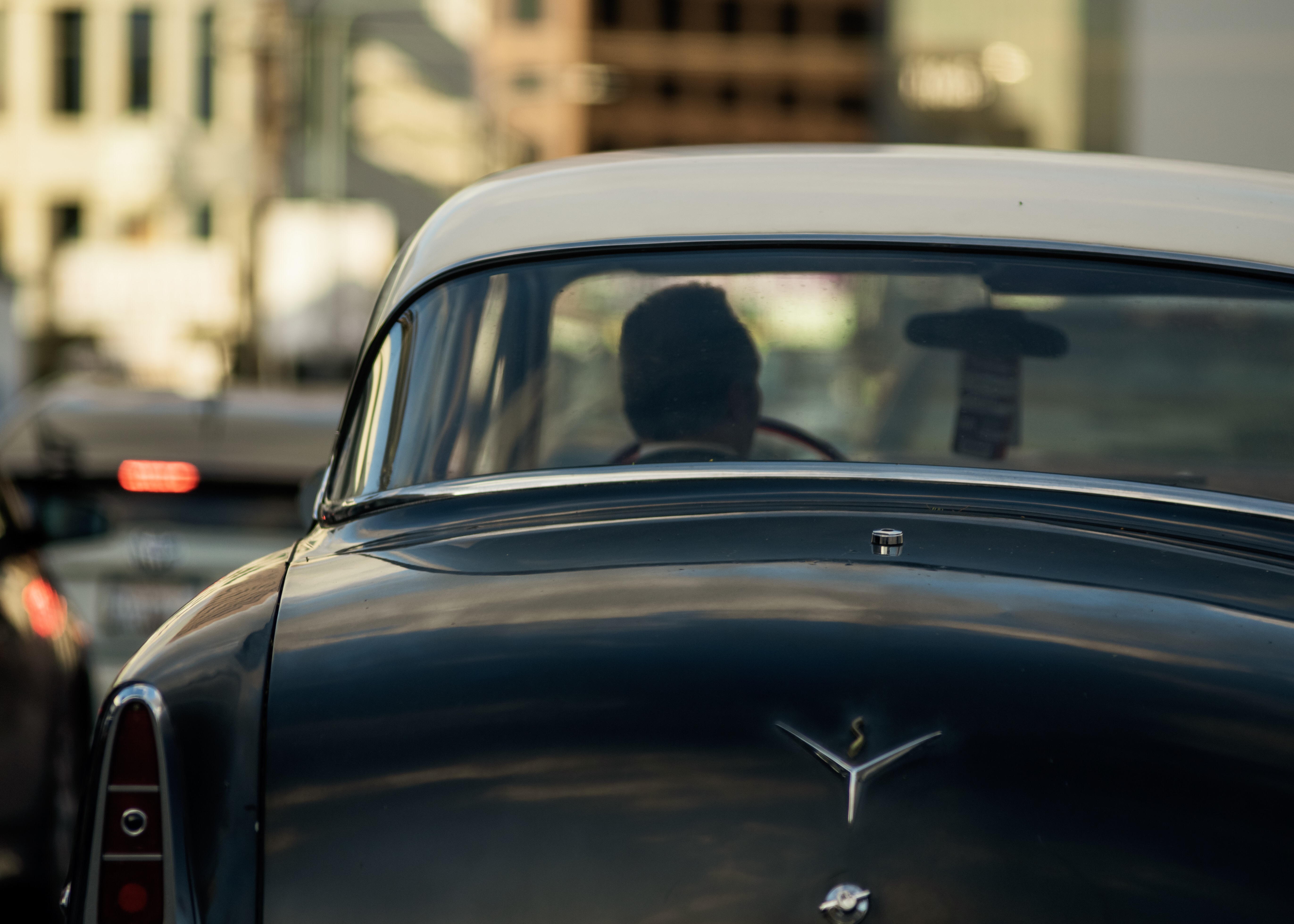
Chevrolet

West Coast Strut
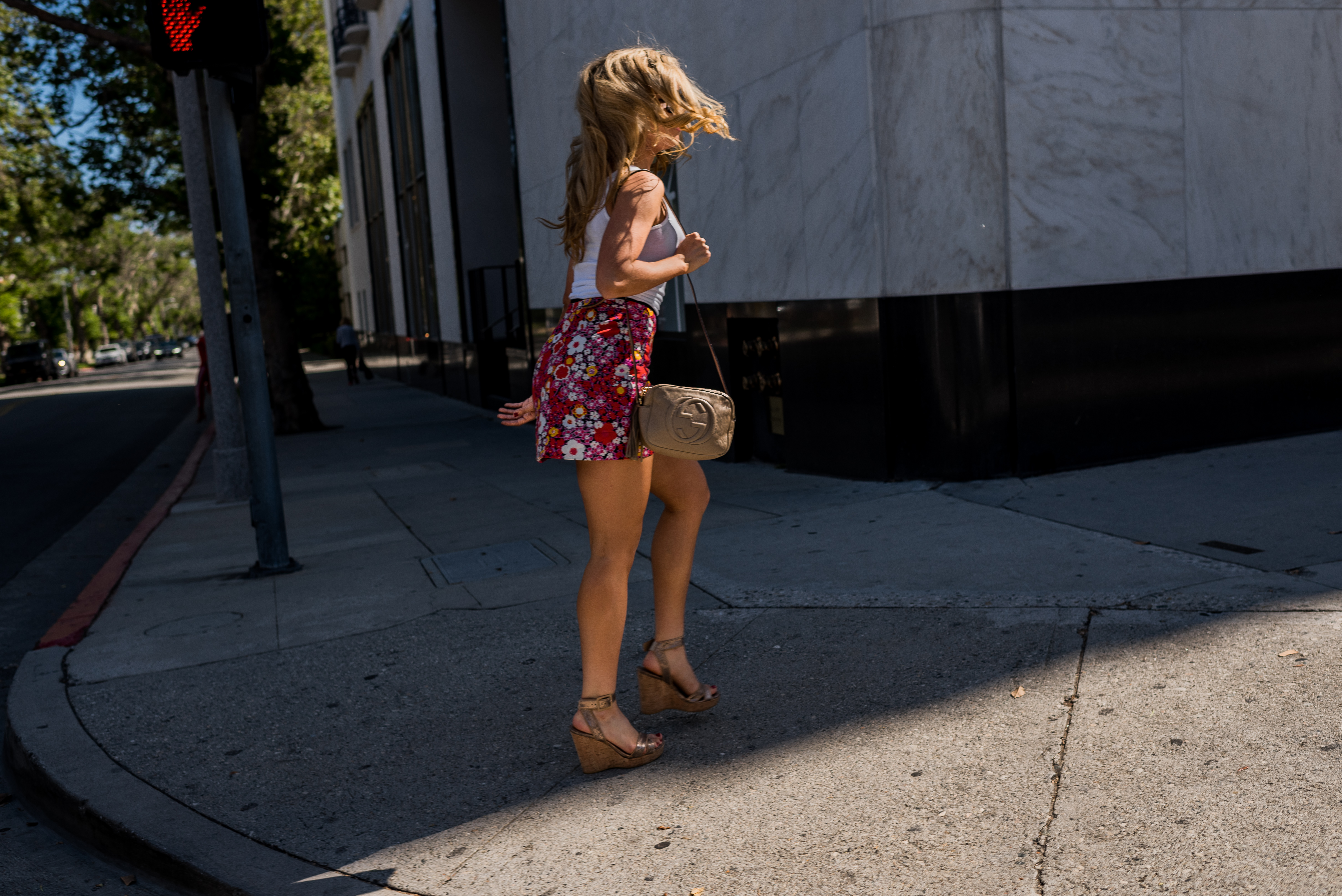
Descending Scale
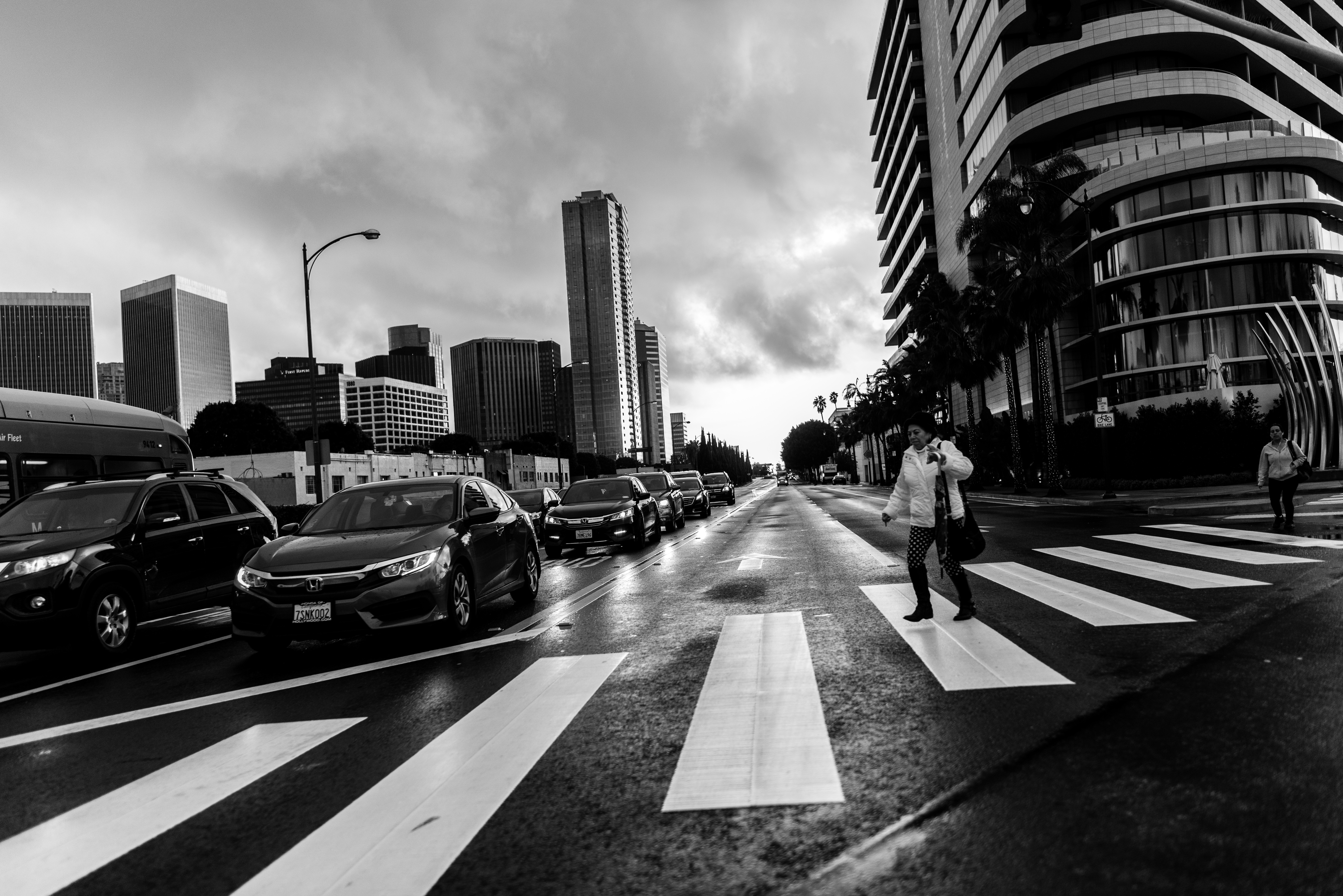
Framing the Moment

Goodbye Pork Pie Hat

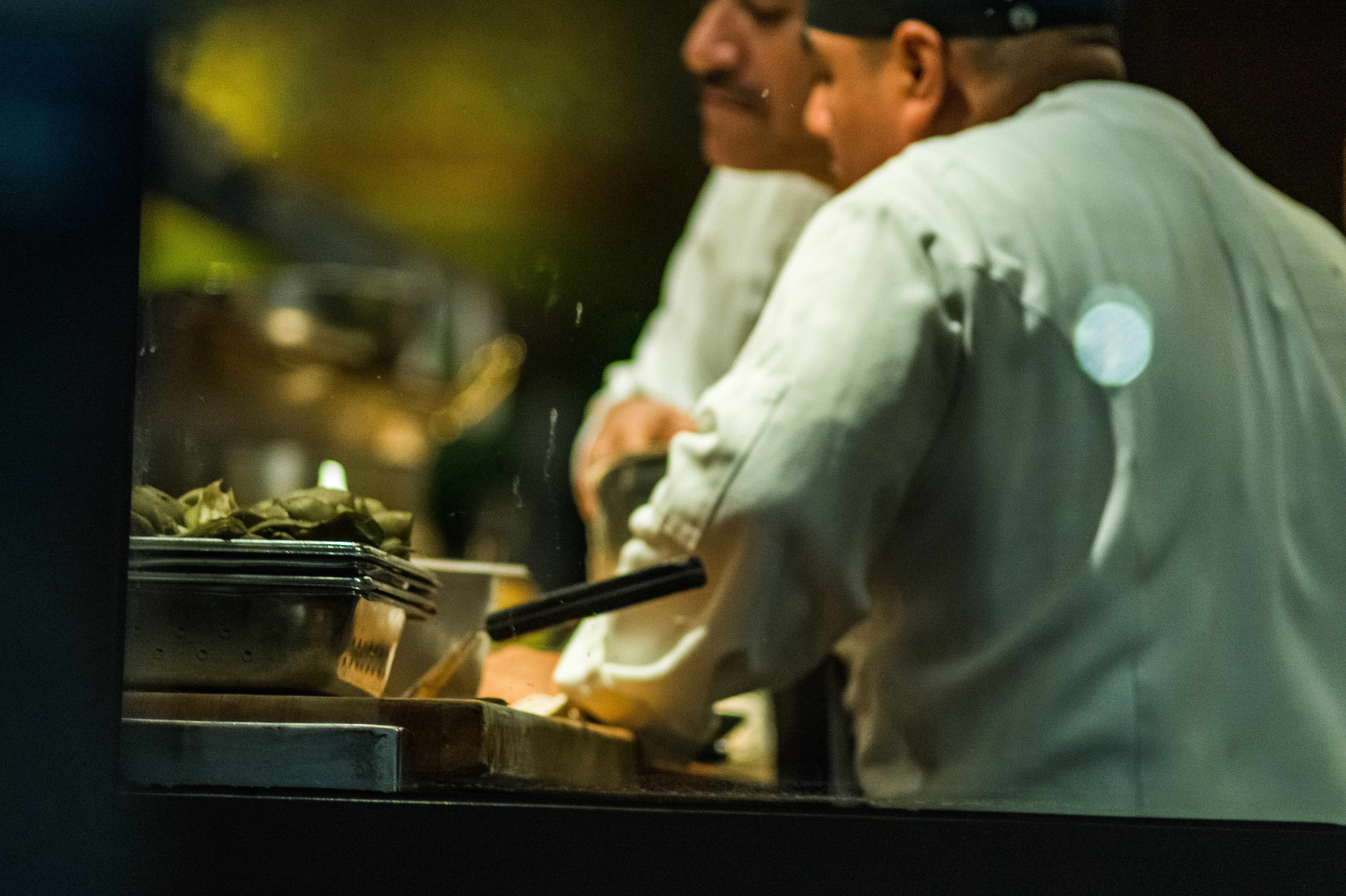
In the Kitchen
What Men Want

I remember something that was in circulation back around, I believe, the 1990s. Went like this:
Women just want to be listened to and men just want to be trusted.
Okay. At the risk of losing a great percentage of readers at this point, I have to admit that, yes, this actually resonated with me.
Because somehow I’ve always wanted more than anything else that every women I ever encountered, even if I’d just exchanged a glance with her, could trust me.
And when I leave this earth, I never wanted any woman or girl to be able to say, that guy was physically inappropriate with me. He was a creep.
Sadly, many could (and doubtless will) say, that guy was physically inappropriate FOR me. But that’s another problem entirely. 😉
Women of Color Organize for Access and Accountability in Photojournalism – The New York Times
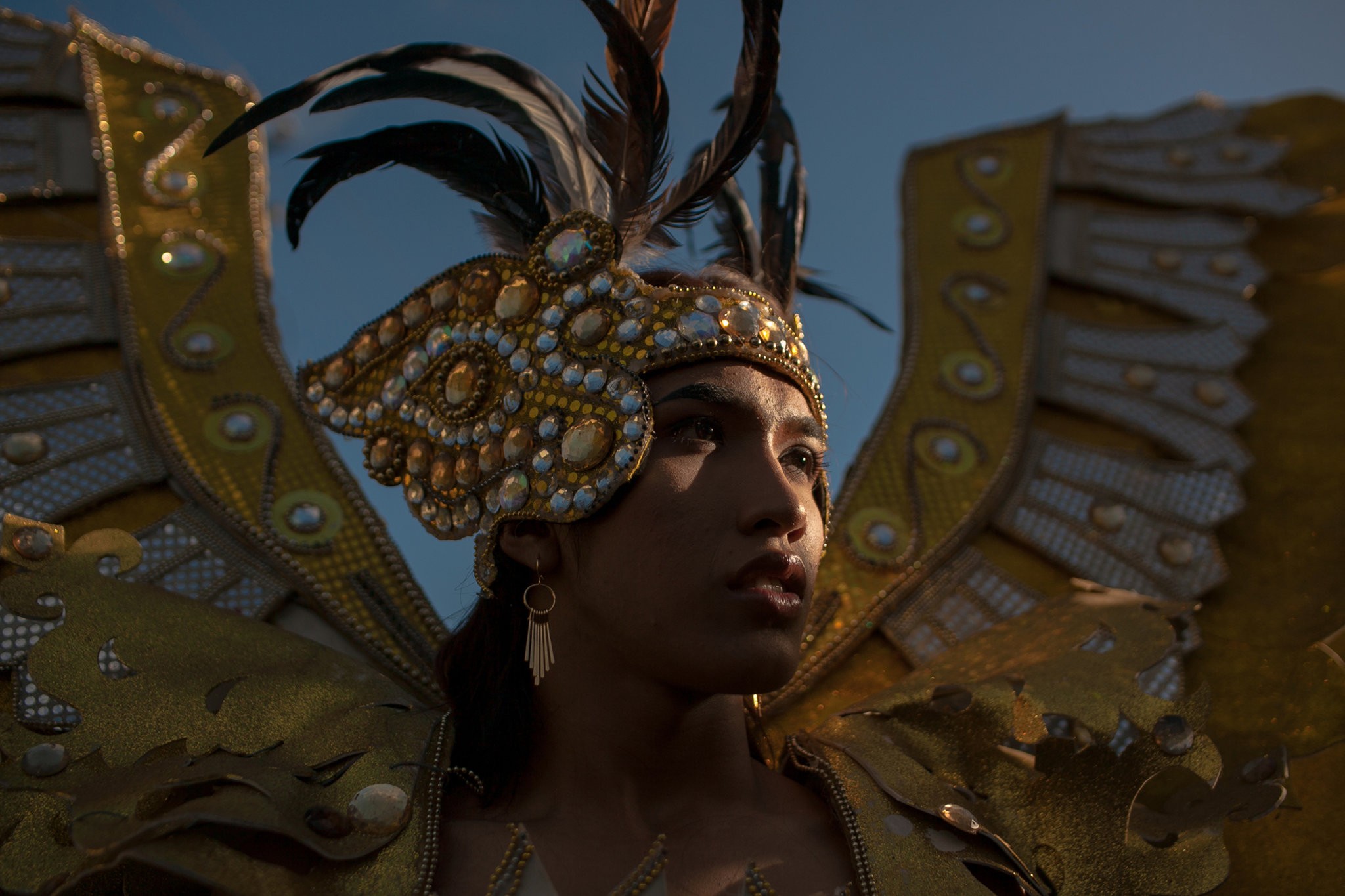
“Tara Pixley often felt isolated in the newsrooms where she worked as a photographer or photo editor. As a “black woman who was the child of immigrants, raised by a single mom, and also a first-generation college student,” she struggled for a decade to fit in. She was the only woman of color in the photo departments where she worked and was ignored or treated dismissively.”
The Unseen Robert Frank: Outtakes From ‘The Americans’ – The New York Times
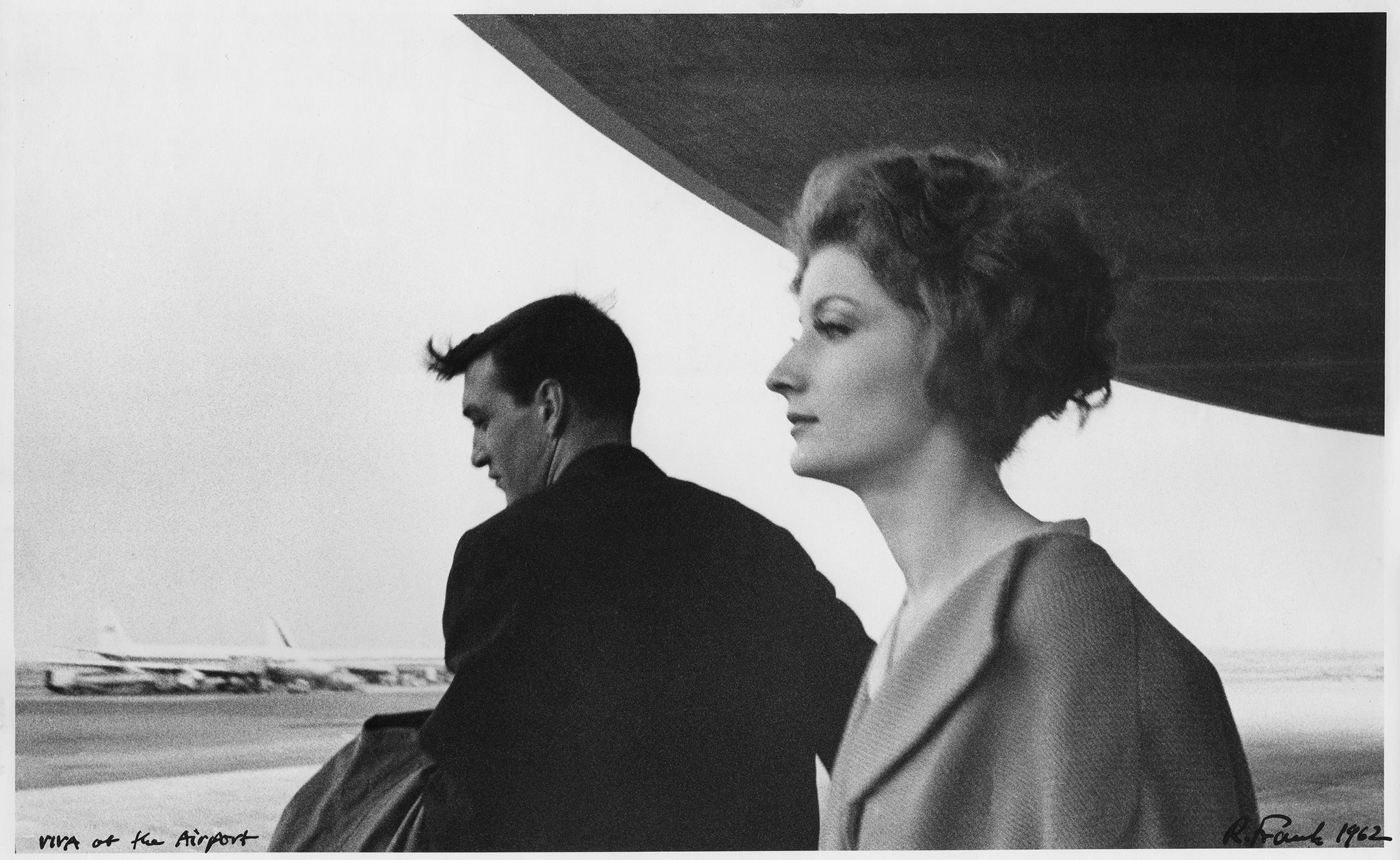
“In his introduction to Robert Frank’s seminal photo book, “The Americans,” Jack Kerouac claimed the photographer had captured “scenes that have never been seen before on film.” He was referring not to particular people, places or objects but to “the humor, the sadness, the EVERYTHING-ness and American-ness” Mr. Frank documented as he traveled the country on a Guggenheim Fellowship beginning in 1955. At a time when mainstream publications tended to favor a rosy view of American life, Mr. Frank presented a comparatively stark vision that also challenged the aesthetics of popular photography.”
A 2015 Christmas Past Repost: Christmas Eve Will Find Us


A Christmas Past Repost: Christmas Eve Mosaic 2014


Ten Years Ago: Beverly Hills Hotel Holiday Party 2008


Mood

My Favorite Photographers: Ben Shahn
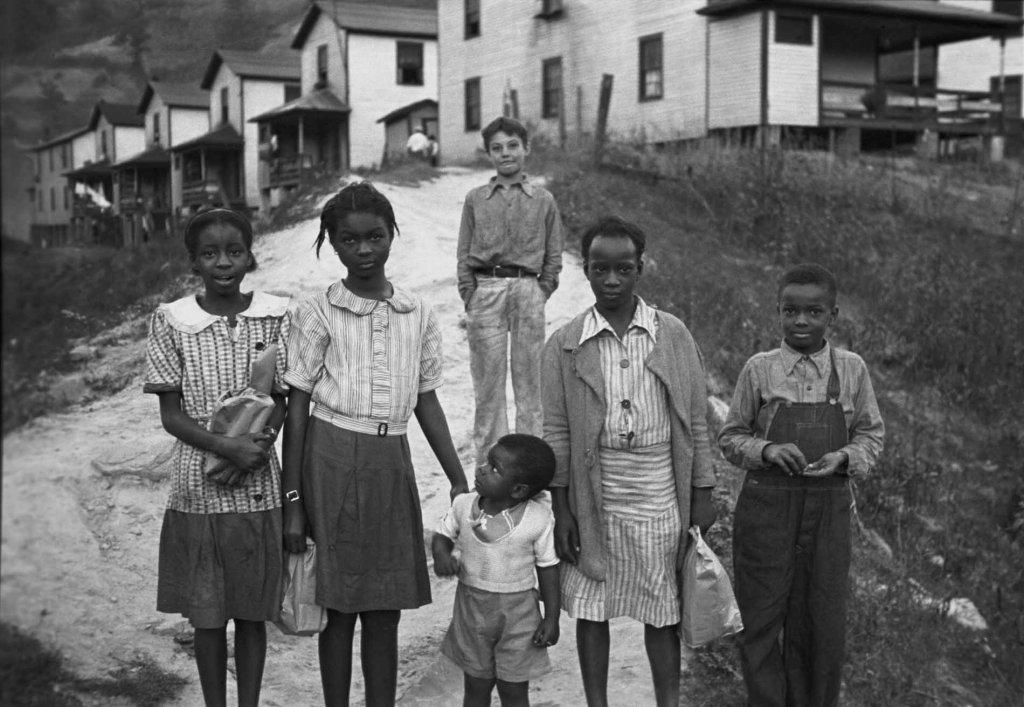
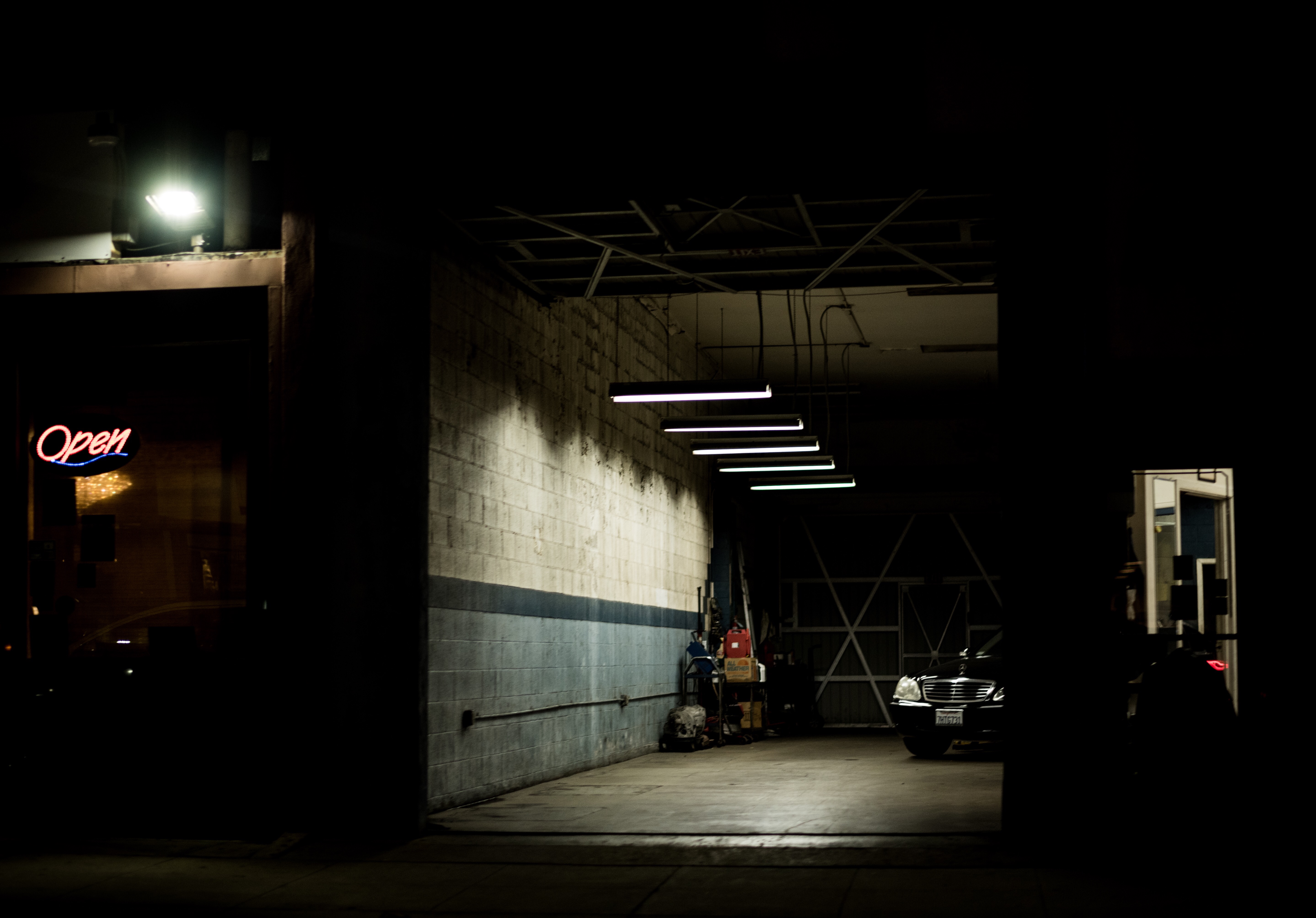
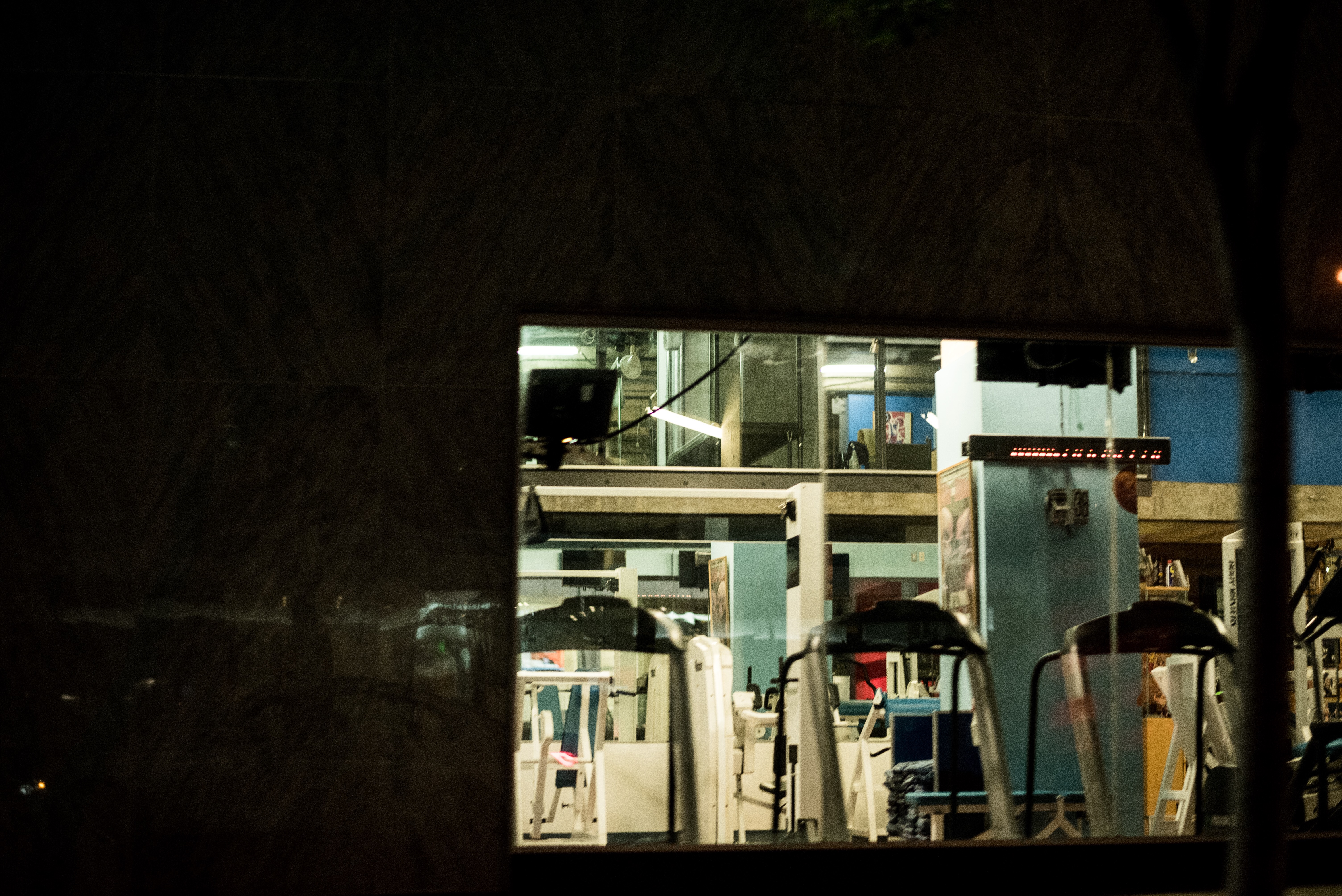
Someone asked me the other night at dinner who my favorite photographers were. The first name out of my mouth was Ben Shahn. Shahn was one of the FSA (Farm Security Administration) photographers, hired by the United States government to go out and document the effects of the Great Depression on the American people. Shahn is not as famous as his colleagues Walker Evans or Dorothea Lange or Gordon Parks but, as far as making great and timeless photographic images, he is my favorite of these great icons and his work should be seen and remembered as representing the best of what the FSA photographers accomplished in their travels around the country.
Like Henri Cartier-Bresson, Shahn was an illustrator and painter as well as a photographer. His work drawing and painting images looked a lot like his photos in the choice of subjects, composition, placement of things within the frame, etc. For me, there’s really nothing like a photographer who sees and captures images with what I think is commonly called a ‘painterly’ approach to framing and composition. Cartier-Bresson was known for this and Ben Shahn’s work is also a great study of the talent and discipline a great visual image maker from these other mediums can bring to the making of a photograph.
For me, these are all things that I place inside the toolbox in my brain. In a way, they are not all that different from having at your disposal the great attributes of a fantastic piece of equipment, like a lens or camera. So I allow myself to wallow in the work of great painters and artists and absorb, as much as I can, what they are so successful at presenting or representing visually. Illustrators or painters aren’t restricted by the realities that photographers face. They imagine and draw from a blank canvas every aspect of the images they create. When it comes to art from across the ages, that which has stood the test of time reveals all the secrets of soft-diagonals and the use of light and shadow, color, placement of subjects within the frame, leading lines and everything else that goes into making an image that can imprint itself onto the mind of the viewer.
But as important as these things are for a photographer to possess and be aware of, they are just tools. We can’t be slaves to any of it. There are photographers who take a Leica f1.4 lens out and make images that are created solely for the purpose of showing off the unique visual perks of owning and shooting such exotic gear. And I have to admit, I love their results. I’m not criticizing anyone for using equipment to make themselves happy and to make beautiful things. But, for me, the equipment has always been like the great tools a secret agent gets to go with him or her on their dangerous missions. Omega watch. Aston-Martin sports car. Leica camera. But then you drop that agent into a living hell and just hope that the tools and the person are up to surviving the tasks at hand. For me, the fly by the seat of your pants challenges of street photography can be like that, but just not as heroic, I’m afraid.
Shootings sports or big events was also like that. I had the best Nikon gear in my bag, gear I would take great pride in in most other situations. But when you’re there to move and work fast and sometimes in a scrum of people and challenging conditions you forget about how good or expensive your lenses are. You just keep shooting and hope that, in the end, you’re going to come away with good images. The truth is, the equipment will be there, and your photographic eye that you’ve developed over time will be there. But, at that point, it’s also mostly about things like placing yourself in the right spot, positioning your body, over and over again, and looking for images until your brain hurts. Those things are the hard work that will only be there if you have the personal commitment to bring that level of effort.
So too with the tools inside our heads. I can’t place too much visual emphasis on the fact that I have in my toolbox a favorite tool. In the end, for me, it’s about what I encounter out in the streets of Los Angeles. Maybe you appreciate surrealistic elements that might occur in street photography. Who doesn’t? Surrealism is a subject unto itself and I’ll give a more complete thought on it in another post. But when I see a street photographer whose entire oeuvre is surrealistic street images, I cringe. As with many things in a medium practiced by so many, even this high-wire act of photographic image making has long ago played out any fascination it once held for me.
It reminds me of film directors in the 80s and 90s. There was a director, now an icon, I’m sure, Brian de Palma, who fashioned a style after his and everyone else’s favorite director, Alfred Hitchcock. But then this style was placed on a loop, first by de Palma himself and then by the scores of lesser directors who would follow in his footsteps. Being too aware of the director’s photography became a real problem in movies of the 80s and 90s. Fortunately the film industry woke up to the importance of story and characters and shooting a motion picture with characteristic over-the-top visual elements became passé.
I’m not blind to the elements that suggest surrealism in a scene I might encounter in my street photography travels. That’s something inside of me, in the image making toolbox in my brain. But my brain is, and I think it should be, a crowded toolbox. As most everyone who loves photography enough to try doing it, I’m always looking at great photographs just as I have been doing since I was very young. But I’m also always looking at the works of great painters and trying to build an awareness of the elements that make up their choices and results.
So, that all said, am I happy posting pictures to this blog that look like they could have been taken by a Cincinnati newspaper photographer? Well, the answer to that is, actually, yes. I’ve always admired good understated newspaper photography. I’m shooting absolutely tons of images of the streets of Los Angeles. There is much ‘news’, I believe, inherent and revealed in these images that I post here on 50lux.com. I’ll take an old school professional standard like that any day in looking at the images I’ve shot and deciding whether I should post them here.
But would I rather they all look like the work of a Ben Shahn or Abbas or so many others I will talk about in the coming months? Of course. But do I want that enough to slow down my output of images, let alone the amount of images I take, and produce work that meets only the loftiest standards of what I might be able to achieve? No way. There’s too much to see and shoot out there in the city. Too much I want to show to the world. John Szarkowski said something about Garry Winnogrand’s later photography, that it represented a creative impulse out of control. I hope my creative impulse is not totally out of control. But maybe a little out of control is a good thing.
I employ as much aesthetic awareness as I have in me and can find in the scenes I encounter and the images that I’ve taken once I look at them on my computer. Always. From the days of shooting sports, and from now almost two decades of this latest round of shooting digital street photography, you learn that the great shots happen in a subdivision of a second. To some extent, really good shots, if I get any, choose me as much as I’m choosing them. You have to be there to see them and then instantly, instinctively, and maybe without much conscious thinking going on but with plenty of hard mental work happening under the hood, make those pictures.
The street moves by quickly. As do scenes, frames, subjects, light, the right timing, everything. I do the best I can. Things moved much slower in Ben Shahn’s day and he made the most of the extra time he had to allow all of the elements of his illustrative genius to represent themselves in his photographs. The results are photographs that display all the elements of great paintings from the dawn of Realism up until today.
Ben Shahn is just the tip of the iceberg for me, of course. I’m going to start turning this blog into much more of a place where I share my thoughts about photography than it has been in the past. That won’t be hard to do as I’ve mostly used 50lux.com as a place to post a daily image or a collage of recent images.
I’ve always wanted to discuss photography and what I think about it but I just never seemed to be able to find a way into the discussion that wasn’t all about what I had to say about photography. You know, you have to have an angle into something. Especially haranguing the world with your awful opinions. So my friend asking who my favorite photographers were presented me with an idea: I can offer up my favorite photographers but also use that as an opportunity to slip in my other thoughts on photography as well.
Anyway,
Thank you for reading.
db
Gestalt Vortex

I Never Wanted This to Happen

Black and White Sunday


Five Seconds of Summer
Stay True


Home Sweet Home

Brothers From Another Mother (and Father)

 50'Lux