



Second Weekend in November


Thank you, once again, to Tollie and the master witchy hostess, Marjorie, for another incredible Halloween party! We promise to dress up next year! Promise! 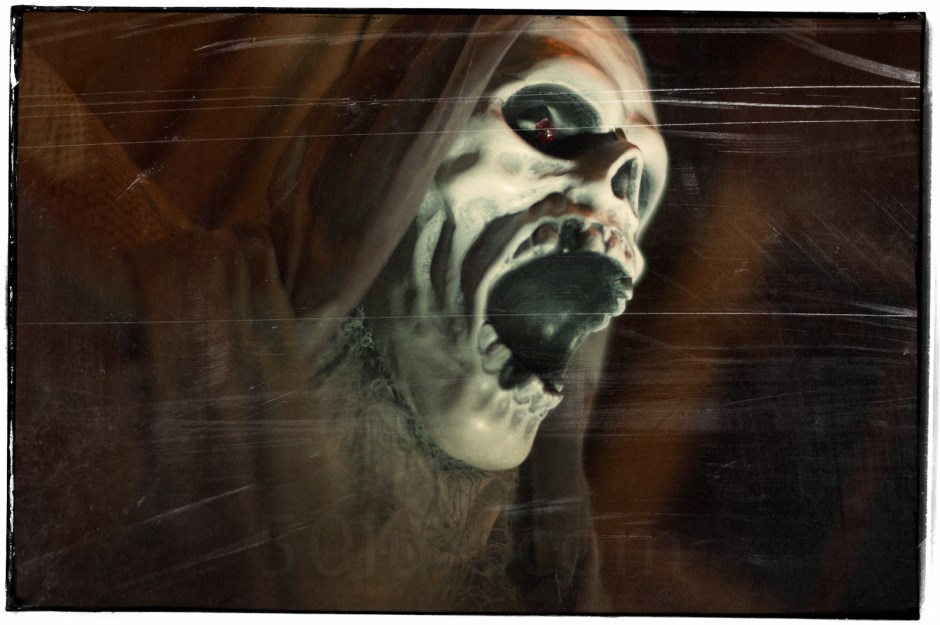


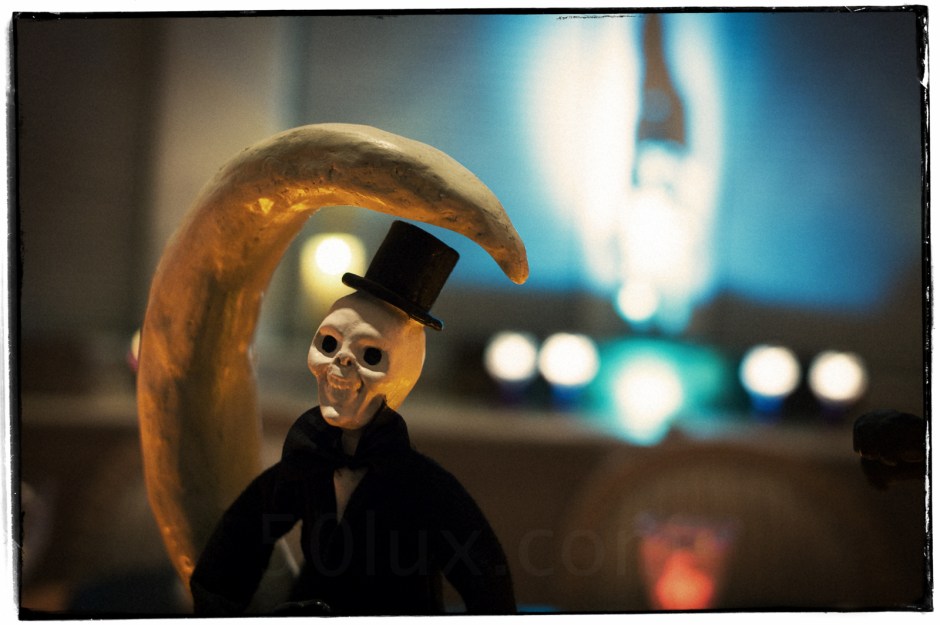


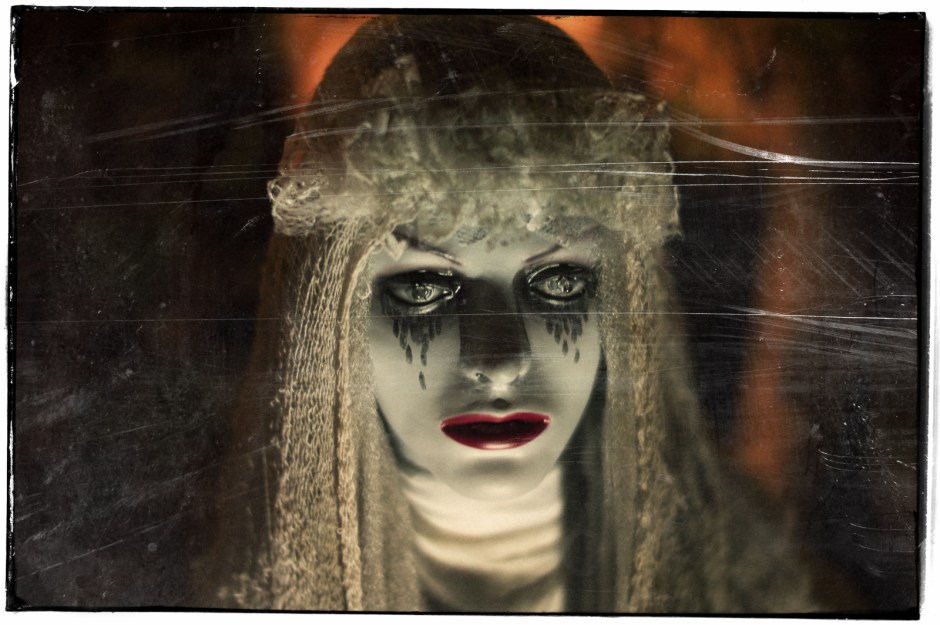
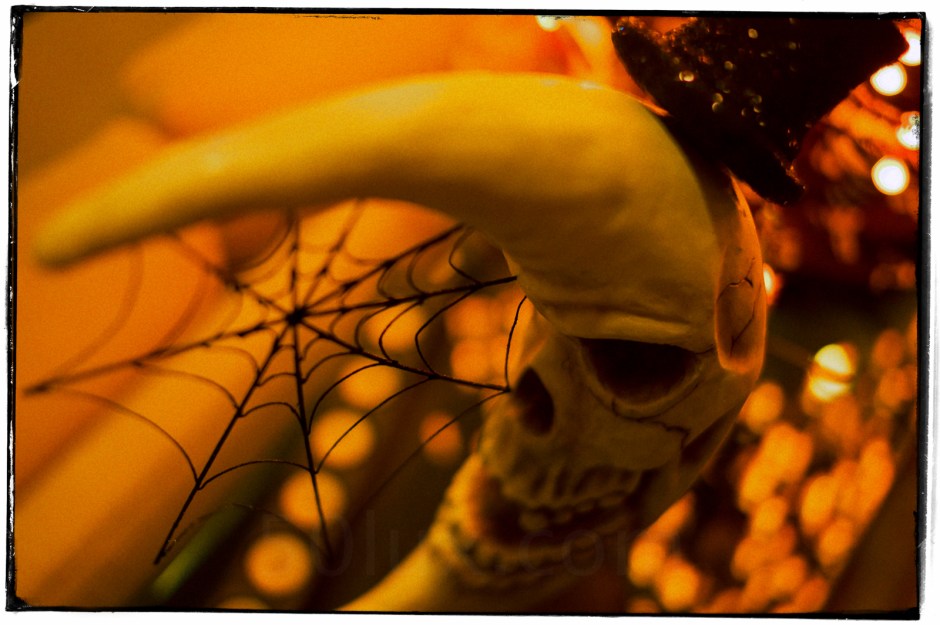


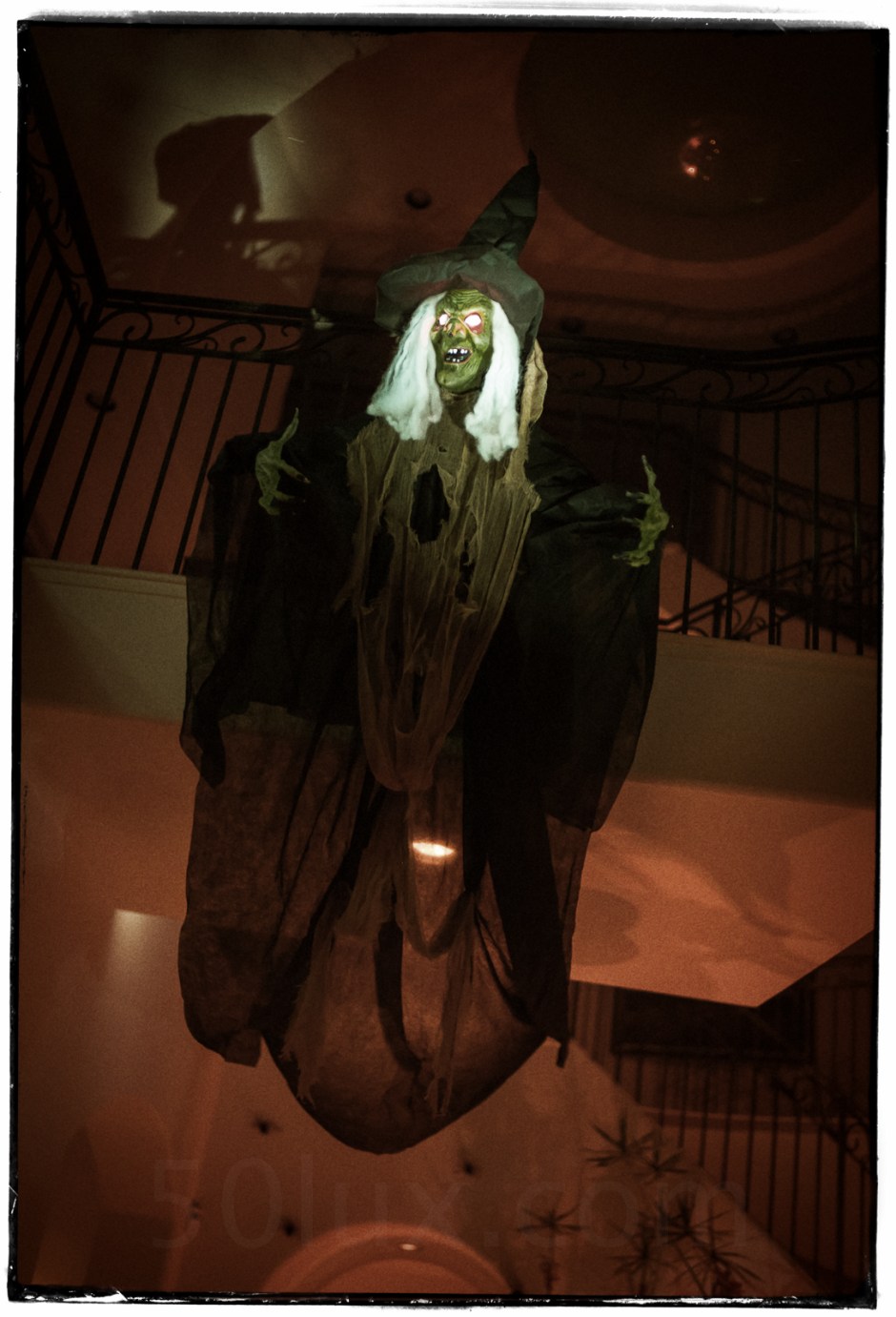
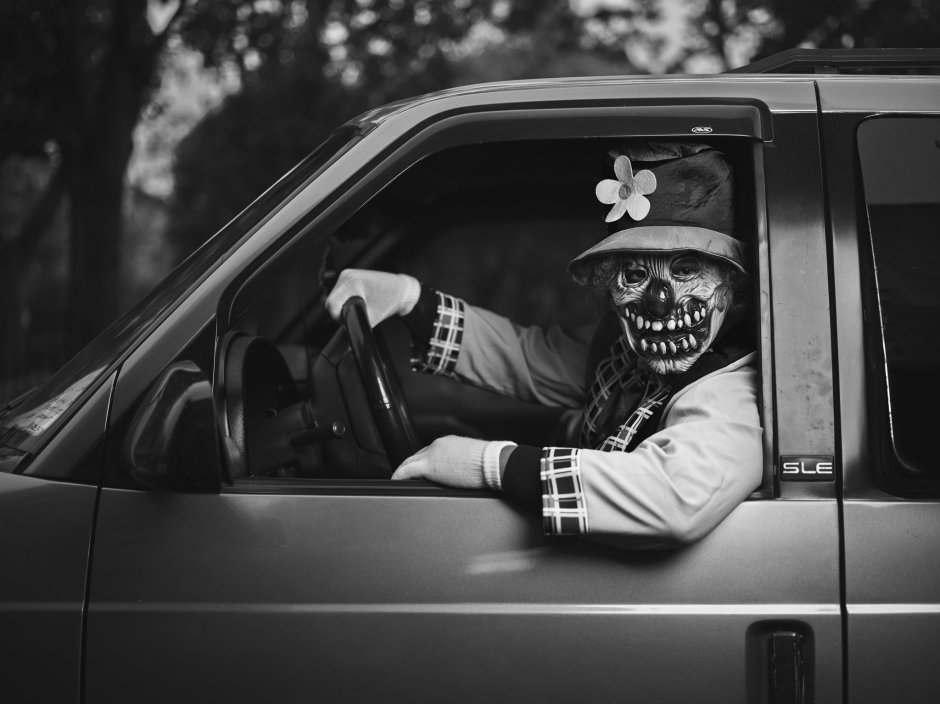
The photographer who calls himself Joey L., 24, grew up loving Halloween he dropped his last name to avoid association with a “cheesy ’80s actor” who shares it. As a child in rural Ontario, Canada, he made his own costumes. The goal, he said, was to be as scary as possible. “My dad was an antique restoration guy, so we made all these freaky prostheses and wounds,” he said. “Demons and weird stuff.”
via Seeing Halloween, as if for the First Time – NYTimes.com.
The New York Review of Books –
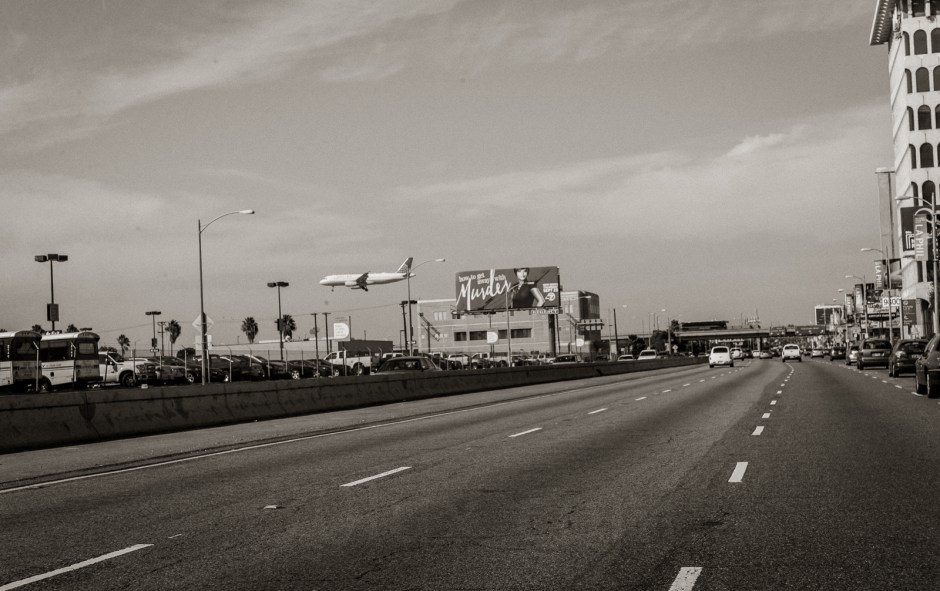
Garry Winogrand was one of the last great street photojournalists. He was like a walking camera: by the time he died he had taken nearly a million photographs. In the sheer volume of pictures he took, he really pushed photography to the limit. Videos and movies have taken over today, and he’s very close to that world where you shoot nonstop—he used his camera like a Kalashnikov.
via Garry Winogrand’s Lonely America | The Gallery | The New York Review of Books.


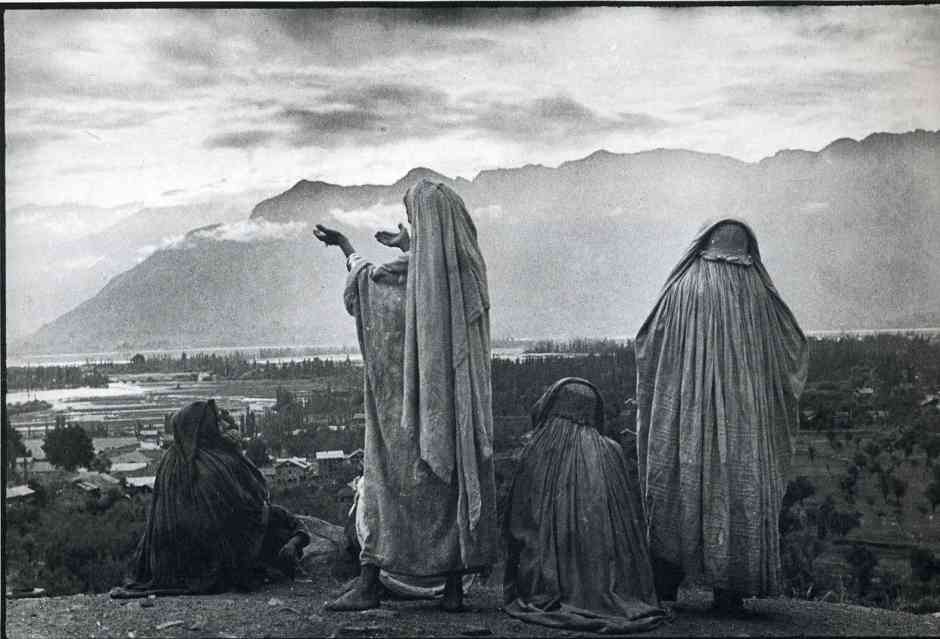
From LightBox –
For new generations of photographers and artists who have missed out on experiencing many of the world’s important books first hand, it cannot be stressed enough how important this new edition of The Decisive Moment is for a contemporary audience.
“Robert Frank’s The Americans and Cartier-Bresson’s The Decisive Moment were published within a few years of each other in the 1950s and both books have since become the blueprint for the modern photography book,” Steidl says.
Its value as an out-of-print collectable has risen over the past few decades resulting in keeping this masterpiece out of the hands of many younger photographers. Finally, after 62 years, it is again seeing the light of day this December with a gorgeous facsimile from the German publishing house Steidl.

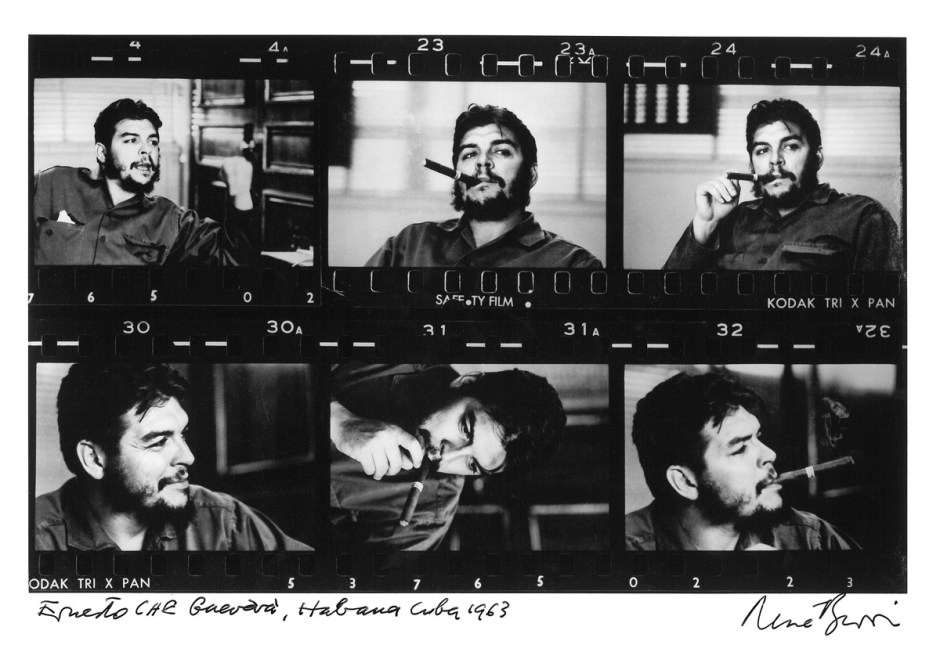
Via Phaidon:
As befits someone who’d photographed everyone from Churchill to Che Guevara, René Burri had a weapons grade arsenal pf wonderful stories and anecdotes, and he told them extremely well. One of our favourites was one he revealed in the garden of his Paris apartment a couple of years ago when we were interviewing him for his memories around the book Impossible Reminiscences. It concerned his mentor, Henri-Cartier Bresson and his habit of looking at negatives upside down. It infuriated all the Magnum photographers but particularly irked the Swiss-born Burri who revealed how, with one of his most famous photographs he managed pulled the wool over the Magnum founder’s expert eye and, as he put it that afternoon, “killed my mentor!”
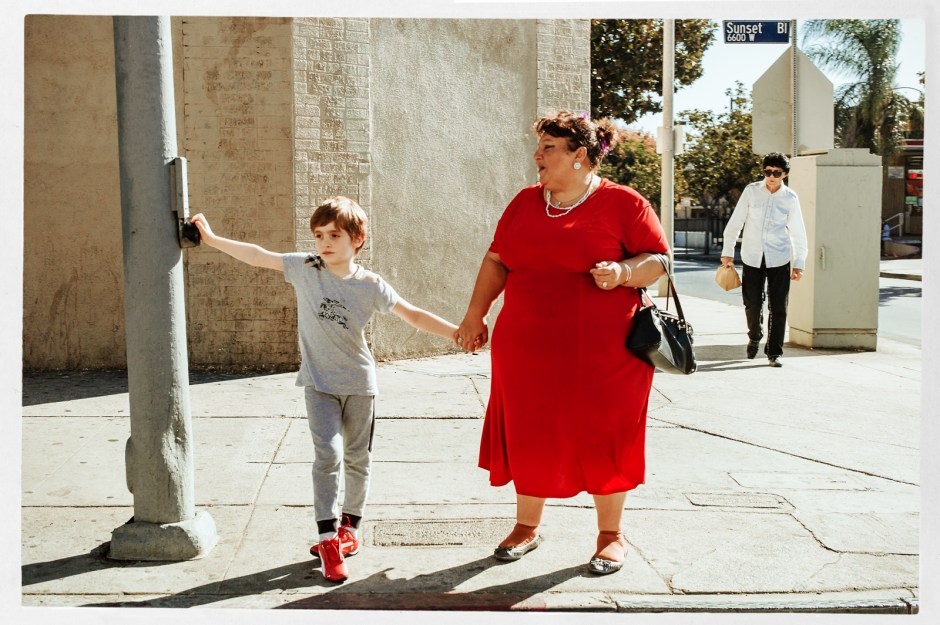


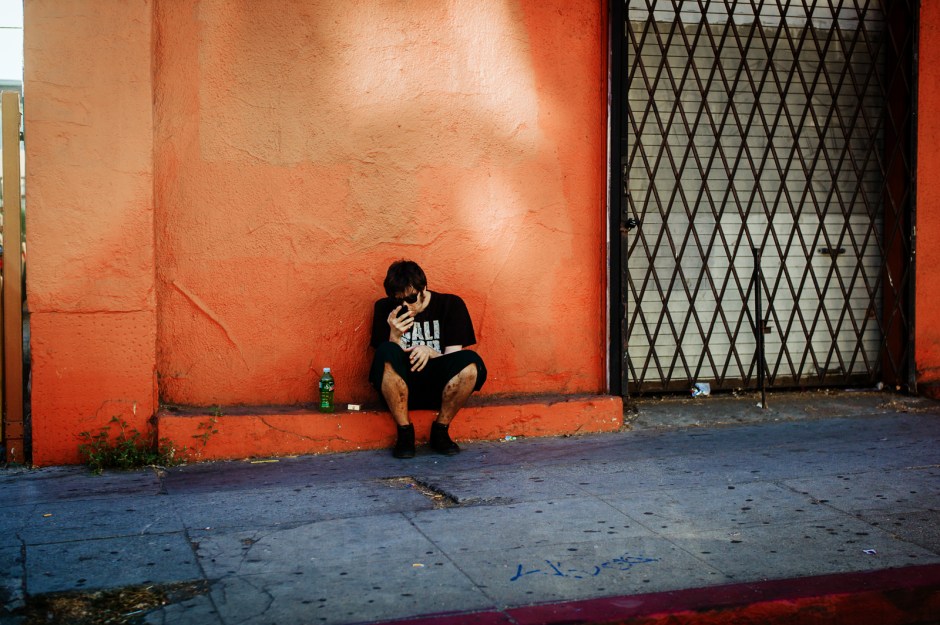



Hello, everyone. I’ve been posting an image or more on my blog here almost every day for the last couple of years. I have to say… it may not have always looked like it but it really was a lot of effort. And it has now become very hard because while I’m still shooting street photography and uploading images I don’t feel about them the same way I felt about much of the stuff I’ve posted over the last two years.
Giving myself a little credit, maybe it’s not just about feelings but about the kinds of critical judgments that everyone who shoots and chooses their better shots makes every day. When I look back at much of the work I’ve posted in the last few years I feel it’s been pretty good. I’m proud of it even now. So I’m going to just trust myself and wake up to the reality that I’m not producing what I want to at this time and I’m not going to force the issue by posting images I’m not completely behind.
I also want to free my mind up to pursue some other things that photography has pushed to the back burner and I’m anxious and excited to get to work on these other projects. And there are photo projects as well. Anyway, I know I’ve bent ears here before declaring that I was going to do this or do that. But I really am going to take a break from 50lux.com for a good solid amount of time.
Of course, if I get anything really wonderful it will certainly find its way here. And I have it in mind to collect on a special page or even maybe the front page here my favorite shots of the last few years.
I again want to thank every one of you who follow this blog, artists all of you, no doubt, for welcoming my photography into the WordPress world. Hope to be back one of these days with new photography that represents a change in direction for me as an image maker.
Thank you again and I look forward to having more time to visit all of your blogs and take in all of your great works here on WordPress.
Best of luck,
Donald
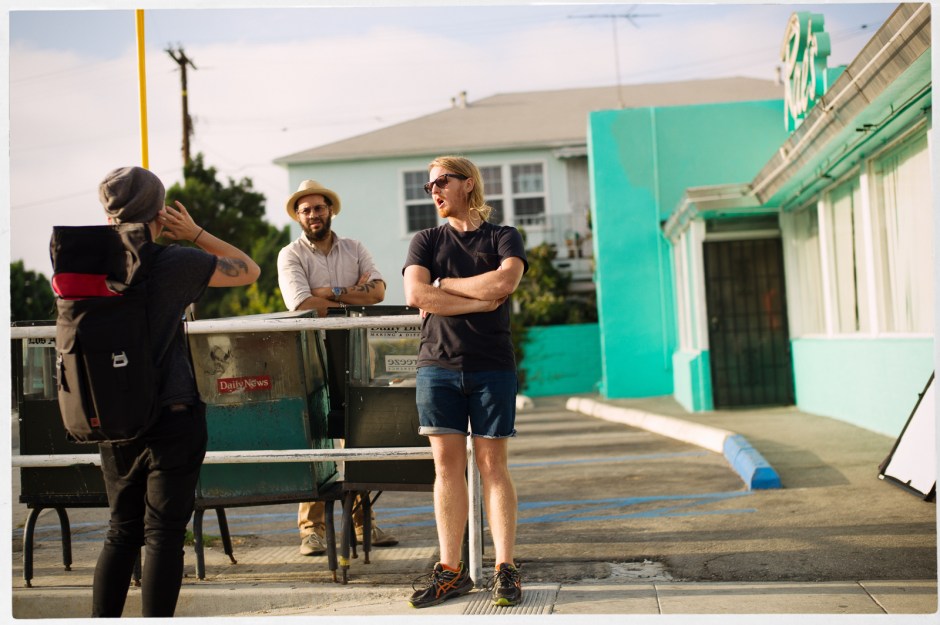
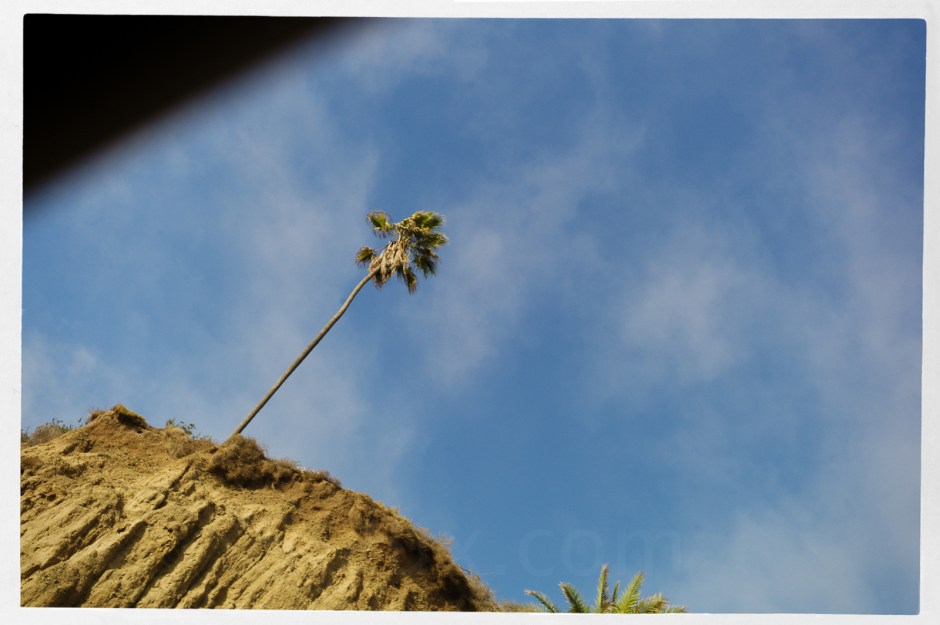
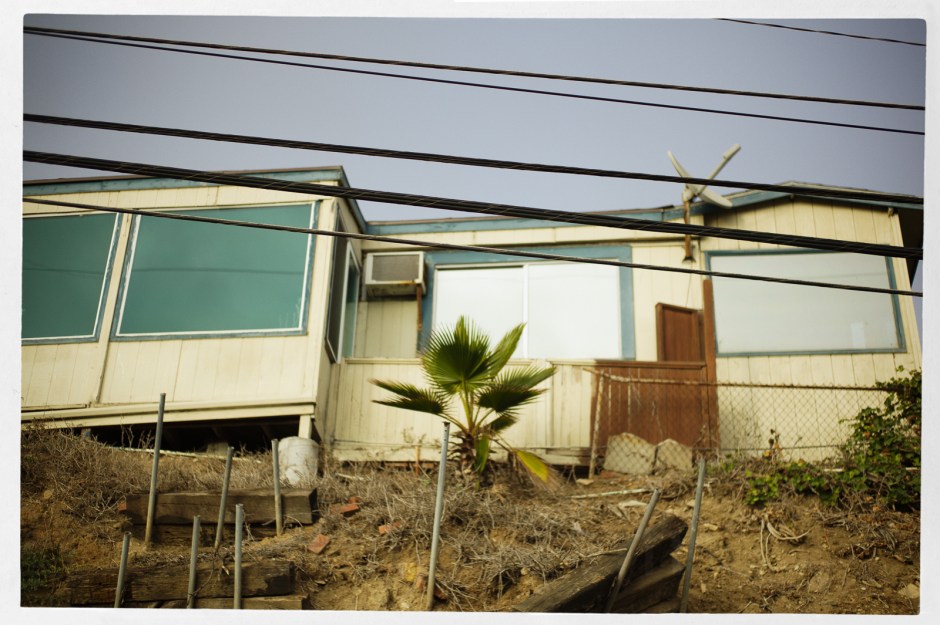
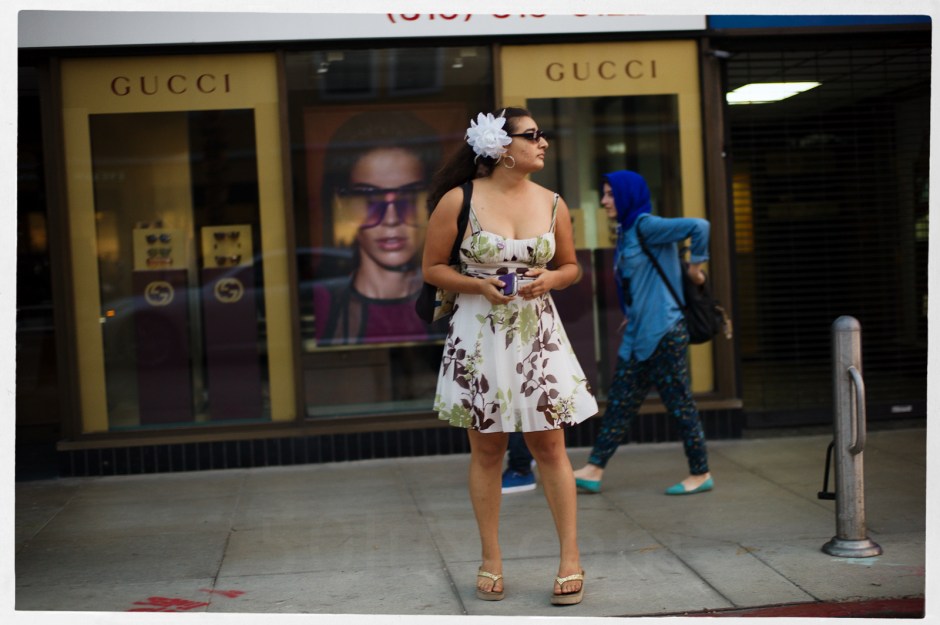
P.S. About these four images…
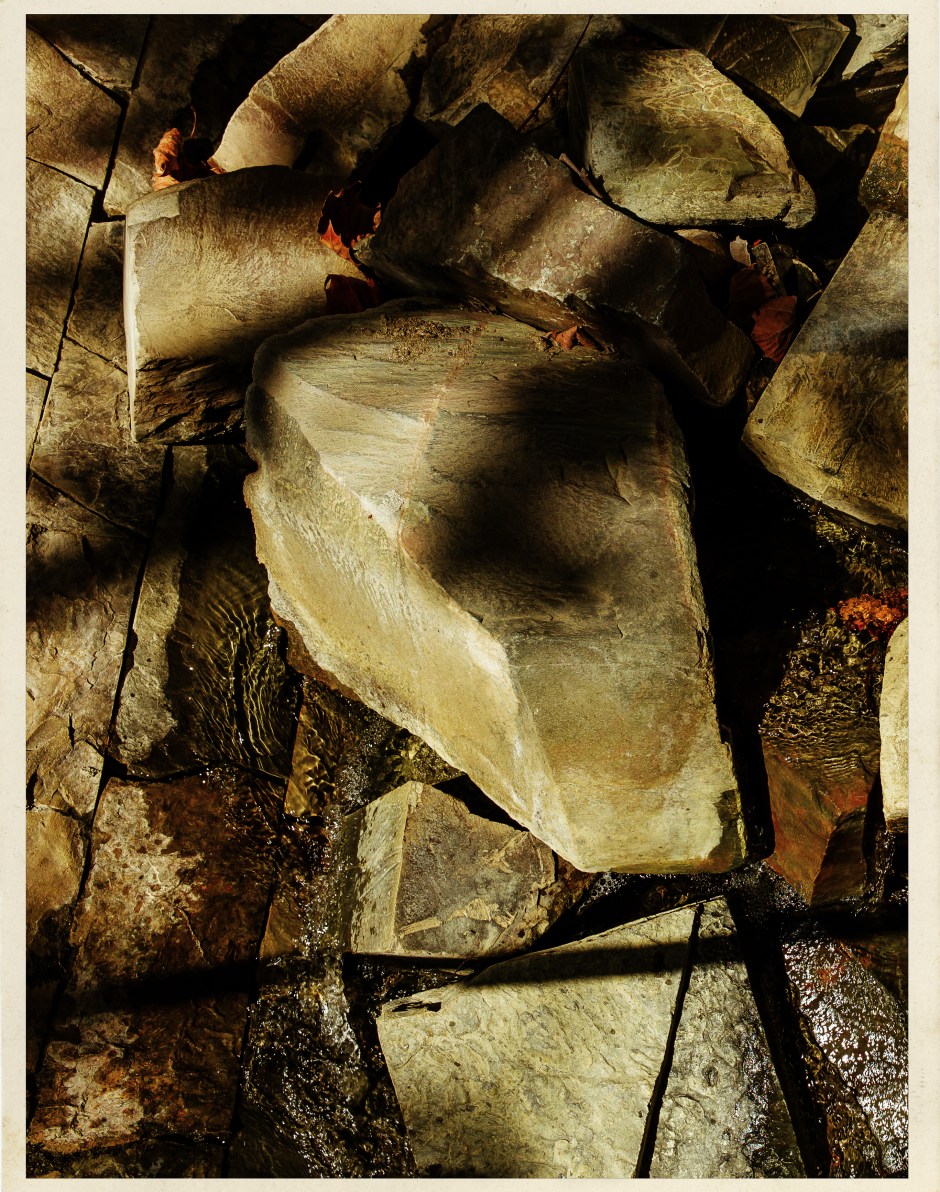
I went to the Getty Center yesterday morning to see the Minor White exhibition. I’d only seen a small bit of his work prior to finding the article I posted a few days ago announcing the show at the Getty. I actually have a book about his establishing the photography department at Cal Arts. But when I saw that his work was being featured at the Getty I Googled him and took a good look at what came up. I was stunned. I felt a connection to what I was seeing that I can’t really describe.
So we jumped over to the Getty at the first opportunity. I had a feeling the images would effect me and they did. Very much so. The Sound of One Hand sequence made me feel just odd in my stomach it was so representative of some kind of a note or tone that I felt deep in my creative self. Almost jealousy. lol. So I kind of had my world rocked there for a minute.
Then we went upstairs. O mio Dio! Directly upstairs from Minor White was a room full of some of the greatest artistic treasures on the face of the Earth. Degas. Manet. Monet. Cezanne. The one time most expensive painting ever sold at $52M. Van Gogh’s “Irisis”. I can’t describe the effect this all had on me today.
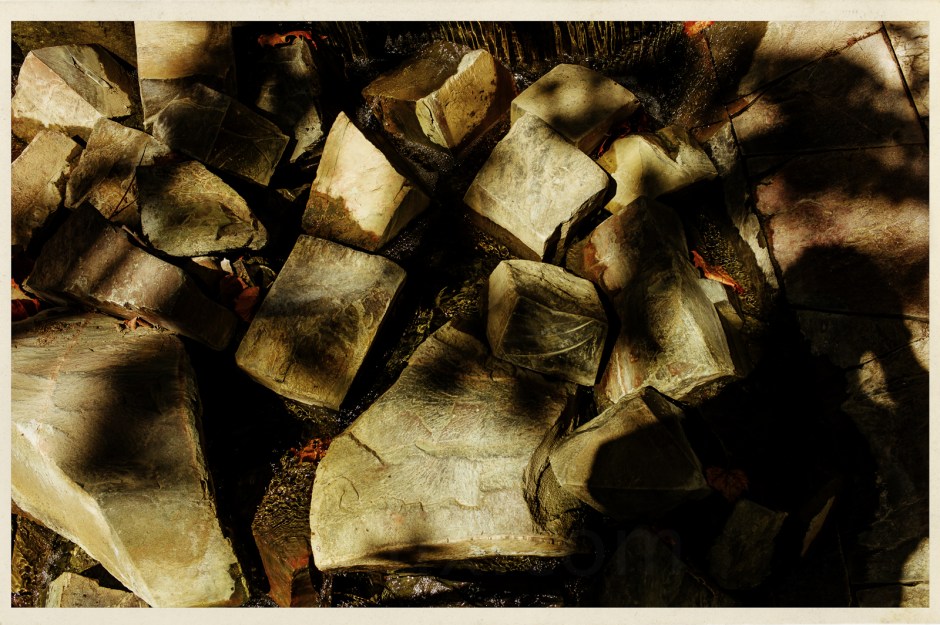
So we went outside and started roaming the exterior areas of the Getty Center. There’s a small brook running through the place over rocks and small waterfalls. I had Minor White’s images in my head and just started shooting, thinking about how I would turn these images into black & whites, like his. But I couldn’t do that. I like them the way they are. I hope you all do, too.
I’ll see you all back here periodically with more photography.
Till then much love and best wishes to everyone…
db

Her photograph Migrant Mother is one of the most recognized and arresting images in the world, a portrait that came to represent America’s Great Depression. Yet few know the story, struggles and profound body of work of the woman who created the portrait: Dorothea Lange.
via Video: Dorothea Lange: Grab a Hunk of Lightning | Watch American Masters Online | PBS Video.
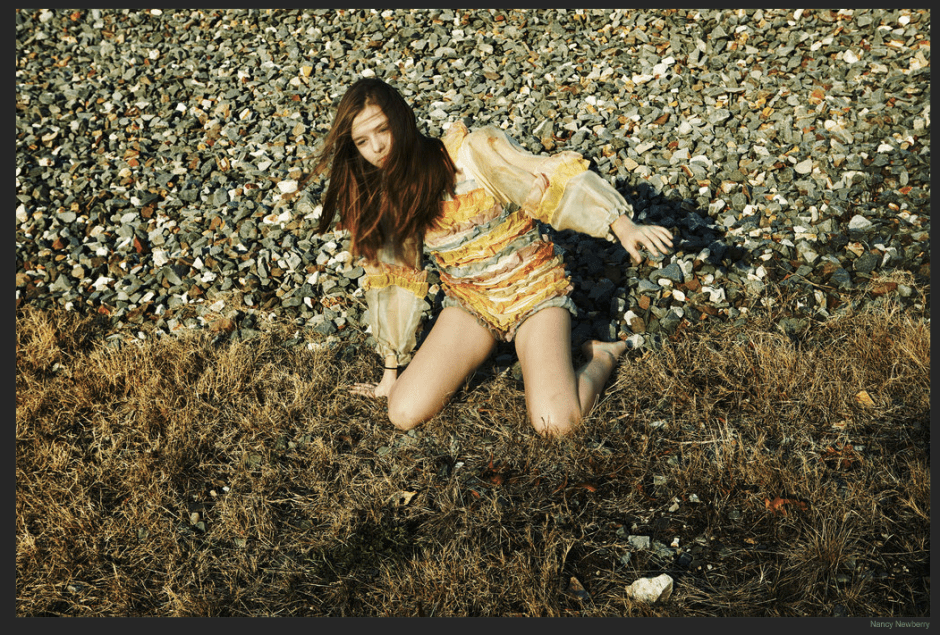
Nancy Newberry wanted to make pictures of Texas that went past the facile folklore of the homestead, past the stereotypes of tumbleweeds and ten-gallon hats. Put in decidedly nonfolksy terms, she was fascinated by disjunctive cognition, that phenomenon in a dream where you simultaneously recognize something is and isn’t. In other words, something familiar — but just shy of normal.“It’s about a psychological space that connects you to a place,” said Ms. Newberry, who was born in San Antonio and now splits her time between Dallas and Marfa. “And in my case, this is where I come from, from Texas.”
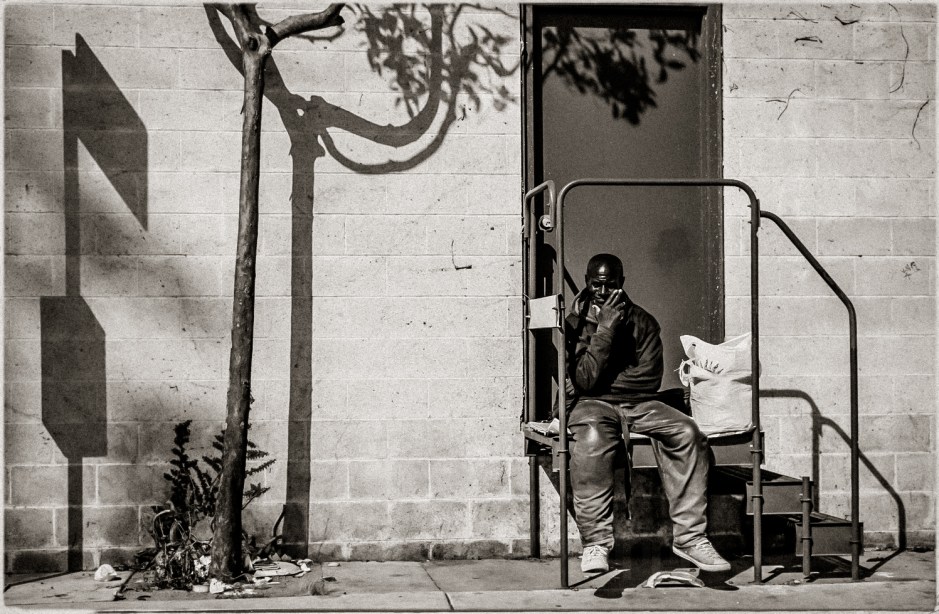
Donald Barnat – 50lux.com
Date: Daily through October 19, 2014,
Location: West Pavilion, Lower Level, Getty Center
Admission: Free
“By the end of his career — he died at 68 in 1976 — Whites pictures were abstract, black-and-white closeups of rocks, wood and water. The gleaming images were spiritual and intense. He arranged them in sequences, leading viewers from one picture to another, slowing us down and forcing us to see connections and relationships between the shapes.In a 1957 photograph, a discarded water tank, weathered by the elements, looks like an encrusted snail shell. “Look at how the light is caressing the rim at the top of this circular object. Its just gorgeous,” Martineau says.These days, everyone is a photographer …” … but is everyone a good photographer?” Opie asks with a laugh. “Does everyone spend their life thinking about it? … Every bit of their love and energy and relationship to the medium? Thats the question.”Thats what Minor White did, Martineau says.”He worked very hard his entire life,” he says. “He was practically living at poverty levels until the very end of his life. He was completely committed in mind, body and soul to living a life in photography.”
via Minor White, Who Lived A Life In Photographs, Saw Images As Mirrors : NPR.


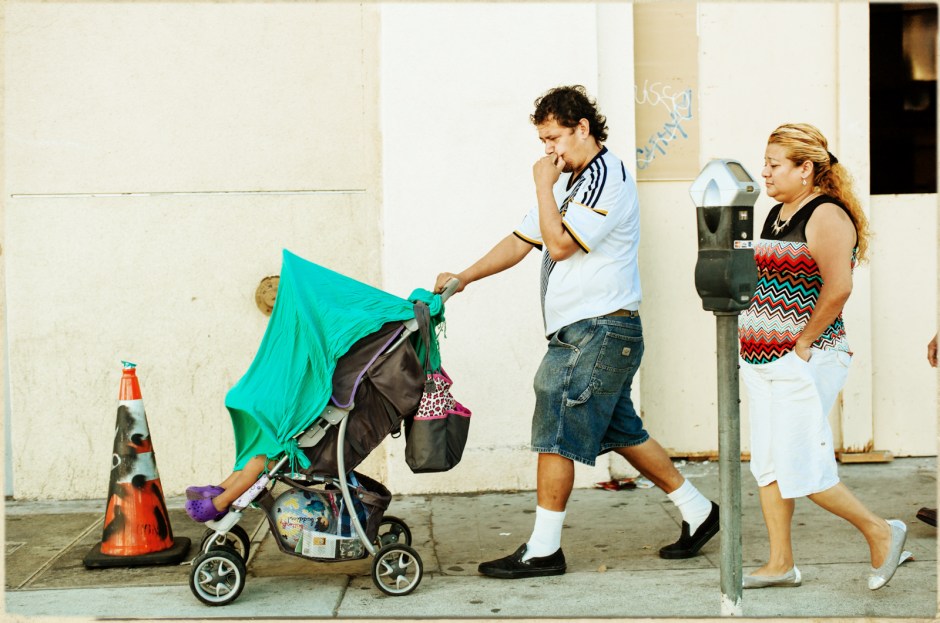

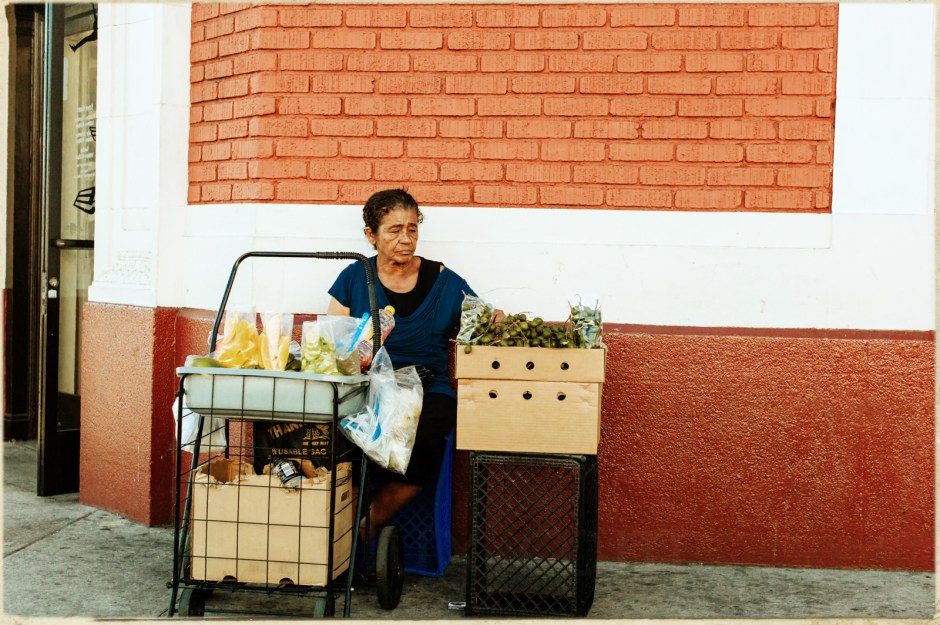
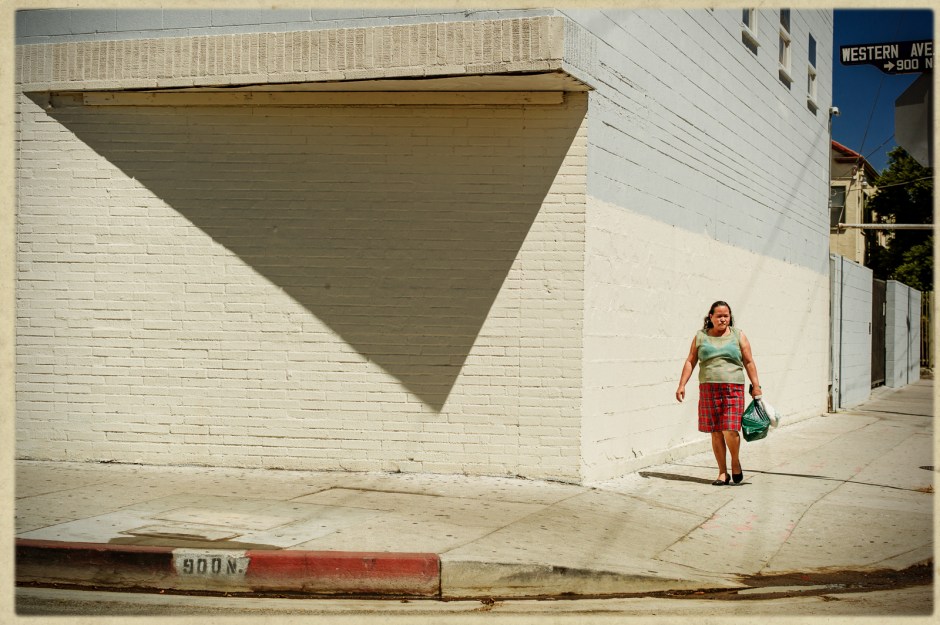


Summer, not a bit of breeze
Neon signs are shining through the tired trees
Lovers walking to and fro
Everyone has someone and a place to go
Listen, hear the cars go past
They don’t even see me, flying by so fast
Moving, going who knows where
Only thing I know is I’m not going there
– Charles Strouse; Lee Adams.
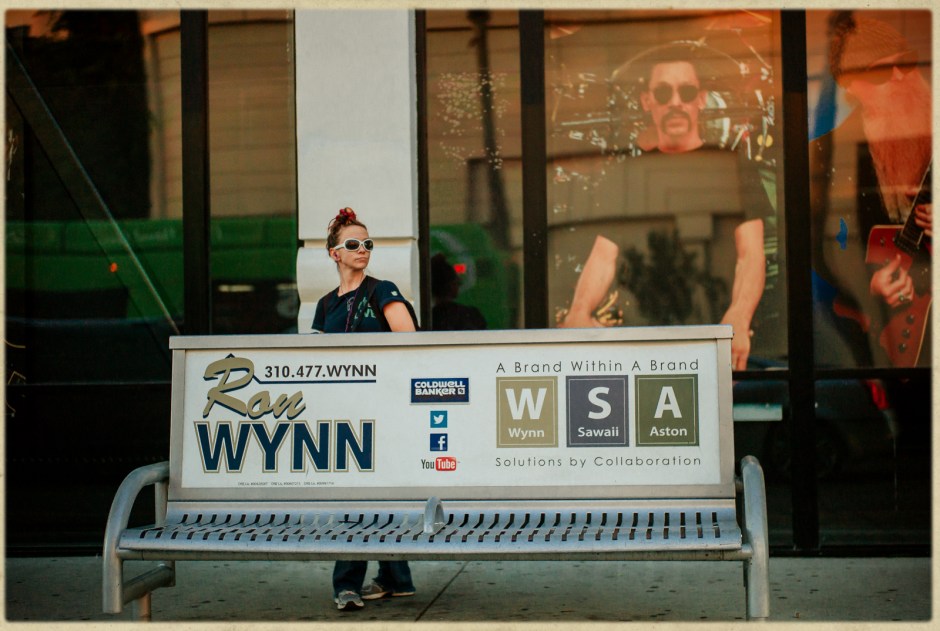
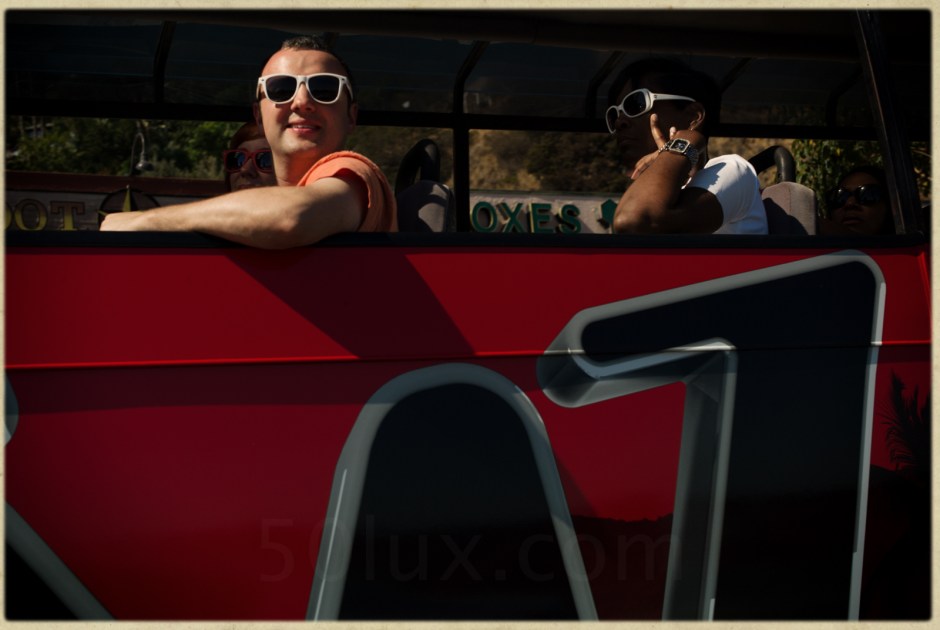


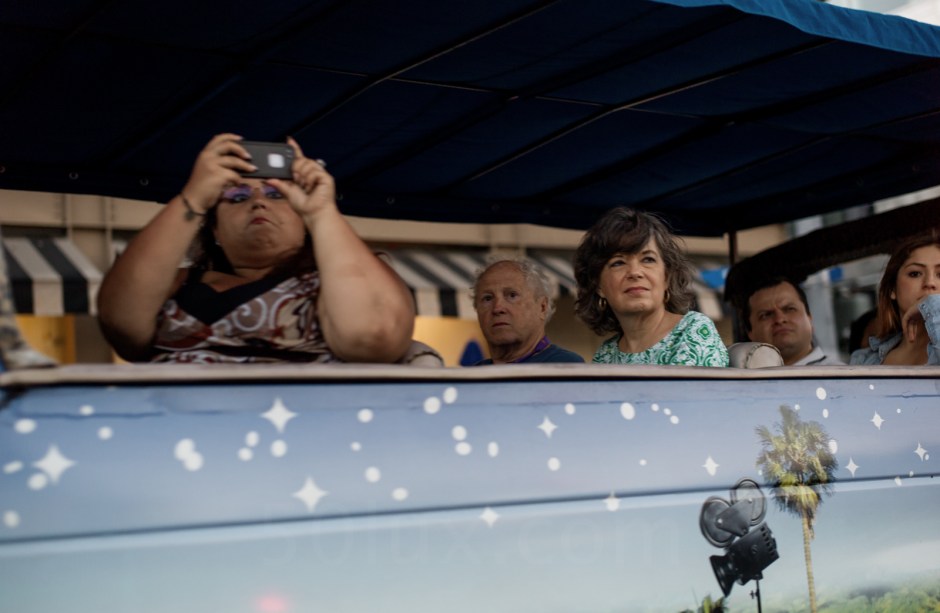

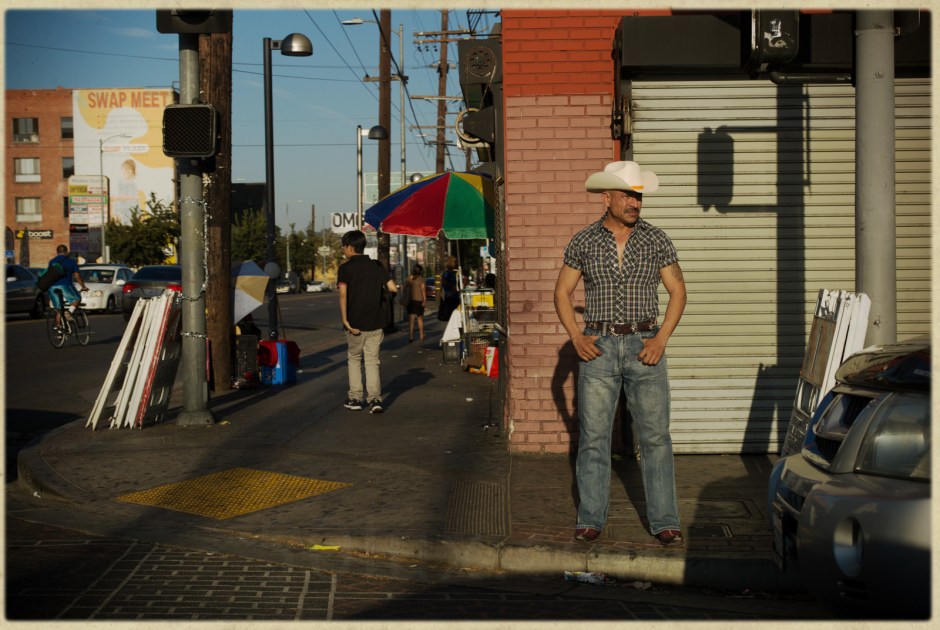
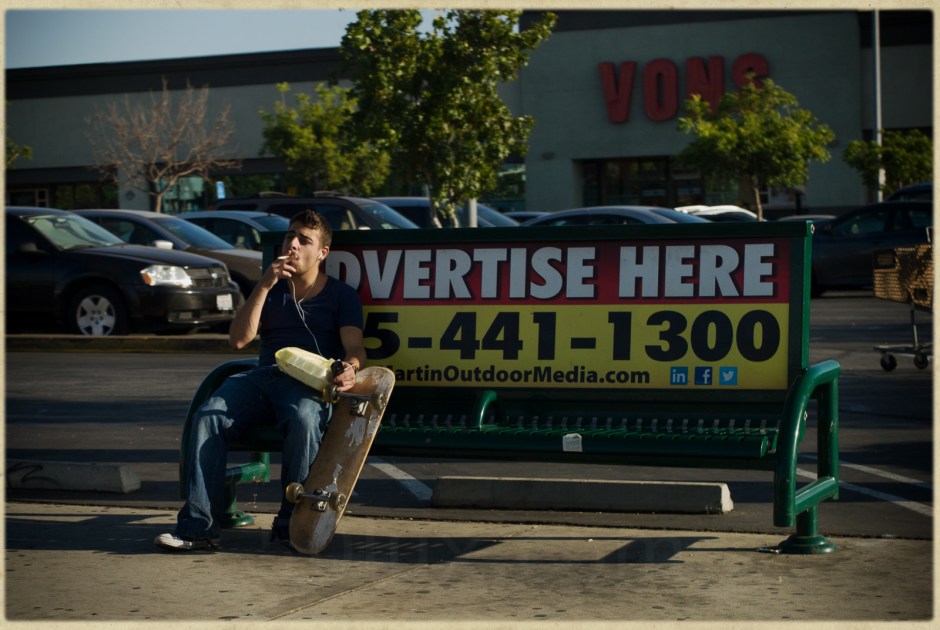
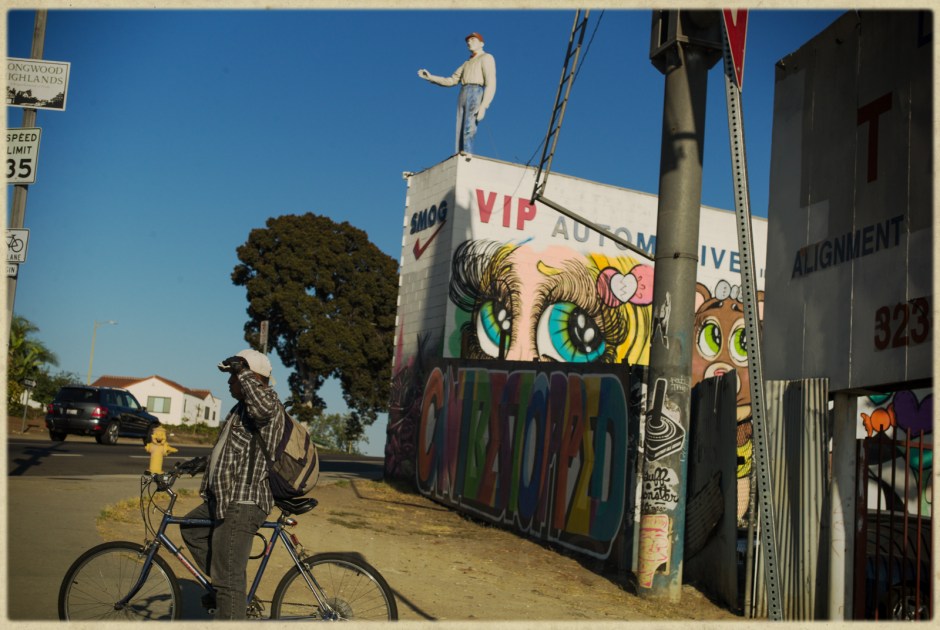


We’ve been happy for a change this August. The weather. Now it’s finally blown up in our faces and Los Angeles is doing its convincing yearly imitation of the surface of Venus. I found this shot from about five years ago. It’s of the Cajon Pass at the base of the Sierra Nevadas. December. Snow on the mountain tops and in streaks down the sides.
This was shot through the window on our way to Vegas for Christmas.
I like to roll the window down just a crack and hear the wind whistling in while we speed on our way. The sound and the cold keeps me awake and reminds me of when I was a kid and you couldn’t escape that noise coming from the ill-fitting side vent windows. Remember those? Hope not.
When you stop to fill your tank and grab a Coke out on the high desert, the cold wind pushes you around like the insignificant thing you are. And I fucking love it.

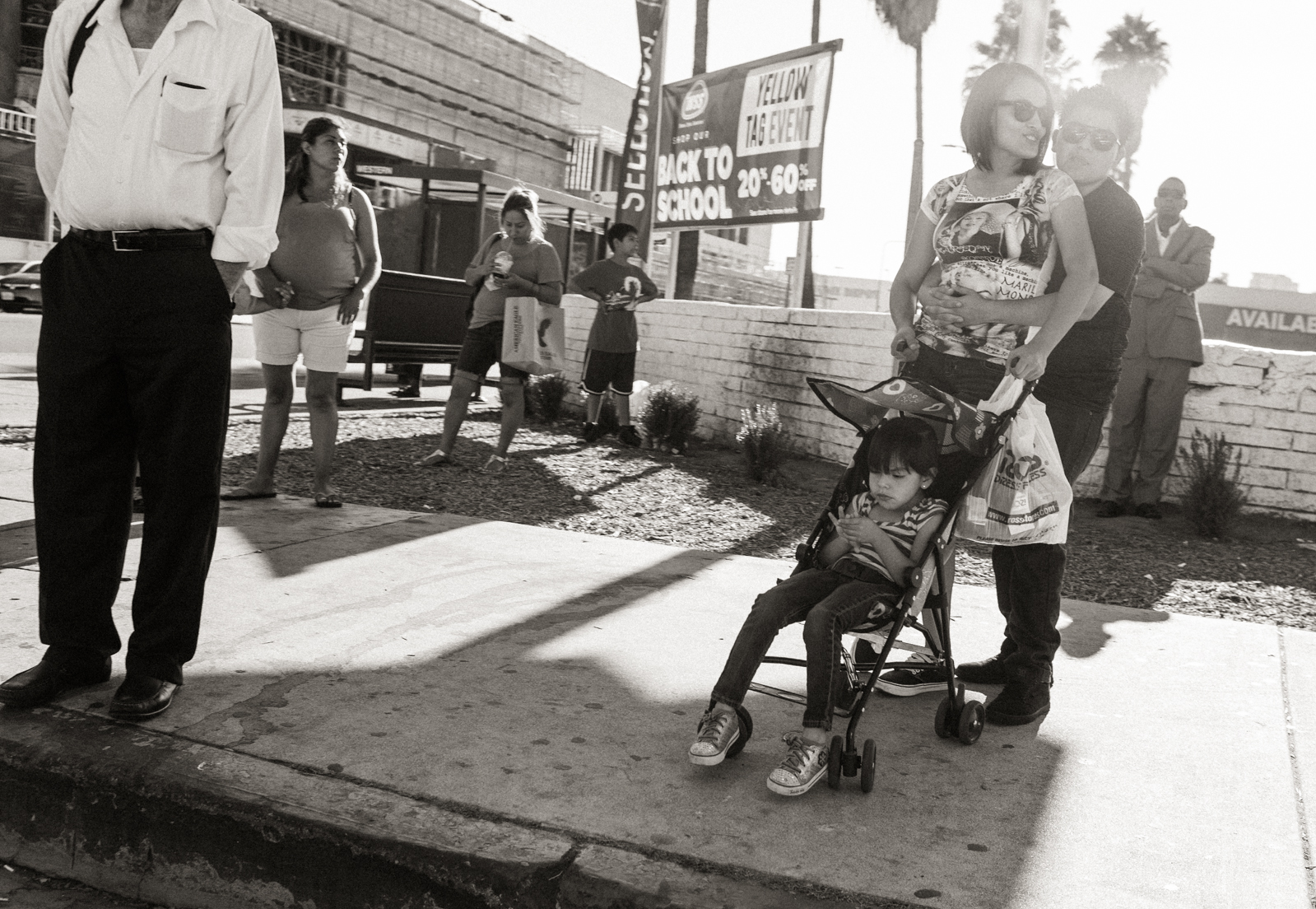
donald barnat / 50lux.com
There’s an anecdote buried deep inside the footnotes of the catalog for the Metropolitan Museum of Art’s Garry Winogrand survey that speaks volumes about the present exhibition. In it, his better known contemporary, Lee Friedlander, watches Winogrand release the shutter of his camera with nearly every passerby encountered on a New York street. Thirty years after Winogrand’s quick dispatch from cancer in 1984, Friedlander’s shocked response to his friend’s incontinence appears more informative than lapidary: “Garry, you’re not photographing, you’re taking the census.”
via Garry Winogrand at the Metropolitan Museum of Art: The Genius of His Reviled Late Works.

donald barnat / 50lux.com
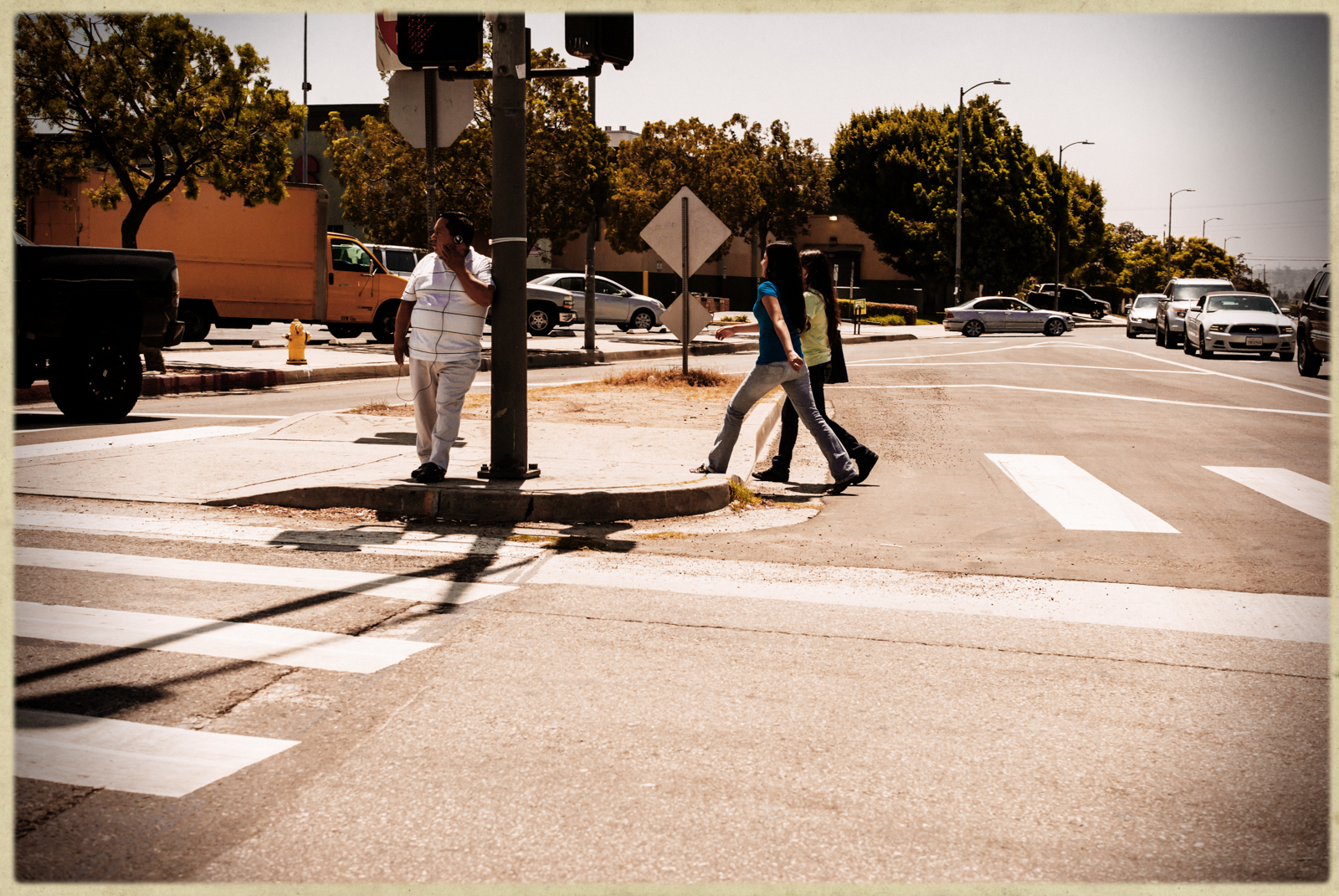 Yes, feeling tapped out and bereft of actual subject material I’m just going to now start taking pictures of the fricking asphalt. Please enjoy responsibly.

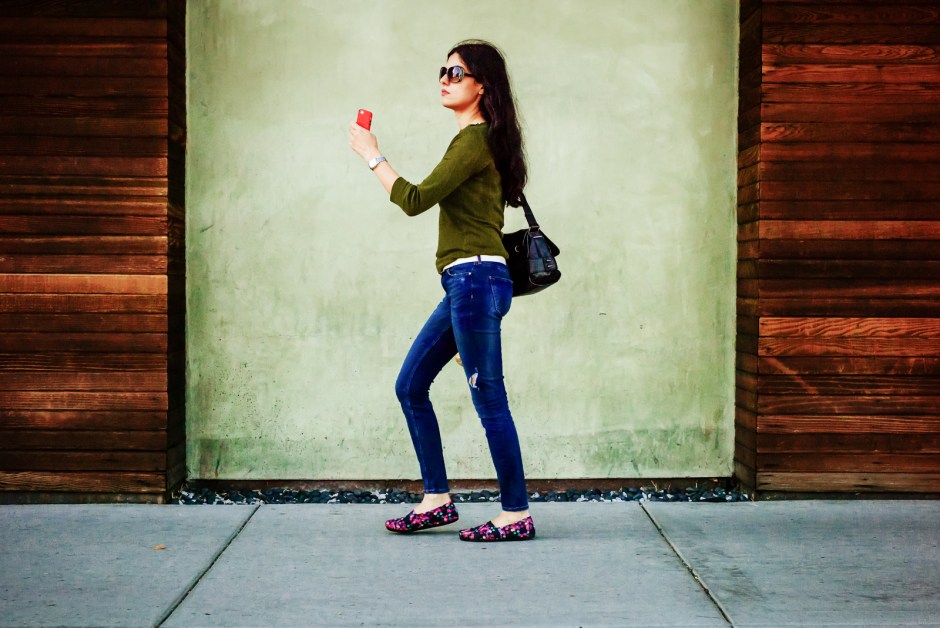
Some women and their personal styles are timeless. Simple and sharp like the young lady above. Some are more complicated. 😉 These are all from the Nikon days.

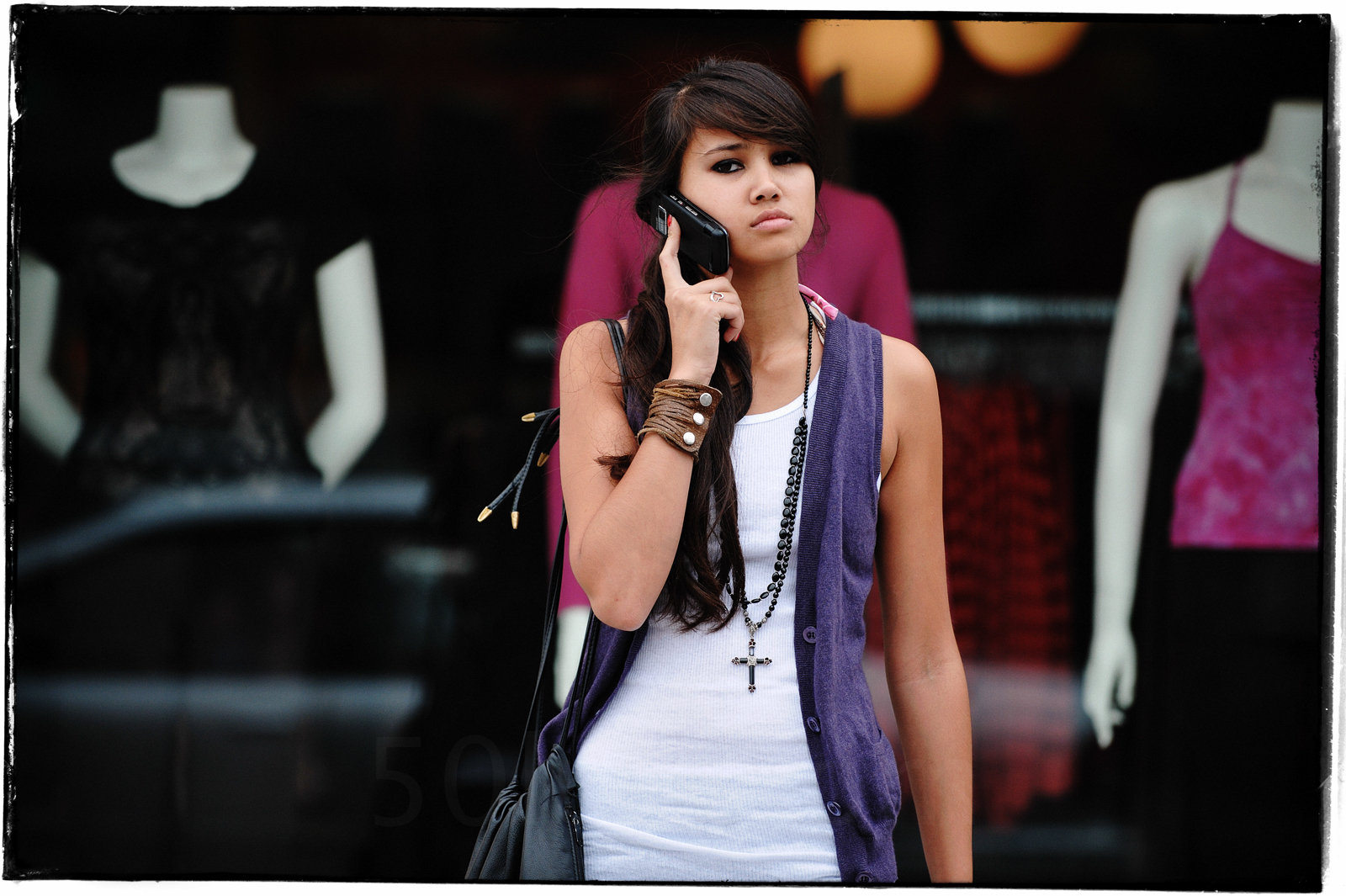

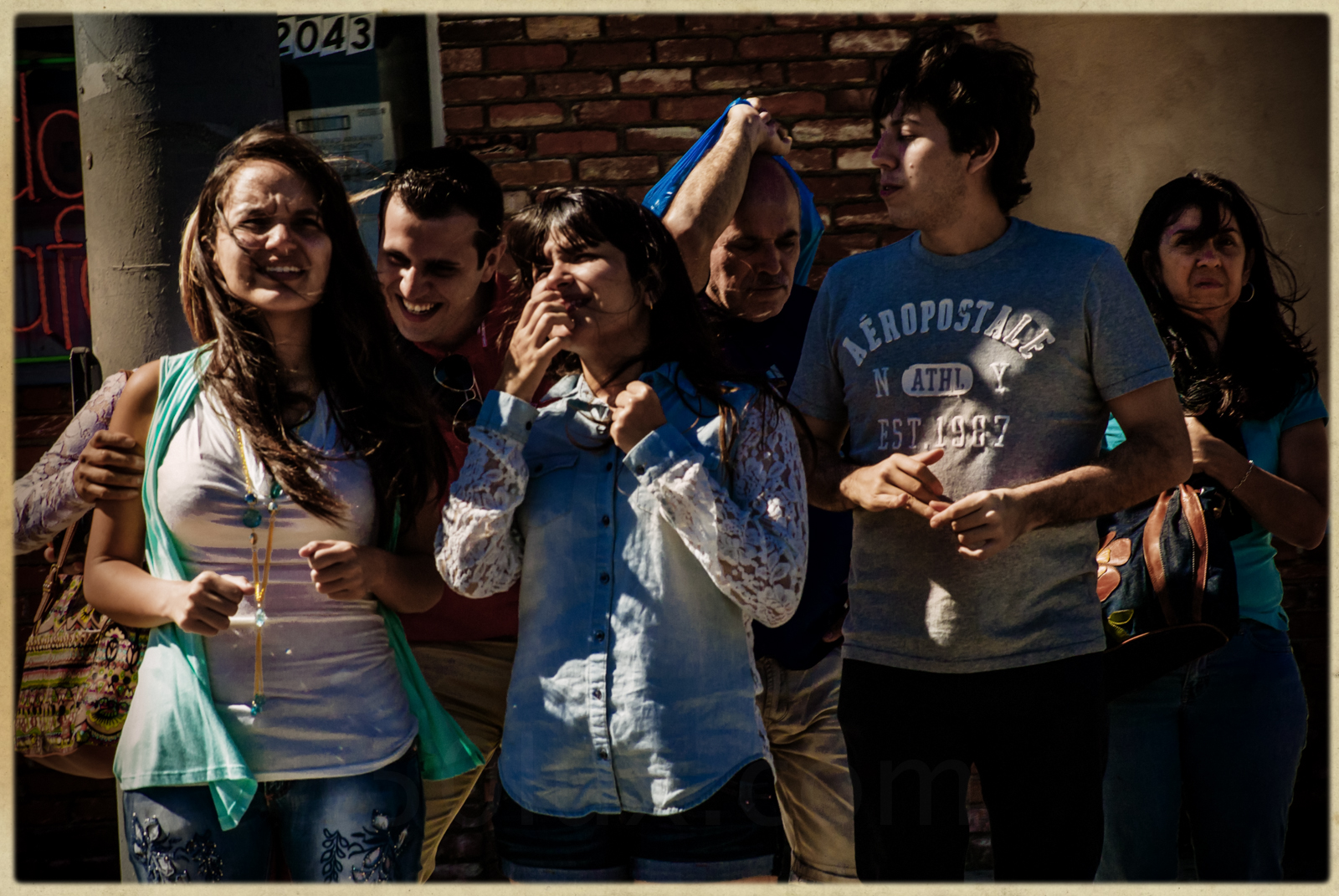

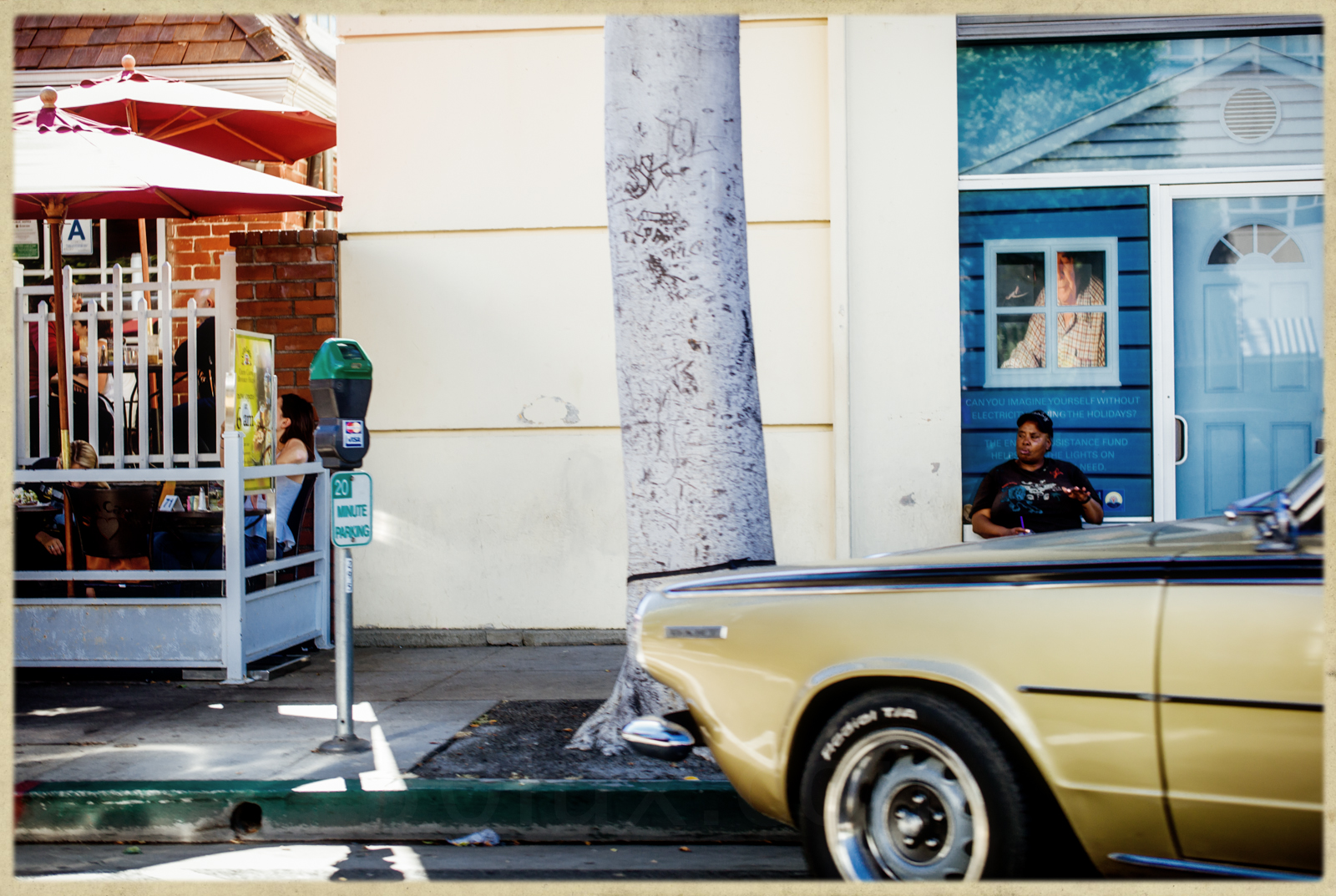
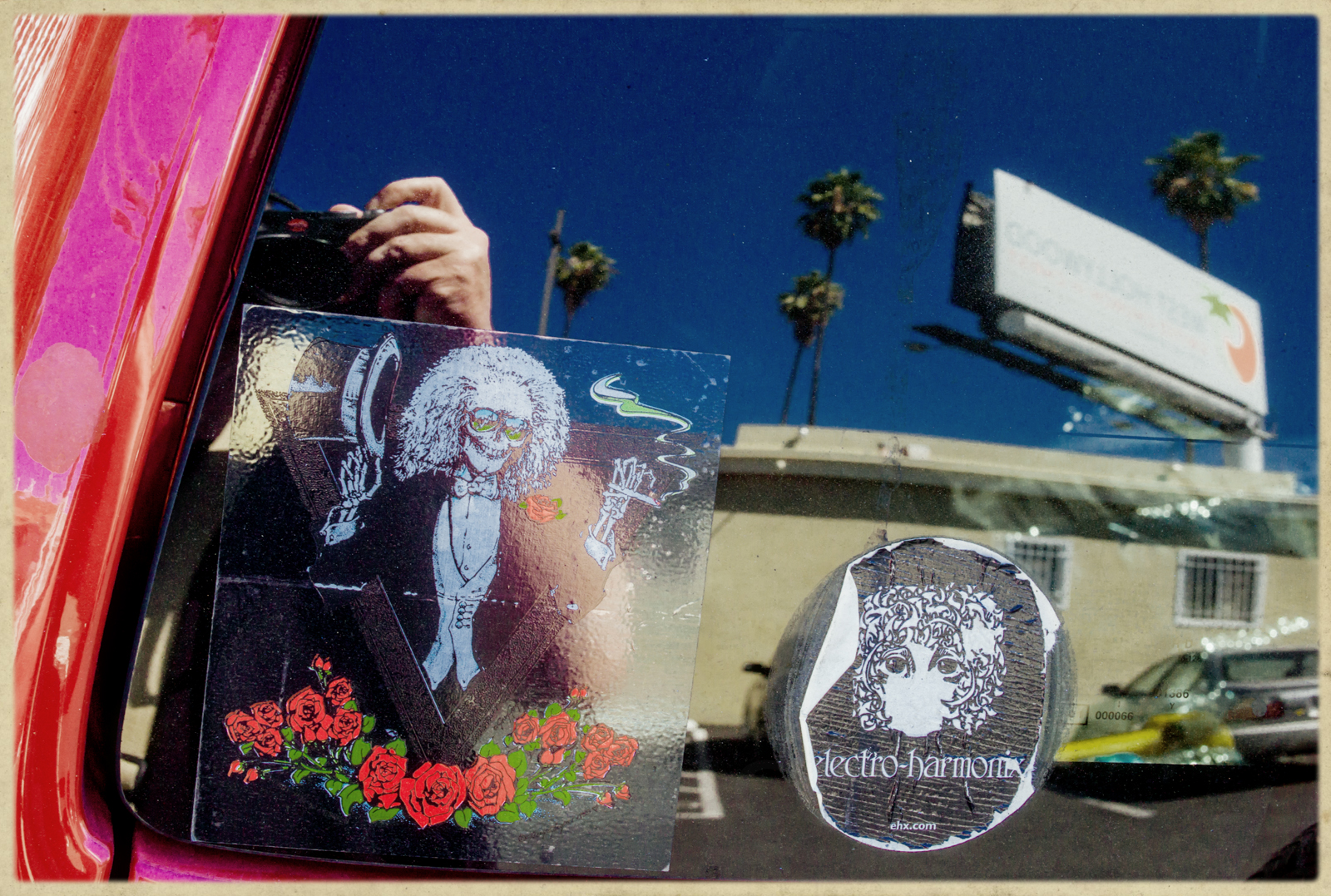
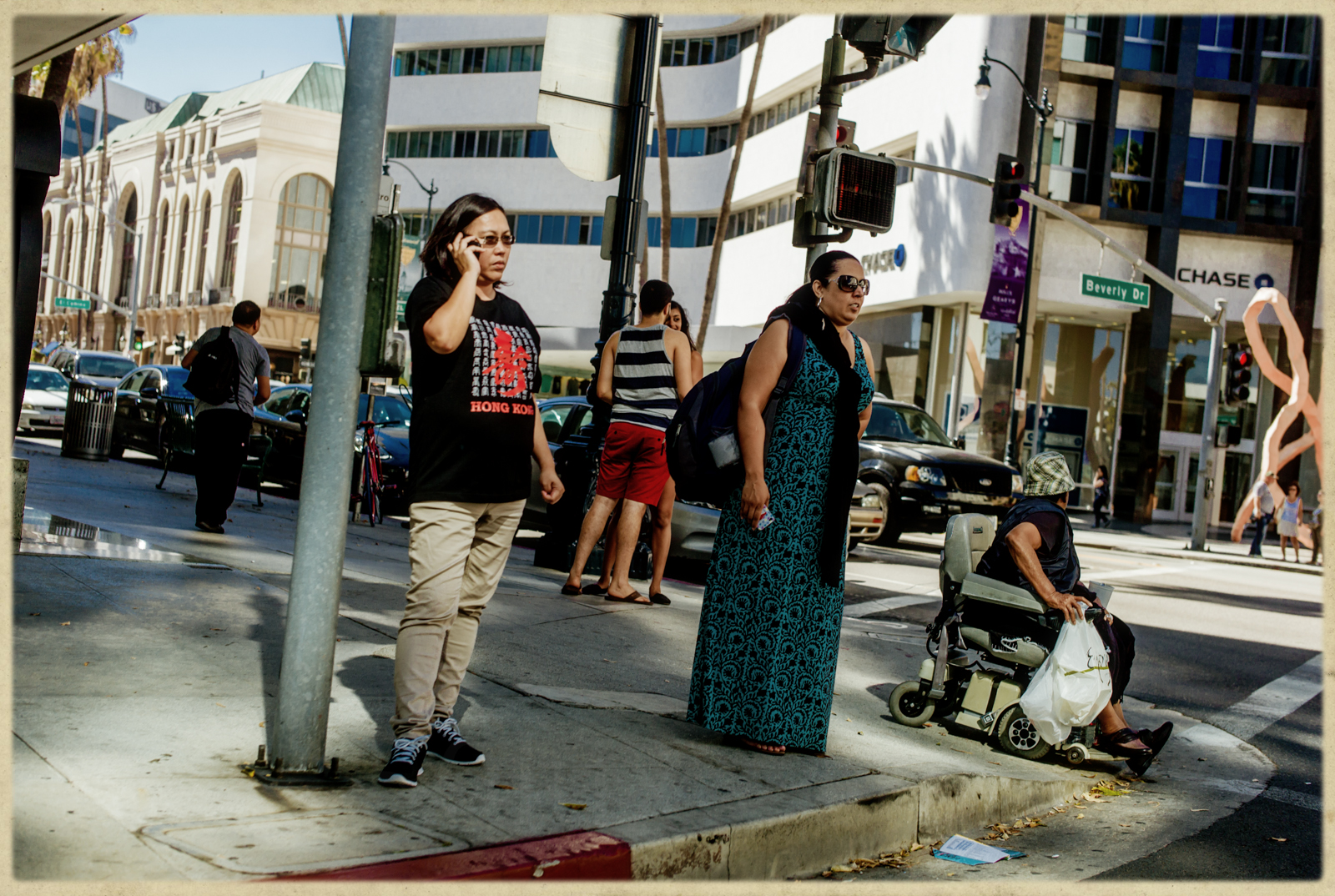


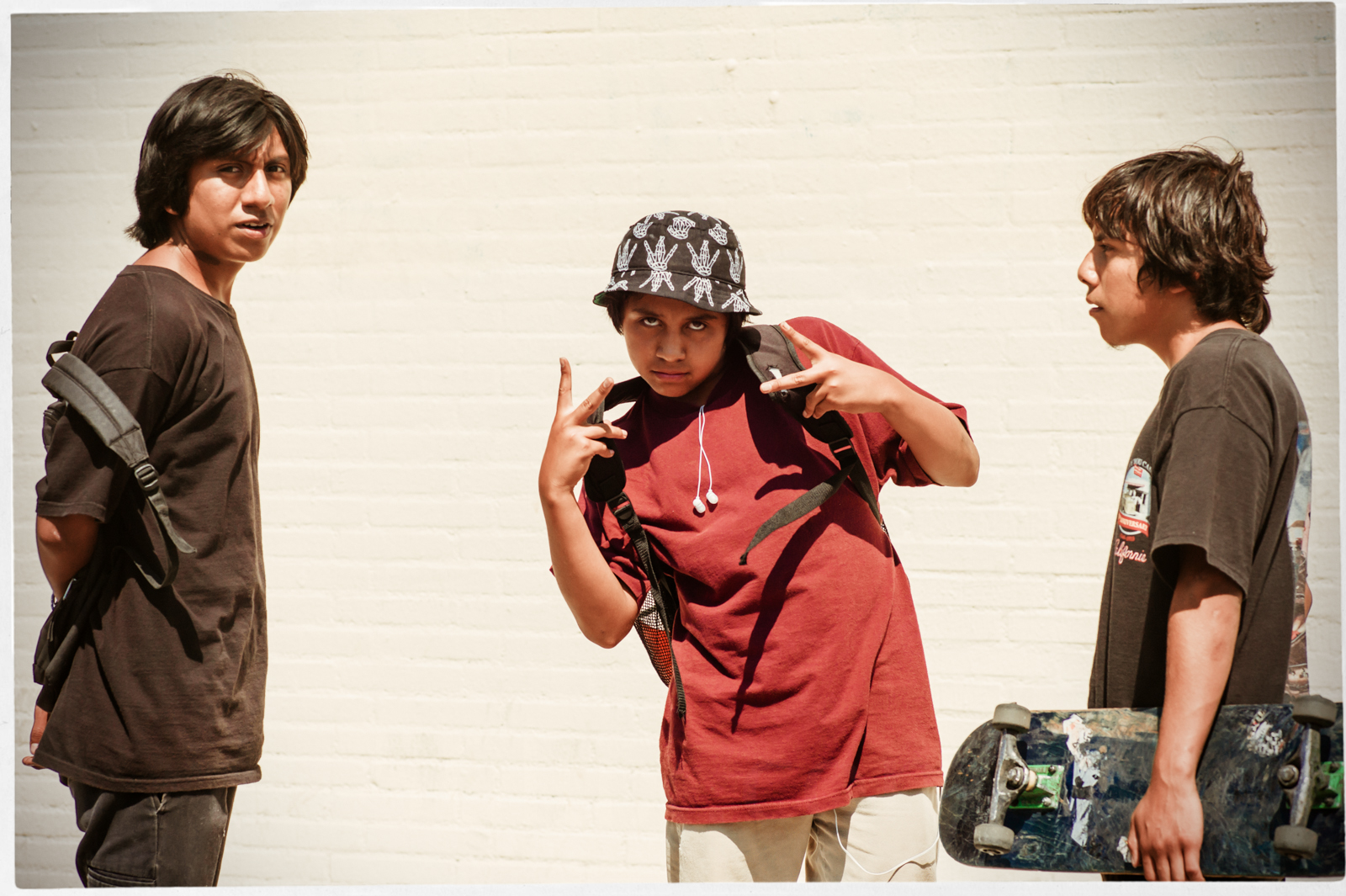
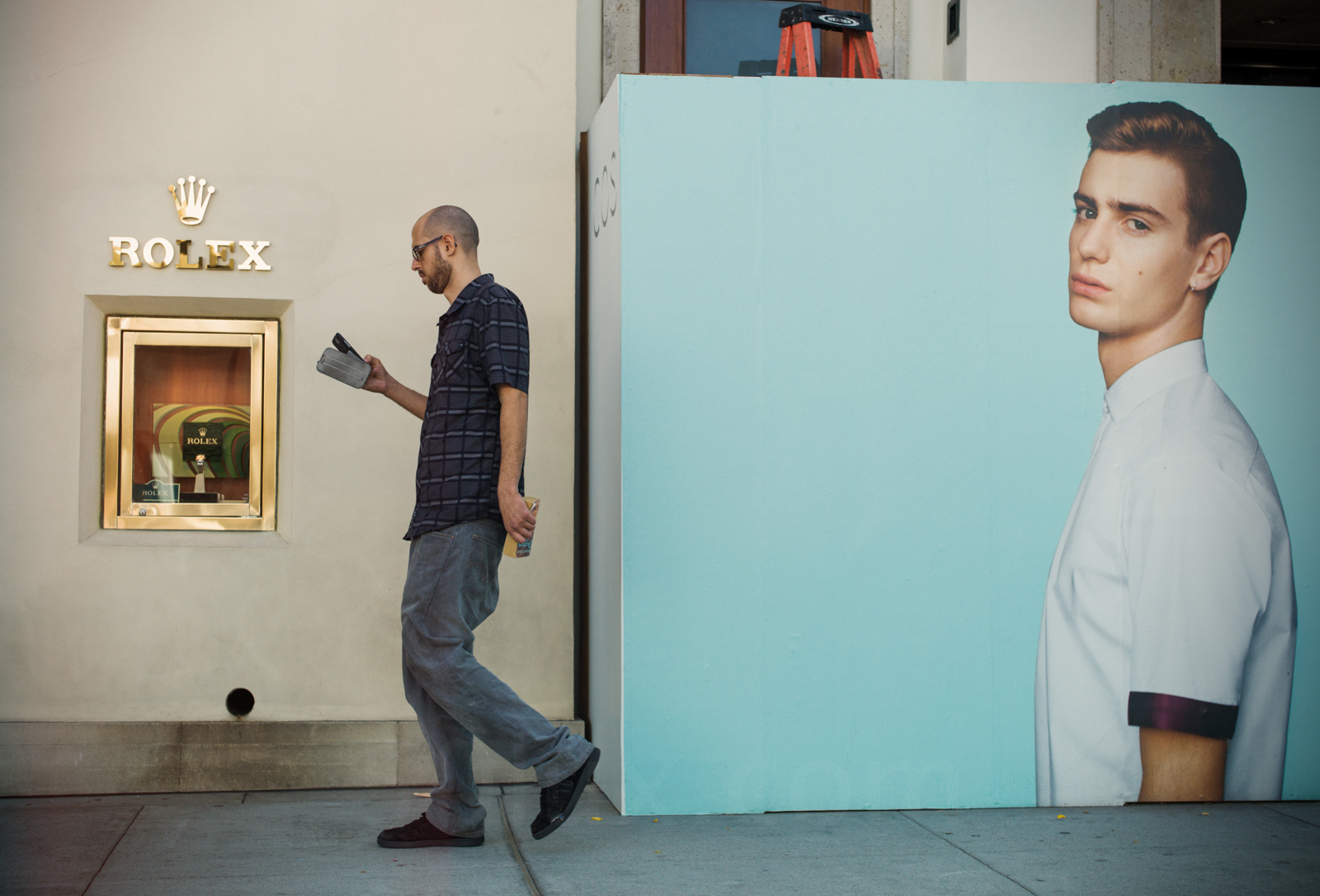


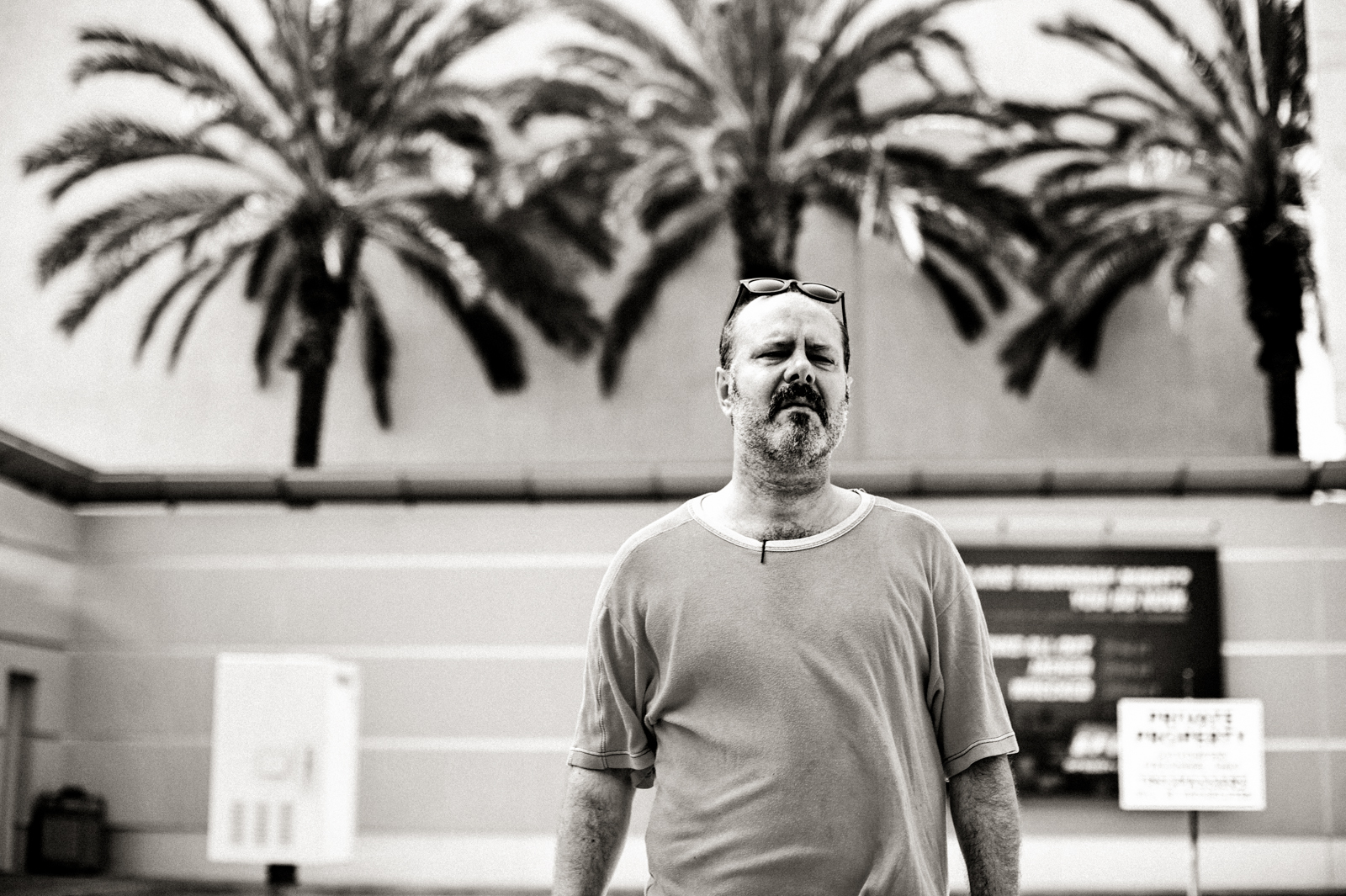


Vanessa Winship had gotten very good at getting the picture without getting noticed. But unlike street and documentary photographers who strive to be invisible, Ms. Winship was not happy.
“One of the problems with this is that it allows a certain kind of passivity from the position of the viewer, and of course the viewer includes me,” Ms. Winship said. “In this context it functions in a way that allows us not to take responsibility.”
So, during a project in Turkey, she gave up the easy invisibility granted by using a 35-millimeter camera to take up a view camera, slowing down her process as she engaged in a dialogue with her subjects.


 50'Lux