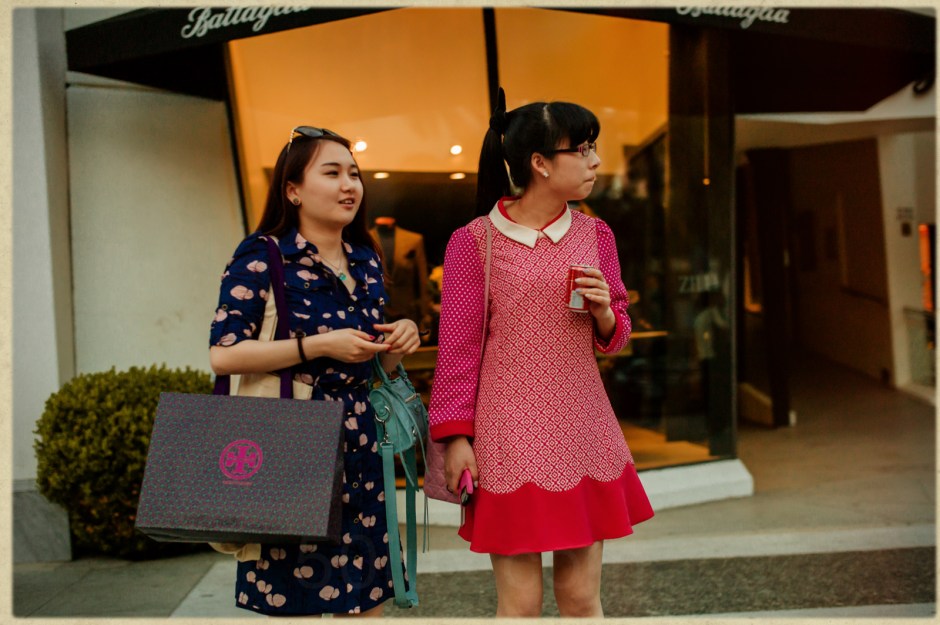


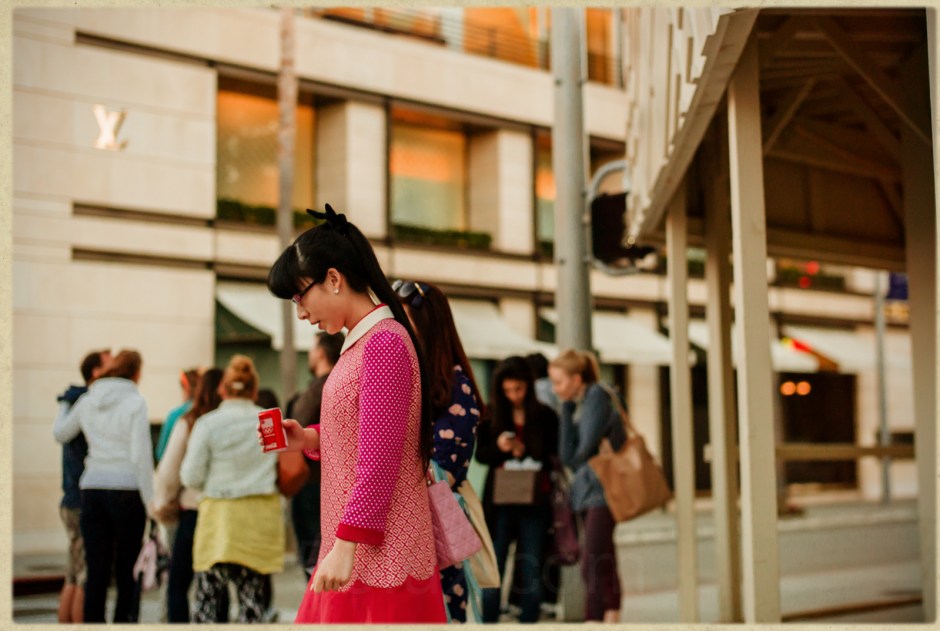
Suggested Captions:
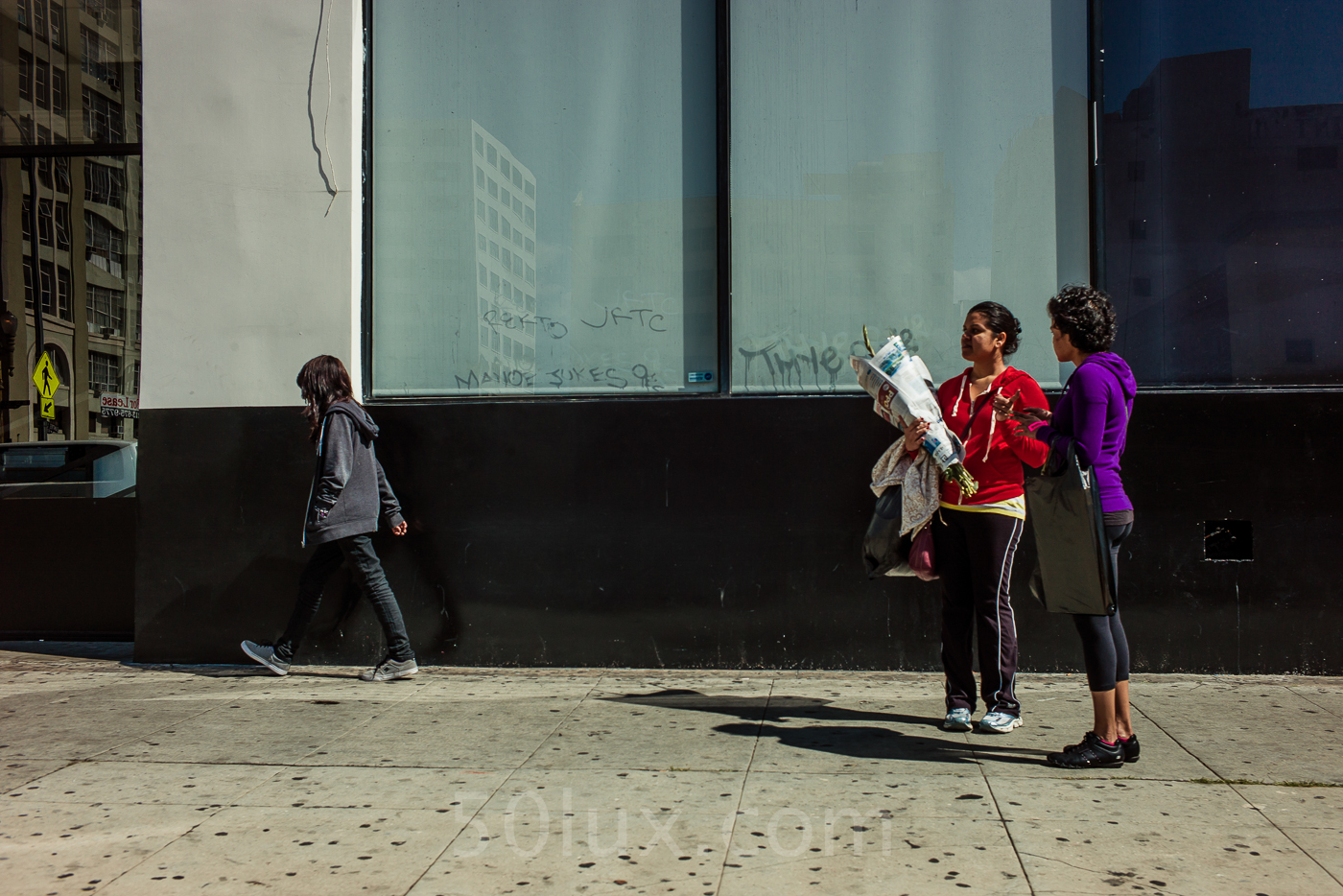
3. Please keep it down, ladies. People are trying to shop.
4. Is that P-Diddy?
5. I’m going to need a bigger Coke.
Suggested Captions:
3. Please keep it down, ladies. People are trying to shop.
4. Is that P-Diddy?
5. I’m going to need a bigger Coke.
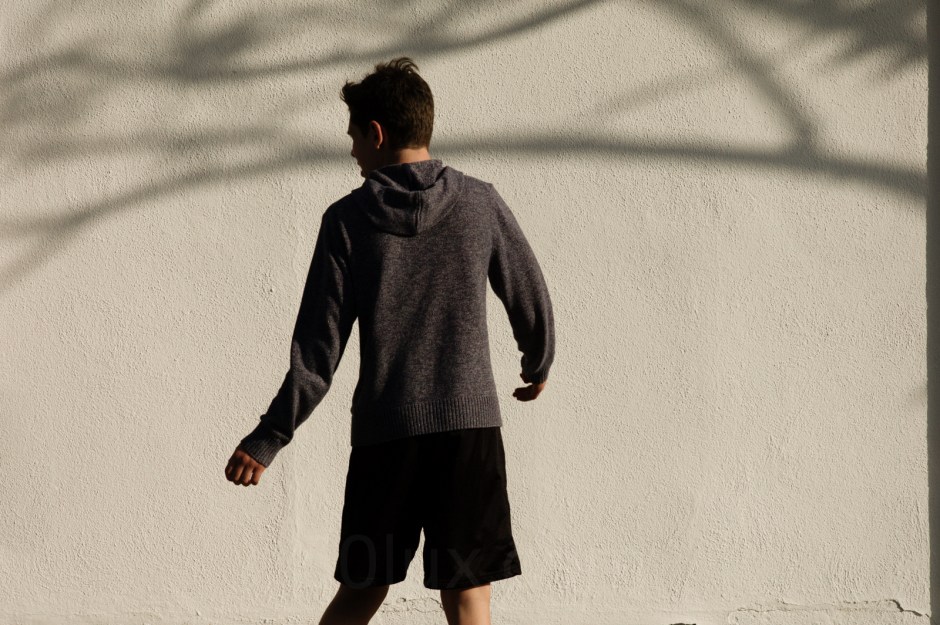
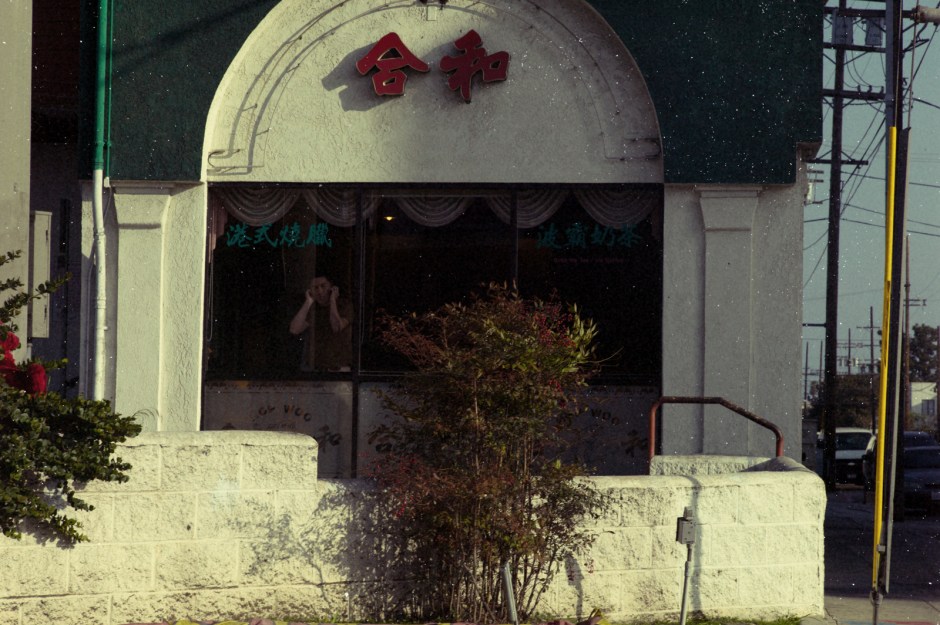
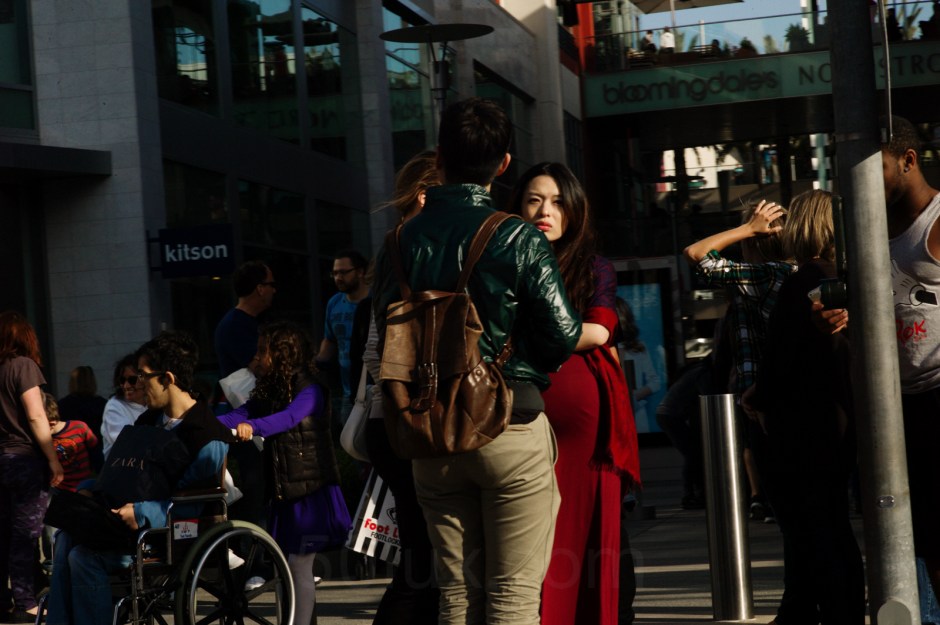
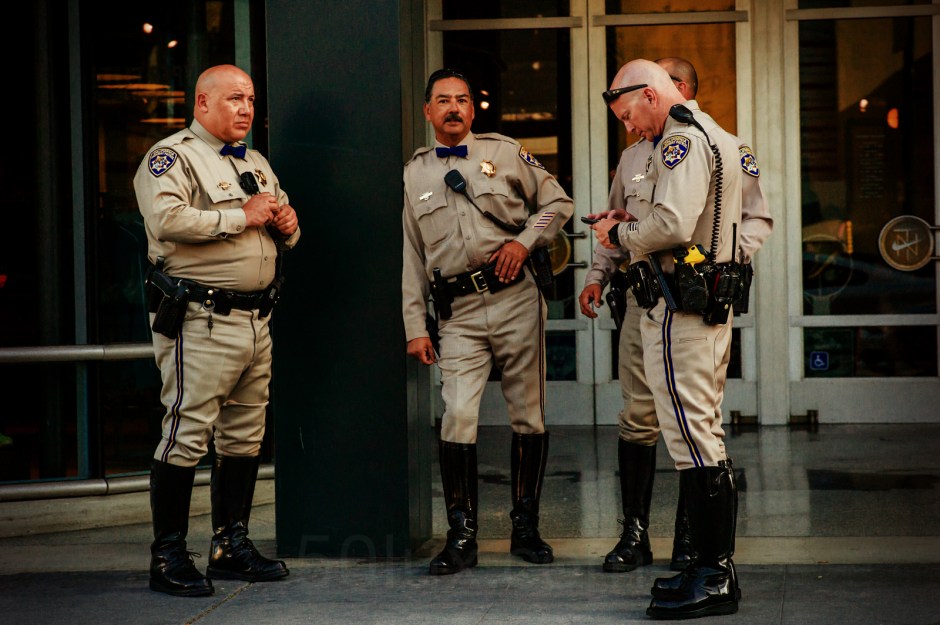
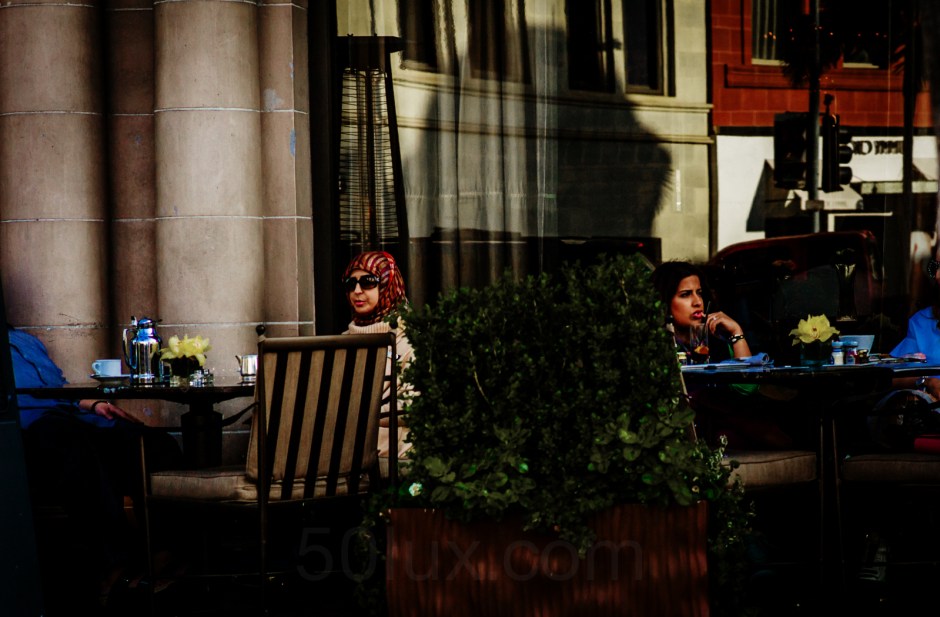


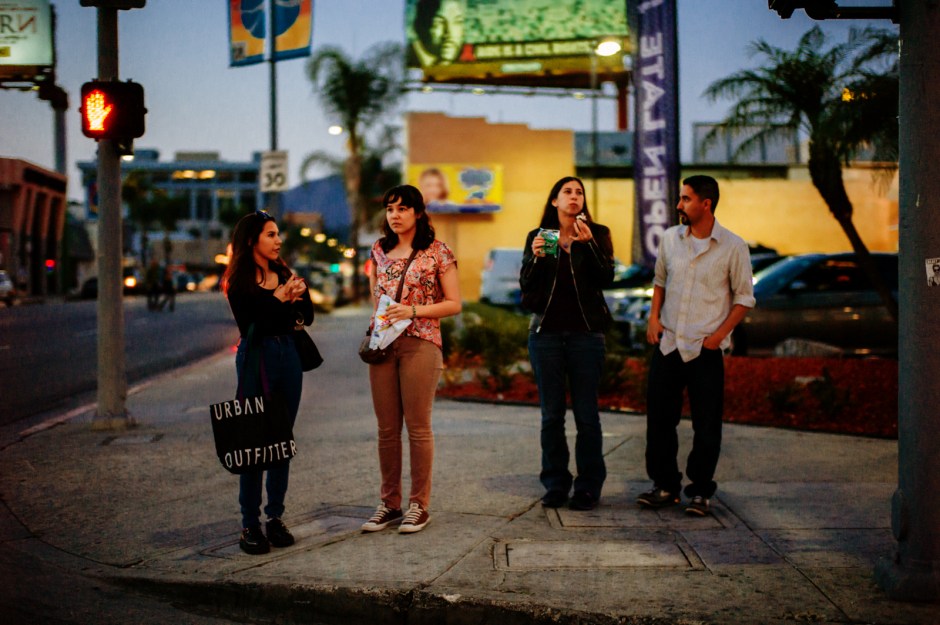

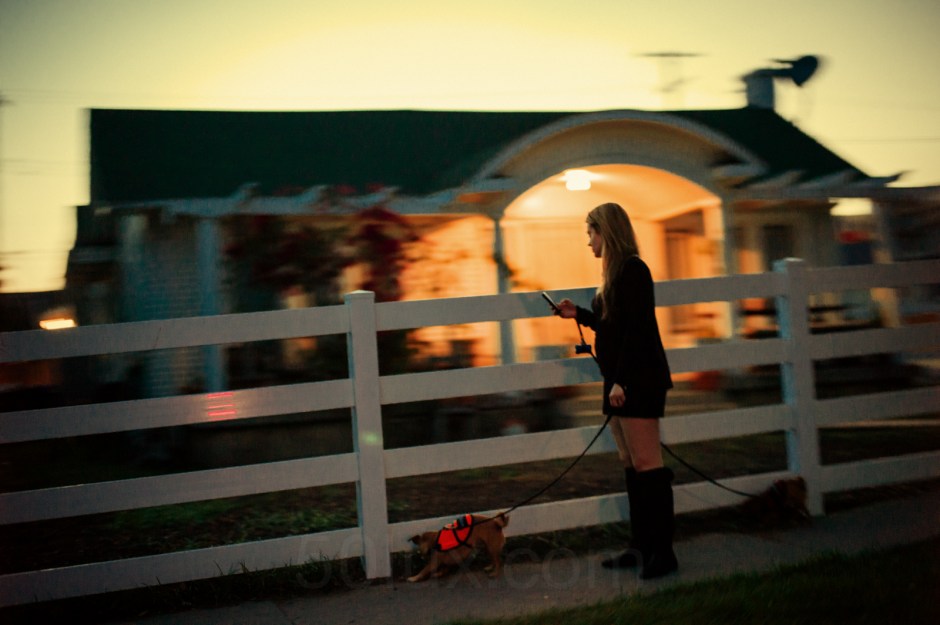

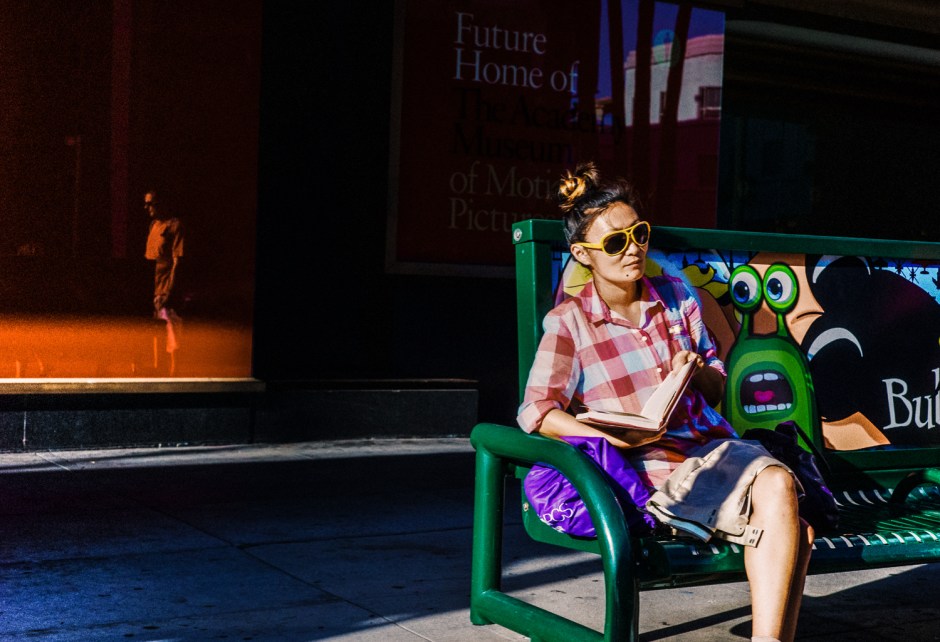
For me a breakthrough image taken and posted here early in 2013. One of the first images where I was able to come up with the approach to color that suits me and this type of shot in this light… but also one of the first shots from my Leica Elmarit 90mm f2.8, which is a gem of a lens in terms of color and overall look. Anyway, thanks for looking!


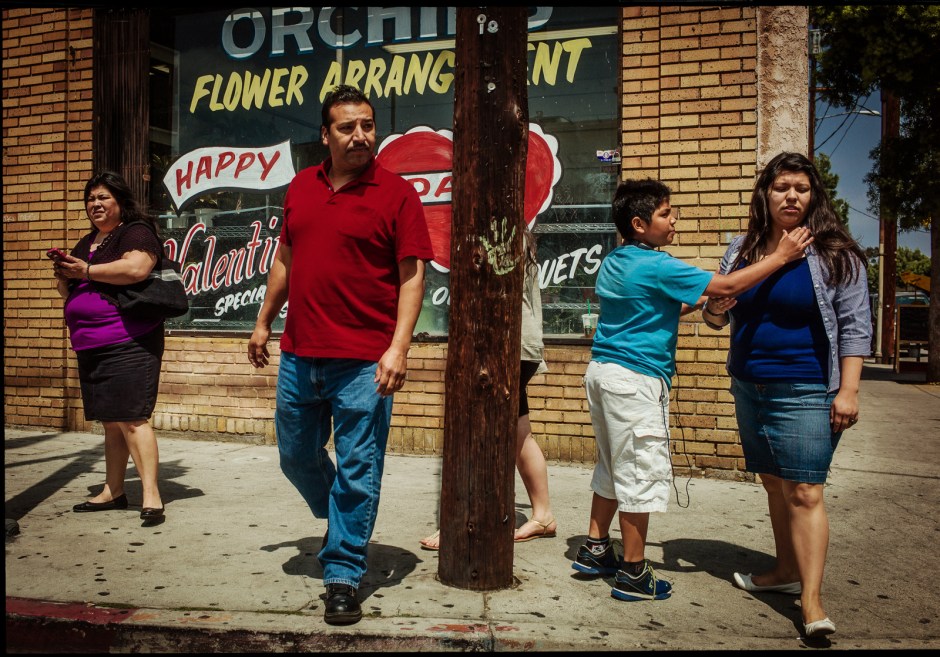
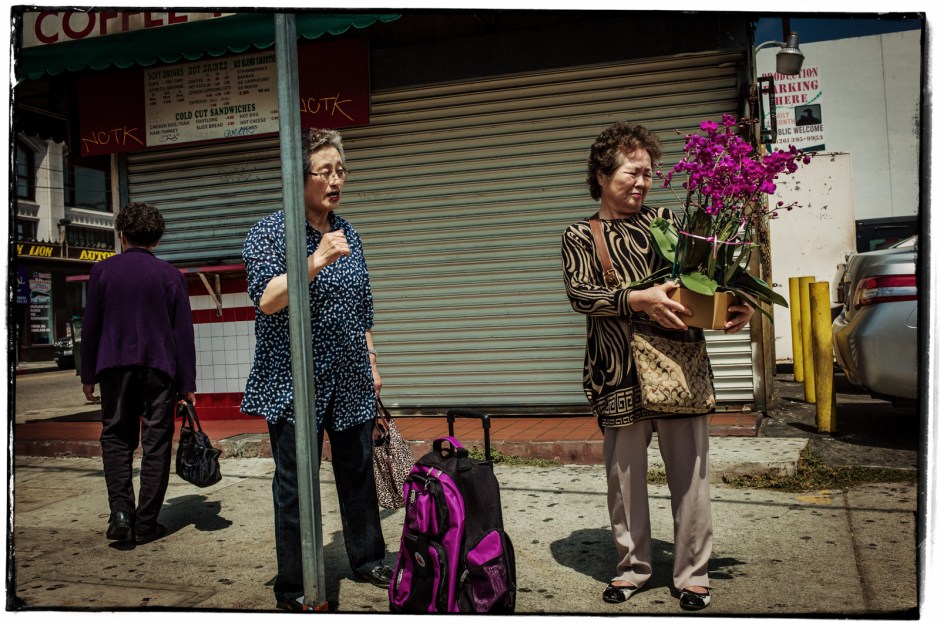


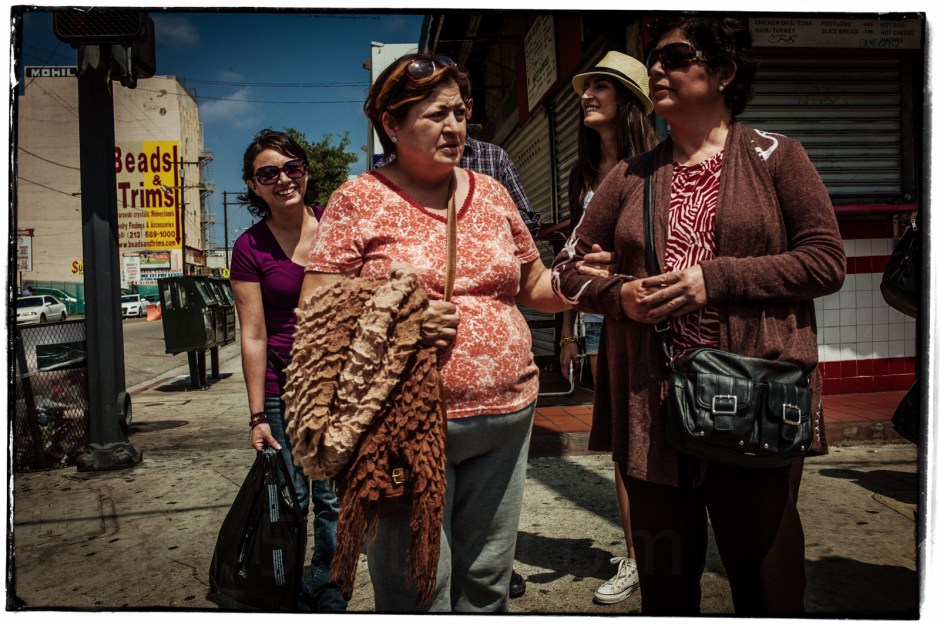




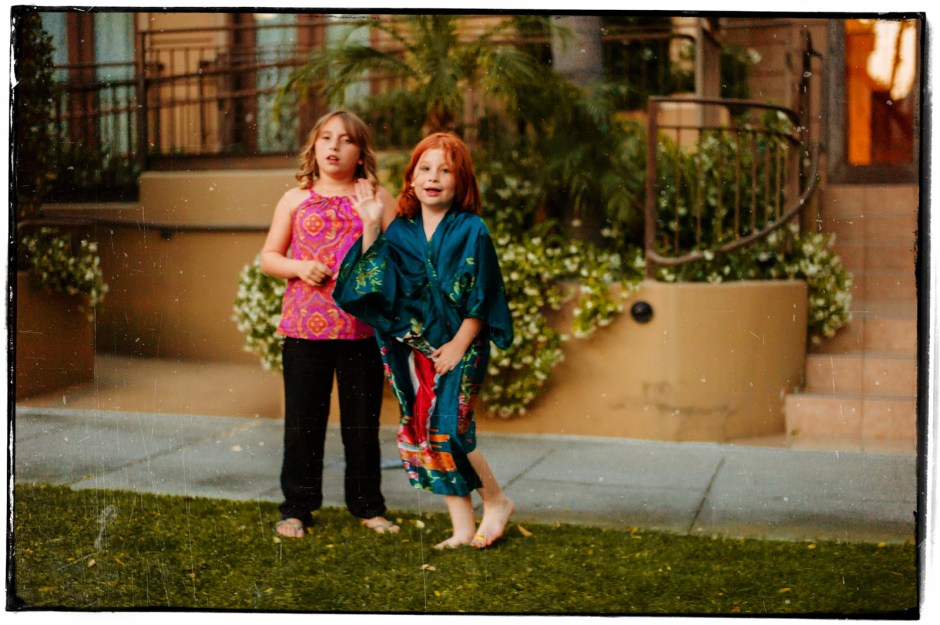


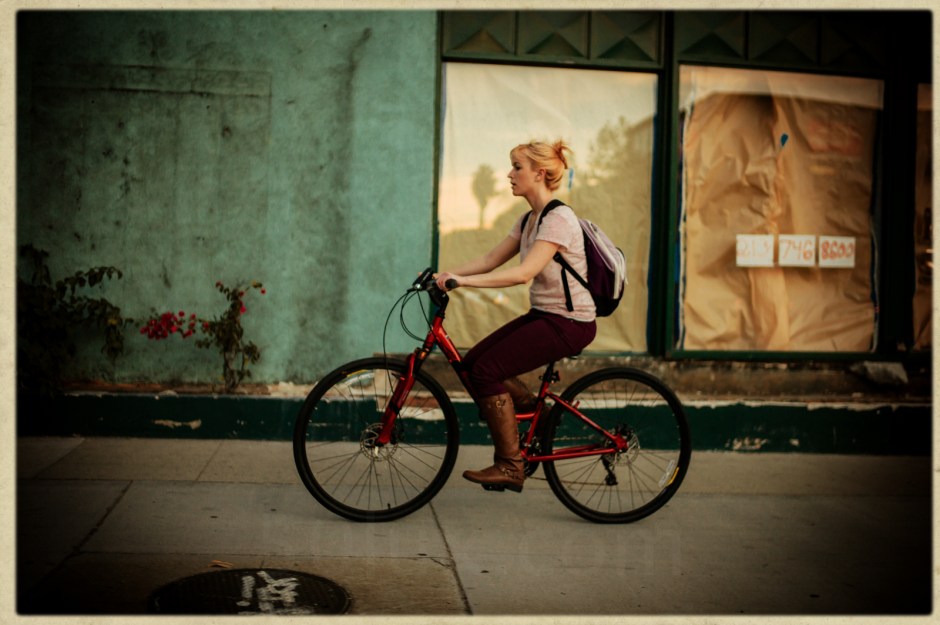
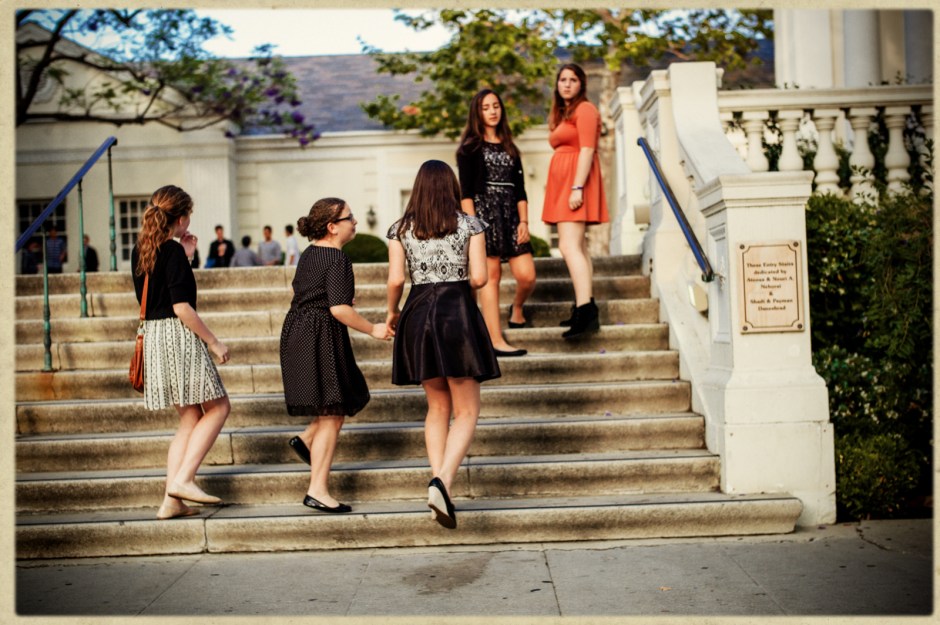



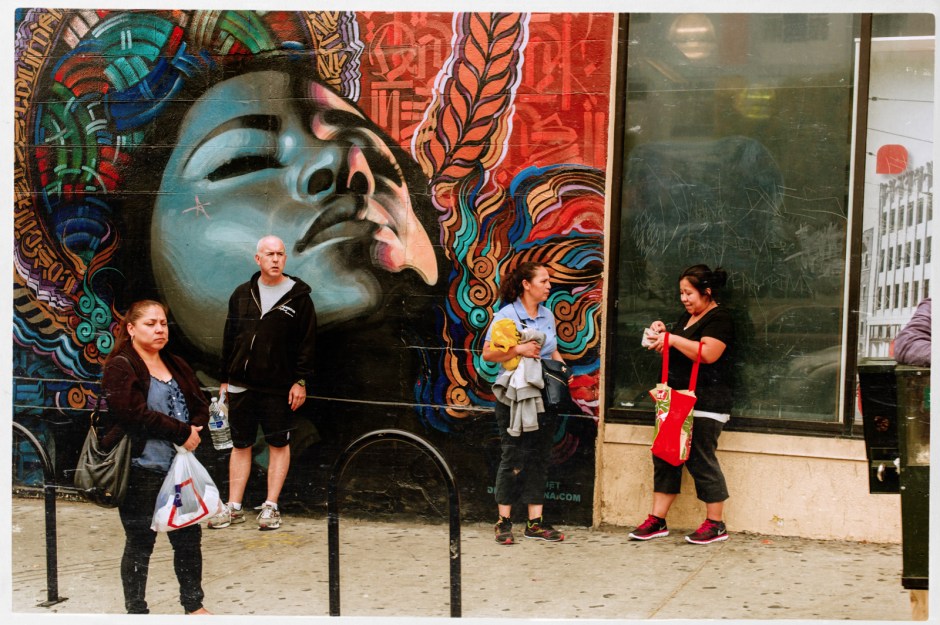
Apologies to Raymond Carver. Reposted from the early days of 50lux.com
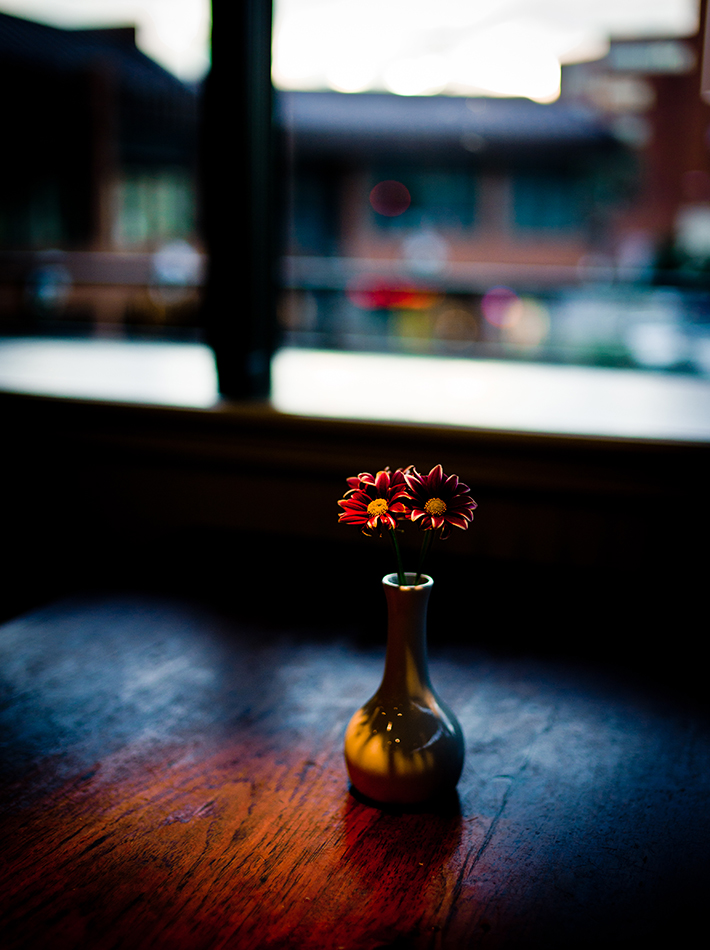
Leica M9, 35mm f/1.4 SUMMILUX-M ASPH FLE
I think of the best stuff when I’m half asleep. It’s called hypnagogia and I’ve got a bad case of it. I’m not alone, apparently, as a New York Times article pointed out late last year and as Wikipedia establishes as encyclopedic fact.
Many other artists, writers, scientists and inventors — including Beethoven, Richard Wagner, Walter Scott, Salvador Dalí, Thomas Edison, Nikola Tesla and Isaac Newton — have credited hypnagogia and related states with enhancing their creativity.
I’m intending to capture some of these fantastic creative thought processes that trot through my mind when I’m half asleep for the purpose of bringing them back alive and showing them to the world here on 50lux.com. It won’t be easy. Not many things are when you’re half asleep. Nature of the beast. More on all this later. But let’s start off with an example from today.
There’s nothing more annoying than some snobby-sounding photographer going on about Light. I chase after the Light. I live for the Light! I’m always out looking for the Light. I’m a Light chasing stalker of the Light.
Light, that fickle temptress, has taken out a restraining order on me!
You know the type. Butterflies and rainbows all around them. They shoot Leica but, of course, they could do just as well, maybe better, with a piece of cardboard and a tiny hole punched in it for a lens.
Never mind too the 14-year old future supermodels that seem to prance through lush meadows all around them, stopping only for the occasional extreme closeup on the sun-speckled perfection surrounding bee-stung lips.
What does any of that matter?, the light snob would say. It’s all about the Light!
Okay, let’s go there. Because as annoying as these people are, they just might be on to something. Pictures might lie, but not that much when it comes to the role of light making a great picture.
First let me say that my goal here, because I want to help myself to be a better photographer, is to learn along with anyone who happens to be reading this blog. So that some day, some glorious sunshiny day, we might all be just as annoying to others as these people are now to us.
It is important to have goals. Let’s get to work on achieving them.

Leica M9, 40mm 1.4 Voigtlander Nokton
Think of the world not as a place made up of things or solid objects to be photographed, but instead as a place where light exists.
You see what I’m talking about when I’m talking about half-asleep thoughts? Thank you and good night, ladies and gentlemen. Let me repeat it.
Think of the world not as a place made up of things or solid objects to be photographed, but instead as a place where light exists.
Because light in an infinite number of variations certainly does exist in this world. It shines down upon, through, wraps around, bounces off, backlights, highlights, dapples, washes over, peeks through, reflects off of, illuminates, obscures, virtually everything in this world and all of that enters into our consciousness, or DOESN’T, which is what we’re trying to correct here, through our eyes and through our lenses onto the plane of film or sensor we’re using to capture it all for posterity.
Light has so many different colors and shapes and effects upon whatever it touches or is near that it’s far beyond the scope of this blog post to even go into any of that. And it’s not important for the ideas that I’m trying to solidify in my own creative mind to try to address any of it at this time.
This post here on 50lux.com is more about what we all can maybe derive or benefit from in the form of an internal tweaking of our perspectives on light as it exists all around us and in our photography.
The important thing to keep in mind about light is that it can be as easily photographed, and as easily sought out as a subject to be photographed as a flower, a snow-capped mountain, a beautiful woman, or anything else that people almost instinctively point their cameras at before hitting the shutter release.
As you probably remember, like me, from reading it somewhere, whenever you take a picture, you really are only photographing reflected light anyway. Why not make a concerted effort on light’s behalf?
So now try it! Go out and, instead of looking to photograph mere things, solid or liquid objects of the Earth, as an ongoing exercise for your photographic eye and mind look past all that stuff and look only for light, wherever and in whatever form that you find it. Take pictures of that light. Make pictures from it.

Leica M9, 50mm f2 Summicron-M
If you’ve ever asked yourself or anyone else what’s the best way to radically change how you see as a photographer, then this is what I would suggest. Stop looking for and at everything around you as subject-objects, and instead allow yourself to look for and see only light.
Forever?, you might be asking. No. And then again, YES! Absolutely. Because we are talking about change here and hopefully permanent change. Some of us are always looking to change or open up our vision as photographers.
For now I suggest maybe working without your camera and going through your day looking past objects and people that you would normally focus your attention on and trying to see only the light and thinking about what you’re seeing wherever you do find light.
One of the first things you will discover is how incredibly easy this all is. You’ll be surprised. The change will be immediate. Your nose, as a photographer, will start to rise up into the uppity upper air involuntarily as you yourself become yet another annoying light snob. Phrases like I seek light wherever I can find it will roll off your tongue with the same highbrow snobbery of Grace Kelly in a 1950s Hitchcock film.
Go for the light and don’t come back empty handed!

Leica M9, 40mm 1.4 Voigtlander Nokton
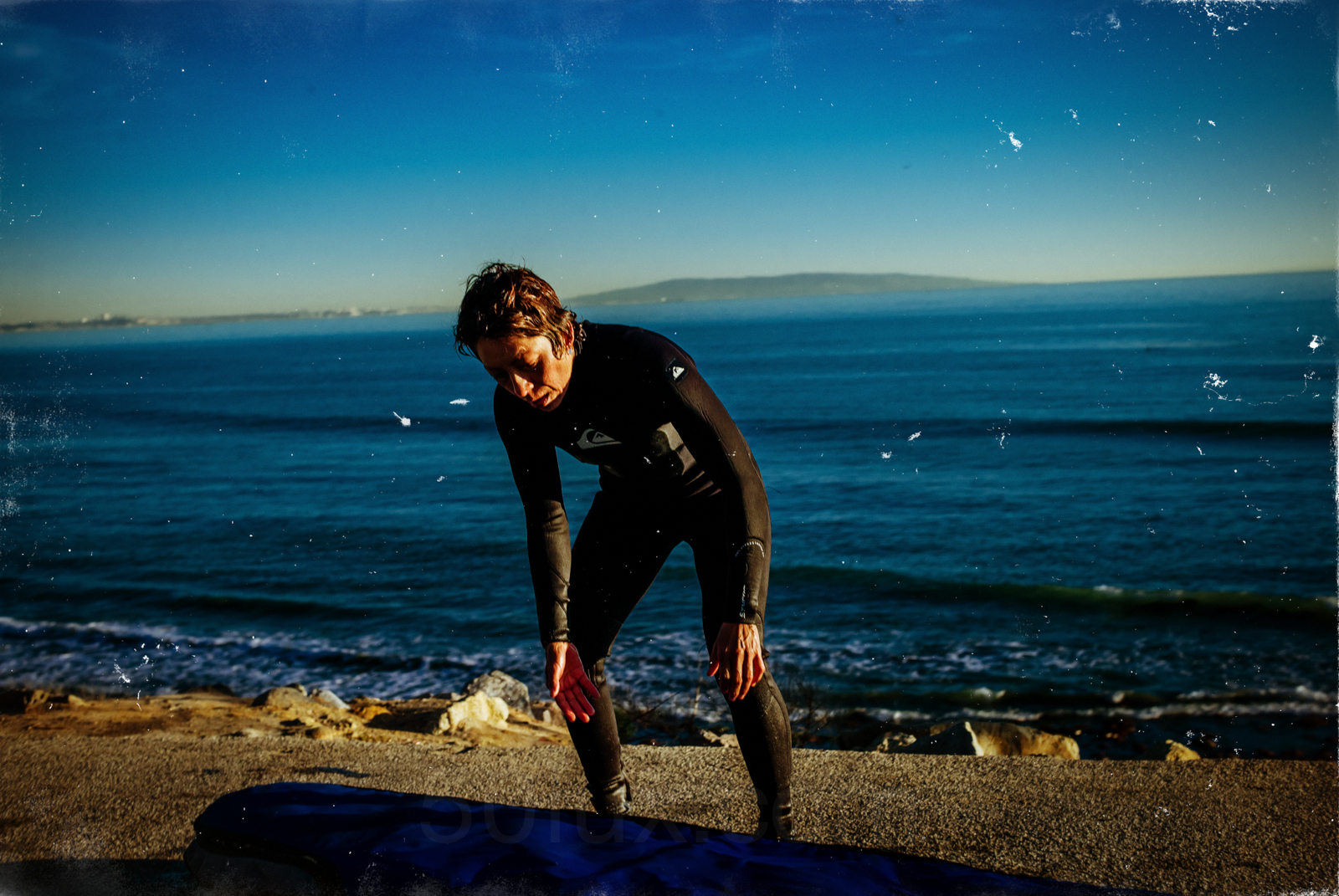
Click on image for larger version.

The image above is mine. The words are William Klein’s but I can certainly identify with them . He says this in an amazing contact sheet analysis film I’ve included below.
Everyone with an interest in photography should watch it and should look on YouTube for other contact sheet discussions by photographers like Sebastião Salgado and Josef Koudelka.
As always, thank you for looking.

I’m linking today to an essay on William Eggelston called The Tender-Cruel Camera written by Thomas Weski. Here’s an excerpt.
The choice of subject matter seemed to some critics to be totally indiscriminate, as though William Eggleston has applied no criteria at all. ‘Eggleston’s photographs often seem to have been taken not by a photographer but by a motorized camera swinging around the photographer’s head on a string. Whatever happens to be in front of the lens when the shutter was tripped got photographed. Whatever was not, did not.’ But even this negatively meant criticism reveals a further important aspect of Eggleston’s work, namely his democratic approach to the subject matter. Eggleston speaks again and again of the ‘democratic camera’ which considers every object worthy of depiction. Naturally, this seemingly impersonal way of seeing things makes no distinction between ‘beautiful’ and ‘ugly’. In other words, William Eggleston does not operate with the usual visual hierarchies, but rather accepts those motifs which illustrate his concept correctly.







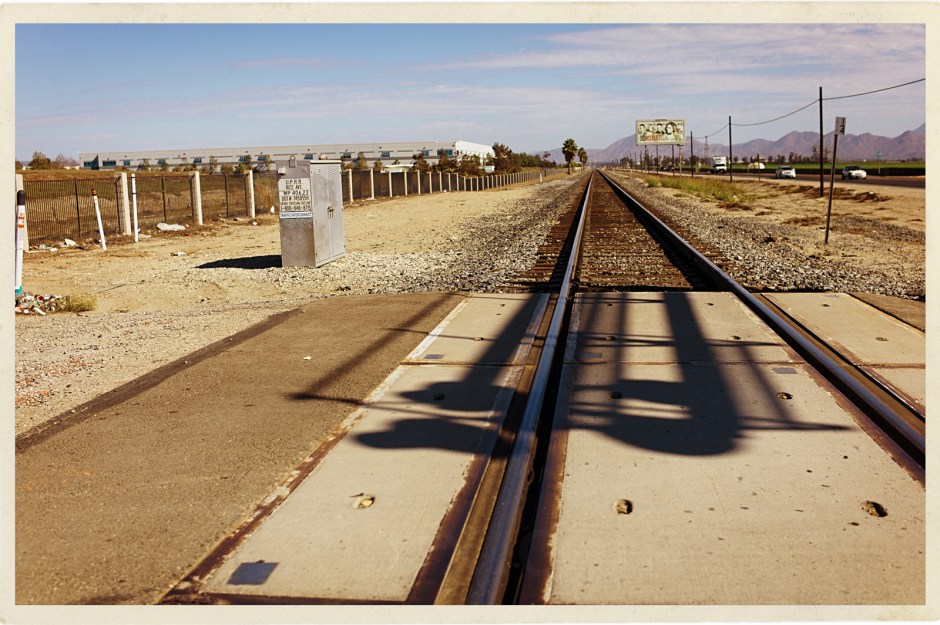
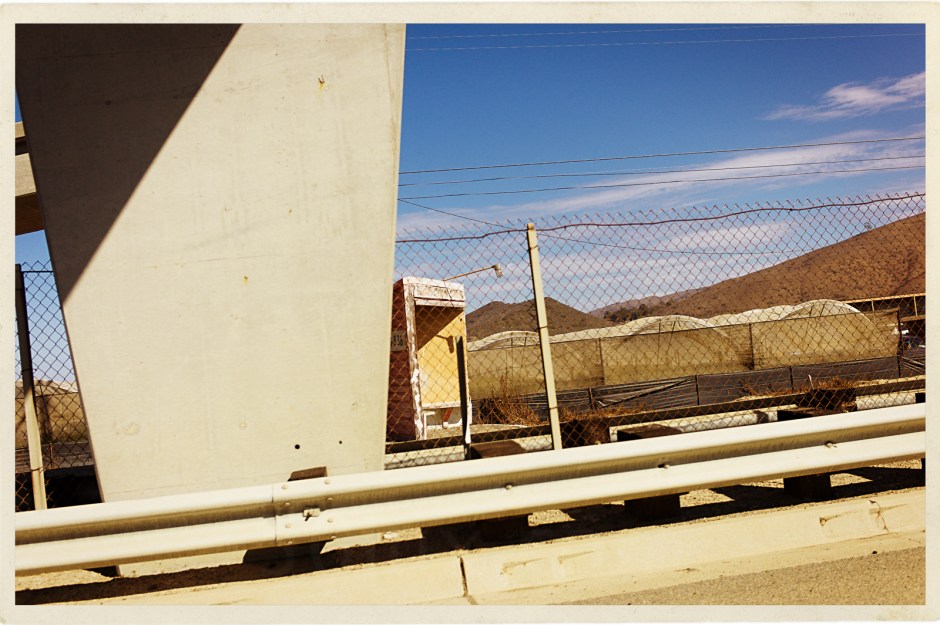
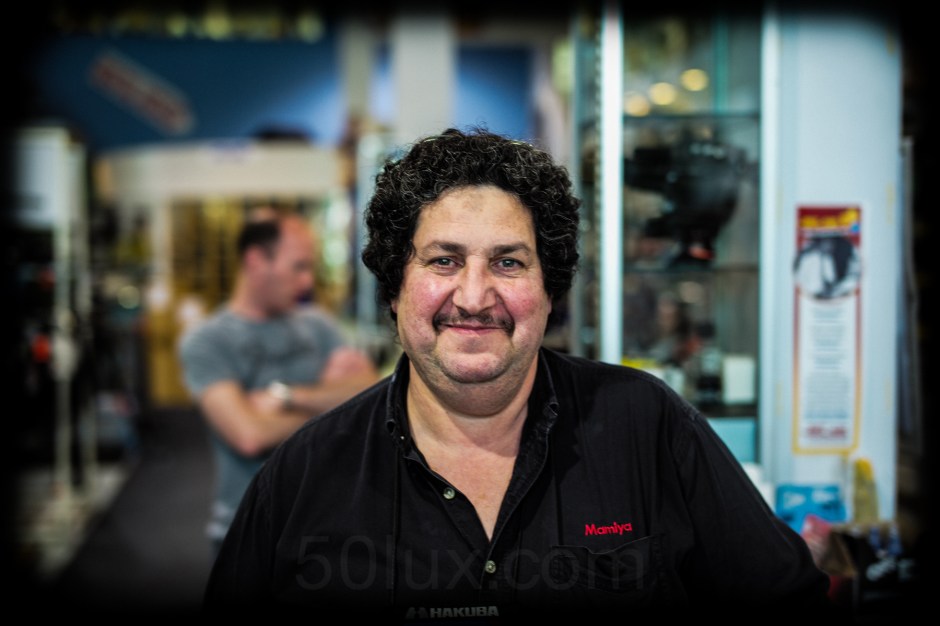
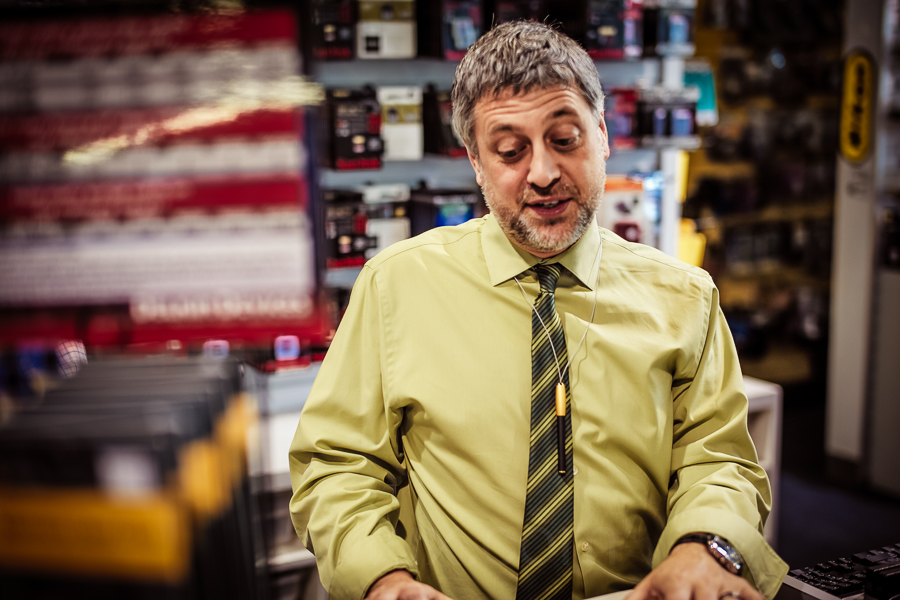
BelAir Camera in Westwood CA closed after being in business a thousand years. The old owner sold to a new one who she hoped would return the store to its former glory. But he closed the place just a few months after buying it. Rika, Moe, Francisco, Peter, hope you guys land on your feet. Very sorry to learn of this. BelAir was a store where the stuff that dreams were made of lived. I loved the place and spent enough time and money there to practically put myself out of business.

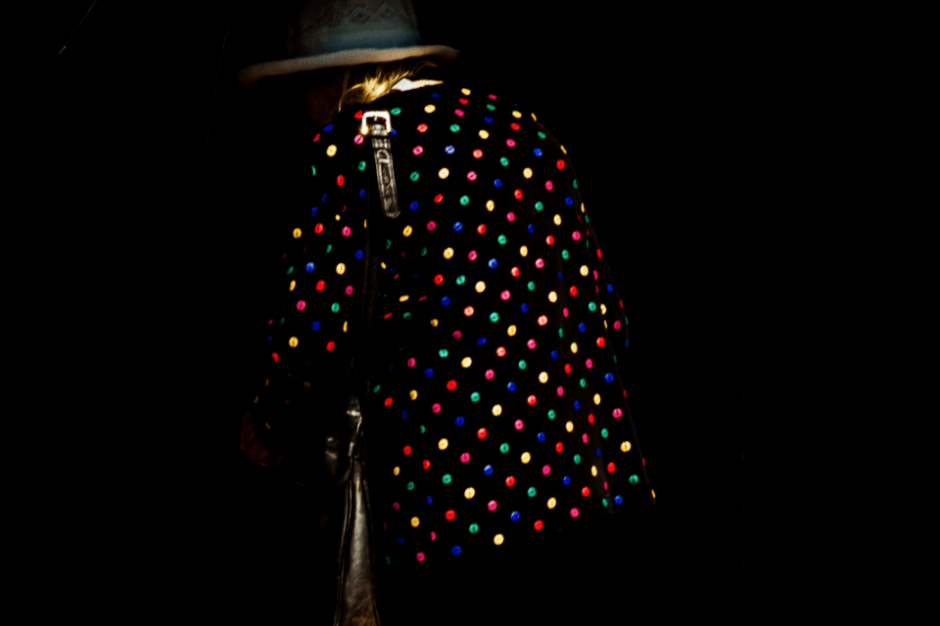
Crop from the image that launched my own moment of recognition here in California by the Los Angeles Center of Photography. The uncropped version of this shot was selected to appear at the LACP’s first juried Member’s Exhibition.
This is almost an example of photography that you can barely take credit for. lol. Who can claim to have created something that depends so much on the fact that this woman bought this jacket at some moment in her life probably years before I even bought the camera that took the picture.
How much does the image depend on the fact that this lady decided to wear this jacket on this day and be just at that very moment stepping from the sun into the dark shadow of a doorway? So the shot is almost a miraculous piece of luck.
That said, I think this crop captures the gestalt effect more perfectly than any photograph I’ve ever seen. I can’t take any responsibility for that because I’m sure it wasn’t my intention to make an image of that sort. I saw colors and contrast and a good subject and that was it until I looked at the image later.
Anyway. Hope you enjoy this! Thank you all for visiting!
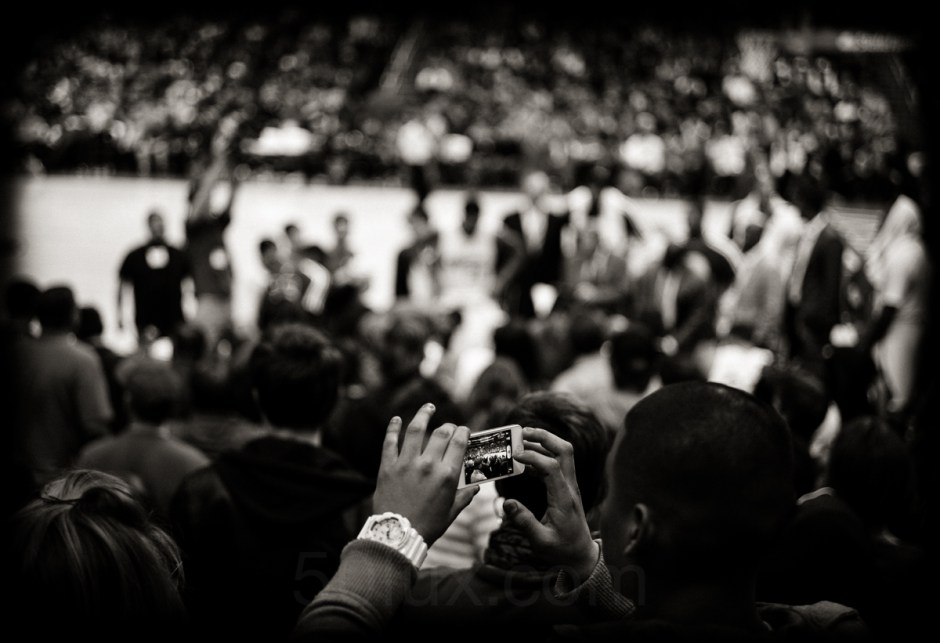
Such a stunning lens. Mine was a Canadian version, late optics but older housing. Great lens and I miss it. Don’t sell stuff!

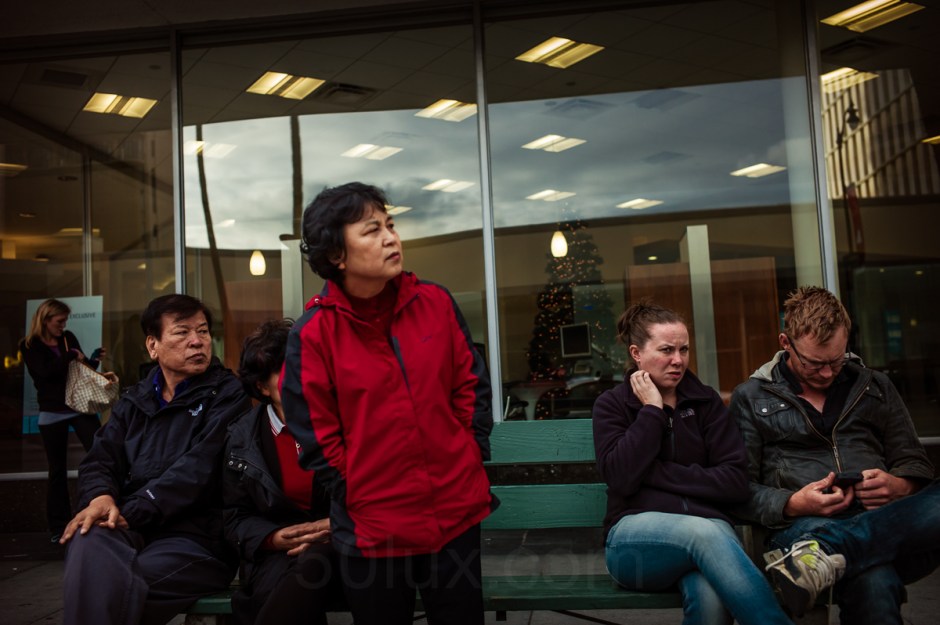
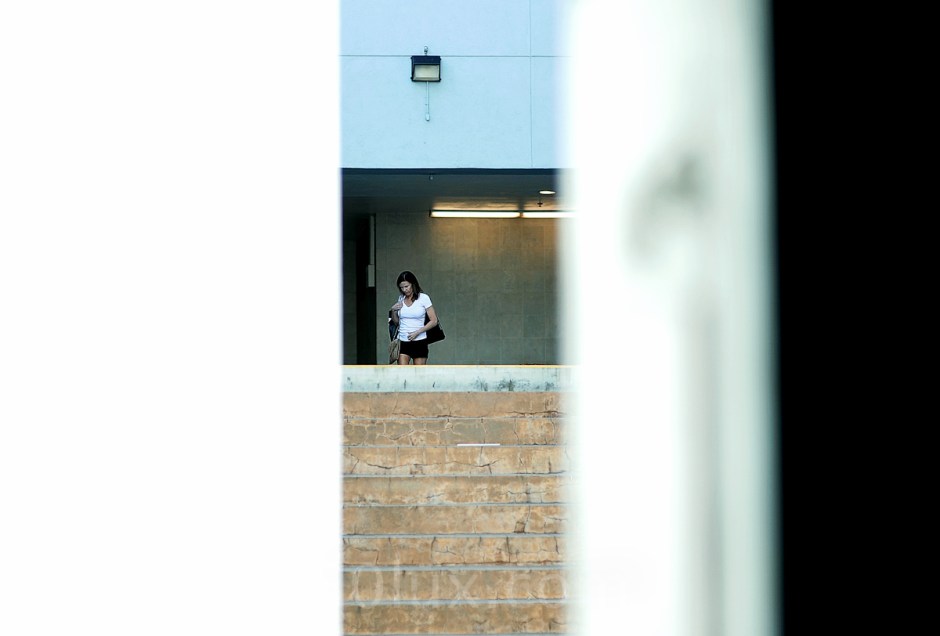
“The basic condition of the voyeuristic scenario is distance, an essential separation between seer and seen. Despite this distance, which is by definition unbridgeable, despite the unrequitable nature of the desire that drives it, the voyeur’s gaze is a privileged one.”
Great book I highly recommend called Train Your Gaze: A Practical and Theoretical Introduction to Portrait Photography by Roswell Angier. The quote above is from TYG. Almost by anyone’s definition it is not a book on portrait photography. It is really an analysis of contemporary art photography as well as some of the classic but nevertheless quite daring, in their time, 20th century photographers.
The chapter on voyeurism begins with a quote by Walker Evans, certainly an idol of mine and countless other photographers.
“Stare. It is the way to educate your eye, and more. Stare, pry, listen, eavesdrop. Die knowing something. You are not here long.”


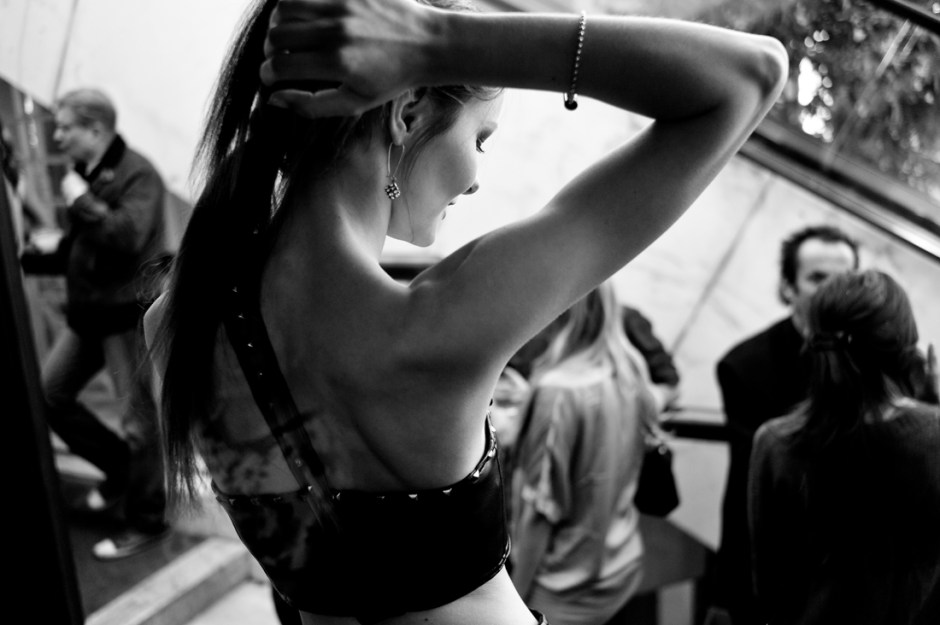
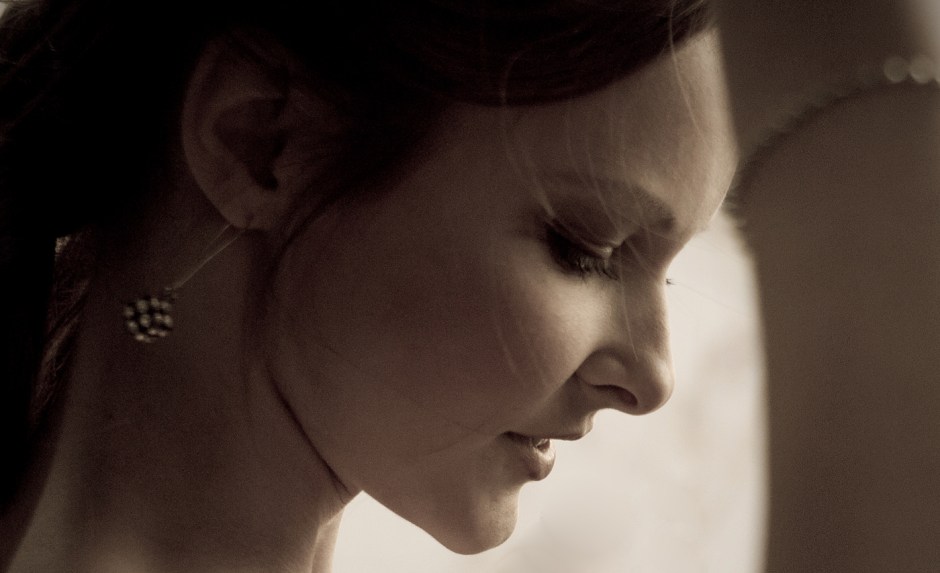
When I first got my Leica M9 back in 2010 (I think) it was all just like this. lol. This is actually my Aunt Hilda who is 95 years young. It’s all the Leica magic. Incredible. Okay. But seriously, looking through that viewfinder was every bit the combination of inspiration and orgiastic release I’d always hoped it would be. These shots (one more tomorrow) were taken with a humble (in Leica terms) 35mm Summarit 2.5. That lens was the perfect lens to begin my Leica experience with and honestly, when I look back at images I took with that little wonder I don’t know why I moved on to more expensive Summicrons and Summilux glass. Anyway, hope you enjoy the visual treats as much as I do the memories of making them.

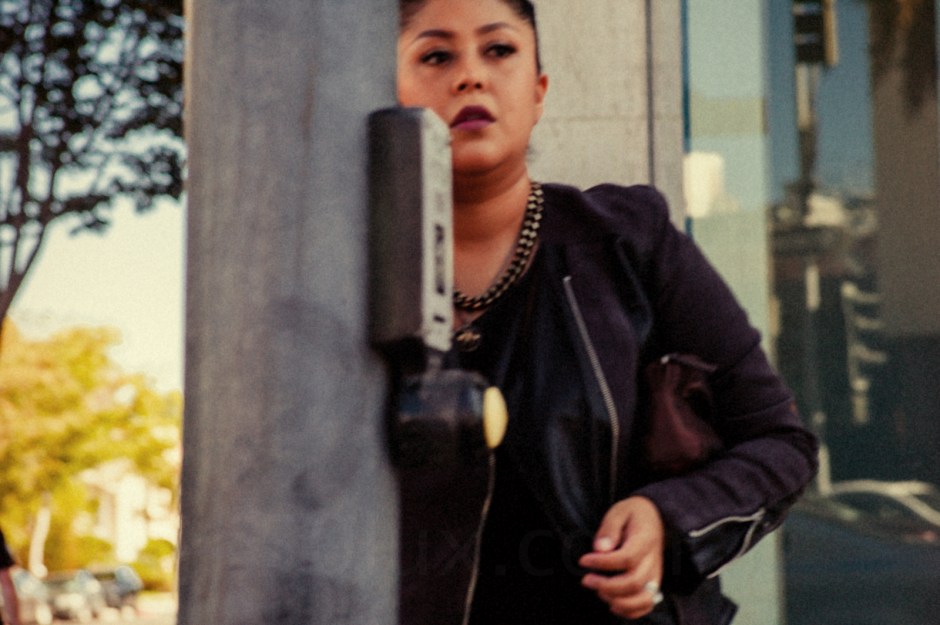

There are probably a lot of different types of photography that any one photographer might not like.
For me personally, one type of photography that would have definitely been included on my short list of what I don’t like is baseline basketball photography of the type that is seen in major newspapers and sports magazines all over the country. I don’t want to get into knocking anyone’s work. But the images that I’d always seen were to me incredibly boring and I thought more than once that if I had to do that job, night in and night out, I would rather not be a photographer at all.
So when the opportunity came up for me to shoot women’s basketball as a baseline photographer, I jumped on it. Of course! That’s me. A proven hypocrite once more.
First, I loved women’s basketball at the time of the offer. And I still do love it but probably nothing like those early days before I was involved with the hard work of content creation around the sport and not just sitting around ruminating about it. And, of course, I love photography.
Beyond the technical challenges, which I instinctively went at with the idea of using the fastest and best Nikon lenses, there was a complete blank drawn in my mind about what exactly I should be shooting at these basketball games. And yes, even now it sounds like an easy question to answer. You shoot the action, dummy.
Turns out though, that’s about as much of an answer as it would be to tell an out of shape photographer to go out on the floor and just play winning basketball with and against these great talented athletes on the court.
Just do it! Right?
Oh sure, it’s JUST that easy.
An added problem is that I wanted to be really good at this and immediately. I put a ton of pressure on myself right from the start. That pressure and the distractions of trying to take good photographs completely took me away from what was happening in terms of the actual basketball games for years.
Who were the great players? How good was the team? What defense is that? All of that was instantly of no interest to me whatsoever. All I wanted to do and all I could think about was being good at what I was there to do.
I knew, KNEW, that the pictures I took would live maybe for a very long time on the internet with MY name attached to them. That was very scary for me. So for years into the endeavor it was completely normal for me not to even know the score of a game I was sitting four feet away from.
All I could think about was that I had to keep looking for and shooting great shots or I would end up with people seeing subpar work with my name on it and those people thinking, meh, this guy isn’t very good. lol.
So I had this friend who was an editor at the New York Times and I asked her what the heck was I supposed to shoot at the first contest I was credentialed to attend, an NCAA women’s game at Pepperdine University between the Pepperdine Waves and one of the always powerful teams from Gonzaga.
My friend sent me a bunch of sports images. And she asked me a question. What do all these pictures have in common?
I looked at the shots and I have to admit, I immediately got it. They were each and every one taken at the most extreme instant of competition. Two players diving for a ball or jumping for a rebound. Arms and bodies absolutely extended to the extreme range of what the human anatomy will allow..
Okay. I had something to shoot for. Thank you, Miss New York Times.
But that wasn’t enough. So I had to ask myself, what do I like to photograph?
What is it that I watch or look for when I’m watching sports? What matters to ME? What do I find interesting about sports?
Well that was kind of an easy answer to come up with as well. I like communication, both demonstrative and out front for all the world to see, but also subtle and psychological. Silent communication. Involuntary tells that flash across people’s faces. Things that might not even be there but are there for me, things that I think I see and that I think have meaning. Things that I can point a camera at and photograph as proof or evidence that they are there.
Okay. Now I had something to go on.
So I showed up at Pepperdine in Malibu. I was nervous. I thought a) they wouldn’t let me in the front door, and b) security and everyone in the place would be watching me for one false un-Sports Illustrated-like move so that they could expel me from their midst and get on with their big-time college basketball game.
It’s an unusual arena. The court is open on one end where the lobby actually is and the small concession stand etc. You walk past all of that to either immediately grab a seat on the near baseline or to walk around to the far baseline. I figured the further I could get myself into the place the harder it would be to get me out of there so I began to walk around the court to get to the other side.
As I said, I came to this a) hating baseline basketball photography anyway and wanting to do something different, and b) somehow holding in my mind the desire to photograph the things that I see and are interested in in both basketball and life and that is communication of thought either from one person to another or contained in the faces of those I photograph.
(Whether the latter is really there or not is for me kind of not up for debate. If I see it, I think I can photograph it. If it’s still there then I think I have photographed it. As the cliche goes, your mileage may vary.)
Anyway. But certainly player-to-player communication was what I was most looking for in shooting women’s basketball. Not the standard action shots but something different.
Well, as I was walking around to the baseline where I’d chosen to make my stand against security and school officials should they get wind of my lack of baseline gravitas I SAW a shot. Just like that. Before I could even get to my spot. I saw my whole purpose for being there come into a frame in my mind right from the sideline.
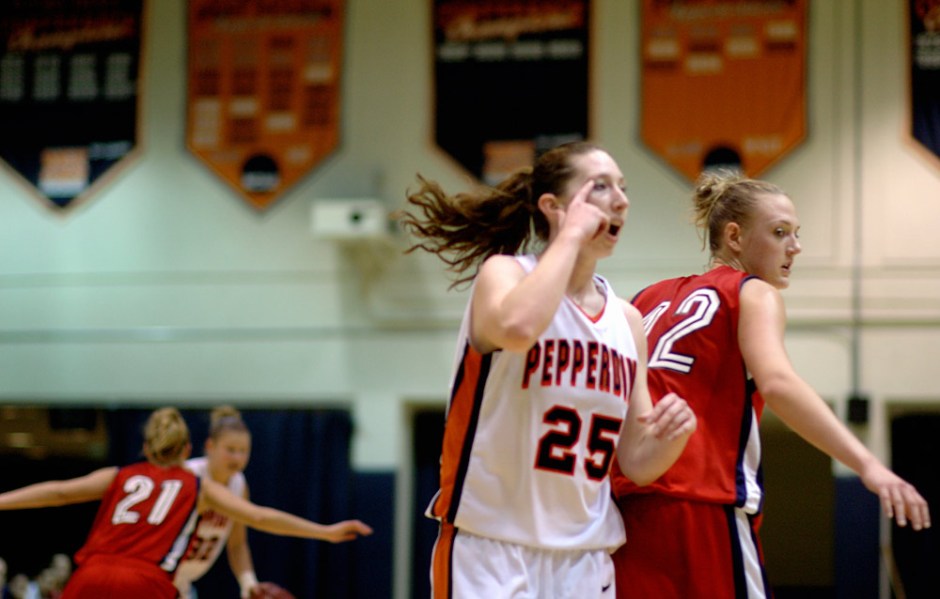
So I lifted my camera and snapped the following shot. That’s my first ever photograph of a women’s or anyone else’s basketball game.

I’d barely broken stride and I looked at that picture as I continued to walk to my spot. I probably thought something like, thank you and good night, ladies and gentlemen. I don’t remember. But there it is. 24 for the home team is calling for the ball and 22 is thinking about accommodating her in the face of a daunting Gonzaga defense. There is a micro basketball story captured in one image.
I would have to admit that in the many subsequent years of taking pictures at women’s games, mostly WNBA games, I don’t think I ever did anything that I could call ‘better’ than what I did on that first night. Technically maybe. But the truth is the more I shot and the better the images may have gotten technically, the farther away I got from what I’d initially set out to do in shooting women’s basketball. So there’s that.
Anyway. Here are a few shots from that night. All I can recover in these modern days of not having an optical drive on my Macs. 😉


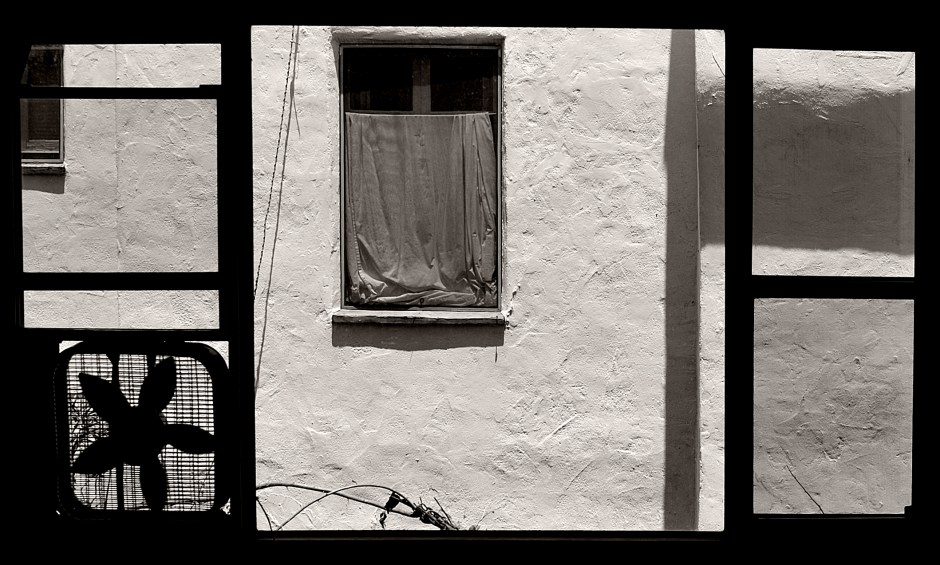


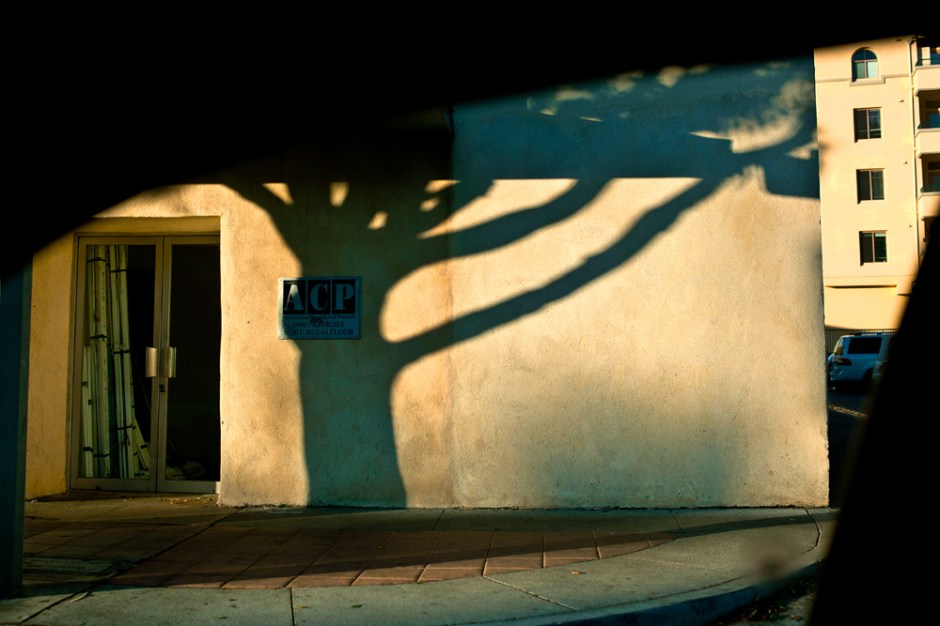

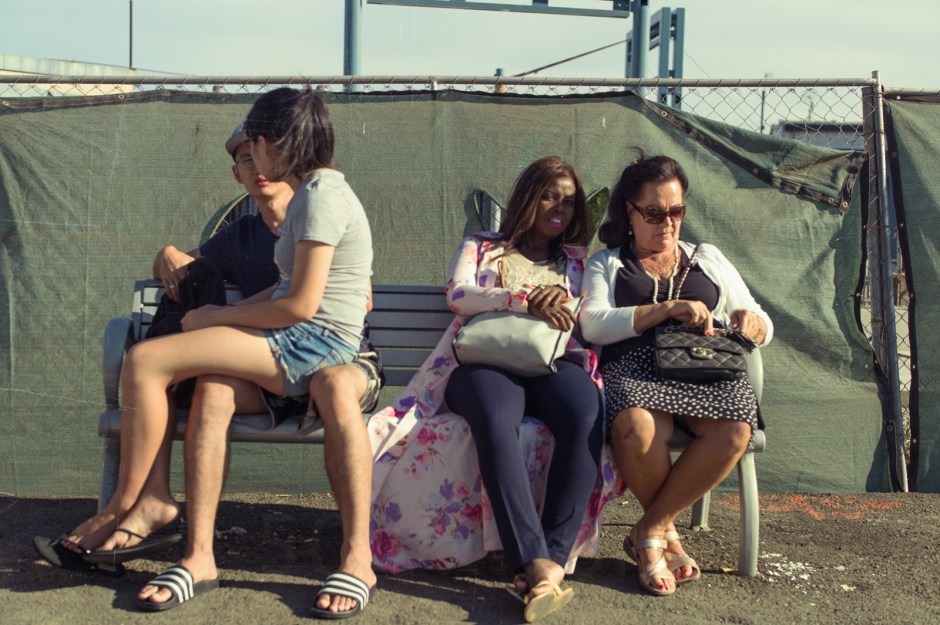
 We all see the button there. Imploring us to choose what we should post. What we should reveal to the world about the state of our art, work, and minds. I have probably a hundred images in my media library that were uploaded with the intentions of being shown but then something stopped me.
Usually it’s not just ambivalence about the image itself. But there’s a lot of that. I think what holds me up more than anything else is the matter of sequencing the images as a group which I think is always so key as to how they will or even should be seen or perceived. That is the hard part. And when images don’t go or make sense with other images, and in my case that’s probably most of them, it’s very hard to find a way to post them that works in my head.
Believe it or not. lol. But this blog has always been a reflection of those kinds of choices and rejections. I have to try to let go of that for a bit because I’m uploading now so many images to my WordPress media library that I am NOT using that I’m losing track of whatever plans I had for them or weak grip I had on something called organization.
So the point is, I suppose, to look for a lot of images and posts with images that don’t necessarily look like they should go together. At best. And thank you everyone who follows this blog and who ‘likes’ my posts or comments. I very much appreciate each and every one of you.

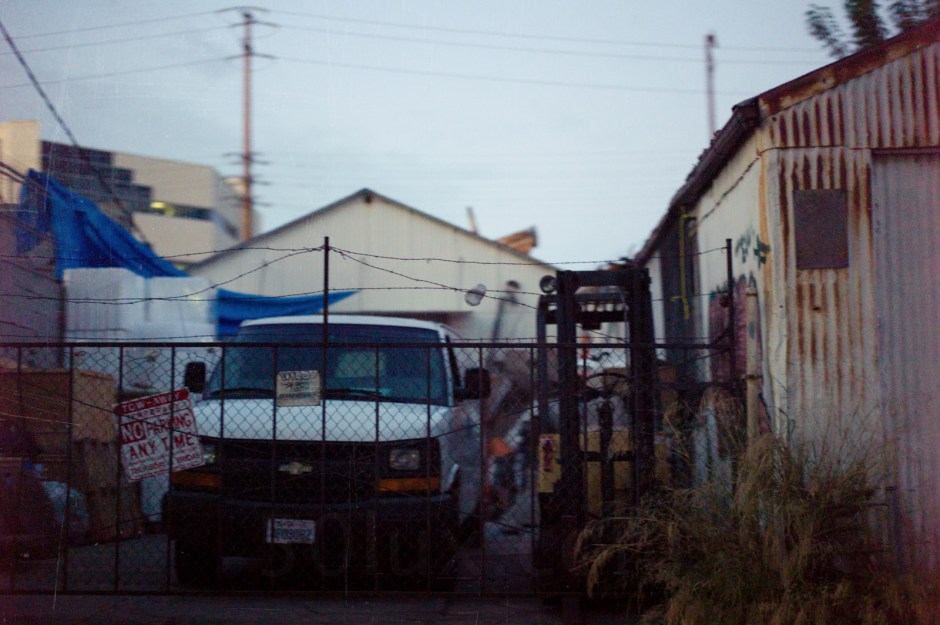
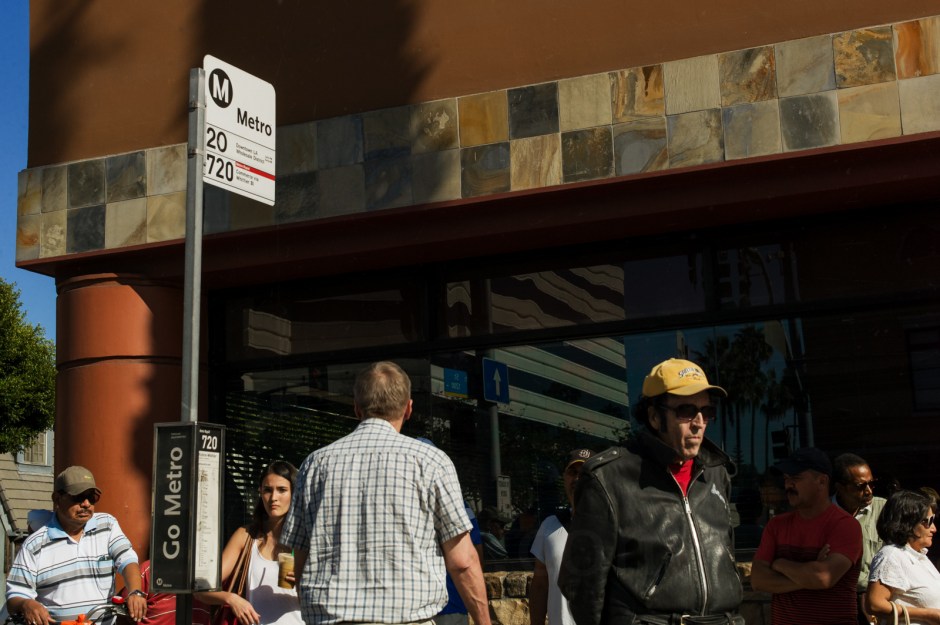
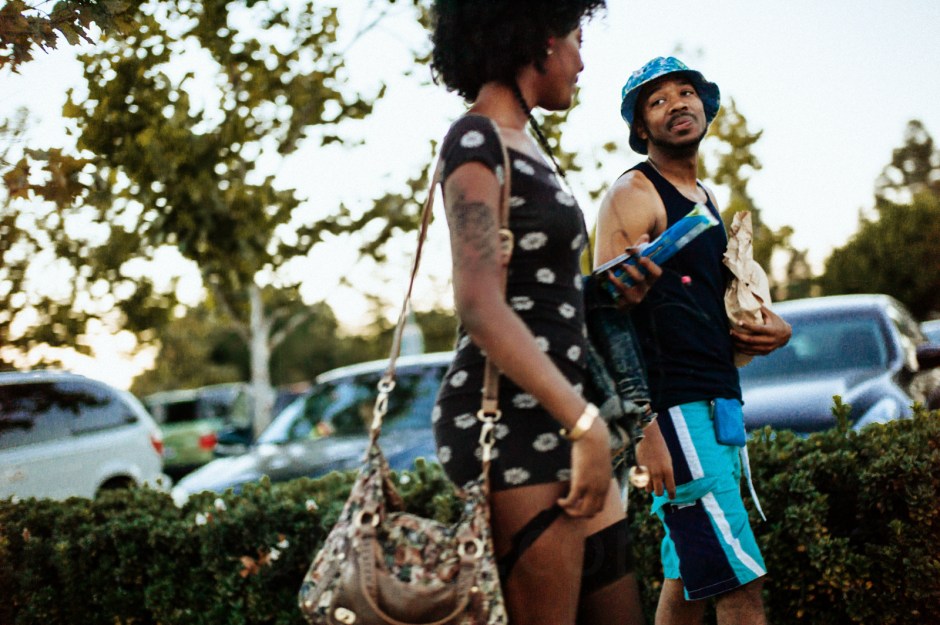


Viewers of Landscape
Each landscape is formed by the point of view of the spectator; it is a spiritual experience, the reflections of a culture. In a sense, therefore, the photographer first has to make a portrait of the people who muse over the landscape they behold. In thus placing himself behind them, he expresses both complicity with the natives and irony towards the invaders.
– Robert Runcie, Archbishop of Canterbury, 1988
Magnum Landscapes
PHAIDON – 1996
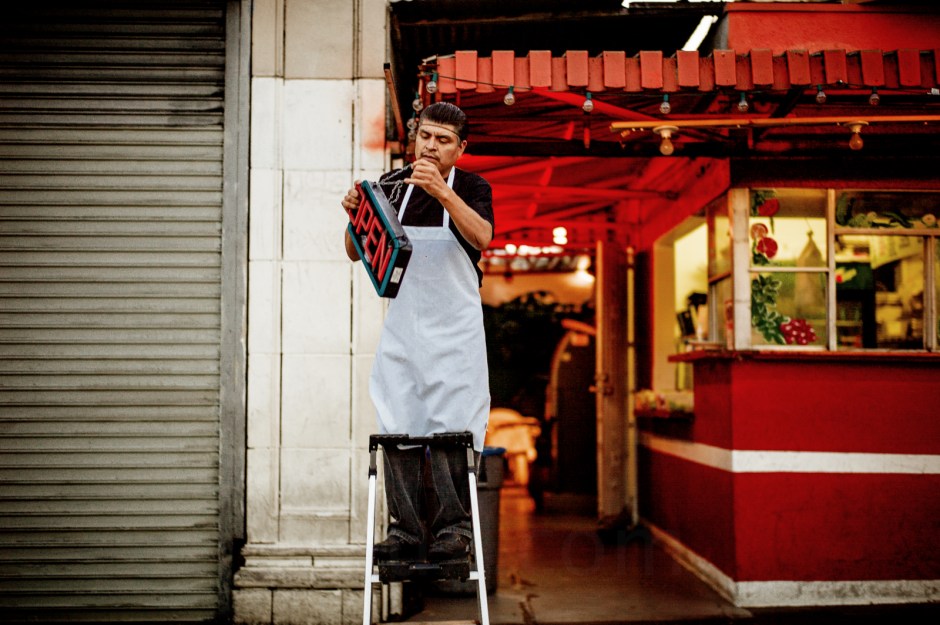


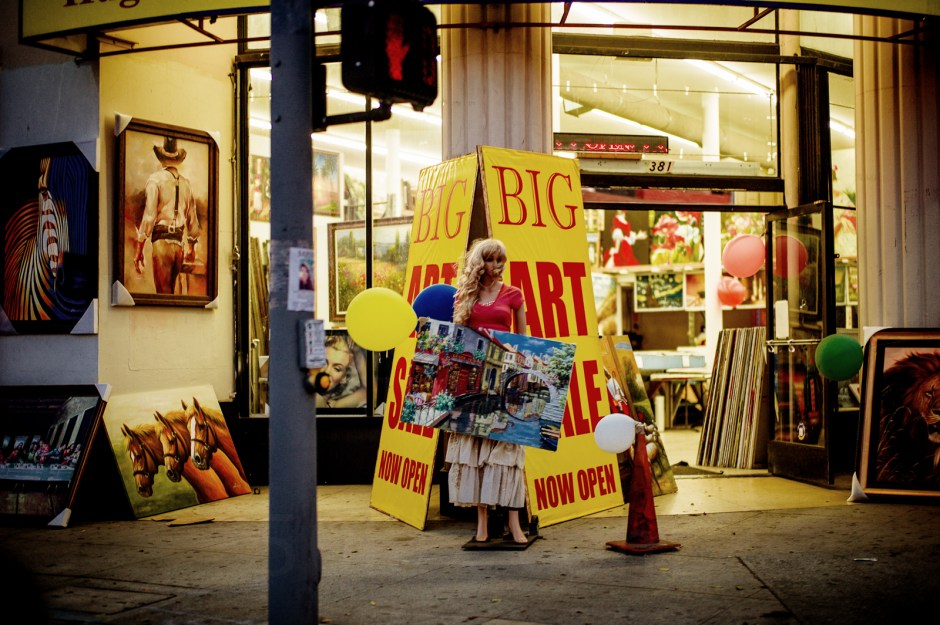

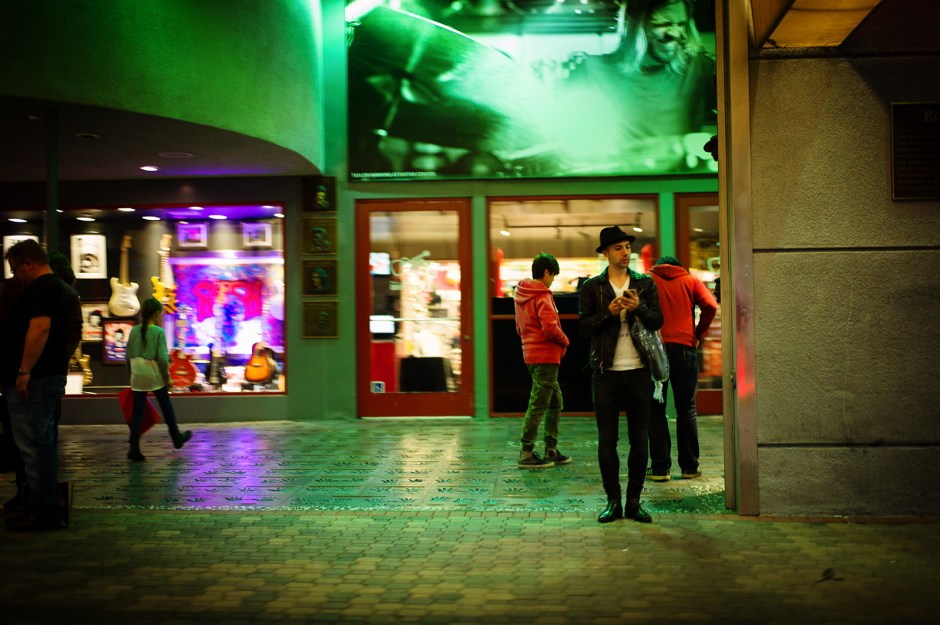
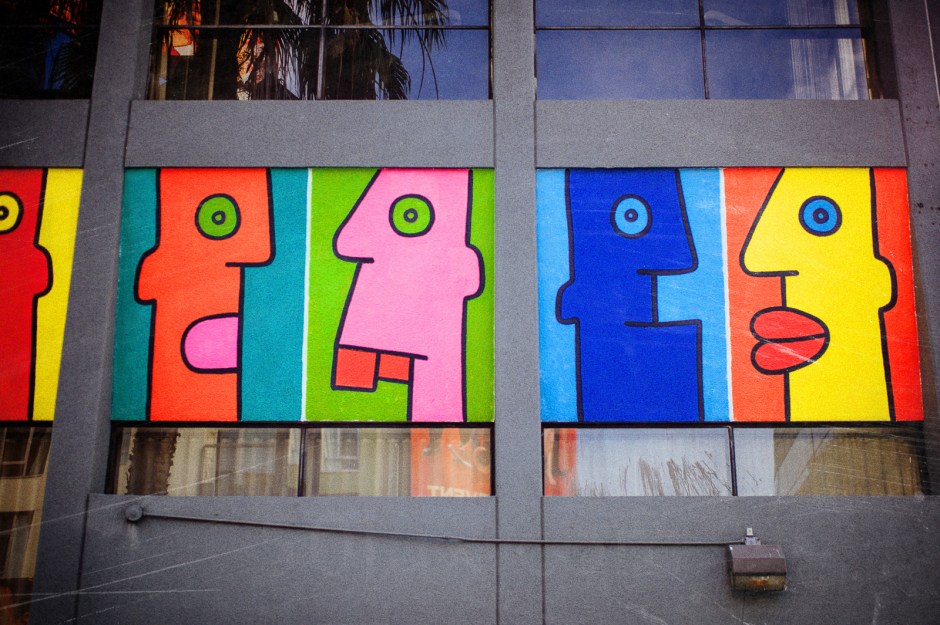

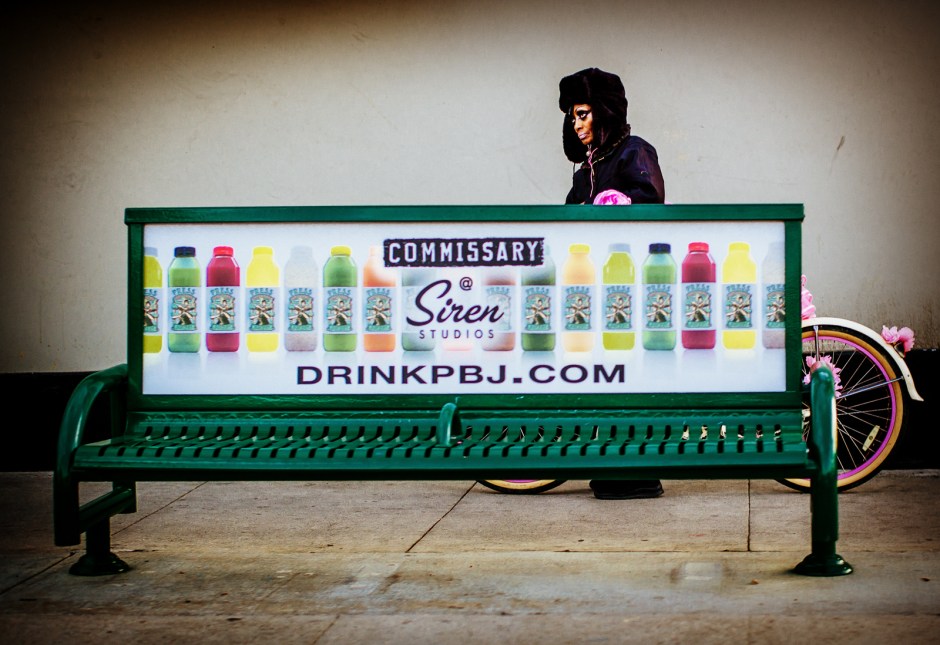

Here is a link to the great website American Suburb X and a group of street photos by newly discovered street photography master Helen Levitt. The difference between these pictures and the vast majority of her other previously shown work is that these images are in amazing color.
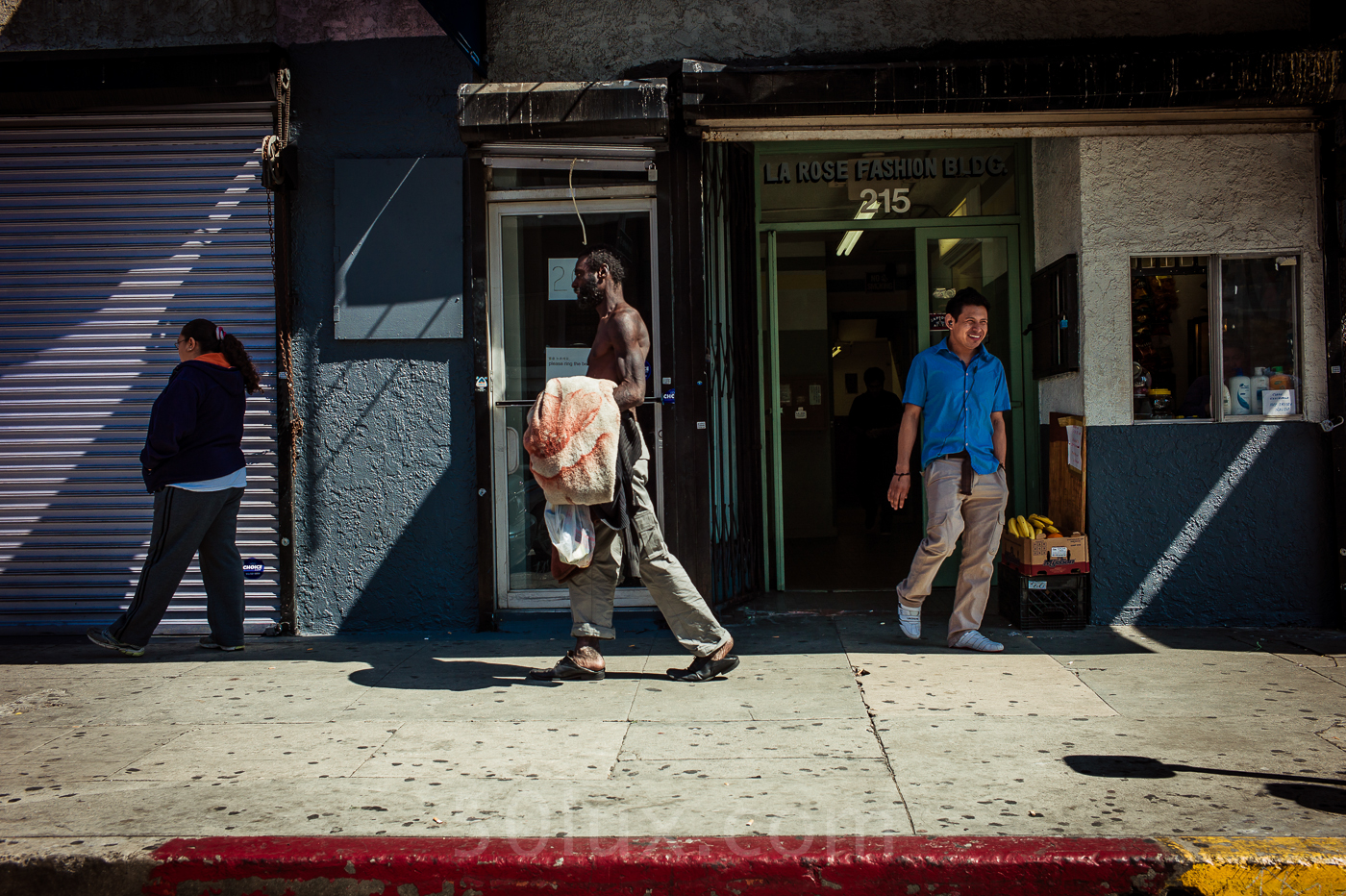
Seeing those images this morning inspired me to share some of my recent shots. You know, I’ve always thought of myself as a black and white street photographer. But I rarely shoot black and white street photography. I really have done very little in B&W over the last ten years. I think I have to come to terms with the fact that I’m a street photographer who works primarily in color.
Color is the only way to capture the parts of Los Angeles I continue to want to shoot most. Hope these images from my Leica M-E capture both the timeless grit and the gripping palate of colors of life in LA in 2013.





 50'Lux