
Forever Young




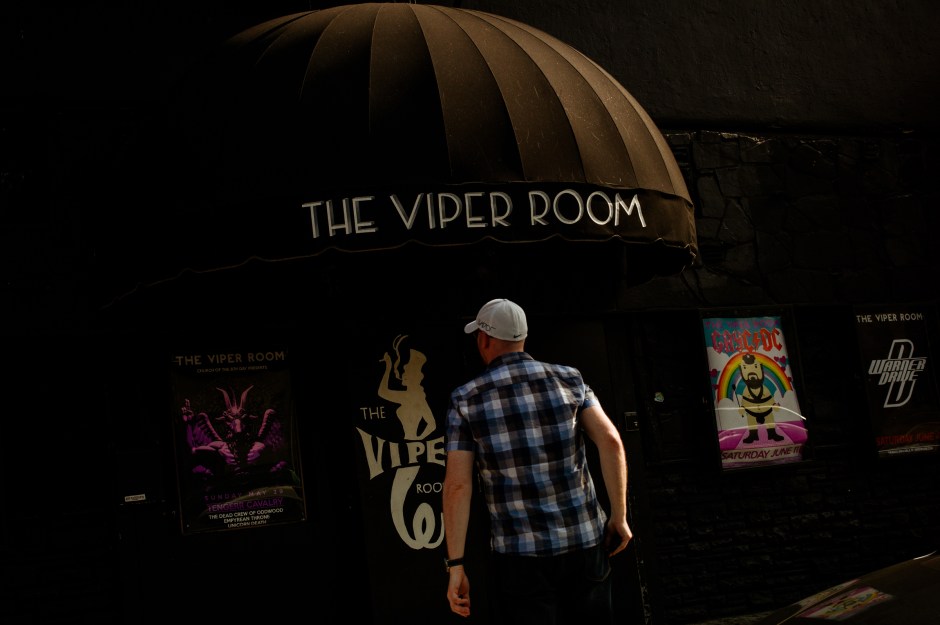
Former press secretary in the Kennedy administration Pierre Salinger told a story that shows the late president’s wit when the press secretary came to the Oval Office with a problem. “Mr. President. We’re getting into trouble with women’s groups over the fact that the First Lady is always seen walking three steps behind you.” (paraphrasing there.) The president thought for a moment, then said… well, I guess you can figure it out from here. 😉
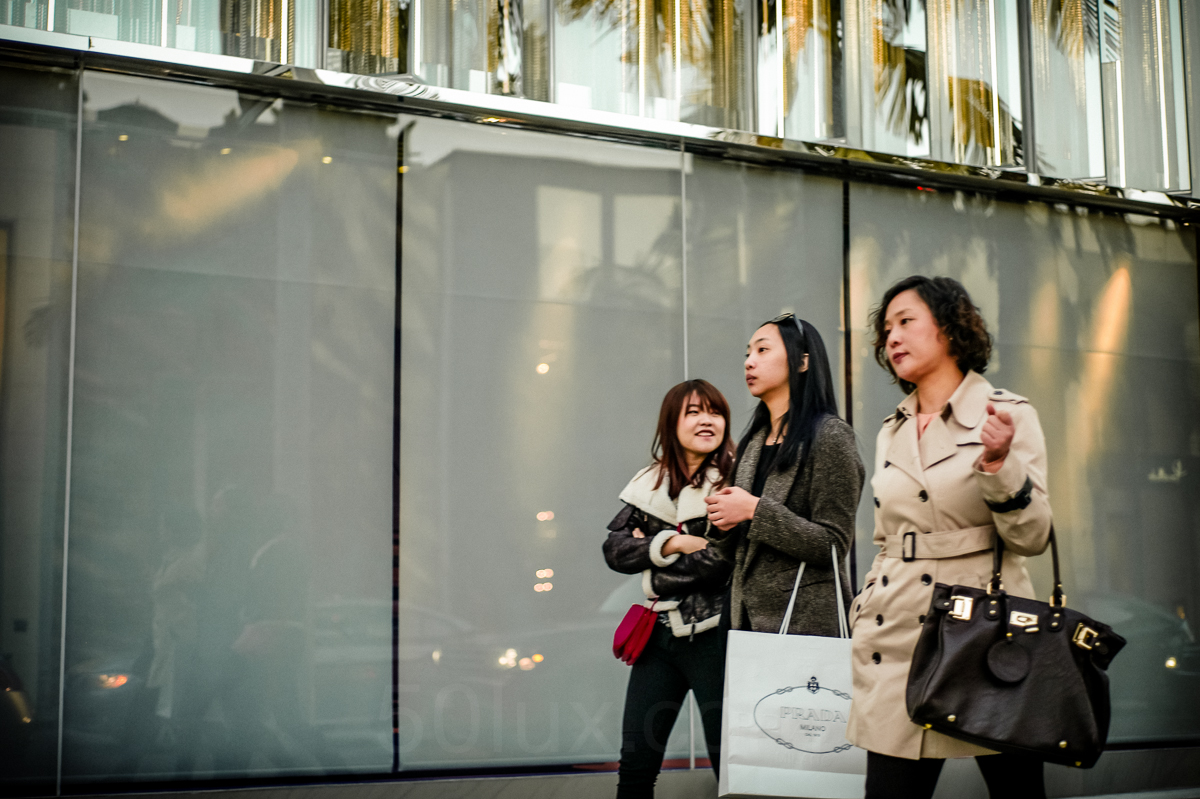
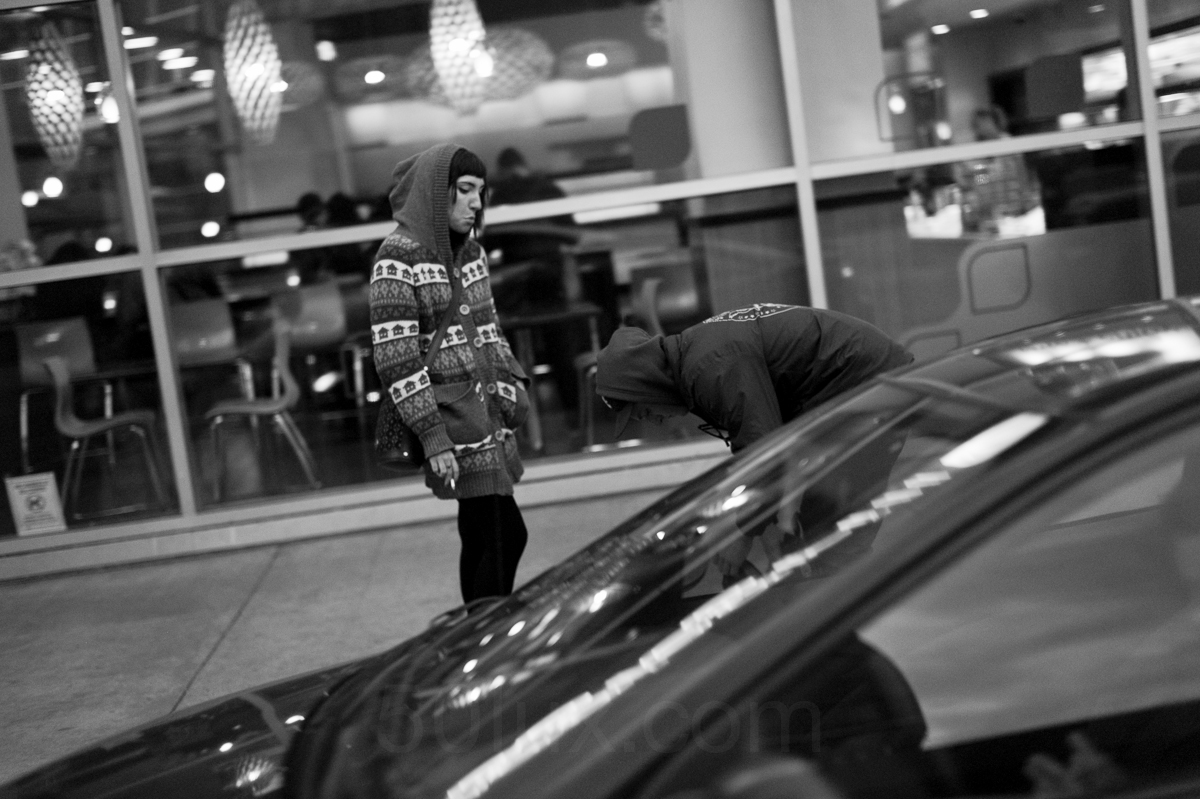
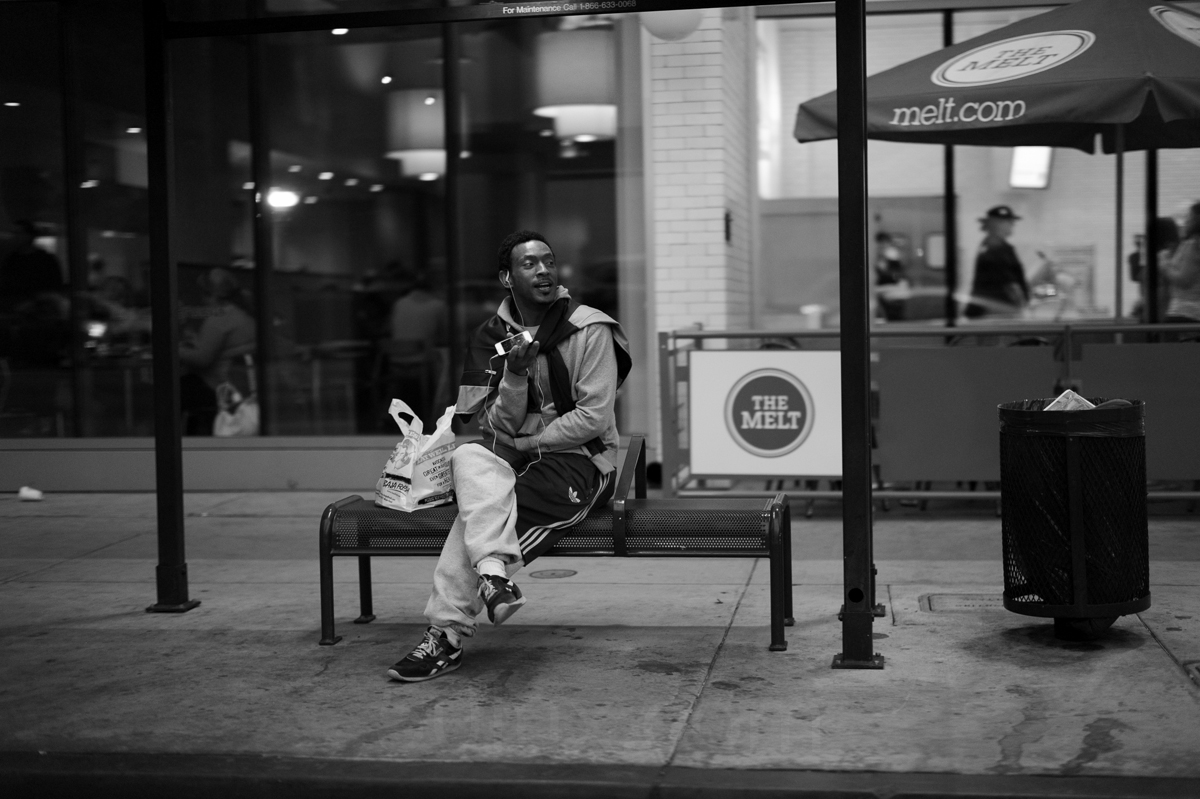
The issues shooting the Leica M9/M-E sensor at higher ISOs are well documented. But it should also be well documented that, when shooting black and white, you can forget those noise concerns almost entirely. I very often will shoot JPEG FINE mode on the b&w setting when I make that decision to shoot b&w. I like the way they look and I always have since my first M9. I’ll tell the story of how I came to love shooting b&w JPEGs straight out of the camera some other time. But I love them. And at 18 megapixels in b&w, how much image data do you need? That was my attitude three years ago and it’s still my attitude today. Much more on that sometime soon.


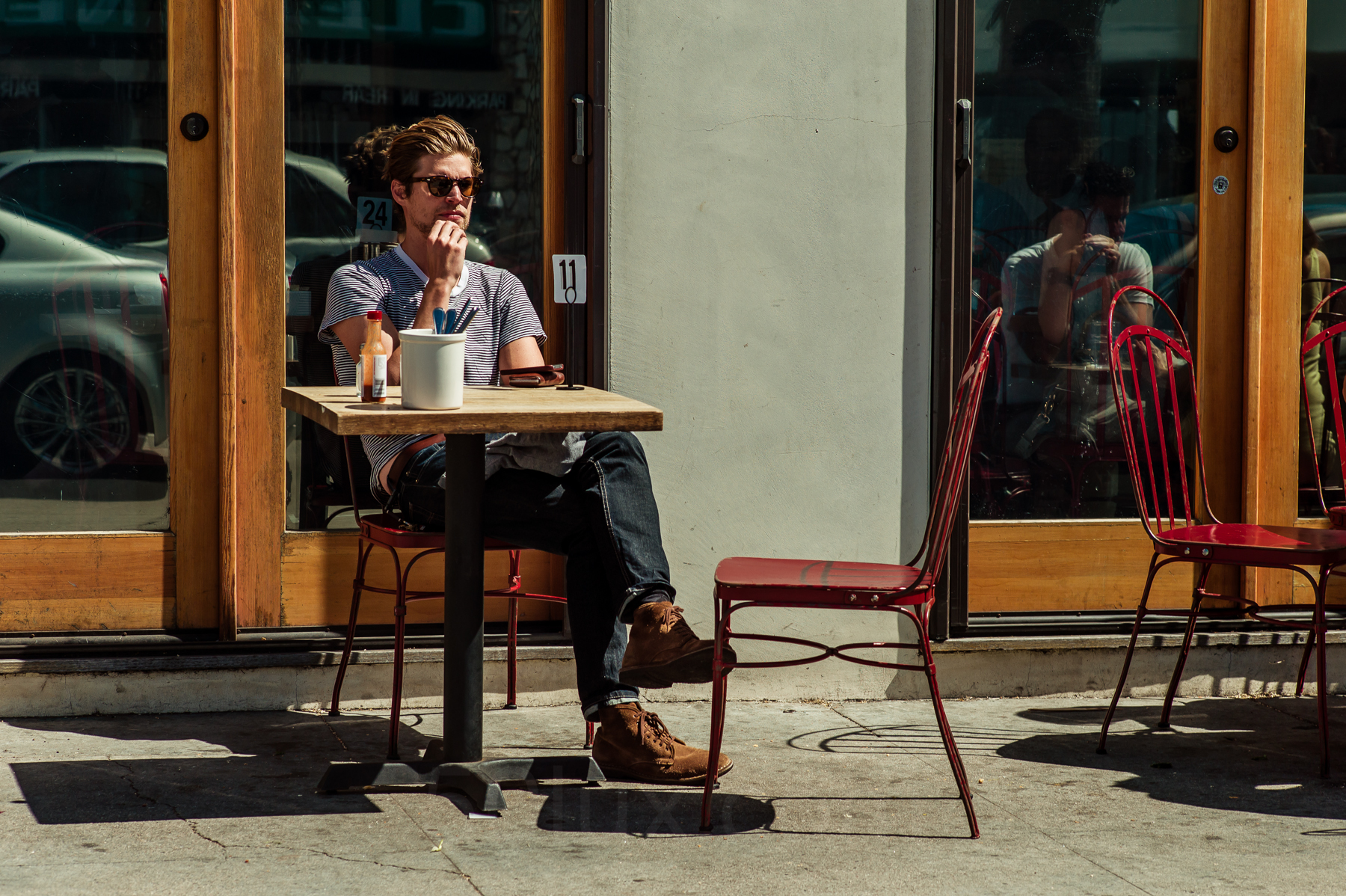
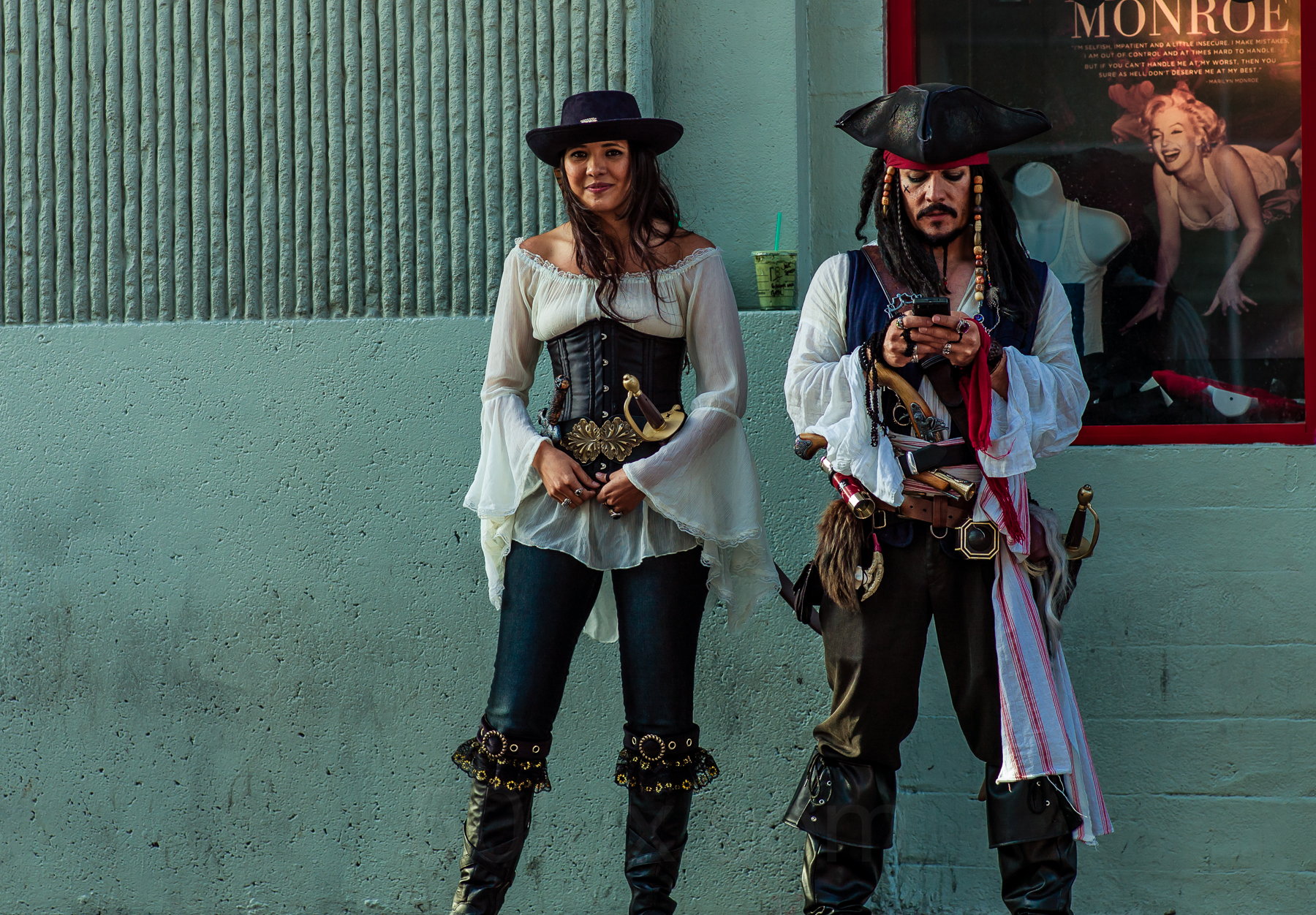
 Have to be very careful what I call my blog entries lest I incur the wrath of the Internet. 😉
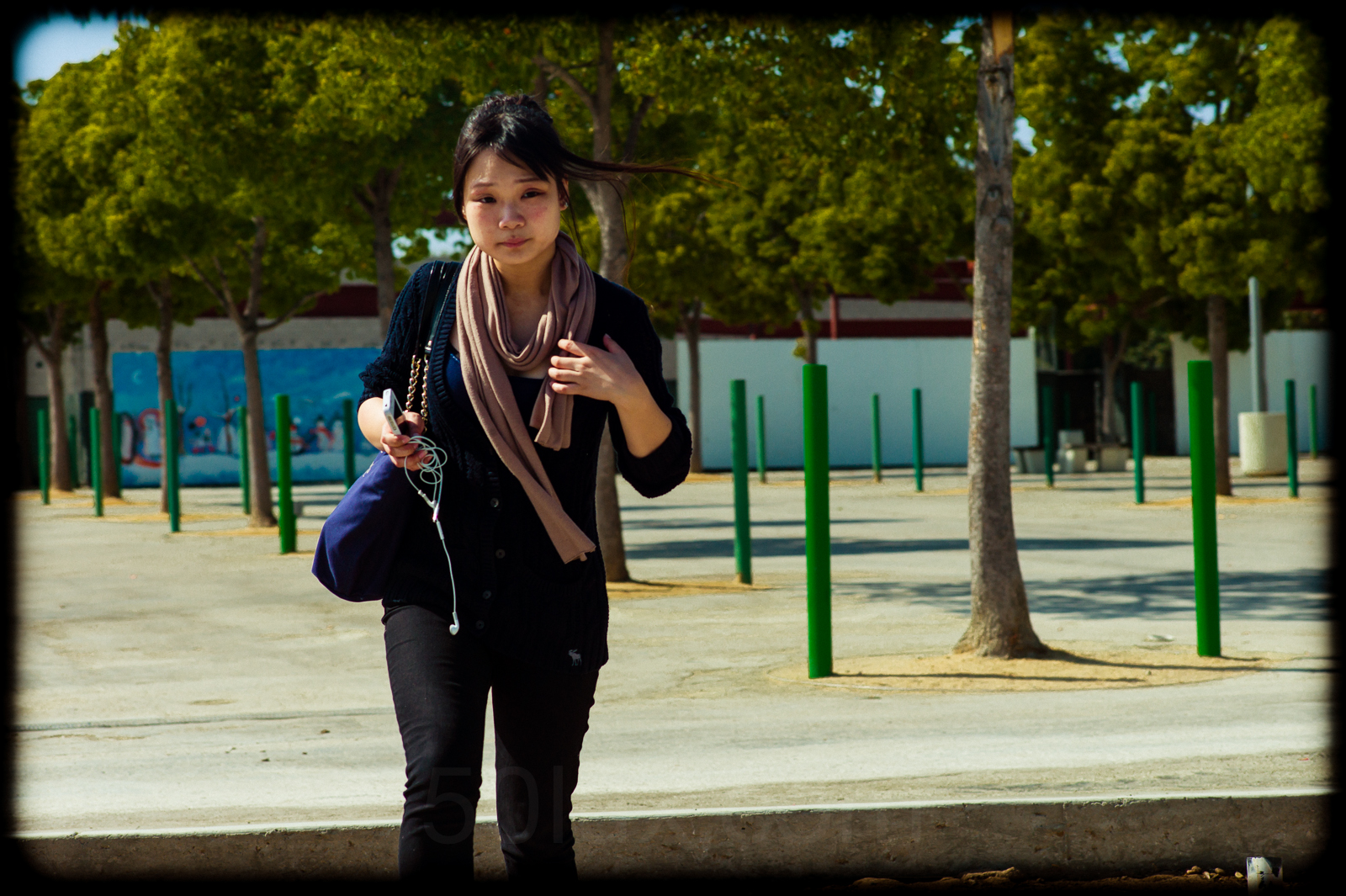

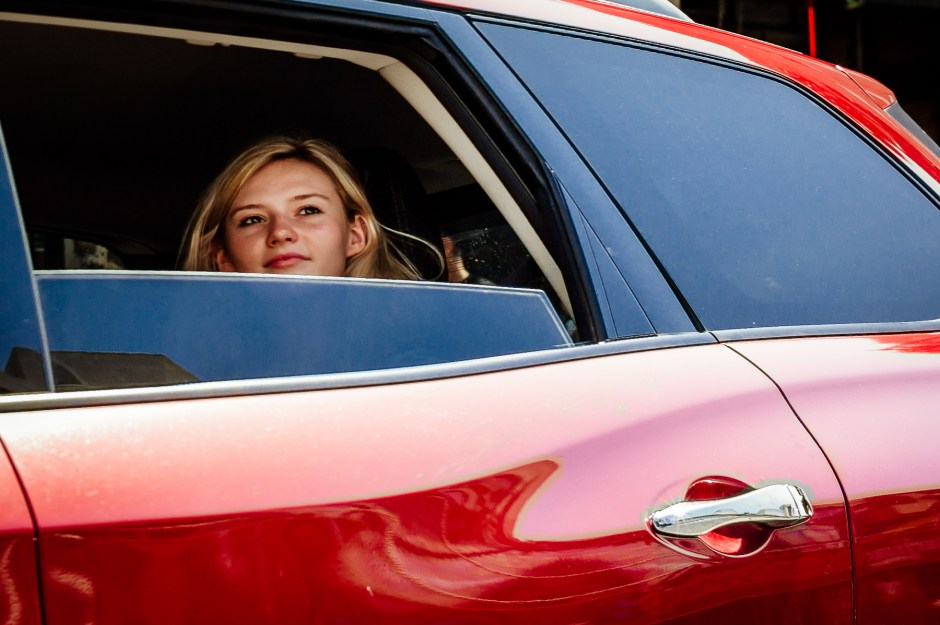
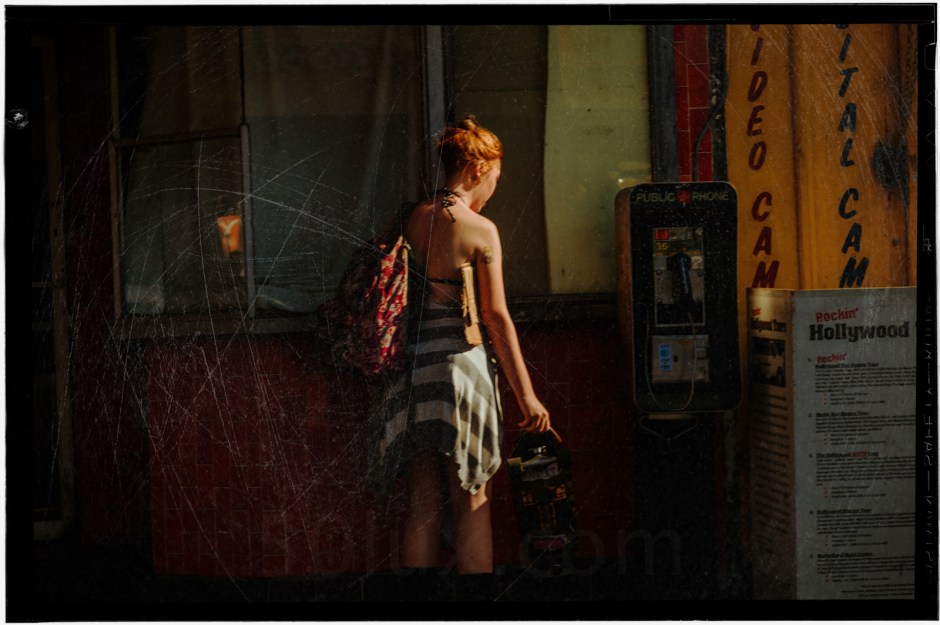
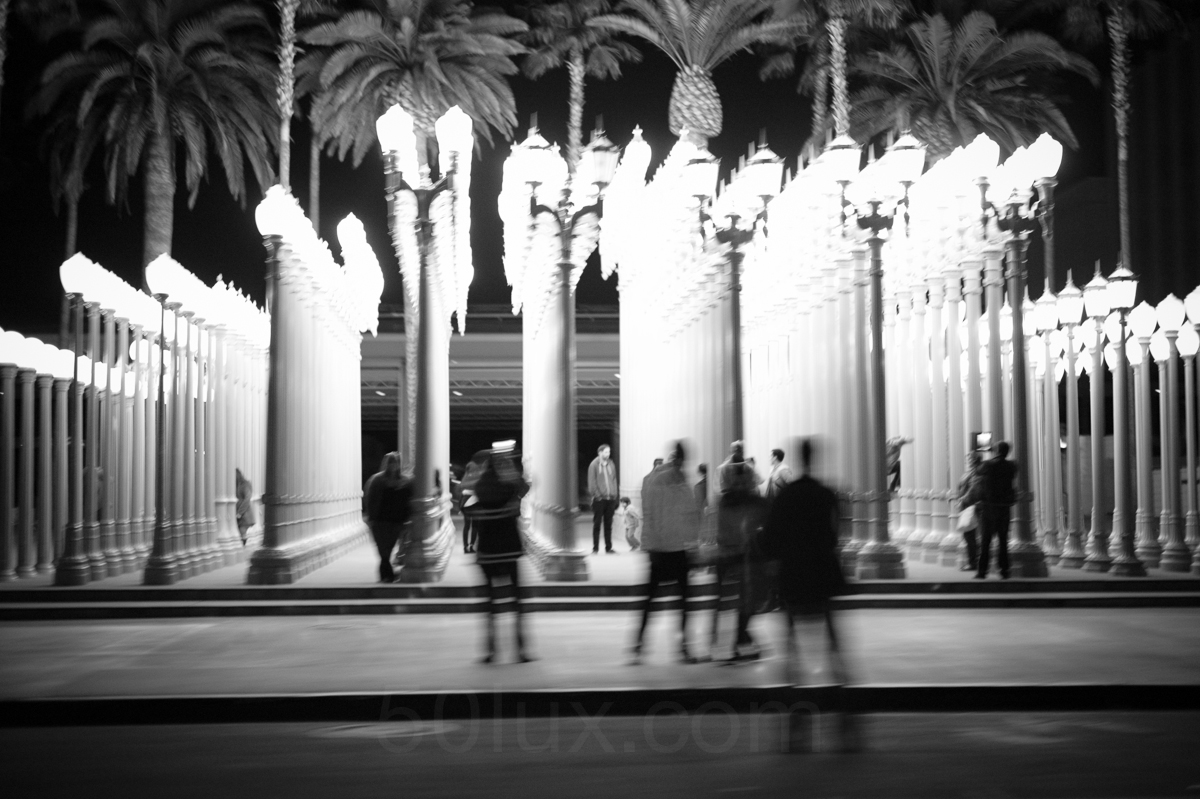
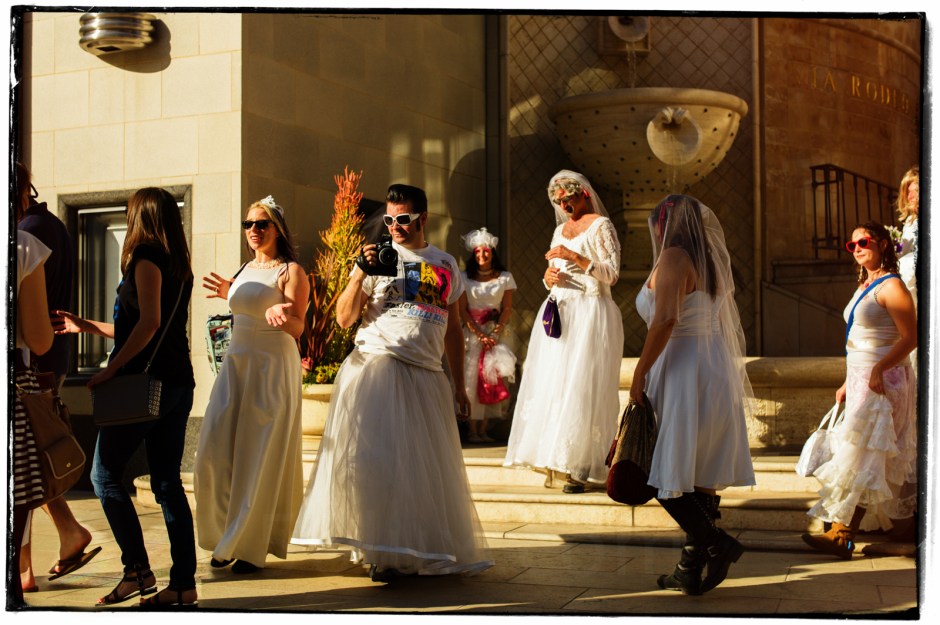
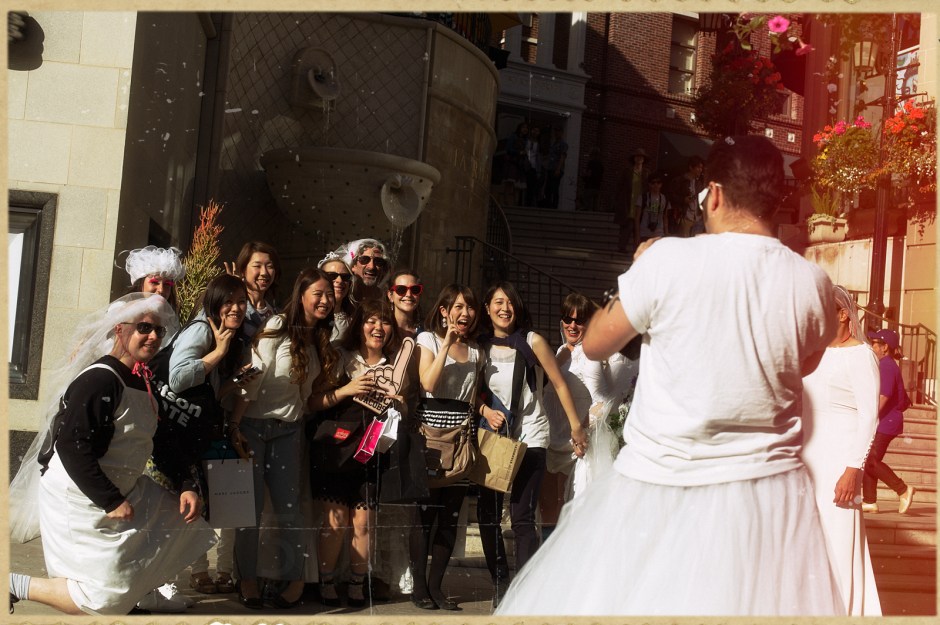
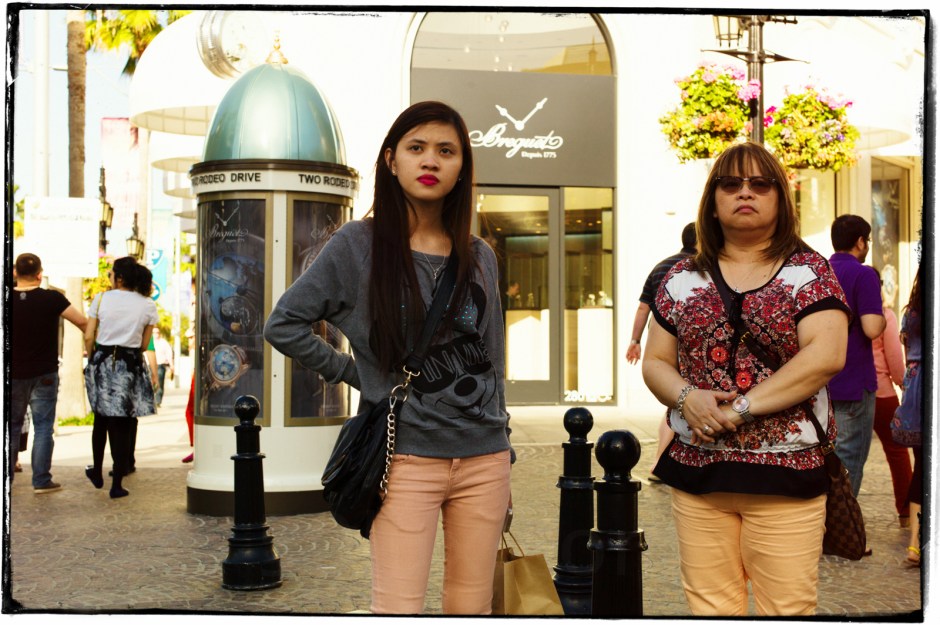
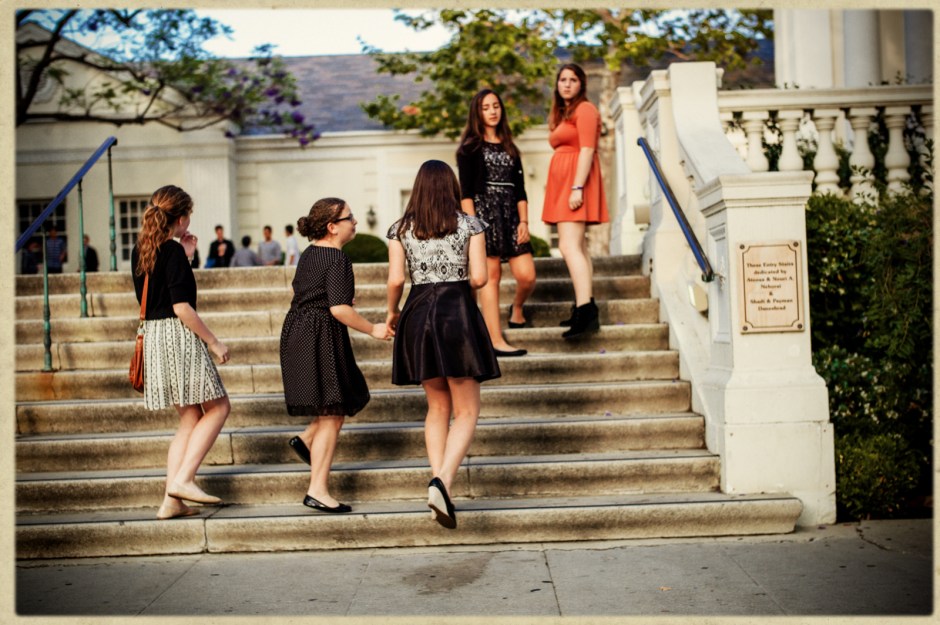
At any moment, it will always still be the 1920s in Hollywood. The light will never change. There’s nothing like the light in California. Throw on the right costume on the right bodice and hit the DNG with the right vintage black and white filter and anyone can be Mary Pickford. If only for a moment. The girl with the tattoo? That’s another story entirely.
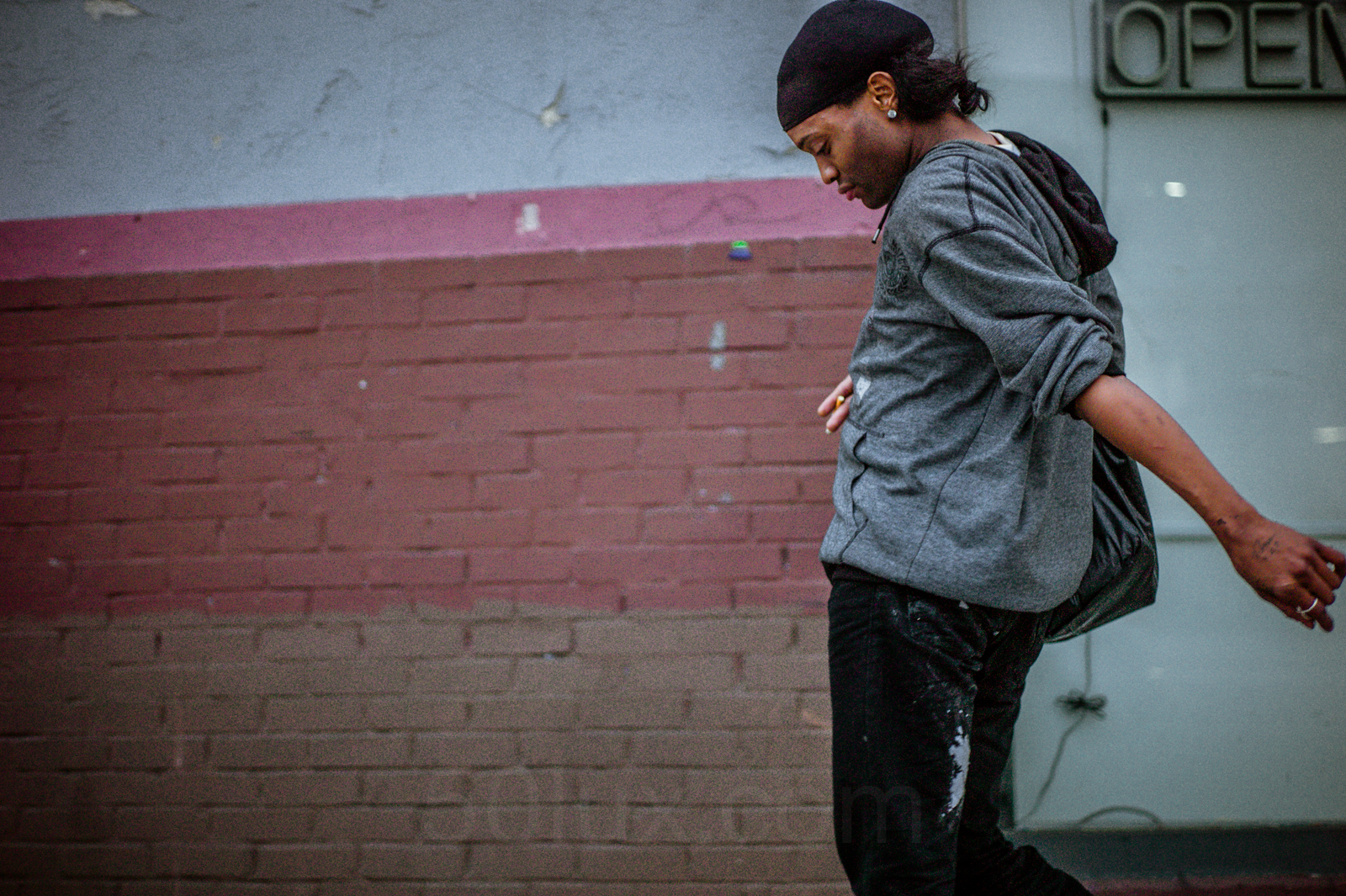


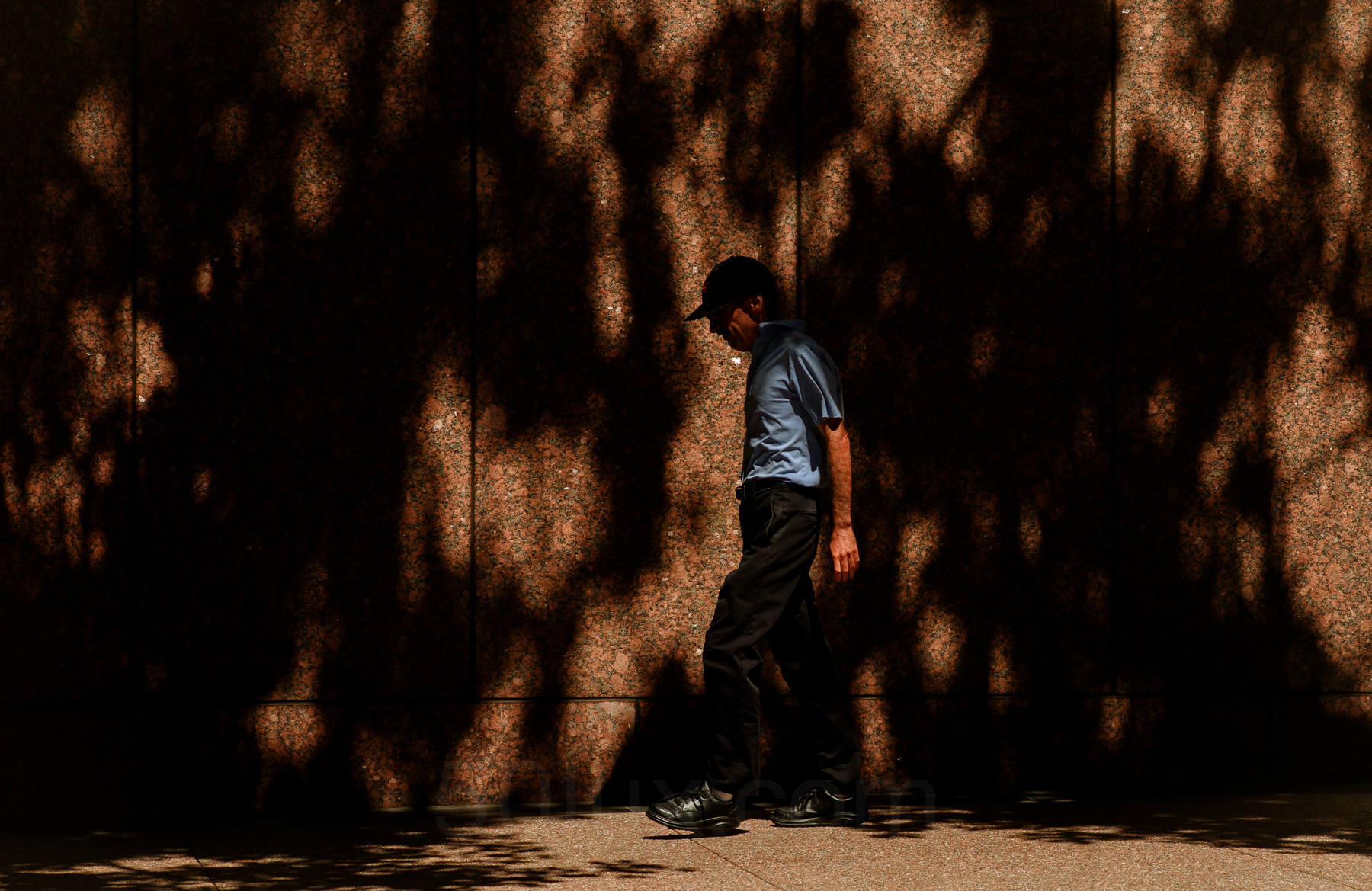
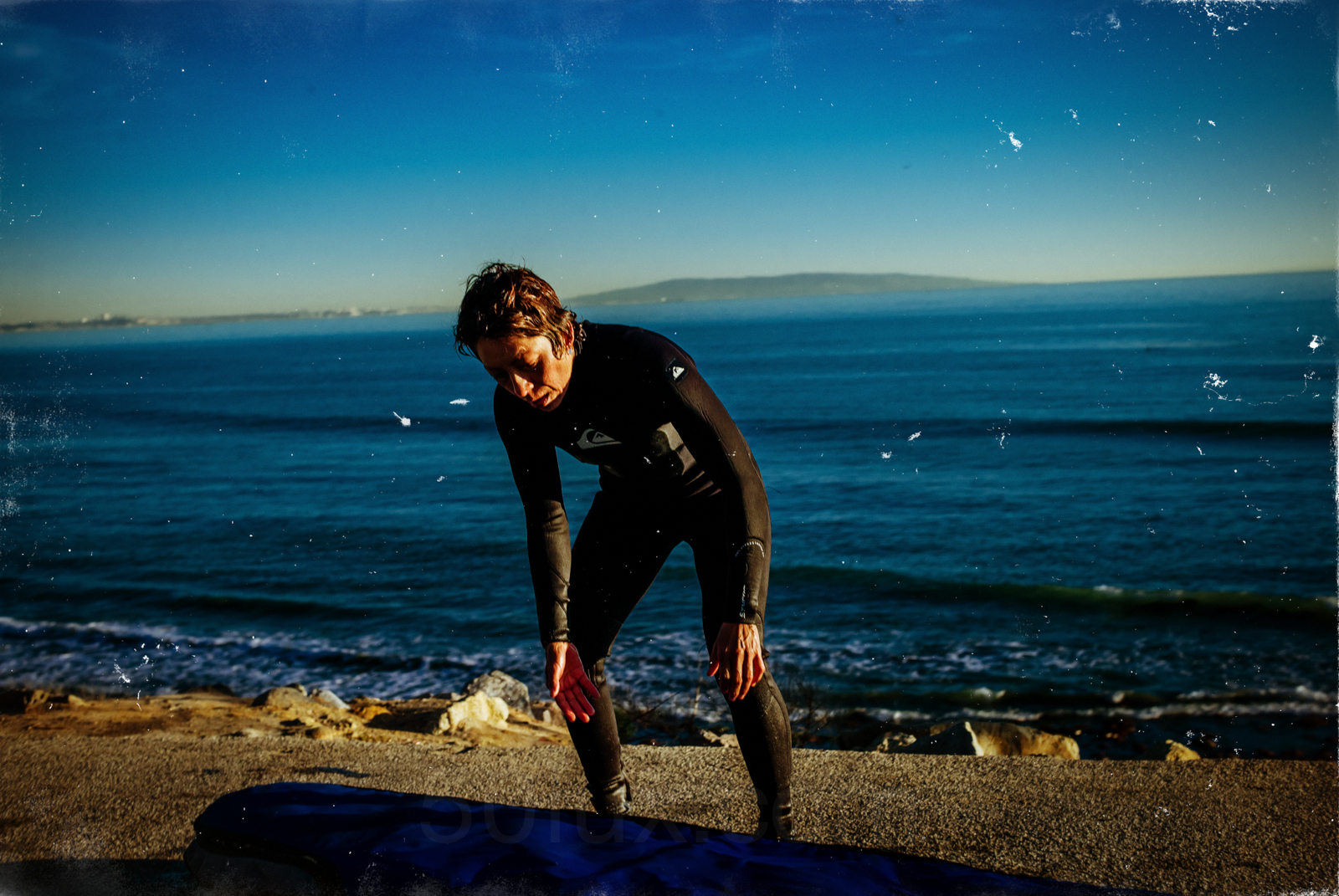
I shot an M7 with tons of drug store film for two years, scanned the negatives with a Plustek scanner. I think that impacts or influences my choices in post processing. Images like this look a lot like some of my film scans in similar light. Colors are maybe a little punchier. They don’t, at all, look like or remotely even remind me of the color results I got from my M9.
You’d have to ask the manufacturer of the camera as to why that might be. 😉
There seems to be so much mystery surrounding this subject in terms of clear and exact information from Leica. But that’s okay. I don’t care. For the most part, I remain very happy with the color results I get from my M-E. Every once in a while I seem to run up against a dead end where I can’t seem to shake the weird color casts, but that’s actually rather a rare occurrence. Happy times!



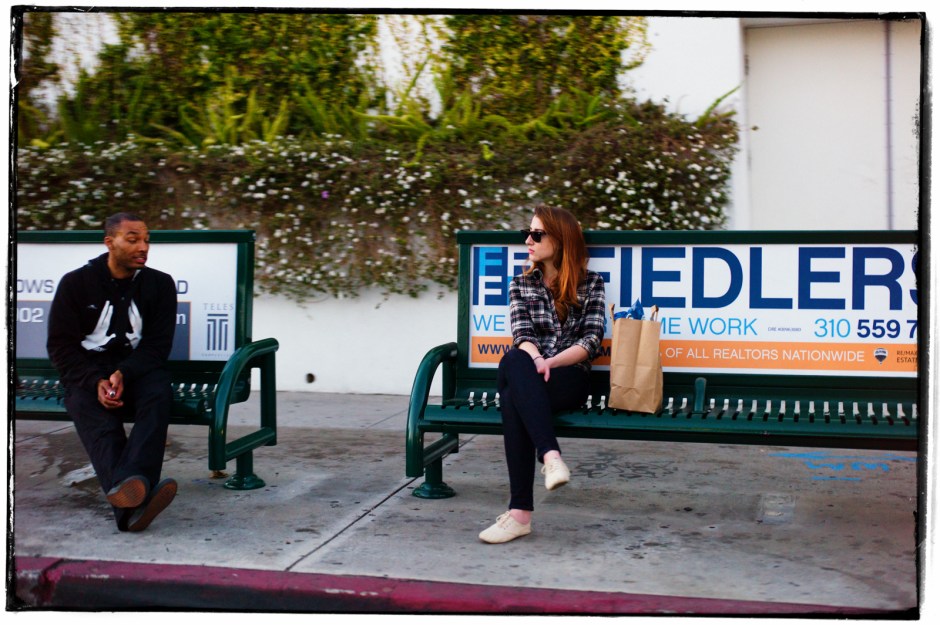
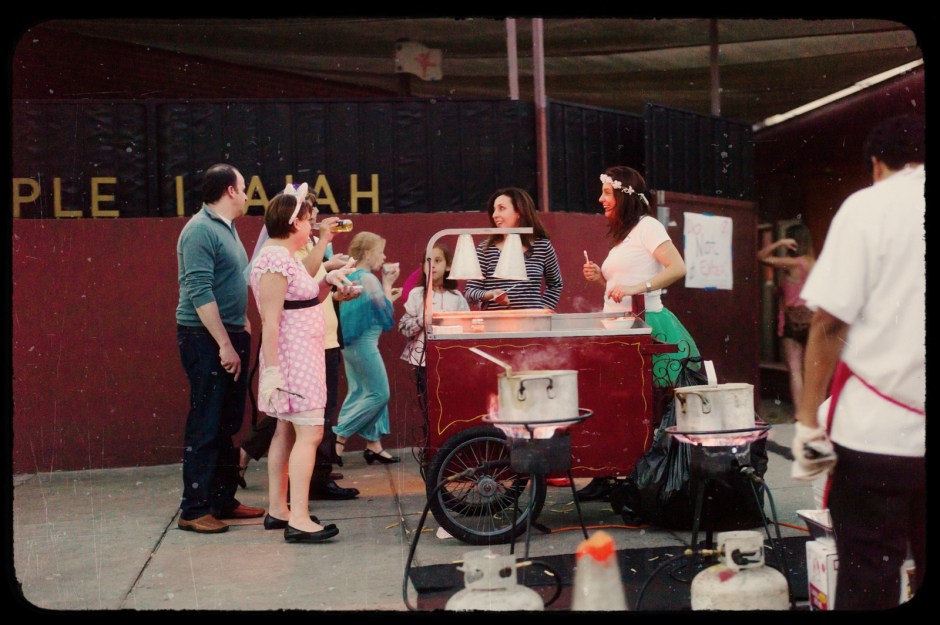
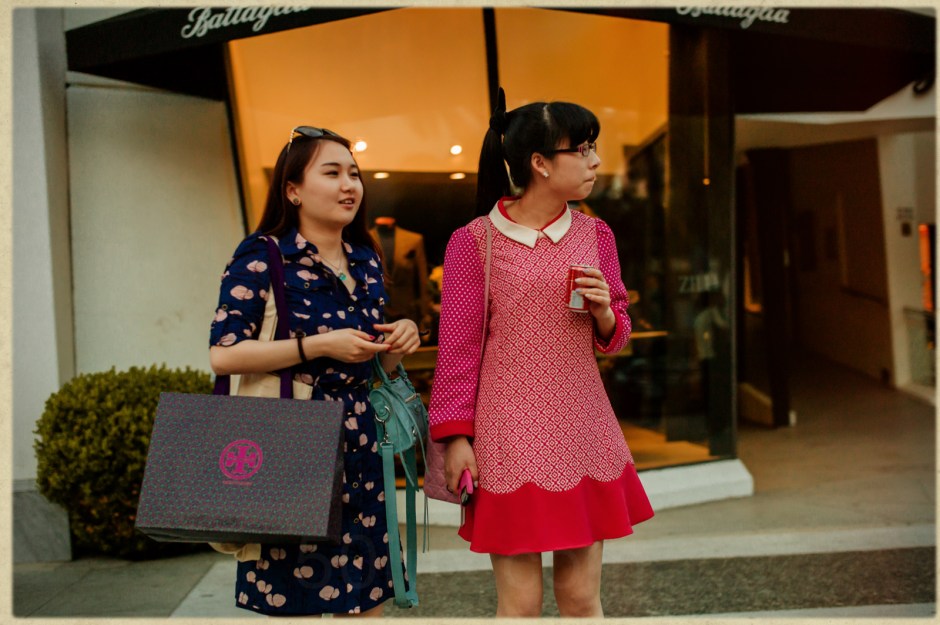


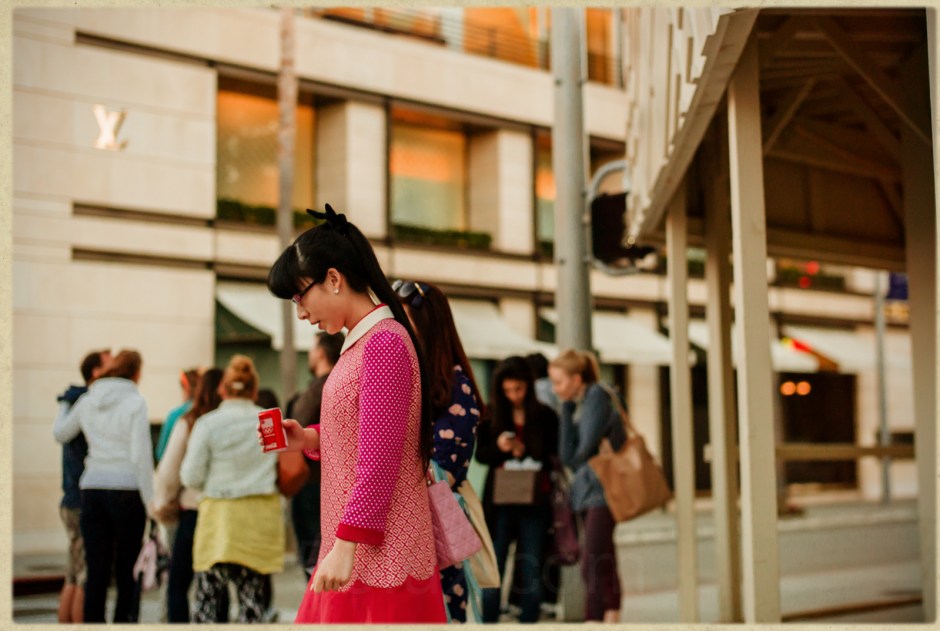
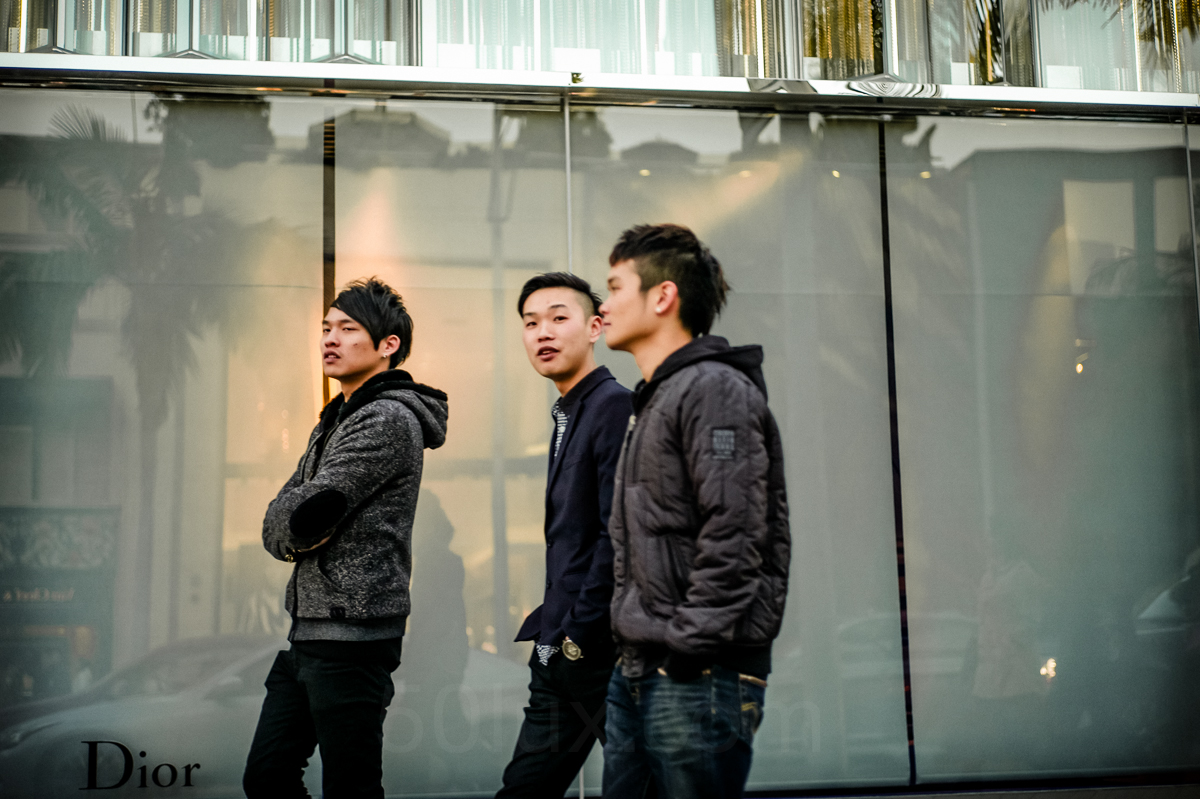
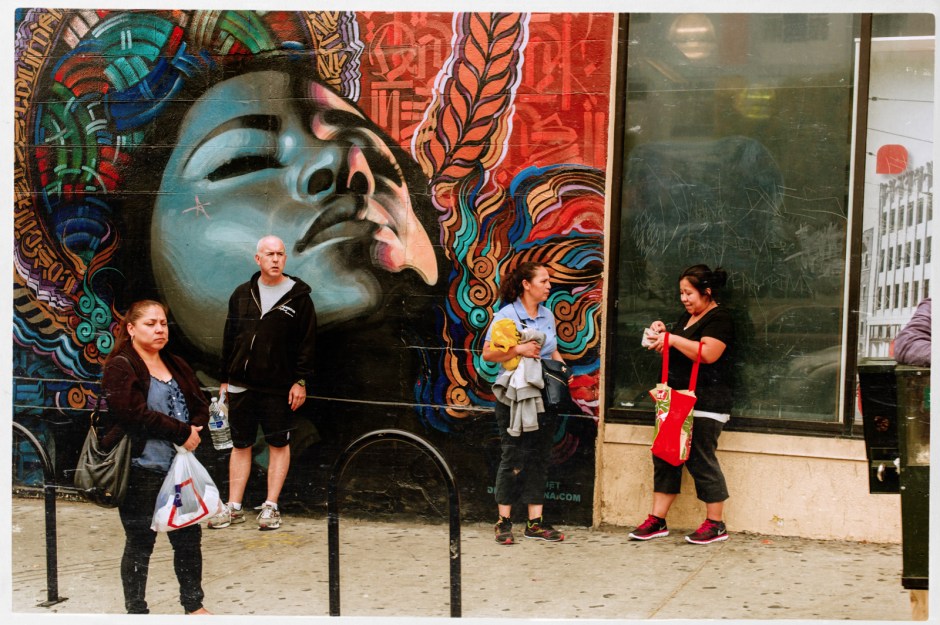
Suggested Captions:
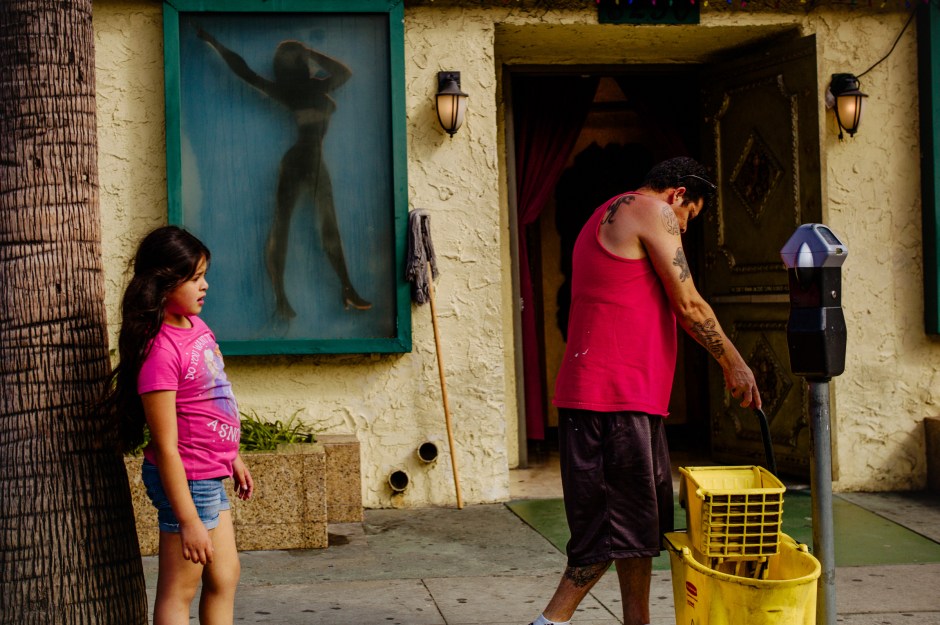
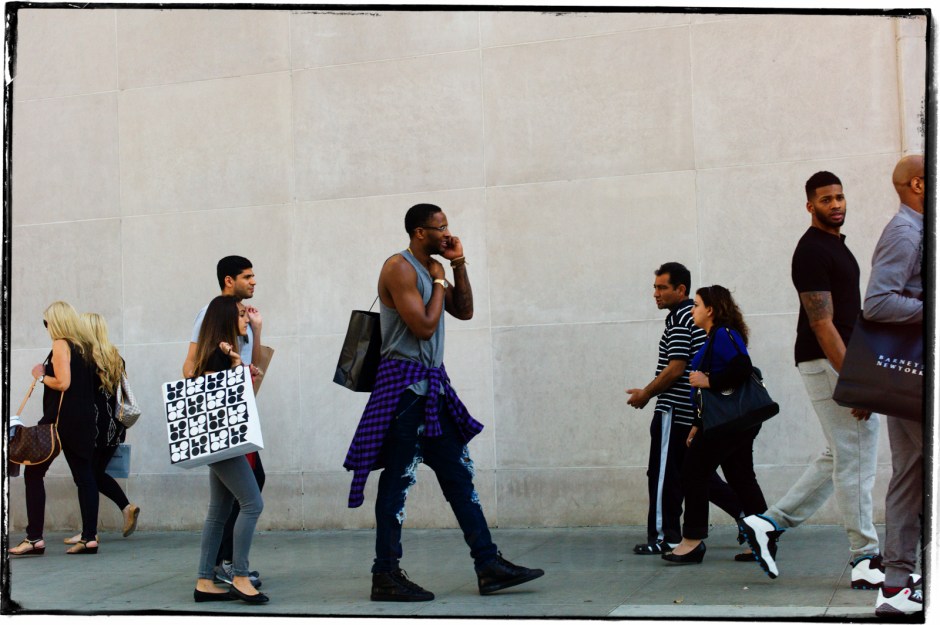
3. Please keep it down, ladies. People are trying to shop.
4. Is that P-Diddy?
5. I’m going to need a bigger Coke.

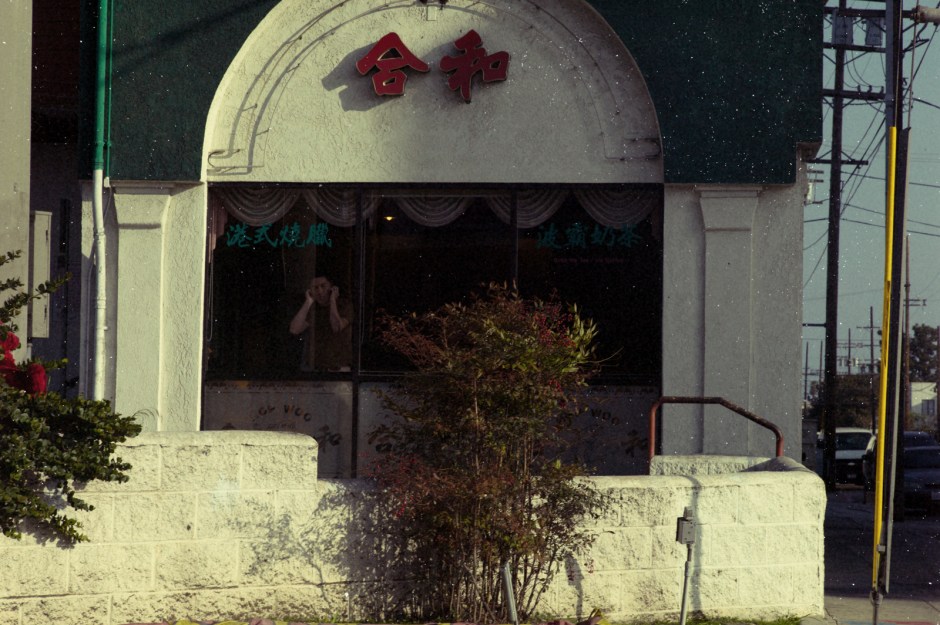

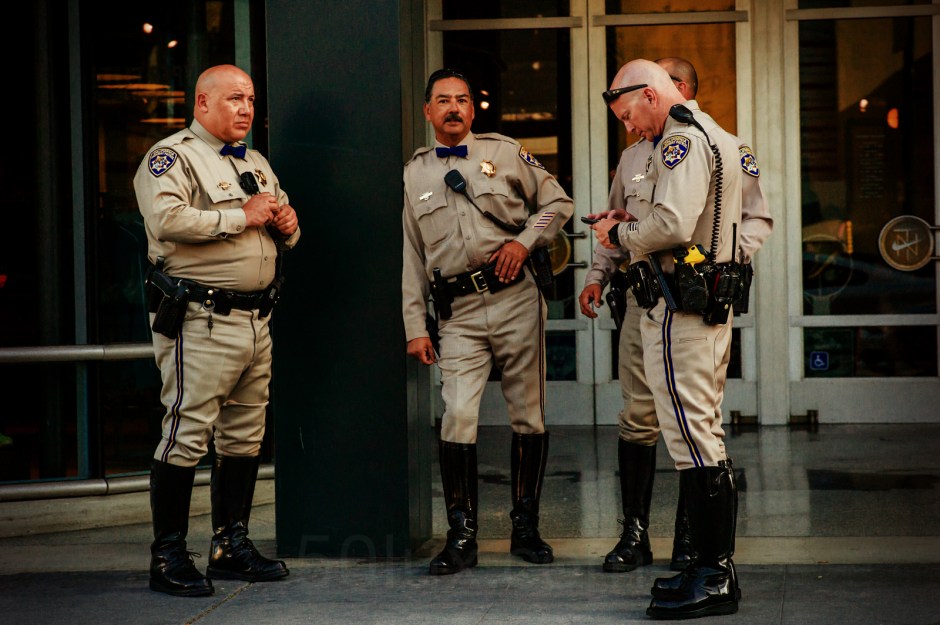
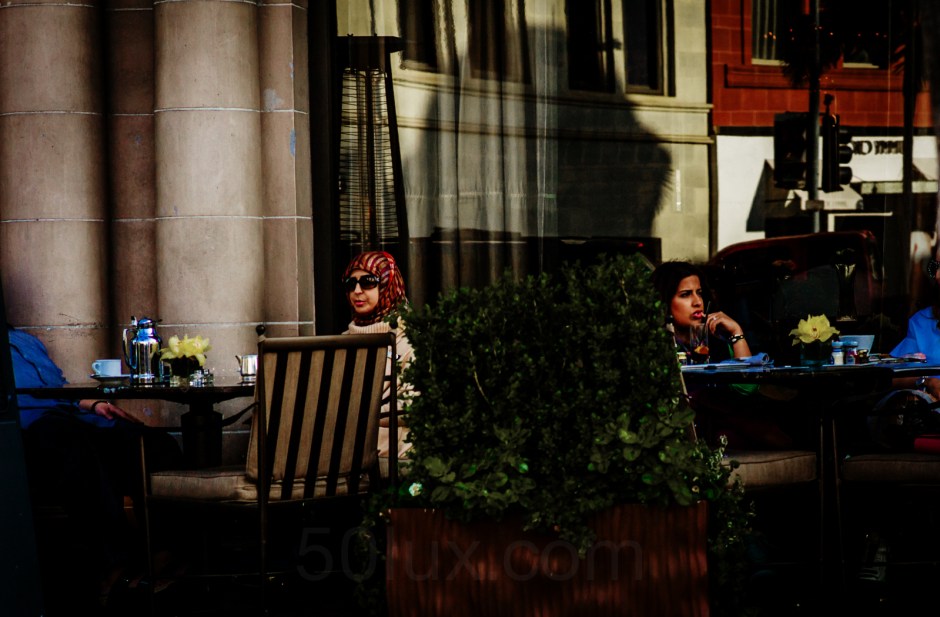


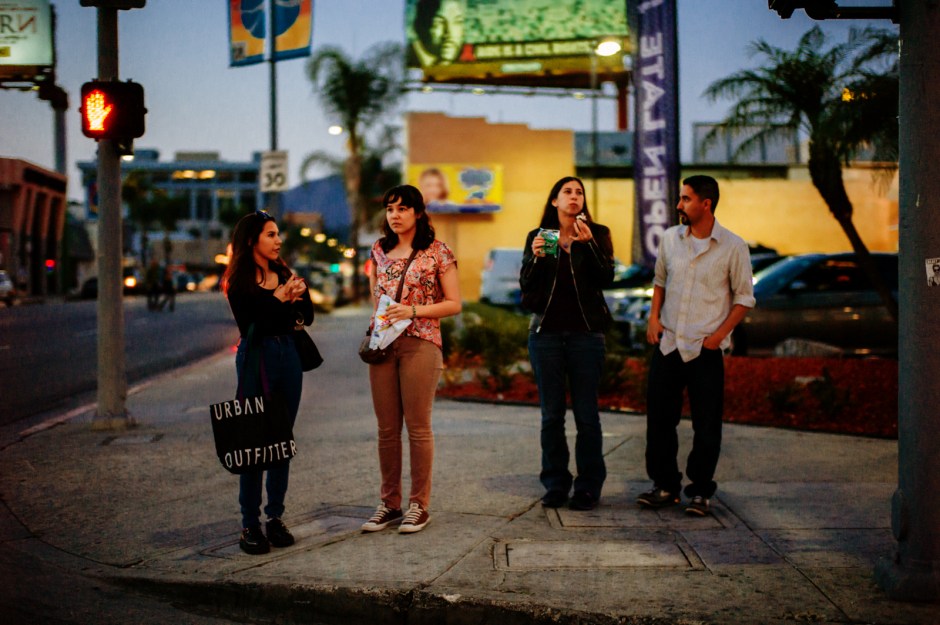

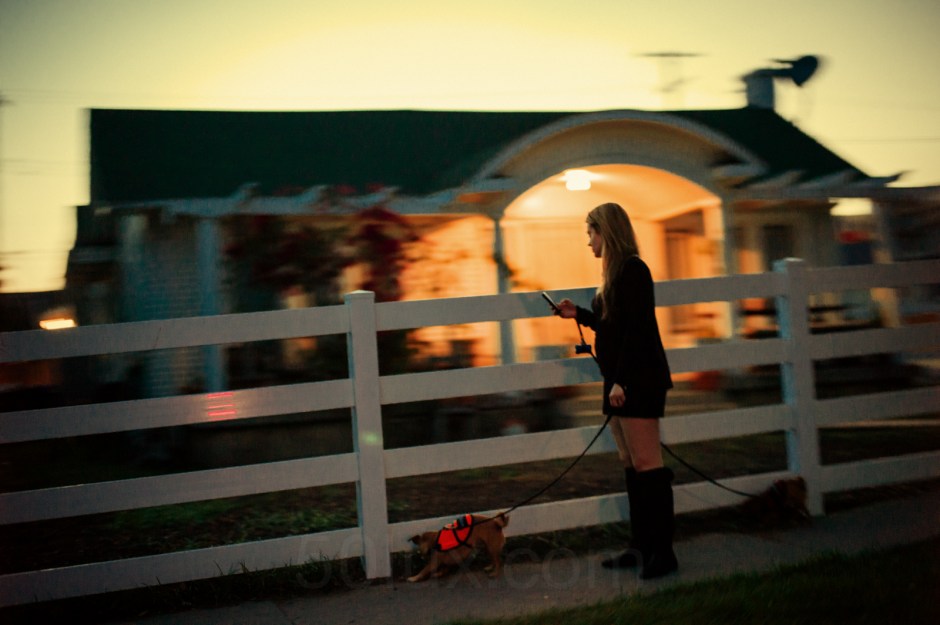

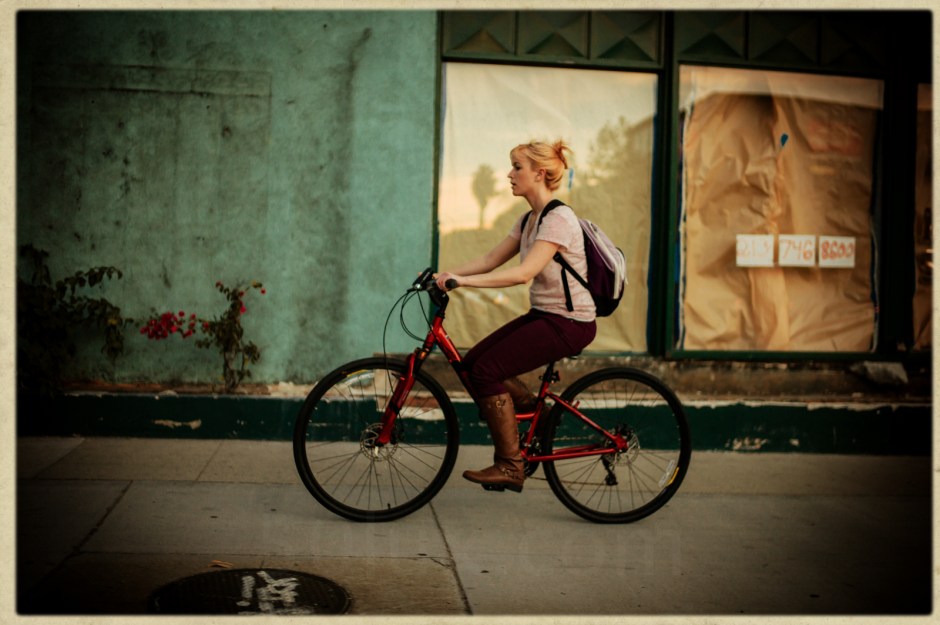
For me a breakthrough image taken and posted here early in 2013. One of the first images where I was able to come up with the approach to color that suits me and this type of shot in this light… but also one of the first shots from my Leica Elmarit 90mm f2.8, which is a gem of a lens in terms of color and overall look. Anyway, thanks for looking!

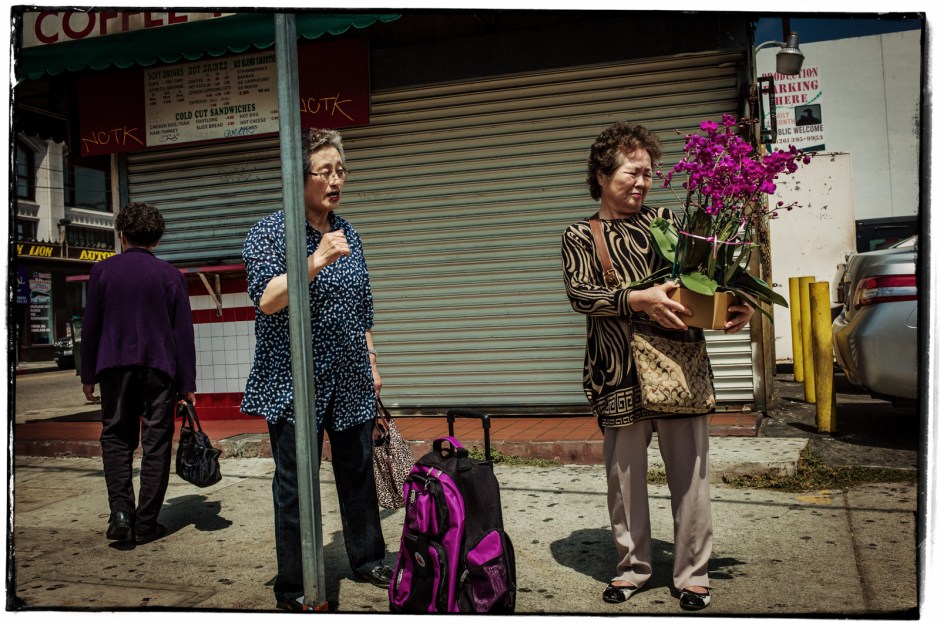


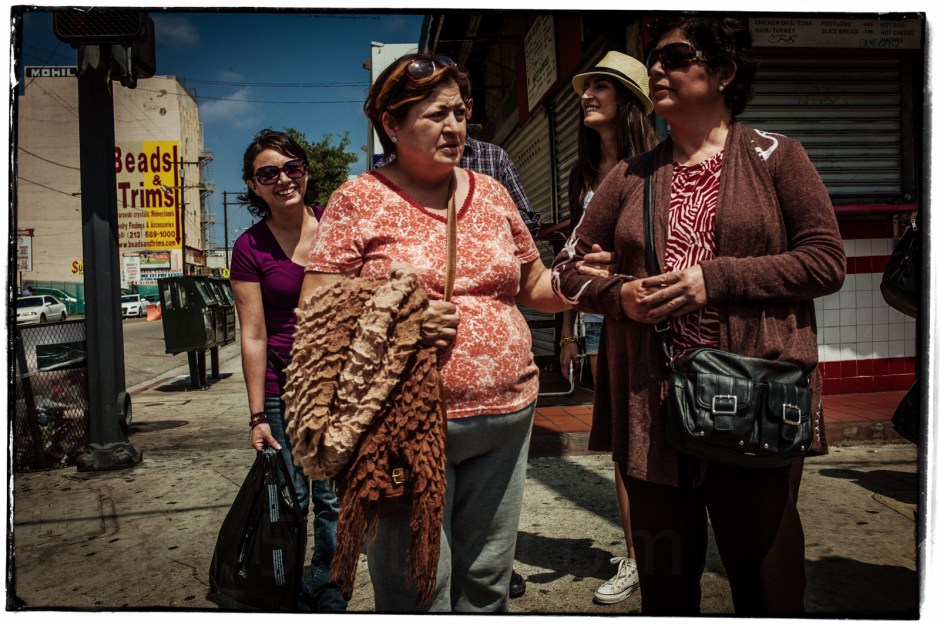


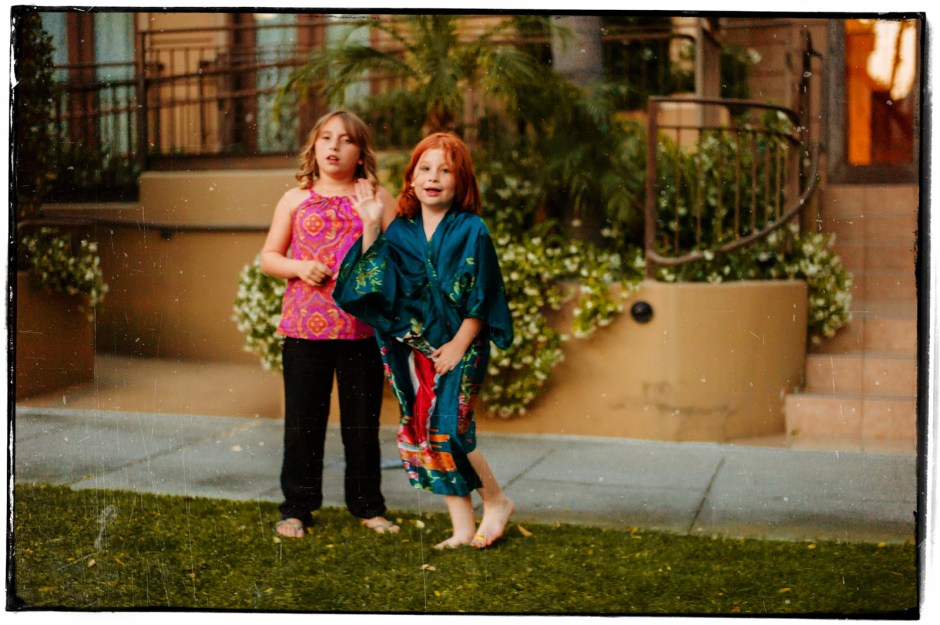





Click on image for larger version.


I’m linking today to an essay on William Eggelston called The Tender-Cruel Camera written by Thomas Weski. Here’s an excerpt.
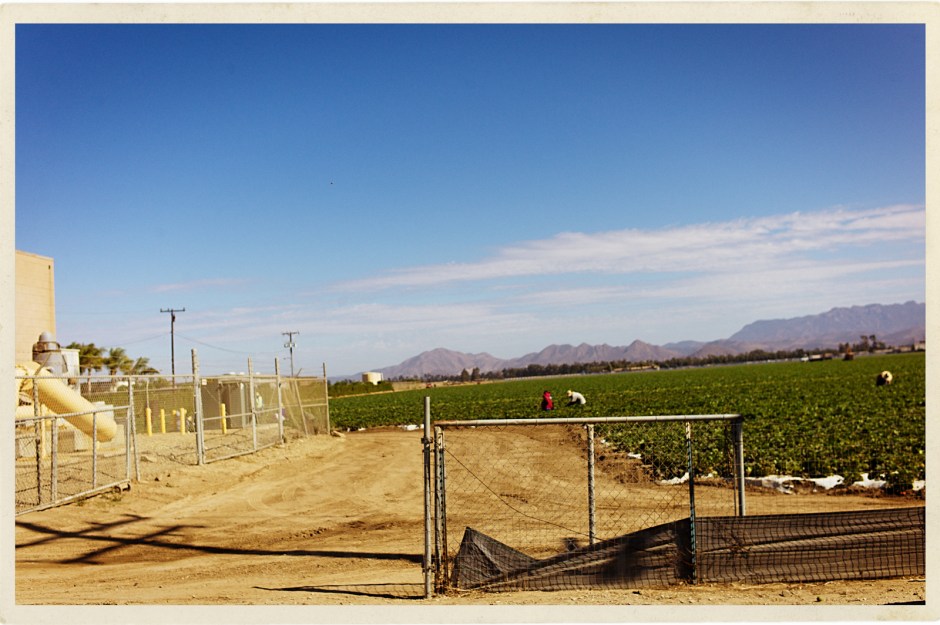
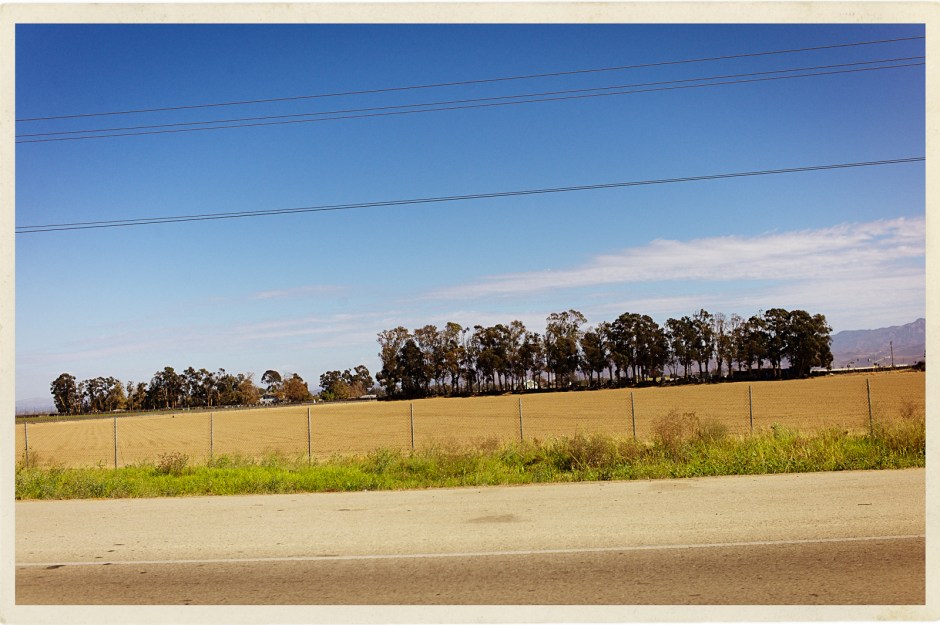
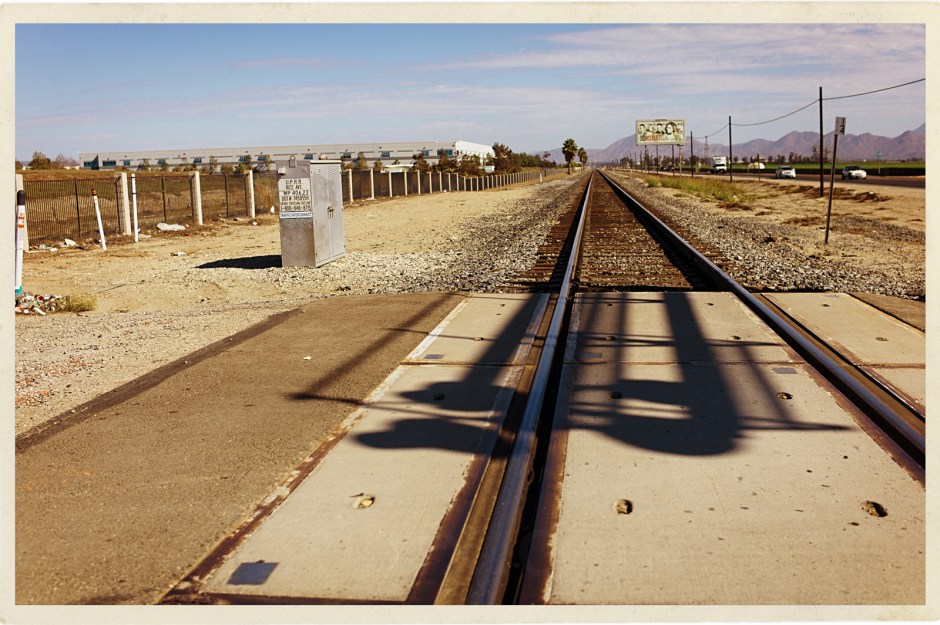
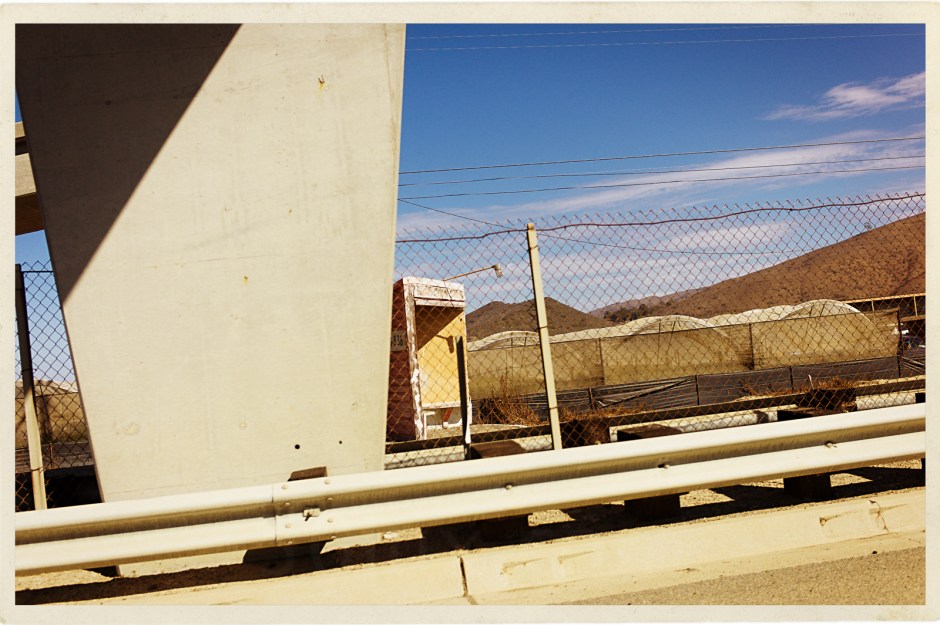
The choice of subject matter seemed to some critics to be totally indiscriminate, as though William Eggleston has applied no criteria at all. ‘Eggleston’s photographs often seem to have been taken not by a photographer but by a motorized camera swinging around the photographer’s head on a string. Whatever happens to be in front of the lens when the shutter was tripped got photographed. Whatever was not, did not.’ But even this negatively meant criticism reveals a further important aspect of Eggleston’s work, namely his democratic approach to the subject matter. Eggleston speaks again and again of the ‘democratic camera’ which considers every object worthy of depiction. Naturally, this seemingly impersonal way of seeing things makes no distinction between ‘beautiful’ and ‘ugly’. In other words, William Eggleston does not operate with the usual visual hierarchies, but rather accepts those motifs which illustrate his concept correctly.



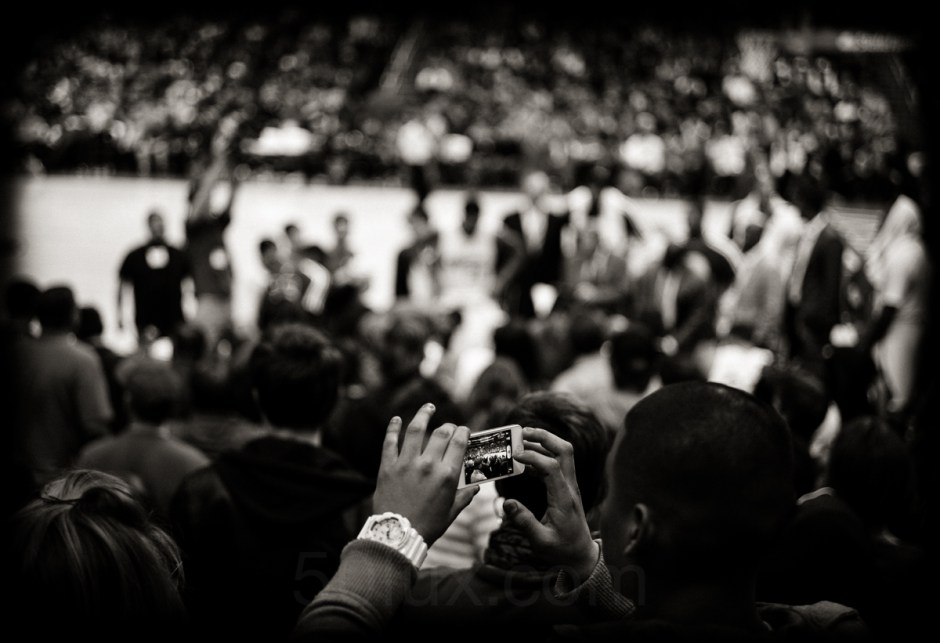
Such a stunning lens. Mine was a Canadian version, late optics but older housing. Great lens and I miss it. Don’t sell stuff!

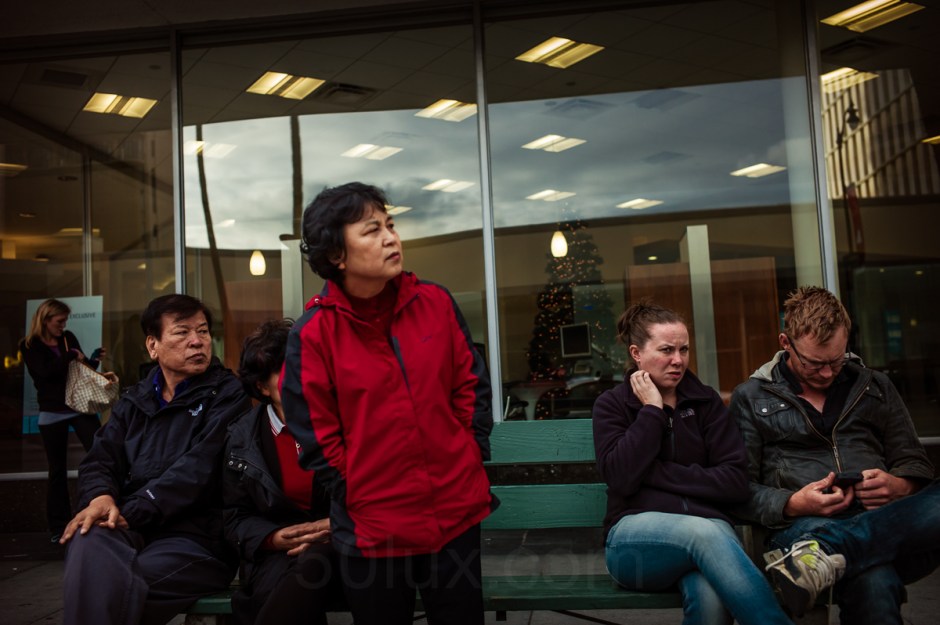


 50'Lux