2024 Begins
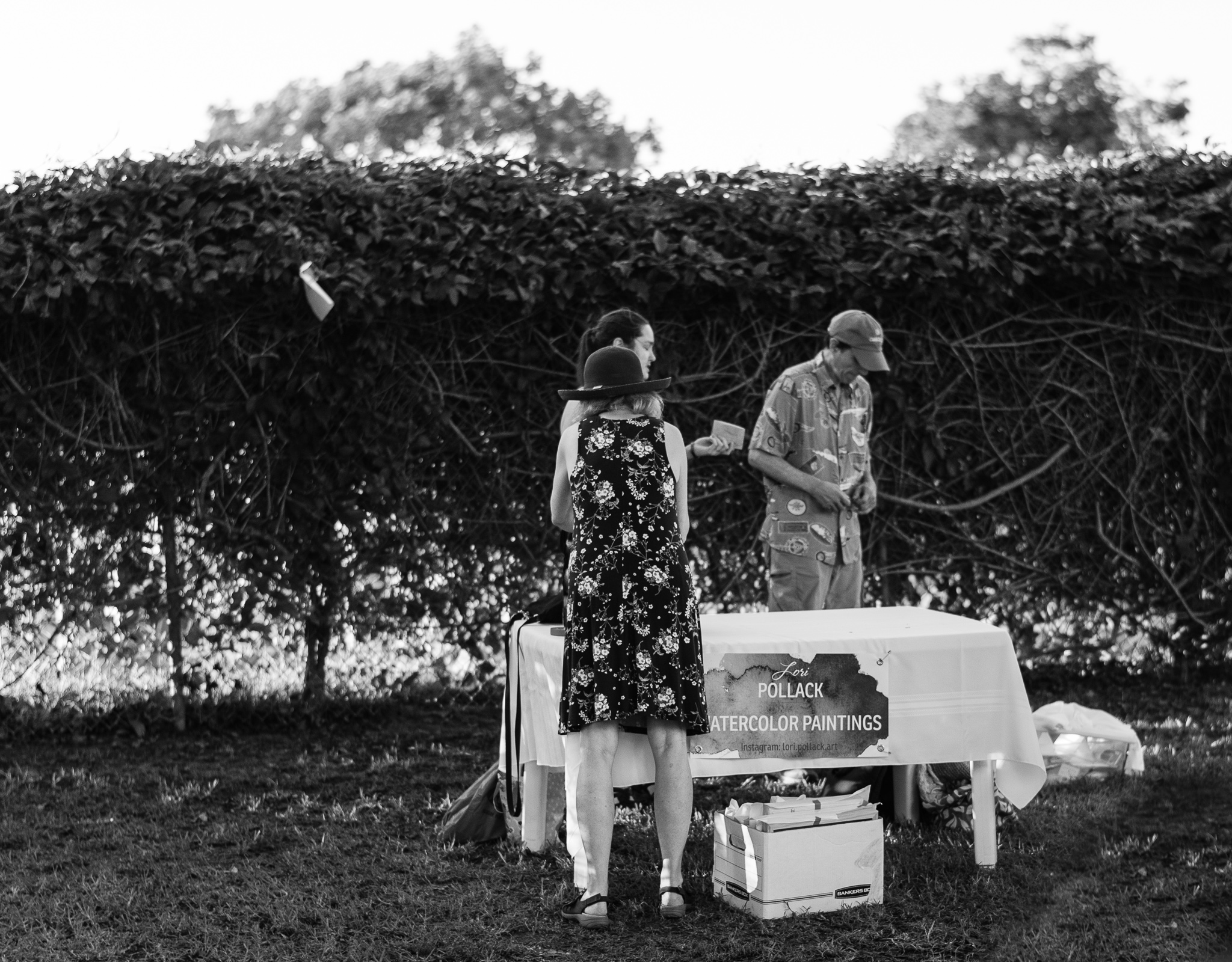
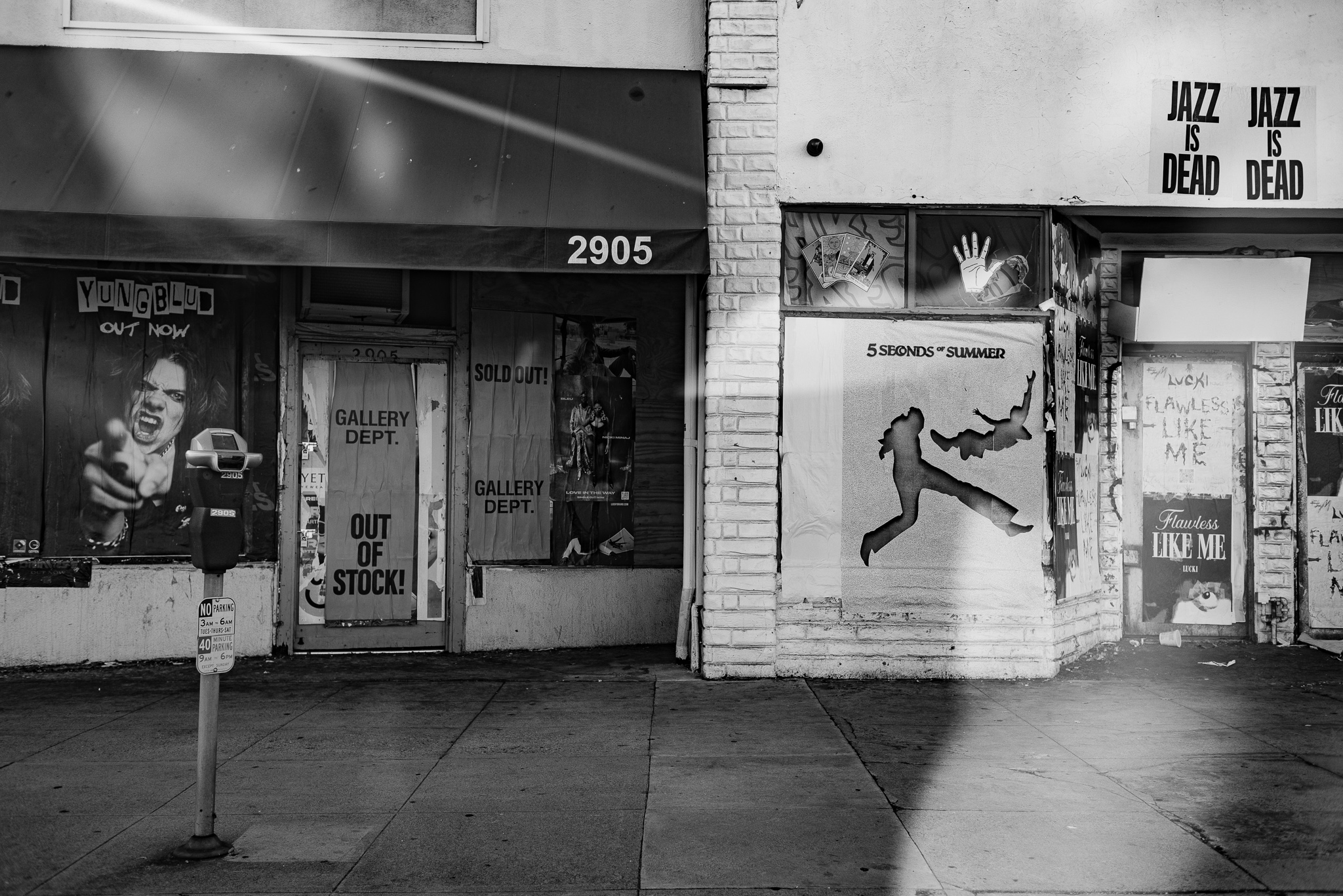
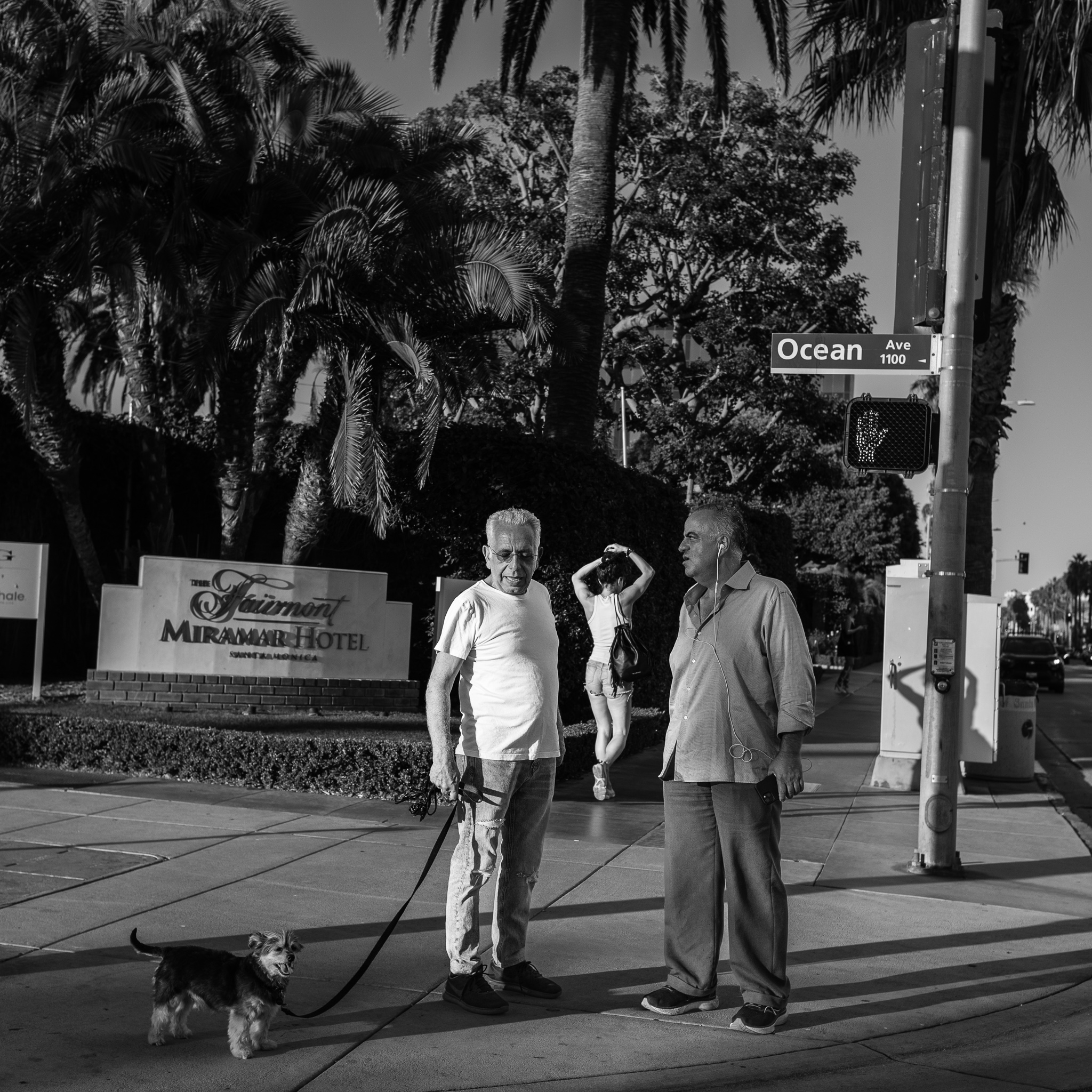
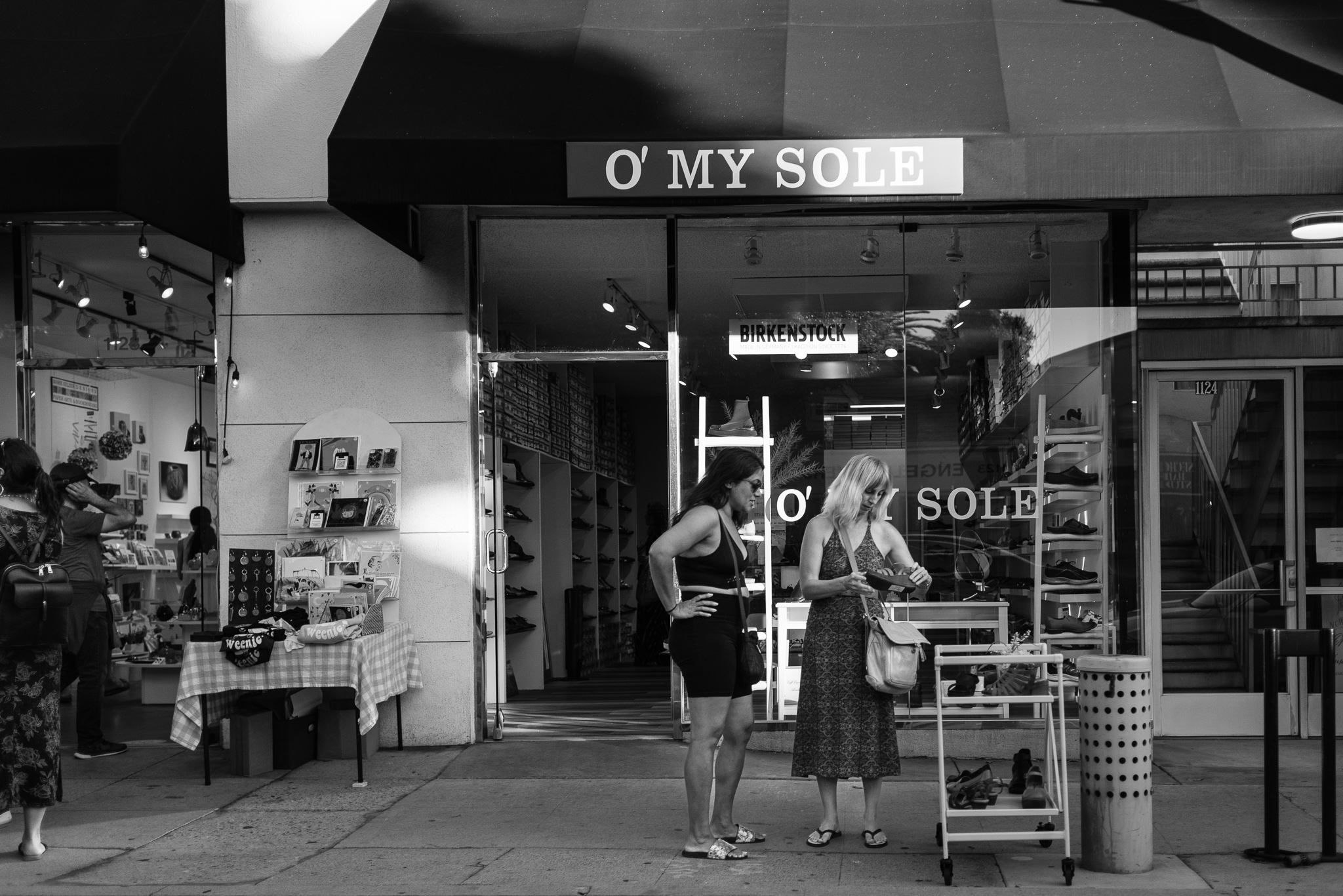
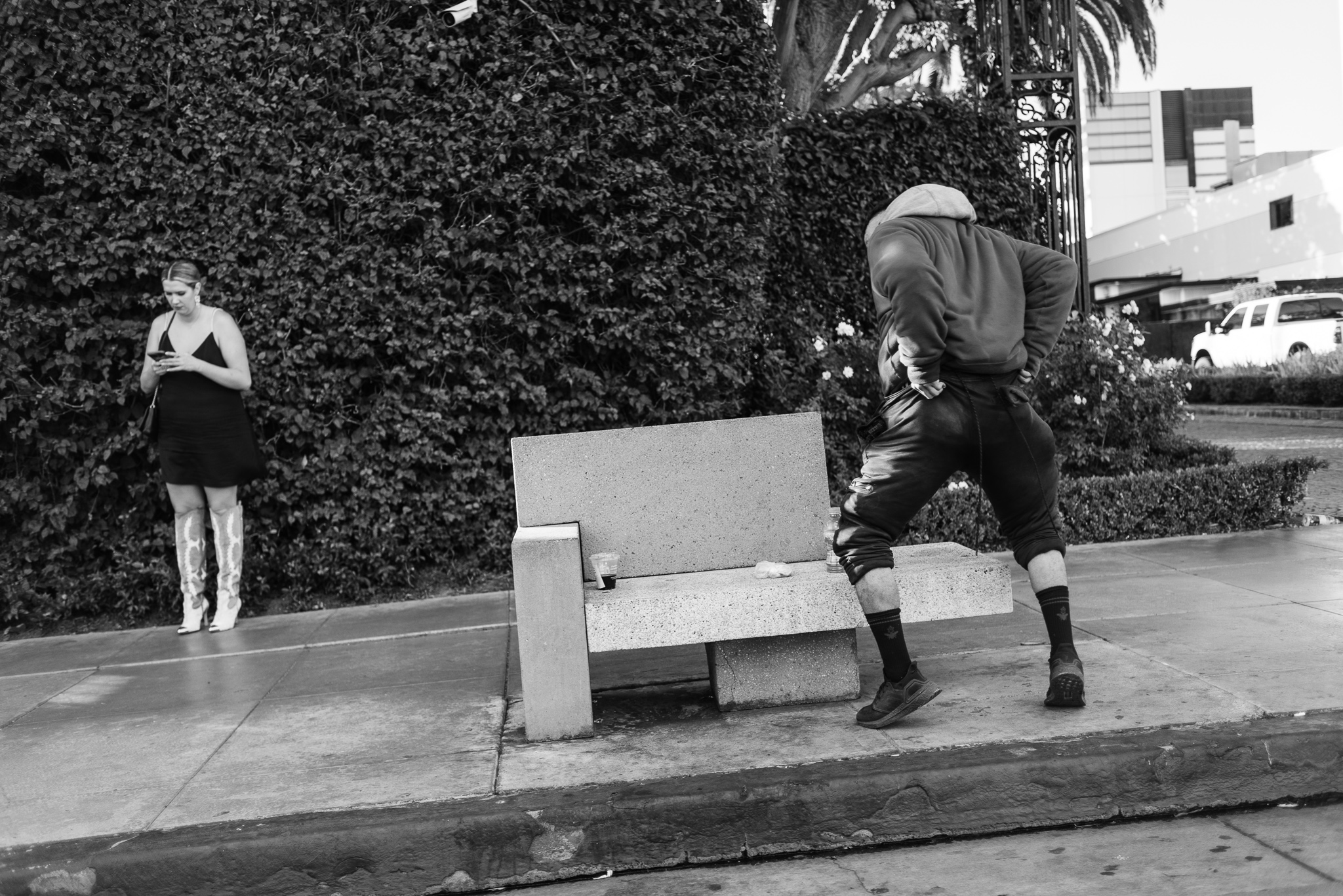
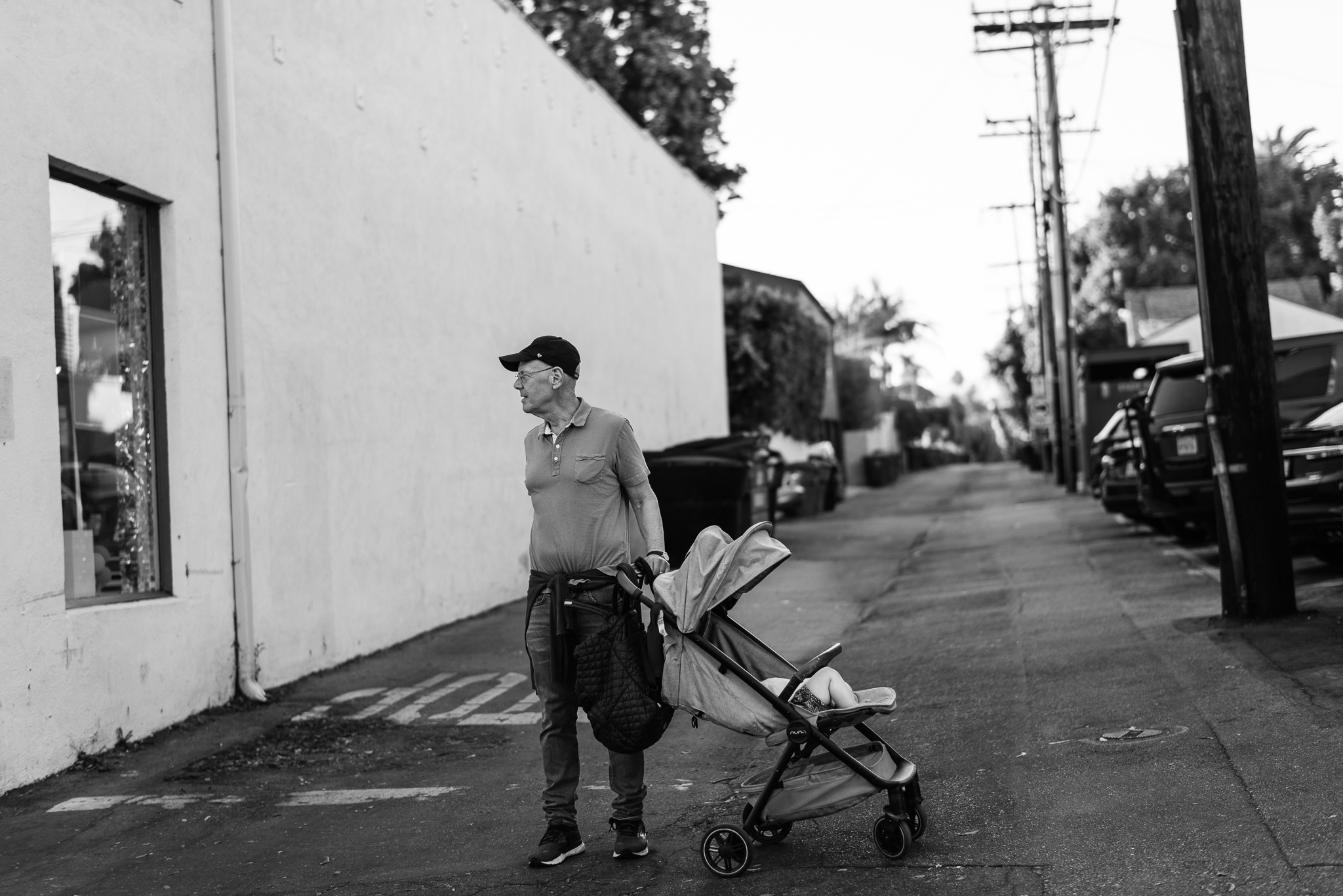
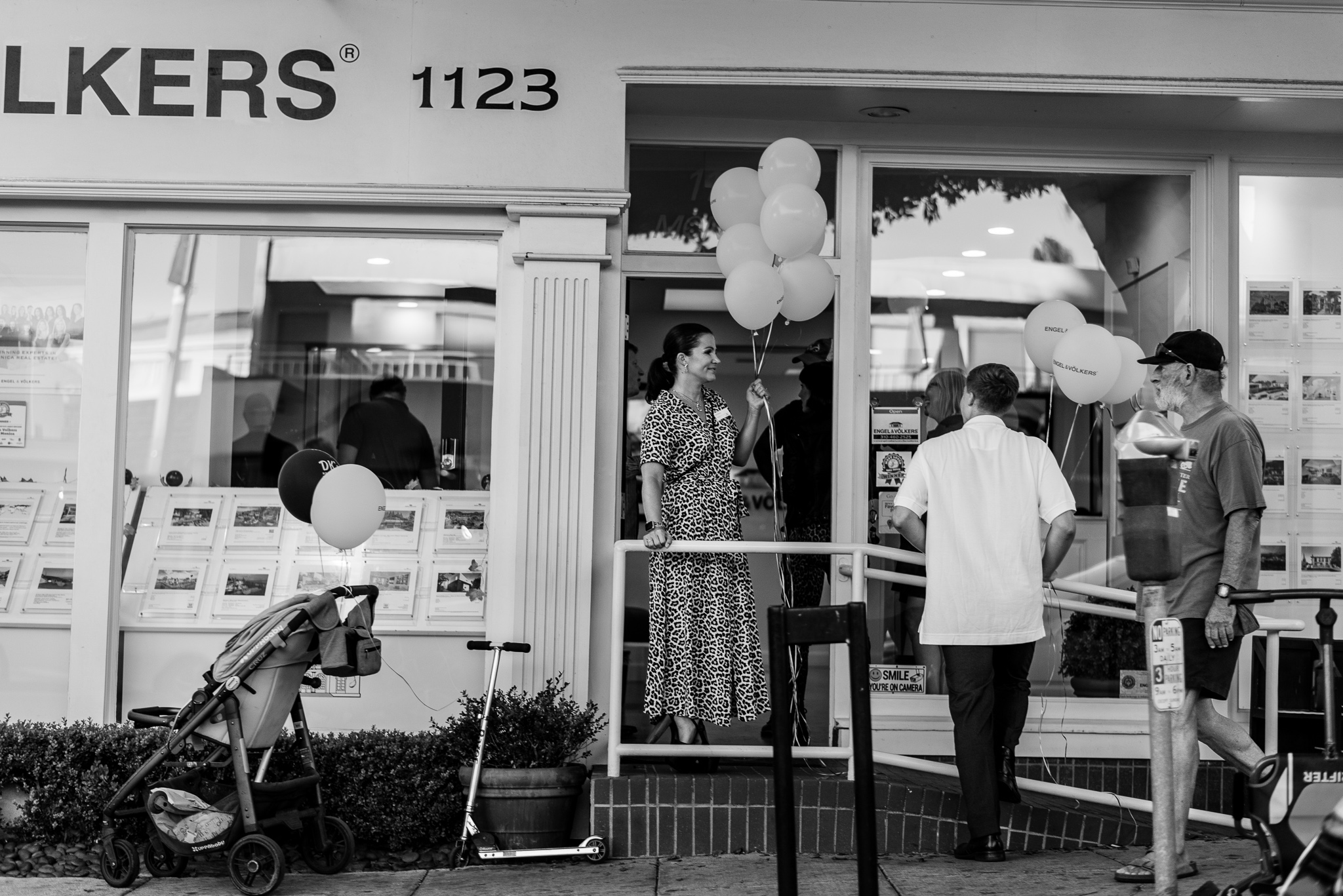
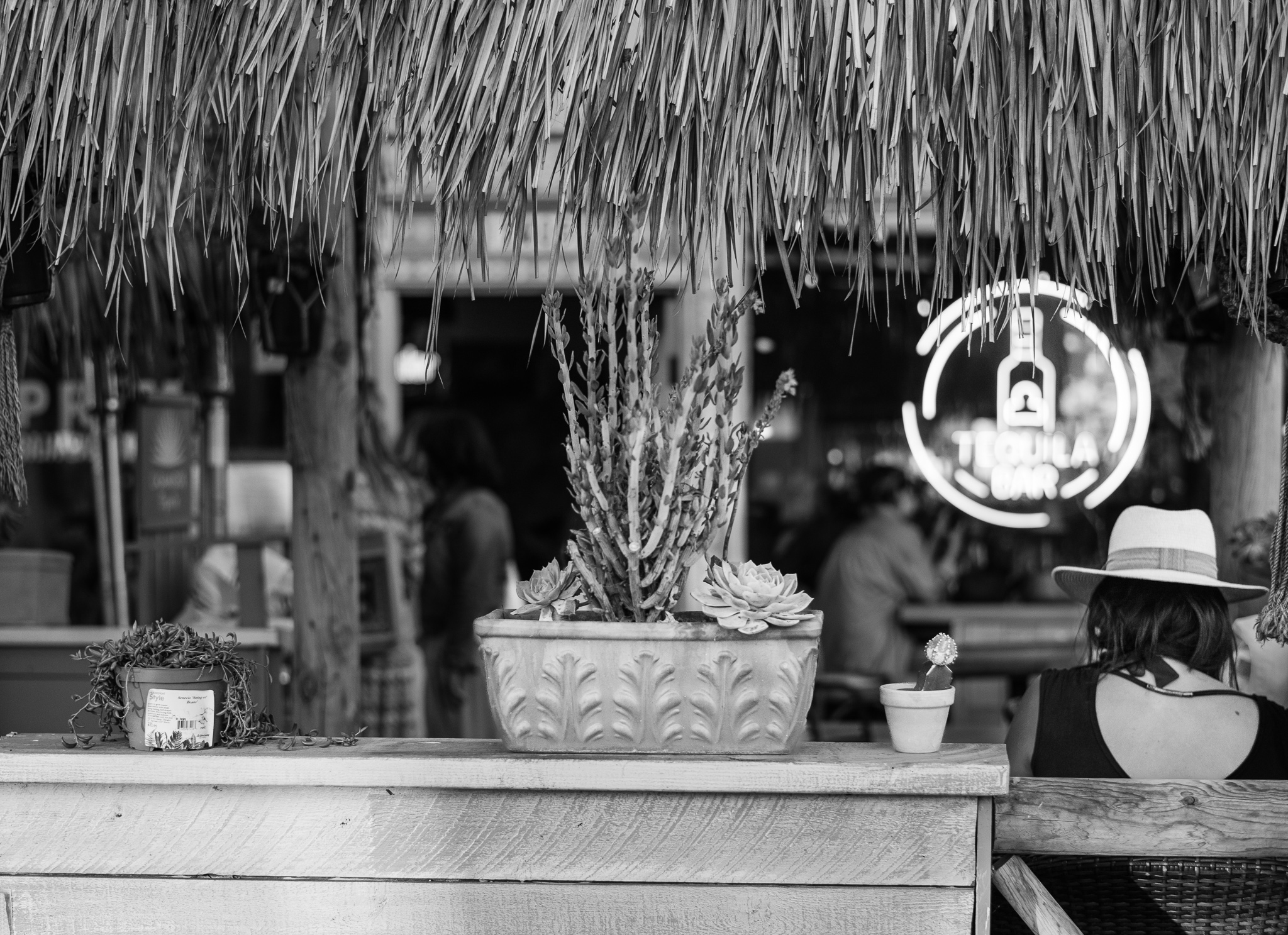
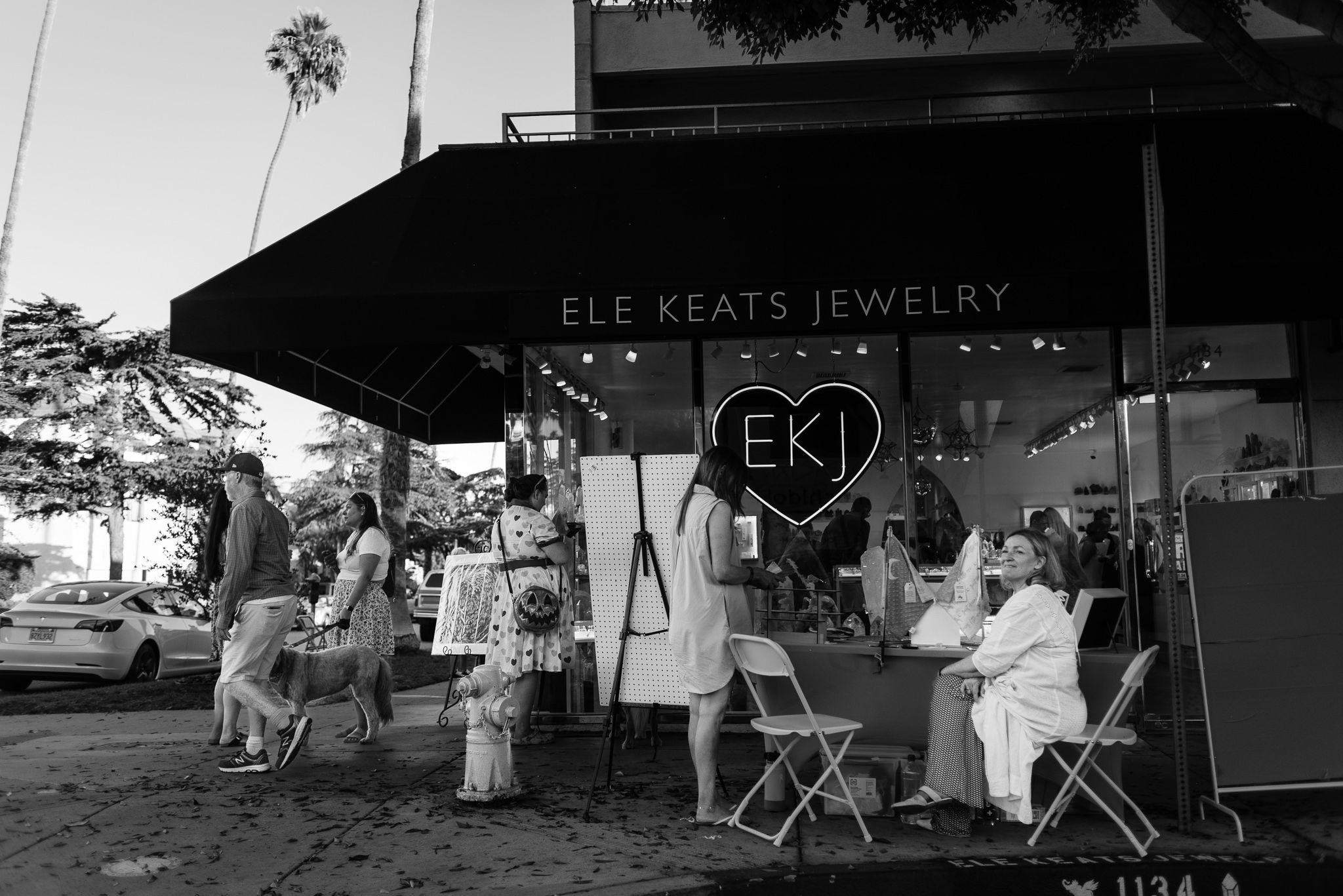
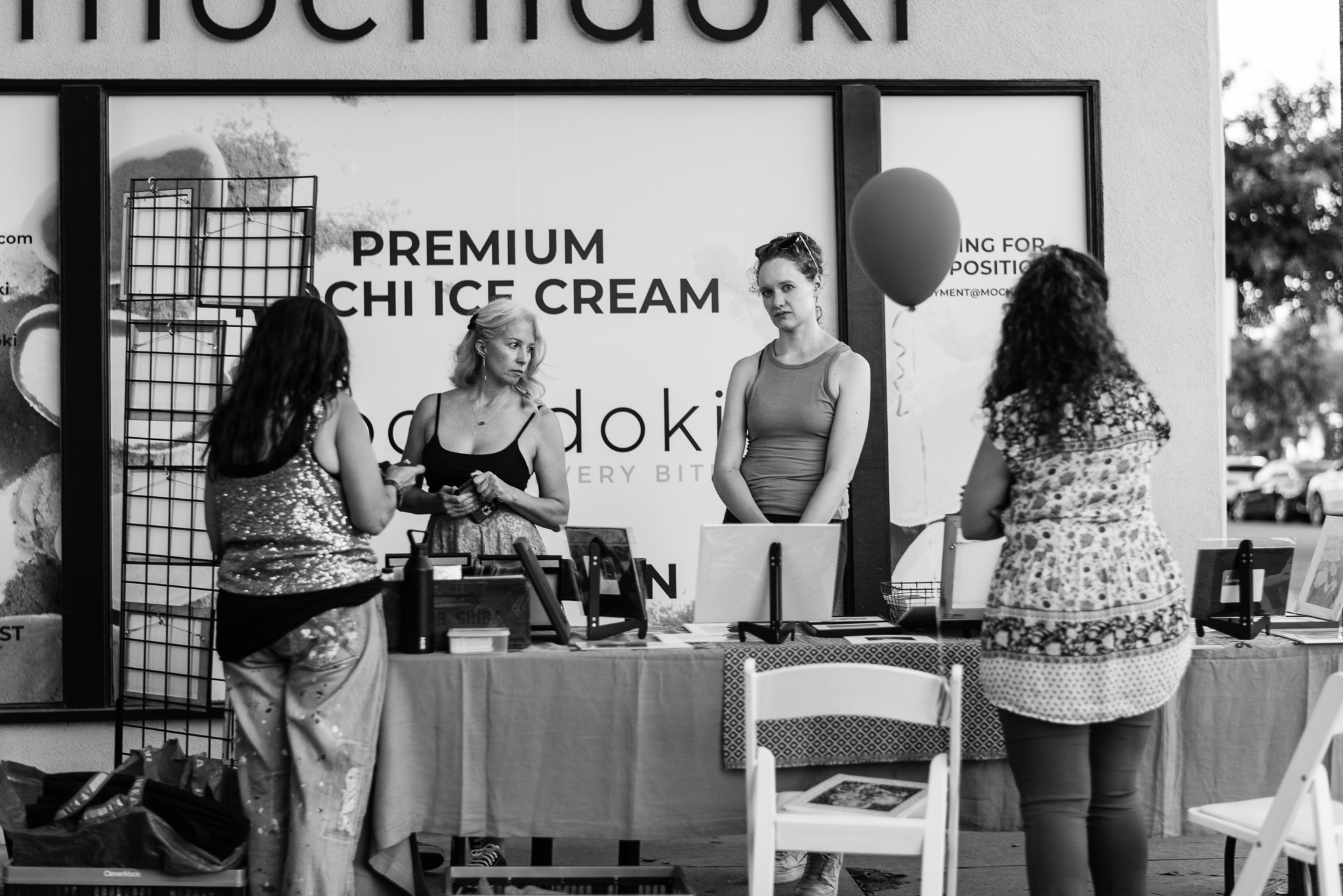
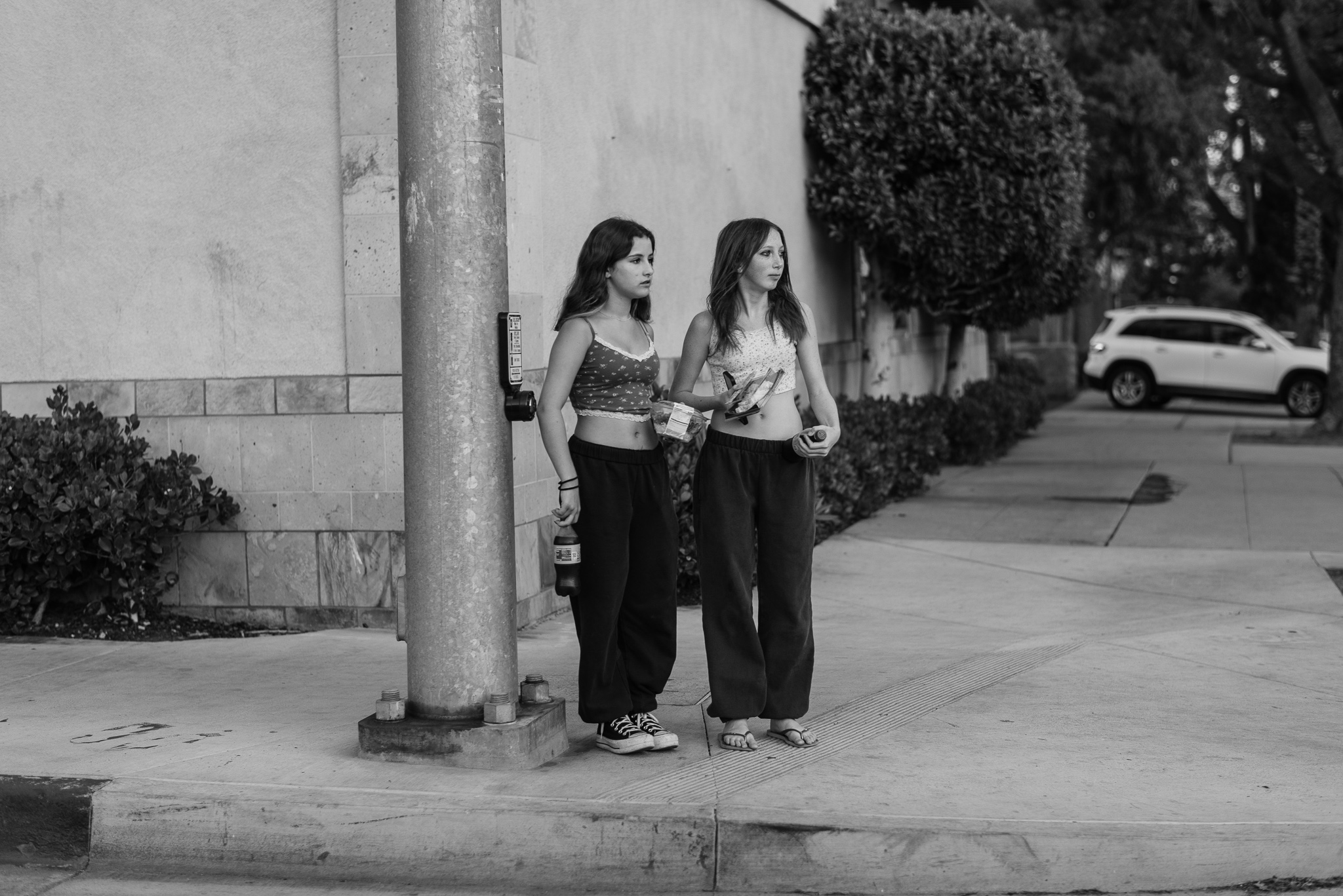
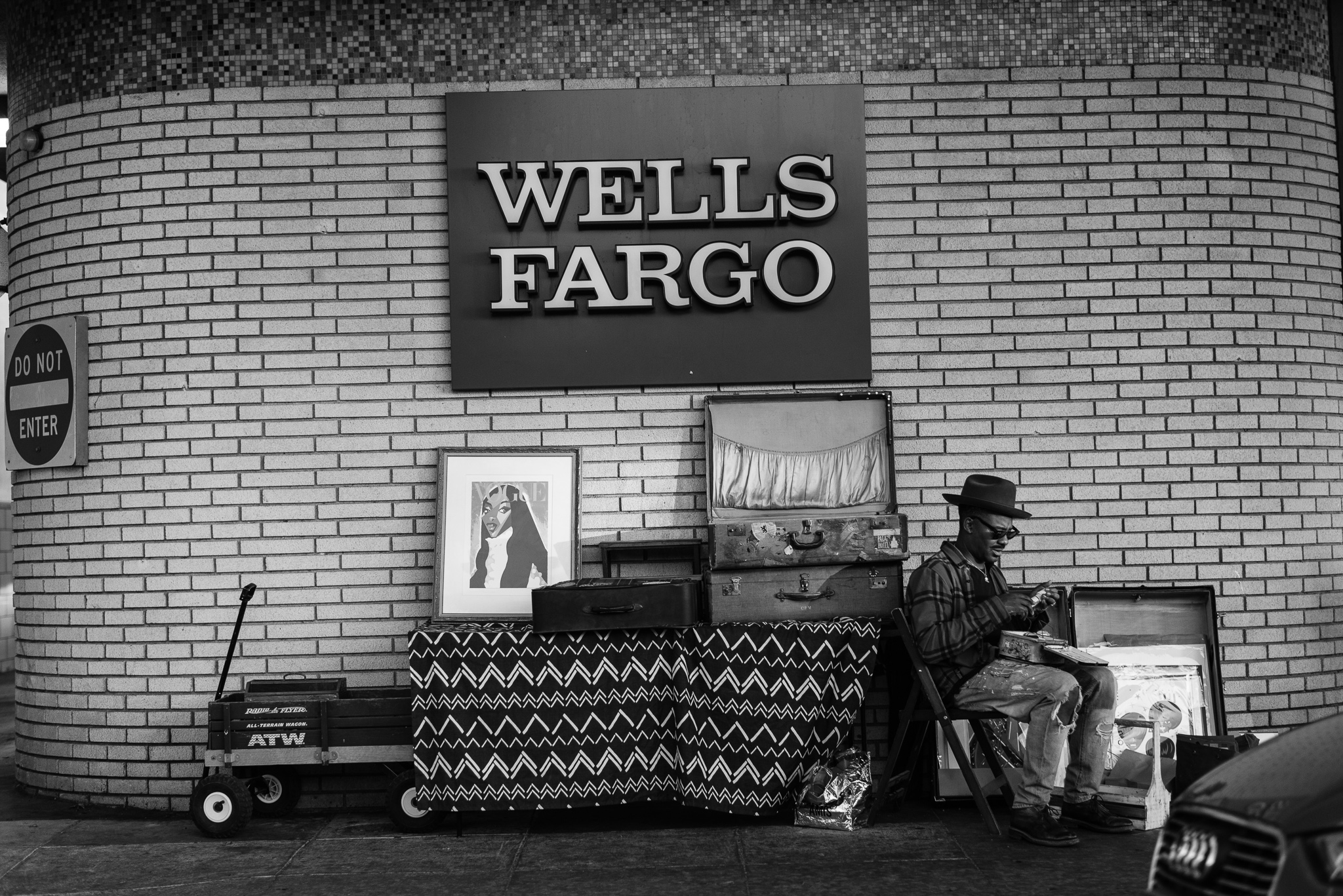
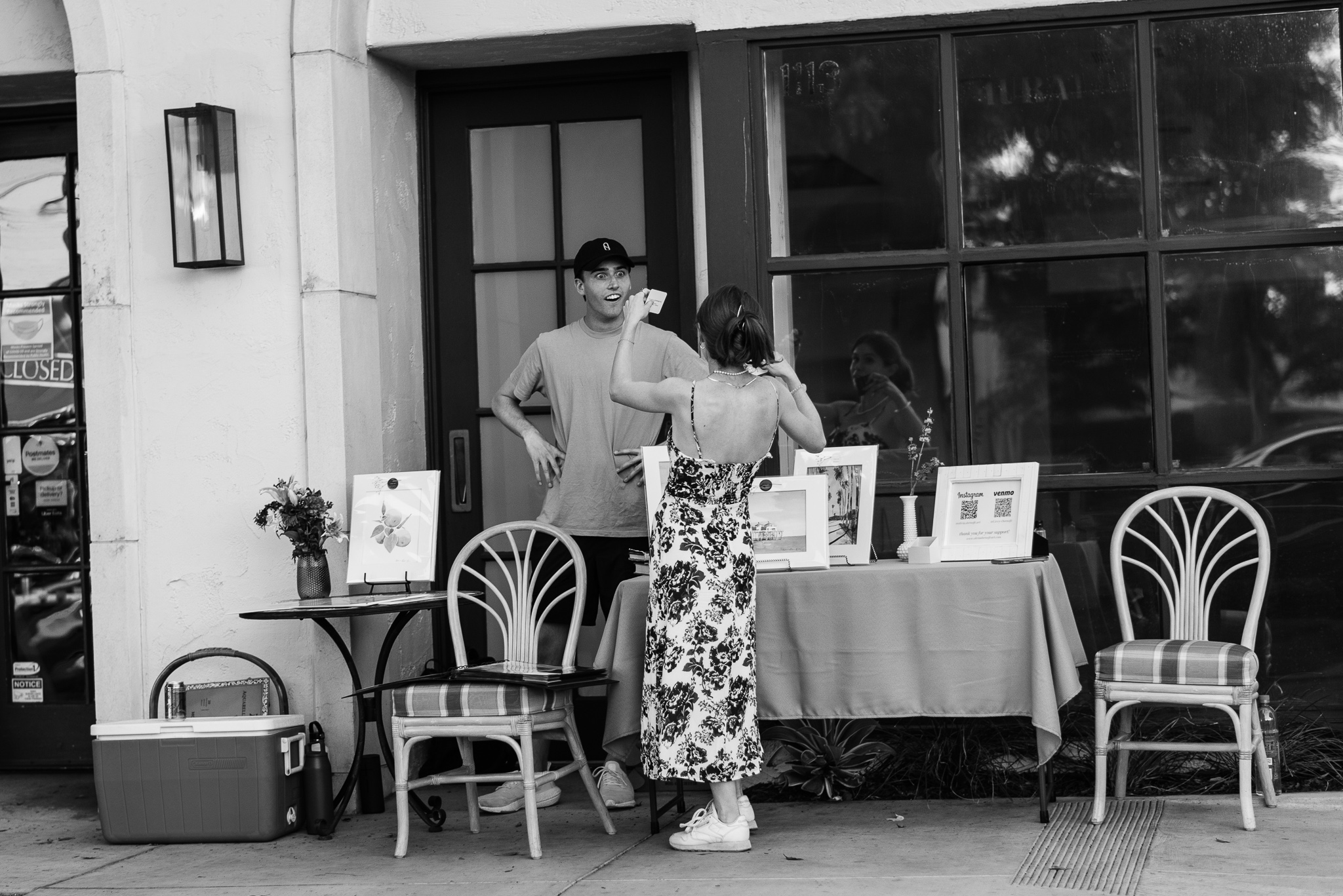
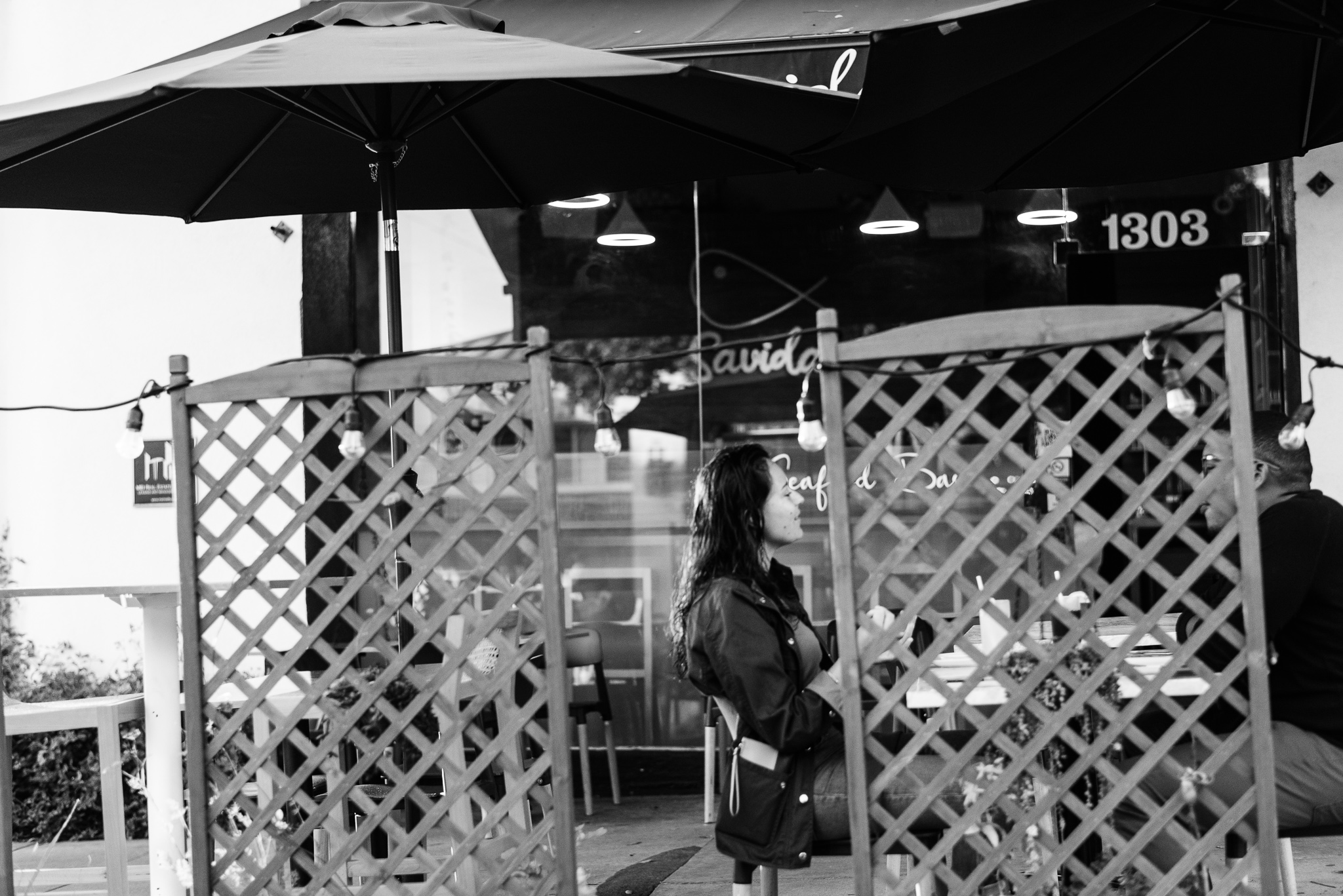
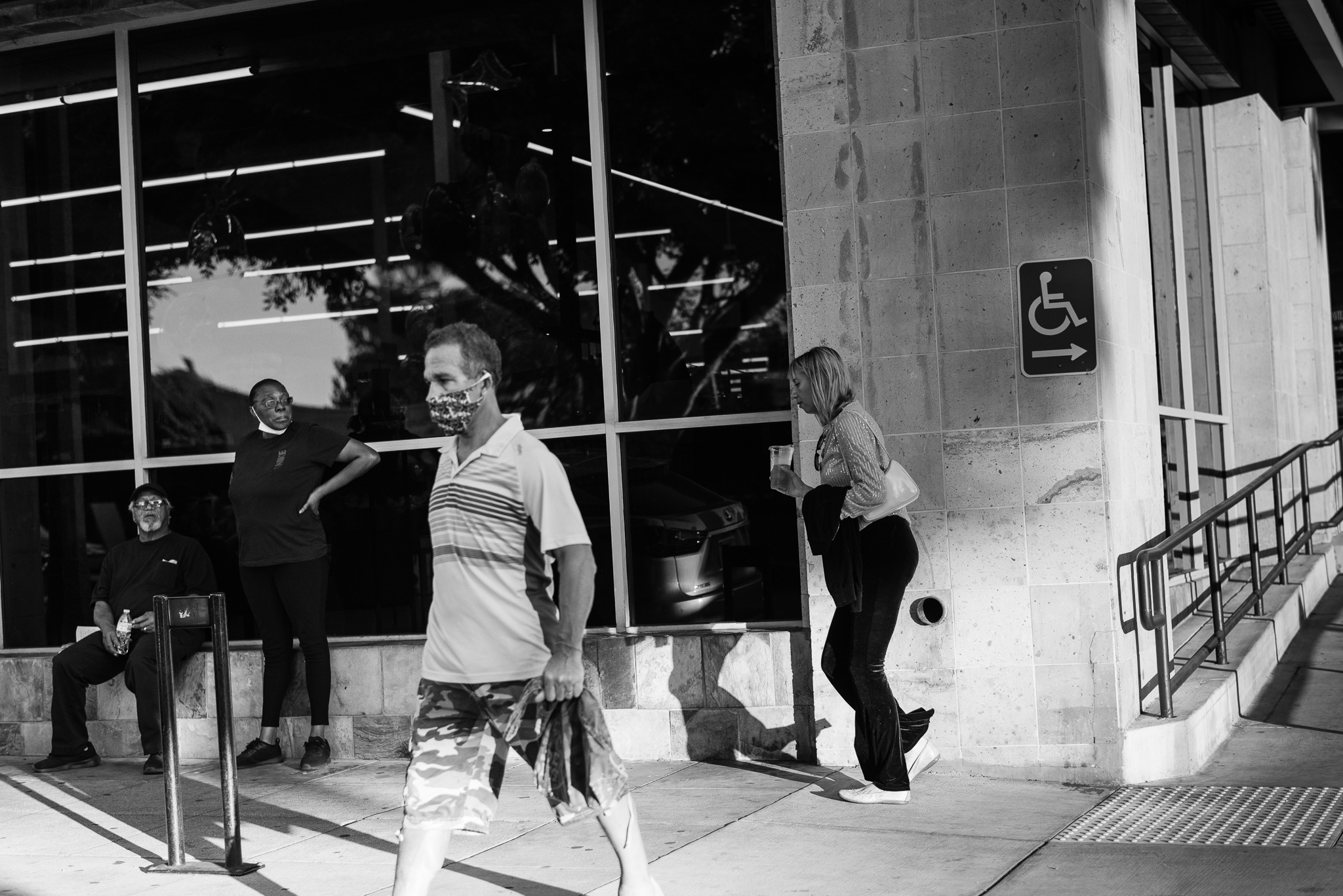
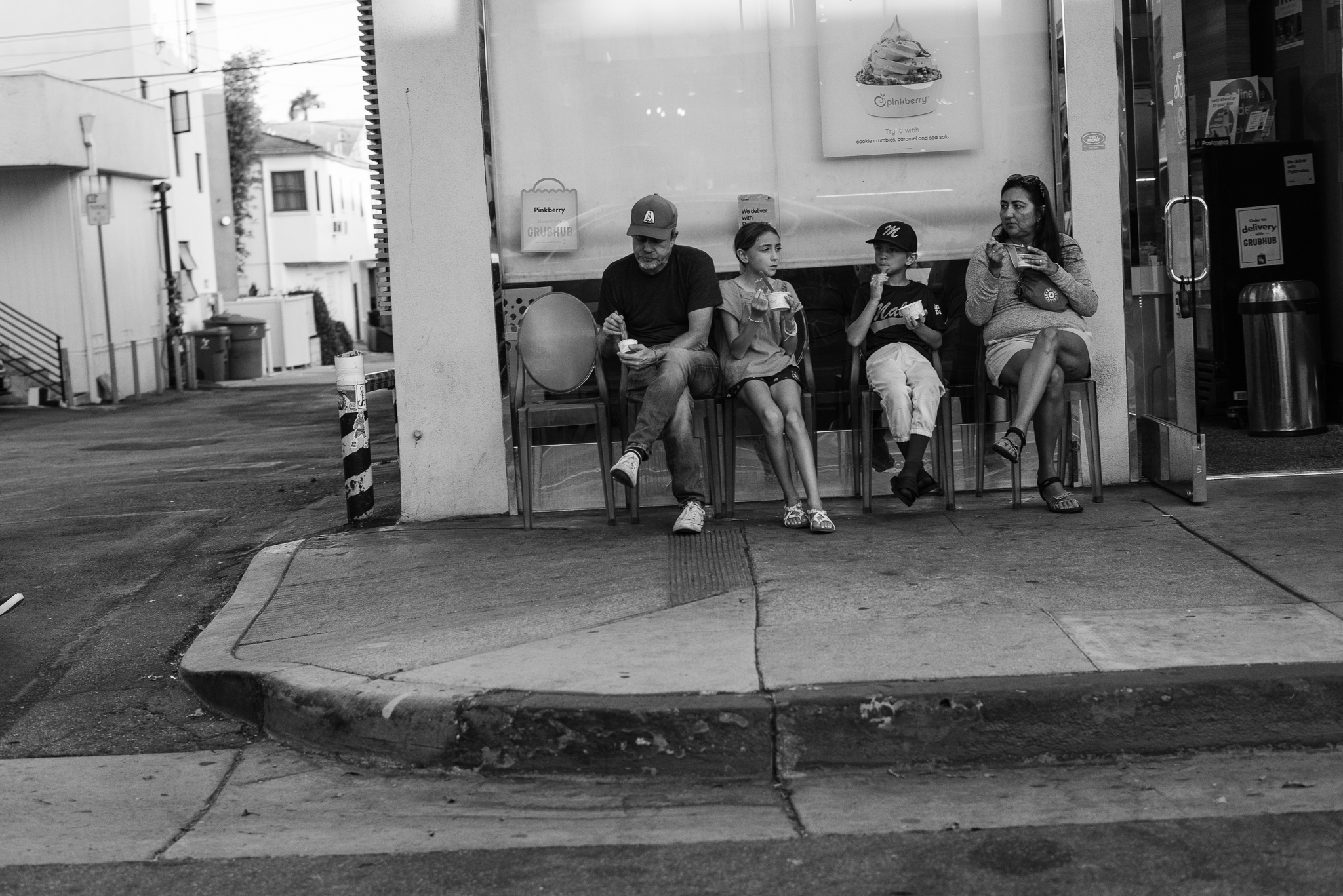
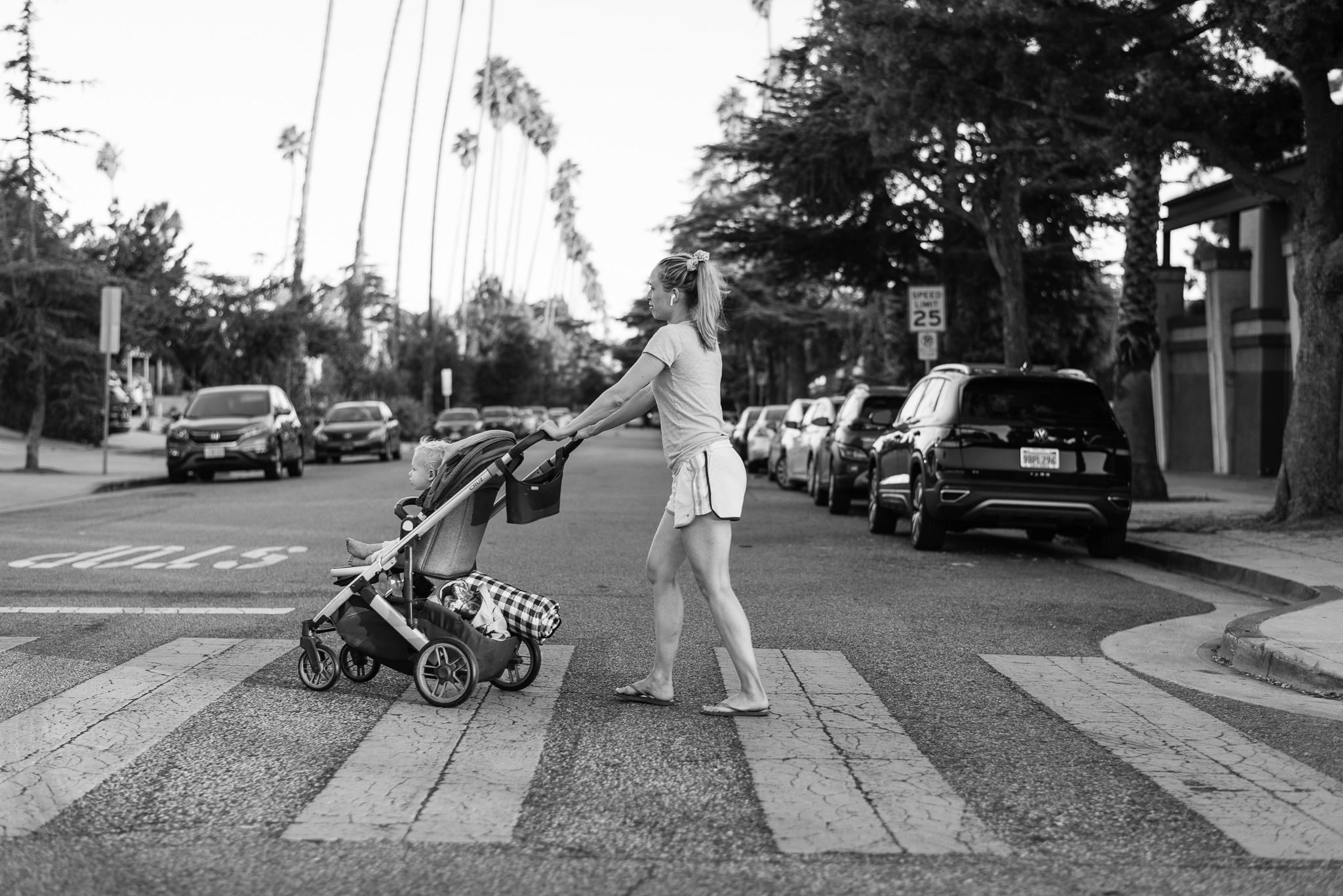
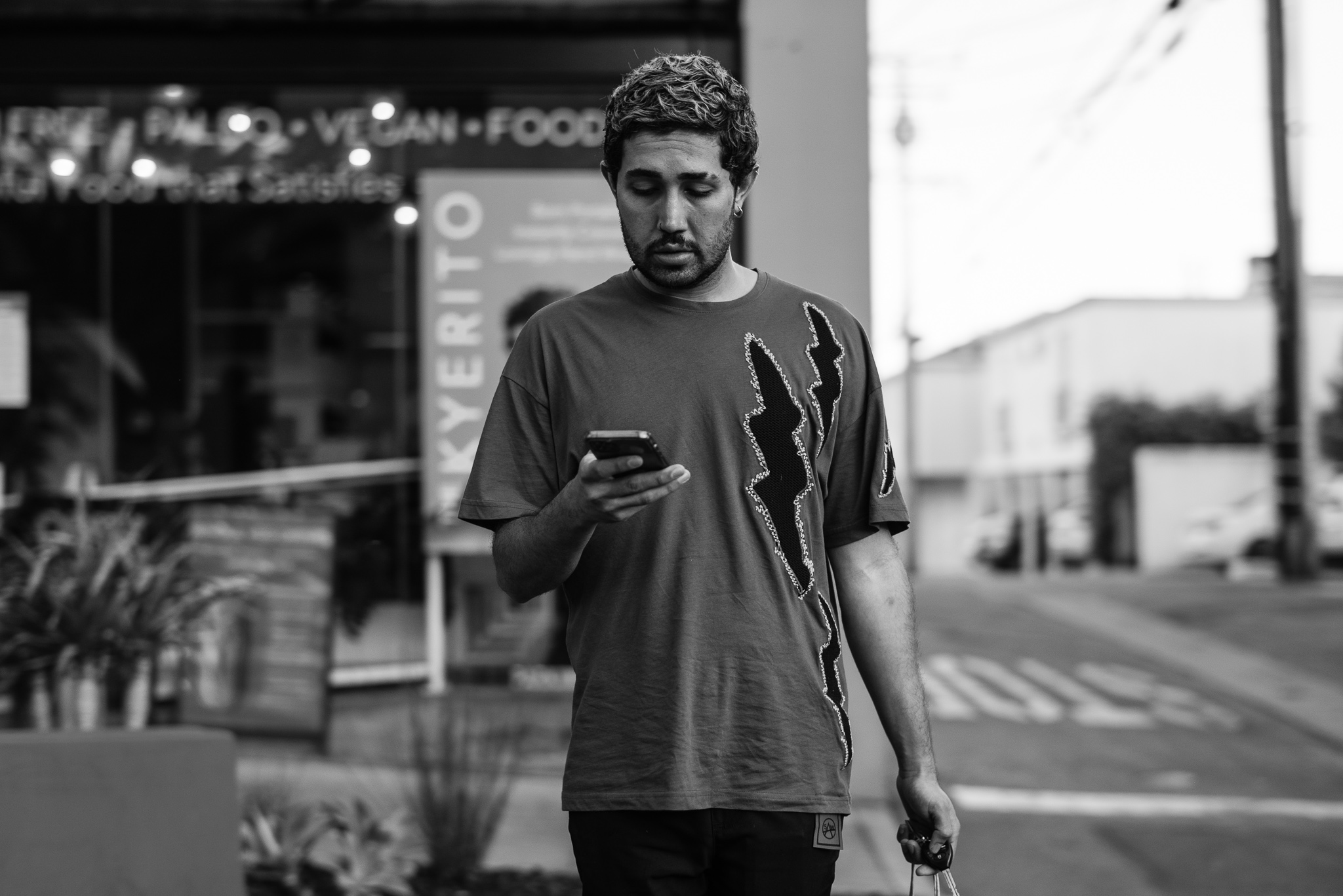
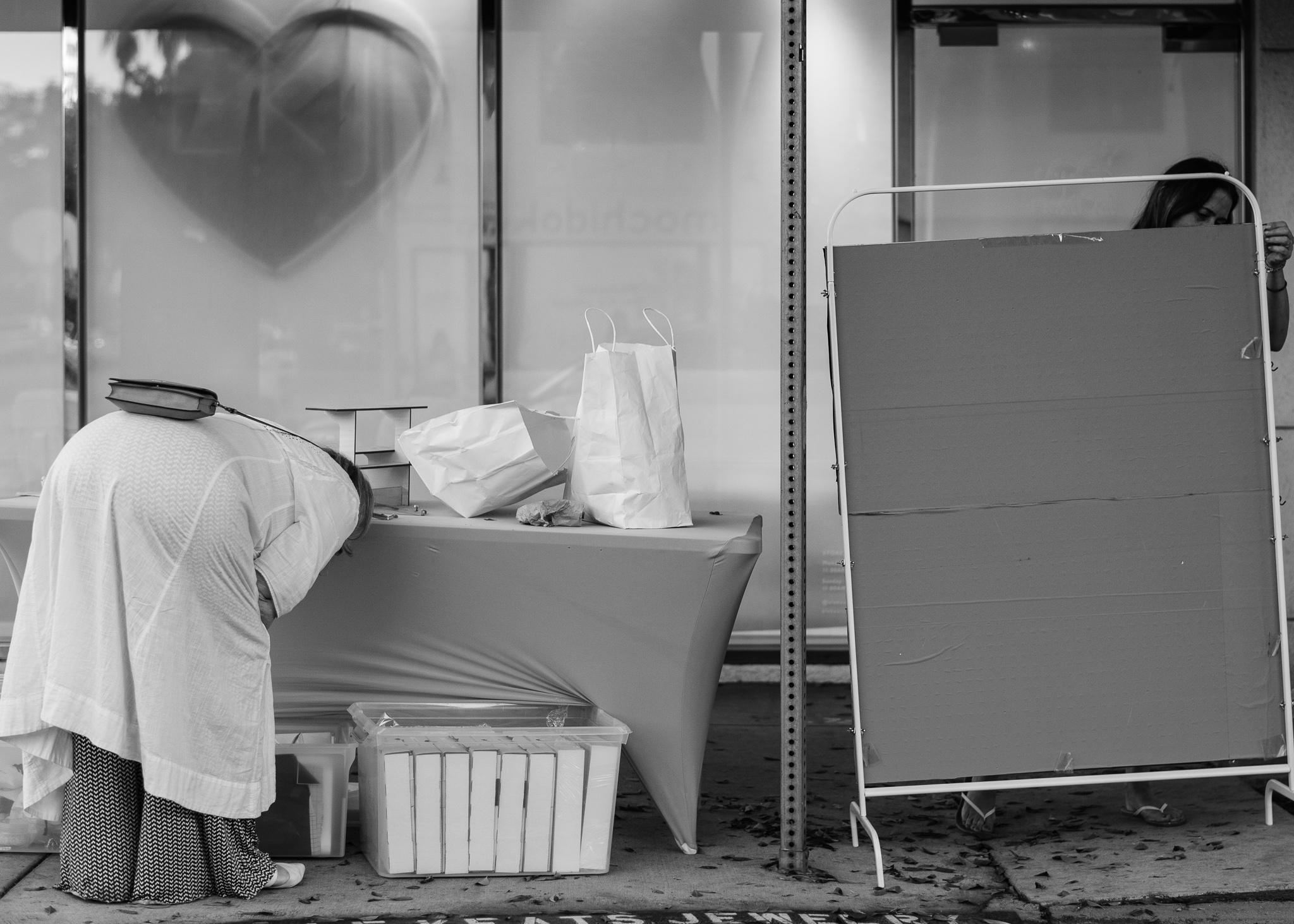
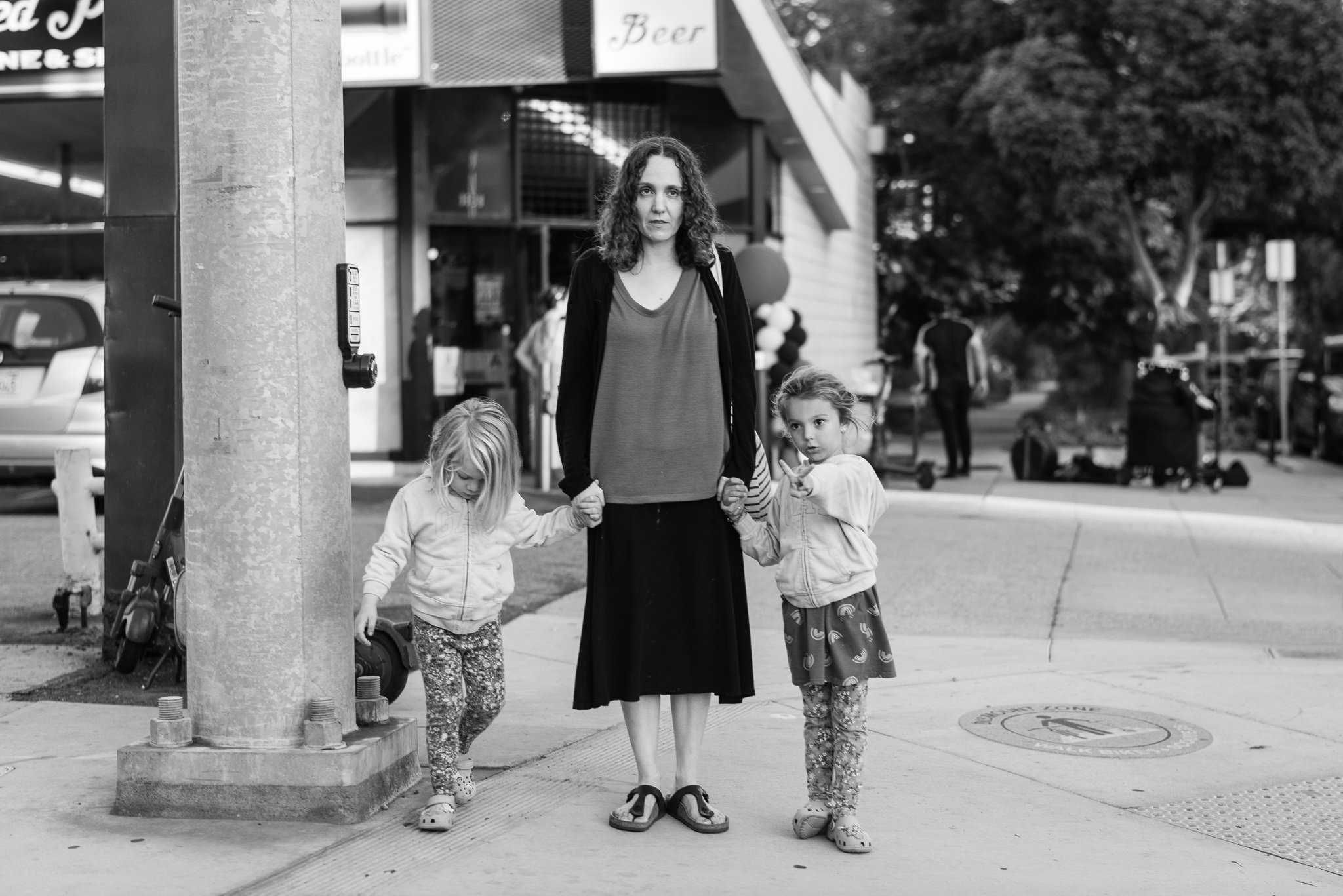
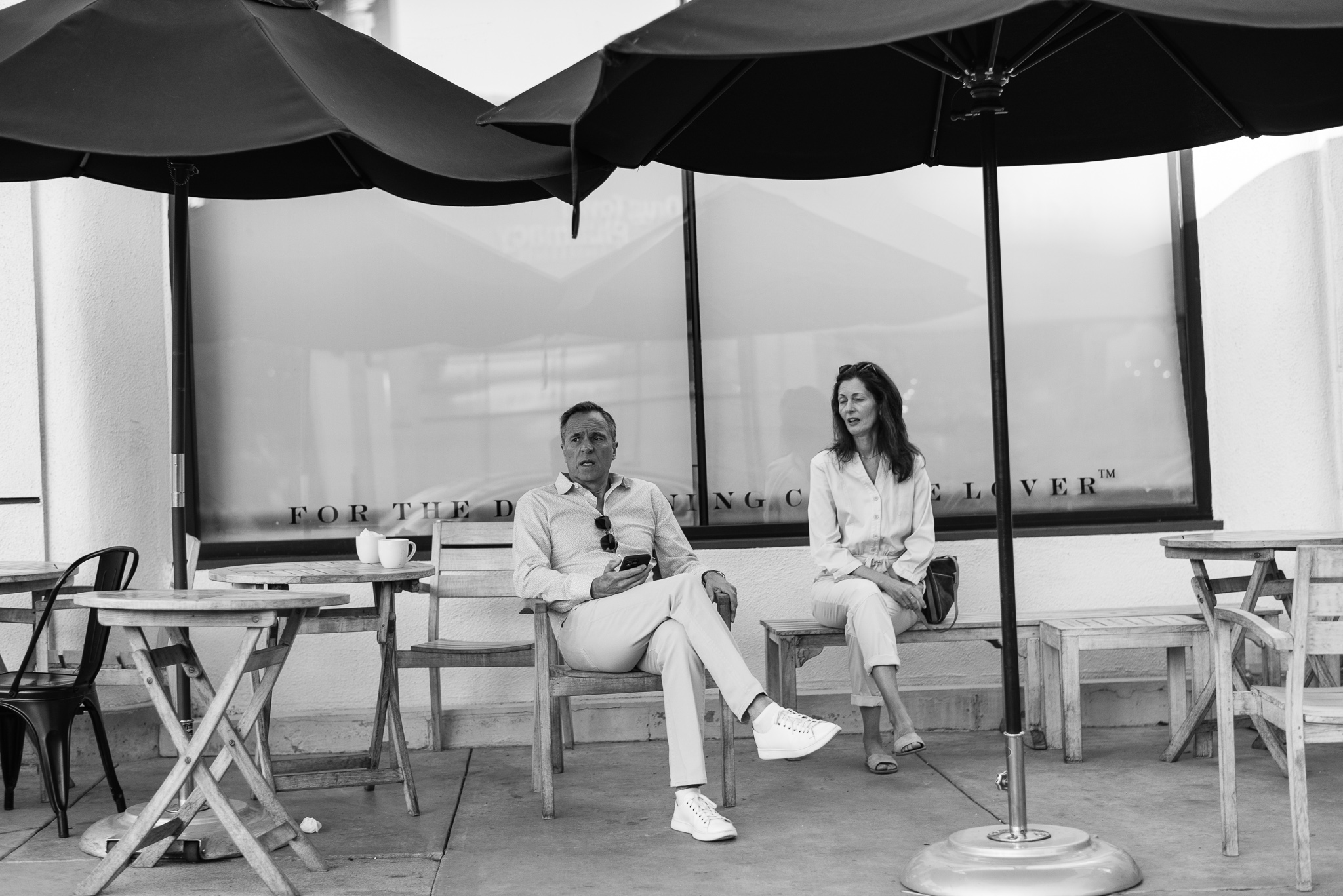
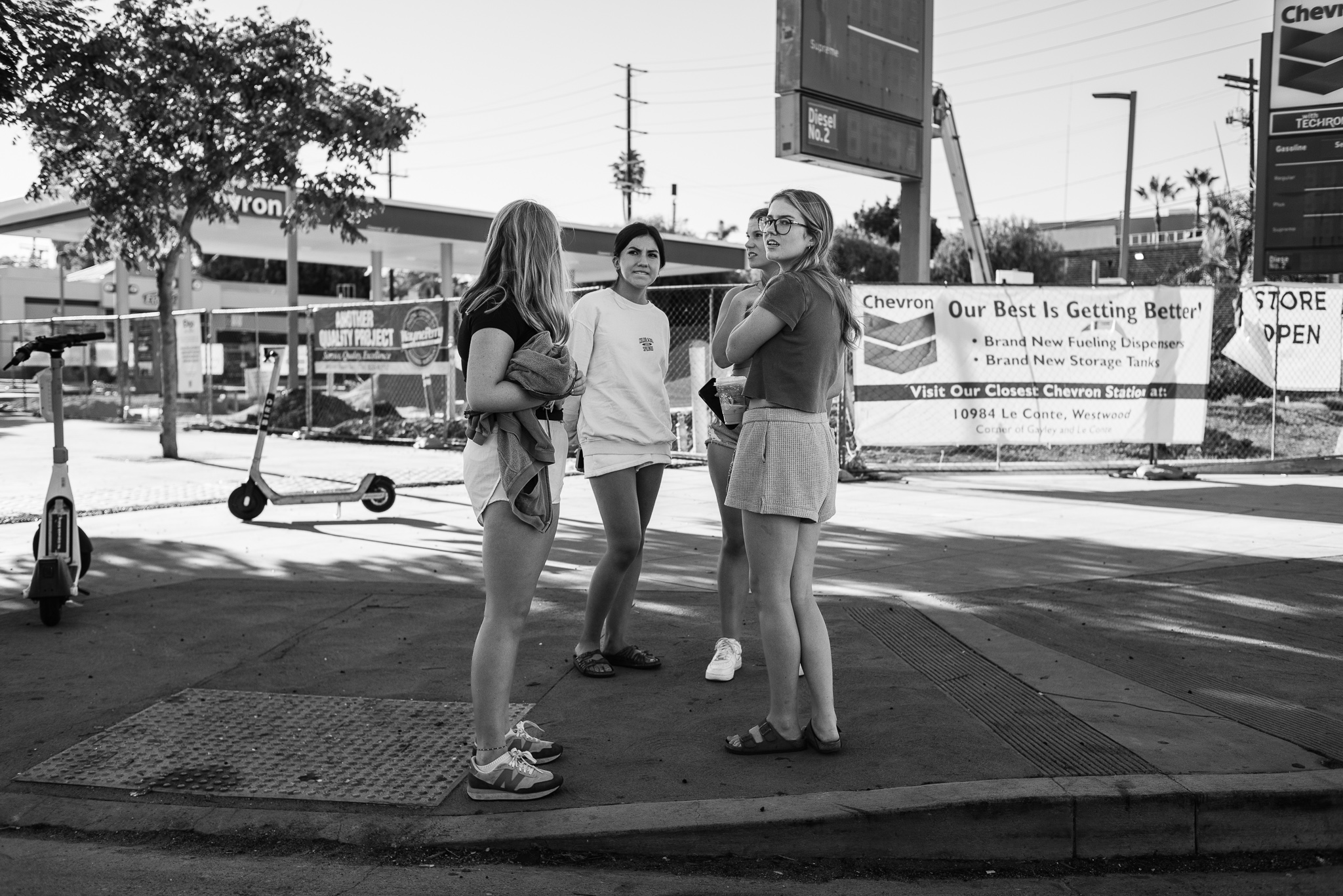
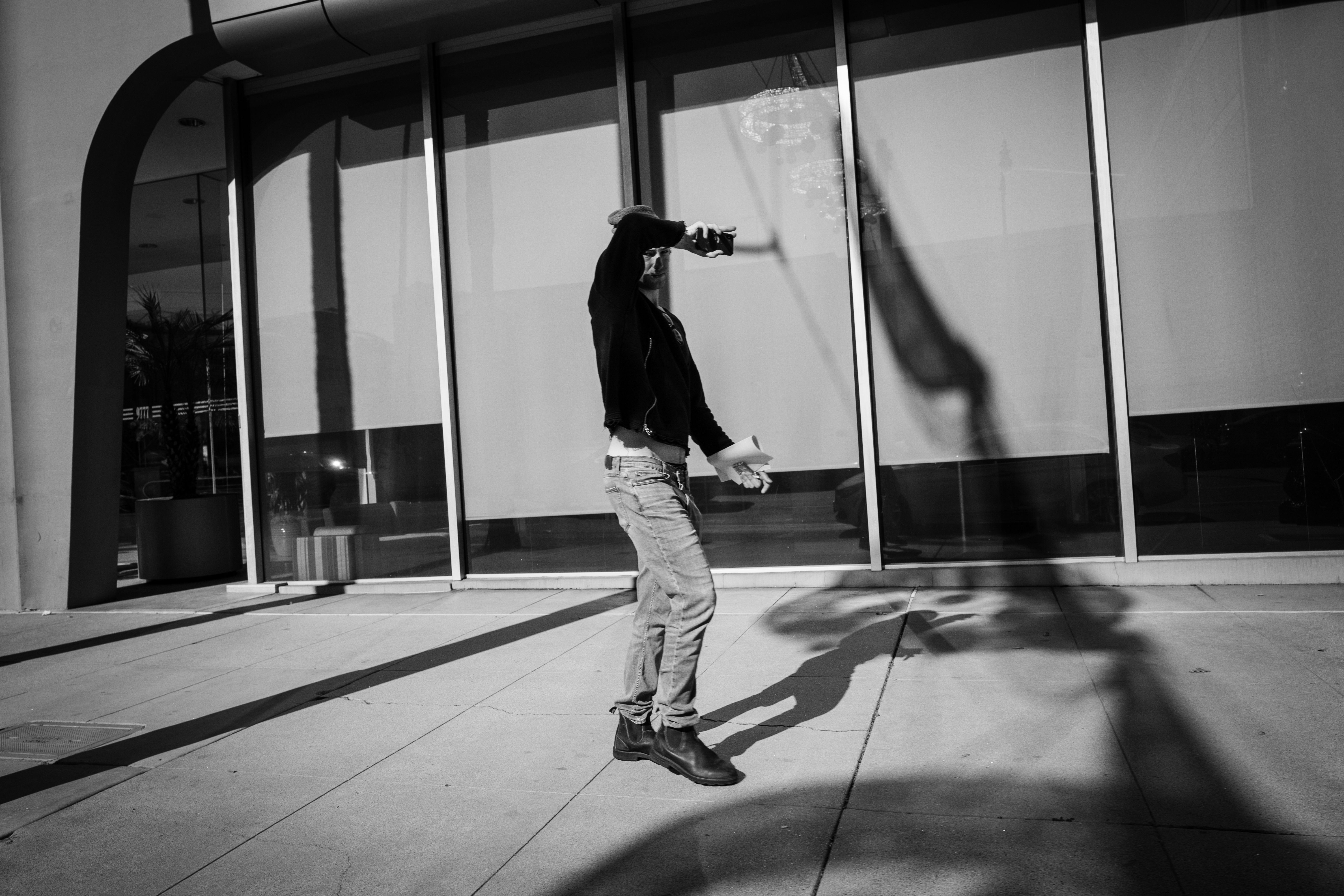
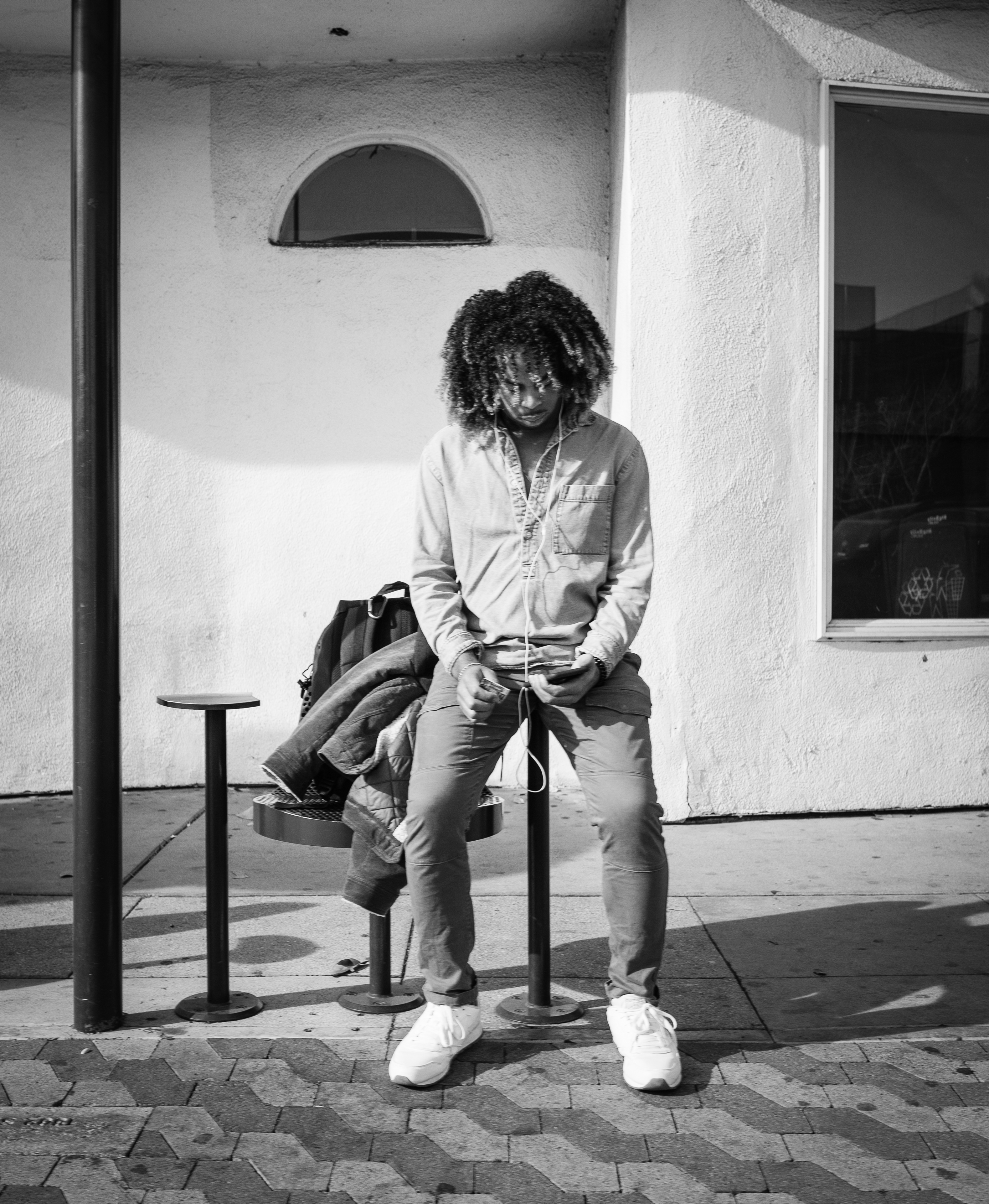


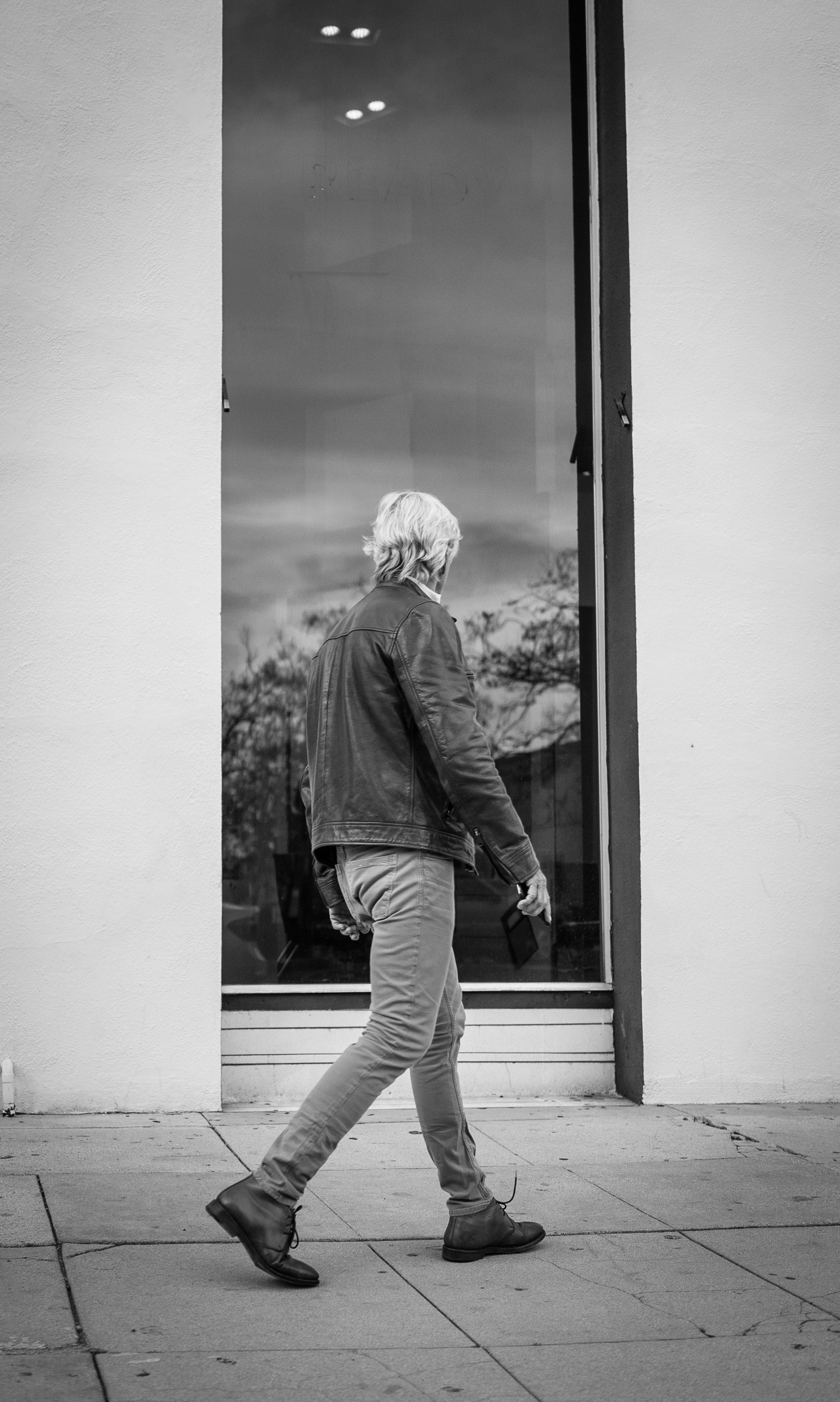


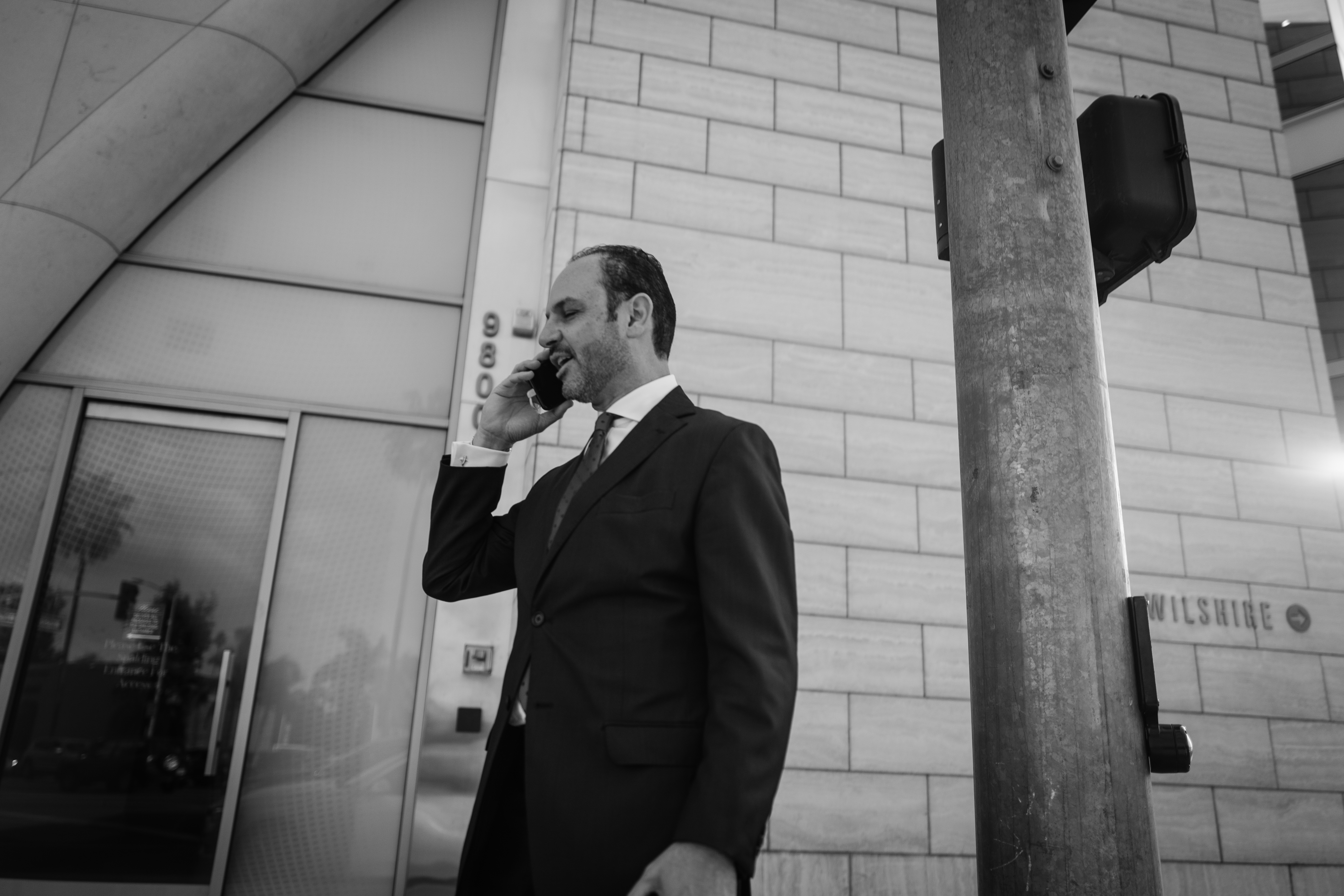



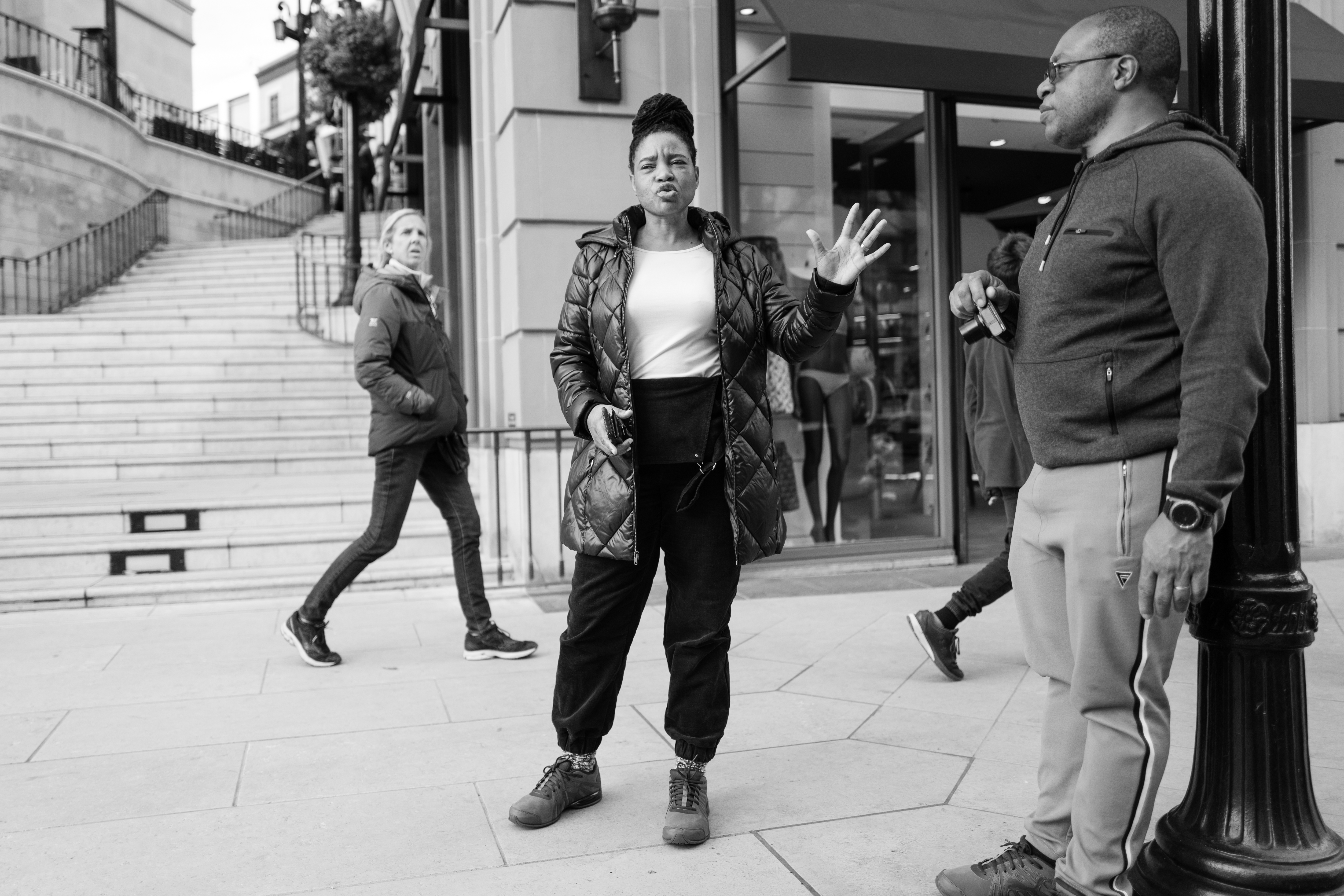


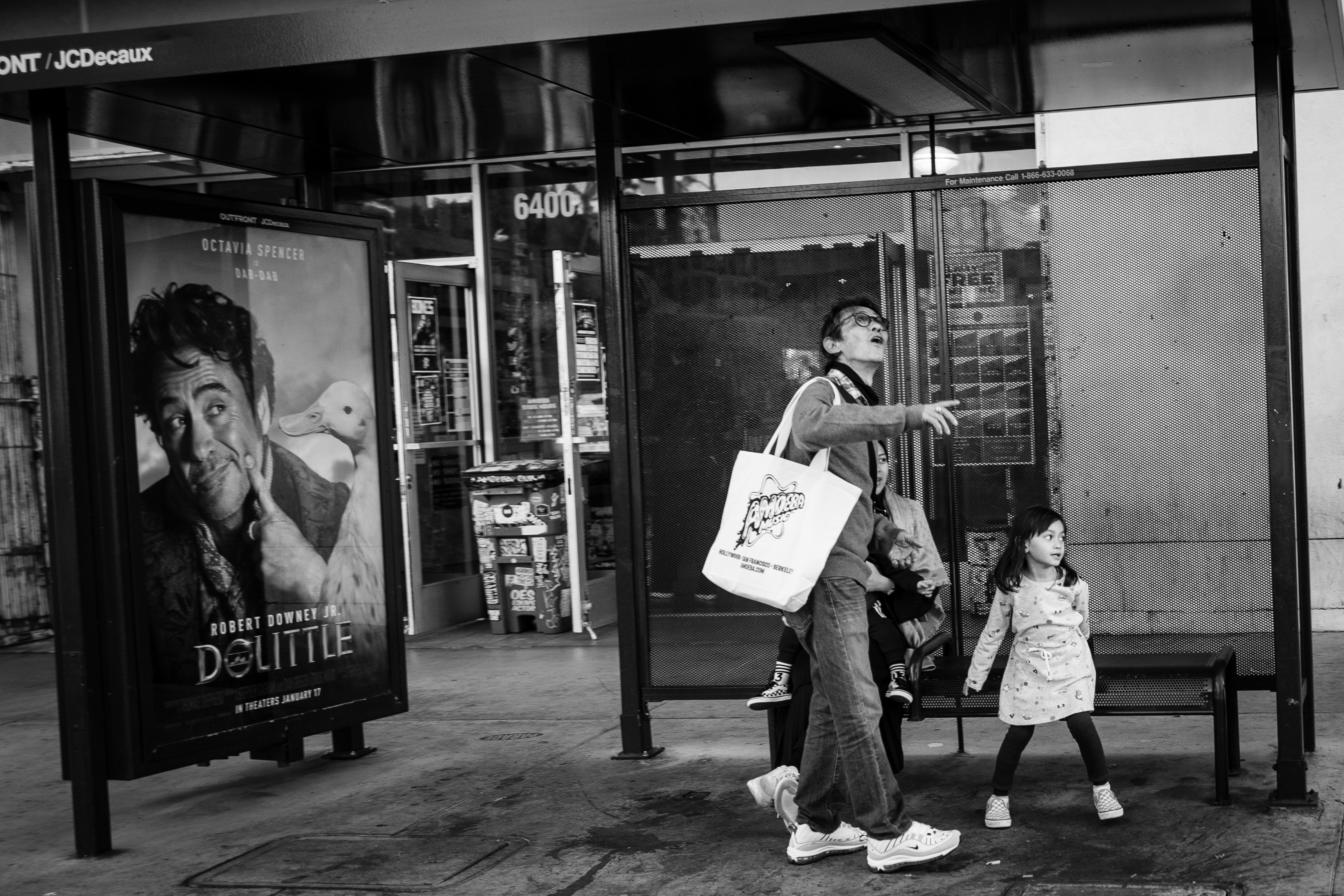
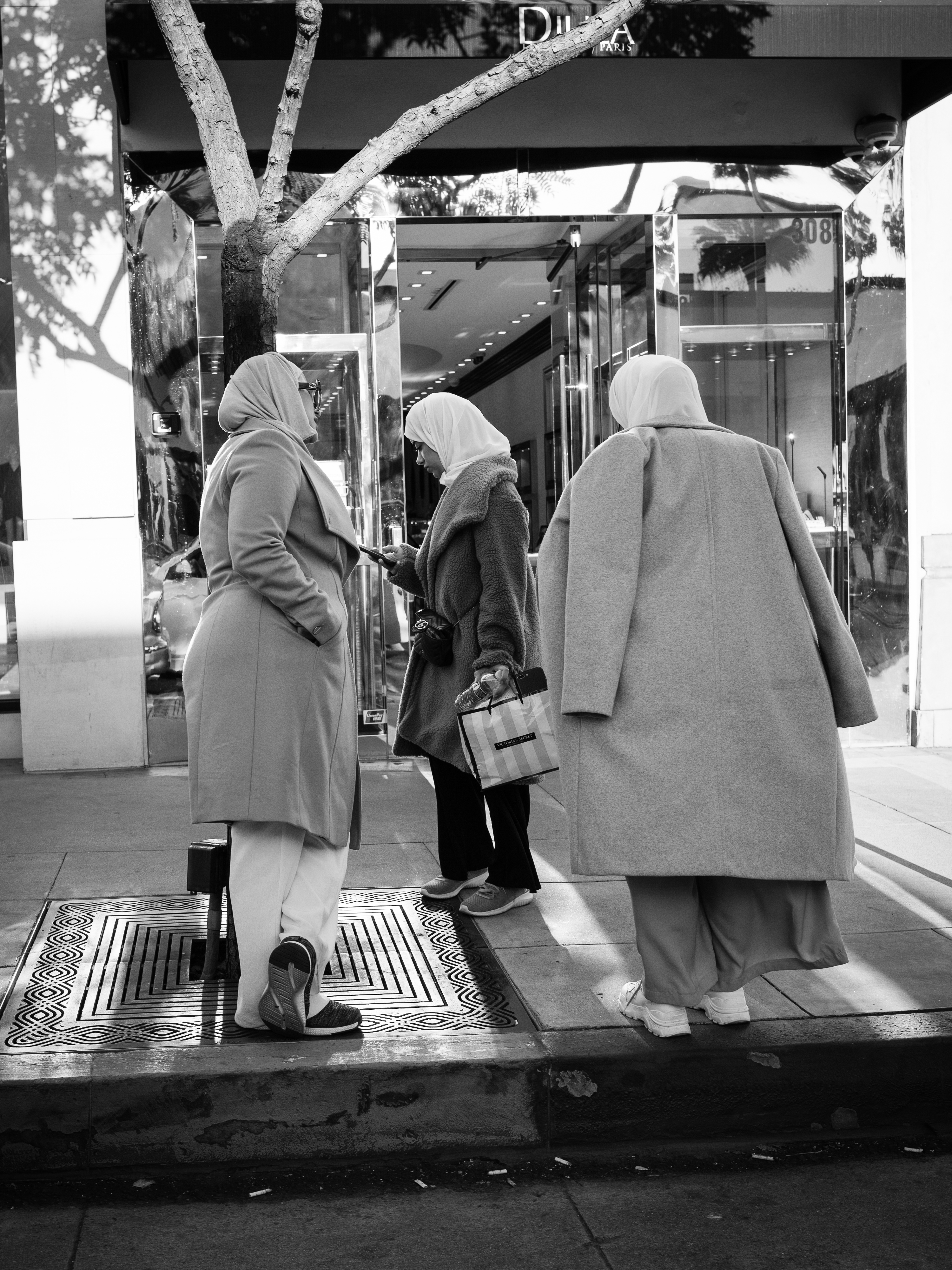


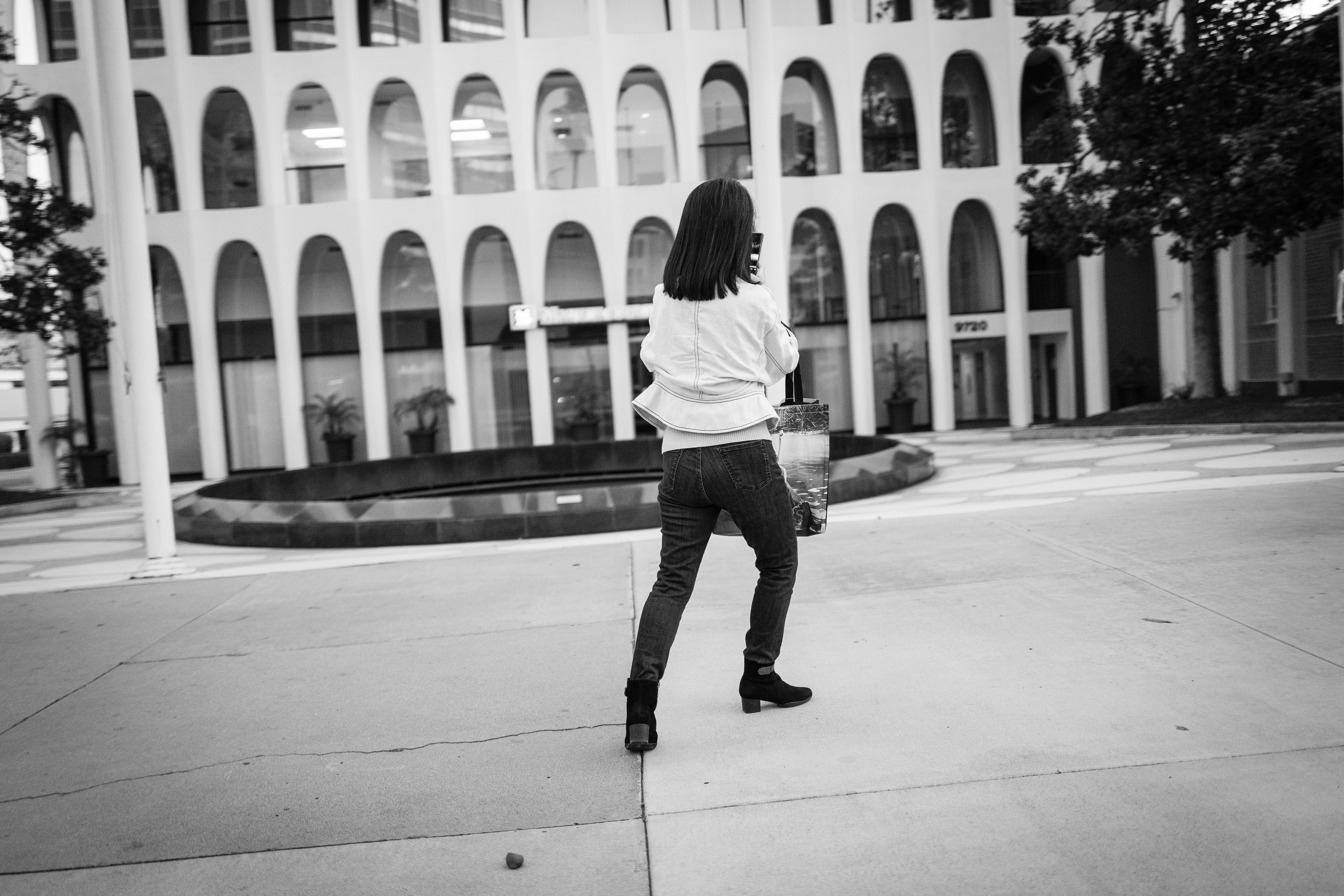


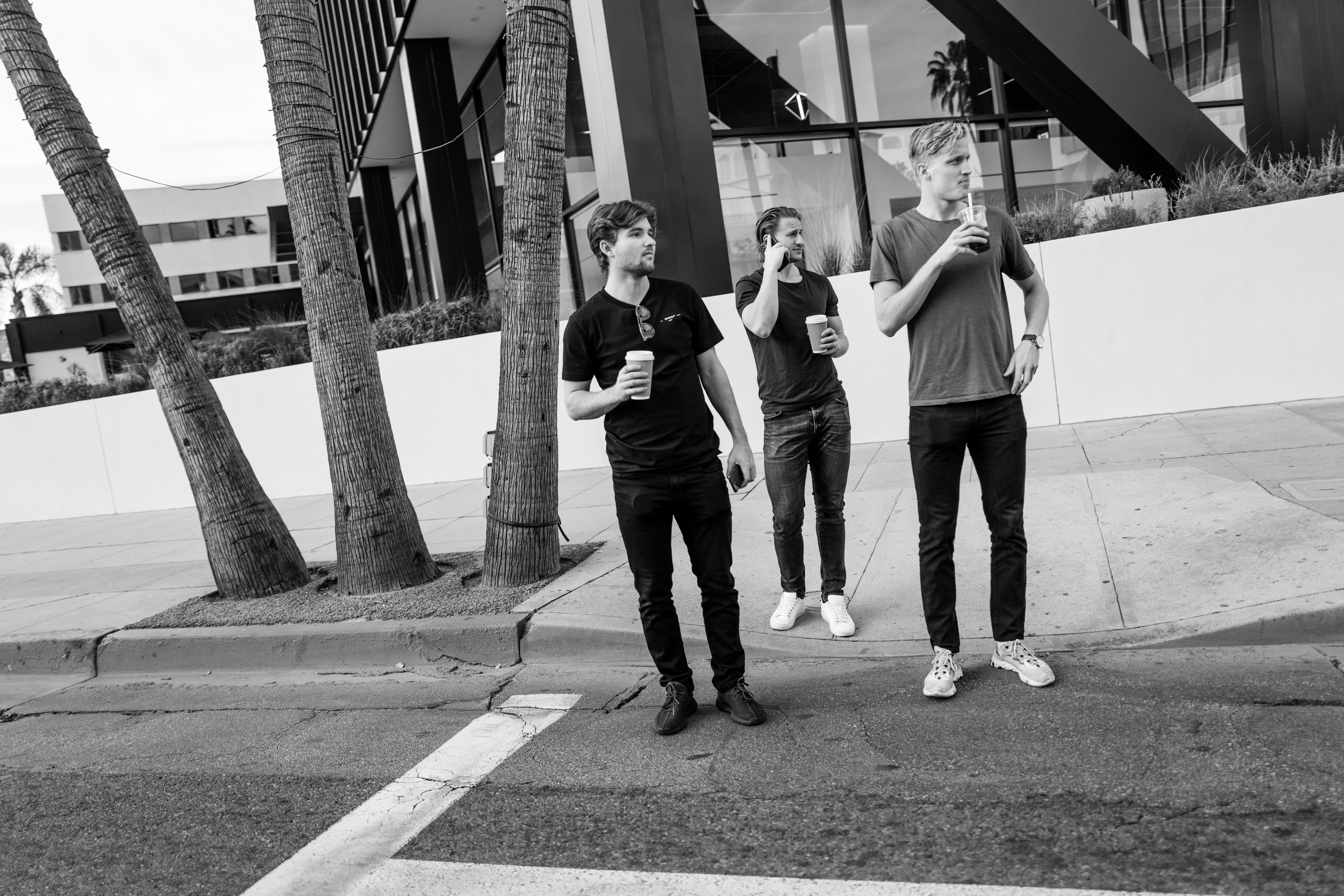


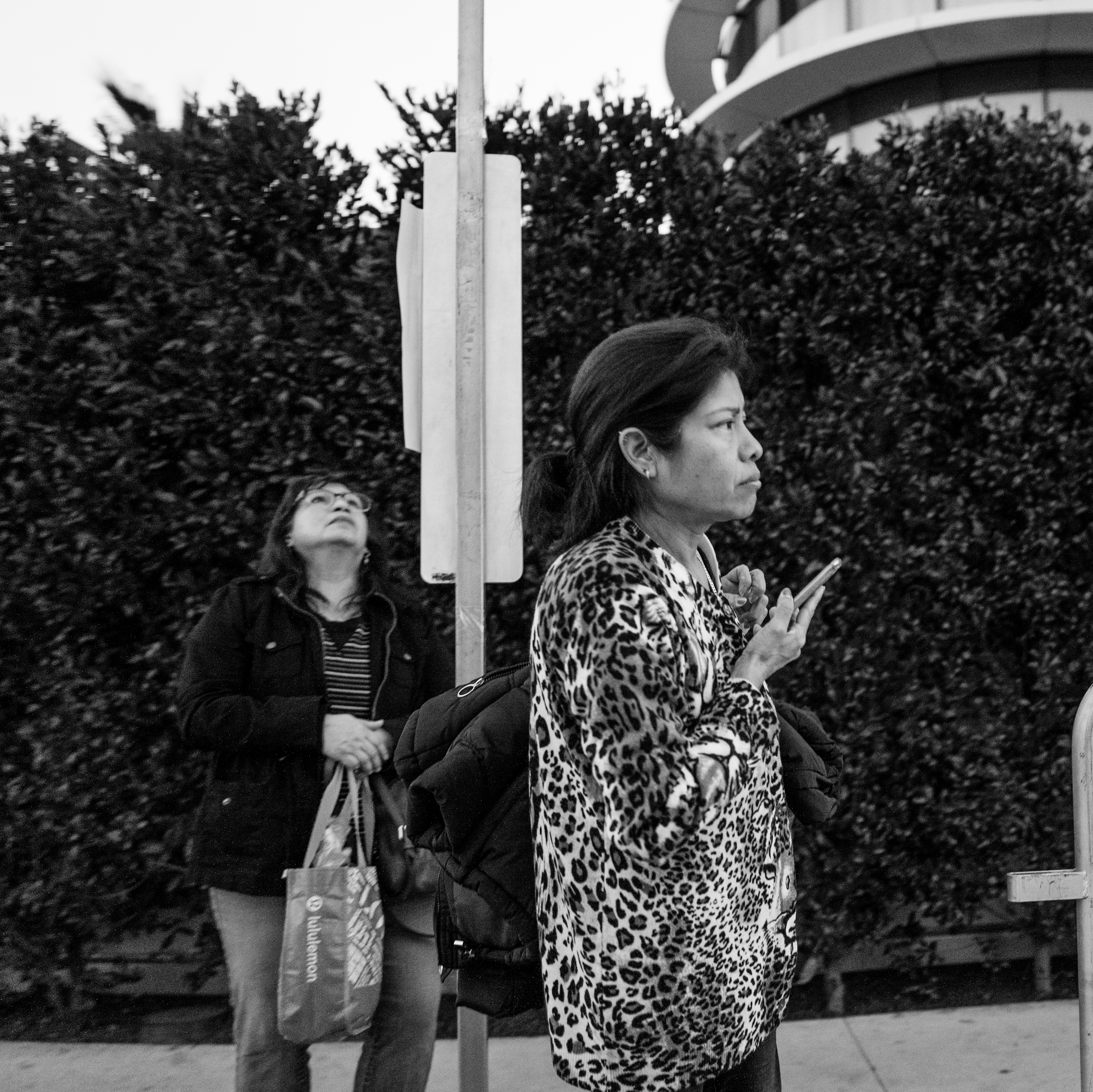


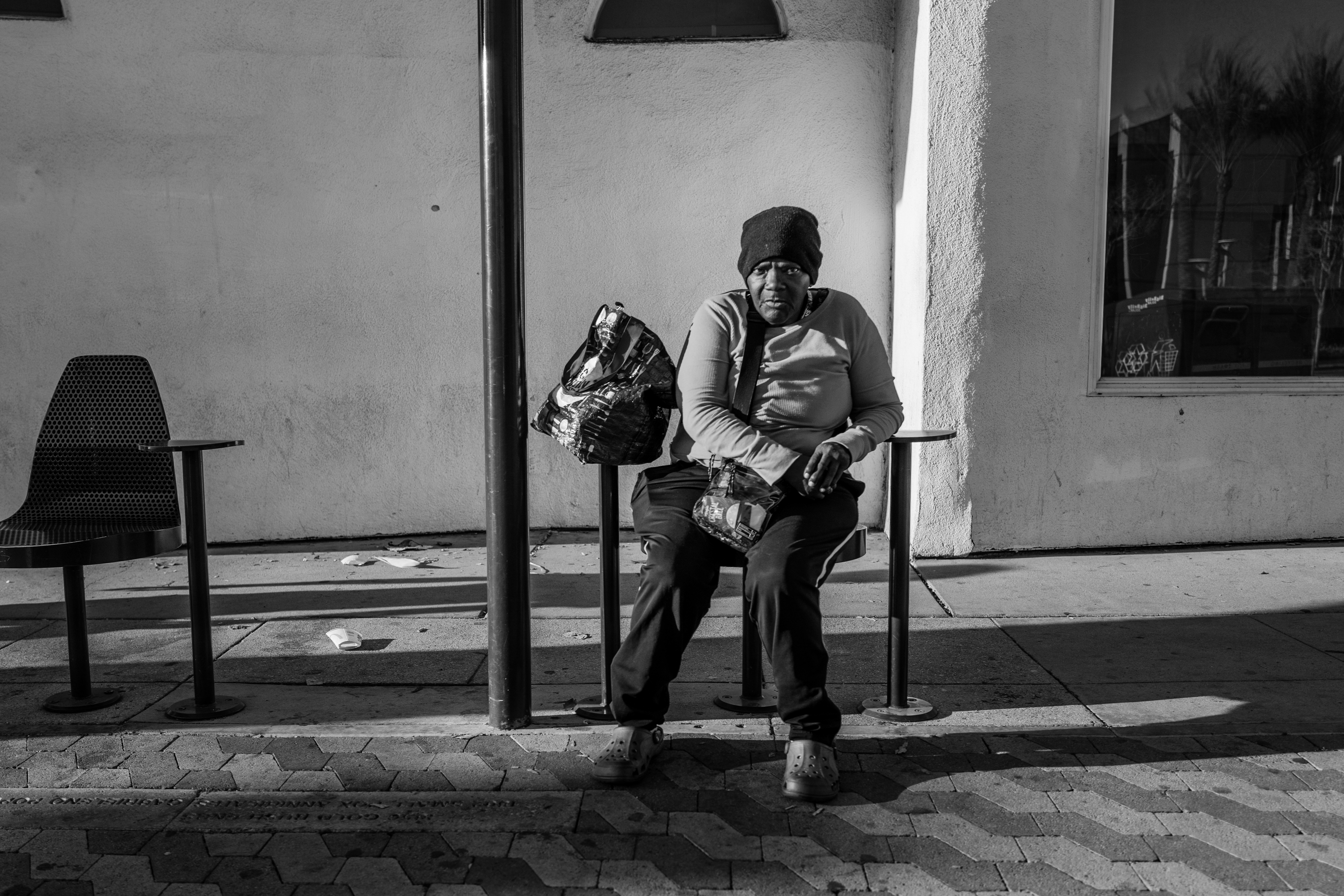
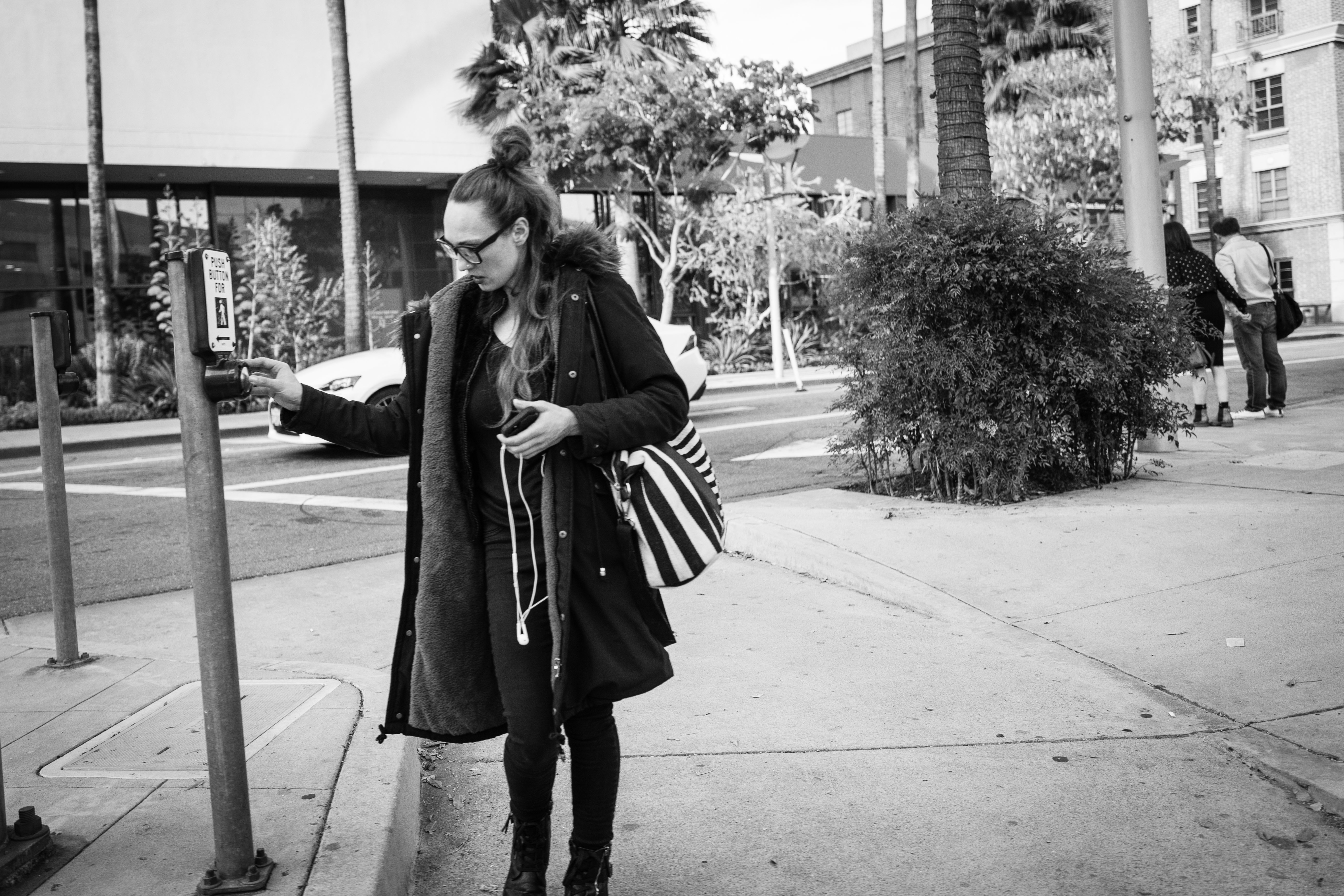


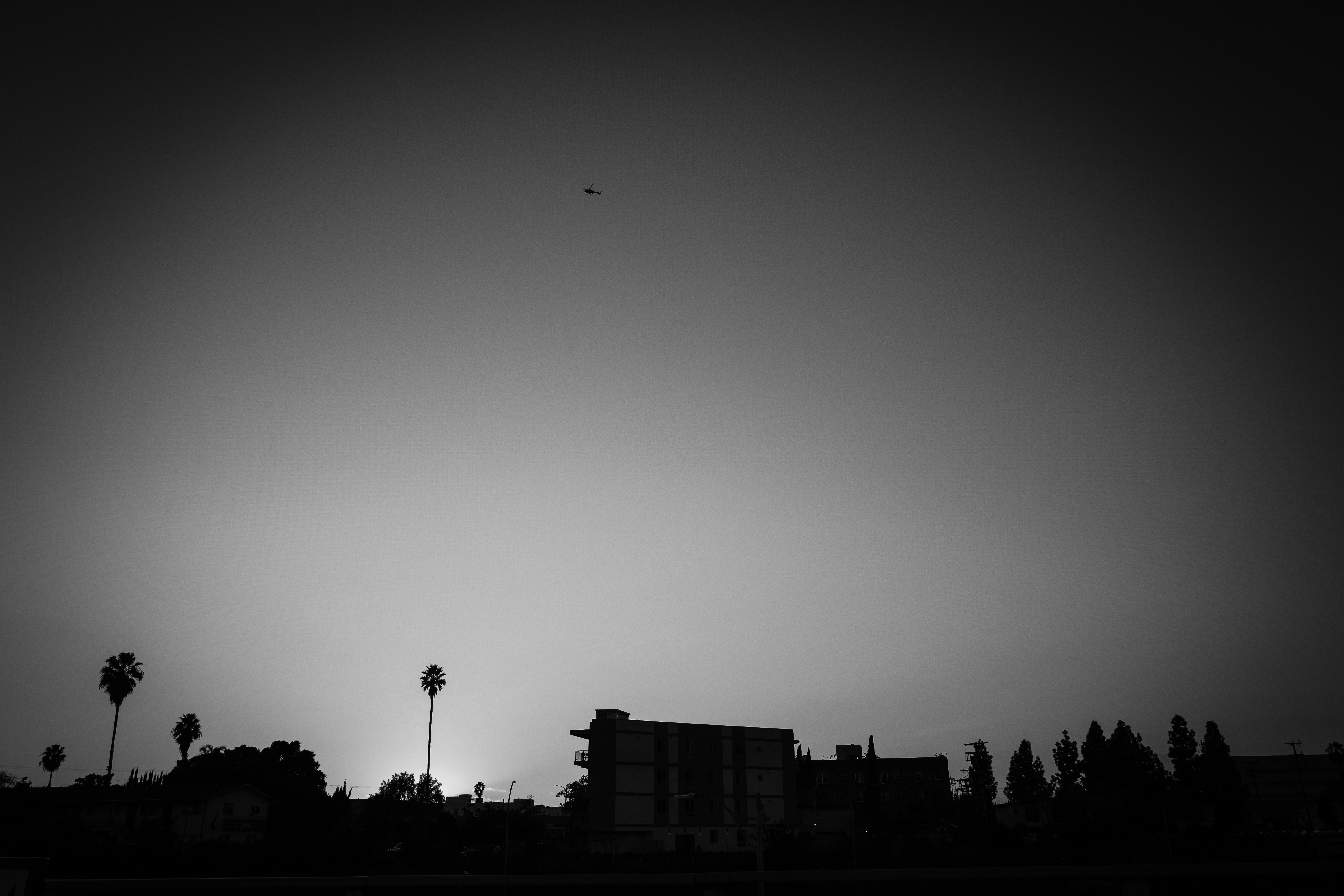


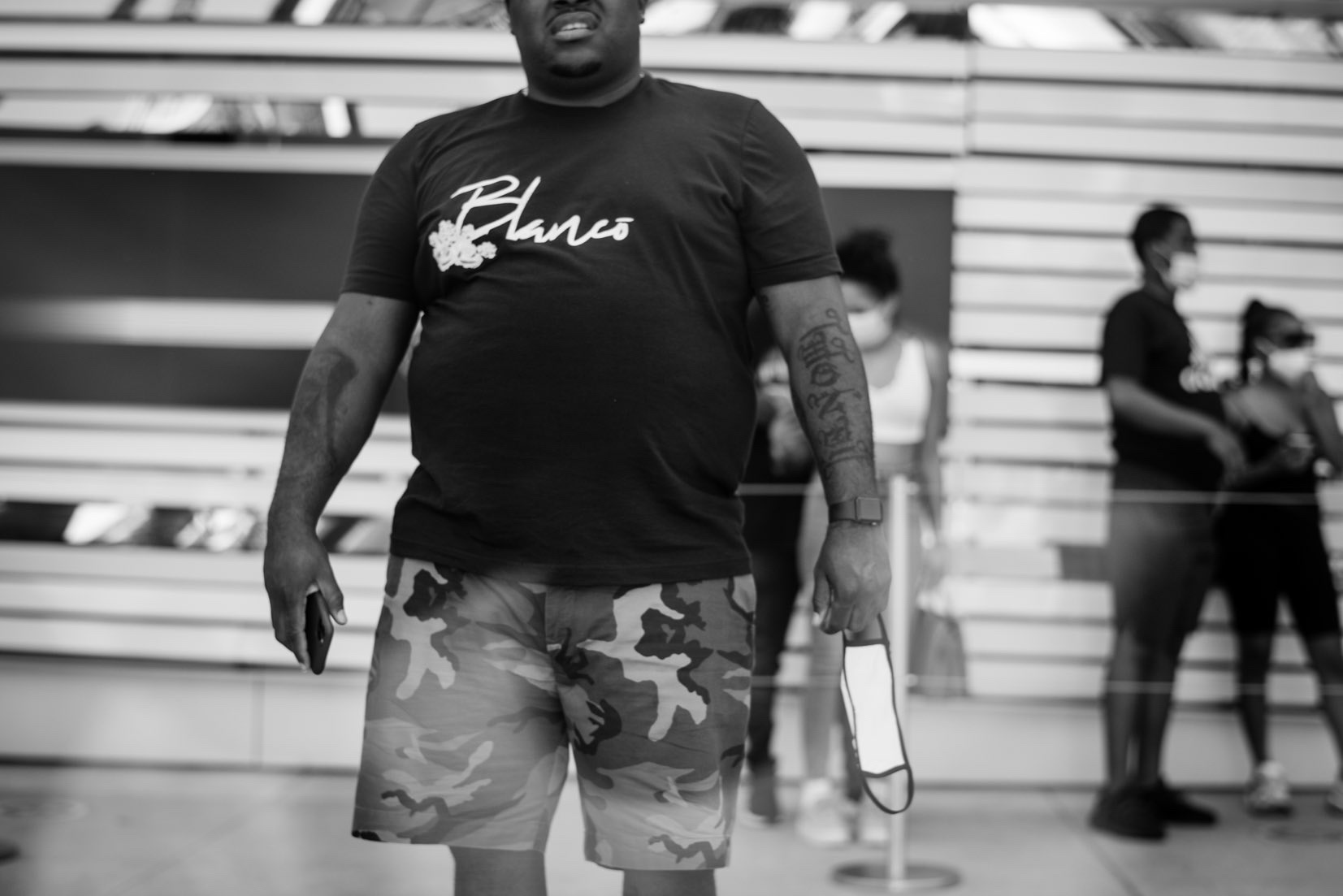
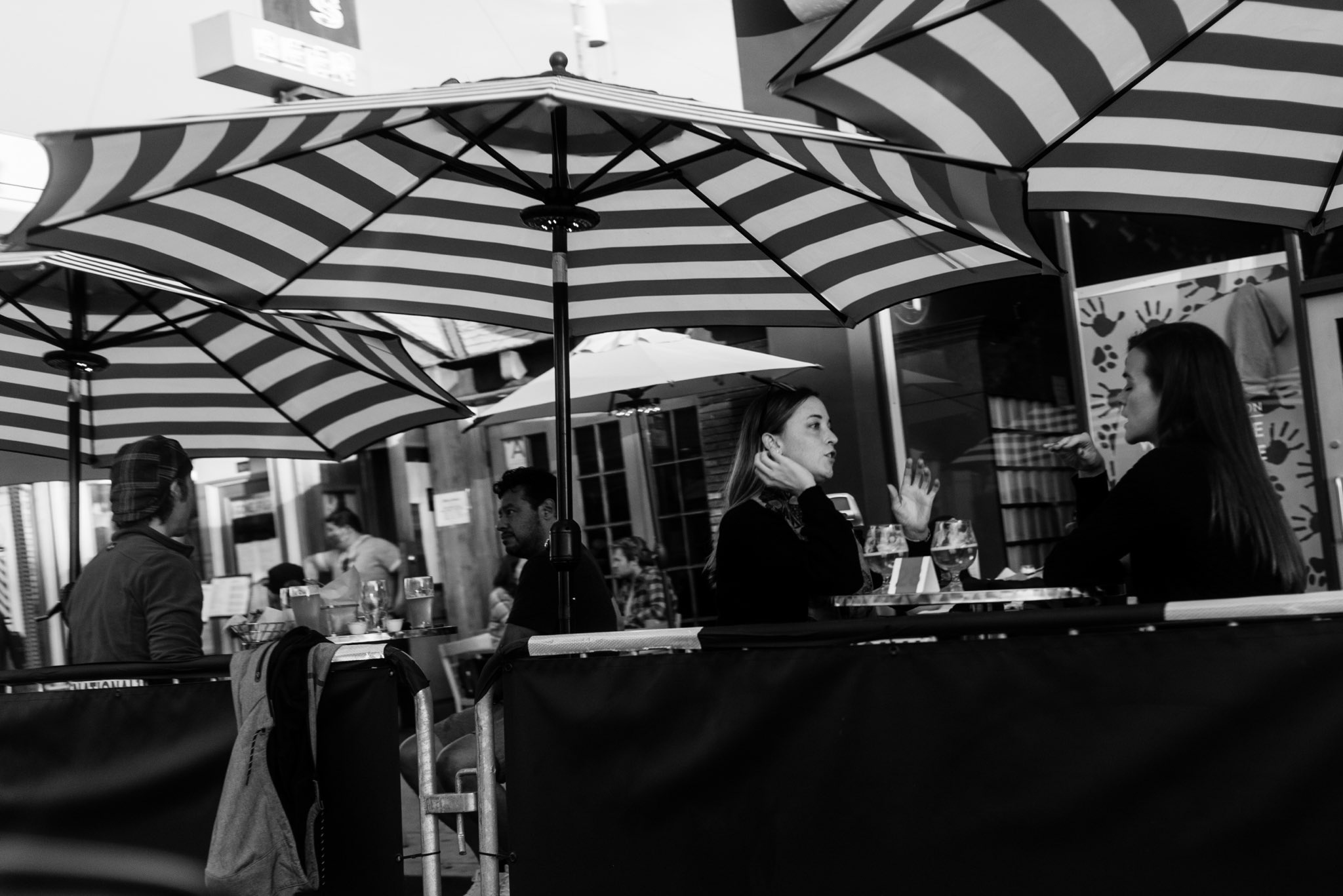

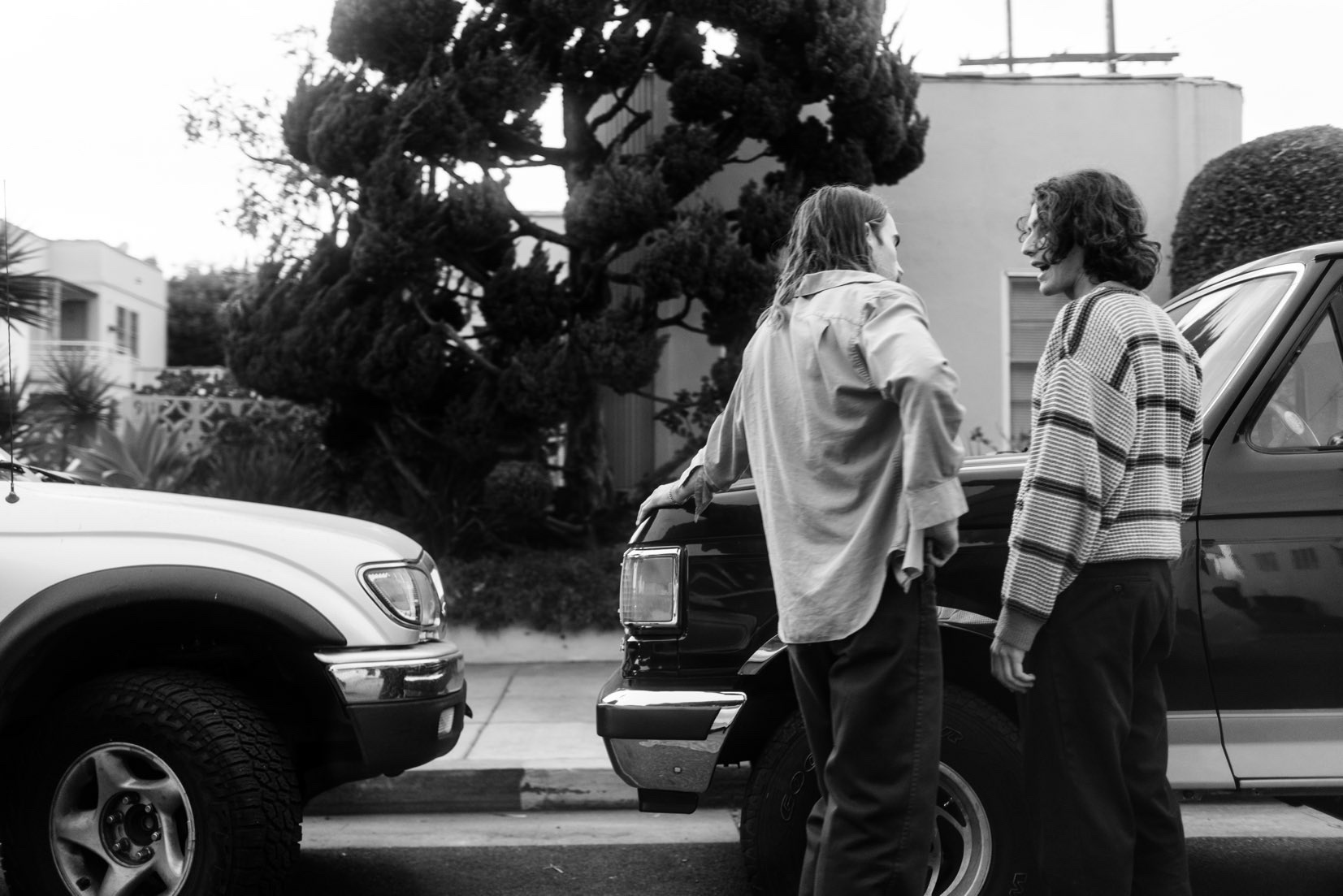
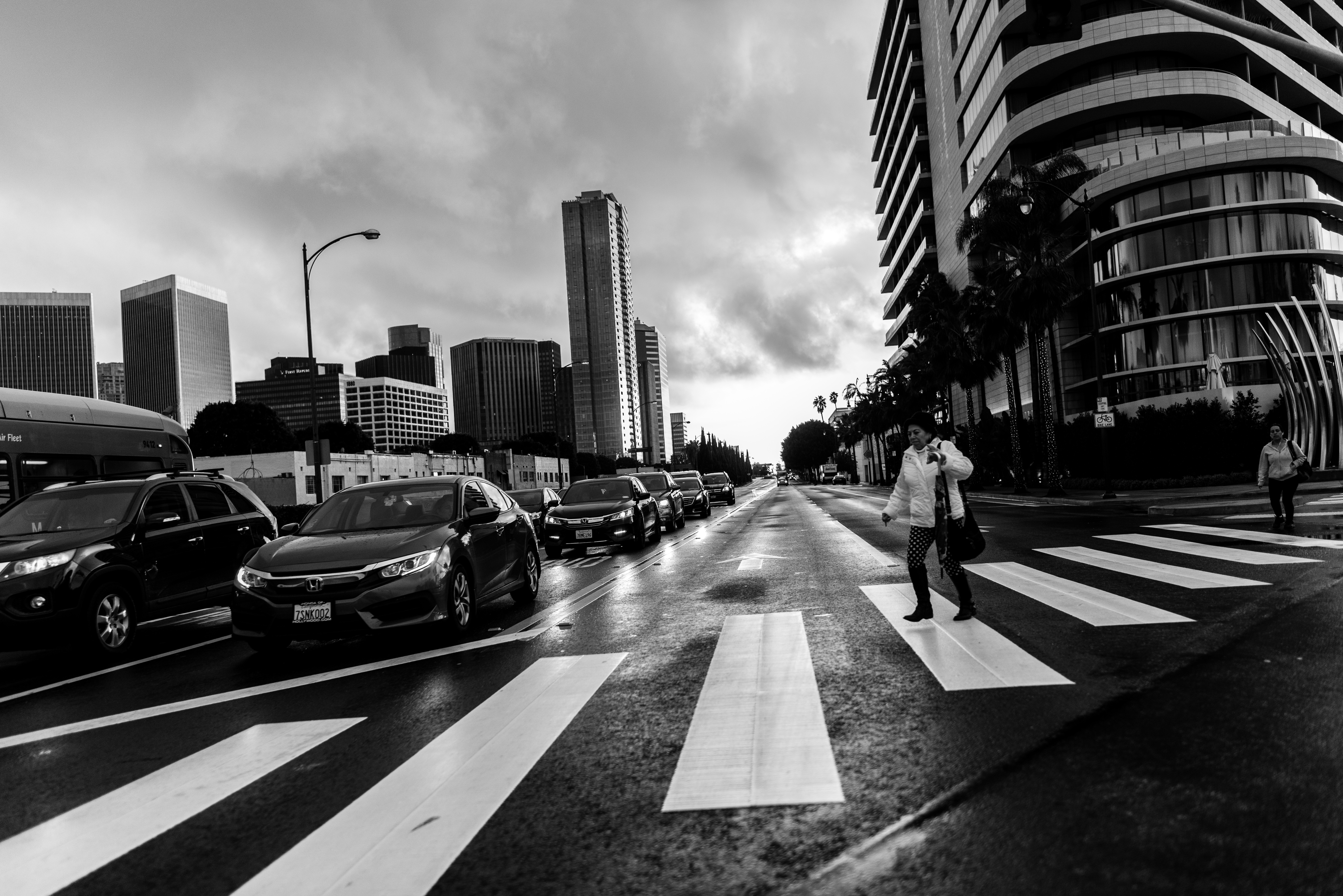
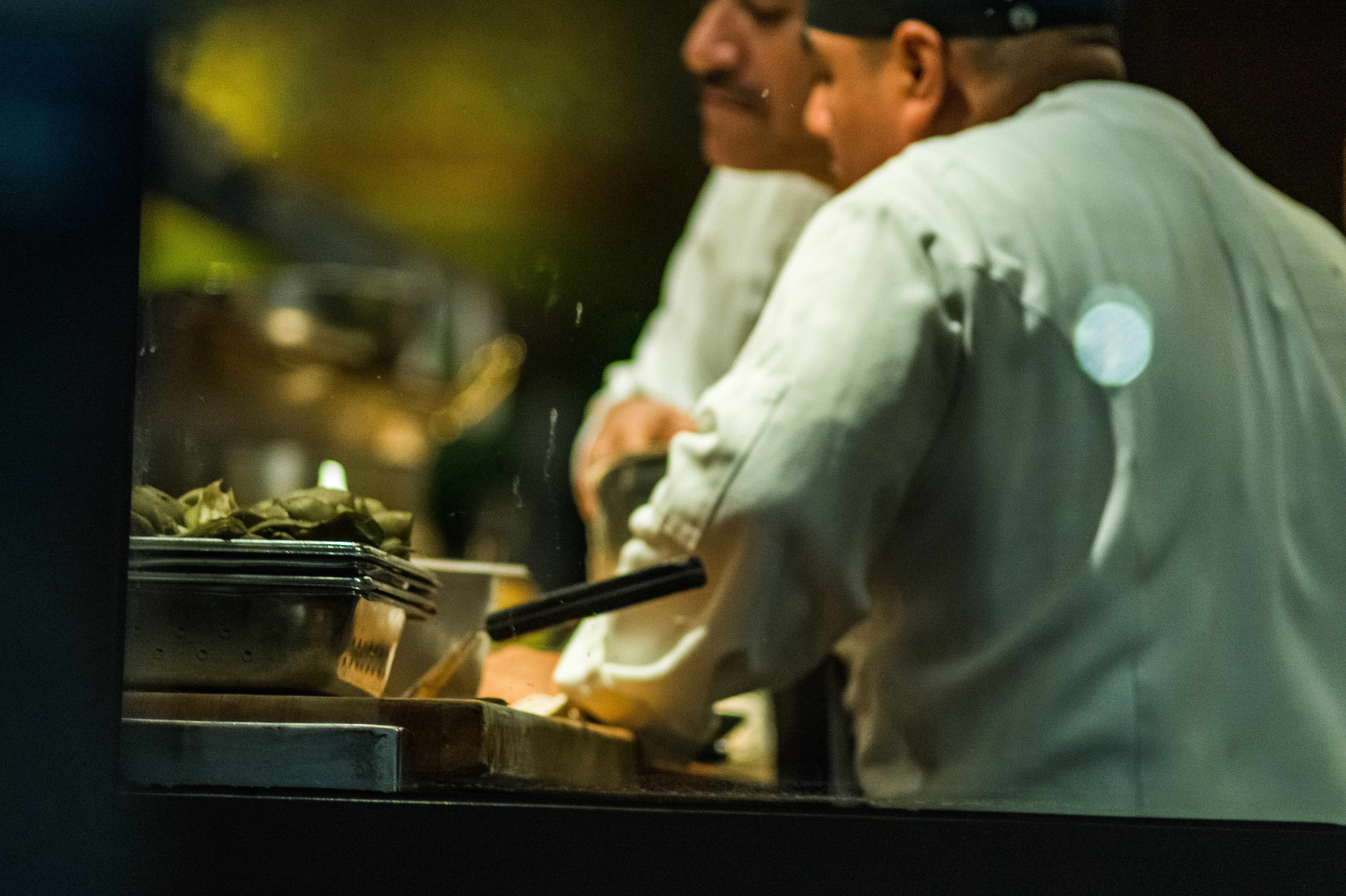


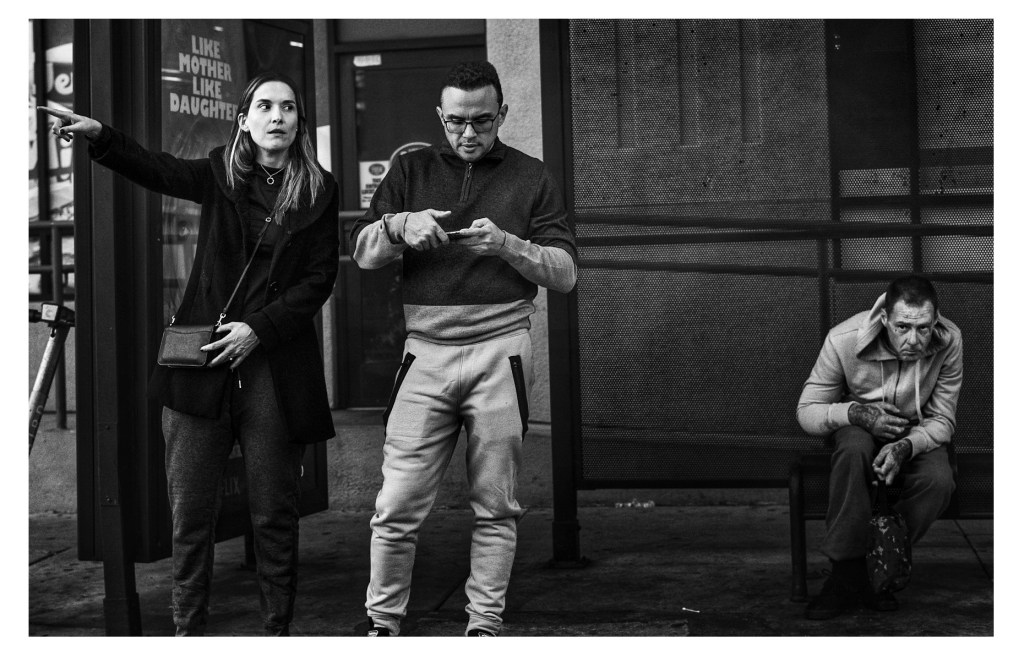
 Touching the great indoors. Nikon D750, AF-S NIKKOR 58mm f/1.4G, f/2.0 1/400 sec
Hello and welcome to a rare thing around here on my photoblog, the product review. I’m going to give my takeaway on the lens Nikon created as an update of an old legend from the manual focus days, the 58mm f1.2 Noct-Nikkor. The newer lens, released in late 2013 (Yes, I’m late) is called the AF-S NIKKOR 58mm f/1.4G, and no, if you might at some point find yourself wondering, Nikon does not know I exist. I promise you this will be an unusual review, to say the least. But I never say the least if I can, as anyone reading this will quickly realize. So let me explain some things right off the top that might save some of you a lot of time and annoying reading.
What you see below, the thousands of words? They have been written for one purpose only and that is to qualify the opinion given here. I will be the first to admit that my thinking is based on somewhat unusual factors and processes. But in order to appreciate, respect, or even disregard my opinion, such as it is, you would have to know something about the person giving it, what makes that person tick photographically and why he or she (he, as of this writing) has come to the conclusions he has come to. Thus everything that follows.
Let me further save you some time if you’re inclined to cut to the point. I didn’t take all this effort and put my keyboard through all the wear and tear I have because I merely like this lens. And I would never waste my time writing about a lens I had a negative opinion of. The reason I’m writing this review is because the AF-S NIKKOR 58mm f/1.4G has changed my photographic life and that’s the truth. I have never been happier with the results from a lens and, combined with the D750 I’m shooting it on, I’ve never been as happy with a camera and lens combination as I am right now.
Two Views On A Suit Worthy Of Conor McGregor Himself

One word, so many meanings. Nikon D7500, AF-S NIKKOR 58mm f/1.4G, f/3.2 1/320 sec

Words on Glass. Give it a second. Nikon D7500, AF-S NIKKOR 58mm f/1.4G, f/3.2 1/250 sec
But happiness doesn’t begin to describe how I really feel about this lens and the images I’m able to make with it. There is a mystery inside of me now, once again, that this lens is helping to explore. There is the genuine awe and a constant element of surprise when I look at the images I get from a day out shooting. But more than all of that, there are the affirmations to my own personal photographic aesthetic that helps to create a pure joy that shooting this lens provides me. For me, this lens has brought the magic back that I first felt many decades ago thinking and experiencing photography in the earlier days of my life.
Is that all a little over the top? It might sound that way to some, but I promise you, to me, none of that represents an over-the-top assessment. Not after all the years and the money I’ve spent searching for exactly what I have now. I’m in a new world with this lens and it’s the first time I’ve ever been here. I’m producing with this lens what I dream of from the time I pull out my charge card to pay for camera gear to when I put the viewfinder to my eye to capture a frame to when I pull the memory card out of the camera.

Flare of beauty. Nikon D750, AF-S NIKKOR 58mm f/1.4G, f/2.0 1/2000 sec
Will everyone reading this and looking at the images here in this review and in the other many posts here featuring shots from this lens see the wonderful qualities that I see in the photos? I’m resigned to the fact that this might not happen for many people. First, I’m now mostly a street photographer only and I’ve used this lens mostly for grab-as-you-can street photography. If you’re looking for professional use results from this lens in a review, look here. That guy is the real deal. I’m a different kind of photographer.
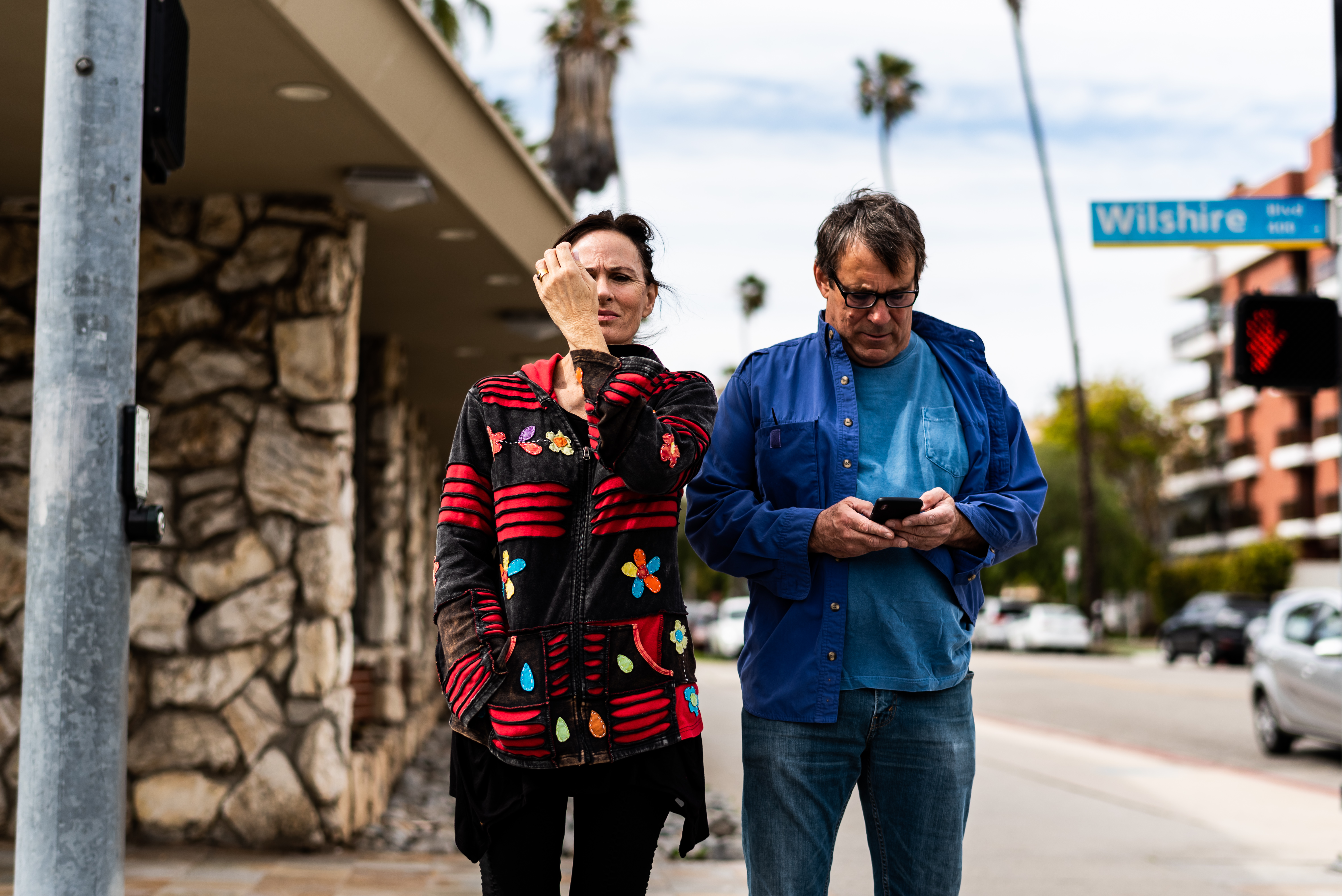 Nikon D750, AF-S NIKKOR 58mm f/1.4G, f/2.5 1/2000 sec (right click and open in new tab for pixel peeping euphoria)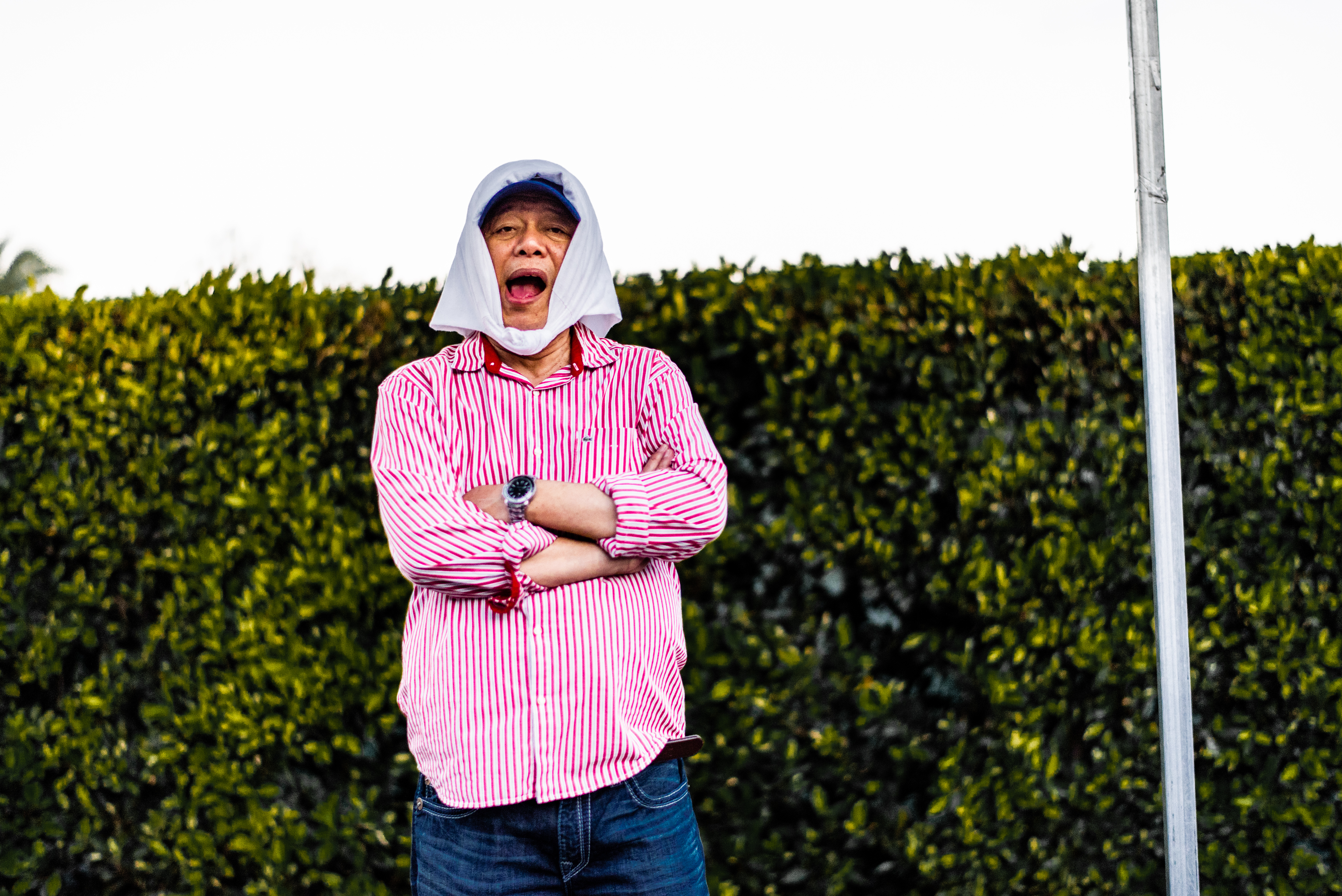
Nikon D750, AF-S NIKKOR 58mm f/1.4G, f/1.4 1/1500 sec
I’m also a walking rejection of the credentialed professionalization of creative endeavors like photography which are now almost entirely the fiefdom of those with advanced fine-arts degrees from a short list of select schools. But then again those are also the kinds of photographers who I would think most likely to appreciate this Nikon 58. If you’re a nuts and bolts wedding or high school seniors shooter this lens might have some characteristics that may be off-putting to you. I can only make a recommendation around the attributes that matter to me and my vision of what matters in photography.
So, if you’re wondering what the verdict here is, wonder no more. This is my favorite lens ever. Breaking news: Apparently, it has flaws. But you’ll have to read about those flaws somewhere else. At first I was obsessively concerned with this new(er) 58’s flaws. Now I’m no longer interested in them at all and I won’t be giving any of that the time of day in this review. If you haven’t already read it, I think the review posted and conclusions drawn at DPReview perfectly describe my psuedo-technical impressions of the AF-S NIKKOR 58mm f/1.4G.
Except for this.
The truth is, things that we think of as flaws can have unpredictably wondrous effects on the images a lens produces. Quirk, as anyone who is exposed to fine art photography knows, is never out of style. Every modern photographer at this point should know that correcting for every last possible imperfection carries with it the risk of producing a clinically bland camera lens. Perfection is sometimes necessary but most photographers would probably take magic over flawless perfection. This is a path of understanding I’ve been on for a long time. Look at the photography you see on the New York Times that accompanies articles on the arts or food or documentary subject matter. What I refer to as ‘character photography’ is now the most well-represented look in modern photo-journalism as it it practiced at the highest levels.
Nothing screams ‘quirk’ louder than a woman with hair blown in her face and a nice minty green hue adjustment.

So let’s start somewhere right around–but not quite–there. But first, how about an entire gallery of images shot wide-open? Here’s one to whet your appetite. (Provided you’re a teenage girl.)
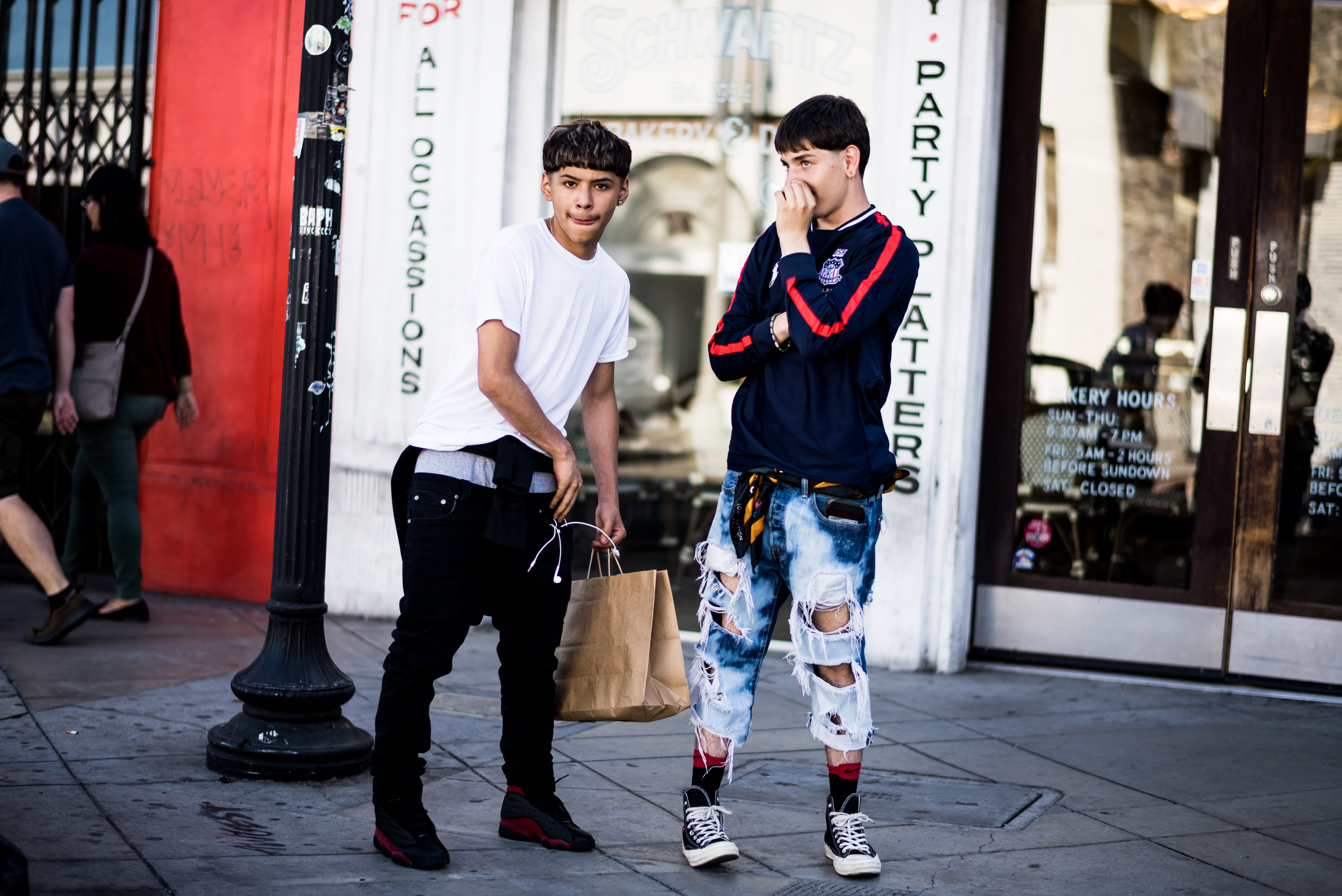 (click and click again for a full res version)
I want to say, one of these images, which I won’t identify, was shot the morning I had intended to run this lens over to UPS and send it back. I had the return authorization. Then I saw this very simple shot and it finally registered with me. I saw it. And I’ve never looked at the images from this lens the same way after that. I would be opening myself up to charges of lunacy if I revealed to the world what image in this gallery it was that so turned me around about this lens. But it’s in here somewhere. There are links on the bottom left of each image in the gallery that lead to a full-res look see.


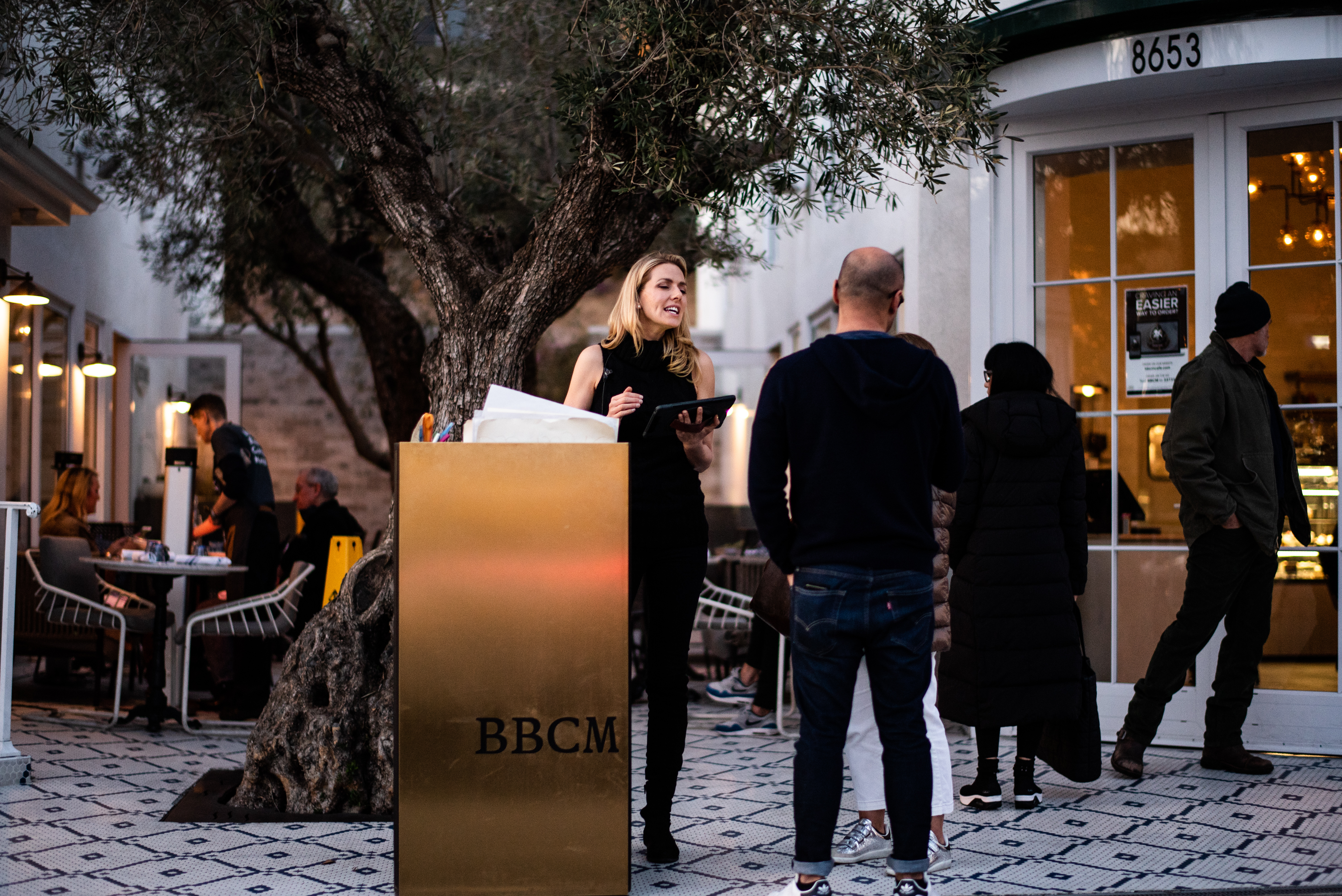
What Photography Means To Me
The famous quote by Garry Winogrand goes something like this. I photograph in order to see what something will look like photographed. This always sounded to me like just another attempt by a photo-artist to apply the required art-speak that every photographer must have ready to deploy in discussing his work if he ever wants to be taken seriously by the fine arts crowd.
It is not. It’s a literal statement by a photographer who, in my opinion, was not always the most articulate spokesman for his own work. But if you remove Winogrand himself from the thought and replace him with all of us who now peek at our LCD’s to see how the shot we just took looks, it’s really a statement about lenses and film and now digital gear of all varieties and what they all impart to an image that is first seen by the naked eye, then most often (but not always) through the viewfinder of a camera, and then, finally captured when the reflected light is exposed to our camera sensors, or, back in Winogrand’s day, to the emulsion on a patch of film. All of those things change what we first saw with the naked eye into a visual memorialization that is made to look different because of the choices and characteristics of the lens being used, the camera system, the type of film loaded into the camera, or the myriad digital camera settings, and whatever other magic happens in between all of that.
Another timely gem from Winogrand:
“The photograph should be more interesting or more beautiful than what was photographed.”
Wait. You mean, like this?


Come on. You have to admit, this freeway on ramp is quite fetching.


You see where I’m going with this. There’s a big difference between reality and a photographic image. And I don’t think we’d all be that interested in photography if there wasn’t. When it comes to the impact of glass on that difference the results vary wildly from one lens to another in the context of the thousands of lenses that have been manufactured in the last half century or more. I can’t speak for everyone, but I think it is a natural impulse at this point to shoot a scene or a subject in order to see what that scene or subject looks like after the reflected light has passed through our glass, been recorded to our sensor, with our settings, and then put through each of our unique chosen post processes.
And I know I’m not alone in saying at the end of the day I’ve been both surprised and disappointed a thousand times over at the results I achieved.
f/2.8 is stunning. (right click and open in a new tab to pixel peep)
 f/2.8, 1/1250
When I first became aware of pictures in the 1960s it was largely through magazines like LIFE and LOOK, but also the images in encyclopedias and my older siblings’ discarded history and sociology text books. I’ve come to understand, over time, that the pictures I saw in those books and magazines, especially the iconic black and white film images taken by the legends of 20th century photography, were so often made with Leica cameras and lenses.
Did someone say B&W?


As I moved into my second decade of photographic awareness, the 1970s, the images that I was seeing and being influenced by changed. Now it was about manipulative magazine advertisements which featured flashy, witty, or sexy color photography that sought to influence the buying public by relying heavily on pictures to infect consumers with that germ of longing for objects or places that were available but only for the right price. Like this guy’s Porsche. 😉
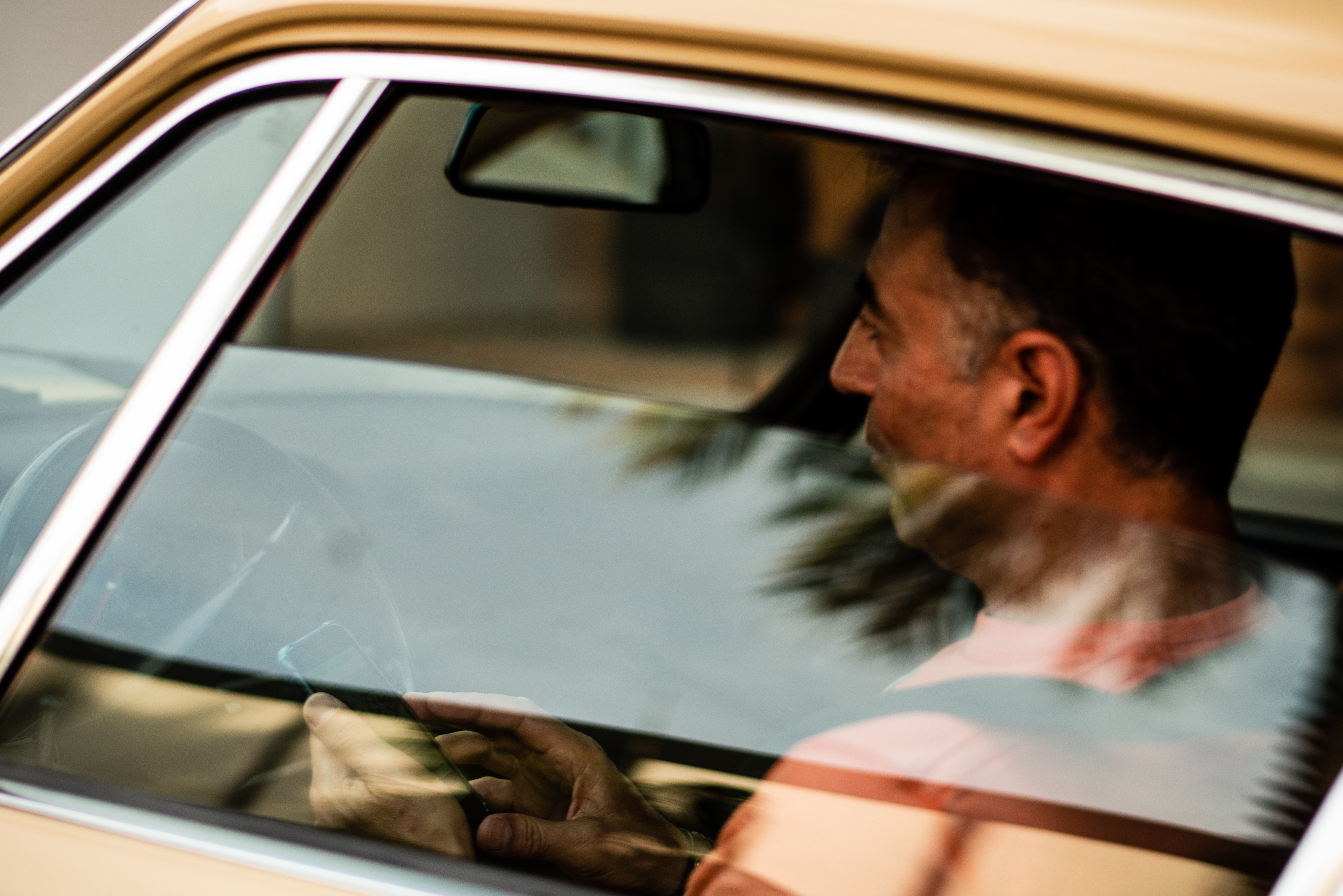
f/2.4, 1/1000
This era also marked the advent of lifestyle photography as that trend grew more popular through countless magazine photo features. Now it became these seemingly vernacular photos of attractive people drinking, dining, lounging around pools, or frolicking about the globe that were writing themselves into my head. What images were taken with what camera systems is something that I can’t know at this point. But it was during the 70s that Japanese SLRs became popular with professional photographers. So without question, the photography we were seeing back then was being increasingly shot with Japanese cameras and lenses made by companies like Nikon, Canon, Olympus, and Minolta.
By the photographic standards of today, a lot of the lenses from that era wouldn’t hold up. But from all of these name brands there were many gems produced that photographers lived with and swore by. These lenses created a look. It was not the Leica look. It was a Japanese look. But it wasn’t just the glass that contributed to that new look. It’s important to remember that color film was being changed as well. New and faster films, color matched for different lighting situations, were now widely available. And so the photographic look of the era as we saw it in magazines of the day was largely based on an interaction between the best Japanese glass with new and exciting color films.
What I’m trying to do here is paint a picture of my own and that is a description of what I believe created my own particular aesthetic wants and desires when it comes to photography. Everyone is different, that’s true. But it doesn’t mean there aren’t great similarities shared between wide groups of people. We all might watch a cool commercial and there would be a consensus that it was indeed cool. Likewise, in photography, it seems that many of us have some shared sensibilities when it comes to what we like to see and what characteristics in the images that certain optics produce we all aspire to. That explains the bokeh craze of the last decade or more. Not everyone is on board. That’s important to point out. But when you call people’s attention to a specific something, I believe there does seem to be a shared agreement that this is good, that is bad, etc.
f/2 is a very good thing.
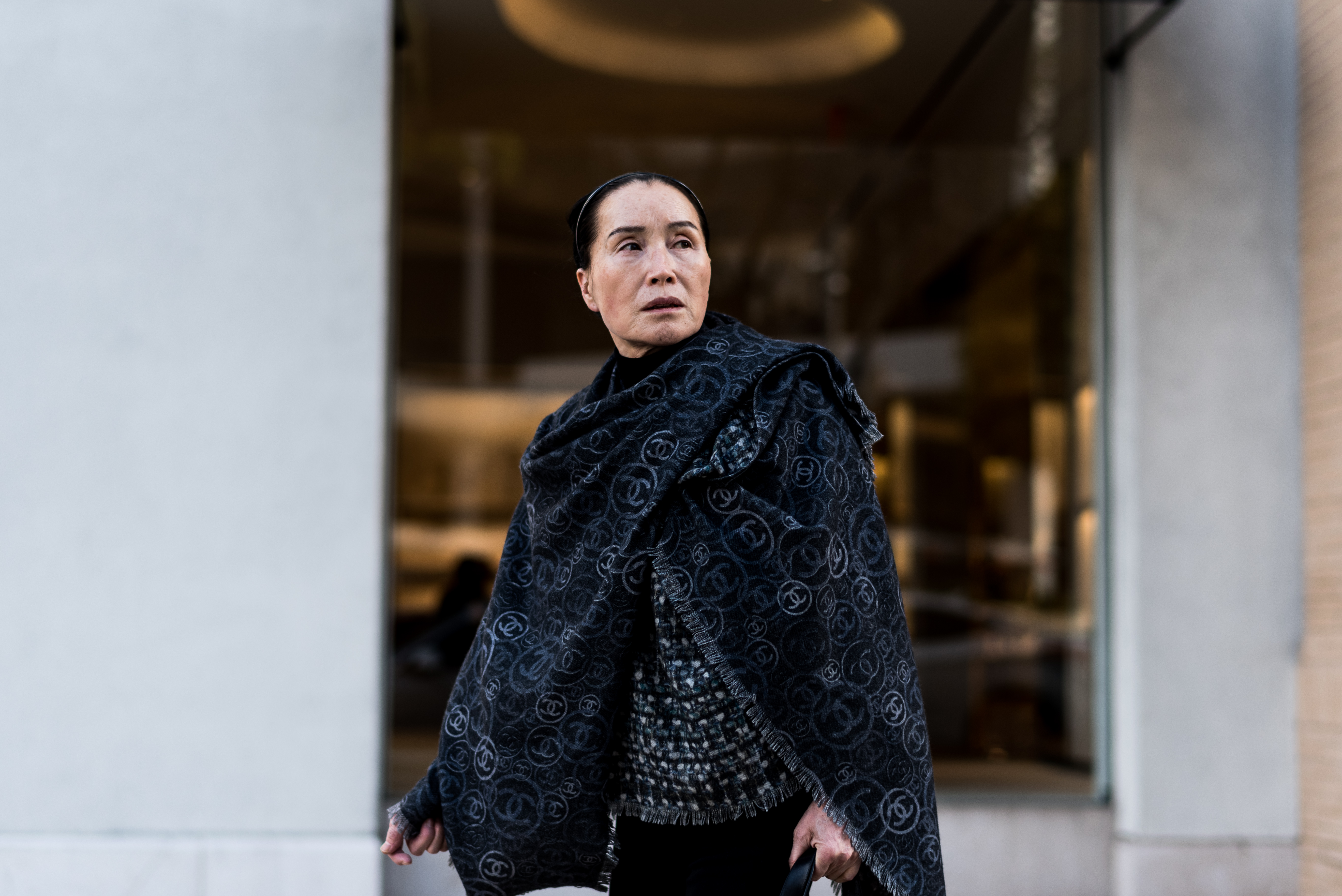

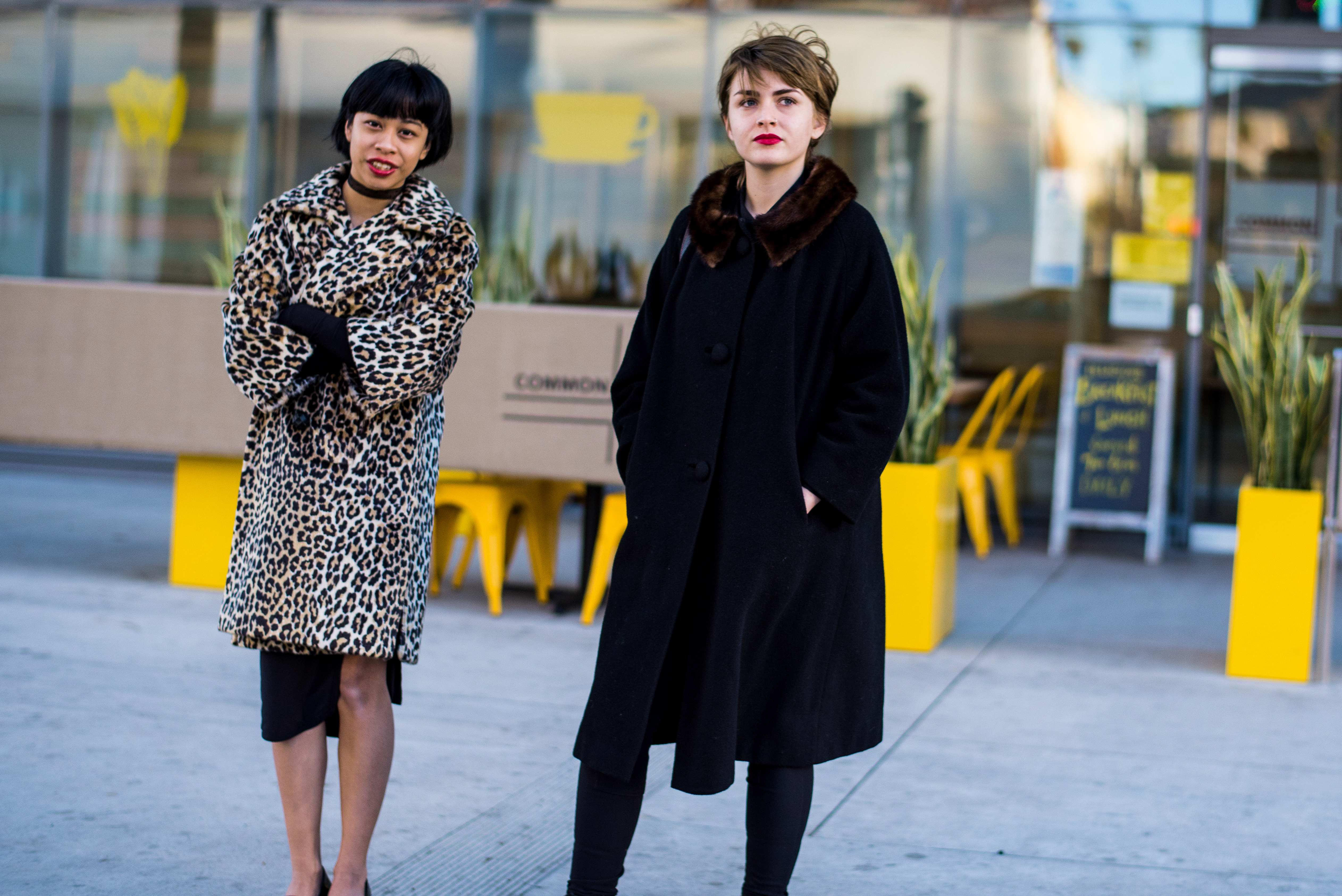
So fast forward to 2004, when I got my first DSLR, the really marvelous Nikon D70. I got it with the kit lens, I think it was something like an 18-85mm f4-5.6. And despite being in love with the camera and the newfound ability to take countless images without having to pay for film or developing, I saw absolutely nothing that remotely reminded me of the kind of images I grew up loving or of why I wanted to make photographic images of my own.
Thus began a journey. The journey. I’d spend hours upon months on a website called pBase, looking at the images taken with any number of older Nikon lenses. I’m sure so many photographers can relate. We called it lens lust. But I think it was coming from something much deeper. I think we were all chasing something. I know I was. I was chasing the look of photography as I’d known and loved it growing up and photography as it had attracted me to making pictures with a camera.
I can’t tell you how many Nikon lenses I owned. It’s unknowable, at this point. But I might remember the cameras. After the D70, I had a pair of D80s, a D2Hs, a D200, a D3, and a D700. Sensors evolved. Software evolved. Auto focus… well… they TOLD us it was evolving, but whatever on that. 😉 (We’re there now, Nikon. All is forgiven.)
But as I got out of photography that required pro-zooms and flash units, my frustrations with auto-focus and a life-long desire to shoot Leica gear won out and I sold my Nikon equipment and started down the expensive but incredibly rewarding road of being a Leica shooter. I started with the M9 and a 35mm f2.5 Summarit, but I quickly went through a lot of Leica lenses, as well as a lot of money, in short order. I grabbed a mint M7 and a well-worn M6. As far as lenses go, let me say this. If I knew then, what I know now, I would have never moved much beyond that little 35mm Summarit. It’s a great lens with a perfect balance of near perfection and oodles of character and Leica glow and it produced what are still some of my favorite shots.
The holy grail Leica lens, for me, was the one that this website is named after. The Leica 50mm f1.4 Summilux ASPH. It wasn’t an easy lens to get your hands on not so long ago as I’m sure many will remember. I recall telling my wife the day I got it something like this: If I am ever lazy and not shooting, even for a day, remind me to get out there on the street and take pictures, because every picture shot with this lens is that amazing.
So first let me say that I still love my Leica 50mm Summilux. Color and contrast are amazing. The ability to photograph at f1.4 and achieve stunningly sharp results was a revelation and oh so useful. And, very often, the combination of those things all came together to produce magic. If you have the subject, Leica is the equipment for you. Anything compelling is rendered in a way that adds a distinction to an image that isn’t really available with most any other family of lenses. I say ‘family’ of lenses because I don’t think the AF-S NIKKOR 58mm f/1.4G I’m reviewing here takes a backseat to any lens when it comes to adding that certain distinction to images. Bravo, Nikon.
Now if you’re starting to get the impression that this review is less about the lens being reviewed and more about me, you’re right. And that’s kind of the point. And it’s an important point. Choosing this Nikon 58mm lens is really about understanding the photographer who would make that choice and what might lead that person to coming to his or her choice. What do photographers want to see when they photograph something in order to see what it looks like photographed?
What are my desires from the making of an image? That’s what me owning this lens is really all about.

So with all that blurred background now, I would hope, established, let’s start our review. I’ll keep it short. 😉
When I first mounted the lens that’s the subject of this post, the 58mm f1.4 Nikkor G, after seven or so years of shooting Leica lenses, I decided almost immediately that it was going right back on the next UPS plane headed east. I’d read, and disregarded, as suggested by the review writers, the stories of the lens’s now infamous softness wide-open. I got caught up in the glowing claims that the remake of the legendary Noct-Nikkor had a magic to it. But what I saw was something familiar and depressing. An almost veiled fuzziness wide-open. Something dull about the colors. Chromatic aberration, which is pretty much the cold sores of photography, was also apparent. So, yeah, I was disappointed. Now I’m thinking I might have been delusional.
Because I can’t really explain much of that now that this lens has come to mean what it does to me and my photography and my life. Color is just off-the-charts. One of the more amazing things about the 58mm f/1.4 (and its 35mm f/1.4 G sibling) is that as you stop it down from the lush loveliness of bokeh-licious wide apertures, the bokeh REMAINS bokeh-licious. Sharpness is fantastic but… there’s something… it’s the sum total of the unique things about how this lens renders scenes that creates the real magic. It’s like, imagine you have a spouse (wait a minute, that didn’t come out right) and your wife or husband is sharp, in all manners of speaking. Beautiful to look at, and smart. Sharp. But that’s it. Then imagine a partner with those same qualities, but there’s a softness to this person that isn’t there with the other. A charm and gentleness to the voice and outlook. I don’t want to get weird but I’m striving for some kind of analogy that explains how a lens can have a way of rendering a photograph without the harsh edges and clinical perfection but still be as sharp as one could ever want or need a photographic optic to be. For me, that IS the defining quality of the AF-S NIKKOR 58mm f/1.4G.
One factor that led me to the ridiculously premature jumped-to conclusion this lens wasn’t a keeper was its performance on a DX sensor camera. I bought it with the intention of using it on a new Nikon D7500, which I purchased immediately after receiving the 58 1.4. DPReview warns that DX shooters might have some real issues with this lens. I wanted a gorgeous 85mm equivalent combo and so I thought these two would make a great pair. They do and they don’t. But I’m not here to talk about what this lens doesn’t do well on a camera I no longer intend to shoot it with. My next purchase will be another D750 and that will give me two incredible camera/lens combos with the NIKKOR 35mm f/1.4 G and this 58. And hey, there are actually very many shots here taken with this lens mounted on the D7500 and they’re in this review because I’m very happy with them. Let’s take a look at a few now

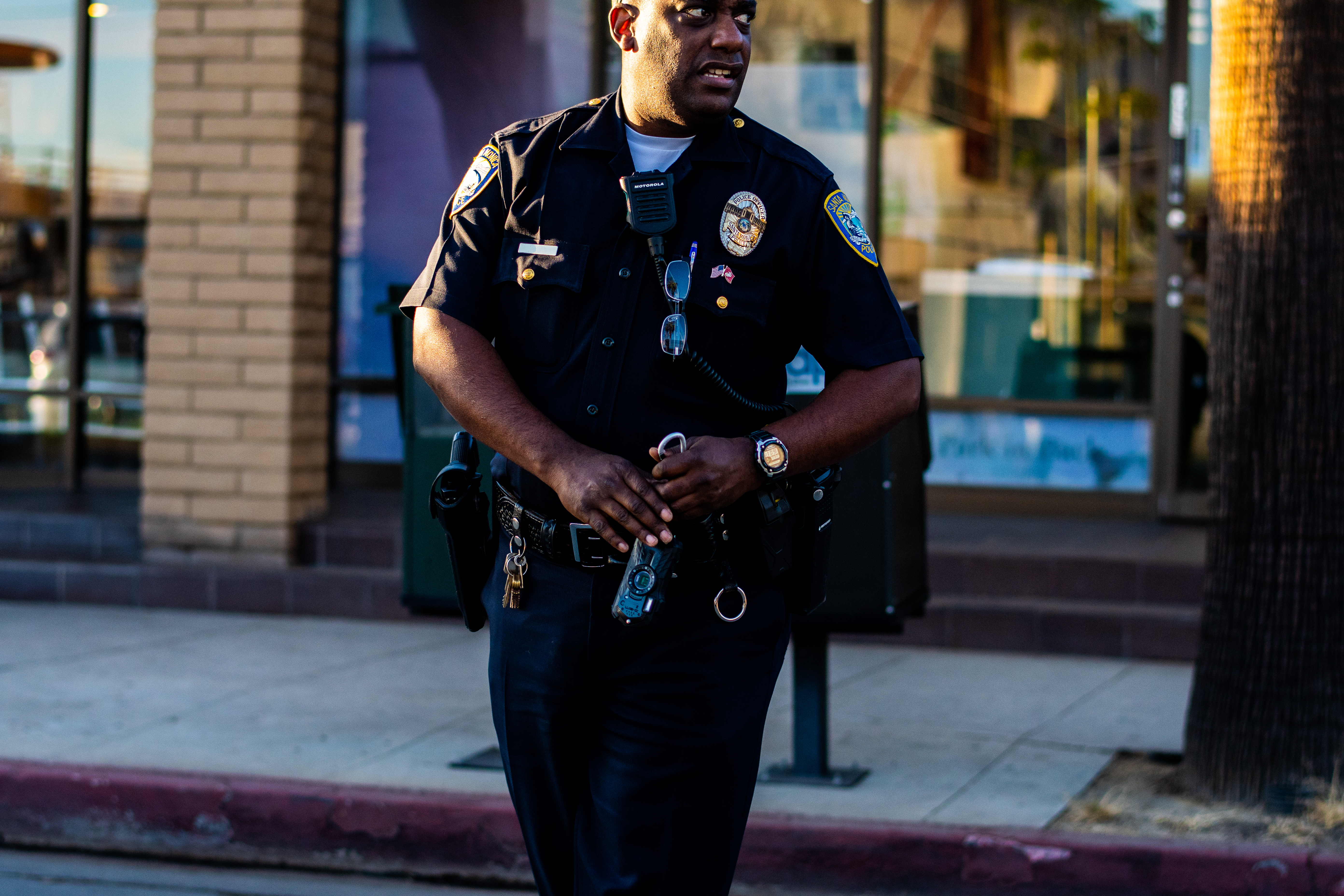
And one more. I won’t say much about this image below except that it, too, was another watershed photograph in my appreciation for this lens. Sometimes it’s the simplest-nothing burger shot that reveals qualities we haven’t seen yet. This was one of those for me.
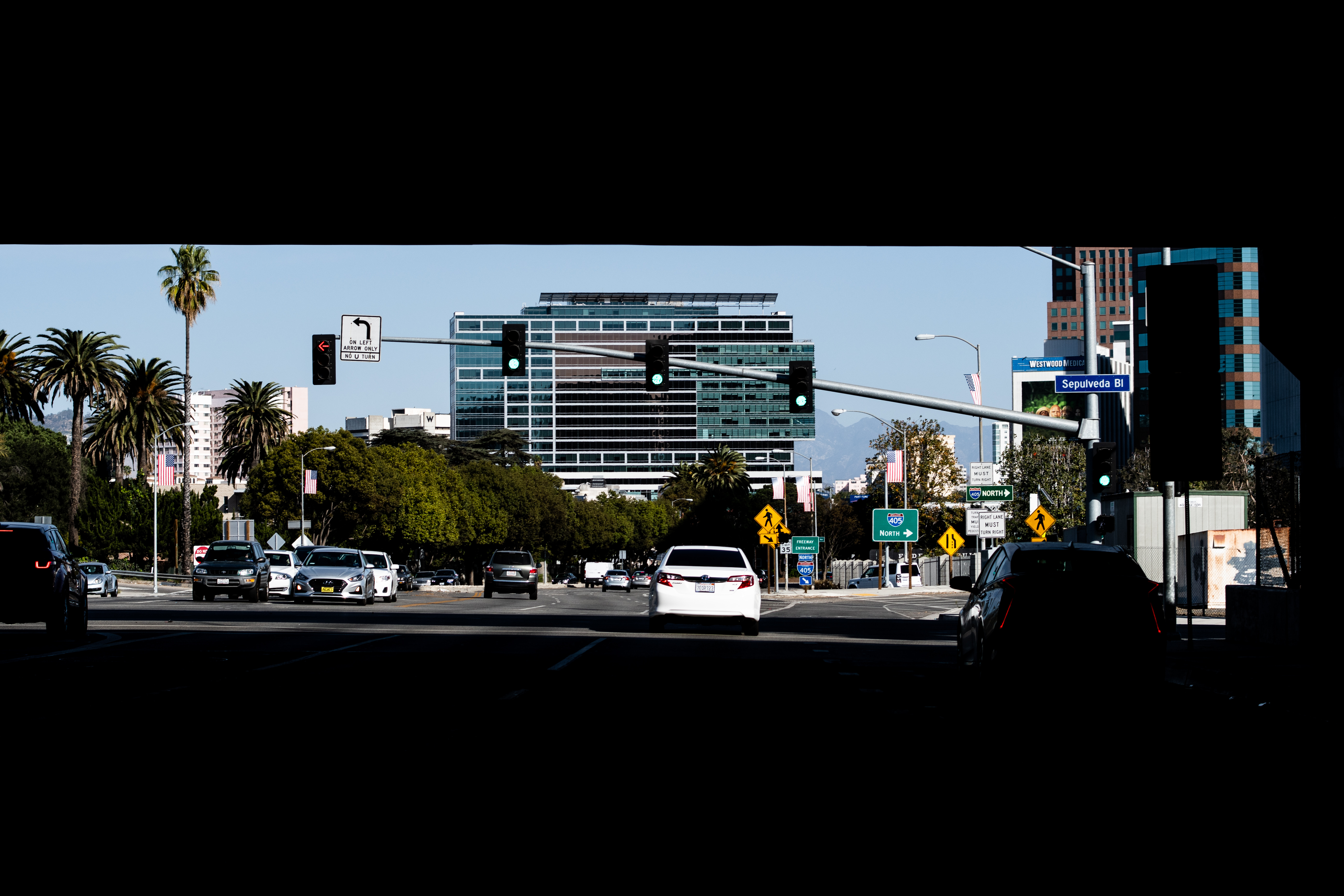 Nikon D7500, AF-S NIKKOR 58mm f/1.4G, f/5.6 1/1000 sec
Back to the point, please.
What I really wanted to talk about and showcase in this review is images that I took with this lens on the full-frame Nikon D750. It’s my favorite camera ever. I dreamed forever of a F6 size digital Nikon that was as pro as I could ever need or want a camera to be. The D750 exceeds my wildest dreams. Anyway. The only explanations I have for my initial impressions with this lens is that a) I had the flu during the first two months with it, b) I was coming from years of shooting Leica 50mm lenses and in comparison I was reacting to things not looking quite right and c) I had the flu during the first two months with this lens. (I know I mentioned the flu twice. At my age, the flu takes you out of yourself and it takes quite a while to get back to feeling like your normal self. Anyway.)
As many reading this might know, there was an extended holiday period for returning unwanted items at B&H. I called with just days to spare and got my return authorization for this Nikon 58. Then I decided to take it out one more time, and to take another hard look at the images I’d already shot with it. I won’t say I had an epiphany, it was more like an awakening. It swept over me. I’m not kidding. The images looked different to me and I wanted exactly what I saw in those images.
Over time, those feelings have only grown stronger until I’m now at a point where I don’t want to shoot with anything else. Ever. At least not out in the streets of LA. I have a Nikon 35 f1.4 G that I use for paid gigs. It’s professional perfection in an autofocus lens. I might be dating myself, but these two lenses, the 58 1.4 and 35 f1.4 Nikkors, are the Magic and Michael of autofocus lenses as far as I’m concerned. I’ll use Michael when I absolutely must get a win. But Magic is the one that dazzles my imagination.
A Gallery of f/2 Images


One reason mitigating any frustrations I might have with autofocus is the fact that, with this lens, as with film, subjects being not perfectly in focus doesn’t necessarily render an image unusable, let alone unlovely. On the contrary, some of my favorite images with this lens are ones in which the focus didn’t quite nail the subject. Magic happens regardless.

Anyway, I don’t have much else to say. I’m now shooting the kit of my dreams. And I mean that literally and in every other way imaginable. Lifelong dreams. Dreams of a small but very pro Nikon body like my first SLRs in the late 1970s.
And the heretofore unrealized dreams of shooting a lens that is magic. The AF-S NIKKOR 58mm f/1.4G is a lens that produces something that my eye sees as magical. It surprises me every time I take it out and shoot with it. I photograph things to see what they look like photographed with this lens. The things I photograph with this lens are more interesting and beautiful in those photographs than they actually appeared to me in person. I don’t know what else I could ask for in a piece of photographic equipment than all of that and so, for me, this lens represents many dreams coming true.
I’m going to leave you now with three images that sort of sum up why I do street photography at all and why I need all the help I can get from great camera gear with wide apertures and fast autofocus and all the rest. They are less than perfect images in a strictly technical sense. Not perfectly in focus. Light is challenging at that time of day and facing west so there’s some motion blur. But they capture real life as it is happening in this incredibly alive city at the times I was fortunate enough to pass by it.


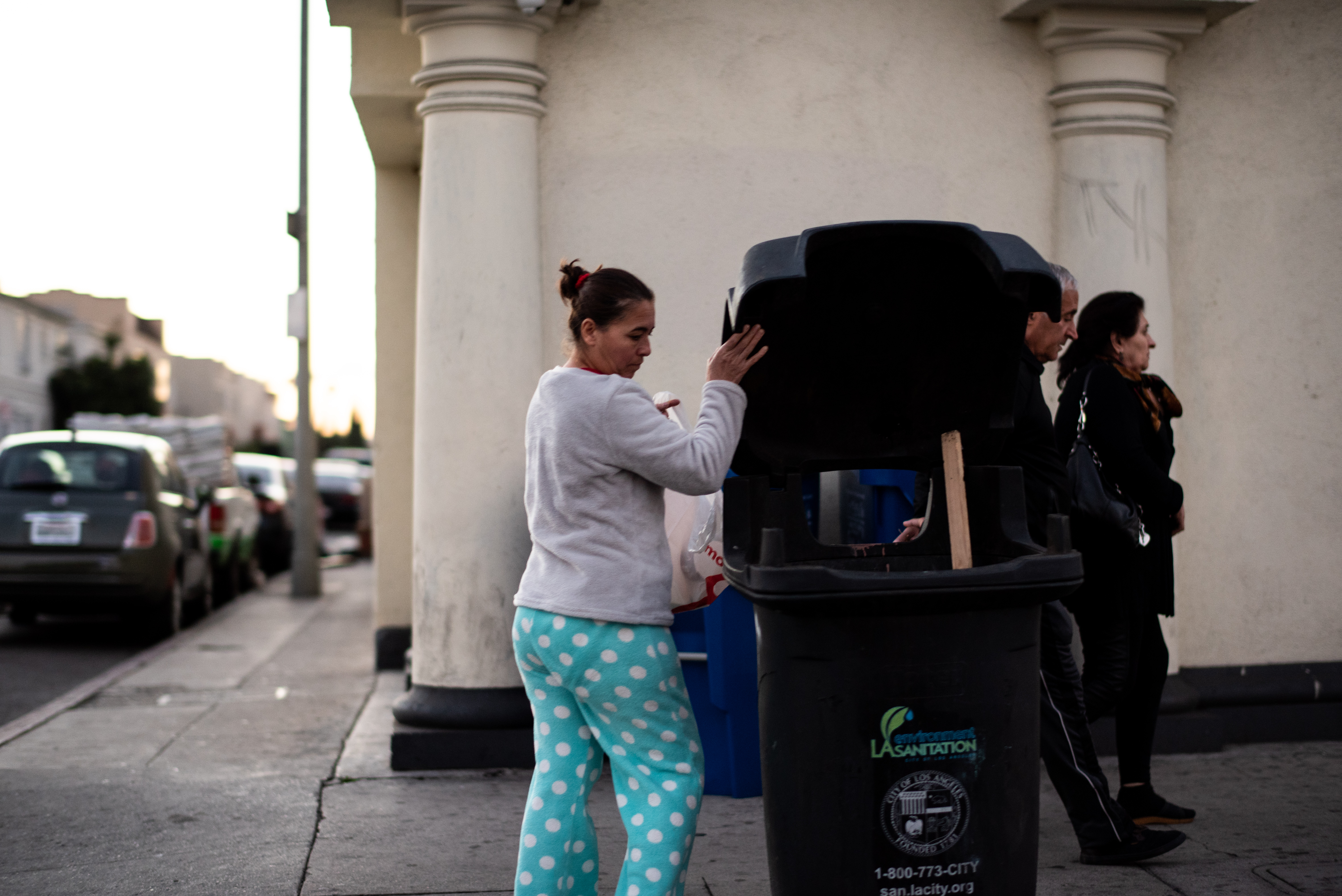
Hope you enjoyed or otherwise got something of value out of this review. Have a great life shooting images that make you happy!
Thank you,
donald barnat
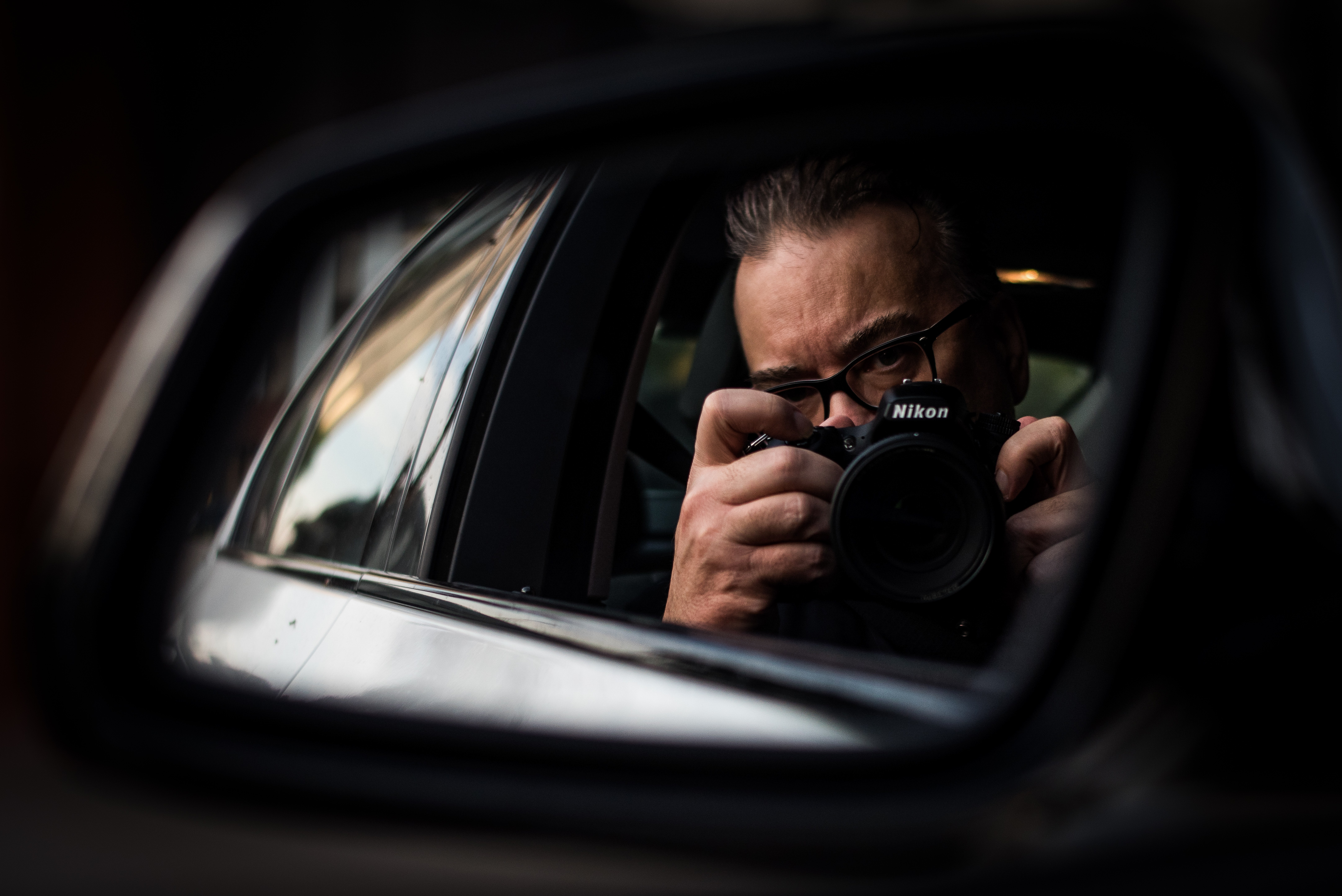


To mark the passing of Hugh Hefner I’m reposting this from years gone by. RIP Hef. Lord knows you’d need some rest by now. 😉
So let me tell you the story.
I get a call from a BET producer on a Friday night asking if I can go shoot an event for her at the Playboy Mansion the next night. It might come as a surprise to most people but the Playboy Mansion is the site of innumerable charity functions. I’d been up there before. Swam in the grotto pool. Blah blah blah.
But never, slow my rapidly beating heart, had I ever been there with a camera and a press credential.
So of course, I say yes! The problem, however, is that at that time in my life my health was absolutely miserable. So when the next day dawned blisteringly hot, I was both sick and apprehensive.
To get to these things at the Playboy Mansion you have to shuttle over. Actually they’re full-sized buses and you usually depart from a giant multi-level parking garage somewhere else on the Westside of Los Angeles. That was the case when I had my significant and dubious girlfriend of over three decades drop me off at the parking garage.
And I was still feeling very bad. And it was hot as Hades. I gave her strict instructions to be ‘on call’ cell phone on because I knew there’d be a long wait in a smothering parking garage and that I’d probably bail even before the first bus departed.
That was at 5:00 pm west coast time. Girlfriend didn’t hear from me again until near 1:00 am, when she found me lying on the sidewalk where she left me, drenched in sweat, with an absolutely stupid semi-permanent smile plastered on my half-crocked visage.
Yes. I was there a LONG time. I went through three or four different types of event photography all in one night. Red carpet. Long lens daylight candids. Available lowlight shooting. Standard event flash photography with the SB-800 and the 24-70 f2.8 Nikkor.
Lot of great stories. Met a lot of great people, believe it or not.
A pair of young female reporters for an online publication that covers charity events hooked up with me on the bus over. I guess this is when you know you’re getting old and harmless as a guy and maybe just a little pathetic. For a lot of the evening one of the very nice young women carried my heavy camera back pack around for me. Are you kidding me? Nice girl, definitely not from L.A.
At one point in the dusky part of the early evening, after sundown but when there’s still some light in the air, and of course there’s plenty of lighting at the event, a heavily geared up Canon shooter came up to me while I was shooting with the 70-200 f2.8 Nikkor. This is in the early days of the D3. He was very irritated with me for some reason and he says, “You know you’re not getting anything with that lens in this light?”
That was right around the time the picture at the top of this post was taken. And this one.

I’m linking to a Flickr slideshow of the images that ended up being used not by BET but another publication. They might appear a little soft in the slideshow as they are only 800x on the long end. It’s the entire gallery of ‘safe’ images.
But I’m also including below a definitevly NSFW slideshow of images that have never been seen by anyone but myself. These are of body-painted girls and when I say NSFW I really mean it! These are not your father’s body-painted naked girls here.
It’s the Playboy Mansion. What’d you expect?


Ali was my idol growing up in the 1960s. He gave me the confidence to be who I am. And to fight, something I had to do a lot of as a kid.
I met him after the Oscars show in 1997 the night the film When We Were Kings won an Academy Award. My mom and I stood across the street from Mortons in a large crowd. Before getting into his limo, Ali crossed the street to the crowd. He wasn’t in good shape even then. When he got to us I embraced him and told him he was my biggest hero as a youth. I then asked him to shake hands with my mom. She stuck out her hand and he brushed it aside and stooped down and gave her a warm hug. We both were in tears. Much love to Ali. He will live forever.
I had a video camera that night. I recorded Ali and George Foreman from across the street in West Hollywood. I had taken my mother to a spot near an Oscar after-party just to give her a thrill. I had no idea that Ali would be there.
When Ali came across the street I continued to record him but when he got close I just let the camera drop. I only have audio of our encounter on tape somewhere. I call him ‘champ.’ I remember my mother is sobbing. She tells Ali, We always loved you.
A decade later I was in Phoenix, AZ. photographing a WNBA playoff game. It was an exciting night anyway. One of those unfortunately rare magic evenings in the WNBA. Incredible playoff atmosphere. I’m on the baseline. Suddenly there’s a roar from the crowd in the U.S. Airways Arena. Muhammad Ali and his wife are in the building. They are on the big screen. I look up and I’m just taken away. An already incredible evening has just gone through the roof.
I look around to see where he is. Where is this person who has meant so much to me in my life? How lucky I am to have crossed paths with him yet again. I look up to my wife (then girlfriend) in the stands. She points behind me. I turn completely around on the floor and there he was, sitting no more than six feet behind me. All I could do at that moment was raise my camera.


Yes it just keeps on going. I THINK all or most of these were taken, as were the rest in this week’s blast from the past, with the Nikon Coolpix 950. Trusty little devil. Between 2000 and 2004. Which is mighty trusty indeed for a first generation digital camera. Solid.


I grew up in Aliquippa, Pennsylvania. Aliquippa was the home of a giant steel mill; at one time it was the largest in the world. The entire monstrosity was near 11 miles long and employed close to 15k workers.
The town was like something out of a rust-belt boom-town dream. Or was it a nightmare? Aliquippa was in the Guiness Book of World Records for having the most bars per square mile. A recent article in our local newspaper put it this way. “Aliquippa was a dirty little town of 30,000 with more bars, bordellos and gambling rooms than most would care to admit. In 1918, a state Supreme Court justice offered the following assessment of Aliquippa:
It is said that the region is largely peopled by uneducated foreigners, who invariably carry concealed deadly weapons; that murders are common; and that when a quarrel ensues, the question as to who shall be the murdered and who is murdered is, largely, if not wholly, determined by the ability to draw such a weapon quickly.”
When I moved to Los Angeles I understood that this place certainly had its share of dangerous areas and situations. It was the 1980s and there was a crack epidemic and gang violence was a scourge in LA. So I resolved immediately to stay on the Westside and far from the bad areas of town. And I held onto that resolve for the first ten or so years that I lived here. But, you know, being a person from the place where I come from, the street has its attractions to me and after playing it safe for so long I longed for something that seemed more like home. Sounds weird to me now even to type that.
So I become somewhat familiar with some of the more interesting parts of LA. And at night. So when digital cameras finally became available with their convenience and the ability to experiment, check your results in real-time, and move quickly on, I had the greatest idea. Go out and shoot the bad parts of town with my digital camera. lol.
Well, ISO capabilities back then weren’t at all like what we have today on our digital cameras. And I didn’t actually, it turns out, have a death wish. 😉 So this project wasn’t something I devoted many evenings to. But it was an interesting time in LA. I think the LAPD had street crime on its heels at that moment. Or was it the exact opposite? I remember both periods quickly followed each other. Different police chiefs and different approaches. Anyway.
I had some tricks. I would go out on really REALLY cold nights. Nights that cold are really uncommon in LA so when the chill hits here, the streets can be very deserted. Anyway. Hope these images capture the imagination that I was gripped with when I took them. I would be the first to admit there’s probably not a single really strong image in the whole bunch. But they do capture something of the atmosphere of the city back then. The darkness and strangeness I was after more than anything else.


More from the Nikon Coolpix 950. Probably from around 2000 to 2004. I’m like Vivian Maier Lite. Less calories. Less filling. Etc. Please enjoy responsibly.


Again, these images were taken with one of the first great digital cameras, the Nikon Coolpix 950. Probably from around 2000 to 2004. I had so much fun with this camera that twisted the part with the viewfinder from the side with the lens. Twisty little sucker. Like having a viewfinder camera and I don’t know why I remember it being ‘live view.’ Maybe I’m misremembering. Anyway. Yet even more images to come tomorrow.


All of these images predate even my first DSLR, the Nikon D70. These were, believe it or not, taken with one of the first great digital cameras, the Nikon Coolpix 950. Probably from around 2000 to 2004. Yes, I’ve been doing this a long time. More to come.
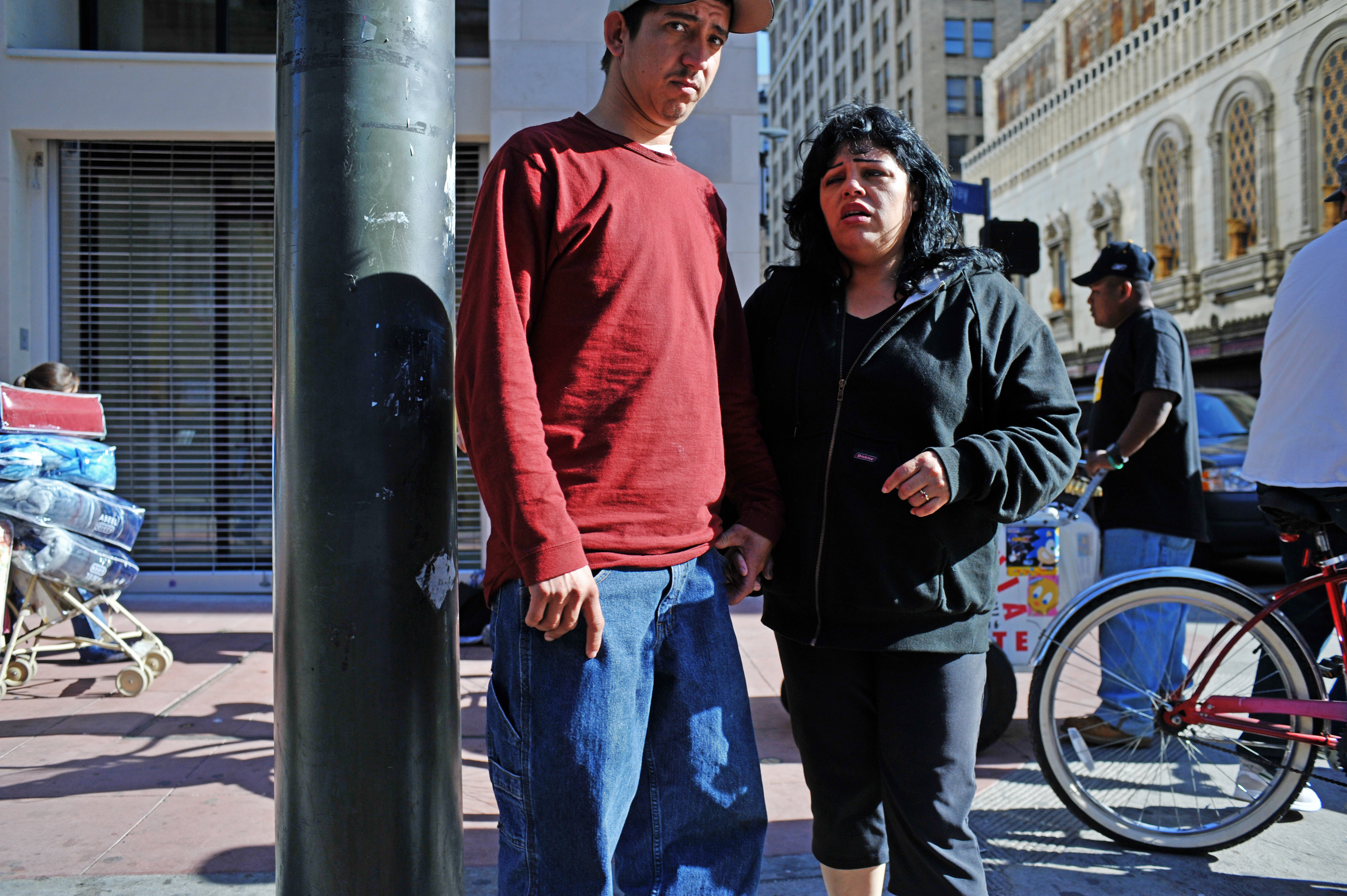


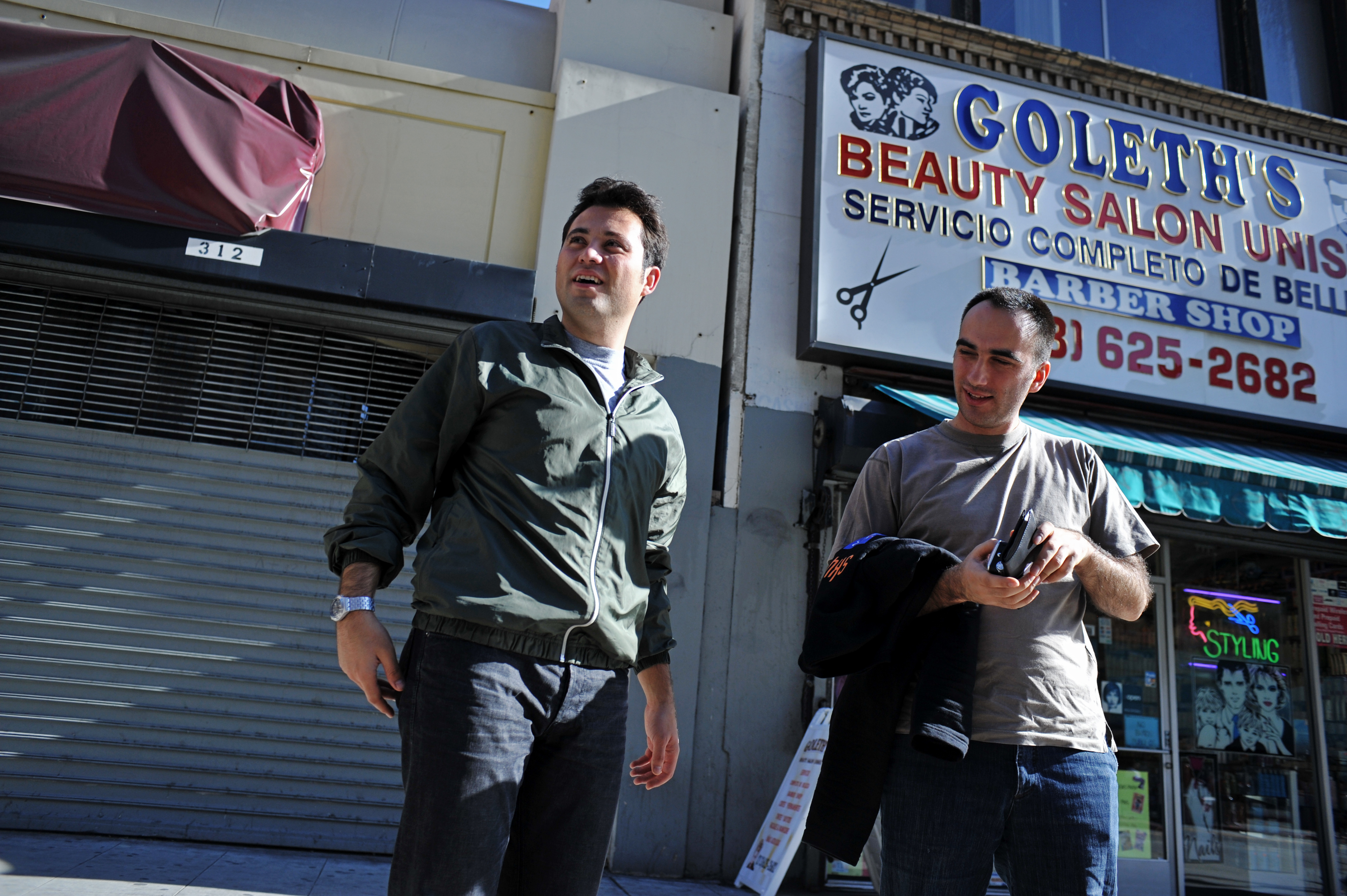


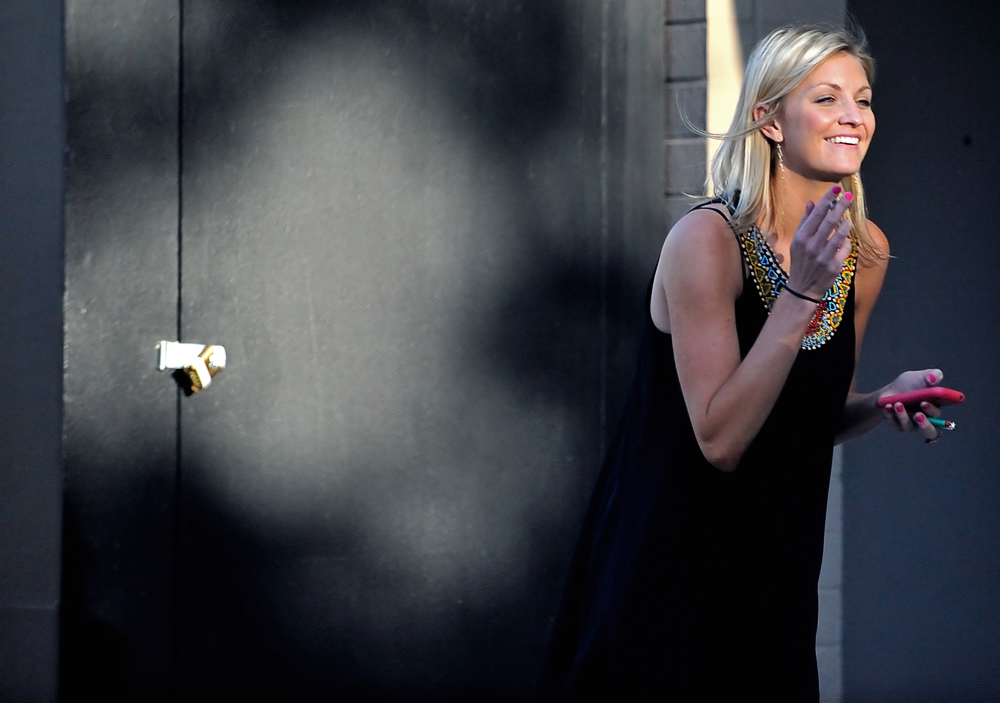 Who are all these people? lol. Looks like… hmm. Maybe, maybe not. Who’s to say? A bunch from the Nikon days.


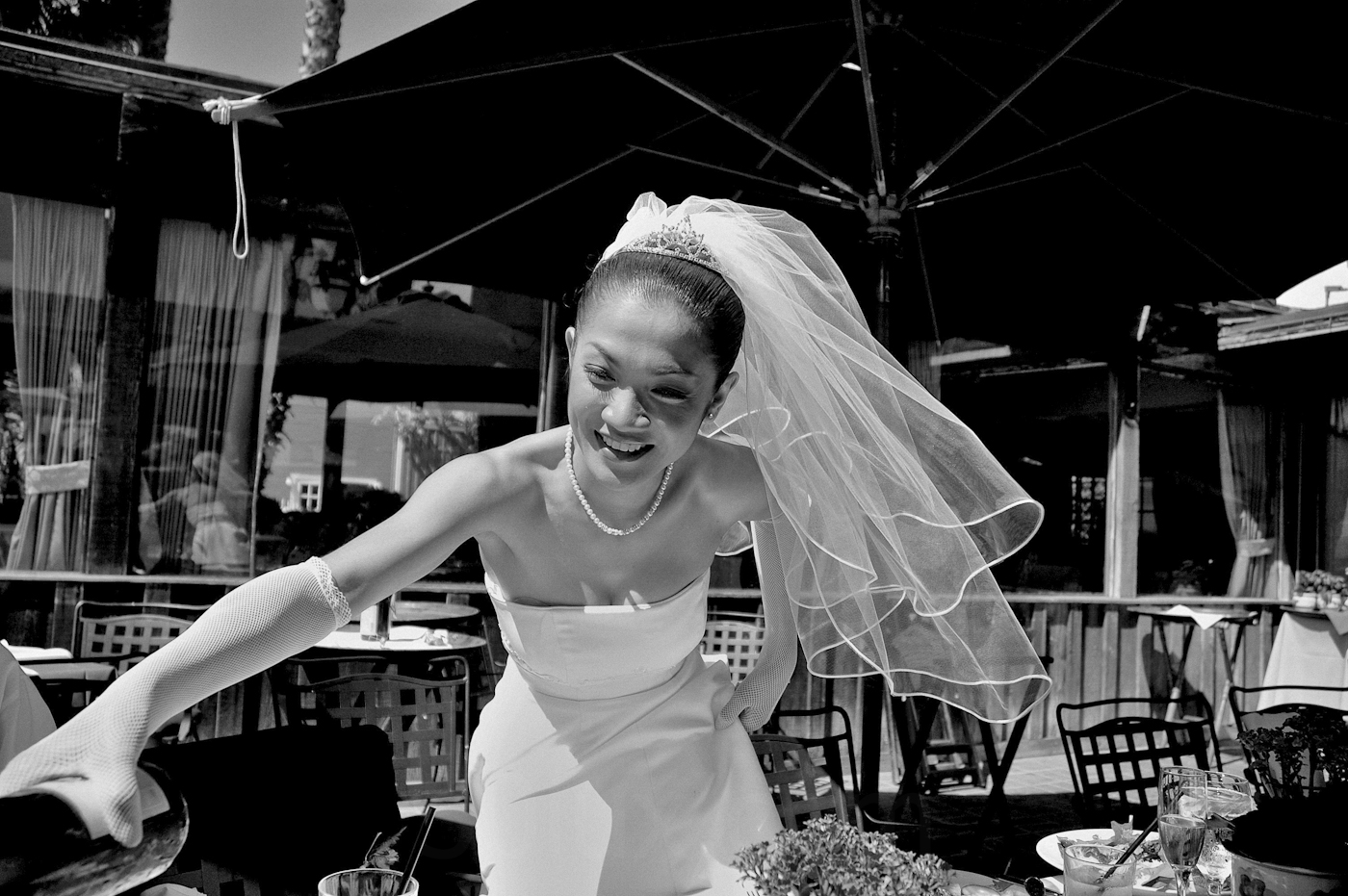 I’m going through some archive realignment ordeals lately but the upside is I am relocating older images as I go. These were all taken the few months with what was then a really hot number, Nikon’s big splash in the consumer enthusiast DSLR market, a camera that was a true game changer, the D70. Anyone remember custom tone curves?
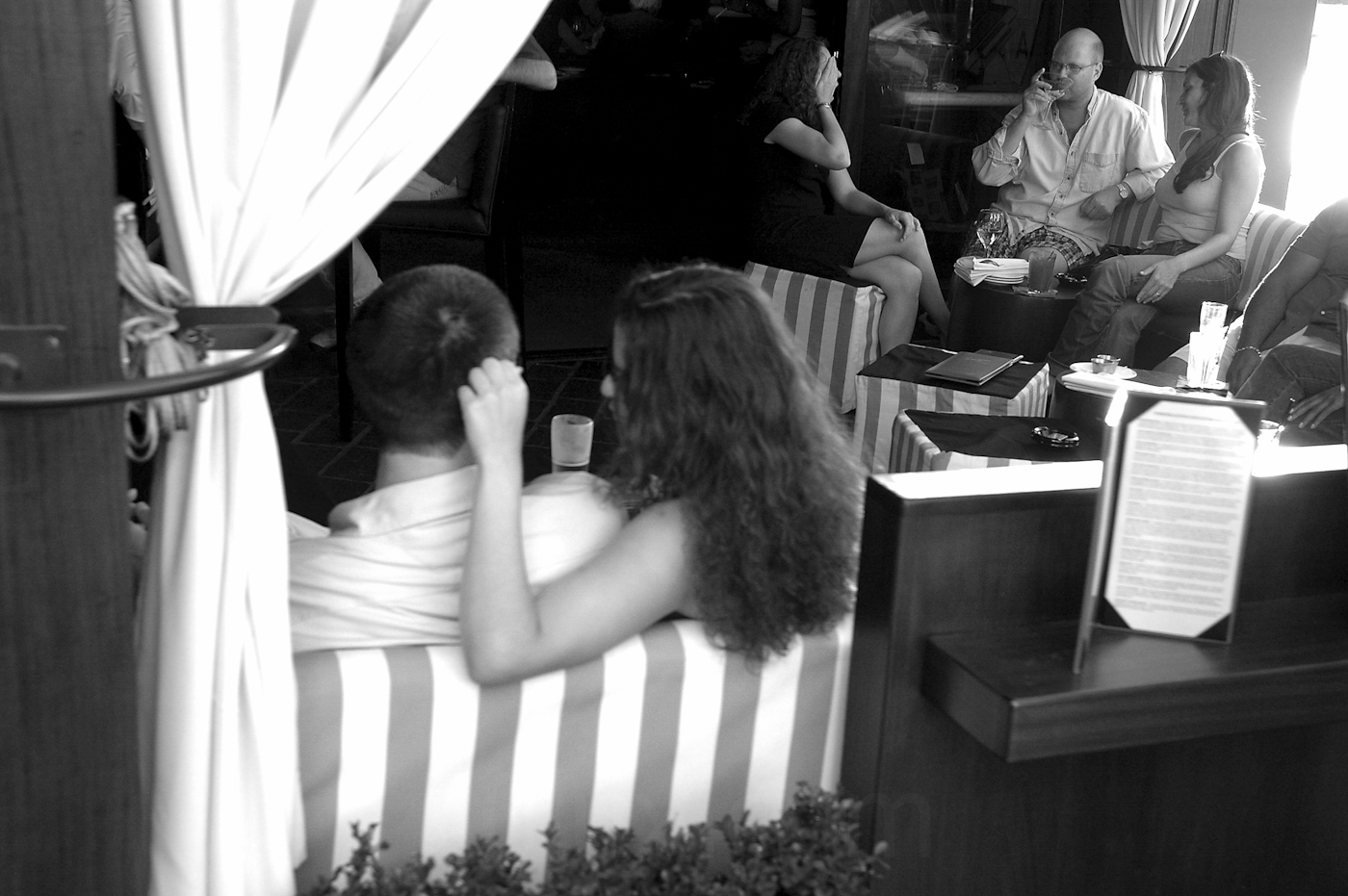
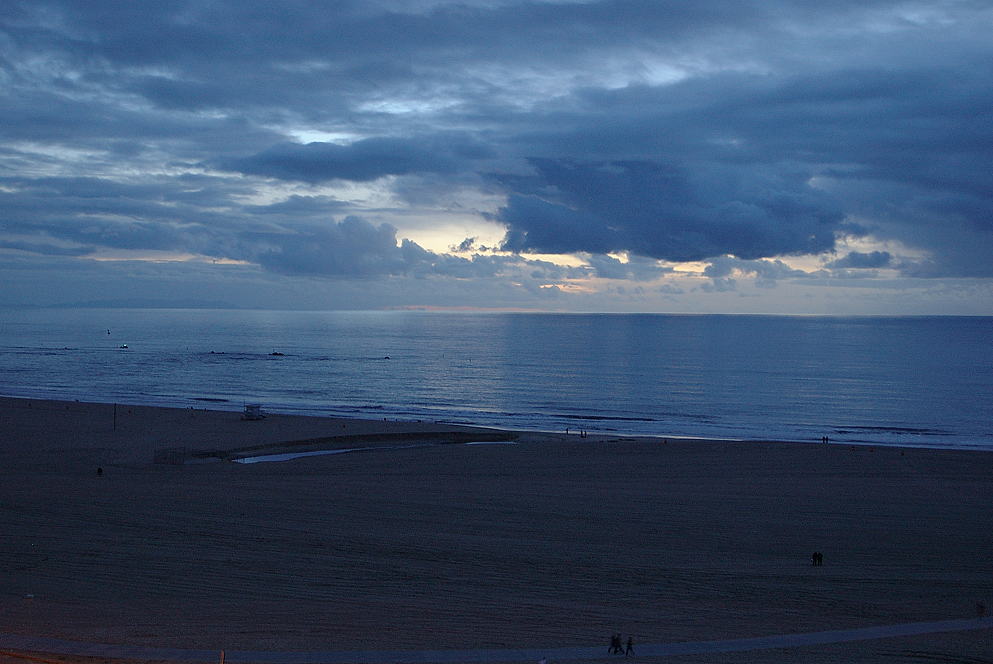
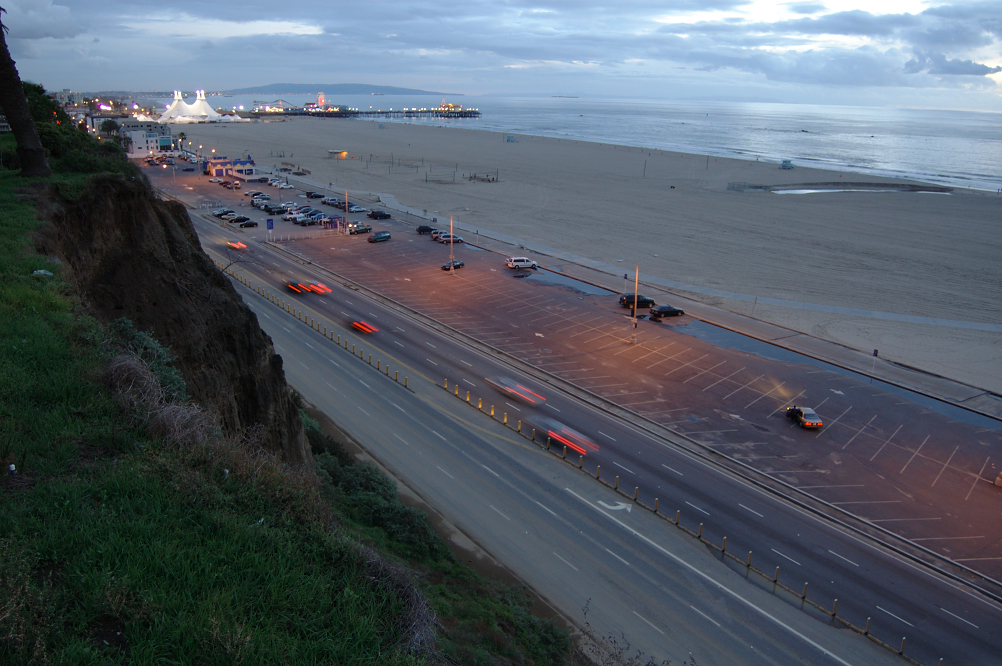
Here are some of the shots I’ve always remembered for various reasons.






Leica M9, Voigtlander 40mm f1.4 Nokton
THE REBLOGGING CONTINUES UNABATED! This from a few years ago.
Honestly, I’m not sure there’s two opposing camps out there. I think the way it usually goes is some poor unsuspecting chap says he likes to take pictures… and then, invariably, someone wearing a much more expensive watch says he doesn’t take pictures, he makes them.
Ah-HAH!
Then the first guy smiles and shrugs and says yes, of course, and then looks at his feet. The party’s over for him. He doesn’t even know what the other guy is talking about.
Make pictures? What does that even mean? What’s the difference between taking a picture and making one? Are they really two different things? How come I don’t know this?
The reason he might not know it is because there are so many instances in life where others hang onto information as if it’s a proprietary asset. Or, just as likely a theory, as long as I’m casting aspersions, they can’t really explain it themselves even if they wanted to because they themselves don’t know.
Ansel said it. That should be good enough for everyone. Right?
The truth is, making and taking a picture are really two different things. What the annoying snobby person (a recurring character on this blog) may not know is that, believe it or not, both are important approaches to photographing and it’s important to know the difference and to be able to execute on either at your discretion as a fairly decent photographer.
Simply put, you MAKE a picture when your eye selects a subject or scene and you can envision how you want that picture to appear in a photographic image and then you set about the business of positioning yourself and your camera, deciding areas under your control such as the aperture and how it will effect depth of field, for instance, as well as principles of composition or how you might use exposure, the balance of light and shadow, and an almost infinite number of other variables that will allow you to achieve the image that you’re envisioning as an end result.
Almost everything is riding on you. Your desired outcome will come about to your satisfaction only if you can execute and control the many decisions and results that represent your own vision for the image.
It’s an important basic concept to be aware of as a photographer and you can cement the processes involved in making images as opposed to taking them into your mind by repeated practice or application. After you’ve ‘made’ a half dozen great images of things as banal as the folds and polka dots on your shower curtain you’ll understand the concept of making an image as opposed to taking one.
But as you have probably already figured out, this is just one approach or thought process of photography and there certainly are countless instances where great photographers producing iconic images were not and are not engaging in anything approaching such a carefully thought-out creative process in the capturing of their images.
In fact, and apologies to Ansel Adams, I would suggest the vast majority of photography’s most famous, memorable, or iconic images were not made in the sense that they were envisioned, preconceived, thought about, prepared or set up for, or any of the many actions that a creative photographer might go through in an effort to make an image.
This is probably best explained with a picture, which is, the last time I bothered to check, still not really worth a thousand words.
Sao Paulo, Brazil. 2006. Women’s World Championship of Basketball.
Team USA has just lost a game in international competition for the first time in 14 years. Since international amateur athletic bodies that govern things like world championships and the Olympics changed the rules that prohibited professional athletes from participating, allowing for the creation of ‘dream teams’ made up of the best professional players in a given sport, the United States had dominated the world in women’s basketball.
But the scrappy (and photogenic) team from Russia found a way to do what no one believed even possible; literally beat the Americans at their own game.
So a bunch of baseline photographers are under the far basket after the historic loss. Some of us, the Americans I’m guessing, are shocked and more than a little bit angry. We all came a long way to shoot the United States winning a world championship.
We’re all looking around in confusion and as the Russian post-game celebration extends beyond a polite 30 seconds or so, it seemed that most of us had gotten all the shots we needed of this sacrilegious demonstration and we’d gone back to mostly arguing about who screwed the pooch harder, the US players or coaches.
After a while, in any group or pool of photographers covering an event, there’s this group-think that seems to occur. We all know what we’re there to get, and I think some of us can get a little self conscious if we’re the last photographer still grinding away at our shutter’s life expectancy at eight frames per second shooting at essentially the same scene. You don’t really want to be that guy. What is that clown doing? You mean you haven’t gotten one in focus YET?
But then I saw something. Something was added to the scene. Instinctively I raised my Nikon D3 with the 70-200mm f2.8 Nikkor VR mounted and took this shot.

Nikon D3, 70-200mm f2.8 Nikkor VR
I will tell you without question that it is my firm opinion that if women’s basketball and the exploits of our US national team in international ball were a big deal in this country, as big of a deal as say, NBA basketball is in America, then this image would have been an iconic capture.
It’s Diana Taurasi, then and probably now the best women’s player in the world, dejectedly walking by as the ecstatic Russians carry on the celebration of their incredible upset of a team made up of the best professional and amateur women ballers our country could produce. Something that hadn’t happened, as I pointed out earlier, in 14 years.
I know you could argue that I somehow made that image, and that’s fine. My mind recognized the opportunity and blah, blah, blah. Yes, I was prepared to shoot that moment. But we’re all as photographers in a constant state of preparation.
The truth is, I took that shot. And the further truth is, I seek to take shots a lot more than I set out to make shots.
I wrote this article because I think I understand the difference between the two and can explain it. I also wrote it because I’d like to change as a photographer. I can take shots. I’m very good at it and I want to continue taking them whenever the opportunity arises.
But I want to spend a lot more time in the future of my photography making images. This blog entry will be, I hope, a major step forward for me to focus my attention onto an approach to photography that I’ve often neglected.
You don’t really know something, it is said, unless you can explain it to others. And I sincerely hope this piece is as helpful to me as it might be to anyone reading it.
db
P.S Here’s another women’s basketball shot that this time I apparently, in spite of myself, somehow managed to make.
P.P.S. This article was originally published here on 50lux.com June 10th, 2012. I could (and probably should) just reblog these old articles, but they don’t display quite the way I would like them to so I don’t. I guess I don’t quite see the harm in doing it this way.

Nikon D3, 24-70mm f2.8 Nikkor
I used to shoot for an online sports publication and my boss, SportsPage Mike, had one rule for the photogs: bring back shitloads of pictures. This inevitably led to both disaster and triumph. Team media days, which aren’t (or weren’t) really about roving photogs capturing the day, could be especially difficult. None of that on this media day. Los Angeles Sparks 2008. I hope these world class athletes don’t mind me saying that they were also, on this day, a solid team of beautiful women. Wow! I say DAMN!


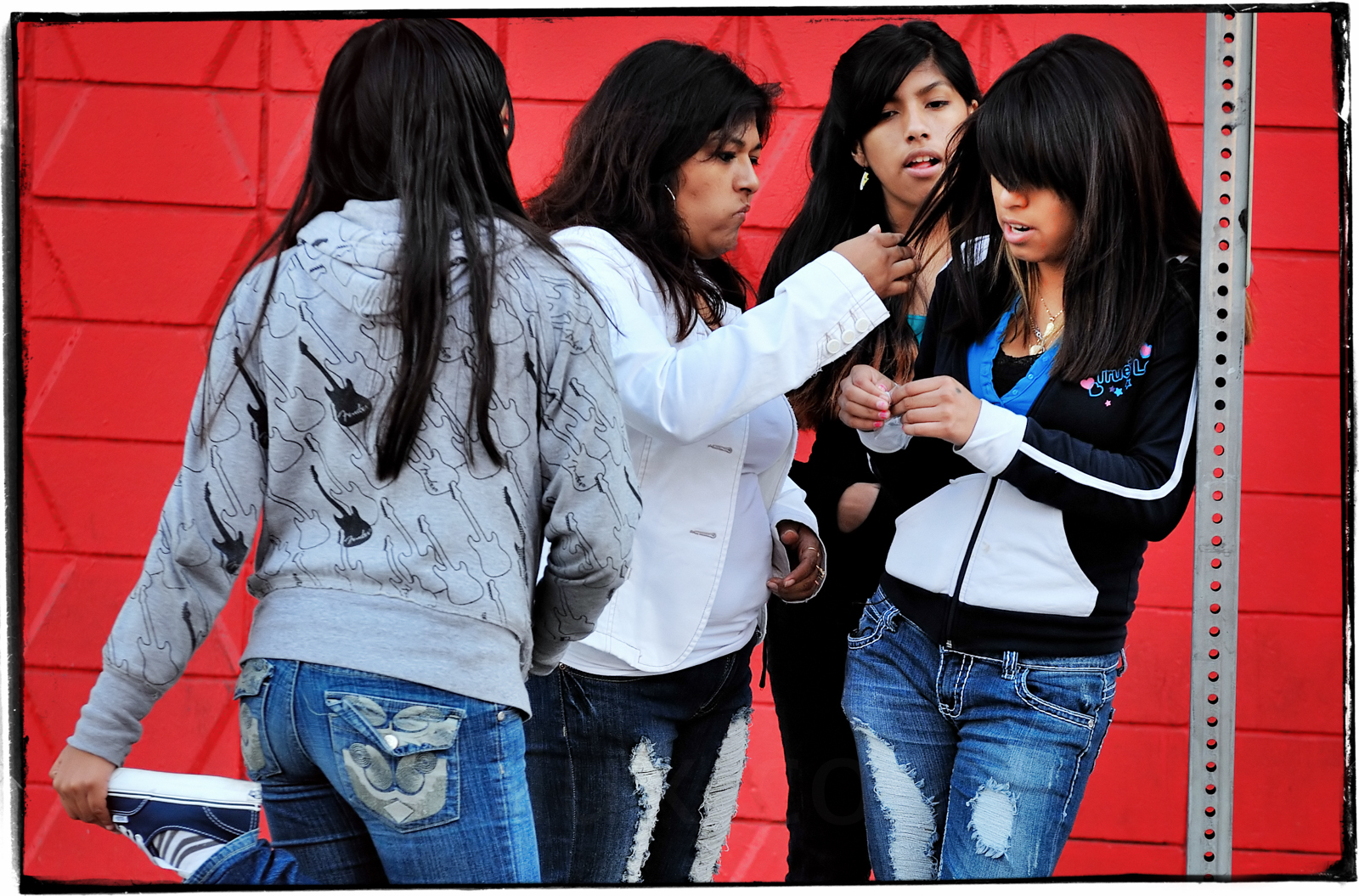
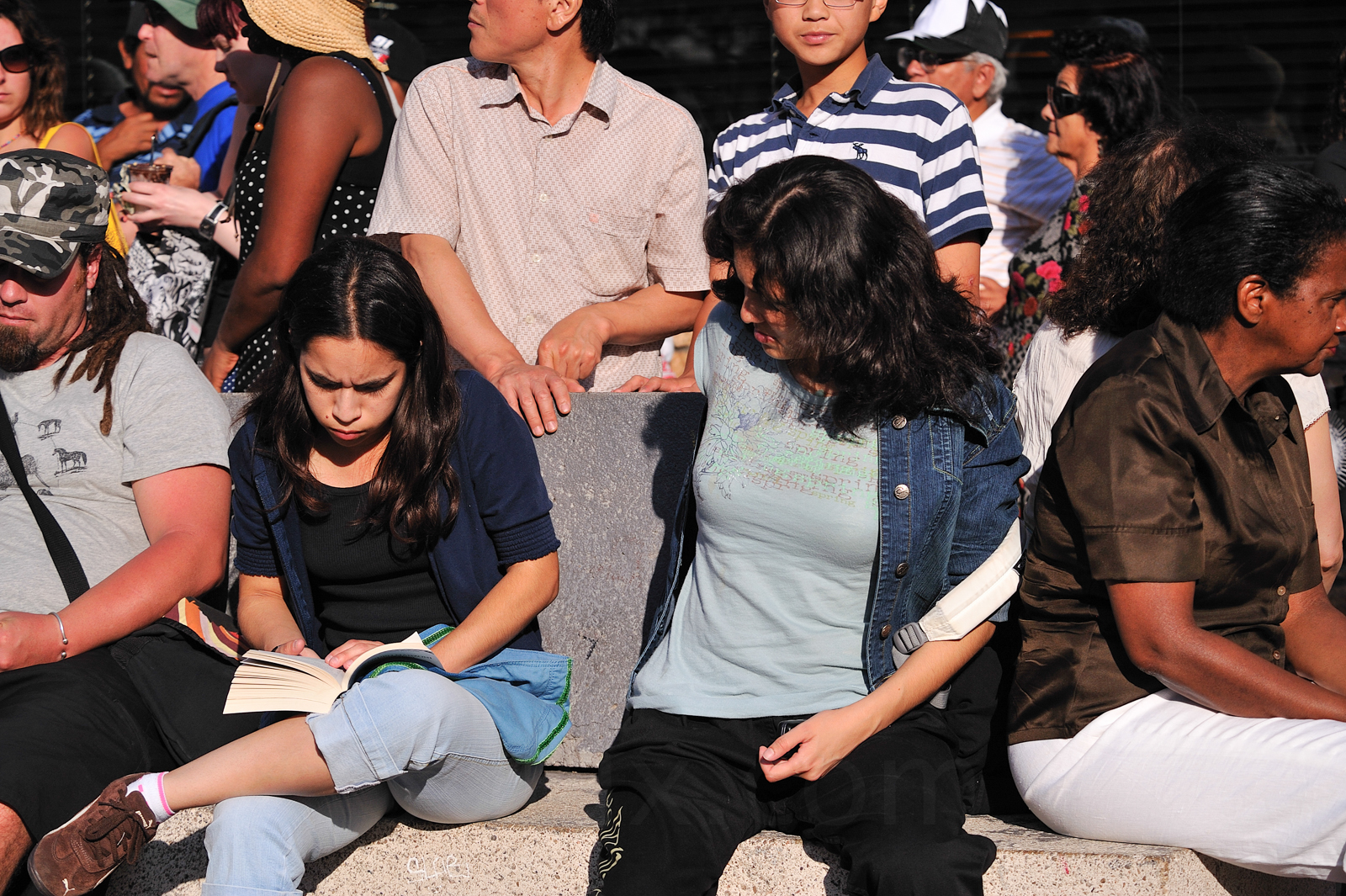
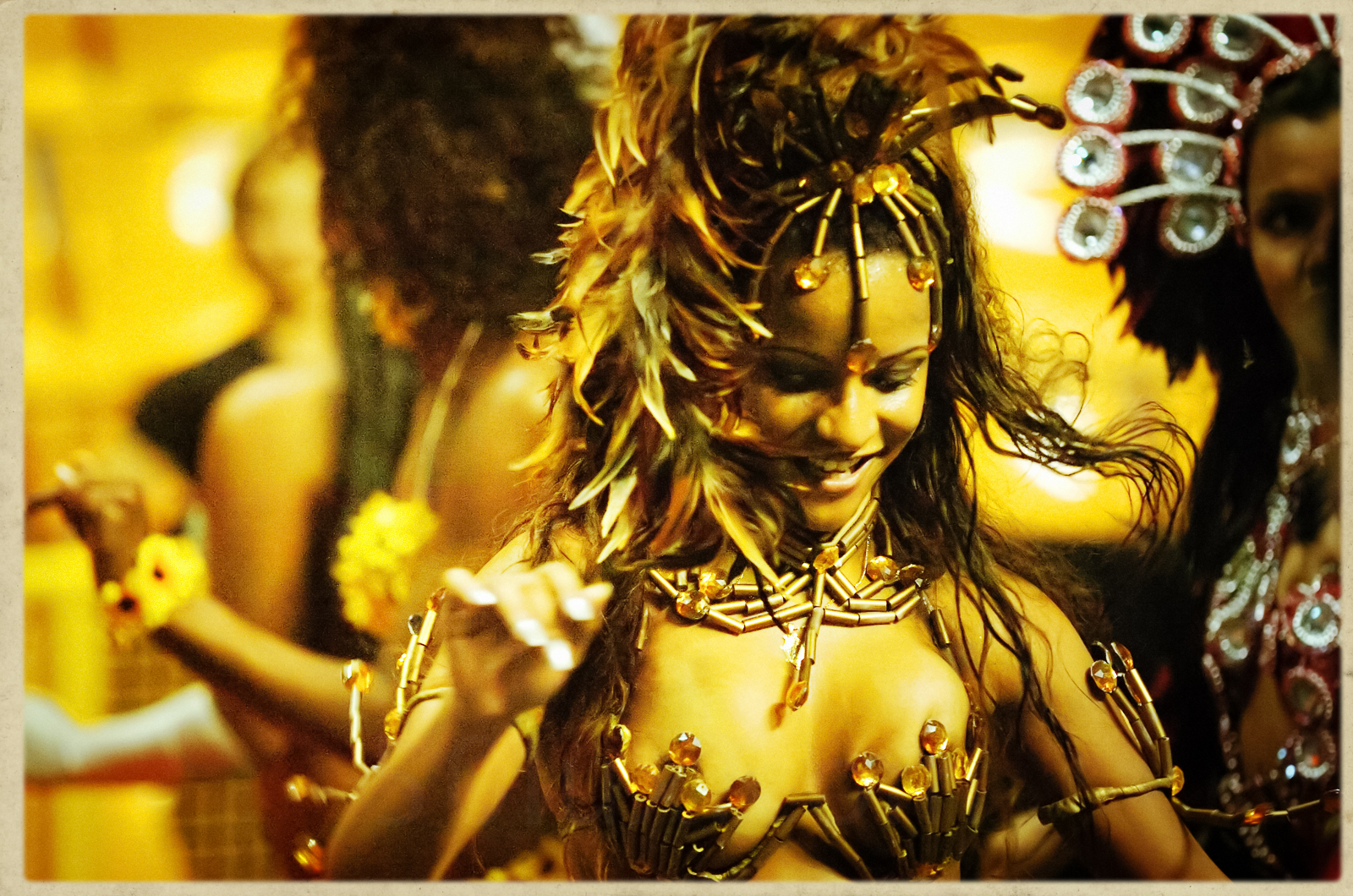
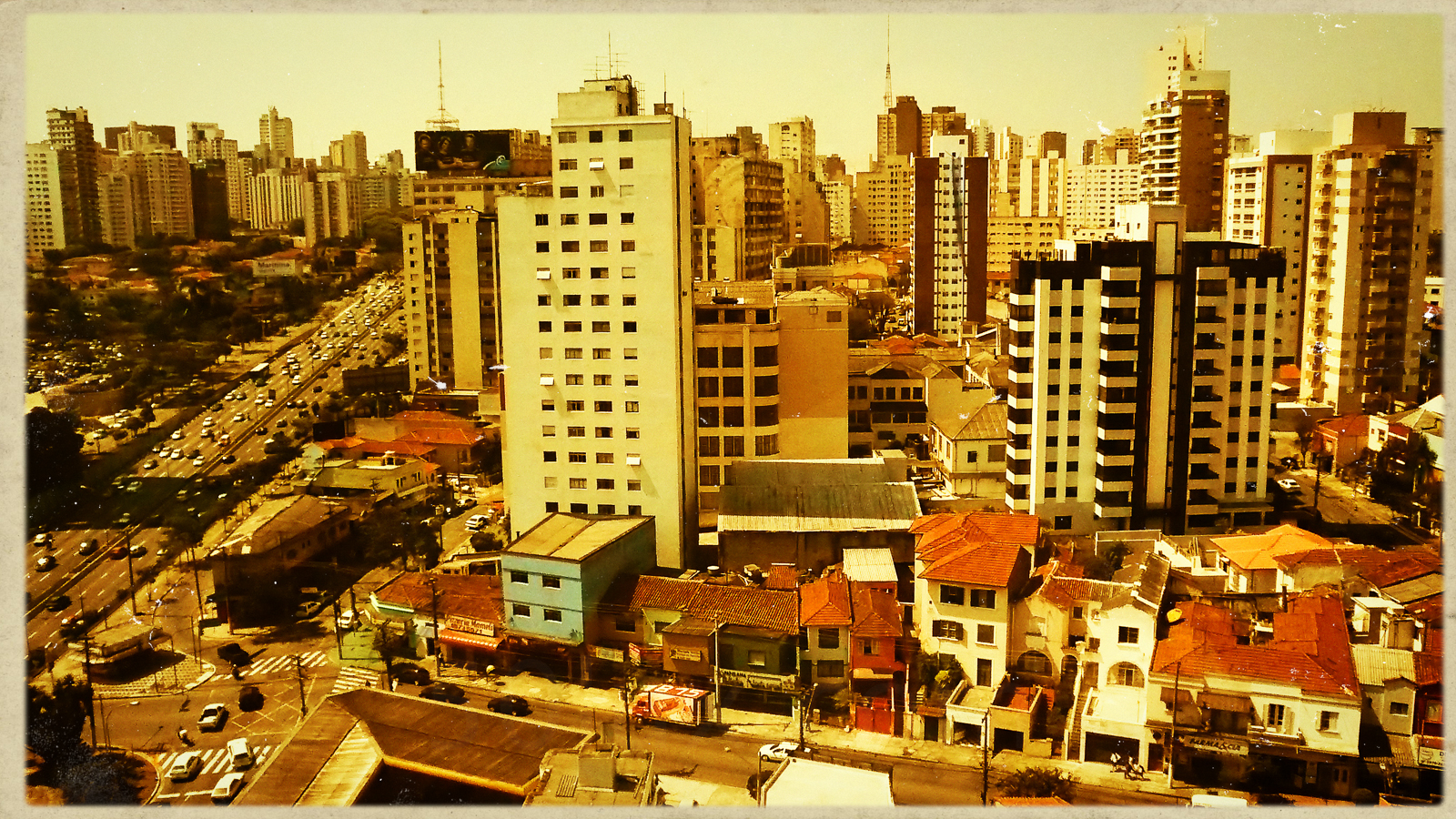

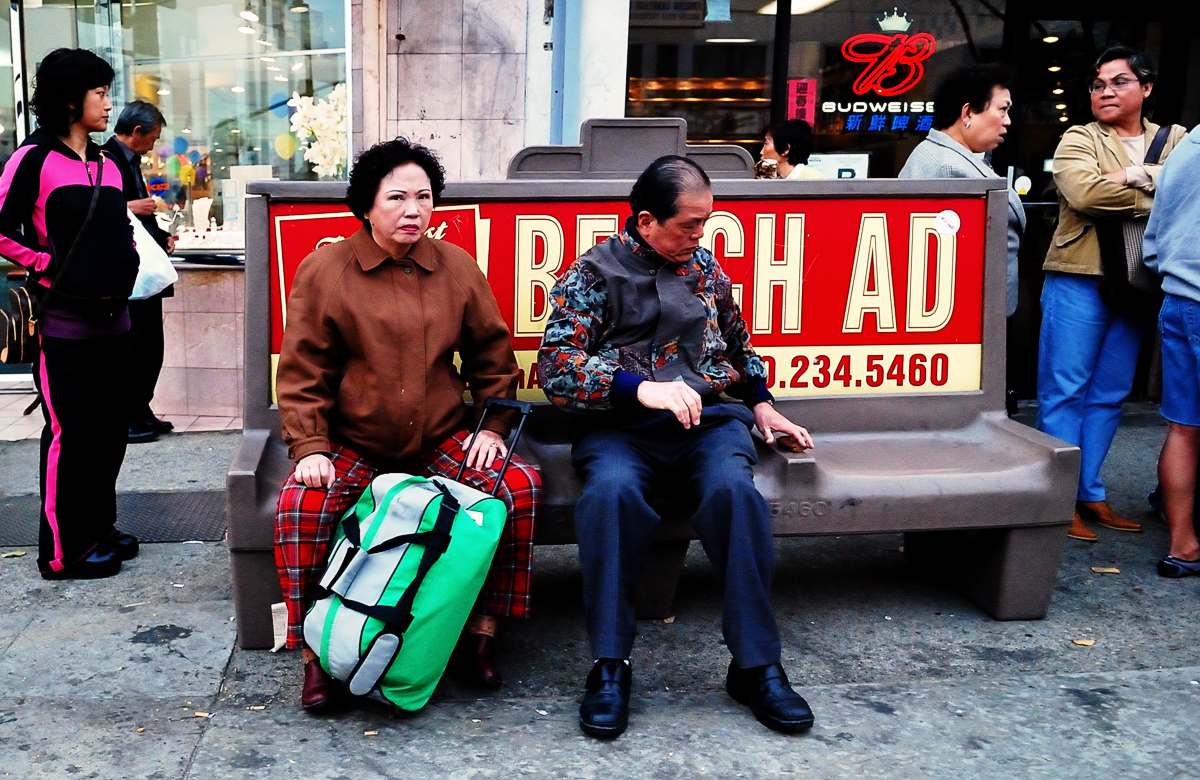
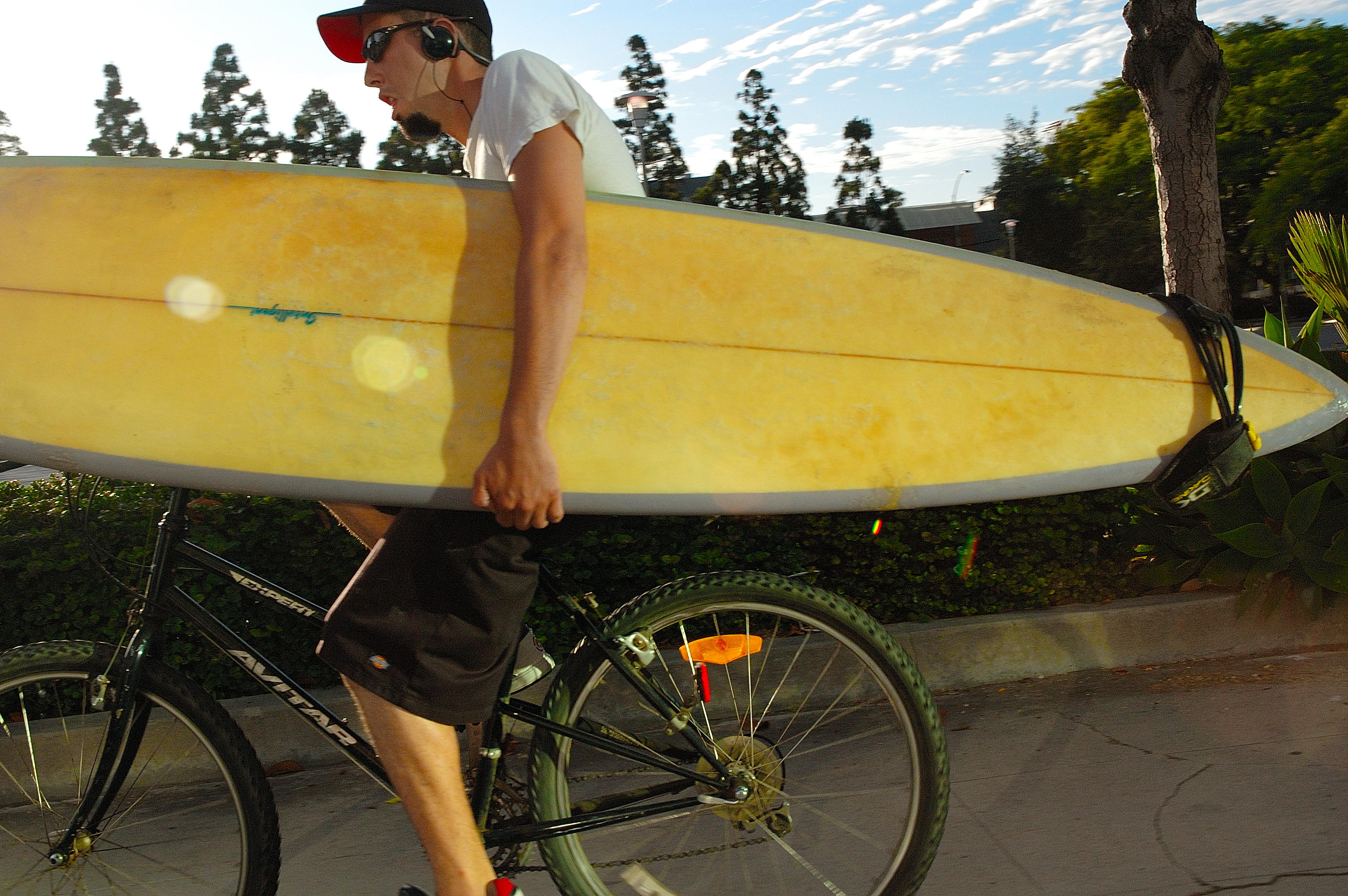
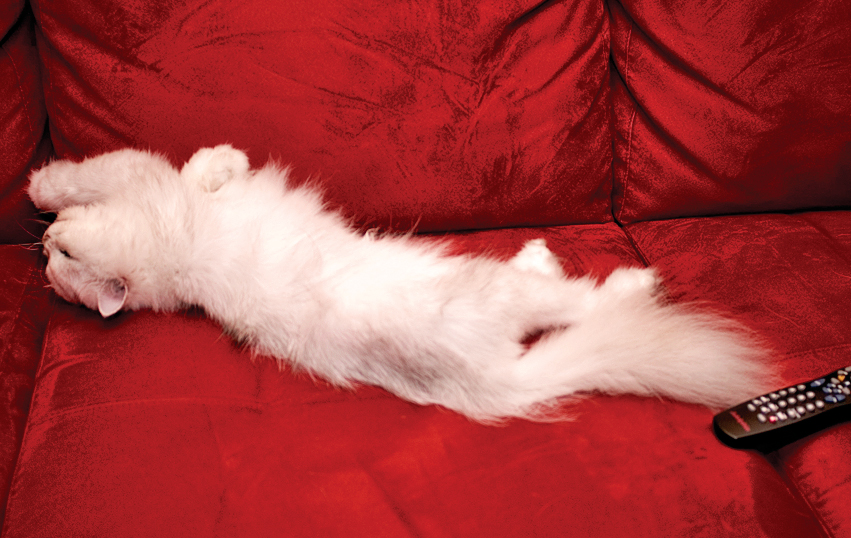
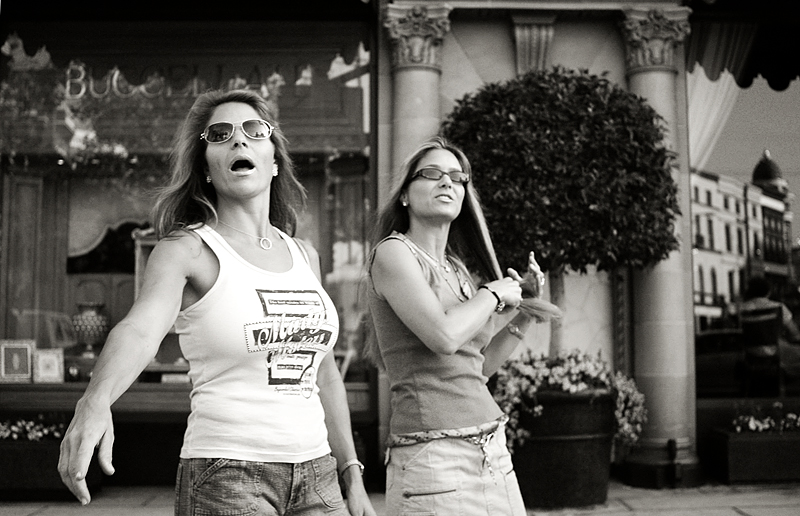
Pulling more images from the old Nikon days. These are in the range of five to ten years old. Hope they’ve aged as well as some of the subjects.


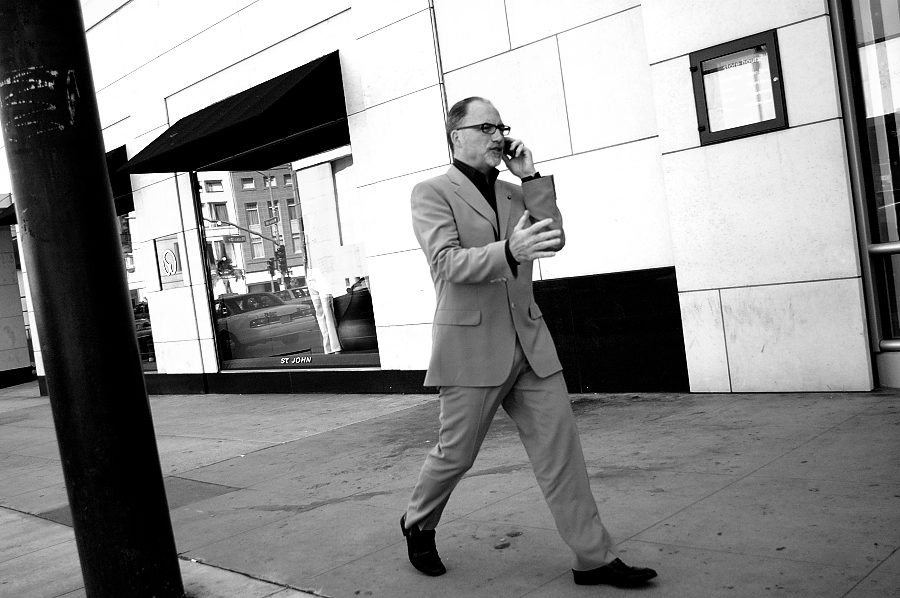


I have to admit I’m burning out on the street photography I’ve been doing for the last few years. So there’s probably going to be a lot of blasts from the pasts here on 50lux.com for quite some time. Anything and everything.
Here, with a color goosing and frame filter from Exposure 5 is an absolutely ancient digital image that I actually have framed on my living room wall. I don’t know why but there was a time when shooting blur pictures at night had a magic feel to it.
Taken so long ago with a Nikon Coolpix 950. 😉






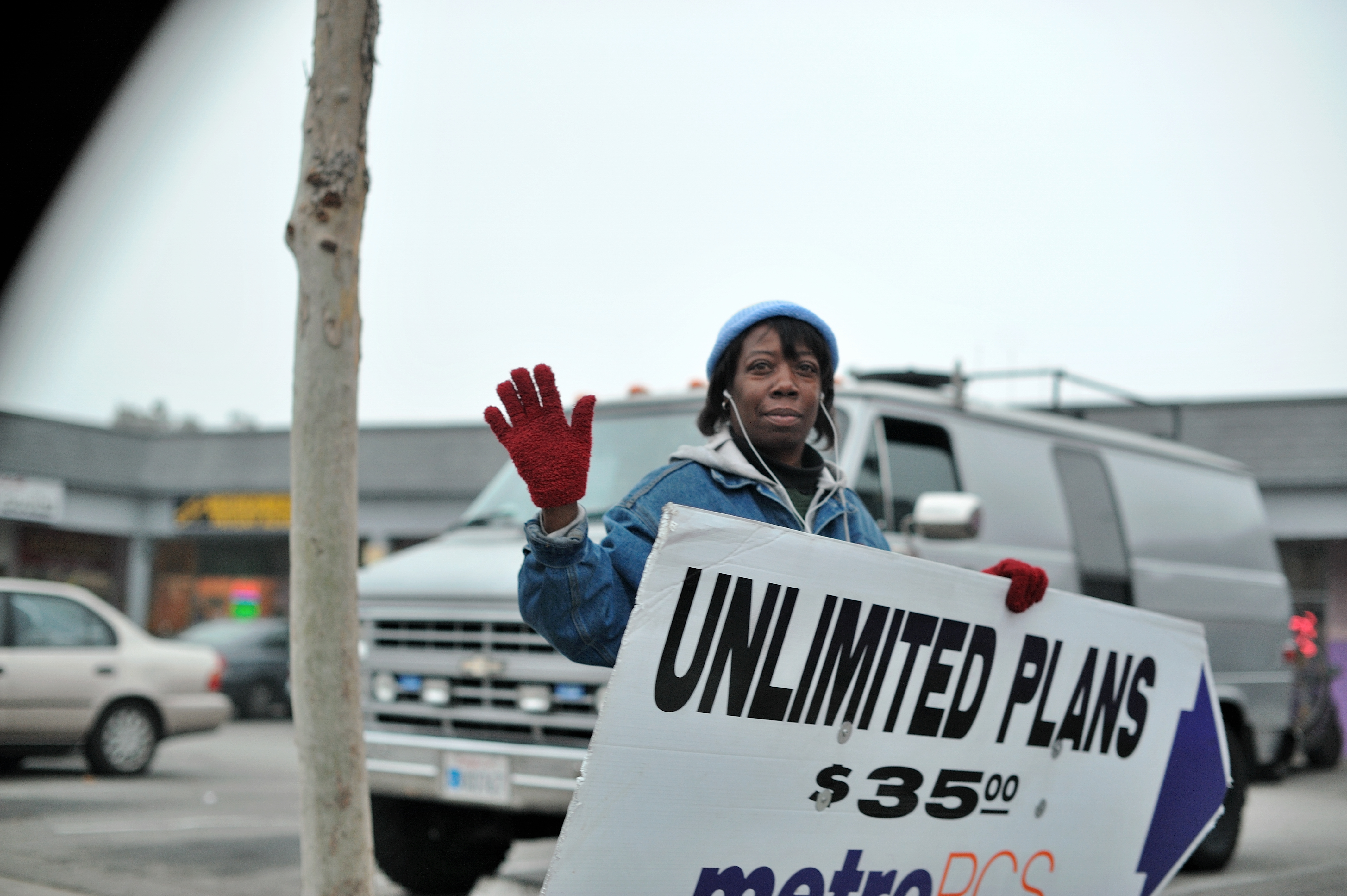
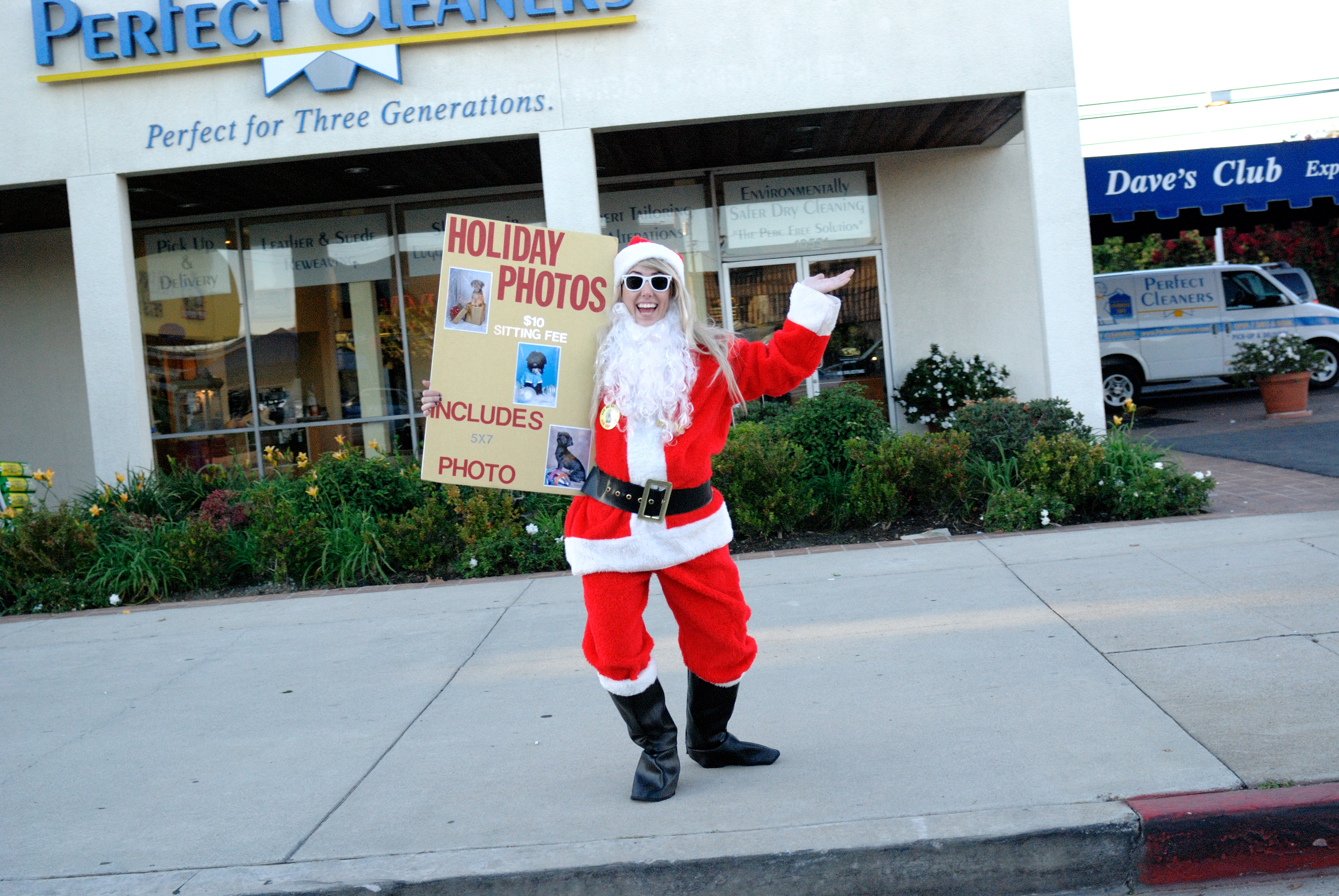
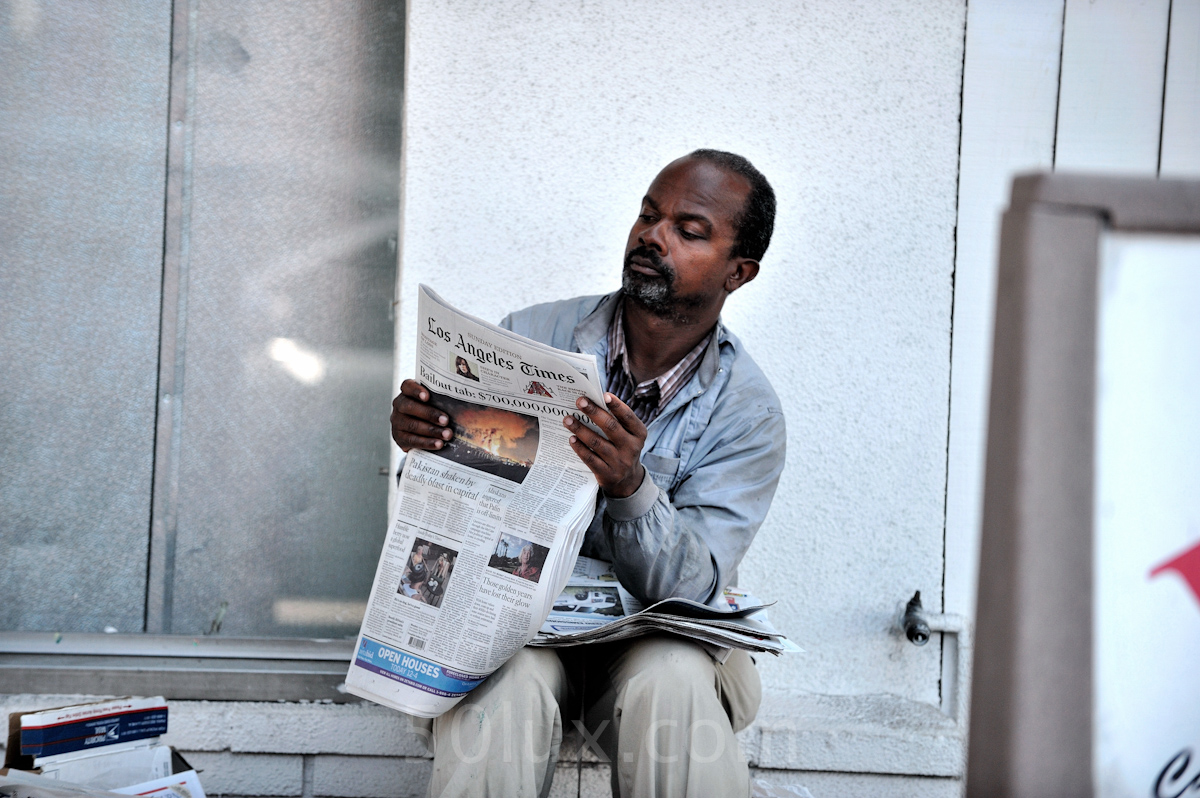
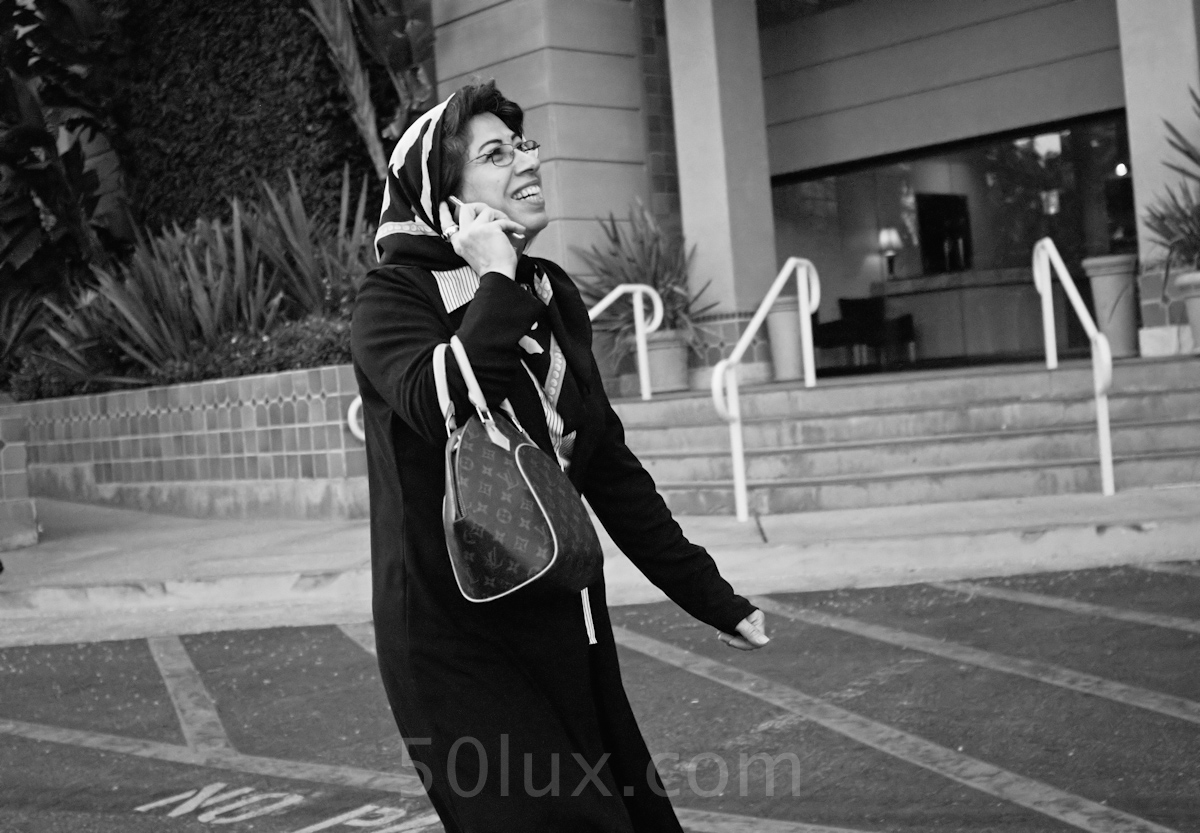
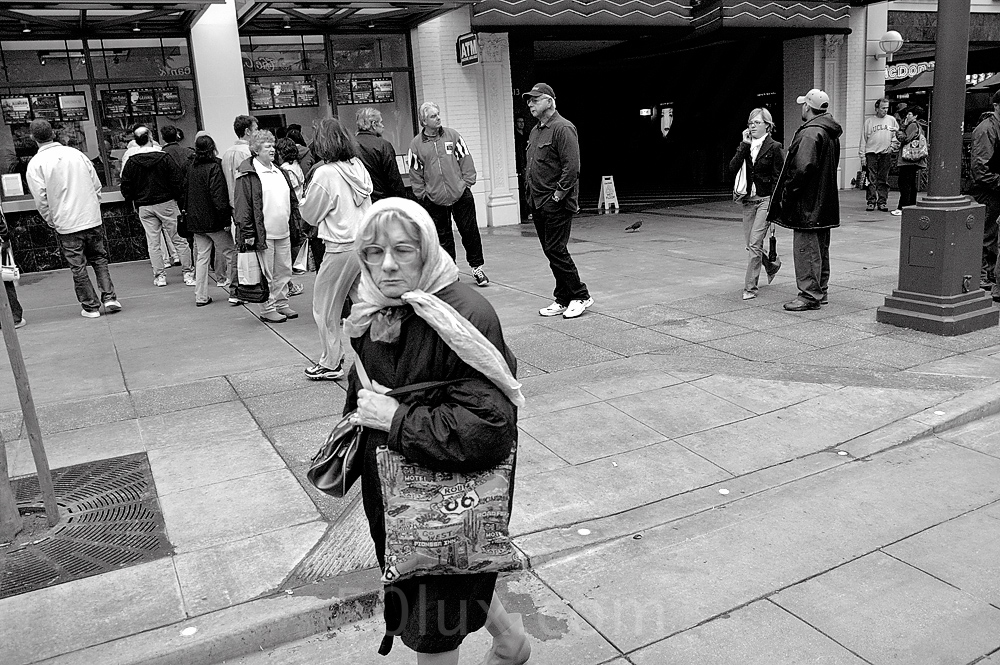
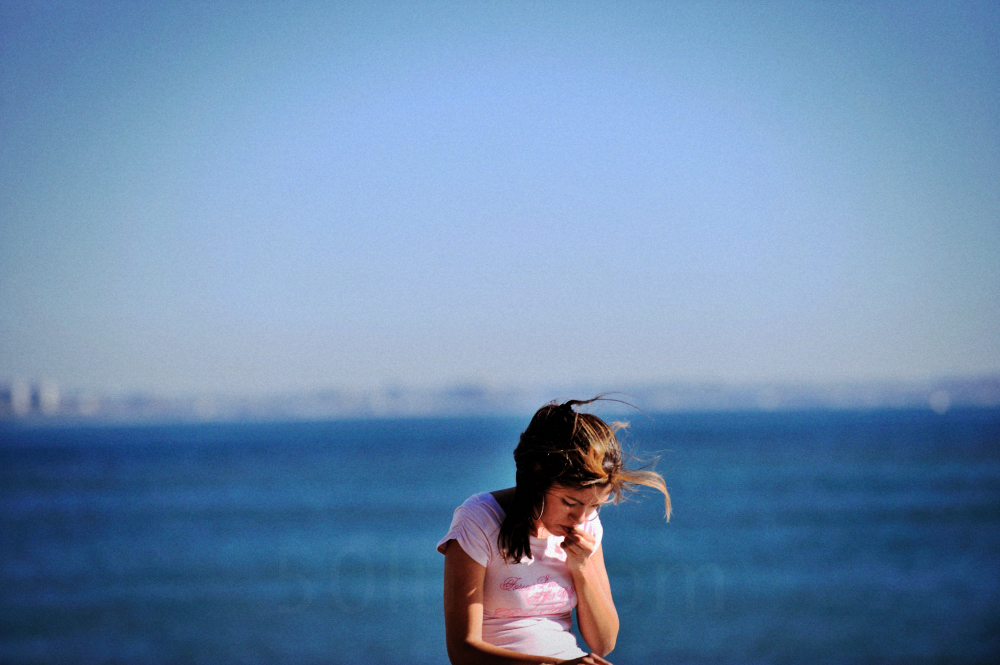

Not a lot to say here. Just my tribute to the decision by CVS to stop profiting from the sale of this most dangerous of product lines at their pharmacies. All Nikon shots. Deep in the L.A. street.
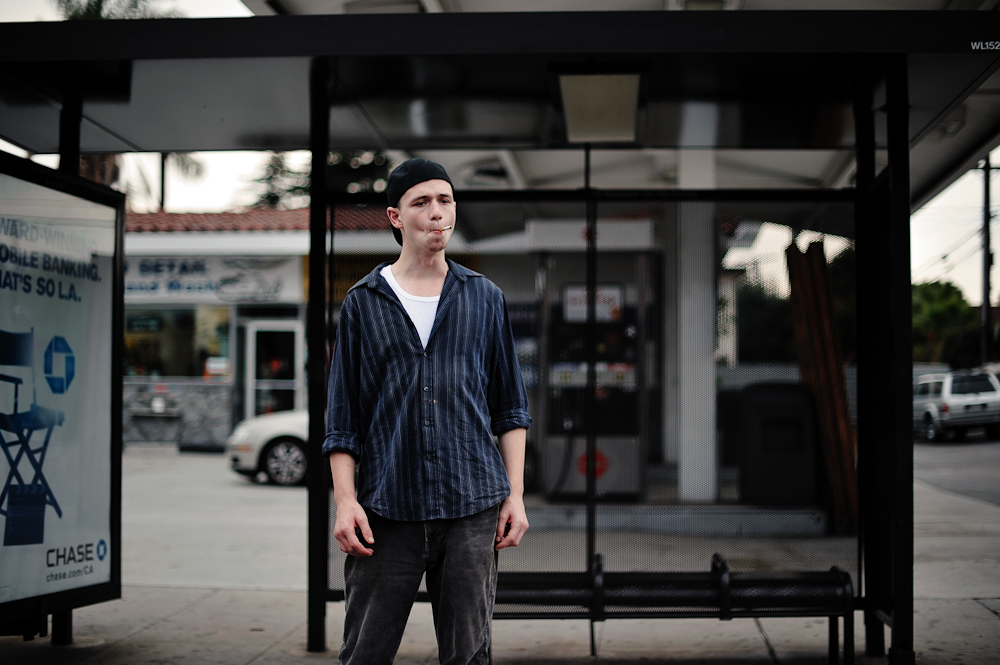
This guy has good form. Feet shoulder length apart. Arms loose at his sides. Get it, buddy!
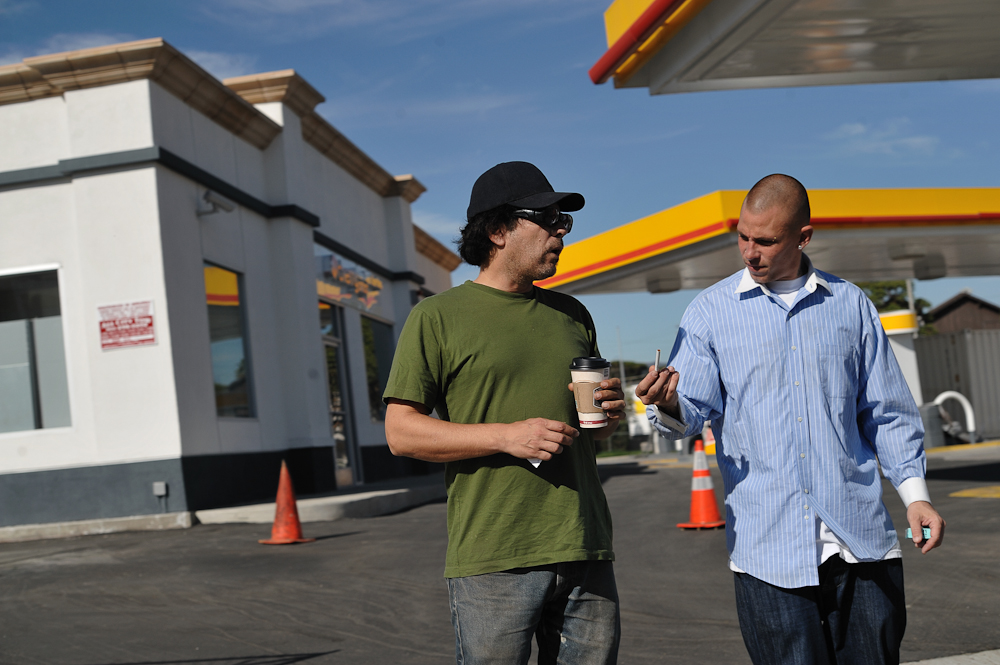
No, really. What are friends for?
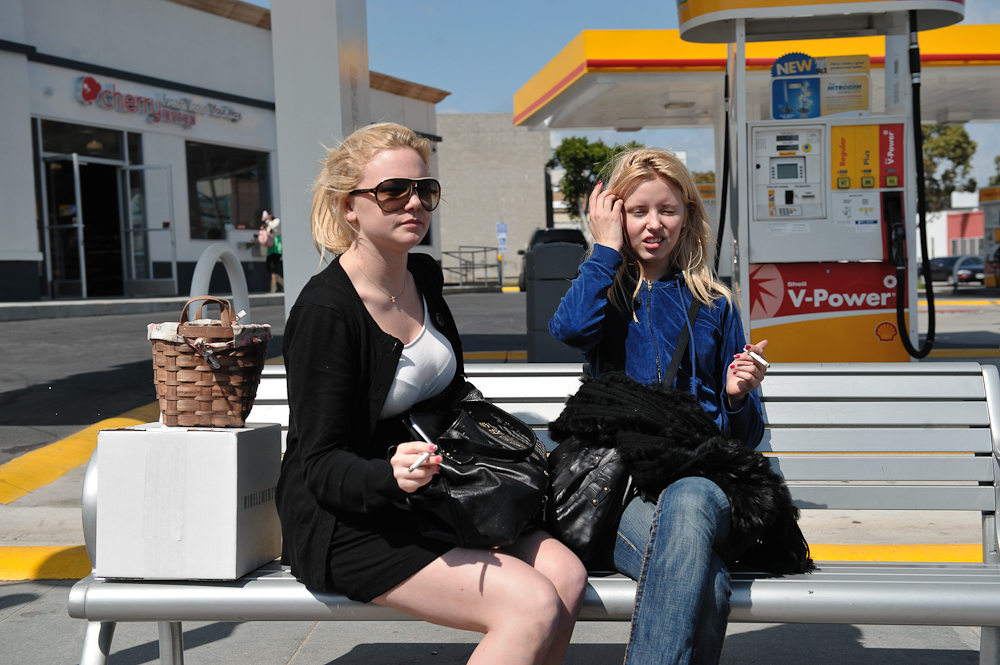
So glad I never had kids.

I read somewhere that every great photo, and I’m not suggesting the above photo is great, but that it is said that there’s something just a little weird about every great photo. That’s all I’m saying. 😉
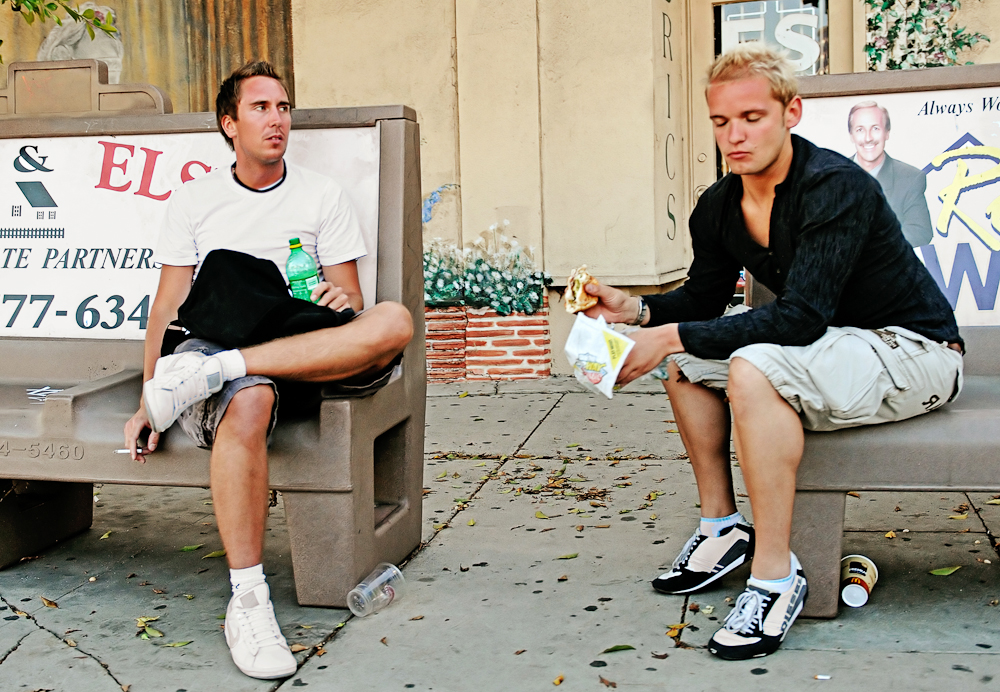
Ditto.

Okay, at least he’s not hovering over my lunch. Yet.
 50'Lux