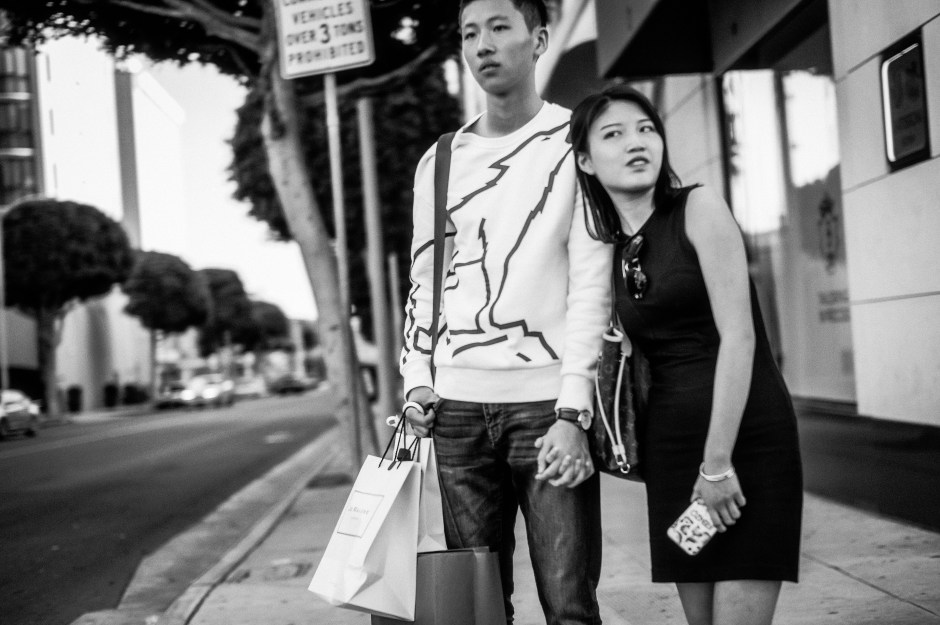
Holding the Bags


 “Diane Arbus: In the Beginning” shows, among other things, that Arbus settled early on many of her major themes.
“Street photography was the advanced mode of the day, and practitioners like Lee Friedlander, William Klein, Helen Levitt and Garry Winogrand all claimed New York City as their turf. So did Lisette Model, a Viennese émigré with whom Arbus studied briefly. Ms. Model didn’t give her student much formal advice. Instead, she urged her to ease away from the stance of objectivity then considered requisite for serious photography and instead establish emotional relationships with her subjects, and see where that would take her. For Arbus, the advice was heaven-sent. It gave her permission to be the artist she was ready to be.”
“Diane Arbus: In the Beginning” runs through Nov. 27 at the Met Breuer, 945 Madison Avenue, at 75th Street; 212-731-1675; metmuseum.org.
Source: Previously Unseen Arbus, Unearthed Years After Her Death – The New York Times
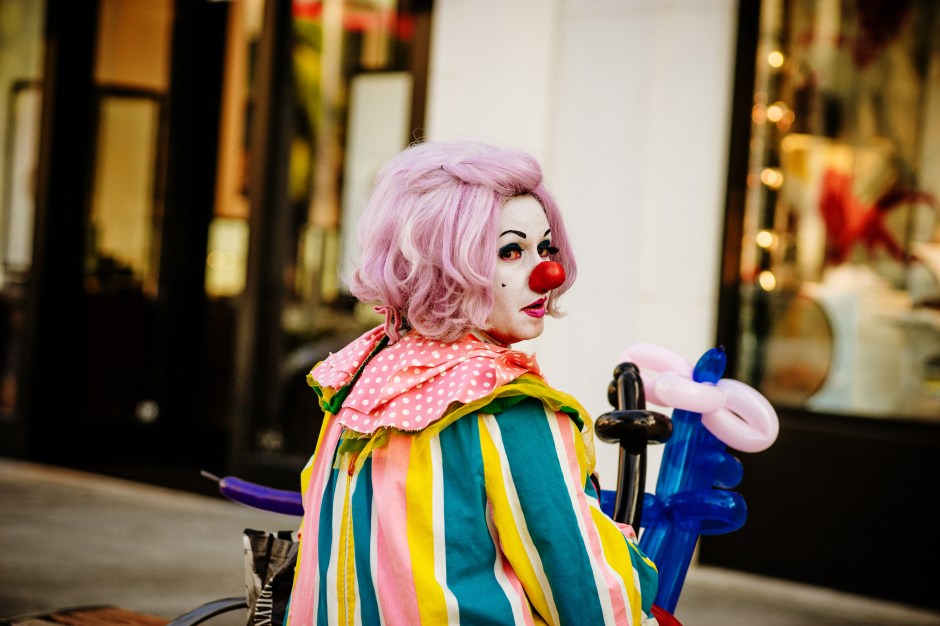
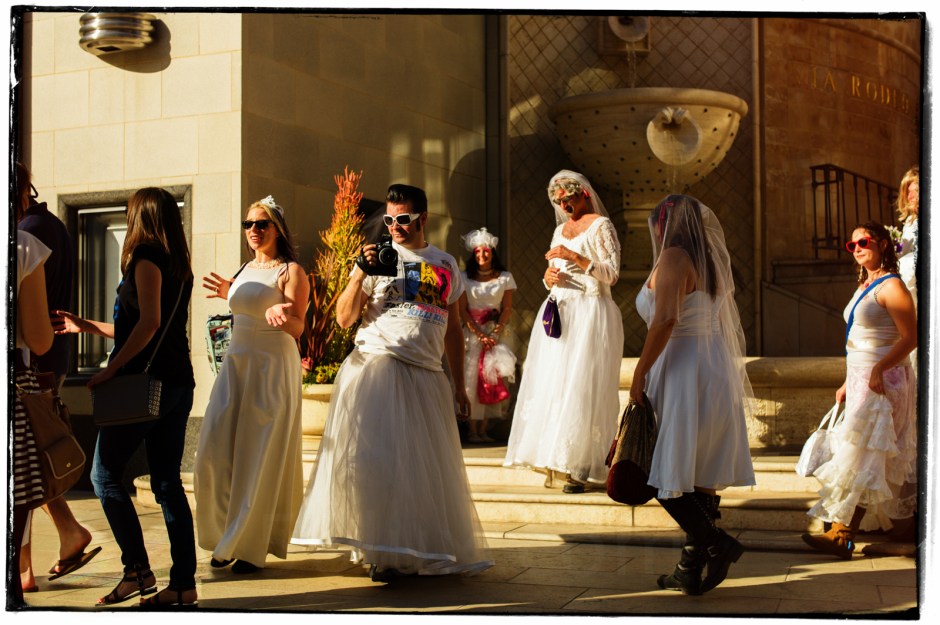
That’s Rodeo (ro-DAY-oh) as in Beverly Hills. 😉
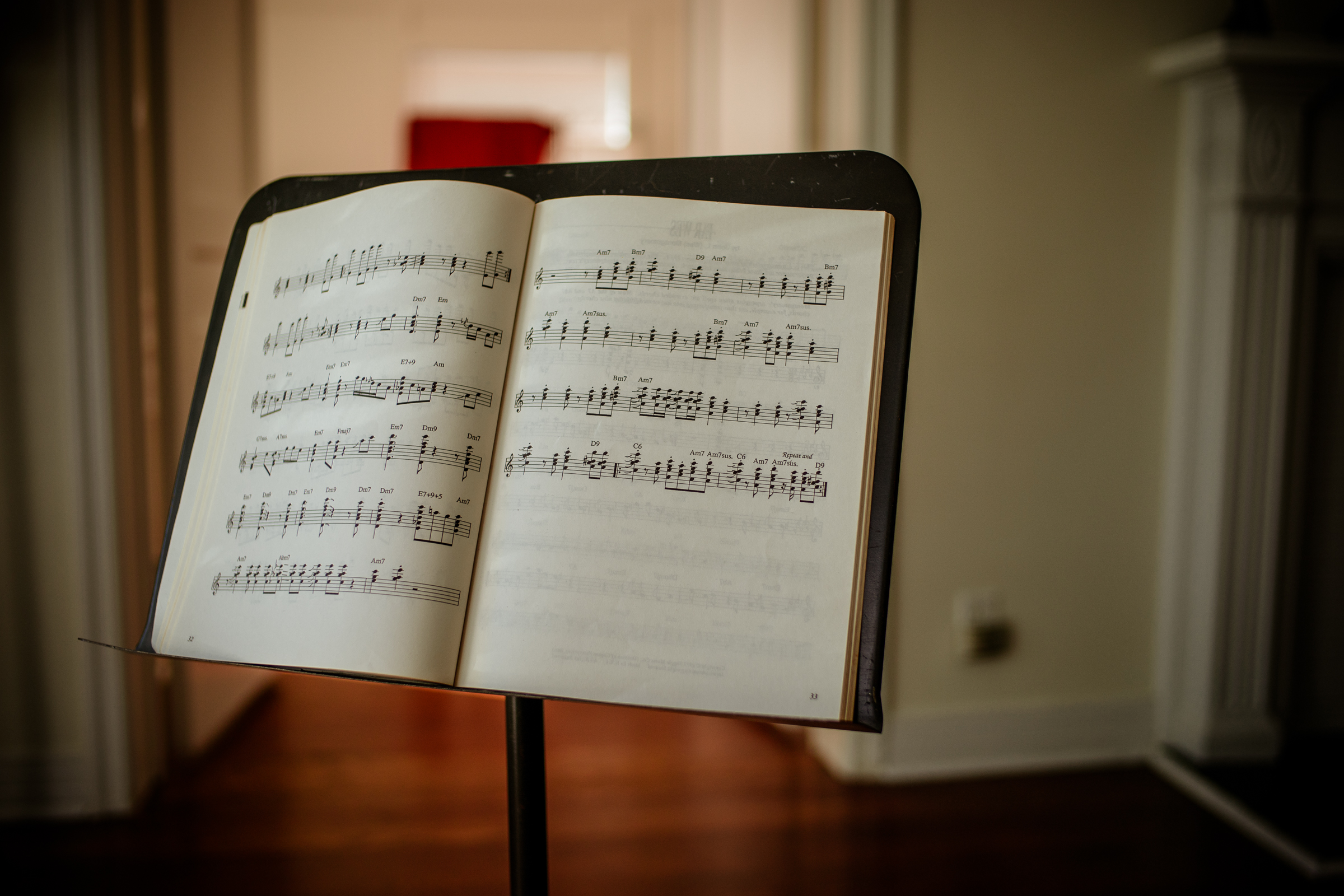


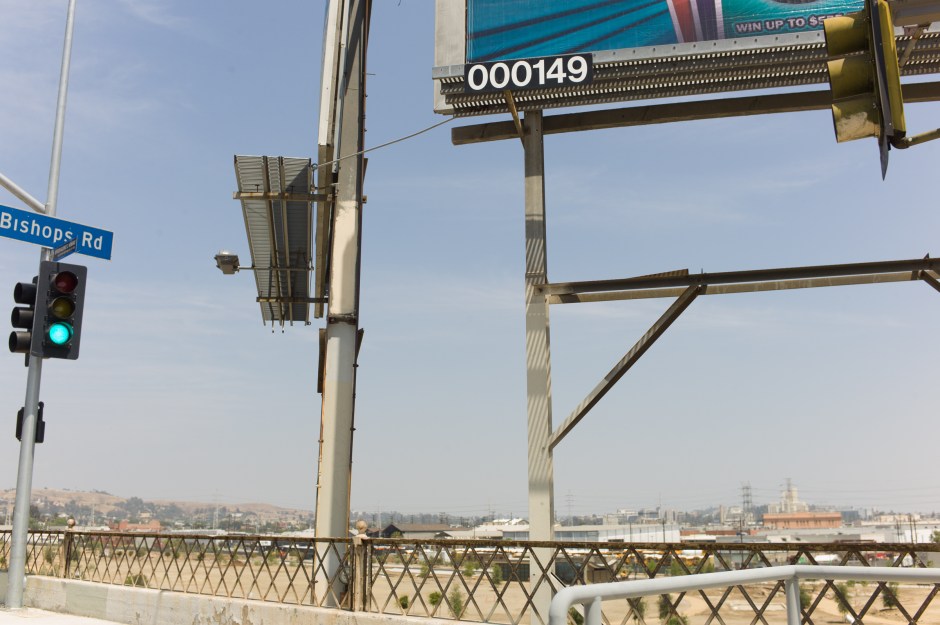
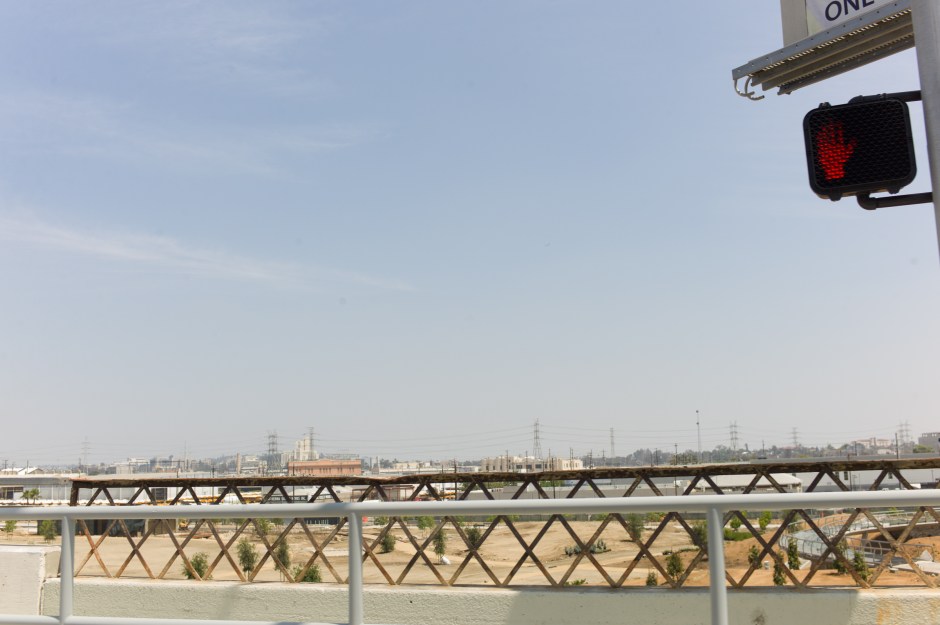


More old Nikon street photography. Not as old as most of the stuff from last week. These were from the Nikon DSLR days. D70, D2Hs, my favorite, the almost disposable (I had two) D80, the mighty D3, and the D700. Oh, and in there somewhere was a D200. 😉


Yes it just keeps on going. I THINK all or most of these were taken, as were the rest in this week’s blast from the past, with the Nikon Coolpix 950. Trusty little devil. Between 2000 and 2004. Which is mighty trusty indeed for a first generation digital camera. Solid.


I grew up in Aliquippa, Pennsylvania. Aliquippa was the home of a giant steel mill; at one time it was the largest in the world. The entire monstrosity was near 11 miles long and employed close to 15k workers.
The town was like something out of a rust-belt boom-town dream. Or was it a nightmare? Aliquippa was in the Guiness Book of World Records for having the most bars per square mile. A recent article in our local newspaper put it this way. “Aliquippa was a dirty little town of 30,000 with more bars, bordellos and gambling rooms than most would care to admit. In 1918, a state Supreme Court justice offered the following assessment of Aliquippa:
It is said that the region is largely peopled by uneducated foreigners, who invariably carry concealed deadly weapons; that murders are common; and that when a quarrel ensues, the question as to who shall be the murdered and who is murdered is, largely, if not wholly, determined by the ability to draw such a weapon quickly.”
When I moved to Los Angeles I understood that this place certainly had its share of dangerous areas and situations. It was the 1980s and there was a crack epidemic and gang violence was a scourge in LA. So I resolved immediately to stay on the Westside and far from the bad areas of town. And I held onto that resolve for the first ten or so years that I lived here. But, you know, being a person from the place where I come from, the street has its attractions to me and after playing it safe for so long I longed for something that seemed more like home. Sounds weird to me now even to type that.
So I become somewhat familiar with some of the more interesting parts of LA. And at night. So when digital cameras finally became available with their convenience and the ability to experiment, check your results in real-time, and move quickly on, I had the greatest idea. Go out and shoot the bad parts of town with my digital camera. lol.
Well, ISO capabilities back then weren’t at all like what we have today on our digital cameras. And I didn’t actually, it turns out, have a death wish. 😉 So this project wasn’t something I devoted many evenings to. But it was an interesting time in LA. I think the LAPD had street crime on its heels at that moment. Or was it the exact opposite? I remember both periods quickly followed each other. Different police chiefs and different approaches. Anyway.
I had some tricks. I would go out on really REALLY cold nights. Nights that cold are really uncommon in LA so when the chill hits here, the streets can be very deserted. Anyway. Hope these images capture the imagination that I was gripped with when I took them. I would be the first to admit there’s probably not a single really strong image in the whole bunch. But they do capture something of the atmosphere of the city back then. The darkness and strangeness I was after more than anything else.


More from the Nikon Coolpix 950. Probably from around 2000 to 2004. I’m like Vivian Maier Lite. Less calories. Less filling. Etc. Please enjoy responsibly.


Again, these images were taken with one of the first great digital cameras, the Nikon Coolpix 950. Probably from around 2000 to 2004. I had so much fun with this camera that twisted the part with the viewfinder from the side with the lens. Twisty little sucker. Like having a viewfinder camera and I don’t know why I remember it being ‘live view.’ Maybe I’m misremembering. Anyway. Yet even more images to come tomorrow.


All of these images predate even my first DSLR, the Nikon D70. These were, believe it or not, taken with one of the first great digital cameras, the Nikon Coolpix 950. Probably from around 2000 to 2004. Yes, I’ve been doing this a long time. More to come.


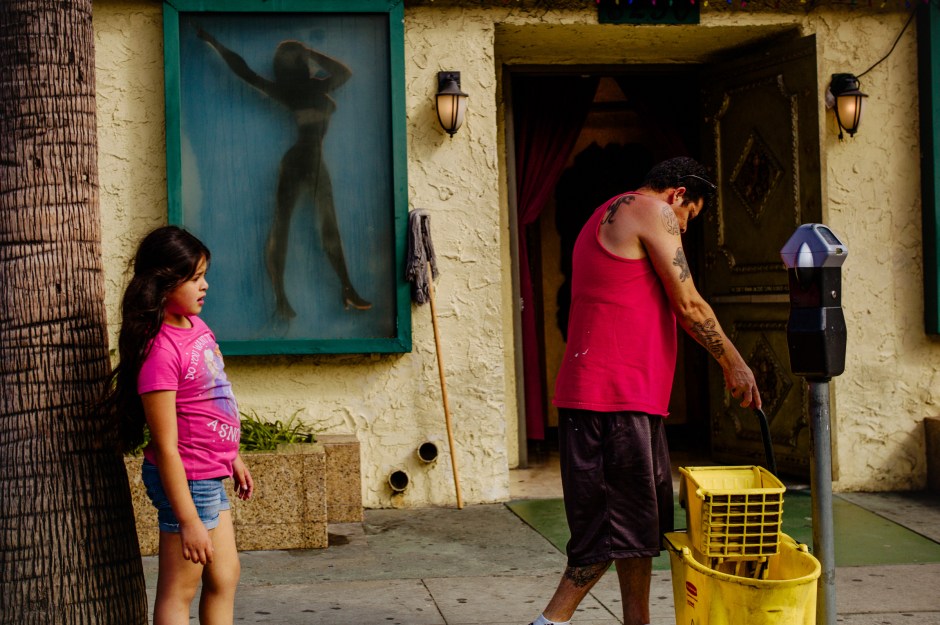
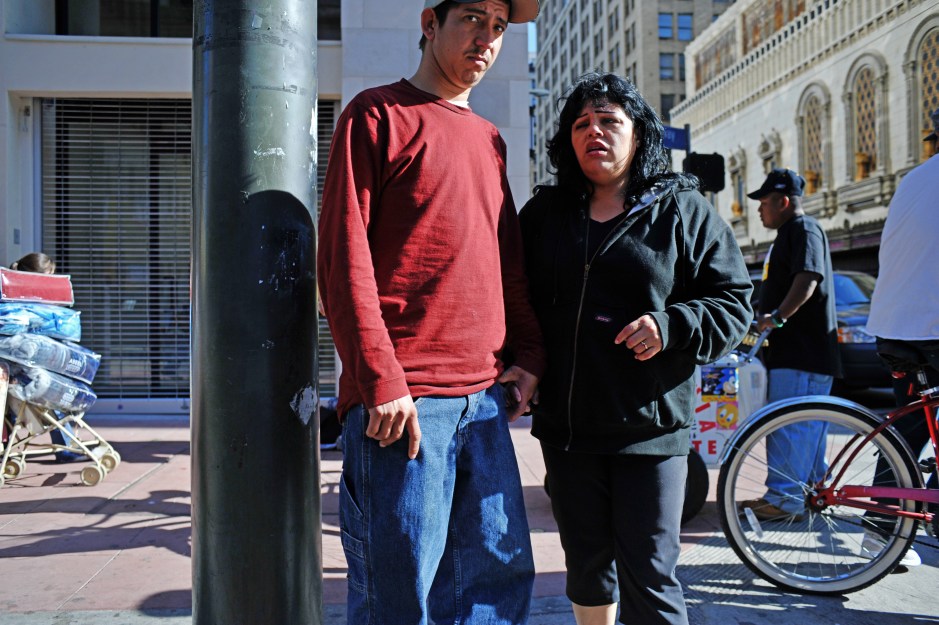

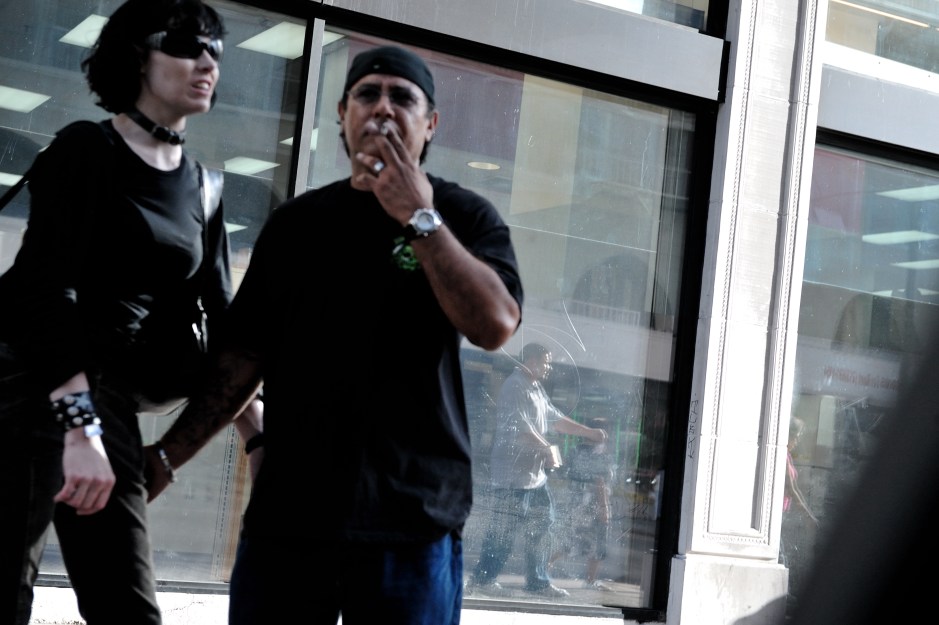

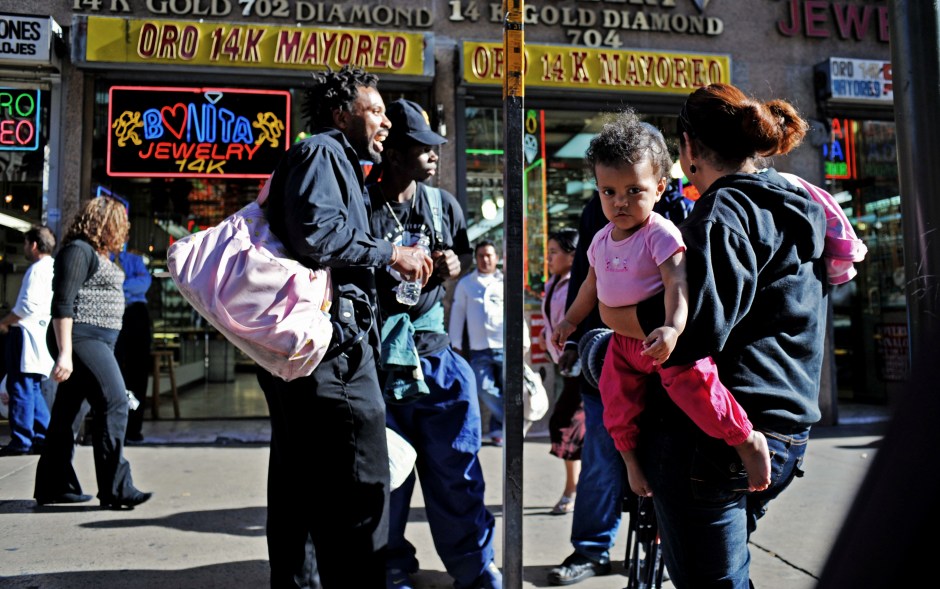

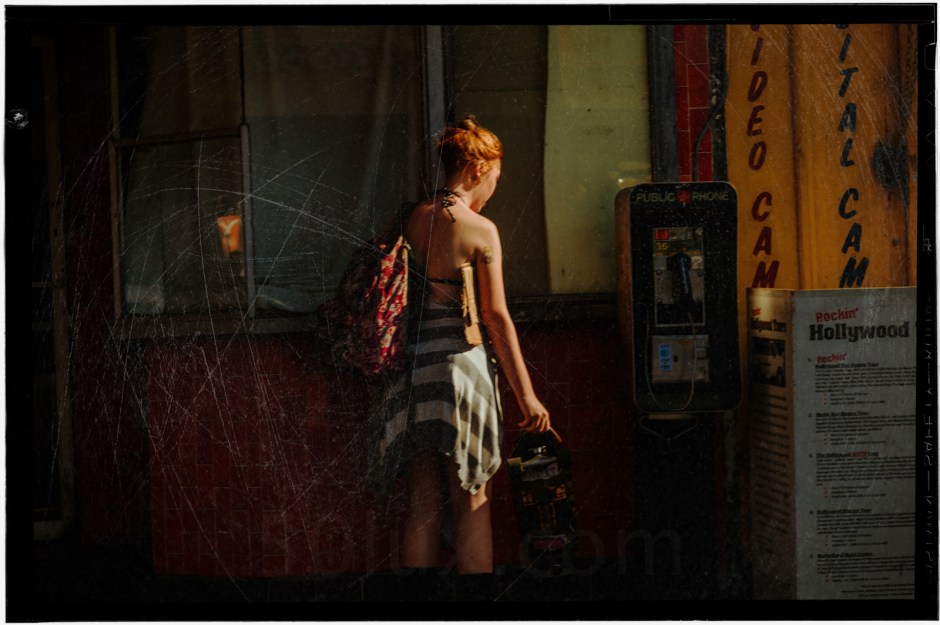
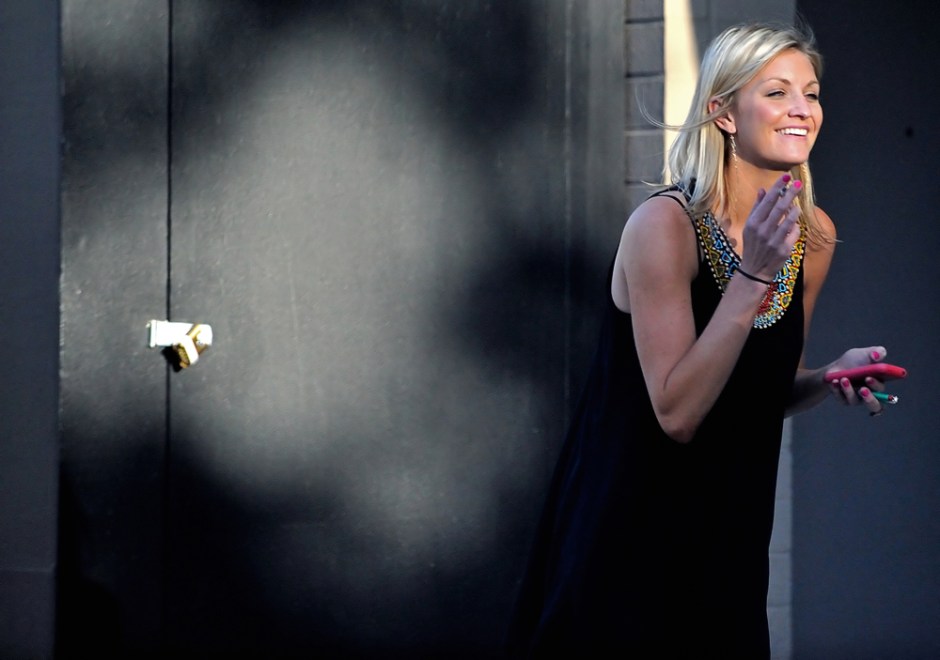 Who are all these people? lol. Looks like… hmm. Maybe, maybe not. Who’s to say? A bunch from the Nikon days.


 Have to be very careful what I call my blog entries lest I incur the wrath of the Internet. 😉
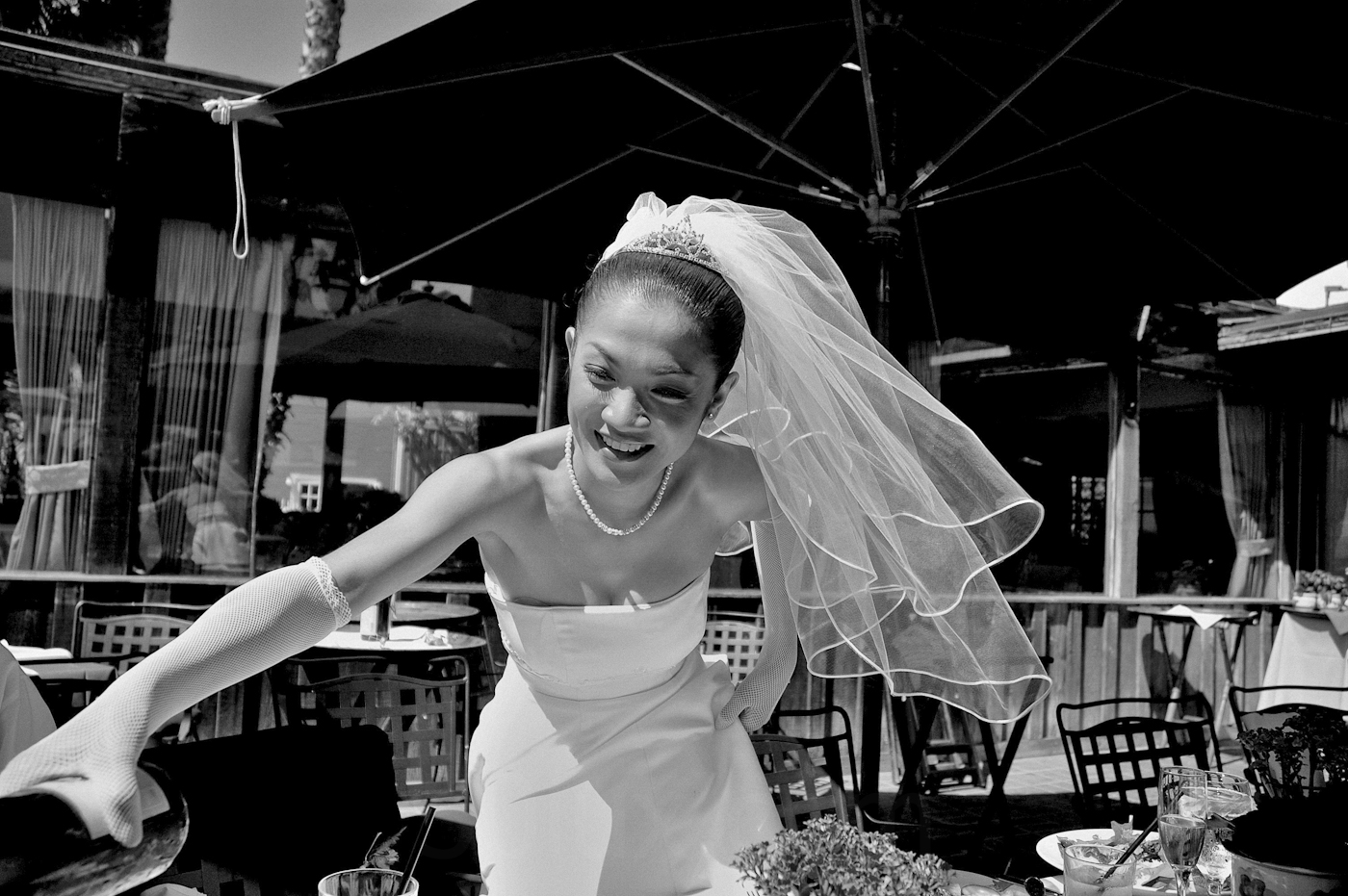 I’m going through some archive realignment ordeals lately but the upside is I am relocating older images as I go. These were all taken the few months with what was then a really hot number, Nikon’s big splash in the consumer enthusiast DSLR market, a camera that was a true game changer, the D70. Anyone remember custom tone curves?
Here are some of the shots I’ve always remembered for various reasons.


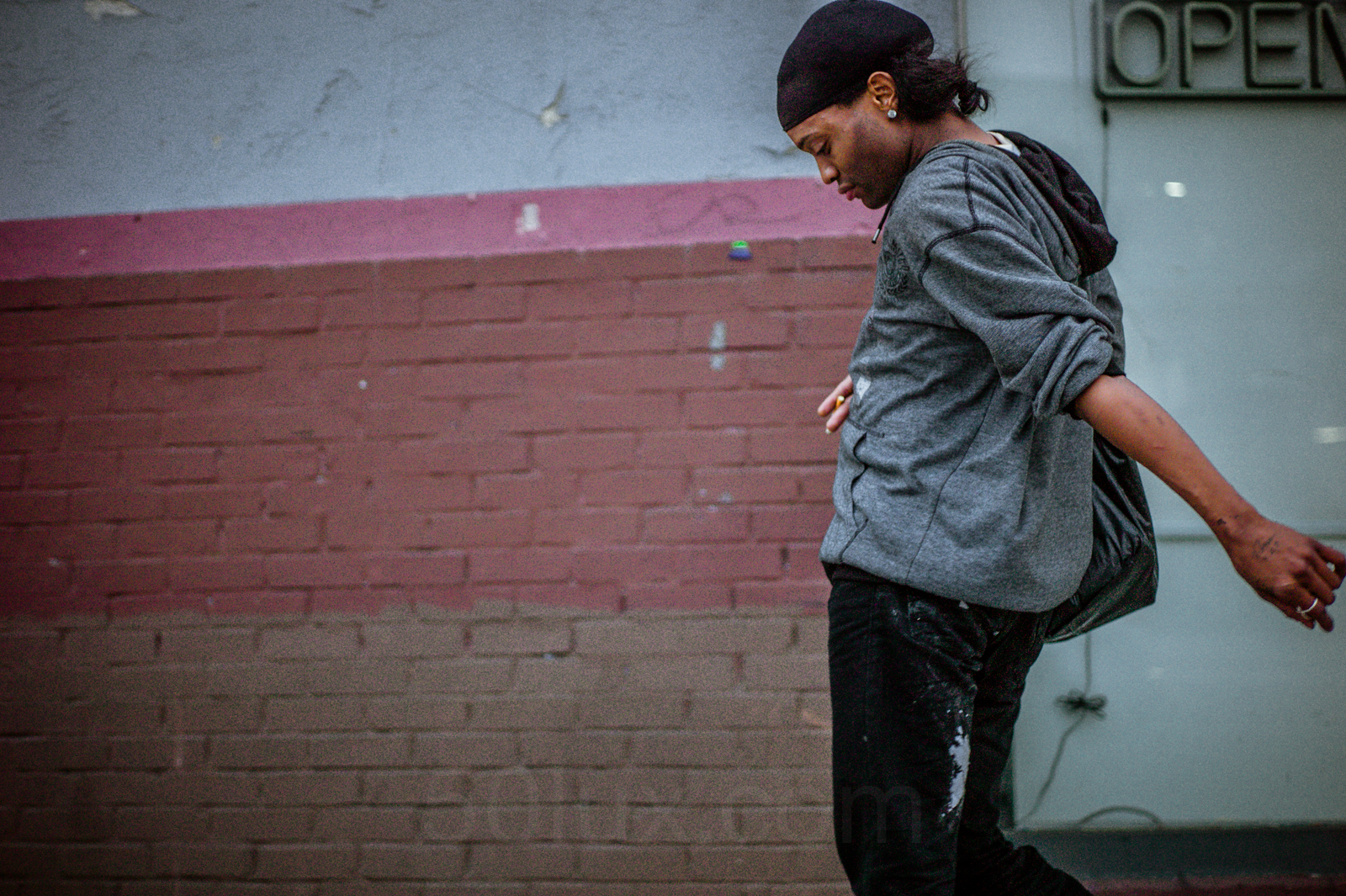

I shot an M7 with tons of drug store film for two years, scanned the negatives with a Plustek scanner. I think that impacts or influences my choices in post processing. Images like this look a lot like some of my film scans in similar light. Colors are maybe a little punchier. They don’t, at all, look like or remotely even remind me of the color results I got from my M9.
You’d have to ask the manufacturer of the camera as to why that might be. 😉
There seems to be so much mystery surrounding this subject in terms of clear and exact information from Leica. But that’s okay. I don’t care. For the most part, I remain very happy with the color results I get from my M-E. Every once in a while I seem to run up against a dead end where I can’t seem to shake the weird color casts, but that’s actually rather a rare occurrence. Happy times!


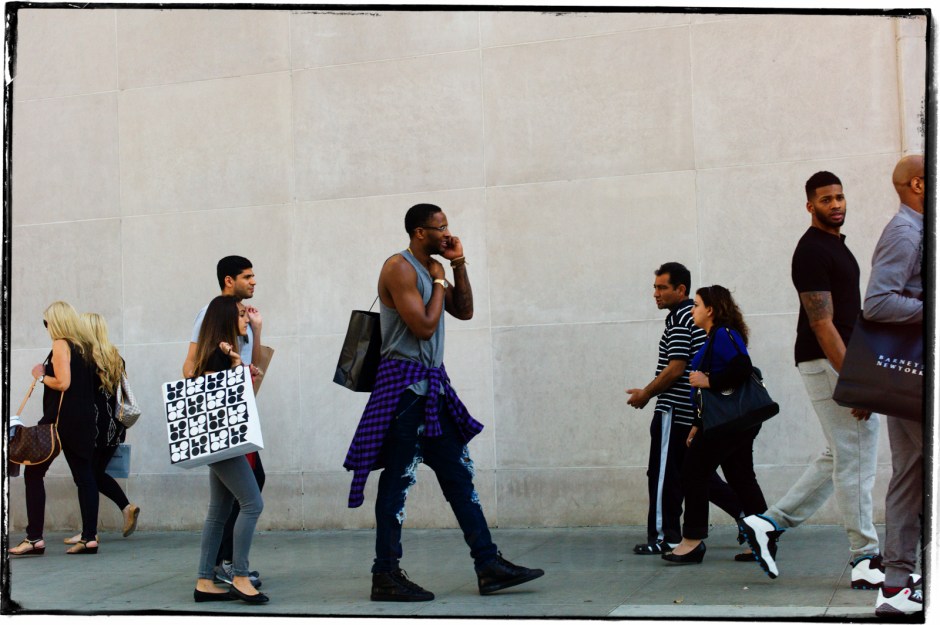

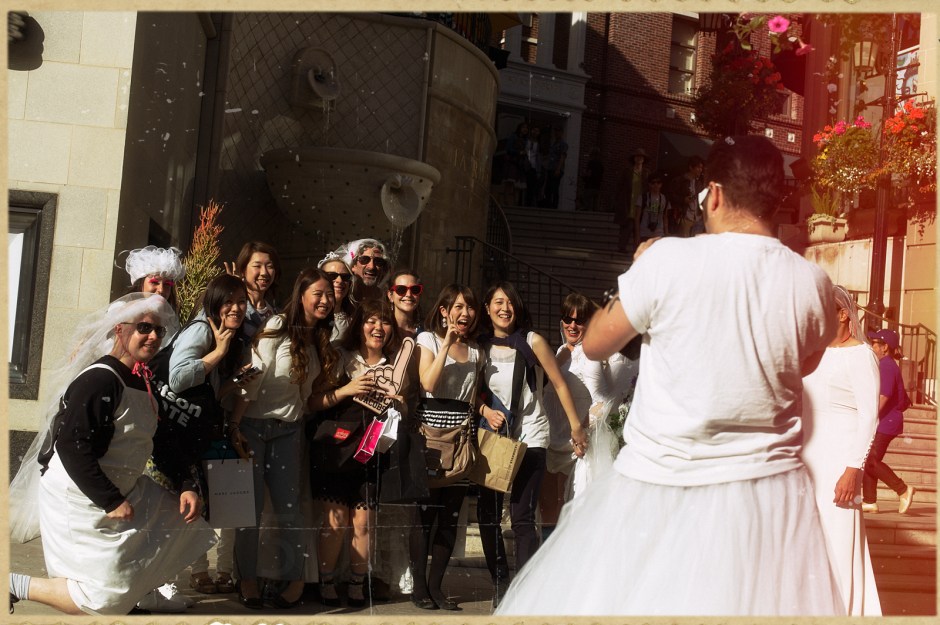
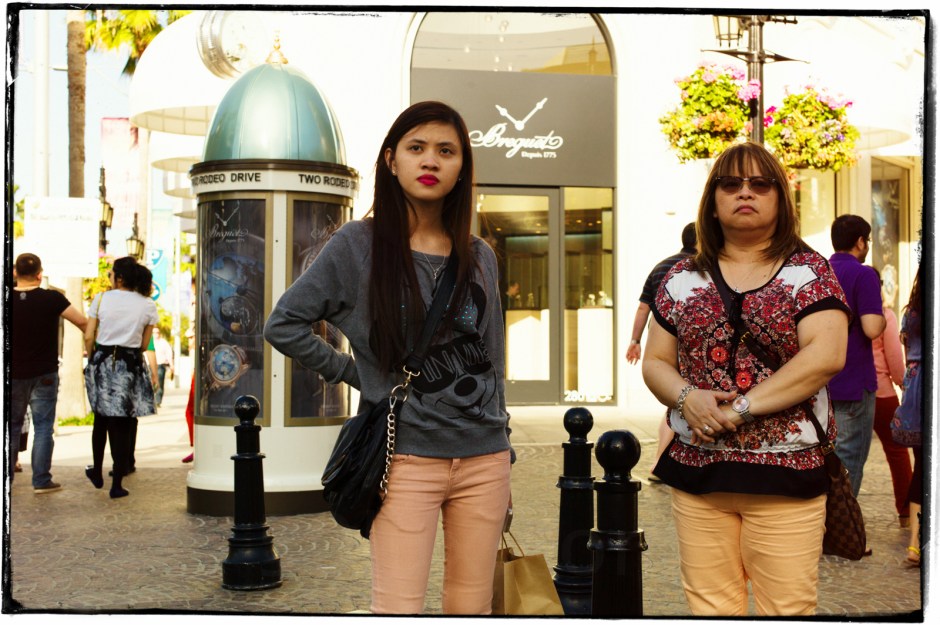
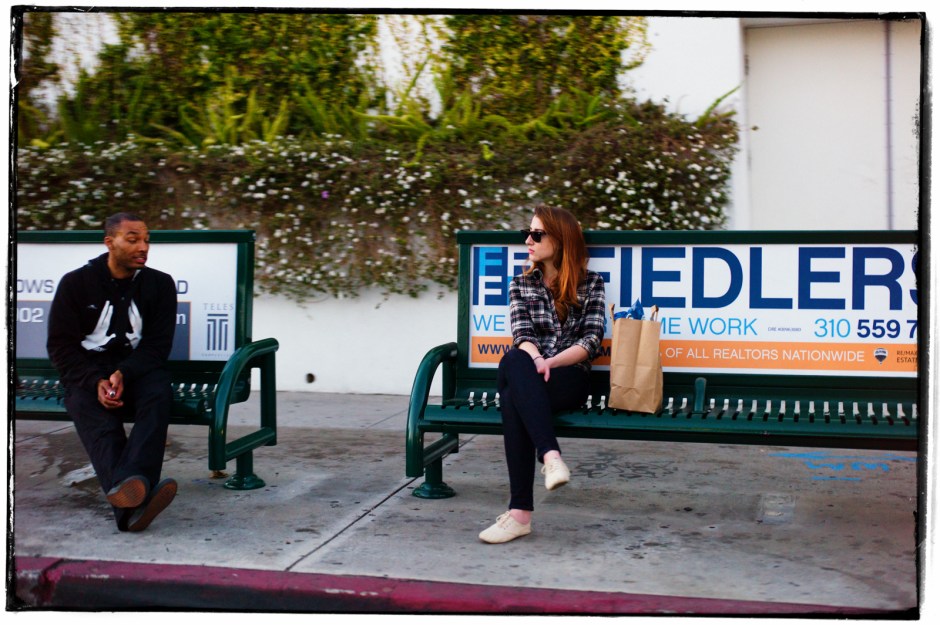
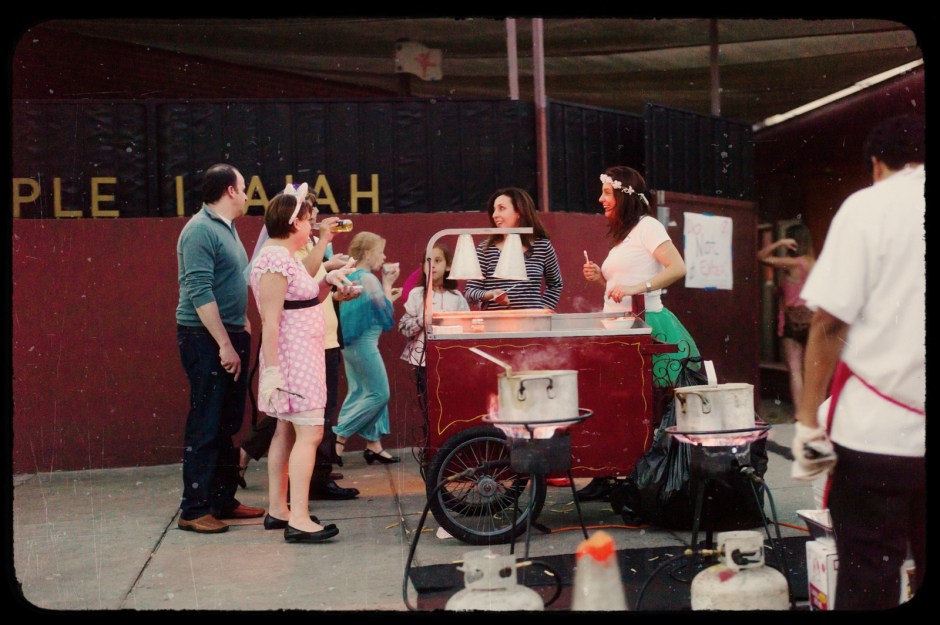
No, not the splendid cold war thriller on FX that began its second season last night. I want to talk a bit about the iconic book portraying 1950s America by Robert Frank that changed photography forever.
This will also give me a chance to introduce, to anyone who doesn’t know about it, what has been an incredible resource and source of inspiration over the years as I’ve grown more serious about my own photography. That would be the website known as AMERICAN SUBURB X.
ASX focuses on, I guess it’s safe to say, contemporary art photography and the work of the great 20th century icons of photojournalism and documentary photography as well. I can’t really even begin to relate the meaning that has been imparted to my mind, the holes that have been filled in my education, the understanding that has slowly and painfully made its way into my heart, digging through ASX.
Okay, let’s do this. I’d known about Frank’s seminal work for years and mostly through ASX had read here and there a number of essays and analysis pieces on The Americans. I thought I understood the book. Thinking about it from a post-1960s (when I grew up) perspective it didn’t really appear to me to be a work that offered the sort of photographic worldview changing experience the book’s peerless reputation clearly suggested it should.
Probably suggested is a bad word choice there as the book’s reputation comes down, through the decades of photographic history, just a little bit like a sledgehammer.
But I loved the collection of images (as stupid as that might sound) and I did understand it all to be an intentionally unflattering look at American culture. Well, big deal. I do understand the primacy of anything that manages to be the first major effort that opens the world’s eyes to a new way of looking at itself. But I grew up in the counter culture of 1960s and 70s America. This book was published in the US when I was 2 years old. America and its culture had and has been taking its well earned and justified knocks before I was even out of diapers.
To say I’m used to it is an understatement. All I’ve ever known is a world in which the the United States has had its scathing critics, always there nipping on the heels of things like national pride and patriotism and capitalism and militarism etc.
And, as an ex-hippy, I’m down with all of it. Man.
So I respected The Americans for being a pioneer work and, also, simply because I liked the images.
Then one day, browsing ASX, I happened upon yet another essay on Robert Frank and his book that was itself already a couple of decades old.
I remember reading it in the middle of the night. The spooky wee smallest of the wee small hours. But I knew that what I was reading was outrageous to my mind and changing me forever as I read it.
Cleverly, ASX’s website seems to prevent copying (and that problematic subsequent pasting) of text from their site. That’s okay. You can all read the essay here.
But then again, I do have skills. Here are some selected quotes… certainly NOT the most impactful paragraphs… but just something to whet your appetites, maybe.
“Robert Frank’s The Americans, which I think is the most important single effort in photography in this century, is also the most enigmatic. For 24 years the book has remained nearly impenetrable. There has seldom been any question of its intensity, its cohesiveness, or its uniqueness. The question has been what it is about.
“To realize the extent to which the content of the 83 photographs in The Americans has been glossed over one can look at what has been said about it over the years. For the most part, criticism as well as enthusiasm has centered on Frank’s style of photography and on its formal aspects. Until recently, no one delved into the content of his pictures.
“And in 1978 Szarkowski noted the difficulty younger photographers would have in understanding “how radical Frank’s book was when it first appeared.”
“But these accolades do little to explain how the book was important — except in terms of its revolutionary style — and they say nothing about what the images in it mean.
“Today the pictures no longer shock us. Today only one quality stands out — their muteness. Twenty-four years later, those images still never describe fully, never seem to make a clear point.
“When I first saw work from the The Americans I could make no sense of it. It wasn’t political. It wasn’t an exposé. It seemed only to deal in street photography enlightened by some perverse sense of humor, at times pervaded with an undirected melancholy.
“Only when I was told that this was the work of a Swiss national did it make sense — and then instantly.”
Well. As cliche as it might sound I never looked at photography the same way again after reading this essay. Not my own, not anyone else’s. It did the most amazing job of, finally, sorting things out for me. I didn’t care about the same things that MOST other photographers care about, anymore.
But beyond photography, because I’m an incredibly political person (for a person who doesn’t involve himself in politics in any way) this essay on ASX explained something of the dynamic that exists between Europeans and their culture, Americans and the culture we do have as well as our many voids, and more than any of that, the dynamic that exists between Europeans and Americans themselves.
Okay. Honestly, the rest here is largely up to you the inquisitive (I hope) visitors to my site. The link is there. The piece is long. It is sumptuous and contemptuous. I think it is painfully honest. When I first read it I guarantee you my blood pressure and respiration changed. I changed.
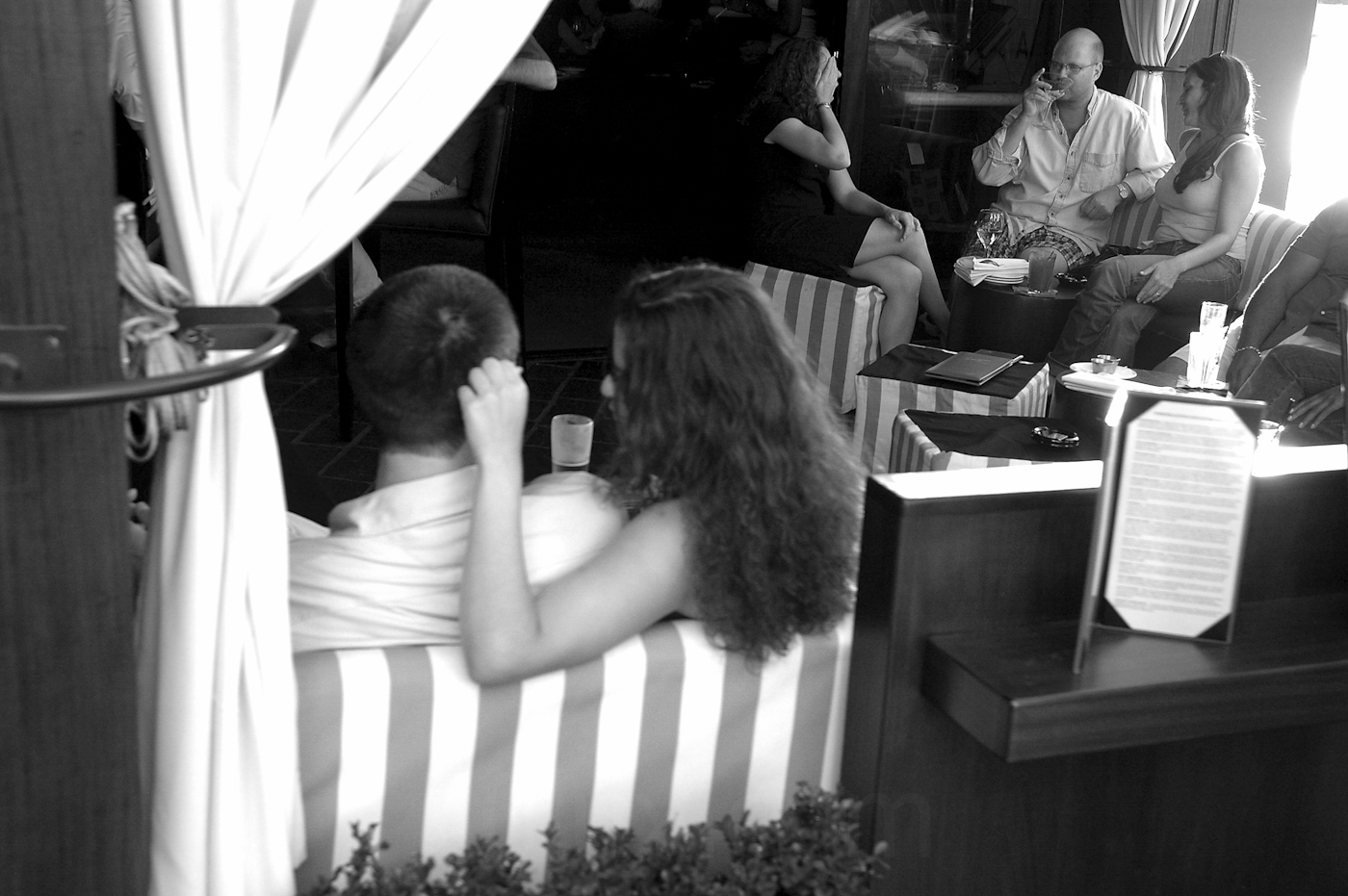
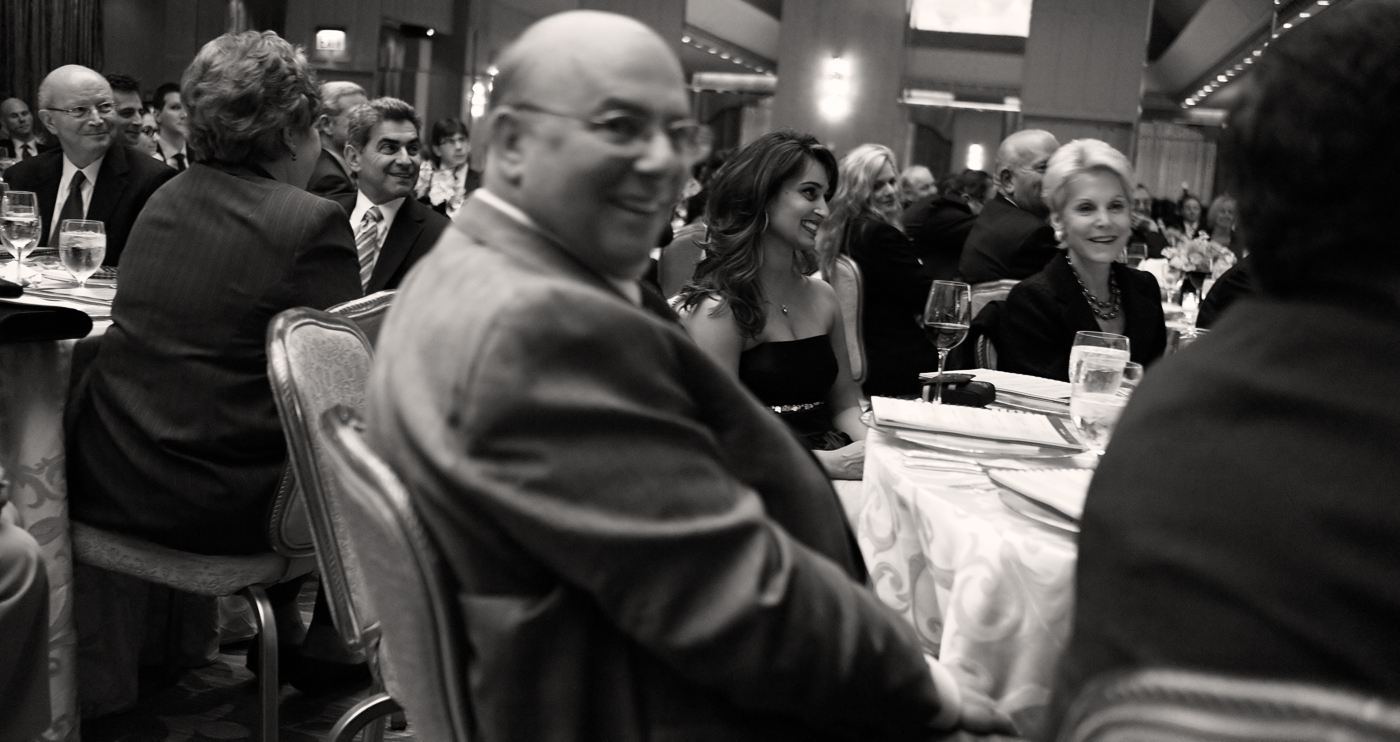
Okay. The image at the top. This picture was taken a week (or two) after I first bought my Leica M9. Anyone familiar with The Americans will recognize it as a reference to one of the most controversial (photographically) images in that book. That of the starlet at the premier on Hollywood Blvd. Enough on that. It’s pathetic in comparison to Robert Frank’s photography but… it’s still a pretty good shot… so whatever.
In the far left hand top corner of the image is a European who became an American. He’s since passed away. He was, by all accounts, a great doctor and the COO of one of the largest hospital systems in the US. The night before this image was taken we all shared a much more intimate dinner setting and he was admiring my new Leica M9 as only a European might.
We got to talking about things and the differences between the United States and Europe. I was at that time fresh off having my world view of Americans versus Europeans changed forever by the aforementioned ASX article and I was thrilled to be explaining it all to an actual cultured European.
Achilles was so kind as he smiled and deflated my hostility towards my own country. He praised America and explained that, while it is true, Europeans have many cultural advantages, they also suffer greatly from many entrenched and intransigent realities that we Americans are not saddled with. He said that most people around the world admire and are inspired by and aspire to much of what America has to offer.
Okay. That helped, actually. Because before that… I was pissed. 😉
But my perspective on photography and what it could be used for and had been used for was changed forever by what I can only describe as a more complete understanding of Robert Frank’s The Americans that I came to have after reading this essay.
Please enjoy and please visit American Suburb X frequently. I’m sure it will benefit your photography and your perspective as it has mine.
Apologies to Raymond Carver. Reposted from the early days of 50lux.com
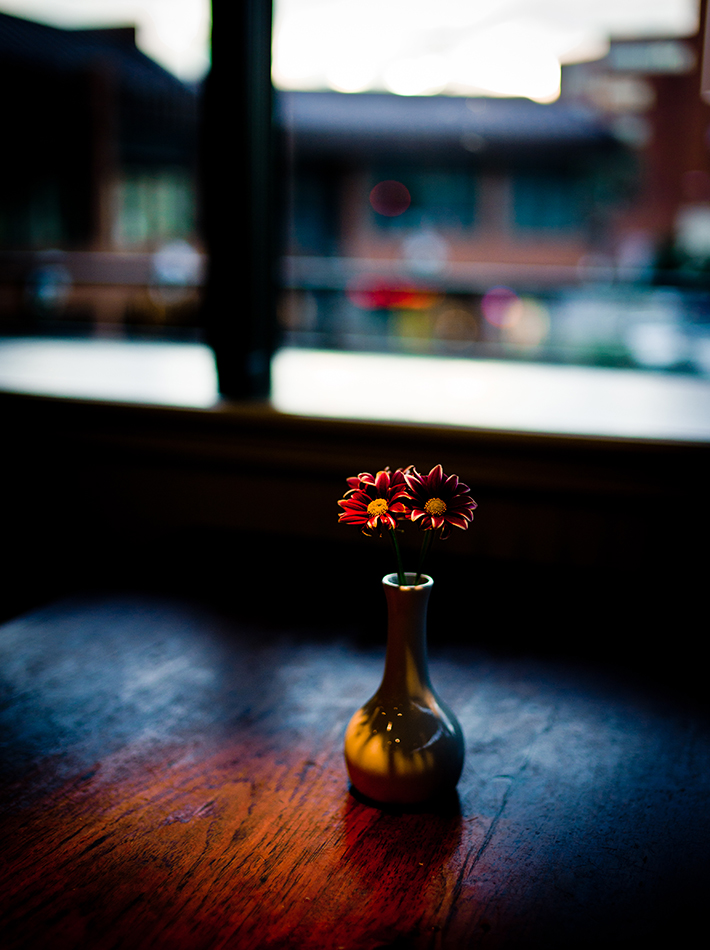
Leica M9, 35mm f/1.4 SUMMILUX-M ASPH FLE
I think of the best stuff when I’m half asleep. It’s called hypnagogia and I’ve got a bad case of it. I’m not alone, apparently, as a New York Times article pointed out late last year and as Wikipedia establishes as encyclopedic fact.
Many other artists, writers, scientists and inventors — including Beethoven, Richard Wagner, Walter Scott, Salvador Dalí, Thomas Edison, Nikola Tesla and Isaac Newton — have credited hypnagogia and related states with enhancing their creativity.
I’m intending to capture some of these fantastic creative thought processes that trot through my mind when I’m half asleep for the purpose of bringing them back alive and showing them to the world here on 50lux.com. It won’t be easy. Not many things are when you’re half asleep. Nature of the beast. More on all this later. But let’s start off with an example from today.
There’s nothing more annoying than some snobby-sounding photographer going on about Light. I chase after the Light. I live for the Light! I’m always out looking for the Light. I’m a Light chasing stalker of the Light.
Light, that fickle temptress, has taken out a restraining order on me!
You know the type. Butterflies and rainbows all around them. They shoot Leica but, of course, they could do just as well, maybe better, with a piece of cardboard and a tiny hole punched in it for a lens.
Never mind too the 14-year old future supermodels that seem to prance through lush meadows all around them, stopping only for the occasional extreme closeup on the sun-speckled perfection surrounding bee-stung lips.
What does any of that matter?, the light snob would say. It’s all about the Light!
Okay, let’s go there. Because as annoying as these people are, they just might be on to something. Pictures might lie, but not that much when it comes to the role of light making a great picture.
First let me say that my goal here, because I want to help myself to be a better photographer, is to learn along with anyone who happens to be reading this blog. So that some day, some glorious sunshiny day, we might all be just as annoying to others as these people are now to us.
It is important to have goals. Let’s get to work on achieving them.

Leica M9, 40mm 1.4 Voigtlander Nokton
Think of the world not as a place made up of things or solid objects to be photographed, but instead as a place where light exists.
You see what I’m talking about when I’m talking about half-asleep thoughts? Thank you and good night, ladies and gentlemen. Let me repeat it.
Think of the world not as a place made up of things or solid objects to be photographed, but instead as a place where light exists.
Because light in an infinite number of variations certainly does exist in this world. It shines down upon, through, wraps around, bounces off, backlights, highlights, dapples, washes over, peeks through, reflects off of, illuminates, obscures, virtually everything in this world and all of that enters into our consciousness, or DOESN’T, which is what we’re trying to correct here, through our eyes and through our lenses onto the plane of film or sensor we’re using to capture it all for posterity.
Light has so many different colors and shapes and effects upon whatever it touches or is near that it’s far beyond the scope of this blog post to even go into any of that. And it’s not important for the ideas that I’m trying to solidify in my own creative mind to try to address any of it at this time.
This post here on 50lux.com is more about what we all can maybe derive or benefit from in the form of an internal tweaking of our perspectives on light as it exists all around us and in our photography.
The important thing to keep in mind about light is that it can be as easily photographed, and as easily sought out as a subject to be photographed as a flower, a snow-capped mountain, a beautiful woman, or anything else that people almost instinctively point their cameras at before hitting the shutter release.
As you probably remember, like me, from reading it somewhere, whenever you take a picture, you really are only photographing reflected light anyway. Why not make a concerted effort on light’s behalf?
So now try it! Go out and, instead of looking to photograph mere things, solid or liquid objects of the Earth, as an ongoing exercise for your photographic eye and mind look past all that stuff and look only for light, wherever and in whatever form that you find it. Take pictures of that light. Make pictures from it.

Leica M9, 50mm f2 Summicron-M
If you’ve ever asked yourself or anyone else what’s the best way to radically change how you see as a photographer, then this is what I would suggest. Stop looking for and at everything around you as subject-objects, and instead allow yourself to look for and see only light.
Forever?, you might be asking. No. And then again, YES! Absolutely. Because we are talking about change here and hopefully permanent change. Some of us are always looking to change or open up our vision as photographers.
For now I suggest maybe working without your camera and going through your day looking past objects and people that you would normally focus your attention on and trying to see only the light and thinking about what you’re seeing wherever you do find light.
One of the first things you will discover is how incredibly easy this all is. You’ll be surprised. The change will be immediate. Your nose, as a photographer, will start to rise up into the uppity upper air involuntarily as you yourself become yet another annoying light snob. Phrases like I seek light wherever I can find it will roll off your tongue with the same highbrow snobbery of Grace Kelly in a 1950s Hitchcock film.
Go for the light and don’t come back empty handed!

Leica M9, 40mm 1.4 Voigtlander Nokton
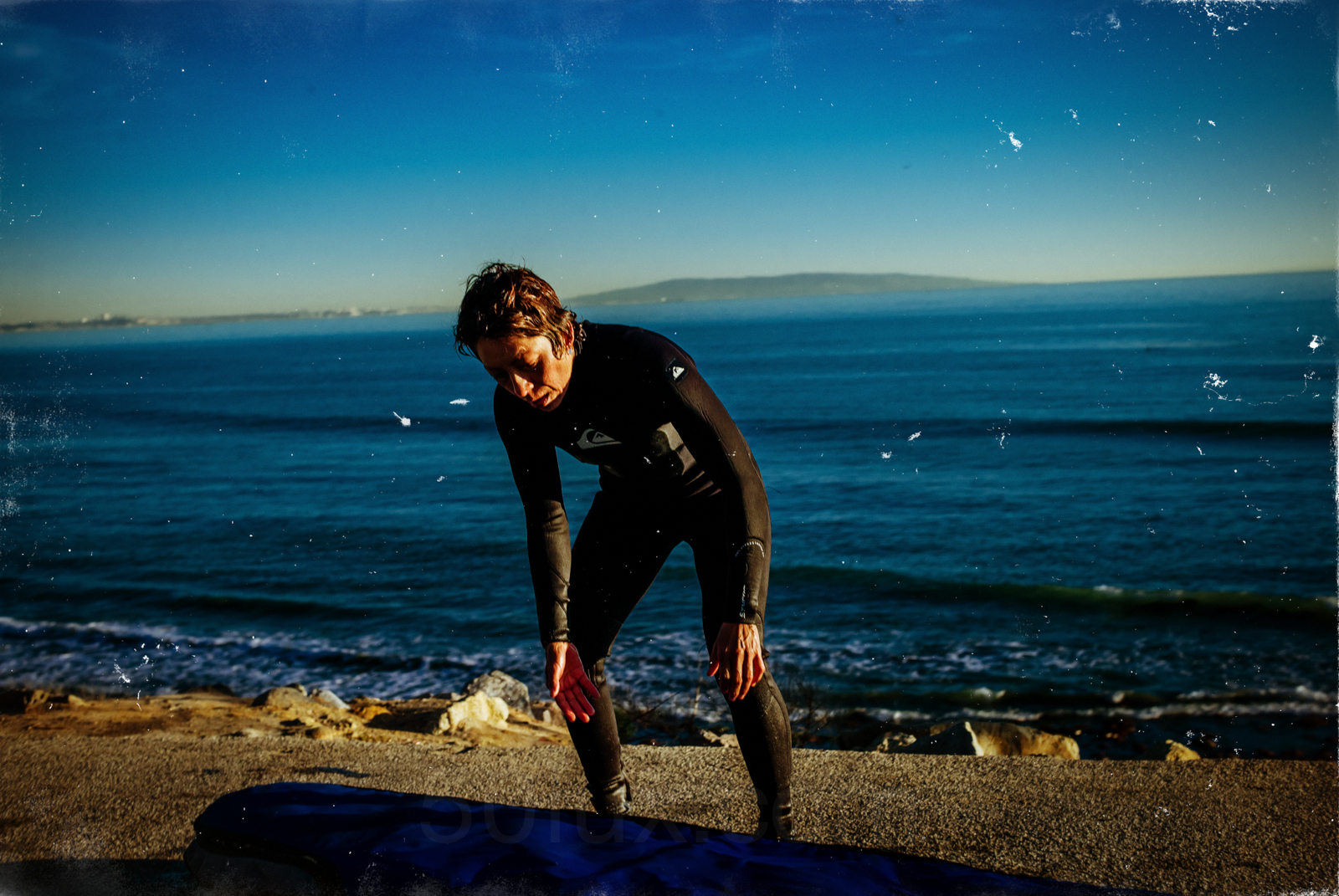
Click on image for larger version.
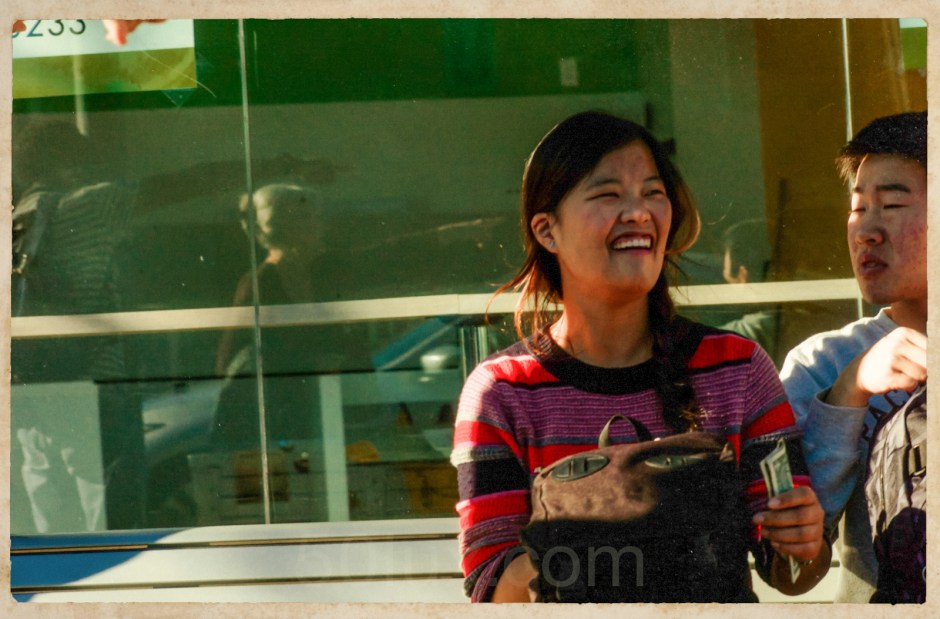
I’m linking today to an essay on William Eggelston called The Tender-Cruel Camera written by Thomas Weski. Here’s an excerpt.
The choice of subject matter seemed to some critics to be totally indiscriminate, as though William Eggleston has applied no criteria at all. ‘Eggleston’s photographs often seem to have been taken not by a photographer but by a motorized camera swinging around the photographer’s head on a string. Whatever happens to be in front of the lens when the shutter was tripped got photographed. Whatever was not, did not.’ But even this negatively meant criticism reveals a further important aspect of Eggleston’s work, namely his democratic approach to the subject matter. Eggleston speaks again and again of the ‘democratic camera’ which considers every object worthy of depiction. Naturally, this seemingly impersonal way of seeing things makes no distinction between ‘beautiful’ and ‘ugly’. In other words, William Eggleston does not operate with the usual visual hierarchies, but rather accepts those motifs which illustrate his concept correctly.
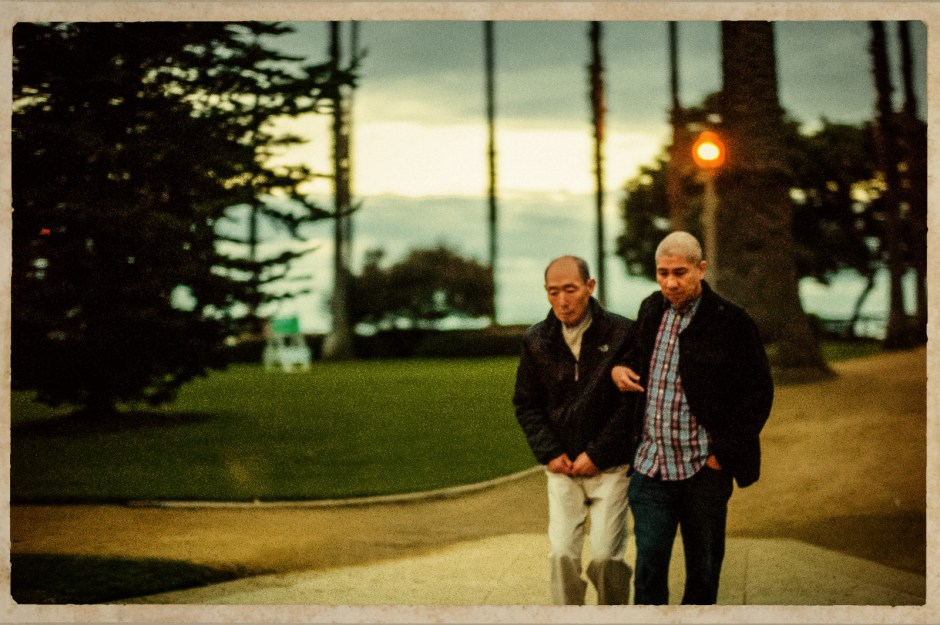

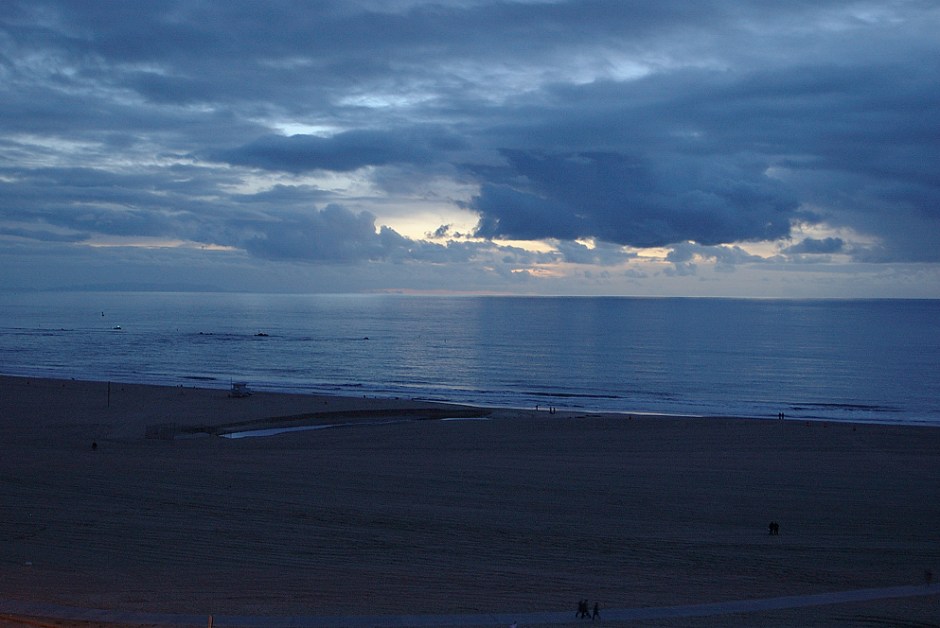


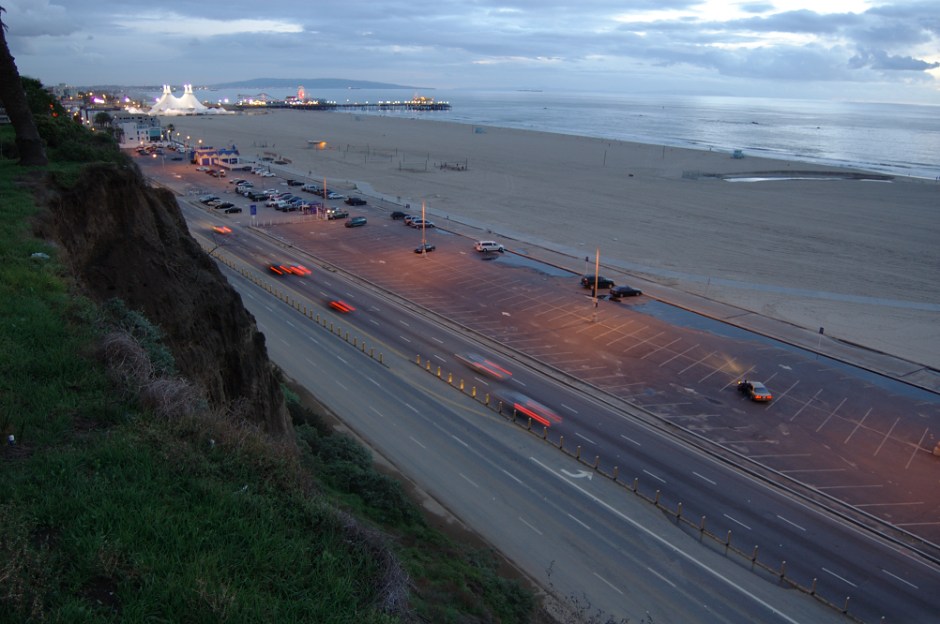


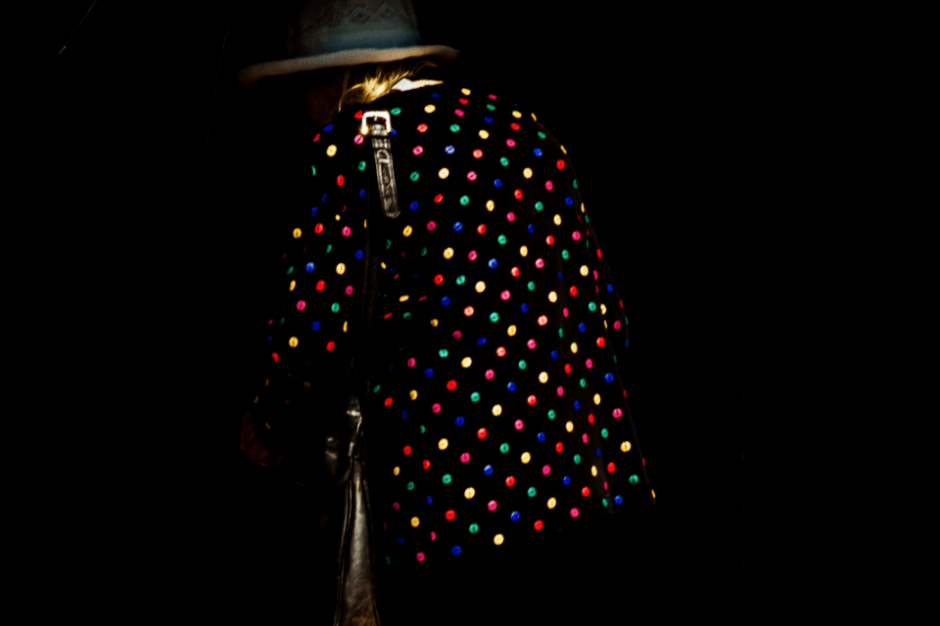
Crop from the image that launched my own moment of recognition here in California by the Los Angeles Center of Photography. The uncropped version of this shot was selected to appear at the LACP’s first juried Member’s Exhibition.
This is almost an example of photography that you can barely take credit for. lol. Who can claim to have created something that depends so much on the fact that this woman bought this jacket at some moment in her life probably years before I even bought the camera that took the picture.
How much does the image depend on the fact that this lady decided to wear this jacket on this day and be just at that very moment stepping from the sun into the dark shadow of a doorway? So the shot is almost a miraculous piece of luck.
That said, I think this crop captures the gestalt effect more perfectly than any photograph I’ve ever seen. I can’t take any responsibility for that because I’m sure it wasn’t my intention to make an image of that sort. I saw colors and contrast and a good subject and that was it until I looked at the image later.
Anyway. Hope you enjoy this! Thank you all for visiting!
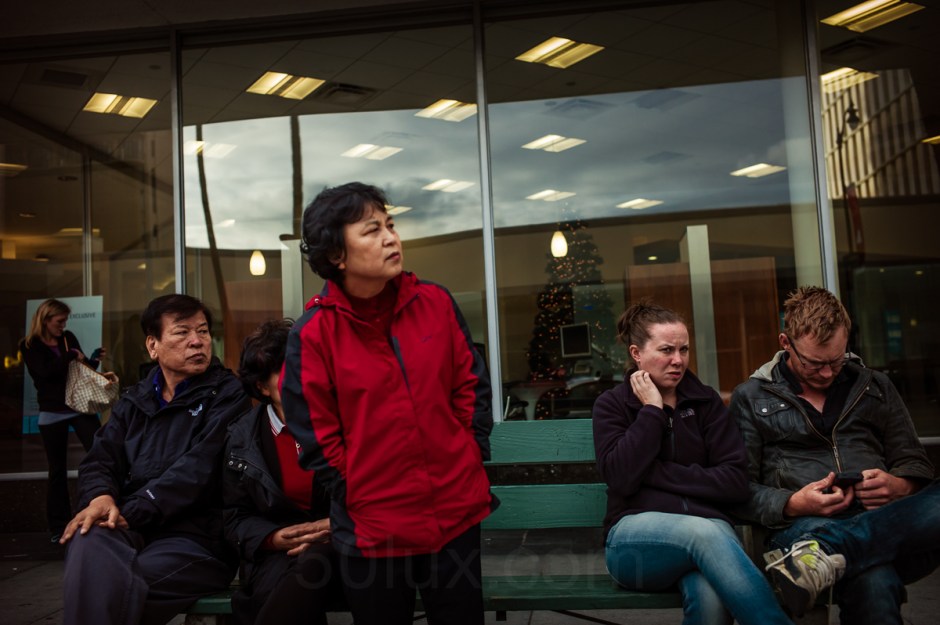

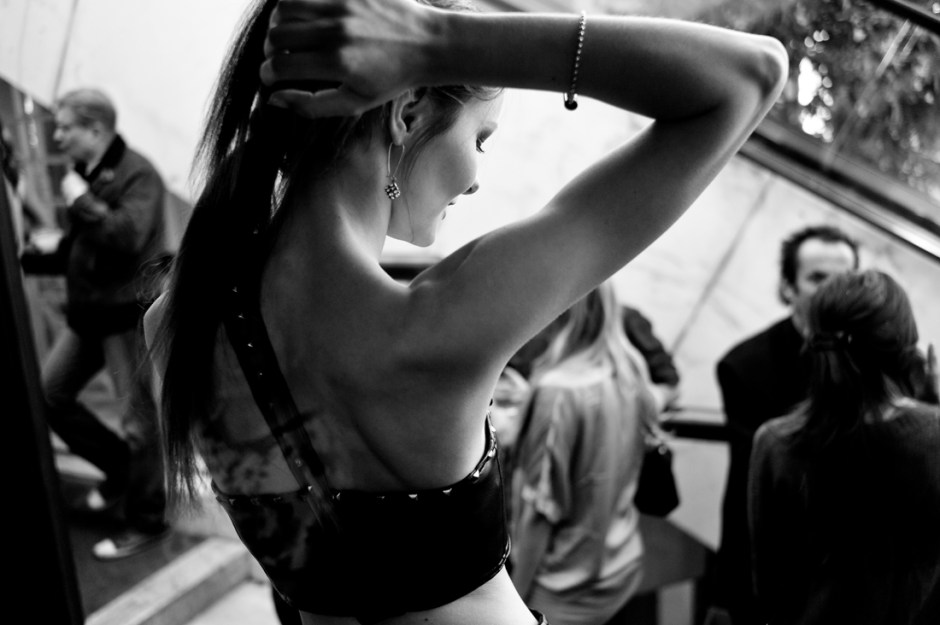


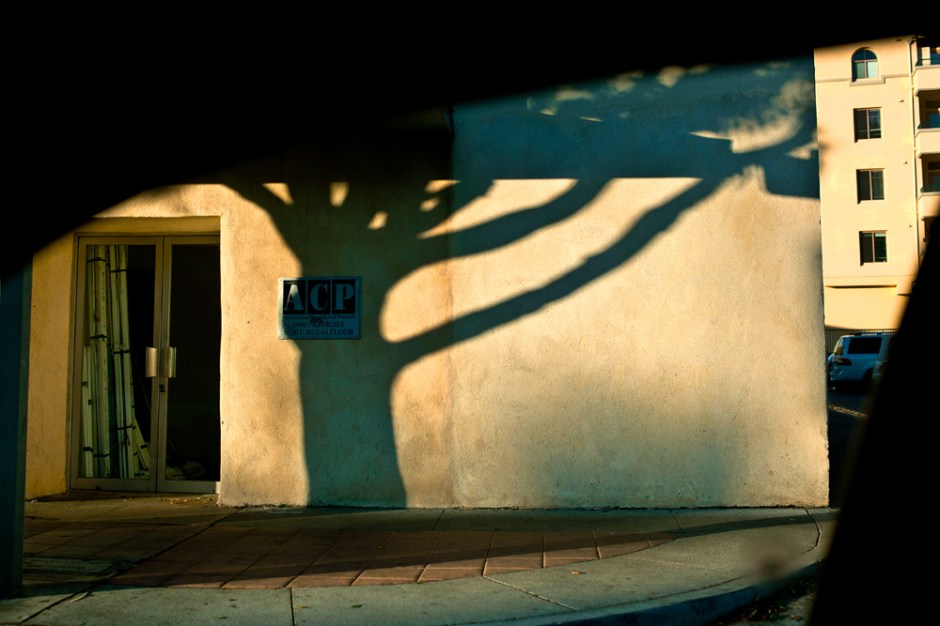

 We all see the button there. Imploring us to choose what we should post. What we should reveal to the world about the state of our art, work, and minds. I have probably a hundred images in my media library that were uploaded with the intentions of being shown but then something stopped me.
Usually it’s not just ambivalence about the image itself. But there’s a lot of that. I think what holds me up more than anything else is the matter of sequencing the images as a group which I think is always so key as to how they will or even should be seen or perceived. That is the hard part. And when images don’t go or make sense with other images, and in my case that’s probably most of them, it’s very hard to find a way to post them that works in my head.
Believe it or not. lol. But this blog has always been a reflection of those kinds of choices and rejections. I have to try to let go of that for a bit because I’m uploading now so many images to my WordPress media library that I am NOT using that I’m losing track of whatever plans I had for them or weak grip I had on something called organization.
So the point is, I suppose, to look for a lot of images and posts with images that don’t necessarily look like they should go together. At best. And thank you everyone who follows this blog and who ‘likes’ my posts or comments. I very much appreciate each and every one of you.

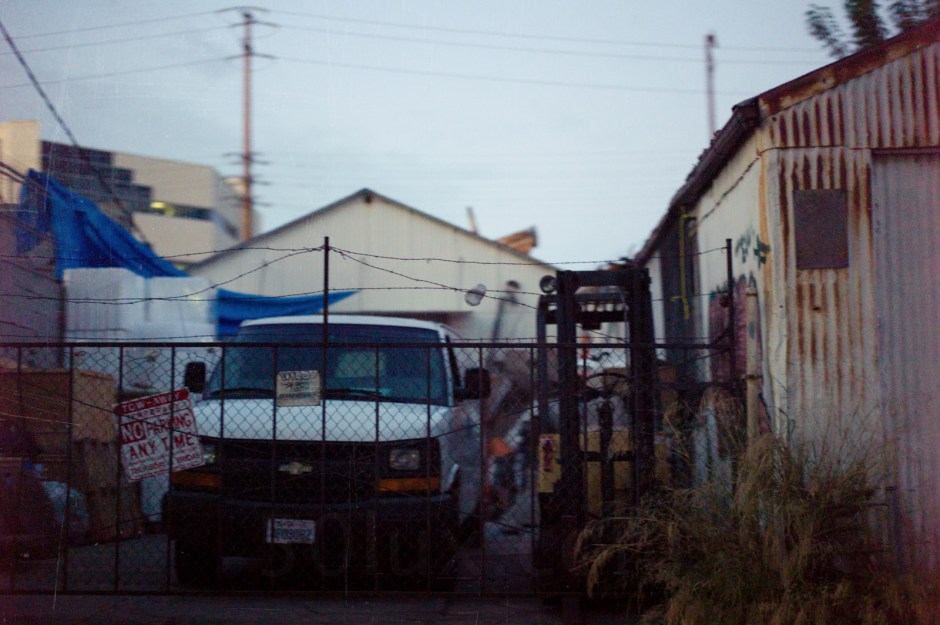
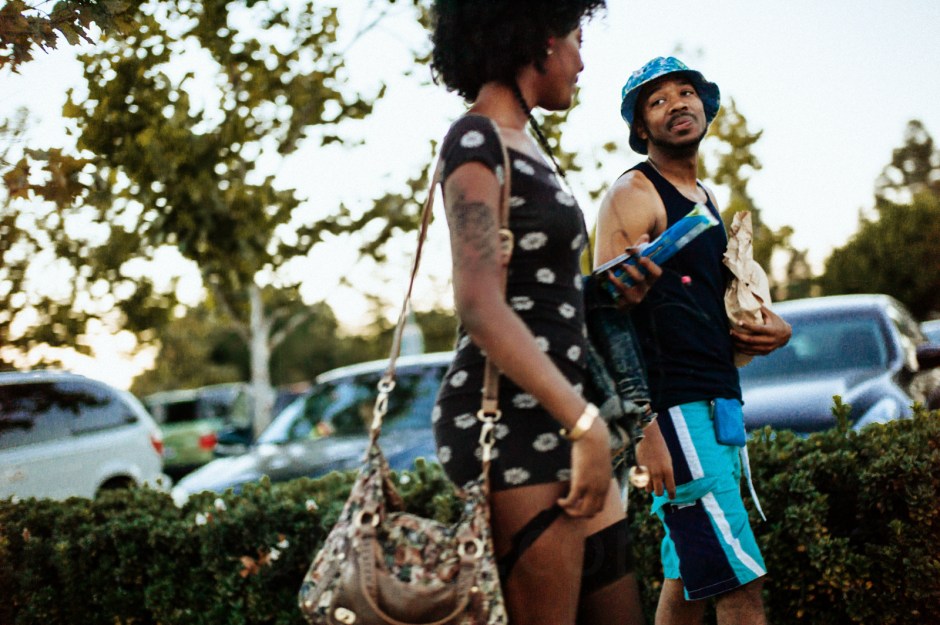
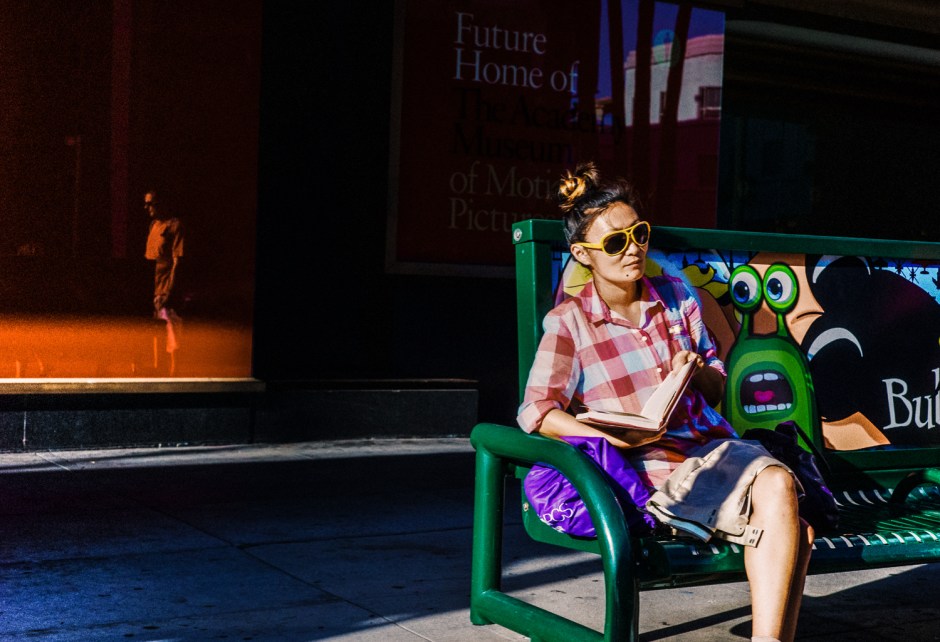

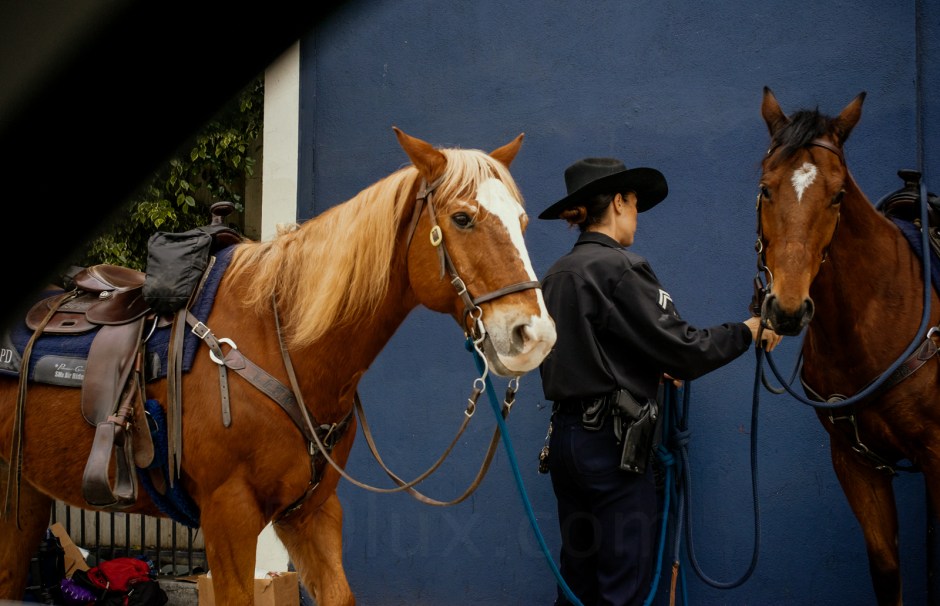

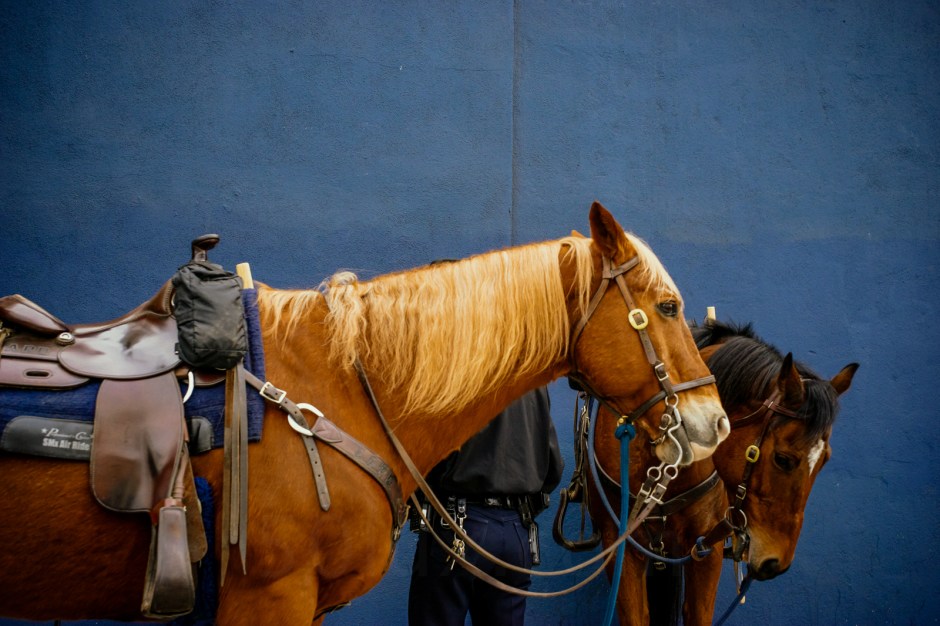
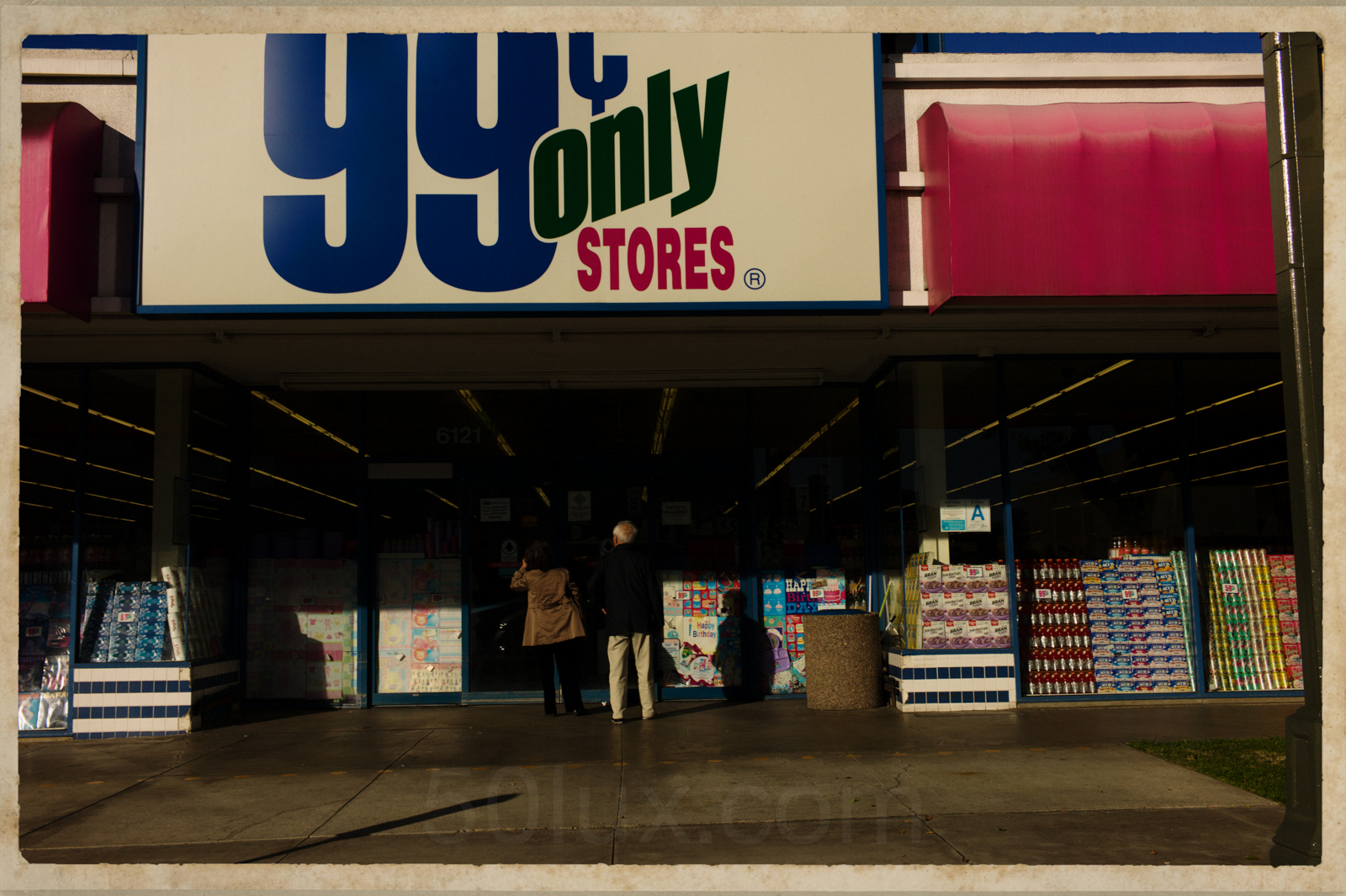
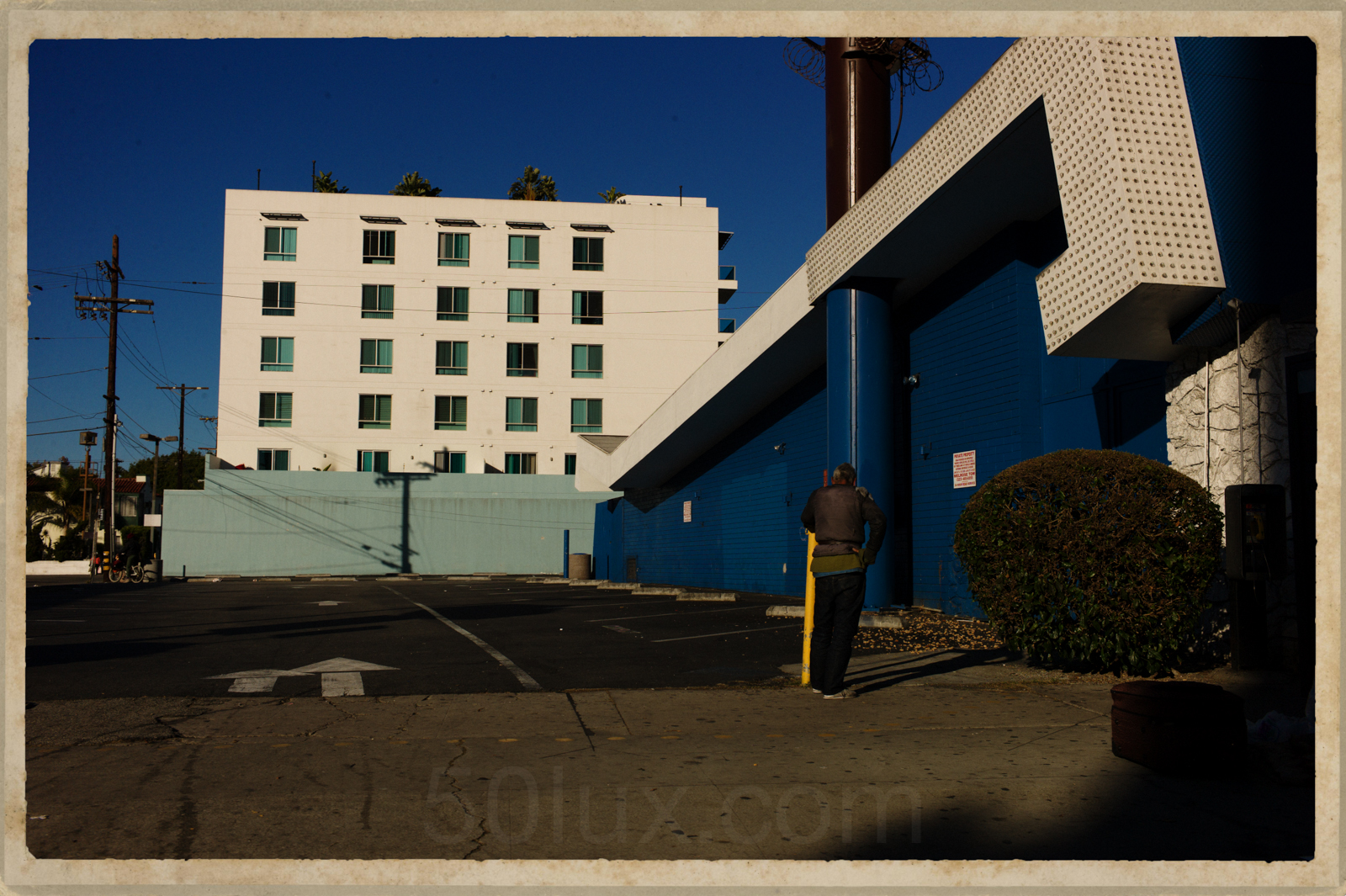
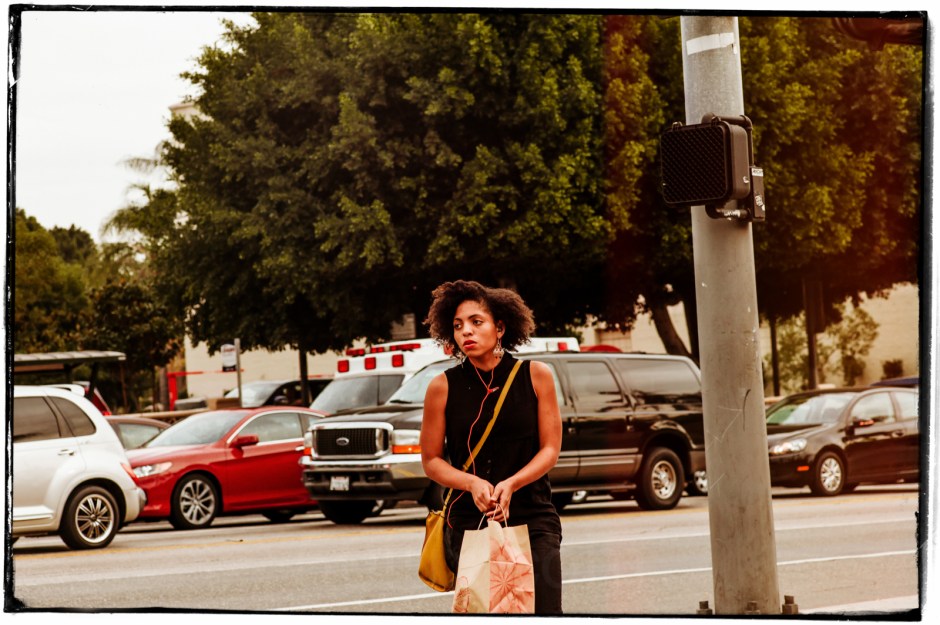
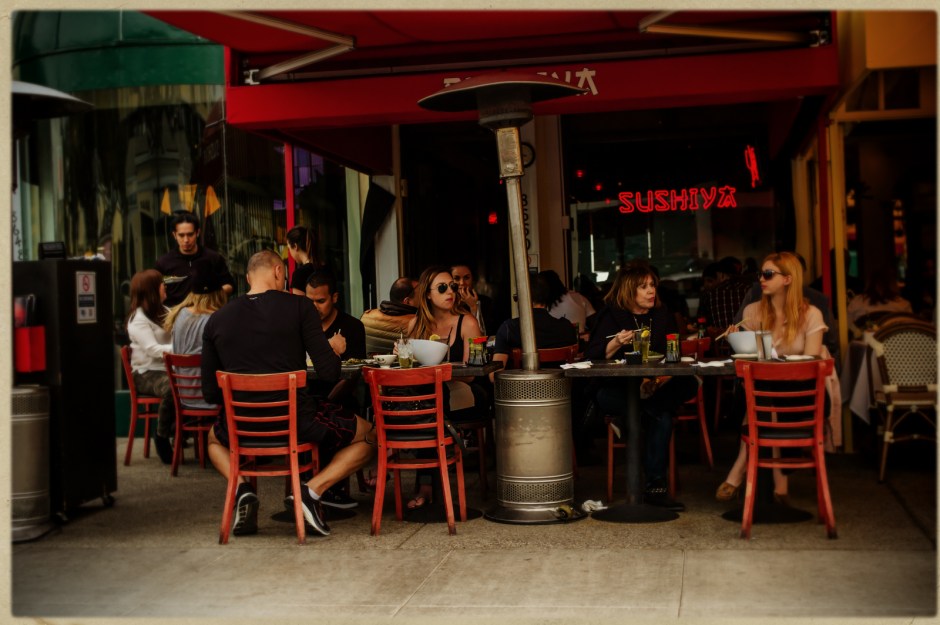
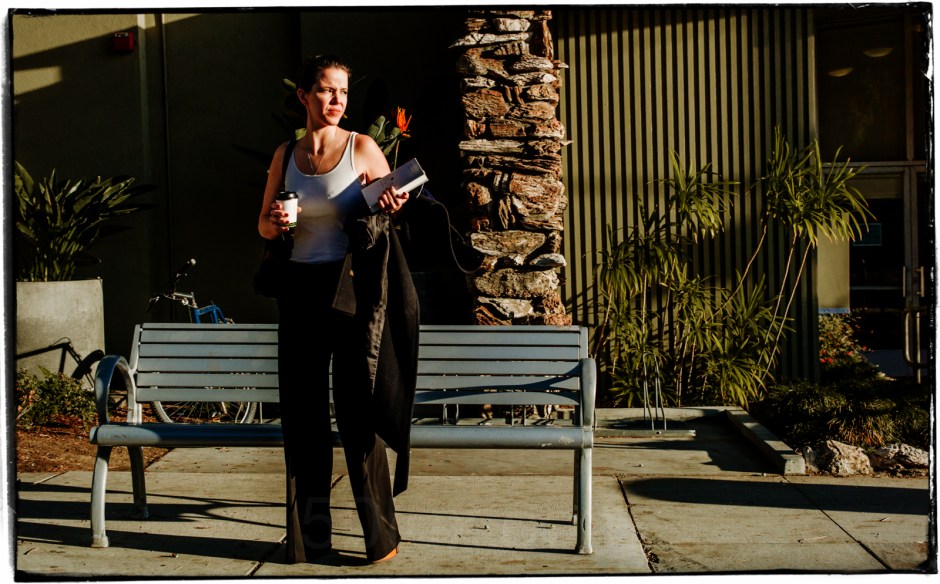
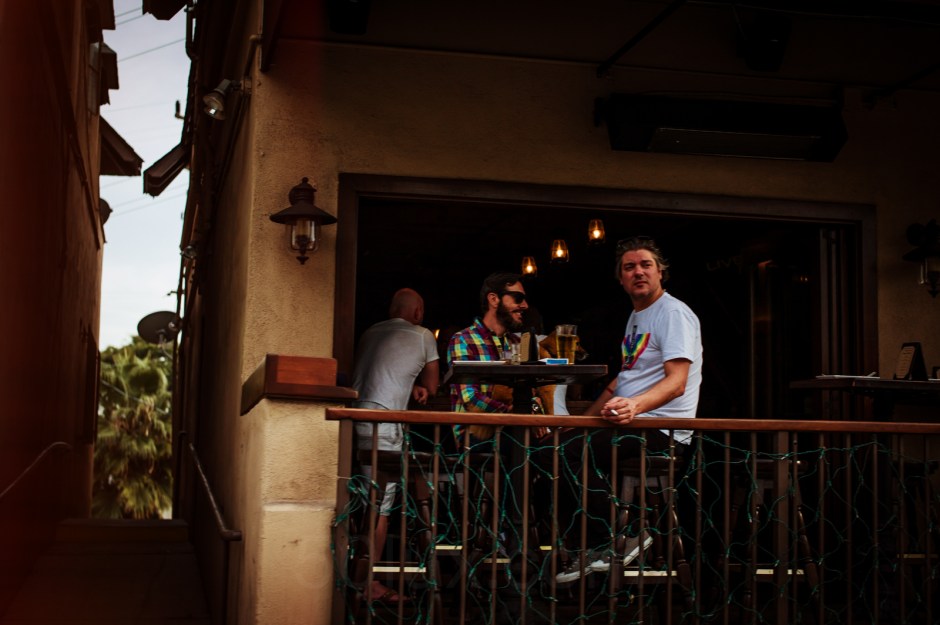

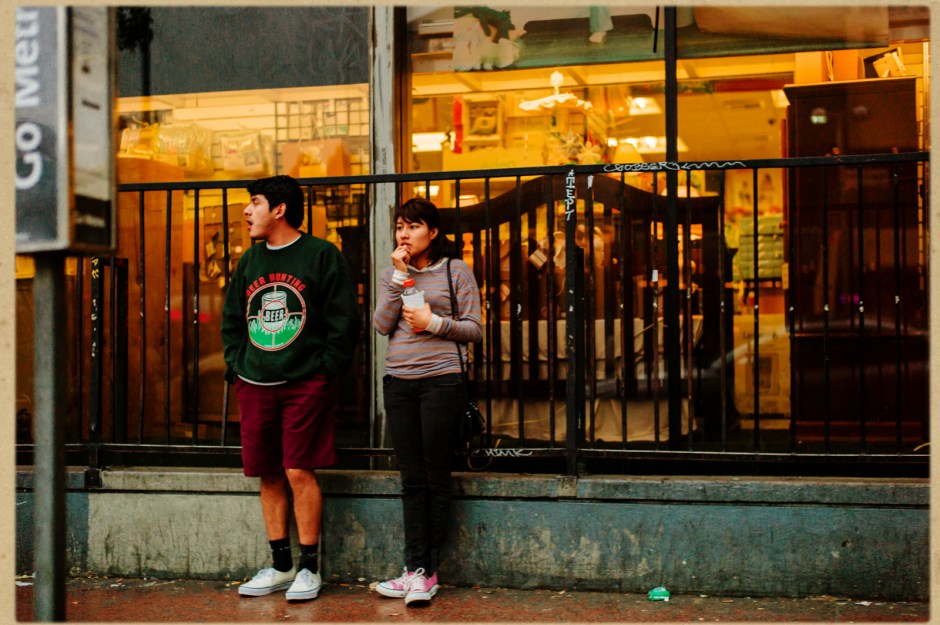
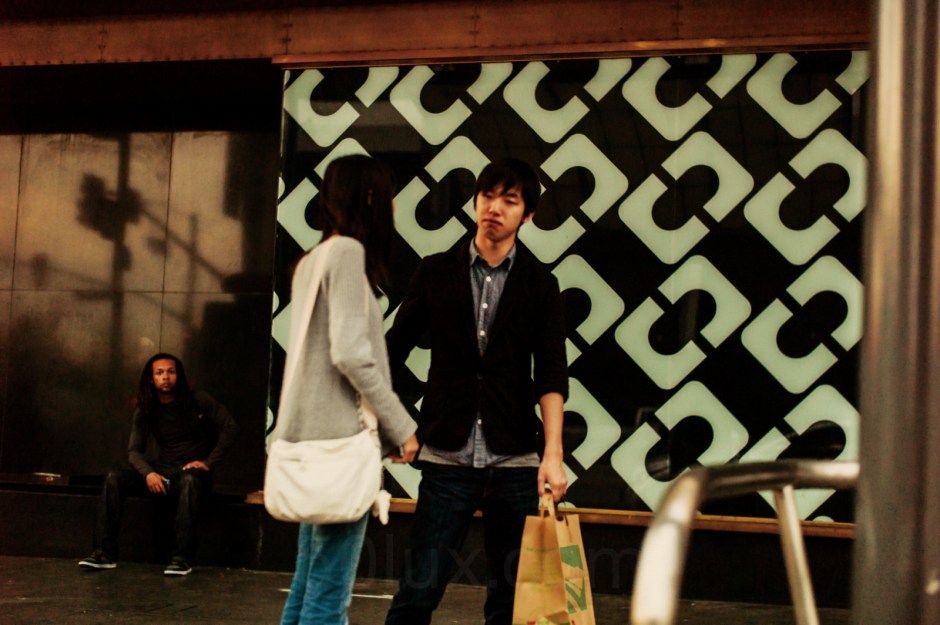

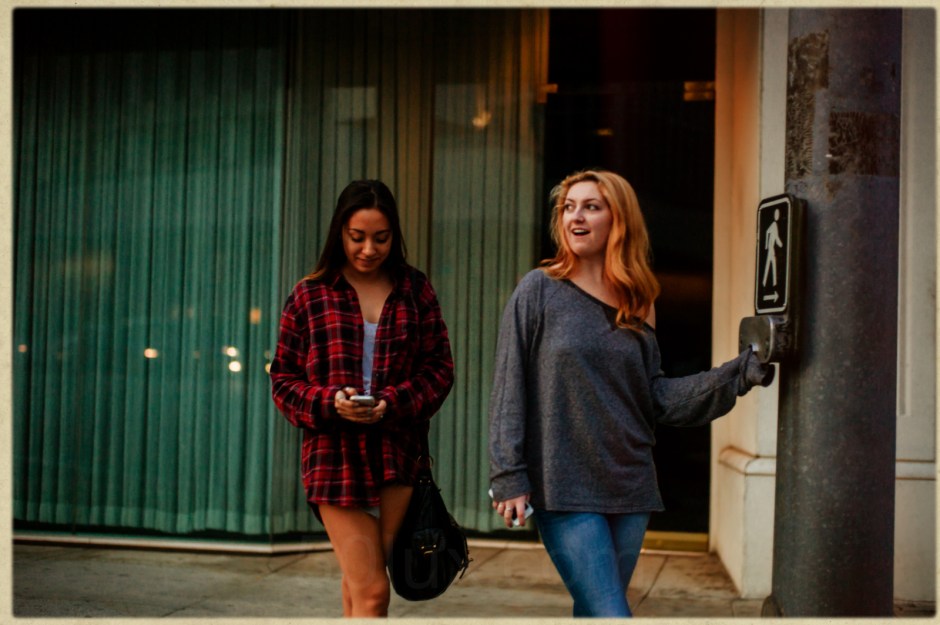
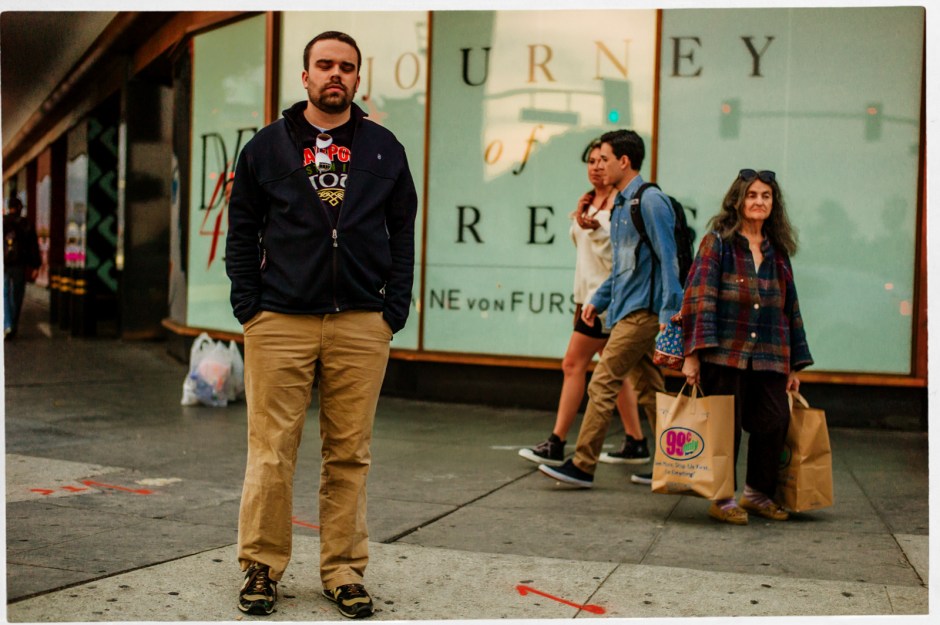


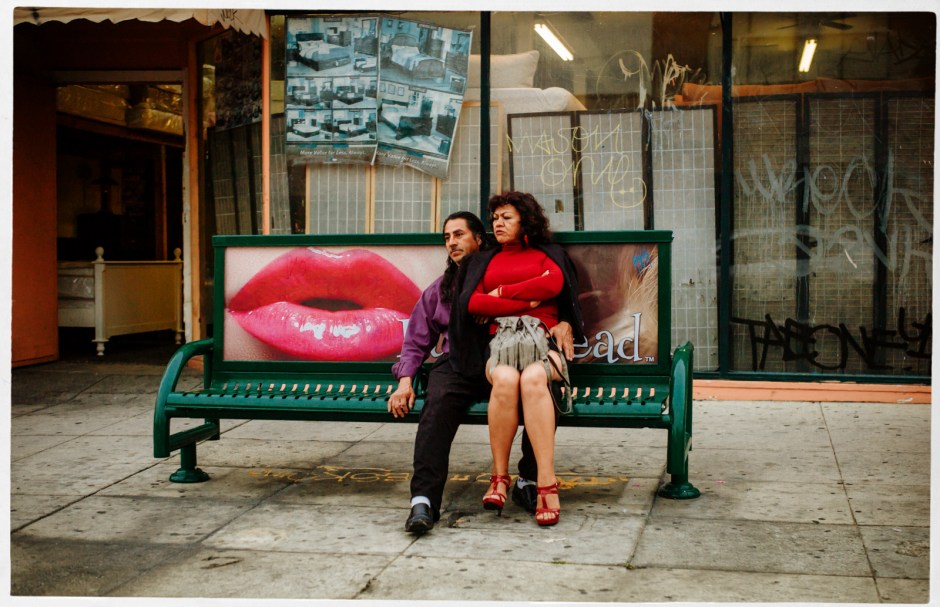
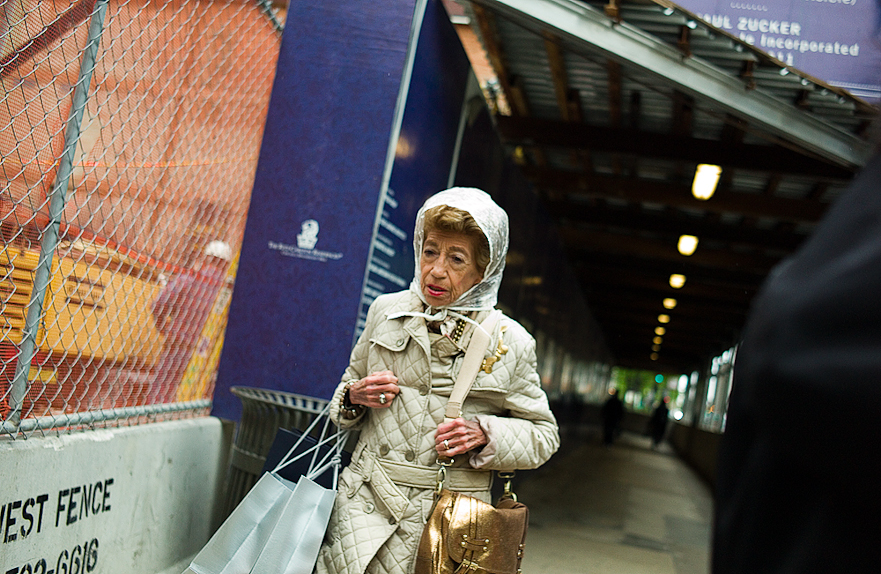
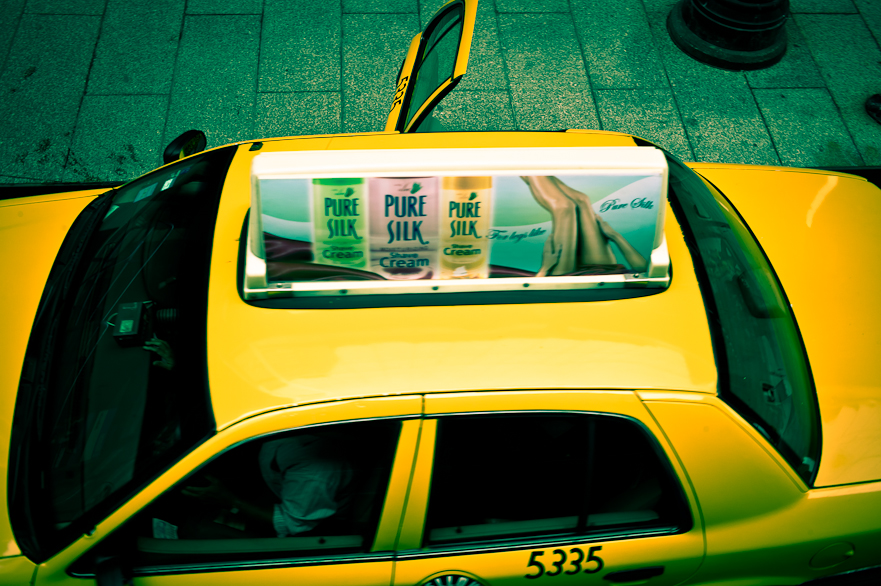
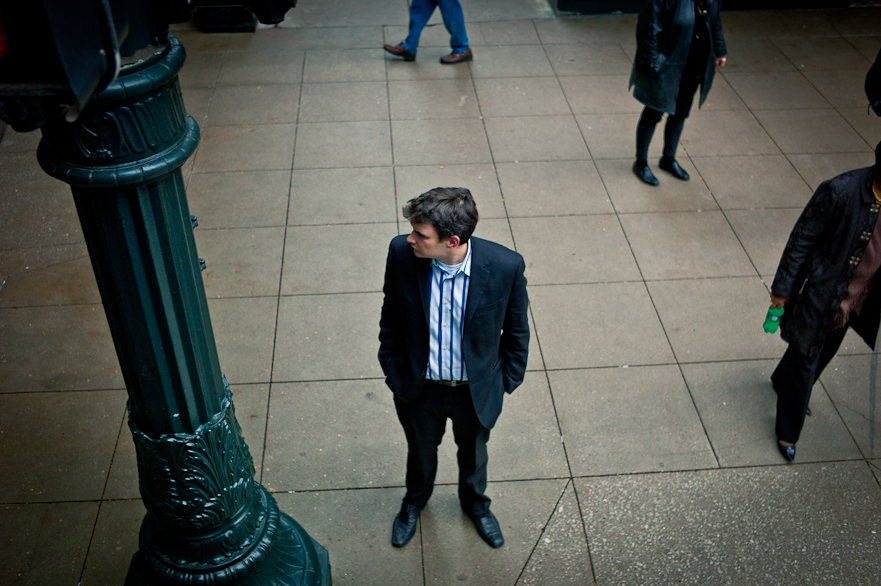
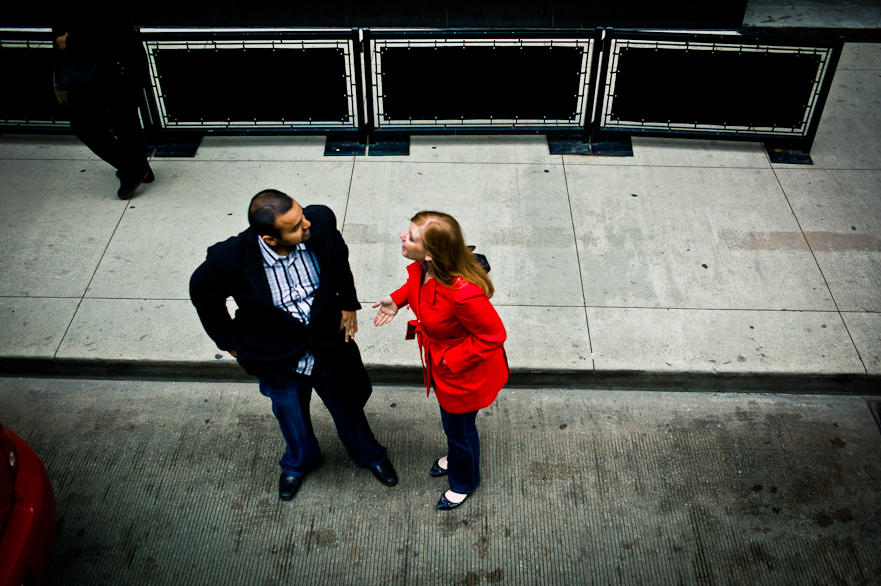
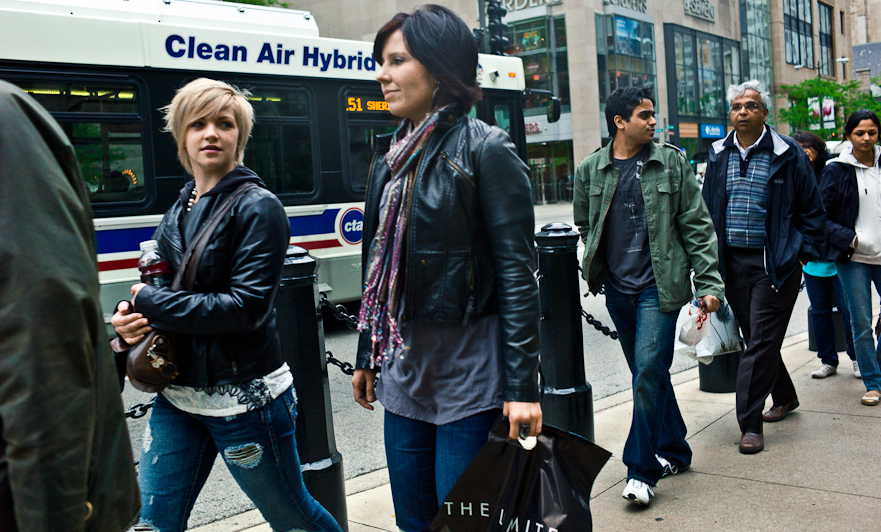
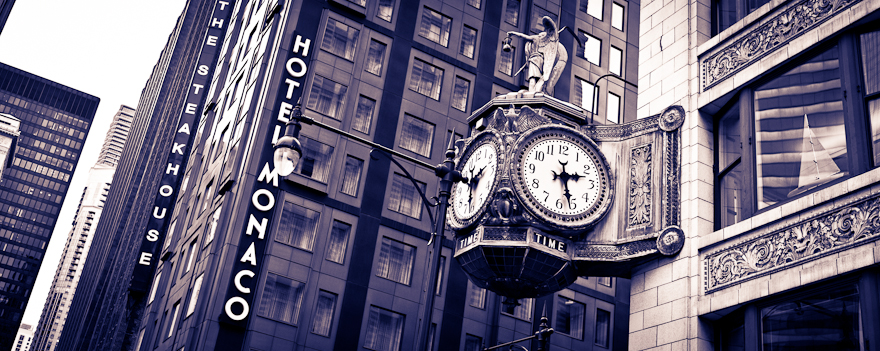
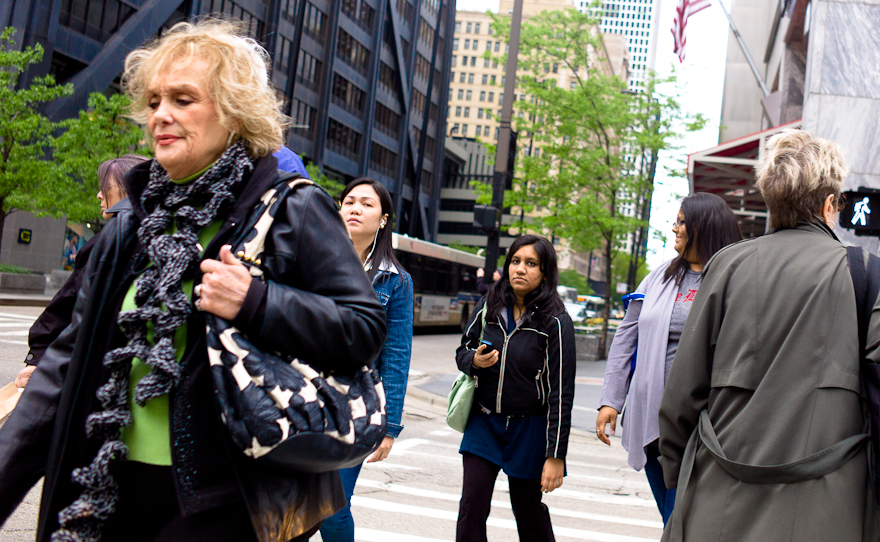
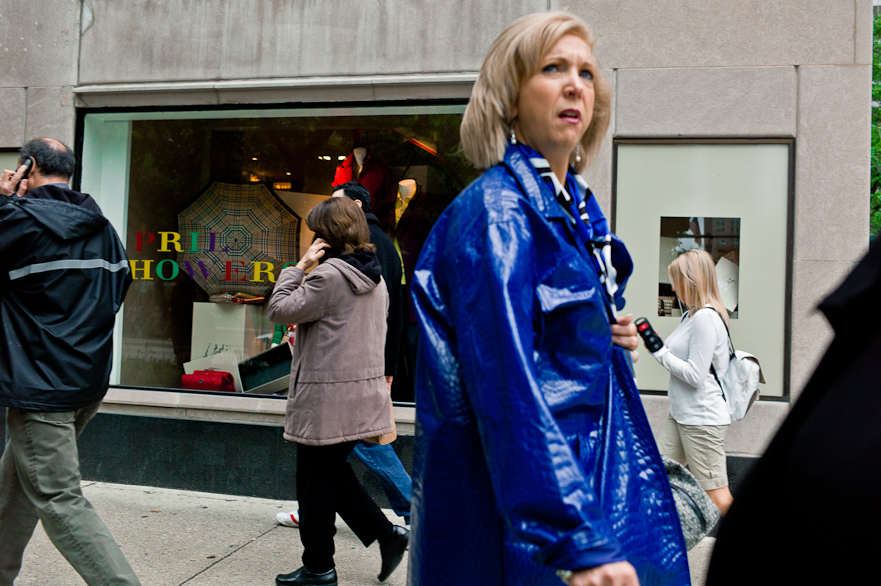
My first outing with the Leica M9 back in 2011 was a weekend trip to Chicago. I only could afford the wonderful Leica 35mm Summarit after shelling out the money for what was my dream camera at that moment. I’d never heard of Vivian Maier at that point, as most people hadn’t. But, save for the color, this first shot I think captures a bit of the spirit of shooting on a Chicago sidewalk as she so often did. Anyway. Here’s some more. I think in some of them there is wonderful color. In others, uh… a hint of the incredible struggles to come I would experience trying to produce passable color with my M9.



 50'Lux