

The Orange Life
















I’d been only half-hearing the story of the tragedy on Mt. Everest yesterday. On my way to bed last night I heard the reporter on the overnight update on CNN give the location on the mountain where it happened. I didn’t get a chill and the hair didn’t stand up on the back of my neck. But without thinking or processing or remembering or anything like that, I absolutely shuddered. Like a reflex. And then I asked myself, what the hell was that? It only took a moment for my brain to catch up to my physical reaction.
If you asked me outside the context of a story about Mt. Everest what the Khumbu Icefall was… it would probably take me two hours, on a good day, to make the connection to Everest. But in the context of a story about so many people dying on the mountain, it did not take two hours. Just the sound of the words has been giving me the chills since I was about 10 years old. I instantly pictured the classic most photographed view (not pictured here) in my mind. Like a glacier (it is a glacier, I pulled that factoid out of my you know what) coming at you, framed on either side by a giant sloping mountain pass.
It’s just about the scariest and most dangerous place on earth.
From Wikipedia:
The Khumbu Icefall is an icefall at the head of the Khumbu Glacier. The icefall is found at 5,486 metres (17,999 ft) on the Nepali slopes of Mount Everest not far above Base Camp and southwest of the summit. The icefall is regarded as one of the most dangerous stages of the South Col route to Everest’s summit.[1] The Khumbu glacier that forms the icefall moves at such speed that large crevasses open with little warning. The large towers of ice or seracs found at the icefall have been known to collapse suddenly. Huge blocks of ice tumble down the glacier from time to time; they range in size from cars to large houses. It is estimated that the glacier advances 3 to 4 feet (0.91 to 1.22 m) down the mountain every day.
Most climbers try to cross the icefall during the very early morning, before sunrise, when it has partially frozen during the night and is less susceptible to moving. As the intense sunlight warms the area, the friction between the ice structure lessens and increases the chances of crevasses opening or blocks to fall. The most dangerous time to cross the Khumbu Icefall is generally in mid- and late-afternoon. Strong, acclimatized climbers can ascend the icefall in just a few hours, while climbers going through it the first time – due to a lower level of acclimatization, being understandably very careful, and lack of experience with ice ladder and climbing techniques – can make the journey take 10–12 hours. “Camp I” on Everest’s South Col route is typically just a bit beyond the top of the Khumbu Icefall.
On occasion, a climber will experience a large block of ice crashing down in their vicinity. The resulting blast of displaced air and snow can result in a billowing cloud of light ice and snow being deposited on a climber. This is sometimes referred to as a “dusting.” To those that have experienced it, it is a very unnerving experience. If a climber is caught in an avalanche or other “movement” event in the icefall, there is very little one can do except prepare oneself for potentially being trapped by heavy blocks of ice, or immediate movement afterwards to try and rescue others. It is virtually impossible to run away, or even know which way to run.
People who have died in the icefall and whose bodies have not been recovered have reportedly shown up at the base of the icefall many years later as the ice continually migrates downward toward Everest base camp. In those cases, the bodies have been recovered and given proper burials.
Since the structures are continually changing, crossing the Khumbu Icefall is extremely dangerous. Even extensive rope and ladder crossings cannot prevent loss of life. Many people have died in this area, such as a climber who was crushed by a 12-story block of solid ice. Exposed crevasses may be easy to avoid, but crevasses buried under snow can form treacherous snow bridges through which unwary climbers can fall.
Deaths:
Around 6:30 am local time on the morning of 18 April 2014,[2] twelve Nepalese climbers were killed by an avalanche in the Khumbu Icefall. The climbers were preparing the route through the dangerous icefall for the Spring climbing season.[3] Three others were injured and four remain missing.[4] All twelve bodies have been recovered to base camp.


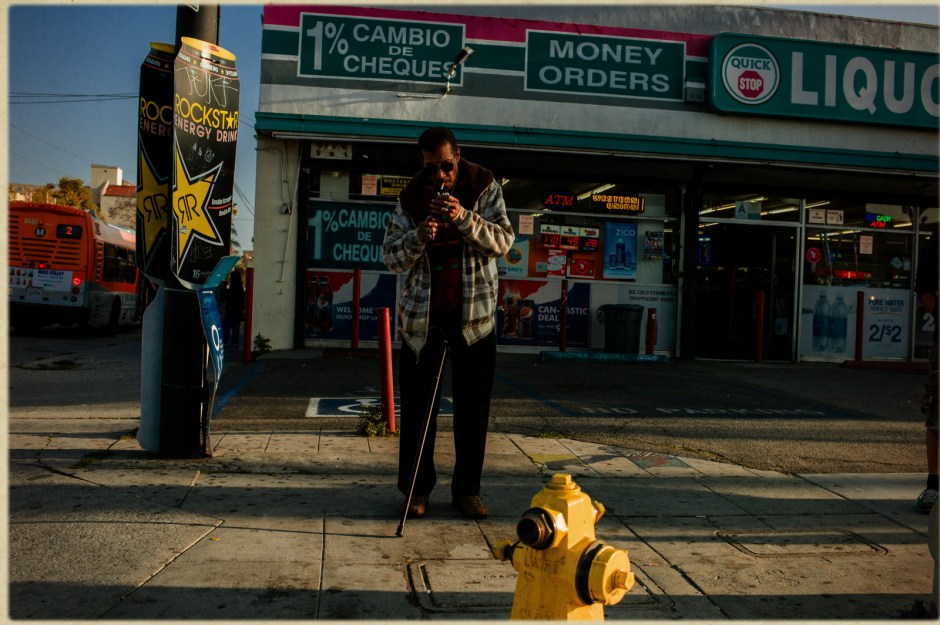

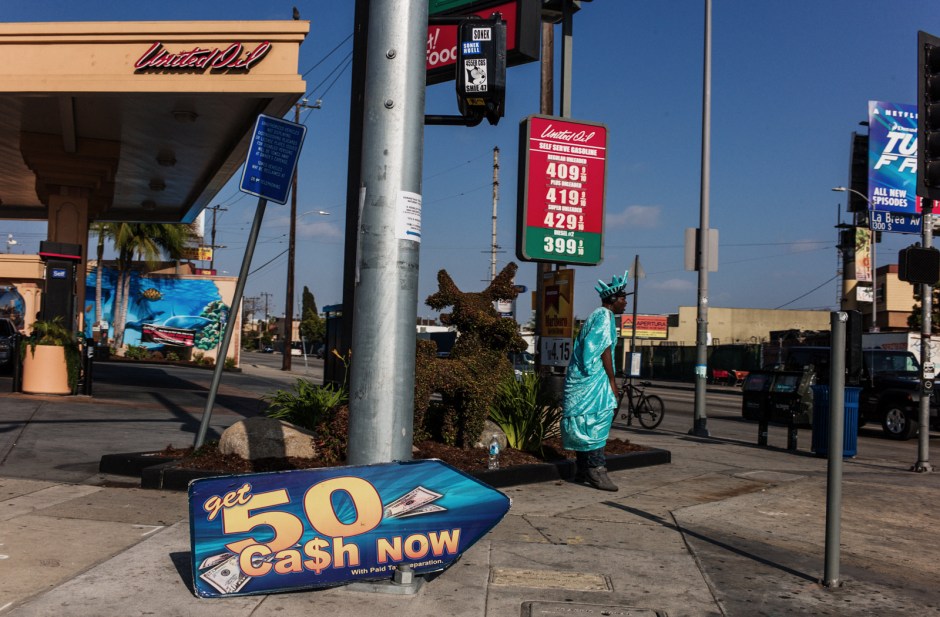
 That title suggests a lot, I know. These are amazing times online. There are at any point, almost surely simultaneous, multiple battles occurring in larger cultural wars over things like racial and sexual politics. The recent Stephen Colbert – Suey Park skirmish was fascinating, the back and forth analysis provided me, at least, with an education in the current taxonomy of racial and gender politics at least framed by a small subset of the larger culture.
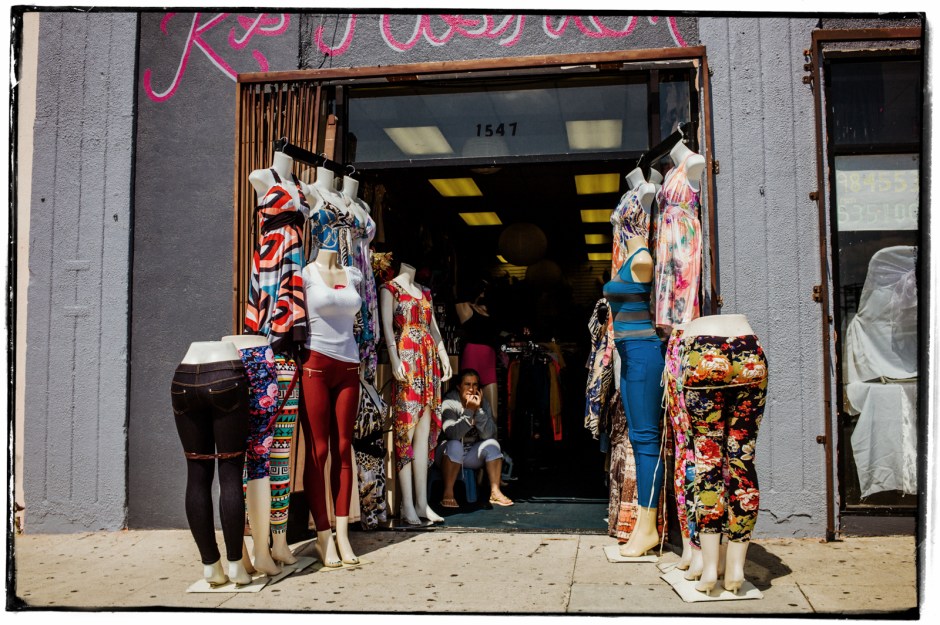
Anyway, so it now falls on photography to fire our interest and further the fine-tuning of all of our racial and political sensibilities. Here specifically, in the article I’m linking to, the analysis turns towards two different presentations of the same photographs taken (obviously) by the same photographer and how those presentations differ and cross many lines. Some that are probably okay to cross and some that are, increasingly, not.

None of us really want to offend with our photographs or our presentation of them, or to have our work frowned upon by those who are more in-tuned, sometimes by way of professional experience and sometimes by way of their own personal experiences, to the myriad and shifting protocols surrounding photography that involves the lives of people who are not us. Whoever we may be.

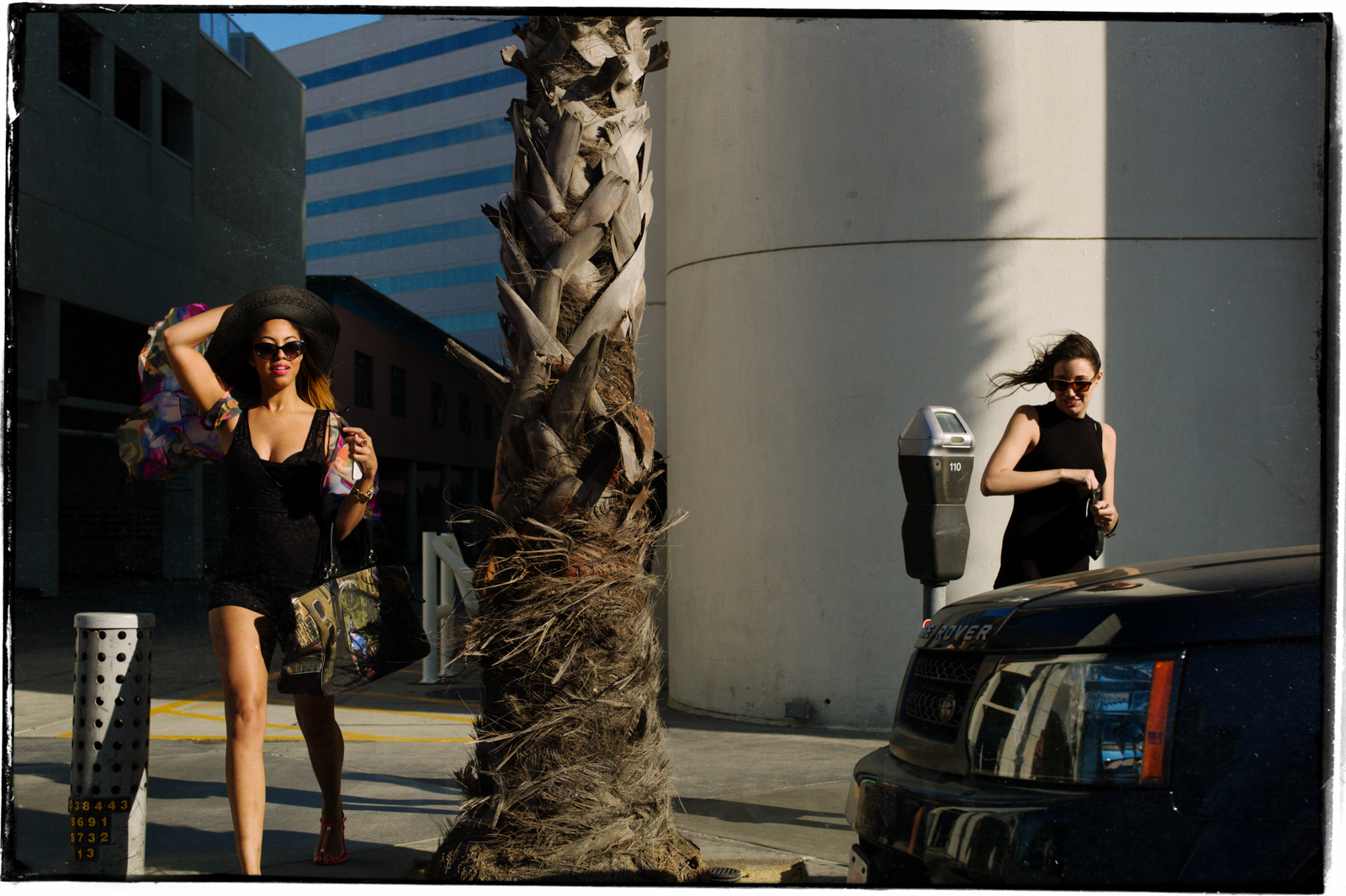
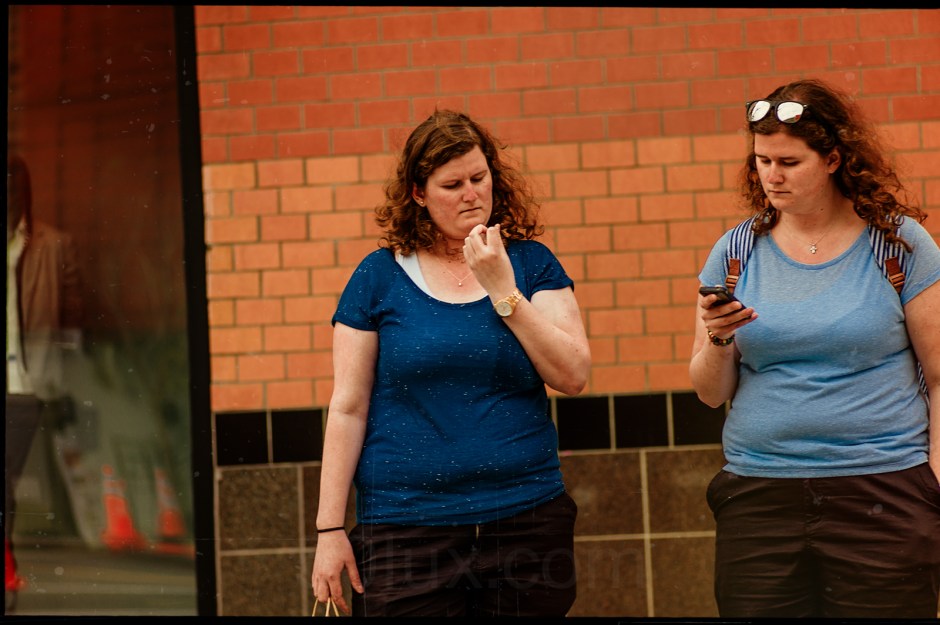
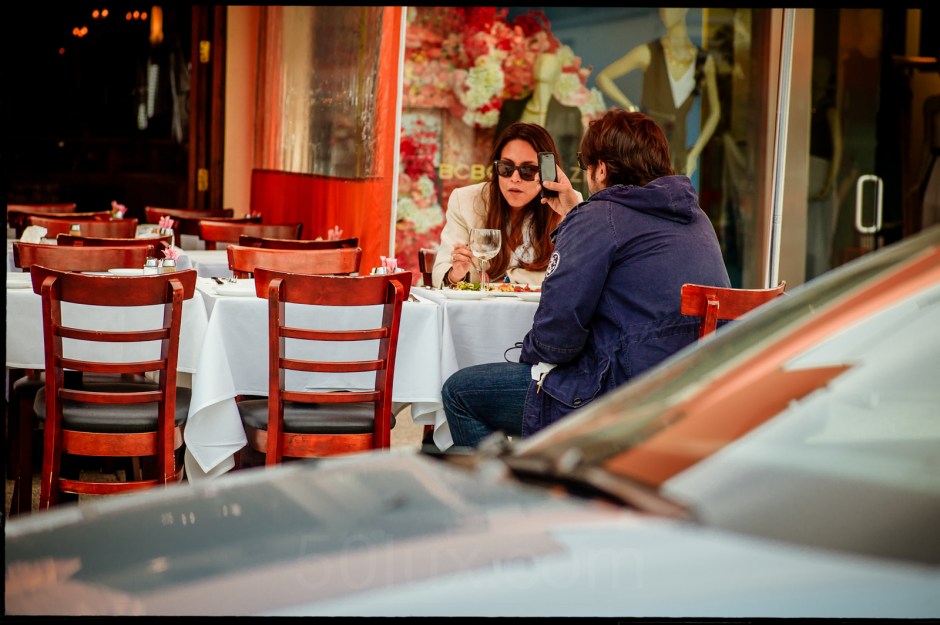
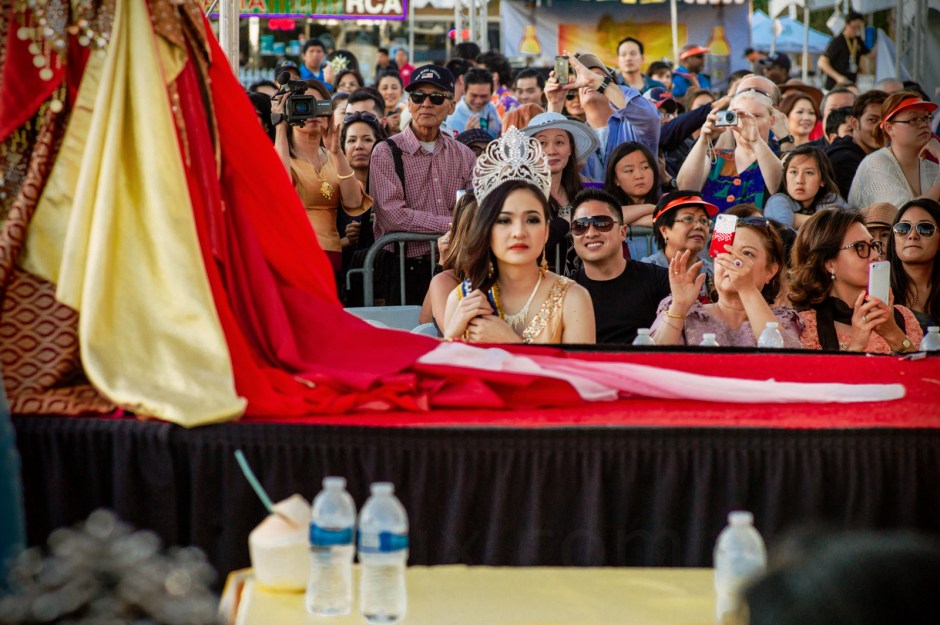
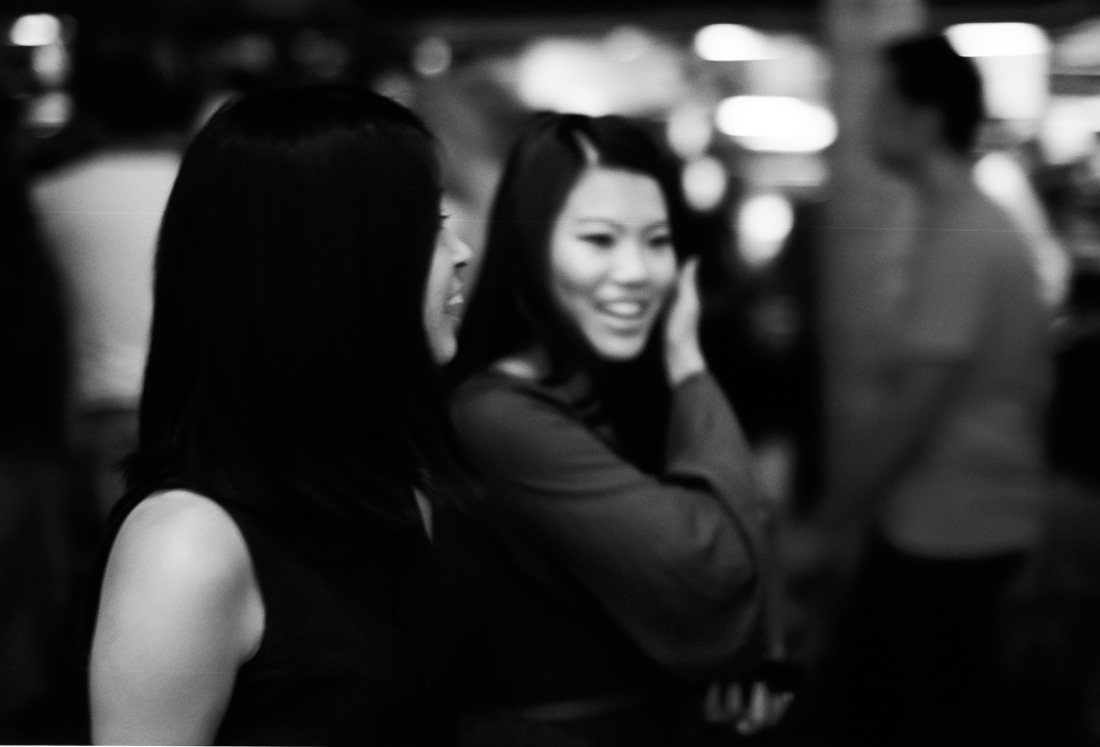
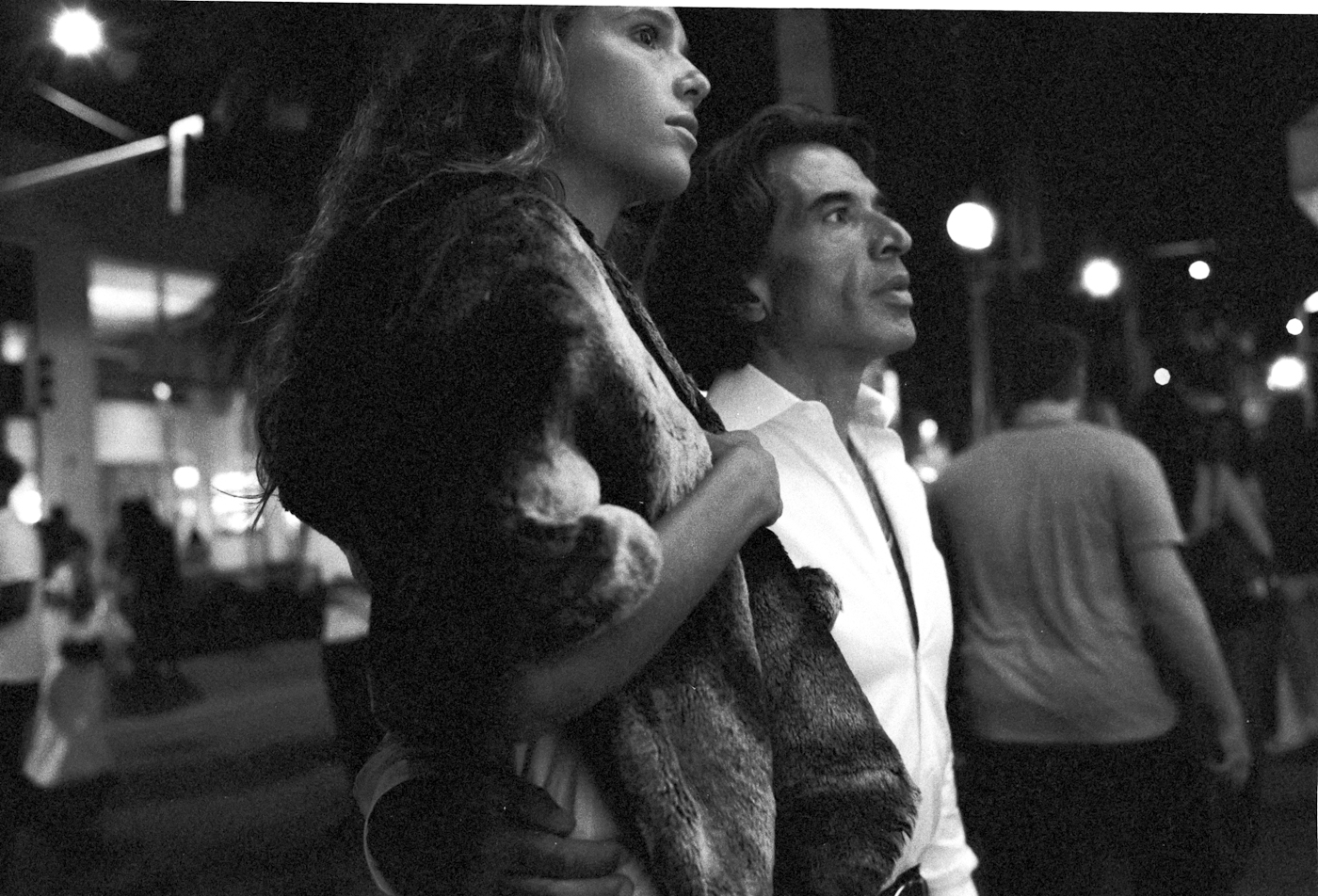
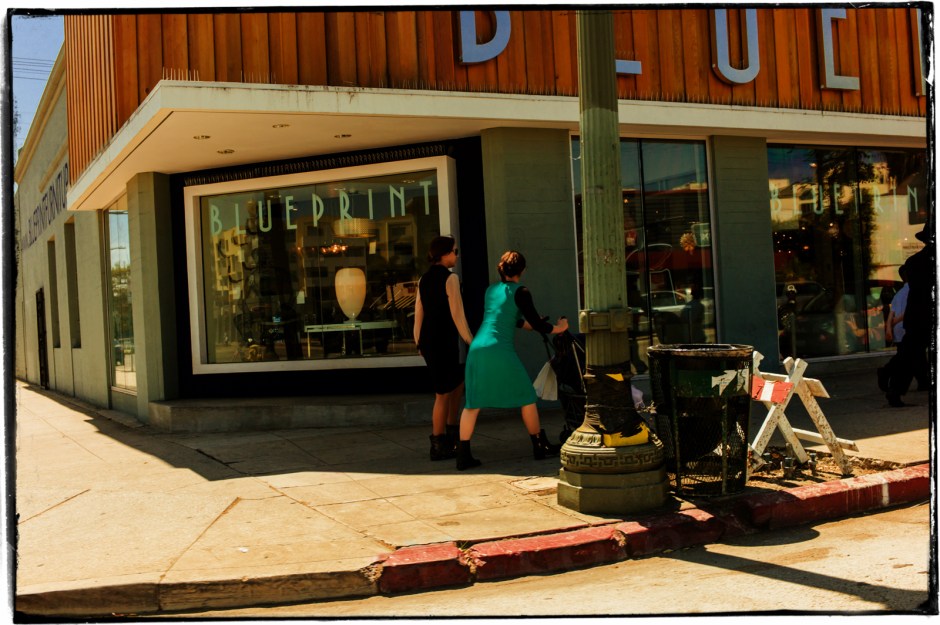
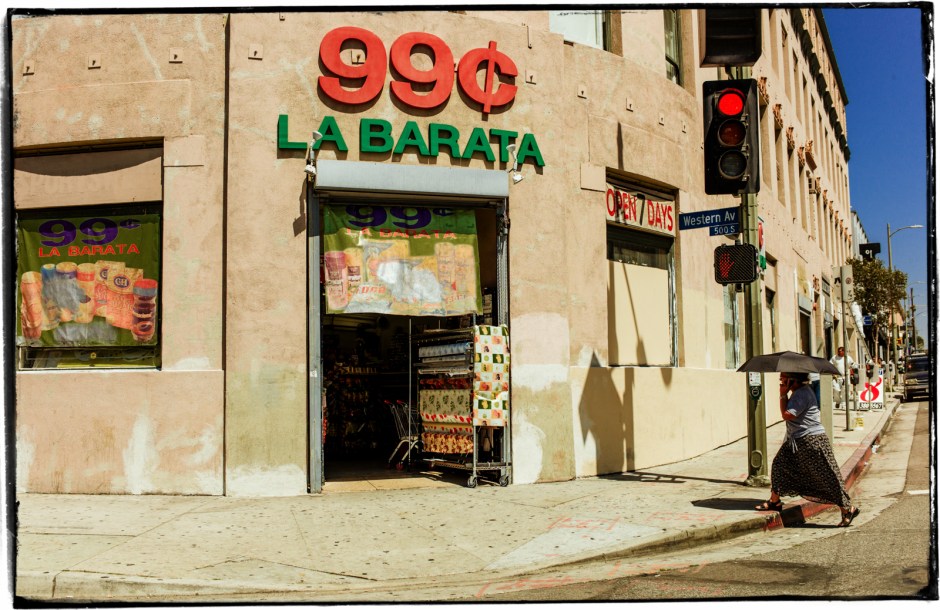
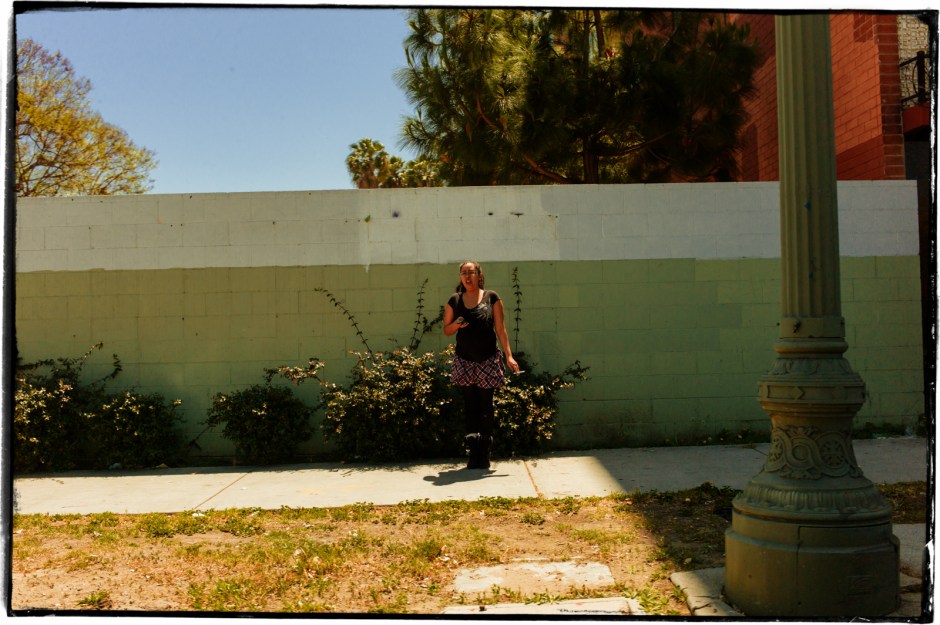
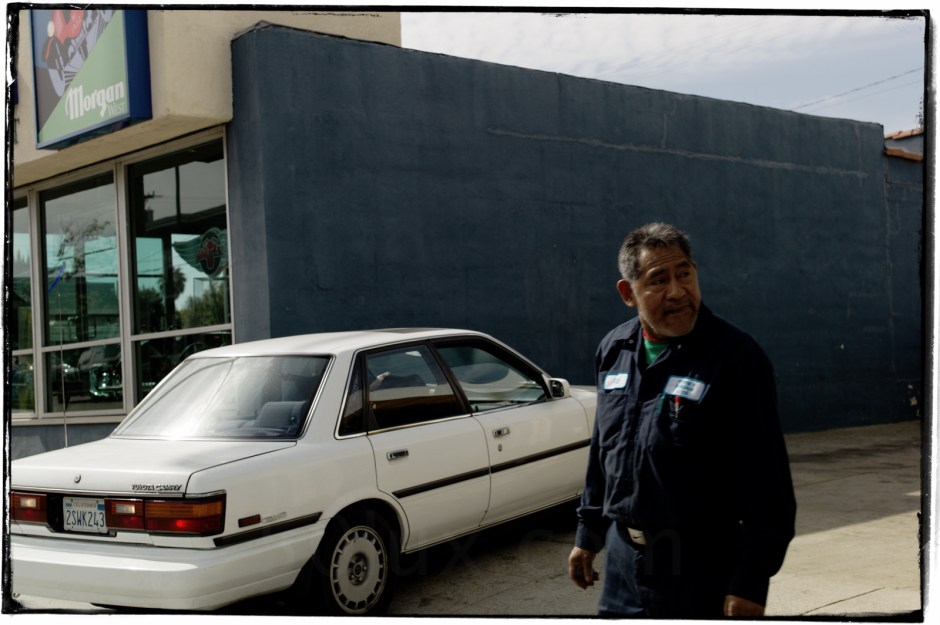
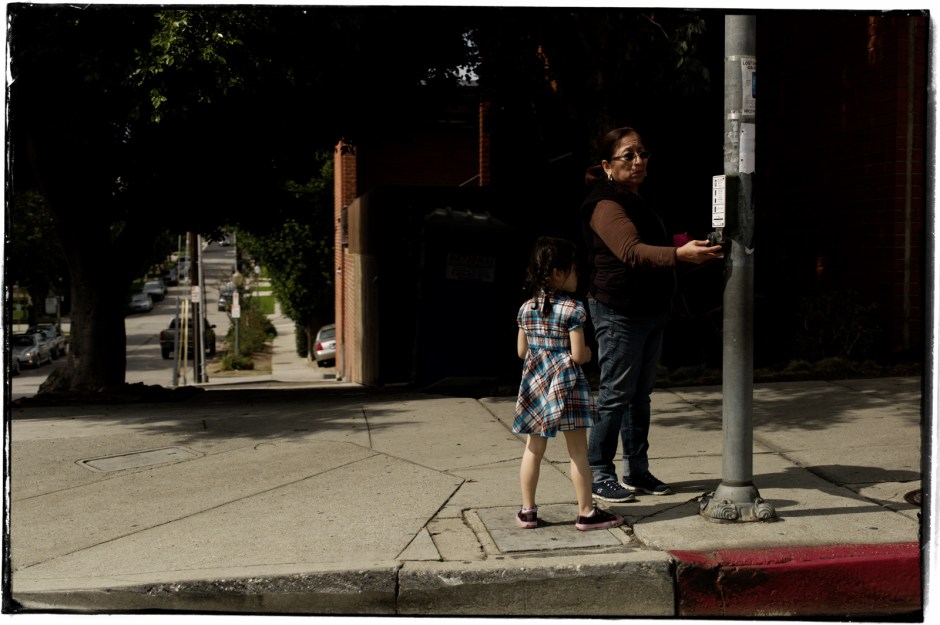
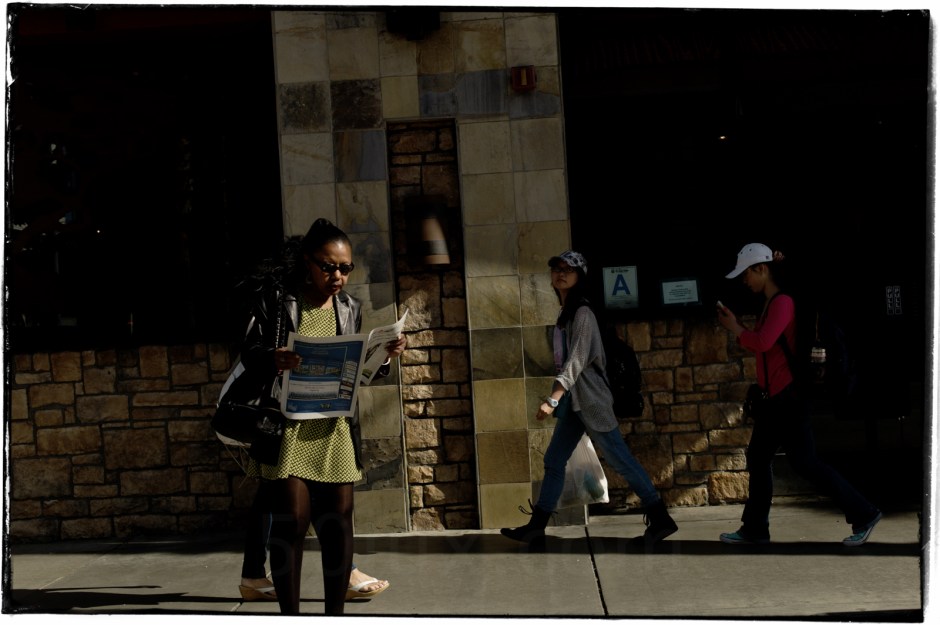
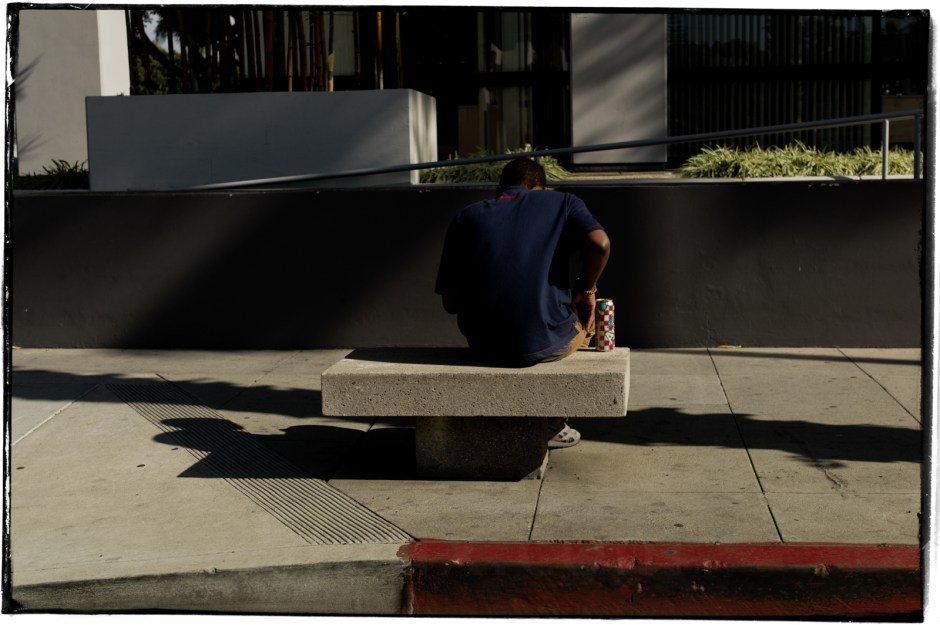
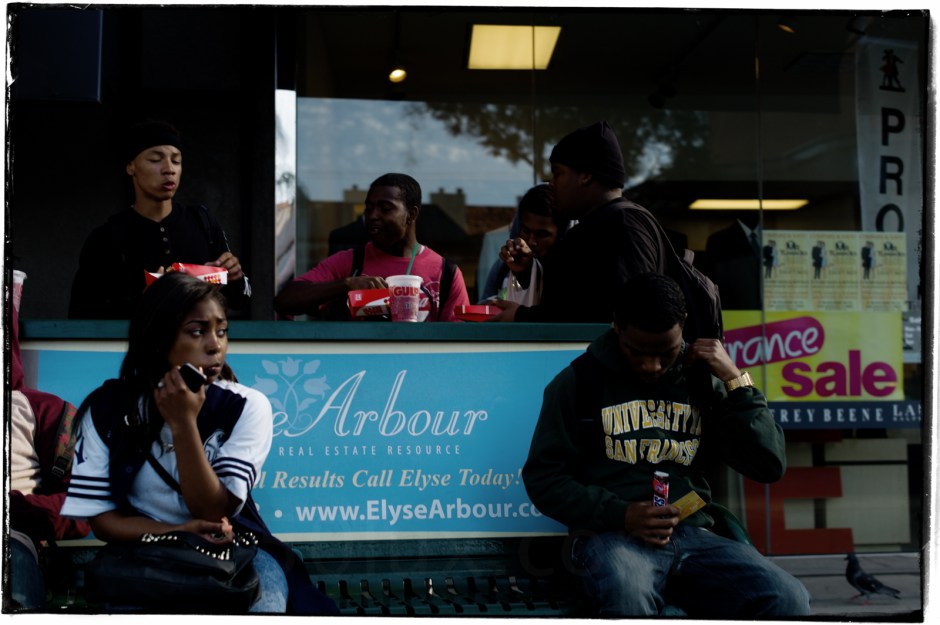
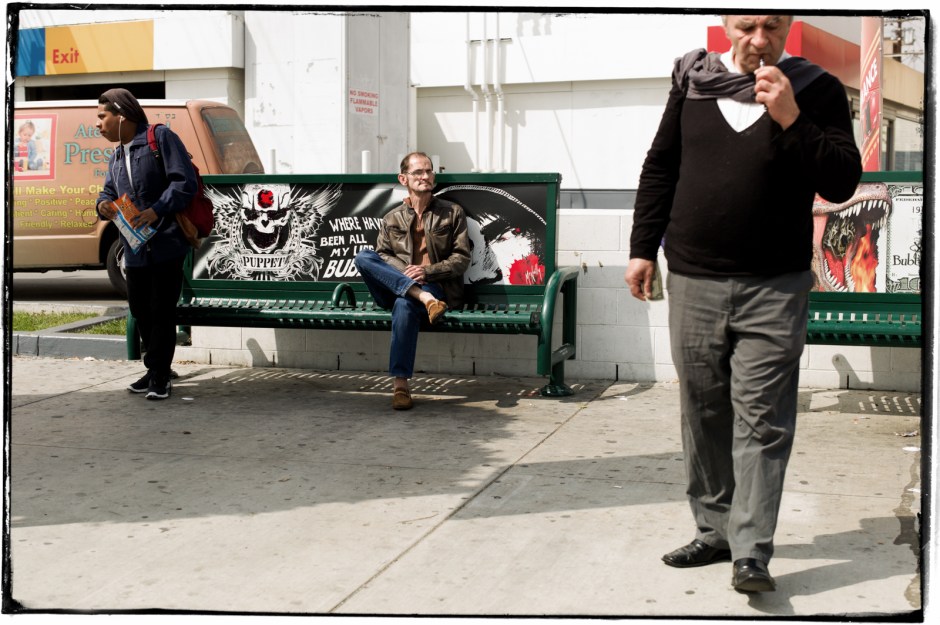
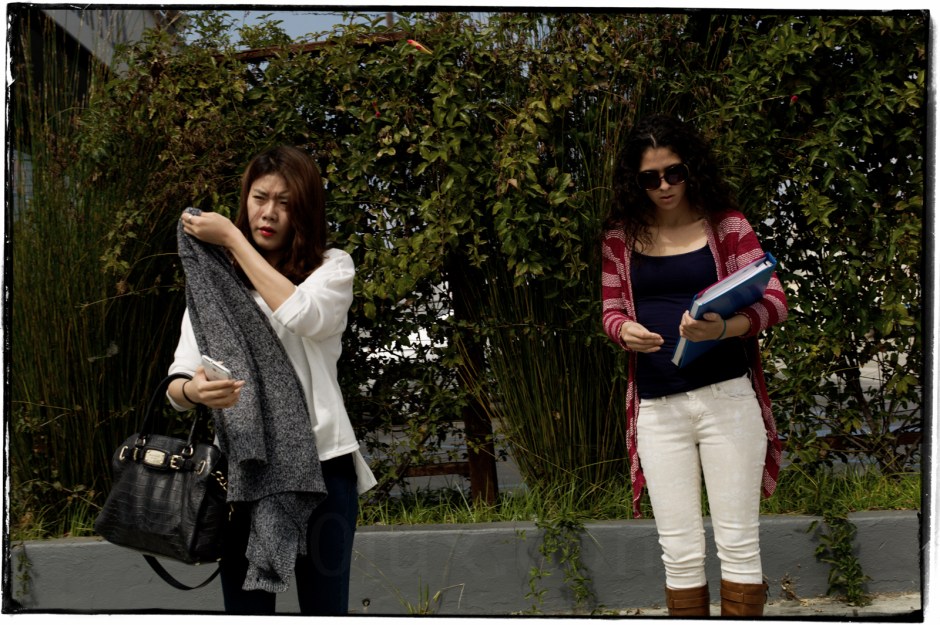
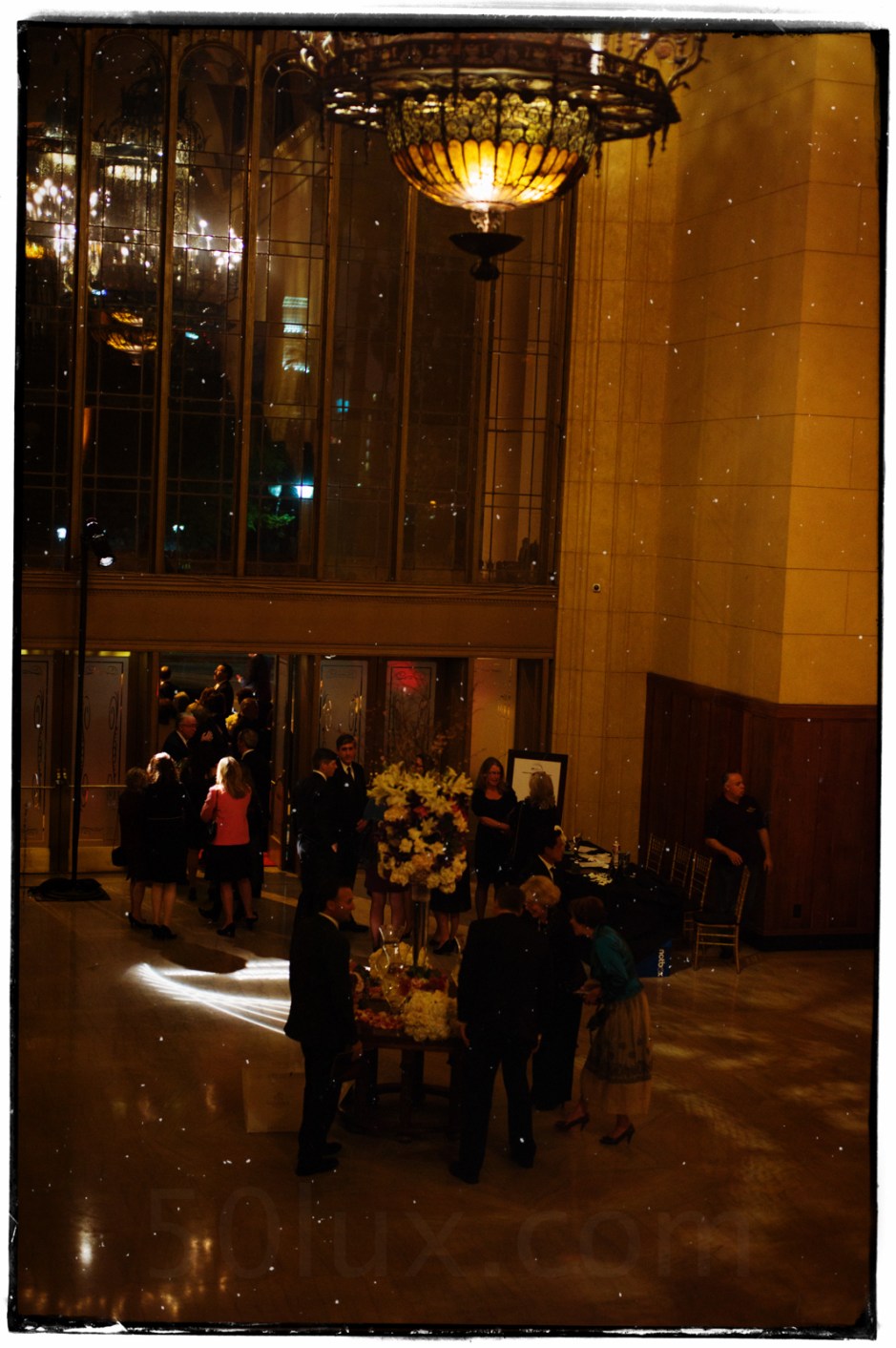
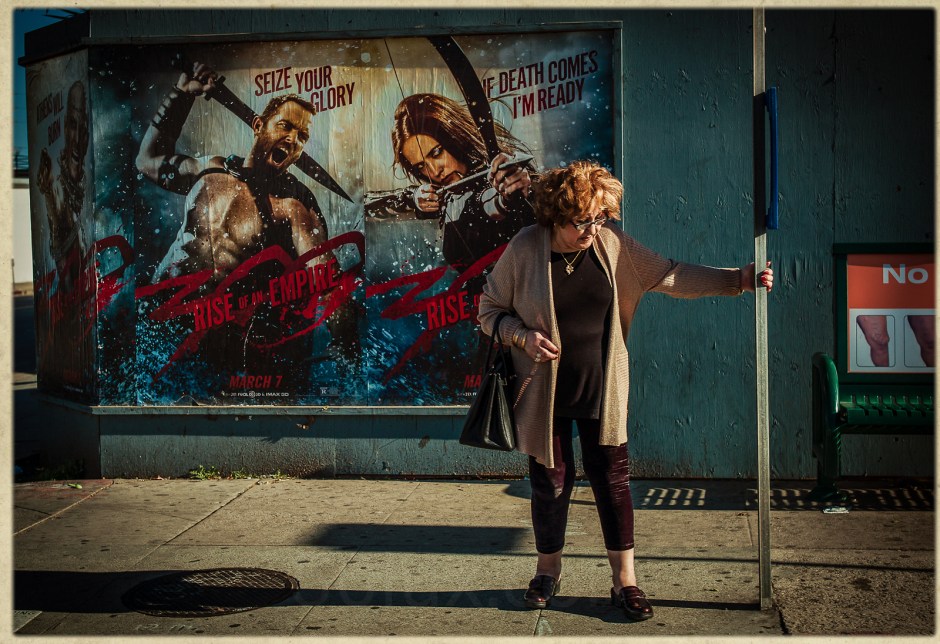
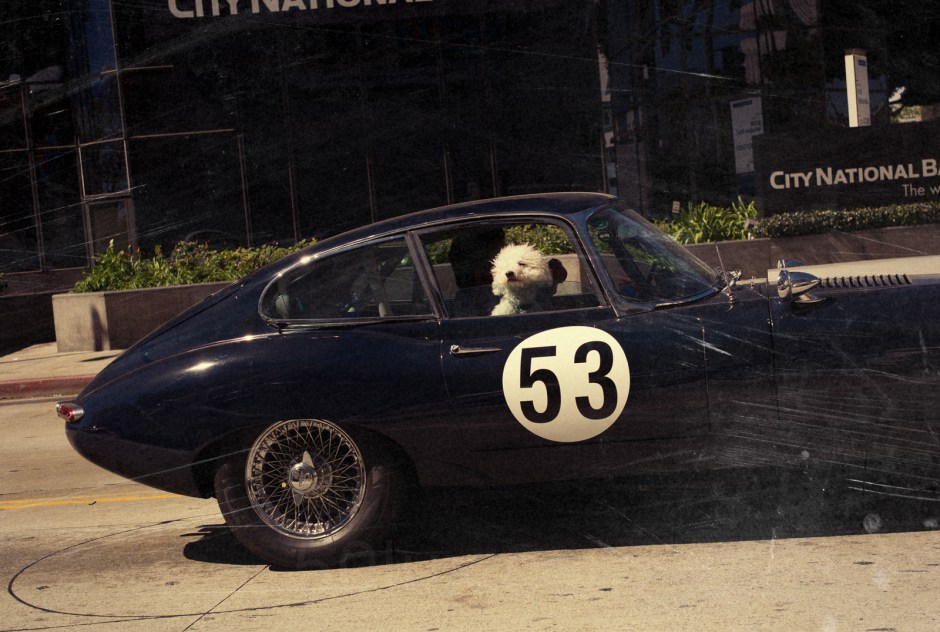
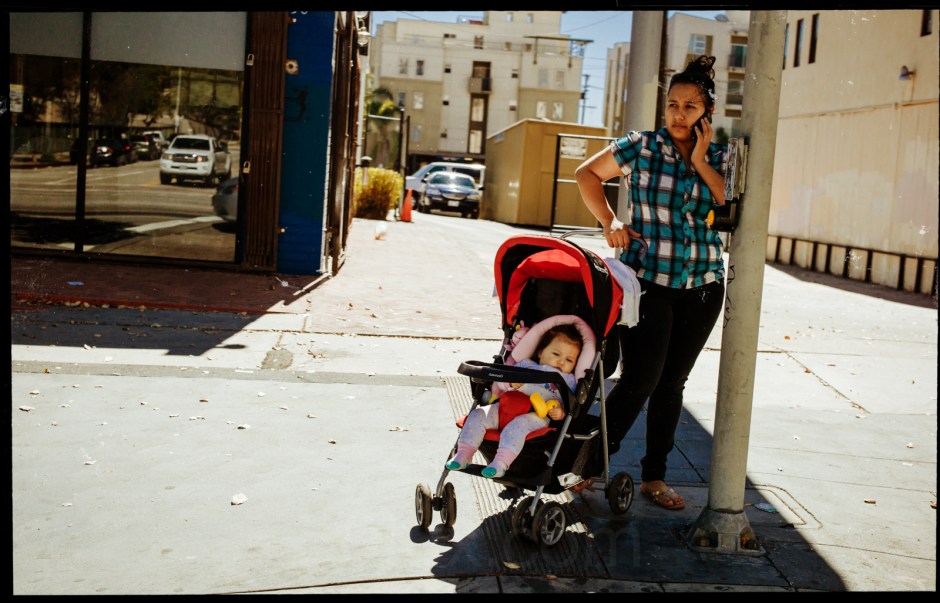
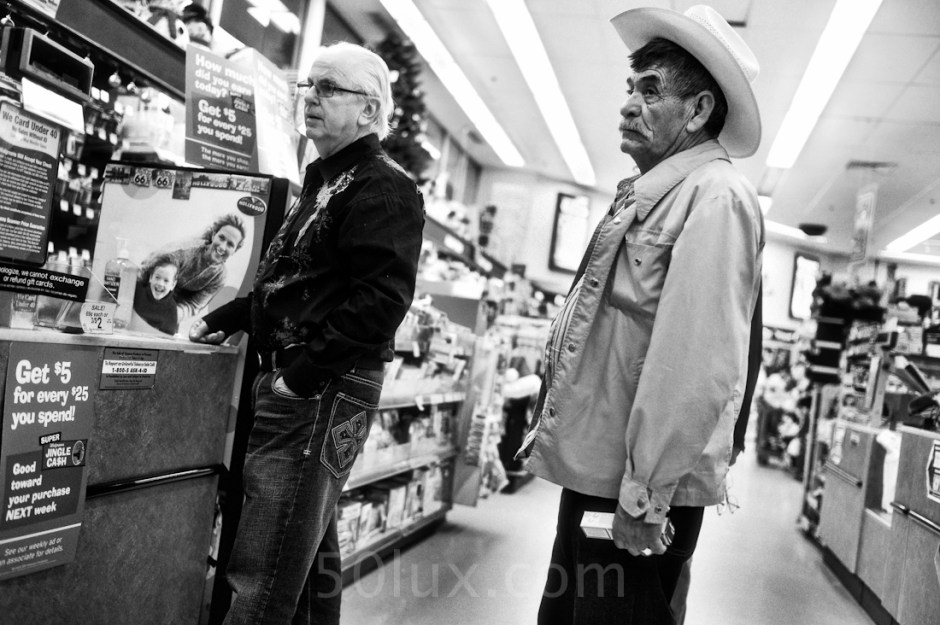
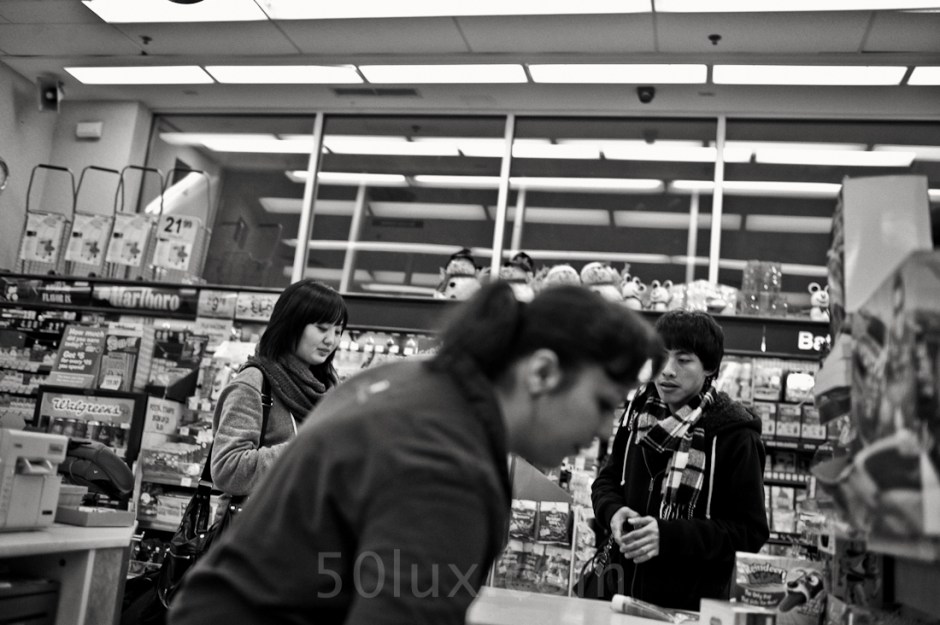
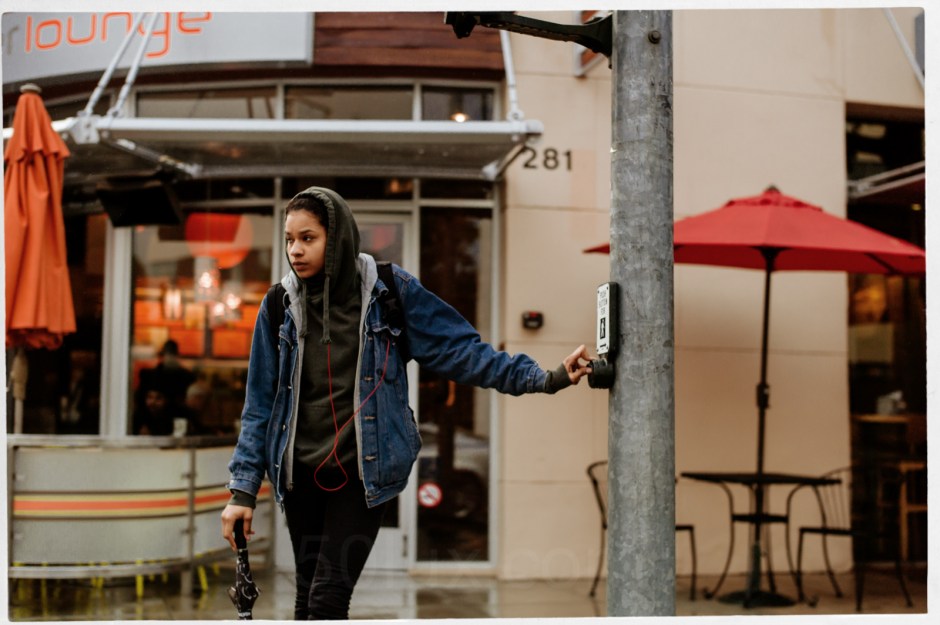
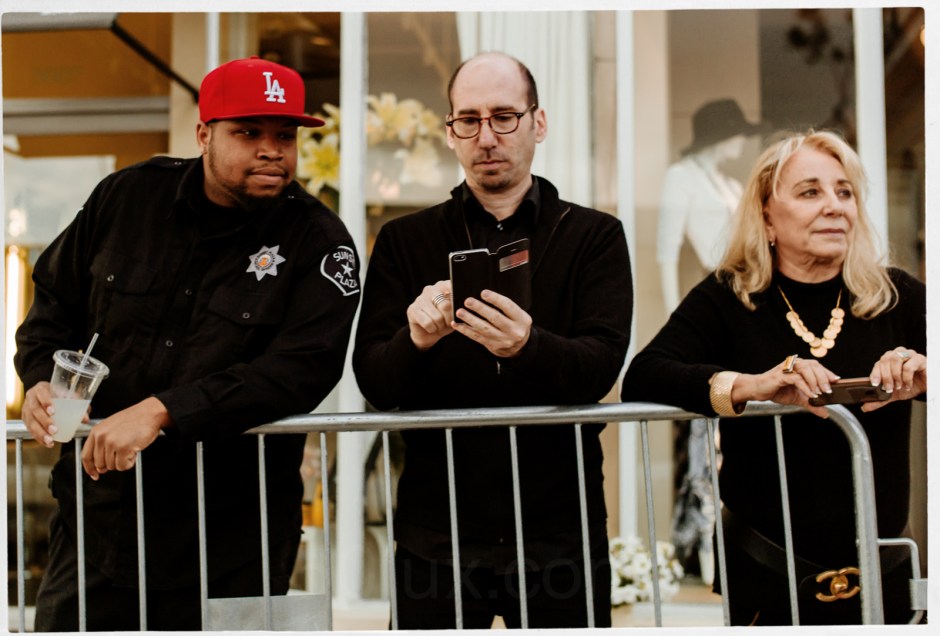
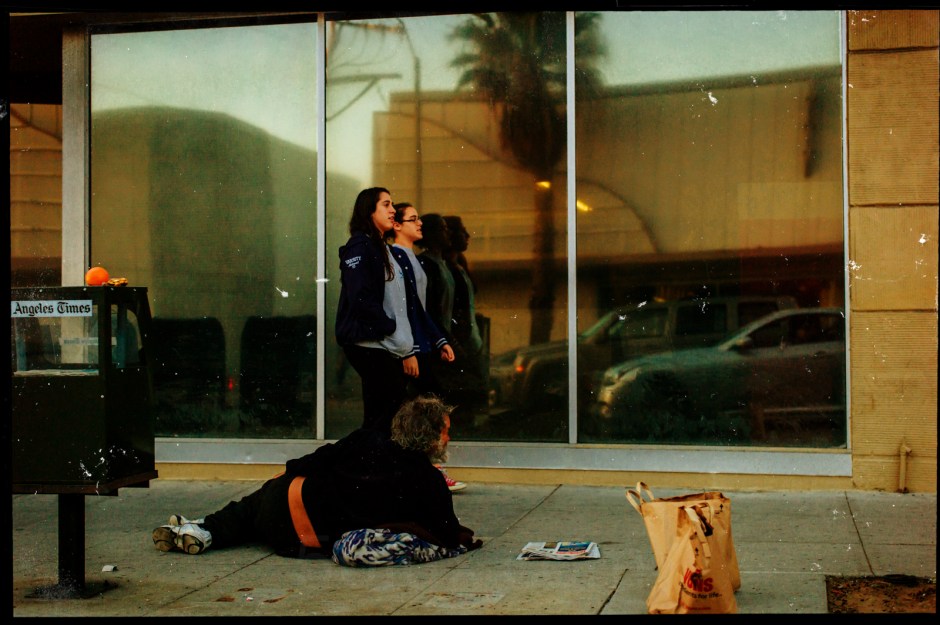
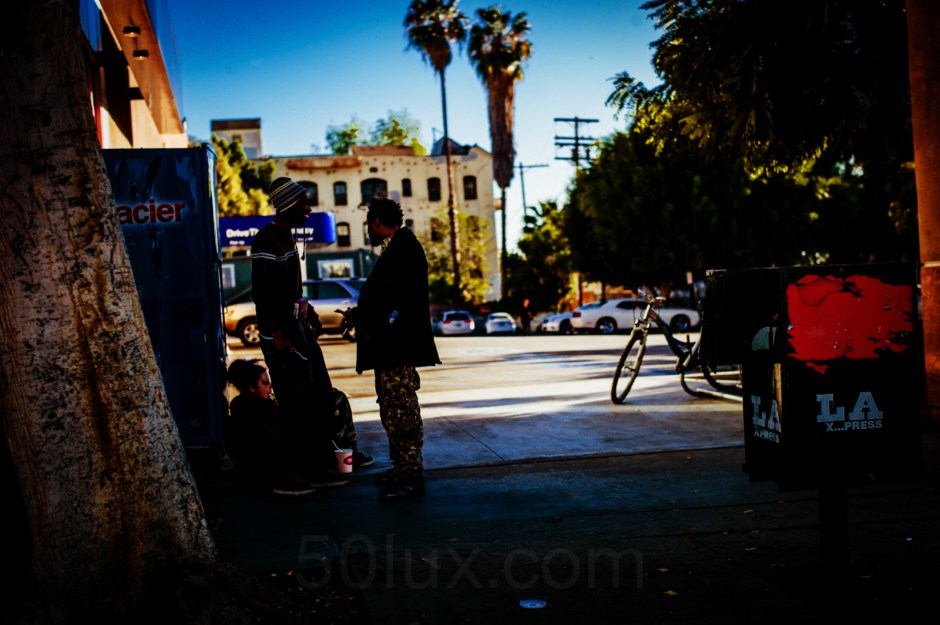
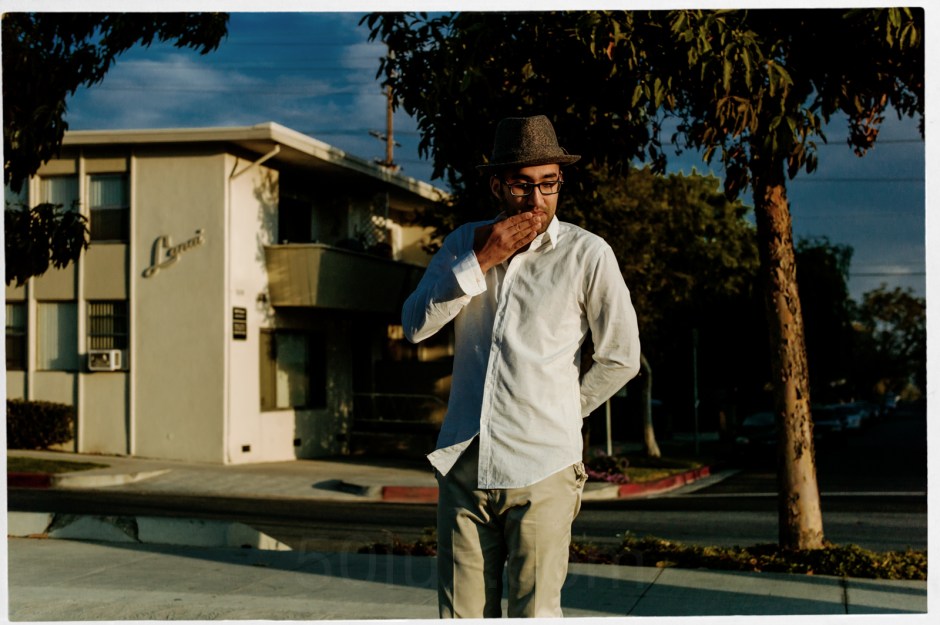
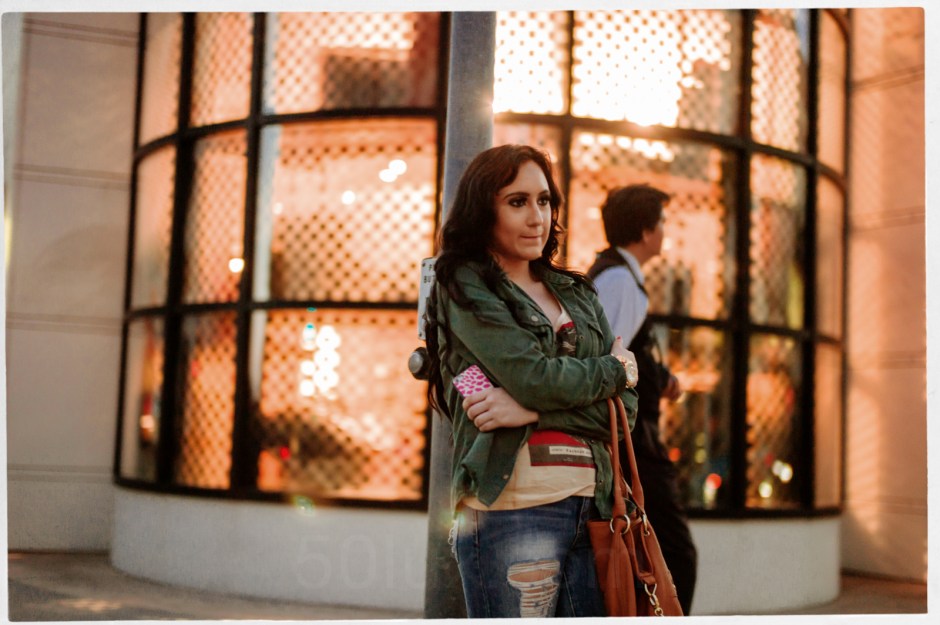
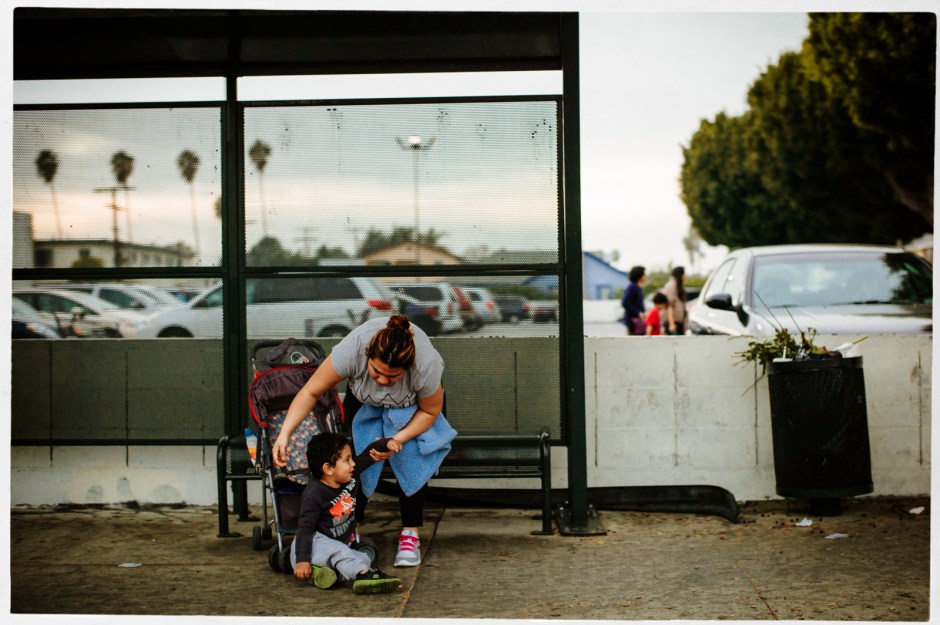
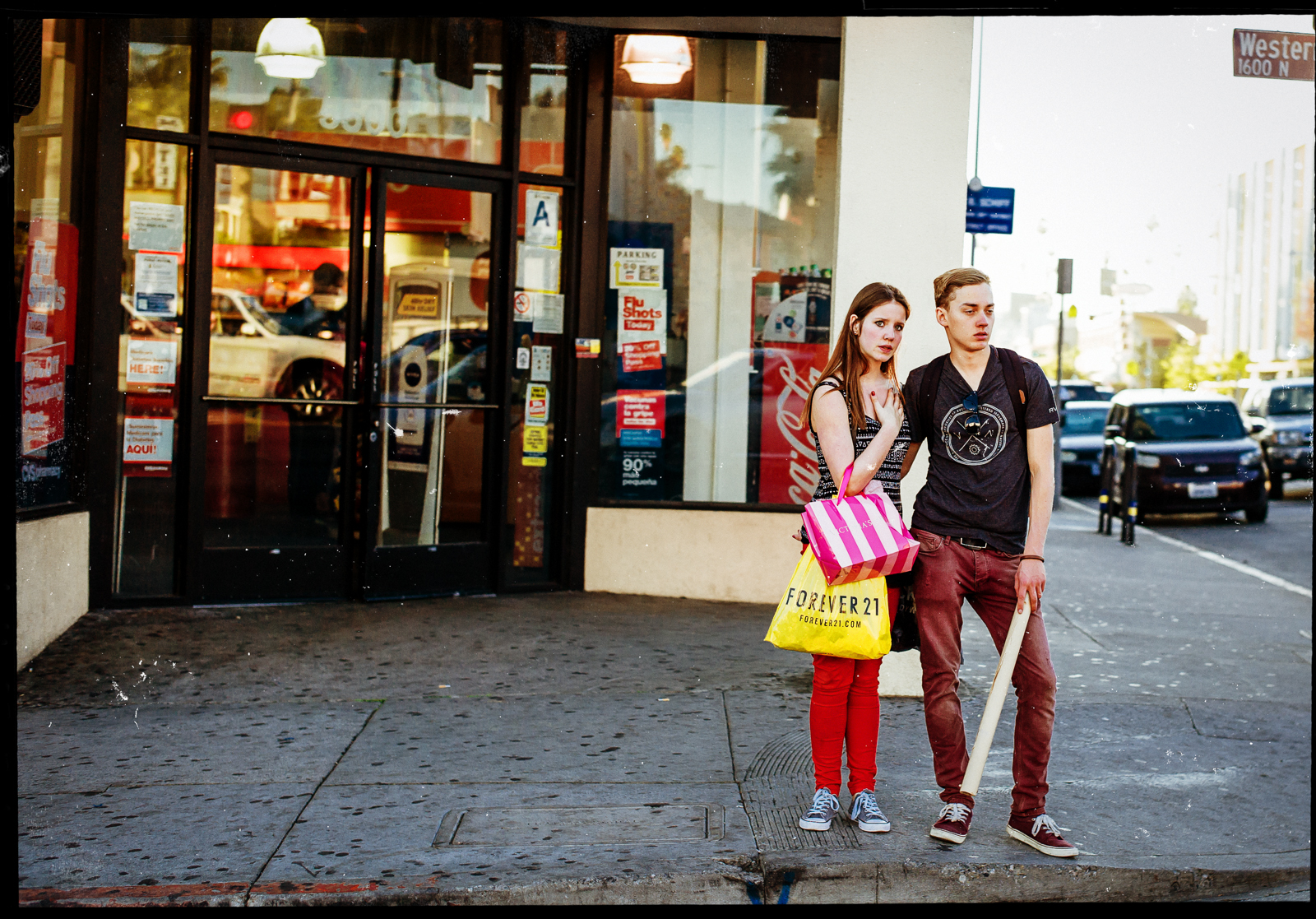
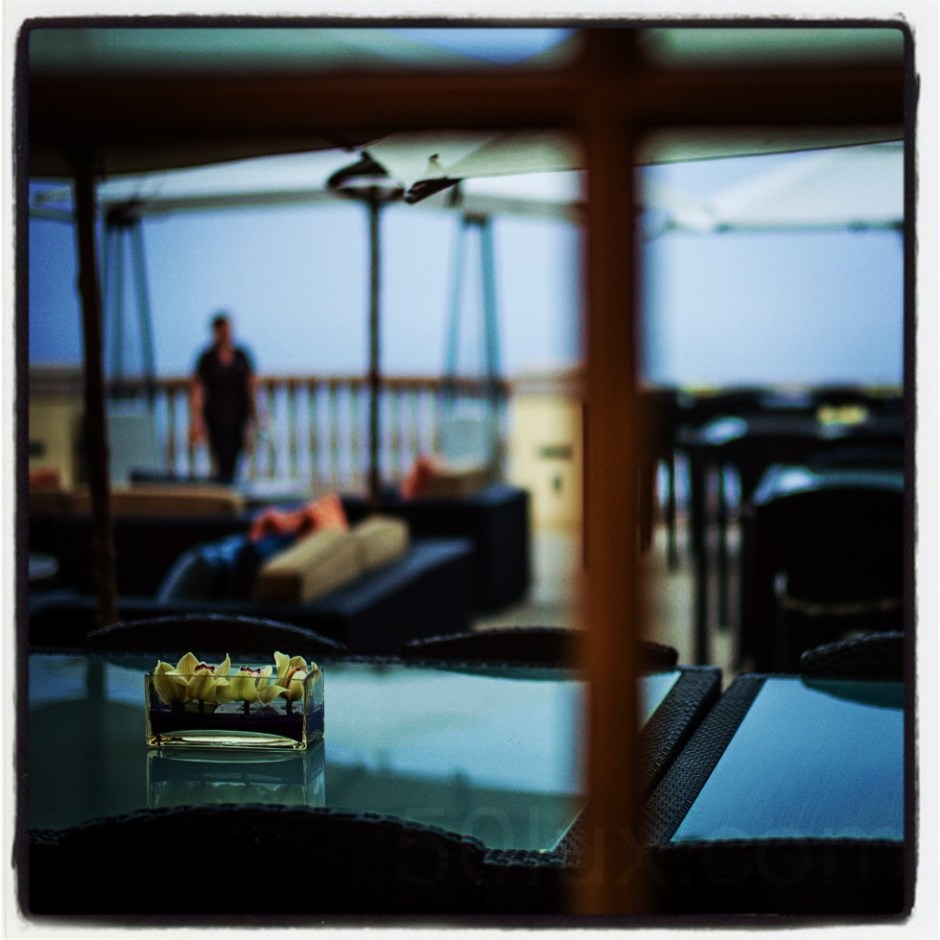
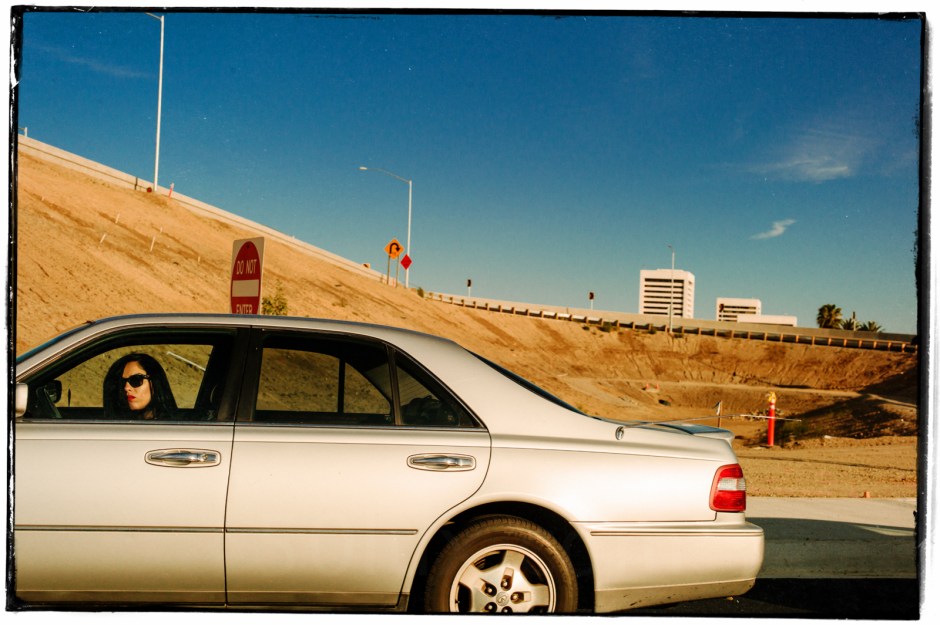
Okay that was tricky. I have included a bunch of MY recent images that I do (or do NOT) think work well with this subject matter. (I refuse to say. ;-)) But I repeat, these are NOT the images referred to in the articles. These are my own images, taken yesterday in downtown Los Angeles. By me.

I would love to hear what others here have to say about all of this. Please feel free to jump in. I think one place to start, maybe most obviously, is what is the responsibility of photographers to click the shutter, or not, when seeing realities that also represent stereotypes in his or her viewfinder. That would be a starting point for one discussion, actually. The blurred line betweens art and documentary photography, presentation and commentary, etc., all are other fascinating angles as well. Anyway.

Here is a quote that describes what the writer of this piece does in the linked article. It’s a great idea. The result itself might elicit a more mixed response from readers.
Below, I step through the images that Politico ran, juxtaposing the caption of the photo from Raab’s site with the Politico caption with a brief comment on how that copy effects the meaning of the picture.
via Art Photography vs. News Photography: Politico, Race and the “Other Washington” — BagNews.


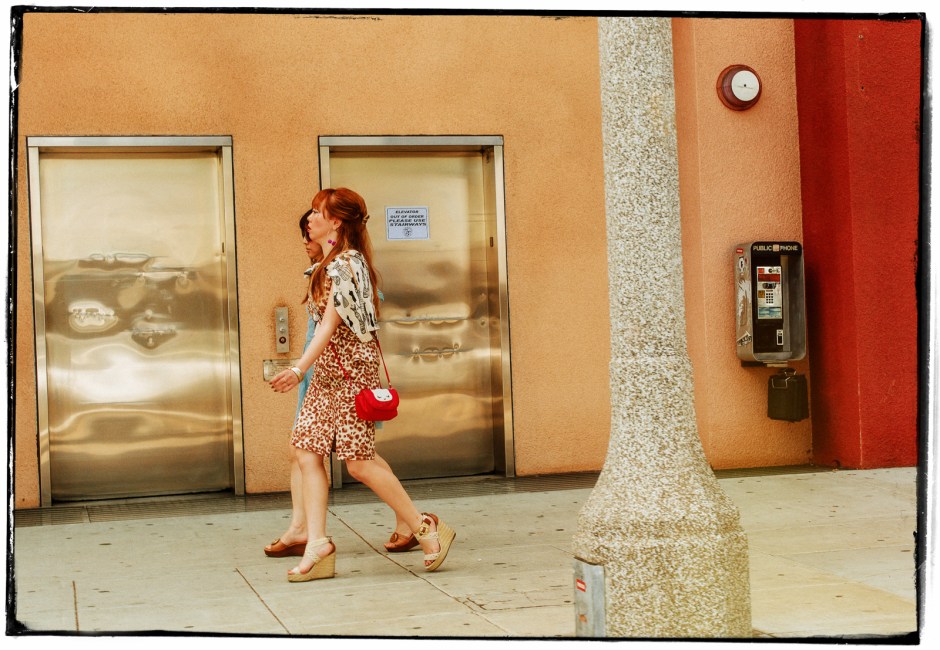
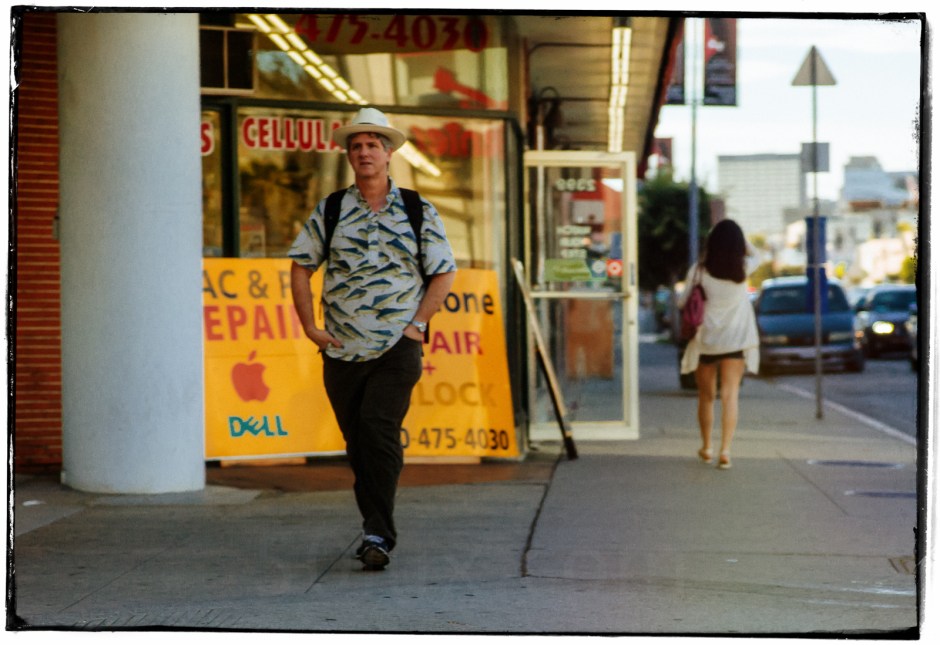


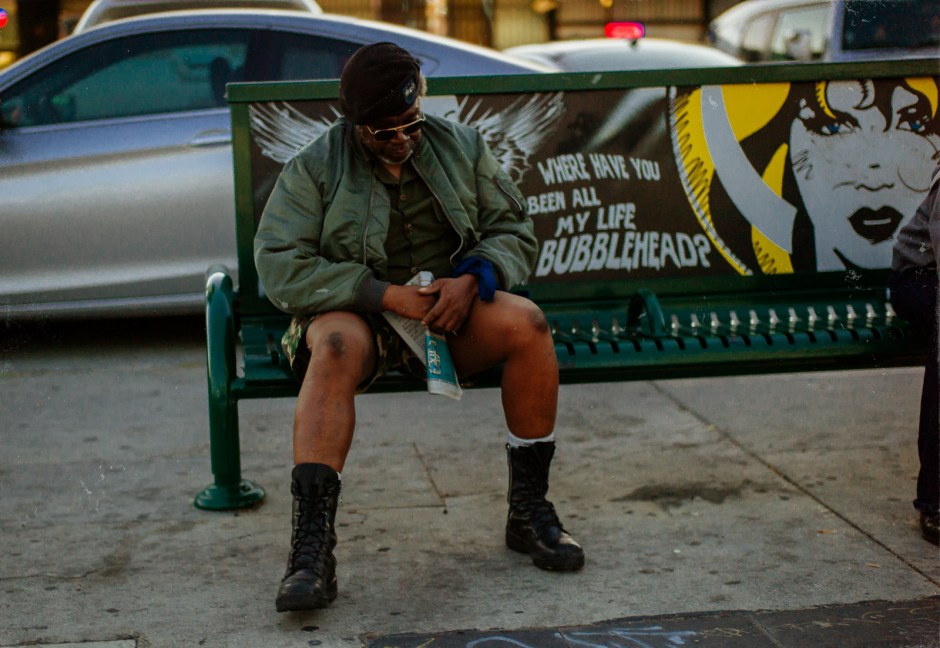


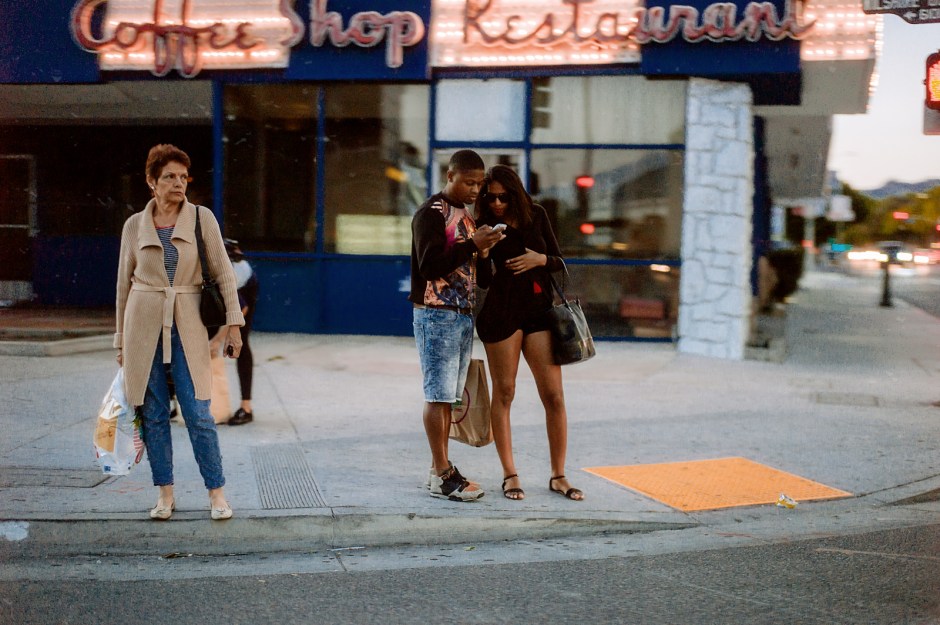
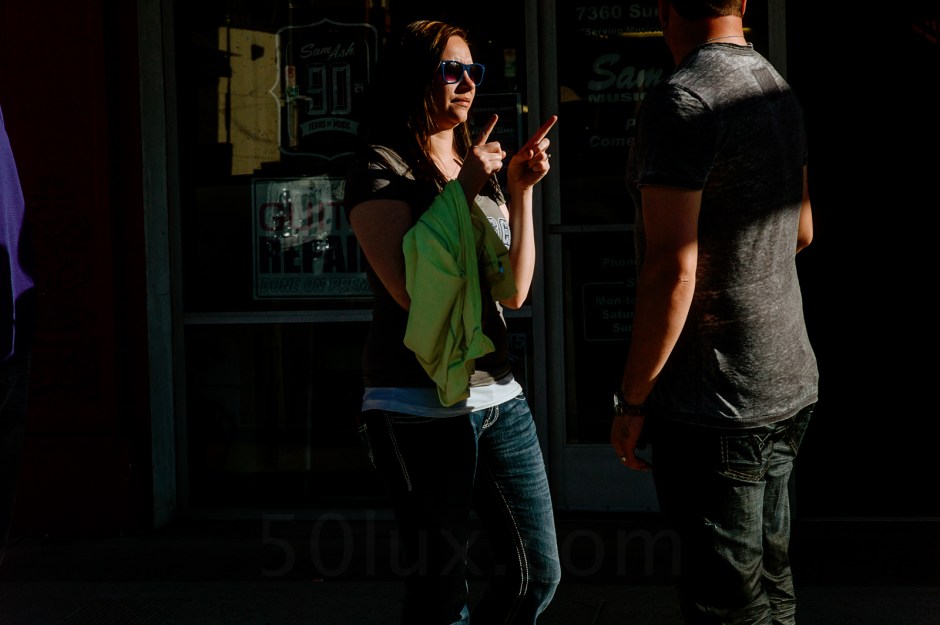

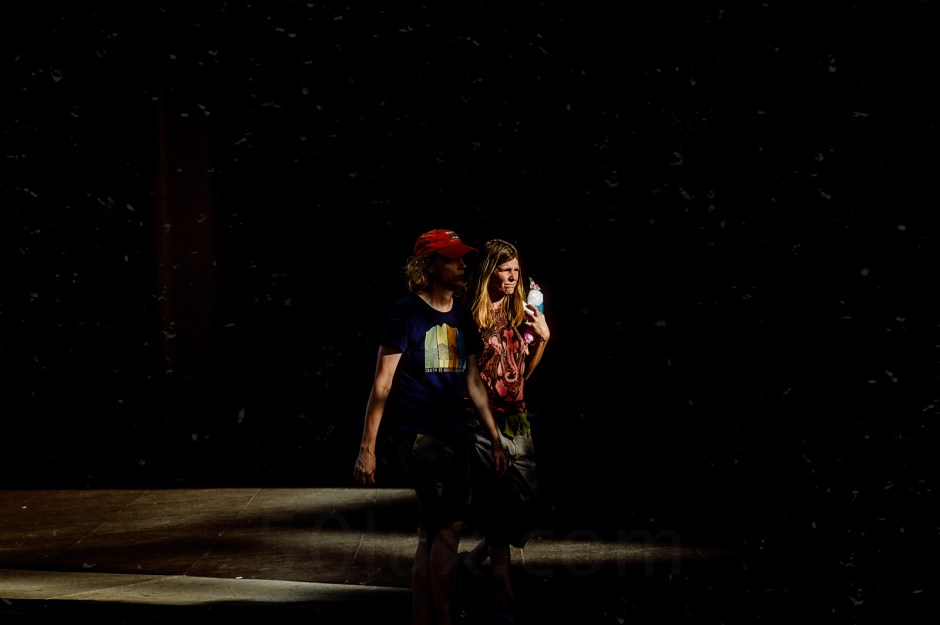
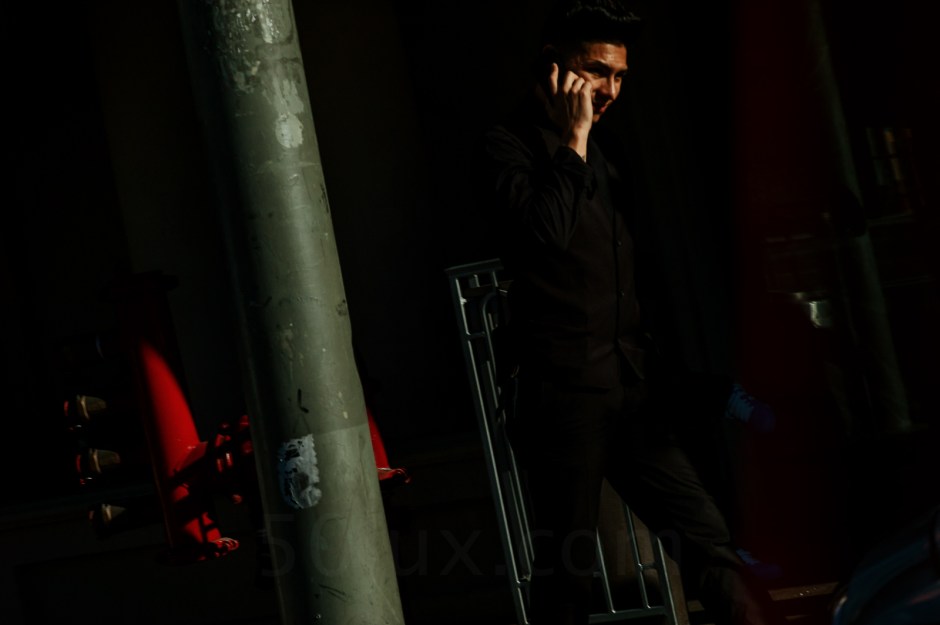


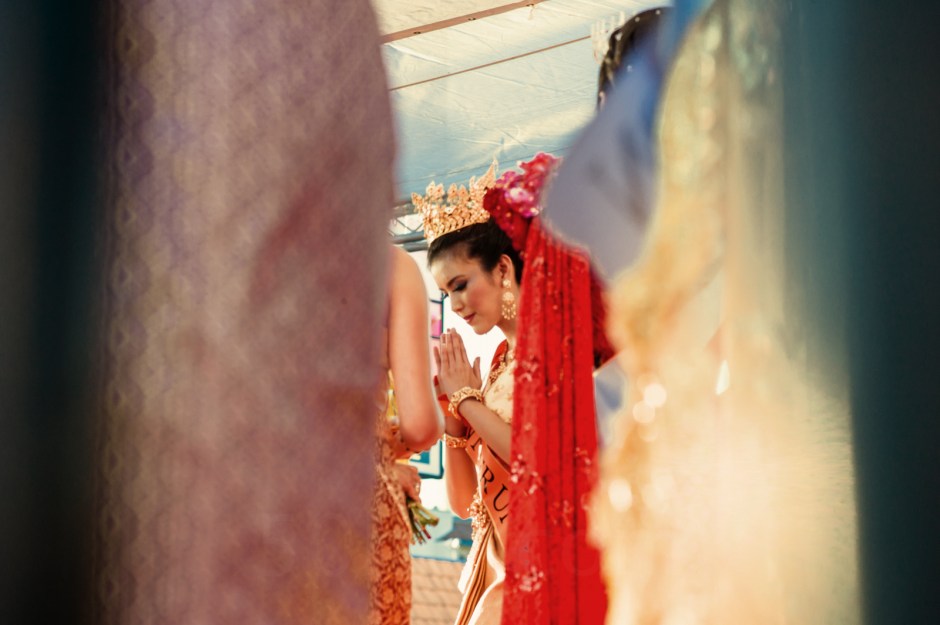

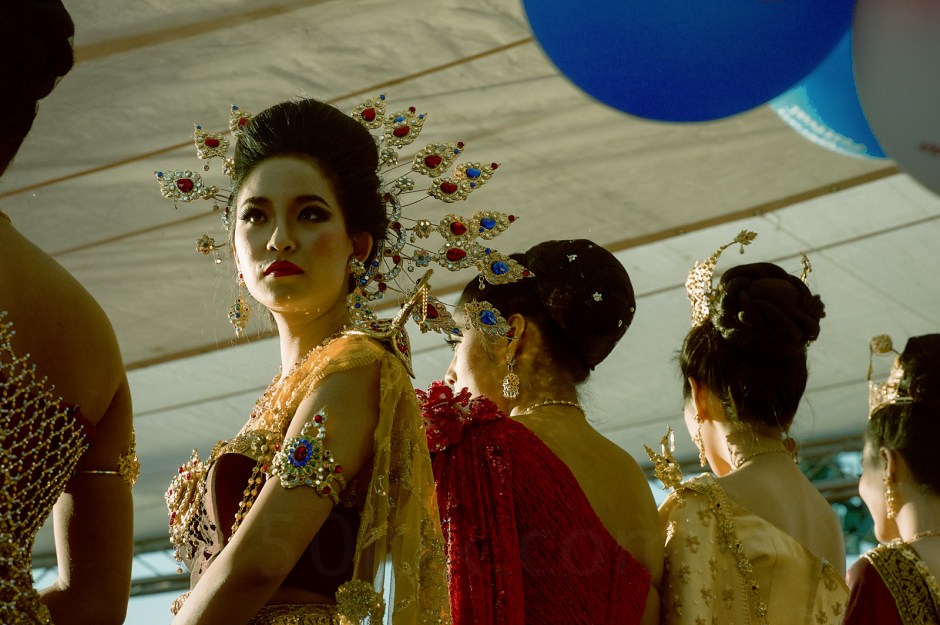


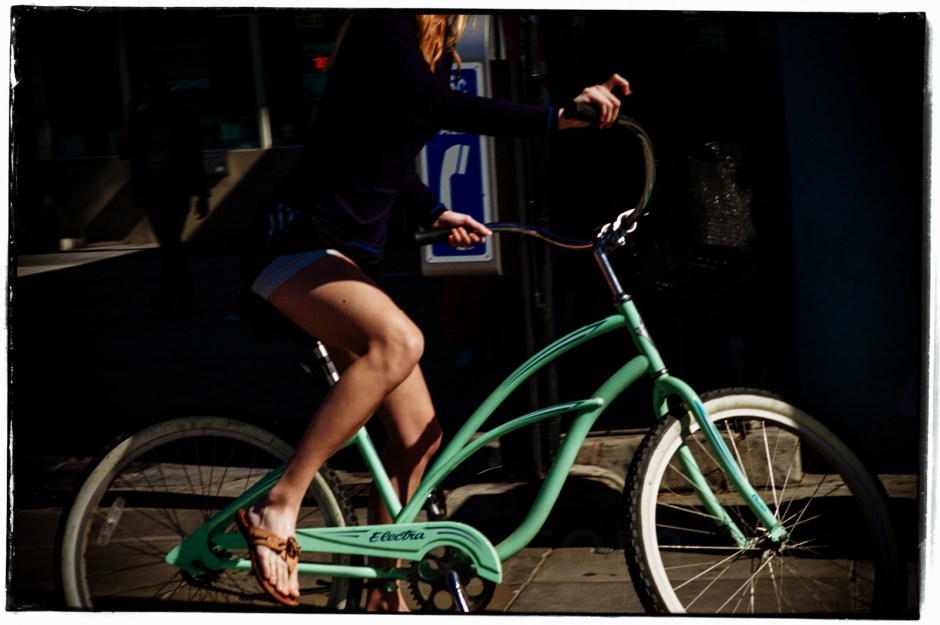

This very nice image aside, the Leica 75 APO-Summicron 2.0 ASPH lens I bought yesterday was a disappointment. I took it to a great Leica repair expert and he found no issues with the rangefinder or the focusing. But something wasn’t right. It was a used lens. Sometimes you win sometimes you lose. Back to the store it went. If I ordered this lens from B&H new I’m sure it would be stellar. It’s just that this one wasn’t. I’m kind of crushed, actually. Oh well. Sure does make me appreciate how fortunate I am to have some kit that really really hits the mark and satisfies my admittedly picky nature when it comes to lens performance. C’est la vie.
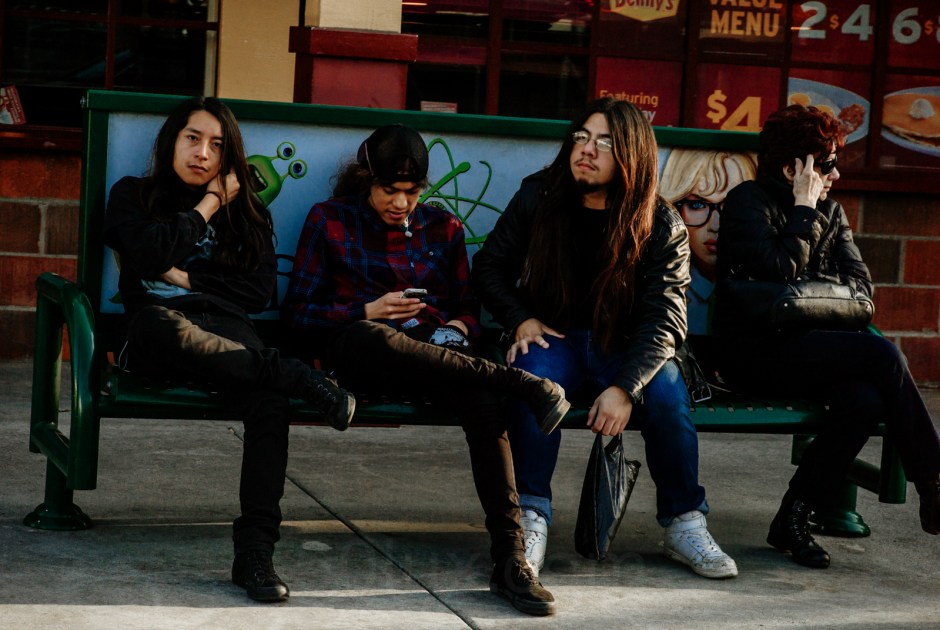

No, not Rika, my main Leica pimp at BelAir Camera! It’s a new lens. The 75mm APO-Summicron 2.0 ASPH. Here NOT shown at its best, unfortunately. NO not because of Rika. Behave yourselves! It’s because I shot at ISO 160 which brought my shutter speed down to an arrogant 1/30th of a second. Too slow for my excited hands in that light. So you don’t really see the incredible sharpness of the glass wide open. But… uh… you do see the color and contrast of this incredible tool. Thank you and good morning!

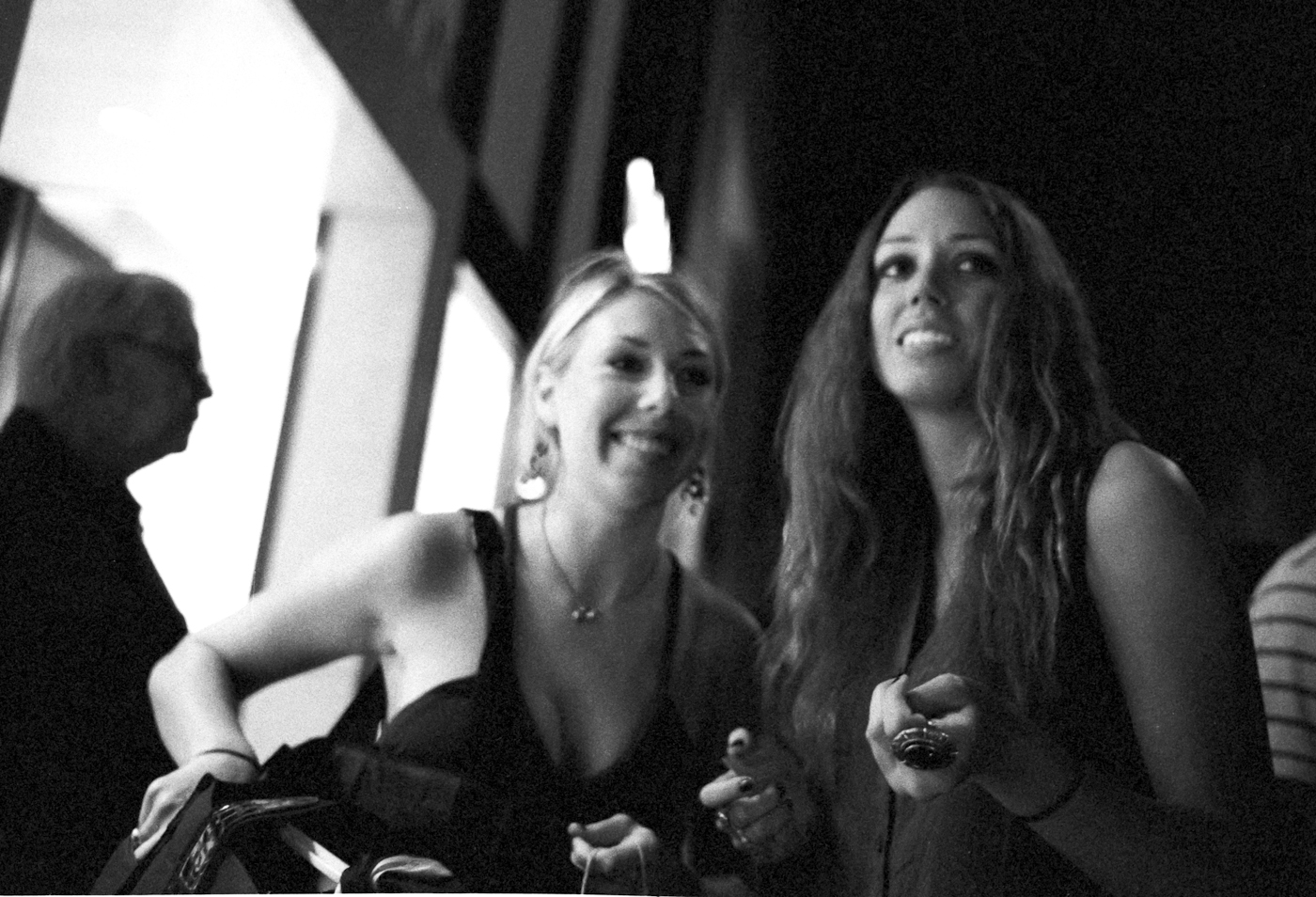
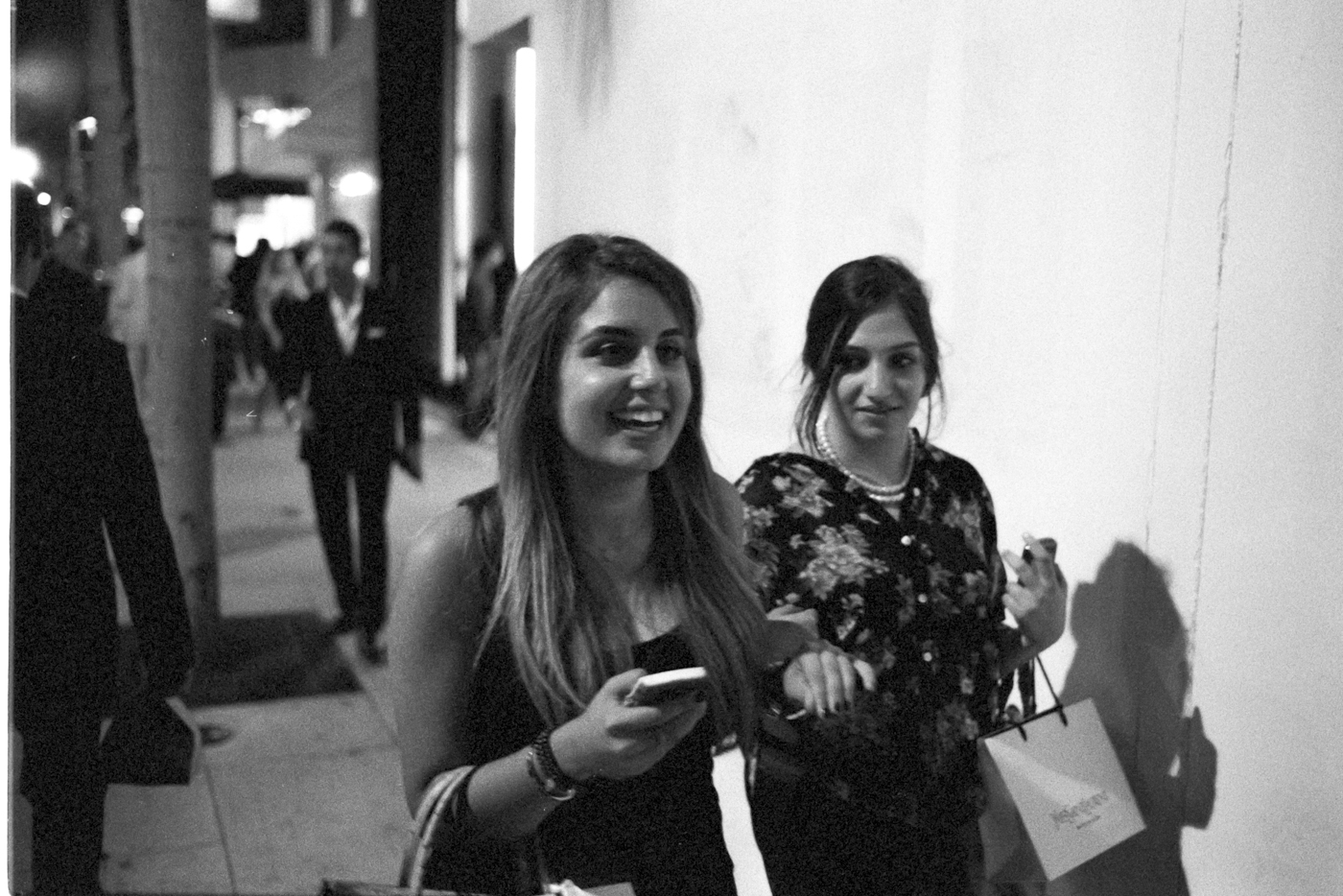


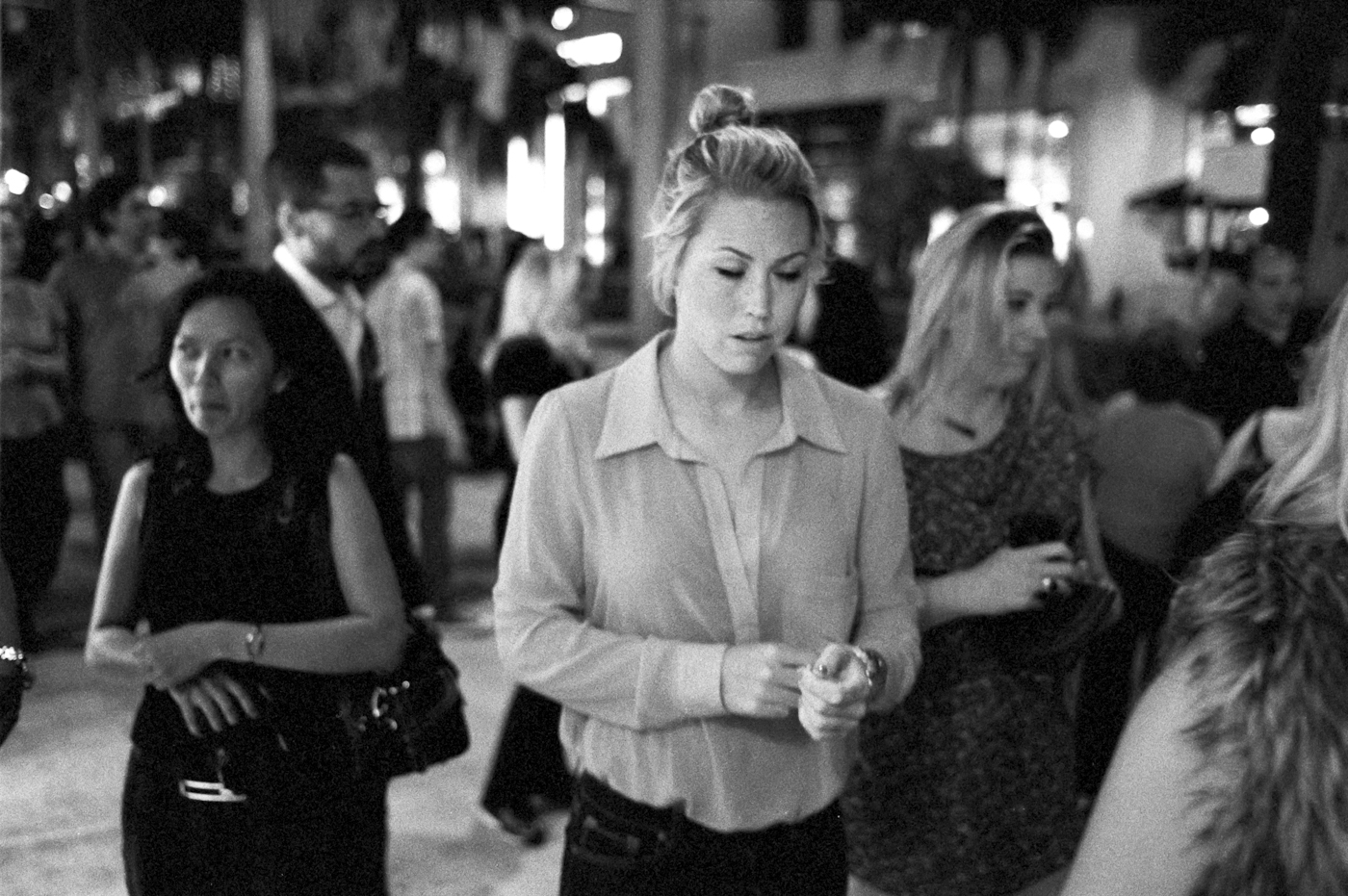


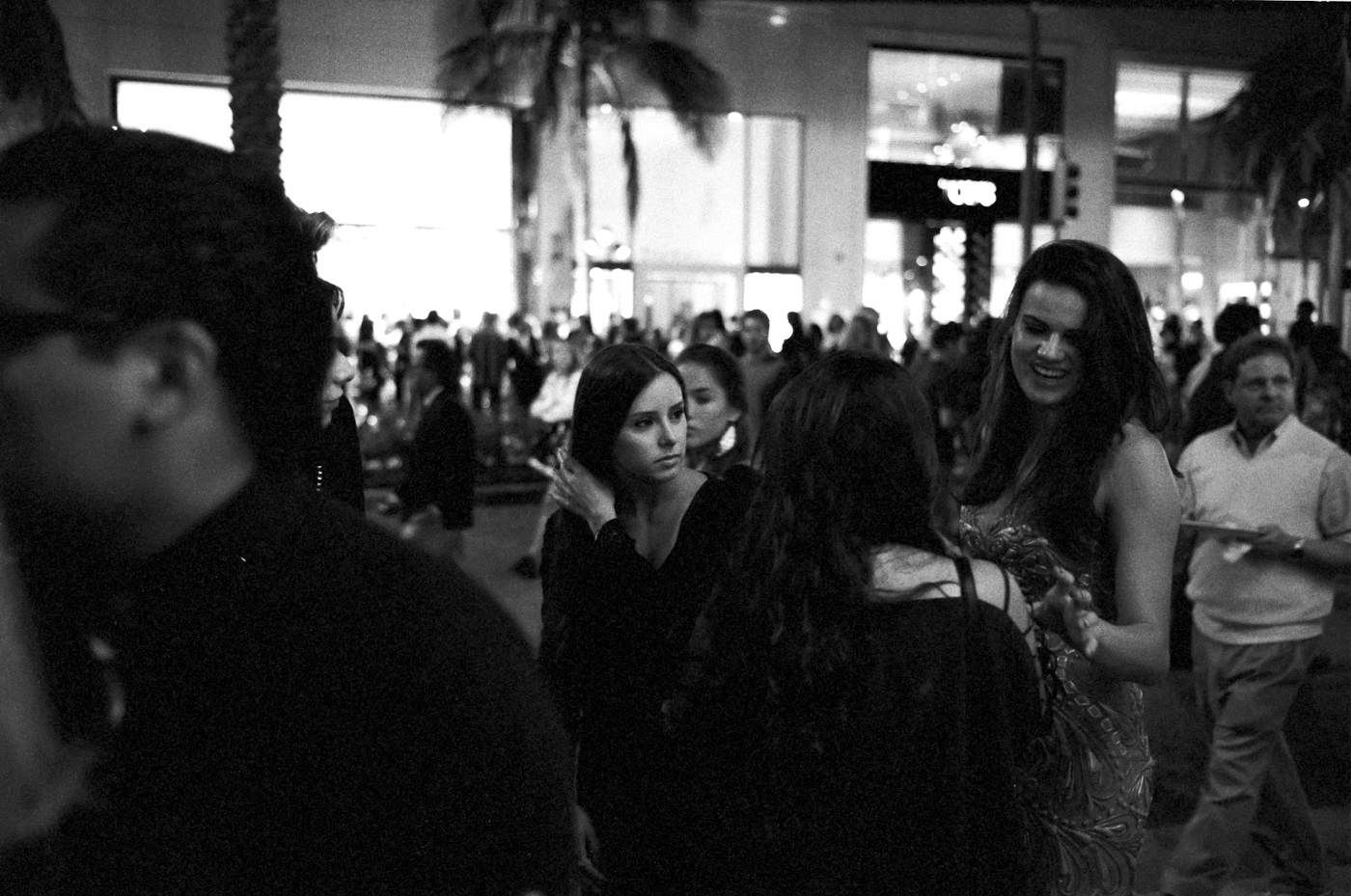





We were scheduled to fly to Chicago this past weekend.
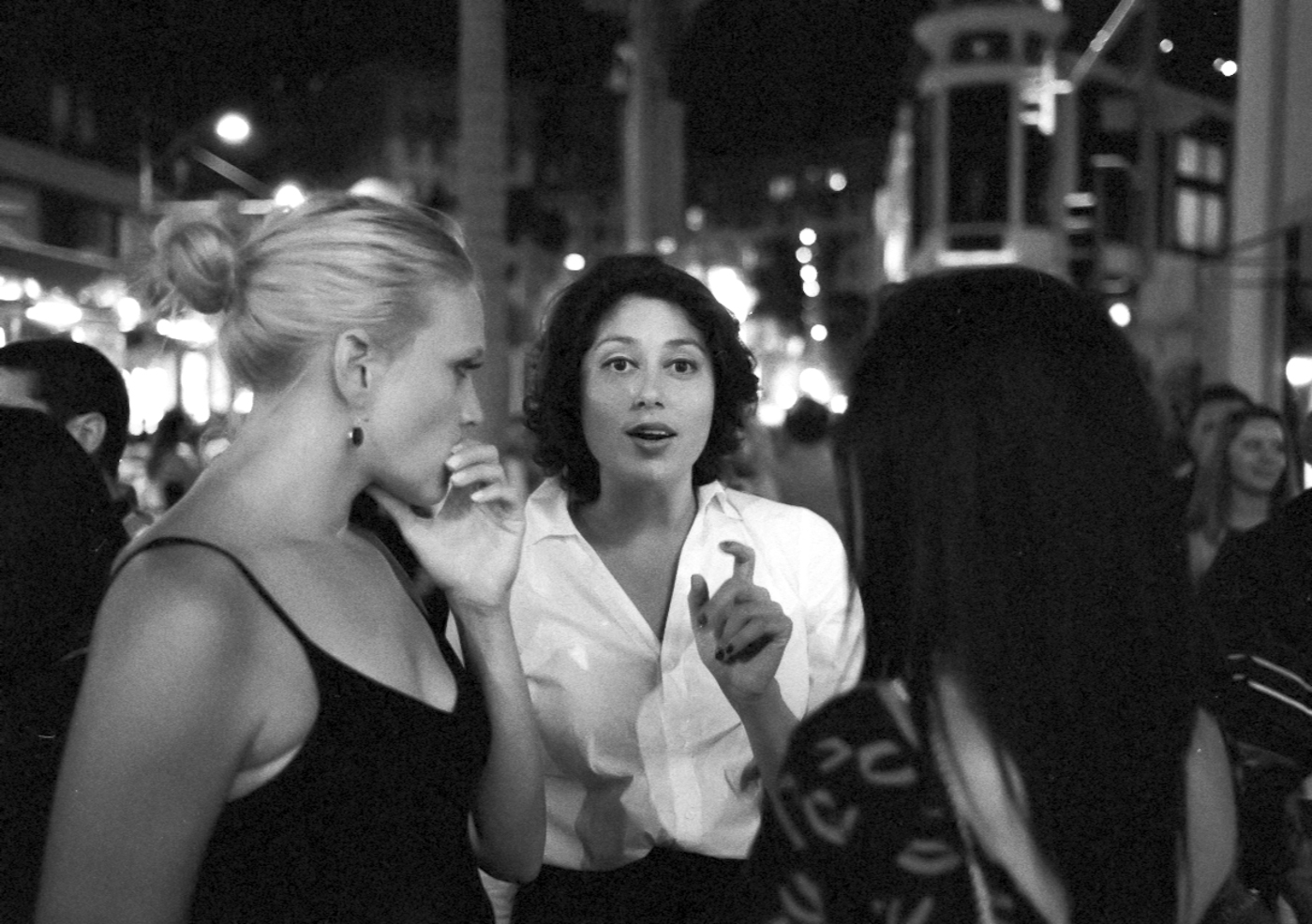
My plan, in tribute to the newly discovered street photography icon Vivian Maier, was to shoot in black and white and to post only images here cropped to a perfect square, the format produced by the reclusive nanny’s apparently very trusty Rolleiflex. (Although the above image shows Maier taking a self portrait with a Leica M.)
Unfortunately, we all caught a cold here in the big house and were forced to avoid a long flight and the shock of actually being in the Windy City at a time when temperatures there would be in the 20s. We stayed, as the song says, safe and warm in LA and shot the images you have seen (one of) and will see on 50lux in the coming days.
Little did I know, because nobody tells me anything, (wink here) but this was to be a big weekend anyway in the posthumous yet ever burgeoning career and legacy of this now very important photographer and practitioner of a type of photography that I feel so connected to.
The biggest news is that there is a film that premiered last fall but is just now being released and in theaters entitled “Finding Vivian Maier,” … due in some cities last Friday actually. Certainly it won’t be at the nearest mall’s cineplex outside Dayton or Altoona and I’m doing my best to find it here in Los Angeles and will go before it’s quickly yanked.
Here is the trailer.
The release of an actual film, of course, has made a nice ripple in the national media and here are also three excellent write-ups in the New York Times, New York Post, and Slate.
Enjoy, street photographers. It’s a rare moment that none of us will ever likely experience in our lifetimes. Although in Vivian Maier’s case that appears to be, in great part, by the artist’s own design.










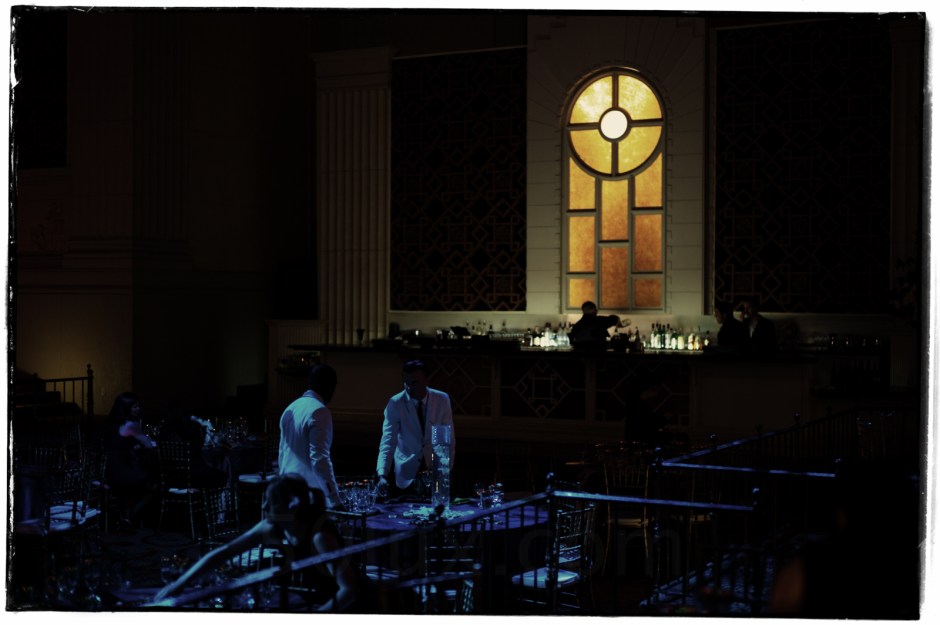
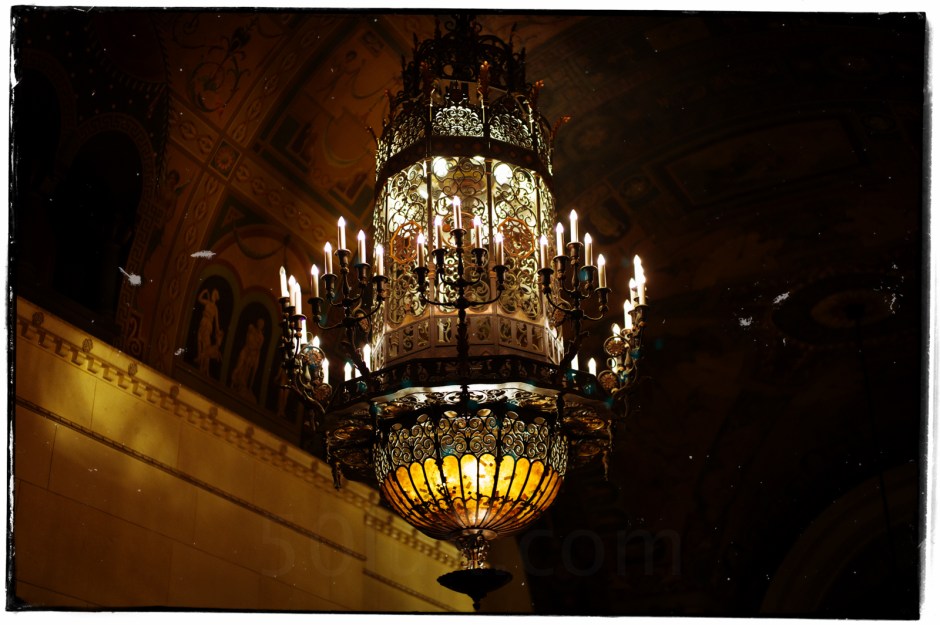
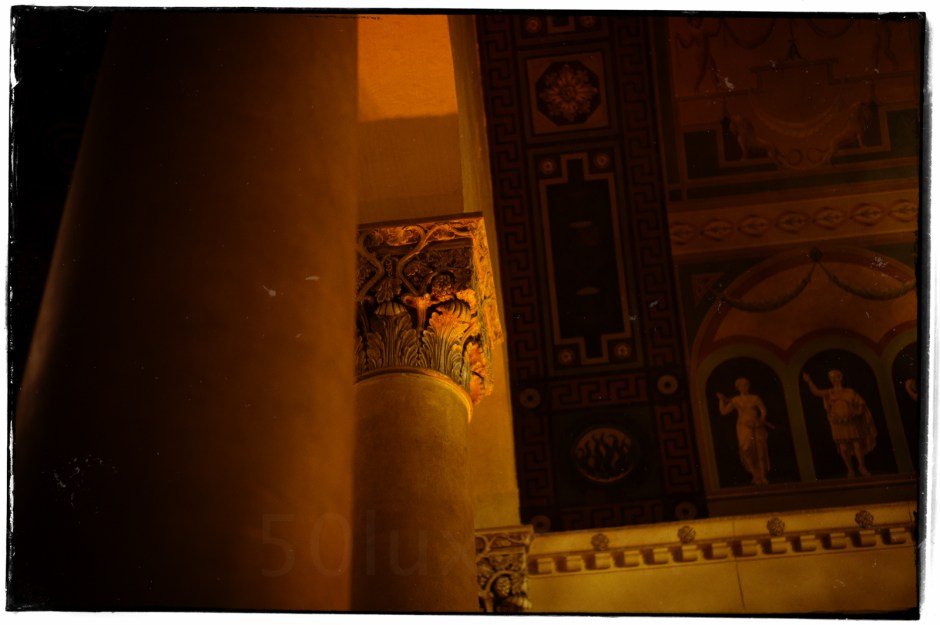
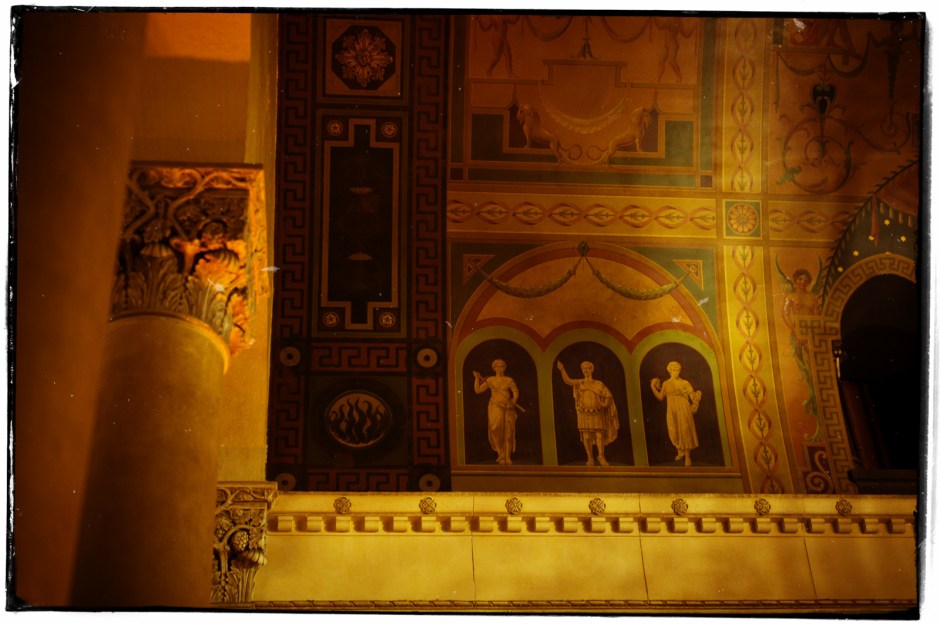
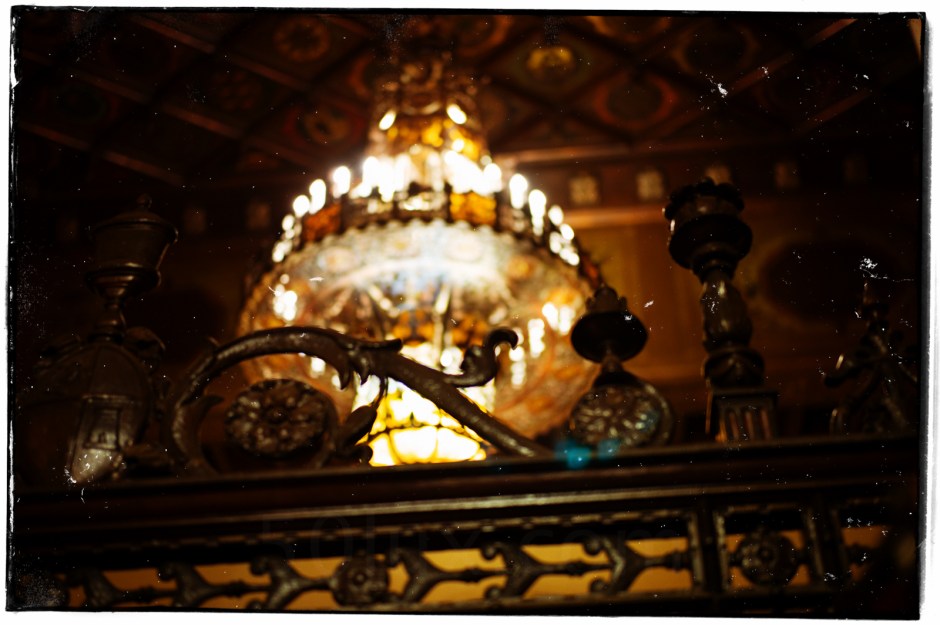
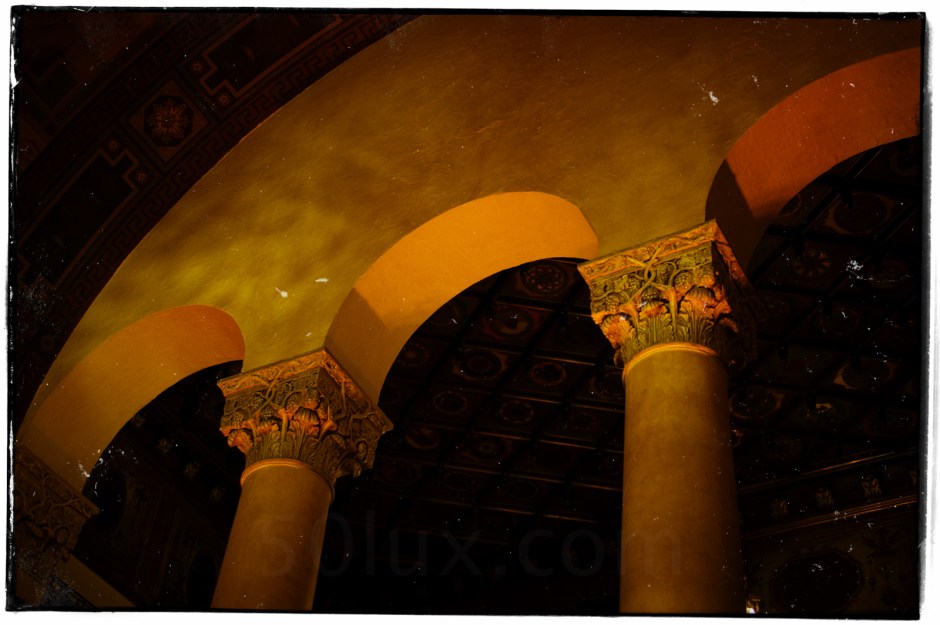
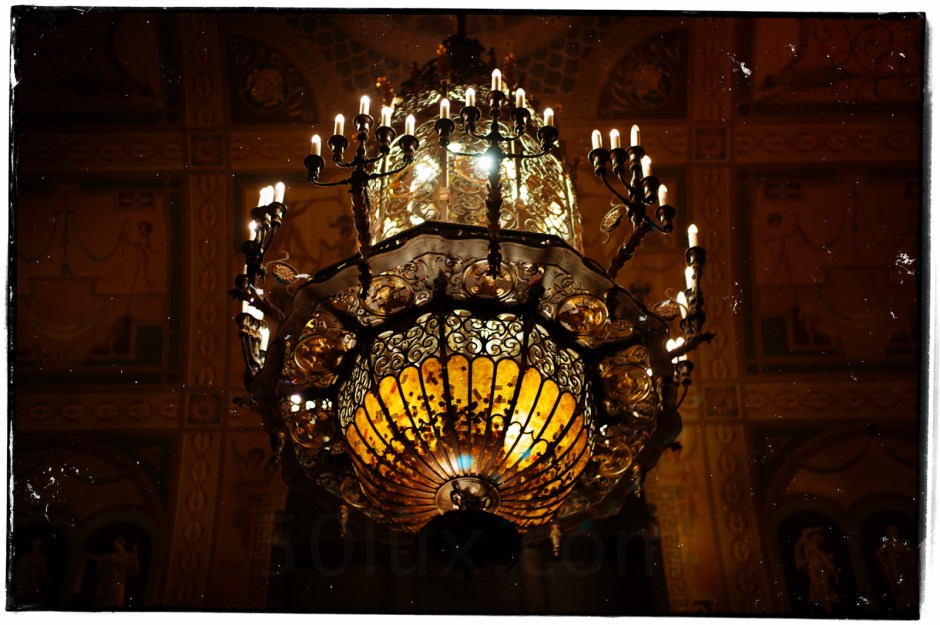
 From The Park Plaza’s Wikipedia page:
Though the neighborhood has gone through a period of urban decay and now urban renewal, the building, replete with angels at every corner, has lost none of its ethereal beauty and elan, making it truly one of the classic examples of Claude Beelman’s architecture left standing in the modern world. The building is now vacant, mainly used as a rental for movie shoots and special events, however, the City of Los Angeles thought the architecture significantly important enough to warrant a City of Los Angeles Cultural Affairs Department Historic-Cultural Monument No. 267, as far back as the early 1980s. This is significant in that many other Wilshire Boulevard area landmarks fell prey to the wrecking ball during that time period, such as the notable Brown Derby. Luckily, despite the demolition of important landmarks all around it, the grand entrance and ballroom of the Elk’s No. 99 / Park Plaza building still bears its old “jazz age” grandeur, much to the relief of Los Angeles architectural aficionados. The elaborate interior murals and decorative paintings were designed and executed by Anthony Heinsbergen and Co, noted painter of many Los Angeles cultural landmarks. The central design of the lobby ceiling is based on the Villa Madama, a Renaissance era project by Raphael and Giulio Romano.












Another REPOST of one of my little iPad Garageband ditties. Always very influenced by the music of Frank Zappa, I recreated a Montana guitar solo groove, a funky nasty little pocket to jam over in F# minor, and played my Gibson ES-335 through a little Vox Valvetronic bedroom amp. I need to do more of this in my spare time. I’ve been playing the guitar now for about 48 years. Probably won’t be able to tell from this, though. 😉
Like the war, it goes on way too long and has plenty of sour notes and questionable resolutions. But here the only thing that bleeds is your ears.
Re-posting a musical interlude. Great photo by a Marine in the battlefield, Cpl. Reece Lodder.
Garageband has (had) some very crappy (as usual) guitar amp ‘modeling’ feature. When I tried it last year it was very lame. But Apple is constantly upgrading Garageband, etc. So I tried it again, just plugged into my iODock and directly into the iPad. Wow. Wasn’t expecting to record a guitar solo I would want to share on the second try. The amp feature is now very usable. I like the rawness here; it’s not polished playing, but that’s okay.

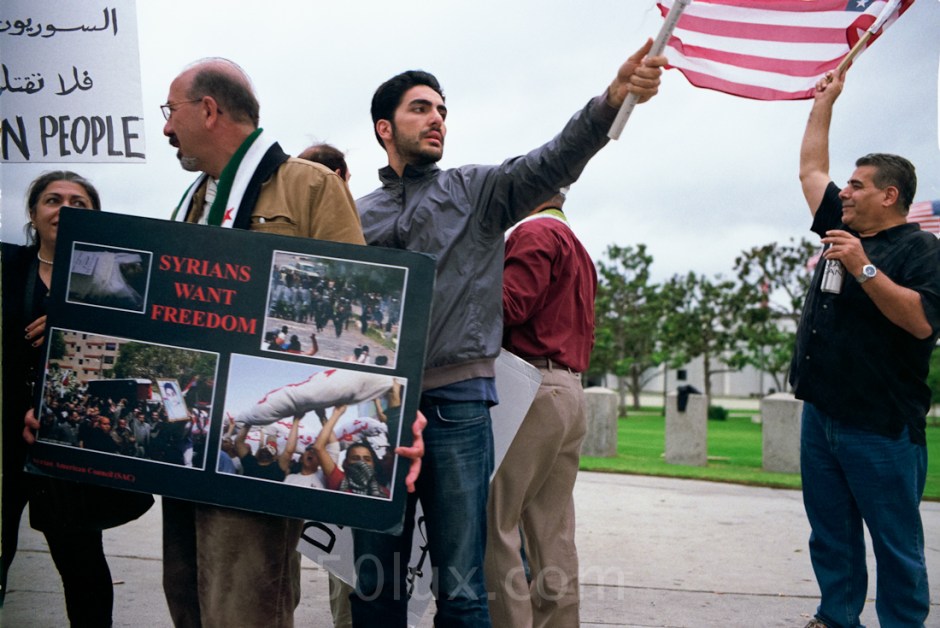
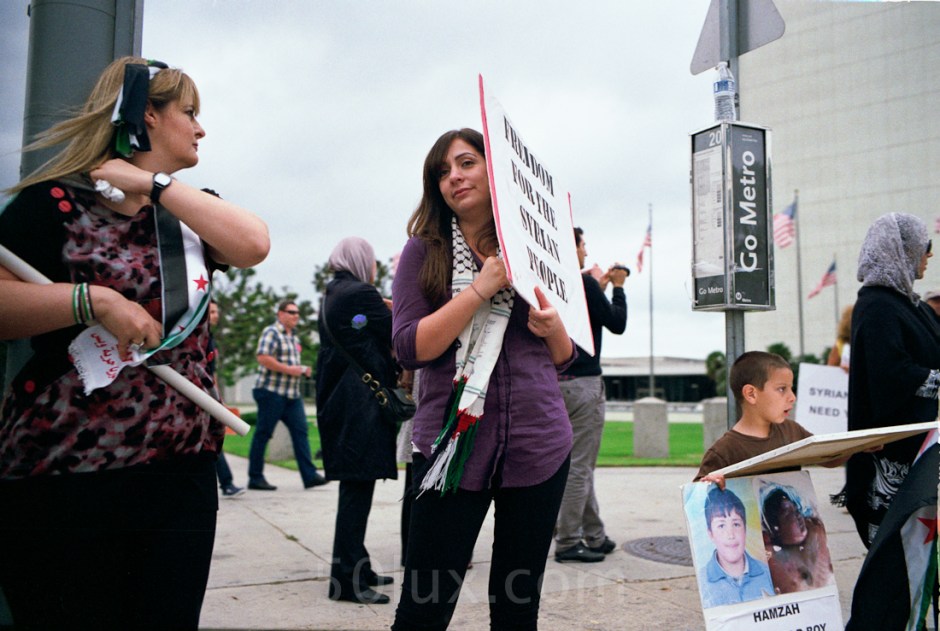
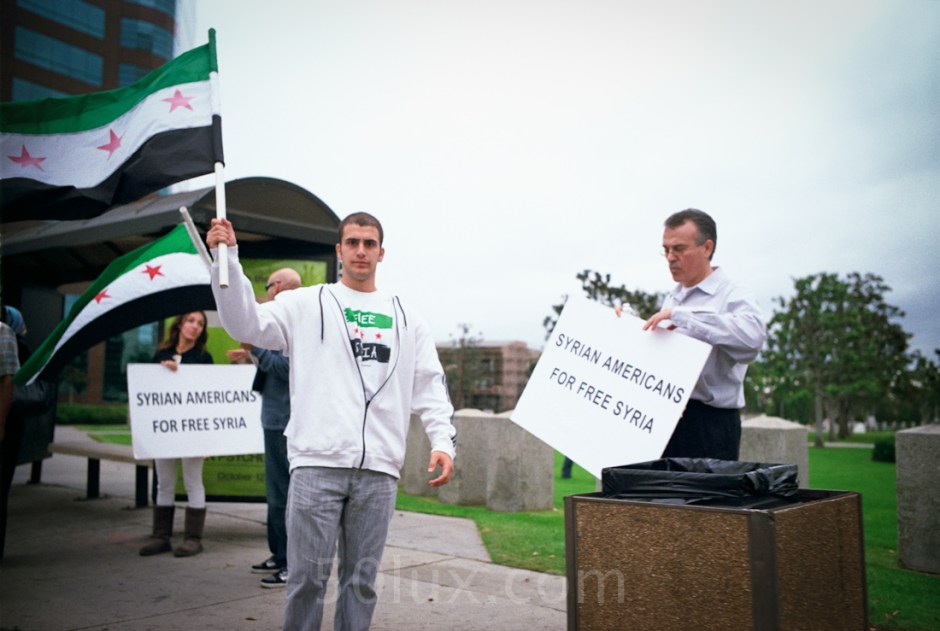
Love seeing those who hail from these beleaguered nations where their friends and family are living under murderous regimes enjoying the freedom we have in the US to protest those situations. M7, 35mm Summicron 2.0 ASPH, Walgreens 200.
Originally published here in November 2012 but after reading a recent article on the atrocities the regime in Syria has perpetrated against children, I think unheard of in any of our lifetimes, I wanted to repost these images as a reminder of the continuing hell that is Syria.









 50'Lux