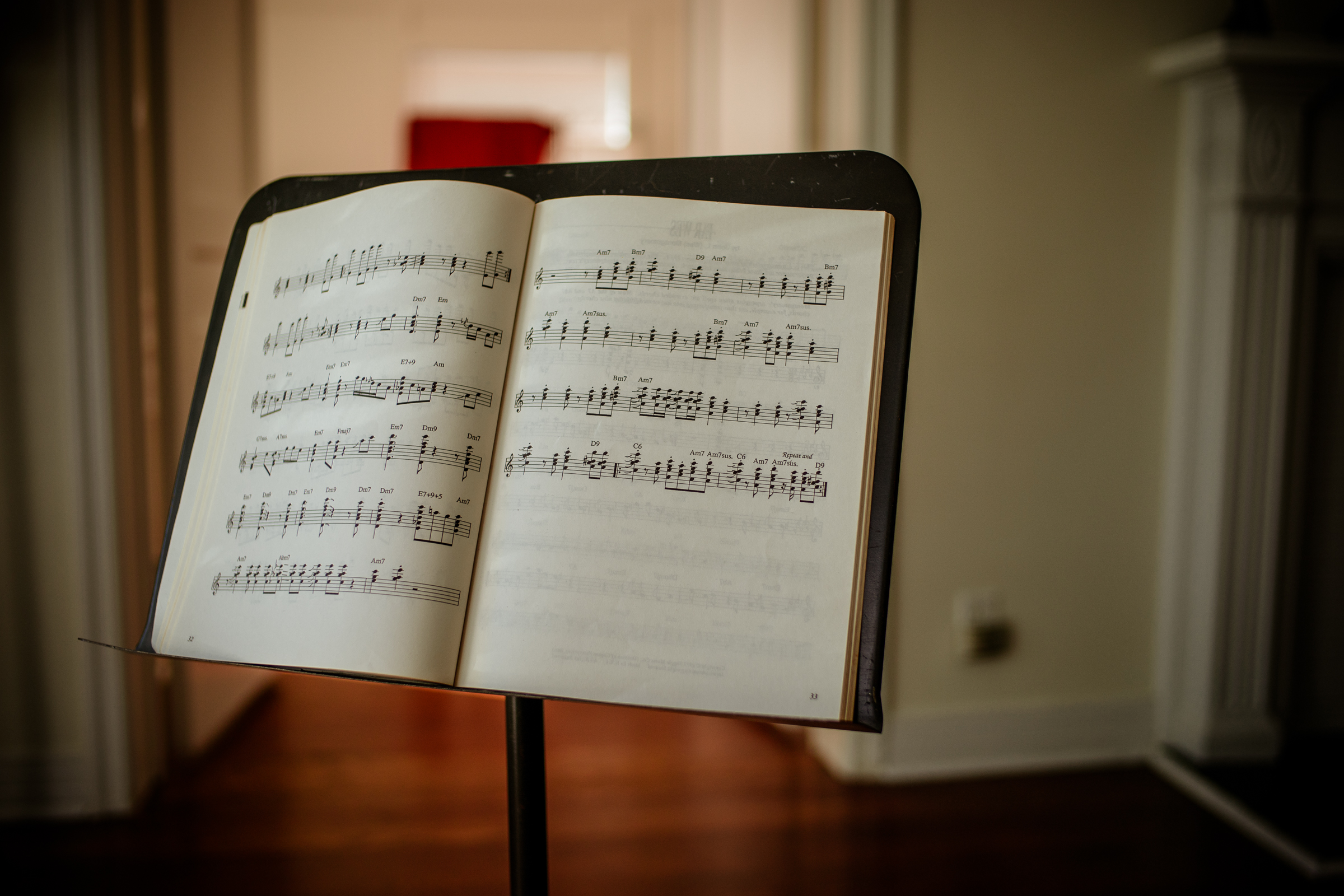
Notes on a Page

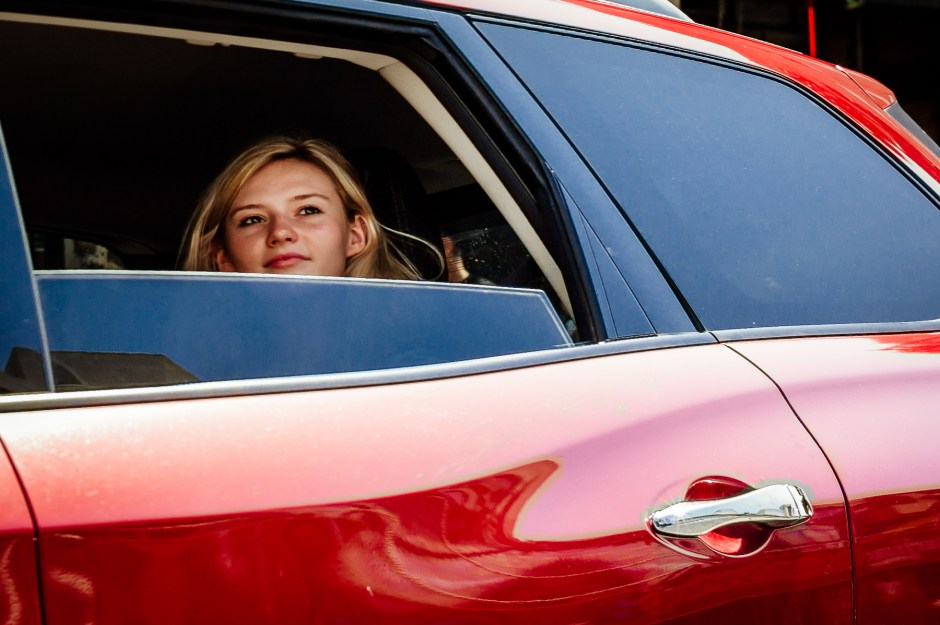


Ali was my idol growing up in the 1960s. He gave me the confidence to be who I am. And to fight, something I had to do a lot of as a kid.
I met him after the Oscars show in 1997 the night the film When We Were Kings won an Academy Award. My mom and I stood across the street from Mortons in a large crowd. Before getting into his limo, Ali crossed the street to the crowd. He wasn’t in good shape even then. When he got to us I embraced him and told him he was my biggest hero as a youth. I then asked him to shake hands with my mom. She stuck out her hand and he brushed it aside and stooped down and gave her a warm hug. We both were in tears. Much love to Ali. He will live forever.
I had a video camera that night. I recorded Ali and George Foreman from across the street in West Hollywood. I had taken my mother to a spot near an Oscar after-party just to give her a thrill. I had no idea that Ali would be there.
When Ali came across the street I continued to record him but when he got close I just let the camera drop. I only have audio of our encounter on tape somewhere. I call him ‘champ.’ I remember my mother is sobbing. She tells Ali, We always loved you.
A decade later I was in Phoenix, AZ. photographing a WNBA playoff game. It was an exciting night anyway. One of those unfortunately rare magic evenings in the WNBA. Incredible playoff atmosphere. I’m on the baseline. Suddenly there’s a roar from the crowd in the U.S. Airways Arena. Muhammad Ali and his wife are in the building. They are on the big screen. I look up and I’m just taken away. An already incredible evening has just gone through the roof.
I look around to see where he is. Where is this person who has meant so much to me in my life? How lucky I am to have crossed paths with him yet again. I look up to my wife (then girlfriend) in the stands. She points behind me. I turn completely around on the floor and there he was, sitting no more than six feet behind me. All I could do at that moment was raise my camera.


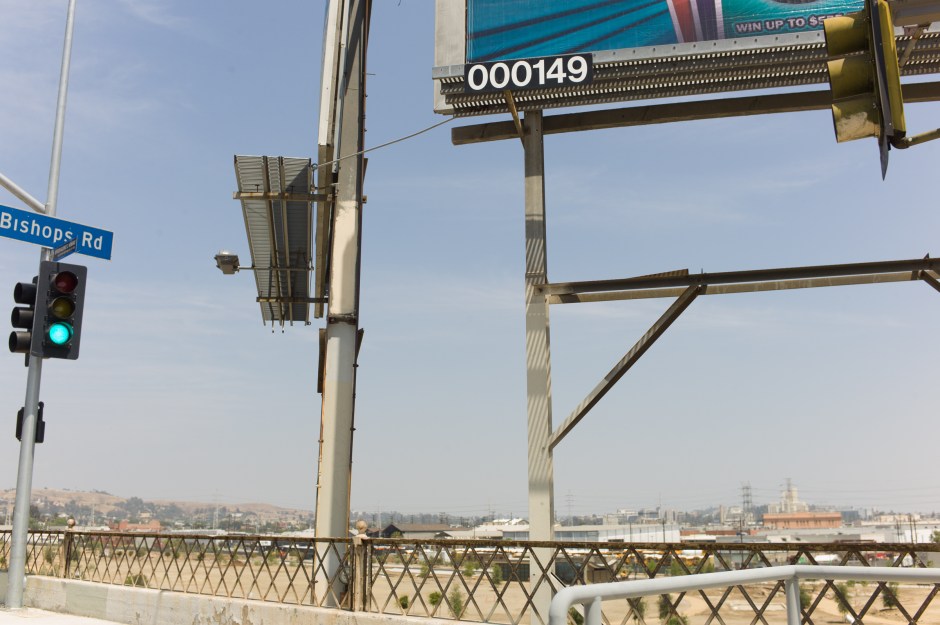
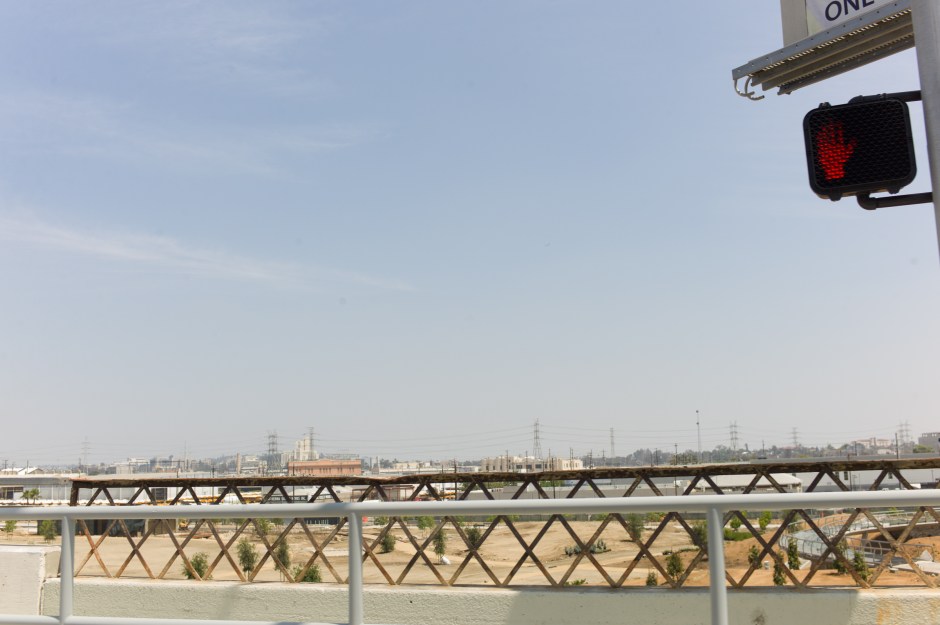


More old Nikon street photography. Not as old as most of the stuff from last week. These were from the Nikon DSLR days. D70, D2Hs, my favorite, the almost disposable (I had two) D80, the mighty D3, and the D700. Oh, and in there somewhere was a D200. 😉

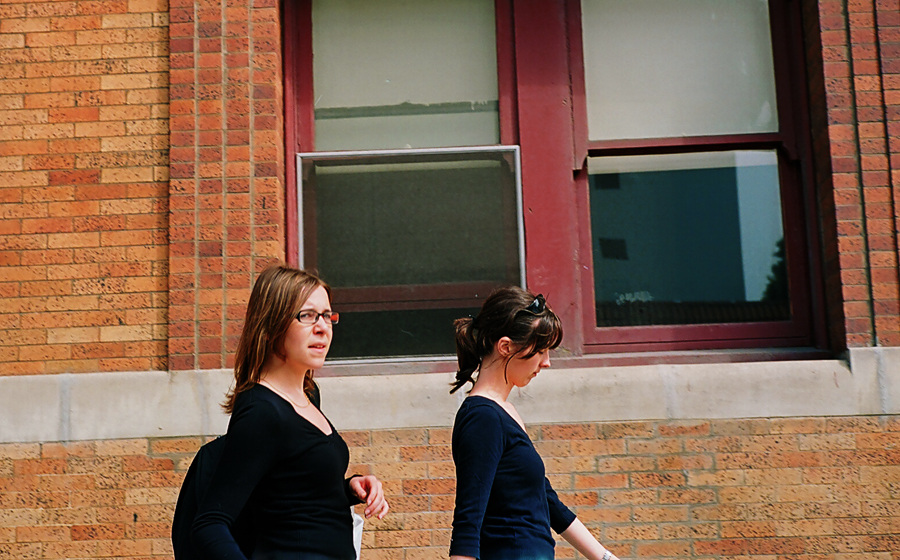
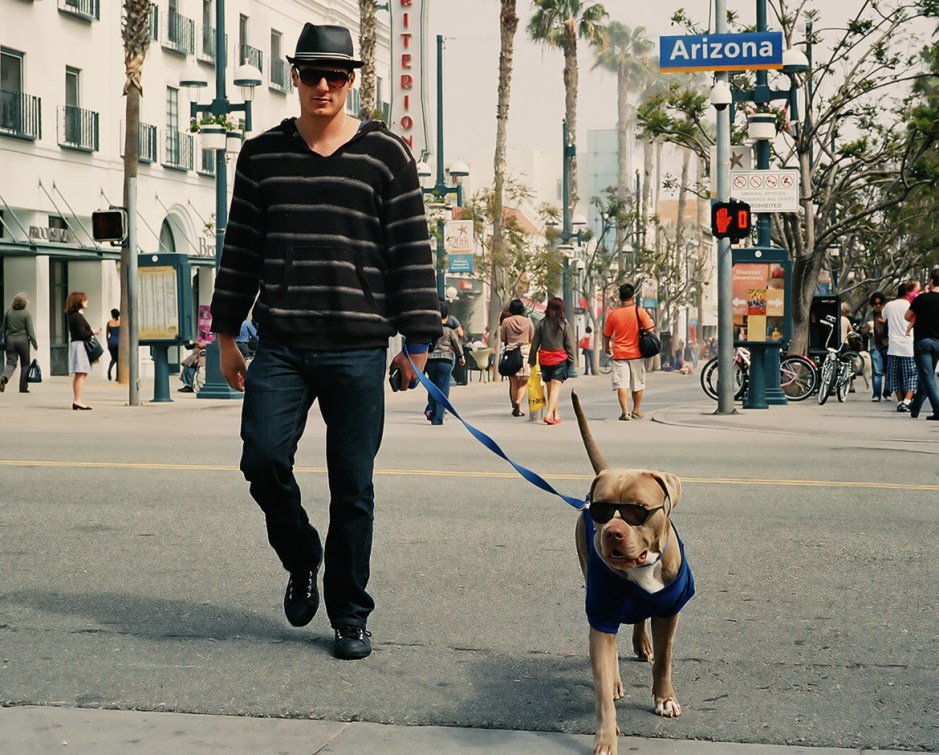
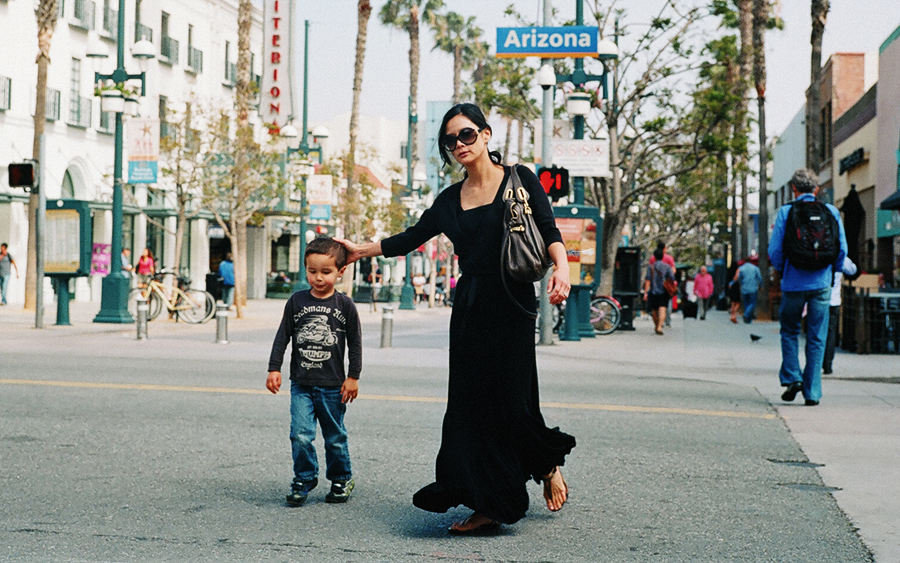
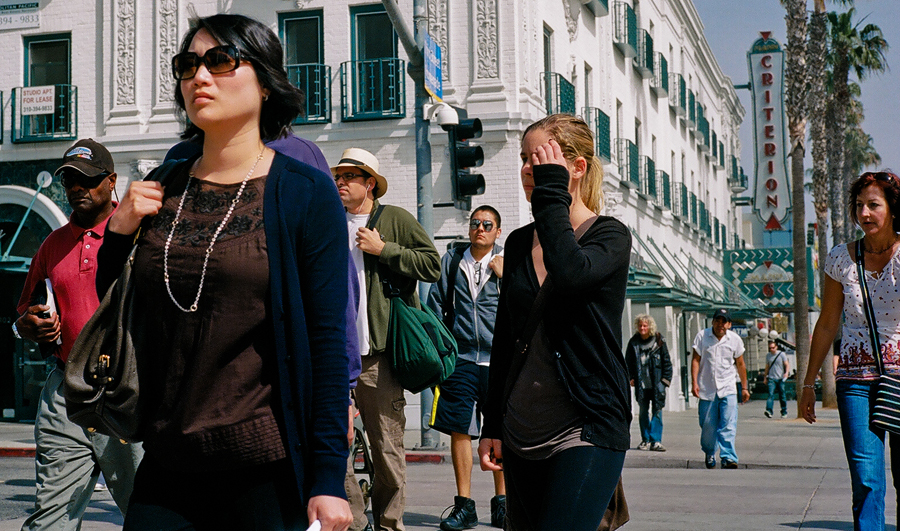


Yes it just keeps on going. I THINK all or most of these were taken, as were the rest in this week’s blast from the past, with the Nikon Coolpix 950. Trusty little devil. Between 2000 and 2004. Which is mighty trusty indeed for a first generation digital camera. Solid.


I grew up in Aliquippa, Pennsylvania. Aliquippa was the home of a giant steel mill; at one time it was the largest in the world. The entire monstrosity was near 11 miles long and employed close to 15k workers.
The town was like something out of a rust-belt boom-town dream. Or was it a nightmare? Aliquippa was in the Guiness Book of World Records for having the most bars per square mile. A recent article in our local newspaper put it this way. “Aliquippa was a dirty little town of 30,000 with more bars, bordellos and gambling rooms than most would care to admit. In 1918, a state Supreme Court justice offered the following assessment of Aliquippa:
It is said that the region is largely peopled by uneducated foreigners, who invariably carry concealed deadly weapons; that murders are common; and that when a quarrel ensues, the question as to who shall be the murdered and who is murdered is, largely, if not wholly, determined by the ability to draw such a weapon quickly.”
When I moved to Los Angeles I understood that this place certainly had its share of dangerous areas and situations. It was the 1980s and there was a crack epidemic and gang violence was a scourge in LA. So I resolved immediately to stay on the Westside and far from the bad areas of town. And I held onto that resolve for the first ten or so years that I lived here. But, you know, being a person from the place where I come from, the street has its attractions to me and after playing it safe for so long I longed for something that seemed more like home. Sounds weird to me now even to type that.
So I become somewhat familiar with some of the more interesting parts of LA. And at night. So when digital cameras finally became available with their convenience and the ability to experiment, check your results in real-time, and move quickly on, I had the greatest idea. Go out and shoot the bad parts of town with my digital camera. lol.
Well, ISO capabilities back then weren’t at all like what we have today on our digital cameras. And I didn’t actually, it turns out, have a death wish. 😉 So this project wasn’t something I devoted many evenings to. But it was an interesting time in LA. I think the LAPD had street crime on its heels at that moment. Or was it the exact opposite? I remember both periods quickly followed each other. Different police chiefs and different approaches. Anyway.
I had some tricks. I would go out on really REALLY cold nights. Nights that cold are really uncommon in LA so when the chill hits here, the streets can be very deserted. Anyway. Hope these images capture the imagination that I was gripped with when I took them. I would be the first to admit there’s probably not a single really strong image in the whole bunch. But they do capture something of the atmosphere of the city back then. The darkness and strangeness I was after more than anything else.


More from the Nikon Coolpix 950. Probably from around 2000 to 2004. I’m like Vivian Maier Lite. Less calories. Less filling. Etc. Please enjoy responsibly.


Again, these images were taken with one of the first great digital cameras, the Nikon Coolpix 950. Probably from around 2000 to 2004. I had so much fun with this camera that twisted the part with the viewfinder from the side with the lens. Twisty little sucker. Like having a viewfinder camera and I don’t know why I remember it being ‘live view.’ Maybe I’m misremembering. Anyway. Yet even more images to come tomorrow.


All of these images predate even my first DSLR, the Nikon D70. These were, believe it or not, taken with one of the first great digital cameras, the Nikon Coolpix 950. Probably from around 2000 to 2004. Yes, I’ve been doing this a long time. More to come.


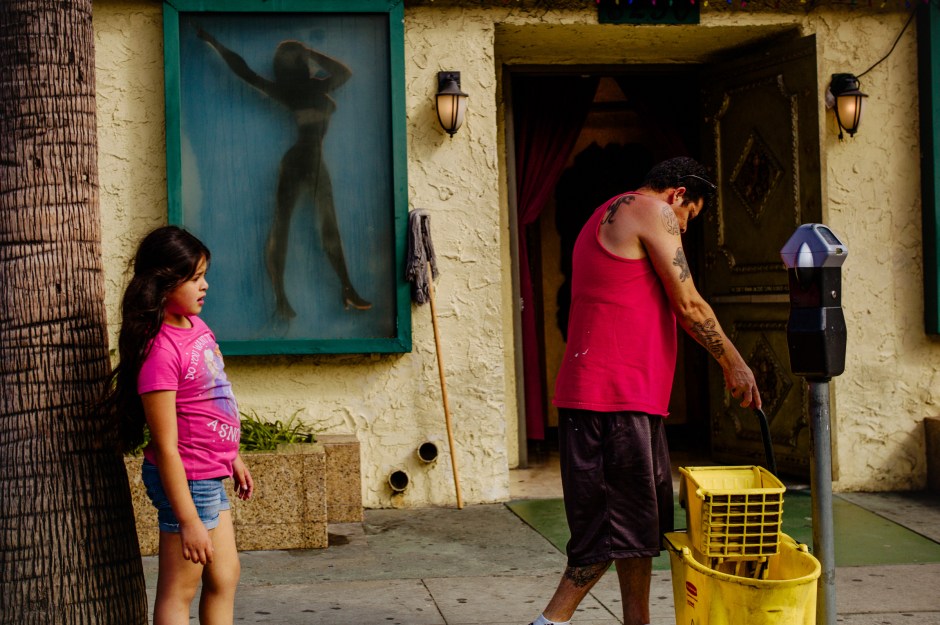
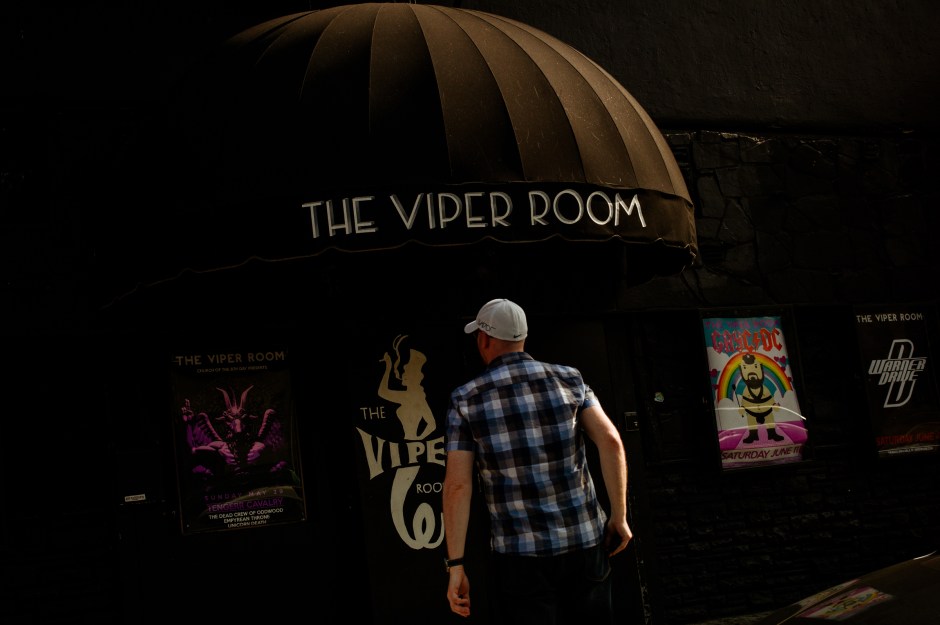
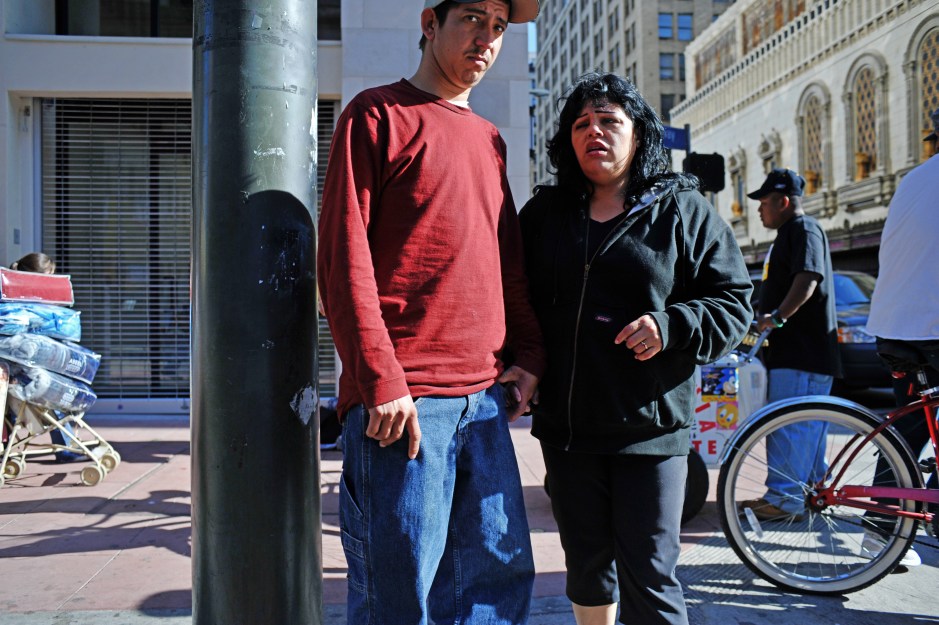

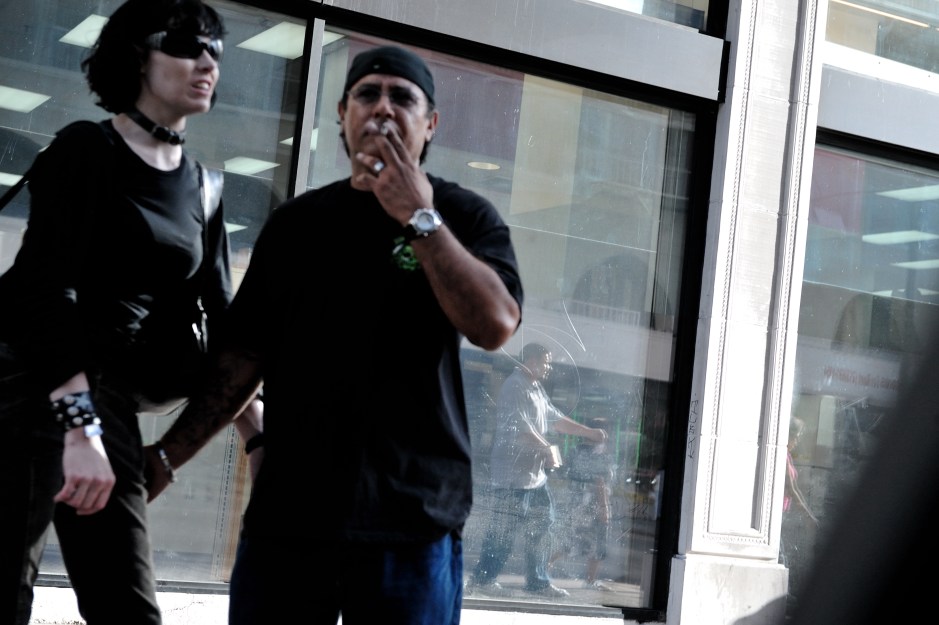

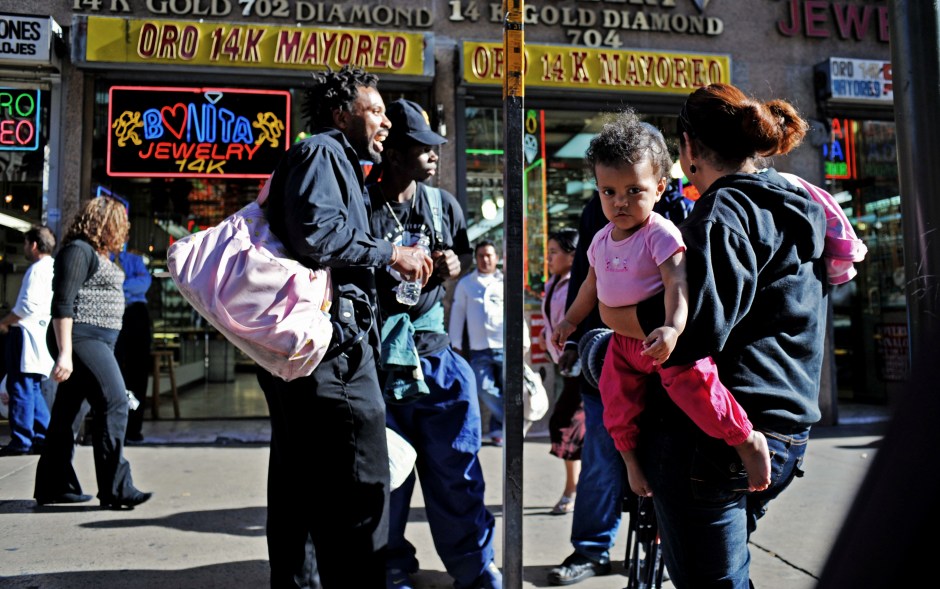


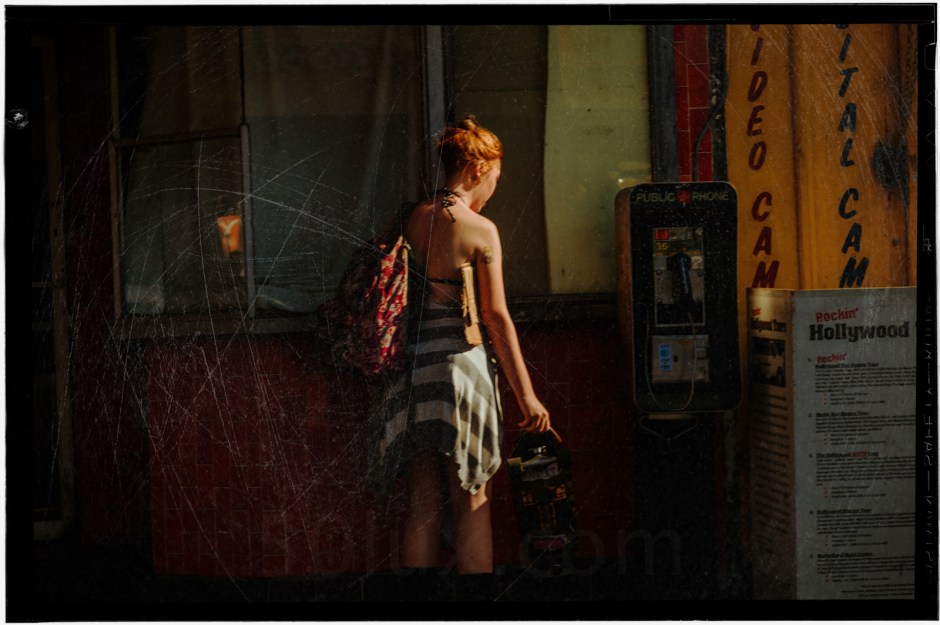
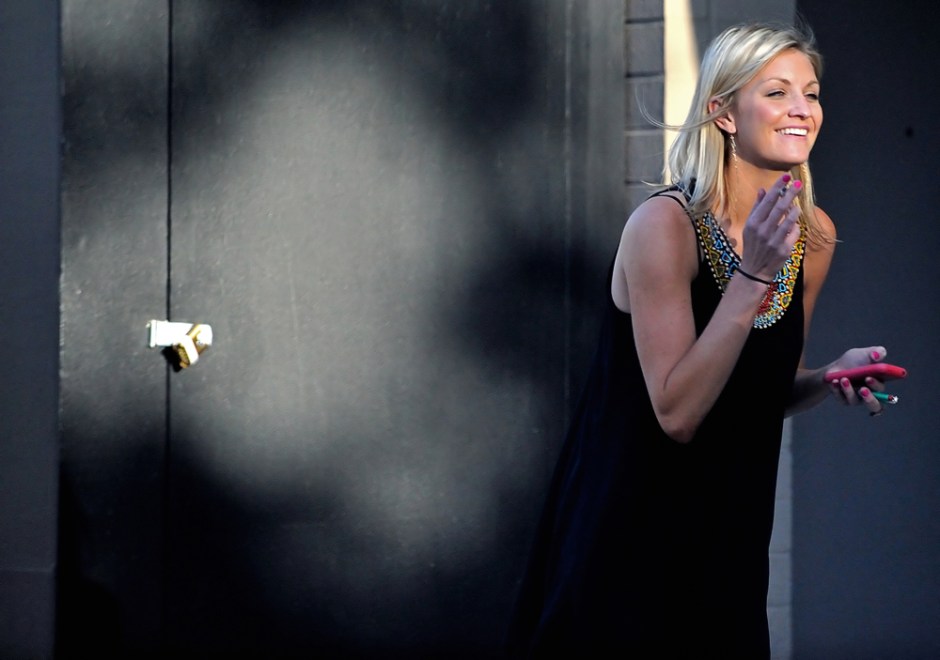 Who are all these people? lol. Looks like… hmm. Maybe, maybe not. Who’s to say? A bunch from the Nikon days.


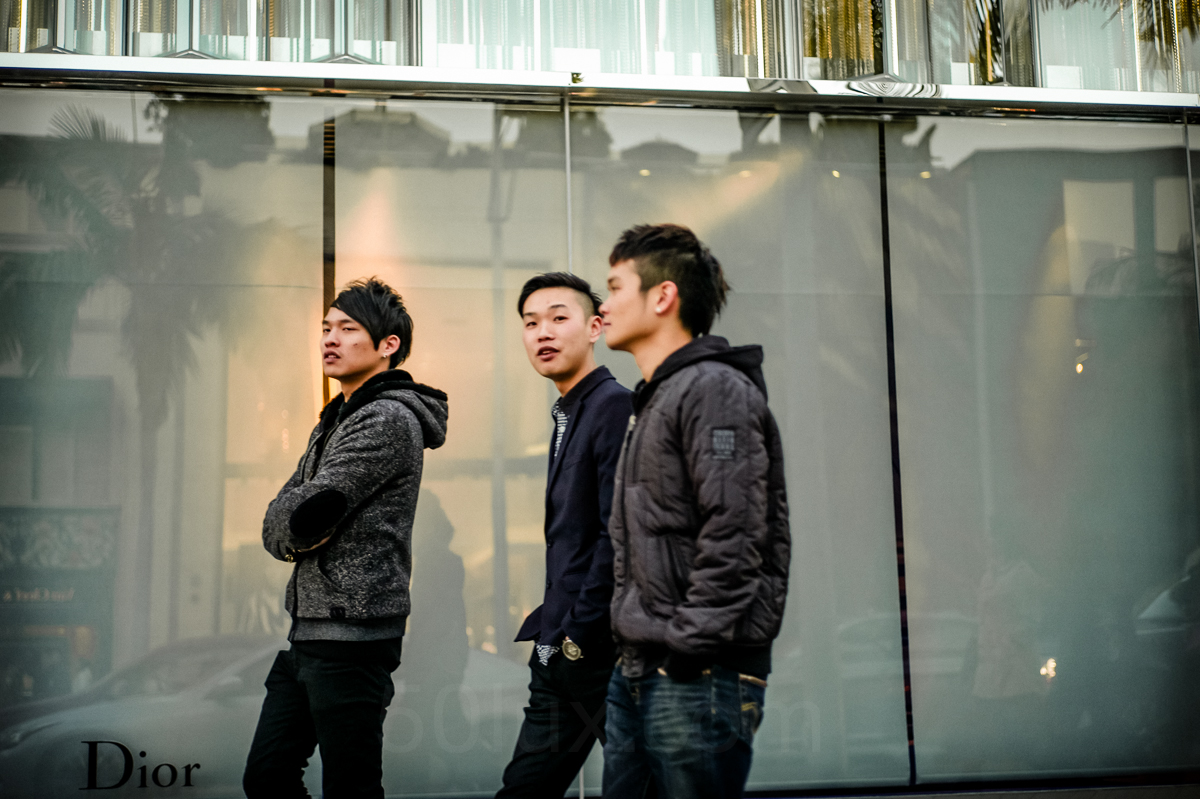
Former press secretary in the Kennedy administration Pierre Salinger told a story that shows the late president’s wit when the press secretary came to the Oval Office with a problem. “Mr. President. We’re getting into trouble with women’s groups over the fact that the First Lady is always seen walking three steps behind you.” (paraphrasing there.) The president thought for a moment, then said… well, I guess you can figure it out from here. 😉
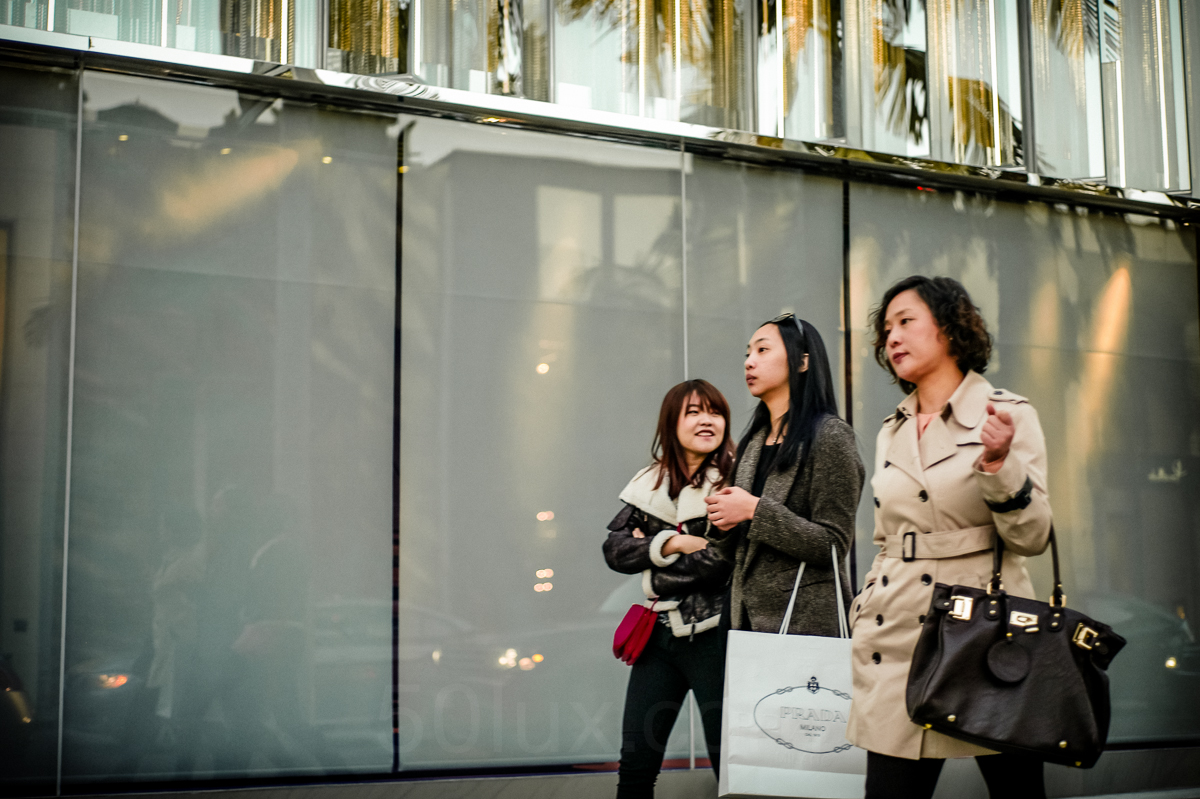
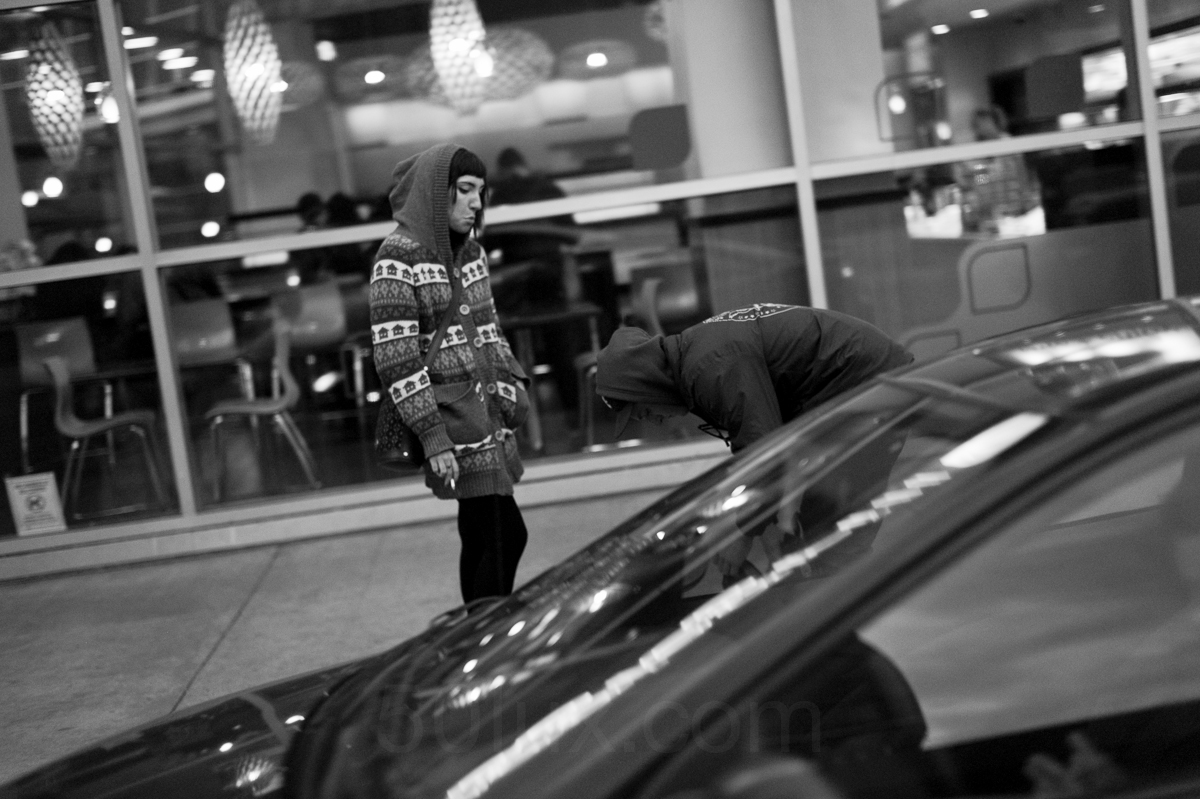
The issues shooting the Leica M9/M-E sensor at higher ISOs are well documented. But it should also be well documented that, when shooting black and white, you can forget those noise concerns almost entirely. I very often will shoot JPEG FINE mode on the b&w setting when I make that decision to shoot b&w. I like the way they look and I always have since my first M9. I’ll tell the story of how I came to love shooting b&w JPEGs straight out of the camera some other time. But I love them. And at 18 megapixels in b&w, how much image data do you need? That was my attitude three years ago and it’s still my attitude today. Much more on that sometime soon.
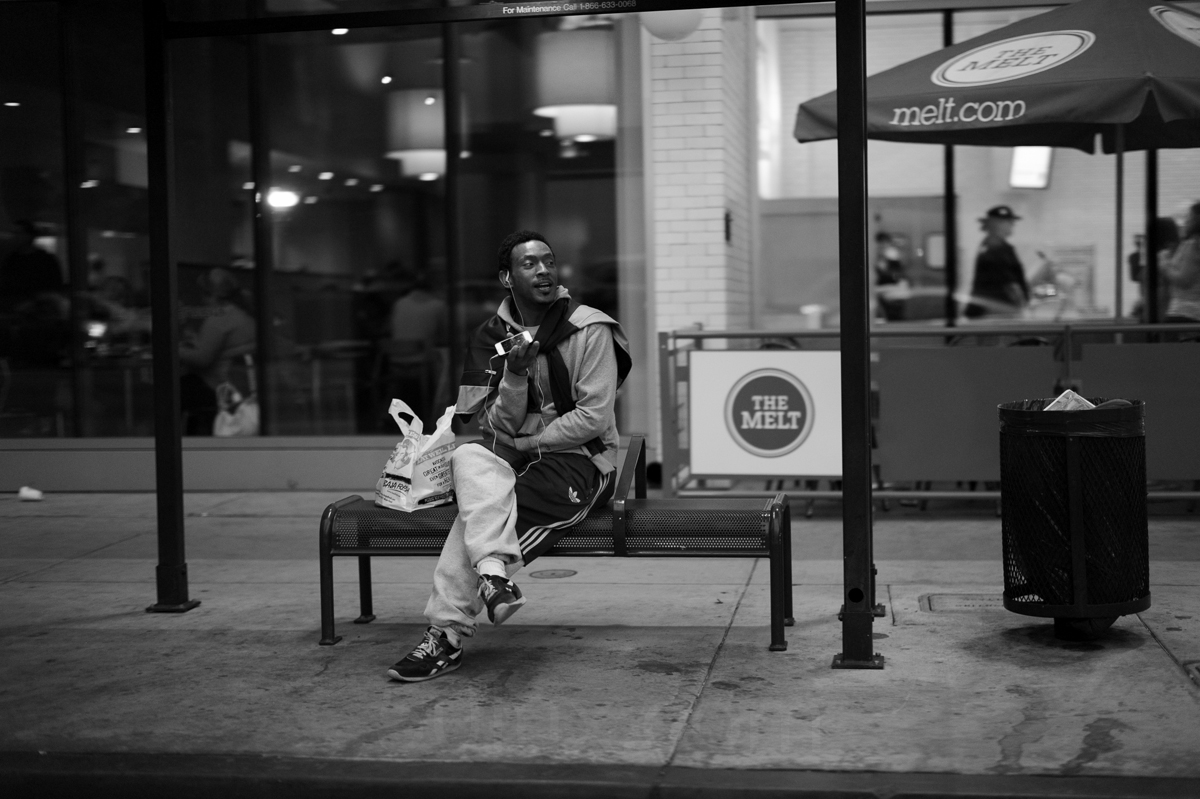

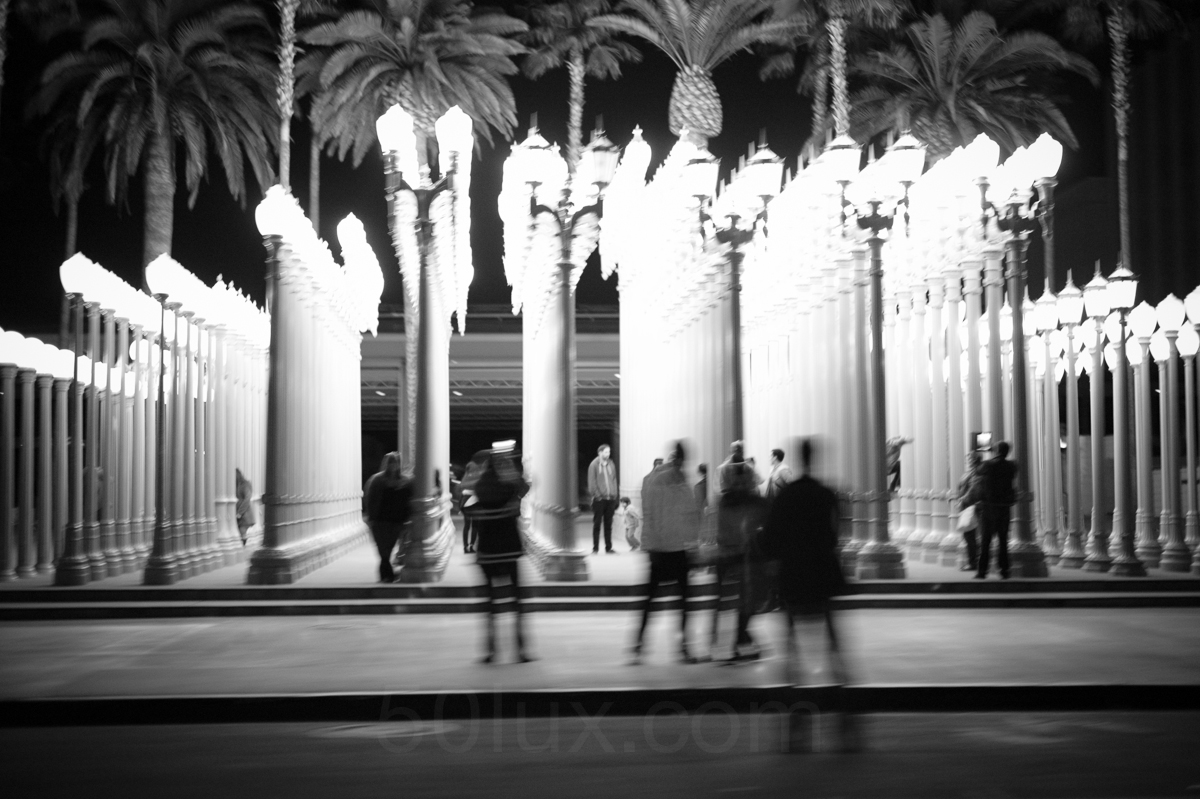
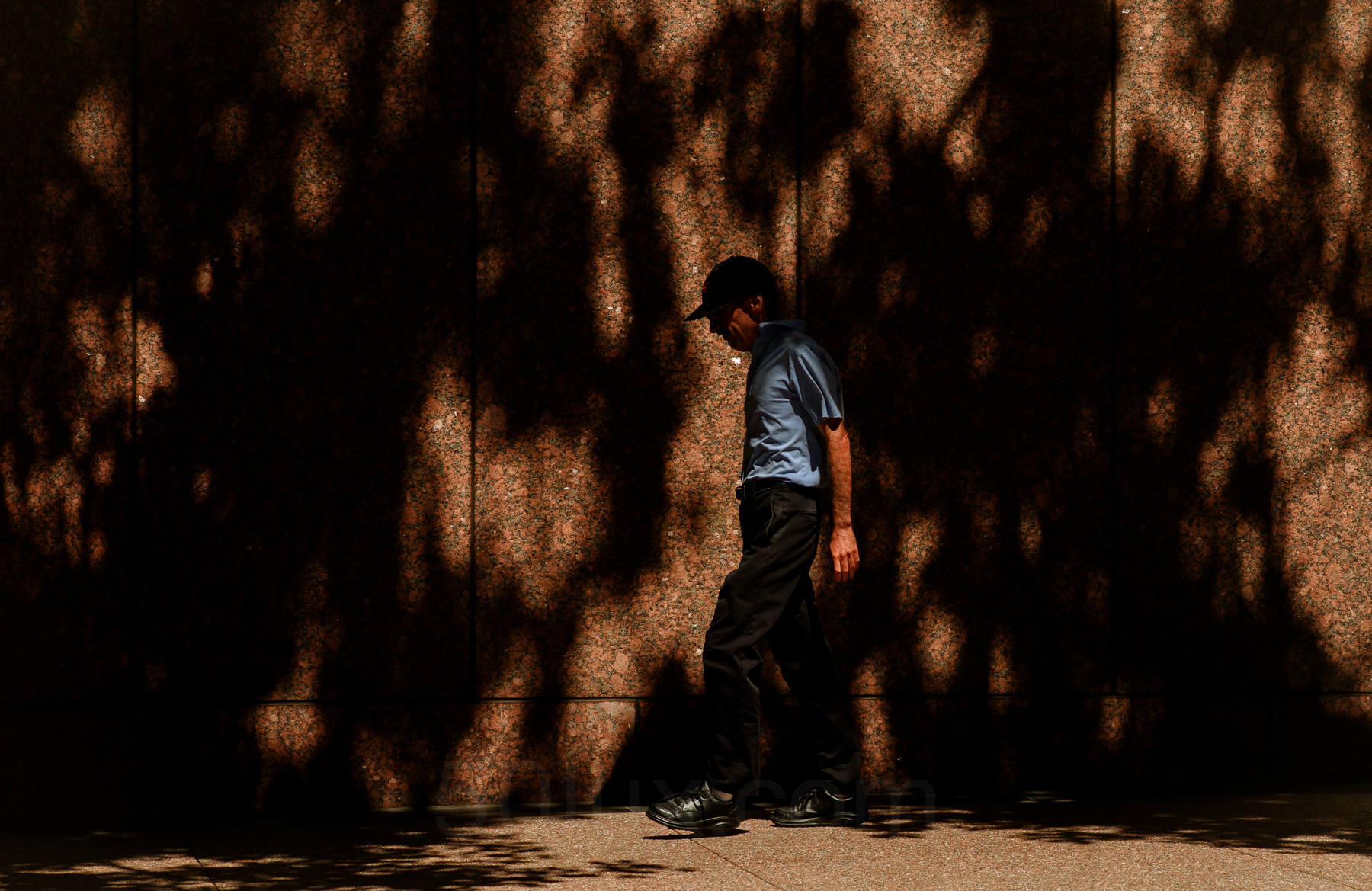

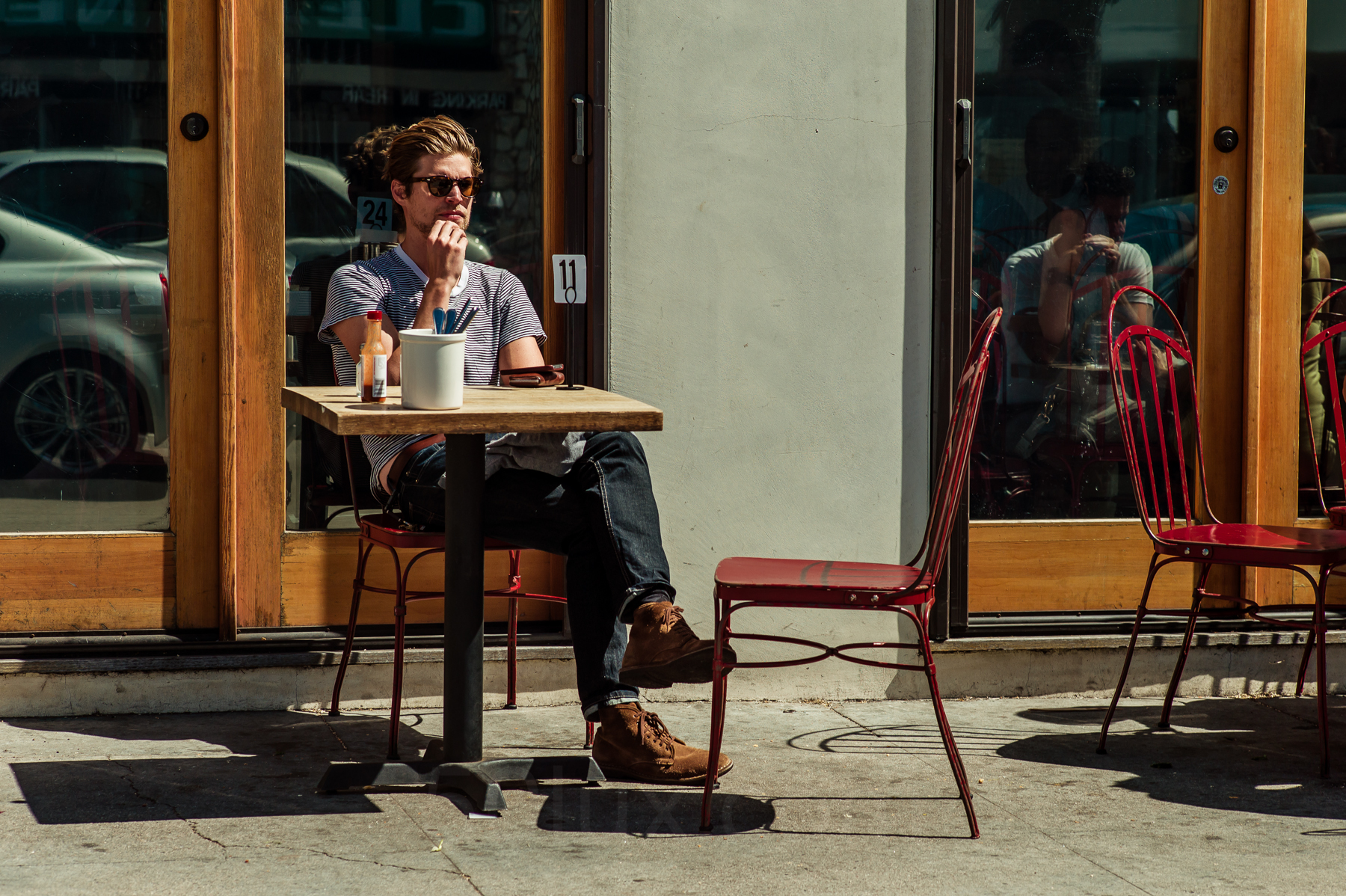
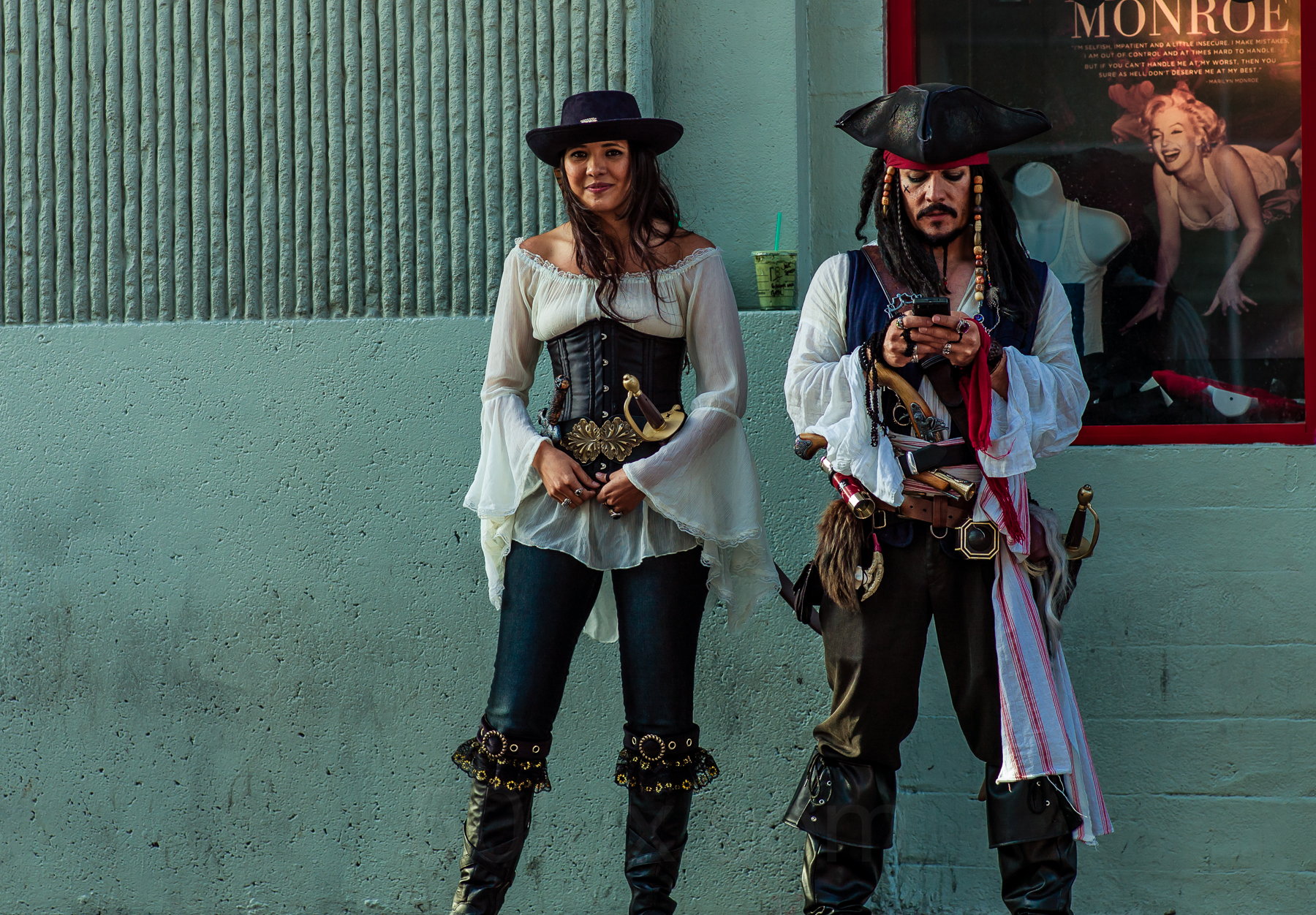

 Have to be very careful what I call my blog entries lest I incur the wrath of the Internet. 😉
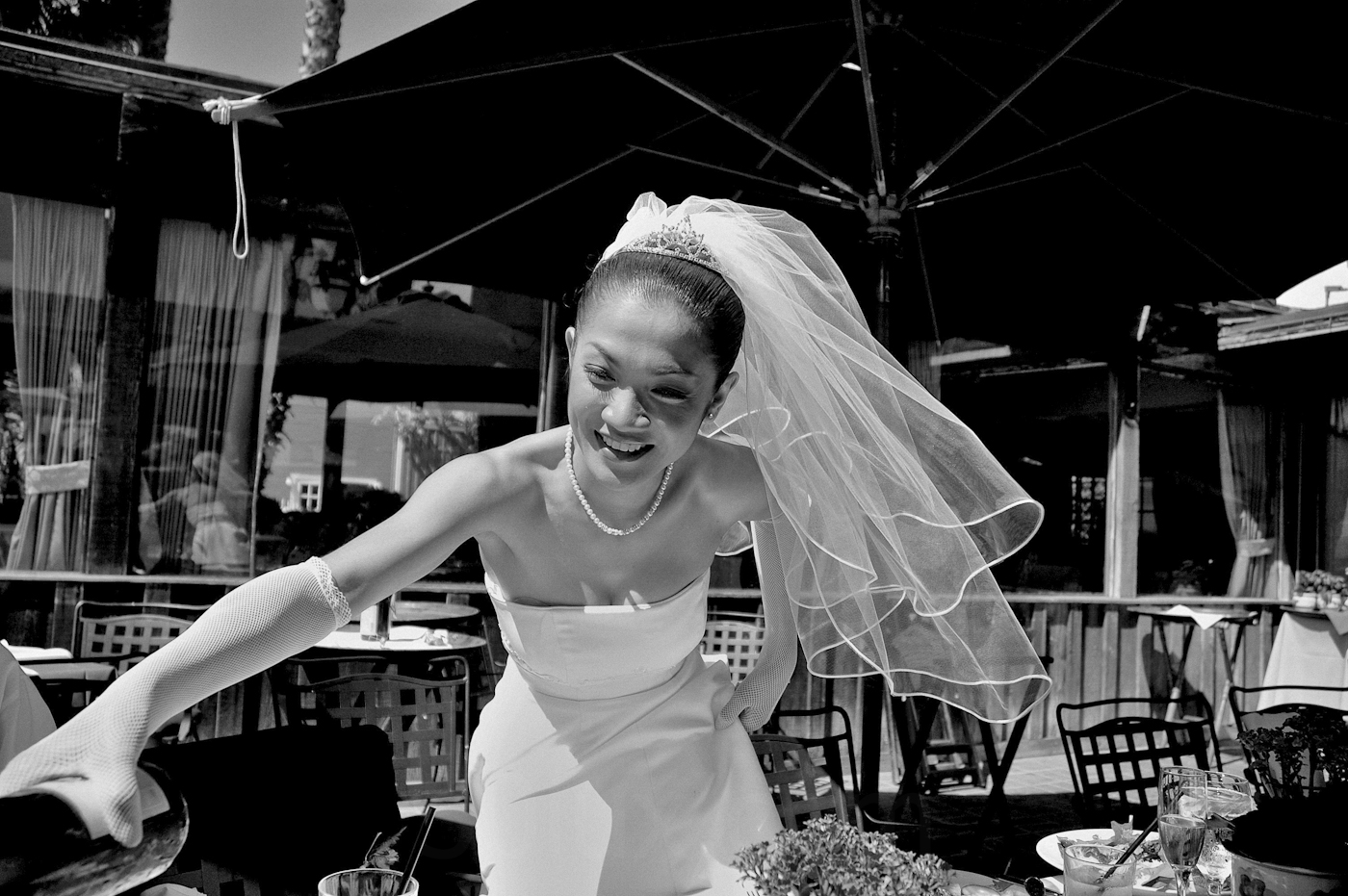 I’m going through some archive realignment ordeals lately but the upside is I am relocating older images as I go. These were all taken the few months with what was then a really hot number, Nikon’s big splash in the consumer enthusiast DSLR market, a camera that was a true game changer, the D70. Anyone remember custom tone curves?
Here are some of the shots I’ve always remembered for various reasons.
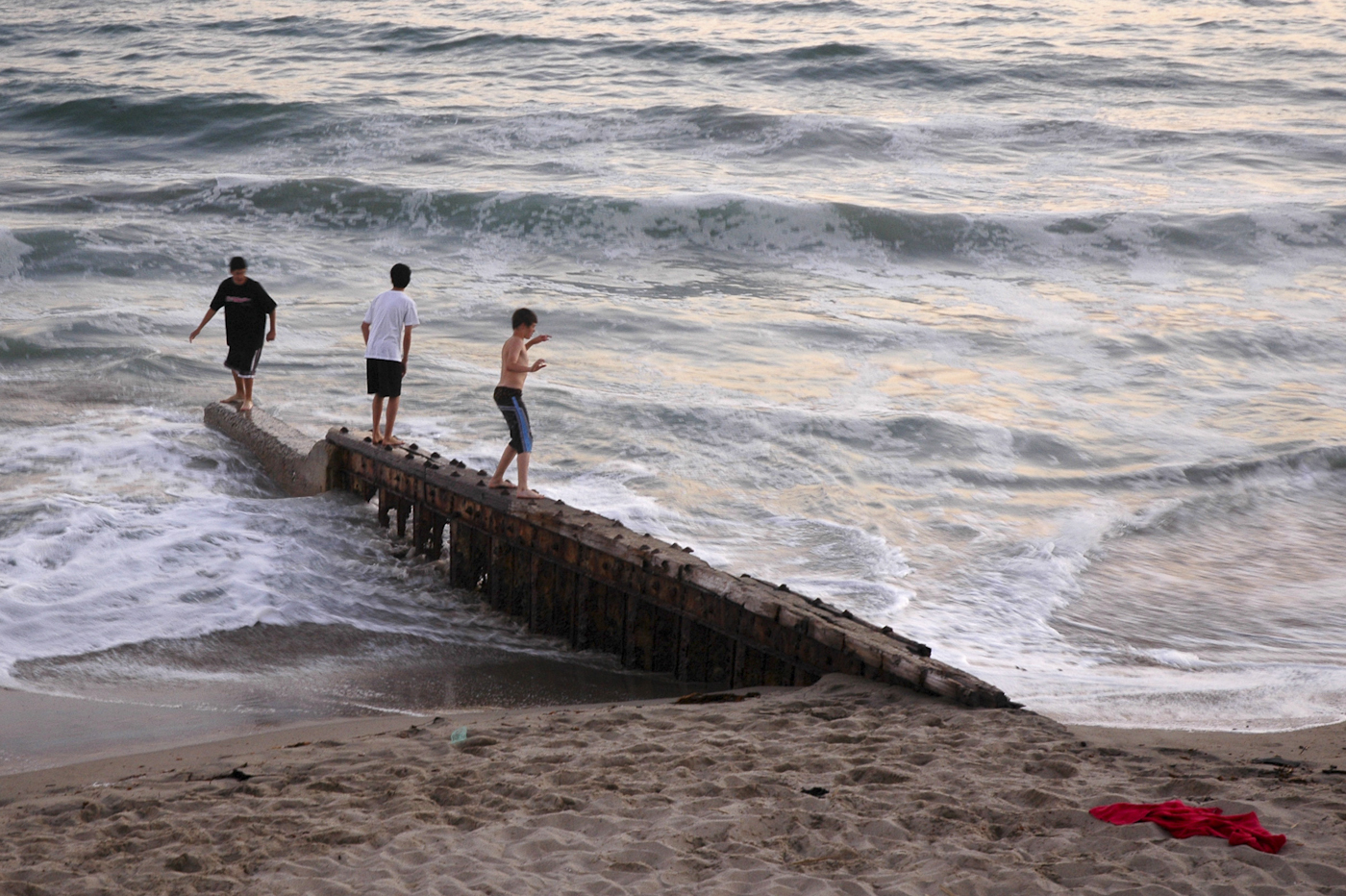


For the longest time, I’ve wondered, ‘Why don’t any of the wonderful people who follow my blog and like my posts ever post anything to THEIR WordPress blogs so that I can like and support THEIR stuff?”
Yes I did. Wonder. Such a thing.
Probably not as many times as someone in the world wondered, “Why doesn’t this self-centered schmuck ever hit ‘like’ on any of MY WordPress posts?”
Wow.
I even said to some fine fellow who was incredibly supportive of this blog and after many messages had passed between us, something like, “Gee, I’d love to see some of YOUR stuff sometime. Do YOU have your own blog or website?”
That was actually the last I spoke to him. Nothing at all after that question. The line went dead.
So I’m on this thing called The Reader yesterday, I’m sure you’ve all heard of it, scrolling down and thinking, “Wow, WordPress does a really nice job of selecting material from its tens of thousands of blogs just for me. I really like all this stuff. Good job of curating, WP!”
Then I see MY latest blog post. And NOW I’m excited. I said to my more significant other, “Honey, look! WordPress is featuring my post in The Reader.”
I did say that. Yesterday.
She was like, really? What does that mean? And I said, “Well, it means that probably everyone interested in photography will see my post in their Reader, it’s like being featured on the front page. Or something.”
(I probably shouldn’t be posting any of this. Do my face palm in silence and move on.)
But then, sharp detective that I am, I sez to myself, “Myself, this is going to mean a significant increase in traffic. Gird your loins, brother. This is your moment.”
My ship had finally come in. I thought.
But then when I checked my stats… 😦
I won’t drag this out any longer. Yes, I am obviously a self-centered schmuck. And I had seriously conflated The Reader with, “Freshly Pressed”
Somehow.
I just want to say now to all of you SO familiar names who have hung in there, liking my posts, THANK YOU for your patience with me. Seriously, thank you. I would like to say that I’m just so busy, there certainly is something busy going on inside my head, but I don’t think that’s the issue. I’ve always been this way. Conflating. Confusing.
I’ll give you one very early example. First grade. Catholic school. 1963. Sometime after the Christmas break. I was sent to the principal’s office, I can’t remember what for. Sister Victor was the principal. Yep, that was her name and that’s who she was. I vainly tried to make an excuse … something about the 3 months we had ‘off’ for the Christmas vacation.
You see, loyal readers, I had conflated SUMMER with the 10 days of Christmas break.
Sister Victor was not generally known as a forgiving nun and she snarled at me that we didn’t get three months off for Christmas and then a few minutes later threw me down a flight of stairs.
True story.
Anyway. I am sorry, fellow, WordPress photo-bloggers. I can see now that most of you really are posting YOUR stuff to your WordPress blogs and I am blown away at the quality and breadth of the great photography and creativity you all are putting forth into the world… and… I’m LIKING it all as fast as I can. 😉
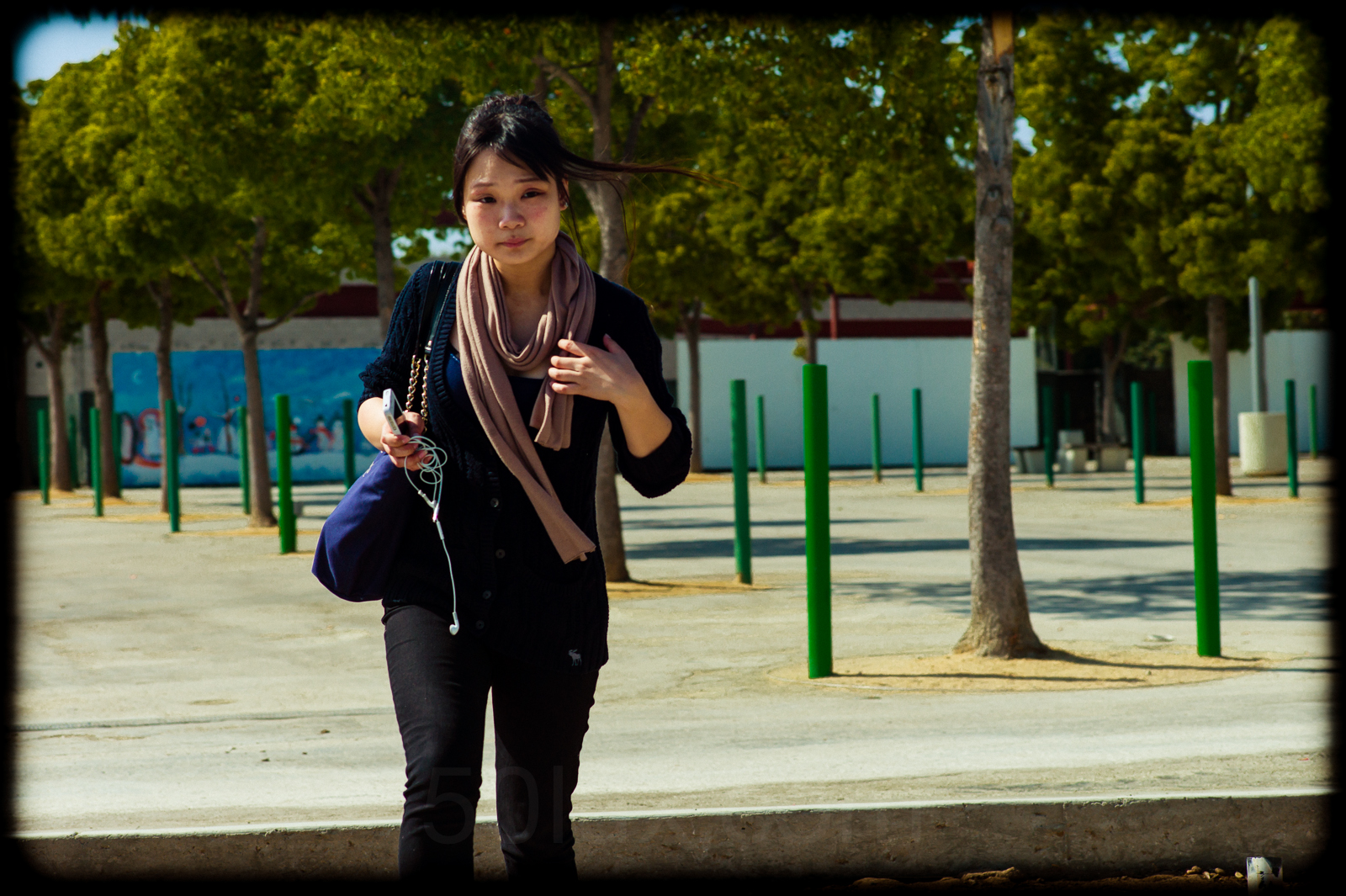

At any moment, it will always still be the 1920s in Hollywood. The light will never change. There’s nothing like the light in California. Throw on the right costume on the right bodice and hit the DNG with the right vintage black and white filter and anyone can be Mary Pickford. If only for a moment. The girl with the tattoo? That’s another story entirely.
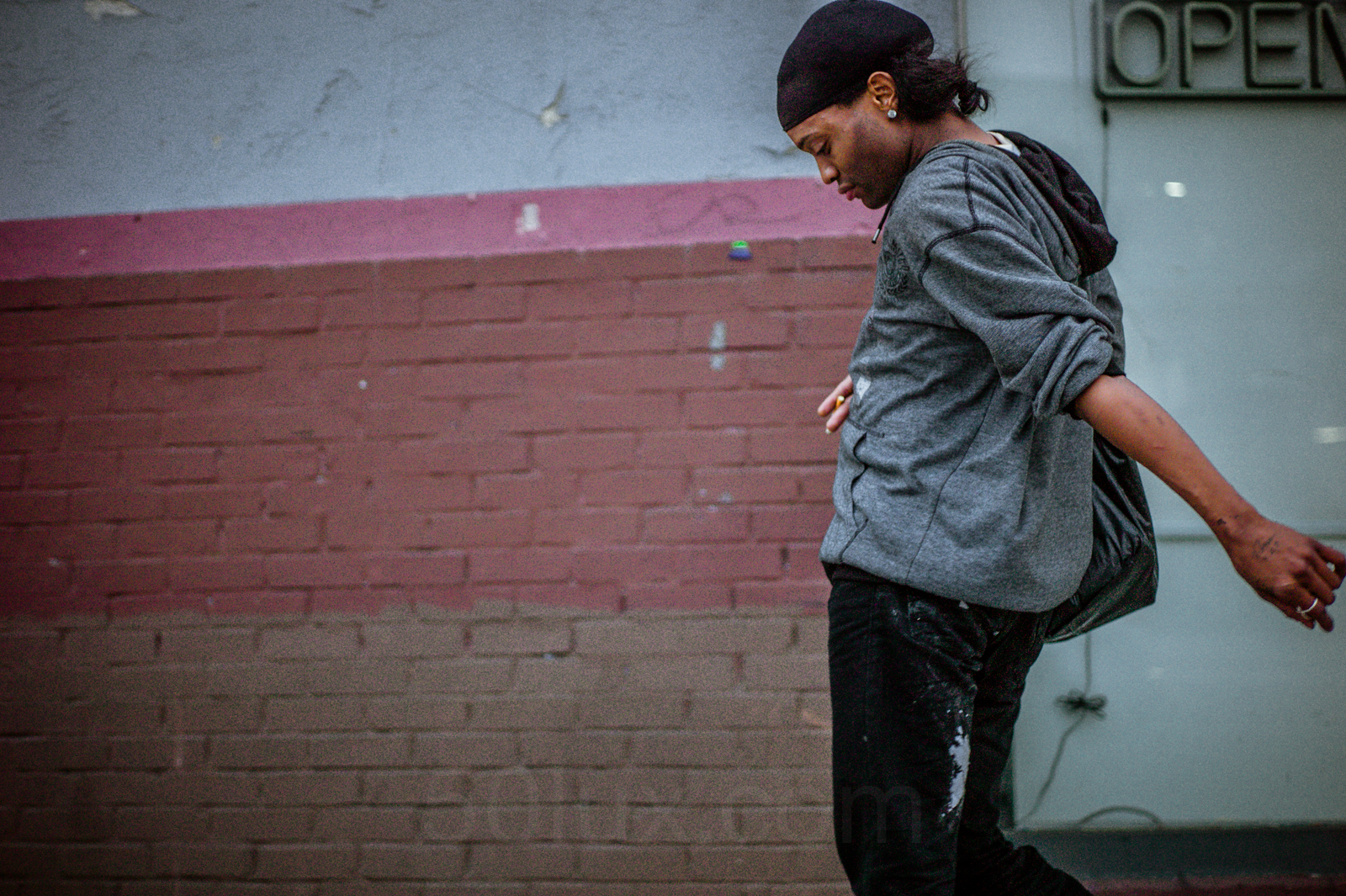


I shot an M7 with tons of drug store film for two years, scanned the negatives with a Plustek scanner. I think that impacts or influences my choices in post processing. Images like this look a lot like some of my film scans in similar light. Colors are maybe a little punchier. They don’t, at all, look like or remotely even remind me of the color results I got from my M9.
You’d have to ask the manufacturer of the camera as to why that might be. 😉
There seems to be so much mystery surrounding this subject in terms of clear and exact information from Leica. But that’s okay. I don’t care. For the most part, I remain very happy with the color results I get from my M-E. Every once in a while I seem to run up against a dead end where I can’t seem to shake the weird color casts, but that’s actually rather a rare occurrence. Happy times!


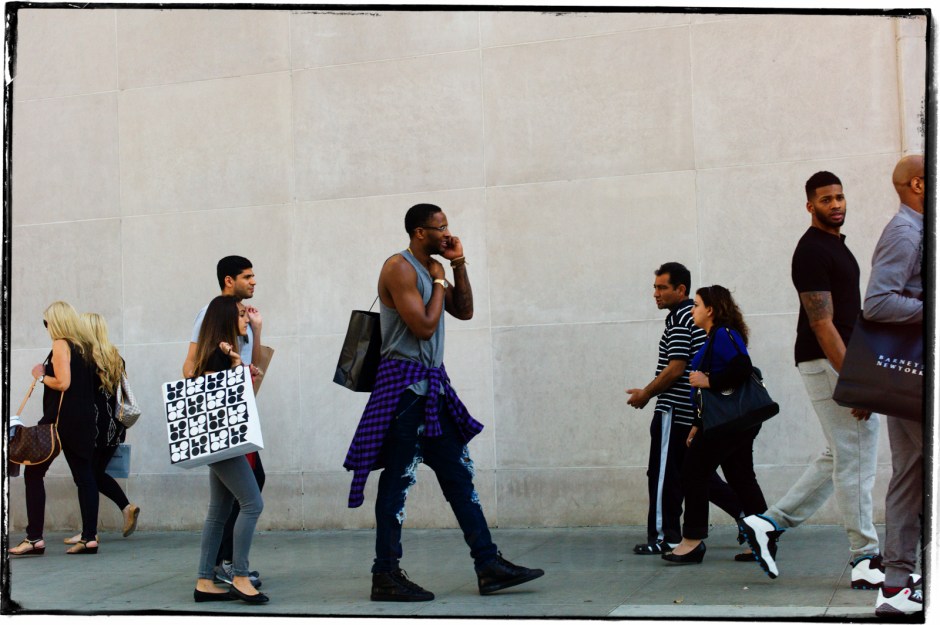

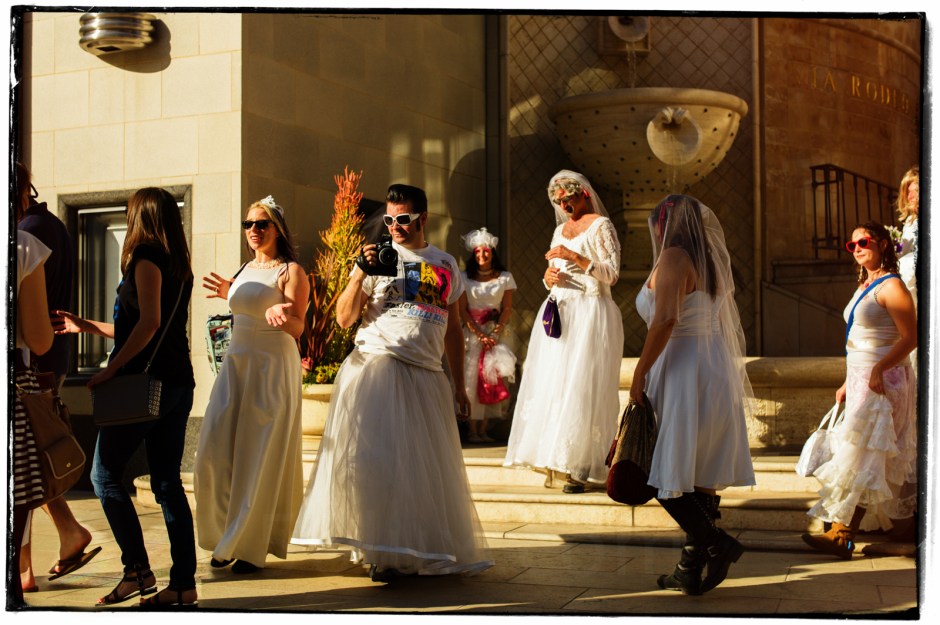
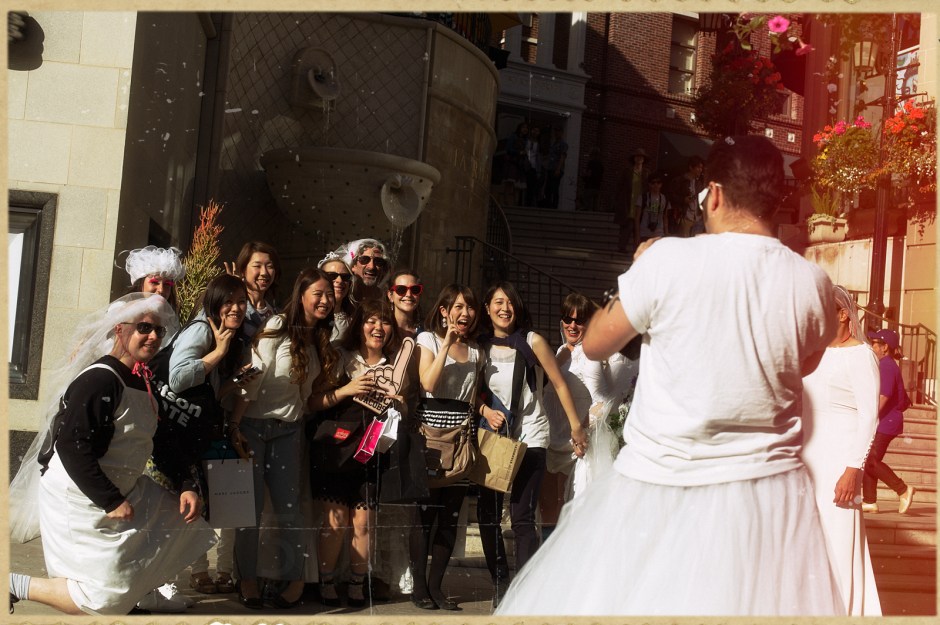
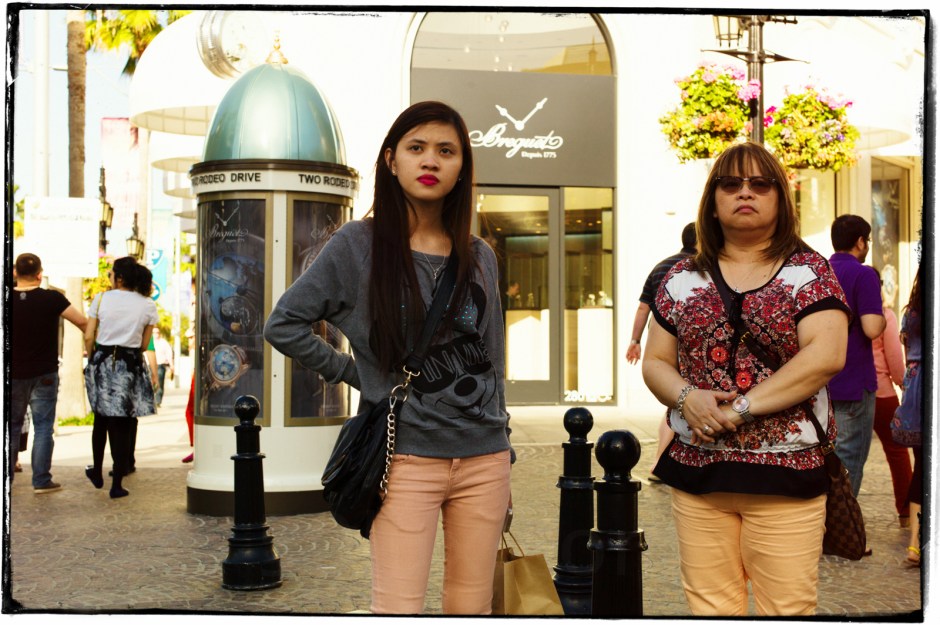
No, not the splendid cold war thriller on FX that began its second season last night. I want to talk a bit about the iconic book portraying 1950s America by Robert Frank that changed photography forever.
This will also give me a chance to introduce, to anyone who doesn’t know about it, what has been an incredible resource and source of inspiration over the years as I’ve grown more serious about my own photography. That would be the website known as AMERICAN SUBURB X.
ASX focuses on, I guess it’s safe to say, contemporary art photography and the work of the great 20th century icons of photojournalism and documentary photography as well. I can’t really even begin to relate the meaning that has been imparted to my mind, the holes that have been filled in my education, the understanding that has slowly and painfully made its way into my heart, digging through ASX.
Okay, let’s do this. I’d known about Frank’s seminal work for years and mostly through ASX had read here and there a number of essays and analysis pieces on The Americans. I thought I understood the book. Thinking about it from a post-1960s (when I grew up) perspective it didn’t really appear to me to be a work that offered the sort of photographic worldview changing experience the book’s peerless reputation clearly suggested it should.
Probably suggested is a bad word choice there as the book’s reputation comes down, through the decades of photographic history, just a little bit like a sledgehammer.
But I loved the collection of images (as stupid as that might sound) and I did understand it all to be an intentionally unflattering look at American culture. Well, big deal. I do understand the primacy of anything that manages to be the first major effort that opens the world’s eyes to a new way of looking at itself. But I grew up in the counter culture of 1960s and 70s America. This book was published in the US when I was 2 years old. America and its culture had and has been taking its well earned and justified knocks before I was even out of diapers.
To say I’m used to it is an understatement. All I’ve ever known is a world in which the the United States has had its scathing critics, always there nipping on the heels of things like national pride and patriotism and capitalism and militarism etc.
And, as an ex-hippy, I’m down with all of it. Man.
So I respected The Americans for being a pioneer work and, also, simply because I liked the images.
Then one day, browsing ASX, I happened upon yet another essay on Robert Frank and his book that was itself already a couple of decades old.
I remember reading it in the middle of the night. The spooky wee smallest of the wee small hours. But I knew that what I was reading was outrageous to my mind and changing me forever as I read it.
Cleverly, ASX’s website seems to prevent copying (and that problematic subsequent pasting) of text from their site. That’s okay. You can all read the essay here.
But then again, I do have skills. Here are some selected quotes… certainly NOT the most impactful paragraphs… but just something to whet your appetites, maybe.
“Robert Frank’s The Americans, which I think is the most important single effort in photography in this century, is also the most enigmatic. For 24 years the book has remained nearly impenetrable. There has seldom been any question of its intensity, its cohesiveness, or its uniqueness. The question has been what it is about.
“To realize the extent to which the content of the 83 photographs in The Americans has been glossed over one can look at what has been said about it over the years. For the most part, criticism as well as enthusiasm has centered on Frank’s style of photography and on its formal aspects. Until recently, no one delved into the content of his pictures.
“And in 1978 Szarkowski noted the difficulty younger photographers would have in understanding “how radical Frank’s book was when it first appeared.”
“But these accolades do little to explain how the book was important — except in terms of its revolutionary style — and they say nothing about what the images in it mean.
“Today the pictures no longer shock us. Today only one quality stands out — their muteness. Twenty-four years later, those images still never describe fully, never seem to make a clear point.
“When I first saw work from the The Americans I could make no sense of it. It wasn’t political. It wasn’t an exposé. It seemed only to deal in street photography enlightened by some perverse sense of humor, at times pervaded with an undirected melancholy.
“Only when I was told that this was the work of a Swiss national did it make sense — and then instantly.”
Well. As cliche as it might sound I never looked at photography the same way again after reading this essay. Not my own, not anyone else’s. It did the most amazing job of, finally, sorting things out for me. I didn’t care about the same things that MOST other photographers care about, anymore.
But beyond photography, because I’m an incredibly political person (for a person who doesn’t involve himself in politics in any way) this essay on ASX explained something of the dynamic that exists between Europeans and their culture, Americans and the culture we do have as well as our many voids, and more than any of that, the dynamic that exists between Europeans and Americans themselves.
Okay. Honestly, the rest here is largely up to you the inquisitive (I hope) visitors to my site. The link is there. The piece is long. It is sumptuous and contemptuous. I think it is painfully honest. When I first read it I guarantee you my blood pressure and respiration changed. I changed.
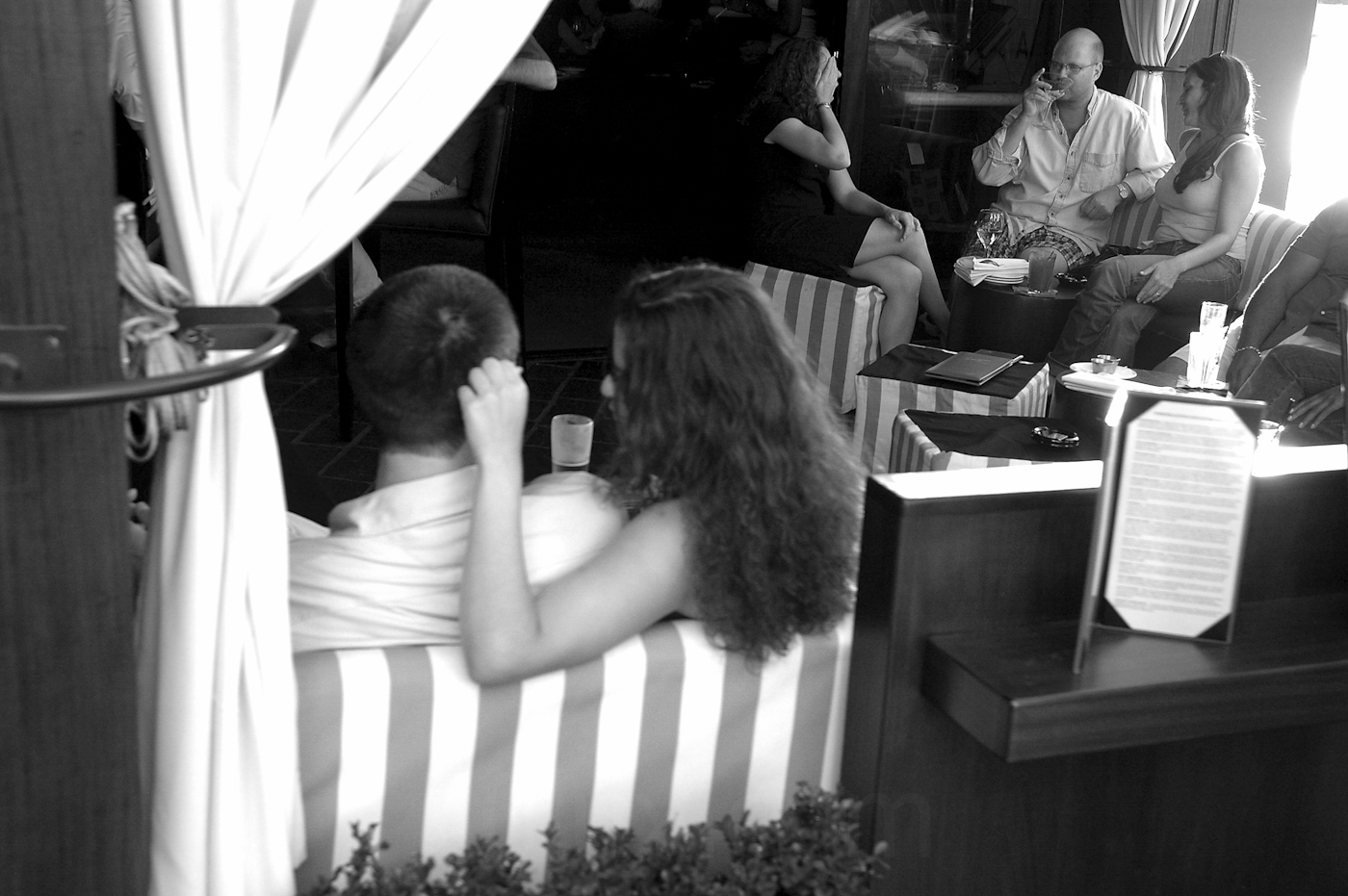
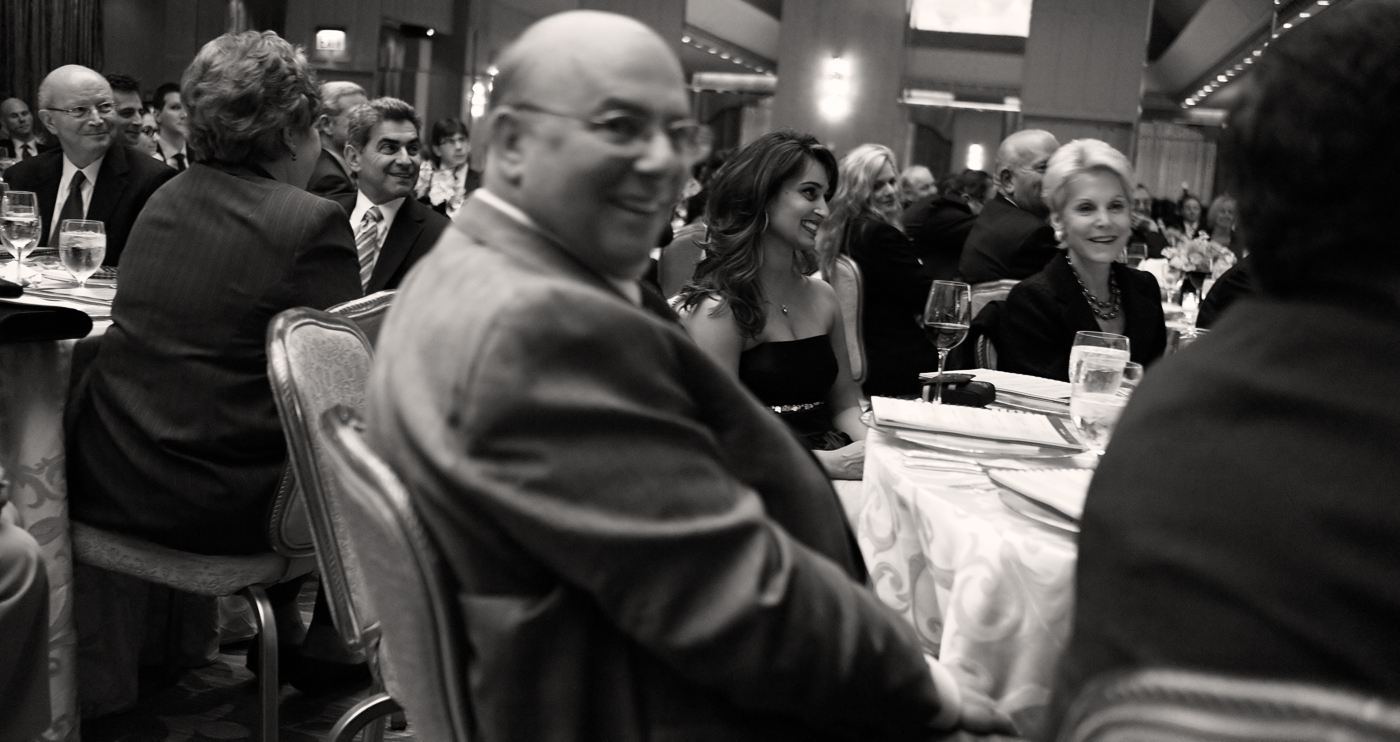
Okay. The image at the top. This picture was taken a week (or two) after I first bought my Leica M9. Anyone familiar with The Americans will recognize it as a reference to one of the most controversial (photographically) images in that book. That of the starlet at the premier on Hollywood Blvd. Enough on that. It’s pathetic in comparison to Robert Frank’s photography but… it’s still a pretty good shot… so whatever.
In the far left hand top corner of the image is a European who became an American. He’s since passed away. He was, by all accounts, a great doctor and the COO of one of the largest hospital systems in the US. The night before this image was taken we all shared a much more intimate dinner setting and he was admiring my new Leica M9 as only a European might.
We got to talking about things and the differences between the United States and Europe. I was at that time fresh off having my world view of Americans versus Europeans changed forever by the aforementioned ASX article and I was thrilled to be explaining it all to an actual cultured European.
Achilles was so kind as he smiled and deflated my hostility towards my own country. He praised America and explained that, while it is true, Europeans have many cultural advantages, they also suffer greatly from many entrenched and intransigent realities that we Americans are not saddled with. He said that most people around the world admire and are inspired by and aspire to much of what America has to offer.
Okay. That helped, actually. Because before that… I was pissed. 😉
But my perspective on photography and what it could be used for and had been used for was changed forever by what I can only describe as a more complete understanding of Robert Frank’s The Americans that I came to have after reading this essay.
Please enjoy and please visit American Suburb X frequently. I’m sure it will benefit your photography and your perspective as it has mine.
 50'Lux